


The Preventive Wellness Strategy That Reduces Cancer Risk
A strategy to reduce cancer risk through lifestyle.
A strategy to reduce cancer risk through lifestyle.
%402x.svg)
The word “cancer” carries a weight like few others. For generations, it has felt like a sudden, unavoidable storm—a diagnosis that arrives with little warning, leaving us feeling powerless. But what if the narrative is changing? What if we could move from a paradigm of fear and reaction to one of empowerment and prevention? Emerging science is painting a clear and hopeful picture: a significant portion of cancer risk is not written in an immutable genetic code but is influenced by our daily habits, our environment, and the intricate rhythms of our body. Cancer prevention is no longer a vague aspiration; it is becoming a measurable, data-driven strategy.
The cornerstone of this new paradigm is preventive wellness—a proactive, holistic approach to health that seeks to optimize your body’s internal environment to make it resistant to disease long before any pathology can take root. This is not about extreme diets or biohacking fads. It’s about understanding the fundamental pillars of health—sleep, nutrition, movement, stress, and metabolic function—and building a sustainable lifestyle that supports them. It’s about listening to the subtle, continuous signals your body sends and learning to respond with intention.
This is where modern technology, specifically advanced health-tracking wearables like smart rings from pioneers such as Oxyzen, transforms theory into practice. Imagine having a 24/7 guardian that quantifies your sleep quality, measures your stress through heart rate variability, tracks your activity and recovery, and even monitors your temperature trends. This isn’t just data; it’s a personalized blueprint of your health. It reveals how your lifestyle choices directly impact your physiology, allowing you to make informed, precise adjustments. It turns the abstract concept of “living healthier” into a tangible, guided journey. As you’ll discover in this comprehensive guide, the intersection of cutting-edge science and personal biometrics is where true preventive power lies, offering a credible and actionable path to reducing one of our greatest health fears.
For decades, the public conversation around cancer has been dominated by two themes: treatment and early detection. We have made monumental strides in both. Therapies are more targeted, survival rates for many cancers have improved, and screening tools like mammograms and colonoscopies save countless lives by catching malignancies early. This “find and fight” model is crucial, but it is inherently reactive. It waits for the disease process, however nascent, to begin.
A paradigm shift is now underway, driven by an explosion of research in epidemiology, molecular biology, and lifestyle medicine. The focus is pivoting to the space before cancer starts—the years and even decades where daily choices either fuel or extinguish the biological sparks that can lead to malignancy. The American Cancer Society estimates that 42% of all cancer cases and 45% of cancer deaths in the United States are linked to modifiable risk factors. These aren't minor contributors; they are the main drivers for a vast number of people.
This science moves us beyond simplistic "cancer-fighting superfood" headlines into a sophisticated understanding of the terrain of the body. The "Seed and Soil" hypothesis, first proposed over a century ago, is more relevant than ever. Cancer cells are the "seeds," but they can only grow if they land on fertile "soil"—a body environment characterized by chronic inflammation, hormonal imbalance, immune dysfunction, and metabolic disarray. Our lifestyle directly cultivates this soil.
The modern preventive wellness strategy is about making that soil as inhospitable as possible to cancerous seeds. It addresses the core physiological processes that underpin cancer development:
This isn't about guaranteeing you'll never get cancer—some factors, like inherited genetic mutations, remain beyond our control. It's about dramatically shifting the odds in your favor. It’s about building a robust, resilient biology that is less vulnerable. The most powerful part? You don’t need a prescription to start. The tools are your daily choices, and your guide is the data from your own body. By understanding and optimizing the metrics that define your health terrain, you take the reins of your long-term wellbeing in a way that was unimaginable just a generation ago. For a deeper dive into how technology enables this personalization, the insights on how health tracking technology enables personalized wellness are invaluable.
Knowledge is power, but in health, personalized knowledge is precision power. Guessing about your health is ineffective. Feeling like you "probably slept okay" or that your stress is "manageable" leaves far too much room for error. The preventive wellness strategy is grounded in objective, personalized biometric intelligence—a continuous stream of data that tells the true story of your body's state.
This is the revolutionary role of advanced health wearables, particularly smart rings. Devices like those from Oxyzen are engineered to move beyond simple step counting. They act as non-invasive window into your autonomic nervous system and core physiological processes. By wearing one, you gain access to a dashboard of your foundational health metrics:
Why is this data your first line of defense? Because it provides contextual, causal feedback. You can see, in clear terms, that the night after two glasses of wine, your deep sleep plunges and your nighttime heart rate spikes. You can observe that a high-stress workweek tanks your HRV for days. You can prove to yourself that a consistent 30-minute walk improves your sleep quality.
This feedback loop transforms behavior. It makes the invisible, visible. Instead of vaguely "trying to sleep better," you have a quantifiable goal and can test which wind-down routines actually move the needle on your deep sleep percentage. This is the essence of a data-informed preventive strategy: using your unique biometrics to craft a lifestyle that actively cultivates health and resilience. For beginners looking to start this journey, a resource like wellness ring basics for beginners can be an excellent first step.
If you had to choose one single behavior to optimize for cancer prevention, sleep would be the strongest contender. Sleep is far from a passive state; it is an intense period of biological maintenance and repair. During deep sleep (slow-wave sleep), your body enters a state of heightened anabolism (building and repair). Growth hormone is released, which facilitates tissue repair. Your brain’s glymphatic system kicks into high gear, clearing out metabolic waste products that accumulate during the day.
Crucially, sleep is prime time for DNA repair. Cellular damage from ultraviolet light, radiation, and environmental toxins occurs constantly. A network of DNA repair enzymes works overnight to correct this damage. Disrupted or shortened sleep curtails this critical repair work, allowing errors to accumulate. Some of these errors can be the initiating mutations for cancer.
Furthermore, sleep regulates key hormones. It suppresses cortisol (the stress hormone) and optimizes the production of melatonin. Melatonin’s role extends far beyond making you drowsy; it is a potent antioxidant and has demonstrated oncostatic (cancer-inhibiting) properties in research, particularly for hormone-sensitive cancers like breast and prostate cancer. Light exposure at night, especially blue light from screens, brutally suppresses melatonin production, removing this protective shield.
The Biometric Connection: This is where a smart ring becomes an indispensable sleep coach. It doesn’t just track duration; it analyzes the architecture of your sleep. You’ll see your precise deep sleep and REM sleep totals. You can correlate your sleep quality with your daily "readiness" score. Most importantly, you can run experiments:
By mastering sleep, you ensure your body gets its full, nightly reset. You maximize DNA repair, optimize protective hormone cycles, and drastically reduce systemic inflammation. It is the non-negotiable foundation upon which all other preventive pillars rest. For more on building a sleep-supportive routine with technology, explore our blog for additional resources.

The adage "you are what you eat" takes on profound meaning in cancer prevention. Nutrition isn't just about calories or weight; it's about the biochemical signals you send to your cells with every meal. The goal of a preventive diet is twofold: to provide an abundance of protective, anti-inflammatory compounds, and to avoid the dietary drivers of cancer-friendly terrain.
The core of this approach is managing insulin and blood glucose. Chronically high blood sugar and insulin levels (a state of insulin resistance) create a fertile environment for cancer. Insulin is a growth hormone, and many cancer cells are covered in insulin receptors, using it to fuel their rapid proliferation. A diet high in refined carbohydrates and sugars keeps this growth signal perpetually switched on.
Therefore, a preventive diet emphasizes:
The Biometric Connection: How do you know if your diet is working for you? Subjective feelings can be misleading. Biometric data provides objective feedback. A smart ring can track how your dietary choices impact two key metrics:
This turns nutrition from a game of guesswork into a science. You learn which foods truly "fuel" your body for optimal recovery and resilience, and which ones create physiological stress. It empowers you to build a diet that doesn't just avoid harm, but actively builds health from the cellular level up.
Exercise is a well-established pillar of health, but for prevention, the type, intensity, and timing of movement matter immensely. The goal is to harness the powerful anti-cancer benefits of exercise—improved insulin sensitivity, reduced inflammation, enhanced immune surveillance, optimized sex hormone metabolism—while avoiding the pro-inflammatory, immune-suppressing effects of chronic, unrecovered strain.
This creates a strategic paradigm:
The Biometric Connection: This is where generic workout plans fail. Your body's readiness to perform and its need for recovery change daily based on sleep, stress, and nutrition. A smart ring provides the essential metric to navigate this paradox: your daily readiness score.
This score, derived from your HRV, RHR, and sleep data, tells you if your nervous system is primed for strain or in need of rest. The data-driven approach looks like this:
By aligning your activity with your body’s actual capacity, you maximize the anti-cancer benefits of exercise while systematically avoiding the pitfalls of chronic stress. You move from following a rigid calendar to engaging in a dynamic conversation with your physiology. For those curious about how activity tracking has evolved to support this, the story of the evolution of health tracking technology is fascinating.
Pillar 4: Taming the Silent Killer—A Data-Driven Approach to Stress
Stress has shed its ephemeral reputation and is now recognized as a potent physiological disruptor with direct links to cancer risk. Acute stress is a normal, life-saving biological response. The problem for modern humans is chronic stress—the unrelenting, low-grade activation of the hypothalamic-pituitary-adrenal (HPA) axis. This keeps cortisol and adrenaline elevated, creating a cascade of damaging effects:
The Biometric Connection: You cannot manage what you do not measure. A smart ring provides the gold-standard, objective measure of your stress load and nervous system state: Heart Rate Variability (HRV). Your HRV is like a real-time EKG of your autonomic nervous system balance.
By monitoring your HRV trends, you can:
This transforms stress management from a guessing game into a precision skill. You learn to respect your body's limits and invest in its resilience, actively defending against one of the most pervasive modern drivers of disease. To understand how this technology is used in more clinical settings, consider how health tracking technology is being integrated into hospitals.
Pillar 5: Circadian Rhythm Optimization—Aligning with Your Biological Clock
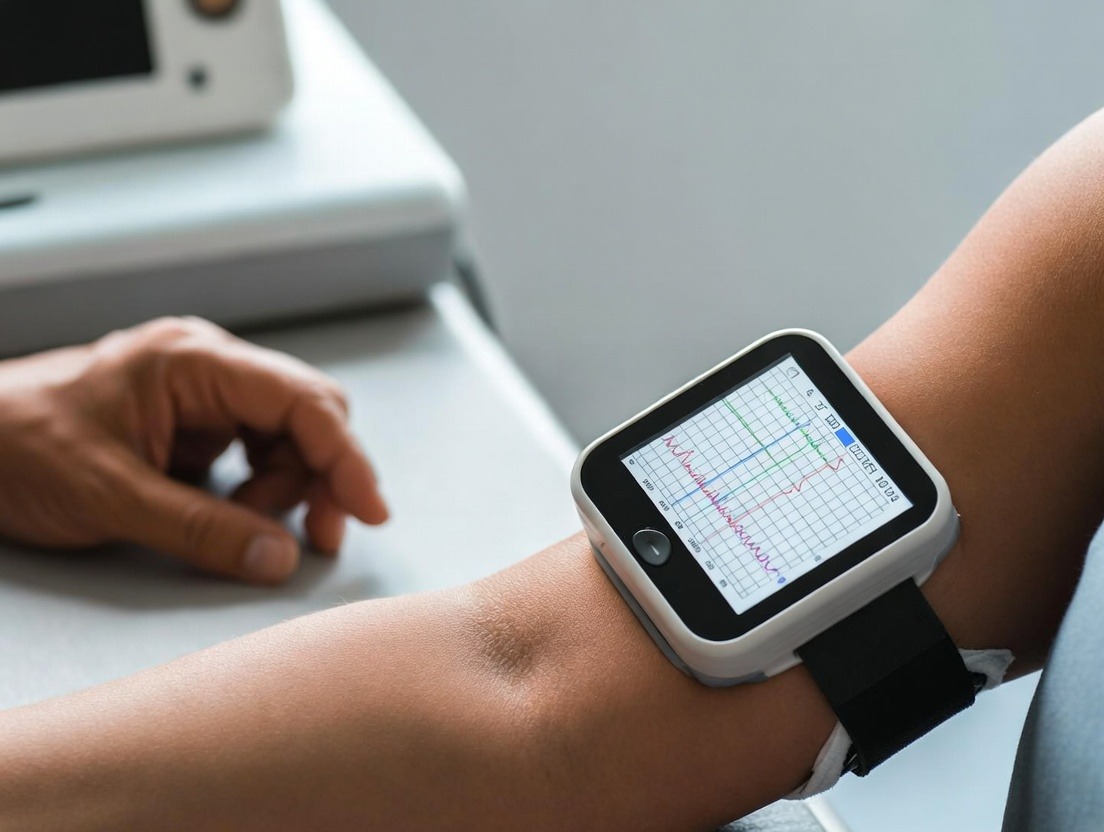
Your body is not a simple on/off switch. It operates on a intricate 24-hour cycle known as the circadian rhythm, governed by a master clock in your brain (the suprachiasmatic nucleus) and peripheral clocks in every organ. This rhythm regulates everything from hormone release (cortisol, melatonin) and metabolism to cell division and DNA repair. When your external lifestyle is misaligned with this internal timing—a state known as "circadian disruption"—you dramatically increase your risk for numerous cancers.
Shift work, which the World Health Organization classifies as a probable carcinogen, is the most extreme example. But milder forms are ubiquitous in modern life: late-night screen use, erratic eating schedules, inconsistent bedtimes, and lack of morning sunlight exposure. Disruption leads to:
Optimizing your circadian rhythm is about creating strong, consistent time cues (zeitgebers) for your biology.
The Biometric Connection: A smart ring provides powerful tools to measure and improve your circadian alignment:
By reviewing your biometric trends, you can answer key questions: Is my lifestyle allowing for a strong, clear circadian signal? Are my meals and exercise timed to support my metabolic rhythm? This data empowers you to structure your day in harmony with your biology, turning time into a therapeutic tool for prevention.
Pillar 6: Metabolic Health—Monitoring the Core Engine of Prevention
Metabolic health is the efficient, flexible functioning of your body's energy systems. It means your cells can readily use glucose or fat for fuel, your insulin sensitivity is high (so little insulin is needed to manage blood sugar), and your mitochondria (cellular power plants) are healthy and numerous. Metabolic dysfunction—characterized by insulin resistance, high blood sugar, and fatty liver—is a central pillar of the pro-cancer terrain.
Why? Because cancer cells are metabolic opportunists. They often rely on a less efficient form of glucose metabolism (aerobic glycolysis), even in the presence of oxygen (the Warburg effect). A body with high baseline blood glucose provides them with a ready fuel supply. Furthermore, insulin and its related growth factor (IGF-1) act as powerful accelerators for tumor growth.

The Biometric Connection: While a smart ring doesn't directly measure blood glucose, it provides powerful proxy metrics that are intimately linked to your metabolic state:
By focusing on these core biometrics—striving for a lower RHR, a higher and more stable HRV, and excellent sleep—you are creating the physiological conditions for optimal metabolic health. You are making your body an inefficient host for cancer cells that thrive on metabolic dysfunction. For a comprehensive look at the accuracy behind these measurements, the accuracy revolution in health tracking technology is worth exploring.
Pillar 7: Environmental & Lifestyle Exposures—The External Levers
Our internal terrain is constantly shaped by external inputs. A comprehensive preventive strategy must address the modifiable environmental and lifestyle factors that are known carcinogens or contribute to a toxic internal environment. Biometric intelligence helps you understand your personal sensitivity to these exposures.
Key areas include:
The Biometric Connection: This is where your wearable becomes a personal biofeedback lab. You can test the physiological impact of these exposures on your system.
This data empowers you to make informed, personalized trade-offs. It turns abstract health advice into a clear, cause-and-effect relationship that you can witness in your own body, strengthening your commitment to minimizing harmful exposures.
Pillar 8: Community, Purpose, and the Social Determinants of Resilience
Human beings are not isolated biological machines. Our health is inextricably linked to our social connections, our sense of purpose, and our mental and emotional wellbeing. Loneliness and social isolation are now recognized as significant health risks, on par with smoking and obesity. Conversely, strong social ties and a sense of meaning are associated with lower inflammation, better immune function, and longer, healthier lives—all factors in cancer prevention.
Chronic loneliness and despair can create a physiological state akin to chronic stress: elevated inflammation, suppressed immunity, and poor health behaviors. Purpose and connection, on the other hand, provide a buffer against life's stressors and motivate healthy choices.
The Biometric Connection: While a ring can't measure your friendships, it can measure the physiological signature of your emotional and social state. It provides a bridge between the subjective and objective.
By paying attention to how your social and emotional life reflects in your data, you are encouraged to invest in relationships and activities that nourish you. This completes the preventive wellness picture, recognizing that we prevent disease not just with nutrients and exercise, but with love, community, and meaning. The Oxyzen brand was built on a vision & values that understands this holistic connection.
Understanding each preventive pillar in isolation is powerful, but the true magic—and the core of an effective strategy—lies in their powerful synergy. Your body is a dynamic, interconnected system, not a collection of separate parts. A change in one area creates cascading effects throughout the entire network. This is why a piecemeal approach often fails, while a holistic, data-informed strategy succeeds spectacularly.
Consider the cascade triggered by just one night of poor sleep, as vividly captured by a device like the Oxyzen ring:
One weak pillar—sleep—compromised nutrition, movement, stress resilience, and metabolic function. Conversely, strengthening one pillar fortifies the others. A week of consistent, high-quality sleep will make it easier to choose nutritious foods, give you energy for exercise, improve your stress resilience (higher HRV), and enhance your metabolic flexibility.
The Biometric Connection as the Unifying Thread: This is where continuous health monitoring becomes the essential command center for your synergistic strategy. Your smart ring’s dashboard doesn’t show siloed data; it shows the interplay. You don’t just see "poor sleep." You see the direct line from that poor sleep to your elevated resting heart rate the next day, your lowered activity score, and your diminished readiness for stress.
You can run holistic experiments:
By observing these interactions through your own biometric lens, you learn to manage your health as a complex system. You stop asking, "What's the one thing I should do?" and start asking, "Based on my current data, which pillar, if strengthened today, will have the most positive ripple effect through my entire system?" This systemic mindset is the hallmark of a mature, effective, and sustainable preventive practice. For practical ways to build the habits that support this synergy, our guide on how wellness rings help build healthy habits offers actionable steps.

Armed with the knowledge of the pillars and their synergy, the next step is translation: turning insights into a personalized, daily protocol. There is no universal prescription. Your perfect protocol is a unique algorithm based on your genetics, lifestyle, responsibilities, and—critically—your continuously evolving biometric feedback.
This process moves through distinct stages:
1. The Baseline Assessment (The 2-Week Audit):
Before changing anything, wear your smart ring consistently for two weeks while living your normal life. This establishes your honest baseline. Don't try to be "good." The goal is to capture the true picture: your average sleep duration and quality, your typical HRV range, your activity patterns, and how your body responds to your current diet and stress. This data is your starting coordinates on the map to better health.
2. Identifying Low-Hanging Fruit (The Quick Wins):
Analyze your baseline data for the most glaring, fixable issues. These are often the most demoralizing aspects of your health that can yield the fastest improvements. Common examples include:
Addressing just one of these with a focused, data-tested intervention (e.g., instituting a digital sunset, switching to a protein-rich lunch, or fixing your wake time on weekends) can produce dramatic improvements in your metrics within days, building crucial momentum.
3. Implementing & Iterating (The Scientific Method for Your Life):
This is the continuous core of your protocol. You formulate a hypothesis, test it, and measure the results.
You systematically apply this process to each pillar, using your biometrics as the objective judge. This is how you discover your personal optimal bedtime, your ideal exercise timing, the foods that fuel versus inflame you, and the stress-reduction techniques that actually move your HRV needle.
4. The Dynamic Protocol:
Your protocol is never "done." It evolves with your life. A new job, travel, seasonal changes, or increased training loads will all require adjustments. Your smart ring data serves as your early-warning system and your guide for these adjustments. A sustained drop in HRV tells you it’s time to deload and prioritize recovery. Consistently poor sleep during travel prompts you to refine your "sleep kit" routine.
This data-driven, iterative approach removes the guesswork, dogma, and frustration from lifestyle change. It empowers you to become the expert on your own body, crafting a living, breathing protocol that actively builds your cancer-resistant terrain day by day. For those ready to dive into the technical mastery of their device, the guide to wellness ring mastery from unboxing to expert user is the logical next step.

While consumer wearables provide groundbreaking insights into physiological patterns and stress/recovery states, they are one part of a comprehensive preventive strategy. They excel at showing you the functional state of your nervous system and sleep. For a complete picture, this data should be contextualized with advanced blood, saliva, and stool biomarkers that provide a molecular snapshot.
This is where partnership with a forward-thinking healthcare professional—a functional medicine doctor, integrative oncologist, or naturopathic physician—becomes invaluable. They can help you interpret your wearable data in concert with deeper testing:
The Powerful Synergy: Imagine bringing your 90-day Oxyzen trend report to your doctor, showing the chronic stress pattern (low HRV) and poor sleep efficiency. This functional data guides them to order a targeted adrenal stress hormone (cortisol) test and a full inflammatory panel. The blood tests confirm high cortisol and elevated hs-CRP. Together, this powerful combination of continuous functional data and point-in-time molecular data creates a irrefutable case for a targeted intervention—perhaps an adaptogenic herb protocol, a specific anti-inflammatory diet, and a prioritized sleep hygiene plan.
You then use your smart ring to track the efficacy of the treatment. As you implement the protocol, you don’t have to wait 6 months for a follow-up blood test to see if it’s working. You can watch your HRV begin to climb and your sleep scores improve in real-time, giving you and your doctor positive feedback that you’re on the right track. This collaborative, data-rich model represents the future of true preventive medicine. You can learn more about the company pioneering this integrated approach on our about us page.
As the preventive wellness movement grows, so does misinformation. Let’s clearly address three common myths that can derail a rational, effective strategy.
Myth 1: "Stress Causes Cancer."
This is an oversimplification that creates unnecessary fear. The more accurate statement is: "Chronic, unmanaged physiological stress dysregulation creates a pro-inflammatory, immune-suppressed, and DNA repair-impaired internal environment that significantly increases the statistical risk for cancer initiation and progression." It’s not the stressful meeting that causes cancer; it’s the body’s inability to return to a calm, restorative state afterward, day after day. This is why measuring HRV is so critical—it directly quantifies this recovery capacity. The goal isn't a stress-free life (an impossibility); it’s to build a stress-resilient biology.
Myth 2: "Body Fat is Just Inert Storage."
The old model of fat tissue as a passive energy depot is dangerously outdated. We now know that adipose (fat) tissue, especially visceral fat surrounding the organs, is a highly active endocrine organ. It secretes inflammatory cytokines (like TNF-alpha and IL-6), produces estrogen (a driver for certain cancers), and contributes to insulin resistance. Excess body fat, therefore, isn't just a cosmetic issue; it’s a factory producing pro-cancer signals 24/7. The preventive goal is not aesthetic thinness, but achieving a body composition that minimizes this metabolically active, inflammatory fat tissue. The lifestyle pillars that improve your biometrics (sleep, nutrition, movement) are the exact same tools that healthily reduce harmful fat.
Myth 3: "Prevention Means Living in a Bubble of Perfection."
This all-or-nothing thinking is the quickest path to burnout and abandonment of the strategy. Preventive wellness is not about perfection; it’s about optimization and resilience within the reality of a human life. It’s about the 90/10 or 80/20 rule. If 80-90% of your choices support your pillars, your body becomes remarkably resilient to the occasional 10-20% that doesn’t—the slice of birthday cake, the late night with friends, the stressful work week.
Your biometric data teaches you this resilience. You’ll see that one bad night doesn’t destroy you if your baseline is strong. You’ll learn that you can "spend" your recovery capital on a fun, off-plan weekend and then deliberately "re-invest" by focusing on sleep and nutrition for the next few days to bring your metrics back to baseline. This flexible, non-punitive, data-informed approach is sustainable for a lifetime, which is exactly what prevention requires. For real-world examples of how people integrate this balance, our testimonials page shares user experiences.
The wearable technology you use today is just the beginning. The convergence of sophisticated sensor data, artificial intelligence (AI), and large-scale health research is opening the next frontier of prevention: predictive and prescriptive personal health.
AI-Powered Pattern Recognition: Current devices show you trends. Next-generation systems, powered by AI, will analyze millions of data points (your sleep, HRV, temperature, activity, combined with population-level data) to identify subtle, pre-symptomatic patterns that a human would never spot. It could detect the earliest signs of metabolic drift, immune system perturbation, or circadian disruption long before you feel "off" or a blood test shows an anomaly.
Predictive Health Nudges: Instead of telling you what happened last night, your AI health companion will tell you what’s likely to happen and how to prevent it. "Based on your elevated nighttime heart rate and reduced HRV, there’s an 85% probability your sleep will be restless tonight. To mitigate this, we suggest a 15-minute meditation at 9 PM and avoiding screens after 10 PM." Or, "Your activity and temperature data suggest you may be fighting off a mild pathogen. Your immune readiness score is low. Prescriptive recommendation: Prioritize 8+ hours of sleep, increase vitamin C-rich foods, and consider a deload day from training."
Integration with Multi-Omics Data: The ultimate vision is the seamless integration of continuous wearable data with periodic "multi-omics" data from blood tests (genomics, proteomics, metabolomics). An AI platform would synthesize your real-time physiological state with your unique genetic predispositions and current metabolic markers to generate hyper-personalized lifestyle, nutritional, and supplement protocols that are dynamically updated.
This is not science fiction. The foundational technology—the accurate, continuous sensors in devices like the Oxyzen ring—exists today. The algorithms are being trained. This future promises a shift from reactive and generalized health advice to proactive and deeply personalized health guidance, fundamentally changing our relationship with long-term disease risk. To explore what’s on the horizon, our article on health tracking technology in 2025 and what’s possible delves deeper.
The scale of this information can feel overwhelming. The key is to start simply, using your data as a compassionate guide, not a harsh judge. Here is a practical, phased 30-day plan to begin building your cancer-resistant terrain.
Week 1: Observation & Anchoring Sleep
Week 2: Nutrition Meets Metabolism
Week 3: Introduce Strategic Movement
Week 4: Stress Management & Integration
Remember, the goal of this first month is not perfection, but progressive awareness and small, sustained victories. Your smart ring is your lab partner in this experiment of one. For any technical or setup questions along the way, our comprehensive FAQ is always available for support.
Conclusion of This Section: Empowerment Through Personalized Knowledge
The journey toward reducing cancer risk through preventive wellness is ultimately a journey of empowerment. It is a move away from fear, fatalism, and reaction, and a step toward agency, knowledge, and proactive creation of health. We have moved beyond the era of generic advice. The combination of established lifestyle medicine and personal biometric intelligence allows us to craft a defense that is as unique as our own fingerprint.
This strategy acknowledges the complexity of human biology while providing a clear, actionable framework. By tending to the foundational pillars of sleep, nutrition, movement, stress, and rhythm—guided by the unblinking eye of your own data—you are doing the most powerful thing possible: you are actively cultivating a body that is resilient, repaired, and resistant. You are making the soil infertile for disease.
The science is clear, the tools are now in your hands, and the path, while personal, is well-lit. It begins with a single step of awareness, measured not by a vague feeling, but by the steady, insightful pulse of your own thriving biology. This is the new face of prevention: confident, informed, and empowered.
A robust preventive foundation is universal, but the architecture you build upon it can—and should—be tailored. While all cancers thrive on inflammation, metabolic dysfunction, and immune suppression, different types have unique biological drivers and risk factors. Your family history, genetic predispositions (like BRCA mutations or Lynch syndrome), gender, and even past medical history (e.g., HPV infection, IBD) can inform a more targeted, precision-prevention strategy. Data from your wearable is the dynamic feedback that tells you how your body is responding to these targeted interventions.
Breast & Prostate Cancer: The Hormone Connection
These hormone-sensitive cancers are profoundly influenced by lifestyle factors that affect estrogen and testosterone metabolism.
Colorectal Cancer: The Gut-Immune Firewall
This cancer highlights the direct link between diet, the gut microbiome, chronic inflammation, and the intestinal lining.
Lung Cancer (in Non-Smokers) & the Inflammation Focus
For those who have never smoked, the primary modifiable risk factors often converge on chronic inflammation and antioxidant defense.
The key takeaway is that your foundational data (sleep, HRV, RHR, activity) provides the universal health "weather report." Your specific risk profile determines which "crops" (hormonal balance, gut integrity, antioxidant capacity) you need to nurture most diligently in that weather. The data then tells you if your tailored efforts are improving the overall climate. For a deeper understanding of the sensors that make this tracking possible, explore the science behind modern health tracking technology.

Two of the most exciting frontiers in preventive medicine sit at the intersection of your lifestyle and your unique biology: your gut microbiome and your genes. This is where personalization moves from macro-behaviors to molecular messaging.
Your Gut Garden: Cultivating an Anti-Cancer Terrain
The trillions of bacteria in your gut are active participants in your health, not passive passengers. They:
Actionable Strategy: You cultivate this inner garden through prebiotic diversity (eating 30+ different plant types weekly) and fermented foods (kimchi, sauerkraut, kefir, yogurt). The impact of improving your microbiome isn't abstract; it shows up in your biometrics. As gut health improves and inflammation recedes, you will likely see a gradual, sustained improvement in your baseline HRV and a reduction in nighttime resting heart rate, as systemic inflammatory signaling decreases. It’s a slow, foundational change that your wearable can faithfully document over months.
Your Genetic Blueprint: Nutrigenomics in Action
Nutrigenomics studies how the foods you eat "talk to" your genes, turning them on or off. You can’t change your genes, but you can change their expression.
Actionable Strategy: Genetic testing (through services like 23andMe, interpreted by a professional) can provide a roadmap. It tells you where your inherent weaknesses and strengths might lie. Your wearable data then becomes the tool to test the efficacy of your genetically-informed plan. If you have a pro-inflammatory genotype and implement an anti-inflammatory protocol, is your HRV increasing and RHR decreasing over time? If you have a methylation variant and increase methyl-donor nutrients, do you see improvements in your sleep quality and recovery scores, suggesting better cellular repair? This creates a powerful feedback loop where DNA provides the script and biometrics direct the performance.
This deep personalization underscores a central theme: Prevention is not a destination, but a continuous, adaptive process of learning your body’s unique language and responding to its signals. For more on how technology integrates these personalized insights, see how it supports different health goals.
Theory is compelling, but real-world stories of biometric transformation bring the strategy to life. Here are anonymized composites based on common patterns seen by health professionals using wearable data.
Case Study 1: The "Healthy" Over-Achiever
Case Study 2: The Post-Menopausal Metabolic Shift
Case Study 3: The Chronically Stressed Caregiver
These cases illustrate that the numbers are not just metrics; they are a narrative. They reveal hidden dysfunction, motivate change, and objectively document the restoration of health. You can find more such transformative stories in our collection of real customer reviews and experiences.
Cancer risk increases with age, but this is not solely due to the passage of time. It is largely due to the accumulation of cellular damage and the age-related decline in protective systems (immune surveillance, DNA repair efficiency, detoxification capacity). Therefore, a powerful long-term cancer prevention strategy is synonymous with a healthy longevity strategy—slowing biological aging itself.
The concept of "biological age" vs. chronological age is key. Two 60-year-olds can have vastly different internal aging processes. The goal is to make your biological age younger than your calendar age. Wearable data provides real-time proxies for biological aging:
The Long-Term Tracking Advantage: This is where the multi-year data log of a device like an Oxyzen ring becomes an invaluable health asset. Instead of vague memories of "I used to sleep better," you have a decade-long chart. You can observe:
This long-view data allows for proactive course correction. If you see a gradual, 5-year decline in your recovery scores, you don't have to accept it as "just aging." You can intensively focus on recovery protocols, muscle preservation (strength training), and nutrient density to reverse the trend. You are managing your healthspan with the same data-driven attention one might manage an investment portfolio. For a dedicated look at strategies for aging well with technology, our article on 50 healthy aging tips a smart ring helps implement daily is a perfect resource.
No health journey is linear. Illness, injury, life crises, travel, and holidays will disrupt your best-laid plans. Furthermore, the law of diminishing returns applies: initial changes yield big biometric wins, but later improvements are smaller and harder fought. Navigating these realities is critical for lifelong adherence.
Reframing Setbacks as Data Points: A week of poor sleep and stress during a family crisis will tank your metrics. This is not a failure; it is a stress test. The crucial question your data answers is: "How quickly do I recover my baseline after the stressor passes?" A resilient system will see HRV dip for 3-4 days and then bounce back. A fragile system might take weeks. The setback thus provides vital information about your current resilience and the need to double down on recovery.
Breaking Through Plateaus: When your HRV has been stable for months and progress stalls, your data gives you clues. Has your sleep become complacent? Has your activity become monotonous? Plateaus often call for a strategic change or increased precision.
The "Maintenance Mode" Mindset: Not every season of life is for optimization. Periods of intense professional or personal demands may require shifting from "How can I improve?" to "How can I hold my ground with minimal effort?" This is where identifying your non-negotiable foundational habit is key. For most, this is sleep protection. Even if nutrition and exercise slide, fiercely guarding your 7-8 hour sleep window with a consistent routine will preserve your core resilience and make it far easier to re-engage fully when life allows.
Your wearable is the perfect tool for this non-judgmental navigation. It shows you the reality of your situation without drama, allowing you to make calm, rational adjustments. It turns the journey from a brittle pursuit of perfection into a resilient practice of intelligent adaptation. For common questions on maintaining consistency, our common questions answered resource can be helpful.
Imagine the impact if this data-driven, preventive model became the norm, not the exception. The implications extend far beyond individual health to the very foundations of our healthcare systems and society.
1. Redefining "Health" from Absence of Disease to Positive Vitality:
The current system often defines health as "not sick enough for a diagnosis." A preventive model, powered by continuous biometrics, defines health quantitatively: high HRV, robust sleep, metabolic flexibility, rapid recovery. This shifts the entire goalpost from avoiding illness to actively building and maintaining resilience. Annual check-ups could include a review of your yearly biometric trends alongside traditional bloodwork.
2. Democratizing Health Agency:
Advanced health intelligence is no longer locked in a clinic. A wearable puts sophisticated physiological monitoring in everyone's hands, empowering individuals to understand their bodies and make informed choices daily. This democratization can help address health disparities by providing accessible tools for self-advocacy and early intervention.
3. The Economic Imperative: A Focus on "Health Creation":
Our systems are economically structured around "sick care"—funding the treatment of advanced disease. A preventive model incentivizes "health creation." Insurers and employers could create programs that reward members for maintaining or improving biometric markers like sleep scores and activity levels, as seen in some progressive corporate wellness plans. The long-term cost savings of a healthier population are incalculable, freeing resources for innovation and care.
4. Accelerating Medical Research:
With user consent, anonymized, aggregated data from millions of wearables could create the largest longitudinal health study in history. Researchers could observe, in real-time, how lifestyle patterns correlate with health outcomes across diverse populations, leading to faster, more nuanced discoveries about disease prevention.
5. The Ethical and Privacy Imperative:
This future hinges on trust. Companies in this space, like Oxyzen, must prioritize data security, transparency, and user ownership of data. Robust privacy settings and data security are not features; they are the foundation. Users must feel confident that their most intimate health data is protected and used only for their benefit.
The move toward a preventive society is a move from a culture of fear and reaction to one of empowerment and creation. It represents one of the most profound and positive shifts we can make for our collective future. To understand the broader mission driving this kind of innovation, you can learn more about our company information and mission.
Your Trusted Sleep Advocate (Sleep Foundation — https://www.sleepfoundation.org/)
Discover a digital archive of scholarly articles (NIH — https://www.ncbi.nlm.nih.gov/
39 million citations for biomedical literature (PubMed — https://pubmed.ncbi.nlm.nih.gov/)
experts at Harvard Health Publishing covering a variety of health topics — https://www.health.harvard.edu/blog/)
Every life deserves world class care (Cleveland Clinic -
https://my.clevelandclinic.org/health)
Wearable technology and the future of predictive health monitoring. (MIT Technology Review — https://www.technologyreview.com/)
Dedicated to the well-being of all people and guided by science (World Health Organization — https://www.who.int/news-room/)
Psychological science and knowledge to benefit society and improve lives. (APA — https://www.apa.org/monitor/)
Cutting-edge insights on human longevity and peak performance
(Lifespan Research — https://www.lifespan.io/)
Global authority on exercise physiology, sports performance, and human recovery
(American College of Sports Medicine — https://www.acsm.org/)
Neuroscience-driven guidance for better focus, sleep, and mental clarity
(Stanford Human Performance Lab — https://humanperformance.stanford.edu/)
Evidence-based psychology and mind–body wellness resources
(Mayo Clinic — https://www.mayoclinic.org/healthy-lifestyle/)
Data-backed research on emotional wellbeing, stress biology, and resilience
(American Institute of Stress — https://www.stress.org/)


