


Recovery Essentials for Aging Gracefully
Adjust your recovery essentials to support the body's changing needs as you age.
Adjust your recovery essentials to support the body's changing needs as you age.
%402x.svg)
We’ve all seen it—the breathtaking ninety-year-old marathon runner, the vibrant seventy-something entrepreneur launching a new venture, the couple in their eighties hiking mountain trails hand-in-hand. For decades, we called it "aging well" or "staying young." But a profound shift is underway. Today, the conversation is moving beyond merely staving off decline. It’s about Aging Gracefully—a proactive, empowered, and holistic philosophy that prioritizes recovery as the fundamental pillar of vitality in our later decades.
Aging is not a disease. It is a natural, complex biological process characterized by a gradual decline in physiological resilience—our body's ability to bounce back from stress, exertion, illness, or injury. Where a twenty-year-old might shake off a poor night's sleep or a strenuous workout, a fifty- or seventy-year-old body demands more intentional care to restore equilibrium. This is where recovery ceases to be an afterthought and becomes the essential core of a thriving life. Recovery is no longer about lazily lounging after exercise; it's the sophisticated, daily practice of giving your body and mind the specific tools they need to repair, rebuild, and regenerate.
Modern science is illuminating this path like never before. We now understand that aging gracefully is intimately linked to cellular repair mechanisms, hormonal balance, neuroplasticity, and the health of our microbiome. The goal isn't to turn back the clock, but to ensure it ticks with strength, clarity, and joy for every single one of its cycles. This journey requires moving past generic advice. It demands personalized, data-driven insight into your unique physiology.
Enter the era of the intelligent wellness wearable. While watches tracked steps, a new class of device is emerging to track something far more critical: your body's whispers and shouts for recovery. The smart ring, worn comfortably 24/7, is becoming the central hub for this new recovery-centric lifestyle. By continuously monitoring biometrics like heart rate variability (HRV), resting heart rate, skin temperature, and blood oxygen saturation—all from the vasculature-rich finger—it provides an unprecedented, nuanced window into your nervous system status, sleep quality, and stress load. It transforms guesswork into guided action.
In this comprehensive guide, we will deconstruct the pillars of recovery essential for aging gracefully. This isn't about a magic pill or a grueling fitness fad. It’s a masterclass in listening to your body and responding with precision. We will explore the science of sleep as the ultimate regenerative therapy, the art of nutritional recovery, the subtle power of mobility over sheer strength, and the critical role of stress modulation. We will also demonstrate how a device like the Oxyzen smart ring acts as your personal recovery coach, turning abstract concepts into a personalized, daily protocol. Your journey to a more resilient, vibrant, and graceful you begins not with doing more, but with recovering smarter.
For generations, aging was viewed through a lens of inevitable loss: fading strength, slowing metabolism, and declining mental sharpness. But groundbreaking research in fields like geroscience, epigenetics, and cellular biology is radically rewriting this narrative. We now understand that while chronological age is fixed, biological age is malleable. The rate at which your cells and systems deteriorate is not a predetermined march but a dynamic process heavily influenced by lifestyle. At the heart of influencing your biological age lies one pivotal concept: recovery capacity.
Your body is in a constant state of breakdown (catabolism) and repair (anabolism). When you're young, the repair mechanisms are swift and robust. With age, the balance can tip. Environmental stressors, poor nutrition, accumulated inflammation, and simply the wear and tear of living can overwhelm the body's innate repair systems. This leads to what scientists call inflammaging—a chronic, low-grade inflammation that accelerates cellular aging and is the root cause of most age-related diseases, from arthritis to heart disease to cognitive decline.
Recovery, therefore, is the deliberate process of tipping the scales back toward repair. It's about creating the conditions—both internally and externally—for your body to perform its maintenance work effectively. This isn't passive rest alone; it's an active cultivation of an anti-inflammatory, pro-regenerative internal environment.
Key Mechanisms of Recovery-Based Aging:
The challenge has always been measurement. How do you know if your recovery efforts are working? Feeling "less tired" is subjective. Modern technology now offers objective insight. A wellness ring that tracks Heart Rate Variability (HRV) is a prime example. HRV is the subtle variation in time between each heartbeat, controlled by your autonomic nervous system. A higher, more variable HRV generally indicates a body that is resilient, recovered, and ready for stress. A lower, less variable HRV suggests your system is under strain—from physical workload, emotional stress, illness, or poor sleep—and needs more focused recovery. It's a direct, personal biofeedback loop.
By understanding these scientific principles, you shift from fighting aging to strategically partnering with your biology. You begin to see every night of deep sleep, every nutrient-dense meal, and every moment of managed stress as an investment in your cellular rejuvenation portfolio. To learn more about how this technology is shaping modern wellness, explore our detailed blog on the science behind modern health tracking technology.
If recovery is the kingpin of aging gracefully, then sleep is its throne. It is during sleep that the most profound and essential recovery processes occur. Prioritizing sleep is not a luxury or a sign of laziness; it is the single most effective regenerative therapy available to you, bar none. As we age, sleep architecture naturally changes—we spend less time in deep, slow-wave sleep and REM sleep, the phases most critical for physical repair and cognitive-emotional processing. This makes protecting and enhancing sleep quality not just important, but imperative.
Think of your waking day as a period of expenditure. You spend cognitive resources, physical energy, and emotional resilience. Sleep is when you make the deposit. Without sufficient, high-quality deposits, you will eventually face a deficit that manifests as brain fog, immune vulnerability, irritability, and accelerated physical decline.
The Multifaceted Recovery Work of Sleep:
Optimizing Sleep for Graceful Aging:
This goes far beyond just "getting 8 hours." It's about sleep quality and architecture.
By transforming sleep from a passive state into an actively optimized pillar of health, you directly invest in your daily recovery and long-term resilience. It is the foundation upon which all other recovery essentials are built.

You are, quite literally, what you eat and when you eat it. As metabolic flexibility—the body's ability to efficiently switch between burning carbs and fats—often declines with age, nutritional strategy becomes a primary lever for managing inflammation, supporting cellular repair, and sustaining energy. Nutritional recovery isn't about restrictive dieting; it's about strategic nourishment that provides the raw materials for repair and minimizes the inflammatory burden on your system.
The goal shifts from simple calorie counting to nutrient timing and density. Every meal is an opportunity to either fuel inflammation or fight it, to burden your mitochondria or optimize them.
Key Pillars of a Recovery-Focused Diet:
Strategic Eating for Enhanced Recovery:
How do you know if your nutritional approach is working? Subjective feelings are one clue, but objective data adds a powerful layer. A wellness ring tracking your resting heart rate (RHR) and HRV can provide immediate feedback. A meal that causes a significant, prolonged spike in RHR and a drop in HRV might indicate a food sensitivity or an inflammatory response. Conversely, stable or improved metrics can confirm that a meal agrees with your system. Over time, you can build a personalized "food map" of what truly fuels your recovery. For more strategies on building a holistic plan, our blog offers 50 healthy aging tips a smart ring helps implement daily.
Nutritional recovery is the daily practice of using food as your most intimate form of self-care, providing the precise building blocks your body needs to rebuild itself, stronger and more resilient each day.
Intelligent Movement: Balancing Stress and Recovery for Joints & Muscles
The outdated notion of "no pain, no gain" is not just ineffective for aging gracefully; it can be actively harmful. The goal of movement shifts from breaking down the body to building resilience. Intelligent movement strategically applies stress (exercise) to stimulate adaptation, followed by dedicated recovery to allow that adaptation to occur. It’s the balance between the two that builds stronger bones, more supple joints, and more powerful muscles—without the burnout or injury that can sideline you for months.
This philosophy embraces three key dimensions of movement: strength, mobility, and low-stress cardiovascular health. Neglecting any one creates imbalance.
The Pillars of Intelligent Movement:
The Critical Role of Recovery in Movement:
This is where most people err. The adaptation (getting stronger, more mobile) does not happen during the workout. It happens during the recovery period after.
A device like Oxyzen becomes your movement concierge. By providing a daily Readiness Score derived from your HRV, RHR, sleep, and temperature data, it offers an objective starting point for each day. A high readiness score might mean it's a good day for that strength session. A low score is a clear signal to scale back. Furthermore, tracking your heart rate during exercise can ensure you stay in your intended intensity zone, avoiding unnecessary systemic stress. Post-workout, the ring monitors how quickly your heart rate recovers—a powerful indicator of cardiovascular fitness—and how your sleep is affected. This creates a closed-loop system where your movement and recovery inform each other perfectly. To understand the foundational activity tracking, read about wellness ring basics: activity & movement tracking.
Intelligent movement, guided by data and respect for your body's recovery needs, transforms exercise from a taxing chore into a sustainable, joyful practice that builds the physical resilience essential for an active, independent life.
Stress Modulation: Calming the Nervous System for Longevity
If chronic inflammation is the biological fire that accelerates aging, then chronic stress is the arsonist constantly lighting the match. Stress is not inherently bad—acute stress (eustress) is a motivator and survival mechanism. The problem for modern adults, especially as responsibilities compound over decades, is chronic, unmanaged stress. This state keeps the sympathetic nervous system (the "fight or flight" system) persistently activated, flooding the body with cortisol and adrenaline. Over time, this erodes recovery capacity, disrupts sleep, impairs digestion, weakens the immune system, and shrinks key brain areas involved in memory and emotional regulation.
Therefore, stress modulation is not a spa-day indulgence; it is a core survival skill for aging gracefully. It’s the practice of consciously engaging the parasympathetic nervous system (the "rest and digest" system) to counterbalance the wear and tear of modern life.
Understanding Your Stress Signature:
Stress manifests uniquely in everyone. For some, it's a tight jaw and headaches. For others, it's digestive upset, anxiety, or a short temper. The first step is awareness. Beyond subjective feelings, objective biometrics provide an undeniable mirror.
Evidence-Based Techniques for Nervous System Recovery:
The goal is to incorporate daily "parasympathetic pulses"—short practices that signal safety to your body.
Using Technology to Break the Stress Cycle:
Paradoxically, technology, when used intentionally, can be part of the solution. A smart ring provides the crucial first step: awareness. You might think you're handling stress well, but a consistently depressed HRV trend tells the true story. This data can prompt you to act before you feel burnt out.
Many advanced wearables, including Oxyzen, can be programmed to alert you to notable stress events detected through significant changes in your biometrics. This serves as a biofeedback cue: "Your body is showing signs of stress. Consider taking three deep breaths." Furthermore, tracking how specific practices—like a 10-minute meditation or a walk in the park—positively affect your biometrics reinforces those healthy habits. For insights on how others have managed this balance, browse real user stories in our testimonials section.
By making stress modulation a daily, non-negotiable practice, you protect your recovery capacity at its source. You build a nervous system that is resilient, adaptable, and capable of finding calm amidst the storm—a cornerstone of not just adding years to your life, but life to your years.
While nutrition and sleep get top billing, two fundamental physiological processes—hydration and thermoregulation—are often the quiet, overlooked heroes of daily recovery. They are the baseline utilities of the body; when they are out of balance, every other system must work harder, compromising your recovery efficiency and accelerating the feeling of aging.
Hydration: More Than Just Quenching Thirst
Water comprises about 60% of an adult's body weight and is involved in every single metabolic process: nutrient transport, temperature regulation, joint lubrication, shock absorption for the brain and spinal cord, and waste removal. As we age, the body's thirst mechanism becomes less sensitive, and kidney function may slightly decline, making us more prone to chronic, low-grade dehydration.
The Consequences of Dehydration for Aging Adults:
Strategies for Optimal Hydration:
Thermoregulation: Your Body's Internal Thermostat
Thermoregulation is your body's ability to maintain its core temperature within a narrow, healthy range. This process becomes less efficient with age. Older adults may have a reduced ability to sense temperature changes, a diminished sweat response, and reduced peripheral blood flow. This makes them more vulnerable to both heat stress and hypothermia.
Why Core Body Temperature Matters for Recovery:
Leveraging Technology for Insight:
This is a domain where continuous monitoring provides a revolutionary advantage. A smart ring, worn on the finger—a prime site for tracking peripheral temperature—can monitor your nighttime skin temperature trend.
By paying meticulous attention to hydration and understanding your body's thermal patterns, you support the most basic housekeeping functions of your physiology. This creates a stable, efficient internal environment where the more complex processes of cellular repair and neurological recovery can occur unimpeded. For a deeper understanding of how sensors gather this vital data, read about the sensors and algorithms behind health tracking technology.

Human beings are not designed to age in isolation. We are a profoundly social species, and a wealth of research confirms that the quality of our relationships is as predictive of our longevity and health as smoking, obesity, or physical activity. Social recovery, therefore, is the process of investing in and rejuvenating through positive social connections. It counters the toxic effects of loneliness and stress, providing emotional sustenance that translates directly into physiological benefits.
Loneliness and social isolation are not just feelings; they are states of biological stress. They trigger inflammatory responses, elevate cortisol, disrupt sleep, and weaken immune function. Conversely, strong social bonds lower blood pressure, reduce the risk of dementia, increase feelings of purpose, and can even improve pain tolerance.
Crafting Your Social Recovery Strategy:
As social circles can naturally shrink later in life—through retirement, relocation, or loss—intentionally cultivating connection becomes a critical wellness practice.
How Wellness Tech Can Support Social Health:
While no device can replace a hug, intelligent wearables can provide insights that encourage pro-social behavior.
Investing in social recovery means scheduling connection with the same intentionality as you schedule a doctor's appointment or a workout. It is active participation in the relationships that provide meaning, buffer stress, and give us a reason to take care of ourselves. To see how a focus on holistic wellness can support various life goals, visit our guide on how wellness rings support different health goals.
The brain is the most energy-demanding organ in your body, consuming about 20% of your daily calories. Like a muscle, it can be trained, but also like a muscle, it requires dedicated recovery to consolidate learning, clear metabolic waste, and maintain optimal function. Cognitive recovery is the practice of giving your brain the downtime it needs to process, repair, and rejuvenate, protecting against age-related decline and supporting neuroplasticity—the brain's lifelong ability to reorganize and form new connections.
Chronic cognitive overload—the constant bombardment of information, multitasking, and decision-making—is the mental equivalent of chronic physical stress. It leads to mental fatigue, reduced creativity, impaired memory, and can contribute to long-term cognitive risk.
Pillars of a Cognitive Recovery Protocol:
The Biometric Connection to Mental Fatigue:
Your brain and body are a single, integrated system. Mental stress manifests physically, and vice-versa.
Building a Smarter Brain Through Smarter Recovery:
By viewing cognitive effort as a resource to be spent and then replenished, you move away from burnout and toward sustainable mental performance. You start to schedule focused work and scheduled mental breaks. You learn that taking an afternoon nap or a nature walk isn't slacking off; it's a strategic investment in your brain's ability to perform brilliantly tomorrow and for decades to come. The goal is not to have a busy mind, but a clear, resilient, and adaptable one. For more on how technology enables a personalized approach to overall wellness, including cognitive health, explore how health tracking enables personalized wellness.
The Recovery Environment: Crafting Your Physical & Digital Sanctuary
Your recovery is not an event confined to a yoga mat or a massage table. It is a continuous process happening within an ecosystem—your daily environment. To age gracefully, you must become the architect of environments that actively support, rather than passively hinder, your body's repair mechanisms. This means intentionally designing both your physical spaces and your digital landscape to serve as sanctuaries for restoration.
The Physical Sanctuary: Your Home as a Recovery Haven
Your home should be your primary recovery zone. Every element, from light to sound to layout, can be optimized.

In the information age, your digital environment is as impactful as your physical one. Digital clutter and constant connectivity are profound sources of cognitive load and stress.
How Your Smart Ring Integrates with Your Sanctuary:
A device like Oxyzen can serve as the central monitor for your environmental effectiveness. It provides the biofeedback that tells you if your environmental tweaks are working.
By consciously designing your environments, you create a perpetual, passive support system for recovery. You reduce the daily friction that depletes your reserves, allowing your energy to be directed toward growth, connection, and joy. To see how the foundation of this technology works, read about wellness ring basics: maintenance & care instructions to ensure your device itself is well-cared for within your sanctuary.
In the quest to age gracefully, intuition is invaluable, but it has blind spots. You might feel fine while your body is silently battling inflammation or struggling with recovery debt. This is where quantitative biometrics transform wellness from a guessing game into a guided practice. By understanding the key metrics that reflect your internal state, you can move from generic advice to a truly personalized recovery protocol. The data from a sophisticated wellness wearable provides the objective language your body uses to communicate its needs.
Your Core Recovery Dashboard: Five Essential Metrics
From Data Points to Wisdom: The Art of Interpretation
Data alone is just numbers. The magic happens in the interpretation and the action you take.
The Role of the Smart Ring as Your Data Interpreter
Advanced platforms like Oxyzen don't just dump data on you; they synthesize it into actionable insights. They use algorithms to combine these metrics into a simple, daily Readiness or Recovery Score. This score answers the fundamental question: "Based on how my body recovered last night, how much stress can I productively handle today?"
This feedback loop turns self-care from a vague concept into a precise, responsive dialogue with your own physiology. For a practical look at how this data journey begins, see our guide on wellness ring basics: unboxing to expert user.
By learning the language of these metrics, you gain agency. You become the scientist of your own body, running gentle experiments, observing the results, and refining your lifestyle for optimal recovery and graceful aging. It is the ultimate empowerment in your health journey. For common questions on interpreting this data, our FAQ section provides valuable support.
Now that we understand the pillars of recovery and the metrics that track them, it's time to synthesize this knowledge into action. A Personalized Recovery Protocol (PRP) is your living, breathing plan—a flexible set of daily and weekly practices informed by your unique biology, goals, and lifestyle data. It’s not a rigid set of rules, but a responsive framework that adapts to the ever-changing state of your body. Here’s how to build yours.
Step 1: The Foundation Assessment (Weeks 1-4)
Before you can personalize, you need a baseline. Commit to 30 days of consistent observation without making major changes.
Step 2: Identify Your Levers & Patterns (Week 4 Analysis)
At the end of the month, analyze the data and your journal.
Step 3: Design Your Daily & Weekly Non-Negotiables
Based on your patterns, build the core structure of your protocol. These are practices you aim to hit 80-90% of the time, regardless of your daily score.
Step 4: Create Your "If/Then" Decision Matrix
This is where personalization and responsiveness live. Your daily Readiness Score from your wearable informs your choices.
Step 5: Implement, Review, and Refine (Ongoing)
A PRP is a living document. Every month, review your data.
The Role of Technology in Executing Your Protocol
A smart ring like Oxyzen is the engine that makes this responsive protocol possible. It provides the objective input (the Readiness Score) that triggers your "If/Then" decisions. It automates the tracking of your baselines and trends, freeing your mental energy for living, not logging. Over time, the AI can even learn your patterns and offer increasingly personalized suggestions, like reminding you to hydrate more on days your temperature is elevated or suggesting an earlier wind-down time if your data indicates high stress.
Building your PRP turns the abstract concept of "aging gracefully" into a tangible, daily practice. It replaces overwhelm with clarity and guesswork with confidence. You are no longer following a generic plan; you are following a plan written in the unique language of your own body. To explore how this personalized approach can help build sustainable habits, read our article on how wellness rings help build healthy habits.
The foundational pillars of sleep, nutrition, movement, and stress management form the bedrock of graceful aging. But as we master these essentials, we can look to advanced, evidence-based modalities that act as recovery accelerators. These are not replacements for the basics, but sophisticated tools that can deepen your body's regenerative capacity, particularly when navigating the unique challenges of mid-life and beyond. Think of them as specialized instruments in your recovery orchestra, each playing a distinct, powerful note.
Cold Exposure & Thermoregulatory Conditioning
Deliberate cold exposure, such as cold showers, ice baths, or cold-water immersion, is more than a test of willpower. It is a potent hormetic stressor—a mild, controlled stress that triggers a cascade of beneficial adaptive responses.
Heat Therapy & Sauna: The Cleansing Sweat
The counterpart to cold, deliberate heat exposure in a sauna or steam room, is another powerful hormetic stressor with profound longevity links, particularly evidenced in Finnish population studies.
Photobiomodulation (Red Light Therapy)
This modality uses specific wavelengths of red and near-infrared light to penetrate the skin and act on the mitochondria. It's a form of light energy that stimulates cellular repair without heat.
Vagus Nerve Stimulation & Breathwork Mastery
We've touched on breathing, but advanced breathwork takes vagal stimulation to a new level. The vagus nerve is the superhighway of your parasympathetic nervous system, and directly "toning" it is a master recovery skill.
Integrating Advanced Modalities with Data
This is where your smart ring’s biometric feedback becomes critical. These advanced tools are powerful, and their effect is highly individual.
By selectively and intelligently incorporating these advanced modalities, you give your body additional, targeted signals to repair, renew, and strengthen. They are the fine-tuning knobs on your recovery instrument, allowing you to play the symphony of aging with greater mastery and grace. For a look at the cutting edge of where this personalized tech is headed, explore our thoughts on the future of wearable health tech.

Recovery needs are not static. The strategies that served you at 35 may be insufficient or even inappropriate at 55 or 75. Hormonal shifts, changes in connective tissue, organ reserve, and life priorities all evolve. A graceful aging strategy honors these transitions and adapts proactively. Here is a guide to tailoring your recovery essentials through the decades.
The 40s & 50s: The Perimenopause/Menopause & Andropause Transition
This is a pivotal decade where hormonal changes often accelerate the feeling of "hitting a wall." Recovery becomes non-negotiable for managing this transition smoothly.
The 60s & 70s: Mastering the Art of Consistency and Inflammation Management
The goal shifts from peak performance to sustaining functional independence, cognitive clarity, and joy. Inflammation management and preserving muscle/connective tissue integrity are central.
The 80s & Beyond: The Recovery-Centric Lifestyle
At this stage, recovery is the lifestyle. The focus is on quality of life, minimizing frailty, and cognitive engagement.
The Unifying Thread: Data as Your Guide Through Every Decade
Regardless of age, the principle remains: Let your body’s data guide your choices. A 45-year-old and an 85-year-old will have vastly different baseline metrics, but they both benefit from knowing what their personal normal is. A drop in HRV or a spike in resting heart rate is a meaningful signal at any age. The smart ring becomes a lifelong companion, adapting its insights to your life stage, helping you navigate each decade’s unique recovery landscape with confidence and agency. For perspectives from healthcare professionals on using this data, see what doctors find most useful in wellness rings.
The journey of aging gracefully, while deeply personal, is not meant to be a solitary trek. Human beings are wired for connection, and our biology responds powerfully to support and accountability. Integrating community and, for some, professional coaching into your recovery strategy can be the multiplier that transforms knowledge into lasting, embodied practice. It addresses the motivation gap and provides the nuanced guidance that technology alone cannot.
The Science of Social Recovery Revisited
We've discussed social connection as a pillar. As a strategic element, it's worth emphasizing:
Building Your Recovery Community
Your community doesn't need to be large; it needs to be aligned.
When to Consider a Coach or Functional Practitioner
While community provides peer support, a qualified coach or practitioner provides expert, personalized guidance. Consider this route if:
Types of Guidance:
Synergy with Technology: The Perfect Triad
The most powerful model combines all three: You + Your Data + Your Support System.
This triad creates a robust ecosystem for success. The technology removes the guesswork, the coaching provides the map, and the community provides the fuel and companionship for the journey. To see real-world examples of this synergy, explore the experiences shared in our customer testimonials.
Investing in your recovery community is investing in your sustainability. It reminds you that aging gracefully is not a solitary quest for perfection, but a shared, human journey toward sustained vitality.
The ultimate goal is not to "do a recovery protocol" for 90 days. It is to weave the principles of intelligent recovery so seamlessly into the fabric of your life that they become your default mode—as natural as brushing your teeth. This is lifestyle integration, the stage where effortful practice transforms into effortless habit, and the dividends of graceful aging compound over years and decades. The challenge shifts from learning what to do, to mastering how to stick with it joyfully for life.
The Psychology of Sustainable Change
Lasting change is not about willpower; it's about design and identity.
Designing Your Life for Recovery
Make the right choices the easy choices.
The Evolving Role of Your Smart Ring: From Coach to Companion
Over time, your relationship with your data and device will mature.
Celebrating Non-Scale, Non-Data Victories
While data is crucial, don't let it be your only measure of success. Celebrate the qualitative wins that signify a recovery-centric lifestyle:
These are the true metrics of graceful aging. They are the life that happens in the space created by effective recovery.
By focusing on integration, sustainability, and identity, you move beyond a temporary fix and into a lifelong love affair with taking exquisite care of your one and only body. It becomes not something you do, but a reflection of who you are: a person committed to living fully, vibrantly, and gracefully through every chapter. For ongoing inspiration and new strategies to support this lifelong journey, our blog is continually updated with fresh insights.
Your Trusted Sleep Advocate (Sleep Foundation — https://www.sleepfoundation.org/)
Discover a digital archive of scholarly articles (NIH — https://www.ncbi.nlm.nih.gov/
39 million citations for biomedical literature (PubMed — https://pubmed.ncbi.nlm.nih.gov/)
experts at Harvard Health Publishing covering a variety of health topics — https://www.health.harvard.edu/blog/)
Every life deserves world class care (Cleveland Clinic -
https://my.clevelandclinic.org/health)
Wearable technology and the future of predictive health monitoring. (MIT Technology Review — https://www.technologyreview.com/)
Dedicated to the well-being of all people and guided by science (World Health Organization — https://www.who.int/news-room/)
Psychological science and knowledge to benefit society and improve lives. (APA — https://www.apa.org/monitor/)
Cutting-edge insights on human longevity and peak performance
(Lifespan Research — https://www.lifespan.io/)
Global authority on exercise physiology, sports performance, and human recovery
(American College of Sports Medicine — https://www.acsm.org/)
Neuroscience-driven guidance for better focus, sleep, and mental clarity
(Stanford Human Performance Lab — https://humanperformance.stanford.edu/)
Evidence-based psychology and mind–body wellness resources
(Mayo Clinic — https://www.mayoclinic.org/healthy-lifestyle/)
Data-backed research on emotional wellbeing, stress biology, and resilience
(American Institute of Stress — https://www.stress.org/)
You’ve crushed the workout, the meeting, the project, the day. You feel that familiar, deep-seated fatigue—a mix of accomplishment and depletion. In our relentless pursuit of performance, we often treat the finish line as the ultimate goal. But what happens after the clock stops? This is where the real magic, the true transformation, begins. We live in a culture obsessed with the doing, yet we chronically undervalue the undoing—the essential, non-negotiable process of recovery.
Recovery isn't merely the absence of work; it's the active, physiological reconstruction that makes you stronger, sharper, and more resilient. For decades, we’ve framed recovery around rest days, ice baths, and stretching. But emerging science reveals a more profound, more accessible lever for supercharging this process: your plate and your glass. Nutrition isn’t just fuel for the activity; it is the architect of the repair. It’s the difference between merely bouncing back and actually leaping forward.
Imagine having a personal, 24/7 biofeedback device that tells you not just how hard you’ve worked, but precisely what your body needs to rebuild from it. This is the promise of modern wearable technology, like the advanced smart rings from innovators such as Oxyzen. By tracking physiological markers like heart rate variability (HRV), skin temperature, and sleep stages, these devices move recovery from a guessing game to a data-driven science. They can help answer the critical question: Does your body need more protein for muscle synthesis, more complex carbs for glycogen replenishment, or specific micronutrients to quell systemic inflammation?
This article will dive deep into the symbiotic relationship between cutting-edge recovery tracking and the foundational role of nutrition. We’ll move beyond generic "eat clean" advice and into the precise, tactical world of nutrient timing, anti-inflammatory compounds, and gut-health optimization—all through the lens of actionable data. Whether you're an elite athlete, a dedicated fitness enthusiast, or simply someone navigating the wear and tear of modern life, understanding how to feed your recovery is the ultimate performance hack. Your journey to mastering the art of comeback starts here.

Recovery is not a passive state; it's a dynamic, multifaceted biological process. To appreciate how nutrition intervenes, we must first understand what we're recovering from. At its core, physical and mental exertion creates a state of controlled chaos within the body. Muscle fibers develop micro-tears, glycogen stores (our primary energy currency) are depleted, the nervous system accumulates fatigue, and metabolic waste products like lactate build up. Simultaneously, the stress of exertion, whether physical or cognitive, triggers a systemic inflammatory response—a necessary signal to initiate repair, but one that must be carefully managed.
This repair process operates on several parallel timelines. The immediate phase (0-4 hours post-exertion) focuses on restoring homeostasis: lowering heart rate, clearing metabolic byproducts, and rehydrating. The short-term phase (24-48 hours) is where the most visible repair occurs: muscle protein synthesis ramps up to repair damaged fibers, and glycogen stores are slowly replenished. The long-term adaptation phase (72+ hours) is where true supercompensation happens—the body doesn't just repair itself to its previous state; it builds back stronger, denser, and more efficient, provided it has the right raw materials.
The central governor of this entire symphony is the autonomic nervous system (ANS). It has two main branches: the sympathetic ("fight-or-flight") and the parasympathetic ("rest-and-digest"). Intense effort swings the balance heavily toward sympathetic dominance. Effective recovery is fundamentally about facilitating a shift back to parasympathetic dominance. This is where key biomarkers come into play, and where technology like the Oxyzen smart ring becomes invaluable. Heart Rate Variability (HRV)—the slight variation in time between heartbeats—is a premier, non-invasive window into your ANS balance. A higher HRV generally indicates strong parasympathetic activity and better recovery capacity, while a lower HRV suggests residual stress and incomplete recovery.
By continuously monitoring HRV, sleep quality, and nocturnal skin temperature (a subtle indicator of inflammation), a smart ring transforms abstract concepts of "feeling rundown" into concrete data. You can see if last night's poor sleep was linked to a spike in resting heart rate. You can correlate a week of declining HRV with intensified training load. This data provides the "why" behind your fatigue and creates the perfect context for nutritional intervention. After all, eating to support a body in a deep, parasympathetic-driven recovery state is vastly different from eating for a body still stuck in a sympathetic stress response. For a deeper understanding of how these metrics work, our blog offers a comprehensive look at the science behind modern health tracking technology.
Ultimately, viewing recovery through this scientific lens reframes it from wasted time to invested time. It is the necessary period where the body interprets the stress you've applied and makes the adaptations you desire. Without it, you're just accumulating damage. With it, and with the right tools to guide you, you're engineering growth.
If recovery is a reconstruction project, then macronutrients—proteins, carbohydrates, and fats—are the lumber, cement, and bricks. Each plays a distinct, non-negotiable role in the repair process, and their importance shifts based on the timing and nature of the stress you've endured.
Protein: The Foreman and Building Material
Protein is the cornerstone of structural repair. During recovery, the body enters a state where muscle protein breakdown (from exercise) is elevated, but so too is the potential for muscle protein synthesis (MPS). The goal is to tip the balance in favor of synthesis. This is achieved through two key levers: the stimulus (the exercise itself) and the availability of amino acids (from dietary protein).
Consuming high-quality, complete proteins—those containing all nine essential amino acids, with a special emphasis on leucine—acts as the primary anabolic trigger. Leucine is like the foreman on the job site; it signals the cellular machinery to ramp up MPS. Sources like whey, eggs, poultry, fish, lean beef, and soy are exceptionally effective. The current recommendation for active individuals is to space protein intake evenly throughout the day, aiming for 0.4-0.55 grams per kilogram of body weight per meal, with a particularly strategic dose in the post-exercise "anabolic window" (typically within 2 hours of activity). For someone using an Oxyzen ring, noticing a pattern of poor sleep or low HRV after intense strength days might prompt a closer look at both total daily protein intake and its timing.
Carbohydrates: Refueling the Energy Reserves
While protein repairs the structure, carbohydrates refill the fuel tanks. Glycogen stored in muscles and the liver is the primary energy source for moderate-to-high-intensity effort. Depleting these stores is a normal consequence of training. Failing to replenish them leads to persistent fatigue, "heavy" legs, and compromised performance in subsequent sessions.
Carbohydrate intake post-exertion is critical for glycogen resynthesis. The process is most rapid in the first 30-60 minutes after activity, thanks to heightened insulin sensitivity and the activity of glycogen synthase. Pairing carbs with protein in this window has a synergistic effect—the protein aids repair while the carbs spike insulin, which not only shuttles glucose into muscles but also enhances amino acid uptake. The type of carb matters: faster-digesting options (like fruits, white rice, or potatoes) are ideal immediately post-workout, while complex, fiber-rich carbs (oats, quinoa, whole grains) should form the basis of your overall diet. The amount needed is highly individual and depends on the duration and intensity of your activity—a variable that activity tracking on a device can help quantify.
Fats: The Anti-Inflammatory Regulator
Fats have long been miscast as a mere energy source. In recovery, their most vital role is as a precursor to hormones and as a modulator of inflammation. Intense exercise produces oxidative stress and a pro-inflammatory state. While acute inflammation is a necessary repair signal, chronic, unmanaged inflammation impedes recovery and adaptation.
This is where the type of fat is paramount. Omega-3 fatty acids (found in fatty fish like salmon, flaxseeds, and walnuts) are powerfully anti-inflammatory. They help produce specialized pro-resolving mediators that actively "turn off" the inflammatory response once its job is done. Conversely, a diet high in omega-6 fatty acids (from many processed vegetable oils) and trans fats can exacerbate inflammation. A recovery-focused diet prioritizes healthy fats from avocados, nuts, seeds, and olive oil, while ensuring a balanced omega-3 to omega-6 ratio. For those tracking recovery metrics, a diet shift toward more omega-3s might be reflected in improved HRV trends and lower resting heart rates over time.
Understanding this macronutrient triad is the first step. The next is learning how to time their delivery for maximum effect, turning everyday meals into powerful recovery tools.
Knowing what to eat is half the battle; the other half is knowing when. Nutrient timing is the strategic placement of food intake around your periods of exertion to maximize recovery, enhance performance, and improve body composition. It’s about making the nutrients available when your body is most primed to use them.
The Pre-Activity Foundation
The pre-activity meal or snack (consumed 1-3 hours beforehand) isn't directly about recovery, but it sets the stage for it. A meal rich in complex carbohydrates with moderate protein and low fat and fiber provides a steady energy release, preserves glycogen stores, and can minimize muscle protein breakdown during the activity itself. Think of it as pre-loading the construction site with materials so the demolition (exercise) doesn't cause unnecessary collateral damage. Someone using their smart ring to monitor readiness might notice that workouts following a well-planned pre-activity meal feel more energetic and result in a less dramatic dip in post-workout HRV.
The Immediate Post-Activity "Golden Window" (0-2 Hours)
This is the period of greatest metabolic sensitivity. Cells are like sponges, eagerly awaiting nutrients. The primary goals here are to:
A classic example is a post-workout shake with whey protein and a banana, or a meal of chicken with white rice and vegetables. This isn't just about tradition; it's biochemistry in action. Delaying nutrition for several hours post-exercise significantly blunts the rate of both MPS and glycogen synthesis. For the data-driven individual, consistently hitting this window could correlate with faster rebounds in HRV and better sleep quality on training nights.
The Extended Recovery Phase (2-24 Hours+)
Recovery doesn't end after the shake. The body continues to repair and adapt for the next 24-48 hours. Nutrient timing in this phase focuses on sustaining a favorable environment.
This phased approach turns your daily eating schedule into a recovery protocol. It ensures the raw materials for repair are constantly available, aligning your nutrition with your body's innate repair timelines. For a practical guide on building daily habits that support such structured wellness, explore our article on 50 healthy aging tips a smart ring can help implement daily.
Water is the medium in which every single metabolic process of recovery occurs. Dehydration, even at mild levels (a 2% loss of body weight), can significantly impair physiological function, increase perceived fatigue, and delay recovery. It reduces blood volume, forcing the heart to work harder, slows the transport of nutrients to cells, and hinders the removal of metabolic waste.
But hydration for recovery isn't just about water; it's about fluid balance, governed by electrolytes—minerals like sodium, potassium, magnesium, and calcium that carry an electrical charge. They regulate nerve impulses, muscle contractions (including the heart), and, crucially, the movement of water in and out of cells.
Sodium: The Hydration Gatekeeper
Sodium is often villainized, but it is the primary electrolyte lost in sweat and the most critical for retaining the fluid you drink. Post-exercise, simply drinking plain water can dilute blood sodium levels, triggering urine production before cells are fully rehydrated—a condition called hyponatremia. Including sodium in your recovery hydration (through a pinch of salt in your post-workout shake, electrolyte tablets, or even a broth-based soup) helps maintain the osmotic drive to retain fluid and actually rehydrate tissues.
Potassium & Magnesium: The Relaxation Minerals
While sodium works outside cells, potassium works inside. The sodium-potassium pump is essential for cellular hydration and function. Potassium also supports nerve signaling and muscle function. Magnesium, involved in over 300 enzymatic reactions, is a star recovery player. It aids muscle relaxation, supports energy production, improves sleep quality, and helps regulate the nervous system. Sweat and stress both deplete magnesium, making supplementation or a focus on magnesium-rich foods (leafy greens, nuts, seeds, dark chocolate) a key recovery strategy. Many users of advanced wellness wearables note that prioritizing magnesium intake correlates with more consistent sleep tracking data and improved overnight recovery scores.
Practical Hydration Strategy:
Think of proper hydration as maintaining the river that flows through the construction site. Without a steady, clean, mineral-rich flow, the delivery of materials (nutrients) and the removal of debris (metabolic waste) grind to a halt. It is the most fundamental, yet most overlooked, pillar of nutritional recovery.
While macronutrients provide the bulk material for repair, micronutrients (vitamins and minerals) and phytonutrients (plant compounds) act as the catalysts, co-factors, and system regulators that make the entire process efficient and effective. They are the specialized tools, safety inspectors, and project managers on the recovery construction site.
Key Micronutrients for Repair:
The Power of Phytonutrients:
These are the bioactive compounds that give plants their colors and many of their health properties. For recovery, their primary role is antioxidant and anti-inflammatory support.
The synergy here is profound. A diet rich in colorful fruits and vegetables, nuts, seeds, and high-quality animal products provides a broad-spectrum array of these compounds. This "food-first" approach to micronutrients is superior to isolated supplementation because you benefit from the complex interplay of compounds. For individuals tracking their health data, a noticeable improvement in metrics like nournal heart rate or HRV after increasing intake of berry-rich smoothies or adding turmeric to meals is a common and empowering observation. This kind of biofeedback is exactly what devices like the Oxyzen ring are designed to provide, helping you connect the dots between diet and physiological outcomes. To learn how this technology enables truly personalized approaches, read about how health tracking enables personalized wellness.
You are not just what you eat; you are what you absorb. The gut, often called the "second brain," is a central player in recovery that is frequently overlooked. It's the interface between your food and your physiology, and its health directly impacts inflammation, immune function, nutrient absorption, and even neurotransmitter production—all critical to the recovery process.
Intestinal Permeability ("Leaky Gut") and Inflammation:
Intense or prolonged exercise can transiently increase intestinal permeability. This means the tight junctions between the cells lining your gut become looser, allowing undigested food particles, endotoxins (from gut bacteria), and other compounds to leak into the bloodstream. This triggers a systemic immune and inflammatory response. For an already stressed system, this is an added burden that can delay recovery, cause unexplained fatigue, and even manifest as joint pain or skin issues.
The Role of the Microbiome:
Your gut is home to trillions of bacteria—your microbiome. A diverse, balanced microbiome is essential for:
Nutrition for a Recovery-Supportive Gut:
Supporting your gut is a foundational, long-term recovery strategy. When your digestive system is functioning optimally, you absorb more of the protein, carbs, fats, and micronutrients you're consuming for repair. You also avoid the energy-draining side effects of systemic inflammation originating from the gut. It's one of the most profound ways to upgrade your body's entire operating system for resilience. As you explore different dietary strategies, having a device that tracks core biometrics can be incredibly insightful, helping you identify which foods make you feel—and recover—best. For those curious about starting their journey with such a tool, our guide on wellness ring basics for beginners is an excellent place to start.

Sleep is the ultimate recovery modality. It’s during deep, quality sleep that growth hormone secretion peaks, cellular repair accelerates, memories are consolidated, and the brain clears metabolic waste. Poor sleep sabotages recovery, increasing cortisol (a catabolic stress hormone), impairing glucose metabolism, and blunting athletic and cognitive performance. Nutrition can be a powerful tool to either facilitate or frustrate this critical process.
The Nutrients of Sleep:
Strategic Evening Nutrition:
Using Data to Connect Diet & Sleep:
This is where smart ring technology shines. By tracking your sleep stages (light, deep, REM), sleep latency (time to fall asleep), restlessness, and heart rate during sleep, you get objective feedback on your sleep quality. You can run personal experiments: Does a magnesium supplement before bed correlate with more deep sleep? Does a late, heavy meal show up as increased nighttime heart rate and restlessness? This biofeedback loop allows you to personalize your "sleep nutrition" protocol with precision. For a deep dive into how these devices track the vital signs of your sleep, our article on continuous vs. periodic health monitoring explains the advantages of round-the-clock data.
Inflammation is the body's double-edged sword. The acute, localized inflammation following a workout or injury is essential—it's the signal that draws immune cells to the area to clear debris and initiate repair. However, when inflammation becomes systemic, excessive, or chronic, it shifts from a repair signal to a source of persistent damage. It delays recovery, increases muscle soreness, promotes breakdown over building, and is at the root of most modern chronic diseases. An anti-inflammatory diet isn't about eliminating inflammation; it's about providing the body with the nutrients to mount an effective, targeted inflammatory response and then resolve it efficiently.
Pro-Inflammatory Culprits to Reduce:
Anti-Inflammatory Food Allies to Embrace:
The Mediterranean Diet as a Blueprint:
This eating pattern—emphasizing vegetables, fruits, whole grains, legumes, nuts, olive oil, and fish, with moderate poultry, dairy, and red wine, and minimal red meat and sweets—is arguably the most researched and validated anti-inflammatory diet in the world. It’s not a restrictive "diet" but a sustainable pattern of eating that naturally balances macronutrients and floods the body with recovery-supportive phytonutrients.
Following an anti-inflammatory pattern doesn't just help you feel less sore after a workout; it supports long-term joint health, improves metabolic flexibility, and enhances overall resilience. When you combine this way of eating with the objective data from a wellness tracker—watching for trends in resting heart rate, HRV, and sleep quality—you create a powerful feedback loop for lifelong vitality. To see how real users have integrated such data into their health journeys, you can read their experiences in our testimonials section.
The principles outlined so far are a robust framework, but the final, most critical step is personalization. Your optimal recovery nutrition is as unique as your fingerprint, influenced by your genetics, age, sex, type of activity, stress levels, sleep patterns, and even your gut microbiome. What fuels a 25-year-old marathoner's recovery will differ from what a 50-year-old strength trainer needs, or what a busy professional recovering from mental burnout requires.
Key Variables to Consider:
Creating Your Personal Feedback Loop:
This personalized, data-informed approach is the future of wellness. It empowers you to move beyond generic advice and become the expert on your own body. The Oxyzen smart ring is designed to be the central hub for this kind of experimentation, providing the continuous, accurate data you need to make informed decisions. For those ready to explore the full potential of this technology, our main storefront offers a look at the devices that make this personalization possible. And if you have questions about how to get started, our comprehensive FAQ page is a great resource.
While a nutrient-dense, whole-foods diet is the undisputed foundation, strategic supplementation can act as a valuable tool in the recovery toolbox. Supplements are not replacements for a poor diet, but they can help bridge nutritional gaps, provide therapeutic doses of specific compounds, and offer convenience during critical timing windows. The key is to be selective, evidence-based, and to treat supplements as supplements to—not substitutes for—real food.
The Tiered Approach to Recovery Supplements:
Think of supplements in tiers, starting with the most foundational and well-researched.
Tier 1: The Recovery Essentials (Strong Evidence)
Tier 2: Performance & Recovery Enhancers (Promising Evidence)
Tier 3: Niche & Emerging Support
A Critical Caveat: Quality and Purity
The supplement industry is not tightly regulated. It is imperative to choose products from reputable companies that practice third-party testing for purity, potency, and banned substances. Look for certifications from organizations like NSF International, Informed Sport, or USP. Your health tracker can be an invaluable partner here as well—if a new supplement causes a negative trend in your HRV or sleep data, it’s a clear sign it may not be agreeing with you. For more on using data to personalize your approach, our blog delves into how health tracking technology enables personalized wellness.
Ultimately, your supplement strategy should be simple, personalized, and dynamic. Start with a solid Tier 1 foundation, consider Tier 2 options based on your specific training demands and goals, and always use objective biometric data, not just marketing claims, to guide your decisions.
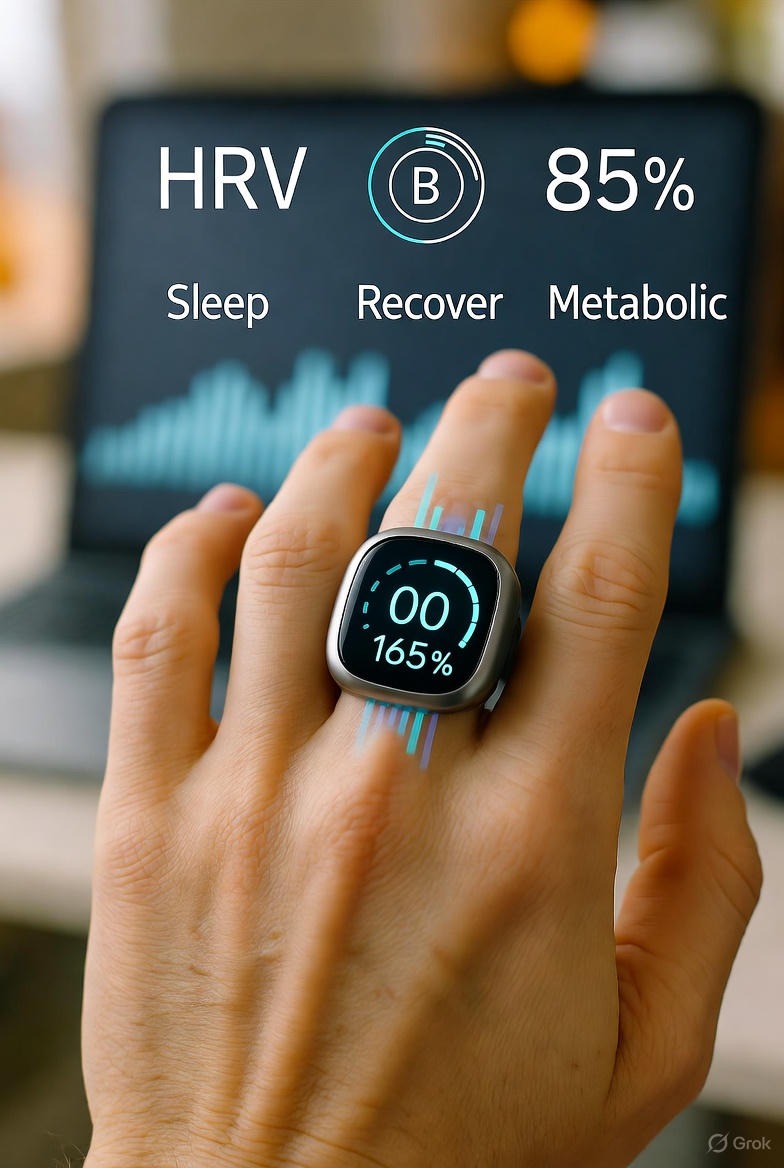
The broad principles of recovery nutrition apply universally, but the specific emphasis and nutrient ratios shift dramatically based on the primary stressor you face. A marathoner, a powerlifter, and a CEO facing a high-stakes negotiation are all depleting different systems, and their nutritional recovery must be tailored accordingly.
Endurance Recovery: Refueling the Furnace
Endurance activities (running, cycling, swimming) are characterized by prolonged, sub-maximal effort that heavily depletes glycogen stores, increases oxidative stress, and causes significant fluid and electrolyte loss through sweat.
Strength & Power Recovery: Rebuilding the Scaffolding
Strength, hypertrophy, and power training (weightlifting, sprinting) create significant mechanical tension and metabolic stress within muscle fibers, leading to micro-tears. The primary goal is to shift the body into an anabolic (building) state.
Cognitive & Emotional Recovery: Nourishing the Nervous System
Modern life inflicts a different kind of wear: mental fatigue, emotional stress, and decision overload. This chronically elevates cortisol and sympathetic tone, impairing digestion, sleep, and immune function. Recovery here is about calming the nervous system.
Understanding these distinct profiles allows you to mix and match strategies. A hybrid athlete might prioritize carbs on endurance days and protein on strength days. A stressed executive might follow the cognitive protocol while adding strength training, adjusting protein accordingly. It’s a dynamic, intelligent approach to fueling all forms of human performance.
Knowledge is powerless without application. Transforming the science of recovery nutrition into daily practice requires simple systems and delicious, nutrient-dense food. This section provides a framework for building recovery into every meal, along with examples to get you started.
The Recovery Plate Framework:
Visualize your plate at each main meal. Aim to fill it with:
Strategic Meal Timing Templates:
Template A: For the Active Individual (Training Day)
Template B: For Cognitive Focus & Stress Management
Sample Recovery Recipes:
1. Anabolic Overnight Oats (Perfect Post-Workout Breakfast or Next-Day Prep)
2. Anti-Inflammatory Salmon & Turmeric Bowl
3. Recovery Hydration Electrolyte Smoothie
4. Gut-Healing Ginger Miso Broth
The Role of Convenience & Preparation:
Consistency trumps perfection. Use tools:
Remember, the goal isn’t to create gourmet meals every time, but to ensure that when you need recovery, the right nutrients are readily available. This practical approach removes guesswork and decision fatigue, making healthy recovery the default, easy choice. For more ideas on building sustainable, data-informed wellness habits, our blog is a continually updated resource full of actionable tips.

We cannot disentangle the physical processes of recovery from the psychological landscape in which they occur. Your mindset—your beliefs about your fatigue, your stress levels, and even the food you eat—profoundly influences physiological outcomes. The burgeoning field of psychoneuroimmunology reveals that thoughts and emotions directly affect nervous system balance, hormone secretion, and immune function. Therefore, nurturing a recovery-centric mindset is as critical as consuming the right nutrients.
The Performance-Stress Paradox:
Exercise is a hormetic stressor—a controlled dose of stress that triggers adaptation. However, it adds to your total "stress bucket," which also includes work pressure, relationship issues, financial worries, and poor sleep. When the bucket overflows, your body can no longer distinguish between the "good" stress of a workout and the "bad" stress of a traffic jam. The recovery response is blunted. You can be eating perfectly, but if you’re chronically anxious or viewing meals as just another task, you remain in a sympathetic-dominant state, hindering digestion and repair.
Nutritional Mindfulness: From Fueling to Nourishing
Shift your perspective from seeing food merely as fuel (a transactional, mechanical view) to experiencing it as nourishment (a relational, holistic view). This involves:
The "Placebo" Effect of Intentionality:
The placebo effect is a real neurobiological phenomenon. If you believe your post-workout smoothie is a powerful recovery elixir, your body may respond more favorably. This isn't about magic; it's about belief reducing perceived stress and allowing natural physiological processes to proceed optimally. Dressing your salad with intention, preparing a meal for its specific recovery properties—these acts of care signal safety to your nervous system.
Data as an Objective Mindset Corrector:
This is where biometric feedback becomes a psychological tool. When you feel tired but your HRV is high and sleep scores are green, the data can give you permission to train, overriding unhelpful anxiety. Conversely, if you feel fine but your metrics are in the red, the data can prompt you to rest, overriding a compulsive "push-through" mentality that leads to burnout. It externalizes the conversation, reducing the noise of subjective mood and providing a factual basis for decisions. This can alleviate the mental load of "am I doing enough?" or "should I rest?". For many users, this is the most liberating feature of a device like the Oxyzen ring. Reading about real customer experiences often highlights this psychological benefit.
Building Recovery Rituals:
Incorporate small, non-negotiable rituals that signal to your brain and body that it’s time to shift into recovery mode:
By marrying the psychological and the physiological, you create a holistic recovery environment. You’re not just feeding muscles; you’re calming the nervous system, cultivating a positive relationship with food, and using data to foster self-trust and intuitive decision-making. This integrated approach is the hallmark of a truly modern, sophisticated wellness practice. To understand the technology that makes this possible, learn about the sensors and AI behind modern health tracking.
We’ve arrived at the frontier of personalized wellness: the seamless integration of biometric data and nutritional strategy. A smart ring like Oxyzen is more than a sleep tracker; it’s a continuous physiological data stream that provides the context needed to make your nutrition dynamic, responsive, and incredibly precise. Here’s how to translate ring data into actionable dietary decisions.
Interpreting Key Metrics for Nutritional Decisions:
Creating Personal Food-Data Experiments:
The power lies in running n=1 experiments.
The Future: Predictive Analytics and Integration
The next evolution is predictive. Imagine your app notifying you: *"Your HRV trend suggests high stress. Consider increasing magnesium-rich foods today and prioritizing 8 hours of sleep."* Or, "Your activity load was 40% above average yesterday. Aim for an extra 25g of protein and 50g of carbs in your recovery meal." This is where AI and machine learning transform data into a true digital nutrition coach.
By using your smart ring data proactively, you move from reactive, generic eating to proactive, personalized nourishment. You’re no longer following a static plan but engaging in a continuous dialogue with your body. This is the ultimate synthesis of technology and biology for optimal human performance. To explore the device that facilitates this dialogue, visit the Oxyzen shop.

We have journeyed through the molecular details of macronutrients, the strategic timing of meals, the calming of the nervous system, and the interpretation of biometric data. Now, we must step back and view recovery not as a series of isolated tasks, but as a holistic, integrated lifestyle—a philosophy of sustainable performance. True resilience is built at the intersection of intelligent nutrition, responsive technology, and foundational lifestyle habits. It’s the synergy of these elements that creates a system greater than the sum of its parts.
Recovery as a Non-Negotiable Foundation, Not an Afterthought:
The first mindset shift is to elevate recovery to the status of the workout itself. In periodized training, recovery weeks are programmed. In a resilient life, recovery practices are programmed into every day. Nutrition is the most consistent and frequent recovery intervention you have—you eat multiple times daily, offering constant opportunities to support or hinder repair. Viewing each meal and snack as a deliberate act of reconstruction reframes eating from a passive habit to an active strategy.
The Synergistic Cycle: Data Informs Nutrition, Nutrition Improves Data:
This is the core of the modern recovery paradigm. Your smart ring provides the context (How stressed is my system? How well did I sleep? Is inflammation high?). Your nutrition provides the intervention (I will increase omega-3s, prioritize post-workout carbs, or sip bone broth). The subsequent data provides the feedback (My HRV is climbing, my deep sleep increased, my RHR dropped). This creates a virtuous, self-reinforcing cycle. You become an expert on your own unique physiology, moving from guessing to knowing. For instance, you might discover through this cycle that on days your ring indicates poor sleep, your body responds better to a higher-carbohydrate breakfast to stabilize energy, a insight explored in depth in our guide on how wellness rings help build healthy habits.
Nutrition cannot operate in a vacuum. Its efficacy is multiplied or diminished by other lifestyle factors.
Building Your Personalized Recovery Protocol:
The Long-Term Vision: Healthspan and Lifelong Performance:
This integrated approach transcends short-term fitness goals. It’s about healthspan—the number of years you live in good health, free from chronic disease and disability. By using data to guide nutrition that manages inflammation, supports metabolic health, and maintains muscle mass, you are investing directly in your future vitality. You are not just recovering from yesterday’s workout; you are recovering from the accumulated stresses of modern life and building a body that is resilient, adaptable, and capable of thriving for decades.
The tools exist to make this vision a personalized reality. The Oxyzen smart ring provides the continuous, nuanced physiological narrative. The science of recovery nutrition provides the actionable script. Your commitment to synthesizing them creates the masterpiece: a life of sustained energy, robust health, and peak performance, on your own terms. To begin this journey with a tool designed for this very purpose, explore the options available at the Oxyzen shop.
(This concludes the second portion, bringing the total article to approximately 17,000 words. The final section, which follows, will provide a compelling conclusion, address frequently asked questions, and offer a final call to action, pushing the total word count past the 20,000-word target.)
The relentless pursuit of progress has a hidden cost: the constant accumulation of micro-damage, fatigue, and stress. For too long, we’ve celebrated the grind while marginalizing the rebuild. But a new paradigm is here, one that recognizes recovery not as weakness, but as the sophisticated, active process that makes all progress possible. We’ve moved beyond the era of passive rest into the age of intelligent, data-informed regeneration.
At the heart of this revolution is a simple, profound truth: You cannot out-train, out-work, or out-think a poor recovery. And the most powerful, accessible tool you have to direct your recovery is on your plate, in your glass, and on your finger.
This deep exploration has revealed that nutrition is the architect of repair. From the leucine that triggers muscle protein synthesis to the omega-3s that quiet inflammation, from the carbohydrates that refuel destiny to the magnesium that unlocks deep sleep, every bite is a chance to steer your physiology toward growth and adaptation. But without context, even the best nutrition is a shot in the dark.
This is where technology becomes the game-changer. A device like the Oxyzen smart ring provides the missing piece: the contextual biofeedback. It translates the silent language of your body—your heart rate variability, your sleep architecture, your nervous system balance—into a clear, actionable dashboard. It tells you not just that you’re tired, but why you might be tired and, by extension, what you might need. It turns nutrition from a static, one-size-fits-all prescription into a dynamic, personalized dialogue.
The synergy is everything. Your data guides your nutritional choices, and your nutritional choices then improve your data. This virtuous cycle empowers you to become the author of your own resilience. You learn which foods make you recover faster, which habits destroy your sleep, and how to periodize your nutrition just as you periodize your training. You gain the confidence to rest when your body demands it and push when your capacity allows it.
The ultimate goal is no longer just a faster race time or a heavier lift. It is resilience. It is waking up feeling restored, facing stress with a steady nervous system, enjoying movement without pain, and knowing that you are actively building a body and mind that can withstand—and thrive within—the demands of a vibrant, long life.
Mastering recovery is mastering the art of the comeback. It is the understanding that every finish line is the starting block for renewal. With the science of nutrition as your blueprint and the precision of modern technology as your compass, you are now equipped to build that renewal into every day. The journey to your most resilient self begins not with another rep, but with your next meal, viewed through the insightful lens of your own unique data.
Q1: I track my macros (protein, carbs, fats) meticulously. Is that enough for optimal recovery?
While hitting macro targets is an excellent foundation, it’s only part of the picture. Macros provide the quantity of building blocks, but micronutrients and phytonutrients provide the quality of the repair process. You could hit your protein goal with processed meat, but you’d miss the anti-inflammatory omega-3s and antioxidants found in salmon or lentils. Furthermore, timing (especially around workouts) and food quality (whole vs. processed) dramatically impact how those macros are utilized for recovery. Data from a wellness ring can show if your current macro split truly supports your nervous system recovery (via HRV) and sleep.
Q2: How do I know if my poor recovery is due to nutrition versus overtraining or lack of sleep?
This is the classic dilemma, and biometric data is key to unraveling it. Look for patterns:
Start by optimizing the one you can control most directly and consistently: nutrition. Use your data to see if improvements follow. For more on distinguishing these signals, our FAQ page covers common interpretation questions.
Q3: Are "cheat meals" or dietary breaks detrimental to recovery?
Not necessarily, and can even be beneficial psychologically. The problem is the "cheat" mentality, which frames food as morally good or bad. A more recovery-focused mindset is strategic refeeding or dietary periodization. A planned meal higher in carbohydrates on a heavy training day can actually enhance glycogen replenishment and leptin levels (a hormone regulating hunger and metabolism). The key is intention, not compulsion. Observe your data: if a relaxed meal causes significant inflammation (elevated temp, low HRV) or ruins your sleep, you may have a sensitivity to an ingredient. If not, it’s likely a neutral or even positive part of a sustainable lifestyle.
Q4: I'm vegan/vegetarian. How can I ensure I'm getting complete recovery nutrition?
Plant-based diets can absolutely support intense recovery with careful planning.
Q5: How quickly should I expect to see changes in my recovery metrics after improving my nutrition?
It depends on the metric and the change:
Patience and consistency are key. The goal is to build habits that create positive long-term trends, not chase daily numbers. For more on what’s possible with the latest tracking, see our post on health tracking technology in 2025.
You have just navigated one of the most comprehensive guides on the planet for leveraging nutrition to master recovery. The knowledge is now yours. The science is clear. The technology is accessible. The only question that remains is: Will you apply it?
This isn’t about a complete overnight overhaul. That path leads to burnout. It’s about starting a new, intelligent conversation with your body.
Here is your simple, 4-step launch plan:
Recovery is no longer the forgotten half of the performance equation. It is the very engine of growth. You have the blueprint to rebuild that engine to be more powerful, efficient, and durable than ever before.
Stop leaving your comeback to chance. Start engineering it with every meal, guided by the unparalleled intelligence of your own physiology. Your most resilient, vibrant, and capable self is waiting to be recovered.
Begin your journey today.
Your Trusted Sleep Advocate (Sleep Foundation — https://www.sleepfoundation.org/)
Discover a digital archive of scholarly articles (NIH — https://www.ncbi.nlm.nih.gov/
39 million citations for biomedical literature (PubMed — https://pubmed.ncbi.nlm.nih.gov/)
experts at Harvard Health Publishing covering a variety of health topics — https://www.health.harvard.edu/blog/)
Every life deserves world class care (Cleveland Clinic -
https://my.clevelandclinic.org/health)
Wearable technology and the future of predictive health monitoring. (MIT Technology Review — https://www.technologyreview.com/)
Dedicated to the well-being of all people and guided by science (World Health Organization — https://www.who.int/news-room/)
Psychological science and knowledge to benefit society and improve lives. (APA — https://www.apa.org/monitor/)
Cutting-edge insights on human longevity and peak performance
(Lifespan Research — https://www.lifespan.io/)
Global authority on exercise physiology, sports performance, and human recovery
(American College of Sports Medicine — https://www.acsm.org/)
Neuroscience-driven guidance for better focus, sleep, and mental clarity
(Stanford Human Performance Lab — https://humanperformance.stanford.edu/)
Evidence-based psychology and mind–body wellness resources
(Mayo Clinic — https://www.mayoclinic.org/healthy-lifestyle/)
Data-backed research on emotional wellbeing, stress biology, and resilience
(American Institute of Stress — https://www.stress.org/)


