Restoration wellness strategies tailored for busy professionals.
Restoration Wellness for the Modern Hustle: A Busy Professional's Guide to Sustainable Vitality
You know the feeling. The 6 AM alarm blares, jolting you from a shallow sleep. You’re already mentally in the office, scrolling through emails on your phone before your feet hit the floor. The day unfolds in a blur of back-to-back Zooms, decision fatigue, a hurried lunch at your desk, and the constant, low-grade hum of stress. You leave work—or close your laptop—exhausted, yet paradoxically wired. You scroll mindlessly, reach for another glass of wine, or collapse into bed, only to find your mind racing. The cycle repeats. You’re performing, but you’re not recovering. You’re running, but the tank is perpetually on empty.
This is the chronic deficit state of the modern professional: a state where output consistently outpaces restoration. We’ve been sold a myth that high performance is built on relentless pushing. But neuroscience, physiology, and performance psychology tell a different story. True, sustainable performance—the kind that fuels innovation, resilience, and longevity—is built not in the grind, but in the spaces between the grind. It is built on Restoration.
Restoration Wellness is not about spa days or month-long sabbaticals (though those are lovely). It is a proactive, intentional, and integrated practice of repairing your biological and psychological systems daily. It’s the micro-habits and deliberate pauses that counterbalance the demands of leadership, deadlines, and digital saturation. It’s moving from surviving to thriving.
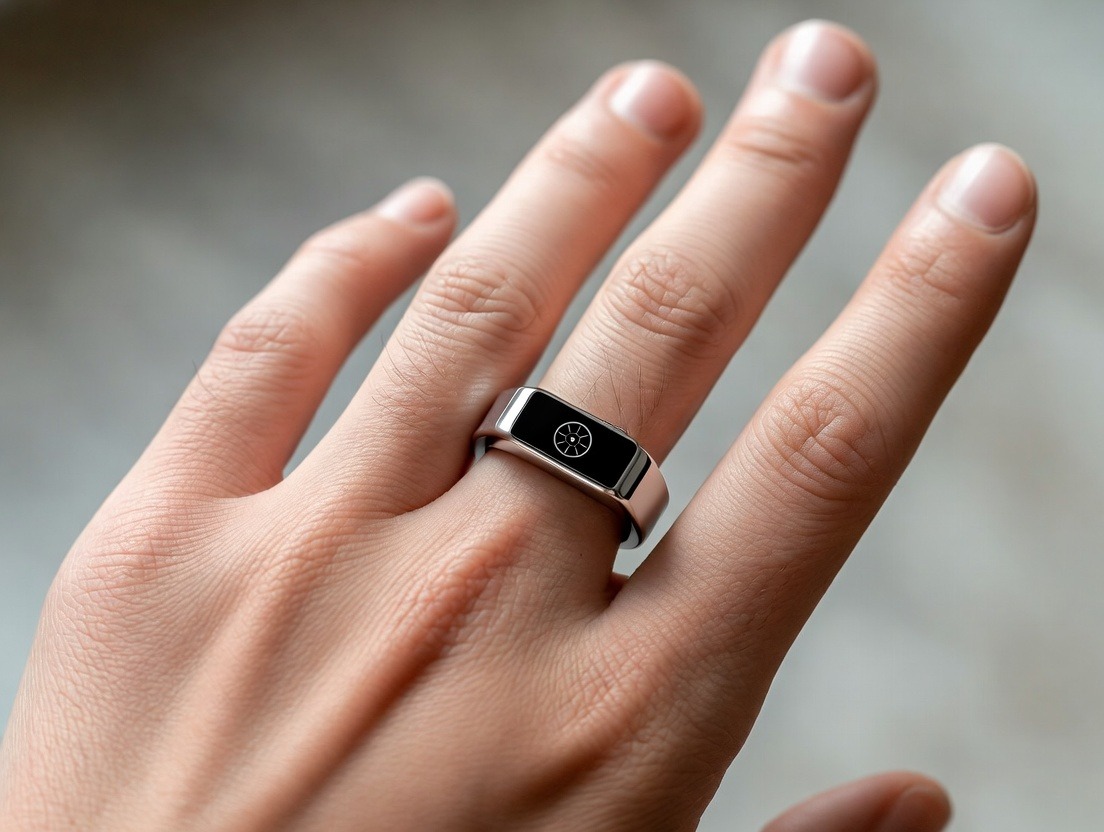
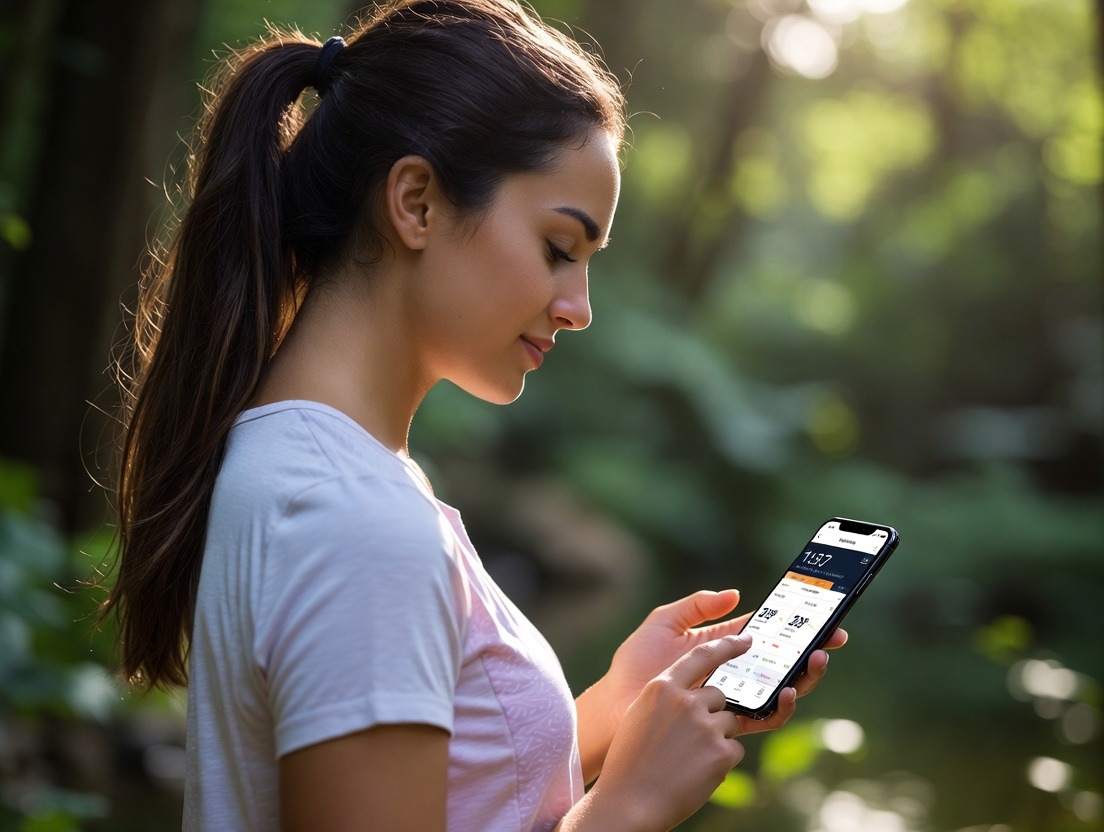
And in this mission, technology is no longer just the source of our drain; it can be a profound partner in our recovery. The emergence of precise, elegant wearable technology, like advanced wellness smart rings from pioneers like Oxyzen, provides the missing link: objective data for your subjective state. These devices move beyond simple step counting, offering a window into your nervous system, sleep quality, and stress readiness, turning the abstract concept of "rest" into a measurable, optimizable asset.
This guide is your blueprint for closing the restoration deficit. We’ll move beyond generic advice into the strategic, science-backed layers of recovery that busy professionals need. We will explore how to harness both ancient wisdom and cutting-edge technology to build a life where your energy is renewable, your focus is sharp, and your well-being is the non-negotiable foundation of your success. Welcome to the new performance paradigm.
The Restoration Deficit: Why "Busy" is Bankrupting Your Health
We wear "busy" as a badge of honor, a silent proof of our worth and productivity. But this cultural obsession is creating a silent epidemic of depletion. The "Restoration Deficit" is the growing gap between the energy and resources we expend and those we replenish. For professionals, this isn't just about feeling tired; it’s a systemic issue eroding cognitive function, emotional resilience, and physical health.
The human body operates on cycles—ultradian rhythms (90-120 minute cycles of focus and fatigue), circadian rhythms (the 24-hour sleep-wake cycle), and longer hormonal cycles. Each cycle requires a period of downtime for repair. When we override these natural signals with caffeine, artificial light, and constant engagement, we borrow energy from our future selves at a staggering interest rate.
The Physiology of Debt:
The HPA Axis Hijack: Your hypothalamic-pituitary-adrenal axis is your central stress response system. Chronic activation from endless deadlines and inbox anxiety keeps cortisol elevated. This disrupts sleep, impairs immunity, and promotes fat storage, particularly around the abdomen.
Cognitive Overdraft: Your prefrontal cortex—the seat of executive function, decision-making, and emotional regulation—has limited glucose and attentional resources. Continuous partial attention and multitasking drain this reserve, leading to poor judgment, impulsivity, and creativity blocks.
The Sleep Bankruptcy: You might log 7 hours in bed, but how much is true, restorative sleep? Sleep is non-negotiable for memory consolidation, metabolic cleanup (via the glymphatic system), and hormonal rebalancing. Skimping on sleep is like refusing to let your team perform essential maintenance on a high-performance engine.
The cost of this deficit is quantifiable. Studies link chronic work stress to a 40% increased risk of hypertension, a 25% higher likelihood of anxiety disorders, and a dramatic rise in presenteeism—being at work but mentally disengaged. The burnout many experience isn't a personal failure; it's the inevitable mathematical outcome of sustained deficit spending.
The first step to solving any problem is measuring it. This is where modern tools transform the game. While you can feel drained, a device like a wellness smart ring provides the biomarkers of burnout. By tracking Heart Rate Variability (HRV—a key indicator of nervous system resilience), resting heart rate, and sleep stages, you move from guessing to knowing. You can see, in cold, hard data, the impact of that late-night negotiation or the restorative power of a proper wind-down routine. As explored in our deep dive on how health tracking technology enables personalized wellness, this data is the foundation of a truly tailored recovery plan. It answers the critical question: "Restored for what?" Your recovery needs after a day of intense strategic planning are different from those after a day of back-to-back client calls. Data helps you match the recovery to the demand.
Closing the Restoration Deficit isn't about working less; it's about recovering smarter. It starts with recognizing that your most valuable professional asset isn't your time—it's your renewable energy. And to manage it, you must first measure it.
The 5 Pillars of Modern Restoration: A Framework Beyond Sleep
When we think "rest," we default to sleep. While paramount, sleep is just one column holding up the temple of sustained vitality. For professionals operating in high-stakes, high-complexity environments, true restoration is multidimensional. It requires addressing the distinct layers of the human system. Here are the five non-negotiable pillars of modern restoration.
1. Physiological Restoration: Rebooting the Hardware
This is the foundation: repairing the physical body. It encompasses sleep, nutrition, movement, and the body's chemical balance. It's about giving your cells the resources and time they need to rebuild. Key levers include sleep hygiene, targeted nutrition for recovery (e.g., protein for muscle repair, antioxidants to combat oxidative stress from mental work), and non-exercise movement (like walking) to stimulate circulation without adding systemic stress.
2. Cognitive Restoration: Quieting the Mental Noise
Your brain needs a break from directed, goal-oriented thought. Cognitive restoration happens when you allow the "default mode network" to activate—the brain state linked to daydreaming, creativity, and insight. This is defeated by constant scrolling, which is just another form of cognitive capture. True cognitive rest comes from digital detachment, engaging in "soft fascination" (like walking in nature), and practices like meditation or simply staring out a window.
3. Emotional Restoration: Regulating the Inner Climate
High-pressure roles come with emotional labor—managing your own reactions and often the emotions of others. Emotional restoration is the process of discharging accumulated stress and returning to a state of equilibrium. This can look like healthy expression (talking with a trusted confidant, journaling), laughter, creative play, or experiences that evoke awe and gratitude.
4. Social Restoration: Cultivating Connection That Fuels
Not all social interaction is restorative. Networking events can be draining. Social restoration comes from connections where you feel safe, seen, and free from performance. It's the difference between a transactional coffee chat and a deep conversation with a lifelong friend. Prioritizing high-quality, low-demand connections is crucial. Sometimes, restorative socializing can even be enjoyable solitude for the introverted professional.
5. Spiritual/Purpose Restoration: Reconnecting to the "Why"
This is the meta-pillar—the sense that your work and life are aligned with something larger than the immediate task list. Burnout often festers in a vacuum of meaning. Restoration here involves stepping back to reflect on your impact, engaging in values-aligned activities outside work (volunteering, mentoring), or practices that foster a sense of wonder and perspective, reminding you of your place in a larger whole.
A holistic restoration plan actively addresses each pillar. The modern professional's challenge is that these areas are often the first to be sacrificed on the altar of urgency. The key is to schedule restoration with the same rigor you schedule meetings. Block time for a walk (Physiological & Cognitive). Put a weekly dinner with loved ones on the calendar (Social & Emotional). Dedicate time for strategic reflection, not just tactical doing (Spiritual/Purpose).
Technology, particularly a comprehensive wearable, serves as your integration dashboard. It can show you how a stressful meeting (Emotional drain) spiked your heart rate and lowered your HRV (Physiological impact), which then predicts poorer sleep quality if not addressed. By consulting resources like our guide on how wellness rings support different health goals, you can learn to configure your device to track the metrics most relevant to your personal restoration pillars, creating a cohesive feedback loop for your entire well-being ecosystem.
Master Your Micro-Recoveries: The 5-Minute Resilience Protocol
You don't need a two-week vacation to begin restoring (though plan one!). The most powerful tool in the busy professional's arsenal is the Micro-Recovery—a brief, intentional pause designed to reset a specific system and prevent stress accumulation. These are the strategic "pit stops" that keep you performing at peak without a major breakdown. The science is clear: frequent, short breaks are far more effective for sustained performance than grinding for hours followed by collapse.
Here is a toolkit of evidence-based micro-recoveries, categorized by the pillar they serve. Each takes 5 minutes or less.
For Instant Physiological & Cognitive Reset (The Desk-Bound Quick Fixes):
Coherent Breathing: Inhale for a count of 5, exhale for a count of 5. Do this for 3-5 minutes. This simple practice synchronizes heart rate and respiration, triggering the parasympathetic (rest-and-digest) nervous system. It's a direct antidote to the stress response.
The Posture Power-Up: Slumping compresses your diaphragm and tells your brain you're under threat. Stand up. Roll your shoulders back and down. Interlace your fingers and stretch your arms overhead, palms to the ceiling. Take 3 deep breaths. This opens the chest, improves oxygen flow, and signals confidence and control to your brain.
Hydration + Movement Combo: Set a timer for every 90 minutes. When it goes off, drink a full glass of water and walk to the farthest bathroom or water cooler in your office. You address dehydration and sedentary behavior in one move.
For Emotional & Cognitive Grounding (Between Back-to-Back Meetings):
The Sensory Anchor: Keep a textured stone, a vial of essential oil (peppermint or citrus are invigorating), or a smooth piece of jewelry on your desk. During a 2-minute transition, engage fully with that object. Feel its texture, smell the scent, focus on its temperature. This practice of sensory mindfulness pulls you out of ruminative thought and into the present moment.
Gratitude Flash: Open your notes app. Set a timer for 90 seconds. Type or dictate a rapid-fire list of things you're grateful for in that moment. They can be profound ("my team's dedication") or simple ("the sun on my face during my walk"). This actively shifts neural pathways away from threat detection and toward appreciation.
For Social & Purpose Reconnection (When Feeling Isolated or Adrift):
The Two-Minute Connection: Send a voice note or a thoughtful text—not about work—to someone you care about. "Heard this song and thought of you." "Hope your presentation went well today!" This micro-act of connection reinforces your social web.
The "Why" Reminder: Keep a physical card or a digital wallpaper with your personal mission statement or a quote that encapsulates your core "why." Before starting a daunting task, look at it for 60 seconds. Re-anchor the tedious work to the larger purpose.
The Data-Enhanced Micro-Recovery: This is where a smart ring becomes your coach. Notice your stress or body battery score dipping mid-afternoon? That's your cue to deploy a micro-recovery before you feel fried. Try a technique and watch the real-time feedback on your device. Did your HRV start to improve? Did your heart rate settle? This turns restoration from a vague concept into a precise, personal science. You'll quickly learn which 5-minute practices actually work for your unique physiology. For a deep exploration of the technology making this possible, our article on the science behind modern health tracking technology is an essential read.
The goal is to weave these micro-recoveries into the fabric of your day. They are not distractions from your work; they are the essential maintenance that allows your work to be sustainable, creative, and impactful.
The Sleep Optimization Blueprint: It's Not Just About Hours
You've heard the "get 8 hours" mantra. But for the driven professional, sleep is a complex performance domain to be mastered, not just a duration to be logged. Sleep optimization is about maximizing the quality and architecture of your sleep to ensure deep physiological and cognitive restoration. Let's break down the blueprint.
Phase 1: The Wind-Down Ritual (The 60-Minute Pre-Sleep Protocol)
Your body doesn't have an "off" switch; it has a dimmer. A consistent wind-down ritual lowers the lights on your nervous system.
Digital Sunset: 60 minutes before bed, eliminate screens. The blue light suppresses melatonin, the sleep hormone. If you must use a device, enable night mode and keep it brief. This is non-negotiable.
The Temperature Drop: Core body temperature needs to fall to initiate sleep. A cool bedroom (around 65°F or 18°C) is ideal. Consider a warm bath 90 minutes before bed; the subsequent cooldown mimics this natural temperature drop.
From Sympathetic to Parasympathetic: Engage in calming activities: light reading (fiction, not work documents), gentle stretching (like legs-up-the-wall pose), or a mindfulness practice. A tool like a wellness ring can track how these activities improve your sleep readiness score over time, giving you positive reinforcement.
Phase 2: Mastering the Sleep Environment (Your Cave for Recovery)
Optimize your bedroom for one function only: supreme sleep.
Pitch Black: Invest in blackout curtains or a high-quality sleep mask. Even small amounts of light can disrupt melatonin production and sleep cycles.
Silence is Golden: Use earplugs or a white noise machine to mask disruptive sounds. Consistency of sound is more important than absolute silence.
The Bed is for Sleep (and Sex): Train your brain that bed equals sleep. Avoid working, watching stressful news, or scrolling in bed.
Phase 3: Leveraging Data for Deeper Sleep
This is the modern edge. A advanced wellness ring tracks not just duration, but sleep stages (Light, Deep, REM) and provides a Sleep Score.
Deep Sleep Analysis: Deep sleep (slow-wave sleep) is critical for physical repair and immune function. If your data shows low deep sleep, examine factors like alcohol consumption (which fragments sleep), late heavy meals, or excessive exercise too close to bedtime.
REM Sleep Tracking: REM sleep is essential for emotional processing, memory consolidation, and creativity. Stress and certain medications can suppress REM. Noticing a REM deficit could be a signal to ramp up daytime stress management.
Consistency Metrics: Your ring can show your sleep consistency—going to bed and waking at roughly the same time each day, even on weekends. This regularity strengthens your circadian rhythm more than almost anything else.
The Morning After: The Strategic Wake-Up
How you wake matters. Being jolted by a blaring alarm in the middle of a deep sleep cycle causes sleep inertia—that groggy, disoriented feeling.
Smart Wake-Up Windows: Many advanced wearables, like those you can explore at Oxyzen, offer a feature that uses gentle vibrations to wake you within a set window (e.g., 30 minutes) when you are in your lightest sleep stage. This leads to feeling more refreshed and alert.
Light Exposure First Thing: Get bright, natural light in your eyes within 30 minutes of waking. This resets your circadian clock, boosts cortisol (healthy morning spike), and improves evening sleep pressure.
By treating sleep as a strategic recovery session, you transform it from a passive state into an active performance enhancer. The data from your wearable becomes your nightly performance review, guiding you to tweak your habits for ever-deeper, more restorative rest. For those troubleshooting specific issues, our FAQ on common wellness ring questions can help connect the dots between your data and your habits.
Nutritional Recovery: Fueling Resilience, Not Just Activity
For busy professionals, nutrition often defaults to convenience—grabbing whatever is fastest between meetings. But food is not just fuel for activity; it is the literal building material for recovery. Every stressful decision, every hour of focused work, depletes neurotransmitters, creates oxidative stress, and triggers inflammation. What you eat either exacerbates this drain or actively facilitates repair. Here’s how to shift from reactive eating to strategic nutritional recovery.
Principle 1: Stabilize Energy to Stabilize Mood & Focus
The blood sugar rollercoaster is a primary saboteur of professional performance and restoration. A spike and crash lead to brain fog, irritability, and cravings.
The Protein & Fiber Anchor: Every meal and snack should include a quality protein source (lean meat, fish, eggs, legumes, tofu) and fiber (vegetables, whole grains, fruit). This combination slows digestion, providing a steady stream of glucose to the brain.
Ditch the "Executive Pastry Cart": The mid-afternoon muffin or candy bowl provides a fleeting sugar high followed by a crash that demands caffeine, perpetuating the cycle. Opt for a handful of nuts, Greek yogurt, or an apple with almond butter instead.
Mental work is metabolically active and can generate inflammatory compounds. Choose foods that combat this.
Omega-3s for Brain Lubrication: Fatty fish (saldom, mackerel), walnuts, and flaxseeds are rich in DHA, crucial for brain cell membrane health and reducing neuroinflammation.
Color is Your Anti-Oxidant Arsenal: The pigments in deeply colored fruits and vegetables (berries, leafy greens, beets, peppers) are antioxidants that mop up the free radicals produced by stress and mental exertion.
Hydrate for Cognitive Function: Even mild dehydration impairs concentration, memory, and mood. Your goal is clear or pale yellow urine throughout the day. Water, herbal teas, and water-rich foods (cucumber, melon) count.
Principle 3: Time Your Nutrients for Optimal Recovery
Post-Work (Mental or Physical) Recovery Window: After a period of high cognitive load or exercise, your body needs nutrients to repair. A combination of protein (for neurotransmitter and tissue repair) and some complex carbohydrates (to replenish brain glycogen) within 60-90 minutes is ideal. Think: a chicken and quinoa bowl, or a smoothie with protein powder and berries.
The Sleep-Promoting Evening Meal: Your last major meal should be 2-3 hours before bed. It should be easily digestible and include nutrients that support sleep, like tryptophan (found in turkey, pumpkin seeds) and magnesium (leafy greens, almonds). Avoid heavy, spicy, or high-sugar foods that can disrupt sleep quality.
Using Your Wearable as a Nutritional Biofeedback Tool
This is where passive tracking revolutionizes your diet. By monitoring key metrics, you can see the direct impact of your food choices.
Glucose Trends (if available): Some next-generation rings are incorporating indirect glucose trend monitoring. This can be revolutionary for understanding your personal glycemic response to different foods.
Sleep & HRV as a Report Card: Did that late, heavy dinner or extra glass of wine tank your deep sleep and lower your morning HRV? The data provides an objective, non-judgmental feedback loop. You’re not "being bad"; you’re gathering data. Notice that your stress score stays lower on days you eat a high-protein breakfast? That’s a powerful incentive to maintain the habit.
Energy Level Correlation: Manually log your perceived energy and focus in the app alongside your meals. Over time, you’ll identify the foods that make you sharp and steady versus those that lead to the 3 PM crash.
Strategic eating for recovery turns nutrition from a chore into a core part of your professional toolkit. You are literally constructing a more resilient, focused, and calm nervous system with every bite. For more on building sustainable daily habits that support this, including how technology can aid, explore our piece on how wellness rings help build healthy habits.
Movement as Medicine: Strategic Exercise for System Reboot
The narrative around exercise for professionals is often misaligned. It’s viewed as another "should"—a time-consuming chore for weight management. But when framed through the lens of restoration, movement transforms into a potent, non-negotiable form of system medicine. The right kind of movement, at the right time, is a direct intervention for stress, cognitive stagnation, and physical decay. The wrong kind can add to your allostatic load.
The Restoration Movement Hierarchy:
1. Non-Exercise Activity Thermogenesis (NEAT): The Foundation This is the all-day, low-grade movement that keeps your metabolism and circulation humming. For the desk-bound professional, increasing NEAT is the single biggest lever for health.
Strategy: Set a stand-up or movement alarm every 45 minutes. Walk during phone calls. Take the stairs. Park farther away. Use a walking pad at a slow speed during deep-focus work. A wellness ring’s activity monitor isn’t just for hitting a step goal; it’s a reminder to avoid sedentary death. Track your inactive hours and aim to reduce them daily.
2. Low-Intensity Steady State (LISS) & Nature Connection: The Nervous System Reset This is the cornerstone of restoration movement: walking, hiking, easy cycling, or gentle swimming.
The Dual Benefit: LISS exercise promotes blood flow without a significant stress hormone response. Pair it with nature—"green exercise"—and you add a potent cognitive restoration benefit. The combination reduces rumination, lowers cortisol, and stimulates creative thinking. A 30-minute walk in a park is more restorative for a stressed executive than a grueling HIIT session.
3. Resistance Training: The Resilience Builder Building and maintaining muscle mass is critical for metabolic health, bone density, and longevity. It also builds mental resilience.
Strategic Application: For recovery, the focus should be on form, control, and consistency over maximal intensity. Two 45-minute full-body sessions per week are vastly more sustainable and restorative than five days of crushing yourself. The goal is to send a strengthening signal to the body, not to add excessive systemic fatigue.
4. High-Intensity Interval Training (HIIT): The Strategic Stressor HIIT is a powerful tool, but it is a stress application, not a stress recovery tool. It should be used strategically and sparingly by those under high mental load.
The Rule: If your wearable data shows poor recovery (low HRV, elevated resting heart rate), a high-stress load, or poor sleep, skip the HIIT. Swap it for LISS or gentle mobility work. Use HIIT only when your "body battery" or recovery score is high. Think of it as deploying a special forces unit only when the base is well-supplied, not when it’s under siege.
Movement Timing for Cognitive and Circadian Benefits:
Morning Movement: Exposure to natural light combined with movement first thing firmly sets your circadian rhythm, boosting daytime alertness and priming you for better sleep.
The Afternoon Slump Buster: A 10-minute brisk walk or some bodyweight exercises at 3 PM can be more effective than caffeine for rebooting focus and clearing metabolic waste from the brain.
Evening Wind-Down: Intense exercise too close to bedtime (within 2-3 hours for most) can raise core temperature and cortisol, interfering with sleep. Evening movement should be gentle: stretching, yoga, or a leisurely stroll.
Data-Driven Movement Prescription:
Your wearable provides the essential feedback to personalize this hierarchy.
Recovery Score as Your Guide: Check your recovery or readiness score each morning. Let it dictate your movement intensity for the day. A red or low score is a prescription for restorative movement (NEAT, LISS), not intense training.
Track the Impact: After a workout, note how it affects your stress graph and that night’s sleep. Does a lunchtime gym session help you focus in the afternoon, or does it leave you drained? Does evening yoga improve your deep sleep? This biofeedback turns guesswork into a precise personal protocol.
By reframing movement as a form of system maintenance and recovery, you integrate it seamlessly into your performance strategy. It becomes less about "working out" and more about "tuning in" and "rebooting." The insights from a device tracking your activity and movement are invaluable for making this shift intentional and effective.
Digital Hygiene: Reclaiming Your Attention and Calm
For the modern professional, the digital environment is not a neutral space; it's the primary ecosystem where stress, distraction, and cognitive overload breed. Your smartphone and laptop are portals to infinite work and infinite distraction. Without deliberate boundaries, they become engines of the Restoration Deficit. Digital Hygiene is the practice of intentionally managing your technology use to protect your focus, reduce stress, and create space for offline recovery.
The Cognitive Costs of Constant Connectivity:
Attention Fragmentation: Every notification, even if ignored, creates a "switch-cost," depleting glucose from your prefrontal cortex and degrading the quality of your work.
The "Always-On" Anxiety: The mere presence of a smartphone, even face down, has been shown to reduce cognitive capacity and increase anxiety. The brain subconsciously anticipates interruption.
Doomscrolling & the Stress Cycle: Passively consuming negative or sensational news, or even work-related updates after hours, keeps the threat-detection centers of your brain (the amygdala) activated, preventing true psychological detachment.
The Digital Hygiene Protocol:
1. Architect Your Attention (The Proactive Defense):
Notification Bankruptcy: Go into your device settings and turn off all non-essential notifications. This includes social media, news apps, and most email. Your attention is a sovereign space; do not allow every app to have a key.
Single-Tasking by Design: Use focus apps or built-in modes (like Focus on iOS, Do Not Disturb with specific allow lists) to block distracting websites and apps during deep work sessions. Schedule these sessions in your calendar as sacred appointments.
The Inbox is Not a To-Do List: Schedule 2-3 specific times per day to process email in batches. Close the email tab outside these windows. This prevents the reactive, interrupt-driven workday.
2. Create Digital Boundaries (The Protective Barrier):
The Charging Station Sanctuary: Establish a location in your home—not your bedroom—where all devices charge overnight. Your bedroom becomes a true sanctuary for sleep and intimacy. Use a traditional alarm clock.
The "Shutdown Ritual": At the end of your workday, conduct a formal ritual. Close all tabs and applications. Write down your top 3 priorities for tomorrow. This signals to your brain that work is over, facilitating psychological detachment, which is a strong predictor of recovery and next-day engagement.
Communicate Your Boundaries: Set an out-of-office or auto-responder after hours if necessary. Let your team know you'll respond during work hours. Modeling boundaries gives others permission to do the same.
3. Cultivate High-Quality Digital Consumption (The Nutritional Approach):
Curate Your Inputs: Unfollow accounts that trigger comparison, anxiety, or mindless scrolling. Actively follow accounts that inspire, educate, or bring joy. Your feed should be as curated as your professional network.
Intentional Consumption: Before opening an app, ask: "What is my purpose here?" (e.g., "I'm checking LinkedIn for 10 minutes to read industry news."). This prevents the zombie-scroll.
Using Technology to Enforce Its Own Boundaries:
Paradoxically, your wellness wearable can be your greatest ally in Digital Hygiene.
Track Stress in Real-Time: Notice your stress graph spike during a long video call or after checking emails on your phone. That’s objective data showing the physiological cost of digital engagement.
Set Device-Free Goals: Many companion apps allow you to set goals for reducing phone pick-ups or screen time. Pair this with seeing an improvement in your sleep or HRV score for powerful positive reinforcement.
The "Digital Detox" Feedback Loop: Try a weekend afternoon or evening fully device-free. Use your ring to track the subsequent sleep and recovery metrics. The data will likely provide a compelling argument to make it a regular practice.
Digital Hygiene isn't about becoming a Luddite; it's about becoming the intentional master of tools that are designed to capture your attention. By reclaiming your attention, you reclaim the mental space necessary for insight, creativity, and authentic restoration. For professionals concerned about staying connected while protecting their data, understanding wellness ring privacy and data security is a parallel practice in setting healthy technological boundaries.
The Mindful Pause: Leveraging Breath & Awareness for Real-Time Resilience
Amidst the strategies for sleep, nutrition, and movement, there exists a tool more immediate and portable than any other: your breath and your conscious awareness. The practices of intentional breathing and mindfulness are not esoteric wellness fads; they are direct, neurological interventions that can be deployed in real-time to manage stress, regulate emotion, and sharpen focus. For the busy professional, they are the ultimate micro-recovery skills.
The Neuroscience of the Pause:
When you feel stressed or reactive, your sympathetic nervous system ("fight-or-flight") is dominant. This triggers a cascade: increased heart rate, shallow breathing, blood flow shifting away from the prefrontal cortex (your wise leader) to the older, reactive brain regions. A mindful pause—consciously shifting your breath and attention—activates the parasympathetic nervous system ("rest-and-digest") via the vagus nerve. This slows the heart, deepens breath, and restores blood flow to the prefrontal cortex, allowing you to respond from a place of choice, not reaction.
The Executive Toolkit of Breathing Techniques:
1. For Instant Calm (During a Tense Meeting or Before a Presentation):
The Physiological Sigh: Popularized by Dr. Andrew Huberman, this is the fastest physiological hack to reduce stress. Inhale deeply through the nose, then take one more sharp "sip" of air to fully inflate the lungs. Exhale slowly and completely through the mouth. Do this 1-3 times. It rapidly re-oxygenates the blood and improves heart rate variability.
2. For Focus Reset (When Overwhelmed or Switching Tasks):
Box Breathing (4-4-4-4): Inhale for a count of 4, hold for 4, exhale for 4, hold for 4. Repeat for 2-3 minutes. Used by Navy SEALs to maintain composure under pressure, this technique regiments the breath and focuses a scattered mind.
3. For Energy & Alertness (To Combat the Afternoon Slump):
Cyclic Hyperventilation (Cautiously): A controlled version like the Wim Hof Method (30-40 powerful, deep inhales and passive exhales, followed by a breath hold) can temporarily increase adrenaline and alertness. Note: Practice in a safe, seated position first, and avoid if you have cardiovascular issues.
Integrating Micro-Mindfulness Throughout the Day:
Mindfulness is simply paying attention, on purpose, to the present moment without judgment. You don't need 30 minutes on a cushion.
The Commute Audit: Instead of scrolling or ruminating, use your commute to notice. Notice the feeling of the steering wheel or your seat. Listen to all the distinct sounds around you. Look for five different colors. This is a sensory mindfulness practice.
The Mindful First Sip: Before your morning coffee or tea, pause. Smell the aroma. Feel the warmth of the cup. Taste the first sip with full attention. This anchors you in the present and starts the day with intention.
The Meeting "Landing": For 60 seconds before a meeting, close your laptop. Sit upright, feel your feet on the floor, and take 5 deep, slow breaths. Set your intention for the meeting ("I will listen deeply."). This lands you in the room, not in the last task.
Biofeedback: The Game-Changer for Mindfulness Practice
The challenge with breath and mindfulness is the "invisible" feedback loop. You might feel calmer, but is it working? A wellness ring closes this loop with hard data.
Quantified Calm: Engage in a 5-minute breathing exercise. Watch your real-time heart rate graph dip and your heart rate variability (HRV) begin to rise. This tangible proof is incredibly motivating. It turns an abstract practice into a measurable skill.
Stress Score as a Trigger: Set a gentle alert for when your stress score enters a high zone for a sustained period. Use that alert not as an alarm, but as a kind invitation to pause and take 3 conscious breaths. Technology becomes a compassionate guide back to center.
Track Long-Term Benefits: Correlate consistent mindfulness practice (even 5 minutes daily) with improvements in your baseline HRV, sleep score, and resting heart rate over weeks. This data demonstrates the cumulative, system-level impact of the practice.
The mindful pause is your internal control panel. In a world of external demands, it is the practice of returning to internal authority. By mastering these techniques and using data to validate their effect, you build a profound, always-available resource for resilience. To see how these principles integrate into a long-term vision of health, our article on 50 healthy aging tips a smart ring helps implement daily offers a future-focused perspective.
The Circadian Rhythm Reset: Aligning Your Biology for Peak Performance and Recovery
Your body is not a machine that runs at a constant speed. It is an orchestra of biological cycles, and the master conductor is your circadian rhythm—the internal 24-hour clock that governs everything from hormone release and body temperature to cognitive function and cellular repair. For the jet-lagged, screen-saturated professional, this rhythm is often profoundly out of sync. Resetting it is arguably the single most effective high-leverage intervention for improving energy, sleep, mood, and metabolic health.
Why Your Internal Clock is Broken (And How to Fix It)
Modern life assaults our natural rhythms with what scientists call "zeitgeber" disruptors—environmental cues that should set our clock but are now scrambled.
Light Confusion: We get insufficient bright light during the day (sitting in dim offices) and excessive blue light at night (from screens), sending contradictory signals to the brain's master clock, the suprachiasmatic nucleus (SCN).
Erratic Scheduling: Inconsistent wake times, eating late at night, and irregular workout times confuse peripheral clocks in your liver, gut, and muscles.
The Constant "On" State: Psychological stress and constant mental engagement keep cortisol rhythms flattened, preventing the natural evening wind-down.
The consequence is "social jet lag"—the feeling of being perpetually out of phase with your own biology, which is linked to obesity, diabetes, depression, and impaired immune function.
The Strategic Light Protocol: Your Most Powerful Zeitgeber
Light is the most potent cue for your circadian system. Managing your light exposure is not wellness fluff; it's biological hacking.
Morning (Within 30 Minutes of Waking):
Goal: Signal "DAYTIME" to your SCN, suppress melatonin, and trigger a healthy cortisol spike for alertness.
Action: Get 10-30 minutes of bright, outdoor light in your eyes. Do not look directly at the sun. Just be outside without sunglasses. On overcast days, extend the time. If sunrise is late, consider a 10,000-lux light therapy lamp for 20 minutes while you have your morning coffee.
Daytime (Throughout the Workday):
Goal: Sustain alertness and reinforce the daytime signal.
Action: Maximize natural light exposure. Sit by a window. Take walking meetings outside. If in a dark office, use bright ambient lighting. This high light exposure during the day actually improves your ability to sleep deeply at night.
Evening (Starting 2-3 Hours Before Bed):
Goal: Allow melatonin to rise naturally, initiating the sleep preparation cascade.
Action: Dim overhead lights. Use lamps with warm-toned bulbs. On all devices, enable "Night Shift" or "Blue Light Filter" at sunset. Consider blue-blocking glasses if you must use screens for work. The aim is to mimic the fading light of a natural sunset.
Synchronizing Your Peripheral Clocks: Meal & Movement Timing
Your master clock in the brain sets the tempo, but clocks in your organs need to be in harmony with it.
Food Timing for Rhythm Alignment:
Principle: Confine your eating to a consistent daily window. Time-Restricted Eating (TRE), such as a 10-12 hour window (e.g., 8 am to 6 pm), gives your digestive system a predictable circadian rest period, improving metabolic health and sleep.
Practical Tip: Make breakfast and lunch your larger meals, and dinner earlier and lighter. Eating a large meal late at night signals "active time" to your liver, disrupting sleep and morning hunger cues. As noted in our nutritional recovery section, your wearable can help you see the impact of late eating on sleep quality and morning readiness scores.
Movement Timing for Optimal Rhythm:
Morning/Afternoon: Exercise during daylight hours reinforces a strong circadian signal and boosts daytime alertness. It elevates body temperature early, leading to a more pronounced drop at night, aiding sleep.
Evening: Avoid intense exercise within 3 hours of bedtime. Gentle movement like walking or stretching is fine, but high intensity can raise core temperature and cortisol, conflicting with the wind-down phase.
Using Data to Diagnose and Correct Circadian Misalignment
A advanced wellness ring is a continuous circadian monitoring device.
Body Temperature Rhythm: Core body temperature is a primary circadian output. It should peak in the afternoon and reach its nadir in the early morning hours. Some next-gen wearables can track this subtle circadian rhythm, showing you if your temperature curve is flattened or shifted.
Resting Heart Rate (RHR) Rhythm: Your RHR has a circadian pattern, typically lowest during sleep and rising before waking. A disrupted or erratic RHR pattern can indicate circadian stress.
The "Readiness" Score as a Rhythm Report: Your morning readiness or recovery score is a direct reflection of how well your circadian system repaired you overnight. Consistently low scores, despite adequate sleep hours, are a red flag for circadian misalignment. Tracking this score against your light and meal timing habits reveals the specific disruptors in your life.
By intentionally curating your light, food, and movement cues, you move from being a passive victim of your schedule to an active conductor of your biology. You align your most important professional asset—your cognitive and physical energy—with the natural rhythm it was designed for. The result is not just better sleep, but more predictable, sustainable energy throughout the entire day. For a glimpse into how this foundational principle powers future health technology, explore our insights on the future of wearable health tech.
Stress Inoculation: Building Resilience Through Strategic Exposure and Recovery
The goal of restoration is not to create a stress-free bubble—an impossibility for any leader or high-performer. The goal is to build resilience: the capacity to withstand, adapt to, and recover from stressors. Think of it like a vaccine: controlled, strategic exposure to stress, followed by dedicated recovery, makes your system stronger and more adaptable. This is the principle of hormesis—what doesn't kill you (in small, acute doses) makes you more robust.
The Difference Between Eustress and Distress: Not All Stress is Equal
Eustress ("Good Stress"): Short-term, challenging but manageable stress that leads to growth, learning, and improved performance. Examples: preparing for a major presentation you feel equipped for, a challenging but fair negotiation, a hard workout.
Distress ("Bad Stress"): Chronic, overwhelming stress that exceeds your coping resources, leading to depletion, anxiety, and poor health outcomes. Examples: constant ambiguity, toxic workplace dynamics, financial insecurity, lack of recovery after challenges.
The Restoration Wellness framework seeks to maximize strategic eustress and minimize chronic distress, while systematically expanding your capacity for both.
Protocols for Strategic Stress Exposure (The "Vaccine")
These are voluntary, controlled stressors you introduce to build specific resilience muscles.
1. Thermal Stress (Cold Exposure):
The Mechanism: Acute cold exposure (e.g., 2-3 minute cold shower at the end of your usual shower) triggers a massive sympathetic nervous system response, followed by a powerful parasympathetic rebound. It trains your nervous system to ramp up and calm down efficiently. It also reduces inflammation and can improve mood.
Professional Application: The mental resilience built by voluntarily stepping into discomfort translates directly to handling stressful professional situations with more composure.
The Mechanism: As discussed in the movement section, brief, intense bursts of exercise (like sprint intervals or heavy lifting) are a potent hormetic stressor. They improve mitochondrial function, cardiovascular capacity, and metabolic flexibility.
Key Rule: This is only restorative if properly recovered from. It must be followed by dedicated downtime, good nutrition, and sleep. It’s the recovery that builds the resilience, not the stressor itself.
3. Cognitive Stress (Focused Deep Work):
The Mechanism: Deliberately engaging in 60-90 minute sessions of uninterrupted, highly focused work on your most demanding task is a cognitive stressor. It depletes prefrontal glucose. The recovery period afterward—a true break—is when your brain consolidates learning and makes novel connections.
The Mistake: Most professionals fragment this stress across 10 hours, never reaching a deep state nor allowing a true recovery, leading to chronic mental fatigue.
The Non-Negotiable: The Recovery "Immune Response"
The stressor is only half the vaccine. The recovery is the essential component that allows adaptation.
Active Recovery Days: After a day of high cognitive load or intense physical training, the next day should be consciously lower intensity. This is "active recovery"—engaging in light activity, social connection, and easier tasks.
The Weekly Rhythm: Build a circaseptan rhythm (weekly cycle) into your schedule. If you have a major push, presentation, or project deadline (the stress exposure), intentionally schedule lighter, more administrative, or creative days immediately following.
The Quarterly Review: Professionals have quarterly business reviews. Apply this to your resilience. Every quarter, assess: What were my major stressors? How did I recover? Did I build capacity or deplete it? Use your wearable’s long-term trend data (average HRV, resting heart rate, sleep scores) as your objective performance metrics.
Measuring Your Resilience Bank Account
Your wellness ring provides the balance sheet for your resilience.
Heart Rate Variability (HRV) is Your Equity: HRV is the single best non-invasive metric for autonomic nervous system resilience and recovery status. A trend of increasing baseline HRV over weeks and months is a clear sign you are building resilience. A dipping trend is a warning of overreaching.
The Stress Score as a Withdrawal Receipt: Your daily stress graph shows the cumulative "withdrawals" from your resilience account. The key metric is not the peaks (the stressors), but how quickly your graph returns to baseline after a peak. Faster recovery = greater resilience.
Sleep as the Nightly Deposit: High-quality sleep is when your body converts the stress exposure into adaptation. Deep sleep and REM sleep are when the "learning" from the stressor is integrated. Correlate your nights after strategic stressors with your sleep data to see if you’re depositing enough.
By intentionally pairing strategic stress with dedicated recovery, you move from being fragile (breaking under stress) or robust (withstanding stress) to becoming anti-fragile—a system that improves and grows stronger from volatility. This is the pinnacle of professional sustainability. For real-world examples of how users translate data into resilience, our testimonials page shares stories of this transformative journey.
Environmental Engineering: Crafting Spaces for Automatic Restoration
You are not just a product of your habits; you are a product of your environment. Willpower is a finite resource, easily depleted by decision fatigue. The most elegant restoration strategy, therefore, is to engineer your physical and digital environments to make restorative choices the default, automatic path of least resistance. This is "choice architecture" applied to your well-being.
The Home Sanctuary: Designing for Unwinding
Your home should be a biophilic refuge from the demands of professional life, actively promoting psychological detachment.
The Bedroom (The Restoration Chamber):
Beyond Darkness and Coolness: Invest in high-quality bedding. Consider a weighted blanket, which has been shown to increase melatonin production and reduce cortisol via deep pressure stimulation. Remove all work-related items and screens. Use an essential oil diffuser with calming scents like lavender or cedarwood to create a distinctive olfactory cue for sleep.
Soundscaping: If silence is unnerving or street noise is an issue, use a white noise machine or an app that plays pink or brown noise (deeper, more soothing than white noise). This masks disruptive, unpredictable sounds that can trigger micro-arousals.
The Living Space (The Reconnection Zone):
Create a "Tech-Free" Zone: Designate at least one chair or nook as a device-free reading or conversation area. Place a comfortable chair, good lighting, and a stack of books (real books) nearby.
Biophilic Design: Incorporate elements of nature. Houseplants not only improve air quality but also reduce stress. Use natural materials like wood and stone. If you have a view, arrange seating to enjoy it.
The Digital Environment: Automating Boundaries
Leverage technology to protect you from itself.
Automated Focus Schedules: Use built-in OS features (Focus modes, Digital Wellbeing) to automatically block social media and news sites during your standard work hours and after a set evening time.
The Communication Charter: Set clear expectations in your email signature or Slack profile ("I typically respond to messages during core hours, 9am-5pm"). Use scheduling tools to send emails during work hours, even if you write them late, to avoid triggering off-hours response expectations in others.
App Hygiene: Perform a quarterly audit of your phone. Delete apps you don't use. Move distracting social media apps off your home screen and into folders, adding friction to mindless opening.
How Your Smart Ring Completes the Feedback Loop
Your wearable is the ultimate environmental sensor, providing data on how your engineered spaces are actually affecting you.
Location-Based Insights: Many apps allow you to tag your day with locations ("Home," "Office," "Travel"). Review your stress and activity data filtered by location. Is your "Home" stress graph truly lower than your "Office" graph? If not, your home environment may need further calibration.
The "Wind-Down" Detection: By tracking your evening physiological shift (dropping heart rate, increasing HRV), your ring can confirm whether your evening environment is effectively promoting detachment. A slow or non-existent wind-down is data that your evening routine or environment needs tweaking.
Optimal Work-Rest Cycle Timing: Use the ring’s activity reminders or your own stress score observation to identify your personal ultradian rhythm. Do you consistently dip at 10:30 AM and 3:00 PM? Engineer your environment to support a micro-recovery at those exact times. Place your recovery kit or route to the kitchen for tea where you’ll naturally encounter it when needed.
Environmental engineering removes the burden of constant decision-making from your restoration practice. You set up the tracks once, and your daily life runs more smoothly on them. It’s the difference between trying to diet while surrounded by junk food versus stocking your kitchen only with healthy options. You make restoration inevitable. To see how the foundational elements of a device support this seamless integration, learn about the materials and hypoallergenic options that allow for 24/7 wear in any environment.
The Social Scaffold: Building a Culture of Collective Recovery
Restoration is often framed as a solitary pursuit—meditation apps, personal trackers, solo workouts. But humans are fundamentally social creatures, and our nervous systems are wired for co-regulation. The quality of our relationships and the culture of our teams are perhaps the most underestimated factors in professional resilience and recovery. Building a "Social Scaffold"—a network of relationships that actively support well-being—transforms restoration from a private struggle into a shared value and a collective strength.
The High Cost of Lonely Leadership
Leadership can be isolating. The pressure to have all the answers, to project unwavering confidence, and to shield your team from uncertainty creates a barrier to authentic connection. This "lonely at the top" phenomenon isn't just emotionally taxing; it has a physiological toll. Social isolation and low social support are risk factors comparable to smoking for all-cause mortality. For professionals, it manifests as a lack of trusted sounding boards, leading to decision fatigue and increased stress.
Designing Your Inner Circle for Restoration
Your inner circle should be a source of energy, not drain. Conduct an audit:
Energy Givers vs. Energy Takers: Note how you feel after interacting with people in your life. Do you feel uplifted, seen, and calm? Or depleted, judged, and anxious? Consciously invest more time in relationships that are mutually restorative.
The Vulnerability Dividend: Brené Brown's research on vulnerability in leadership is key here. Having 1-2 trusted colleagues, a mentor, or a professional coach with whom you can share challenges and uncertainties without fear of judgment is a profound recovery tool. It releases the psychological burden of having to "have it all together."
Cultivating a Restorative Team Culture (The Ripple Effect)
As a leader or influential team member, the culture you foster is your legacy. A restorative culture is high-performance, not in spite of its focus on well-being, but because of it.
Practical Shifts to Model and Encourage:
Meeting Hygiene: Start meetings by asking, "What is one thing, personal or professional, that you're energized about right now?" This simple check-in builds connection and positivity. End meetings 5 minutes early to give people a buffer. Respect lunch breaks by not scheduling over them.
Normalize Recovery Talk: Instead of bragging about how little you slept, model and praise sustainable habits. Say, "I'm protecting my focus time this morning to dive into that project," or "I'm logging off at 6 to recharge for tomorrow's sprint." This gives others permission to do the same.
Create Collective Recovery Rituals: Institute a weekly "walking one-on-one" instead of a sit-down meeting. Organize a team volunteer day. Have a "no-agenda Friday afternoon coffee chat" for social connection. These shared experiences build social capital and buffer against stress.
The Partner & Family Dynamic: The Foundation of Your Scaffold
Your closest personal relationships are your primary recovery environment. A supportive home life is the ultimate buffer against professional stress, while a strained one can be the largest drain.
Shared Values, Individual Practices: Align with your partner or family on the importance of restoration, but respect that it may look different for each person. One may need a solo run, the other a movie night together.
Tech Boundaries as a Family Value: Establish device-free zones or times (e.g., the dinner table, the first hour after coming home). This protects quality connection time from digital intrusion.
The "Decompression Buffer": If you have a stressful commute or workday, negotiate a 20-30 minute buffer when you get home. Use this time to change clothes, take a walk, or simply sit quietly before engaging fully with family. This prevents "stress spillover," where work frustration is taken out on loved ones.
Leveraging Technology for Social Connection, Not Isolation
Your wellness tools can be used to foster connection, not just self-absorption.
Shared Goals with Accountability Partners: Use the goal-sharing features in your wellness app with a trusted friend or partner. A little friendly competition or support on step goals, sleep consistency, or mindfulness streaks can be motivating and connecting.
Data as a Conversation Starter (Carefully): Sharing insights from your data ("I noticed my sleep is way better when I turn my phone off at 9 PM") can spark positive habit changes in your social circle, rather than using it as a point of comparison or boasting.
Virtual Connection with Purpose: Use video calls for more than work. Schedule a virtual "co-working" or "co-reading" session with a distant friend where you work independently but together, with a shared break to chat.
Building a strong Social Scaffold ensures that when you stumble—and everyone does—you have a net to catch you. It transforms restoration from an individual discipline into a collective practice, creating a work and home environment where everyone is empowered to bring their most restored, resilient, and creative self to the table. This philosophy is core to our mission and our story of building technology that supports holistic human potential.
The Personalized Restoration Protocol: Integrating Data, Habit, and Intuition
We’ve explored the theory, the pillars, and the tactics. Now, we arrive at the synthesis: building your own Personalized Restoration Protocol (PRP). This is not a rigid, one-size-fits-all plan, but a dynamic, living system that integrates objective data from your wearable, the subjective wisdom of your body, and the practical constraints of your life. Your PRP is your bespoke operating manual for sustainable high performance.
Step 1: The Baseline Assessment – Gathering Your "Biomarker Fingerprint"
You cannot manage what you do not measure. Begin with a 2-week observation period with minimal intervention. Wear your wellness ring consistently and track the core metrics:
Simultaneously, keep a simple subjective journal. Rate your energy (1-10), focus (1-10), mood (1-10), and note key daily events: work demands, social interactions, meals, exercise, and any restorative practices. The goal is to correlate the objective data (what your ring says) with your subjective experience (how you feel).
Step 2: Identifying Your Unique Levers and Blockers
After two weeks, analyze the correlations. This is where patterns emerge that define your restoration needs.
The Sleep Detective: Does your Sleep Score plummet after days with late client dinners? Does your Deep Sleep increase on days you lift weights? Does your REM sleep suffer after high-conflict days? These are your personal sleep levers.
The Stress Archeologist: What events cause the sharpest spikes in your stress graph? Is it video calls, writing sessions, or a certain person's messages? How quickly does your stress return to baseline? Slow recovery is a key blocker.
The Energy Auditor: Does your subjective energy lag 2-3 hours behind a dip in your "body battery" score? This teaches you to trust the data as a leading indicator. Do you feel best with 8,500 steps or 12,000? Is your focus sharper after a morning workout or on rest days?
This phase answers the critical question: "What works for ME?" For example, you may discover that for you, "restoration" means lowering nervous system excitability, so practices like coherent breathing and nature walks have a far greater impact on your metrics than, say, aggressive foam rolling.
Step 3: Designing Your "Daily Dose" and "Weekly Rhythm"
Based on your findings, design non-negotiable daily and weekly habits.
The Daily Dose (The Non-Negotiables): These are 3-5 small, specific actions you commit to every day, regardless of travel or workload. They should address your core levers.
The Weekly Rhythm (The Macro-Cycle): Map your week to balance stress exposure and recovery, aligning with your natural energy cycles and work schedule.
High-Focus Days (M, T): Schedule deep work, strategic planning, and intense meetings. Pair with moderate-intensity exercise (e.g., Tuesday strength training).
Connection/Creative Days (W, Th): Schedule collaborative meetings, brainstorming, and networking. Opt for lighter, social movement (walking meetings, yoga class).
Wrap-Up & Wind-Down (F): Focus on administrative tasks, clearing the inbox, and planning for the next week. Evening should begin the "digital sunset" earlier.
True Restoration (Weekend): One day for complete detachment (no work email, minimal chores), and one day for preparation (meal prep, light planning). Include one longer, pleasurable activity (hike, hobby, long meal with friends).
Step 4: Implementing and Iterating with Feedback Loops
Your PRP is a hypothesis. You test it by living it and using your data as the results.
The Weekly Review: Every Sunday, spend 20 minutes reviewing your weekly data. Did your Recovery Scores improve? Was sleep more consistent? Did you hit your Daily Dose goals? What was the subjective highlight of your week?
The Iteration Principle: If a habit isn't yielding results (in data or feeling), change it. Perhaps your 6 AM workout is destroying your sleep. Shift it to lunch. Maybe your meditation app is causing anxiety; switch to simple breath counting. The Oxyzen blog is a continual resource for new evidence-based tactics to test in your protocol.
Embrace the 80/20 Rule: Your protocol is for the 80% of normal weeks. The 20%—crunch times, travel, family emergencies—will disrupt it. The goal is not perfection, but resilience. A strong PRP means you recover from those disruptions faster.
By creating a Personalized Restoration Protocol, you move from consuming wellness information to becoming the author of your own well-being. You are no longer guessing; you are experimenting, learning, and optimizing with the precision of a scientist studying their most important subject: their own capacity to live and work well. For inspiration on the long-term vision this enables, our article on healthy aging tips shows how these protocols compound over a lifetime.
Navigating Setbacks and Avoiding Restoration Obsession
A journey without obstacles is a fantasy. There will be weeks when work explodes, travel disrupts everything, illness strikes, or you simply fall off the wagon. Furthermore, in our data-driven quest for optimization, a new shadow can emerge: Restoration Obsession—where the pursuit of perfect recovery becomes another source of stress and rigidity. Navigating setbacks with grace and avoiding this pitfall are marks of true mastery.
The Psychology of the Setback: From Guilt to Curiosity
The common response to a "bad" data day or a week of missed habits is guilt and self-criticism. This emotional response is itself a stressor, compounding the problem. The restorative professional cultivates a different response: curiosity.
Reframe "Failure" as Data: You didn't "fail" to meditate; you gathered data on what happens when you skip your morning ritual during a crisis. Your low HRV isn't a "bad grade"; it's a biomarker confirming the intense demand of the project launch.
The Compassionate Inquiry: Instead of "I'm terrible at this," ask: "What was the barrier? Was it a one-off event or a sign my protocol is unsustainable in certain conditions? What one tiny action can I take right now to pivot?"
Practice Self-Kindness: Speak to yourself as you would to a high-performing team member who had a rough week. You would offer support and a clear path forward, not condemnation. Research shows self-compassion is a stronger motivator for positive change than self-flagellation.
Strategic Decoupling: When to Ignore Your Data
Your wearable is a guide, not a gospel. There are times to consciously set it aside.
During True Vacations and Celebrations: If you are on a once-in-a-lifetime trip or at your best friend's wedding, consider taking the ring off or ignoring the scores. Living fully in a joyful moment, even if it involves late nights, rich food, and extra drinks, is its own profound form of social and emotional restoration. The memory and connection forged are worth a temporary dip in HRV.
In Acute Illness: When you have the flu, your body's priority is fighting infection, not optimizing sleep architecture. Your data will look "terrible." This is not useful information. Put the device away, rest, and heal. Use it again as a tool to confirm your return to baseline health.
To Break Obsessive Checking: If you find yourself anxiously checking your stress score every hour, it's time for a digital detox from the app itself. Set a rule: you only review data during your designated Weekly Review. The goal is to live your life, not to audit it in real-time.
The Antidote to Rigidity: The "Good Enough" Restoration
The enemy of a good plan is the dream of a perfect plan. Perfectionism in restoration is just productivity culture in wellness clothing.
Embrace the "Minimum Viable Dose": What is the absolute bare minimum you can do on your worst day to stay connected to your intention? For some, it's 60 seconds of conscious breathing. For others, it's drinking one full glass of water first thing. The MVD keeps the thread intact without the burden of the full protocol.
Flex Your "Restoration Muscle," Don't Bully It: Just as you wouldn't scream at a muscle to grow, you can't shame your nervous system into calming down. Gentle consistency beats aggressive, short-lived purity every time.
Balance Autonomy with Support: Your protocol should feel like your choice. If it feels like a prison built from data, loosen the constraints. At the same time, don't be afraid to seek support—a coach, a therapist, or an informed community—if you find yourself stuck in cycles of burnout and failed self-prescription.
Remember, the ultimate metric is not your Sleep Score; it's your quality of life. Does your protocol make you feel more alive, present, and engaged at work and at home? Or has it become another list of chores? Regularly check in with that north star. For many, seeing the tangible proof of their choices in data is liberating, not confining. As shared in user experiences on our testimonials page, the ring often provides the "why" that makes the "what" feel effortless and empowering.
The Long Game: Tracking Trends and Investing in Future Resilience
Restoration is not a sprint to a finish line; it is the pace you set for a marathon career and a fulfilling life. While daily and weekly data are crucial for tactical adjustments, the true power of longitudinal tracking is in revealing trends—the slow, powerful currents beneath the daily waves. This long-view perspective shifts your mindset from "How do I feel today?" to "How am I building a more resilient system over the quarters and years?"
Decoding Your Long-Term Biomarkers: What the Trends Tell You
Your wearable app’s trend views (90-day, annual) are the most valuable screens for the strategic professional.
1. Heart Rate Variability (HRV) Trend: Your Resilience Equity Curve
Upward Trajectory: A gently rising average HRV over months is a gold-standard indicator of improved autonomic nervous system fitness, better stress adaptability, and overall health. It suggests your lifestyle and PRP are working.
Downward Trajectory or High Variability: A declining or wildly fluctuating HRV trend is a major red flag. It often precedes burnout, overtraining, or illness. It's your body's early warning system, long before serious symptoms appear. This trend demands immediate investigation and scaling back.
2. Resting Heart Rate (RHR) Trend: Your Basal Metabolic Engine
Low and Stable: A low, stable RHR (typically trending downward with improved fitness) indicates cardiovascular efficiency and good recovery.
Creeping Upward: A rise of 5-10 beats per minute in your average RHR over several weeks can indicate accumulating fatigue, dehydration, impending illness, or heightened chronic stress. It's a signal to prioritize rest.
3. Sleep Consistency & Deep/REM Trends: Your Neural Repair Dashboard
Stable Sleep Metrics: Consistent sleep times and stable proportions of Deep and REM sleep indicate a robust circadian rhythm and effective cognitive/emotional processing.
Deteriorating Deep Sleep: A trend of declining Deep Sleep can point to increasing physical stress (overtraining), pain, or alcohol consumption.
Deteriorating REM Sleep: A trend of declining REM may reflect heightened psychological stress or certain medication use, potentially impacting memory and emotional regulation.
Using Trends for Proactive Life and Career Planning
This data empowers you to make strategic life decisions, not just daily habit tweaks.
Project Planning: Before committing to an intense 3-month project, check your trend baseline. Are you entering from a position of strength (high/rising HRV) or depletion? This might dictate whether you need to negotiate more resources or a clearer endpoint.
Career Transitions: Considering a job change, promotion, or relocation? Monitor your trends during the decision-making process and the transition itself. Is the new role improving or degrading your physiological resilience? Your body's data provides an unbiased assessment of the role's true cost.
Fitness Program Efficacy: Are your 6 months of a new training program actually improving your resilience (higher HRV, lower RHR) or just wearing you down? The trend data tells the real story beyond just lifts or times.
The Compounding Interest of Micro-Habits: A 10-Year Vision
View each restorative choice—the walk, the early night, the mindful breath—as a deposit into your Health Compound Interest Account. The returns are not linear; they compound.
Year 1: Better sleep, more stable energy, fewer sick days.
Year 5: Significantly lower risk for chronic stress-related diseases (hypertension, metabolic syndrome), sustained cognitive performance, greater emotional stability.
Year 10+: "Healthy aging" in action. Preservation of physical function, cognitive sharpness, and the vitality to enjoy personal and professional success on your own terms.
This long-game mindset liberates you from the tyranny of the "perfect day." A bad week is a blip on a positive trend. A missed workout is irrelevant if your 90-day HRV is climbing. You are playing a different, more strategic game entirely. To understand the technology that makes this long-term tracking possible and precise, explore the science behind the sensors and algorithms.
The Restored Professional: Embodying a New Leadership Paradigm
We culminate not with a tactic, but with an identity. The Restored Professional is an archetype for the future of work. This individual understands that peak performance is an output of a well-managed human system, not an input achieved through sheer force of will. They embody a leadership style that is both high-output and human-centric, and their restoration is visible not as weakness, but as their core strength.
The Hallmarks of the Restored Professional
1. They Lead from Calm, Not Crisis. Their nervous system is their strategic advantage. Because they are not perpetually in fight-or-flight, they have access to their prefrontal cortex in high-pressure moments. They respond with clarity and creativity where others react with panic or rigidity. Their measured demeanor becomes a stabilizing force for their entire team.
2. They Model Sustainable Performance. They openly protect their focus time, take real vacations, and disconnect after hours. This does not signal a lack of dedication; it demonstrates strategic resource management. By modeling boundaries, they give their team permission to have them, reducing collective burnout and fostering a culture of respect for personal capacity.
3. They Make Data-Informed Decisions About Their Capacity. They don't just feel tired; they know their recovery score is low. This allows them to strategically delegate, postpone a non-urgent decision, or communicate their need for focus with authenticity. They manage their human energy with the same rigor they manage a project budget.
4. They Cultivate Presence. Because they are not chronically depleted, they have the cognitive and emotional bandwidth to truly listen, to engage deeply in conversations, and to be fully "in the room." This quality of attention is the foundation of trust, innovation, and strong relationships.
5. They View Restoration as a Strategic Imperative, Not a Personal Luxury. They frame well-being initiatives not as a cost or a perk, but as a critical investment in human capital—the most important asset any organization has. They champion policies and cultures that support holistic health, understanding it directly impacts retention, innovation, and the bottom line.
Becoming the Architect of a Restorative Culture
Your personal restoration is the first step. Your influence can be the multiplier.
Advocate for Change: Use aggregate, anonymized data trends (if available in workplace wellness programs) to make the business case for restorative practices. Show the correlation between well-being metrics and performance outcomes.
Redesign Workflows: Challenge the assumption that more hours equal more output. Implement meeting-free days, focus-time blocks, and realistic project timelines that account for human recovery.
Celebrate Recovery Stories: Just as you celebrate project wins, celebrate when a team member takes a needed mental health day, goes on a meaningful vacation, or shares a positive habit. Make restoration an acknowledged part of success.
Your Journey Forward: A Life of Renewal, Not Depletion
The path of Restoration Wellness is a profound reclamation. It is the decision to stop borrowing from your future self and to start investing in them. It is the recognition that the quality of your work is inseparable from the quality of your life.
This journey is supported by a new generation of tools that make the invisible visible. A device like the Oxyzen smart ring is more than a tracker; it is a companion on this path—a source of objective feedback, a reminder of your intentions, and a map of your unique biological terrain. It helps you move from generic advice to a truly personalized science of self-care.
As you move forward, remember that this is not about adding more to your plate. It is about strategic subtraction and intentional replenishment. It is about doing less of what drains you, and more of what truly restores you, so that you can contribute your best work to the world without sacrificing your health or happiness on its altar.
We invite you to continue exploring, experimenting, and refining your protocol. For ongoing support, insights, and community, the Oxyzen blog is a continually updated resource. And when you are ready to take the step of equipping yourself with the technology to guide your journey, the gateway to discovery is at the Oxyzen shop.
Your most important project is the one you wake up in every day. Build it with care, sustain it with wisdom, and lead from it with vitality.



%402x.svg)