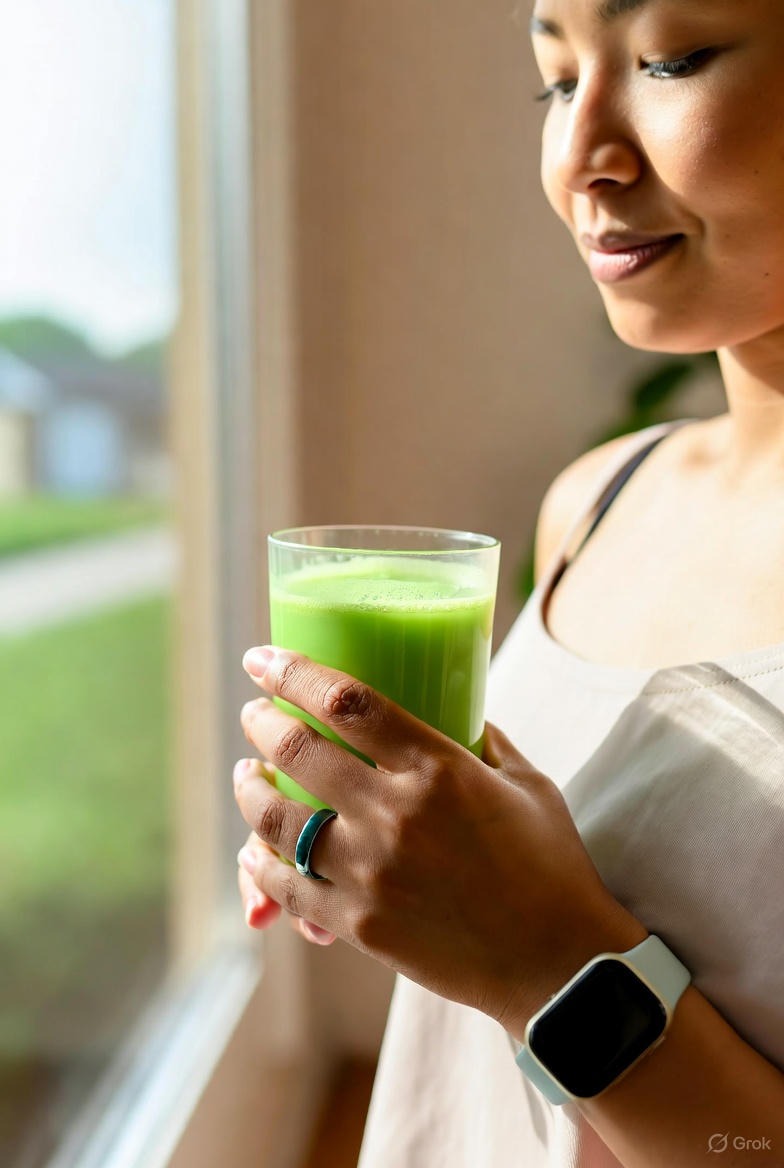
Tips for using restoration practices to manage and reduce anxiety.
Restoration Wellness: A Modern Guide to Managing Anxiety from the Inside Out
We live in an age of unparalleled connection, yet a profound sense of internal disconnection plagues millions. Anxiety is no longer a fleeting visitor; for many, it has become a constant, unwelcome tenant in the mind and body. The static hum of worry, the sudden lurch of panic, the tightness in the chest that whispers of unnamed dread—these experiences are becoming a common dialect in our modern world. But what if the very technologies and pace that contribute to our stress could also hold the keys to our restoration? Welcome to Restoration Wellness: a holistic, data-informed, and deeply personal approach to managing anxiety not by fighting it, but by understanding and nurturing the fundamental systems of your body.
This isn't about quick fixes or silencing thoughts. It’s a paradigm shift. Restoration Wellness posits that chronic anxiety is often a symptom of a system in distress—a body burdened by poor sleep, erratic rhythms, nutritional gaps, and unchecked physiological stress responses. We can’t think our way out of a biological problem. Instead, we must learn to read our body’s signals, provide it with the foundational elements it craves for balance, and use modern tools to guide our journey back to center.
Enter the era of the smart wellness ring, a device like those from Oxyzen, which moves health tracking from your wrist to your finger. This subtle, continuous monitor offers a unique window into your autonomic nervous system—the very command center of your stress and relaxation responses. It doesn’t just count steps; it deciphers the language of your heart rate variability (HRV), your sleep architecture, your body temperature dynamics, and your respiratory rate. It provides the objective, personal data needed to move from guessing about your wellness to knowing. It transforms abstract advice like "get better sleep" or "reduce stress" into a personalized, actionable blueprint.
In this comprehensive guide, we will embark on a journey through the core pillars of Restoration Wellness. We will explore how to rebuild your foundation from the ground up, using both ancient wisdom and cutting-edge technology. You will learn how to interpret your body's data, implement evidence-based practices, and create a sustainable lifestyle that fosters resilience from within. The goal is not to eliminate anxiety entirely—a certain amount is a natural part of being human—but to prevent it from becoming the architect of your life. It’s time to move from managed suffering to empowered thriving. Let's begin.
The Modern Anxiety Landscape: Why "Just Relax" Doesn't Work Anymore
We've all heard the well-intentioned advice: "Just take a deep breath." "Don't worry so much." "Try to relax." For someone in the grips of anxiety, this advice can feel not only useless but alienating. It underscores a fundamental misunderstanding of what anxiety has become in the 21st century. We are not dealing solely with psychological worry about a specific threat; we are confronting a chronic, systemic overload of our human operating system. To manage it effectively, we must first understand its new terrain.
Anxiety, at its core, is an evolutionary gift—the fight-or-flight response. It’s the system that made our ancestors wary of rustling bushes. But today, the "rustling bushes" are a relentless barrage of emails, news alerts, financial pressures, social comparisons, and digital notifications. Our physiological threat detection system is being pinged constantly by non-life-threatening stimuli, and over time, it gets stuck in the "on" position. The result is a body perpetually bathed in stress hormones like cortisol and adrenaline, leading to physical symptoms (muscle tension, digestive issues, rapid heartbeat) that then fuel more psychological worry. It's a vicious, self-perpetuating cycle.
The problem is compounded by modern lifestyle factors that degrade our biological resilience:
Sleep Disruption: Blue light from screens suppresses melatonin, fragmenting the deep, restorative sleep crucial for emotional regulation and neural repair.
Nutritional Deficits: Processed foods, high in sugar and low in nutrients, create blood sugar rollercoasters and gut microbiome imbalances, both strongly linked to mood disorders.
Sedentary Behavior: Our bodies are designed for movement. Physical inactivity reduces endorphin production, impairs circulation, and weakens our stress response system.
Digital Hyper-Connection: Constant social media and news consumption creates information overwhelm and fosters comparison, while eroding our capacity for sustained focus and real-world connection.
Circadian Chaos: Irregular sleep/wake times and lack of natural light exposure confuse our internal biological clocks, disrupting hormone regulation and energy metabolism.
Telling a brain and body operating under these conditions to "just relax" is like telling a car with four flat tires and an overheating engine to "just drive better." The command is logical, but the system is incapable of executing it. This is where the old model of anxiety management falls short. It often focuses only on the cognitive layer—changing thoughts—without addressing the broken physiological foundations.
The Restoration Wellness approach starts with a different premise: you must repair the system first. Before you can effectively utilize cognitive behavioral techniques or meditation, you need to stabilize your biology. You need data. This is the revolutionary promise of personal health technology. Instead of relying on subjective "how do you feel?" assessments, you can see, in objective metrics, how your body is actually responding. A device like a wellness ring becomes your personal biofeedback coach, showing you the direct impact of that late-night snack on your sleep score, or how a 10-minute breathing session improves your heart rate variability. It bridges the gap between intention and biological reality. For a deeper dive into how this technology is reshaping personal health, explore the science behind modern health tracking.
By understanding the modern anxiety landscape as a systems failure, we can move beyond platitudes and into empowered, targeted action. The following sections provide the manual for that repair process.
Pillar 1: Foundational Sleep – The Cornerstone of Emotional Resilience
If you are struggling with anxiety, look first to your sleep. This is not an exaggeration. Sleep is the single most potent restorative process for the human brain and nervous system. It is during deep, slow-wave sleep that the brain's glymphatic system activates, clearing out the metabolic debris of the day, including beta-amyloid proteins linked to stress. REM sleep, often called "emotional first aid," is where we process and integrate memories and experiences, stripping away the sharp emotional edges from the events of the day.
Chronic sleep deprivation or poor-quality sleep directly fuels anxiety by:
Amplifying the Amygdala: The brain's fear center becomes hyper-reactive. Research shows that a sleep-deprived brain responds to negative stimuli with 60% more amygdala activity than a well-rested one.
Dulling the Prefrontal Cortex: This is the brain's executive CEO, responsible for rational thought, impulse control, and regulating emotional responses. Lack of sleep weakens its ability to calm the amygdala's alarms.
Disrupting Hormonal Balance: It elevates cortisol (the stress hormone) and ghrelin (the hunger hormone) while lowering leptin (the satiety hormone) and growth hormone (essential for repair).
In Restoration Wellness, sleep is not a passive state you hope for; it's an active ritual you build and protect. And this is where technology becomes your ally. A smart wellness ring tracks not just how long you sleep, but how well you sleep. It measures:
Sleep Stages: The balance of light, deep, and REM sleep.
Resting Heart Rate (RHR): A lower overnight RHR generally indicates better recovery.
Heart Rate Variability (HRV): Your body's resilience score. Higher HRV during sleep suggests a strong, adaptable nervous system.
Sleep Latency: How long it takes you to fall asleep.
Restlessness & Awakenings: The frequency of disturbances.
Actionable Restoration Strategies for Foundational Sleep:
Embrace Chronotype Alignment: Stop fighting your natural rhythm. Are you a wolf, bear, lion, or dolphin? Use your ring's data to find your ideal sleep window. Going to bed and waking up at consistent times, even on weekends, is the most powerful signal for your circadian rhythm.
Craft a Digital Sunset: Begin a 60-90 minute wind-down routine. Dim lights, put phones on "Do Not Disturb," and consider blue-light-blocking glasses. The goal is to reduce artificial light stimulation, which tells your brain it's still daytime.
Optimize Your Sleep Sanctuary: Your bedroom should be a cave: cool (around 65°F or 18°C), dark (use blackout curtains), and quiet (consider white noise). Your ring can help you correlate environmental changes with sleep quality scores.
Leverage Data-Driven Habits: Notice your ring shows poor sleep after late alcohol consumption? Or that your deep sleep increases on days you exercise before 2 PM? Use these insights. This is personalized wellness in action. For more on building these habits, see how wellness rings help build healthy habits.
Practice a Nervous System Off-Ramp: Instead of scrolling in bed, try a short guided sleep meditation, gentle stretching, or reading a physical book. The goal is to transition your nervous system from "doing" to "being."
Restoration begins in the quiet of the night. By making sleep your non-negotiable foundation, you are not just fighting fatigue; you are rebuilding a brain capable of calm, clarity, and emotional regulation. It is the first and most critical step in starving the anxiety cycle of its primary fuel.
Pillar 2: Nutritional Psychiatry – Feeding Your Brain for Calm
The adage "you are what you eat" takes on profound significance when managing anxiety. Your gut is often called your "second brain," and for good reason. The vagus nerve forms a direct information superhighway between your gut and your brain. The trillions of bacteria in your microbiome produce a vast array of neurochemicals—in fact, about 95% of the body's serotonin, a key neurotransmitter for mood and calm, is produced in the gut. When your gut is inflamed or imbalanced (dysbiosis), it sends stress signals to your brain, contributing directly to anxiety and low mood.
Nutritional Psychiatry is the field that studies this connection. The goal is not a restrictive "diet," but a nutrient-dense, anti-inflammatory eating pattern that stabilizes blood sugar, reduces systemic inflammation, and feeds a healthy, diverse microbiome.
Key Nutritional Principles for Anxiety Reduction:
Stabilize Blood Sugar: Spikes and crashes in blood glucose are a primary driver of anxiety, jitters, and irritability. The goal is a smooth, steady line.
Action: Pair complex carbohydrates (like sweet potatoes, oats, quinoa) with protein (eggs, chicken, lentils) and healthy fats (avocado, olive oil, nuts) at every meal. This combination slows digestion and provides sustained energy.
Prioritize Omega-3 Fatty Acids: These are critical for brain cell membrane health and reducing neuroinflammation. Low levels are linked to increased anxiety.
Action: Incorporate fatty fish (saldom, mackerel, sardines) 2-3 times per week. For plant-based sources, focus on flaxseeds, chia seeds, and walnuts.
Magnesium is Your Mineral Ally: Known as "nature's relaxant," magnesium is involved in over 300 biochemical reactions, including those that regulate the nervous system and GABA (a calming neurotransmitter). Deficiency is extremely common.
Action: Eat magnesium-rich foods daily: leafy greens (spinach, kale), almonds, pumpkin seeds, black beans, and dark chocolate (85%+).
Feed Your Microbiome: A diverse gut flora is essential for mental health. Prebiotics (fiber that feeds good bacteria) and probiotics (the good bacteria themselves) are key.
Action: Eat a rainbow of plants—aim for 30 different plant-based foods per week. Include fermented foods like kimchi, sauerkraut, kefir, and yogurt.
Identify and Eliminate Triggers: For some, common irritants like caffeine, alcohol, and refined sugars can be significant anxiety amplifiers.
Action: Use your wellness ring as a biofeedback tool. Notice if your HRV plummets or your sleep is disrupted after that afternoon coffee or evening glass of wine. This isn't about dogma; it's about personalized data. Track your subjective mood and energy alongside your ring's "readiness" or "recovery" score to find your unique triggers.
The Oxyzen Connection: While a ring doesn't directly analyze your food, it provides the physiological context for your nutritional choices. Did that "healthy" smoothie cause a blood sugar spike that led to an afternoon crash and elevated stress? Your resting heart rate and HRV trends will show you. Are your new probiotic-rich meals improving your sleep quality over time? Your sleep stage data will reveal the trend. This closes the loop between action and outcome, making nutritional changes feel less like a shot in the dark and more like a strategic experiment on yourself. For beginners looking to start this journey, wellness ring basics for beginners is an excellent resource.
Think of food not just as calories, but as information and medicine for your cells. By choosing foods that nourish your gut and stabilize your biochemistry, you are building a physiological environment that is resistant to anxiety, one meal at a time.
Pillar 3: Breath & Heart Rate Variability (HRV) – The Direct Dial to Your Nervous System
Your breath is a remote control for your nervous system, and Heart Rate Variability (HRV) is the readout on the screen. This is perhaps the most immediate and powerful tool in the Restoration Wellness toolkit. While most people focus on heart rate (the number of beats per minute), HRV is far more insightful for anxiety. It measures the tiny, millisecond variations in the time intervals between your heartbeats.
A higher HRV indicates a healthy, resilient, and adaptable autonomic nervous system. It means your body can smoothly transition between sympathetic (fight-or-flight) and parasympathetic (rest-and-digest) states. A low HRV suggests a nervous system that is stuck in a stressed, inflexible state—a hallmark of chronic anxiety and burnout.
Why HRV is Your North Star Metric for Anxiety Management: HRV provides an objective, real-time measure of your body's stress load and recovery capacity. Unlike subjective feelings, it doesn't lie. It integrates all the inputs—sleep quality, nutrition, emotional stress, exercise—and gives you a single, powerful number that reflects your system's overall state. By tracking HRV, you learn what truly drains you and what truly restores you.
How to Use Breath to Master Your HRV and Calm Anxiety:
The bridge between your conscious mind and your autonomic nervous system is your breath. Slow, diaphragmatic breathing stimulates the vagus nerve, the main conduit of the parasympathetic system, telling your body it's safe to rest and digest. This instantly increases HRV.
Coherent Breathing (Resonance Frequency Breathing): This is the gold-standard breathing technique for anxiety reduction and HRV optimization. The goal is to breathe at a rate of about 5-6 breaths per minute (5 seconds inhale, 5 seconds exhale).
Practice: Sit comfortably, place one hand on your chest and one on your belly. Breathe in slowly through your nose for a count of 5, feeling your belly expand. Exhale slowly through your nose or pursed lips for a count of 5. Aim for 5-10 minutes daily. Use a free app or metronome to pace yourself initially.
The Physiological Sigh: A rapid, on-the-spot anxiety interrupter, popularized by neuroscientist Dr. Andrew Huberman. It efficiently re-oxygenates the blood and reduces the arousal state.
Practice: Take a deep inhale through the nose, then a second, shorter "sip" of air at the top to fully inflate the lungs. Then exhale slowly and completely through the mouth with a long sigh. Repeat 1-3 times.
Box Breathing (4-4-4-4): Used by Navy SEALs to remain calm under extreme pressure, this technique is excellent for focus and panic interruption.
Practice: Inhale for 4, hold for 4, exhale for 4, hold for 4. Repeat.
Making it Actionable with Technology: This is where a device like an Oxyzen ring transforms practice into progress. You can do a 5-minute coherent breathing session and immediately see the impact on your HRV in the app. This is powerful biofeedback. It turns an abstract practice into a tangible, rewarding skill. Over time, you'll see your baseline HRV rise, indicating a more resilient system. You'll also learn to use your breath proactively—before a stressful meeting, during a moment of overwhelm, or as part of your bedtime routine.
Breathwork is not esoteric; it's physiological engineering. By dedicating a few minutes each day to these practices and observing their effect on your HRV, you build a direct, reliable pathway out of the anxiety spiral and into a state of controlled calm.
Pillar 4: Intentional Movement – Using Your Body to Quiet Your Mind
Exercise is one of the most potent, underutilized anti-anxiety medicines available. Its effects are immediate and long-lasting. Physically, it burns off excess adrenaline and cortisol, releases endorphins (natural pain and stress fighters), and increases levels of serotonin and brain-derived neurotrophic factor (BDNF), which acts like fertilizer for brain cells. Psychologically, it provides a sense of mastery, a break from rumination, and can be a moving meditation.
However, in the context of Restoration Wellness and chronic anxiety, the approach to movement must be intentional and restorative, not punitive or stress-inducing. More is not always better. Overtraining, especially high-intensity exercise without adequate recovery, can be a major source of physiological stress, tanking your HRV and exacerbating anxiety.
The Restoration Movement Framework:
Low-Intensity Steady State (LISS): This is the bedrock for an anxious nervous system. Walking, gentle cycling, swimming, or hiking in nature. The goal is to move at a "conversational pace" for 30-60 minutes. This type of movement promotes blood flow, lymphatic drainage, and gentle stress relief without spiking cortisol. Your wellness ring can confirm this by showing a stable or slightly elevated heart rate that returns to baseline quickly.
Mind-Body Practices: Yoga, Tai Chi, and Qigong are uniquely powerful for anxiety. They combine gentle movement with breath awareness and mindfulness, directly training the mind-body connection and stimulating the parasympathetic nervous system. They improve proprioception (your sense of body in space), which is often dysregulated in anxiety.
Strength Training: Building physical strength builds mental resilience. It teaches progressive overload and tolerance of discomfort in a controlled environment. Focus on form and consistency over maximum weight. The sense of capability it fosters directly counters feelings of helplessness common in anxiety.
High-Intensity Interval Training (HIIT) – With Caution: While HIIT has excellent benefits, it is a significant stressor on the system. In a Restoration Wellness protocol, it should be used strategically and sparingly, only when your foundational metrics (sleep, HRV, readiness score) indicate you have the capacity to recover from it.
Using Data to Guide Your Movement: This is the revolutionary shift. Don't guess if you should go for a hard run or a gentle walk today. Let your body's data guide you.
Check Your "Readiness" Score: Many wellness apps synthesize sleep, HRV, and RHR data into a single morning score. A low score is a clear signal to prioritize LISS, mobility, or rest, not intense training.
Monitor Heart Rate Recovery (HRR): After exercise, how quickly does your heart rate drop? A faster drop indicates better cardiovascular fitness and parasympathetic reactivation. If your HRR is slowing down over time, it's a sign of cumulative fatigue.
Observe the Impact: Did that yoga session last night lead to a higher HRV this morning? Did that marathon gym session destroy your sleep? Use the ring's data to curate a movement regimen that genuinely supports your nervous system, rather than adding to its burden. For those curious about activity tracking specifics, our guide on activity and movement tracking offers detailed insights.
Movement, in its right dose and form, is not a task to be checked off; it is a dialogue with your body. It’s a way of physically expressing and releasing the energy of anxiety, while simultaneously building a stronger, more resilient vessel to contain your experiences.
Your body is not a simple 24-hour machine; it's a symphony of rhythms. Every cell contains a biological clock, and all are conducted by a master clock in the brain called the suprachiasmatic nucleus (SCN). This master clock is set primarily by light and darkness. When your circadian rhythms are in sync, hormones like cortisol and melatonin are released at optimal times, digestion is efficient, mood is stable, and sleep is restorative. When they are desynchronized—a state known as "circadian disruption"—it creates systemic chaos, directly contributing to anxiety, depression, metabolic issues, and poor sleep.
Modern life is a circadian disruptor. We get too little bright light during the day and too much blue-rich light at night. We eat at erratic times. We keep irregular sleep schedules. For someone with anxiety, a disrupted circadian rhythm means their physiological stress response is already primed to overreact before any psychological stressor even appears.
The Non-Negotiable Rules of Circadian Hygiene:
Morning Light Viewing (Within 1 Hour of Waking): This is the most powerful signal for your SCN. Get 10-30 minutes of direct, outdoor morning sunlight (without sunglasses if safe). This anchors your rhythm, boosts daytime alertness, and promotes better melatonin release at night. On overcast days, a bright light therapy lamp can be a good substitute.
Daytime Light Abundance: Maximize your exposure to natural light throughout the day. Take walking meetings, sit near windows. This reinforces the "day" signal.
Evening Light Dimming: As the sun sets, you should too. After sunset, dim overhead lights and avoid screens. Use blue-light-blocking apps or glasses if you must use devices. Switch to warm, dim lamps. The goal is to mimic the natural progression into darkness.
Consistent Meal Times: Try to eat your meals within a consistent window each day, and avoid large meals 2-3 hours before bedtime. Your digestive system has its own circadian rhythm.
Consistent Sleep/Wake Times: This is the cornerstone. Going to bed and waking up at roughly the same time every single day (even weekends) is more important for circadian health than the exact number of hours of sleep.
How Technology Helps You Stay in Rhythm: A wellness ring is an excellent circadian rhythm auditor. It tracks:
Body Temperature Rhythm: Your core body temperature has a distinct circadian wave, dipping at night and rising in the morning. A flattened rhythm is a sign of disruption. Advanced rings can track this trend.
Activity & Rest Patterns: The ring can show if your daily movement is consistently timed or erratic.
Sleep Consistency: It quantifies your bedtime and wake-time variability, giving you a concrete score to improve upon.
By adhering to circadian hygiene, you are not just improving sleep; you are harmonizing the fundamental tempo of your biology. You are telling every cell in your body what time it is, allowing it to perform its functions with precision. This creates a stable, predictable internal environment—the very antithesis of the chaotic, threat-filled internal world of anxiety. For a broader look at how technology aids in long-term health, consider reading about how smart rings enable preventive health monitoring.
Pillar 6: Digital Detox & Cognitive Space – Reclaiming Your Mental Real Estate
Your mind has a limited bandwidth for attention and processing. In the digital age, we have voluntarily surrendered this precious resource to an endless stream of external stimuli: social media feeds, news cycles, email pings, and streaming autoplays. This state of continuous partial attention creates cognitive overload, fragments our focus, and leaves no space for the mind to wander, rest, or process. For an anxious mind, this is like trying to find peace in the middle of a bustling stock exchange floor.
Digital stimulation is also a potent dopamine trigger. The constant "checking" behavior creates micro-cycles of anticipation and reward that are inherently addictive and keep the nervous system in a state of low-grade arousal. Furthermore, social comparison—the "compare and despair" phenomenon—is a direct and significant driver of anxiety and low self-esteem.
Strategies for a Restoration-Focused Digital Diet:
Audit Your Digital Consumption: For one week, use your phone's built-in screen time tracker. Don't judge, just observe. Which apps trigger stress or mindless scrolling? Which leave you feeling empty or agitated? Awareness is the first step.
Implement Aggressive Notification Triage: Turn off all non-essential notifications. Your phone should not be allowed to interrupt you. Batch-check email and messages at designated times (e.g., 10 AM, 2 PM, 4 PM).
Create Tech-Free Zones & Times: The bedroom is a sanctuary, not an office. Charge your phone outside the room. Establish the first and last hour of the day as screen-free. Use this time for your breathwork, a real book, or quiet reflection.
Practice Single-Tasking: When eating, just eat. When walking, just walk. When talking to someone, just listen. Resist the urge to multitask with a device. This trains your brain to sustain focus and reduces cognitive fatigue.
Schedule "Deep Work" Blocks: Use a timer and commit to 60-90 minutes of focused, uninterrupted work on a single task. Close all irrelevant tabs and apps. This is where real creativity and problem-solving happen, and it builds a sense of accomplishment that combats anxiety's sense of helplessness.
Curate Your Inputs: Unfollow accounts that trigger comparison or negativity. Mute news keywords that fuel existential dread. Be the ruthless editor of your own informational environment.
The Role of Your Wellness Ring in Digital Detox: This may seem unrelated, but the connection is powerful. Your ring provides the physiological justification for unplugging. You will see the data: on days you have a major phone binge, your HRV will likely drop and your sleep may be more restless. On days you spend time in nature or engaged in a hobby without your phone, your recovery metrics will improve. This tangible feedback makes the abstract concept of "digital detox" a concrete, data-backed wellness strategy. It answers the question, "What's in it for me?" with hard numbers.
Reclaiming cognitive space is about creating room for your own thoughts, feelings, and creative impulses to emerge. It’s about replacing the noise of the world with the sometimes challenging, but ultimately healing, sound of your own inner voice. In that quiet space, anxiety loses its megaphone.
Pillar 7: Purposeful Connection & Community – The Antidote to Isolated Suffering
Anxiety thrives in isolation. It whispers lies that you are alone in your struggle, that others wouldn't understand, or that your feelings are a burden. This could not be further from the truth. Humans are a profoundly social species; our nervous systems are wired to co-regulate—to calm in the presence of safe, connected others. Purposeful connection is not a luxury in anxiety management; it is a biological necessity.
Connection here is not about the number of followers or superficial social engagements. It's about vulnerability, shared meaning, and felt safety. It's the quality, not the quantity, that matters. This kind of connection downregulates the threat response (amygdala) and activates neural pathways associated with safety, trust, and pleasure (involving oxytocin and endorphins).
Building Restoration-Oriented Connection:
Prioritize Depth Over Breadth: Invest in a few key relationships where you can be your authentic, anxious self without fear of judgment. Schedule regular, device-free time with these people.
Seek Shared-Experience Communities: Join a group centered around an activity you enjoy—a book club, a hiking group, a yoga class, a volunteer organization. Shared focus alleviates the pressure of direct social performance and creates natural bonds.
Practice Vulnerable Communication: Instead of saying "I'm fine," try "I'm feeling a bit overwhelmed today, but I'm glad to see you." This small act of honesty invites authentic connection and often gives the other person permission to be real as well.
Consider Professional Support: A therapist or counselor is a form of profound, purposeful connection. They provide a safe, structured, and expert container for exploring your anxiety. There is no greater act of self-care than seeking skilled guidance.
Engage in Reciprocal Support: Offering support to others can be incredibly empowering and anxiety-reducing. It shifts focus from internal rumination to external compassion and activates our innate caregiving systems.
Technology as a Bridge, Not a Barrier: While digital connection can be shallow, it can also be a powerful tool for finding your tribe, especially for those with niche interests or social anxiety. The key is intentionality. Use online forums or groups that align with your values (like wellness or mindfulness communities) as a stepping stone to deeper connection, not a replacement for it. Furthermore, sharing your wellness journey with a trusted friend who also uses a tracking device can foster accountability and shared learning. You can read user experiences and testimonials to see how others integrate technology into their wellness communities.
Your Oxyzen ring can even serve as a conversation starter about holistic health, moving interactions beyond small talk into more meaningful territory.
Remember, connection is the neural circuitry of courage. When we feel seen, heard, and valued by others, the fearful predictions of anxiety are counteracted by the lived experience of safety and belonging. We are reminded that we are part of something larger than our own worried minds.
Pillar 8: Environmental Optimization – Crafting Your Sanctuary for Calm
Your external environment is a continuous, subliminal dialogue with your nervous system. Clutter, noise, poor lighting, and chaotic spaces send signals of disorder and overwhelm, subtly elevating stress hormones. Conversely, an environment that is ordered, calming, and aesthetically pleasing signals safety and allows the nervous system to downshift. In Restoration Wellness, we extend the concept of "self-care" to "space-care."
This isn't about achieving a minimalist magazine spread. It's about intentional design that supports your psychological and physiological goals for calm and focus.
Key Elements of an Anxiety-Soothing Environment:
Declutter the Visual Field: Physical clutter equals cognitive clutter. It competes for your brain's attentional resources, increasing latent stress. Start small: one drawer, one shelf, one corner. The act of creating order is itself anxiolytic (anxiety-reducing).
Harness the Power of Nature (Biophilia): Incorporate elements of the natural world. Houseplants improve air quality and have been shown to lower cortisol. Use natural materials like wood, stone, and linen. If possible, position your workspace to have a view of trees or sky.
Master Your Soundscape: Noise pollution is a major, often unrecognized stressor. Combat it with calming sound masking. Use a white noise machine, a fan, or apps that play nature sounds (rain, forest, waves) or brown/pink noise (deeper sounds that can improve focus and sleep).
Optimize Light Quality: During the day, maximize natural light. In the evening, use warm (2700K-3000K), dimmable lights. Avoid harsh overhead fluorescent lighting. Consider smart bulbs that can change color temperature throughout the day to support your circadian rhythm.
Designate Zones for Intention: Create specific, dedicated spots for specific Restoration activities. A comfortable chair with a good light for reading. A clear corner with a yoga mat. A defined workspace that you can leave at the end of the day. This helps your brain associate different spaces with different mental modes, making it easier to transition into states of rest or focus.
Introduce Calming Scents: The olfactory system has a direct pathway to the brain's emotional and memory centers. Essential oil diffusers with lavender, bergamot, frankincense, or chamomile can be powerful cues for relaxation. Use them consistently during your wind-down routine.
The Data-Environment Feedback Loop: Your wellness ring provides the ultimate feedback on your environmental tweaks.
Did decluttering your bedroom and adding a plant correlate with a slight improvement in your sleep latency score?
Does using a white noise machine show up as fewer "awake" moments in your sleep data?
Does working in a sunlit spot seem to improve your daytime heart rate pattern compared to working in a dark cubicle?
By experimenting and observing the data, you move from generic interior design advice to creating a personally validated sanctuary. Your environment becomes an active partner in your restoration, not just a passive backdrop. For those interested in the holistic journey of a brand dedicated to this integrated approach, you can discover our story and mission.
Your environment should feel like an exhale. It should be a place where your body, upon entering, receives the silent message: "You are safe here. You can rest. You can focus. You can be."
Pillar 9: Data-Informed Mindfulness & Acceptance – From Fighting Feelings to Flowing With Them
We have spent eight pillars building a rock-solid biological and environmental foundation. Now, we address the mind directly. The final pillar of Restoration Wellness is the psychological framework through which you view your own data, your sensations, and your anxious thoughts. This framework is Mindfulness-Based Acceptance.
A major source of suffering in anxiety is not the initial anxious thought or sensation, but our reaction to it. We panic about panicking. We feel anxious about feeling anxious. We see a low HRV score and think, "I'm failing at wellness." This secondary layer of judgment and resistance creates a cyclone of distress. Mindfulness teaches us to insert a pause between the initial experience and our reaction.
The Mindful Approach to Your Data and Your Anxiety:
Cultivate the Observer Self: Practice noticing thoughts and bodily sensations with curiosity, not condemnation. "Hmm, my heart is racing. That's an interesting sensation." "There's a thought that I'm going to fail. I see you, thought." This creates psychological distance.
View Data as Information, Not Identity: Your HRV score is a data point about your nervous system's state in the last 24 hours. It is not a grade on you as a person. A low score isn't "bad"; it's informative. It says, "Your system is under load. What can we learn from this?" This shifts you from a shame cycle to a problem-solving mindset.
Practice Acceptance of Waves: Anxiety, like all emotions, comes in waves. It has a beginning, a peak, and an end. Mindfulness teaches us to stop trying to block the wave (which is impossible) and instead learn to surf it. Breathe into the sensation, allow it to be there, and trust that it will pass, as it always has before.
Use the RAIN Technique (by Tara Brach):
Recognize what is happening. ("Anxiety is here.")
Allow the experience to be there, just as it is. ("It's okay to feel this.")
Investigate with kindness. ("Where do I feel it in my body? What does it need?")
Nurture with self-compassion. (Place a hand on your heart. Say, "This is hard. May I be kind to myself in this moment.")
How Your Wellness Ring Supports Mindful Awareness: The ring acts as an objective mindfulness bell. A notification about a significant stress event (like a detected spike in heart rate while you're sitting at your desk) isn't an alarm; it's an invitation. It says, "Check in. What's happening right now?" You can pause, observe your thoughts and environment, and employ a breathing technique. Later, you can review the timeline and connect the physiological event to a meeting, a difficult email, or a train of thought. This builds powerful self-knowledge.
Furthermore, watching your long-term trends—seeing your average HRV gradually rise over months of consistent practice—cultivates a sense of trust and patience. You see visual proof that you are not stuck, that your efforts are creating change beneath the surface of daily feelings.
This pillar brings the journey full circle. We start by using data to fix the broken systems, and we end by using data to develop a wiser, more compassionate, and accepting relationship with ourselves. The goal is not a life without anxiety, but a life where anxiety is a manageable, informative part of a rich and resilient human experience. You have the foundation, the tools, and the framework. The path of restoration is now yours to walk, one mindful, data-informed step at a time.
Building upon the nine foundational pillars we've established, we now move into the realm of integration, advanced application, and long-term sustainability. Restoration Wellness is not a linear checklist but a dynamic, interconnected practice. It's about learning to listen to the symphony of your body's signals and becoming the expert conductor of your own well-being. The following sections delve deeper into personalization, technology's role, and building an unshakable resilience that allows you to thrive, not just cope.
Pillar 10: Personalized Biohacking – Becoming the Author of Your Own Protocol
"Biohacking" often conjures images of Silicon Valley elites taking exotic supplements. In the context of Restoration Wellness, we redefine it as systematic, data-driven self-experimentation. It's the process of moving from generalized wellness advice ("exercise is good") to personalized, precise prescriptions ("30 minutes of zone-2 cardio at 4 PM on Tuesdays and Thursdays optimizes my sleep architecture without spiking my cortisol").
This is the pinnacle of empowered health. Your unique genetics, lifestyle, stress history, and microbiome mean that no one-size-fits-all solution exists for anxiety. Your body is your own N-of-1 clinical study, and your wellness ring provides the continuous data stream.
The Framework for Personal Biohacking:
Identify One Key Metric: Don't try to optimize everything at once. Start with your most relevant anxiety-linked metric. Is it Sleep Score? Nighttime HRV? Resting Heart Rate (RHR)? Choose one as your primary outcome measure for an experiment.
Formulate a Hypothesis: Based on the pillars, make a specific, testable change.
"If I perform 10 minutes of coherent breathing at 9 PM for two weeks, my Sleep Score will increase by an average of 5 points."
"If I eliminate caffeine after 12 PM, my afternoon resting heart rate will drop by 3 beats per minute."
*"If I take a 20-minute walk in nature during my lunch break for one week, my daily HRV average will improve by 8%."*
Control Variables: Try to keep other factors as consistent as possible during your experiment (sleep times, exercise routine, etc.). This helps isolate the effect of your intervention.
Run the Experiment & Collect Data: Adhere to your new habit strictly for a predetermined period (e.g., 14 days). Your ring will automatically collect the relevant physiological data.
Analyze and Iterate: At the end of the period, review the trends in your app. Did your key metric move in the hypothesized direction? Was the effect significant? Use this insight to adopt, adjust, or abandon the intervention. Then, design a new experiment.
Advanced Personalization Areas to Explore:
Nutrient Timing: Does a protein-rich breakfast stabilize your morning heart rate more than a carb-heavy one? Does a magnesium supplement 90 minutes before bed improve your deep sleep percentage? Your readiness score and sleep data hold the answers.
Exercise Typing & Timing: Are you an individual who thrives on morning HIIT or is ruined by it? Does evening yoga improve your sleep more than morning yoga? Correlate your workout logs (type, intensity, duration) with your overnight recovery metrics.
Stressor Identification: Use the ring’s continuous monitoring to identify hidden stressors. You might discover that your heart rate spikes and HRV dips not during a presentation, but in anticipation of it, or that a particular colleague's communication style triggers a measurable stress response. This awareness is the first step toward management.
By embracing this mindset, you transition from a passive consumer of health trends to an active scientist of your own being. The data from your wearable isn't just for viewing; it's for questioning, testing, and learning from. For inspiration on what's possible with today's technology, explore our look at health tracking technology in 2025. This process itself—taking agency, gaining mastery—is profoundly anti-anxiolytic.
Pillar 11: The Art of Strategic Recovery – Why Downtime is Productive
Our culture glorifies the "grind" and stigmatizes rest as laziness. For the anxious mind, this can manifest as guilt for not being productive enough, leading to a compulsive busyness that further depletes nervous system resources. Restoration Wellness reframes recovery not as a reward for exhaustion, but as a strategic, non-negotiable component of high performance in life. It is the phase where adaptation and strengthening actually occur.
Recovery exists on multiple timescales:
Micro-recovery: The breaths between thoughts, the 60-second pauses between tasks.
Daily recovery: Quality sleep, wind-down routines, meal times without screens.
Weekly recovery: A true day of rest, a digital sabbath, a long nature immersion.
Seasonal recovery: Planned vacations, longer breaks, or periods of deliberately reduced intensity.
How Your Data Guides Strategic Recovery:
Your wellness ring provides the clearest possible signal of when you need to prioritize recovery and what type you need.
The "Readiness" or "Recovery" Score: This is your daily prescription. A high score (based on strong sleep, high HRV, low RHR) is your green light for challenging activities—intense workouts, important meetings, social engagements. A low score is a red flag, mandating a "recovery day." This could mean:
Active Recovery: Gentle movement like walking, stretching, or restorative yoga.
Social Recovery: A low-key, positive connection with a safe person.
Sensory Recovery: A bath, massage, or quiet time in a dim room.
Complete Rest: Literally doing nothing but breathing and resting.
Trend Analysis: If you see a steady, multi-day decline in your HRV baseline or a creep upward in your RHR, it’s a sign of accumulating stress. This calls for a proactive recovery block—perhaps dialing back intensity for 3-4 days before you crash or get sick. This is preventive medicine in action.
Validating Rest: For those with anxiety who feel guilty resting, seeing a concrete "Recovery Score" improve after a day of deliberate rest is powerful positive reinforcement. It proves, objectively, that the rest was "productive" for your biology.
Implementing Recovery Rituals:
Schedule Recovery Like an Appointment: Block "recovery time" in your calendar. Call it "Strategic Recharge" or "System Reboot" if "rest" feels loaded.
Practice "Doing Nothing": Set a timer for 10 minutes. Sit or lie down comfortably. Your only task is to be aware of your breath and bodily sensations. When your mind wanders (it will), gently bring it back. This trains your nervous system to disengage from the doing mode.
Engage in "Flow State" Activities: Recovery isn't always passive. Activities that induce a state of "flow"—where you lose track of time and self-consciousness—are deeply restorative. This could be gardening, playing an instrument, drawing, or coding a personal project. These activities provide a mental reset different from sleep.
By mastering the art of strategic recovery, you break the boom-bust cycle that fuels anxiety and burnout. You learn to respect your body’s limits not as weaknesses, but as the essential parameters for sustainable performance. You begin to see that the most productive thing you can do for your long-term mental health is sometimes to consciously and deliberately do nothing at all.
Pillar 12: Leveraging Technology Without Becoming It – The Human-Algorithm Partnership
Wearable technology is a double-edged sword. Used wisely, it’s a compass, a coach, and a confidant. Used poorly, it can become a source of obsession, anxiety, and compulsive checking—a phenomenon sometimes called "orthosomnia" (an unhealthy preoccupation with perfect sleep data). The goal of Pillar 12 is to establish a healthy, balanced partnership with your devices.
Principles for a Healthy Tech Partnership:
You Are the Pilot, It Is the Instrument Panel: The data is information, not instruction. A low HRV score doesn't command you to rest; it suggests you might need to. You, the human, integrate that data with your subjective feeling ("Do I feel drained?"), your life context ("I have a big deadline, that explains the stress"), and your wisdom. The final decision is always yours.
Embrace Trends, Not Dots: Do not fixate on any single data point from a single day. Anxiety loves to catastrophize: "My HRV was 10 points lower today! I'm regressing!" Instead, look at the trend line over weeks and months. Is the general direction positive? That’s what matters. Daily fluctuations are normal and contain noise.
Schedule Data Reviews, Don't Compulsively Check: Designate one or two specific times per day to check your app (e.g., morning to review sleep/nightly HRV, and evening to assess readiness for the next day). Turn off push notifications for every metric. This prevents the device from becoming a constant source of interruption and self-evaluation.
Periodic Detox: Consider taking your ring off for a 24-48 hour period every month or during a vacation. This serves two purposes: it gives your skin a break (see our guide on maintenance and care), and more importantly, it reinforces that your sense of well-being is internal, not dependent on a device. It’s a practice in listening to your body's innate wisdom.
Curate Your Dashboard: Most apps allow you to customize which metrics are front and center. Show only the 3-4 metrics most relevant and empowering to your current goals. Hide the others to reduce clutter and potential for obsessive tracking.
When to Ignore the Data: There will be times when the data is "wrong" or misleading. If you feel fantastic—energized, calm, joyful—but your readiness score is low, trust your feeling. The algorithm is interpreting physiological signals that may be influenced by factors it can't detect (like excitement for a positive event). Conversely, if you feel awful but the data looks great, honor your subjective experience. The device measures physiology, not the full spectrum of human emotion or spiritual well-being.
Technology is a servant, not a master. By setting boundaries and maintaining perspective, you ensure your wellness ring remains a tool for liberation from anxiety, not another contributor to it. This balanced approach is what allows technology to truly enable personalized wellness without overshadowing the human experience.
Pillar 13: Navigating Setbacks & Building Resilience – The Science of the Comeback
A core feature of anxiety is the fear of setbacks—the "what if I fail?" narrative. In a Restoration Wellness journey, setbacks are not failures; they are data-rich learning opportunities and the very forge in which resilience is built. A setback could be a panic attack after months of calm, a week of terrible sleep during a stressful period, or a sustained dip in your HRV. The goal is not to avoid these, but to change your relationship with them.
The Neuroscience of Resilience: Resilience is not a fixed trait; it's a set of adaptable skills rooted in neuroplasticity. It's the brain's ability to withstand stress, learn from adversity, and bounce back. Each time you navigate a setback skillfully, you strengthen neural pathways associated with prefrontal regulation (calm decision-making) and weaken those linked to amygdala hijack (panic).
A Protocol for Navigating a Setback:
Name and Normalize: When a setback hits, the first step is to label it without drama. "This is a setback. Setbacks are a normal part of any healing process. This does not mean I am back to square one." This activates the rational prefrontal cortex.
Practice Radical Self-Compassion: Speak to yourself as you would to a dear friend. "This is really hard right now. It's okay to not be okay. I am doing my best, and that is enough." Self-criticism floods the system with more stress chemicals; self-compassion provides a safe harbor.
Return to Foundation, Not Complexity: In a setback, don't try to launch a new, elaborate protocol. Simplify. Return to your non-negotiables from the early pillars:
Sleep Hygiene: Protect your sleep window fiercely.
Nourishing Food: Eat simple, whole foods to stabilize blood sugar.
Breath: Use your coherent breathing as an anchor, multiple times a day if needed.
Gentle Movement: A short walk outside.
Analyze the Data with Curiosity: Once you're stabilized, look at your ring's data from the days leading up to the setback. Was there a gradual decline in HRV you missed? Did sleep suffer for three nights prior? Was there an identifiable stressor? This turns the event from a personal failing into a systemic lesson. You might find answers in our FAQ section about common data interpretation questions.
Extract the Lesson and Adjust: What one, small, sustainable change can you make based on this insight? Perhaps it's setting a harder boundary on work hours, or being more vigilant about caffeine. Integrate this lesson into your ongoing protocol.
Building a Resilience Reservoir Proactively: Resilience is built in calm waters so you can draw upon it in stormy seas.
Visualize Successfully Handling Stress: Spend a few minutes each day mentally rehearsing navigating a challenging situation with calm and competence. This creates "cognitive blueprints" your brain can follow under real stress.
Celebrate Micro-Wins: Did you catch an anxious thought and reframe it? Did you choose a healthy snack? Did your HRV improve by one point? Acknowledge these. This builds a sense of self-efficacy, the belief that you can influence your own state.
Cultivate a Growth Mindset: Embrace the mantra: "I am not an anxious person. I am a person experiencing anxiety, and I am learning and growing in my ability to manage it." This separates your identity from the condition.
By learning to navigate setbacks with grace and curiosity, you dismantle the fear of fear itself. Each setback becomes proof not of your fragility, but of your growing capacity to cope, adapt, and recover. This is the essence of true resilience.
Pillar 14: Integrating with Professional Care – When and How to Seek Expert Guidance
Restoration Wellness and personal technology are powerful complements to professional mental healthcare, but they are not replacements for it. There is no wearable that can provide the nuanced, therapeutic relationship of a skilled clinician. Knowing when and how to integrate professional support is a sign of wisdom and strength.
When to Seek Professional Support:
Your anxiety feels overwhelming or unmanageable, interfering significantly with work, relationships, or daily functioning.
You experience panic attacks, obsessive thoughts, or compulsive behaviors.
Your anxiety is accompanied by persistent low mood, hopelessness, or loss of interest in activities.
You have a history of trauma.
Self-help strategies, including the pillars outlined here, haven't led to sufficient improvement after a sincere, sustained effort.
You have thoughts of harming yourself or others. (In this case, seek help immediately from a crisis line or emergency services.)
How Your Wellness Journey Enhances Therapy:
Provides Objective Data: Instead of vaguely reporting "I've been stressed," you can show your therapist graphs of your sleep disruption, HRV dips correlated with specific triggers, or resting heart rate trends. This makes therapy more targeted and efficient. It can help differentiate between generalized anxiety, burnout, or circadian rhythm disorders.
Tracks Progress Objectively: You can tangibly demonstrate the impact of therapeutic techniques. "Since starting the cognitive restructuring tools we discussed, my nighttime HRV during the workweek has increased by 15%." This is motivating for both you and your therapist.
Facilitates Mind-Body Integration: Many modern therapies (like Somatic Experiencing, Acceptance and Commitment Therapy) focus on the body. Your ring’s data makes the mind-body connection explicit, helping you and your therapist identify somatic markers of distress and track the physiological impact of body-based interventions.
How to Talk to Your Doctor or Therapist About Your Data:
Come Prepared: Don't just open the app and scroll. Take screenshots of relevant weekly or monthly trends that illustrate your concern (e.g., "Here's my sleep graph for the last month, showing consistent early morning awakening.").
Ask Specific Questions: "My data shows my stress is highest on weekday evenings. What therapeutic strategies could help with that transition time?" or "My HRV is consistently low. Could this be related to an underlying health issue we should explore?"
Frame it as a Collaboration: "I've been using this device to gather data on my patterns. I'd like to use this information to collaborate with you on my treatment plan."
Professional care provides the scaffolding, deep psychological work, and clinical diagnosis that technology cannot. Your Restoration Wellness practice provides the daily, data-informed habits that support and accelerate that work. Together, they form a formidable alliance for healing. To understand how this data is even finding its way into clinical settings, read about health tracking technology in hospitals.
Pillar 15: The Long Game – Sustainable Habits for Lifelong Wellness
The final pillar shifts the focus from "managing anxiety" to "cultivating enduring vitality." This is the shift from a project-based mindset to an identity-based one. You are not doing wellness until your anxiety is gone; you are becoming a person whose lifestyle inherently cultivates resilience and peace. The goal is for these practices to become as automatic and non-negotiable as brushing your teeth.
Strategies for Making Restoration Stick:
Habit Stacking: Attach new Restoration habits to existing, automatic routines.
*"After I brush my teeth at night, I will do my 5-minute breathing exercise."*
"While my morning coffee brews, I will step outside for 5 minutes of morning light."
Start Unbelievably Small: James Clear's "Atomic Habits" principle is key. Want to meditate? Start with one mindful breath per day. Want to exercise? Start with putting on your walking shoes. The consistency of a tiny habit builds the identity ("I'm someone who cares for my mind/body") and naturally expands.
Design Your Environment for Success (Revisited): Make the healthy choice the easy choice and the unhealthy choice harder.
Charge your phone in another room (makes scrolling in bed harder).
Have a yoga mat permanently unrolled in a visible spot (makes moving easier).
Pre-cut vegetables on Sunday (makes healthy eating easier).
Embrace the 80/20 Rule: Perfection is the enemy of progress. Aim to follow your Restoration principles 80% of the time. Allow 20% for life—the occasional late night, the celebratory meal, the skipped workout. Your ring's data will show you that a solid 80% foundation creates tremendous buffer and resilience.
Seasonal Re-Evaluation: Your needs will change. Every 3-6 months, do a holistic review. Look at your long-term data trends. What's working? What's not? What new stressor or goal has emerged? Then, adjust your personal protocol. Maybe you need to de-emphasize intense training for a period and focus on sleep, or perhaps you're ready to experiment with a new supplement. This keeps the practice dynamic and aligned with your life.
The Evolving Role of Technology: As these habits become ingrained, your relationship with your wellness ring will evolve. You may check it less frequently, using it more for periodic "system checks" and long-term trend analysis than daily guidance. It becomes a silent partner, a background system providing assurance and catching early warning signs of drift. You'll have internalized the lessons, and the device becomes a tool for maintenance and optimization, not basic education. For a vision of where this personal health technology is headed, consider the future of wearable health tech.
Playing the long game means releasing the pressure for immediate, dramatic transformation. It means finding a gentle, sustainable rhythm of self-care that you can maintain for decades. It’s about building a life so inherently nourishing and resilient that anxiety, when it visits, finds no comfortable place to stay, and quietly takes its leave.
Having established the core framework and integration strategies, we now venture into the specialized applications and expansive future of Restoration Wellness. This portion of the guide addresses how these principles adapt to life's unique chapters, explores synergistic modalities, and provides a practical roadmap for you to architect your personalized, lifelong system for calm and resilience.
Pillar 16: Anxiety Across the Lifespan – Tailored Strategies for Every Chapter
Anxiety does not manifest in a vacuum; it interacts powerfully with our biology, psychology, and social roles at different stages of life. A Restoration Wellness approach must be agile enough to meet these evolving needs. Here, we explore how to tailor the core pillars to three pivotal life stages.
For the Young Professional & New Parent (Ages 25-45): The Burnout Buffer
This stage is often defined by peak career demands, financial pressures, and for many, the profound life shift into parenthood. The anxiety here is frequently tied to performance, responsibility, and a pervasive sense of "not enough"—not doing enough, not earning enough, not being a perfect parent.
Primary Stressors: Work-life imbalance, sleep deprivation (especially with infants), financial strain, loss of personal identity, constant decision fatigue.
Tailored Restoration Strategies:
Sleep as a Shared Resource: For new parents, perfect sleep is a fantasy. Focus on sleep quality over duration. Use your wellness ring to identify which parent gets deeper sleep when, and trade off responsibilities to maximize restorative sleep for each. Prioritize sleep opportunity—going to bed when the baby does, even if it's 8 PM. For the professional, protect your sleep window as you would a critical business meeting.
Micro-Restoration Throughout the Day: You may not have 90 minutes for the gym. The answer is "exercise snacks." 5 minutes of bodyweight squats, a 10-minute brisk walk while on a call, 7 minutes of stretching before bed. Your ring can track the cumulative positive impact of these micro-doses on your stress load and recovery.
Radical Prioritization & Delegation: Anxiety thrives on an overflowing plate. Use the "Must, Should, Could" framework daily. What are the 1-3 must-do items for your well-being and core responsibilities? Delegate, delay, or delete the rest. This is cognitive decluttering.
Connection as a Lifeline: Isolation is a major risk. Schedule brief, regular check-ins with a partner, friend, or fellow parent—even a 15-minute voice note exchange. Join communities, either locally or online, focused on your specific challenges. For parents, this is crucial. Seeing others' real experiences, like those shared in our testimonials, can normalize the struggle.
For Mid-Life & The Perimenopausal Transition (Ages 40-55): The Hormonal Harmony
This phase, particularly for women, introduces a powerful new variable: fluctuating and declining reproductive hormones (estrogen, progesterone). These hormones are neuroprotective and play a key role in regulating mood, sleep, and the stress response. Their decline can unmask or significantly worsen anxiety.
Primary Stressors: Hormonal fluctuations, "sandwich generation" caregiving (kids and aging parents), career plateau/transition, changing body identity, emerging health concerns.
Tailored Restoration Strategies:
Leverage Data to Decode Hormonal Impact: A wellness ring becomes indispensable. Track how your resting heart rate, HRV, and sleep temperature correlate with your cycle or perimenopausal symptoms. You may discover predictable patterns of heightened anxiety or sleep disruption. This data can be shared with a healthcare provider to guide treatment (e.g., HRT, supplements).
Nutritional Precision: This is the time to double down on blood sugar stability and anti-inflammatory foods. Prioritize phytoestrogens (flax, soy), magnesium, and B vitamins. Limit alcohol and caffeine, which can dramatically worsen hot flashes and sleep disruption. Your ring’s recovery score will give immediate feedback on dietary choices.
Strength Training as Non-Negotiable: Building and maintaining muscle mass is critical for metabolic health, bone density, and mental resilience. It combats the anxiety that can come from feeling physically vulnerable. Focus on consistency with resistance training 2-3 times per week.
Redefining Purpose: Anxiety can flare as identity tied to youth or parenting shifts. This is a prime time to use Restoration practices to explore new dimensions of self. Mindfulness, journaling, and re-engaging with old passions can help craft a new, empowered narrative for the decades ahead. The journey of finding purpose is part of a larger story, much like the story behind our own mission.
For Later Life & Healthy Aging (Ages 60+): The Wisdom of Rhythm
Anxiety in later life can be linked to health concerns, loss, social isolation, and the existential realities of aging. The focus shifts from peak performance to sustainable vitality, connection, and purpose. The nervous system benefits immensely from increased predictability and rhythm.
Primary Stressors: Health anxieties, grief, loneliness, cognitive changes, fixed income concerns, loss of autonomy.
Tailored Restoration Strategies:
Circadian Rhythm as King: With potentially less structuring from work, maintaining a consistent daily rhythm is the most powerful anti-anxiety tool. Fixed wake-up times, meal times, exercise times, and bedtimes create a scaffold of predictability that soothes the nervous system. The ring’s sleep and activity data helps maintain this structure.
Social Connection as Medicine: Proactively combat isolation. Join a club, take a class, volunteer, or schedule regular calls with family. The sense of belonging and being needed is a profound anxiolytic. Technology can bridge distances, allowing for virtual connections that maintain bonds.
Focus on Mobility & Balance: Exercise shifts from high intensity to maintaining function. Daily walking, Tai Chi, water aerobics, and balance exercises reduce the fear of falling—a major source of anxiety—and promote independence. The activity tracking on a wellness ring provides gentle motivation and proof of consistent movement.
Preventive Health Monitoring: Here, the true power of a wellness ring for healthy aging shines. Continuous, passive monitoring can detect subtle, early signs of deviation from personal baselines (e.g., elevated resting heart rate, decreased HRV, sleep pattern changes) that may warrant a conversation with a doctor. This shifts health management from reactive to proactive, reducing the anxiety of the unknown.
By honoring the unique demands of each life chapter, Restoration Wellness remains a relevant, compassionate companion throughout your entire journey.
Pillar 17: Beyond the Ring – Complementary Modalities for Holistic Healing
While technology provides the map, other modalities provide the terrain. These complementary practices work synergistically with your data-driven foundation, addressing deeper layers of the self—energetic, emotional, and spiritual—that a sensor cannot measure but are integral to whole-person healing.
Somatic Therapies: Learning the Language of the Body
Anxiety often creates a disembodied state—a feeling of being trapped in a racing mind while disconnected from the physical self. Somatic therapies teach you to safely reinhabit your body and release trapped stress.
Somatic Experiencing (SE): A gentle, body-awareness approach focused on discharging pent-up survival energy (from stress or trauma) that gets stuck in the nervous system. It helps complete the biological stress cycle that anxiety keeps looping.
Yoga Therapy: Goes beyond general yoga classes. A yoga therapist tailors postures (asanas), breathing (pranayama), and meditation to your specific physiological and psychological patterns, directly working to calm the nervous system and improve interoceptive awareness (feeling your internal state).
Biofeedback (Professional Grade): While your ring is a form of biofeedback, clinical biofeedback uses more sensors (EEG for brainwaves, EMG for muscle tension) to provide real-time training on controlling physiological functions. It's a powerful next step for treatment-resistant anxiety.
Expressive & Nature-Based Therapies:
Forest Bathing (Shinrin-yoku): The Japanese practice of mindful immersion in a forest. Studies show it significantly lowers cortisol, pulse rate, and blood pressure while improving mood. It’s a full sensory reset that combines mindfulness, nature, and gentle movement. Track a walk in the park versus an urban walk on your ring; the physiological difference can be striking.
Journaling & Creative Arts: The "Internal Processing" tools. Anxiety often involves tangled, repetitive thoughts. Journaling (especially stream-of-consciousness or gratitude journaling) externalizes and organizes this noise. Painting, music, or dance allows for the non-verbal expression of emotions that are hard to articulate.
How to Integrate These Modalities:
Use Your Data as a Guide: Is your ring showing high stress (low HRV) but you feel emotionally numb? This body-mind disconnect may point to a somatic therapy. Are you struggling with rumination that breathwork isn't touching? Expressive journaling could be key.
Start with One: Don't overwhelm yourself. Choose one complementary practice that resonates and commit to exploring it for a month. Notice its subjective and objective impact (via your ring’s data).
Seek Qualified Practitioners: For therapies like SE or Yoga Therapy, work with certified professionals. They provide a safe container for deep work.
These modalities don't replace the pillars; they deepen them. They are the arts to your wellness science, helping to integrate and embody the calm that your foundational practices are cultivating.
Pillar 18: Creating Your Personalized Restoration Blueprint – A Step-by-Step Workbook
Knowledge is only power when applied. This section is your interactive workshop. Grab a notebook or open a document. We will walk through the process of synthesizing everything you've learned into a living, breathing Personal Restoration Blueprint (PRB).
Step 1: The Baseline Assessment – Where Are You Now?
Subjective Check-in: On a scale of 1-10, rate your current levels of: Anxiety, Sleep Quality, Energy, and Life Satisfaction.
Objective Data Dive: Review the last 30 days of your wellness ring data (or start tracking diligently for two weeks). Note averages for: Sleep Score/Duration, Nightly HRV, Resting Heart Rate, and Activity Minutes.
Pillar Audit: For each of the first 9 pillars, give yourself a grade (A-F) on your current adherence. Be honest and compassionate.
Step 2: Defining Your "Restoration North Star" – What Does Success Look Like? Avoid vague goals like "be less anxious." Use the SMART framework (Specific, Measurable, Achievable, Relevant, Time-bound) to define your vision.
Example: "Within 3 months, I want to increase my average nightly HRV from 45ms to 55ms, improve my sleep score from 75 to 85, and reduce my subjective morning anxiety rating from 7/10 to 4/10."
Step 3: Selecting Your Keystone Habits – The 20% That Creates 80% of the Impact. Based on your pillar audit, choose 1-3 pillars where improvement will have the biggest ripple effect. For most, this is Sleep, Breath/HRV, or Nutrition. For your chosen pillars, define one tiny, unmissable habit:
Sleep: "I will turn off all screens 60 minutes before my target bedtime."
Breath: "I will do 5 minutes of coherent breathing as soon as I get into bed."
Nutrition: "I will eat a protein-rich breakfast within 1 hour of waking."
Step 4: Designing Your Daily and Weekly Rhythms. Sketch out an ideal day and week that incorporates your keystone habits.
Morning Anchor: (e.g., Morning light, protein breakfast, 1 minute of mindfulness).
Daily Non-Negotiables: (e.g., Lunchtime walk, no caffeine after 2 PM, tech-free last hour).
Weekly Rituals: (e.g., Sunday food prep, Wednesday evening yoga class, Saturday long walk in nature).
Step 5: Building in Review & Iteration. Your PRB is a hypothesis, not a law. Schedule a weekly 15-minute review.
Look at your weekly data trends.
Did you practice your keystone habits? What got in the way?
How do you feel subjectively?
Based on this, what one tiny adjustment will you make next week?
Step 6: Preparing for Obstacles – The "If-Then" Plan. Anticipate challenges and script your response.
*"If I have a late work night, then I will still do my 5-minute breathing in bed and prioritize a consistent wake-up time over sleeping in."*
"If I feel a panic attack coming on, then I will use the physiological sigh and focus on naming 5 things I can see."
This living document is your compass. It turns abstract concepts into a clear, personal operating system. Revisit and revise it quarterly as you grow and change. For support and common questions during this process, our FAQ section is always available.
Pillar 19: The Future of Anxiety Management – Where Tech, Data, and Human Wisdom Converge
We are on the cusp of a revolution in personalized mental wellness. The next decade will see the principles of Restoration Wellness amplified by technologies that make them more intuitive, predictive, and seamlessly integrated into life.
Predictive Analytics & Proactive Nudges: Future algorithms won't just tell you your stress was high; they will predict it. By analyzing long-term data patterns alongside calendar integration, your system might alert you: *"Based on your historical data, tomorrow's back-to-back meetings typically lead to a 40% drop in afternoon HRV. Would you like to schedule a 10-minute breathing buffer at 3 PM?"* This shifts management from reactive to truly preventive.
Multimodal Sensing & Richer Data: The future lies in data fusion. Imagine a wellness ring that syncs with a wearable continuous glucose monitor (CGM) and a sleek EEG headband for sleep. Your dashboard wouldn't just show poor sleep; it would show: *"Your deep sleep was fragmented. This correlates with a blood sugar spike at 1 AM, preceded by elevated beta brainwaves (rumination) at 11 PM. Recommendation: Consider a protein-based evening snack and a guided meditation before bed."* This multi-system view creates unparalleled insight. Learn about the evolution of this technology to appreciate how far we've come.
Digital Therapeutics & Prescription Apps: We will see more FDA-cleared "digital therapeutics"—software applications that deliver evidence-based cognitive behavioral therapy (CBT), exposure therapy, or other interventions, prescribed by a doctor and informed by your biometric data. Your ring would feed data into the app, which then adapts your therapeutic "homework" in real-time based on your physiological state.
The Rise of the Personal Health AI: A truly integrated system would act as a personal health co-pilot. An AI, trained on your unique biometric, genetic, and lifestyle data, could answer complex, personalized questions: "Based on my genome and my current HRV trend, what form and dose of magnesium is most likely to improve my sleep latency?" or "Given my upcoming travel across time zones, what is the optimal light exposure and meal schedule to minimize jet lag anxiety?"
The Eternal Caveat: The Human in the Loop. As these advances unfold, Pillar 12 (The Human-Algorithm Partnership) becomes ever more critical. The most sophisticated AI is a tool. The final decisions—the meaning we assign to our lives, the values we uphold, the connections we nurture—must remain firmly in the realm of human wisdom, empathy, and ethics. Technology should deepen our self-knowledge and free up our energy and attention for what makes us uniquely human: creativity, love, compassion, and presence.
The future of anxiety management is not a pill or a device that "cures" you. It is an elegant, personalized ecosystem that supports you in being the author of your own well-being, equipped with knowledge, tools, and insights our ancestors could scarcely have imagined.
Pillar 20: Your Invitation to Begin – The First Step on the Path
We have journeyed through the science, the strategies, the personalization, and the future. The final pillar is not a technique, but an invitation. It is the transition from learning to doing, from contemplation to action. Restoration is not a destination you arrive at, but a path you choose to walk, one conscious step at a time.
Starting Today, From Where You Are:
The Single Breath Reset: If you remember nothing else, remember this. The next time you feel the first flutter of anxiety, pause. Take one single, slow, deep breath. Make your exhale longer than your inhale. That is it. You have just intervened in the stress cascade. You have practiced Restoration.
Commit to One Week of Observation: Don't try to change everything. For the next seven days, simply wear your wellness ring (or even just use a notepad) and observe. Go to bed and wake up at roughly the same time. Notice—without judgment—how you feel, when you feel anxious, what you eat, how you sleep. Gather data on your current normal.
Choose Your First "Tiny Habit": From Pillar 18, select one keystone habit that feels laughably easy. Perhaps it's: "After I put my dinner plate in the sink, I will stand outside and take 10 deep breaths." Or, "When I plug my phone in to charge at night, I will say one thing I am grateful for from the day." The simplicity ensures success.
Craft Your Morning Anchor: Your first waking hour sets the tone. Design a 5-10 minute ritual you can do consistently. It could be: Drink a glass of water, step outside for 1 minute of light, write down one intention for the day. Protect this time fiercely.
Building Your Support System:
Find Your Community: You do not have to do this alone. Share your intention with a trusted friend. Explore online communities focused on mindful tech use or anxiety recovery. Consider professional guidance if needed.
Curate Your Resources: Bookmark articles, save meditation apps, create a playlist of calming music. Make your tools easy to access. For ongoing learning, our blog is filled with resources to support every step.
Visit Your Home Base: When you're ready to explore the tools that can support this journey, from understanding the basics to making an informed choice, your starting point is our main shopfront. It’s designed to be a clear, brand-first introduction to how this technology can integrate into your life.
The Most Important Reminder: Be Kind to Yourself.
You will have days where you follow your blueprint perfectly and days where you forget it exists. You will see your HRV soar and see it crash. This is not failure; this is the human experience, rendered visible by data. Each moment is a new opportunity to return to the breath, to the body, to the present.
Restoration Wellness is the practice of returning, again and again, to the fundamental truth that your body and mind possess an innate, powerful capacity for healing and balance. Your role is not to force this healing, but to patiently, consistently, and compassionately remove the obstacles to it—the poor sleep, the chaotic nutrition, the chronic stress, the negative self-talk—and provide the conditions in which your natural resilience can flourish.
You are not broken. You are a complex, beautiful system seeking equilibrium. You now have the map and the tools. The path to a calmer, more resilient, and more vibrant life begins with a single, conscious breath. Take it now.



%402x.svg)