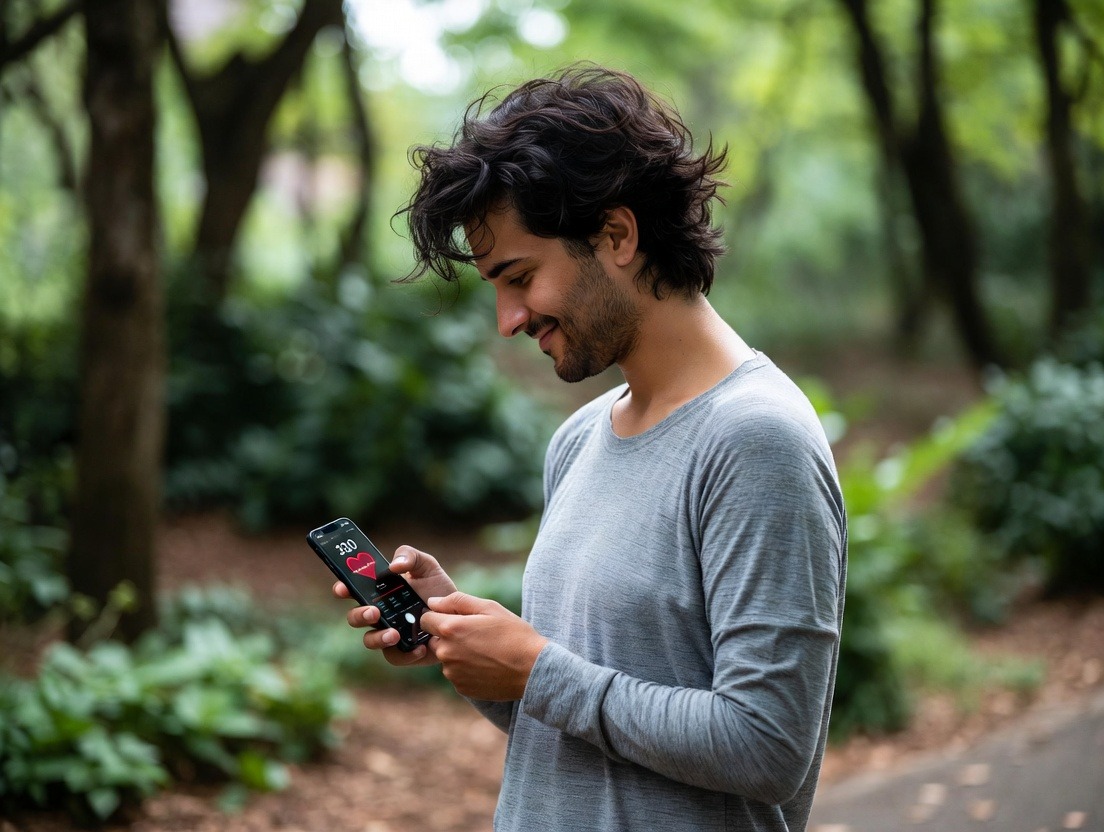
The Beginner-Friendly Guide to Health Data for Athletes: Performance Metrics Decoded
A beginner's guide to decoding performance metrics for athletes.
The Beginner-Friendly Guide to Health Data for Athletes: Performance Metrics Decoded
Imagine having a personal coach, a sports scientist, and a recovery specialist with you 24/7, whispering insights about your body’s most subtle signals. This is no longer the exclusive domain of Olympians with seven-figure support teams. Today, thanks to a revolution in wearable health technology, this power is accessible to anyone with a commitment to improving their performance. From heart rate variability (HRV) to sleep architecture, the data that can transform your training is now at your fingertips—or more aptly, on your finger or wrist.
Yet, for many athletes, this influx of data feels less like a guiding light and more like a confusing torrent of numbers and graphs. What does it all mean? Which metrics actually matter for your goals? And, most importantly, how do you translate this ocean of information into actionable steps that lead to faster times, greater strength, and more resilient health?
This guide is your decoder ring. We’re stripping away the complexity and jargon to provide a clear, beginner-friendly roadmap to the health data that truly impacts athletic performance. Whether you’re a weekend warrior aiming for a personal best, a dedicated amateur building a stronger foundation, or a seasoned competitor fine-tuning the final 1%, understanding these metrics is the key to unlocking your potential. We’ll start with the fundamentals—the core pillars of readiness, strain, and recovery—and build from there, empowering you to become the expert on your own body.
Beyond the Stopwatch: Why Data Is Your New Competitive Edge
For decades, athletic training was governed by simple, external metrics: time, distance, weight on the bar. You pushed until you couldn't push anymore, rested when you were exhausted, and often learned the hard way about the fine line between peak performance and injury or burnout. This approach worked, but it was inefficient and left a tremendous amount of potential untapped.
The modern era of sports science has shifted the focus inward. We now understand that performance is an output, a direct result of your body's internal physiological state. The true "work" of getting faster and stronger doesn't happen during the workout itself, but in the complex processes of repair, adaptation, and strengthening that occur after you finish. To optimize this cycle, you need visibility into what’s happening under the hood.
This is where quantified health data creates an undeniable edge. It moves you from guessing to knowing.
From Reactive to Proactive: Instead of waiting for persistent fatigue, irritability, or a niggle to tell you something’s wrong, data can give you early warning signs. A consistently depressed HRV or elevated resting heart rate can signal systemic stress before you feel overtrained, allowing you to adjust a training session from high-intensity to restorative.
Personalized Precision: Generic training plans assume everyone recovers at the same rate. Data reveals your personal, daily readiness. One athlete might be perfectly primed for a hard interval session, while another, following the same plan, might need an easy day based on their recovery metrics. This personalization maximizes the effectiveness of every single workout.
Objective Feedback Loop: Feelings can be deceptive. You might "feel" sluggish but have excellent physiological readiness, suggesting a mental hurdle rather than a physical one. Conversely, you might feel energetic but see poor sleep data and a low HRV, indicating your body is fighting something and would benefit from rest. Data provides an objective check against subjective perception.
Long-Term Health Preservation: The ultimate goal isn't just to win a race; it's to enjoy a lifetime of movement and health. Monitoring trends in metrics like HRV, resting heart rate, and sleep quality helps you build sustainable habits, manage life stress, and avoid the chronic overtraining that can lead to long-term endocrine and immune system dysfunction.
In essence, health data provides the missing conversation between you and your body. It translates your body's whispers (and shouts) into a language you can understand and act upon. To dive deeper into how the best devices capture this crucial information, explore our analysis of the best wearable health tech for athletes and fitness enthusiasts.
Heart Rate Variability (HRV): The Ultimate Readiness Score
If you could only track one metric to guide your training, Heart Rate Variability (HRV) would be a top contender for the most powerful. Despite its technical name, the concept is a gateway to understanding your body's resilience and readiness to perform.
What is HRV? Contrary to what you might think, a healthy heart does not beat with the monotonous regularity of a metronome. The time interval between successive heartbeats varies slightly, measured in milliseconds. This variation is your HRV. It's controlled by your autonomic nervous system (ANS), which has two primary branches:
The Sympathetic Nervous System (SNS): Your "gas pedal." It drives the "fight or flight" response, increasing heart rate, blood pressure, and alertness to handle stress—be it from a sprint, a work deadline, or an argument.
The Parasympathetic Nervous System (PNS): Your "brake pedal." It governs "rest and digest" functions, promoting recovery, repair, and relaxation.
A high HRV generally indicates a strong, responsive parasympathetic influence and a body that is well-recovered, adaptable, and ready for stress. A low HRV suggests the sympathetic system is dominant—your body is under strain from training, illness, psychological stress, or poor sleep, and its capacity to handle more is reduced.
Why It Matters for Athletes: HRV is a direct, non-invasive window into your autonomic balance and overall physiological stress load. For an athlete, it's a daily readiness score.
Guiding Daily Training Intensity: A stable or rising HRV trend suggests good recovery. This is the day to attack that hard workout. A significant drop in your HRV (compared to your personal baseline) is a yellow flag. It may be wise to swap a planned high-intensity session for light activity or active recovery.
Identifying Overtraining Early: Chronically low HRV is a classic sign of non-functional overreaching or overtraining syndrome. Catching a downward trend early can prevent weeks or months of lost training.
Monitoring Life Stress: HRV doesn't differentiate between stress sources. A tough workout, a poor night's sleep, and an emotional life event all contribute to your stress load. Seeing a low HRV can prompt you to investigate: "Was my workout too hard yesterday, or am I anxious about that presentation?"
How to Use Your HRV Data:
Establish Your Baseline: Wear your device consistently (especially during sleep, when readings are most stable) for at least 2-4 weeks to understand your personal, average HRV.
Trend is Everything: Don't fixate on a single day's number. Look at the rolling average (often provided as a 7-day average). Is the trend going up, down, or holding steady?
Context is King: Use your device's app to note tags for training, illness, alcohol, or stressful events. This helps you learn what specifically impacts your HRV.
Make Informed Decisions: Let the trend guide your day. Green light for hard efforts on good trends, yellow light for caution on downward trends, and red light for rest on sharp drops.
The Takeaway: Think of HRV as your body's "stress buffer" gauge. A high buffer means you can absorb more training stress and grow stronger. A low buffer means you're near your limit, and more stress could lead to breakdown. Learning to listen to this signal is a foundational skill for intelligent training. For a comprehensive look at how modern devices track this and other vital signs, our guide to understanding health metrics from wearable tech is an essential resource.
Resting Heart Rate (RHR): The Silent Sentinel of Recovery & Health
Resting Heart Rate is one of the simplest, yet most revealing, metrics you can track. It's the number of times your heart beats per minute (bpm) when you are completely at rest—typically measured first thing in the morning, before you get out of bed or have caffeine.
The Physiology Behind the Number: Your RHR is a reflection of your cardiovascular fitness and the efficiency of your heart. A well-conditioned heart muscle is stronger and can pump more blood with each beat (a higher stroke volume). Therefore, it doesn't need to beat as often to supply your body with oxygen at rest. This is why elite endurance athletes often have RHRs in the 40s or even 30s.
Beyond fitness, your daily RHR is acutely sensitive to your recovery status and overall stress load.
Why It Matters for Athletes:
Long-Term Fitness Benchmark: A gradual decrease in your RHR over months of consistent training is one of the clearest signs of improving cardiovascular fitness.
Short-Term Recovery Indicator: Your daily morning RHR can be elevated for several reasons directly related to recovery:
Insufficient Recovery from Training: Your body is still working hard to repair muscle tissue and restore energy systems.
Dehydration: Reduced blood volume makes your heart work harder to circulate blood.
Illness or Infection: Your body raises its metabolic rate to fight off pathogens, increasing heart rate.
Poor Sleep or High Life Stress: Activates the sympathetic nervous system, keeping your "engine" idling higher.
Early Illness Detection: A sudden, unexplained spike in RHR (often 5-7+ bpm above your normal average) can be one of the earliest signs your body is fighting something, sometimes even before you feel symptoms.
How to Use Your RHR Data:
Find Your True Resting Rate: Use your wearable's sleep tracking or morning reading feature. Take the measurement under consistent conditions—ideally, after waking naturally, before moving much.
Track the Trend: Like HRV, it's the trend that matters. Note your weekly average.
Heed the Spike: If you see a significant morning spike without an obvious reason (like a brutally hard prior workout), treat it as a warning sign. Consider it a day for extra hydration, nutrient-dense food, prioritization of sleep, and potentially scaling back training intensity.
Combine with HRV: RHR and HRV are powerful when viewed together. The worst-case scenario for readiness is an elevated RHR coupled with a lowered HRV. This is a strong, combined signal from your body that it is under significant stress and needs rest.
Sleep: Your Non-Negotiable Performance Enhancer
You cannot out-train poor sleep. Sleep is not passive downtime; it is an active, critical physiological process where the magic of adaptation happens. It's when human growth hormone is released, muscles are repaired, memories (including motor skills from practice) are consolidated, and your immune system recharges. Tracking sleep is not about obsession; it's about respecting the most important recovery tool you have.
Key Sleep Metrics to Understand: Modern wearables break sleep down into stages, providing a "sleep architecture" report.
Total Sleep Time: The straightforward foundation. Most adults need 7-9 hours. Athletes, due to the physical stress of training, often need at the higher end of this range or more.
Sleep Stages:
Light Sleep: Makes up the largest portion. Important for mental and physical rest.
Deep Sleep (Slow-Wave Sleep): The physical repair phase. Crucial for muscle recovery, tissue growth, and immune function. This is where peak athletic recovery occurs.
REM Sleep: The mental restoration phase. Vital for cognitive function, memory, learning, and emotional regulation. Essential for mastering strategy and technique.
Sleep Efficiency: The percentage of time you are actually asleep while in bed. A low score can indicate restlessness, sleep apnea, or poor sleep habits.
Restlessness/Wakefulness: The number of times you stir or wake briefly during the night. Some is normal, but high restlessness fragments sleep and impairs its quality.
Why Sleep Data Matters for Athletes:
Quantifies Recovery Quality: You might be in bed for 8 hours, but if you only get 45 minutes of deep sleep, your physical recovery is compromised. Data reveals the quality, not just the quantity.
Links Lifestyle to Performance: See the direct impact of late-night training, evening caffeine, alcohol consumption, or screen time on your sleep scores. Alcohol, for instance, often increases deep sleep early in the night but severely disrupts REM sleep later.
Identifies Issues: Consistently low sleep scores or high restlessness can be a prompt to investigate sleep hygiene or even discuss potential sleep disorders with a doctor.
Guides Training Timing: If your data shows you consistently get your best sleep on nights after a rest day, it's a clue about your recovery needs.
How to Use Your Sleep Data:
Aim for Consistency: A consistent sleep and wake time is perhaps the most powerful tool for improving sleep quality.
Protect Your Deep and REM: Prioritize the habits that support these stages: complete darkness, a cool room, avoiding alcohol, and managing stress.
Use It for Planning: After a night of poor sleep (low total time or efficiency), your HRV/RHR will likely reflect it. Accept that your body's capacity is reduced that day and adjust your training expectations accordingly.
Don't Chase Perfection: Night-to-night variability is normal. Look at weekly averages to assess your overall sleep health.
While readiness metrics tell you if you should train, activity and strain metrics quantify what you actually did. This is where wearables transition from health monitors to training partners, helping you balance stimulus and recovery.
Understanding Strain and Load: These are composite scores that summarize the total stress of your training (and sometimes, daily life activity) over a period.
Acute Load (Short-Term): Usually your training load over the past 7 days. This represents the immediate fatigue you are carrying.
Chronic Load (Long-Term): Your average training load over a longer period, typically 28-42 days. This represents your fitness base.
The Acute:Chronic Workload Ratio: This is a critical concept for injury prevention. It compares your recent (acute) load to your longer-term (chronic) load. A sharp spike in acute load (e.g., jumping into intense training after a vacation) without an adequate fitness base significantly increases injury risk. Many apps visualize this ratio to keep you in a "sweet spot" for productive, safe training.
Key Activity Metrics:
Active Minutes/Exercise Minutes: Tracks time spent in moderate-to-vigorous activity.
Steps: A basic but useful metric for ensuring general activity levels, especially on non-training days. It helps combat sedentary behavior.
Training-Specific Data: For runners and cyclists, this includes pace, distance, elevation, and power output. For strength athletes, it may be about tracking workout volume (sets x reps x weight).
Heart Rate Zones: Moving beyond average heart rate, training in specific zones (Zones 1-5, based on percentages of your maximum heart rate) ensures you are hitting the right physiological adaptations—from building an aerobic base (Zone 2) to improving lactate threshold and VO2 max (Zones 4 & 5).
Why Activity & Strain Data Matters:
Prevents Over- and Under-Training: It gives you an objective measure of your work, so you're not just going by feel. You can ensure you're applying enough stimulus to improve (progressive overload) but not so much that you break down.
Quantifies All Activity: It accounts for that long walk, the spontaneous game of basketball, or the heavy gardening—all of which contribute to your total load.
Provides Context for Readiness Metrics: A high strain score from yesterday perfectly explains a lower HRV today. This connection helps you validate your body's signals.
Tracks Progress Objectively: Seeing your chronic load (fitness) gradually increase over a season, while managing your acute spikes, is a clear sign of successful training.
Body Temperature: The Emerging Baseline for Health
While not as commonly tracked as heart rate or sleep, continuous body temperature monitoring is a groundbreaking feature of advanced wearables, particularly smart rings. It moves health tracking from just performance to true wellness surveillance.
What is Being Measured? These devices track your peripheral temperature (from your finger or wrist) and, using sophisticated algorithms, can estimate your core body temperature trends. The absolute number is less important than the variation from your personal baseline.
Why It Matters for Athletes:
Menstrual Cycle Tracking: For female athletes, basal body temperature (BBT) is a key biomarker for pinpointing ovulation and mapping phases of the menstrual cycle. Understanding these phases is crucial, as performance, injury risk, recovery needs, and nutritional requirements can vary significantly throughout the cycle.
Illness Prediction: One of the earliest signs of the body mounting an immune response (to a virus or bacteria) is a rise in basal body temperature. A wearable can detect this subtle upward trend before you feel feverish or symptomatic, giving you an early alert to prioritize rest, hydration, and recovery.
Overtraining & Metabolic Stress: Chronic, low-grade elevation in nighttime temperature can sometimes be associated with metabolic stress from prolonged overtraining, as the body's systems remain in a heightened state.
Sleep Onset: Your core temperature naturally drops to initiate sleep. Monitoring this dip can provide insights into your circadian rhythm alignment.
How to Use Body Temperature Data:
Establish a Personal Baseline: Let the device learn your normal pattern over several weeks.
Watch for Deviations: Pay attention to sustained elevations, especially overnight or upon waking.
Integrate with Other Data: A temperature rise coupled with an elevated RHR and low HRV forms a very strong, multi-parameter case that your body is fighting something and needs a down day.
Blood Oxygen (SpO2) & Respiratory Rate: Windows into Respiration
These two metrics, often tracked during sleep, provide a deeper look at your respiratory health and sleep quality.
Blood Oxygen Saturation (SpO2): This measures the percentage of oxygen-carrying hemoglobin in your blood. A normal, healthy reading is typically 95-100%. During sleep, it's normal for this to dip slightly, but frequent or significant drops (below 90%) can be indicative of sleep-disordered breathing, like sleep apnea.
Respiratory Rate: This is the number of breaths you take per minute. At rest, adults typically breathe 12-20 times per minute. Like heart rate, it tends to decrease during sleep and can be elevated by fever, illness, or intense physical exertion.
Why They Matter for Athletes:
Sleep Quality & Recovery: Undiagnosed sleep apnea severely fragments sleep, prevents deep sleep stages, and stresses the cardiovascular system—all of which are catastrophic for recovery and performance. Consistently low nocturnal SpO2 readings can be a prompt to seek a professional sleep evaluation.
Altitude Adaptation: For athletes training at or traveling to altitude, monitoring SpO2 is directly useful. It shows how your body is acclimatizing to lower oxygen availability.
Illness Indicator: An elevated respiratory rate at rest or during sleep can be an early and sensitive sign of respiratory illness, infection, or even cardiac stress.
Recovery Status: Some data suggests respiratory rate may remain slightly elevated after very intense training as the body works to restore metabolic balance.
Putting It All Together: The Art of the Daily Check-In
You now have a toolkit of powerful metrics. The art lies in synthesizing them into a simple, daily decision. This process is often called the "Morning Readiness Check" or "Daily Check-In." It should take no more than 2-3 minutes.
Your 3-Minute Daily Performance Protocol:
Step 1: Review Sleep. Look at your total sleep time and sleep score. Did you get enough quantity and quality? This sets the stage.
Step 2: Check HRV & RHR. Open your app. What is the trend? Is your HRV stable/increasing or taking a dip? Is your RHR within its normal range or elevated? These two numbers give you your "Readiness Score."
Step 3: Consider Context. Manually add or review any tags: How hard was yesterday's training? Did you drink alcohol? Are you feeling stress? Are you traveling? This contextualizes the numbers.
Step 4: Make the Decision.
Green Light (Go Hard): Good sleep, HRV on/baseline, RHR normal. You're recovered and ready for a quality session.
Yellow Light (Proceed with Caution): Subpar sleep, HRV slightly down, RHR slightly up. Consider modifying the planned workout—shorten it, reduce intensity, or make it a technique-focused session.
Red Light (Rest/Recover): Poor sleep, HRV significantly down, RHR significantly up. This is a clear signal for a rest day. Prioritize hydration, nutrition, gentle movement like walking, and stress management.
The goal is not to become a slave to the data but to use it as a trusted advisor. Some days, you may feel terrible but see good numbers—that's a chance to practice mental fortitude. Other days, you may feel great but see poor numbers—that's a chance to practice wisdom and discipline by pulling back. This balance is where true athletic intelligence is forged.
From Data to Decisions: Building Your Personal Performance Framework
Data in a vacuum is just noise. Its power is unleashed when you connect it to create your own personalized performance framework—a set of rules and understandings unique to your body's responses.
How to Build Your Framework:
Correlate Sensations with Data: For a month, make a quick note of how you feel each morning ("energetic," "heavy legs," "foggy") alongside your data. Do you see patterns? Perhaps "heavy legs" always correlates with low deep sleep, regardless of HRV.
Identify Your Key Lever: Through observation, you might find one metric is your best early warning signal. For some, it's RHR. For others, it's a specific aspect of sleep. Focus your daily check-in there.
Create Personal "If-Then" Rules:
*"If my HRV drops >10% from my 7-day average AND my sleep efficiency was <85%, THEN I will swap my interval run for a Zone 2 run."*
"If my resting heart rate is >5 bpm above my average for two mornings in a row, THEN I will prioritize an extra hour of sleep and hydrate aggressively."
Respect the Composite Picture: Never make a decision based on a single metric. A low HRV after a fantastic night of sleep and a normal RHR might just mean you had a very demanding workout—not necessarily that you need a full rest day. Use at least 2-3 data points together.
Periodically Review Long-Term Trends: Every 4-6 weeks, look at the big picture. Is your chronic training load gradually increasing? Is your average HRV trending upward (a sign of improved fitness and resilience)? Are you seeing more "Green Light" days? This macro view shows if your overall training and lifestyle strategy is working.
This framework turns you from a passive data collector into an active self-experimenter and coach. It's the process of moving from simply wearing a device to truly integrating its intelligence into your athletic life.
The Smart Ring Advantage: Why Form Factor Matters for 24/7 Data
To capture the most accurate readiness metrics—especially HRV, sleep, and temperature—you need consistent, comfortable, and unobtrusive wear. This is where the debate between smart rings and smartwatches becomes critical for the serious athlete.
Smart rings like the Oura Ring or similar are emerging as the preferred tool for foundational health monitoring, and for compelling reasons:
Optimal Sensor Location: The vascular structures in your finger (the palmar digital arteries) provide a strong, clean signal for photoplethysmography (PPG) sensors measuring heart rate and HRV. This can sometimes lead to more consistent readings than the wrist, especially during movement.
Unmatched Consistency: A ring is easier to wear 24/7. You sleep with it, swim with it, and wear it during any sport where a watch would be bulky, uncomfortable, or even dangerous (e.g., weightlifting, gymnastics, rock climbing). This leads to no data gaps, which is essential for accurate trend analysis.
Comfort & Unobtrusiveness: Once sized correctly, you forget it's there. There's no screen to light up at night, no bulky case to press against your wrist during sleep or typing.
Focus on Recovery & Readiness: Rings are typically purpose-built for health and recovery metrics first, rather than trying to be a miniature smartphone. This can mean more sophisticated algorithms for sleep staging and readiness scores.
The ideal setup for many athletes is actually a combination: a smart ring for continuous, foundational health and recovery data (HRV, RHR, sleep, temperature), and a smartwatch or dedicated sports watch for in-depth activity tracking (GPS, pace, power, advanced workout metrics) during specific training sessions.
This "best of both worlds" approach ensures you have the highest fidelity data on both your strain and your recovery. To delve into the nuances of this decision, our comprehensive ring vs. watch comparison for athletes breaks down the pros and cons in detail.
Common Data Pitfalls & How to Avoid Them
As you embark on this journey, be aware of these common mistakes that can lead to confusion or poor decisions:
Obsessing Over Single Data Points: A bad night of sleep or a low HRV score today is not a failure. It's information. Athletic progress is measured in weeks and months, not daily fluctuations. Focus on trends.
Ignoring Context: Data doesn't lie, but it also doesn't tell the whole story. Always pair the numbers with your subjective feelings and life events. Did you have three glasses of wine? That will crush HRV. Did you have a stressful family conversation? That matters.
Using Someone Else's Baseline: Your HRV of 40 is not "worse" than your friend's HRV of 80. These metrics are highly individual. Compare yourself only to yourself.
Becoming a Slave to the "Green Light": There will be times when you need to train through less-than-ideal readiness—during a structured training block or competition phase. The data should inform how you approach that session, not necessarily if you do it. It can tell you to be extra mindful of your warm-up, form, and hydration.
Neglecting the Basics for the Tech: No amount of data can compensate for chronically poor sleep hygiene, terrible nutrition, or unmanaged life stress. Use the data to reinforce and guide these foundational habits, not replace them.
Chasing Perfection: The goal is optimization, not perfection. A readiness score of 85% is still excellent. Don't let the pursuit of a 95% score become a new source of stress.
The Future is Personalized: AI, Trends, and Proactive Health
The frontier of wearable technology is moving from simple data reporting to intelligent, personalized coaching. This is powered by artificial intelligence and machine learning.
Predictive Insights: Future apps won't just tell you your HRV is low; they may predict, based on your historical data and current load, that you are 3 days away from a heightened injury risk if you continue your current pattern.
Personalized Health Nudges: Instead of generic advice like "get more sleep," your device, understanding your unique patterns, might say: "Your data shows your deep sleep decreases by 15% when you train after 8 PM. Consider moving your evening session earlier."
Integrated Wellness Platforms: The data from your ring will seamlessly integrate with nutrition apps, training platforms like Strava or TrainingPeaks, and even electronic health records, giving you and your coach (or doctor) a holistic view.
Longitudinal Health Tracking: The true value of this data multiplies over years. A long-term trend of gradually decreasing resting heart rate is a powerful health asset. A sudden, sustained change in a core metric could provide early, actionable clues about your health long before a clinical symptom appears.
Tailoring the Data to Your Sport: From Runners to Weightlifters
The universal metrics of HRV, sleep, and RHR apply to every athlete, but their interpretation and the emphasis on specific activity data change dramatically based on your sport. A one-size-fits-all approach to data analysis doesn't work. Here’s how to customize your data lens.
For Endurance Athletes (Runners, Cyclists, Triathletes, Swimmers): For these athletes, the engine—the cardiovascular and aerobic system—is paramount. Data is about optimizing efficiency and managing cumulative fatigue.
Prime Metric: Heart Rate Zones & Training Load. The bulk of training should be in Zone 2 (the conversational pace) to build a resilient aerobic base. Data prevents you from letting easy runs drift into moderate Zone 3, which is too hard for base building and too easy for threshold improvement. Tracking your chronic training load (CTL) in apps like TrainingPeaks is crucial to ensure steady, progressive overload.
Key Insight: Running Dynamics/Power. Advanced wearables and pods can measure ground contact time, vertical oscillation, and power output (in watts). For a runner, a decrease in ground contact time and vertical bounce often signals improving running economy. Cycling power is the gold standard for measuring effort, unaffected by wind or hills.
Recovery Focus: HRV is your guide to intensity. Because endurance training is so systemically fatiguing, HRV is exceptionally sensitive to overreaching. A sustained drop often means you need more low-intensity volume or a true rest day, not another intense interval session.
Sport-Specific Gauge: Resting Heart Rate (RHR). The correlation between improved aerobic fitness and a lowered RHR is strongest here. A rising trend in RHR during a heavy training block is a major red flag.
For Strength & Power Athletes (Weightlifters, CrossFit, Sprinters): For these athletes, the focus is on the neuromuscular system—generating maximal force and power. Recovery is about muscular repair and central nervous system (CNS) readiness.
Prime Metric: Subjective Readiness & Velocity. While wearables track systemic stress, the best metric for CNS fatigue is often bar speed. Using velocity-based training tools or simply noting how the weight feels (Rate of Perceived Exertion, or RPE) is key. Your wearable’s HRV and sleep data will tell you if your body can handle the systemic stress of a heavy session, but your nervous system might still be fried from yesterday’s max-effort lifts.
Key Insight: Heart Rate Recovery (HRR). How quickly your heart rate drops after a set (e.g., one minute post a heavy squat) can indicate autonomic nervous system fitness and readiness for the next set. A slower HRR than usual suggests you need more rest between sets.
Recovery Focus: Deep Sleep & HRV. Deep sleep is where growth hormone peaks and tissue repair occurs. Prioritizing sleep hygiene is non-negotiable. HRV can indicate systemic inflammation from muscle damage. A low HRV the morning after a high-volume leg day is expected; if it’s still low 48 hours later, your recovery is lagging.
Sport-Specific Gauge: Heart Rate Variability (HRV). Interestingly, HRV can be acutely elevated immediately after a very heavy, neurologically demanding session before crashing later—a sign of significant sympathetic activation. The trend over the following 24-48 hours is what matters most.
For Team-Sport & Interval Athletes (Soccer, Basketball, HIIT): These athletes require a blend of endurance, strength, and repeat-sprint ability. Data helps manage the chaotic, high-intensity nature of their training.
Prime Metric: High-Intensity Minutes & Acute:Chronic Workload Ratio. Tracking the volume of sprints, jumps, and changes of direction is vital. The ACWR is perhaps the most critical metric here to prevent soft-tissue injuries common in field sports. A sudden spike in high-intensity load (e.g., a weekend tournament after a light week) is the perfect recipe for a hamstring strain.
Key Insight: Player Load & Muscle Oxygenation (SmO2). Some advanced wearables estimate full-body load from accelerometer data. Emerging tech like wearable muscle oximeters can show local muscular fatigue and recovery in real-time—seeing a calf muscle not re-oxygenating between sprints is a direct sign of fatigue.
Recovery Focus: Stress + Sleep. The psychological stress of competition and travel, combined with the physical demands, makes recovery multifaceted. Tracking stress scores (derived from HRV) alongside sleep is essential. An athlete might be physically recovered but still show a low readiness score due to game-day anxiety or travel disruption.
Sport-Specific Gauge: Respiratory Rate Post-Exertion. How quickly your breathing returns to normal after a repeated sprint drill can be a marker of metabolic conditioning and recovery between bouts.
The Golden Rule: Your sport dictates which external output metrics matter most (pace, power, weight on the bar, sprint count), but your internal readiness metrics (HRV, RHR, sleep) are the universal gatekeepers that determine how effectively you can execute any of them on any given day.
Periodization with Data: Planning Your Season Intelligently
Periodization is the structured planning of training to peak for key events. Traditionally, this was done with guesswork and past experience. Now, data allows for a responsive, dynamic approach, transforming a rigid plan into a living document.
The Three Classic Phases, Enhanced by Data:
Base/Preparation Phase: The goal is to build aerobic capacity and muscular endurance with high volume, low-to-moderate intensity.
Data's Role: Use HRV and RHR trends to ensure you're recovering from the increased volume. The focus is on maintaining a positive or stable readiness score despite higher training hours. Sleep data is critical to support the increased recovery demand.
Key Metric: Chronic Training Load (CTL). You should see this number steadily and safely rise.
Build/Intensification Phase: Intensity increases with the introduction of intervals, tempo work, and heavier strength sessions. Volume may decrease slightly.
Data's Role: This is where HRV becomes your daily guide. Intensity places a high stress on the nervous system. You will see more frequent dips in HRV. The goal is to see it rebound quickly. Use the data to strategically place hard days and essential recovery days. The Acute:Chronic Workload Ratio (ACWR) must be watched like a hawk to avoid injury-spawning spikes.
Key Metric: Acute Training Load (ATL) & ACWR. Keep the ACWR in the "sweet spot" (typically 0.8-1.3, but this is individual) to maximize adaptation while minimizing injury risk.
Taper/Peak Phase: Volume drops dramatically to shed fatigue and sharpen fitness before competition.
Data's Role: This is data validation time. You should see a clear, positive response: HRV should climb to its highest levels, RHR should drop to its lowest, and sleep scores should improve. This objective confirmation that you are "peaking" is incredibly powerful mentally. If your numbers aren't improving, it may indicate you didn't have enough fatigue to shed or your taper is too stressful.
Key Metric: HRV Trend & Sleep Quality. These should both show marked improvement. This is your physiological confirmation that you are ready to perform.
Data-Driven Adjustments in Real-Time: A rigid plan fails when life intervenes. Data allows for intelligent autopiloting.
The Scheduled Hard Day vs. The "Red Light" Body: Your plan says intervals today, but your readiness score is 40/100. Decision: Swap the intervals for a Zone 1-2 recovery session. Push the intervals to tomorrow if your score improves, or adjust the week.
The Unscheduled "Green Light": You feel mediocre but your data shows fantastic recovery after an easy week. Decision: This is a chance to execute a bonus, high-quality session. The data gave you the confidence to push.
Tracking Life Stress: A demanding work project shows up as a 10-day decline in your HRV, despite maintained training. Decision: Acknowledge the total stress load. Hold training at maintenance, don't try to build. Prioritize sleep and nutrition. The data prevents you from mistakenly blaming your training and helps you address the real culprit.
This approach is known as "autoregulation." Your pre-written plan provides the structure, but your daily biometrics provide the permission to deviate from it intelligently. For a deeper understanding of how to weave this technology seamlessly into your life, see our guide on how to integrate wearable health tech into your daily routine.
Nutrition & Hydration: The Data Connections You Can't Ignore
You can't supplement your way out of bad data, but you can use data to optimize your fueling. The links between biometrics and nutrition are profound and actionable.
Data as a Feedback Loop for Fueling Strategies:
Post-Workout Recovery: How quickly does your HRV rebound after a hard session? A slow rebound could indicate inadequate post-workout nutrition (carbs and protein) to replenish glycogen and start muscle repair.
Sleep & Evening Meals: Notice a pattern of reduced deep sleep or elevated nighttime heart rate after late, heavy, or high-fat meals? Your data is telling you that your digestion is interfering with restorative sleep. Experiment with earlier or lighter dinners.
Hydration Status: Elevated morning RHR is a classic sign of dehydration. Before you reach for coffee, drink 16-20oz of water and see if your sense of readiness changes. Consistent low-grade dehydration will chronically elevate RHR and impair HRV.
Using Data to Experiment (N=1 Trials): This is where you become a scientist of yourself.
The Question: "Does my new pre-workout supplement improve my performance or recovery?"
The Method: Use it consistently for 2 weeks, then take 2 weeks off. Keep training as consistent as possible.
The Data to Watch:
Performance: Workout heart rate at a given pace/power (is it lower?).
Recovery: Morning HRV and RHR trends during the on vs. off periods.
Sleep: Any changes in sleep architecture or restlessness?
The Verdict: The data provides an objective answer that transcends placebo effect. You might feel more energized, but if your HRV is consistently lower, it's putting extra stress on your system.
Carbohydrate Periodization & Readiness: Some advanced athletes sync nutrition with training load. On high-intensity days, they consume more carbohydrates to fuel performance and recovery. On easy or rest days, they may consume fewer. Your readiness score can help guide this: a low score might suggest keeping carbs moderate to avoid unnecessary blood sugar spikes while focusing on protein, fats, and hydration to aid repair.
The Bottom Line: View your nutrition as the raw materials for recovery. Your HRV, RHR, and sleep data are the quality reports on the construction project. If the reports are poor, inspect the materials and the process.
The Psychological Game: Data, Mindset, and Avoiding Obsession
This is the most nuanced and critical chapter for long-term success. Data is a tool for empowerment, but it can become a source of anxiety, perfectionism, and rigid thinking if not managed correctly.
The Pitfalls of Data-Driven Training:
Analysis Paralysis: Spending more time looking at charts than actually training or recovering.
"The Score Dictates My Mood": Letting a low readiness score create a self-fulfilling prophecy of a bad day or poor performance.
Ignoring Intuition: Overriding a strong, positive feeling because the data says "caution," or conversely, pushing through clear pain signals because the data is "green."
Comparison & Despair: Comparing your HRV or sleep scores to others online, leading to unfounded concern.
Building a Healthy Data Mindset:
Data Informs, It Does Not Command. You are the CEO of your training. The data is your expert advisory board. Listen to it, consider it, but make the final call based on the full picture—how you feel, your experience, your goals, and the context of your training plan.
Embrace the "Yellow Light." A readiness score of 70% isn't a failure. It's an opportunity to practice adaptability. Can you still have a productive, modified session? This builds mental resilience that is just as important as physical resilience.
Schedule Your Data Review. Don't check your app constantly. Make your morning check-in a ritual, then maybe one review post-workout. Avoid looking at live data during a session unless it's for a specific pacing purpose (e.g., staying in Zone 2).
Use Data to Build Confidence, Not Doubt. When you're peaking and see your best-ever numbers, use that as a powerful psychological boost: "My body is ready. The proof is right here."
Know When to Disconnect. If you find yourself in a cycle of obsession or anxiety, take the device off for a weekend. Reconnect with how you feel. Remember, people achieved incredible athletic feats long before wearables existed. The data is there to serve you, not to become your master.
The Positive Reinforcement Loop: Used well, data provides positive reinforcement for healthy behaviors. Seeing your sleep score improve after establishing a consistent bedtime is rewarding. Watching your HRV climb during a well-executed taper is validating. This positive feedback makes it easier to stick to good habits.
Working with Coaches & Practitioners: Speaking a Common Language
One of the most powerful applications of wearable data is improving communication with your coach, physiotherapist, or doctor. You move from vague descriptions to precise, shared information.
With Your Coach: From Guesswork to Collaboration
Providing Context: Instead of texting "I feel tired," you can share: "My readiness score is 45/100 today, my HRV dropped 20% from my baseline, and I only got 5 hours of sleep. I think yesterday's session hit me hard." This allows your coach to make an informed prescription: rest, an easy spin, or a technique day.
Validating the Plan: Sharing positive data trends during a training block shows your coach the plan is working for your physiology. Conversely, sharing negative trends can prompt a collaborative mid-plan adjustment before breakdown occurs.
Remote Coaching Superpower: For online coaching, this data is invaluable. It's the closest thing to the coach being there to observe you daily.
With Healthcare Professionals (Doctors, Physios):
Objective History: "Doctor, for the two weeks before this knee started hurting, my sleep scores were consistently 20% lower than normal, and my HRV was trending down." This tells a story of accumulated stress and potentially impaired recovery that may have contributed to injury susceptibility.
Monitoring Rehabilitation: After an injury, you can use HRV and RHR to monitor your systemic stress as you return to activity. A sharp negative reaction to a new rehab exercise will show up in the data.
Quantifying Symptoms: For issues like insomnia or suspected overtraining, providing months of sleep or HRV data is far more useful than saying "I don't sleep well." It shows patterns, severity, and potential triggers.
How to Present the Data:
Share Trends, Not Dailies: Coaches and doctors don't need to see every single day's graph. Show a weekly or monthly trend of your key 2-3 metrics (e.g., HRV, Sleep Duration, RHR).
Use the App's Summary Features: Most apps have weekly readiness or recovery reports. These are perfect for sharing.
Connect the Dots: Always pair the data with your subjective experience. "Here's my HRV trend. The big drop here coincided with starting that new work project, and it hasn't recovered even though training has been light."
This collaborative approach elevates your support team's ability to help you, making you an active, informed partner in your own performance and health. For more on this transformative dynamic, read about how wearable health tech empowers patient-doctor communication.
The Tech Ecosystem: Apps, Integrations, and Making Data Flow
Your wearable's native app is just the starting point. The true power is unlocked when your biometric data flows into the other digital tools you use, creating a centralized command center.
Key Platforms for Integration:
Training Platforms (TrainingPeaks, Strava, Today's Plan): This is the #1 integration for serious athletes. It allows your daily readiness score (from Oura, Whoop, etc.) to appear right alongside your scheduled workout. Your coach can see it, and you can make decisions based on that combined view. Some platforms can even automatically adjust your daily workout prescription based on your readiness.
Nutrition Apps (MyFitnessPal, Cronometer): While direct integrations are rarer, the principle is to look for correlations manually. If you log your food, you can compare days with high vs. low energy and see what dietary patterns align with better recovery scores.
Health Aggregators (Apple Health, Google Fit): These act as central hubs. Your smart ring can write sleep, HRV, and RHR data to Apple Health. Then, another app (like a meditation app or a different training app) can read that data to provide more context. This interoperability is key to a seamless ecosystem.
Women's Health Apps (Natural Cycles, Clue): Smart rings with temperature sensing can directly sync BBT data to these apps for highly accurate menstrual cycle and ovulation tracking, which is invaluable for female athletes.
Why a Connected Ecosystem Matters:
It Saves Time and Mental Energy: You're not juggling multiple disparate data sources. Your readiness from your ring and your workout from your watch all land in one place (like TrainingPeaks).
It Reveals Deeper Insights: When sleep, stress, training load, and nutrition (if logged) are viewed together, hidden patterns emerge that you'd never see in isolation.
It Future-Proofs Your Data: As new apps and analysis tools emerge, having your historical data flowing through a central hub like Apple Health means you can always take advantage of new insights.
Choosing Your Gear with Ecosystem in Mind: Before buying a device, check its integration list. If you live in the Apple ecosystem, ensure it works deeply with Apple Health. If you and your coach use TrainingPeaks, verify the integration is robust. This is as important as the hardware specs. Our guide on wearable health tech app ecosystems and compatibility delves into this critical consideration.
Beyond Performance: Long-Term Health Surveillance and Sustainability
The ultimate goal of athletics is to enhance your life, not consume it. The same data that makes you faster today can be your guardian for long-term health and sustainable participation in the sports you love.
Data as a Longevity Tool:
Cardiovascular Fitness Trend: A gradual, age-appropriate decrease in your Resting Heart Rate and an increase in your Heart Rate Recovery are two of the best indicators of improving long-term cardiovascular health.
Stress Resilience: Monitoring your HRV trends over years can show you how lifestyle changes, career shifts, or mindfulness practices improve your body's fundamental resilience to all forms of stress.
Sleep as a Vital Sign: Consistently tracking sleep turns it from an afterthought into a core vital sign, like blood pressure. Protecting your deep sleep is one of the most powerful anti-aging and health-preserving strategies available.
Injury Prevention & Movement Longevity: This is the most direct link to sustainable sport.
The ACWR Guardian: Faithfully monitoring your Acute:Chronic Workload Ratio is the single best data-driven practice to avoid the soft-tissue injuries that end seasons and careers.
Listening to the Whispers: A persistent, minor ache paired with a week of declining readiness scores is your body's last whisper before it shouts (with a full-blown injury). Data gives you the awareness to hear the whisper and take a pre-emptive rest day or see a physio.
Building a Lifestyle, Not Just a Training Plan: The data reinforces that performance is an expression of overall health. You cannot compartmentalize. Poor sleep, chronic work stress, and unhealthy relationships will all manifest in your biometrics and eventually cap your performance. This holistic view encourages you to build a life that supports high performance in sport and in life, creating a virtuous cycle.
This shift in perspective—from using data to win a race to using data to win a lifetime of health and activity—is where the technology delivers its greatest value. It fosters a proactive, preventative approach to well-being. For insights into how this extends beyond the individual, consider the broader implications of wearable tech on insurance and healthcare costs.
The Accuracy Debate: Understanding the Limits and Potential of Wearable Data
A critical step in becoming a savvy user of health data is understanding what your device can and cannot tell you with absolute certainty. The "accuracy debate" is not a reason to dismiss wearable technology, but a framework for using it intelligently. Let's demystify it.
Clinical Grade vs. Consumer Wearable: A Matter of Purpose It's essential to distinguish between the two:
Clinical/Medical Devices: These are validated against gold-standard measures (like polysomnography for sleep or ECG for heart rhythm) under controlled conditions. They are designed for diagnosis and are subject to rigorous FDA clearance. They are often less user-friendly and not intended for 24/7 wear.
Consumer Wearables (Smart Rings, Watches): These are wellness and fitness devices. They use optical sensors (PPG) and accelerometers to estimate biometrics. They are designed for tracking trends and providing actionable insights for healthy individuals, not for diagnosing medical conditions.
Where Wearables Excel (Trend Accuracy): For the athlete, consistency and trend data are often more valuable than absolute clinical precision.
Heart Rate (at Rest): Modern PPG sensors are generally excellent at measuring resting heart rate, with accuracy often within 1-2 BPM of a chest strap or ECG when still.
Heart Rate Variability (Trends): While the absolute millisecond value may differ from an ECG-derived HRV, the direction of change (up, down, stable) is remarkably reliable. If your device says your HRV dropped 15% from your baseline, it almost certainly did, which is the actionable insight.
Sleep Stages (Macro-Patterns): Wearables are not perfect at scoring every minute of sleep correctly. However, they are very good at identifying the macro-architecture: total sleep time, time awake, and the broad distribution of light, deep, and REM sleep across the night. A trend showing consistently low deep sleep is a trustworthy signal.
Activity & Steps: These are highly accurate for their intended purpose—quantifying general movement and workout duration/intensity.
Areas of Caution and Context:
Heart Rate During High-Intensity Exercise: Wrist and finger-based optical sensors can struggle with "cadence lock" during very rapid, repetitive movements (like running or cycling at high cadence), where they may lock onto your arm/leg movement frequency instead of your heart rate. For precise workout heart rate data, a chest strap is still the gold standard.
Blood Oxygen (SpO2): Consumer wearables provide a useful trend indicator, especially for sleep. However, their accuracy, particularly during motion or for those with low perfusion, is not equivalent to a medical pulse oximeter. They are best used to spot concerning trends, not for absolute medical assessment.
Calorie Burn: This is arguably the least accurate metric. Algorithms estimating energy expenditure (Active Calories, Total Daily Energy Expenditure/TDEE) involve many assumptions. Use these numbers as a very rough guide, not a precise measurement for diet planning.
The Practical Stance for Athletes:
Trust the Trend, Not the Absolute Number. Your device is your personal lab. Its value is in showing your changes relative to your baseline. Whether your deep sleep is 1.2 hours or 1.4 hours matters less than knowing it dropped 30% last night.
Use the Right Tool for the Task. Rely on your wearable for 24/7 readiness and recovery trends. For pinpoint accuracy during a critical interval workout or a lactate threshold test, pair it with a chest strap heart rate monitor.
Corroborate with Subjective Feeling. Does the data match how you feel? If your device says you had great sleep but you feel exhausted, don't ignore your body. Investigate further.
Understand It's an Estimate for Wellness. These devices are powerful coaches, not doctors. They empower you to make better lifestyle choices, not to self-diagnose.
Making the Investment: A Buyer's Guide for the Data-Driven Athlete
With an understanding of the metrics and their accuracy, you're ready to choose your tool. This isn't about the "best" device universally, but the best device for you, your sport, and your goals. Here’s a strategic framework for your purchase decision.
Step 1: Define Your Primary Use Case
The Recovery-Focused Athlete: Your main goal is optimizing sleep, managing stress, and nailing daily readiness to prevent overtraining. Priority: Superior sleep tracking, accurate HRV, comfortable 24/7 wear, temperature sensing. Lean Towards: Smart Rings (like Oura) or dedicated recovery wearables (like Whoop).
The Activity-Focused Athlete: You want detailed workout metrics, GPS mapping, and in-the-moment pacing data. Priority: Accurate workout heart rate (or compatibility with a chest strap), built-in GPS, sport-specific modes, long battery life during activities. Lean Towards: Advanced Sports Watches (Garmin, COROS, high-end Apple Watch).
The Hybrid Athlete: You want the best of both worlds—deep recovery insights and comprehensive activity tracking. Priority: Strong ecosystem that integrates both data streams. Solution: Consider a Combo. A smart ring for 24/7 health metrics + a sports watch for training sessions. Alternatively, a high-end Garmin or Apple Watch that offers robust versions of both.
Step 2: Evaluate Key Features Through an Athletic Lens
Sensor Suite: Don't just count sensors, understand their athletic application.
PPG Heart Rate Sensor: The workhorse. Look for multi-wavelength LEDs (green/red/IR) for better accuracy across skin tones and conditions.
Temperature Sensor: A major differentiator for illness prediction and menstrual cycle tracking.
Accelerometer/Gyroscope: Essential for activity detection, step count, and running dynamics (if advanced enough).
SpO2 Sensor: Useful for sleep apnea screening and altitude acclimation insight.
Battery Life & Charging: This impacts data consistency. A device that needs daily charging is more likely to have data gaps. Smart rings often last 4-7 days; some watches last weeks. Can you charge it quickly without missing key tracking (e.g., a ring that charges in an hour vs. a watch that needs overnight)?
Durability & Design: Are you a swimmer, surfer, or climber? Water resistance rating is crucial (look for 5 ATM/50m minimum). For weightlifters, a bulky watch can interfere with wrist movements; a low-profile ring is often safer and more comfortable. Consider the device's resilience to sweat, impact, and chlorine. Our guide on water resistance and durability factors is essential reading here.
The App & Algorithms: The hardware collects raw data; the software turns it into insight. Explore app reviews. Is the UX intuitive? Does it provide clear, actionable summaries (readiness scores, sleep breakdowns)? Are the algorithms considered mature and reliable?
Step 3: Navigate the Cost Landscape The upfront price is only part of the equation.
Upfront Cost vs. Subscription: Some devices (most smartwatches) have a higher upfront cost but no required subscription for core features. Others (like Whoop) have a lower hardware cost but a mandatory monthly subscription to access your data. Calculate the 2-year total cost of ownership. Ask: Does the subscription provide ongoing value (like advanced analytics, coaching, or new features), or is it just a paywall to your own data?
Value vs. Price: A $300 device you wear every day that prevents one overtraining cycle or injury is priceless. Assess value based on the improvement in your decision-making and health, not just the spec sheet. We break down this complex calculus in our price vs. value analysis guide.
The "Free" App Alternative: Remember, your smartphone can already track steps, and many apps can guide training. A dedicated wearable adds the crucial layer of passive, 24/7 physiological monitoring (HRV, RHR, sleep) that your phone cannot replicate.
Even the best technology can hiccup. Knowing how to troubleshoot ensures you maintain trust in your data and don't misinterpret a glitch as a physiological change.
Issue 1: "My heart rate data is crazy during workouts."
Likely Cause: Optical sensor motion artifact (cadence lock) or poor fit.
Solutions:
Ensure a Snug Fit: The sensor must maintain consistent skin contact. On a watch, wear it a finger's width above your wrist bone and tight enough that it doesn't slide. For a ring, it should be snug but not cutting off circulation.
Pre-Moisten the Skin: A small dab of water or saliva on the sensor area can improve optical coupling, especially in dry conditions.
Check Placement: Avoid wearing it on bony wrists. For rings, ensure it's on a finger with adequate tissue (index, middle, ring fingers are often best).
Use a Chest Strap for Precision: For interval sessions or races, pair your device with a Bluetooth chest strap for clinical-grade HR data.
Issue 2: "My sleep stage data seems completely wrong (e.g., says I was awake when I know I was asleep)."
Likely Cause: Excessive movement during sleep (tossing/turning) or very still wakefulness can confuse the accelerometer-based sleep detection.
Solutions:
Trust the "Time in Bed" & "Total Sleep" more than the minute-by-minute staging. The overall total is usually reliable.
Use the Device's "Sleep Mode" or "Wind Down" feature if it has one, to signal when you're going to bed.
Review your sleep hygiene: High restlessness can be a real issue. Data might be highlighting fragmented sleep you weren't fully aware of.
Issue 3: "My readiness/HRV score is low, but I feel fantastic."
Likely Causes:
Physiological lag: Your body is still processing stress (from training, life, or immune activity) that you are no longer consciously feeling. The data is giving you an early warning.
Device error: A poor reading due to fit, low battery, or a temporary sensor issue.
Solutions:
Check the trend: Is this a one-day dip or part of a downward trend? A single low score can be an outlier.
Corroborate with other metrics: Is your RHR also elevated? Was your sleep poor? If other metrics agree, trust the collective signal.
Re-calibrate with feel: If data and feeling strongly conflict for multiple days, consider it a "yellow light," not a "red light." Proceed with your planned session but be hyper-aware of your body's signals during it.
Issue 4: "The device is uncomfortable to wear 24/7."
For Watches: Try different bands (nylon, fabric, or magnetic mesh bands are often more comfortable than silicone or metal for all-day wear). Experiment with which wrist and exact position you wear it.
For Rings: Sizing is everything. Your finger size changes throughout the day and with temperature. Get professionally sized at the end of the day when fingers are largest. The ring should have a slight resistance when taking it off. A ring that is too tight can be dangerous. For more, see our dedicated guide on sizing and fit considerations.
General Rule: If you suspect a hardware or software bug, a simple restart of the device and its paired app often resolves sync or performance issues. For persistent problems, consult the manufacturer's support. A robust customer support and warranty policy is a key part of your purchasing decision.
The Future of Athlete Monitoring: What's on the Horizon
The technology we have today is impressive, but it's merely the foundation. The next 5-10 years will see a transformation in how athletes interact with their own physiology. Here’s what’s coming.
1. Non-Invasive, Continuous Blood Biomarker Monitoring This is the holy grail. Imagine a wearable that could estimate:
Blood Glucose/Lactate: Real-time insight into fueling status and lactate threshold during exercise without a finger prick.
Hydration & Electrolyte Status: Direct measurement of hematocrit or sodium levels to guide hydration strategies perfectly.
Hormone Levels (Cortisol, Testosterone): Tracking anabolic/catabolic balance and recovery status with unprecedented depth. Companies are already developing optical and spectroscopic sensors to make this a reality, moving from tracking physiology to tracking biochemistry.
2. Advanced Nervous System and Muscle-Level Insights
Electrodermal Activity (EDA) for True Stress: Beyond HRV, EDA measures subtle sweat gland activity, a direct indicator of sympathetic nervous system arousal. This will provide a finer-grained picture of real-time stress and emotional load.
Wearable EMG (Electromyography): Patches or bands that measure muscle activation and fatigue in real-time. An athlete could see if their glutes are "turning off" during a long run, predicting and preventing IT band syndrome.
Ultrasound Wearables: Miniaturized ultrasound could image tendons and muscles to monitor for thickening, inflammation, or micro-tears, enabling truly proactive injury prevention.
3. Hyper-Personalized AI Coaching The AI will evolve from describing trends to prescribing action in a hyper-personalized way.
"Digital Twin" Simulations: Your historical data will create a model of you. Your coach (or AI) could simulate the outcome of different training blocks: "If you do this 8-week block, our model predicts a 3% VO2 max improvement but a 15% higher injury risk due to your responsiveness to load. Here's a modified version that yields 2.5% improvement with 5% risk."
Integrated Life Management AI: Your wearable will talk to your calendar. "I see you have a high-stress work meeting at 3 PM. Based on your data, I recommend a 10-minute breathing session at 2:45 to blunt the cortisol spike and protect your sleep tonight."
4. Seamless and Invisible Integration
Smart Fabrics: Clothing with woven sensors that measure everything a wearable can, without a separate device.
"Hearable" Technology: Advanced earbuds that measure core temperature from the ear canal and HRV from the ear's vascular bed.
Minimalist, Fashion-Forward Designs: Health tracking will become invisible, embedded in jewelry, standard watches, or even under-skin devices, removing the last barriers to adoption.
For athletes, this future means moving from managing training to orchestrating their entire biology. The line between coaching, recovery, and healthcare will blur into a single, continuous process of optimization. To understand the engines driving this future, explore our guide on AI and machine learning features in wearables.
Conclusion: Becoming the Author of Your Own Performance Story
We began this guide by positioning data as a decoder ring for your body's complex language. We've journeyed through the fundamentals of HRV and sleep, applied them to your specific sport, navigated the psychological landscape, and peered into the future. Now, we arrive at the core philosophy that makes all of this technology worthwhile.
The data points—the graphs, the scores, the numbers—are not the story. They are the raw material. You are the author. The wearable is your research assistant, gathering facts and observations. But the narrative of your athletic journey—its themes of perseverance, intelligence, adaptation, and growth—is yours alone to write.
This technology, at its best, does not create a dependency on external validation. It cultivates self-reliance. It teaches you the subtle dialects of your own physiology. You learn that a certain ache, paired with a specific sleep pattern, means one thing. You learn that your best performances are often preceded not by a perfect score, but by a rising trend after a period of intelligent strain. This is embodied knowledge. This is athletic wisdom.
Your task is not to achieve a perfect HRV of 100 or a sleep score of 90 every night. Your task is to engage in a respectful, responsive dialogue with your body. Use the data to ask better questions: "Why did I respond so well to that deload week?" "What is the specific impact of my evening routine on my deep sleep?" "How can I structure my training week to keep my ACWR in the sweet spot?"
In doing so, you transcend being just an athlete who uses data. You become an adaptive organism consciously participating in your own evolution. You move from simply following a plan to orchestrating your own adaptation.
The rings, watches, and sensors are tools of empowerment. They return agency to you. They democratize the knowledge that was once locked in sports science labs. Now, that knowledge is on your finger, on your wrist, in your pocket—a constant companion in the pursuit of not just peak performance, but peak vitality.
Let the data inform you. Let it guide you. Let it surprise you. But never let it define you. Your story is bigger than any dataset. Now, equipped with understanding, go out and write your next chapter.
Ready to continue your journey? For a complete, master-level resource that ties every aspect of this technology together, from purchase to advanced application, we invite you to explore our comprehensive Wearable Health Tech Mastery: The Complete Buyer's & User's Guide.



%402x.svg)