


The Beginner-Friendly Guide to Metabolic Energy: Ring-Tracked Health Markers
Metabolic energy and its relation to health markers tracked by your ring.
Metabolic energy and its relation to health markers tracked by your ring.
%402x.svg)
You wake up feeling drained, the 3 PM slump hits like a tidal wave, and the idea of a workout after work seems like a cruel joke. You’ve tried eating better, sleeping more, and chugging water, but your energy feels like a flickering lightbulb—unreliable and dim. The problem isn’t a lack of willpower. The problem is that you’re flying blind in the complex system that creates your vitality: your metabolism.
For decades, understanding your metabolic energy was relegated to lab coats and expensive, one-off tests. You got a snapshot—a fasting glucose reading at an annual physical, maybe a cholesterol panel—but no continuous, actionable story about how your body converts food and oxygen into the fuel that powers every thought, heartbeat, and step. That story is written in real-time, in a language of rhythms, balances, and recoveries happening beneath your skin.
Now, imagine having a personal energy translator on your finger. A smart ring, worn continuously, that deciphers this biological language by tracking core health markers like heart rate variability (HRV), resting heart rate, skin temperature, blood oxygen saturation, and sleep architecture. This isn't science fiction; it's the cutting edge of personalized health technology, turning your metabolism from a mysterious black box into a readable, optimizable dashboard.
This guide is your decoder key. We will demystify metabolic energy for the complete beginner, moving from foundational biology to the precise, ring-tracked metrics that reveal its state. You’ll learn not just what these numbers mean, but how to interpret their daily story and, most importantly, how to use that story to make choices that steadily build sustainable energy. We'll bridge the gap between knowing you should feel better and having the data to make it happen, transforming your vitality from a guessing game into a guided, data-informed journey.

Before we can measure something, we must understand what it is. Think of your metabolism not as a single thing, but as the sum total of every single biochemical process that keeps you alive. It’s your body’s entire energy economy. At its core, metabolism is about transformation: converting the food you eat (calories) and the oxygen you breathe into adenosine triphosphate (ATP), the universal cellular currency of energy.
This process happens in two main, continuous modes:
Your Basal Metabolic Rate (BMR) is the energy (calories) your body burns just to maintain these basic life-sustaining functions at complete rest: breathing, circulating blood, regulating temperature, and cell repair. It's your body's idling speed, and it accounts for a surprising 60-70% of your total daily energy expenditure.
Why does this matter for how you feel every day? Because the efficiency of this power plant dictates your energy supply. A sluggish, inefficient metabolism struggles to produce consistent ATP, leading to fatigue, brain fog, and poor recovery. A robust, flexible metabolism smoothly switches between fuel sources (like a hybrid car) and provides a steady, reliable stream of energy.
This is where the old model of health tracking fails us. A yearly check-up might tell you if your "engine" has broken down (disease), but it tells you nothing about its daily efficiency and performance. Is it running clean? Is it prone to stalling? Is it recovering well from stress? To answer those questions, we need to move beyond sporadic snapshots and listen to the continuous data streams our bodies produce. This is the paradigm shift enabled by wearable technology like smart rings, which allow for continuous daily health optimization by providing a real-time window into your metabolic state.
For years, the primary tools for health tracking were the scale and the bathroom mirror—both crude, often demoralizing, and disconnected from real-time physiology. Wrist-based wearables brought step counting and heart rate to the mainstream, but they come with limitations for the nuanced task of metabolic insight. They can be bulky, their optical sensors are prone to motion artifact (especially during sleep), and they are often taken off for charging or comfort, creating data gaps.
The smart ring changes the game by moving to the finger. This isn't just an aesthetic choice; it's a strategic one for metabolic and recovery tracking. The vasculature at the base of your finger provides a strong, consistent signal for pulse oximetry and heart rate sensors. Because it's worn 24/7—even while you sleep—it captures your body's most honest, unvarnished data: your nighttime physiology. While you are at rest, your body is busy repairing, rebalancing, and revealing its true metabolic and recovery status, free from the noise of daily activity.
What does a modern wellness ring track that’s relevant to your metabolic energy? The key markers form a powerful constellation:
This 24/7, multi-sensor approach creates a rich, personalized biography of your energy system. It moves you from asking "Why am I tired?" to seeing the evidence: *"My HRV dropped 15% last night, my deep sleep was fragmented, and my resting heart rate is elevated. My body is signaling it's under-recovered."* This objective feedback is the first, critical step toward informed action. For a deeper dive into the specific metrics these devices monitor, you can explore our complete guide to daily health optimization metrics your smart ring tracks.
If your metabolism is the power plant, your autonomic nervous system (ANS) is its master conductor. The ANS operates subconsciously, regulating everything from your heartbeat and digestion to your stress response. It has two primary branches that work in a delicate, dynamic balance:
Modern life, with its constant digital notifications, work pressures, and artificial schedules, often leaves our foot jammed on the sympathetic gas pedal. Chronic low-grade stress keeps cortisol (a primary catabolic, energy-mobilizing hormone) elevated, which can disrupt sleep, promote inflammation, and over time, wear down metabolic efficiency. You might be producing energy, but you're burning through your reserves without adequate time to rebuild.
This is where Heart Rate Variability (HRV) becomes your most important metabolic readout. HRV is not your heart rate; it's the variation in the time interval between heartbeats. A healthy, resilient heart doesn't tick like a metronome; it has subtle, moment-to-moment adjustments. A higher HRV indicates a flexible, adaptive ANS—one that can rev up the sympathetic system when needed but also efficiently engage the calming parasympathetic system for recovery. A low or declining HRV suggests a stressed, fatigued, or inflexible system that's stuck in "go" mode.
Your smart ring tracks your HRV seamlessly, typically reporting your nightly average. This number is your foundational recovery score. By observing its trends, you learn your personal baseline. You can then see in real-time how lifestyle choices impact your system's resilience:
Learning to interpret your HRV data is a cornerstone of using daily health data to prevent chronic disease, as it provides an early warning system for systemic strain long before more serious symptoms emerge. It teaches you the non-negotiable value of true recovery, transforming it from a luxury into a measurable component of your energy capital.

You cannot talk about metabolic energy without dedicating a master chapter to sleep. Sleep is not passive downtime; it is an intensely active period of metabolic housekeeping, hormonal recalibration, and cognitive filing. It is the single most potent lever you have for improving metabolic health, and it's where your smart ring provides unparalleled insight.
During sleep, your body shifts gears. The deep, slow-wave sleep (SWS) stages are when the majority of physical restoration occurs. Growth hormone, essential for tissue repair and muscle growth, is predominantly secreted. Your brain's glymphatic system kicks into high gear, clearing out metabolic waste products that accumulate during the day. Insufficient deep sleep impairs glucose metabolism and insulin sensitivity, directly hampering your body's ability to use fuel efficiently.
REM (Rapid Eye Movement) sleep, often associated with vivid dreams, is crucial for memory consolidation, learning, and emotional processing. It also plays a role in metabolic regulation. Disrupted REM sleep has been linked to increased hunger and cravings, often derailing the best dietary intentions.
A smart ring moves you far beyond just tracking "hours in bed." It provides a detailed report on your sleep architecture—the proportion and timing of light, deep, and REM sleep you achieve each night. You can see not just if you slept for 8 hours, but if you cycled through the necessary restorative stages effectively. You can identify disruptions: maybe you're getting plenty of light sleep but very little deep sleep, or your REM is fragmented by awakenings.
Furthermore, the ring tracks related biomarkers:
Armed with this data, you stop chasing arbitrary sleep duration goals and start optimizing for sleep quality. You can experiment and see the results: does a cooler room improve your deep sleep? Does avoiding screens 90 minutes before bed reduce nighttime awakenings? Does a consistent wake time stabilize your architecture? This empirical approach turns sleep from a mystery into a manageable pillar of health. For strategies on building this critical balance, our blog discusses a daily health optimization approach to sleep, activity, and recovery balance.
While HRV tells you about the balance of your system, your Resting Heart Rate (RHR) is a straightforward indicator of its workload. Think of it as the RPM of your engine at idle. A lower RHR generally indicates a stronger, more efficient cardiovascular system. A well-conditioned heart can pump more blood with each beat (higher stroke volume), so it doesn't need to beat as often to meet the body's baseline demands. This efficiency translates directly to metabolic economy—less energy spent on the basic task of circulation means more energy available for everything else.
For the average adult, a RHR between 60-100 beats per minute (bpm) is considered "normal," but optimal health and fitness are often associated with a RHR on the lower end of that spectrum, typically between 50-70 bpm. Elite endurance athletes can have RHRs in the 40s. It's important to note that RHR is highly individual, and what matters most is your trend over time.
Your smart ring is perfect for establishing this trend because it captures your true resting heart rate—overnight, during your deepest sleep. A daytime reading can be elevated by standing, caffeine, or mild stress, but your sleeping RHR is your physiological baseline.
What do changes in your RHR trend tell you?
By monitoring your RHR alongside HRV, you get a powerful one-two punch for assessing your daily readiness. A low RHR + high HRV suggests a green light—you're recovered, efficient, and ready to perform. A high RHR + low HRV is a flashing yellow light, urging caution and restorative practices. This objective feedback helps you align your actions with your body's actual state, preventing you from pushing into burnout. This is a key component of a daily health optimization protocol that prevents burnout, allowing you to sustain high performance without crashing.
Your core body temperature is tightly regulated around 98.6°F (37°C), but your peripheral skin temperature fluctuates based on a complex dance of blood flow, metabolic rate, and environmental conditions. Tracking nocturnal skin temperature with a smart ring uncovers subtle, meaningful patterns that are invisible to you while you sleep.
The body follows a clear circadian temperature rhythm. Core temperature naturally begins to drop in the evening as part of the sleep-onset process—a cooler body facilitates deeper sleep. It reaches its nadir in the early morning hours and then begins to rise to help you wake up. A healthy, robust circadian rhythm shows a smooth, predictable temperature curve.
Deviations from your personal norm can be highly informative:
For women, skin temperature tracking provides unique insight into the menstrual cycle, as temperature typically rises by about 0.5-1.0°F after ovulation and remains elevated through the luteal phase due to increased progesterone. Understanding this pattern can help contextualize other data—like a naturally higher RHR or slightly lower HRV in the luteal phase—as normal cyclical variations rather than alarming deviations.
By paying attention to your temperature trends, you learn to connect external choices to internal thermal regulation. You might see how a late, heavy meal disrupts your normal cooling pattern, or how consistent sleep and wake times sharpen your circadian temperature drop. It’s another layer of biofeedback, teaching you how to live in harmony with your body's innate rhythms for better metabolic harmony. To understand more about the importance of this rhythm, read about the daily health optimization circadian rhythm advantage.
At the most fundamental level, metabolic energy production is an aerobic process. Your mitochondria—the powerhouses of your cells—combine nutrients with oxygen to produce ATP. No matter how good your fuel (food) is, if oxygen delivery is compromised, your energy production becomes inefficient and shifts to less effective anaerobic pathways, leading to fatigue and the buildup of metabolic byproducts like lactic acid.
Blood Oxygen Saturation (SpO2) measures the percentage of hemoglobin in your blood that is carrying oxygen. At sea level, a normal, healthy SpO2 level is between 95-100%. Your smart ring uses sensor technology (typically red and infrared LEDs) to estimate this value continuously, especially during sleep.
While daytime SpO2 is usually stable, nighttime is when issues often reveal themselves. Brief, occasional dips are normal, but frequent or prolonged desaturations are not.
For the beginner focused on metabolic energy, stable, high nocturnal SpO2 is a silent signal that the fundamental input for your cellular power plants is unimpeded. Seeing unexplained, repeated dips in your data can be a critical prompt to seek a professional sleep evaluation, addressing a root cause of fatigue that diet and exercise alone cannot fix. Ensuring efficient oxygen delivery is a foundational element of any strategy to use smart ring data for daily health optimization.
By now, you understand the individual instruments: HRV (nervous system balance), RHR (cardiovascular workload), Sleep (restoration quality), Temperature (circadian/metabolic rhythm), and SpO2 (oxygen input). The true magic of a smart ring isn't in these isolated metrics, but in the sophisticated algorithm that synthesizes them into a simple, actionable Readiness or Recovery Score.
This score, provided each morning by your ring's companion app, is your personalized daily briefing. It doesn't just tell you what happened; it interprets what it means for you today. The algorithm weighs the various biomarkers—perhaps prioritizing a significant drop in HRV and a spike in RHR over a slight temperature change—to generate a number or a descriptor like "Peak," "Good," "Recover," or "Rest."
This is where theory meets practice. Your readiness score is your guide for navigating the day:
This system fundamentally changes your relationship with your body. Instead of relying on subjective, often flawed feelings ("I'm tired but I should go to the gym"), you have an objective partner offering a data-driven recommendation. It teaches you to respect your body's signals and to periodize your life—alternating stress and recovery—just as athletes do. This is the core of a sustainable, energy management approach to daily health optimization, which prioritizes long-term vitality over daily guilt or overexertion.
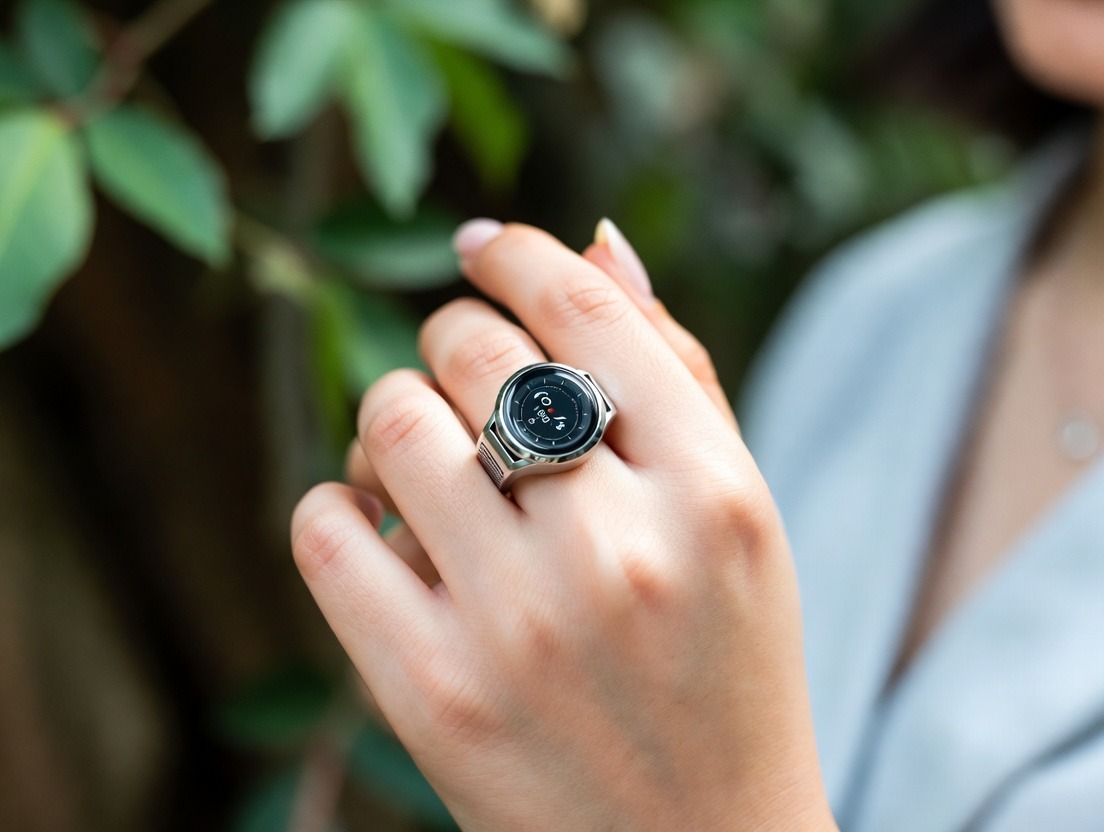
Data without action is just trivia. The ultimate purpose of tracking these metabolic markers is to inform positive, sustainable changes. Your ring becomes a biofeedback laboratory, allowing you to run personal experiments and see the direct, physiological results.
Here’s how to start applying your insights:
1. Optimize Sleep Based on Data, Not Guesswork:
2. Manage Stress with Objective Feedback:
3. Refine Your Nutrition and Hydration:
4. Periodize Your Exercise Intelligently:
This process of observe-experiment-learn creates powerful smart ring feedback loops that enable better daily health choices. You become an expert on your own body, making empowered decisions that compound over time to build unshakeable metabolic energy.
When you first put on a smart ring, resist the urge to obsess over daily numbers or compare yourself to others. Your first month is a discovery phase dedicated to one goal: establishing your personal baseline.
Physiological metrics are highly individual. Your neighbor's HRV of 80 ms might be their low, while your HRV of 45 ms might be your healthy high. The key is to understand your normal range within the context of your life.
Your 30-Day Foundation Plan:
This baseline is your new compass. Once it's established, you can begin to notice meaningful deviations. A 20% drop in HRV from your baseline is significant, even if the absolute number is higher than someone else's. This personalized context is what makes the data transformative and prevents unhealthy fixation on numbers. For guidance on adopting this balanced mindset, consider reading about how to optimize daily health without obsessing over the numbers.
The journey with metabolic tracking is not a 30-day sprint to a quick fix. It is the beginning of a long-term partnership with your own biology. The real power lies in the compound interest of small, data-informed adjustments made consistently over months and years.
Think of it this way: forcing yourself to work out when your body is pleading for recovery might give you a short-term calorie burn, but it also deepens a recovery debt, increases injury risk, and can lead to burnout—a net loss for your metabolic health. Conversely, heeding a low readiness score to take a restorative day strengthens your system's resilience, leading to better performance tomorrow and for years to come. This is the essence of daily health optimization strategies that compound over time.
This long-view approach aligns perfectly with the principles of healthy aging. The same biomarkers that dictate your daily energy—HRV, RHR, sleep quality—are also powerful predictors of long-term healthspan and resilience. By learning to manage your energy, balance stress and recovery, and protect your sleep now, you are not just avoiding afternoon slumps; you are actively building a physiology that is resistant to the chronic diseases of aging. You are investing in a future of independence and vitality. This proactive, data-empowered mindset is at the heart of how technology like wellness rings transforms healthy aging, turning years of life into life in your years.
Your metabolic energy is the currency of your life. For too long, we've spent this currency blindly, with only vague feelings of depletion or occasional spikes of vitality as our guide. The era of guessing is over. By understanding the core principles of metabolism and leveraging the continuous, nuanced data from a smart ring, you can become the informed CEO of your own energy economy. You can make deposits through quality sleep, strategic nutrition, and mindful recovery, and make wise investments through purposeful activity and stress management. Start by listening to the data, establishing your baseline, and taking one small, informed action today. Your future, energized self will thank you.
Imagine your metabolism as a hybrid vehicle. A car that can only run on premium gasoline is inefficient and stranded when that one fuel is unavailable. A true hybrid, however, can seamlessly switch between electric power and gasoline, optimizing for efficiency and range based on conditions. Metabolic flexibility is your body's version of this hybrid engine. It's the ability to efficiently switch between burning different fuel sources—primarily carbohydrates and fats—based on their availability and your body's demands.
A metabolically inflexible system is like that single-fuel car. It's often stuck in "carb-burning" mode, reliant on frequent glucose hits from food. When glucose runs low, it struggles to access fat stores, leading to energy crashes, hunger pangs, and brain fog. This state is closely tied to insulin resistance, where cells become numb to insulin's signal to take in glucose, keeping blood sugar elevated and fat storage mechanisms active.
A flexible metabolism, however, provides steady, clean energy. After a meal, it efficiently uses carbohydrates. In the fasted state between meals, during sleep, or during lower-intensity activity, it smoothly transitions to burning fatty acids, providing a sustained energy source that prevents crashes and preserves cognitive function.
How Your Smart Ring Tracks Flexibility:
While no wearable can directly measure substrate utilization, it provides powerful proxies:
Actionable Steps to Build Flexibility (With Ring Verification):
By using your ring to connect these lifestyle tactics to tangible improvements in your recovery biomarkers, you move from blindly following dietary trends to personally validating what enhances your metabolic efficiency.
Nutrition is the raw feedstock for your metabolic power plant. But the old paradigm of "eat less, move more" is hopelessly simplistic. The new paradigm is "eat smarter, based on your state." Your smart ring provides the crucial context of your state, allowing you to map your fuel to your physiology.
Eating for Recovery (Low Readiness Days):
When your readiness score is low, your body is in repair mode. The goal of nutrition here is to reduce inflammation, support cellular repair, and not add digestive stress.
Eating for Performance (High Readiness Days):
On days when your physiology is primed, you can strategically use nutrition to fuel activity and adaptation.
The Circadian Rhythm of Eating:
Your metabolism has a daily rhythm. Insulin sensitivity is generally higher in the morning and declines throughout the day. Eating late at night, especially large or high-carb meals, can disrupt your circadian rhythm, raise nighttime core temperature, and fragment sleep.
This data-driven approach to meal timing, often called chrono-nutrition, turns your ring into a powerful tool for optimizing digestion and metabolic health. It helps you discover the eating pattern that leaves you energized, not enervated. For more on syncing your life with your internal clock, explore the circadian rhythm advantage in daily health optimization.
Exercise is a potent metabolic stimulus—a beneficial stress that, when applied correctly, builds resilience. When applied poorly (wrong dose, wrong time), it becomes a destructive stress that deepens fatigue. The key is individualization, and your readiness score is your personal prescription pad.
Green Light (High Readiness): Go for Performance.
Yellow Light (Moderate Readiness): Focus on Maintenance.
Red Light (Low Readiness): Prioritize Restoration.
The Art of the Deload:
Intentionally scheduling a lighter week of training every 4-8 weeks (a "deload") is a classic athletic strategy that smart ring data validates for everyone. You'll often see your HRV climb and RHR drop during this week, confirming systemic recovery. This practice prevents the slow creep of overtraining and is a cornerstone of a sustainable, longevity-focused daily health optimization routine.
By letting your physiology guide your movement, you break the cycle of guilt-driven workouts and burnout. You train smarter, not just harder, and your metabolic energy becomes a renewable resource.

Your thoughts and emotions are not separate from your metabolism; they are powerful metabolic directives. The brain is the most energy-demanding organ, and its state—stressed, calm, focused—directly influences the autonomic nervous system, which in turn governs metabolic processes.
Acute Stress vs. Chronic Stress:
How Your Ring Reveals the Mind-Metabolism Link:
Using Your Ring for Mental Fitness:
Managing this mind-metabolism loop is critical for achieving not just energy, but clarity. It's the foundation of a daily health optimization approach for mental clarity, where a calm nervous system supports a focused, productive mind.
Beyond the nervous system, your metabolism is conducted by a symphony of hormones. These chemical messengers—insulin, cortisol, thyroid hormones, sex hormones—dictate whether you store or burn energy, build or break down tissue, and feel hungry or sated. While a smart ring cannot measure hormone levels directly, it captures the profound physiological echoes of their activity, providing clues to their balance.
Cortisol: The Double-Edged Sword.
As discussed, cortisol mobilizes energy. It should follow a strong diurnal rhythm: high in the morning to help you wake up (the "cortisol awakening response"), gradually declining throughout the day, reaching its lowest point at night to permit sleep.
Insulin: The Gatekeeper of Fuel.
Insulin's job is to usher glucose from the bloodstream into cells. Insulin resistance forces the pancreas to produce more insulin to get the job done, creating a metabolically stressful state.
Sex Hormones (Estrogen & Progesterone, Testosterone):
These hormones significantly influence metabolism, recovery, and inflammation.
Thyroid Hormones: The Metabolic Thermostat.
Thyroid hormones (T3, T4) set the baseline metabolic rate.
Important Note: Your ring provides clues and trends, not diagnoses. Persistent, unexplained deviations in these biomarkers—especially temperature and resting heart rate—are powerful reasons to consult a healthcare provider and request specific hormone testing. You become a well-informed partner in your health, bringing data to the conversation. This proactive monitoring aligns with the goal to use daily health data to prevent chronic disease by identifying patterns that warrant professional investigation.
Once you're fluent in the core metrics—HRV, RHR, Sleep, Temperature, SpO2—your smart ring offers deeper layers of insight for those looking to fine-tune. These advanced metrics provide more granularity into the "why" behind your daily score.
1. Heart Rate Variability (HRV) Breakdown: RMSSD vs. SDNN.
Most rings use the RMSSD (Root Mean Square of Successive Differences) method, which is excellent for measuring short-term, parasympathetic (rest-and-digest) influence. Some platforms may also show SDNN (Standard Deviation of NN intervals), which reflects longer-term variability and overall autonomic balance. Watching the trend of your RMSSD is your best daily tool, but understanding both can provide context.
2. Respiratory Rate (RR):
The number of breaths you take per minute, typically measured during sleep. The average adult range is 12-20 breaths per minute. This is a remarkably stable metric for a given individual.
3. Pulse Rate Variability (PRV) & Blood Oxygen (SpO2) Waveforms:
The raw data behind the numbers. While most users don't need to see this, the consistency of the waveform can indicate signal quality. Some advanced apps might show real-time SpO2 graphs, revealing brief dips (desaturations) that the single number average might mask.
4. Activity & Inactivity Analysis:
Beyond step count, look at:
5. Longitudinal Trends & Personal Bests:
This is where the real gold lies. The app's trend views (weekly, monthly, yearly) allow you to see:
Engaging with these advanced metrics fosters a deeper literacy in your body's language. It transforms the ring from a simple fitness tracker into a sophisticated biomonitoring platform, central to a complete guide to daily health optimization with wellness rings.
A number in isolation is just a data point. A number paired with context becomes insight. The final, crucial step in mastering your metabolic data is systematic logging. By recording key lifestyle factors, you create the key to deciphering the "why" behind every spike and dip.
What to Log (The Essentials):
The Power of Correlation:
After a few weeks of logging, you can start playing detective.
Many ring apps have built-in journaling features, allowing you to add notes directly to your daily timeline. Using this tool religiously for the first 90 days will unlock profound personal discoveries that generic health advice never could.
This practice of contextualization is the essence of a personalized approach. It’s how you move from following generic rules to creating your own Personal Operating Manual for energy. This manual allows you to make choices that compound positively, which is the core idea behind daily health optimization strategies that compound over time.
Even with the best intentions, you'll encounter puzzling data and energy slumps. Here’s how to use your ring as a diagnostic tool for common scenarios.
Scenario 1: "I'm sleeping 8 hours but waking up exhausted."
Scenario 2: "I'm eating clean and exercising, but my HRV is low and RHR is high."
Scenario 3: "My energy crashes every afternoon at 3 PM."
Scenario 4: "My data is all over the place—no consistent trends."
The journey of metabolic optimization, guided by your smart ring, begins as a deeply personal endeavor. But its ripple effects extend far beyond your own energy levels. When you become the stable, energized, resilient center of your own life, you positively influence everyone and everything around you—your family, your work, your community.
Modeling Health for Your Circle:
Your consistent habits—prioritizing sleep, managing stress, moving intelligently—become a living example for your partner, children, and friends. It’s more powerful than any lecture. When they see you using data to make better choices and reaping the benefits in your mood and vitality, it demystifies healthy living. You might find your partner asking about their own sleep patterns, or your children becoming curious about how their bodies work.
Creating a Culture of Recovery:
In a work culture that often glorifies burnout, having the data to advocate for recovery is revolutionary. You can articulate, based on your biomarkers, why a well-rested team is a more creative, productive, and less error-prone team. You can model setting boundaries to protect sleep, which can help shift workplace norms.
The Data Bridge for Older Adults:
For aging parents or relatives, this technology can be a game-changer for independence and safety. Sharing relevant, non-invasive data (like trends in sleep, resting heart rate, or activity) with family or caregivers can provide objective peace of mind. It can highlight early signs of deviation from their normal patterns, prompting gentle check-ins or timely medical consultations. This application is at the heart of how smart rings help older adults age independently at home.
Generational Health Benefits:
The habits you build and model—rooted in data and self-awareness—have the potential to influence not just your children's habits, but their understanding of their own bodies. Teaching them to listen to physiological signals (tiredness, hunger, stress) and respect recovery creates a foundation for lifelong resilience. This proactive, empowered approach to health is the very definition of creating generational health benefits through daily health optimization.
By optimizing your own metabolic energy, you do more than upgrade your life. You become a node of positive change, demonstrating that vitality is not a lucky genetic gift, but a buildable asset. And in building it for yourself, you make it easier for others to imagine building it for themselves.
Knowledge is only potential power; execution is everything. The goal is not to become a slave to your data, but to use it to forge habits so ingrained they become automatic. This 90-day plan is your integration blueprint, designed to layer habits gradually, using your ring for validation and reinforcement.
Phase 1: Days 1-30 — The Foundation of Recovery (Sleep & Rhythm)
Phase 2: Days 31-60 — Strategic Fueling (Nutrition Alignment)
Phase 3: Days 61-90 — Intelligent Movement (Activity Periodization)
By the end of 90 days, these practices will no longer feel like tasks. They will be your new normal, validated and refined by the constant, gentle feedback of your ring. This structured yet flexible approach is the key to daily health optimization for busy professionals using time-efficient strategies.
A perfect protocol is useless if it shatters at the first sign of real life. True metabolic resilience is measured by how gracefully you navigate disruptions and how quickly you return to baseline. Your ring is your anchor during these storms.
Strategy 1: Travel (The Ultimate Circadian Test)
Strategy 2: Illness (Listening to the Red Flags)
Strategy 3: Major Stress Cycles (Work Crunches, Family Demands)
The daily pursuit of energy is not a vanity project; it is the practical foundation of healthy aging. The same biomarkers you optimize for tomorrow's workout—insulin sensitivity, mitochondrial function, autonomic nervous system balance, low systemic inflammation—are the very pillars that determine your healthspan. Your smart ring is not just a fitness tool; it’s a longevity monitoring device.
Connecting Daily Metrics to Long-Term Outcomes:
The "Aging Well" Dashboard:
Think of your ring as tracking your Physiological Age versus your chronological age. Positive daily habits nudge your physiological age younger. You are actively building a body that is more resistant to the wear and tear of time. This proactive monitoring allows you to track healthy aging biomarkers with a wellness ring, giving you agency over the aging process.
Strategic Pillars for Longevity (Ring-Verified):
By viewing every day through this longevity lens, your choices are infused with greater purpose. You're not just avoiding afternoon fatigue; you're investing in your future independence and vitality. This is the essence of healthy aging mastery.
Your smart ring provides the richest stream of autonomic and recovery data, but it’s not the only source of health intelligence. For a truly comprehensive picture, consider syncing your ring insights with other key data streams. This creates a powerful, multi-dimensional health portfolio.
1. Blood Biomarkers (The Internal Chemistry Report):
Schedule regular blood tests (annually or bi-annually) with your doctor. Key metrics to watch include:
2. Continuous Glucose Monitor (CGM) Data:
For those deeply invested in metabolic health, a CGM provides a real-time graph of your blood glucose response to food, stress, and sleep.
3. Strength & Fitness Progress Metrics:
Track your performance in the gym separately: weights lifted, run times, etc.
4. Subjective Well-Being Journals:
Use a simple scale (1-10) to rate energy, mood, motivation, and digestion daily.
Creating this integrated dashboard—ring data, blood tests, performance logs, and subjective notes—makes you the best-informed person about your own health. It transforms doctor's visits from reactive to proactive, data-rich collaborations. This holistic approach is about optimizing daily health across multiple life domains.
As with any powerful tool, there is a risk of misuse. The goal is empowerment, not obsession. A healthy relationship with your ring data is characterized by curiosity, not anxiety; by trend-watching, not minute-monitoring.
Pitfall 1: Obsessing Over Daily Numbers.
Pitfall 2: Using Data for Self-Judgment.
Pitfall 3: Ignoring Subjective Feelings for Objective Data.
Pitfall 4: Data Collection Without Action.
Pitfall 5: Neglecting the Joy of the Unmeasured.
Maintaining this balance is what separates a sustainable, enriching practice from a stressful, restrictive one. It ensures your journey toward metabolic energy enhances your life, rather than becoming another source of life-draining pressure.
The technology you wear today is just the beginning. The field of personalized metabolic health is advancing at a breathtaking pace. Understanding where it's headed helps you appreciate the platform you're on now and anticipate the even more powerful tools of tomorrow.
1. Advanced Biometric Sensing:
Future wearables may move beyond optical sensors to non-invasive biochemical sensing. Imagine a ring that could estimate:
2. AI-Driven Predictive Personalization:
Current algorithms react to your past night's data. Future AI will predict and prescribe.
3. Deeper Integration with Healthcare Systems:
The data from your ring will become a standard part of your electronic health record. Your doctor could review your 90-day sleep and stress trend before your appointment, leading to more informed, preventive conversations. This is the true future of using daily health data to prevent chronic disease—a shift from sick care to true health care.
4. Closed-Loop Systems:
Integration with other smart devices could create automatic optimizations:
Your journey today is laying the groundwork for this seamless, anticipatory health environment. By becoming literate in your metabolic data now, you are preparing to be an empowered, adept user of the even more sophisticated health technologies of the future, all of which aim to support healthy aging and independent living.
We began this guide with you feeling drained, flying blind in a complex system. We end it with you as the informed pilot, charting a course toward sustained vitality. You now understand that metabolic energy is not a mystery, but a measurable, influenceable outcome. You've learned the language of your biomarkers—HRV, RHR, sleep stages, temperature, SpO2—and how they weave together to tell the story of your daily readiness and long-term resilience.
You have moved through three phases of mastery:
This journey has shown you that small, data-informed choices, consistently applied, create massive results. The afternoon slump becomes optional. The "too tired to exercise" feeling becomes a data point you can manage. You have evidence that your lifestyle works, which is the most powerful motivator of all.
Your smart ring is more than a device; it is a mentor. It provides the objective feedback that closes the loop between action and outcome, turning healthy living from an abstract "should" into a tangible, rewarding "is." It empowers you to make better daily health choices through smart feedback loops.
As you move forward, remember the core principles:
You are now equipped not just to track your metabolic energy, but to build it, protect it, and harness it to live a more engaged, vibrant, and resilient life. This is not the end of a guide, but the beginning of your own unique, data-empowered journey. Start where you are, use what you have, and let your body's own wisdom—now visible and understandable—guide you toward the energy you deserve.
Your Trusted Sleep Advocate: Sleep Foundation — https://www.sleepfoundation.org
Discover a digital archive of scholarly articles: NIH — https://www.ncbi.nlm.nih.gov/
39 million citations for biomedical literature :PubMed — https://pubmed.ncbi.nlm.nih.gov/
Experts at Harvard Health Publishing covering a variety of health topics — https://www.health.harvard.edu/blog/
Every life deserves world class care :Cleveland Clinic - https://my.clevelandclinic.org/health
Wearable technology and the future of predictive health monitoring :MIT Technology Review — https://www.technologyreview.com/
Dedicated to the well-being of all people and guided by science :World Health Organization — https://www.who.int/news-room/
Psychological science and knowledge to benefit society and improve lives. :APA — https://www.apa.org/monitor/
Cutting-edge insights on human longevity and peak performance:
Lifespan Research — https://www.lifespan.io/
Global authority on exercise physiology, sports performance, and human recovery:
American College of Sports Medicine — https://www.acsm.org/
Neuroscience-driven guidance for better focus, sleep, and mental clarity:
Stanford Human Performance Lab — https://humanperformance.stanford.edu/
Evidence-based psychology and mind–body wellness resources:
Mayo Clinic — https://www.mayoclinic.org/healthy-lifestyle/
Data-backed research on emotional wellbeing, stress biology, and resilience:
American Institute of Stress — https://www.stress.org/


