


The Beginner-Friendly Guide to Professional Wellness in Open Office Environments
A beginner's guide to wellness in open-plan offices.
A beginner's guide to wellness in open-plan offices.
%402x.svg)
For the modern professional, vacation is no longer a luxury—it’s a critical component of sustainable performance. Yet, the perennial question remains: when is the right time to go? We’ve all experienced it: you finally take a break, only to spend the first three days battling a head cold, unable to truly unwind, or return to a mountain of stress that instantly erases any restorative benefits. What if you could make data-driven decisions about your time off, aligning your breaks with your body’s actual needs rather than just the calendar?
Enter the wellness smart ring: a silent, 24/7 guardian of your physiological state. This unassuming piece of wearable technology moves beyond counting steps. It delves into the bedrock of your well-being—sleep quality, heart rate variability (HRV), resting heart rate (RHR), body temperature, and stress load—compiling a nuanced, objective report card of your resilience. For the driven professional, it transforms vacation planning from a guessing game into a strategic recovery operation.
This article explores how the continuous, intimate data from a wellness ring can guide you to your optimal vacation timing. We’ll move beyond generic advice to a personalized framework, showing you how to interpret your biometric signals, identify pre-burnout patterns, and schedule time off that truly replenishes your physical and mental capital. The goal is not just to take a vacation, but to engineer a recovery so effective that you return not just rested, but truly reset, with sharper focus, greater creativity, and enhanced resilience for the challenges ahead.
We operate under a dangerous misconception: that burnout is a dramatic, sudden event. In reality, it’s a slow leak, not a blowout. For high-achieving professionals, the signs are often ignored or even worn as badges of honor—the late nights, the constant low-grade fatigue, the creeping cynicism. We typically schedule vacations based on external factors: project deadlines, company quiet periods, family schedules, or simply when we “can’t take it anymore.” This last point is the crux of the problem. By the time you feel you desperately need a break, you are already deep in a recovery debt that a standard one-week vacation may not fully cover.
The brain under chronic stress undergoes real, measurable changes. The prefrontal cortex (responsible for executive function, decision-making, and focus) becomes impaired, while the amygdala (the fear and emotional center) becomes overactive. This is why, when exhausted, we make poor decisions, snap at colleagues, and struggle with strategic thinking. A vacation taken at this crisis point often requires a significant portion just to descend from a state of heightened physiological arousal to a baseline of calm. The sweet spot for a truly restorative break is before you reach that crisis.
This is where subjective feeling fails us. Our perception of stress normalizes; we get used to feeling perpetually drained. The wellness ring cuts through this subjective fog with objective data. It doesn’t ask you how you feel; it shows you how your autonomic nervous system is actually functioning. A consistently depressed HRV (a key marker of recovery and resilience), an elevated resting heart rate, and poor sleep architecture are all early-warning signals that your body is running a deficit. They are the whispers before the scream of burnout.
Learning to listen to these whispers is the first step in strategic recovery. It allows you to shift from reactive vacationing (“I need to escape!”) to proactive rejuvenation (“My data shows my resilience is dipping; I will intervene now to rebuild it.”). This proactive approach is what separates professionals who sustain performance over decades from those who succumb to cycles of boom and bust. For a deeper understanding of how daily stress builds into a significant load, the science of stress accumulation provides a crucial framework.
To use a wellness ring as a guide, you must first understand what it measures and why those metrics matter for a professional. Traditional fitness trackers focus on output: calories burned, steps taken, active minutes. While useful, these are lagging indicators of general activity, not leading indicators of systemic stress and recovery.
A sophisticated wellness ring focuses on inputs and your body’s response to them. Here are the core biomarkers that form your personal recovery dashboard:
1. Heart Rate Variability (HRV): This is arguably the most important metric for assessing stress and recovery readiness. HRV measures the tiny variations in time between each heartbeat. A higher HRV generally indicates a more resilient, relaxed nervous system (parasympathetic dominance), capable of adapting to stress. A lower, or trending-downward, HRV suggests your body is under strain, fighting illness, or not recovering adequately (sympathetic, or "fight-or-flight," dominance). For professionals, a sustained drop in your baseline HRV is a clear, data-driven red flag that your system is overloaded.
2. Resting Heart Rate (RHR): Your heart rate when you are completely at rest is a fundamental indicator of cardiovascular fitness and stress. A sudden, unexplained increase in your RHR can signal impending illness, dehydration, or acute stress. A chronically elevated RHR can indicate your body is working harder than it should be just to maintain baseline function.
3. Sleep Quality (Beyond Duration): The ring tracks not just how long you sleep, but how well you sleep. It breaks sleep into stages (light, deep, REM) and provides scores for duration, efficiency, and restoration. Deep sleep is crucial for physical recovery and immune function, while REM sleep is vital for memory consolidation and emotional processing. Consistently poor sleep scores, especially low deep sleep, mean you are not repairing from the day’s demands. As explored in the neuroscience of daily stress, sleep and stress exist in a vicious cycle—poor sleep elevates stress, and high stress ruins sleep.
4. Body Temperature: Continuous temperature tracking, especially nocturnal temperature, can reveal subtle changes. A elevated baseline temperature can indicate inflammation, the onset of illness, or hormonal fluctuations, all of which affect resilience.
5. Respiratory Rate: The number of breaths you take per minute during sleep. An elevated respiratory rate can be a sign of stress, sleep apnea, or other underlying issues.
When synthesized, this data paints a dynamic picture of your Allostatic Load—the cumulative burden of chronic stress and life events on your body. A wellness ring tracks this load in real-time, allowing you to see the drain on your system as it happens, not just in hindsight.
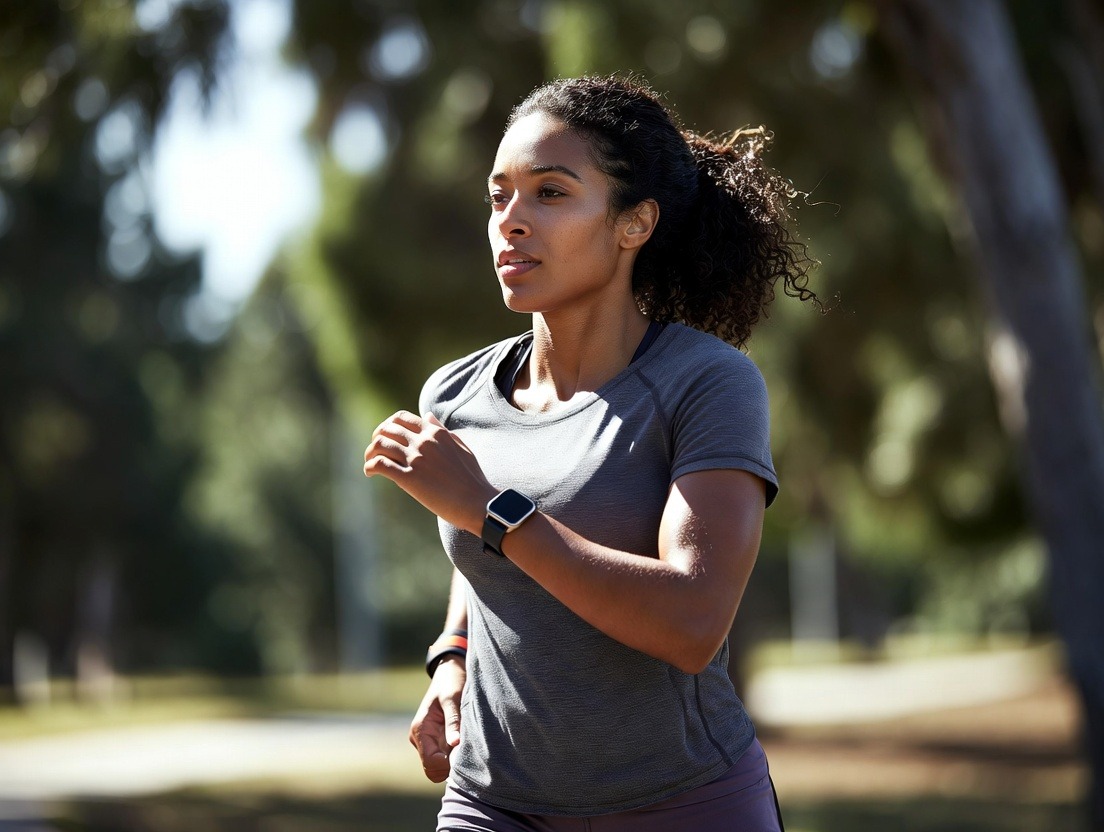
Seeing the data is one thing; interpreting it for actionable life decisions is another. Your wellness ring’s app will provide daily scores and trends. The key to using it for vacation timing is to shift from a daily view to a weekly and monthly trend analysis. Look for patterns, not single-day outliers.
The "Pre-Burnout" Pattern:
The "Acute Stress Spike" Pattern:
The "Optimal Recharge Window":
This is the ideal time to schedule a vacation if you want it to be maximally effective from a biological standpoint. It’s not when you’ve crashed, but when your data shows you are starting to deplete your reserves.
Scheduling your vacation to begin during this "Optimal Recharge Window" means you step away before your performance and health nosedive. You enter your time off with a system that is primed for recovery, not in need of emergency triage. This allows for a deeper, faster reset. For professionals managing intense workloads, specific techniques for managing stress in real-time can help bridge the gap to your planned break, as detailed in this stress management toolkit for high performers.
Not all vacations are created equal. A backpacking trek through the mountains serves a different physiological purpose than a week at a spa or a city cultural tour. Your wellness ring data can help you choose the type of vacation that best addresses your specific deficits.
1. The Deep Recovery Vacation (For Chronic Stress & Sleep Debt):
2. The Adventure & Stimulation Vacation (For Mental Stagnation & Low-Grade Fatigue):
3. The Social Reconnection Vacation (For Emotional Drain & Isolation):
4. The "Staycation" Recalibration:
By aligning your vacation type with your biometric profile, you move from a generic escape to a targeted therapeutic intervention.
Consider Michael, a 42-year-old CTO at a scaling tech startup. For 18 months, his life was a blur of 70-hour weeks, investor meetings, and constant firefighting. He felt tired but attributed it to the "startup grind." His vacation? He hadn’t taken one in over a year. He finally bought a wellness ring out of curiosity about his sleep.
For the first month, his data was a portrait of chronic stress: an HRV in the "low" zone (for his age and fitness), an RHR 10 bpm higher than expected, and sleep scores consistently in the 60s (out of 100) with minimal deep sleep. He ignored it, believing he had no choice.
Then, a pattern emerged. Over three weeks, his HRV trend line took a steeper dive. His resting heart rate climbed another 5 bpm. His deep sleep vanished. The ring’s app gave him a "strained" recovery score for 14 days straight. The data was undeniable: he was heading for a cliff.
He finally listened. He delegated critical functions, set an out-of-office message, and booked a 10-day stay at a remote lodge with no WiFi in the main areas. The first three days, his data was chaotic—his body was decompressing. By day four, his RHR began to fall. By day seven, his HRV had skyrocketed past his previous "normal" baseline into a range he’d never seen. His deep sleep doubled. He returned not just rested, but with mental clarity that helped him solve a core technical problem that had been stalled for months. The ring showed him the cliff, and the vacation provided the bridge. His experience underscores the critical link between daily stress and chronic disease prevention, demonstrating that strategic breaks are an investment in long-term health, not just short-term mood.
Your body operates on intrinsic rhythms—the daily circadian cycle and longer infradian rhythms. A wellness ring helps you harmonize your vacation timing with these biological tides for amplified effect.
Circadian Alignment: Your ring tracks your sleep-wake patterns and can identify if you’re a chronotype mismatch with your work schedule (e.g., a natural night owl forced into 7 a.m. meetings). A vacation is the perfect time to let your body fall into its natural rhythm without alarm clocks. Observe: when do you naturally wake up when untethered? This data can inform better daily scheduling upon your return.
Seasonal Considerations: Data shows our bodies respond to seasons. Some people naturally have lower HRV in winter, sleep more, and may be prone to lower mood. A sun-seeking vacation in February for someone in a northern climate can be a powerful corrective to Seasonal Affective patterns. Conversely, a busy professional might find their stress metrics creeping up during the chaotic holiday season (Q4), making a January "deep recovery" vacation a strategic reset for the new year.
Performance & Recovery Cycles: Even without formal periodization, our capacity has natural ebbs and flows. The ring’s trend data makes these cycles visible. You might notice a 6-8 week cycle where after a period of high performance (stable/good metrics), your body begins to signal for down-regulation (dipping metrics). Planning a long weekend or a week off to coincide with the beginning of this down-regulation phase can prevent a deeper crash and keep you operating in a sustainable wave pattern, rather than a linear grind toward breakdown. Understanding your cortisol curve throughout the day can further refine how you structure both workdays and vacation days for optimal recovery.
The goal is to hit the ground relaxing, not to spend the first half of your vacation recovering from the pre-travel frenzy. Your ring can guide a preparatory wind-down.
1. The Week Before:
2. The Last Workday:
3. Travel Day Itself:
By managing the pre-vacation period intentionally, you step onto the plane or into the car already beginning the descent into a recovery state, ensuring your precious vacation days are used for deepening relaxation, not just initiating it.
You’re on vacation. Should you still wear the ring? Absolutely. But the goal shifts from performance optimization to recovery observation. This is a time for curiosity, not discipline.
Detach from the Score, Observe the Trend: Don’t obsess over getting a "perfect" 90 sleep score every night. Instead, watch the overall direction of your metrics. Is your HRV climbing? Is your RHR on a gentle decline? Are your sleep stages balancing out? That’s the narrative that matters.
Experiment with Freedom: Vacation is the perfect lab for your well-being.
The Art of the Nap: If your schedule allows, experiment with a short afternoon nap. Does your ring data show improved evening metrics after a nap? This can be powerful intel for incorporating micro-rests into your regular life.
The key is to use the data as feedback, not a judge. It’s a conversation with your body, helping you learn what truly feels restorative for you, which is often different from what you think should be restorative.
The most common professional complaint is that vacation benefits evaporate within 72 hours of returning to the inbox. The data from your ring during vacation and a strategic re-entry plan can help cement the gains.
1. The "Buffer Day": If possible, schedule a full day at home after returning from travel but before returning to work. This is a non-negotiable for integrating recovery. Use this day for unpacking, laundry, grocery shopping, and gentle routine restoration. Monitor your ring: travel home is another stressor. This buffer day allows your metrics to settle back to your new, improved vacation baseline before the work storm hits.
2. The First Work Week: Defensive Scheduling:
3. Using the "Peak" as a New Baseline: Note the HRV, RHR, and sleep scores you achieved at the end of your vacation. This is your body’s proof of what it’s capable of when well-rested and unstressed. Set these as target zones in your app, not as a standard to fail against, but as a north star. When your in-work life metrics begin to drift significantly from this vacation baseline, it’s an early signal to deploy more aggressive daily recovery tactics or to start planning your next recharge window.
4. Institutionalize Vacation Insights: Did you discover you need 8.5 hours of sleep to feel amazing? That afternoon walks are magical for your stress? That you’re profoundly sensitive to caffeine after 2 p.m.? Integrate these top one or two insights into your daily work life. This turns a vacation from a one-off escape into a permanent upgrade to your operating system. This process of habit integration is how wellness compounds, a concept explored in depth regarding how sleep improvement compounds with other wellness habits.
While the 1-2 week annual vacation is crucial, the wellness ring’s true power is in guiding your daily and weekly rhythm to prevent the need for a massive recovery vacation in the first place.
The Strategic Long Weekend: Your monthly trend data might show a mini-cycle of depletion. A well-planned 3-4 day long weekend, chosen during a "recharge window," can act as a system reset, preventing a slide into a deeper deficit. Use the same principles: match the getaway type to your data (e.g., a camping trip for deep recovery, a city break for stimulation).
The "Workation" Conundrum: The blended work-vacation is increasingly common. If you attempt this, your ring is essential. Set clear boundaries: "Work from 9 a.m.-12 p.m. only." Then watch your data. Does your RHR remain elevated all afternoon after a morning of work emails? Does it spoil your sleep? The data will provide an honest assessment of whether a "workation" is a viable blend for you or merely a change of scenery with the same stress.
The Non-Negotiable Daily Reset: The daily practices you maintain are what build or erode resilience between vacations. Your ring validates what works. A 20-minute evening walk that consistently lowers your bedtime RHR. A 10-minute meditation that boosts next-morning HRV. These are your daily micro-vacations. They are the deposits into your recovery account that make the large vacation withdrawal less likely. For a comprehensive set of these daily techniques, the stress management toolkit with 20 daily techniques offers a wealth of science-backed options.
Ultimately, the wellness ring shifts the paradigm from vacation as an emergency escape to vacation as a strategic, data-informed peak in a continuous cycle of sustainable performance. It empowers the modern professional to become the architect of their own resilience, using objective biomarkers to guide rest with the same precision they apply to work.

The transition from understanding your biometric data to executing a flawlessly timed vacation requires a systematic approach. This section provides a concrete, step-by-step framework for building your personalized vacation blueprint. Think of it as your strategic planning document, where intuition meets quantification.
Phase 1: Establish Your Personal Baseline (The Critical First 90 Days)
You cannot identify a deviation if you don’t know your norm. For at least three months before making any major decisions, wear your ring consistently and live your regular professional life. The goal here is not to change anything, but to observe. During this period, the ring learns your patterns, and you learn to interpret its language.
Phase 2: Define Your Trigger Thresholds
With a baseline established, you can now set personalized, data-driven "alarms" that signal it's time to start planning a break.
When two or more of these thresholds are crossed concurrently, your body is broadcasting a formal request for a substantial recovery intervention. This is no longer a suggestion; it's a data-backed mandate. This process aligns with the principle of daily stress tracking to understand what to monitor and why it matters.
Phase 3: The Pre-Vacation Optimization Sprint (2-3 Weeks Out)
Once you've identified the trigger and decided to book a vacation, enter a deliberate "optimization sprint." This isn't about piling on more work, but about structuring your work and life to protect your remaining resilience so you arrive at your break in the best possible state.
This sprint ensures you don't burn the candle at both ends right up to your departure, which would force you to use precious vacation days just to crawl back to zero.
A core element of modern vacation efficacy is the degree of digital disconnection. Your wellness ring can become the tool that measures the success of your detox, providing fascinating insights into the physiological cost of constant connectivity.
The Experiment:
Quantifying the "Always-On" Tax: The difference between your "connected baseline" metrics and your "digital detox" metrics is the quantitative cost of being "always-on." For many professionals, seeing this data is transformative. It provides an unarguable, physiological reason to set stricter digital boundaries not just on vacation, but in everyday life. The stress of constant connectivity directly impacts the gut-brain axis and digestion, and a digital detox can be a powerful reset for both mind and body.
Even the best-planned vacation encounters obstacles. Your wellness ring serves as a real-time guide to navigate these challenges without letting them derail your recovery goals.
Managing Travel Stress:
Travel days will show as stress events in your data. The goal is mitigation, not elimination.
Combating Jet Lag with Data:
If crossing time zones, your ring is your best ally for adjusting.
Balancing Family or Social Dynamics:
A family vacation or group trip introduces social stressors that can impact recovery.
For the performance-oriented professional, justifying time off often comes down to Return on Investment (ROI). A wellness ring allows you to measure the ROI of your vacation in concrete, biological terms, moving beyond vague feelings of being "refreshed."
Quantifiable Returns:
The Long-Term Compounding Interest: The true ROI compounds over time. Each strategically timed, effective vacation prevents the deep deficits that lead to clinical burnout, chronic health issues, and prolonged disengagement. It's a proactive maintenance schedule for your most important asset: yourself. By preventing the catastrophic failure of burnout, you safeguard your long-term earning potential, career trajectory, and overall life satisfaction. This strategic approach to recovery is what defines how successful leaders manage daily stress and sustain performance over decades.
While a wellness ring provides unparalleled physiological insight, it becomes even more powerful when its data is contextualized with other wellness technology. The goal is to create a holistic dashboard for your well-being.
Syncing with Fitness Trackers: Combine your ring's recovery data (HRV, RHR, sleep) with your fitness tracker's activity data (training load, exercise type, intensity). This creates a complete picture of stress vs. strain. For example, you can see if a hard workout on a day of low recovery (per your ring) leads to excessive fatigue or illness, informing smarter training decisions.
Using Mindfulness Apps with Biometric Feedback: Apps that guide meditation, breathwork, or mindfulness can be used in conjunction with your ring for immediate feedback. Do a 10-minute meditation and watch your real-time HRV on the ring's app. Does it rise? This biofeedback loop powerfully reinforces the value of the practice, moving it from an abstract concept to a measurable tool. This is especially useful for anxious sleepers seeking calming strategies that they can verify with data.
Journaling for Context: No device can capture the nuanced emotional or professional context behind the numbers. Pairing your biometric trends with a simple daily journal (noting key events, mood, work challenges) creates a rich qualitative layer. You might see a huge HRV dip on a Tuesday and your journal reminds you: "Had the difficult conversation with the underperforming team member." This connection deepens your self-awareness and helps you identify the specific, repeatable stressors in your life that have the biggest physiological toll.
The Future of Integrated Wellness Platforms: The frontier lies in platforms that aggregate this data seamlessly—importing your ring's recovery scores, your calendar's meeting density, your fitness tracker's activity, and even your mindfulness app usage to provide AI-driven recommendations. "You have a high-stakes presentation tomorrow, but your recovery is low. Consider a lighter workout today and an earlier bedtime." Your ring is the foundational, always-on data source that makes this personalized guidance possible.
Adopting a data-driven approach to vacation timing can meet with internal and external skepticism. Here’s how to address common concerns.
"This Sounds Like Work on My Vacation!"
The point is not to create a new performance metric ("achieve a 90 HRV score"). The point is to use data for awareness and permission. Seeing your HRV climb can give you permission to truly relax, knowing it's working. Seeing a poor sleep score after a night of drinking can inform a choice, not induce guilt. It shifts the mindset from "I should relax" to "I can see that I am relaxing."
"My Job is Too Unpredictable to Plan Like This."
Unpredictability is precisely why this approach is valuable. You may not be able to plan a vacation 6 months in advance, but you can watch your trends. When they hit your trigger thresholds, you can make a compelling, health-based case for taking time off soon, even if it's with shorter notice. It also empowers you to use "micro-vacations"—a strategic 4-day weekend—to address a deficit before a major, immovable project begins.
"Isn't This Just Hypochondria with Tech?"
This is a valid concern. The key is to avoid "ring anxiety"—constantly checking the app and stressing over daily fluctuations. The solution is to only review trends on a weekly basis. Set a calendar reminder for every Sunday morning to look at your weekly and monthly charts. This provides the strategic insight without the neurotic daily obsession. The goal is macro-pattern recognition, not micro-management of every heartbeat.
"What If the Data Shows I Need a Break, But I Can't Take One?"
This is the most difficult scenario, but the data still provides value. It moves the need from a vague feeling to a concrete risk assessment. With this information, you can:
The data doesn't create the problem; it reveals it. Knowing the truth of your physiological state is always better than ignorance, as it allows for more intelligent—even if imperfect—mitigation. This is where mastering emotional stress management in real-time becomes an essential skill to bridge unavoidable high-stress periods.
The application of a wellness ring for vacation guidance varies across professional archetypes.
For the Entrepreneur/Solopreneur:
The line between personal and professional life is most blurred. The ring becomes an essential accountability partner.
For the Remote/Hybrid Worker:
The absence of a commute and physical office boundaries can lead to work-life seepage, making it harder to mentally disconnect.
For the Corporate Leader/Executive:
High stakes, constant visibility, and responsibility for others create a unique stress profile.
As we invite technology to measure our most intimate biological processes, important questions arise. Who owns this data? How is it protected? What are the ethical implications of using it to make life decisions?
Data Ownership and Privacy: Before purchasing any device, scrutinize the company's privacy policy. Who owns the raw data—you or the corporation? Is it anonymized and aggregated for research? Can it be sold to third parties? Opt for companies that are transparent about data encryption, give you clear control over your data, and allow you to delete it permanently. Your physiological patterns are a deeply personal fingerprint; they deserve robust protection.
The Risk of Biometric Determinism: There's a danger in becoming a "slave to the score," where you override your intuition because the ring says you're "recovered" or "strained." The data is a guide, not a gospel. If your ring says you're 90% recovered but you feel awful, listen to your body. The data may be missing context (emotional grief, non-physical stress). Use it to inform, not replace, self-awareness.
Workplace Implications: Should you share this data with your employer? Generally, this is fraught with risk. While it could be used to advocate for support or time off, it could also be used against you (e.g., to question your resilience or deny promotions). A safer approach is to use the data to empower your own decision-making and communication, speaking from the place of insight it gives you ("I need to recharge to maintain my performance") without necessarily revealing the source. The goal is personal empowerment, not corporate surveillance.
Ultimately, the ethical use of this technology rests on the user. It is a tool for self-knowledge and agency. Its purpose is to give you back control over your health and time, not to cede that control to an algorithm or a corporation. This mindful approach ensures the technology remains a servant to your well-being, not a new source of stress and anxiety about performance.
The use of continuous biometrics to guide life decisions is in its infancy. Looking forward, we can anticipate several exciting developments that will make this approach even more seamless and powerful.
Predictive Analytics and AI Coaching: Future algorithms won't just show trends; they will predict them. Your ring's AI, learning from months of your data, might send an alert: "Based on your current stress load and sleep trends, your recovery capacity is projected to fall below critical threshold in 12 days. Consider scheduling a recharge period." It could then suggest tailored interventions—specific meditation lengths, ideal bedtime, or even propose dates for a long weekend based on your calendar's density.
Dynamic Integration with Calendars and Work Tools: Imagine your ring data syncing with your work calendar. Before you schedule a week of back-to-back client meetings, your integrated system warns you: "This meeting density exceeds your historical resilience threshold for a sustained period. Suggest spreading out or inserting buffer days." Your vacation planning could be semi-automated, with the system identifying optimal low-stress periods in your professional calendar to suggest for booking time off.
More Advanced Biomarkers: Future rings may incorporate non-invasive glucose monitoring, blood pressure trends, or even markers of inflammation like CRP. This would provide an even more comprehensive picture of your systemic health and its interplay with stress, allowing for hyper-personalized recommendations on diet, exercise, and rest.
The Normalization of "Recoverive" Time: As this data becomes more mainstream, we may see a cultural shift. Just as we now track steps, we may openly track and discuss recovery scores. Companies may offer "recovery days" in addition to sick days, understanding that proactive restoration prevents burnout and healthcare costs. Vacations will be viewed not as perks, but as essential, non-negotiable components of a professional's operational plan.
In this future, the wellness ring evolves from a personal curiosity into the central node of a responsive, self-optimizing life system. It empowers the professional to design their work and rest in harmony with their unique biology, finally ending the brutal cycle of grind and crash, and ushering in an era of sustainable, thriving performance. This is the ultimate promise of mastering sleep improvement through behavior change, not just willpower—applying that same principle to the broader architecture of our professional lives.

The culmination of insights from your wellness ring is not a scattered collection of data points, but a structured, forward-looking plan: your Annual Recovery Roadmap. This living document moves you from reactive crisis management to proactive resilience engineering. It’s a strategic calendar that prioritizes rejuvenation with the same rigor as business objectives.
Step 1: The Annual Biometric Audit
At the start of each year (or your planning cycle), conduct a high-level review of the past year’s data. Use your ring’s trend analysis features to answer key questions:
This audit provides the historical intelligence to forecast the year ahead. You’ll begin to see your personal “stress seasons” and “recovery seasons.”
Step 2: Blocking “Non-Negotiable Recovery Zones”
Using your historical data and known future commitments (e.g., Q4 crunch, annual conference), proactively block time in your calendar. This isn’t just for 1-2 week vacations. It includes:
Step 3: Creating Pre- and Post-Event Buffers
Your data shows that intense work events cause stress spikes. Your roadmap should institutionalize buffers.
Step 4: The Dynamic Adjustment Protocol
No plan survives first contact with reality. Your roadmap must be flexible, guided by real-time data.
By treating recovery as a scheduled, non-negotiable component of your professional strategy, you transform it from a guilty pleasure into a pillar of your success. The roadmap ensures you invest in your capacity before it’s depleted, guaranteeing a higher, more sustainable output over the long term.
Adopting this data-driven approach requires a fundamental psychological shift. For many professionals, their identity is tied to busyness, endurance, and pushing through. Using a ring to guide vacation timing challenges this narrative at its core.
Reframing Rest as Productive Work: The data provides irrefutable evidence that rest is not the opposite of work; it is a necessary part of the work cycle. When you see your HRV plummet and your decision-making suffer, you can no longer deny the cost of constant grind. Rest becomes “system maintenance,” and vacation becomes “strategic recalibration.” This reframe is liberating; it allows you to fully disengage without guilt because you know, quantitatively, that this disengagement is what will make your next period of engagement more effective.
Embracing Your Human Operating System: We accept that complex machinery needs scheduled downtime, cooling periods, and preventative maintenance. The data from your wellness ring finally allows you to see yourself as a similarly complex, high-performance system. You have inputs (work, stress, nutrition), outputs (performance, creativity), and a need for maintenance (sleep, recovery, vacations). This depersonalizes fatigue. It’s not that you’re weak; it’s that your human system has exceeded its optimal operating parameters and requires a reboot. This objective view reduces shame and fosters self-compassion.
Cultivating a Growth Mindset Toward Recovery: Just as you seek to grow skills, you can seek to grow resilience. Your ring provides the metrics. Can you increase your average HRV over a year? Can you shorten the time it takes to recover from a stress spike? Viewing recovery as a skill to be honed makes the process engaging. Each vacation becomes a “masterclass” in restoration, and the post-vacation baseline becomes a new personal record to defend. This mindset aligns with the journey toward sleep improvement mastery through advanced optimization, applying the same progressive ethos to overall resilience.
This psychological shift is perhaps the most profound outcome. It moves you from a state of constant negotiation with your own limits to a state of collaborative partnership with your body. You are no longer at war with fatigue; you are managing an asset.
Anna, a 48-year-old partner at a management consultancy, lived by the billable hour. Vacations were rushed, guilt-laden, and often interrupted. After a health scare, she began using a wellness ring. Her annual audit revealed a brutal pattern: her metrics would slowly degrade from January through October, with severe crashes in April and September around major client deliverables. Her usual two-week December vacation was spent physically ill and exhausted.
Using this data, she built a new Annual Recovery Roadmap:
The results were transformative. Her ring data showed she no longer hit the catastrophic lows in April and September. The October vacation became profoundly restorative, and she returned to Q4 with energy, securing a major new client in November—a feat she attributed to her clear-headed, resilient state. Her billable hours remained consistent, but the quality of her work and her leadership improved dramatically. She became an advocate for the model, using her story (sans personal data) to encourage her teams to plan strategic recovery. Her experience is a textbook example of using morning stress management to set the day for calm, and then scaling that principle to an annual rhythm.
Vacation timing is rarely a solo decision. It involves partners, children, extended family, and friends. The subjective desire to align with others can conflict with your biometric needs. Here, your ring data can serve as a neutral mediator and communication tool.
The Family Vacation Compromise: The ideal time for your data-driven “deep recovery” might be a quiet October week, but the family wants a bustling summer beach trip. Solution: Plan for both, but manage expectations and your own role.
Managing “Shoulder Season” Guilt: You may identify a perfect, quiet, off-peak “shoulder season” week for your optimal recharge. Family or friends may question, “Why go then? The weather’s better in July.” Your ring’s historical data provides the answer: “My body recovers 40% more efficiently in the quiet and cool of October than in the heat and crowds of July. I’ll return more present and patient.” This factual justification can alleviate social pressure.
Setting Boundaries with Extended Family: The data can provide a gentle but firm boundary. If a visit to extended family is highly stressful for you, your ring will show it. You can use this to limit the duration: “We’d love to visit for four days. My recovery data tends to dip after that in a busy household, so we need to keep it shorter to ensure we stay healthy and enjoy our time.” This isn’t rejection; it’s intelligent self-management for the benefit of all. This skill of boundary-setting is intrinsically linked to managing relationship stress while living together or during intense visits.
For professionals and especially business owners, the financial cost of taking time off can feel prohibitive. However, the data from your wellness ring allows you to calculate the often-greater cost of not taking strategic time off—the Cost of Burnout (COB).
Direct Costs:
Indirect Costs:
The Ring’s Role in the Calculation: Your biometric data puts numbers to the risk. You can literally show a trendline of degrading resilience. The financial argument becomes: “A $3,000 vacation taken now, when my data shows a 20% resilience drop, may prevent $30,000 in lost productivity, healthcare costs, and errors over the next quarter.” For entrepreneurs, this is a straightforward ROI calculation. It transforms the vacation from an expense into a capital investment in your human infrastructure. This logical approach helps manage the very real financial stress that can arise from taking time off.
Your vacation is the ultimate laboratory. With the freedom from routine, you can conduct controlled experiments that yield insights to upgrade your everyday life.
The Caffeine Reset Experiment:
The Digital Sunset Trial:
The Activity-Type Discovery:
The Socializing Sweet Spot:
These experiments turn vacation into a source of lifelong wisdom. You return with not just relaxation, but with a upgraded personal operating manual. This experimental mindset is the essence of a proactive approach to well-being, similar to running a sleep improvement experiment to test what works.
As you become adept at managing your recovery, you may encounter two phenomena: plateaus in your metrics and a natural shift in your baselines over years. This is normal and requires an evolved strategy.
The Recovery Plateau: After several years of good management, you might find your HRV and sleep scores stabilizing at a “good but not great” level, despite taking regular vacations.
The Aging Baseline Shift: As you move through your 30s, 40s, 50s, and beyond, your physiological baselines will naturally change. Your HRV will tend to decrease, and your sleep architecture will shift (less deep sleep). This is not failure; it’s biology.
Listening to a Mature Data Relationship: After several years, your relationship with the ring matures. You may check it less frequently because you’ve internalized the signals. You know the feeling of a declining HRV. The device becomes a periodic validation tool rather than a constant monitor. This is the pinnacle of biofeedback—when the external data has fully educated your internal awareness.
For this approach to work seamlessly, it helps to subtly educate those around you. You don’t need to share your private data, but you can share the philosophy.
With Your Manager or Team:
With Your Partner and Family:
This creates an ecosystem that supports, rather than sabotages, your recovery efforts. It turns your personal strategy into a positive influence on your collective environment, enhancing relationship quality through better individual well-being.
This first third of our exploration has laid the foundational philosophy and practical framework for using a wellness ring as your guide to strategic recovery. We have moved from understanding the why—the professional burnout paradox and the power of biometrics—to the how: interpreting signals, building a personalized blueprint, navigating challenges, and calculating the profound ROI of data-driven time off.
The core revelation is that the modern professional’s greatest advantage is no longer merely stamina or intellect, but resilience. And resilience is not a vague character trait; it is a measurable, trainable, and recoverable physiological state. The wellness ring provides the dashboard for this most critical asset.
You are no longer flying blind, guessing when to rest. You have a co-pilot in the form of continuous, intimate data—a partner that speaks the true language of your body, cutting through the noise of normalized stress and professional bravado. You can now plan your performance in waves, not in a grim, linear march. You can defend your time off with the confidence of objective evidence. You can return from a vacation not just with a tan, but with a higher baseline for your nervous system, ready to engage with work from a place of abundance, not depletion.
In the next portion of this article, we will dive even deeper. We will explore the intersection of this data with specific professional scenarios—the road warrior, the creative, the caregiver professional. We will examine how to use this approach to navigate career transitions, sabbaticals, and even job changes. We will look at the cutting-edge software integrations that automate this process and hear from leading organizational psychologists on how this personal technology is reshaping our very definition of professional success.
The journey from being a victim of your schedule to the architect of your sustainable rhythm has begun. Your ring is not just tracking your life; it is now helping you design it.
Your Trusted Sleep Advocate: Sleep Foundation — https://www.sleepfoundation.org
Discover a digital archive of scholarly articles: NIH — https://www.ncbi.nlm.nih.gov/
39 million citations for biomedical literature :PubMed — https://pubmed.ncbi.nlm.nih.gov/
Experts at Harvard Health Publishing covering a variety of health topics — https://www.health.harvard.edu/blog/
Every life deserves world class care :Cleveland Clinic - https://my.clevelandclinic.org/health
Wearable technology and the future of predictive health monitoring :MIT Technology Review — https://www.technologyreview.com/
Dedicated to the well-being of all people and guided by science :World Health Organization — https://www.who.int/news-room/
Psychological science and knowledge to benefit society and improve lives. :APA — https://www.apa.org/monitor/
Cutting-edge insights on human longevity and peak performance:
Lifespan Research — https://www.lifespan.io/
Global authority on exercise physiology, sports performance, and human recovery:
American College of Sports Medicine — https://www.acsm.org/
Neuroscience-driven guidance for better focus, sleep, and mental clarity:
Stanford Human Performance Lab — https://humanperformance.stanford.edu/
Evidence-based psychology and mind–body wellness resources:
Mayo Clinic — https://www.mayoclinic.org/healthy-lifestyle/
Data-backed research on emotional wellbeing, stress biology, and resilience:
American Institute of Stress — https://www.stress.org/


