


How Smart Rings Eliminated the Complexity of HRV Monitoring
What your wellness ring does automatically for HRV tracking.
What your wellness ring does automatically for HRV tracking.
%402x.svg)
For decades, understanding the inner whispers of your nervous system—the subtle tug-of-war between stress and recovery—required the dedication of an elite athlete or a patient in a clinical study. Heart Rate Variability (HRV), the gold-standard metric for measuring your body’s resilience and autonomic nervous system balance, was shrouded in complexity. It was the domain of cumbersome chest straps, confusing morning rituals, and spreadsheets of data that only a biohacker could love. The profound insight HRV offers into your readiness, stress levels, and overall health remained locked away, inaccessible to the everyday person seeking better well-being.
Then, a quiet revolution slipped onto the scene—literally onto our fingers. The advent of the smart ring has not just democratized health tracking; it has fundamentally dismantled the barriers to one of the most insightful biomarkers we have. What was once a complex, deliberate practice is now a seamless, continuous stream of understanding. This is the story of how a discreet piece of wearable technology eliminated the friction, confusion, and intimidation of HRV monitoring, transforming it from a niche biofeedback tool into a mainstream pillar of personal health intelligence.
This transformation isn't just about convenience; it's about context. By moving from occasional, manual snapshots to persistent, passive monitoring, smart rings like those from Oxyzen have unlocked the true power of HRV: the ability to see trends, understand personal baselines, and receive actionable insights about how your lifestyle, sleep, and stress truly affect your physiological state. We are no longer just tracking steps; we are listening to the nuanced language of our own physiology, translated clearly and simply through a device we can forget we’re wearing.
In this exploration, we will journey through the science, the technology, and the human-centric design that made this possible. We’ll uncover why HRV matters so profoundly, dissect the historical hurdles that kept it out of reach, and reveal how the smart ring’s unique form factor and sophisticated sensors solved these problems elegantly. We will delve into how continuous data creates a richer story than a single morning reading ever could, and how this effortless tracking is empowering individuals to make smarter decisions about training, recovery, and life balance. Welcome to the new era of physiological awareness—simple, silent, and smarter than ever.
To appreciate the revolution smart rings have sparked, we must first understand the profound significance of the metric they've so elegantly unlocked. Heart Rate Variability is not just another number to obsess over; it is a direct, non-invasive window into the autonomic nervous system (ANS)—the autopilot that regulates every unconscious function in your body, from digestion and hormone release to stress response and recovery.
Contrary to what the name might suggest, a healthy heart is not a perfect metronome. The time interval between successive heartbeats, measured in milliseconds, is constantly fluctuating. If your heart beats at 60 beats per minute, it does not beat exactly once every second. The gaps might be 0.95 seconds, then 1.05 seconds, then 0.98 seconds. This subtle, millisecond-scale variability is your HRV. Higher HRV generally indicates a more resilient, adaptable, and recovered nervous system. It means your body can swiftly switch from a stressed "fight-or-flight" (sympathetic) state to a relaxed "rest-and-digest" (parasympathetic) state. Lower HRV, on the other hand, is often associated with chronic stress, fatigue, overtraining, illness, or poor recovery.
Think of your ANS as a seesaw. On one side sits the sympathetic nervous system (the gas pedal), priming you for action. On the other sits the parasympathetic nervous system (the brake pedal), promoting rest and repair. HRV is the smooth, rhythmic teetering of that seesaw. When you're healthy and balanced, the seesaw moves with a wide, gentle arc—high HRV. When you're stressed or rundown, the seesaw is stiff, barely moving—low HRV.
The applications of this knowledge are vast:
Yet, for all its power, HRV remained an obscure metric for so long because accessing it was anything but simple. The imperative to understand our internal state was there, but the tools were lacking. The next chapter in our story examines precisely why this vital sign was, until recently, trapped behind a wall of complexity.
Before the smart ring, anyone wanting to track their HRV had to be exceptionally motivated. The journey to obtain a single data point was fraught with technical hurdles, inconsistent methods, and significant lifestyle intrusion. This friction created a massive chasm between the scientific value of HRV and its practical, daily utility.
The first major hurdle was the hardware. Clinical-grade HRV measurement uses an electrocardiogram (ECG), which requires sticky chest electrodes. For ambulatory tracking, the only reliable consumer option was the chest strap heart rate monitor. While accurate, it is an uncomfortable, conspicuous piece of gear. The thought of putting on a tight, often sweaty strap first thing every morning—and only in the morning for a consistent reading—was a non-starter for most people. Wrist-based optical sensors on early smartwatches struggled with HRV accuracy due to motion artifact and poor fit, making them unreliable for such a precise metric.
The second, and perhaps more daunting, hurdle was the protocol. To get a usable, trendable HRV score, you had to follow a strict ritual:
This "morning resting" protocol was necessary to control variables like posture, activity, and food intake, which all dramatically affect HRV. A reading taken after coffee, during a commute, or at different times of day was scientifically useless for trend comparison. The entire process turned self-quantification into a chore, a daily exam on your own physiology. It demanded conscious effort at a time of day when most people are focused on starting their routine.
The final hurdle was interpretation. You might get a number—say, a root mean square of successive differences (RMSSD) of 42 milliseconds. But what did that mean? Was 42 good for you? Was yesterday's 45 significantly better? How did last night's poor sleep, which you can read more about in our guide on What Your Sleep Tracking Numbers Should Look Like, affect it? Without context, a baseline, and an understanding of trends, a single HRV point is just a data point. Early platforms provided little guidance, leaving users with spreadsheets of numbers and no actionable insight.
This trifecta of cumbersome hardware, rigid protocol, and cryptic data relegated HRV to the world of elite biohackers and sports scientists. The very people who could benefit most from understanding their stress and recovery—busy parents, overworked professionals, and everyday fitness enthusiasts—were completely shut out. The need for a frictionless, always-on, and intelligently contextualized solution was clear. The stage was set for a device that could work with your life, not against it.
The breakthrough in eliminating HRV complexity wasn't just a matter of better software; it was a radical rethinking of the sensor's home. While wrists and chests have their place in biometric tracking, the finger emerged as the unsung hero for continuous, medical-grade physiological monitoring. The smart ring's form factor is not an aesthetic choice; it is the foundational engineering solution to the historical problems of HRV tracking.
1. The Physiological Advantage: The finger, specifically the palmar digital arteries, offers a rich, consistent blood flow. This vascular access point is less susceptible to the signal noise caused by tendon movement and lower blood perfusion that often plague wrist-based optical sensors. The ring form factor also allows for a snug, natural fit that maintains consistent sensor-skin contact without a tight band, minimizing motion artifact—the enemy of accurate HRV measurement. This positions the ring to capture the clean, precise photoplethysmogram (PPG) waveforms needed to calculate interbeat intervals reliably, 24/7.
2. The Behavioral Revolution: This is where the complexity truly evaporates. You put the ring on once. That's it. There is no daily ritual. No morning chest strap application. No need to remember to take a reading. The ring passively, silently, and continuously gathers data whether you are sleeping, working, exercising, or relaxing. It captures your HRV across all states of being, which is far more informative than a single controlled snapshot. The friction of protocol is replaced by the simplicity of forgetfulness. You live your life; the ring does its job.
3. The Contextual Goldmine: Worn on the finger, the smart ring is uniquely positioned to gather complementary data that gives HRV meaning. It's on your hand, which is typically still during the night, allowing for exceptionally accurate sleep staging. As discussed in our resource on How Sleep Trackers Actually Work, combining HRV data with precise sleep architecture (deep sleep, REM, awakenings) creates a powerful recovery narrative. The ring can also sense skin temperature trends, a key marker of circadian rhythm and onset of illness, and monitor activity levels—all without you pressing a button.
By solving the hardware and protocol problems in one elegant, wearable design, the smart ring transformed HRV from a deliberate, lab-like measurement into a passive stream of life context. It moved the sensor to a better location and, in doing so, moved the user from active data collector to passive beneficiary of insights. This seamless integration is what companies like Oxyzen have built their core experience around, allowing anyone to discover how effortless advanced health monitoring can be.
The shift from a single morning reading to continuous, all-day monitoring represents more than just more data points; it represents a fundamental upgrade in the type of story we can tell about our bodies. A snapshot can tell you the weather at a precise moment. A continuous feed shows you the climate, the storms, the calm periods, and the trends shaping your internal landscape. This is the paradigm shift enabled by the smart ring.
A once-daily HRV reading, while valuable, is a isolated data point stripped of the rich narrative of your day. It can't show you:
Continuous monitoring provides context. It answers the "why" behind the morning number. If your resting HRV is low today, was it because of poor sleep, high stress yesterday, a hard workout, or the start of an illness? With trended data across all hours, you can begin to connect the dots. The ring creates a timeline where you can overlay life events—logged manually or inferred through activity and temperature—onto your HRV graph. You move from asking "What is my score?" to understanding "What does my body's response to my life look like?"
This 24/7 data stream also allows for the calculation of a far more stable and personalized baseline. Instead of comparing today's score to a population average or a shaky average of a few manual readings, the ring's algorithm establishes your unique normal range over weeks of continuous observation. It learns your rhythm. This makes deviations more meaningful and actionable. A 10% drop from your baseline is a significant signal, regardless of whether your number is "high" or "low" in a generic sense.
Furthermore, this approach captures nocturnal HRV, which many experts consider the purest reading of recovery. During deep sleep, external stimuli are minimized, offering a clearer view of your parasympathetic nervous system's restoration efforts. By analyzing your HRV patterns throughout the night, a smart ring can provide profound insight into sleep quality that goes far beyond duration, touching on the very secret to increasing your most restorative sleep. The story of your night becomes a critical chapter in the story of your readiness for the day ahead.
Collecting continuous, high-fidelity HRV data is only half the battle. The other half—the part that historically left users with confusing spreadsheets—is translation. The true elimination of complexity occurs when advanced analytics and user-centric design transform intricate physiological signals into clear, intuitive, and actionable feedback. Smart rings have excelled by building intelligent software layers on top of their hardware.
Gone are the days of staring at raw RMSSD or SDNN numbers. Instead, modern ring platforms synthesize multiple data streams (HRV, resting heart rate, skin temperature, sleep, activity) into simple, composite scores or visual metaphors. You might see a "Readiness" or "Recovery" score out of 100, a color-coded system (green/yellow/red), or a straightforward recommendation: "Prime Day," "Take It Easy," or "Focus on Recovery." This distillation is the result of complex algorithms, but the user experience is beautifully simple.
These insights are actionable because they are contextual and prescriptive. It's not just "Your HRV is low." It's:
This demystification extends to education. The best platforms don't just give a score; they offer pathways to learn. They might provide links to relevant blog articles on topics like the ideal duration of deep sleep by age or guide users to an FAQ section to understand why their temperature might be trending up. By embedding education within the insight, they empower users to become experts on their own bodies.
The outcome is a closed-loop system: Live life → Ring collects data → Platform provides clear insight → User takes informed action → Ring measures the impact of that action. This turns health tracking from a passive journal into an active feedback tool, finally delivering on the promise of HRV as a practical guide for daily decision-making.
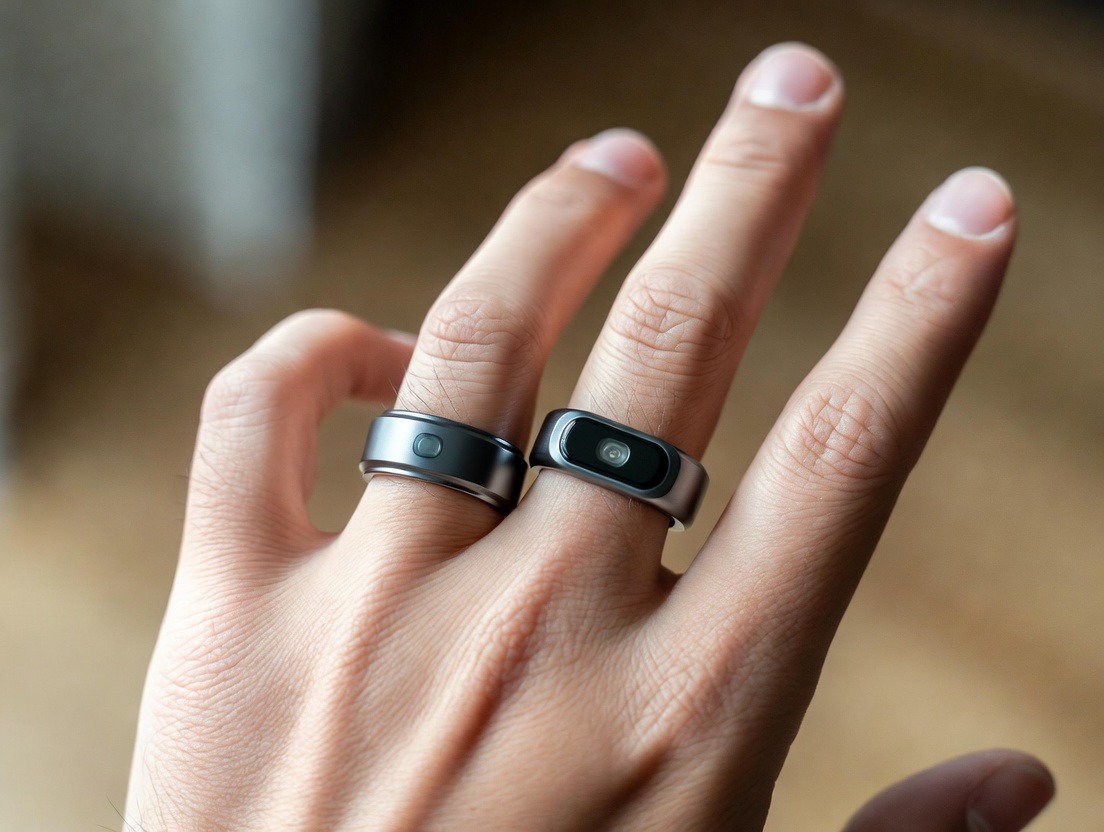
If continuous daytime HRV provides the story, nocturnal HRV provides the cornerstone chapter. The sleep period is a controlled, prolonged window where your body dedicates itself to repair and recalibration. For HRV analysis, this is a goldmine of undisturbed, consistent data, and the smart ring is uniquely positioned to exploit it. While you are unconscious, your ring becomes a silent lab technician, recording the intimate dialogue between your sleep stages and your nervous system.
During deep sleep (N3), your body engages in physical restoration, hormone release (like growth hormone), and memory consolidation. This phase is strongly parasympathetically dominant, meaning your "brake pedal" is fully engaged. Here, we typically see higher, more stable HRV. A robust amount of deep sleep, which you can learn to optimize by understanding the temperature, timing, and habits that form the deep sleep formula, is often correlated with strong overnight HRV patterns, signaling effective recovery.
In contrast, REM sleep, while crucial for cognitive and emotional processing, sees a more active autonomic profile, with HRV that can be more variable and sympathetic-influenced, resembling wakefulness. Frequent awakenings or disruptions, as measured by movement and heart rate spikes, cause sharp, transient dips in HRV as the body briefly reactivates its stress response.
A smart ring doesn't just track sleep "amount"; it maps this architecture. By correlating high-resolution HRV data with precise sleep staging, it can answer critical questions:
This analysis provides a far more nuanced picture of sleep quality than any simple duration metric. It can reveal, for instance, that you got 8 hours of sleep but spent very little time in the parasympathetic "safe zone" of deep sleep, explaining why you still feel exhausted—a common issue explored in our article on the silent signs of deep sleep deprivation. The ring's all-night HRV trend becomes a direct report card on your sleep's restorative power, offering clear guidance on whether you need to focus on sleep quality over mere quantity.
One of the most transformative applications of effortless HRV monitoring is in the realm of stress management. Stress is often a subjective, nebulous feeling—"I'm stressed." But its physiological footprint is concrete and measurable. The smart ring acts as an objective lie detector for your nervous system, unmasking hidden stress loads that your mind may have normalized or even suppressed.
Unlike a mood journal or a self-assessment, HRV provides a real-time, biological readout of your autonomic balance. During an acute stressor—a difficult conversation, a tight deadline, navigating traffic—your sympathetic nervous system activates. Your heart rate increases, and critically, your HRV typically decreases as the variability between beats tightens up, preparing the body for focused action. With a ring continuously tracking, you can literally see the spike and dip on a graph corresponding to these events.
The real power, however, lies in identifying chronic, low-grade stress. This is the insidious background strain from constant connectivity, financial worry, or relational friction that doesn't feel like an acute "fight-or-flight" moment but keeps your nervous system in a subtly elevated state. This chronic sympathetic tone suppresses your HRV over time. By watching your daily and weekly HRV trends, you can see if your baseline is gradually eroding, a clear signal that your cumulative stress load is too high, regardless of how "used to it" you feel.
This objective data creates a powerful feedback loop for stress-reduction techniques. You can run personal experiments:
By quantifying the previously unquantifiable, the smart ring moves stress management from the realm of vague advice ("just relax") to a precise science of self-regulation. It validates what works for you and exposes hidden drains on your resilience, empowering you to make tangible changes backed by your own biological data. For those seeking to understand the full picture of how stress impacts recovery, our blog offers a wealth of related articles on integrating these insights.
The pinnacle of eliminating complexity is the delivery of a truly personalized health tool. Two people with the same HRV number of 55 ms can be in completely different physiological states—one might be at their well-recovered baseline, while the other might be significantly below theirs and heading toward burnout. Early HRV tools failed here, offering one-size-fits-all interpretations. Smart rings succeed by using long-term, continuous data to build a dynamic model of you.
This personalization happens through sophisticated machine learning algorithms that operate in the background. Over the first few weeks of wear, the ring isn't just collecting data; it's establishing your unique biometric fingerprint. It learns:
This learning process allows the ring to move beyond population averages. Its insights become hyper-relevant. Instead of a generic warning for "low HRV," it can say, "Your recovery score is 30% below your personal baseline, which is unusual for you after a day like yesterday. Consider this a strong rest signal."
Furthermore, this system enables predictive personalization. By correlating your lifestyle inputs (which you can log) with your physiological outputs, the platform can start to offer tailored recommendations. If it notices that your deep sleep consistently decreases and your morning HRV is lower on nights your logged skin temperature is above your personal norm, it might suggest cooler bedroom conditions—a tip covered in our guide on how to get more deep sleep tonight. It transforms from a reporter of the past into a guide for the future.
This level of individualized insight was unimaginable with a chest strap and a manual log. It represents the final step in the journey from complex, generalized data to simple, personal wisdom. The technology recedes into the background, and what remains is a clear, evolving understanding of your own body's language, facilitated by a companion that knows you better with each passing day. To see how this philosophy of personalized technology is brought to life, you can explore the mission and vision behind Oxyzen.
For the dedicated athlete—from the weekend warrior to the elite competitor—the line between peak performance and debilitating overtraining is notoriously thin. Pushing the body is essential for adaptation, but without precise feedback, a hard training session can become the first step toward injury, illness, or a prolonged performance plateau. Enter the smart ring, functioning as a 24/7 physiological coach that provides the objective data needed to walk that line with confidence. By making HRV and recovery metrics effortlessly accessible, it has revolutionized the art and science of athletic periodization.
The traditional model of training often relied on subjective feel, rigid schedules, or retrospective performance metrics (like a slow race time or failed lift) to signal overreaching. By then, it was often too late; fatigue had already accumulated. Smart rings introduce a proactive, predictive approach. By monitoring your body's readiness each morning via a composite recovery score derived from HRV, resting heart rate (RHR), sleep quality, and temperature, you can answer the critical question before you even lace up your shoes: "Is my body prepared to absorb and benefit from the stress I'm about to apply?"
This creates a dynamic, responsive training model. Instead of blindly following a pre-written plan, you can adjust intensity and volume based on objective readiness. The guidance is elegantly simple:
The power of this system is magnified by the ring's ability to measure the impact of a training session, not just the preparedness for it. Post-workout, you can see how your physiology reacted. Did that grueling session cause a massive spike in your nighttime heart rate and a crash in your nocturnal HRV, indicating a very high stress load? Or did you bounce back quickly, suggesting you are well-adapted? Over time, this teaches you the true cost of different workout types on your body, allowing for more intelligent programming. For athletes focused on maximizing the restorative power of their rest, resources like our article on deep sleep optimization for athletes become essential reading to pair with this data.
Furthermore, the smart ring excels at spotting trends indicative of overtraining syndrome (OTS). OTS isn't caused by one hard workout but by a chronic imbalance between stress and recovery. Its early signs are physiological, not just performance-based: a persistent elevation in resting heart rate, a gradual decline in HRV baseline, sleep disturbances (like less deep sleep), and changes in heart rate variability during sleep. A smart ring tracking these metrics continuously can alert an athlete to a negative trend weeks before a major performance decline or injury occurs. It turns the ring into an early-warning system, enabling timely intervention—a deload week, increased focus on sleep and nutrition, or stress management—to pull back from the brink.
This transforms the athlete-coach relationship. Data can be shared seamlessly, providing the coach with an objective window into the athlete's recovery state, far beyond self-reported "soreness." It fosters a collaborative, data-informed partnership focused on long-term athletic development and resilience. The complexity of periodization is simplified into a daily, color-coded conversation with your own body.
While athletes were early adopters, the implications of effortless HRV monitoring extend far beyond the track, pool, or gym. HRV is not merely a fitness metric; it is a broad-spectrum health biomarker that offers insights into aging, metabolic health, mental well-being, and resilience against disease. By bringing this metric into daily life, the smart ring evolves from a performance tool into a lifelong health compass, guiding overall wellness with unprecedented personal clarity.
One of the most significant applications is in chronic stress and mental health management. As discussed, HRV objectively quantifies nervous system load. For individuals managing anxiety, burnout, or high-pressure careers, this feedback is transformative. It moves the goalpost from "trying to feel less stressed" to "objectively improving my nervous system resilience." Users can concretely see the physiological benefit of therapy, mindfulness practices, or setting boundaries, reinforcing positive behavior changes with hard data. It helps break the cycle of stress by making its hidden physiological cost visible and manageable.
HRV also serves as a sensitive, early-warning sentinel for illness. Numerous studies show that HRV often decreases in the days preceding clinical symptoms of infections like the common cold or flu. A smart ring, tracking your baseline, can flag a sustained drop in your recovery score or HRV alongside a rise in skin temperature—a combination that strongly suggests your body is fighting something. This "heads-up" can prompt you to hydrate, rest, and bolster your immune system proactively, potentially mitigating the severity or duration of the illness. It’s like having a canary in the coal mine for your immune function.
Furthermore, HRV is intrinsically linked to cardiovascular and metabolic health. Lower HRV is associated with a higher risk of hypertension, metabolic syndrome, and cardiac events. While a smart ring is not a diagnostic device, long-term trends in your HRV can serve as a powerful motivational tool and conversation starter with your healthcare provider. A gradually declining HRV baseline over years could be a nudge to investigate diet, exercise, and lifestyle factors more deeply. Conversely, seeing your HRV improve as you adopt healthier habits provides tremendous positive reinforcement.
Finally, this technology offers profound insights into healthy aging. HRV naturally declines with age, but the rate of decline is influenced by lifestyle. Continuous monitoring allows you to observe your own trajectory. Are your lifestyle choices accelerating or decelerating this natural decline? Insights into sleep architecture become even more critical here, as the relationship between age and deep sleep is a key factor in overall recovery and vitality. The smart ring empowers a proactive approach to aging, where you can measure the impact of your choices on your physiological resilience, aiming not just for longevity, but for a high-quality, vibrant lifespan.

The true power of any health device is not realized in isolation, but in how well it integrates into the user's broader digital life. A device that creates yet another data silo adds complexity. The smart ring's triumph is its role as a central, passive data hub within a connected wellness ecosystem. By seamlessly syncing with other apps and platforms, it enriches existing routines and creates a unified, holistic health dashboard, further eliminating friction and amplifying insight.
This integration works in multiple, powerful ways:
1. Syncing with Fitness Platforms: Most smart rings seamlessly push their data—including activity, sleep, and recovery scores—to major health platforms like Apple Health, Google Fit, and Strava. This is a game-changer. It means your daily readiness score can sit alongside your workout history. A running coach on Strava can see not just your pace and distance, but also your pre-run recovery score, adding crucial context to your performance. It creates a virtuous cycle where your physiological readiness informs your activity, and your activity data is then used to refine your readiness algorithms.
2. Informing Mindfulness and Sleep Apps: Imagine your meditation app (like Calm or Headspace) receiving real-time HRV data from your ring. At the end of a session, it could show you not just how long you meditated, but the tangible, physiological calming effect it had on your nervous system. Similarly, sleep apps can be enriched with the ring's highly accurate sleep staging and HRV data, moving beyond simple movement tracking to a neurophysiological analysis of sleep quality. This bridges the gap between intention and measurable outcome.
3. Creating a Unified Health Narrative: By aggregating data from the ring (passive physiology), your phone (activity, location), and your manual inputs (nutrition logs, mood journals) into a single platform, you begin to see multi-factorial cause and effect. The platform might correlate a week of poor recovery scores with a logged increase in work travel, late-night eating, and decreased step count. This holistic view is where true behavioral change is sparked. You’re no longer looking at disconnected metrics but at the interconnected story of your life and your body’s response to it.
4. Enabling Personalized Triggers and Automation: With IFTTT (If This Then That) or native integrations, the data from your smart ring can trigger actions in your smart home environment. For example, a consistently low recovery score and high skin temperature could trigger your smart thermostat to lower the bedroom temperature at night, directly addressing a factor that could improve sleep, as detailed in our guide on the deep sleep formula of temperature, timing, and habits. This is the pinnacle of seamless integration: your physiological data automatically optimizing your environment for better recovery.
By acting as a silent, always-on biometric sensor that feeds into the apps and services you already use, the smart ring becomes indispensable. It doesn't ask you to change your digital behavior; it enhances it. The complexity of managing multiple data sources dissolves, leaving you with a cohesive, actionable picture of your well-being, accessible from the tools you trust. To explore how Oxyzen’s technology fits into this connected vision, you can always dive deeper into our story and mission.
To fully trust the insights from a device as minimalist as a smart ring, it's essential to understand the sophisticated engineering that makes it all possible. The magic lies not in a single component, but in the marriage of advanced sensor technology, cutting-edge signal processing, and intelligent algorithms. This deep dive demystifies how a small ring on your finger reliably measures something as delicate as the millisecond intervals between heartbeats.
At the core is Photoplethysmography (PPG). This is the optical heart rate monitoring technology used in most wearables. A green LED (sometimes paired with red and infrared for advanced models) shines light into the skin of your finger. A photodetector then measures the amount of light reflected back. With each heartbeat, blood volume in the capillaries increases slightly, absorbing more light. The detector sees a corresponding dip in reflected light. This waveform, the PPG signal, is essentially a pulse wave.
The first major challenge is extracting a clean signal. The finger is a better location than the wrist for a strong signal, but it's not immune to motion artifact—noise caused by hand movements, gripping objects, or even subtle finger flexing. This is where hardware and software work in tandem. High-quality rings use accelerometers to detect movement. Advanced algorithms then use this motion data to filter and clean the PPG signal in real-time, isolating the cardiac component from the noise. This is a critical step; a noisy PPG signal makes accurate heart rate detection, let alone HRV calculation, impossible.
Once a clean pulse wave is established, the algorithm identifies the peak of each pulse—the moment of maximum blood volume. The time between these peaks is called the Inter-Beat Interval (IBI). This sequence of IBIs, measured in milliseconds, is the raw data for HRV. It’s important to note that PPG-derived IBI is highly correlated with ECG-derived IBI, but it is an estimate. The algorithm's ability to pinpoint the pulse peak accurately is paramount.
From this IBI data stream, the ring's processor calculates various HRV metrics. The most common for consumer wearables is the time-domain metric RMSSD (Root Mean Square of Successive Differences), which is particularly good at reflecting short-term, parasympathetic (recovery) influence. Other metrics like SDNN may also be calculated. These are not simple averages; they are statistical representations of the variability within your IBI data over a specific period (e.g., during a sleep analysis window or a 5-minute resting segment).
Finally, this HRV data is never used in a vacuum. It is fed into a proprietary scoring algorithm alongside other sensor data: resting heart rate from the same PPG sensor, skin temperature from a dedicated thermistor, and sleep/wake/activity data from the accelerometer. This multi-input model is what creates the robust "Readiness" or "Recovery" scores. The algorithm is trained on vast datasets to weigh these inputs appropriately, determining how a slight elevation in nighttime temperature combined with a dip in deep sleep HRV should impact your overall score more than a slight elevation in resting heart rate alone.
This continuous process—signal acquisition → noise filtration → peak detection → IBI calculation → HRV derivation → multi-metric synthesis—happens autonomously, billions of times, in a device that weighs a few grams. The complexity is monumental, but the user experience is the epitome of simplicity: a clear, meaningful score that represents the culmination of advanced biomedical engineering. For those curious about the accuracy of such tracking, our analysis on what your sleep tracking device can and can't measure provides a transparent look at the capabilities and limitations of this technology.
Beyond the graphs, scores, and technological marvels lies the most important part of the story: the human impact. The true measure of a technology that eliminates complexity is how it changes lives—not in abstract terms, but in the daily experiences of real people. From the executive avoiding burnout to the parent managing chronic stress, the smart ring’s value is crystallized in personal narratives of discovery, empowerment, and transformation.
Take the story of Michael, a 42-year-old software engineering manager. After years of grinding through 60-hour weeks, he found himself constantly fatigued, irritable, and catching every cold that went around the office. He "felt" stressed but had normalized it. On his doctor's suggestion, he started using a smart ring. The data was a revelation. His HRV baseline was in the bottom quartile for his age, and his sleep graph showed almost no deep sleep, which our article on the difference between deep sleep and REM sleep explains is critical for physical restoration. The objective proof was the catalyst he needed. He used the ring’s insights to enforce a strict digital curfew, began a brief evening meditation practice (watching his real-time HRV climb as he did it), and committed to a consistent bedtime. Within six weeks, his deep sleep increased, his HRV baseline rose by 35%, and his subjective energy and focus returned. "The ring didn't just give me data," he says. "It gave me permission to prioritize my recovery without guilt."
Then there's Elena, a dedicated amateur marathoner. She had always followed her training plan to the letter, but her performance had plateaued, and she was plagued by niggling injuries. Her smart ring revealed a pattern: every time she did back-to-back hard training days, her recovery score would plunge to "red" and stay there for 48 hours. She was never fully absorbing the training stimulus. By shifting to a dynamic approach—using her morning readiness score to decide between a hard run, an easy jog, or a rest day—she broke through her plateau. She ran her next marathon 12 minutes faster and injury-free. "It taught me that discipline isn't about always pushing harder," she notes. "Sometimes, the most disciplined thing you can do is rest when your body is screaming for it."
And consider The Johnson family, who used the ring’s illness-prediction feature. When their son’s recovery score dropped sharply and his skin temperature trended upward for two days before any sniffles appeared, they proactively kept him home, hydrated, and rested. What was typically a week-long, miserable cold resolved in just three mild days. "It felt like we had a superpower," Mrs. Johnson shared. "We were able to care for him proactively instead of reactively."
These stories, echoed in real customer testimonials, share a common thread: the transition from feeling at the mercy of their bodies to becoming informed, active participants in their own health. The smart ring provides a common language—objective, calm, and data-driven—to discuss the often-subjective realms of stress, fatigue, and recovery. It replaces anxiety with awareness and guesswork with guidance, proving that when complexity is removed, profound personal empowerment takes its place.
The integration of seamless HRV monitoring into daily life via the smart ring is not an endpoint, but a foundational step in a broader movement toward truly predictive, personalized, and preventative health. As this technology evolves and becomes more widespread, several key trends and ethical considerations will shape its future impact and our relationship with our own biometric data.
Future Trends on the Horizon:
Critical Ethical Considerations:
As this technology becomes more intimate and powerful, ethical stewardship of data is paramount.
The road ahead is one of incredible promise. The smart ring has successfully demystified HRV, bringing a powerful biomarker into the light of everyday use. As it continues to evolve, its potential to act as a guardian of our long-term health, a coach for our daily decisions, and a bridge to more proactive healthcare is immense. The complexity has been eliminated. What remains is the exciting journey of discovery, as we learn to listen to—and wisely respond to—the subtle, intelligent language of our bodies, whispered to us through a band of metal and light on our finger. For those ready to begin that journey, the path starts at the Oxyzen shop, and the conversation continues with further reading and resources on our blog.

The most successful technologies are those that weave themselves so seamlessly into the fabric of our lives that we forget they are there. They move from being novel gadgets to indispensable, almost invisible, extensions of ourselves. This is the ultimate triumph of the smart ring in the realm of HRV monitoring. Unlike the chest strap that demanded a daily ritual or the watch that buzzed with notifications, the ring has achieved a state of silent ubiquity. It has transformed a complex health practice into a passive, effortless habit—the very pinnacle of user-centric design.
This invisibility operates on multiple levels. Physically, a well-designed smart ring is lightweight, low-profile, and comfortable enough for 24/7 wear. It doesn't snag on clothing, interfere with typing, or feel bulky during sleep. Users often report forgetting they are wearing it, only to be reminded by the insightful data it provides. This constant, unobtrusive presence is the non-negotiable prerequisite for capturing the continuous, naturalistic data that makes modern HRV analysis so valuable. You cannot get a true physiological baseline if the device itself alters your behavior or comfort.
Cognitively, the ring demands nothing. There are no buttons to press to start a reading, no screens to check mid-day, and no charging rituals needed every 24 hours. With week-long battery life, charging becomes a brief, weekly maintenance task rather than a daily hassle. This lack of cognitive load is critical. It means the user's mental energy can remain focused on living their life, making decisions, and experiencing the world—not on managing a health device. The monitoring happens in the background, a silent sentinel.
Digitally, the insights are delivered with intention, not interruption. Instead of constant pings, the user typically engages with the data once or twice a day: a morning check of their readiness score to guide the day, and perhaps an evening review of sleep predictions or daily stress patterns. The platform surfaces the most important trends and correlations, saving the user from drowning in raw data. This curated, calm presentation turns data review into a moment of reflection rather than a task of analysis. It’s the difference between a wise coach offering a single piece of pivotal advice and a statistician handing you a thousand-page report.
This seamless integration is what finally bridges the "intention-action gap" that plagues so many wellness endeavors. People intend to manage stress, prioritize sleep, and train smarter. The smart ring, by removing all friction from the measurement of these very things, makes following through on those intentions not just easier, but inevitable. The habit is no longer "measuring HRV"; the habit becomes "living your life, informed by a deeper understanding of your body." This foundational shift is what has allowed HRV to escape the lab and enter the mainstream, creating a new normal where listening to our internal state is as simple as glancing at a ring.
The raw stream of biometrics—the heartbeats, the movements, the temperature shifts—is meaningless noise without the interpretive layer that transforms it into insight. The true engine behind the smart ring's simplicity is not just its sensor, but the sophisticated, ever-evolving artificial intelligence that acts as a personal physiological translator. This journey from data to wisdom is a multi-stage process of refinement, where algorithms learn, contextualize, and ultimately predict, turning a firehose of numbers into a clear, actionable narrative.
The first layer is signal processing and artifact rejection. As discussed, the raw PPG signal is messy. The initial algorithms are like master cleaners, using motion data from the accelerometer and known signal patterns to filter out the noise of a hand gesture, a tight grip, or even the pulse wave distortions from cold fingers. This stage ensures the foundational data—the inter-beat intervals—is as clean and accurate as possible before any higher-level analysis begins.
The second layer is pattern recognition and baseline establishment. Over the initial weeks of use, the AI isn't just collecting data; it's performing a deep learning audit of you. It identifies your personal circadian rhythms: when your body temperature typically dips and rises, when your heart rate reaches its nightly nadir, what your HRV looks like during different sleep stages. It establishes a dynamic, moving baseline for each metric. This is crucial because it personalizes all subsequent analysis. An HRV of 50 ms might be catastrophically low for one person and a sign of peak fitness for another. The algorithm learns to interpret every data point relative to your own history.
The third, and most transformative, layer is correlation and causal inference. This is where modern machine learning shines. The algorithm analyzes billions of data points across millions of users to find hidden connections. It learns, for example, that for a demographic profile similar to yours, a combination of a 15% drop in deep sleep HRV, a 0.3°C rise in skin temperature, and a 5-beat-per-minute increase in resting heart rate has an 80% correlation with the onset of upper respiratory symptoms two days later. It doesn't diagnose a cold; it identifies a high-risk physiological pattern that is unique to you but informed by population trends.
This leads to the final stage: predictive personalization and prescriptive insight. The algorithm moves from telling you what happened yesterday to advising you about tomorrow. It can say: "Your current physiological pattern is similar to those that precede a decline in recovery for you. To counter this, prioritize 8 hours of sleep tonight and consider a light day tomorrow." It can correlate your logged behaviors ("logged two glasses of wine") with physiological outcomes ("47% reduction in deep sleep") to offer personalized lifestyle feedback. This is the culmination of the process: not just a dashboard, but a dynamic, learning health model that offers bespoke guidance. For those interested in the science behind how these patterns affect key recovery states, our article on the brain-boosting connection between deep sleep and memory explores one critical facet of this complex system.
To fully appreciate the smart ring's role in simplifying HRV, it's essential to place it within the broader ecosystem of wearable technology. Each form factor—the smartwatch, the chest strap, the adhesive patch—has strengths and weaknesses in the quest for physiological insight. The ring’s ascendancy in HRV monitoring is not an accident; it is a deliberate triumph of optimizing for consistency, comfort, and signal quality where it matters most.
Smartwatches: The Jack-of-All-Trades, Master of None
The wrist is a convenient location for a general-purpose computer, but it is suboptimal for consistent, medical-grade physiological sensing. The wrist's bone structure and tendons mean optical sensors often sit over a less perfused area, leading to a weaker PPG signal, especially during movement. This is the "motion artifact" problem, which is detrimental to HRV accuracy. Furthermore, watches are frequently removed for charging, during showers, or for formal events, creating data gaps. They are also prone to positional errors; a loose band can completely invalidate a reading. While great for notifications, activity tracking, and spot-check heart rate, their design compromises the continuous, high-fidelity data required for reliable HRV trends.
Chest Straps: The Accurate but Annoying Gold Standard
The electrocardiogram (ECG) chest strap is the historical gold standard for HRV accuracy in ambulatory settings. It measures the heart's electrical activity directly, providing superb data. However, its fatal flaw is user experience. It is uncomfortable, conspicuous, requires moisture (sweat or gel) for a good connection, and is impractical for 24/7 wear. It embodies the old paradigm of complexity: high accuracy at the cost of high friction. It is a tool for dedicated measurement sessions, not for seamless life integration.
Adhesive Patches: The Clinical Bridge
Multi-day adhesive biosensor patches (like those used in clinical trials) offer excellent, continuous ECG data. They are a step forward in comfort from chest straps and provide fantastic accuracy. However, they are single-use, expensive, and still visually present on the skin. They are a solution for short-term diagnostic monitoring or research, but not a sustainable, consumer-friendly platform for lifelong health tracking. They represent a midpoint in the evolution from clinical tool to consumer device.
The Smart Ring: The Optimized Specialist
The ring carves out its dominant niche by making a key trade-off: it forgoes the screen and some real-time interactivity of a watch to fully specialize in passive, continuous biometrics. Its advantages are decisive for HRV:
In this comparative landscape, the ring emerges not as a competitor trying to do everything a watch does, but as a complementary specialist. It is the dedicated, silent biometric hub, while other devices handle communication, entertainment, and real-time fitness tracking. For the core mission of effortless, continuous HRV and recovery monitoring, its design is purpose-built and, therefore, superior. This focused excellence is what you can expect when you explore the Oxyzen smart ring on our shop.
With the smart ring delivering daily scores and graphs, the final step in eliminating complexity is user literacy. What should you actually do with a Recovery Score of 72? How do you interpret a "High Stress" alert? This section is a practical field guide to navigating your personal dashboard, moving from abstract metrics to concrete understanding and action.
Your Recovery/Readiness Score (The North Star):
This composite score (usually 1-100) is your daily starting point. Don't fixate on the absolute number; focus on the trend and the deviation from your personal baseline.
Heart Rate Variability (The Nervous System Barometer):
Look at your HRV graph in two ways:
Resting Heart Rate (RHR) & Heart Rate During Sleep:
RHR is a beautifully simple metric. For most adults, a lower RHR (within a healthy range) indicates better cardiovascular fitness and recovery. More telling is the nighttime dip. Your heart rate should drop significantly below your daytime resting average. A blunted dip (a heart rate that stays high during sleep) is one of the clearest signs of physiological stress, whether from illness, overtraining, or psychological strain.
Skin Temperature Trend:
The absolute temperature is less important than the deviation from your personal norm. The app will typically show a +/- degree change.
The Action Framework:
Let’s tie it to a real-world example. Your dashboard shows: Recovery Score: 42 (Yellow). HRV: 15% below baseline. Nighttime HR: 8 bpm above average. Temp: +0.4°C.

While daily and weekly insights are invaluable for tactical decisions, the most profound application of effortless HRV tracking may be strategic: viewing your data through the lens of decades, not days. Your smart ring becomes a longitudinal health journal, documenting not just your recovery from last night's workout, but your body's resilience journey through different life stages. This long-term perspective transforms HRV from a fitness metric into a powerful compass for aging well.
It is a biological fact that HRV declines with age. The autonomic nervous system's flexibility gradually diminishes. However, the rate of this decline is not predetermined. It is heavily influenced by lifestyle factors: physical activity, stress management, sleep quality, nutrition, and social connection. Think of your HRV trend line over the years as the "slope of your healthspan." A steep downward slope suggests accelerated physiological aging. A gentle, gradual slope—or even periods of improved baseline through lifestyle changes—suggests successful deceleration.
Your smart ring provides the unique tool to measure this slope. By maintaining years of continuous data, you can observe:
This aligns perfectly with the concept of "healthspan"—the number of years we live in good health, not just the total number of years lived. The goal isn't just to live to 90; it's to live vibrantly to 90. HRV, as a marker of systemic resilience and autonomic balance, is a premier indicator of healthspan. A higher HRV in later life is associated with better cognitive function, emotional regulation, and physical mobility.
The smart ring makes this long game playable. It provides the quiet, consistent documentation needed to see the big picture. You are no longer guessing about the impact of your lifestyle; you are building a personal, data-driven map of what it means for you to age well. This shifts health management from a reactive, problem-focused model to a proactive, optimization-focused journey. It empowers you to invest in your future resilience with the same clarity with which you manage your finances or career.
The simplification of HRV monitoring doesn't just empower individuals; it has ripple effects that can transform groups, organizations, and even our broader approach to health. When a critical biomarker becomes easy and accessible, it opens doors to applications that were previously logistically impossible or ethically fraught. The implications stretch from team dynamics to corporate wellness to systemic healthcare shifts.
In Social and Team Settings: Imagine a world where trusted teams—athletic teams, first responder units, or even close-knit work groups—opt to share recovery metrics. The goal isn't comparison or judgment, but collective resilience. A coach could see that three key players are in the "red" and adjust the week's training load for the entire team to prevent an injury cascade. A project manager, seeing a trend of declining team-wide recovery scores during a crunch period, could advocate for deadlines to be extended or for restorative resources to be provided. It moves the focus from pressuring the individual to optimizing the system that supports them. This requires immense trust and clear ethical guidelines, but the potential to enhance group performance and well-being is significant.
In Corporate Wellness: The traditional corporate wellness program often relies on annual biometric screenings and step challenges—snapshots with low engagement. Continuous, passive HRV data offers a revolutionary alternative: a real-time, objective measure of organizational stress and burnout risk. At an anonymized, aggregate level, companies could identify that employee resilience plummets during certain quarterly closes or after company-wide restructuring. This data could inform smarter policies: mandating meeting-free days, promoting true vacation disconnection, or offering targeted resilience training. It shifts wellness from a perk to a core operational metric, recognizing that a recovered workforce is a more creative, productive, and loyal one. Forward-thinking companies might even offer smart rings as part of their benefits package, as a tool for empowerment rather than surveillance.
In Healthcare and Research: This is perhaps the most transformative frontier. Population-level, longitudinal HRV data, collected passively from millions of willing users, would be a medical research goldmine. Researchers could study:
These broader implications come with serious responsibilities. They hinge on ethical data use, informed consent, and robust anonymization. The technology must be designed to empower and protect the individual first. But if these challenges are met, the smart ring’s simplification of HRV monitoring could catalyze a move toward a society that values and measures sustained human capacity, not just short-term output. It’s a vision where our technology helps us build not just smarter devices, but healthier communities. To understand how one company is thinking about these larger implications, you can read about the vision and values behind Oxyzen.
We began this exploration by acknowledging the profound complexity that once surrounded Heart Rate Variability. It was a metric trapped behind the twin gates of cumbersome technology and cryptic interpretation, reserved for those with the patience of a scientist and the dedication of an Olympian. The journey we have traced—through the science of the autonomic nervous system, the history of wearables, and the engineering marvel of the smart ring—reveals a singular, transformative truth: that complexity has been decisively dismantled.
The smart ring, by virtue of its perfect form factor and sophisticated analytics, has performed a magic trick of the highest order. It has made the continuous, accurate monitoring of one of our body's most insightful languages utterly simple. It has replaced chest straps with comfort, morning rituals with passivity, and confusing spreadsheets with clear, personalized insight. It has moved HRV from the realm of biohacking to the realm of daily living.
The implications are profound. We are no longer flying blind through our own stress and recovery. We have a dashboard. We are no longer guessing about the impact of our choices on our resilience. We have feedback. The athlete can train with precision, the professional can manage stress with objectivity, the individual can navigate their health with agency. This is the promise fulfilled: not more data for data's sake, but actionable wisdom for life's sake.
This is, however, just the beginning. The foundation has been laid. In the next portion of our deep dive, we will explore the cutting-edge frontiers this technology is already approaching. We will investigate the integration of new sensors and biomarkers, the emerging role of AI as a true health companion, the evolving conversation around data sovereignty and privacy, and the practical, day-to-day strategies for integrating these insights to build a truly resilient life. The complexity is gone. The journey toward deeper self-awareness and optimized living is just getting started.
For those ready to take the first step on that journey, the path begins with experiencing the technology firsthand at the Oxyzen shop, and the learning continues with a wealth of resources on our blog, covering everything from the basics of sleep to the advanced science of recovery. The era of effortless understanding is here.
Your Trusted Sleep Advocate (Sleep Foundation — https://www.sleepfoundation.org/)
Discover a digital archive of scholarly articles (NIH — https://www.ncbi.nlm.nih.gov/
39 million citations for biomedical literature (PubMed — https://pubmed.ncbi.nlm.nih.gov/)
experts at Harvard Health Publishing covering a variety of health topics — https://www.health.harvard.edu/blog/)
Every life deserves world class care (Cleveland Clinic -
https://my.clevelandclinic.org/health)
Wearable technology and the future of predictive health monitoring. (MIT Technology Review — https://www.technologyreview.com/)
Dedicated to the well-being of all people and guided by science (World Health Organization — https://www.who.int/news-room/)
Psychological science and knowledge to benefit society and improve lives. (APA — https://www.apa.org/monitor/)
Cutting-edge insights on human longevity and peak performance
(Lifespan Research — https://www.lifespan.io/)
Global authority on exercise physiology, sports performance, and human recovery
(American College of Sports Medicine — https://www.acsm.org/)
Neuroscience-driven guidance for better focus, sleep, and mental clarity
(Stanford Human Performance Lab — https://humanperformance.stanford.edu/)
Evidence-based psychology and mind–body wellness resources
(Mayo Clinic — https://www.mayoclinic.org/healthy-lifestyle/)
Data-backed research on emotional wellbeing, stress biology, and resilience
(American Institute of Stress — https://www.stress.org/)


