


The Complete Beginner-Friendly Guide to Vitality Enhancement Strategies
Strategies for enhancing your overall vitality.
Strategies for enhancing your overall vitality.
%402x.svg)
Have you ever looked at someone who seems to radiate energy and thought, “What’s their secret?” Is it perfect genetics? A mysterious supplement? Or perhaps a life of endless leisure? The truth is often far simpler, yet more profound. That palpable vitality—the spring in the step, the sharpness of mind, the resilience to stress—is not a mystery reserved for a lucky few. It’s the measurable, attainable outcome of a system.
Today, the pursuit of vitality has transcended guesswork and generic advice. We stand at the intersection of ancient wisdom and modern precision, where the qualitative feeling of “being in the zone” meets quantitative data from wearable technology like smart rings. This guide is your comprehensive map to that intersection. We will move beyond fleeting hacks and build a foundational, beginner-friendly understanding of how to enhance your vitality—your physical energy, mental clarity, and emotional resilience—in a sustainable, personalized way.
Think of vitality not as a fixed state, but as a dynamic reservoir you can fill. It’s influenced by your sleep, nutrition, movement, stress, and recovery. For too long, we’ve managed these pillars in the dark. Now, with tools that provide continuous, personalized biometric feedback, we can see the direct impact of our choices. This guide will first deconstruct the very concept of vitality into its core physiological components, helping you understand the why behind the strategies. Then, we will build a practical, step-by-step framework for implementation, showing you how to leverage data to create a life that doesn’t just look good on paper, but feels incredibly alive.
This is not about adding more to your to-do list; it’s about learning to listen to your body’s signals, interpret them wisely, and respond with intention. Whether you’re looking to break out of a constant state of fatigue, optimize your performance, or simply ensure you have the energy to enjoy life for decades to come, the journey starts here. Let’s begin by understanding the blueprint of vitality itself.
Vitality is often described as “liveliness” or “vigor,” but from a physiological and psychological standpoint, it is far more specific. It is your body’s capacity to sustain physical and mental effort, recover efficiently, and maintain homeostasis—a state of internal balance—in the face of stressors. Imagine it as your personal energy currency. You make deposits through sleep, nutrition, and recovery, and you make withdrawals through physical exertion, cognitive work, and emotional stress.
A high-vitality state is characterized by several key markers: consistent energy levels throughout the day, restful and restorative sleep, a robust immune response, quick recovery from exercise or illness, mental focus and clarity, and emotional stability. Conversely, low vitality manifests as chronic fatigue, brain fog, frequent sickness, poor stress tolerance, and slow recovery.
Critically, vitality is underpinned by measurable biological systems. Your autonomic nervous system (ANS), which governs your "rest-and-digest" (parasympathetic) and "fight-or-flight" (sympathetic) states, is a prime regulator. A resilient, balanced ANS allows for agile switching between energy expenditure and recovery. Mitochondrial health—the efficiency of your cells’ energy powerhouses—determines how effectively you convert nutrients into usable energy (ATP). Hormonal balance, including cortisol rhythms and metabolic hormones, orchestrates your daily energy cycles. Inflammatory load, the level of systemic inflammation in your body, acts as a silent tax on your vitality, draining resources away from daily function toward managing internal friction.
In the past, we judged our vitality by subjective feel alone: “I’m tired,” or “I feel great today.” Now, technology like the advanced sensors in a wellness smart ring allows us to quantify these underlying systems. Metrics like Heart Rate Variability (HRV) offer a direct window into ANS balance and recovery status. Resting Heart Rate (RHR) and respiration rate can indicate cardiovascular efficiency and stress load. Sleep architecture data (deep sleep, REM sleep) reveals the quality of your nightly repair cycle. Body temperature trends can hint at metabolic and circadian health.
Understanding vitality as this interconnected, measurable system is the first step toward enhancing it. It shifts the goal from “trying to have more energy” to “systematically improving the biomarkers of resilience and efficiency.” This data-driven approach demystifies the process, allowing you to see the direct correlation between your lifestyle choices and your physiological outputs. For a deeper exploration of the key metrics that paint this picture, our resource on the most important health metrics a wellness ring tracks breaks down each signal and its meaning. It’s about moving from speculation to strategy, and it begins with this fundamental shift in perspective.

If vitality is a currency, then sleep is its primary mint. It is the single most potent, non-negotiable vitality enhancement strategy at your disposal. During sleep, your body isn’t simply “shut down”; it’s engaged in a highly orchestrated series of repair, restoration, and consolidation processes that affect every cell.
Sleep occurs in cyclical stages: Light Sleep (transition), Deep Sleep (physical restoration), and REM Sleep (mental restoration). Deep sleep is when growth hormone is released, facilitating tissue repair, muscle growth, and immune system strengthening. REM sleep, characterized by rapid eye movement and dreaming, is crucial for memory consolidation, emotional processing, and cognitive function. Disrupting this architecture—through poor sleep habits, stress, or environmental factors—directly undermines your vitality foundation.
The consequences of chronic sleep debt are profound and directly oppose vitality. They include:
For the beginner, optimizing sleep isn’t about chasing a perfect 8 hours from night one. It’s about consistent, incremental improvements to sleep hygiene:
How do you know if your efforts are working? Subjective feeling is one clue, but objective data is king. This is where a wellness ring becomes an invaluable coach. By tracking metrics like sleep stages, sleep efficiency, resting heart rate, and HRV overnight, you move beyond just “how long” you slept to understanding “how well” you slept. You can see if your new wind-down routine is increasing your deep sleep, or if a late meal is spiking your nighttime heart rate. This feedback loop turns sleep from a passive event into an active, optimized pillar of vitality. To truly master the language of your sleep data, our guide on understanding sleep stages and quality scores is an essential next read.
Your vitality is not static throughout the 24-hour day. It ebbs and flows according to an innate biological timer known as your circadian rhythm. This master clock, located in the brain’s hypothalamus, regulates cycles of alertness, sleepiness, hormone release, body temperature, and metabolism. Aligning your daily habits with this natural rhythm—a practice called circadian hygiene—is a powerful, often overlooked strategy for enhancing energy, productivity, and long-term health.
Think of your circadian rhythm as the conductor of your body’s orchestra. When the conductor is in sync, every section (hormones, digestion, brain function) plays in harmony, resulting in peak vitality. When it’s out of sync—due to irregular sleep, mistimed eating, or excessive artificial light at night—the result is a cacophony of fatigue, poor digestion, and metabolic disruption.
Key elements of your circadian blueprint include:
Practical strategies for circadian alignment include:
How can you track your personal rhythm? Beyond noting your energy levels, wearable technology provides remarkable insight. A smart ring can track subtle nocturnal body temperature fluctuations, which are a core circadian output. It can also show you how your resting heart rate and HRV follow a daily pattern. Deviations from your personal norm can be an early warning sign of circadian disruption from travel, stress, or late nights. By observing these circadian rhythm indicators in your health data, you can fine-tune your schedule for optimal vitality. Aligning with your internal clock isn’t restrictive; it’s about working with your biology to unlock effortless energy.
Nutrition is the fuel for your vitality engine, but the analogy of “calories in, calories out” is woefully incomplete for our purposes. We are not simple furnaces; we are complex biochemical ecosystems. The goal of vitality-focused nutrition is not merely weight management, but to provide the raw materials for cellular repair, efficient energy production, stable mood, and reduced inflammation. It’s about the quality, timing, and composition of your fuel.
The core principles of vitality nutrition move beyond fad diets to focus on foundational concepts:
A beginner-friendly framework for implementing this is to focus on building meals around a simple template:
The power of personalization here cannot be overstated. How do you know if your current nutrition is supporting your vitality? Biometric feedback provides clues. For instance, consistently high resting heart rate or low HRV overnight might indicate your body is struggling with inflammation or digestion from a late or heavy meal. Poor sleep quality scores can be linked to blood sugar dysregulation. By tracking your food intake (simply and without obsession) alongside these metrics, you begin to see patterns. You might discover that a breakfast high in refined carbs leads to an energy crash at 11 AM, or that eating within 3 hours of bedtime disrupts your deep sleep.
This data-driven approach transforms nutrition from a set of rigid rules to a personal experiment. You learn what truly “fuels” you versus what depletes you. It empowers you to make choices that directly contribute to your energy reservoir. For insights into how your metabolic health reflects in your daily data, explore how certain health metrics can indicate your metabolic health status. Nutrition for vitality is a practice of mindful fueling, informed by how your unique body responds.
Movement is a paradoxical pillar of vitality: it is a deliberate stressor that, when applied correctly, builds greater capacity and resilience. The wrong kind or amount of movement, however, can become a drain, depleting your vitality reserve. The goal is not to exhaust yourself daily, but to use strategic, varied movement to strengthen your cardiovascular system, build lean muscle, improve mobility, and enhance metabolic flexibility—all while supporting recovery.
A vitality-optimized movement plan moves beyond “working out” to encompass three key dimensions:
A common critical mistake is chronic “training in the gray zone”—performing moderate-intensity exercise every day without adequate variation or recovery. This can keep your nervous system in a perpetually stressed state, elevating resting heart rate, suppressing HRV, and leading to plateaus or burnout. The principle of periodization—varying intensity and volume—is key.
A simple beginner framework could include:
This is where biometric feedback becomes your essential training partner. A wellness ring doesn’t just count steps; it helps you answer the vital question: “Am I recovered enough to train hard today, or do I need to prioritize rest?”
Metrics like your Recovery Score or Readiness Score (a composite of HRV, RHR, sleep, and body temperature) provide a daily recommendation for training intensity. A high score suggests your body is primed for a challenging session. A low score is a clear signal to choose restorative movement, like walking or gentle yoga, instead of pushing through. Ignoring these signals and training hard when your body is asking for rest is a direct path to overtraining, which catastrophically depletes vitality. Learning to recognize the health metrics that indicate overtraining and burnout is crucial for sustainable progress.
By letting your body’s data guide your movement choices, you transform exercise from a guesswork-driven chore into a precision tool for building vitality. You train smarter, not just harder, ensuring that your movement practice is always a deposit into your energy bank, not a withdrawal.
If sleep mints your vitality currency and nutrition fuels it, then chronic, unmanaged stress is the silent thief that steals it. Stress is not inherently bad; the acute stress response is a brilliant survival mechanism. However, when the “fight-or-flight” (sympathetic) system is constantly activated by modern psychological stressors—work deadlines, financial worries, social tension—it becomes maladaptive. This state of chronic sympathetic dominance depletes your vitality by hijacking resources meant for repair, growth, and digestion, and diverting them to a perpetual state of alert.
The physiological toll of chronic stress is extensive:
Therefore, managing stress is not a luxury for vitality; it is a core requirement. The goal is not to eliminate stress (impossible), but to improve your stress resilience—your ability to encounter stressors and return to a calm, balanced (parasympathetic) state efficiently.
Effective stress management strategies fall into two categories:
How do you measure the invisible? This is another area where data illuminates the unseen. Your Heart Rate Variability (HRV) is arguably the best non-invasive metric for tracking your autonomic nervous system balance and stress resilience. A higher HRV (within your normal range) generally indicates a stronger parasympathetic tone and better recovery. A downward trend in your HRV can be an early, objective sign that your stress load is exceeding your capacity, even before you feel overwhelmed. Similarly, an elevated resting heart rate or changes in your nocturnal respiration rate can be indicators of heightened stress. By reviewing how your health metrics reveal your stress levels through ring analysis, you gain an objective gauge of your internal state, empowering you to intervene with your stress-management tools before depletion sets in.
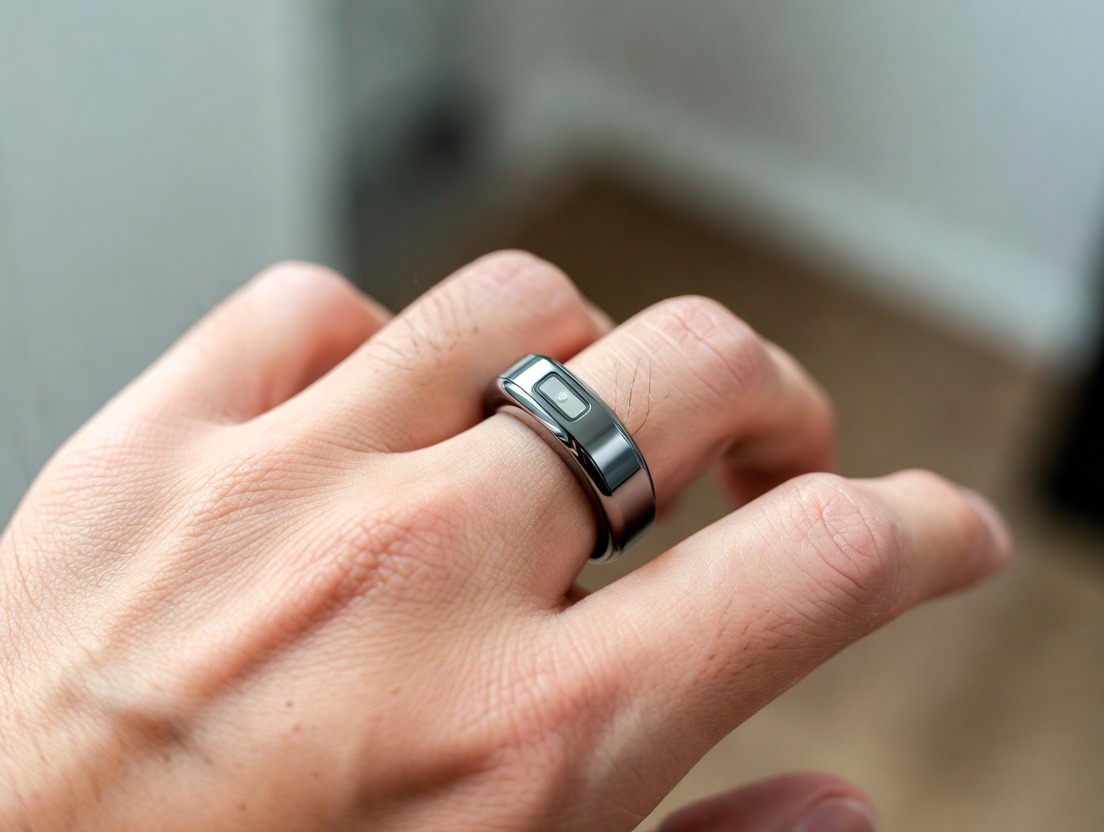
In our pursuit of vitality, we often glorify the “doing”—the intense workout, the perfect meal, the productive work sprint. However, the magic of adaptation and repair happens during recovery. Recovery is not merely the absence of work; it is an active physiological process where your body repairs micro-tears in muscle, consolidates memories, clears metabolic waste, and restores hormonal balance. Without adequate recovery, all other efforts—sleep, nutrition, exercise—are undermined. You are constantly breaking down without ever fully building back up.
Recovery operates on multiple timescales:
Signs of inadequate recovery include persistent fatigue, irritability, disrupted sleep despite being tired, decreased performance in workouts, increased resting heart rate, frequent illness, and a plateau or decline in progress.
A comprehensive recovery strategy extends beyond just “taking a day off”:
The modern marvel is our ability to quantify recovery. Instead of guessing if you’re ready for your next hard effort, you can consult your biometric data. A smart ring synthesizes data from your sleep, heart rate, HRV, and body temperature to generate a Recovery or Readiness Score. This score is a powerful, personalized guide. A high score after a rest day confirms your body has absorbed the previous stress and is ready for more. A low score after a poor night’s sleep tells you to pivot your plan—perhaps swapping a planned HIIT session for a walk and an early bedtime. Understanding the metrics behind these readiness scores allows you to trust the data and make intelligent, vitality-supporting decisions.
Embracing recovery as an active, measurable pillar flips the script. It turns rest from a sign of weakness into a strategic tool for greater strength. It ensures that your efforts are compounding positively, leading to a true upward spiral in energy and resilience.
Two fundamental, yet frequently overlooked, factors that directly modulate your vitality are hydration and body temperature regulation. They are so basic to physiology that we often take them for granted, but even minor imbalances can have outsized effects on your energy, cognition, and performance.
Hydration: The River of Life
Water is the medium in which every biochemical reaction in your body occurs. It transports nutrients, regulates body temperature, lubricates joints, and flushes waste. The concept of “hydration for vitality” goes beyond avoiding thirst. Even mild dehydration (a loss of just 1-2% of body weight in water) can lead to:
Vitality-focused hydration is proactive, not reactive. A simple guideline is to drink enough water so that your urine is pale yellow. Individual needs vary drastically based on size, activity level, climate, and diet (high-fiber and high-protein diets require more water). Carrying a water bottle and sipping consistently throughout the day is more effective than chugging large amounts infrequently.
Body Temperature: The Metabolic Thermostat
Your core body temperature follows a circadian rhythm, naturally dipping at night to initiate sleep and rising in the morning to promote wakefulness. This rhythm is a key output of your master clock. Furthermore, your body constantly works to maintain thermal homeostasis—balancing heat production (from metabolism and activity) with heat loss (through sweating, respiration, and radiation).
Disruptions in temperature regulation are both a cause and a signal of vitality issues:
Monitoring these subtle signals was once the domain of specialized clinics. Now, a wearable smart ring with a continuous temperature sensor can track your skin temperature trends with high precision. You can see how your temperature naturally dips at night and observe how late meals, alcohol, or intense evening exercise might disrupt that cooling curve. You can also note how your temperature varies with your menstrual cycle or in response to an oncoming illness. This data provides a fascinating window into your metabolic and circadian health. For a deeper understanding of this signal, learn about the health insights revealed by skin temperature and hormonal changes.
By paying attention to hydration and temperature—supported by data—you fine-tune the basic operating environment of your body. It’s akin to ensuring a high-performance engine has the proper coolant and is running at its optimal temperature. When these fundamentals are dialed in, all other vitality strategies function more effectively.
Of all the vitality levers you can pull, breathing is the most immediate and accessible. You are doing it right now, largely unconsciously. Yet, with a slight shift in awareness and technique, you can directly influence your autonomic nervous system, lower stress, improve focus, and enhance recovery in a matter of minutes. Breath is the remote control for your state of being.
Unconscious, habitual breathing patterns often reflect and reinforce stress. Chest breathing (shallow, rapid breaths using the secondary muscles of the chest and neck) is associated with the sympathetic “fight-or-flight” state. It can become the default for someone under chronic stress, perpetuating feelings of anxiety and tension.
Conscious, controlled breathing, or breathwork, is the practice of intentionally changing your breathing pattern to produce a desired outcome. Its power lies in its direct connection to the vagus nerve, the main component of the parasympathetic nervous system responsible for “rest-and-digest.”
Key breathwork techniques for vitality include:
How can you measure the impact of something as subtle as breath? Your wearable technology provides clear, immediate feedback. As you practice a calming breath technique, you can watch your real-time heart rate drop on the accompanying app. Over time, consistent breathwork practice should contribute to an improvement in your baseline Heart Rate Variability (HRV), indicating a more resilient, balanced nervous system. You can also observe how your respiration rate during sleep or rest decreases as your breathing becomes more efficient. Understanding the connection between your respiration rate and overall health completes the picture of how this fundamental rhythm influences vitality.
Integrating just 5-10 minutes of conscious breathing into your daily routine—upon waking, during a work break, or before bed—is a zero-cost, high-impact strategy. It empowers you to step out of the stress cycle and reclaim a state of calm focus, making it a cornerstone practice for managing your energy in real-time.
Embarking on a journey of vitality enhancement with the aid of technology is empowering, but the raw data stream from a smart ring can initially feel overwhelming. Numbers flash on a screen: HRV of 52ms, RHR of 58 BPM, a Sleep Score of 78. What do they mean? The transformative step is moving from passive tracking to active interpretation—translating numbers into actionable knowledge about your unique body.
The golden rule of biometrics is this: Trends are everything; single data points are almost nothing. A single night of low HRV means little. A consistent downward trend in your HRV over a week, however, is a meaningful signal that your recovery capacity is declining. Your personal baseline is your most important reference point.
Here is a beginner’s framework for interpreting key vitality metrics:
The process is a cycle: Observe → Interpret → Experiment → Observe.
This is where the true power of a wellness ring is realized. It turns you into a scientist of your own life. For example, you can experiment with cutting off caffeine after 2 PM and observe its effect on your deep sleep percentage. You can test how a 10-minute meditation before bed affects your overnight heart rate. Our guide on how to interpret your smart ring health metrics dashboard provides a practical walkthrough of this process. This data-informed self-experimentation is the ultimate personalization tool, leading you to the specific habits that maximize your vitality. It demystifies well-being and puts you firmly in the driver’s seat of your health.
Armed with an understanding of the pillars of vitality and the ability to interpret your body’s data, you now arrive at the most exciting phase: synthesizing this knowledge into a personalized, sustainable protocol. This is not a rigid, one-size-fits-all plan, but a dynamic framework that evolves with you. It’s about selecting the strategies that resonate with your life, starting small, and using your data to guide refinement.
Your protocol will be built on two layers: Foundational Habits (the non-negotiables) and Optimization Levers (the fine-tuning).
Step 1: Establish Your Foundational Non-Negotiables.
These are the bedrock habits that yield 80% of the results. For almost everyone, they include:
Step 2: Select & Test Optimization Levers.
Choose one area to experiment with at a time, based on your data or personal goals. Examples:
Step 3: Implement, Track, and Iterate.
The role of your smart ring in this process is as a co-pilot and validation tool. It provides the objective feedback to know if your “feel” matches your physiology. It helps you connect cause and effect, turning abstract advice into personalized truth. This process of creating a precision wellness plan enabled by smart ring data is the modern path to sustainable vitality.
Remember, your protocol is a living document. It will change with seasons of life, travel, stress, and goals. The ultimate aim is not perfection, but awareness and empowered adjustment. You are building a deep, intuitive relationship with your body, supported by data, so you can navigate life with more energy, resilience, and joy.
We’ve explored the what and the how of vitality enhancement—the pillars, the data, the protocols. But the bridge between knowing and becoming is built with a single, often underestimated material: consistency. A perfect plan executed sporadically is infinitely less powerful than a good plan executed daily. When it comes to rewiring your biology for sustained energy, the aggregate of small, repeated actions far outweighs the impact of occasional heroic efforts. The goal, therefore, shifts from pursuing lofty, distant outcomes to building resilient, daily systems.
The problem with goals (e.g., “Have more energy,” “Lose 20 pounds,” “Sleep 8 hours every night”) is that they are binary. You either achieve them or you don’t, and the finish line can feel perpetually distant, leading to frustration and abandonment. Goals are about the destination. Systems, however, are about the process—the repeatable habits and routines that, when performed consistently, automatically move you toward your desired state. A system for vitality is not “get a Sleep Score of 90,” but “perform my 9 PM wind-down routine every night without fail.”
Why is consistency so biologically powerful?
Building Your Consistency System:
Your smart ring becomes the ultimate consistency coach. It provides positive reinforcement when you see your sleep score improve after a week of your new bedtime routine. It offers gentle accountability when a night of skipped routine shows up as poor recovery. It validates that the system is working, even when you don’t “feel” dramatically different yet. Over weeks and months, this consistent practice, guided by data, leads to profound shifts. This journey is about creating a lasting family health legacy built on daily, intentional choices, not short-term bursts of effort. Consistency turns aspiration into identity—you’re not trying to be a person with high vitality; you are that person because of the systems you consistently execute.
All the sleep, nutrition, and exercise protocols in the world can be undermined by a single, invisible force: your mindset. Your beliefs about your health, your capacity for change, and your relationship with your body form the psychological soil in which your vitality grows. A mindset rooted in scarcity, perfectionism, or punishment will poison your efforts. A mindset grounded in self-compassion, curiosity, and a growth orientation will nourish and sustain them.
Key psychological shifts are essential for sustainable vitality enhancement:
1. From Perfectionism to Progress:
The pursuit of perfect adherence to a health plan is a surefire path to burnout and self-sabotage. The “all-or-nothing” mentality (“I ate a cookie, my day is ruined, I might as well order pizza”) destroys consistency. Instead, adopt a progress mindset. View your journey as a series of experiments and learning opportunities. A “bad” day is not a failure; it’s a data point. The goal is not a perfect streak, but a positive trend over time. Ask: “Am I generally moving in the right direction?” rather than “Did I do everything perfectly today?”
2. From External Validation to Internal Awareness:
While data from a wellness ring is invaluable, it must serve your internal wisdom, not replace it. Don’t become a slave to the score. The number is a guide, not a grade. The ultimate metric is how you feel in your lived experience. Do you have energy for your kids at the end of the day? Can you focus on your work? Do you enjoy your food and movement? Use the data to understand your body’s signals better, not to ignore them in favor of a digital readout. This cultivates a powerful sense of body literacy.
3. From Discipline to Desire:
Relying solely on white-knuckle discipline is exhausting. The goal is to align your habits with your deeper desires so they become things you want to do, not just have to do. Connect your daily actions to your core values. You don’t go for a walk to “burn calories”; you go because you value feeling clear-headed and resilient (and the walk supports that). You choose a nourishing meal not to “be good,” but because you value feeling energetic and strong. This reframing moves vitality practices from the realm of chore to the realm of self-care and empowerment.
4. Cultivating Self-Compassion:
Stress is a vitality killer, and self-criticism is a potent, internal source of stress. Beating yourself up over a missed workout or a poor night’s sleep activates the same physiological stress response as an external threat. Self-compassion—treating yourself with the kindness you would offer a friend who stumbled—is a vital recovery tool. It allows you to acknowledge a setback without spiraling, learn from it, and re-engage with your systems more effectively.
How does technology interact with mindset? When used wisely, it’s a tool for cultivating a curious, growth-oriented mindset. Instead of seeing a low HRV as a “bad” score, you can learn to see it as your body communicating: “I’m under-resourced right now.” This turns data interpretation into a practice of listening and responding, not judging. It fosters the key mindset of proactive, lifelong health management, where you are an active participant in your well-being, not a passive victim of your biology. By pairing your physiological strategy with this supportive psychological foundation, you build a complete ecosystem for change that is both effective and deeply sustainable.
Human beings are fundamentally social creatures. Our neurobiology is wired for connection, and this extends profoundly to our physical vitality. While we often frame health as a solitary pursuit of individual habits, the quality of our relationships and our sense of community are powerful, evidence-based determinants of our energy, resilience, and longevity. Social isolation and loneliness are associated with increased inflammation, higher cortisol levels, impaired immune function, and increased risk of chronic disease—all direct drains on vitality.
Conversely, strong social bonds act as a vitality multiplier:
Strategies for Harnessing Social Vitality:
Where does technology fit in? A wellness smart ring can actually be a catalyst for social connection, not an isolating device. Sharing your journey (not just your scores) with a trusted friend or partner can foster deeper conversations about health and well-being. Some platforms allow for anonymous, opt-in community benchmarking, showing you how your sleep or activity compares to a cohort of similar users. This isn’t for competition, but for normalizing experiences (“Oh, it’s not just me whose HRV dips on Sundays before the work week”). It can reduce the feeling of being alone in your health challenges.
Furthermore, the data can provide a powerful, objective foundation for conversations with family. Demonstrating how consistent family walks improve everyone’s sleep scores, or how a regular dinnertime stabilizes energy, turns abstract health advice into a shared, data-informed family project. This collaborative approach to well-being is at the heart of strategies that balance discipline with necessary flexibility within a shared life. By intentionally weaving social connection into your vitality strategy, you tap into a profound, innate source of strength, support, and sustainable motivation.
On any meaningful journey, the path is not a straight, upward line. It is a series of hills, valleys, and sometimes, long, flat plains. Setbacks (a period of illness, a stressful life event that disrupts routines) and plateaus (a period where progress seems to stall despite consistent effort) are not signs of failure; they are inherent features of the landscape of change. Your vitality will not increase monotonically every day. Learning to navigate these phases with grace and strategy is what separates a sustainable practice from a fleeting attempt.
Understanding Setbacks (The Valley):
A setback is an acute deviation from your protocol, often forced by external circumstances: travel, a family emergency, an injury, or catching a virus. During a setback, your primary vitality metrics will often decline (higher RHR, lower HRV, poor sleep).
The Adaptive Response to Setbacks:
Understanding Plateaus (The Plain):
A plateau is a period where, despite sticking to your systems, your key metrics (or your subjective feeling of energy) stop improving. This is normal and even expected. The initial gains from any new habit are often the easiest. After that, the body adapts, and further improvement requires refinement.
The Adaptive Response to Plateaus:
Your smart ring is an invaluable tool for both phases. During a setback, it objectively shows you the need for rest, helping quiet the inner critic. During a plateau, its historical trend data is your detective’s notebook, helping you see when the stagnation began and what might correlate. It allows for the kind of long-term, multi-decade health planning that understands vitality as a marathon with occasional sprints and necessary rest stops. By learning to pivot—not panic—in the face of setbacks and plateaus, you build the resilience and wisdom that make your vitality journey lifelong and adaptable.

Your vitality is not generated in a vacuum. It is in constant dialogue with your environment—the physical spaces you inhabit, the light you see, the air you breathe, and the sounds you hear. Environmental optimization is the practice of deliberately shaping your surroundings to passively support, rather than undermine, your energy and health. It’s about making the vitality-supporting choice the default, effortless choice.
1. Light: Your Master Zeitgeber
We’ve discussed light’s role in circadian rhythm, but its management deserves a dedicated environmental strategy.
2. The Sleep Sanctuary
Your bedroom should have one primary function: sleep. Optimize it ruthlessly.
3. The Work & Living Environment
4. Digital Environment Hygiene
Your digital space is as much a part of your environment as your physical one.
How can a smart ring help you optimize your environment? By providing cause-and-effect validation. You can run personal experiments:
This turns environmental tweaks from guesswork into data-informed design. You can see, for example, how exposure to natural light aligns with healthier circadian rhythm indicators, or how a cooler bedroom temperature improves your sleep efficiency score. By consciously designing your environmental inputs, you create a world that constantly, quietly, pulls you toward greater vitality.
Throughout this guide, we’ve referenced the role of a wellness smart ring as a coach, detective, and validation tool. Now, let’s consolidate how to strategically leverage this technology to maximize its benefit while avoiding common pitfalls like data obsession or paralysis. The goal is to make the ring a seamless, empowering partner in your vitality journey, not a digital taskmaster.
Core Strategic Uses:
Avoiding Common Pitfalls:
Advanced Integration:
Used wisely, your smart ring becomes an extension of your own awareness. It gives you a quantified language for the subtle whispers of your body, allowing you to respond with precision and care. It transforms vitality from a vague concept into a tangible, manageable, and deeply personal project.
Theory and strategy are essential, but nothing replaces action. This section provides a practical, beginner-friendly 7-Day Vitality Jumpstart framework. It’s not a rigid prescription, but a template to experiment with, integrating the core pillars into a cohesive flow. The goal is to experience how these strategies feel in practice and to start generating your own positive data feedback.
Guiding Philosophy for the Week:
The Daily Framework:
Morning (Upon Waking):
Throughout the Day:
5. Nutrition Anchor: Build 2-3 meals using the simple plate template (protein + veggies + smart carbs/fats). Focus on whole foods.
6. Movement Snacks: Take a 5-10 minute walk after at least one meal. Set a timer to stand and stretch for 2 minutes every hour.
7. Stress Check-Ins: Pause 2-3 times during the day for a “breath audit.” Are you breathing shallowly? Take 3 deep, conscious breaths.
Evening (2-3 Hours Before Bed):
8. Digital Sunset: Turn on night mode on all devices. Begin to reduce screen brightness.
9. Light Dinner: Aim to finish your last meal/snack at least 2 hours before your target bedtime.
10. Wind-Down Ritual (60 min before bed): Begin your screen-free routine. This could include: tidying up, reading a physical book, light stretching, taking a warm shower/bath, journaling, or listening to calming music/podcast.
Bedtime:
11. Consistent Time: Head to bed at your target time.
12. Optimized Environment: Ensure your room is cool, dark, and quiet.
Sample Week with a Daily Focus:
The Role of Your Smart Ring This Week:
This jumpstart is about creating momentum and proving to yourself that small, integrated changes can make a tangible difference. It’s the first step in building your own personalized, lifelong 50-year wellness blueprint. The data you collect this week becomes the first chapter in your personal vitality story, showing you that you have the power to influence your own biology, one consistent day at a time.
Your Trusted Sleep Advocate: Sleep Foundation — https://www.sleepfoundation.org
Discover a digital archive of scholarly articles: NIH — https://www.ncbi.nlm.nih.gov/
39 million citations for biomedical literature :PubMed — https://pubmed.ncbi.nlm.nih.gov/
Experts at Harvard Health Publishing covering a variety of health topics — https://www.health.harvard.edu/blog/
Every life deserves world class care :Cleveland Clinic - https://my.clevelandclinic.org/health
Wearable technology and the future of predictive health monitoring :MIT Technology Review — https://www.technologyreview.com/
Dedicated to the well-being of all people and guided by science :World Health Organization — https://www.who.int/news-room/
Psychological science and knowledge to benefit society and improve lives. :APA — https://www.apa.org/monitor/
Cutting-edge insights on human longevity and peak performance:
Lifespan Research — https://www.lifespan.io/
Global authority on exercise physiology, sports performance, and human recovery:
American College of Sports Medicine — https://www.acsm.org/
Neuroscience-driven guidance for better focus, sleep, and mental clarity:
Stanford Human Performance Lab — https://humanperformance.stanford.edu/
Evidence-based psychology and mind–body wellness resources:
Mayo Clinic — https://www.mayoclinic.org/healthy-lifestyle/
Data-backed research on emotional wellbeing, stress biology, and resilience:
American Institute of Stress — https://www.stress.org/


