


The Financial Investment in Recovery Essentials
Understand the financial investment required for a comprehensive recovery toolkit.
Understand the financial investment required for a comprehensive recovery toolkit.
%402x.svg)
In a world that glorifies the hustle, the idea of investing time and money into recovery can feel counterintuitive, even indulgent. We budget for gym memberships, organic groceries, and wellness retreats, but we often balk at spending on the quiet, essential tools that help our bodies and minds repair, restore, and become stronger. We’re conditioned to see recovery as passive—something that just happens when we stop. Modern science and the sobering reality of burnout are shattering that myth. Recovery is not a passive state; it’s an active, physiological process that can be measured, optimized, and, yes, invested in.
This realization is at the heart of a paradigm shift in personal wellness. Today, we don't have to guess if we're recovered. We can know. This is where technology, specifically the rise of intelligent, personal health-tracking devices like smart rings, collides with financial prudence. What if the most strategic financial investment in your health isn’t a dramatic expense, but a series of informed, targeted decisions in "Recovery Essentials"?
This article is not about reckless spending on the latest wellness fad. It’s a deep, analytical exploration of the true cost of not recovering, and how strategic investments in data, tools, and practices can yield exponential returns in performance, mental clarity, long-term health, and, ultimately, financial savings. We’re moving beyond anecdote and into the realm of quantifiable biology. When you can track your heart rate variability (HRV), resting heart rate, skin temperature, and sleep stages with clinical-grade precision from a device worn on your finger, you’re no longer spending blindly. You’re making capital allocations for your most valuable asset: your capacity.
We will dissect the financial logic behind this new category of essentials, proving that the smart ring on your finger isn't jewelry—it's a personal health dashboard, a recovery coach, and a financial safeguard all in one. The journey begins by understanding the profound price we pay when we get recovery wrong.
The High Cost of Ignoring Recovery: Beyond Burnout
We often frame poor recovery in terms of feeling tired or grumpy. The financial and physiological reality is far more severe. Ignoring recovery isn’t a simple misstep; it’s a slow, corrosive drain on your human capital that manifests in tangible, costly ways.
First, consider the direct medical costs. Chronic sleep deprivation—a cardinal sin of poor recovery—is a documented risk factor for hypertension, cardiovascular disease, type 2 diabetes, obesity, and a weakened immune system. The treatment for these conditions isn't a one-time fee; it's a lifetime of doctor visits, medications, and procedures. A single emergency room visit or a new chronic medication regimen can eclipse the investment in a suite of recovery tools a hundred times over. By neglecting recovery, you are, in effect, gambling against statistically poor odds that you’ll avoid these expensive health outcomes.
Then, there’s the professional cost. Burnout, the endpoint of chronic under-recovery, leads to presenteeism (being at work but not productive) and absenteeism. According to numerous studies, the productivity loss and healthcare costs associated with worker burnout run into the hundreds of billions annually for economies. On an individual level, this translates to missed promotions, stifled creativity, and a reputation for diminished capacity. Your earning potential is directly tied to your cognitive and physical performance. When recovery fails, that potential plummets.
Furthermore, the opportunity cost is immense. Time lost to fatigue-induced procrastination, poor decision-making, or illness is time you can never reclaim. A well-recovered mind can solve problems in minutes that a fatigued brain might struggle with for hours. That efficiency has a direct monetary value. It’s the difference between having the energy to pursue a side hustle, learn a new skill, or simply be fully present with loved ones instead of collapsing on the couch in a state of exhausted dissociation.
Finally, there’s the insidious erosion of resilience. An unrecovered body is an injured body waiting to happen. A tired mind is an accident in the making. The costs associated with a sports injury from overtraining, a car accident from drowsy driving, or a simple mistake at home can be catastrophic. Recovery is the maintenance schedule for your body and mind. Skipping it doesn’t just risk a breakdown; it guarantees one.
The narrative that pushing through exhaustion is a badge of honor is a financially and biologically bankrupt philosophy. The first step toward a smarter investment strategy is acknowledging the staggering liabilities of the "no-recovery" approach. Once you see the cost, the value proposition of investing in recovery essentials becomes undeniable. For a deeper look at how technology is shifting this narrative in preventive medicine, the evolution of health tracking technology is a fascinating read.
So, what constitutes a "Recovery Essential" in this new paradigm? It’s no longer just a comfortable pillow or a vague intention to "sleep more." Modern recovery essentials are tools, practices, and technologies that actively facilitate and provide feedback on the physiological processes of repair. They move you from guesswork to guided action.
The cornerstone of this new toolkit is objective, biometric data. This is the single greatest differentiator between old and new-school recovery. In the past, you might have felt tired. Now, you can see if your resting heart rate is elevated by 10 beats per minute, if your HRV—a key indicator of your nervous system's readiness—has tanked, or if you spent barely any time in deep sleep. These aren't feelings; they are hard metrics. The primary device delivering this data seamlessly is the smart ring. Worn 24/7, it becomes a silent guardian, collecting the most intimate portrait of your recovery state without the need for charging breaks that watches require. It quantifies the previously unquantifiable.
Beyond the central data hub, modern essentials can be categorized:
The critical shift is that the purchase sequence is inverted. Instead of buying a recovery gadget because it’s trendy, you first invest in the measurement tool (the smart ring). You use its data to identify your specific, personal recovery bottlenecks. Then you make targeted, justifiable financial investments in intervention tools to address those bottlenecks. This turns recovery spending from a shot in the dark into a precise, ROI-driven strategy. To understand how a device like a smart ring captures this vital data, the science behind modern health tracking technology is essential knowledge.
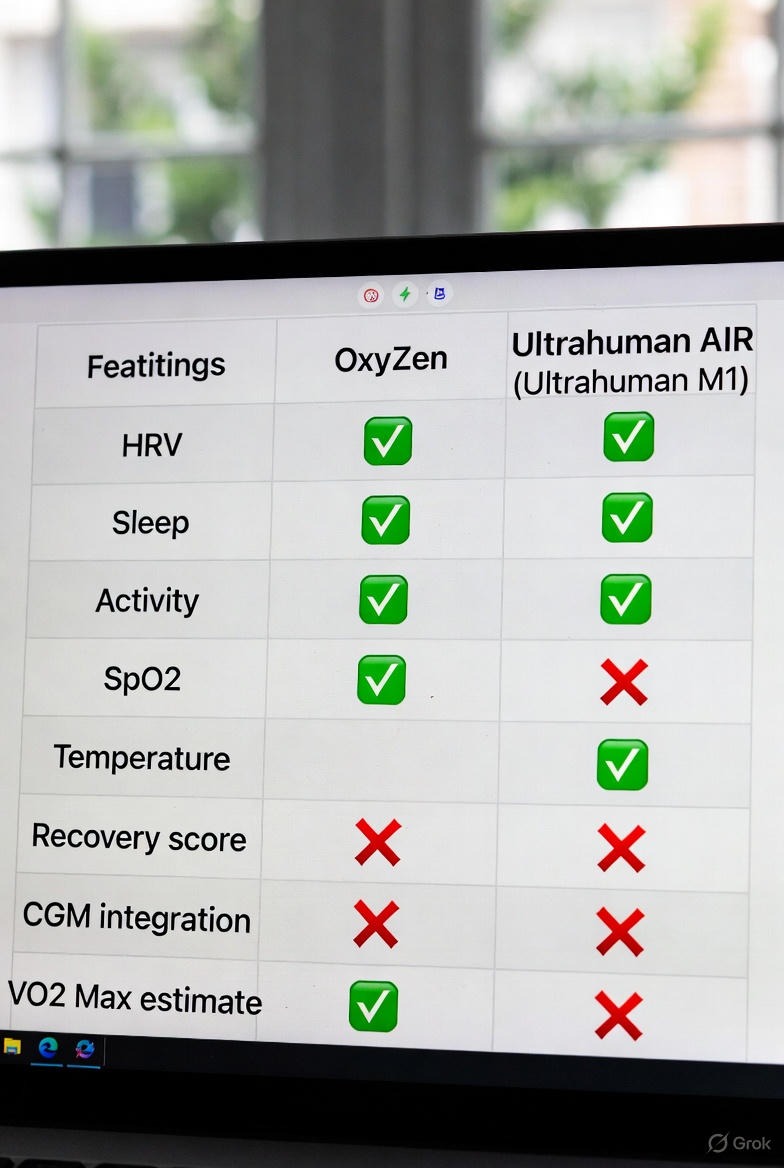
If recovery is an active process, then managing it requires a command center. This is the precise role of the modern smart ring. More than a fitness tracker, it is a continuous, minimally invasive biometric monitor that provides the foundational data upon which all other recovery investments can be rationally justified and optimized.
Why the ring form factor is a pivotal recovery investment:
Financially, framing the smart ring as your "Recovery Dashboard" reframes its cost. This isn't a discretionary tech purchase; it's the foundational infrastructure investment. It's the equivalent of a business buying accounting software before making budget decisions. Every subsequent dollar you spend on recovery—be it a new pillow, a meditation subscription, or even a vacation—is now an informed decision, guided by data from this central hub. It prevents wasteful spending on solutions you don't need and directs capital to where it will have the highest impact. To see how this technology personalizes your entire wellness journey, explore how health tracking technology enables personalized wellness. For those ready to explore this central dashboard, the journey often begins at the main Oxyzen shop.
Investments are judged by their return. With recovery essentials, the return on investment (ROI) is not abstract; it is vividly quantifiable across three pillars: Sleep, Stress, and Performance. The smart ring provides the balance sheet.
1. The ROI of Quantified Sleep:
Before a smart ring, you might invest $2,000 in a luxury mattress based on a 10-minute store test. After, you buy that same mattress because your data shows you're overheating and restless after 4 AM. That's targeted ROI.
2. The ROI of Managed Stress:
Chronic, unmanaged stress has a direct medical bill. The smart ring’s HRV and resting heart rate metrics act as an early warning system.
3. The ROI of Optimized Performance:
Whether you're a CEO, an artist, or a parent, your daily output is your performance. The ring’s "Readiness" or "Recovery" score dictates your daily capital allocation of energy.
The narrative flips from "I spent $300 on a ring" to "I invested $300 in a system that continuously audits my sleep ROI, stress ROI, and performance ROI, and guides further spending to optimize them." It’s the ultimate tool for the personal biohacker who views their body as a portfolio to be managed wisely. To understand the precision behind these metrics, delve into the sensors and algorithms that make this possible.
With your smart ring dashboard providing a clear diagnostic, your spending on physical recovery tools transitions from speculative to strategic. Each purchase becomes a targeted intervention with a hypothesized, and later measurable, effect on your biometrics. Let’s analyze complementary tools through this investment lens.
The key is the feedback loop: Invest -> Measure -> Analyze -> Adjust. The smart ring closes this loop, making you a savvy investor in your own physiology. You’re not buying gadgets; you’re funding interventions and auditing their results. For ideas on how to implement these complementary habits, our blog offers 50 practical tips for healthy aging that a smart ring can help you implement daily.
The Intangible ROI: Mental Clarity, Emotional Resilience, and Longevity
While the metrics of sleep and HRV are concrete, some of the most profound returns on recovery investment are intangible—yet they form the bedrock of a high-quality life and, indirectly, financial success. These are the dividends paid in the currency of well-being.
Mental Clarity and Decision Fatigue: Every decision you make, from what to eat for lunch to a multi-million dollar business deal, drains a finite cognitive resource. Poor recovery depletes this reservoir by breakfast. Investing in recovery replenishes it. The mental clarity that comes from genuine rest is not just "feeling sharp." It's the ability to discern signal from noise, to avoid impulsive decisions, and to engage in strategic, long-term thinking. For an investor, a leader, or a creative, this clarity is the difference between success and costly failure. Your smart ring, by safeguarding your sleep, is literally protecting your decision-making capital.
Emotional Resilience: An unrecovered nervous system is a raw nerve. It’s prone to overreaction, anxiety, and irritability. This erodes personal and professional relationships—the support networks essential for a thriving life. When your HRV is high (indicating good recovery), your body is in a state of physiological resilience that translates to emotional stability. You handle stress with grace, navigate conflict with wisdom, and maintain a positive outlook. The ROI? Stronger relationships, better leadership, and a happier, more stable home life, all of which are priceless and form the foundation upon which material success is built.
The Longevity Dividend: This is the ultimate long-term, compounded ROI. Every night of good sleep, every managed stress response, every properly recovered workout is a deposit into your "healthspan" account. You are actively delaying the onset of age-related decline and chronic disease. The financial implications of a longer, healthier life are staggering: more years of earning potential, dramatically reduced end-of-life medical costs, and the priceless ability to enjoy your retirement in vitality rather than in managed decline. The smart ring is the tool that helps you compound these dividends daily, providing the feedback to stay on course for decades. This perspective aligns with the core mission of brands focused on this future, which you can learn more about in Oxyzen's story.
Investing in recovery essentials, therefore, is an investment in the quality of every waking moment and the length of a vibrant life. It is the ultimate form of self-respect and financial foresight.

For the investment mindset to take hold, recovery essentials must migrate in your personal budget from the discretionary "Wellness & Hobbies" column to the non-negotiable "Health & Infrastructure" column—alongside health insurance, nutritious food, and routine medical care. This is a psychological and practical shift in money management.
Step 1: The Audit
Start by auditing your current "hidden" recovery costs. How much do you spend on coffee to combat fatigue? On takeout because you're too tired to cook? On impulse buys made through the fog of decision fatigue? On late fees for forgotten bills? These are the financial leaks caused by poor recovery. Acknowledging this waste is the first step in reallocating capital.
Step 2: Prioritize the Dashboard
Your primary infrastructure investment is your measurement tool. Allocate funds for a quality smart ring as you would for a reliable car maintenance or a good mattress—it's a multi-year asset. View this not as a yearly expense, but as a 2-3 year capital investment with a clear depreciation schedule. The cost per day over its lifespan is minimal compared to its guiding value.
Step 3: Create a "Recovery Optimization" Sinking Fund
Just as you save for car repairs or vacations, create a small, monthly sinking fund for recovery tools. This is your capital for targeted interventions. Based on your ring's data, you might allocate $50 this month toward better sleep (blackout curtains) and next month toward physical recovery (a foam roller). This planned, guilt-free spending prevents financial stress and aligns with the data-driven approach.
Step 4: Evaluate Subscriptions as ROI Tools
Frame wellness app subscriptions (calm, headspace, Whoop, etc.) not as frivolous fees, but as software licenses for your health. Does a $100/year meditation app measurably improve your sleep and HRV, leading to one fewer sick day or a more successful project? If the data says yes, its ROI is enormous.
Step 5: The "Cost-Per-Recovered-Day" Mindset
When considering a larger investment—a massage gun, a cooling mattress pad—calculate its potential cost-per-use over its lifespan. A $300 device used twice a week for three years has a cost of about 96 cents per use. If that use demonstrably improves your recovery metrics and next-day performance, it is a supremely efficient use of capital.
This budgeting framework transforms recovery from an afterthought to a pillar of your financial planning. It empowers you to make calm, rational investments in yourself, funded by the waste you eliminate from the "poor recovery tax" you were previously paying. For practical questions on starting this journey, our FAQ page is an excellent resource.
The wellness industry is a minefield of hype, promising miraculous results with little evidence. A data-driven recovery strategy, anchored by your smart ring, is your best defense against wasteful spending. It turns you into a skeptical, evidence-based investor in your own health.
The Placebo Trap: Many wellness products work, in part, due to the powerful placebo effect. This isn't inherently bad, but it can be expensive. If a $5 Epsom salt bath and a $100 "detox" bath bomb both relax you and improve your sleep score, the data allows you to choose the cost-effective option. You're paying for the outcome (improved recovery metrics), not the story.
The Specificity Principle: Your body is unique. What works for a biohacking influencer may not work for you. Before buying the latest "recovery hack" gadget, ask: "What specific, measurable problem am I trying to solve?" Is it low deep sleep? High nighttime resting heart rate? Slow post-workout HRV recovery? Your ring data provides the diagnosis. You then seek a tool that directly addresses that diagnosis, rather than a general, expensive "wellness" solution.
Conducting Single-Variable Experiments: This is the core of the scientific method applied to personal spending. When you introduce a new recovery tool or practice, change only one variable at a time and give it a 1-2 week trial period while closely monitoring your key ring metrics. Did adding 10 minutes of evening meditation move your HRV trend upward? Did the new blue-light glasses improve your sleep latency? This method isolates the true ROI of each purchase.
Beware of Redundant Technology: Your smart ring already tracks sleep, heart rate, HRV, and temperature. Be cautious of buying another expensive device that promises to track these same metrics unless it offers a radically different form factor or proven, superior accuracy for a specific use case. Let your ring be your primary data source to avoid fragmented, incompatible data.
By letting data be your guide, you cultivate discernment. You become immune to marketing fluff and instead respond to the silent, objective feedback from your own body. This disciplined approach ensures every dollar spent on recovery is a dollar working hard for you, building a portfolio of habits and tools with proven, personal ROI. To see how real users have successfully navigated this path, you can read their experiences in our testimonials section.
The Future-Proof Investment: Adapting Your Recovery Strategy Over Time
Your recovery needs are not static. They evolve with age, fitness level, career demands, stress, and life circumstances. A smart, long-term financial strategy in recovery essentials must be adaptive. The beauty of a data-centric approach is that it future-proofs your investment, allowing your strategy to mature alongside you.
Life Stage Transitions: The recovery essentials that served you in your 20s—focused perhaps on intense physical training recovery—will differ from those in your 40s, which may prioritize sleep quality and stress management, or your 60s, which may focus on longevity biomarkers and injury prevention. Your smart ring provides the continuous dataset that highlights these gradual shifts. An upward creep in your resting heart rate or a downward trend in HRV as you age is a signal to reallocate your recovery budget—perhaps shifting funds from compression boots toward stress management or advanced sleep optimization.
Responding to Life Events: A new job, the birth of a child, a personal loss—these events shock your system. Your ring will see it immediately: sleep scores plummet, HRV crashes. This isn't a failure; it's crucial intelligence. During these times, your recovery budget might need to temporarily increase. The data justifies investing in extra support—a meal delivery service, hiring a cleaner, or scheduling regular recovery sessions—precisely when you need it most, preventing a downward spiral.
Technology Iteration: The field of health tracking is advancing rapidly. The smart ring you buy today is part of a continuum. Future iterations will measure more (like blood glucose trends non-invasively, advanced stress hormones, or hydration levels) with greater accuracy. Planning for periodic upgrades (every 3-4 years) as part of your health infrastructure budget ensures you always have the best diagnostic tools. This isn't chasing gadgets; it's upgrading your laboratory equipment to stay at the cutting edge of self-knowledge.
The Compound Interest of Data: The most future-proof asset you build is not any single gadget, but your longitudinal health dataset. Two years of daily sleep, HRV, and activity data is a treasure trove. It allows you to see seasonal patterns, understand your personal baselines, and predict how you'll respond to stress. This historical data makes every future decision—from trying a new training regimen to moving to a new climate—more informed. It is the ultimate intellectual capital, and it grows in value every single day.
Investing in recovery, therefore, is a lifelong practice of attentive capital allocation guided by biological feedback. It’s a commitment to never stop learning about your one irreplaceable asset. By starting with the central dashboard of a smart ring, you lay the foundation for a lifetime of smarter, healthier, and more financially sound decisions about your well-being. To glimpse where this technology is headed, consider reading about what's possible in health tracking by 2025.
Understanding the financial logic of recovery is one thing; overcoming the deep-seated psychological barriers to actually funding it is another. Our brains are wired with biases that systematically cause us to underinvest in prevention and recovery, while over-investing in acute solutions and visible status symbols. To become a savvy recovery investor, we must first diagnose these mental bugs.
The Present Bias & The "Invisible" ROI: Humans heavily discount future rewards in favor of immediate gratification. Recovery’s benefits—vitality tomorrow, health in a decade—are distant and probabilistic. The cost—$300 for a ring, $100 for a massage—is immediate and certain. Our brain’s limbic system screams against this "loss." Conversely, a $300 dinner with friends offers immediate, visible social capital. We must consciously reframe the recovery purchase not as a cost, but as the acquisition of a future benefit. The smart ring is powerful here because it makes the ROI less invisible. Seeing your HRV rise or your deep sleep increase provides a near-term, visual reward for your investment, bridging the gap between action and delayed outcome.
The "Tangibility" Fallacy: We value what we can see and touch. A new phone is tangible. A "well-rested nervous system" is not. This is why spending on fitness gear (shoes, weights) is often easier than spending on recovery tech. The smart ring brilliantly solves this by making recovery tangible. It is a physical object you wear, and its app displays your recovery as concrete numbers and graphs. It turns the abstract concept of "well-being" into a asset you can literally watch appreciate (or depreciate) daily. This tangibility is a psychological game-changer for justifying the expense.
The Hustle Culture Identity: For many, being busy and tired is a perverse badge of honor, a signal of importance and dedication. Investing in recovery can feel like admitting weakness or slacking off. This is a toxic financial mindset. We must redefine "performance capital." Just as a venture capitalist doesn't pour money into a startup without ensuring its foundational infrastructure is sound, we cannot pour energy into our lives without ensuring our biological infrastructure is recovered. The smart ring provides the "due diligence" report. Investing based on its data isn't weak; it's strategically ruthless in optimizing your human capital.
The Complexity Avoidance: Personal health can feel overwhelmingly complex. "Should I buy magnesium, a new pillow, or try meditation?" This paradox of choice leads to decision paralysis and no investment at all. The smart ring cuts through this by providing a diagnostic. It simplifies the complex into a clear directive: "Your sleep latency is high. Prioritize interventions that help you fall asleep." This turns a vague wellness budget into a targeted project budget with a clear scope of work, making the spending decision cognitively easier.
How to Change the Pattern:
By understanding and hacking these psychological barriers, you align your spending instincts with your long-term interests. You stop being a consumer of wellness marketing and start being a curator of your recovery portfolio.

To see the principles in action, consider "Alex," a 38-year-old amateur marathoner and mid-level manager. Alex embodies the hustle trap: logging 50+ mile weeks, working 50+ hour weeks, and feeling perpetually flat. His story illustrates the compounding financial and personal cost of poor recovery, and the turnaround enabled by data-driven investment.
The Pre-Investment State (The Liabilities):
Phase 1: The Diagnostic Investment
Alex invested $299 in a premium smart ring. The first week of data was shocking:
The ring wasn't a cost; it was an audit. It quantified the massive hidden liabilities on his personal balance sheet.
Phase 2: Targeted, Data-Justified Spending
Armed with data, Alex made strategic investments:
The 12-Month Financial & Performance Return:
Alex’s case shows that the recovery essentials toolkit, led by the smart ring’s intelligence, acts as both a diagnostic and a strategic financial planner. It converts leaking liabilities into appreciating assets. For others on a similar journey, reading about how a wellness ring can support different health goals can provide further tailored strategies.
Your environment is the silent partner in your recovery journey. You can have the best data and intentions, but if your surroundings work against you, your investment returns are diminished. Strategically shaping your home into a recovery-optimized space is one of the highest-leverage investments you can make. It turns passive space into an active recovery tool.
The Bedroom: The Foundation of Your Recovery Portfolio
This is your most important recovery "investment property." Every dollar spent here should be evaluated against sleep data.
The Living Space: Designing for Downtime
Recovery isn't just sleep; it's parasympathetic ("rest and digest") activation.
The Kitchen: Fueling Recovery from Within
Your recovery environment extends to what you put in your body.
The principle is "design for laziness"—make the recovery-promoting choice the easiest choice. Your environment should passively pull you toward better habits. This isn't about expensive renovations; it's about intentional, data-informed tweaks that compound over time. Your home ceases to be just a dwelling and becomes a health-appreciating asset, actively boosting the ROI of all your other recovery investments. For thoughts on the intersection of this environment with technology, the blog post on the future of wearable health tech offers a forward-looking perspective.
The cutting-edge technology of a smart ring doesn't replace ancient recovery wisdom; it validates and optimizes it. The highest ROI often comes from this synergy—using hyper-modern data to refine the application of timeless practices. This fusion creates a personalized recovery protocol far greater than the sum of its parts.
Meditation & Mindfulness, Quantified:
For centuries, meditation has been advocated for stress reduction. But beginners often ask: "Am I doing it right? Is it working?" The smart ring answers objectively.
Heat & Cold Exposure, Optimized:
Saunas and ice baths are ancient traditions with modern scientific backing. But their timing and dosage matter.
Nutritional Timing, Personalized:
The old adage "you are what you eat" meets "you are what your data says after you eat."
By using the smart ring as a biofeedback tool, you elevate traditional practices from folklore to personalized protocol. You spend less time on practices that don't work for you and double down on those that do, maximizing the return on your time and financial investment in these activities. For a deeper exploration of how technology enhances these age-old practices, our comprehensive blog offers many related articles and resources.
Navigating the Market: A Strategic Buyer’s Guide to Recovery Tech
With the recovery tech market expanding rapidly, making a smart investment requires a strategist’s eye. It’s easy to overpay for features you don’t need or buy a device that becomes obsolete or fails to provide actionable insights. Here’s a framework for making prudent purchasing decisions, with the smart ring as your central, non-negotiable pillar.
1. The Hierarchy of Needs: Data First, Gadgets Second
Your primary investment must always be in accurate, comprehensive, and continuous data collection. This is the bedrock. Therefore, the smart ring (or an equivalent medical-grade wearable) is your first and most critical purchase. Everything else is secondary and should be bought in response to the data it provides. Don't buy a $800 compression device because an athlete endorsed it; buy a $50 foam roller if your ring shows poor recovery after weight training, and only upgrade if the data suggests you need more.
2. Evaluating the Core Device: The Smart Ring Checklist
When shopping for your central dashboard, look beyond marketing hype. Key considerations are detailed in our guide on making the perfect purchase decision for beginners, but core principles include:
3. The "Test Before You Invest" Rule for Complementary Tools
Before buying any high-ticket recovery gadget:
4. The Depreciation Schedule & Upgrade Cycle
View your smart ring as a technology investment with a 2-3 year useful life. Budget for its eventual replacement as part of your health infrastructure costs. For other tools (massage guns, sauna blankets), expect a longer lifespan (3-5 years). This long-term view prevents sticker shock and frames purchases as amortized investments.
By approaching the market with this disciplined, data-first framework, you avoid becoming a collector of expensive, dust-gathering gadgets. You become a minimalist investor in a lean, high-impact portfolio of tools that each serve a proven, data-validated purpose. For a side-by-side look at how top brands stack up, a comparison chart can be a useful resource.
The ultimate validation of your recovery investment is when the data transcends personal optimization and becomes a valuable clinical asset. Sharing your longitudinal health data from your smart ring with doctors, physical therapists, or mental health professionals can transform your healthcare from reactive and generic to proactive and personalized. This bridges the gap between quantified self and professional medicine.
Creating a Powerful Health Narrative:
A patient saying "I'm tired all the time" is subjective. A patient presenting a 3-month graph showing a steady decline in HRV, an elevation in resting heart rate, and a fragmentation of sleep architecture provides objective, powerful evidence. This data can:
How to Prepare for a "Data-Informed" Appointment:
The Financial ROI of Informed Healthcare:
This collaboration has direct financial benefits:
Your smart ring data empowers you to be an informed, active participant in your health, not a passive patient. It turns your recovery investment into a shared language between you and your healthcare providers, leading to better outcomes and more efficient use of the healthcare system itself. The potential of this integration is vast, as explored in our article on health tracking technology in hospitals.

When we speak of building wealth, we typically envision financial portfolios, real estate, and businesses. Yet, the most foundational asset upon which all other wealth is built is often neglected: your physiological and cognitive capital. Investing in recovery essentials is, therefore, the ultimate long-game strategy—a direct investment in your capacity to create, sustain, and enjoy all other forms of wealth across a lengthened healthspan.
Compounding Biological Interest:
Financial compounding is powerful, but biological compounding is profound. Each night of quality sleep, each managed stress response, each proper recovery session is a deposit into your "health capital" account. The returns compound not in dollars, but in days of vibrant life, clarity of mind, and sustained energy. A well-recovered brain at 50 can outthink and out-create a depleted one at 40, leading to greater professional success and income. A body that recovers well at 60 can enjoy adventures that a neglected one cannot at 50, enriching your life experience—the true wealth.
The Legacy of Example and Capacity:
Your investment in recovery isn't just for you; it's a legacy for those you care about. It models sustainable success for your children and colleagues, showing that performance is not about burning out, but about smart renewal. More practically, it grants you the capacity to be fully present—to mentor, to play, to lead, and to love without the constant drain of fatigue. This qualitative richness of life is the non-financial heritage you leave.
Mitigating Long-Tail Risk:
From a cold financial perspective, poor health in later life is the single greatest risk to a retirement portfolio. Long-term care, chronic disease management, and loss of independence can evaporate decades of savings. The money you invest in recovery essentials throughout your 30s, 40s, and 50s is a premium paid against this catastrophic "long-tail risk." It's the most direct form of longevity insurance you can buy, with the bonus of paying dividends in improved life quality every single day along the way.
Aligning Daily Actions with Long-Term Vision:
The smart ring is the tool that aligns your daily micro-actions with this macro vision. It provides the feedback loop that keeps you on track. When you see your data dip, it's not a scold; it's a course correction from your future self, urging you to protect the asset. This transforms recovery from a chore into a strategic, almost philosophical practice of stewardship over the one life you're given.
In the end, viewing recovery through a financial lens is not about reducing well-being to dollars and cents. It is about applying the rigor, foresight, and strategic thinking we use to grow our financial wealth to the far more important domain of our human wealth. It recognizes that time, energy, and health are your most precious currencies. The smart ring and the recovery essentials it guides you toward are simply the best portfolio management tools currently available for investing in them. To continue this journey of optimization and learning, remember that the Oxyzen blog is always updated with new insights and data-driven strategies.
Once the foundational habits of sleep, stress management, and activity modulation are established through basic smart ring data, the advanced investor looks to deeper, more nuanced metrics. These biomarkers offer a finer-grained analysis of your recovery state, enabling hyper-personalized optimization. This is where the financial investment in a high-quality device truly pays dividends in insight.
Heart Rate Variability (HRV) – The Deep Dive:
While most users track their daily HRV score, the advanced practitioner analyzes the trend, context, and components of HRV.
Nocturnal Heart Rate & Heart Rate Dip:
Your heart rate during sleep should be your lowest of the day. A key metric is nocturnal heart rate dip—the percentage drop from your daytime average to your sleeping average. A blunted dip (less than 10%) is a strong, independent biomarker associated with increased cardiovascular risk and poor recovery.
Skin Temperature Trends:
Continuous wrist or finger temperature is a game-changer. For women, it can be used to track ovulatory cycles with remarkable accuracy, allowing for cycle-synced training and recovery planning—an invaluable tool for female athletes. For everyone, a sustained elevation in nighttime skin temperature can be an early sign of overtraining, illness onset, or an inflammatory response.
Respiratory Rate:
Sleep respiratory rate is a critical and often overlooked metric. An elevated respiratory rate (typically >16-18 breaths per minute during sleep) can indicate sleep-disordered breathing, high stress load, or cardiopulmonary strain.
Investing time to understand these advanced metrics transforms your smart ring from a simple recovery coach into a personal clinical research device. It allows you to move from generic advice to a bespoke recovery protocol, ensuring every dollar and minute you spend on your health is informed by the deepest possible self-knowledge. For those ready to master their device, the journey from unboxing to expert is outlined in our guide on smart ring mastery.
Recovery is often seen as a solitary pursuit, but humans are social creatures. Our environment includes our social networks, and investing in recovery has a profound social dimension that can amplify returns and provide accountability—a key component for sustaining any financial strategy.
The Accountability Dividend:
Just as having a financial advisor or investment club provides accountability for money decisions, having a recovery-focused community provides accountability for health investments. Sharing goals and data (anonymized or in aggregate) with a trusted group creates positive social pressure.
The Knowledge-Sharing Network:
Online forums, subreddits, and dedicated groups for users of specific devices are treasure troves of practical, crowdsourced wisdom. When your data shows an odd pattern, chances are someone in a community has seen it and experimented with solutions.
Redefining Social Capital:
Hustle culture often rewards talking about how busy and tired you are. A recovery-investment mindset begins to shift social capital towards sustainability and performance. Being the person who is consistently clear-headed, energetic, and resilient becomes a valued trait. This can enhance professional reputation and open doors, as people are drawn to reliable, high-capacity individuals. Your recovery investment, visible in your sustained output and demeanor, pays social and professional dividends.
The Family Ripple Effect:
Investing in your own recovery has a direct, positive impact on your closest social unit: your family. When you are well-recovered, you are more patient, present, and engaged. You model healthy boundaries around work and sleep. This can inspire your partner to invest in their own recovery and teach your children foundational habits for life. The ROI here is measured in stronger relationships and a healthier family culture—assets that appreciate indefinitely.
By integrating the social dimension, your recovery strategy becomes more robust and enjoyable. It moves from a private austerity program to a shared journey of optimization, leveraging the power of community to protect and grow your investment. For a look at how shared experiences build confidence, reading through customer reviews and user experiences can be both encouraging and enlightening.
As we invest financially in devices that collect our most intimate biological data—our sleep patterns, stress states, and potential illness signs—we must also invest intellectually in understanding the ethical landscape. Your biometric data is a valuable asset; protecting its sovereignty is a critical, non-negotiable aspect of your recovery investment strategy.
Who Owns Your Data?
This is the first and most important question. When you buy a smart ring, you are often purchasing a device and entering into a data relationship with the company.
The Insurance Dilemma:
A looming ethical and financial question is the potential use of this data by health or life insurance companies. Could consistently poor sleep scores or low HRV be used to deny coverage or raise premiums?
The Ethical Duty to Act:
With great data comes great responsibility. If your device reveals a potentially serious biomarker trend—like severe sleep apnea indicators or persistent arrhythmias—you have an ethical duty to yourself to seek professional medical advice. Investing in the diagnostic tool implies a commitment to acting on critical findings. The financial logic is clear: the cost of a doctor’s visit is trivial compared to the cost of ignoring a preventable condition.
Supporting Ethical Companies:
Your purchasing power is a vote. By choosing to invest in companies that prioritize data ethics, robust security (like end-to-end encryption), and user sovereignty, you support a market that values human well-being over data exploitation. This might mean paying a slight premium, akin to investing in a company with strong ESG (Environmental, Social, Governance) principles. The long-term return is a healthier digital ecosystem for all. You can learn about one company's approach to these values on their about us page.
Managing your data sovereignty is the "cybersecurity" and "ethical investing" arm of your recovery portfolio. It ensures that the wealth of personal insight you are generating serves you and you alone, protecting your most valuable intangible asset: your biological privacy.
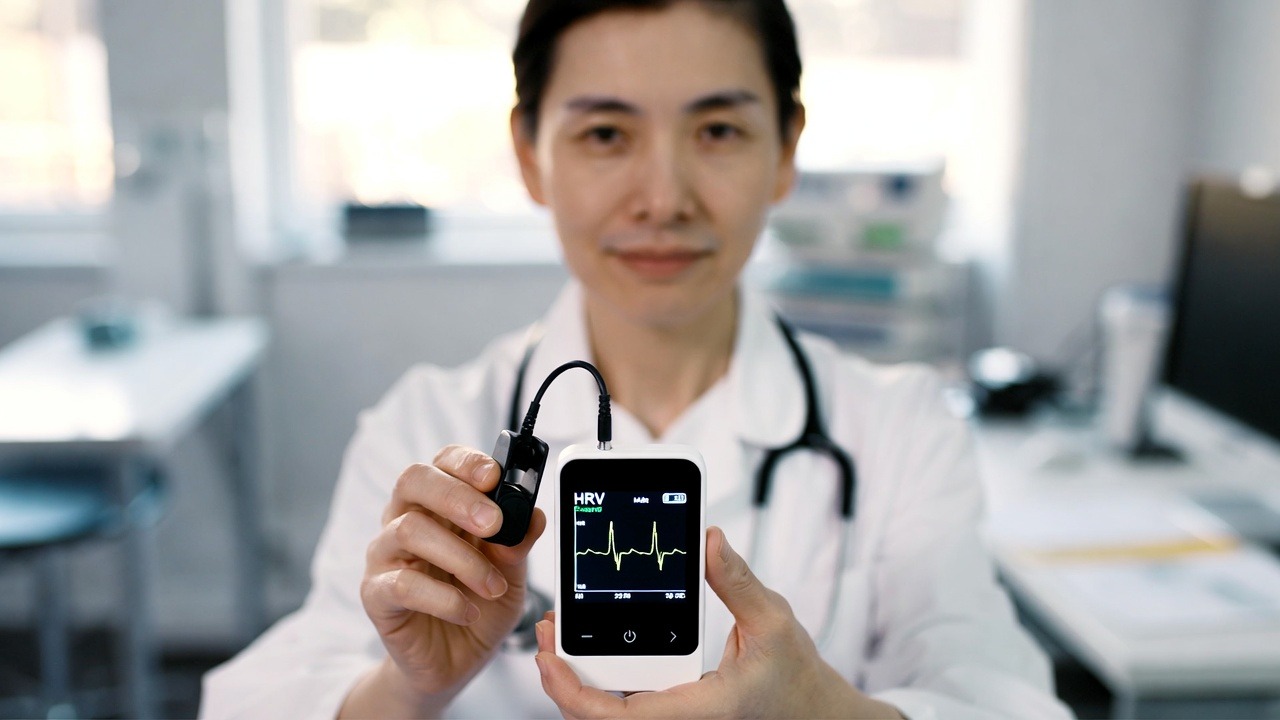
The current generation of smart rings and recovery tools is powerful, but it represents just the beginning. To be a strategic long-term investor, it helps to anticipate where the technology is headed, allowing you to plan future capital allocations and understand the lifespan of current investments. The frontier of recovery tech points toward deeper integration, greater personalization, and more proactive intervention.
Non-Invasive Continuous Biomarker Monitoring:
The next wave will move beyond heart rate and temperature to continuous, non-invasive tracking of biomarkers currently requiring blood tests.
AI-Powered Predictive Recovery Coaches:
Today's apps describe your state. Tomorrow's will prescribe with startling accuracy.
Closed-Loop Recovery Environments:
Imagine your smart ring communicating directly with your environment.
Staying informed about these trends ensures your recovery investment strategy is forward-looking. It allows you to adopt new tools at the right time—not as an early adopter paying a premium for an unproven gadget, but as a strategic investor adopting a validated technology at its inflection point of usefulness. For a speculative look at this future, our article on what's possible in health tracking by 2025 delves deeper.
We have traversed the philosophy, psychology, tools, and future of recovery investing. Now, we synthesize this into a actionable, step-by-step plan to allocate your financial and temporal capital toward building a recovered, resilient, and high-performing life.
Phase 1: The Audit & Foundation (Months 1-2)
Phase 2: Targeted Intervention & Budget Reallocation (Months 3-6)
Phase 3: Optimization & Advanced Integration (Months 6-12)
Phase 4: The Stewardship & Evolution Phase (Ongoing)
This plan is not a rigid prescription but a flexible framework. It ensures your financial investment in recovery is systematic, measured, and continuously refined. It transforms you from a passive consumer into the active CEO and Chief Investment Officer of your own health and performance.
The journey through the financial investment in recovery essentials leads to a singular, powerful conclusion: The highest-yield investment you will ever make is in your own capacity to recover.
This is not an expense for the leisurely wealthy; it is a fundamental strategy for anyone who views their life as a venture worthy of optimal operation. The smart ring and the ecosystem of tools and habits it informs are not luxury items. They are the analytical equipment, the maintenance tools, and the performance software for the complex, precious asset that is you.
The financial returns are clear: dollars saved on wasted spending, medical costs avoided, and income enhanced through sustained performance. The human returns are profound: days lived with clarity instead of fog, with resilience instead of reactivity, with vibrant energy instead of chronic fatigue. It is an investment that pays a compound interest in moments—the moment you have patience with a child, the moment of insight in a meeting, the moment of joy on a hike at age 70.
Begin not with a large sum of money, but with a shift in mindset. See recovery not as what happens when you stop, but as the essential process that enables you to start again, stronger. Let your first capital allocation be to the device that will guide all others—a trusted smart ring. Then, let your data be your guide, your curiosity be your strategy, and your renewed vitality be your ultimate, priceless dividend.
The market for your potential is always open. It’s time to invest.
Your Trusted Sleep Advocate (Sleep Foundation — https://www.sleepfoundation.org/)
Discover a digital archive of scholarly articles (NIH — https://www.ncbi.nlm.nih.gov/
39 million citations for biomedical literature (PubMed — https://pubmed.ncbi.nlm.nih.gov/)
experts at Harvard Health Publishing covering a variety of health topics — https://www.health.harvard.edu/blog/)
Every life deserves world class care (Cleveland Clinic -
https://my.clevelandclinic.org/health)
Wearable technology and the future of predictive health monitoring. (MIT Technology Review — https://www.technologyreview.com/)
Dedicated to the well-being of all people and guided by science (World Health Organization — https://www.who.int/news-room/)
Psychological science and knowledge to benefit society and improve lives. (APA — https://www.apa.org/monitor/)
Cutting-edge insights on human longevity and peak performance
(Lifespan Research — https://www.lifespan.io/)
Global authority on exercise physiology, sports performance, and human recovery
(American College of Sports Medicine — https://www.acsm.org/)
Neuroscience-driven guidance for better focus, sleep, and mental clarity
(Stanford Human Performance Lab — https://humanperformance.stanford.edu/)
Evidence-based psychology and mind–body wellness resources
(Mayo Clinic — https://www.mayoclinic.org/healthy-lifestyle/)
Data-backed research on emotional wellbeing, stress biology, and resilience
(American Institute of Stress — https://www.stress.org/)


