


10 Recovery Hacks for Busy Lives (Backed by Science)
Ten science-backed recovery shortcuts and hacks for time-poor individuals.
Ten science-backed recovery shortcuts and hacks for time-poor individuals.
%402x.svg)
You know the feeling. The alarm shatters the stillness, and before your feet even hit the floor, your mind is already racing through a mental checklist: deadlines, meetings, school runs, errands, and a thousand tiny fires to put out. You power through on caffeine, willpower, and the quiet hum of low-grade anxiety. You are productive, you are efficient, you are tired. Not just the "need an early night" tired, but a deep, systemic fatigue where even rest feels incomplete. You wake up as worn out as you went to bed, caught in a cycle of constant output with no real input for your body and mind.
For decades, wellness advice has been a binary switch: work out harder, or rest completely. But for the modern professional, parent, and person, both extremes are often fantasies. The missing piece isn't more time—it's smarter recovery. Recovery is no longer the passive absence of work; it is an active, measurable, and non-negotiable pillar of high performance and long-term health. It's the biological process where adaptation occurs, resilience is built, and your cognitive battery is recharged.
The good news? Groundbreaking science is revealing that small, strategic, and seamlessly integrated actions can trigger profound recovery responses. You don't need a week at a spa; you need evidence-based "hacks" that plug into the crevices of your existing life.
This is where the paradigm of health technology, particularly the rise of discreet, powerful wearables like smart rings, becomes revolutionary. By moving beyond step counting and into the realm of continuous physiological monitoring—tracking heart rate variability (HRV), resting heart rate, skin temperature, and sleep architecture—devices like the Oxyzen smart ring provide a personal dashboard of your recovery status. They shift recovery from a guessing game to a data-informed practice. You can learn exactly how your body responds to stress, a late meal, a tough workout, or a mindful minute, empowering you to deploy the right recovery tool at the right time.
In this comprehensive guide, we will explore ten science-backed recovery hacks designed explicitly for a demanding life. These are not theoretical ideals; they are practical, actionable strategies that range from neurobiological resets to metabolic fine-tuning. We’ll delve into the why and the how, supported by research, so you can move from chronically depleted to sustainably energized. Think of this as your owner's manual for modern resilience.
Let's begin by understanding the very engine of recovery that you wear every day: your nervous system.
Your autonomic nervous system (ANS) is the master control panel for your state of recovery. It has two primary gears: the sympathetic ("fight-or-flight") for action and stress, and the parasympathetic ("rest-and-digest") for repair and renewal. In our go-go-go culture, the sympathetic system often gets stuck in the "on" position, leading to a state of chronic stress that blocks recovery at a cellular level.
The fastest, most scientifically-validated way to manually shift gears is through deliberate breathwork. The 4-7-8 breathing technique, pioneered by Dr. Andrew Weil, is more than a relaxation trick; it's a direct vagal nerve stimulator. The vagus nerve is the superhighway of your parasympathetic system. By elongating the exhale, you stimulate this nerve, sending a powerful signal to your brain and body to lower heart rate, reduce blood pressure, and initiate calming processes.
The Science of the Sigh:
A study published in Frontiers in Human Neuroscience demonstrated that slow-paced breathing exercises significantly increase HRV—a key, objective metric of recovery and autonomic nervous system resilience that devices like smart rings track effortlessly. Higher HRV indicates a flexible, responsive system capable of handling stress and returning to baseline efficiently. The 4-7-8 pattern is uniquely effective because the breath hold (for 7 counts) creates a mild, positive stressor (hypoxia) that amplifies the relaxation response upon the long exhale.
Your Actionable Protocol:
Integration for a Busy Life:
This is a 2-minute hack with a 2-hour effect. Use it as:
Tracking Your Progress:
This is where a wearable like the Oxyzen ring shines. Practice your 4-7-8 breathing for a week and observe the direct impact on your nightly recovery score and HRV readings in the companion app. This creates a powerful feedback loop, transforming an abstract practice into a measurable skill. You can literally see your nervous system becoming more resilient. For a deeper dive into how this data translates into lifelong health, explore our guide on 50 actionable tips for healthy aging.
Sleep is the undisputed champion of recovery. But what if you can't get enough, or your sleep quality is poor? Enter Non-Sleep Deep Rest (NSDR), a term popularized by Dr. Andrew Huberman to describe practices that deliver a portion of sleep's restorative benefits while fully awake. The flagship technique here is Yoga Nidra, or "yogic sleep."
Yoga Nidra is a state of conscious deep sleep where you are guided systematically through a body scan and visualization, leading to a hypnagogic state—the threshold between wakefulness and sleep. In this state, brainwave patterns shift towards the slower alpha and theta waves associated with deep relaxation and meditation, while the body enters a profound state of physiological rest.
The Science of Conscious Rest:
Research, including a study in the International Journal of Yoga Therapy, shows that regular Yoga Nidra practice can significantly reduce markers of stress like cortisol, lower systolic blood pressure, and alleviate symptoms of anxiety and insomnia. It’s believed to enhance the function of the default mode network (DMN) in the brain, which is involved in memory consolidation, self-referential thought, and creativity—all processes crucial for cognitive recovery.
Your Actionable Protocol:
Integration for a Busy Life:
Connecting Data to Deep Rest:
By wearing a device that tracks your physiological state, you can objectively measure the impact of NSDR. After a Yoga Nidra session, check your real-time heart rate—it will often be at its daytime resting low. Over time, consistent practice will be reflected in improved overnight sleep architecture data, showing more deep and REM sleep as your nervous system learns to drop into restorative states more easily.
Caffeine is the world's most popular performance-enhancing drug, and for good reason. It blocks adenosine receptors, warding off fatigue and sharpening focus. However, its very mechanism of action makes it a double-edged sword for recovery, particularly for sleep. Adenosine is a neurotransmitter that builds up in your brain throughout the day, creating "sleep pressure." By artificially blocking its signal, caffeine doesn't reduce this pressure; it just masks it. When caffeine finally metabolizes, you can be hit with a wave of fatigue, and more critically, the lingering adenosine can disrupt the onset and architecture of your sleep.
The old adage of "no coffee after 2 PM" is a good start, but it's a one-size-fits-all approach. The half-life of caffeine (the time it takes for your body to eliminate half of it) varies from 3 to 7 hours based on individual genetics, liver enzyme function (specifically the CYP1A2 gene), and even hormonal cycles.
The Science of the Caffeine Half-Life:
A study in the Journal of Clinical Sleep Medicine concluded that caffeine consumed even 6 hours before bedtime significantly disrupts sleep stages. For slow metabolizers, this window is even longer. Poor sleep doesn't just make you tired; it impairs glucose metabolism, increases hunger hormones, weakens immune function, and sabotages emotional regulation—negating all other recovery efforts.
Your Actionable Protocol:
Integration for a Busy Life:
Precision Through Tracking:
This is a prime example of where personalized data transforms guesswork into strategy. A smart ring like Oxyzen can show you the direct correlation between your caffeine timing and key metrics like sleep latency (how long it takes to fall asleep) and resting heart rate. You might discover that a 4 PM coffee causes a 5-10 BPM elevation in your overnight heart rate—a clear sign of disrupted recovery. By correlating your habits with your physiological data, you can establish a caffeine protocol that’s uniquely optimized for you. For more foundational knowledge on how these devices monitor your daily rhythms, our wellness ring basics for beginners is an excellent resource.
Hack 4: Harness the Power of Nutrient Timing for Muscle & Metabolic Recovery
Recovery isn't just neurological; it's musculoskeletal and metabolic. Every step, keystroke, and workout creates micro-tears and depletes energy stores. How and when you fuel your body dictates the speed and quality of the repair process. Nutrient timing moves beyond "what" to eat and into the strategic "when" to maximize recovery between your busy life's demands.
The Science of Anabolic Windows & Overnight Repair:
After exercise, particularly resistance training, your muscles are like sponges, primed to absorb nutrients to replenish glycogen stores and initiate protein synthesis (repair/growth). Consuming a combination of carbohydrates and protein within 60-90 minutes post-workout can significantly enhance this process, reduce soreness, and prepare you for the next day's activities.
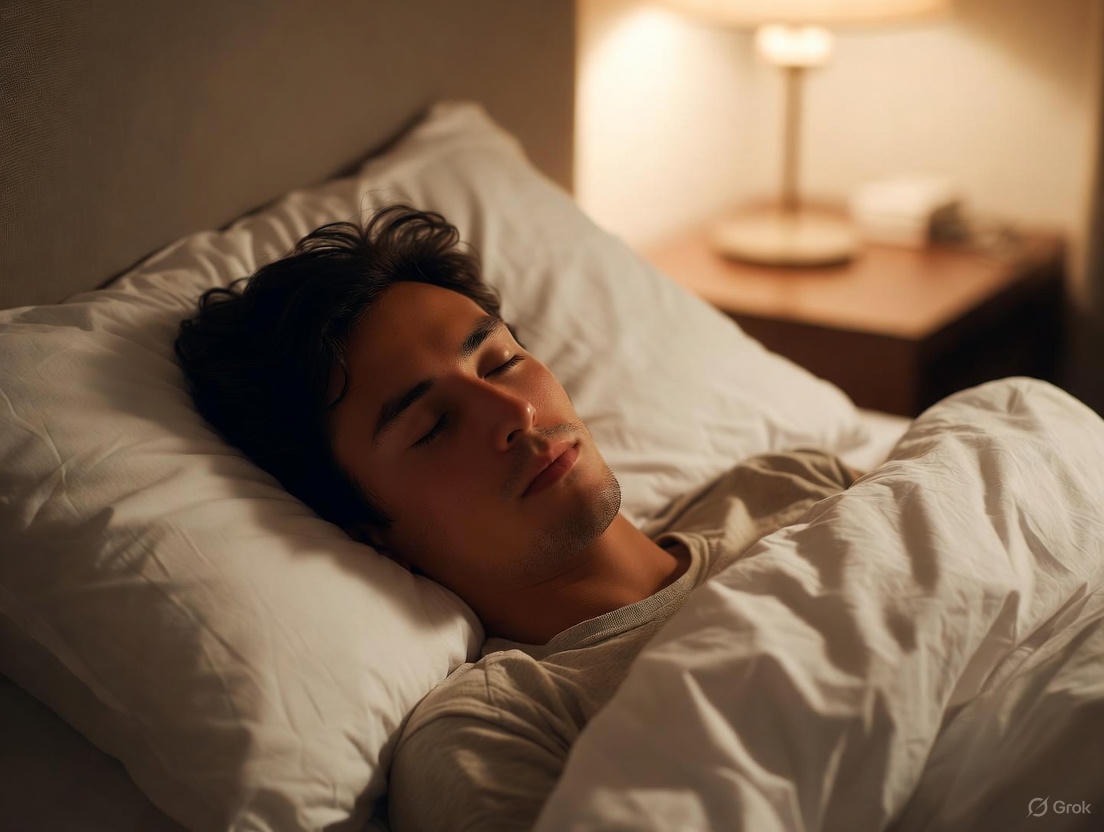
Perhaps even more crucial is the pre-sleep nutritional window. Overnight, during deep sleep, your body enters its major repair and growth phase. Providing a slow-digesting source of protein before bed, such as casein (found in Greek yogurt or cottage cheese) or a plant-based alternative, can provide a steady stream of amino acids throughout the night, supporting muscle repair and even boosting morning metabolism. Research in the Journal of Nutrition has shown that pre-sleep protein ingestion improves whole-body protein balance and metabolic rate upon waking.
Your Actionable Protocol:
Integration for a Busy Life:
From Spoon to Sensor:
Modern wearables add a layer of biofeedback to nutrition. By tracking how different foods and meal timings affect your heart rate variability (HRV) and resting heart rate overnight, you can move from generic advice to a personalized nutrition plan. Did that late-night snack improve or worsen your recovery score? The data doesn't lie. This approach to personalized wellness is at the heart of what makes technology like Oxyzen's monitoring system so powerful for long-term health.
From ancient ice baths to modern-day cryotherapy, cold exposure has been used for centuries to invigorate and heal. Now, science is catching up, revealing that deliberate, controlled cold exposure is a potent hormetic stressor—a mild, beneficial stress that trains your body to become more resilient to all forms of stress, thereby enhancing recovery.
The mechanisms are multifaceted. Acute cold exposure:
The Science of the Shiver:
A study published in PLOS ONE found that participants who completed a 10-week cold-water immersion program showed significant increases in their antioxidant status (a marker of reduced oxidative stress) and improvements in insulin sensitivity. The key is the adaptive response: the initial stress of the cold trains your nervous and cardiovascular systems to return to homeostasis more efficiently.
Your Actionable Protocol (Start Gradual!):
Integration for a Busy Life:
Tracking the Adaptation:
Cold exposure is a stressor, and like all stressors, the dose must be managed. Using a device that measures your heart rate variability (HRV) is crucial. On the day of a cold plunge, you may see a temporary dip in your HRV as your body allocates resources to handle the stress. This is normal. The recovery is what matters. Over weeks, your baseline HRV should trend upward, indicating improved autonomic resilience. If your HRV is chronically low, it may be a sign to scale back on intense stressors like cold exposure and focus on rest. This kind of nuanced understanding is what separates a wellness trend from a data-informed practice. To understand the full suite of what a modern wearable can track to guide such practices, explore our breakdown of the science behind health tracking technology.

When you're exhausted, the last thing you feel like doing is exercising. Yet, counterintuitively, the right kind of movement is one of the most powerful recovery catalysts. We're not talking about grinding out a high-intensity interval training (HIIT) session when you're in a recovery deficit. We're talking about low-dose, high-frequency "exercise snacks" and deliberate low-intensity movement that enhances circulation, lymphatic drainage, and mental refreshment without adding systemic fatigue.
Prolonged sitting creates muscular stiffness, pools blood in the extremities, and slows metabolic rate. Strategic movement breaks this pattern, delivering oxygen and nutrients to tissues while flushing out metabolic byproducts.
The Science of Micro-Movements:
Research in the American Journal of Physiology has shown that frequent, short bouts of light activity (like 2 minutes of walking every 30 minutes) can significantly improve glucose metabolism and vascular function compared to sustained sitting, even if you also do a daily workout. This "movement hygiene" is foundational for daily recovery.
Your Actionable Protocol:
Integration for a Busy Life:
Data-Driven Movement Dosage:
How do you know if your movement is restorative or depleting? Your wearable data holds the answer. After a LISS session or a day filled with movement snacks, check your heart rate variability (HRV) and resting heart rate (RHR). If these metrics are stable or improve, you've nailed the recovery dose. If they plummet, you may have overdone it or be combining it with other stressors. This objective feedback helps you fine-tune your activity to support, not hinder, your energy levels. For insights into how top wearables compare in tracking these nuanced activity patterns, you might find our comparison chart of top brands useful.
Light is the most powerful zeitgeber (time-giver) for your circadian rhythm, the 24-hour internal clock governing sleep, hormone release, digestion, and cellular repair. In the modern world, we are constantly bombarded by artificial light, especially the blue-rich light emitted from screens, which tricks our brains into thinking it's perpetually daytime. This suppresses melatonin, the hormone that cues sleepiness and initiates the recovery processes of the night.
A "Digital Sunset" is the deliberate winding down of screen use before bed, but the hack goes further—it involves actively managing your light environment for 1-2 hours before sleep to signal to your biology that it's time to shift into recovery mode.
The Science of Melanopic Light:
Our eyes contain specialized photoreceptor cells called intrinsically photosensitive retinal ganglion cells (ipRGCs). They are particularly sensitive to short-wavelength (blue) light and project directly to the brain's master clock, the suprachiasmatic nucleus. Exposure to blue light in the evening delays the melatonin rhythm, pushing back your entire sleep-wake cycle and truncating valuable recovery time.
Your Actionable Protocol:
Integration for a Busy Life:
Quantifying Your Light Hygiene:
While a wearable can't see the light hitting your eyes, it can measure the profound effects of poor light hygiene. If you consistently ignore your digital sunset, your device will likely show:
By committing to a digital sunset and observing the positive changes in these metrics, you create a powerful incentive to maintain this critical habit. Managing your data and privacy in this process is also important; learn about how modern devices handle this in our guide on wellness ring privacy and data security.
Recovery is not purely physical. Emotional and social stress are among the most potent drivers of physiological dysregulation, activating the same sympathetic nervous system and cortisol pathways as a physical threat. Conversely, positive emotional states and social bonding are powerful activators of the parasympathetic "rest-and-digest" system. Intentional gratitude practice and meaningful social connection are thus not just "feel-good" activities; they are evidence-based recovery hacks for your emotional and physical being.
The Science of the Heart-Brain Connection:
Studies using fMRI scans show that gratitude practice activates brain regions associated with the prefrontal cortex (decision-making, regulation) and the reward system (dopamine release). A seminal study in the Journal of Personality and Social Psychology found that a 10-week gratitude journaling intervention led participants to feel more optimistic, exercise more, and report fewer physical symptoms. Social connection, meanwhile, releases oxytocin, a hormone that reduces cortisol levels and promotes feelings of safety and trust.
Your Actionable Protocol:
Integration for a Busy Life:
The Physiological Signature of Positivity:
Can you measure the effect of gratitude? Increasingly, yes. A consistent gratitude practice has been linked to improvements in heart rate variability (HRV), a direct marker of autonomic nervous system balance and resilience. By tracking your HRV, you might observe a tangible bump on days you engage in deep social connection or focused gratitude. This feedback transforms an emotional practice into a measurable component of your recovery protocol, proving that caring for your mental state is inseparable from caring for your physical health. Real user experiences often highlight this connection; you can read about them in our customer testimonials.
In the realm of modern recovery, ignorance is not bliss—it's burnout. The final, meta-hack that ties all others together is leveraging wearable technology to move from generalized advice to a personalized, data-informed recovery strategy. This is the concept of the "Quantified Self" applied to resilience. By continuously monitoring key biomarkers, you gain an objective, 24/7 readout of your body's stress and recovery state, allowing you to make smarter daily decisions.
Key metrics provided by advanced wearables like smart rings include:
The Science of Biofeedback:
A review in JMIR mHealth and uHealth concluded that wearable devices can effectively promote health behavior change by increasing self-awareness and providing actionable insights. The feedback loop is simple: Action -> Measurement -> Insight -> Adjusted Action. This turns recovery into a skill you can consciously develop.
Your Actionable Protocol:
Integration for a Busy Life:
Choosing Your Tool:
The best device is the one you'll wear consistently. Smart rings like Oxyzen offer the advantage of continuous, comfortable wear with sensors positioned on the finger's vascular-rich underside, often providing more consistent physiological data than wrist-worn devices, especially during sleep. To make an informed choice about the device that's right for you, consider reading our comprehensive guide on making the final purchase decision for a wellness ring.
In cultures from Spain to Japan, the siesta or inemuri is a time-honored practice. Modern science validates this wisdom, showing that a well-timed, strategic nap can dramatically improve cognitive performance, alertness, mood, and even physical recovery. For the busy professional operating on a sleep deficit or facing a post-lunch productivity crash, a nap is not a sign of laziness; it’s a high-performance tool. The key is in the strategy—duration and timing are everything to avoid sleep inertia (that groggy feeling) and protect nighttime sleep.
The Science of the Sleep Spindle:
A short nap of around 20 minutes primarily consists of Stage 2 non-REM sleep. This stage is rich in sleep spindles—bursts of brain activity associated with memory consolidation, motor learning, and cognitive restoration. Research from NASA on sleepy pilots found that a 26-minute nap improved performance by 34% and alertness by 54%. Naps also help clear adenosine, the sleep-pressure chemical, from the brain, providing a cognitive reset without delving into the deep sleep stages that are hard to wake from.
Your Actionable Protocol:
Integration for a Busy Life:
Data-Informed Napping:
How do you know if your napping strategy is working or hindering your overall recovery? Your sleep and recovery data is the judge. A well-timed, short nap should not significantly impact your ability to fall asleep at night. If you see your sleep latency increase or your deep sleep percentage decrease on nights after a nap, you may be napping too late or too long. Conversely, on days of high stress or poor sleep, a nap might correlate with a better-than-expected overnight recovery score, showing it helped mitigate a deficit. Tracking this helps you use napping as a precise tool, not a guesswork crutch.
We've now armed you with ten powerful, science-backed recovery hacks, from breathwork to data-tracking. But knowledge without implementation is just trivia. The final step is weaving these discrete threads into the fabric of your unique, demanding life.

Attempting to implement all ten hacks at once is a recipe for overwhelm and failure. The goal is not perfection, but consistent progression. The most sustainable approach is to view these hacks as a toolkit, selecting and sequencing them based on your personal data, daily context, and energy levels.
Step 1: Establish Your Baseline with Quantified Self (Hack 9)
Before changing anything, spend 2-3 weeks simply wearing your tracking device and observing. What is your average HRV? Your typical sleep duration and quality? How does your RHR respond to a stressful Tuesday vs. a relaxed Saturday? This baseline is your North Star. You can start this journey by exploring the technology that makes it possible; learn about the evolution from manual tracking to smart rings.
Step 2: Start with Foundation Hacks (Non-Negotiables)
These are low-effort, high-impact levers that create the platform for all other recovery.
Step 3: Add Active Recovery Layers
Once the foundations feel steady, introduce active recovery practices.
Step 4: Deploy Advanced Tactics as Needed
These are your "boosters" for high-stress periods or performance goals.
The "Recovery Dashboard" Mindset:
Your wearable app becomes your daily recovery dashboard. Each morning, check your score. Let it guide your hack selection for the day.
This dynamic, responsive approach is the antithesis of rigid, one-size-fits-all wellness. It’s personalized, it’s empowering, and it turns recovery from an afterthought into the core of a sustainable, high-energy life.
The frontier of recovery science is moving at lightning speed, driven by advancements in biosensors, artificial intelligence, and personalized medicine. The wearable you wear today is just the beginning. The future points toward even more seamless integration and predictive insights.
Predictive Analytics & AI Coaches: Soon, your device won't just tell you how you slept; it will predict your recovery capacity for the coming days based on sleep, activity, and stress data trends. It could suggest, "Based on your elevated RHR and low HRV trend, consider a rest day tomorrow," or "Your body is primed for a peak performance workout this afternoon."
Advanced Biomarkers at Home: Future wearables may non-invasively track markers like blood glucose trends, cortisol rhythms, and advanced immune indicators, giving an unprecedented view of your metabolic and endocrine recovery.
Truly Integrated Ecosystems: Your smart ring will talk to your smart lighting to gradually dim your home at night, to your thermostat to optimize bedroom temperature for sleep, and to your calendar to proactively block time for a recovery break before a high-stress event. This is the vision of a fully integrated recovery-supportive environment. To glimpse what's on the horizon, explore our thoughts on the future of wearable health tech.
The Doctor in Your Pocket: As data accuracy improves, this information is becoming invaluable for preventive healthcare. Physicians are increasingly using aggregate wearable data to spot trends, monitor chronic conditions, and make more informed recommendations. The line between personal wellness and professional healthcare is blurring in the best possible way. Learn how this is changing the face of preventive medicine.
The takeaway is clear: the era of guessing is over. We are entering an age of quantified, personalized recovery, where every individual can become the expert on their own resilience. The tools are here. The science is robust. The only step left is to begin.
Beyond the Self: Recovery as a Social and Cultural Imperative
While this guide focuses on individual strategies, it’s critical to acknowledge that recovery is not solely a personal responsibility. Burnout is often a symptom of toxic systems—overwhelming workloads, always-on digital cultures, and societal stigma around rest. True, sustainable recovery requires a shift at both the individual and collective level.
Modeling Recovery as Leadership: When leaders in organizations openly prioritize recovery—by not sending emails after hours, taking lunch breaks, and using their vacation time—they grant permission for their teams to do the same. They recognize that a recovered employee is a more creative, productive, and loyal employee.
Reframing Rest as Productive: We must collectively challenge the hustle culture narrative that glorifies busyness and stigmatizes rest. Strategic recovery is not idleness; it is the essential maintenance required for any high-performing system, human or machine.
Designing for Recovery: Companies can design for recovery by creating quiet spaces for naps or meditation, encouraging movement breaks, and setting realistic expectations about communication response times. Schools can start later to align with teenage circadian rhythms.
Your personal journey with these ten hacks is a powerful first step. As you experience the benefits—more energy, clearer focus, better mood—you become a quiet advocate for a more recovered way of living. You demonstrate that success is not about running on fumes, but about smart, sustainable energy management. For the story of a brand built on this very philosophy of sustainable wellness, you can read about our founding mission and vision.
You’ve just equipped yourself with a formidable arsenal of recovery strategies, each rooted in science and tailored for real life. From the instantaneous power of the 4-7-8 breath to the long-term insights provided by a smart ring, you now understand that recovery is a multifaceted, active process.
Remember, the goal is not to do all things perfectly, but to start where you are. Pick one foundational hack—perhaps the caffeine cut-off or the digital sunset—and commit to it for the next seven days. Observe how you feel. If you have a device, note the data. That small win will create the momentum for the next.
Recovery is the invisible foundation upon which a vibrant, productive, and healthy life is built. It is the space between the notes that makes the music. In a world that constantly demands more output, choosing to invest in recovery is a revolutionary act of self-respect and intelligence.
You now have the map and the tools. The journey to a more resilient, energized, and balanced you starts with your very next breath, your next meal, your next decision to step away from the screen and step into your own well-being.
Ready to dive deeper? This is just the beginning of your recovery mastery. In the next section of this comprehensive guide, we will tackle advanced topics including:
Welcome back to the second part of our deep exploration into the art and science of recovery. In the first section, we equipped you with ten foundational, actionable hacks—from breathwork to data-tracking—designed to plug into the busiest of lives. You learned how to shift your nervous system, leverage strategic rest, and use technology not just to track, but to truly understand your body's needs.
But foundational knowledge is a platform, not a ceiling. Mastery lies in the nuances—the deep why behind each stage of sleep, the precise nutrients that fuel cellular repair, and the psychological frameworks that make rest feel not just permissible, but essential.
This section is dedicated to that mastery. We’ll move beyond the “what” and into the intricate “how and why,” providing you with the advanced knowledge to tailor your recovery protocol with surgical precision. Whether you're an executive navigating 80-hour weeks, a parent in the thick of it, an athlete pushing physical limits, or simply someone who wants to feel human again at the end of the day, this knowledge transforms recovery from a series of tips into a sophisticated, personal science.
Let's begin by delving into the most potent, non-negotiable recovery tool you possess: the science of sleep architecture. Understanding it is the key to unlocking it.
We often view sleep as a monolithic state of “being unconscious.” In reality, it's a highly dynamic, structured process of alternating stages, each with a distinct physiological purpose. Think of it not as a flatline, but as a nightly symphony with four distinct movements, each critical for a different aspect of your recovery.
Movement 1: NREM Stage 1 (Light Sleep – 1-5 minutes)
This is the doorway to sleep, a transitional phase where the body begins to relax, heartbeat and breathing slow, and muscles may twitch. It’s easily disrupted. Optimization here is about efficient entry—creating an environment and mind-state that allows you to glide quickly through this stage.
Movement 2: NREM Stage 2 (Light Sleep – 10-60 minutes)
You spend nearly 50% of your night here. This stage is deceptively important. It’s characterized by sleep spindles (bursts of brain activity) and K-complexes, which are believed to:
Movement 3: NREM Stage 3 (Deep Sleep or Slow-Wave Sleep – 20-40 minutes)
This is the physical restoration powerhouse. Brain waves slow to large, rolling delta waves. It’s hardest to be awakened from. Its critical functions include:
Movement 4: REM Sleep (Rapid Eye Movement – 10-60 minutes)
The stage of dreaming, where the brain is almost as active as when awake. The body experiences muscle atonia (temporary paralysis) to prevent you from acting out dreams. REM is essential for:
Your Actionable Protocol for Sleep Architecture Optimization:
Tracking Your Sleep Symphony:
This is where the shift from generic sleep tracking to advanced analysis occurs. A sophisticated wearable doesn't just tell you "you slept 7 hours." It shows you the architecture: how much time you spent in Light, Deep, and REM. You can run experiments: Does a magnesium supplement increase your deep sleep percentage? Does a 4 PM coffee cut your REM by 20%? This data moves you from feeling "unrested" to knowing exactly why and how to fix it. For more on how this technology empowers proactive health, see how it enables preventive health monitoring.
Nutrition is the raw material for recovery. While Hack 4 covered nutrient timing, let’s zoom in on the specific compounds that act as catalysts, reducing inflammation, supporting detoxification, and directly aiding cellular repair. This goes beyond macros into the world of phytonutrients and targeted supplementation.
1. The Anti-Inflammation Arsenal:
Systemic, low-grade inflammation is a primary blocker of recovery. Combat it with:
2. The Cellular Cleanup Crew:
Recovery requires clearing out the metabolic debris of the day.
3. The Sleep & Nervous System Support:
Your Actionable Protocol for Recovery Nutrition:
Listening to Your Metabolic Data:
How do you know if your nutrition is supporting recovery? Your wearable provides indirect but valuable clues. Consistent improvements in HRV and reductions in resting heart rate often correlate with reduced inflammation and better metabolic health. Conversely, a spike in resting heart rate on a night after a high-sugar or high-inflammatory meal is a direct signal from your body. By pairing mindful eating with physiological feedback, you become your own nutritionist. For a comprehensive look at how sensors and algorithms translate bodily signals into data, explore the science behind health tracking technology.
Perhaps the most significant barrier to recovery isn't time or knowledge—it's psychology. In a culture that equates busyness with worth, resting can feel lazy, self-indulgent, or even anxiety-inducing. This "rest resistance" is a mental habit that must be hacked with the same intentionality as your sleep schedule.
The Neurological Roots of "Busy Brain":
Our prefrontal cortex (PFC), responsible for executive function, is like a CEO. It gets fatigued from constant decision-making and focus. When it's depleted, the more primitive limbic system (the emotional center) takes over, leading to irritability, impulsivity, and anxiety. Rest is what allows the PFC to recharge. Feeling guilty about rest is literally your tired brain's limbic system throwing a tantrum.
Cognitive Reframes to Disarm Guilt:
Your Actionable Protocol for Psychological Recovery:
Data as Your Psychological Ally:
This is where quantitative data from a smart ring becomes a powerful psychological tool. When your inner critic says, "You're being lazy," you can counter with objective data: "My HRV was 12% below baseline this morning, indicating a high allostatic load. According to my recovery score, prioritizing a lighter day is the most intelligent choice for my long-term performance." The device becomes an unbiased coach, validating your need for rest with hard science, silencing the unproductive guilt. Reading about how real users have integrated this technology can provide social proof and normalize this data-informed approach to self-care.
Human beings are rhythmic creatures, governed by circadian (daily), ultradian (90-120 minute), and infradian (monthly/seasonal) cycles. True recovery mastery involves harmonizing your habits with these natural rhythms, not fighting them. This creates a sustainable, proactive cadence that prevents burnout before it starts.
The Ultradian Rhythm: Work in Sprints, Not Marathons.
The human brain can only focus intensely for 90-120 minutes before it needs a break. This is the ultradian performance rhythm.
The Weekly Rhythm: The Concept of "Stress & De-Stress" Days.
Your week should have a waveform, not be a flat line of high stress.
The Monthly/Seasonal Rhythm: Aligning with Energy Cycles.
Your Actionable Protocol for Rhythmic Living:
Technology as Your Rhythm Conductor:
A smart ring is the perfect tool for observing these rhythms. Over weeks and months, you can see the waveform of your stress and recovery in the trends of your HRV and sleep data. You might notice a predictable dip every 4 weeks, confirming your infradian rhythm, or see that your recovery scores are consistently lowest on Mondays, prompting you to lighten your Monday schedule. This macro-view allows you to work with your biology, not against it. To understand the full potential of such continuous monitoring, read about continuous versus periodic monitoring.
Theory is powerful, but application is everything. Let’s examine how the principles and hacks we've discussed are deployed in the real world by individuals operating under extreme pressure. These are not superhumans; they are strategic recoverers.
Case Study 1: The Tech CEO in Funding Rounds
Case Study 2: The Emergency Room Physician on Shift Work
Case Study 3: The Elite Amateur Athlete with a Full-Time Job
The Common Thread: Intentionality & Feedback.
In each case, recovery is not left to chance. It is scheduled, respected, and constantly refined based on internal and external feedback. The hacks are used as a modular toolkit, selected and applied based on the specific stressor of the moment. This is the essence of recovery mastery.
Your Trusted Sleep Advocate (Sleep Foundation — https://www.sleepfoundation.org/)
Discover a digital archive of scholarly articles (NIH — https://www.ncbi.nlm.nih.gov/
39 million citations for biomedical literature (PubMed — https://pubmed.ncbi.nlm.nih.gov/)
experts at Harvard Health Publishing covering a variety of health topics — https://www.health.harvard.edu/blog/)
Every life deserves world class care (Cleveland Clinic -
https://my.clevelandclinic.org/health)
Wearable technology and the future of predictive health monitoring. (MIT Technology Review — https://www.technologyreview.com/)
Dedicated to the well-being of all people and guided by science (World Health Organization — https://www.who.int/news-room/)
Psychological science and knowledge to benefit society and improve lives. (APA — https://www.apa.org/monitor/)
Cutting-edge insights on human longevity and peak performance
(Lifespan Research — https://www.lifespan.io/)
Global authority on exercise physiology, sports performance, and human recovery
(American College of Sports Medicine — https://www.acsm.org/)
Neuroscience-driven guidance for better focus, sleep, and mental clarity
(Stanford Human Performance Lab — https://humanperformance.stanford.edu/)
Evidence-based psychology and mind–body wellness resources
(Mayo Clinic — https://www.mayoclinic.org/healthy-lifestyle/)
Data-backed research on emotional wellbeing, stress biology, and resilience
(American Institute of Stress — https://www.stress.org/)


