


Body Recovery Basics: A Lifelong Foundation for Health
Frame recovery basics as a lifelong foundation for sustained health and vitality.
Frame recovery basics as a lifelong foundation for sustained health and vitality.
%402x.svg)
We live in a culture that glorifies output. Push harder. Go faster. Sleep less. Achieve more. Our metrics of success are often measured in the volume of our doing—hours worked, miles run, pounds lifted, projects completed. Yet, hidden within this relentless pursuit of productivity lies a critical, often ignored, truth: our ability to perform is not determined by our capacity for stress, but by our capacity for recovery.
True health, resilience, and longevity are not built in the gym, the office, or during the activity itself. They are forged in the quiet, in-between moments: the deep sleep, the mindful breath, the nourishing meal, the intentional pause. This is the realm of recovery—the essential, non-negotiable process by which your body repairs, rebuilds, and strengthens itself. It is the foundation upon which every other aspect of wellness is built.
Without effective recovery, stress accumulates. Fatigue becomes chronic. Performance plateaus. Inflammation simmers. The very systems designed to protect you begin to wear down, paving a path toward burnout, injury, and illness. Yet, for something so fundamental, recovery is profoundly misunderstood. It is not passive laziness or mere "time off." It is an active, intelligent, and dynamic process. It is the science and art of listening to your body’s signals and responding with the resources it needs to heal.
This journey into recovery is not just for elite athletes or those recovering from illness. It is the single most important lifelong practice for anyone who wants to thrive in a demanding world. It’s about building a body and mind that are antifragile—that don’t just withstand stress but grow stronger from it.
Modern technology, particularly in the form of discreet wearables like smart rings, is revolutionizing our relationship with recovery. No longer do we have to guess how well we’ve slept or how stressed we truly are. Devices like those from Oxyzen provide a continuous, personalized stream of biometric data—heart rate variability (HRV), resting heart rate, sleep stages, body temperature, and blood oxygen saturation—translating the invisible language of your nervous system into actionable insights. For a deeper dive into how this technology has evolved to its current state, you can explore our article on the evolution of health tracking technology.
This article is your comprehensive guide to the non-negotiable fundamentals of body recovery. We will move beyond generic advice to understand the why and the how—the physiological mechanisms, the daily practices, and the tools that can help you master this lifelong skill. By the end, you will possess the knowledge to build a personalized recovery protocol that supports your health, energy, and performance for decades to come. Consider this your owner's manual for the most complex and precious system you will ever operate: your own body.
Let’s begin by laying the first, most crucial stone in this foundation: understanding what recovery truly is.
If you ask someone what "recovery" means, they’ll likely say "rest" or "sleep." While these are vital components, they are only part of a much larger, more intricate picture. To master recovery, we must first define it with precision.
At its core, recovery is the process by which your body returns to homeostasis—a state of stable, balanced internal conditions—after being subjected to stress. This "stress" is not merely emotional; it is any demand placed upon your system. It is the physical stress of a workout, the cognitive stress of a demanding project, the chemical stress of processed foods or environmental toxins, and the emotional stress of life's challenges. Each of these stressors creates a disturbance, depleting resources, causing microscopic damage, and triggering a cascade of physiological responses.
Therefore, effective recovery is not the absence of stress, but the successful navigation of the stress-recovery cycle. This cycle has three distinct phases:
Fail to provide the right conditions for Phase 3, and the cycle breaks. You remain in a state of chronic alarm, never fully repairing, slowly depleting your reserves. This is the state of overtraining, burnout, and chronic fatigue.
So, what are the "right conditions"? Recovery operates across multiple, interconnected dimensions:
Sleep is the master regulator that touches all these dimensions, but it cannot do the job alone. True recovery is a 24-hour practice. It's what you eat post-workout, how you breathe during a stressful meeting, the five minutes you spend in mindful stillness, and the quality of your relationships.
For the modern individual, the greatest barrier to recovery is often an inability to accurately perceive their own state. We are notoriously poor judges of our sleep quality, stress levels, and readiness to perform. This is where objective data becomes a game-changer. A smart ring that measures heart rate variability (HRV)—a gold-standard indicator of your autonomic nervous system balance and recovery status—can tell you what your conscious mind cannot. Seeing a low HRV score in the morning is a clear, data-driven signal that your body is under strain and may need a lighter day, better nutrition, or earlier bedtime. This shift from guessing to knowing is revolutionary. You can learn more about the science behind these measurements in our detailed explainer on the science behind modern health tracking technology.
Understanding recovery as this active, multi-dimensional process is the first step. Next, we must examine the silent, chronic enemy that undermines it at every turn: inflammation.
If recovery is the process of returning to balance, then chronic inflammation is its most persistent adversary. To be clear, acute inflammation is a vital, life-saving component of recovery. When you strain a muscle or catch a pathogen, your body triggers a precise, localized inflammatory response. Immune cells rush to the site, causing redness, heat, and swelling to isolate the problem, remove damaged tissue, and initiate healing. This is a healthy, necessary fire.
Chronic, systemic inflammation, however, is a slow, smoldering blaze that never goes out. It is a low-grade, body-wide immune activation that lacks a specific target. Instead of healing, it slowly damages healthy tissues, arteries, and cells. This silent saboteur is now recognized as a root cause of nearly every major modern disease—from heart disease and diabetes to Alzheimer's and depression—and it is a master at blocking effective recovery.
How does it work? Imagine your recovery resources—energy, nutrients, cellular repair mechanisms—as a skilled construction crew. Acute inflammation is like calling that crew to a specific site to fix a broken window (the torn muscle fiber). They arrive, work efficiently, clean up, and leave. Chronic inflammation is like having that same crew constantly running around putting out dozens of small, random fires all over the city. They are perpetually overwhelmed, distracted, and exhausted. The broken window never gets properly fixed because the crew is too busy dealing with chaos elsewhere.
On a physiological level, chronic inflammation:
What fuels this silent fire? The modern lifestyle is a perfect recipe: a diet high in processed sugars, refined oils, and industrial seed oils; chronic psychological stress; sedentary behavior; poor sleep; and exposure to environmental toxins.
The critical insight for recovery is this: you cannot out-recover a highly inflammatory lifestyle. No amount of sleep or foam rolling will fully compensate for a diet that constantly signals danger to your immune system or a mind perpetually braced for threat.
Therefore, a foundational pillar of any recovery protocol must be an anti-inflammatory lifestyle. This isn't about quick fixes; it's about consistently choosing foods, activities, and thoughts that dampen the inflammatory cascade. Prioritizing omega-3 fatty acids (from fish, flax), antioxidant-rich colorful plants, quality protein, and fermented foods. Managing stress through practices that engage the parasympathetic nervous system. These are not just "health tips"; they are direct interventions to clear the path for effective recovery.
Monitoring inflammation directly can be challenging, but wearables offer powerful proxies. A persistently elevated resting heart rate, a downward trend in HRV, and disturbed sleep architecture (particularly reduced deep sleep) are all strong indicators that inflammatory processes may be at play. By tracking these metrics with a device from Oxyzen.shop, you can start to see the direct impact of your lifestyle choices on your body's internal state, making the invisible visible. For those specifically interested in how this technology enables a personalized approach to dampening inflammation and promoting recovery, our resource on how health tracking technology enables personalized wellness offers further exploration.
With an understanding of inflammation as a recovery blockade, we can now turn our attention to the most powerful recovery tool available to us all: the complex world of sleep.

We all know sleep is important. Yet, in our hustle culture, it's often the first sacrifice on the altar of productivity. This is a catastrophic error in judgment. Sleep is not downtime; it is highly active, structured, and non-negotiable maintenance time for your brain and body. It is the single most effective recovery intervention you have, bar none. And its quality is just as important as its quantity.
Think of your body as a bustling city. The waking day is the city in full operation: traffic is moving, businesses are open, construction is happening, and waste is being produced. Sleep is the overnight maintenance shift. Street sweepers and garbage collectors (the glymphatic system) clear metabolic waste from the brain, including amyloid-beta plaques linked to Alzheimer's. Repair crews (growth hormone release) fix damaged tissues, muscles, and bones. The city planners (the brain) consolidate memories, process emotions, and solve problems. If you cut the maintenance shift short or disrupt it, the city quickly becomes dysfunctional, polluted, and prone to breakdown.
Sleep architecture—the cyclical structure of sleep stages—is where this magic happens. A full cycle lasts about 90 minutes and includes:
The goal of good sleep is not just to log 8 hours, but to achieve sufficient, uninterrupted cycles with the right proportion of deep and REM sleep. Disrupting this architecture—through alcohol, caffeine, blue light, sleep apnea, or an inconsistent schedule—robs you of these specific, irreplaceable recovery benefits.
For example, you might sleep for 8.5 hours but have a low "sleep score" on your wearable because you had low deep sleep due to a late, heavy meal or high REM sleep latency because of evening stress. This objective feedback is invaluable. It moves you from the vague feeling of "I slept poorly" to the specific insight of "My deep sleep was disrupted, likely due to digestive stress. I should finish eating earlier tonight."
Building a sleep protocol, therefore, is about defending and optimizing your sleep architecture. Key strategies include:
Technology can be a hindrance or a help. Using a smart ring to track your sleep provides a personalized roadmap. You can run experiments: Does a 10-minute meditation before bed improve your deep sleep percentage? Does a 7:00 PM dinner cutoff improve your sleep stability score? This data-driven approach transforms sleep from a passive event into an active component of your recovery strategy. To see how real users have leveraged this data to transform their sleep, you can read their stories in our testimonials section.
Now that we've established the critical role of sleep, let's examine the daily rhythm that governs it and all other recovery processes: your circadian biology.
Your body is not a simple machine that runs at a constant speed 24/7. It is an orchestra of biological processes conducted by a master clock—the suprachiasmatic nucleus (SCN) in your brain. This master clock, synchronized primarily by light and darkness, creates your circadian rhythm, a roughly 24-hour cycle that governs everything from hormone release and body temperature to digestion, cognitive function, and, of course, sleep.
Why is this fundamental to recovery? Because your body is primed to perform specific recovery functions at specific times of day. Ignoring this rhythm is like trying to get a deep-tissue massage at 3 AM when the spa is closed—the resources and "workers" for that job are off-duty. Aligning your habits with your circadian rhythm, known as "circadian hygiene," is about showing up for recovery when your body is most ready to receive it.
Disrupting this rhythm—through shift work, chronic jet lag, late-night screen use, or erratic eating patterns—creates "circadian misalignment." This state is profoundly destructive to recovery. It has been linked to poor sleep quality, impaired glucose metabolism, increased inflammation, reduced HRV, and higher risk for chronic disease. It tells your muscle repair crew to work at noon and your digestion team to activate at midnight, leading to systemic confusion and inefficiency.
Modern life is full of circadian disruptors, but you can become a powerful defender of your rhythm:
Your wearable is a brilliant circadian rhythm monitor. It tracks the outputs of your internal clock: the predictable dip and rise of your core body temperature (via skin temperature sensors), the nightly rise in HRV as you shift into parasympathetic dominance, and the timing of your sleep phases. By reviewing this data, you can see if your lifestyle is in sync with your biology. A consistently delayed temperature minimum or fragmented sleep can be a clear sign of circadian misalignment. For practical tips on how to align your daily habits with your biology for healthier aging, our blog offers 50 healthy aging tips a smart ring helps implement daily.
With our internal schedule understood, we must now look at the fuel that powers all recovery: the nutrients we provide our bodies.
Nutritional Recovery: Fueling the Repair Process
You can sleep perfectly and manage your stress brilliantly, but if you don't provide your body with the raw materials for repair, recovery will be incomplete. Nutrition is the literal building block of recovery. Every cell, hormone, and neurotransmitter that facilitates healing comes from what you eat and drink. Nutritional recovery isn't about complicated "anabolic windows" or expensive supplements; it's about consistently providing quality fuel to support the 24-hour recovery process.
Think of your body as a construction site after a storm (the stressor). Sleep is the quiet night shift where the work happens. Your circadian rhythm is the project manager's schedule. Nutrition is the delivery of high-quality lumber, steel, and tools to the site. Without timely deliveries, the night crew has nothing to work with.
1. Protein: The Building Blocks
Protein provides amino acids, which are the essential components for repairing damaged muscle tissue, synthesizing enzymes and hormones, and supporting immune function. Consistent, adequate protein intake throughout the day is more important than one massive post-workout shake. Aim for a source of high-quality protein (lean meats, fish, eggs, dairy, legumes, tofu) with each meal.
2. Carbohydrates: The Energy and Signaling Source
Carbs are not the enemy of recovery; they are a crucial ally. They replenish liver and muscle glycogen (stored energy), which is depleted by exercise and mental work. Perhaps more importantly, the insulin response triggered by carbohydrate intake helps shuttle amino acids into muscles and has an anti-catabolic (muscle-sparing) effect. Focus on nutrient-dense, fiber-rich sources like fruits, vegetables, whole grains, and legumes.
3. Fats: The Anti-Inflammatory Foundation
Dietary fats, especially omega-3 fatty acids (found in fatty fish, flaxseeds, walnuts), are critical for modulating inflammation. They are incorporated into cell membranes, improving their fluidity and function, and are precursors to hormones that regulate recovery. A diet too low in healthy fats can impair hormonal function and prolong inflammation.
4. Micronutrients & Phytonutrients: The Spark Plugs and Protectors
Vitamins and minerals act as co-factors in every enzymatic reaction involved in energy production and repair. Magnesium supports muscle relaxation and sleep. Zinc is crucial for immune function and protein synthesis. Vitamin C is necessary for collagen formation. Phytonutrients—the compounds that give plants their colors—have powerful antioxidant and anti-inflammatory properties. The message is clear: a colorful, plant-rich diet is a recovery diet.
5. Hydration: The Transport Medium
Water is the solvent in which all these processes occur. Even mild dehydration (as little as 2% loss of body weight) can significantly impair physical performance, cognitive function, and the body's ability to regulate temperature and remove waste products. Your blood volume decreases, making it harder to deliver nutrients to tissues.
Practical Nutritional Recovery Strategy:
Nutrition provides the bricks and mortar. Next, we need to understand the system that directs where and how those materials are used: your nervous system.

While nutrition provides the building materials, your autonomic nervous system (ANS) acts as the foreman, deciding whether it's time to build (recover) or defend (stress). The ANS has two primary branches that work in a dynamic balance, like a seesaw:
The fundamental rule of recovery is this: You cannot be in a state of deep recovery while your sympathetic nervous system is dominant. The seesaw must tip toward the parasympathetic side. The problem in modern life is that our seesaw is often stuck in the "on" position due to chronic, low-grade psychological stress, constant digital stimulation, and poor lifestyle habits.
This is where the concept of Heart Rate Variability (HRV) becomes paramount. HRV is not your heart rate; it is the variation in time between each heartbeat. A healthy, resilient heart is not a metronome; it constantly adapts to your environment. When you breathe in, your heart rate slightly increases (SNS influence); when you breathe out, it slightly decreases (PNS influence). This subtle dance is a direct, non-invasive window into the balance of your ANS.
Therefore, a primary goal of any recovery practice is to cultivate parasympathetic tone and improve HRV. This isn't about eliminating stress, but about improving your ability to bounce back from it.
Your smart ring is essentially a continuous ANS monitor. By tracking your HRV trend—especially your nightly average or morning readiness score—you get an objective report card on your nervous system's state. Seeing a low HRV score is a concrete signal to prioritize parasympathetic-activating activities that day: maybe swap the HIIT workout for yoga, schedule a breathing session, or commit to an early bedtime. It turns an abstract concept like "stress" into a measurable, manageable variable. For beginners looking to start this journey, our guide on wellness ring basics for beginners is an excellent place to start.
Now that we understand the foreman (the nervous system), let's look at practical, active techniques we can use to support the physical repair work: movement and manual therapy.
A common misconception is that recovery means complete stillness. While absolute rest has its place (especially during illness or severe fatigue), for most people, active recovery—the strategic use of low-intensity movement—is a far more potent tool for enhancing the recovery process than total inactivity. The goal is to stimulate blood flow without imposing significant new stress.
Imagine your muscles after a hard workout. They are inflamed, with microscopic tears and accumulated metabolic waste (like lactate). Sitting completely still allows for stagnation. Gentle movement acts like a gentle pump, circulating fresh, oxygenated blood to the tissues, which delivers nutrients and carries away waste products. This can significantly reduce delayed onset muscle soreness (DOMS) and accelerate the repair timeline.
Furthermore, dedicated mobility work addresses a different but critical aspect of physical recovery: the health of your joints, fascia, and neuromuscular connections. Mobility is your ability to move a joint through its full range of motion with control. Sedentary lifestyles and repetitive movements (including exercise patterns) can lead to stiffness, adhesions in the fascia (the connective tissue web surrounding your muscles), and impaired movement patterns. This not only limits performance but also creates compensatory stresses that increase injury risk and hinder recovery.
Active Recovery Modalities:
How to Integrate Active Recovery:
The key principle is that movement should feel restorative, not draining. You should finish an active recovery session feeling looser, more fluid, and more energized than when you started. It’s a reminder to your body that it is designed for motion, and that motion, when applied wisely, is a fundamental part of the healing process.
From the physical techniques of active recovery, we move to the internal environment where all this repair occurs: the crucial, yet often overlooked, world of hydration.
Imagine the most sophisticated, efficient supply chain in the world. It delivers nutrients to distant outposts, carries away waste, regulates temperature, lubricates moving parts, and facilitates millions of chemical reactions every second. In the human body, this supply chain is powered by a single, vital medium: water. Hydration is not a wellness buzzword; it is the fundamental river upon which every single recovery process floats. Even slight dehydration causes this river to run shallow, slowing and compromising every aspect of repair and regeneration.
Dehydration is a stealthy recovery thief. A fluid loss of just 1-2% of body weight—barely enough to register as thirst—can measurably impair cognitive function, mood, and physical performance. At a 3% loss, the effects on strength, endurance, and thermoregulation become severe. For recovery, the implications are direct:
However, in the context of modern recovery, the conversation cannot stop at water. It must include electrolytes: the minerals that carry an electrical charge when dissolved in water. The key players for recovery are sodium, potassium, magnesium, and calcium. They are the managers of this river, controlling where water goes and how cells function.
Strategic Hydration for Recovery:
Hydration is the river. Electrolytes are its banks and guides. Together, they create the internal environment where the materials of nutrition can be effectively transported and used by the foreman (nervous system) according to the master schedule (circadian rhythm). The final, and perhaps most modern, piece of the recovery puzzle is learning to use data not just to measure these systems, but to listen to their collective voice and know when to push and when to rest.
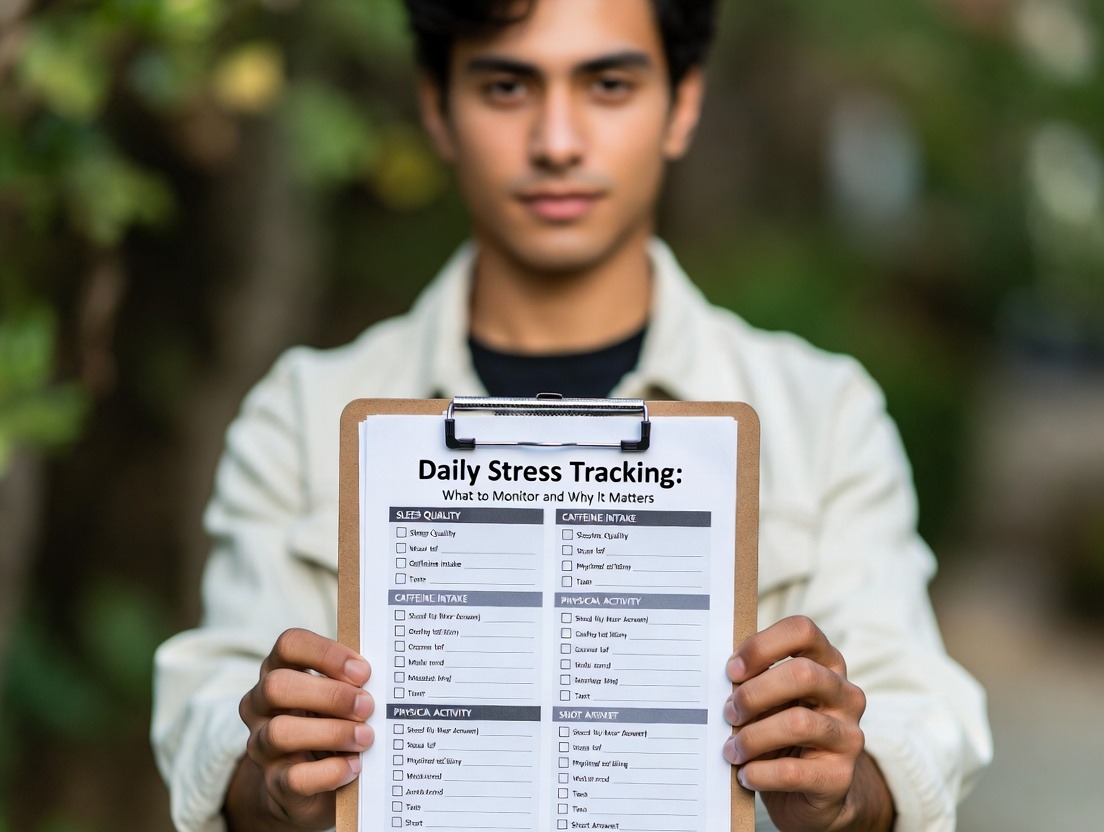
For centuries, the pinnacle of recovery wisdom was subjective: "Listen to your body." It is excellent, timeless advice. But it has one significant flaw: we are notoriously bad at it. Our perception is clouded by motivation, ego, caffeine, societal pressure, and plain old denial. The "no pain, no gain" mantra has trained many of us to ignore vital signals of fatigue and strain, often with costly consequences. What if you had a translator—a objective, 24/7 advisor that could interpret the subtle language of your physiology?
This is the revolution of data-driven recovery. It's not about becoming a slave to numbers; it's about using quantitative biofeedback to refine your subjective listening skills. It's the difference between guessing the weather and checking a reliable forecast. The cornerstone of this approach is the suite of metrics provided by advanced wearables, particularly those worn on the finger, which offers a unique window into central circulation.
Key Biofeedback Metrics for Recovery:
The Art of the "Readiness Score":
Many platforms synthesize these metrics into a single "Readiness" or "Recovery" score. This is not a grade, but a recommendation. A high score suggests your body is resilient and primed to handle stress—a good day for a challenging workout or a big project. A low score is your body’s data-driven plea for a lighter day. It’s an invitation to choose a walk over a run, to practice breathing instead of high-intensity intervals, or to commit to an early bedtime.
How to Practice Data-Driven Recovery:
The goal is synthesis, not substitution. You combine the objective data ("My HRV dropped 15%") with your subjective feelings ("I feel drained and my motivation is low") to make an intelligent, holistic decision. This informed self-awareness is the ultimate recovery skill. It allows you to be proactive rather than reactive, to prevent burnout before it happens, and to time your highest efforts for when your body is truly ready to excel. For a comprehensive look at how to get the most from your device from the moment you receive it, our guide on wellness ring mastery from unboxing to expert user is an invaluable resource.
Understanding the pillars of recovery is academic; weaving them into the fabric of your daily life is an art. A recovery protocol isn’t a rigid set of rules, but a dynamic, personalized toolkit. It’s the conscious design of your days and weeks to systematically balance stress with restoration. This blueprint is built on two core principles: periodization (varying stress over time) and personalization (tailoring it to your unique biology and life).
Your lifestyle is your constant, cumulative stressor. Your protocol is your constant, cumulative recovery response.
A powerful protocol starts by anchoring recovery practices throughout your entire day, creating a rhythm that supports your biology.
Morning (The Reset & Anchor Phase):
Daytime (The Strategic Stress & Micro-Recovery Phase):
Evening (The Power-Down & Transition Phase):
Night (The Deep Restoration Phase):
Weekly Periodization: The Macro View
Your body adapts to patterns, not random acts of recovery. A weekly structure prevents chronic strain.
The Role of Technology in Your Blueprint: A device like an Oxyzen ring acts as the feedback mechanism for this entire structure. It answers the critical question: "Is my protocol working?" A rising trend in your HRV and consistent, quality sleep scores are objective proof that your stress-recovery balance is effective. A declining trend is an early warning system to audit your habits—are you skipping micro-breaks? Is your caffeine intake creeping too late? The data turns your blueprint from a static plan into a living, adaptive system. For those building their protocol around specific goals, our article on how wellness rings support different health goals provides targeted insights.
This personalized, data-informed blueprint is your first line of defense. But life is not a controlled lab. In our next section, we address the inevitable external and internal disruptors that challenge even the best-laid plans.
No recovery protocol exists in a vacuum. Business trips, family emergencies, illness, and unexpected workloads are not failures of your plan; they are stress tests of its resilience. The goal isn't to avoid these disruptions—that’s impossible—but to navigate them with strategies that minimize the recovery debt they incur.
The Art of the "Reset Day"
When life throws you off course—a series of late nights, poor eating while traveling, a bout of high stress—the worst thing you can do is try to "jump right back in" to your ideal routine. This often leads to feeling overwhelmed and abandoning the protocol altogether. Instead, institute a Reset Day.
A Reset Day is a 24-hour period dedicated solely to parasympathetic stimulation and core recovery habits. It is not a lazy day on the couch scrolling, which is mentally stressful. It is intentional, active restoration.
The Reset Day doesn't erase the stress, but it halts the compounding of recovery debt and actively pays down a significant portion of it, allowing you to re-engage with your regular protocol from a place of strength.
Travel is a perfect storm of recovery disruptors: circadian misalignment (jet lag), dehydration (dry cabin air, altered drinking habits), poor nutrition (airport food), physical stagnation (sitting), and sleep disruption (unfamiliar beds, noise).
A Travel Recovery Protocol:
Navigating Illness and Infection
This is non-negotiable: When you are sick, your only goal is recovery. Exercise is a stressor. Your body’s resources are entirely directed toward the immune battle. Adding physical stress divides those resources and can prolong illness. The "neck check" rule is a good guideline: If symptoms are above the neck (runny nose, sneezing, minor sore throat), light activity may be okay if you feel up to it. If symptoms are below the neck (chest congestion, body aches, fever, fatigue) or systemic, rest is mandatory.
Your biometric data becomes a crucial health monitor here. A significant, unexplained drop in HRV paired with a rise in RHR is often the very first sign of an oncoming illness, appearing 24-48 hours before symptoms. This is a powerful signal to cancel plans, prioritize sleep, hydrate, and rest. Similarly, monitoring your return to health—waiting for your HRV and RHR to return to baseline before resuming intense activity—is a smart way to prevent relapse. This is the frontier of how health tracking technology is changing preventive medicine, putting early detection in your own hands.
By having strategies for these inevitable disruptions, you build recovery resilience. You stop seeing them as derailments and start seeing them as different terrains to navigate with skill. This resilience is not just physical; it is deeply psychological, which leads us to our next critical dimension.
The Mind-Body Connection: Psychological Recovery and Stress De-Loading
Physical scars are visible; psychological stress often leaves its marks invisibly, on your nervous system and hormones. A demanding job, relationship strife, financial worries, or global news cycles can keep your sympathetic nervous system engaged just as effectively as a treadmill sprint. Therefore, a recovery protocol that only addresses the body is incomplete. Psychological recovery—the process of discharging mental and emotional stress—is essential for full system restoration.

Your brain consumes about 20% of your body’s energy. Continuous multitasking, decision-making, and information processing create "cognitive fatigue." This isn't just feeling tired; it manifests as reduced willpower, impaired judgment, emotional reactivity, and yes, poorer physical recovery, as the brain and body share the same stressed physiological resources.
Techniques for Psychological Recovery:
The Concept of a "Stress De-Load"
Just as athletes schedule deload weeks to reduce physical training volume, you should schedule psychological stress de-loads. This is a planned period—a day or even a week—where you consciously reduce cognitive and emotional demands.
Measuring the Immeasurable: While you can't directly measure "worry," you can see its physiological footprint. A high-stress mental workday, even while seated, will often result in an elevated resting heart rate and suppressed HRV that night, similar to a day of hard physical training. This data validates your subjective feeling of being "mentally drained" and justifies the need for psychological recovery with the same seriousness as physical rest. Seeing this connection is a core part of learning how a wellness ring helps build healthy habits around mental well-being.
By integrating psychological recovery into your blueprint, you address the full spectrum of human stress. This holistic approach sets the stage for not just recovering from today, but for building a body and mind capable of thriving for decades—which brings us to the long-game perspective.
Recovery is often framed in the context of next-day performance or next-week's fitness goals. This is a short-sighted view. The most profound impact of a consistent recovery practice is its cumulative effect over years and decades. Recovery is the fundamental behavior of healthy aging. It is the daily, weekly, and yearly process of repairing the micro-damage of living, preserving function, and building resilience against the major diseases of aging.
Aging, at a cellular level, is characterized by a gradual accumulation of damage and a decline in the efficiency of repair processes. The hallmarks of aging—genomic instability, telomere attrition, mitochondrial dysfunction, cellular senescence—are all exacerbated by chronic stress and inflammation and mitigated by the very processes we call recovery.
How a Lifetime Recovery Practice Slows Aging:
The 80-Year-Old Test: When designing your daily and weekly protocol, apply this simple filter: *"Will this habit help the 80-year-old version of me get out of a chair easily, maintain mental clarity, and enjoy social connections?"* If the answer is yes, it's a lifelong recovery habit. If the answer is no—if it's a habit that burns resilience for short-term gain—it's worth questioning.
Technology for Lifelong Tracking: This is where wearable technology transitions from a fitness gadget to a lifelong health companion. Tracking trends over years provides a powerful picture of your "healthspan." Is your baseline HRV holding steady as you age? Is your sleep architecture maintaining its quality? A gradual decline is natural, but a sharp drop can be an early indicator of a lifestyle or health issue that needs addressing. This longitudinal data is invaluable for you and your healthcare providers, creating a quantified history of your physiology. To understand the precision behind this long-term tracking, our analysis of the accuracy revolution in health tracking technology provides deeper insight.
Viewing recovery through the lens of longevity transforms it from a chore into a profound investment. Every night of good sleep, every nutritious meal, every moment of managed stress is a deposit into your future self's health account. This perspective provides the ultimate motivation for consistency.
Of course, on the path to consistency, we encounter obstacles—not just life events, but persistent myths and misconceptions that can derail our efforts. Let’s dismantle the most common ones.
The world of health and fitness is rife with folklore. When it comes to recovery, misinformation can lead you to waste time on ineffective methods or, worse, neglect the fundamentals. Let's clarify the record on some pervasive myths.
Myth 1: "More is Always Better" (The Over-Recovery Fallacy)
Myth 2: "You Must Hit the 30-Minute Anabolic Window Post-Workout"
Myth 3: "DOMS is a Sign of a Good Workout / No DOMS Means No Progress"
Myth 4: "Ice Baths / Cold Plunges Are the Ultimate Recovery Tool"
Myth 5: "If You're Not Sweating, It's Not Recovery"
Myth 6: "Recovery is Only for Rest Days"
Dispelling these myths clears the path for a more intelligent, effective approach. It frees you to focus on the pillars that truly matter: sleep, nutrition, nervous system regulation, and consistent movement. For more common questions and clarifications on using technology in your wellness journey, our dedicated basics FAQ is an excellent resource.
As we near the completion of this foundational portion of our guide, it's time to bridge the gap between knowledge and action. How do you start, measure, and iterate on this journey?
Understanding the theory of recovery is one thing. Building a sustainable practice is another. This final section of our initial deep dive is a practical playbook for starting, tracking, and evolving your personal recovery protocol. Progress is not linear; it's iterative. The goal is to build a system, not achieve perfection.
Before adding anything new, conduct a clear-eyed audit of your current baseline across the pillars. Use a simple 1-10 scale for each.
Simultaneously, if you have a wearable, wear it consistently but do not change your habits yet. Just observe. What is your average HRV? Your typical RHR? Your sleep score? This gives you an objective starting line.
Step 2: The "One Thing" Principle (Weeks 2-4)
Do not overhaul your life overnight. Choose the single pillar where you have the most room for improvement and that feels most manageable. Focus all your intention there for 3-4 weeks.
The power of the "One Thing" is in creating a keystone habit that makes other good habits easier to adopt later.
This is where technology elevates your practice. As you implement your "One Thing," watch your data.
These connections are reinforcing. They provide proof that your behavior change is having a measurable, positive effect on your biology. This turns the abstract concept of "getting healthier" into a tangible, rewarding game. For a guide on choosing the right tool to make these measurements, our comparison of top wellness ring brands can help inform your decision.
Once your first new habit is automatic (usually after 3-4 weeks), add a second "One Thing," either in the same pillar or another. Perhaps you’ve mastered hydration; now you focus on post-workout nutrition. You’ve nailed your bedtime; now you work on your evening power-down routine.
Continue to use your biometric data as your guide. If you add something and see a negative trend, ask why. Was it too much too soon? Is the new habit not right for you? Your body's data is the ultimate feedback loop.
Building Your Support System
Remember: Setbacks are data points, not failures. A bad week of sleep or a period of high stress isn't a reason to quit; it's a reason to deploy your "Reset Day" strategy and re-engage. The protocol is there to serve you, not to judge you.
Your Trusted Sleep Advocate (Sleep Foundation — https://www.sleepfoundation.org/)
Discover a digital archive of scholarly articles (NIH — https://www.ncbi.nlm.nih.gov/
39 million citations for biomedical literature (PubMed — https://pubmed.ncbi.nlm.nih.gov/)
experts at Harvard Health Publishing covering a variety of health topics — https://www.health.harvard.edu/blog/)
Every life deserves world class care (Cleveland Clinic -
https://my.clevelandclinic.org/health)
Wearable technology and the future of predictive health monitoring. (MIT Technology Review — https://www.technologyreview.com/)
Dedicated to the well-being of all people and guided by science (World Health Organization — https://www.who.int/news-room/)
Psychological science and knowledge to benefit society and improve lives. (APA — https://www.apa.org/monitor/)
Cutting-edge insights on human longevity and peak performance
(Lifespan Research — https://www.lifespan.io/)
Global authority on exercise physiology, sports performance, and human recovery
(American College of Sports Medicine — https://www.acsm.org/)
Neuroscience-driven guidance for better focus, sleep, and mental clarity
(Stanford Human Performance Lab — https://humanperformance.stanford.edu/)
Evidence-based psychology and mind–body wellness resources
(Mayo Clinic — https://www.mayoclinic.org/healthy-lifestyle/)
Data-backed research on emotional wellbeing, stress biology, and resilience
(American Institute of Stress — https://www.stress.org/)


