


Body Recovery Basics: The Lymphatic System’s Role
The role of the lymphatic system in flushing waste and aiding recovery.
The role of the lymphatic system in flushing waste and aiding recovery.
%402x.svg)
You’ve crushed your workout. You’ve powered through your day. You’ve dedicated yourself to the hustle. But in our relentless pursuit of peak performance and productivity, we often overlook the single most critical factor that determines whether we thrive or merely survive: recovery. Not the passive act of scrolling on the couch, but the active, biological process of repair, renewal, and regeneration that happens deep within our bodies. We obsess over metrics—calories burned, miles run, PRs lifted—yet remain largely blind to the invisible systems working overtime to clean up the metabolic aftermath and prepare us for the next challenge.
This is the silent, often-forgotten world of the lymphatic system. An intricate network of vessels, nodes, and organs that weaves through your entire body like a second circulatory system, it is the body’s ultimate detox and drainage pathway, its frontline defense militia, and its unsung hero of recovery. When it flows, you feel lighter, less inflamed, more energized, and resilient. When it stagnates, you feel puffy, sluggish, stiff, and perpetually run-down. You can’t optimize what you don’t understand, and you can’t measure what remains invisible.
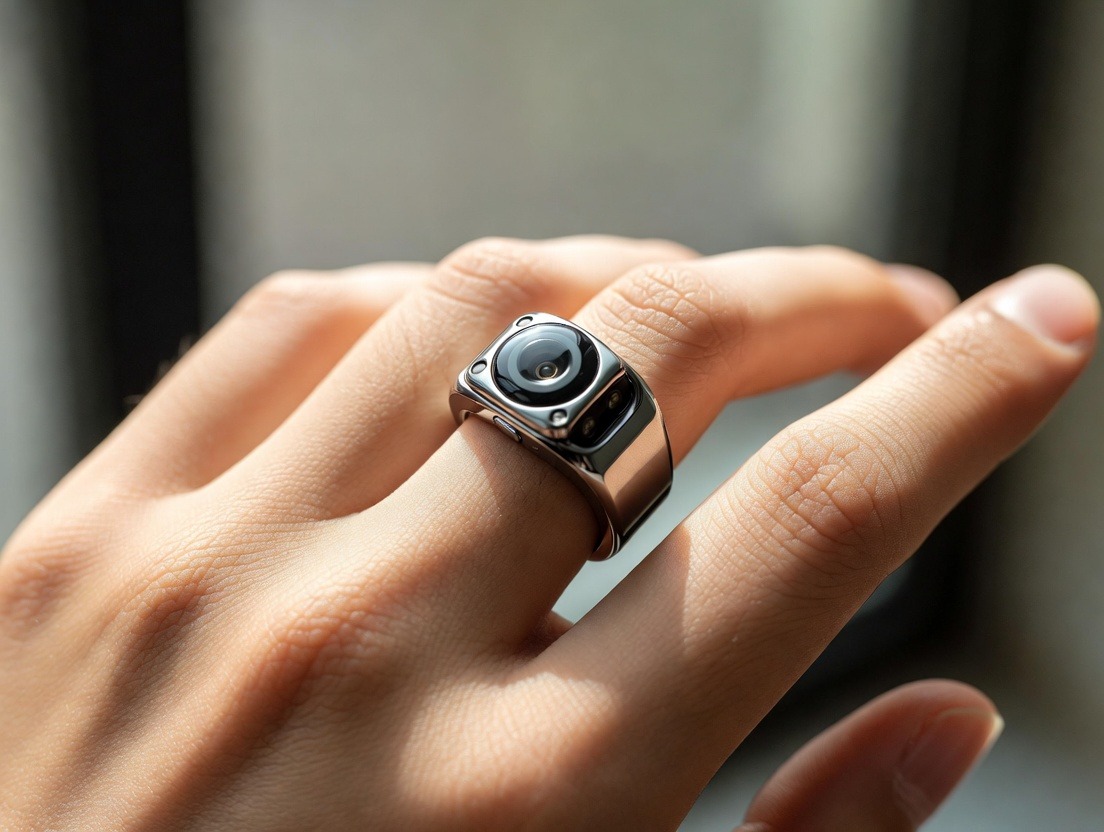
Modern wellness technology is changing that. Just as a smart ring can track your sleep stages and heart rate variability—key indicators of nervous system recovery—a new era of understanding is dawning for our internal fluid dynamics. Imagine having a daily proxy for lymphatic flow, a way to see if your body is truly clearing inflammation and waste, not just resting. The journey to mastering recovery begins not with another supplement, but with foundational knowledge. Let’s pull back the curtain on your body’s most essential maintenance network and explore how understanding its rhythm is the first step to unlocking a new dimension of vitality.
To appreciate the lymphatic system’s role in recovery, you must first understand its architecture. It is not a single organ but a vast, pervasive network—a parallel universe to your blood vessels. If your bloodstream is a high-speed delivery service bringing oxygen and nutrients, your lymphatic system is the sophisticated sanitation and security department, working silently in the background.
At its most basic, the system is composed of lymphatic capillaries, delicate, blind-ended tubes that are even more permeable than blood capillaries. They are embedded in nearly every tissue of your body, except for a few places like the central nervous system. Their job is to collect excess fluid that has leaked out of your bloodstream during normal circulation—fluid that carries cellular waste products, proteins, bacteria, and other debris. This collected fluid is now called lymph, a clear-to-milky substance that is essentially the interstitial fluid (the fluid between your cells) once it enters the lymphatic vessels.
These capillaries drain into larger lymphatic vessels, which remarkably resemble veins. They have one-way valves to prevent backflow and depend heavily on external forces to move the lymph along. Unlike the circulatory system, which has the powerful pump of the heart, the lymphatic system is a passive, pressure-driven network. Its movement relies on the contraction of your skeletal muscles during movement, the pulsation of nearby arteries, the movement of your diaphragm during breathing, and manual stimulation.
The vessels eventually channel the lymph through strategic checkpoints: lymph nodes. These small, bean-shaped organs are the filtration plants and immune command centers. As lymph passes through a node, it is slowly filtered by immune cells like macrophages and lymphocytes that trap and destroy foreign invaders, cellular debris, and potentially harmful cells. It’s here that immune responses are initiated. You have clusters of these nodes in your neck, armpits, chest, abdomen, and groin—areas you might feel become tender when you’re fighting an infection, a sign they are working overtime.
The filtered lymph from most of the body ultimately converges into two main ducts: the thoracic duct and the right lymphatic duct. These empty the cleansed lymph back into your bloodstream via the subclavian veins near your collarbones, completing the cycle and ensuring fluid balance is maintained.
This entire system is supported by key organs:
Understanding this anatomy is crucial because it highlights a fundamental truth for recovery: your lymphatic system is not automatic. It requires your participation. It thrives on movement, deep breathing, and hydration. Its efficiency is a direct reflection of your lifestyle choices. In our modern, sedentary world, this "unseen river" can easily become a stagnant swamp, trapping the very byproducts of stress and exercise it’s meant to clear. Recognizing this is the first step to taking active control of your body’s internal cleanup process, a concept we explore in depth in our guide on how modern health tracking technology enables personalized wellness.
If you think of the lymphatic system as merely a drainage ditch, you’re underestimating a biological masterpiece. Its functions are interwoven into the very fabric of your health, acting as the cornerstone of fluid balance, the command center of immunity, and the critical pathway for nutrient absorption. Let’s break down these three pillars.
1. Fluid Homeostasis: The Body’s Internal Sea Level Regulator
Every day, approximately 20 liters of plasma filter through your capillary walls to bathe your tissues in nutrient-rich fluid. About 17 liters are reabsorbed directly back into the capillaries. The remaining 3 liters, along with the large protein molecules that can’t easily re-enter the bloodstream, must be collected by the lymphatic capillaries. This is non-negotiable. If this system fails, this protein-rich fluid accumulates in the tissues, causing swelling known as lymphedema. Proper lymphatic function is what keeps your ankles from swelling after a long flight and your muscles from feeling chronically water-logged and heavy after intense training. It maintains the precise pressure your cells need to function.
2. Immune Surveillance and Response: The Security & Defense Network
This is where the lymphatic system shifts from maintenance to active defense. The lymph nodes are not passive filters; they are dynamic intelligence hubs. As lymph percolates through them, dendritic cells—the "intelligence officers" of the immune system—present antigens (pieces of invaders) to T-cells and B-cells. If a threat is identified, these cells activate, proliferate, and mount a targeted response. This is why nodes swell when you’re sick: they are factories producing an army of immune cells. A well-functioning lymphatic system ensures your body can rapidly identify and neutralize pathogens, from the common cold to more significant threats, making it fundamental to not just recovery from exercise, but recovery from illness.
3. Fat and Vitamin Absorption: The Nutrient Highway from Gut to Body
Here’s a function often completely divorced from popular understanding of "detox." In your small intestine, specialized lymphatic vessels called lacteals are responsible for absorbing dietary fats and fat-soluble vitamins (A, D, E, and K). After a meal, these fats are packaged into structures called chylomicrons, which are too large to enter blood capillaries directly. Instead, they enter the lacteals, giving the lymph in this area a milky appearance (now called chyle). This nutrient-rich chyle travels through the lymphatic system before emptying into the blood. An inefficient lymphatic system here can directly impact your nutritional status and energy levels, impairing your body’s ability to utilize these essential, energy-dense nutrients.
The takeaway is profound: the lymphatic system isn't a secondary player. It is a primary regulator of your internal environment. It determines how swollen or lean you feel, how quickly you fend off a bug, and how well you absorb the nutrients from your food. When you support this system, you are not just "doing lymphatic drainage"; you are optimizing a core physiological process that touches every aspect of your vitality. For a deeper look at how technology is beginning to illuminate these internal processes, explore our article on the science behind modern health tracking technology.
Our bodies evolved for movement—for walking, hunting, gathering, and constant, low-grade physical activity. The lymphatic system, with its lack of a central pump, is perfectly adapted to this ancestral rhythm. The modern human lifestyle, however, has declared war on this rhythm, creating a perfect storm for what experts term "lymphatic stagnation." This isn't a minor inconvenience; it's a chronic, low-grade dysfunction that undermines recovery, energy, and long-term health.
Consider the primary drivers of healthy lymphatic flow: muscle contraction, diaphragmatic breathing, and hydration. Now, examine the archetypal modern day:
The result of this stagnation is a pervasive sense of "sludge." It manifests as:
Understanding this crisis is empowering because the causes are largely within our control. It shifts the focus from blaming our bodies for feeling sluggish to recognizing how our daily habits create the sludge. The path to recovery mastery involves reversing these modern trends, a process that can be guided and tracked with intention. For instance, using a device like the Oxyzen ring to monitor heart rate variability and sleep can provide indirect feedback on your stress levels and recovery state, indicators closely tied to autonomic function and, by extension, lymphatic health. You can learn more about this holistic approach on our blog.
To truly grasp recovery, you must understand the intimate dance between inflammation and the lymphatic system. Inflammation is not the villain it’s often made out to be; it is the essential, life-saving first responder to injury, infection, or stress. The real problem arises not from inflammation itself, but from its resolution—or lack thereof. This is where the lymphatic system takes center stage as the director of the cleanup crew.
Imagine you’ve just finished a grueling weightlifting session. You’ve created microscopic tears in your muscle fibers. This is a controlled, productive injury. The inflammatory response kicks in immediately:
This process creates a "soup" of fluid, proteins, cellular debris, and inflammatory mediators in the interstitial space. This is normal and necessary. Recovery, however, is defined by how quickly and efficiently this inflammatory soup is cleared. If it lingers, the acute, productive inflammation can transition into chronic, low-grade inflammation that impedes repair and creates a pro-inflammatory environment throughout the body.
Enter the lymphatic capillaries. Their unique, overlapping "button-like" junctions act like one-way flaps. The increased fluid pressure from inflammation pushes these flaps open, allowing the protein-rich inflammatory exudate to flow into the lymphatic vessel, now officially lymph. The lymphatic system then:
When your lymphatic system is efficient, this cleanup is swift. You experience less post-exercise soreness (DOMS), shorter recovery times, and a faster return to peak performance. The inflammation serves its purpose and then subsides.
When the lymphatic system is sluggish, the cleanup is delayed. The inflammatory soup sits in the tissues longer than necessary. This prolonged exposure can:
Therefore, optimizing recovery isn’t about blindly suppressing inflammation (with excessive use of NSAIDs, for example, which can have downsides). It’s about supporting the system that resolves it. Your goal is to become a master of inflammatory resolution, not just an inhibitor of its onset. This paradigm shift is at the heart of modern recovery science and is a key principle behind using data from wearables to guide your post-activity routines. For more on how tracking can inform these daily decisions, see our resource on how a wellness ring can help build healthy habits.

Your body is constantly communicating the state of your internal environment, including your lymphatic health. Unlike a sudden fever or sharp pain, lymphatic signals are often subtle, chronic, and mistakenly accepted as "just part of life" or "getting older." Learning to read these signposts is your first step in moving from passive experience to active management of your recovery. Here’s what to observe.
Signs of Potential Lymphatic Stagnation (The "Sludge" Indicators):
Signs of Healthy Lymphatic Flow (The "Vitality" Indicators):
Listening to these signals requires mindfulness. It’s about connecting daily sensations to internal physiology. This is where objective data can powerfully complement subjective feeling. For example, tracking your Heart Rate Variability (HRV) and resting heart rate (RHR) with a device like the Oxyzen ring can provide quantifiable insight into your autonomic nervous system balance and overall recovery status—both of which are intimately linked to your body's ability to manage inflammation and support systems like the lymph. A low or dropping HRV often signals that your body is under stress and prioritizing "fight or flight" over "rest and digest" (and repair). Observing your physical signs alongside this data creates a powerful feedback loop for personalizing your recovery strategy. You can explore how doctors utilize such data in our article on what medical professionals find most useful in wellness tracking.
You cannot manual lymph drain your way out of a poor diet. The lymphatic system, like every other system in your body, is built from and functions on the nutrients you provide. Nutrition for lymphatic health isn’t about a single miracle food; it’s about creating an internal environment that reduces inflammatory load, provides building blocks for repair, and maintains optimal fluid balance. Think of it as providing clean fuel and reducing gunk for your internal sanitation network.
Hydration: The Foundation of Fluid Dynamics
This is non-negotiable. Lymph is approximately 95% water. Dehydration turns it from a free-flowing river to sluggish syrup. The goal is to drink enough clean water so that your urine is pale straw-colored for most of the day. A general guideline is to aim for at least half your body weight (in pounds) in ounces of water daily, more if you are active, live in a hot climate, or consume diuretics like caffeine and alcohol. Herbal teas (like dandelion or red clover) can be excellent supportive additions.
Foods to Emphasize: The Lymph-Loving Diet
Foods and Substances to Minimize: The Congestion Creators
The lymphatic system isn't asking for a radical cleanse; it’s asking for consistency. It thrives on a steady supply of clean water, anti-inflammatory nutrients, and fiber, while floundering under a barrage of processed chemicals and sugar. Making mindful choices at each meal is one of the most powerful daily practices you can adopt to support its flow. For more actionable daily tips that integrate technology with lifestyle, our guide on 50 healthy aging tips a smart ring helps implement daily offers a comprehensive roadmap.
If nutrition provides the building blocks, then movement provides the pump. Remember, the lymphatic system lacks a heart. It relies on the rhythmic compression of skeletal muscles, arterial pulsations, and diaphragmatic breathing to propel fluid. Therefore, intentional movement isn’t just about building muscle or burning calories; it’s about powering your internal sanitation system. The type, intensity, and timing of movement all play distinct roles.
The Gold Standard: Low-Impact, Rhythmic Movement
This is the most direct way to stimulate lymphatic flow without creating excessive inflammation. The goal is sustained, rhythmic contraction of large muscle groups, particularly in the legs and core, which act as auxiliary pumps.
The Role of High-Intensity Exercise
Intense exercise (HIIT, heavy weightlifting, long-distance running) is crucial for fitness but creates significant metabolic waste and inflammation. This isn't bad—it's the stimulus for adaptation. However, it places a high demand on the lymphatic system after the fact. The key is to follow intense exercise with dedicated recovery practices (like those listed below) to aid the cleanup. Never make high-intensity, inflammatory exercise your only form of movement if lymphatic health is a goal.
Manual Lymphatic Stimulation: The Hands-On Approach
These techniques use gentle, specific movements to manually encourage lymph toward the nodes.
The Breath: Your Built-In Pump
Never underestimate the power of your diaphragm. Deep, diaphragmatic breathing is a free, always-available lymphatic pump.
Integrating these practices creates a movement protocol that doesn't just break the body down but actively cleans it up. It’s the balance between stress and recovery. Tracking your activity and its impact is key. A smart ring can help you understand how different types of movement affect your physiological markers of recovery, allowing you to personalize this balance. Learn more about the fundamentals of this kind of tracking in our primer on wellness ring basics for activity and movement.
Sleep is the ultimate recovery modality. It’s not merely a period of rest; it’s a state of intense biological activity where critical repair, regeneration, and cleansing processes occur. Among the most vital of these is the enhanced activity of the glymphatic system—the brain's unique waste clearance system—and the systemic lymphatic system. During the day, your brain accumulates metabolic byproducts like beta-amyloid (associated with cognitive decline). The lymphatic vessels in the rest of your body are also busy collecting the day's debris. Sleep is when the major cleanup happens.
Deep Sleep and the Glymphatic Surge
Research has shown that during deep, non-REM sleep, the glymphatic system becomes 10 times more active than during wakefulness. Cerebrospinal fluid (CSF) washes through the brain tissue in coordinated waves, flushing out toxic proteins and metabolic waste through channels formed by glial cells. This nightly "brainwash" is essential for cognitive function, memory consolidation, and neurological health. Poor or insufficient sleep means this cleanse is incomplete, leaving the brain in a toxic, foggy state—a direct link between sleep deprivation and brain fog, irritability, and long-term risk.
Systemic Lymphatic Flow During Sleep
While the body's overall muscular movement decreases at night, the lymphatic system still relies on other pumps. The diaphragmatic breathing that naturally occurs during sleep (especially in supine positions) continues to drive lymph toward the thoracic duct. Furthermore, the body's shift into the parasympathetic "rest and digest" state is crucial. This state promotes tissue repair, reduces the output of stress hormones that can contribute to inflammation, and creates the optimal hormonal environment for recovery.
Sleep Position Matters
Sleeping on your left side is often cited as beneficial for lymphatic and digestive health. This is because the thoracic duct, which drains lymph from the lower body and left side, empties into the left subclavian vein. Gravity can mildly assist this final drainage when lying on the left side. Additionally, this position may improve circulation back to the heart. However, the most important factor is achieving quality, uninterrupted sleep in whatever position is most comfortable for you.
The Consequences of Sleep Deprivation on Recovery
Therefore, prioritizing sleep is not a luxury; it is foundational lymphatic and recovery hygiene. It’s the time when your body does its most profound internal housekeeping. Using a wearable like the Oxyzen ring to track your sleep stages, resting heart rate, and HRV provides invaluable feedback on whether your lifestyle is supporting this critical recovery phase. Are you getting enough deep sleep? Is your nighttime HRV high, indicating good recovery capacity? This data turns the abstract concept of "get more sleep" into a precise, actionable metric. For a deeper dive into how continuous monitoring can reveal these patterns, read about continuous vs. periodic health monitoring.

We’ve explored the lymphatic system’s biology and the lifestyle practices that support it. But in the modern wellness landscape, understanding transitions to optimization when we can measure. While we cannot yet place a "lymph flow meter" on your wrist, advanced wearables provide a suite of powerful proxy biomarkers that illuminate your body’s recovery status—the net result of all systems, including the lymph, working in harmony. This is where technology like the Oxyzen smart ring transforms intuition into insight.
Heart Rate Variability (HRV): The Master Biomarker of Recovery
HRV measures the subtle variations in time between each heartbeat. It is a direct, non-invasive window into your autonomic nervous system (ANS) balance. A higher HRV generally indicates a strong parasympathetic ("rest and digest") tone, meaning your body is in a state conducive to recovery, repair, and effective immune function—all states that support lymphatic efficiency. A lower or declining HRV suggests dominant sympathetic ("fight or flight") activity, signaling stress, inflammation, or that your body is struggling to recover from prior exertion. By tracking your HRV trend over time, you can objectively answer: "Is my lifestyle—my sleep, nutrition, exercise, and stress management—supporting my body’s ability to recover and cleanse itself?" A sustained drop in HRV is a clear sign to dial back intensity and double down on restorative practices.
Resting Heart Rate (RHR): The Simplicity of Efficiency
Your RHR, when tracked consistently, is a beautifully simple metric. A lower RHR typically indicates more efficient cardiovascular function and higher parasympathetic tone. An unexplained elevation in RHR (by 5-10+ beats per minute above your baseline) is one of the earliest and most reliable signs of impending illness, overtraining, dehydration, or poor recovery. It suggests your body is working harder than it should be at rest, which can correlate with systemic inflammation and a burdened internal state.
Sleep Architecture: Quantifying the Cleanup Shift
As discussed, deep sleep is prime time for the glymphatic system. A smart ring that accurately tracks sleep stages (light, deep, REM) allows you to move beyond just "hours in bed." You can see if you’re achieving sufficient deep sleep, if your sleep is fragmented (which disrupts the cleansing cycles), and how lifestyle choices like evening meals, alcohol, or screen time affect your sleep quality. Seeing the direct correlation between a late workout and reduced deep sleep, for instance, is powerful feedback for timing your movement for optimal recovery.
Body Temperature Trends: A Signal of Internal Dynamics
Continuous temperature monitoring, especially nocturnal core temperature, can reveal subtle shifts. A slightly elevated baseline temperature can indicate inflammation, the onset of illness, or hormonal fluctuations. Since the lymphatic system is involved in managing inflammation, temperature trends can serve as another piece of the puzzle.
The Power of the Trend, Not the Snapshot
The true genius of wearable technology lies in baselining and trending. A single night of poor HRV means little. But a week-long downward trend, coinciding with intense work stress and poor sleep, tells a compelling story. It allows for proactive intervention before you feel burnt out or get sick. You can experiment: after a week of tracked stagnation, you implement a protocol of morning walks, dry brushing, and early bedtimes. Does your HRV trend upward? Does your deep sleep increase? Does your morning RHR drop?
This creates a closed-loop system: Understand the biology → Implement supportive practices → Measure the impact → Refine your approach. It brings the invisible world of internal recovery into the light, making you an active participant in your health rather than a passive passenger. To see how this technology has evolved to provide such insights, explore the evolution of health tracking from manual methods to smart rings.
The conversation around recovery has long been dominated by physical inputs: exercise, nutrition, and sleep. Yet, to ignore the profound influence of the mind on physiological processes like lymphatic flow is to miss a fundamental piece of the wellness puzzle. Your thoughts, emotions, and stress levels aren't abstract concepts; they are biochemical events that directly constrict or facilitate your body's internal river. The link between chronic stress and a stagnant lymphatic system is one of the most significant, yet often overlooked, barriers to true recovery.
The Autonomic Nervous System: The Master Switch
The autonomic nervous system (ANS) is your body's automatic control center, regulating functions like heart rate, digestion, and, critically, the tone of your lymphatic vessels. It has two primary branches:
When you are chronically stressed, your SNS is dominantly engaged. In this state, your lymphatic vessels can actually constrict, and their natural peristaltic movements diminish. The body is preparing for battle, not for cleanup and maintenance. Furthermore, SNS dominance leads to the release of stress hormones like cortisol and adrenaline. While useful in acute bursts, chronically elevated cortisol is pro-inflammatory, increases blood pressure, and promotes fluid retention—all of which burden the lymphatic system.
Emotions and "Stuck" Energy
Traditional healing systems from Chinese Medicine to Ayurveda have long spoken of emotions being stored in the body and affecting the flow of "qi" or "prana"—concepts that intriguingly parallel the modern understanding of interstitial fluid and lymphatic flow. Emotions like chronic anxiety, unresolved anger, and grief are not just felt in the mind; they manifest as physical tension. This tension, often held in the diaphragm, neck, shoulders, and gut, creates physical bottlenecks at major lymphatic crossroads.
The diaphragm, our primary breathing pump, becomes tight and restricted under emotional stress, crippling its ability to move lymph. The deep cervical lymph nodes in the neck, which drain the head and brain, can become congested from chronic jaw clenching and shoulder tension, potentially contributing to headaches, brain fog, and sinus issues. This creates a biofeedback loop: emotional stress causes physical constriction, which impairs lymphatic flow, which allows waste products to accumulate, which can further dampen mood and increase inflammation.
Breaking the Cycle: Practices for Psychophysiological Flow
Supporting your lymphatic system, therefore, requires addressing the mind with the same intentionality as the body.
The modern smart ring is becoming an unexpected ally in this mind-body work. By tracking HRV, it provides a direct, objective readout of your ANS balance. You can run an experiment: meditate for 10 minutes and watch how it affects your real-time HRV. Notice how a day of high anxiety correlates with a plummeting HRV score. This data transforms stress management from a vague wellness trope into a tangible, trackable component of your recovery protocol. It validates the connection, showing you that calming your mind is not a luxury—it’s a physiological imperative for systemic cleansing. For more on how to personalize technology for your unique needs, see our guide on how to personalize your wellness ring for your body.
Once the foundational habits of movement, hydration, breath, and nutrition are in place, you can explore advanced modalities designed to more aggressively support or enhance lymphatic function. These tools are particularly valuable during periods of intense physical stress (like a heavy training block), after travel, or when dealing with specific issues like post-injury swelling.
Compression Garments: The External Pump
Compression socks, sleeves, and leggings apply graduated pressure—tightest at the extremities and decreasing upward—mimicking the external pressure of muscle contractions. This mechanical assistance helps prevent fluid from pooling in the interstitial spaces and encourages its movement back toward the core. They are highly effective for:
Percussion and Vibration Therapy
Devices like percussion massagers (e.g., Theragun, Hyperice) and whole-body vibration platforms introduce rapid, rhythmic pulses into the tissue.
Infrared Sauna and Heat Therapy
Consistent, gentle heat can be a powerful ally for lymphatic flow.
Professional Therapies: When to Seek Expert Help
The Role of Technology in Guiding Advanced Practice
This is where an integrated health-tracking ecosystem shines. You don’t have to guess if that expensive infrared sauna session or new compression gear is working. Your biometrics can tell you.
By pairing these advanced tools with objective data, you move from random acts of wellness to a targeted, results-driven recovery strategy. You become your own biohacker, using feedback to invest time and resources into what truly moves the needle for your unique physiology. To understand the sensors that make this possible, delve into our explanation of health tracking sensors and AI algorithms.
A fully functional lymphatic system operates silently in the background. When it becomes impaired, however, the consequences are visible, palpable, and can significantly impact quality of life. Understanding these pathologies underscores the critical importance of the lymphatic system and differentiates normal, manageable stagnation from conditions requiring medical attention.
Lymphedema: The Failure of Drainage
Lymphedema is the chronic, progressive swelling of a body part, most commonly an arm or leg, due to a failure of the lymphatic system to adequately drain fluid. It occurs when lymphatic vessels are missing, impaired, or overloaded.
Lipedema: The Painful Fat Disorder
Often misdiagnosed as obesity or lymphedema, lipedema is a chronic, painful condition characterized by the symmetrical, disproportionate accumulation of fat tissue, primarily in the legs and sometimes arms. It almost exclusively affects women and is believed to have a hormonal component.
Chronic Inflammation and Fibrosis: The Stagnation Cascade
While not a diagnosed pathology like the above, a chronically sluggish lymphatic system is a key contributor to a state of persistent, low-grade systemic inflammation. When inflammatory mediators aren't cleared efficiently, they linger in tissues. Over time, this can stimulate fibroblasts to lay down excess collagen, leading to fibrosis—a thickening and scarring of connective tissue.
The Takeaway: Prevention and Proactivity
For the majority without primary pathologies, the goal is to support lymphatic health to prevent the secondary, lifestyle-induced stagnation that mimics subclinical forms of these issues. The daily habits outlined in this article are a form of preventative medicine for your fluid transport system. For anyone experiencing persistent, unexplained swelling, pain, or heaviness in limbs, consultation with a vascular specialist or lymphedema therapist is essential. The data from a wellness wearable can be a valuable part of that clinical conversation, providing longitudinal trends on inflammation and recovery markers. For insights into how this technology is entering clinical spaces, read about health tracking technology in hospitals.
Knowledge is only power when applied. Now that we understand the lymphatic system's role, the threats it faces, and the tools to support it, the final step is integration. The goal is not to add hours of new rituals to your day, but to weave lymphatic-supportive practices into the existing fabric of your life, creating a sustainable daily rhythm that promotes continuous flow and recovery. Here is a sample framework, adaptable to any schedule.
Morning (Upon Waking – 15 minutes): The Awakening Flush
Goal: Stimulate flow after the nocturnal slowdown.
Throughout the Day: The Maintenance Mode
Goal: Prevent stagnation from setting in.
Evening (Wind-Down – 60 minutes pre-bed): The Recovery Shift
Goal: Shift the body into deep recovery and cleansing mode.
Weekly & Seasonal Practices: The Deep Reset
The Role of Your Smart Ring in This Protocol
This is where your wearable becomes your coach and accountability partner. It helps you personalize this template.
By reviewing this data weekly, you can iterate on your protocol. Maybe you discover that evening walks improve your sleep more than yoga. Perhaps you see that drinking more water before 2 PM has a better effect on your energy than afternoon coffee. The protocol becomes a living, breathing practice tailored by your own body's feedback. For beginners looking to start this journey, our guide on wellness ring basics for beginners is an excellent resource.
We stand at the frontier of a new era in personalized health. Today, we use proxy biomarkers like HRV and sleep to infer the state of our internal recovery and cleansing processes. Tomorrow, we may monitor the lymphatic system itself. The convergence of advanced sensor technology, artificial intelligence, and a deepening understanding of fluid dynamics is poised to revolutionize how we track and optimize this fundamental system.
Emerging Direct Monitoring Possibilities:
The AI-Powered Recovery Coach:
The true power lies not in single metrics, but in synthesis. Future wellness platforms will act as intelligent recovery orchestration systems.
The Long-Term Vision: Preventative Health Ecosystems
The ultimate goal is to shift healthcare from reactive to truly preventative. Continuous, multi-system monitoring—including lymphatic health—will create a rich dataset that can identify deviations from personal baselines long before they manifest as disease.
This future is not science fiction; it's the logical progression of the wellness technology you use today. Brands at the forefront, like Oxyzen, are investing in the research and sensor fusion that will make these advancements possible. It begins with mastering the basics of recovery you've learned here and using today's technology to build the self-knowledge that tomorrow's innovations will amplify. To explore what's on the horizon, read our perspective on health tracking technology in 2025 and what's possible.

We have journeyed from the microscopic anatomy of lymphatic capillaries to the futuristic vision of AI-powered recovery. This knowledge, however, culminates not in a complex to-do list, but in a profound shift in perspective. Optimizing your lymphatic system and mastering recovery is about embracing a fundamental principle: Your body is an integrated ecosystem of flow. Energy, blood, lymph, information, and breath must move freely for you to experience vitality. Stagnation in any of these realms manifests as dis-ease, fatigue, and a diminished capacity for life.
This understanding reframes every daily choice:
When you internalize this, wellness ceases to be a chore of isolated "good habits." It becomes the art of cultivating flow in all aspects of your being. The stiffness you feel in the morning becomes a conversation with your hydration and movement from the day before. The afternoon slump becomes a signal to take five deep breaths and a walk, not just to reach for caffeine. The puffiness after a salty meal becomes a lesson in balance, not a cause for criticism.
Your Smart Ring as the Compass
In this journey, a sophisticated wellness tracker is your compass. It doesn't create the flow, but it shows you the direction. It translates the silent language of your physiology—your HRV, your sleep stages, your temperature rhythms—into a readable dashboard. It answers the critical question: "Is what I'm doing actually working for my unique system?"
It closes the loop between action and outcome. You don't have to wonder if that new adaptogen powder or extra 30 minutes of sleep is helping; your recovery metrics will trend in response. This turns self-experimentation from guesswork into a science. It empowers you to become the expert on your own body, making informed choices that are validated by data. This is the core of modern, proactive wellness, and it’s a philosophy we are passionate about at Oxyzen. To understand the driving force behind this mission, you can read our company's story and values.
The First Step Forward
The path to mastering recovery through your lymphatic system begins with a single, simple action rooted in this new awareness. It doesn't require a major overhaul.
Choose one. Implement it consistently. Observe how you feel. Notice the subtle shifts—the lightness, the clarity, the reduced stiffness. Then, layer in the next practice. This is how ecosystems are restored: not all at once, but through consistent, nurturing actions that gradually restore the natural flow.
You now possess the map to one of your body's most vital terrains. The journey to deeper energy, resilience, and vibrant health is a journey of supporting the river within. Start flowing.
Theory is the map, but action is the journey. To translate everything you've learned into tangible results, we've created a structured, yet flexible, 14-day reset plan. This protocol is designed to systematically reduce lymphatic stagnation, lower inflammation, and establish the foundational habits that support long-term flow. It's not a drastic cleanse, but a conscious reintroduction to your body's innate rhythms, supported by measurable data.
The Core Philosophy: Consistency Over Intensity
Each day focuses on one key pillar while maintaining the essentials. The goal is progressive adaptation, not overwhelm. You'll need: a water bottle, a dry brush, comfortable walking shoes, and your Oxyzen smart ring (or a method to track sleep and subjective feelings).
Days 1-3: Foundation & Awareness
Days 4-7: Activation & Movement
Days 8-10: Deep Recovery & Stress Modulation
Days 11-14: Integration & Personalization
This reset is your live experiment. The Oxyzen ring provides the objective feedback, turning subjective feelings into a clear cause-and-effect narrative. For ongoing support and to answer common questions that arise during such a reset, our comprehensive FAQ page is an invaluable resource.
Use this checklist monthly to assess your habits and identify areas for improvement. Think of it as a preventative maintenance schedule for your internal filtration system.
Daily Habits (Tick each day you accomplish):
Weekly Habits (Tick each week you accomplish):
Monthly Habits (Tick each month you accomplish):
Signs to Monitor (Note any persistent issues):
This audit, especially when combined with the biometric data from your Oxyzen ring, transforms wellness from a vague concept into a managed, optimized system. For inspiration from others on a similar journey, browse real customer testimonials and experiences.
Q: I don't have lymphedema. Do I really need to worry about my lymphatic system?
A: Absolutely. Just as you care for your cardiovascular health even without heart disease, supporting your lymphatic system is preventative maintenance. Chronic, low-grade stagnation contributes to inflammation, slowed recovery, brain fog, and fluid retention—issues millions experience without knowing the root cause. An optimal system is foundational for vitality.
Q: How is "lymphatic drainage" different from a regular massage?
A: Profoundly different. A traditional Swedish or deep tissue massage uses moderate to firm pressure to manipulate muscle tissue. Manual Lymphatic Drainage (MLD) uses extremely light, rhythmic, wave-like strokes (with pressure so light it barely moves the skin) to stimulate the superficial lymphatic capillaries and guide fluid toward lymph nodes. Deep pressure can collapse these delicate vessels and be counterproductive.
Q: Can I "detox" my lymphatic system with a juice cleanse?
A: This is a misconception. The lymphatic system doesn't store toxins in a way that a short-term flush can clear. Its health is determined by consistent daily habits—hydration, movement, and anti-inflammatory nutrition—not acute, restrictive cleanses. A juice cleanse may reduce digestive load but does not directly "drain" lymph. Focus on sustainable lifestyle support.
Q: My ankles swell on long flights. Is that lymphatic?
A: Yes, typically. Prolonged sitting immobilizes the calf muscle pump, leading to venous and lymphatic stagnation. Gravity causes fluid to pool in the lower extremities. Preventive measures include compression socks, frequent ankle circles and calf raises, staying hydrated, and avoiding alcohol.
Q: How accurate are smart rings like Oxyzen for tracking recovery?
A: Modern smart rings are highly accurate for the biomarkers they measure: optical heart rate, heart rate variability (HRV), skin temperature, and movement. They are clinically validated for sleep stage estimation and HRV trending. While they don't directly measure "lymphatic flow," they provide the most relevant proxy metrics (HRV, RHR, sleep architecture) that reflect your autonomic nervous system state and overall recovery capacity—the environment in which your lymphatic system thrives or suffers. For a deep dive into this accuracy, read about the accuracy revolution in health tracking.
Q: Are there any supplements that support lymphatic health?
A: Supplements should support, not replace, foundational habits. Some that show promise include:
Q: Can stress really cause physical puffiness?
A: 100%. Stress activates cortisol, which can lead to fluid retention and sodium imbalance. It also causes SNS dominance, constricting lymphatic vessels and reducing diaphragmatic breathing. The mind-body puffiness connection is very real.
For more answers to common wellness technology questions, our dedicated blog post on wellness ring basics and common questions is an excellent resource.
We began this exploration by highlighting a paradox: in our quest for peak performance, we often neglect the very system that makes performance sustainable. The lymphatic system, long relegated to textbook diagrams, emerges not as a passive drainage ditch, but as the dynamic, living river of our internal ecology. It is the silent partner in every achievement, the unseen custodian of our resilience, and the physiological bridge between stress and renewal, movement and repair, nourishment and vitality.
Mastering recovery is not about adding more to your life; it’s about subtracting the obstacles to flow. It’s the simplicity of a deep breath that resets your nervous system. It’s the intentionality of a walk that powers your internal pump. It’s the mindfulness of choosing an anti-inflammatory meal that reduces the cleanup load. It is, fundamentally, a shift from seeing the body as a machine to be pushed, to understanding it as an ecosystem to be nurtured.
This journey from stagnation to flow is the essence of modern, intelligent wellness. It moves beyond guesswork and generic advice into the realm of personalized, data-informed self-care. Your body’s signals—the puffiness, the stiffness, the energy crashes—are its language. Tools like the Oxyzen smart ring act as translators, turning subtle physiological whispers into clear, actionable data. They allow you to see the direct correlation between that late-night meal and your depressed HRV, between that morning meditation and your elevated recovery score, between consistency and transformation.
The promise of this knowledge is not a life of complex biohacking rituals, but one of effortless vitality. It is waking up feeling light and clear. It is moving through your day with resilient energy. It is recovering from challenges with speed and grace. It is knowing that your capacity for life, work, and joy is built on a foundation of intelligent self-support.
Your river is waiting to flow. Start with a single deep breath. Take a walk. Drink some water. Observe. Listen. The tools and knowledge are now in your hands. The path to mastering your recovery—and unlocking a new dimension of health—begins with your very next choice.
To begin your personalized journey with the technology designed to illuminate this path, explore the possibilities at Oxyzen. For continued learning and to deepen your understanding of proactive health, we invite you to explore our blog for more insights.
Your Trusted Sleep Advocate (Sleep Foundation — https://www.sleepfoundation.org/)
Discover a digital archive of scholarly articles (NIH — https://www.ncbi.nlm.nih.gov/
39 million citations for biomedical literature (PubMed — https://pubmed.ncbi.nlm.nih.gov/)
experts at Harvard Health Publishing covering a variety of health topics — https://www.health.harvard.edu/blog/)
Every life deserves world class care (Cleveland Clinic -
https://my.clevelandclinic.org/health)
Wearable technology and the future of predictive health monitoring. (MIT Technology Review — https://www.technologyreview.com/)
Dedicated to the well-being of all people and guided by science (World Health Organization — https://www.who.int/news-room/)
Psychological science and knowledge to benefit society and improve lives. (APA — https://www.apa.org/monitor/)
Cutting-edge insights on human longevity and peak performance
(Lifespan Research — https://www.lifespan.io/)
Global authority on exercise physiology, sports performance, and human recovery
(American College of Sports Medicine — https://www.acsm.org/)
Neuroscience-driven guidance for better focus, sleep, and mental clarity
(Stanford Human Performance Lab — https://humanperformance.stanford.edu/)
Evidence-based psychology and mind–body wellness resources
(Mayo Clinic — https://www.mayoclinic.org/healthy-lifestyle/)
Data-backed research on emotional wellbeing, stress biology, and resilience
(American Institute of Stress — https://www.stress.org/)


