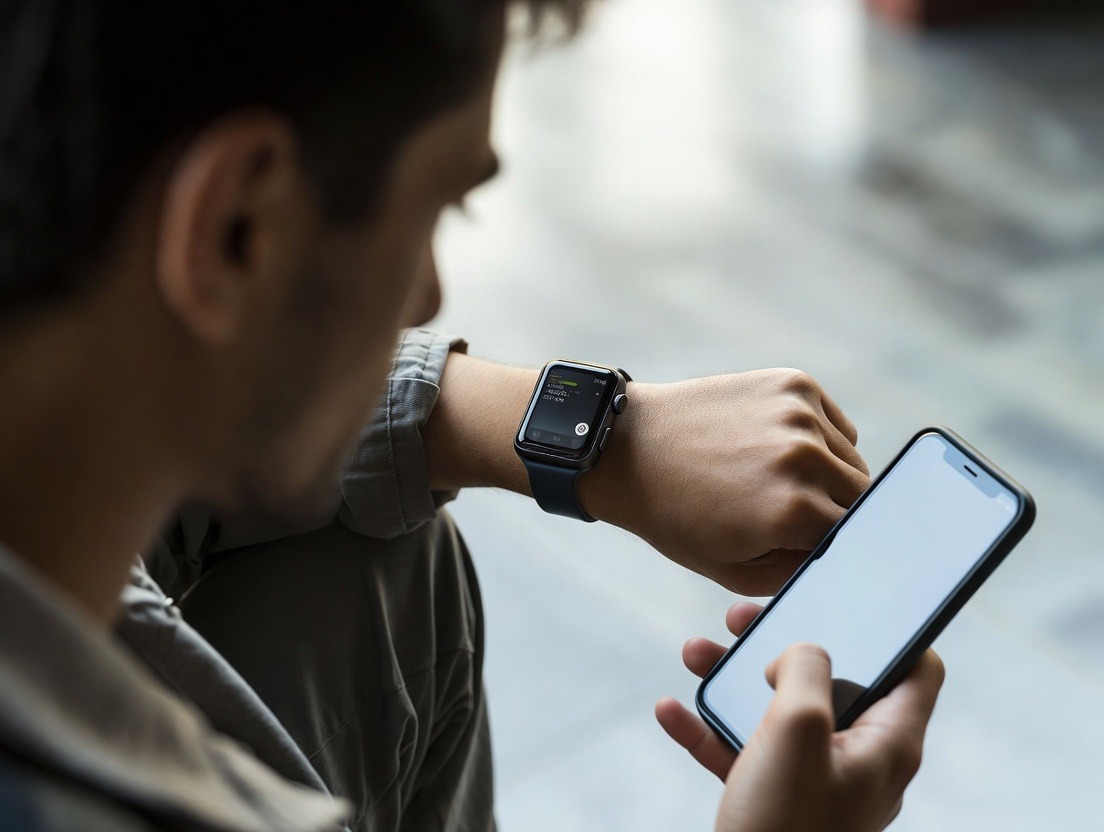
Use daily tracking as a tool for identifying and managing stress patterns.
The Unseen Foundation: Why Daily Recovery Tracking is the Missing Link in Modern Stress Management
We live in an age of quantification. We count steps, monitor heart rates, track sleep cycles, and log calories with a diligence that would astound previous generations. We pursue optimization with fervor, believing that if we can measure it, we can master it. Yet, amidst this data-driven wellness revolution, a critical paradox persists: stress levels are soaring, burnout is commonplace, and a pervasive sense of being "tired but wired" defines daily life for millions. We’re tracking our output with meticulous detail—the miles run, the hours worked, the tasks completed—but we’re largely ignoring the most fundamental metric of all: our capacity for recovery.
Think of your mind and body not as a perpetual motion machine, but as a sophisticated battery. Every stressor—a demanding deadline, a tough workout, a difficult conversation, even scrolling through bad news—draws power from this battery. The activities we typically track represent the energy we expend. But what about the recharge? For decades, recovery was a vague, passive concept: “get some rest.” Today, that is no longer sufficient. Enter the era of Daily Recovery Tracking, a proactive, precise, and personalized approach to managing stress by measuring and optimizing your body’s restoration process itself.
This isn't about logging more hours in bed. It’s about understanding the quality of your physiological repair. It’s about moving from guessing (“I think I slept okay”) to knowing, with clinical-grade insight, whether your nervous system is in a state of calm readiness or silent distress. Modern technology, particularly in the form of discreet, continuous health monitors like advanced smart rings, has ripped away the veil, giving us a real-time dashboard of our internal recovery state. These devices track biomarkers like Heart Rate Variability (HRV), resting heart rate, skin temperature, and sleep architecture—proxies for your autonomic nervous system and its balance between stress (sympathetic) and recovery (parasympathetic) modes.
This article is your definitive guide to transforming your relationship with stress through the science of daily recovery tracking. We will dismantle the myth that stress management is solely about meditation apps and bubble baths (though those can be wonderful tools). Instead, we will build a new framework, showing you how to use concrete data to navigate your life with resilience. You will learn not just to manage stress reactively when it becomes overwhelming, but to preempt it by ensuring your recovery reservoir is never empty. We’ll explore the cutting-edge science behind the metrics, translate them into actionable daily decisions, and demonstrate how integrating this practice can lead to sustained energy, sharper focus, improved mood, and a profound sense of control over your own well-being.
The journey begins by understanding that you cannot change what you do not measure. Let’s start measuring what truly matters.
The Science of Stress and Recovery: Your Body's Hidden Dialect
To master recovery tracking, you must first speak the language of your own physiology. Stress and recovery are not abstract feelings; they are distinct, measurable biological states governed by your autonomic nervous system (ANS). Imagine the ANS as the master control center for your involuntary functions—breathing, digestion, heartbeat. It has two primary branches engaged in a constant, delicate dance:
The Sympathetic Nervous System (SNS): Your "accelerator" or "fight-or-flight" system. It mobilizes energy, increases heart rate, diverts blood to muscles, and sharpens focus in the face of perceived threat. This is essential for performance, whether giving a presentation or sprinting for a bus.
The Parasympathetic Nervous System (PNS): Your "brake" or "rest-and-digest" system. It promotes relaxation, slows the heart, stimulates digestion, and initiates repair and regeneration. This is the state of recovery.
Chronic, unmanaged stress is essentially a case of a stuck accelerator and worn-out brakes. The problem in modern life is that our SNS is triggered not just by physical dangers, but by constant psychological and digital stimuli—emails, news alerts, social comparisons, financial worries. These "micro-stressors" can keep us in a low-grade state of fight-or-flight, perpetually draining our battery without allowing the PNS to engage and recharge it.
This is where daily recovery tracking becomes revolutionary. It gives you a window into this internal tug-of-war. The key biomarker for this balance is Heart Rate Variability (HRV).
HRV is not your heart rate. Your heart doesn't beat with the metronomic regularity of a drum machine. The time interval between beats fluctuates by milliseconds. Higher HRV indicates a flexible, resilient heart and nervous system that can swiftly respond to change—you can hit the accelerator when needed and apply the brakes efficiently afterward. It's a sign of good recovery capacity and stress resilience. Lower HRV suggests a stressed, fatigued, or overtrained system where the SNS is dominant, leaving less room for adaptive variation. It’s a warning sign that your recovery is insufficient.
Other critical recovery metrics include:
Resting Heart Rate (RHR): A elevated RHR, especially upon waking, can indicate systemic stress, insufficient recovery, or impending illness.
Sleep Stages & Disturbances: Tracking deep sleep (physical recovery) and REM sleep (mental/emotional recovery) is crucial. Frequent awakenings disrupt the recovery processes of both.
Skin Temperature & Respiratory Rate: Nocturnal deviations can signal that your body is fighting inflammation or stress, diverting energy from repair.
By monitoring these signals daily, you move from subjective speculation (“I feel rundown”) to objective diagnosis (“My HRV has dropped 15% for three consecutive days, and my deep sleep is reduced. My body is showing signs of cumulative stress”). This data forms the bedrock of intelligent stress management. It allows you to connect the dots between life events (a tough work week, intense exercise, poor nutrition, an argument) and their direct physiological impact. To understand how modern devices capture this data so seamlessly, explore our deep dive into the science behind modern health tracking technology.
The goal is no longer to eliminate stress—an impossible task—but to ensure your recovery consistently outpaces your expenditure. It’s about balancing the checkbook of your nervous system. The following sections will equip you with the tools to do just that.
Heart Rate Variability (HRV): The North Star Metric of Recovery
If you take only one metric from the world of recovery tracking, let it be Heart Rate Variability. HRV has emerged from cardiology labs and elite sports performance centers to become the premier, non-invasive window into your autonomic nervous system and overall resilience. Think of it as your body’s most honest opinion on your current state.
What HRV Actually Tells You: A higher HRV doesn't just mean you're relaxed at the moment. It indicates systemic readiness. It means your body has the resources and flexibility to handle challenge, adapt to change, and maintain homeostasis. It correlates strongly with:
Cardiovascular health and fitness
Resilience to psychological stress
Aging well (HRV naturally declines with age, but a higher baseline is associated with healthier aging)
Recovery status from training or illness
Conversely, a sustained drop in your HRV baseline is a powerful, objective red flag. It can warn you of:
Overtraining or under-recovering from physical exercise
Emotional or mental burnout
Dehydration or poor nutritional choices
The onset of illness, sometimes 2-3 days before symptoms appear
How to Track and Interpret Your HRV: Modern wellness devices, especially smart rings worn overnight, are ideal for HRV tracking because they capture data during the most standardized and controlled period: your sleep. The most common and clinically validated reading is your nightly average HRV or your HRV measured during deep sleep.
Establish Your Baseline: You cannot interpret a single number. You must track consistently (ideally every night) for at least two weeks to understand your personal, unique baseline. Is your typical range 40-55ms? Or 70-90ms? Comparing yourself to others is meaningless.
Look for Trends, Not Dailies: A single low reading might be due to a late meal, alcohol, or a bad dream. Don’t panic. The power is in the trend. Three or more consecutive days of a depressed HRV (e.g., 20% below your rolling average) is a clear signal from your body to prioritize recovery.
Context is King: Always pair your HRV data with lifestyle notes. Did your HRV plummet after a night of poor sleep and two intense workouts? Or did it dip after a high-stakes work presentation? This contextual learning is how you build your personal stress/recovery map.
Actionable Insights from HRV Data:
Green Zone (HRV at or above baseline): Your system is recovered and resilient. This is a day to engage, perform, train with intensity, or tackle challenging tasks.
Yellow Zone (HRV moderately depressed for 1-2 days): Proceed with caution. Consider a lighter workout (like walking or yoga), prioritize good nutrition and hydration, and aim for an early night. It’s a signal to be gentle.
Red Zone (HRV significantly low for 3+ days): This is a mandatory recovery alert. Your body is shouting for rest. Skip intense training, focus on stress-modulating activities (gentle movement, meditation, time in nature), double down on sleep hygiene, and avoid additional stressors where possible.
By making HRV your daily check-in, you shift from pushing through fatigue based on grit to making informed decisions based on biological feedback. This is the core of sustainable high performance and well-being. It empowers you to align your actions with your body’s actual capacity, not your mind’s often overly ambitious schedule. For a deeper exploration of how this data transforms health outcomes, read about how health tracking technology has changed preventive medicine.
Beyond HRV: The Full Recovery Dashboard – Sleep, RHR, and Biomarkers
While HRV is the star quarterback of recovery metrics, it doesn’t play the game alone. It’s part of a synergistic team of data points that, when viewed together, provide a holistic picture of your recovery status. Relying on just one metric can be misleading; the confluence of several creates confidence in your interpretation.
1. Sleep: The Non-Negotiable Foundation of Recovery Sleep is not a passive state. It is an active, highly orchestrated physiological process where the majority of physical repair, memory consolidation, and metabolic cleanup occurs. Recovery tracking transforms sleep from a simple duration metric ("I got 7 hours") into a quality analysis.
Sleep Stages: Deep sleep (N3) is critical for physical restoration, tissue repair, and immune function. REM sleep is essential for cognitive function, emotional processing, and memory. A good recovery night needs adequate amounts of both. Tracking reveals if you’re deficient in one, perhaps due to timing, alcohol, or blue light exposure.
Sleep Disturbances: How many times did you wake up, even briefly? Frequent disruptions fragment sleep cycles and severely hamper recovery, even if total sleep time looks good. A device can detect these micro-awakenings you might not remember.
Sleep Latency & Efficiency: How long does it take you to fall asleep? Is your time in bed mostly actual sleep? These metrics speak to sleep hygiene and nervous system calmness at bedtime.
2. Resting Heart Rate (RHR): The Simplicity of a Beat Your waking RHR, taken after a good night's sleep before you get out of bed, is a beautifully simple and telling metric. A well-recovered, fit cardiovascular system operates efficiently, resulting in a lower RHR. A spike in your morning RHR (typically 5-10+ beats above your baseline) is another classic sign of:
Incomplete recovery from training
Dehydration
Elevated systemic stress
The body fighting an infection Monitoring RHR alongside HRV creates a powerful confirmation. If both HRV is down and RHR is up, the recovery signal is strong and clear.
3. Skin Temperature & Respiratory Rate: The Subtle Clues Nocturnal biometrics provide additional context:
Skin Temperature: A significant deviation from your personal norm can indicate your body is allocating energy to fight inflammation or an infection, diverting it from repair processes.
Respiratory Rate (Breaths per Minute): A elevated respiratory rate during sleep can be a sign of stress, respiratory issues, or sleep apnea.
The Power of the Dashboard: Imagine this scenario:
Night 1: HRV: 55 (baseline 50-60), RHR: 58 (baseline 60), Deep Sleep: 1.5hrs, 2 disturbances. Verdict: Good recovery.
Night 2: HRV: 42 (↓), RHR: 65 (↑), Deep Sleep: 45min (↓), Disturbances: 8 (↑). Verdict: Poor recovery. Your body is signaling strain from cumulative stress, poor sleep quality, or illness.
This integrated view stops you from rationalizing one poor metric away. It provides an undeniable, data-driven case for adjusting your day. To get started with a device that offers this comprehensive dashboard, visiting our main storefront at Oxyzen.shop is the perfect first step for product discovery.
From Data to Action: How to Use Recovery Insights to Manage Daily Stress
Data without action is just noise. The true magic of daily recovery tracking lies in its capacity to inform and transform your daily choices. This is where you move from being a passive observer of your physiology to an active architect of your well-being. Your recovery dashboard becomes a daily briefing, guiding you to tailor your day for optimal resilience.
Creating Your Personal Recovery-Response Protocol:
Based on your morning data, you can adopt a flexible, responsive approach to your day.
On a "Green" Recovery Day (High HRV, Low RHR, Good Sleep):
Lean In: This is a day for high-concentration work, important meetings, creative projects, or intense physical training. Your body is primed for performance.
Strategic Stress: You can healthfully engage with challenging tasks (eustress) because your recovery buffer is full.
Action: Proceed with your planned, demanding schedule. You can explore articles on how a wellness ring helps build healthy habits to cement positive routines on these high-capacity days.
On a "Yellow" Caution Day (Moderately Depressed Metrics):
Pivot, Don't Push: This is not a day for a personal best in the gym or initiating a difficult confrontation. It’s a day for maintenance, not max effort.
Stress-Buffering Actions:
Movement: Swap intense training for gentle movement—a walk, light stretching, or restorative yoga. The goal is circulation without strain.
Mindfulness: Incorporate short breathwork sessions (like 5 minutes of box breathing) to manually engage the parasympathetic nervous system.
Evening Wind-Down: Be extra diligent with sleep hygiene. Dim lights early, avoid screens, and perhaps take a warm bath.
Action: Lighten your load where possible. Delegate a task, postpone a non-urgent demand. Your body is asking for support.
On a "Red" Recovery Day (Significantly Poor Metrics for Multiple Days):
Radical Prioritization: Recovery is now your #1 and only job. Ignoring this is how people burn out or get sick.
Non-Negotiable Actions:
Cancel intense physical activity. Only very gentle movement if any.
Maximize rest. Can you take a 20-minute nap? Can you schedule a relaxing activity?
Double down on nourishment and hydration.
Employ powerful nervous system resets: Extended meditation, spending time in nature (forest bathing), or gentle vagus nerve stimulation (humming, gargling).
Strict, early bedtime.
Action: Reschedule what you can. Communicate your need for space. This is practicing self-care as a data-driven necessity, not a luxury.
The Cumulative Effect: By responding to these signals day after day, you prevent the deep, chronic depletion that leads to burnout. You learn your unique triggers (e.g., "late caffeine always ruins my deep sleep," or "two high-intensity workouts in a row without a rest day crashes my HRV"). This feedback loop fosters self-awareness and allows you to experiment: "If I do a breathing exercise before bed, does my HRV improve tomorrow?" For answers to common questions on starting this journey, our FAQ page is an excellent resource.
The Silent Saboteurs: How Lifestyle Factors Directly Impact Your Recovery Metrics
Your recovery dashboard is a mirror reflecting your lifestyle choices. Every input—what you consume, how you move, what you think—has a direct output on your HRV, sleep, and RHR. Understanding these levers allows you to become a scientist of your own well-being, running positive experiments to improve your recovery scores.
1. Nutrition & Hydration:
Alcohol: Perhaps the most predictable recovery-wrecker. It dramatically suppresses REM sleep, increases sleep disturbances, dehydrates you (spiking RHR), and crushes HRV. Seeing the direct, graphical impact of a single glass of wine on your sleep architecture is often a powerful motivator for moderation.
Caffeine & Timing: Caffeine has a long half-life. Consumption in the late afternoon can delay sleep onset and reduce deep sleep, even if you fall asleep.
Heavy/Late Meals: Digesting a large meal before bed raises core temperature and keeps your body working, not resting, impairing sleep quality.
Hydration: Chronic underhydration increases physiological stress, elevating RHR. Morning hydration is crucial for recovering from the body's natural overnight fluid loss.
2. Exercise & Movement:
The Double-Edged Sword: Exercise is a potent stressor that, followed by adequate recovery, leads to adaptation and increased resilience (higher baseline HRV). However, without recovery, it becomes a chronic strain.
Overtraining Syndrome: This is clearly visible in recovery data: a persistently elevated RHR, plummeting HRV, and disrupted sleep despite fatigue. Tracking helps you find the "Goldilocks Zone" of training—enough to stimulate growth, not so much that you break down.
Recovery Activities: Gentle movement on rest days (walking, yoga) often improves circulation and HRV compared to complete inactivity.
3. Psychological & Emotional Stress:
The Mind-Body Link: A stressful workday, relationship conflict, or financial worry doesn't stay in your mind. It activates the SNS, releasing cortisol and adrenaline, which directly lower HRV and impair sleep.
Digital Stress: Constant connectivity, blue light exposure, and the anxiety of social media or news cycles are potent, chronic low-grade stressors that keep the nervous system on alert.
4. Environment & Routine:
Sleep Hygiene: Consistency is key. Irregular bedtimes, a warm room, light pollution, and noise all fragment sleep and degrade recovery metrics.
Circadian Rhythm: Exposure to natural light in the morning and darkness at night stabilizes your internal clock, leading to more robust, predictable recovery.
Becoming Your Own Expert: By tracking these factors (most apps allow for simple lifestyle logging) alongside your biometrics, you build a powerful cause-and-effect model. You’ll discover your personal sensitivities: "When I have sugar after dinner, my deep sleep drops by 30%," or "A 20-minute afternoon walk consistently boosts my next-morning HRV." This knowledge is empowerment. It turns abstract health advice ("eat well, sleep well") into personalized, proven commandments. For more on how devices personalize this data, see our article on how health tracking technology enables personalized wellness.
The Modern Tool: How Smart Rings are Revolutionizing Personal Recovery Tracking
To implement daily recovery tracking with the precision it requires, you need a tool that is accurate, unobtrusive, and capable of capturing data during the most telling period: your sleep. While wrist-worn devices have been popular, a new category has surged to the forefront for the serious recovery enthusiast: the smart wellness ring.
Why has this form factor become the gold standard for recovery metrics?
1. The Physiological Advantage: A Superior Signal. The finger, specifically the base of the finger, is an ideal location for photoplethysmography (PPG) sensors, which use light to measure blood flow. The palmar digital arteries are closer to the surface and less obstructed by tendons and bones compared to the wrist. This often results in a cleaner, more reliable signal for heart rate and, critically, HRV, especially during sleep when movement is minimal. For those concerned about accuracy, the ongoing accuracy revolution in health tracking technology is largely driven by advancements in these sensors and algorithms.
2. Unmatched Comfort for 24/7 Wear. Recovery tracking isn't just about nighttime. Understanding your daily stress response requires all-day wear to capture moments of acute stress and calm. A well-designed ring is lightweight, hypoallergenic (often using materials like titanium), and forgettably comfortable. You can wear it swimming, showering, training, and sleeping without a second thought, ensuring no gaps in your data. Learn about the considerations for materials in our guide to wellness ring basics and hypoallergenic options.
3. The Discreet, Jewelry-Grade Design. Unlike a bulky watch, a smart ring is subtle and aesthetically pleasing. It doesn’t scream "tech gadget"; it integrates seamlessly into your life as a piece of modern jewelry. This reduces social friction and increases compliance—you’re far more likely to wear it constantly, which is essential for building a complete data picture.
4. Focus on Core Biomarkers for Recovery. While some watches are overloaded with notifications and apps, leading to digital stress, the best smart rings are purpose-built for wellness. They focus laser-like on the metrics that matter most for recovery and stress management: HRV, RHR, sleep stages, skin temperature, and respiratory rate. This creates a focused, less distracting user experience centered on well-being.
Choosing Your Device: When selecting a smart ring for recovery tracking, prioritize:
Clinical-Grade Sensors: Look for mentions of medical-grade PPG and temperature sensors.
Proven HRV & Sleep Algorithm: The raw data is nothing without sophisticated software to interpret it. Research the company's scientific validation.
Battery Life & Comfort: It should last at least 5-7 days on a charge and feel like nothing on your finger.
Actionable App Experience: The companion app should clearly present your recovery score or readiness index and offer insights, not just raw data.
By wearing this silent guardian on your finger, you gain a continuous, intimate dialogue with your body's state. It removes the guesswork and provides the objective feedback necessary to navigate modern life with intelligence and resilience. To see how this technology fits into the broader journey of health tech, read about the evolution from manual tracking to smart rings.
Building Your Daily Practice: A Step-by-Step Guide to Recovery Tracking
Knowledge is potential power; ritualized practice is kinetic power. Integrating daily recovery tracking into your life is less about adding a chore and more about cultivating a mindful morning and evening routine that sets the tone for a resilient day. Here is a practical, step-by-step framework to make this second nature.
The Morning Ritual (3-5 Minutes):
Conscious Wake-Up: Try to wake up naturally or with a gentle alarm. Avoid jolting awake.
Check Your Dashboard, Not Social Media: Before your mind is flooded with external inputs, open your recovery app. Look at your key metrics:
Recovery Score/Readiness: Most apps synthesize your data into a single score (e.g., 1-100 or Green/Yellow/Red). Note it.
HRV & RHR: Compare to your 7-day rolling average. Are they up, down, or stable?
Sleep Score & Breakdown: How was your sleep architecture? Did you get enough deep and REM sleep?
Journal Context (30 seconds): Quickly note any obvious factors from yesterday: "Intense workout," "Dinner with wine," "Heated work call," "Went to bed 90min late." This builds your personal database.
Set Your Day's Intentionality: Based on the data, make one or two intentional choices:
Green Day: "I will tackle my most demanding project this morning."
Yellow Day: "I will take a walking meeting this afternoon instead of sitting, and I'll do a 10-minute meditation at lunch."
Red Day: "I will delegate one task, leave work on time, and do a restorative yoga video before a strict 9:30 pm bedtime."
The Evening Wind-Down (Pre-Sleep):
Reflect on the Day's Stressors: Briefly, without ruminating, acknowledge the stresses you encountered. This helps create psychological closure.
Prime for Recovery: Actively engage your parasympathetic nervous system 60-90 minutes before bed.
Digital Sunset: Put away phones, tablets, and laptops. Use blue light blockers if necessary.
Gentle Routine: Read a physical book, listen to calm music, practice light stretching, take a warm bath or shower.
Environment: Ensure your bedroom is cool, dark, and quiet.
Consistency is Key: Aim to go to bed and wake up at roughly the same time, even on weekends. This is perhaps the single most effective hack for improving all recovery metrics.
The Weekly Review (15-20 Minutes, e.g., Sunday Evening): This is where profound insights are made. Once a week, review your full week's data.
Spot Long-Term Trends: Is your baseline HRV slowly climbing (a sign of improved fitness/resilience) or slowly declining (a sign of chronic strain)?
Identify Recurring Patterns: "Every time I work out after 7 PM, my deep sleep suffers." "My HRV is consistently highest on days following my yoga class."
Plan the Coming Week: Use these insights to schedule intelligently. If you know you have a high-stress work event on Thursday, proactively schedule light workouts and strict sleep hygiene for Wednesday and Thursday nights.
Overcoming Initial Hurdles:
Data Overwhelm: Focus on just one or two key metrics (HRV and Sleep Score) for the first month.
Obsession: Remember, the data is a guide, not a god. Don't let a "bad" score create anxiety, which defeats the purpose. Use it as neutral information.
Lifestyle Logging Fatigue: Start simple. Just log "alcohol yes/no" or "late meal yes/no." You don't need to log every morsel.
By embedding this practice into your daily rhythm, you cultivate a deep, data-informed self-awareness. It becomes your compass, guiding you toward balance in a world constantly pulling you toward exhaustion. For real-world inspiration on how others have implemented this, browse the authentic stories in our testimonials section.
The Long Game: How Recovery Tracking Fuels Sustainable Performance and Healthy Aging
The benefits of daily recovery tracking extend far beyond managing tomorrow's stress. This practice is an investment in your long-term vitality, a foundational strategy for what is now termed "healthspan"—the period of your life spent in good health, free from chronic disease and disability. It shifts your focus from acute problem-solving to chronic system optimization.
From Reactive to Proactive Healthcare: Traditional medicine often operates in a reactive model: you get sick, you seek treatment. Recovery tracking empowers a proactive, preventive model. By monitoring your baseline metrics, you can detect deviations that signal your system is under strain long before it manifests as a clinical condition like hypertension, anxiety disorder, or burnout.
Early Illness Detection: A sustained, unexplained drop in HRV and rise in RHR, coupled with elevated skin temperature, can be the earliest sign of a brewing infection or inflammatory response, allowing you to rest and support your immune system proactively.
Chronic Stress Mitigation: By continuously managing your recovery, you prevent the long-term cortisol dysregulation that contributes to weight gain, cognitive fog, weakened immunity, and cardiovascular risk.
The Performance Dividend: For athletes, knowledge workers, entrepreneurs, or anyone who needs to perform at a high level, recovery is the secret weapon. The principle of supercompensation states that growth and improvement happen not during the stress (workout, work project) but during the recovery period that follows.
Precision Training: By confirming you are fully recovered before your next intense session, you ensure each workout is high-quality and productive, not just more wear and tear. This maximizes efficiency and minimizes injury risk.
Cognitive Performance: A recovered brain is a sharp brain. High HRV and good sleep are strongly correlated with better decision-making, creativity, emotional regulation, and focus. You’re not just managing energy; you’re managing the quality of your mental output.
A Blueprint for Healthy Aging: Aging, at a biological level, can be viewed as a decline in the body's ability to recover from stress and maintain homeostasis. Therefore, practices that support recovery are inherently anti-aging.
Preserving Autonomic Flexibility: Maintaining a higher HRV as you age is a key marker of cardiovascular health and neurological resilience. It's associated with reduced risk of age-related diseases.
Sleep as a Non-Negotiable Pillar: The deep, restorative sleep that recovery tracking helps you protect is critical for clearing metabolic waste from the brain (linked to Alzheimer's risk) and for hormonal regulation.
Informed Lifestyle Choices: Over decades, the cumulative effect of making daily choices informed by your body's signals—choosing rest when needed, nourishing food, stress-modulating practices—creates a massive compound interest in your health capital.
In essence, daily recovery tracking is the practice of listening to your body's wisdom at a granular level and respecting its needs. It fosters a partnership between you and your physiology. It’s the ultimate act of self-care, grounded not in trend but in timeless biological truth. It teaches you that true strength is not found in relentless pushing, but in the intelligent, rhythmic balance of exertion and ease. This balance is the cornerstone of a life lived with energy, purpose, and longevity. For more insights on applying this long-term, our blog post on 50 healthy aging tips a smart ring helps implement daily offers a comprehensive guide.
The Integration Imperative: Connecting Your Recovery Data to Your Ecosystem
In the modern digital wellness landscape, data in a silo is potential wasted. Your recovery metrics—HRV, sleep, readiness scores—are incredibly powerful on their own, but their true transformative power is unlocked when they begin to converse with the other applications and data streams that define your life. This is the integration imperative: weaving your recovery data into a cohesive, intelligent tapestry that provides context, automates insights, and triggers actionable support across your entire ecosystem.
Why Integration is a Game-Changer for Stress Management:
Imagine your recovery app as a brilliant diagnostician. It can tell you what is happening (your HRV is low). Integration allows it to start understanding why and suggesting precise solutions.
Contextual Intelligence: By connecting to your calendar, your app can see that your poor recovery coincides with a week packed with back-to-back meetings. It can learn that your HRV typically dips the night before a big presentation. This moves the insight from "you're stressed" to "your schedule is your primary stressor."
Automated Behavior Nudges: Linked to smart home devices, your system could automatically dim the lights and lower the thermostat at your optimal bedtime, based on your sleep data trends. Connected to a fitness app, it could suggest a restorative yoga flow instead of a HIIT workout on a "Yellow" recovery day.
Holistic Health View: When your recovery data is combined with your nutrition log (like MyFitnessPal), your mindfulness app usage (like Calm or Headspace), and your workout history, patterns emerge that are invisible in isolation. You might discover that on days you log a meditation session, your sleep latency decreases by 15 minutes, or that high-sugar days are followed by plummeting HRV.
Key Integration Points for a Smarter Recovery Strategy:
Fitness & Activity Apps (Strava, Apple Health, Google Fit): This is the most critical connection. It closes the stress-recovery loop. Your smart ring tracks the physiological cost (recovery drain) of your workouts. By syncing with your fitness app, you can see, in one place, the stimulus (a 10k run) and the response (a 20% drop in HRV). This prevents you from blindly following a pre-set training plan when your body is screaming for rest. Many advanced platforms use this data to auto-adjust your training plan dynamically.
Digital Calendars (Google Calendar, Outlook): This integration provides the "why" behind the stress. A persistent low-recovery period tagged against a project deadline provides undeniable evidence of work-life imbalance. Future apps could use this to suggest "recovery blocks"—scheduling brief, non-negotiable breaks between intense meetings based on your historical stress responses.
Nutrition & Hydration Trackers: As discussed, food and drink are primary recovery levers. An integrated view can generate powerful personalized insights: "On days you log less than 3L of water, your resting heart rate is 4 BPM higher on average," or "Meals logged after 8 PM correlate with a 12% reduction in deep sleep." This turns nutritional advice from generic to genetically personal.
Mindfulness & Meditation Apps: This connection validates and incentivizes mental training. Seeing a direct, quantitative boost in your HRV or sleep score after a week of consistent meditation provides powerful reinforcement, turning a vague "good for you" practice into a measurable performance enhancer.
Smart Home Ecosystems (Google Home, Apple HomeKit): This is where recovery management becomes ambient and automatic. Imagine a system that, upon detecting a poor night of sleep (via your ring), gently adjusts your morning schedule: your "smart" coffee machine might delay your caffeine dose to avoid an early cortisol spike, or your smart speaker could play a more uplifting, energetic morning playlist to counter fatigue.
The goal is to create a closed-loop system: Your biometrics inform your apps, your apps inform your actions, and your actions then improve your biometrics. This creates a self-reinforcing cycle of well-being. To explore the technical side of how these connections work, our article on wellness ring basics: integration with other health apps provides a detailed breakdown.
Getting Started with Integration: Begin by centralizing your data in a major health platform like Apple Health (iOS) or Google Fit (Android). Ensure your smart ring and other apps have read/write permissions enabled. Start by observing connections for a few weeks without making drastic changes. The story the combined data tells will naturally guide you toward more intelligent daily choices, making your entire digital environment work in concert to support your recovery and manage stress.
Navigating Life’s Disruptors: Recovery Tracking During Travel, Shift Work, and Major Life Events
A perfect recovery routine in a controlled, calm environment is one thing. The true test of its value—and your mastery of it—comes when life inevitably throws you a curveball. Travel disrupts circadian rhythms, shift work defies biological norms, and major life events (a new job, a move, a relationship change) create profound psychological stress. In these periods, abandoning tracking because "the data will be a mess" is the worst thing you can do. Instead, this is when you lean into it as your most trusted navigational tool.
Mastering Recovery While Traveling:
Jet lag is a brutal recovery disruptor, caused by misalignment between your internal clock and the external environment. Recovery tracking doesn't prevent it, but it helps you manage it strategically and minimize the duration.
Pre-Travel Preparation (Days Before): If traveling east, gradually shift your bedtime and wake-up time earlier by 15-30 minutes each day. Your recovery scores will show you how well you're adapting. Ensure you're well-rested before you leave; starting a trip in a recovery deficit makes jet lag worse.
In-Flight Strategy: Use your ring to monitor stress. The cabin pressure, dehydration, and cramped seating are major physiological stressors. Hydrate aggressively (avoid alcohol and caffeine), move when possible, and use sleep masks and earplugs to encourage rest. Don't force sleep if your body isn't ready.
Post-Arrival Adaptation: Upon landing, immediately seek daylight exposure at the local time to reset your circadian clock. Use your recovery data to guide your activities.
If your sleep data shows you got minimal deep sleep, prioritize gentle movement and sunlight, but avoid demanding cognitive work.
Your HRV will likely be very low. This is expected. Don't schedule important meetings or workouts for the first full day. Let the data give you permission to rest.
Observe how many days it takes for your HRV and sleep architecture to return to baseline. This is your personal jet lag recovery timeline, invaluable for planning future trips.
The Shift Worker’s Recovery Compass:
For nurses, pilots, factory workers, and others on rotating shifts, traditional sleep hygiene advice is often useless. Here, recovery tracking is not about conforming to a normal schedule but about optimizing within your unique rhythm.
Finding Your Personal Shift Recovery Pattern: Track meticulously across multiple shift cycles. You may discover that your body adapts better to a rapid clockwise rotation (morning to evening to night) or that your HRV never fully normalizes on certain patterns. This data can be powerful for advocating for healthier schedules with employers.
Creating a "Shift-Specific" Wind-Down Routine: Your pre-sleep routine must be portable and time-agnostic. Whether it's 8 AM or 8 PM, your ritual (e.g., 20 minutes of reading, light stretching, a cool, dark room) signals to your body that it's time for restorative sleep. Your sleep score will tell you which elements of your routine are most effective.
Using Data to Defend Your Sleep: When family or social obligations intrude on your sleep window, showing them the concrete impact—"When I miss my 4-hour sleep block after a night shift, my HRV crashes for 48 hours"—can help set crucial boundaries. Your recovery metrics become objective proof of your physiological needs.
Navigating Major Life Stressors:
A promotion, a breakup, a loss, a move—these events create a tidal wave of psychological stress with direct physiological consequences. During these times, tracking serves a different but vital purpose: preventing stress from becoming biologically embedded.
Expect and Accept the Dip: Your dashboard will likely show red for a period. Seeing a severe, sustained drop in HRV and sleep quality isn't a failure; it's a validation of your experience. It objectively confirms the toll the event is taking, which can be paradoxically calming, removing guilt or confusion about why you feel so drained.
Focus on Micro-Recoveries: When full recovery seems impossible, use the data to identify small wins. "Even though my HRV is low, my resting heart rate didn't spike today—that's a win." Or, "I managed 90 minutes of deep sleep last night, up from 45 the night before. The new bedtime routine is helping."
Monitor the Return to Baseline: As you process and adapt, your recovery metrics will be your most honest indicator of healing. The slow, upward creep of your HRV back toward its baseline is a powerful sign of resilience and recovery, often felt in the body before the mind fully acknowledges it. This data-driven evidence of progress can provide hope and motivation.
In all these scenarios, the core principle is the same: Use the data not to judge yourself for being "off," but to guide yourself intelligently through the disruption. It transforms you from a passive victim of circumstance to an active, informed manager of your own resilience. For personal stories of how individuals have used tracking through life's challenges, the authentic narratives in our testimonials section can be a source of solidarity and inspiration.
The Psychology of the Data: Cultivating a Healthy Relationship with Your Metrics
This is the most nuanced, and perhaps most important, frontier in recovery tracking. The technology provides objective feedback, but the mind that interprets that feedback is subjective, prone to anxiety, obsession, and self-criticism. Without the right psychological framework, the very tool meant to reduce stress can become a source of it. Cultivating a healthy, productive relationship with your data is essential for long-term success.
Common Psychological Pitfalls:
Metric Obsession (Orthosomnia): The compulsive checking of sleep scores, the frantic refreshing of the app, the anxiety that sets in if you forget to wear your device. This turns a wellness tool into a performance anxiety trigger. You're no longer listening to your body; you're hostage to a number.
The Tyranny of the "Perfect" Score: Chasing a nightly HRV of 100 or a sleep score of 90 becomes a stressful goal in itself. This ignores the natural, healthy variability of the human organism. A flatline in biometrics is a sign of illness, not health; variability is life.
Data as a Weapon for Self-Criticism: "My score is only 72. I failed." This mindset frames data as a judgment rather than information. It associates poor scores with personal failure, ignoring external factors (a sick child, a work crisis, seasonal changes).
Neglecting Subjective Feeling: Ignoring your felt sense of well-being because "the data says I'm recovered." The data is a guide, not an oracle. If you feel exhausted but your HRV is high, it could be mental fatigue or other factors the ring isn't measuring. Your subjective experience is valid data, too.
Principles for a Healthy Data Relationship:
Adopt a Curious, Non-Judgmental Stance: This is the cornerstone. Approach your data like a friendly scientist or a detective. "Fascinating! My HRV dropped. I wonder what contributed to that?" This creates psychological distance between the number and your self-worth.
Embrace Trends, Ignore Outliers: Train yourself to look at the weekly graph, not the daily dot. A single bad night is noise. A three-day trend is a signal. This broader view reduces daily emotional reactivity.
Practice "Informed Intuition": Use the data to inform, not override, your intuition. The sequence should be: 1) Check data. 2) Check in with your body ("How do I actually feel?"). 3) Synthesize both inputs to make a decision. For example: Data says "Green," but you feel lethargic. The intelligent choice might be a moderate, not intense, workout.
Schedule Your Check-Ins: Don't let the app send you constant notifications. Designate specific times to review your data—once in the morning to set your day's tone, and perhaps a weekly review. This contains the practice and prevents it from fragmenting your attention throughout the day.
Take Occasional Data Holidays: Once you have established strong baseline habits and self-awareness, consider taking a weekend or a vacation without your tracker. This helps reconnect with your innate bodily wisdom and proves to yourself that you are not dependent on the device. You can always return to it for a "check-up" or period of intensive tuning.
Reframing "Bad" Data:
A low recovery score is not a failure. It is one of three things:
A Learning Opportunity: "What experiment did I run yesterday, and what was the result?" (e.g., the experiment of late-night screen time resulted in poor deep sleep).
A Validation of Experience: "My body is objectively showing the stress of this project. That makes sense. I need to adjust."
A Simple Measurement of Load: "My training load was high this week. This score reflects that. It's time for a deload week."
By mastering the psychology, you ensure the technology remains a servant to your well-being, not its master. You move from being data-driven to being data-informed, where cold numbers are warmed by your own wisdom and context. This balanced approach is what leads to sustainable, stress-resilient living. For further reading on building a sustainable, positive practice, our blog features numerous resources on how a wellness ring helps build healthy habits from a grounded perspective.
The Future of Recovery Science: Personalized Insights, AI Coaches, and Predictive Health
We are standing at the precipice of a revolution in personalized health. The current model of daily recovery tracking—observing trends and manually connecting them to lifestyle—is powerful, but it is merely the first chapter. The near future, driven by artificial intelligence (AI) and machine learning, promises to transform this practice from a descriptive dashboard into a prescriptive, predictive, and profoundly personalized health companion.
From Descriptive to Predictive Analytics:
Today's apps tell you what has happened: "Your recovery was poor last night." The next generation will tell you what will likely happen and how to change it:
Predictive Readiness: AI algorithms, trained on millions of anonymized data points, will analyze your historical biometrics, upcoming calendar, and even local weather/pollen data to predict your recovery capacity for the coming day or week. "Based on your current trend and your 8 AM flight tomorrow, your predicted recovery for Tuesday is 'Low.' Suggested action: Reschedule your Wednesday key client presentation if possible."
Illness Prediction: By recognizing subtle, pre-symptomatic patterns in HRV, RHR, and skin temperature, advanced systems could provide early warnings: "Your biometric patterns show a 65% probability of onset of a common cold within 48 hours. Recommended protocol: Increase sleep time by 60 minutes, boost Vitamin C and Zinc, and reduce training load."
The Rise of the AI Wellness Coach:
Imagine a coach that knows you better than you know yourself, available 24/7. This is the logical endpoint of integrated, AI-driven recovery tracking.
Hyper-Personalized Recommendations: Instead of generic advice ("reduce stress"), your AI coach will generate specific, tailored recommendations: "To improve your HRV by 15% this week, prioritize: 1) A 12-minute breathing exercise at 6 PM (you're most responsive then), 2) Swap your Thursday evening run for a swim (lower impact yields better recovery for you), 3) Avoid dairy at dinner on nights before your weekly planning meeting (it disrupts your sleep before cognitive stressors)."
Dynamic Adaptation: This coach will learn in real-time. If it suggests a 20-minute meditation and your subsequent HRV shows no improvement, it will adjust its hypothesis and try a different intervention (e.g., a nature walk, an earlier bedtime). It continuously optimizes its advice for your unique biology.
Contextual Awareness: Tied into your ecosystem, it could send a calming notification right before a historically stressful meeting, automatically order a hydration-promoting meal via a delivery app on high-strain days, or suggest calling a supportive friend when it detects patterns associated with loneliness.
Integration with Advanced Healthcare (The Clinician's Tool):
The future isn't just consumer-focused. Recovery data will flow seamlessly into the healthcare system, creating a continuous stream of remote patient monitoring (RPM).
Pre- and Post-Op Monitoring: Surgeons could monitor a patient's recovery readiness biometrics in the weeks before an operation to ensure they enter surgery in an optimal state. Post-op, they could track healing and detect signs of infection or complications early from home.
Chronic Disease Management: For conditions like hypertension, heart failure, or anxiety disorders, continuous recovery metrics (especially HRV) provide a rich, real-time picture of disease trajectory and treatment efficacy, allowing for dynamic medication or lifestyle adjustments. Learn about the pioneering work in this area in our article on health tracking technology in hospitals.
The "Digital Twin": The ultimate expression of this trend could be a "digital twin"—a sophisticated computer model of your physiology, constantly updated by your wearable data. Doctors could simulate the impact of a new medication or lifestyle change on this digital twin before applying it to you, ushering in an era of truly personalized, predictive medicine.
Ethical Considerations and the Human Element:
This exciting future comes with crucial questions about data privacy, algorithmic bias, and the risk of outsourcing our health intuition entirely to machines. The goal must be augmented intelligence, not artificial replacement. The AI coach should empower human judgment, not replace it. The individual must remain sovereign, using these profound tools to gain deeper self-knowledge and make more informed choices, in partnership with—not subjugation to—the technology.
This evolving landscape makes choosing a platform committed to ethical data use and advanced, science-backed development more important than ever. It’s about investing in a system that will grow smarter with you. To explore what's on the horizon, delve into our perspective on health tracking technology in 2025 and what's possible.
Building Your Personal Recovery Protocol: A Customized 30-Day Implementation Plan
Theory and future-gazing are essential, but transformation happens in the dirt of daily practice. This section is your blueprint. Here is a structured, 30-day plan to move from curious observer to confident practitioner of daily recovery tracking for stress management. It’s designed to build habits progressively, prevent overwhelm, and cement a sustainable practice.
Phase 1: Days 1-10 – The Observation & Baseline Phase
Goal: Gather data without judgment. Establish your personal biometric baselines.
Actions:
Day 1-3: Simply wear your device consistently. Don’t even check the app frequently. Let it collect data as you go about your normal life.
Day 4: Perform your first morning check-in. Note your Sleep Score, HRV, and RHR. Do not analyze, just observe. Write the numbers down in a notes app or journal.
Day 5-10: Continue daily morning check-ins. Begin to notice your averages. By day 10, calculate: What’s my approximate average HRV? My average RHR? My typical Sleep Score? This is your preliminary baseline. Still, no lifestyle changes.
Phase 2: Days 11-20 – The Connection & Experimentation Phase
Goal: Start connecting lifestyle inputs to recovery outputs. Run simple, positive experiments.
Actions:
Choose One Input to Log: Pick the one lifestyle factor you suspect most impacts you. It could be: 1) Alcohol (yes/no), 2) Caffeine after 2 PM (yes/no), 3) 30+ minutes of afternoon outdoor light (yes/no), or 4) 10-minute evening meditation (yes/no).
Run Mini-Experiments: For the next 10 days, consciously manipulate that one input. Have 2-3 days "on" (e.g., you meditate) and 2-3 days "off." Keep everything else as consistent as possible.
Analyze: At the end of phase 2, look back. On your "meditation days," was your average sleep latency lower? On "no alcohol" nights, was your deep sleep higher? Find your first clear, personal cause-and-effect link. This is an empowering "aha!" moment.
Phase 3: Days 21-30 – The Integration & Response Phase
Goal: Start using your data to make proactive daily decisions. Build your Green/Yellow/Red response protocol.
Actions:
Formalize Your Recovery Score Interpretation: Based on 20 days of data, define what a "Green," "Yellow," and "Red" day looks like for you. (e.g., Green: HRV > 50, RHR < 60; Yellow: HRV 40-50, RHR 60-65; Red: HRV < 40, RHR > 65).
Practice Daily Intentionality: Each morning, classify your day. Make one intentional choice based on it.
Green: "I will do my hardest work task before noon."
Yellow: "I will take a 15-minute walk during my lunch break."
Red: "I will decline any non-essential calls after 5 PM and be in bed by 10."
Conduct Your First Weekly Review (Day 28-30): Look at your full 30-day chart. What is the overarching trend? Did your baseline HRV improve, stay stable, or decline? What was your biggest insight? Write a brief summary.
Sustaining the Practice Beyond 30 Days:
Gradually Add Layers: Once one lifestyle log is habitual, add another. Perhaps now you track hydration or workout intensity.
Deepen Integration: Connect your recovery app to your calendar or fitness app. Let the data flow start working for you.
Join a Community: Find a forum or group (sometimes offered by the device manufacturer) where users share insights. Seeing others' journeys normalizes variability and provides new ideas. You can find community experiences and discussions linked from our blog.
Re-baseline Seasonally: Your body changes with the seasons, age, and fitness level. Every 3-4 months, take a week to consciously re-establish your current baselines without the pressure of experiments.
This plan turns a vast topic into manageable, weekly wins. It emphasizes learning over perfection, and self-knowledge over arbitrary scores. By day 30, daily recovery tracking will no longer be a project; it will be an integrated part of your wellness toolkit—a quiet, confident voice helping you navigate life’s stresses with intelligence and grace. For a comprehensive guide on getting started with the right device, our article on wellness ring basics for beginners is the perfect companion to this plan.
Troubleshooting the Signals: Solving Common Recovery Tracking Challenges
Even with the best technology and intentions, your journey in daily recovery tracking will encounter bumps. Data can be confusing, trends can seem contradictory, and the device itself can become a source of frustration rather than insight. This section is your diagnostic manual, addressing the most common challenges and providing clear, practical solutions to keep you on track.
Challenge 1: “My Data is All Over the Place – There’s No Clear Pattern!”
The Issue: You’ve been tracking for weeks, but your HRV graph looks like a seismograph during an earthquake. Sleep scores swing wildly from 95 to 65 with no apparent reason. This chaos feels useless.
The Likely Causes & Solutions:
Inconsistent Wear: The #1 cause of erratic data. If you forget to wear the device some nights, or put it on halfway through the night, you’re comparing incomplete data sets. Solution: Make charging part of a daily ritual (e.g., during your morning shower) so the device is always on you. Set a phone reminder if needed.
Too Many Variables: If you’re changing five lifestyle factors at once—new diet, new workout, new job, new sleep time—it’s impossible to isolate cause and effect. Solution: Return to the scientific method. For a 1-2 week period, hold everything as steady as possible. Then, change one thing at a time.
Underlying Health Fluctuation: For some, especially women across their menstrual cycle, significant but healthy physiological fluctuations are normal. HRV and RHR can shift dramatically with hormonal changes. Solution: Use the journal feature in your app to tag your cycle phases. Over 2-3 cycles, you’ll see your personal pattern emerge (e.g., HRV dips in the luteal phase). This transforms confusion into empowered understanding. Your “baseline” becomes a range across your cycle.
Poor Signal/Device Fit: A ring that is too loose or worn on a constantly moving finger can produce noisy data. Solution: Ensure a snug (but not tight) fit. The device should not spin easily. Refer to the wellness ring basics: personalizing to your body guide for fit tips.
Challenge 2: “My Recovery Scores Are Always Low, No Matter What I Do.”
The Issue: You feel okay, but your app constantly shows red or yellow scores. This is demoralizing and can lead to data dismissal.
The Likely Causes & Solutions:
Unrealistic Personal Baselines: You may be comparing your scores to population averages or influencer numbers online. Solution: Remember, your baseline is yours alone. A person with a lifelong HRV baseline of 30ms is not “unhealthy” compared to someone at 80ms; they are different. Focus on moving your number within your range. The trend relative to you is all that matters.
Chronic, Unaddressed Stress Load: The device is doing its job—it’s detecting a system under constant strain that you may have normalized. This could be a toxic work environment, a problematic relationship, or chronic pain. Solution: Use the persistent low scores as objective evidence to initiate a broader life audit. What persistent stressor can you begin to address or boundary you can set? The data is the catalyst for necessary change.
Undiagnosed Health Condition: Persistently poor recovery metrics, especially coupled with symptoms like unrefreshing sleep or constant fatigue, can be a sign of underlying issues like sleep apnea, thyroid dysfunction, or anemia. Solution: Share your long-term data trends with your healthcare provider. It provides them with objective, longitudinal data far more valuable than a snapshot in a clinic.
Overtraining: If you’re highly active, perpetual low scores are the classic sign of non-functional overreaching or overtraining syndrome. Solution: You must respect the “Red” alert. This may require a full week or more of drastically reduced activity (active rest only) to allow your system to reset. It’s not a setback; it’s the essential repair phase of a training cycle.
Challenge 3: “I Feel Great, But My Device Says I’m Wrecked (and Vice Versa).”
The Issue: The subjective-objective mismatch. This dissonance can make you distrust either your body or your tech.
The Likely Causes & Solutions:
Adrenaline Masking Fatigue: You can “feel great” on stress hormones (cortisol, adrenaline), especially when engaged in exciting or demanding tasks. Your body is in a high-performance, high-cost state that the device accurately reads as high strain. The crash often comes later. Solution: Trust the device’s measurement of physiological cost over your mind’s temporary euphoria. It’s preventing a future crash.
Different Types of Fatigue: You may feel mentally drained but physically fine. Your device primarily tracks physical and autonomic recovery. A high score with mental fatigue is a cue that you need cognitive/emotional recovery (e.g., fun, social connection, creativity) rather than physical rest. Solution: Refine your interpretation. A “Green” score with mental fatigue means: “Your body is recovered. Your stress is psychological. Choose a mentally restorative activity.”
Device Inaccuracy: While rare with modern sensors, it can happen. Solution: Perform a manual check. When you see a surprisingly high RHR, take your pulse manually for 30 seconds. If there’s a major discrepancy, ensure the device is clean, properly positioned, and consider a reset. For more on sensor accuracy, our deep dive into the sensors and algorithms behind health tracking is informative.
Challenge 4: “Tracking is Making Me Anxious – I’m Stressed About My Stress Scores.”
The Issue: The tool for reducing stress has become the source. This is a critical psychological hurdle.
The Solution:
Implement the “Scientist, Not Judge” Rule: Verbally reframe your thoughts. “My HRV is 35. I am a failure” becomes “My HRV is 35. Interesting. What might have contributed to that?”
Schedule Data Reviews: Do not check your app randomly. Make it a deliberate, calm morning ritual, not a compulsive tic.
Take a Planned Break: If anxiety persists, take a 7-day “data holiday.” Put the device in a drawer. Reconnect with how you feel without numbers. Return to it with a fresh, observational mindset. Your wellness is paramount; the device is optional.
Focus on Actions, Not Scores: Shift your goal from “achieve a score of 85” to “complete my wind-down routine 5 nights this week.” This puts control back in your hands with process-oriented, achievable goals.
By anticipating these challenges, you normalize them. Every seasoned tracker has faced erratic data, puzzling mismatches, and moments of frustration. Navigating these issues is part of the learning process, deepening your self-knowledge and ensuring your use of the technology remains healthy, productive, and sustainable. For a consolidated resource on common questions, our comprehensive FAQ page is always available.
Beyond the Basics: Exploring Advanced Biomarkers and Their Meaning
Once you’ve mastered the core recovery dashboard (HRV, RHR, Sleep), a world of deeper, more nuanced biomarkers awaits. These advanced metrics, now available on leading-edge devices, provide an even finer-grained picture of your physiological state, offering earlier warnings and more specific insights. Think of them as the specialist consultations after your general practitioner (the core metrics) has given an overview.
1. Skin Temperature (Nocturnal):
What it is: Your body’s core temperature naturally dips at night to facilitate sleep. A wearable measures the subtle changes in skin temperature, which correlate with this internal rhythm.
What it Tells You:
Circadian Rhythm Health: A consistent, predictable nightly temperature drop indicates a robust circadian clock. A blunted or erratic curve suggests rhythm disruption (from jet lag, shift work, or late-night light exposure).
Inflammation & Illness: A sustained elevation in your nocturnal temperature, even by half a degree Celsius, is a highly sensitive early marker that your body is fighting something—an infection, a reaction to a vaccine, or systemic inflammation from poor diet or overtraining. It often appears before you feel symptoms.
Hormonal Changes: For women, temperature tracking can provide clear insights into ovulation and cycle phases, offering a passive, natural fertility awareness method.
Actionable Insight: An unexplained, multi-night temperature elevation is a strong signal to prioritize immune support: extra sleep, hydration, nutrient-dense foods, and absolute rest. It’s your body’s silent alarm.
2. Blood Oxygenation (SpO2) During Sleep:
What it is: The percentage of oxygen-saturated hemoglobin in your blood, measured optically through the skin.
What it Tells You:
Sleep Apnea & Breathing Disturbances: The primary use. Frequent, significant dips in blood oxygen during sleep (below 90-92%) can indicate obstructive sleep apnea or other breathing issues. This is critical because apnea severely fragments sleep and strains the cardiovascular system, devastating recovery.
Respiratory Health: Can signal the onset of respiratory illnesses like COVID-19 or the flu, sometimes before other symptoms.
High-Altitude Adaptation: Useful for athletes or travelers adjusting to altitude, where monitoring SpO2 can guide acclimatization pacing.
Actionable Insight: If you see frequent, significant dips (your app may flag “possible breathing disturbances”), do not ignore it. Consult a healthcare provider and consider a formal sleep study. Treating sleep apnea is one of the most powerful recovery interventions possible.
3. Electrodermal Activity (EDA) or Skin Conductance:
What it is: A measure of tiny changes in the skin’s sweat gland activity, which is directly controlled by the sympathetic nervous system (your stress “accelerator”).
What it Tells You:
Acute Stress Response: EDA spikes indicate moments of heightened sympathetic arousal. A sleep-time EDA scan can show you if you’re having stress responses during the night you’re unaware of.
Effectiveness of Relaxation Practices: Used in guided sessions (like the “Mindfulness” sessions on some rings), it shows in real-time whether a meditation or breathing exercise is actually lowering your sympathetic activity. It provides biofeedback, teaching you which techniques truly calm your nervous system.
Actionable Insight: Use EDA sessions to discover your most effective de-stressing tools. If a body-scan meditation consistently flattens your EDA line but breathing doesn’t, you’ve found your go-to method.
4. Respiratory Rate (RR):
What it is: The number of breaths you take per minute.
What it Tells You:
Overall Autonomic State: A lower RR (especially during sleep, e.g., 12-16 breaths/min) generally indicates a more relaxed, recovered state. A higher RR can indicate stress, respiratory issues, or physical exertion.
Illness Indicator: Like temperature, an elevated resting/respiratory rate can be an early sign of metabolic or respiratory stress from illness.
Actionable Insight: A creeping rise in your sleeping respiratory rate over several nights is another subtle, early-warning sign to take it easy.
Synthesizing the Advanced Dashboard: The power is in the confluence. Imagine this advanced alert: *Your skin temperature has been elevated for two nights, your resting respiratory rate is up by 2 breaths/min, and last night your SpO2 had three brief dips. Your core HRV is down 25%.* This isn’t just “poor recovery”; this is a highly specific picture suggesting your body is actively fighting a respiratory bug. The prescription becomes clear: rest, hydrate, support your immune system, and monitor closely.
Engaging with these metrics requires a higher level of data literacy but offers profound dividends in early intervention and precise self-care. They represent the cutting edge of what’s possible with passive, personal health monitoring. To understand how this data fits into the broader medical landscape, read about what doctors find most useful in this technology.
The Social and Relational Dimension of Recovery
Recovery is often framed as a solitary pursuit: your device, your data, your routine. Yet humans are inherently social beings, and our relationships—both their supportive warmth and their draining conflicts—are potent modulators of our stress and recovery. Integrating this social dimension is crucial for a holistic stress management strategy.
How Relationships Impact Your Biometrics:
Positive Social Connection (The Buffer): Supportive interactions, laughter, physical touch (like hugging a loved one), and feeling understood release oxytocin and endorphins. These chemicals counteract stress hormones, can lower blood pressure, and promote a sense of safety that allows the parasympathetic nervous system to engage. You may literally see this reflected in a higher HRV the morning after a positive social evening.
Social Stressors (The Drain): Conflict, criticism, loneliness, and caregiving burden are among the most potent and chronic stressors humans face. They trigger persistent sympathetic arousal, disrupt sleep with rumination, and can lead to inflammation. This will manifest as suppressed HRV, elevated RHR, and poor sleep scores, often for extended periods.
Using Recovery Data to Enhance Your Relationships:
Your data isn’t just for you; it can be a powerful, non-confrontational tool for improving communication and setting boundaries within your important relationships.
Data as an Objective Mediator in Conflict: In the heat of an argument, it’s “he said, she said.” But what if you could say, “This pattern of conflict we’re stuck in isn’t just subjective. My body is showing chronic stress signals. My sleep has been poor and my nervous system is on constant alert for three weeks. We need to find a new way to communicate.” This frames the issue as a shared problem to solve (“our dynamic is causing physiological harm”) rather than a blame game.
Setting Boundaries with Evidence: Saying “no” to extra work or social obligations can be hard. Having data strengthens your resolve: “I’d love to take on that project, but my recovery metrics have been in the red for a week. I need to prioritize getting my system back to baseline first, or I won’t be able to do good work for anyone.” This uses objective health as the rationale, not a vague feeling of being overwhelmed.
Creating Shared Recovery Rituals: Instead of solitary recovery, make it connective. Suggest to your partner: “My data shows I recover best when I wind down without screens. Want to try reading next to each other for 30 minutes before bed?” Or, “My HRV is always higher after we take a weekend walk in the woods. Let’s schedule that more.” This turns recovery into quality time.
Navigating the Social Dynamics of Wearing a Tracker:
The device itself can become a social object.
Handling Curiosity and Skepticism: Be prepared for questions. Have a simple, positive explanation ready: “It helps me understand my sleep and stress better so I can be more present and energetic.” Avoid jargon or sounding obsessive.
Preventing “Data Boxing”: Never use your data as a weapon. “My ring says I’m stressed because of you” is destructive. The data is about your physiological response; use it to understand your own triggers and needs, not to diagnose others.
Considering a Partner Track: If your partner is open to it, tracking together can be insightful. It can highlight how your stress and recovery cycles interact. You might discover that your poor sleep nights coincide with your partner’s restlessness, prompting a joint solution (like separate blankets or a white noise machine). Seeing each other’s “Red” days can foster mutual empathy and support.
Ultimately, recognizing that recovery happens in a relational ecosystem encourages you to curate your social environment with the same intention as you curate your sleep environment. It asks: Do my relationships contribute to my recovery or consistently detract from it? And then, it gives you the clarity and courage to nurture the former and address the latter. For stories of how individuals and couples have navigated this, the shared experiences in our testimonials can be relatable and insightful.
Synthesis: The Path to a Stress-Resilient Life – A New Philosophy of Well-Being
We have journeyed from the microscopic dance of the autonomic nervous system to the macroscopic view of a life lived in balance. Daily recovery tracking is far more than a biohacking trend; it is the foundation of a new, empowered philosophy of well-being. This philosophy replaces the outdated, linear model of “push hard, then collapse” with a dynamic, responsive, and sustainable rhythm of engagement and restoration.
The Core Tenets of the Recovery-First Philosophy:
Resilience Over Endurance: The goal is not to endure more stress without breaking, but to build a system that recovers faster and more completely from inevitable stress. It’s the difference between a brittle oak that snaps in a storm and a willow that bends and springs back.
Listening Over Guessing: We move away from the tyranny of “should” (“I should go to the gym,” “I should be able to handle this”) and towards the wisdom of “is” (“My body is showing signs of strain,” “My system is ready for challenge”). This is a dialogue with your biology, not a dictatorship by your ego or your calendar.
Prevention Over Cure: By detecting strain at the subtlest, biomarker level, we can intervene long before it crystallizes into burnout, illness, or chronic disease. This is the ultimate form of self-care—preventive maintenance for your most valuable asset: you.
Personalization Over Prescription: There is no universal “8 hours,” “10,000 steps,” or “perfect HRV.” There is only what is true for your unique physiology in this current season of your life. This philosophy honors your individuality.
Your Recovery-Tracking Journey as a Metaphor for Life:
The skills you hone here are life skills.
Noticing Subtle Signals: Just as you learn to notice a 5% drop in HRV, you become better at noticing the early signs of emotional overwhelm or relational friction in your life.
Respecting Limits: Honoring a “Red” recovery day teaches you to honor your human limits in other domains—saying no, delegating, asking for help.
Valuing Process: The daily practice of checking in, of making small adjustments, teaches you that well-being is a verb, not a noun. It’s the consistent process, not the perfect outcome.
Cultivating Patience: Seeing your HRV baseline rise over months of consistent practice is a lesson in compounding, long-term investment. It mirrors the patience required to build a career, a relationship, or a skill.
A Call to Integrated Action:
This is not an invitation to a life of self-absorption, constantly staring at your phone’s health app. Quite the opposite. It is an invitation to a life of engaged vitality. When you are well-recovered, you show up differently in the world: more patient, more creative, more empathetic, more resilient. You have the energy not just for yourself, but for your work, your loved ones, and your passions.
The ultimate goal is to internalize the insights so deeply that the external device becomes less necessary. You develop a calibrated intuition. You know when you need to push and when you need to rest. The ring becomes a periodic check-in, a trusted advisor for navigating new challenges, rather than a crutch.
The Beginning, Not The End:
Starting a practice of daily recovery tracking is not the conclusion of your wellness journey; it is the beginning of a far more intelligent, compassionate, and effective one. It provides the map and compass for the uncharted territory of your own potential.
You now possess the knowledge:
The Science behind the signals.
The Tools to measure them.
The Framework to interpret them.
The Practices to respond to them.
The Wisdom to maintain a healthy relationship with the process.
The path to a stress-resilient life is not a straight line upward. It is a rhythmic wave, with periods of exertion and periods of integration. By tracking your recovery, you learn to surf that wave with skill and grace, not fight against it until you drown. You move from being at the mercy of stress to being the master of your recovery. And in that mastery lies the freedom to live a life not defined by the avoidance of pressure, but by the joyful, sustainable expression of your full capacity.
To continue exploring this path and discover tools that can support it, the journey begins with awareness. You can learn more about integrating this philosophy with technology at Oxyzen.ai, or if you’re ready to explore the devices that make this possible, our main storefront at Oxyzen.shop is your gateway. For ongoing learning and community, our blog is continually updated with insights, user stories, and the latest in personalized wellness.
Remember: The data is not the destination. The destination is a life lived with energy, purpose, and peace. Let your recovery be your guide.



%402x.svg)