


Fitness Tracking for Busy Lives: The Smart Ring Solution
Provides a perfect fitness tracking solution for busy lives.
Provides a perfect fitness tracking solution for busy lives.
%402x.svg)
You know the feeling. The alarm goes off before sunrise. Your day is a meticulously color-coded calendar of back-to-back meetings, school runs, client deadlines, and grocery runs. The notion of a dedicated hour at the gym feels like a luxury from a past life, and the fitness tracker on your wrist, once a beacon of motivation, now feels like another source of guilt—a silent, blinking judge of your inactivity. You’re not abandoning your health goals; life is simply happening at a velocity that makes traditional tracking seem impossible.
This is the modern wellness paradox: We have more data about our health than ever before, yet less time to interpret it or act on it. Wrist-based wearables, while revolutionary, often clash with professional attire, get in the way during typing, or require conscious charging rituals that become the first thing to fall off a packed schedule. The result? A fragmented understanding of our most vital asset—our well-being.
But what if the most powerful health tool wasn’t another device to manage, but a seamless part of you? Enter the smart ring: an unassuming, elegant piece of technology designed not to disrupt your life, but to integrate with it. This is fitness tracking reimagined for reality—continuous, effortless, and insightful. It moves the focus from logging workouts to understanding your body’s fundamental language of readiness, recovery, and rhythm. For the busy professional, the multitasking parent, the perpetual student, and anyone who feels there just aren’t enough hours, the smart ring isn’t just a gadget; it’s a paradigm shift. It’s the solution for sustainable health awareness in an unsustainable world.
This article will explore how this discreet technology is unlocking a new era of personalized wellness, turning the constant stream of daily life into your most valuable health data.
For decades, the fitness industry sold us a simple narrative: set a goal, track your activity, and consistency will yield results. This worked in a world with clear boundaries between work, life, and health. Today, those boundaries have dissolved. A 2023 study published in the Journal of Occupational Health Psychology found that over 68% of knowledge workers report their work and personal lives are “completely blended,” leading to a phenomenon experts call “time poverty.” You’re not lazy; you’re resource-allocated.
The Friction of Form Factor: A smartwatch is a conspicuous device. In a boardroom, during a client dinner, or while crafting a presentation, it can feel out of place. Many professionals end up taking it off, creating gaps in data—precisely during the high-stress periods where understanding your body’s response is most crucial. Furthermore, for those who type all day, a bulky watch can be physically uncomfortable, leading to the device spending more time on the charger than on the wrist.
The Workout-Centric Blind Spot: Most wearables are optimized for and celebrate deliberate exercise—steps, active minutes, logged gym sessions. For a busy person, a “successful” day might involve 30 minutes of frantic pacing during phone calls, carrying a toddler up and down stairs, and a tense, sedentary 4-hour deep work session. The tracker sees minimal “active zone minutes” and deems it an unhealthy day, missing the complete physiological picture. It ignores the stress load of that work session, the poor sleep from the night before a big meeting, and the body’s subtle cues of strain or recovery.
Notification Overload & Digital Fatigue: The very device meant to improve your wellness becomes a source of stress, pinging with emails, messages, and arbitrary “stand up!” reminders that feel patronizing amidst a deadline. This constant connectivity undermines the mental recovery essential for physical health, turning your wellness tool into another drain on your cognitive bandwidth.
The Data-Action Gap: Busy people are inundated with information. A watch that spits out 15 different metrics without context—heart rate variability, resting heart rate, sleep stages—adds to the noise. Without clear, actionable insights tied to your specific lifestyle, data remains just numbers. You lack the time to become a biohacking expert to decode what it all means for you.
The consequence is tracker abandonment. A report by Rock Health found that over 30% of wearable owners stop using their device within six months. The failure isn’t a lack of willpower; it’s a product-market misfit. The busy individual doesn’t need another taskmaster. They need a compassionate, always-on advisor that works within the constraints of their existing life. This gap between intention and practical reality is where the smart ring quietly enters, offering a fundamentally different approach. By moving from the wrist to the finger, it solves for discretion, continuity, and a more holistic data narrative. To understand the philosophy behind creating a device for this exact problem, you can read about our foundational mission on the Oxyzen about us page.
Imagine a wedding band, but infused with the diagnostic capabilities of a miniature hospital lab. A smart ring is a compact, wearable computer that houses advanced sensors within a sleek, water-resistant casing designed to be worn 24/7. Its power lies not in a large screen or constant alerts, but in its passive, persistent proximity to a key vascular pathway.
Unlike the wrist, the finger—specifically the base of the finger—provides exceptional optical sensor access to the palmar digital arteries. These arteries are closer to the skin’s surface and are less obstructed by bone and tendon than the radial artery in the wrist. This superior positioning allows for highly precise and consistent photoplethysmography (PPG) readings, the core technology for measuring blood volume pulses, from which heart rate, heart rate variability (HRV), and blood oxygen saturation (SpO2) are derived.
But a modern smart ring is more than a heart rate monitor. The latest generations, like those developed by Oxyzen, pack an array of sensors into their lightweight form:
The magic, however, happens in the fusion of this multimodal data. By cross-referencing movement with elevated heart rate, the ring can distinguish between physical stress (a workout) and mental stress (a tense meeting). By correlating a slight elevation in skin temperature with a dip in HRV, it can provide an early warning of potential illness. It sees the full story.
The form factor eliminates the primary points of friction. It’s socially and professionally invisible, compatible with any attire. It’s comfortable for all activities, from typing to weightlifting. Its battery life, often 5-7 days, means charging is a rare, brief event rather than a daily chore. Most importantly, by being always on and always worn, it provides the holy grail of health data: a continuous, unbroken baseline. This allows it to understand your normal, so it can accurately identify what is abnormal. For a deeper dive into the sensor technology that makes this possible, particularly for sleep, our blog offers a detailed explanation in how sleep trackers actually work.
The era of step counting as the ultimate health metric is over. For the high-performing individual, ten thousand steps do not equate to ten thousand units of wellness. True fitness and resilience are built on a foundation of recovery, nervous system balance, and physiological readiness. This is where smart rings excel, shifting the focus from mere output to critical input metrics.
Heart Rate Variability (HRV): Your Body’s Stress Buffer
HRV is the minute variation in time between each heartbeat. Contrary to intuition, a higher HRV is generally better—it indicates a resilient, adaptable autonomic nervous system. Think of it as your body’s bandwidth to handle stress. A busy life constantly draws on this account. Your smart ring tracks HRV, especially during sleep when measurements are most stable, to give you a daily score of your recovery status. A trending decline warns you that your stress load (physical, mental, or emotional) is exceeding your capacity to recover, a signal to prioritize rest over adding another intense workout. It’s an objective check-in with your nervous system.
Resting Heart Rate (RHR): The Engine’s Idle Speed
Your RHR is a classic, powerful indicator of cardiovascular fitness and overall strain. A well-rested, fit body has a lower idle speed. A sudden, sustained increase in your RHR can be one of the earliest signs of overtraining, dehydration, or the onset of illness. Your ring’s continuous monitoring detects these subtle shifts long before you feel symptoms, empowering you to act preemptively—maybe opting for a walk instead of a run, or doubling down on hydration and sleep.
Body Temperature Trends: The Silent Sentinel
Wrist-based temperature sensors often struggle with accuracy due to ambient air exposure. A ring, fixed snugly on the finger, provides a far more reliable reading of your peripheral temperature trends. A sustained, subtle increase over your personal baseline is a highly reliable early indicator of infection, inflammation, or, for women, ovulation. For the busy person, a 24-hour advance warning of a cold can be the difference between powering through a critical week and being knocked out flat.
Sleep Staging & Quality: The Non-Negotiable Foundation
You cannot out-exercise or out-diet poor sleep. Smart rings provide detailed analysis of your sleep architecture—light, deep, and REM sleep—offering insights far beyond just duration. They answer the crucial question: Was my sleep restorative? For example, seeing a lack of deep sleep, your most restorative phase, directly correlates with poor physical recovery and cognitive fog the next day. Understanding your personal sleep patterns is the first step to optimizing them, a topic we explore in depth in our Sleep Tracking 101 guide for beginners.
Activity & Readiness Scores: Your Daily Prescription
The most advanced smart ring algorithms synthesize these metrics—HRV, RHR, temperature, and sleep data—into simple, actionable scores. A Readiness Score (or Recovery Score) each morning tells you how prepared your body is to take on stress. A Sleep Score quantifies the quality of your rest. Instead of you interpreting raw data, the ring provides a personalized recommendation: “Your body is still recovering. Focus on light activity today.” This turns overwhelming data into a clear, daily directive for the time-poor individual.
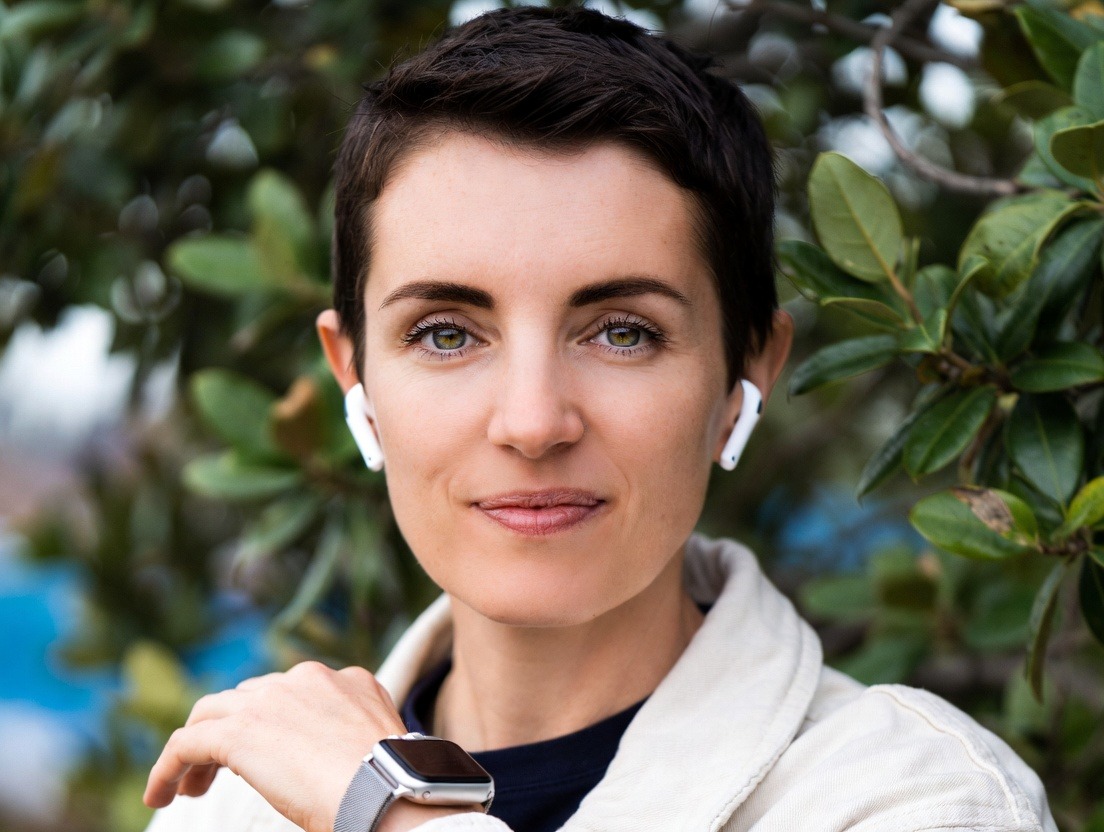
The theoretical promise of any wearable is continuous monitoring. In practice, only the smart ring truly delivers it. This 24/7 wearability is not a minor convenience; it is the foundational element that transforms data from snapshots into a cinematic understanding of your health.
The Seamless Integration: A ring does not compete with your wardrobe, your profession, or your hobbies. You wear it to sleep, to work, to the gym, and to a formal event. There is never a “good reason” to take it off, except for its brief weekly charge. This eliminates the data gaps that plague other devices—gaps that often occur during the most telling parts of your day: high-stress work periods, social engagements, and the critical first few hours of sleep.
Establishing Your True Baseline: Health is not static; it’s a dynamic range. Without continuous data, a device can only compare your metrics to population averages. With an unbroken data stream, your smart ring learns your unique baseline for HRV, RHR, and temperature. It knows what “normal” looks like for you on a good day. This personalized baseline is what makes its insights so powerful and accurate. A heart rate of 65 bpm might be normal for one person but elevated for another. Your ring knows the difference.
Capturing the Full Stress Spectrum: Daily stress is not monolithic. It’s a series of peaks and valleys: the tense commute, the productive flow state, the frustrating email, the calming walk, the late-night worry. Wrist devices miss the nuances if you’re not moving your arm. A ring on your finger, however, captures the cardiovascular signature of all these events. It can show you that your 2 PM video conference consistently spikes your heart rate, or that your evening meditation practice genuinely lowers your nervous system arousal. This feedback loop is empowering; it connects internal states to external events, allowing you to engineer a less stressful life.
The Sleep Revelation: Sleep tracking is where continuous wearability pays the highest dividend. The process of falling asleep is a delicate descent through autonomic nervous system states. Taking off a watch right before bed means missing the crucial onset period. A ring, already on your finger, tracks this transition seamlessly. It monitors your sleep from the moment you begin to drift off, through the cycles of the night, until the moment you wake. This provides the most accurate picture of your total sleep time, latency, and staging available outside a clinical lab. For those curious about the veracity of this data, we have a comprehensive article on sleep tracking accuracy and its limitations.
This uninterrupted data flow creates a closed loop of awareness: Life happens, your body responds, the ring measures, you gain insight, and you make a micro-adjustment. It’s a system of biofeedback designed for the real world, not the laboratory.
Data is passive. Intelligence is actionable. This is the core value proposition for the busy user. A smart ring’s ultimate job is not to inundate you with charts, but to synthesize complex biometrics into clear, personalized guidance that fits into the minute-by-minute decisions of a packed day.
From Numbers to Narrative: The Morning Report
Imagine starting your day not just with a calendar, but with a brief from your chief wellness officer. Your smart ring app provides exactly that. Instead of confronting a spreadsheet of last night’s sleep metrics, you see a simple Sleep Score (e.g., 82/100) with a one-line summary: “Good recovery sleep with solid deep sleep duration.” Alongside it, a Readiness Score (e.g., 73/100) might state: “Moderate recovery. HRV is slightly below your baseline. Consider moderate activity and prioritize hydration today.”
This translates raw data into immediate context. A lower readiness score on a day you planned a heavy workout is a signal to listen to your body and switch to mobility or yoga. A high score on a busy workday is a green light to tackle challenging tasks with the confidence that your physiology is primed for performance.
Stress Detection & Real-Time Breathing Guides
During the day, many advanced rings can detect acute stress episodes through sudden heart rate spikes and motionless activity. Instead of just logging it, the accompanying app can prompt a subtle, optional notification: “Your body shows signs of stress. Take a 60-second breathing break?” It can then guide you through a simple resonant breathing exercise (e.g., inhale for 5 seconds, exhale for 5 seconds) to help engage your parasympathetic nervous system and down-regulate the stress response. This turns the device from a monitor into an in-the-moment intervention tool.
Activity Recognition & Gentle Nudges
While not focused on counting every step, smart rings intelligently recognize sustained activity—a walk, a run, a cycling session—and can auto-log it. More importantly, for the person who has been sedentary through hours of deep work, the ring can provide a contextual nudge. Unlike a generic “stand up!” alert, it can use your daily readiness data to tailor the message: “You’ve been inactive. Given your high recovery score, a brisk 10-minute walk would be ideal now.” This feels less like a scold and more like a supportive suggestion from a coach who knows your current state.
Long-Term Trend Analysis & Personalized Insights
Over weeks and months, the app surfaces powerful trends. It might show that your deep sleep consistently drops on nights after you have alcohol with dinner, or that your resting heart rate is lowest on days following your yoga practice. It can correlate your period of peak productivity at work with periods of high HRV. These are not generic health tips; they are evidence-based insights about your body’s unique responses to your lifestyle. This feedback allows you to make incremental, sustainable changes that compound over time. For a real-world look at how users apply these insights, browse the authentic experiences shared in our customer testimonials.
The smart ring, therefore, acts as a filter and translator. It filters out the noise of irrelevant data and translates the essential signals into a language of daily choice: move or rest, push or pace, hydrate, meditate, or simply know that you’re on the right track. It provides the “why” behind the “what to do.”
In the knowledge economy, your brain is your primary instrument, and your body is its life support system. Burnout, brain fog, and diminishing returns are not just personal issues; they are professional liabilities. The smart ring emerges as a critical tool for career longevity and peak cognitive performance by managing the foundational pillars of executive function: stress, sleep, and systemic recovery.
Quantifying the Invisible: Workplace Stress
Mental workload is intangible, but its physiological impact is not. The smart ring makes it visible. It can objectively show that your weekly planning meeting triggers a greater stress response than your quarterly review, or that your heart rate variability plummets during weeks of continuous multitasking. This data moves discussions about workload from the subjective (“I feel overwhelmed”) to the objective (“My biometric data shows a sustained stress response for 72 hours”). It empowers you to advocate for focused work blocks, meeting-free days, or deadline adjustments based on quantifiable health metrics. It also allows you to test the efficacy of stress-management techniques—does that new meditation app actually lower your resting heart rate? Your ring will tell you.
Sleep as Strategic Recovery
For high performers, sleep is not downtime; it is an active period of memory consolidation, metabolic repair, and emotional regulation. A smart ring provides a nightly audit of this critical process. It answers questions like:
By tracking sleep consistency and quality, you can strategically protect it. Seeing a direct correlation between a high Sleep Score and a day of sharp decision-making provides powerful motivation to defend your bedtime ritual. Our blog offers a strategic look at sleep tracking’s true value and trade-offs for professionals.
Optimizing Work & Training Cycles
The integrated Readiness Score is a game-changer for the busy professional who also trains. It prevents the common trap of “stress stacking”—adding intense physical stress on top of high mental stress, a recipe for injury and illness. On a morning after a poor sleep score and a low readiness score, the ring’s guidance to prioritize recovery is a data-driven excuse to skip the punishing workout in favor of mobility or walking. This leads to smarter, more sustainable fitness that supports your career, rather than competing with it. Athletes have long understood this; now, the desk-bound executive can apply the same principles of periodized recovery. In fact, the principles of deep sleep optimization for athletic recovery are directly transferable to the cognitive athlete.
The Confidence of Self-Awareness
Ultimately, the greatest professional advantage is self-awareness. Knowing your personal patterns—when you are sharpest, what drains your energy, how much sleep you truly need to function—allows you to design your work life around your physiology. You can schedule demanding creative work during your personal performance peaks and administrative tasks for your troughs. This biometric self-awareness, facilitated by the discreet ring, turns you into a more effective, resilient, and sustainable performer. It’s the ultimate biohack for the boardroom.
Parenthood is the ultimate test of time poverty and fragmented attention. Your own health often becomes the last priority on a list dominated by pediatrician appointments, school projects, and midnight fevers. The smart ring, in this context, transforms from a personal device into a family wellness dashboard, offering unique support for the chief health officer of the household.
Tracking Your Health Amidst the Chaos
For a parent, a traditional workout might be impossible, but “activity” is constant: carrying groceries and children, cleaning, playing, and the endless “up and down” of household management. A smart ring validates this non-exercise activity thermogenesis (NEAT) and, more importantly, tracks your recovery amidst it. It can alert you that your resting heart rate has been elevated for three days straight—a sign you might be fighting off the same bug your toddler just had—giving you a chance to rest preemptively. It honors the physical labor of parenting that other trackers ignore.
Sleep Tracking for the Sleep-Deprived
Parental sleep is famously interrupted. A smart ring excels at tracking fragmented sleep, providing a realistic picture of your total rest across multiple wake-ups. It can show you the tangible impact of a newborn’s schedule or a sick child’s restless night on your sleep architecture. This data isn’t meant to induce guilt, but to foster compassion and planning. Seeing that you got 90 minutes of deep sleep despite three interruptions can be reassuring. It can also guide you to seize a 20-minute nap when your readiness score is low, turning a moment of exhaustion into a strategic recovery tool.
Early Warning System for the Whole Household
A parent is often the first to get sick, catching everything their child brings home. The ring’s temperature trend monitoring serves as an early warning system. A subtle, sustained rise in your baseline temperature can signal you to boost your immune support, get extra rest, and take precautions before full-blown symptoms hit, helping you stay on your feet for your family.
Modeling Holistic Health
Children learn by observation. By quietly prioritizing your own recovery metrics—explaining that you’re taking a walk because your body needs movement, or going to bed earlier because your sleep score was low—you model a data-informed, intuitive approach to health. It moves the family conversation from arbitrary rules (“bedtime is at 8”) to cause-and-effect principles (“our bodies need deep sleep to grow and repair, let’s help them get it”).
Simplifying Family Health Logistics
For parents managing the health of multiple people, simplicity is key. The smart ring reduces the management overhead of wellness. There’s no screen to break, no daily charging hassle, and it works with every outfit from workout gear to pajamas. It’s one less device to worry about, while providing a wealth of insight into the person who needs to stay healthy to care for everyone else. For answers to common questions about using such technology in a busy family life, our comprehensive FAQ page is an excellent resource.

The choice between a smart ring and a smartwatch isn’t about which is universally better, but which is better for a specific lifestyle. For the individual prioritizing seamless health awareness over digital connectivity, the ring presents a compelling argument. Let’s break down the key differences.
Consideration
Smart Ring
Smartwatch
Primary Function
Health & Wellness Monitoring. Passive, continuous biometric data collection with actionable insights.
Connectivity & Fitness. A mini-smartphone with health features, notifications, apps, and GPS.
Form Factor & Discretion
High. Jewelry-like, socially invisible, works with all attire and professions. No screen glow in dark meetings or theaters.
Low to Moderate. Conspicuous, can clash with formal wear. Screen notifications can be distracting or socially awkward.
Wearability & Comfort
Excellent. Lightweight, no interference with typing, wrist movement, or sleep. Worn 24/7.
Variable. Can be bulky, interfere with wrist flexion, and some find it uncomfortable to sleep in. Often removed for charging, workouts, or comfort.
Battery Life
Superior. Typically 5-7 days on a single charge due to smaller, always-on screen (or no screen).
Inferior. Typically 1-3 days for advanced models, often requiring nightly or daily charging.
Data Continuity
Unmatched. 24/7 wear enables truly continuous data, establishing a precise personal baseline and capturing all life stressors.
Fragmented. Charging, removal for certain activities/settings, and discomfort create data gaps, especially during sleep and stress.
Actionable Health Insights
Core Strength. Focuses on deep health metrics (HRV, RHR, temp trends, sleep quality) and synthesizes them into simple readiness/recovery scores.
Secondary Feature. Offers these metrics but often buries them amidst notifications and fitness stats. Insights can be less holistic due to data gaps.
Fitness Tracking
Adequate & Smart. Accurately logs walks, runs, cycles, and workouts via accelerometer. Focuses on how your body responded rather than just the workout metrics.
Excellent & Detailed. Built for this, with GPS, dedicated workout modes, rep counting, and more detailed exercise analytics.
Digital Engagement
Minimal. Designed to reduce screen time. Interaction is primarily through a periodic app check for insights.
High. Constant stream of notifications, calls, apps, and screens. Can contribute to digital distraction and stress.
The Verdict:
Choose a Smartwatch if: Your priority is a connected device on your wrist, you want detailed workout maps and metrics, you need GPS without your phone, and you don’t mind daily charging and a more conspicuous look.
Choose a Smart Ring if: Your priority is unobtrusive, continuous health intelligence. You want to understand your body’s stress, recovery, and sleep patterns without another distracting screen. You value discretion, long battery life, and insights that help you navigate a busy, integrated life where fitness is just one component of overall wellness. You are ready to move from tracking workouts to managing your capacity.
For those beginning their research into wearable wellness, the best place to start is by exploring the options and philosophy directly. You can discover the Oxyzen approach and view our collections at the Oxyzen shop.
Embarking on the smart ring journey requires careful consideration. It’s an investment in your health infrastructure. While all rings share a similar form, their capabilities, comfort, and the intelligence of their software vary significantly. Here’s what the discerning, busy buyer should evaluate.
1. Sensor Suite & Accuracy: The Foundation
Don’t just look for “heart rate monitoring.” Scrutinize the sensor array.
2. Battery Life & Charging: The Practicality Test
This is a major differentiator. Aim for a device that offers a minimum of 5 full days of battery life. This translates to charging once, maybe twice, a week. The charging mechanism itself is also important. Some use proprietary charging cases (like earbuds), while others use simple dock-style chargers. Consider what will fit seamlessly into your routine—a dock on your nightstand is often the most effortless.
3. The App & Algorithm: Where Intelligence Lives
The hardware collects data, but the software provides wisdom. This is the most critical aspect of your choice.
4. Design, Fit, and Comfort: The 24/7 Factor
You will forget you’re wearing a good smart ring.
5. Subscription Models: The Long-Term Cost
Be aware of the business model. Some rings require a monthly subscription to access advanced analytics and historical data. Others offer all features with a one-time purchase. Evaluate the long-term value and choose what aligns with your budget and desire for ongoing insights.
When making your final decision, it’s invaluable to learn from the journey of the creators. Understanding the problem they set out to solve can illuminate whether their solution is right for you. You can explore this narrative on the Oxyzen our story page, which details the vision and values behind the technology.
Wearing a device that collects your heartbeat, sleep patterns, and body temperature 24/7 understandably raises critical questions about data ownership, security, and privacy. This is not a peripheral concern but a central pillar of trust. For the smart ring to be a true partner in wellness, you must be confident that your most intimate data—your biometrics—are protected with the highest ethical and technical standards.
Unlike social media data or browsing history, biometric data is uniquely sensitive. It is immutable (you cannot change your heartbeat pattern), highly personal, and can reveal information about your health status, stress levels, and even predict potential medical events. The security model of a smart ring company is therefore as important as the accuracy of its sensors.
The Security Infrastructure: How Your Data is Protected
Leading smart ring manufacturers employ a multi-layered approach to security, often mirroring financial and healthcare industry standards:
Asking the Right Questions: A Consumer Checklist
Before choosing a ring, consider the brand's transparency. Look for answers to these questions on their website or in their documentation:
Owning Your Narrative: Data as a Tool for Empowerment
Ultimately, the goal of this technology is to empower you with self-knowledge. The data should serve you, not an opaque corporation. By choosing a provider with a robust, transparent privacy framework, you ensure that the insights gained about your sleep, stress, and recovery are used solely for your benefit. This allows you to engage with the technology fully, without reservation, turning data anxiety into data agency. For a practical look at how one company addresses these vital concerns, you can review the support and policies outlined in the Oxyzen FAQ section, which often covers data handling and user privacy.

A smart ring does not exist in a vacuum. For its insights to be maximally powerful, they must connect to the broader tapestry of your health and lifestyle. The most effective wellness strategy is a holistic one, and that requires data from various sources to talk to each other. A ring with strong integration capabilities becomes the central, always-on biometric hub in your personal health network.
Syncing with Universal Health Platforms
The two most critical integrations are with Apple Health (iOS) and Google Fit (Android). These platforms act as central repositories where data from all your apps and devices can be aggregated. When your smart ring writes data to these platforms, it creates a unified health profile. For example:
Fitness and Training Apps
For those who do engage in structured workouts, syncing with platforms like Strava, TrainingPeaks, or Apple Fitness+ is invaluable. This allows you to see the full picture: not just your run’s pace and distance from your watch’s GPS, but also how your body recovered from that run, as shown by your ring’s HRV and sleep data the following night. This turns every activity into a two-part story: the output (the workout) and the outcome (the physiological impact).
Women’s Health & Fertility Tracking
For users tracking menstrual cycles or fertility, integration with apps like Clue, Flo, or Natural Cycles is transformative. The ring’s continuous temperature and HRV data provide objective, passive biomarkers that can significantly enhance the accuracy of cycle predictions and ovulation detection. Instead of relying solely on manual inputs, these apps can use your biometric trends to confirm cycle phases, offering a more complete picture of reproductive health.
The Future: Healthcare Provider Integration
The most forward-looking integration is with professional healthcare. Imagine being able to share a 90-day trend report of your sleep architecture, resting heart rate, and temperature variability with your doctor before an annual physical. This longitudinal data is far more valuable than a single snapshot taken in a stressful clinical setting. It can help identify patterns suggestive of sleep disorders, chronic stress, or metabolic issues, leading to more informed, preventative conversations. While not yet widespread, this is the direction of participatory, data-informed medicine.
Creating Your Personal Feedback Loop
The true power of integration lies in creating closed feedback loops. Here’s a practical example:
By ensuring your smart ring plays well with other digital tools, you move from isolated metrics to interconnected understanding. For a deeper exploration of how sleep data integrates with other wellness factors, our blog features articles like the deep sleep formula involving temperature, timing, and habits, which demonstrates this interconnected approach.
Theory is compelling, but practice is persuasive. To truly grasp the impact of a smart ring, let’s move beyond features and into the lived experiences of individuals for whom this technology has become indispensable.
Case Study 1: The Startup Founder (Sarah, 38)
The Challenge: Sarah’s life was a non-stop cycle of pitching investors, managing a team, and constant travel. Her fitness, once a priority, had vanished. She was chronically exhausted but wired, relying on coffee to push through and wine to wind down. Her Apple Watch only reminded her of her failing step goals.
The Smart Ring Solution: Sarah started wearing a ring primarily for its discreet look. The data was a revelation. Her readiness scores were consistently in the "low" zone. The app highlighted a direct correlation between late-night screen time (post 11 PM) and terrible sleep scores. Most importantly, it showed her that her "recovery" days—often spent traveling—were as physiologically stressful as her workout days used to be.
The Outcome: Data-driven, Sarah made micro-changes. She instituted a strict 10:30 PM phone shutdown using the ring’s sleep schedule as accountability. She replaced her afternoon coffee with a walk when she saw her energy dip. She began using the ring’s stress detection prompts to take 2-minute breathing breaks between meetings. Within six weeks, her average sleep score improved by 22%, and she reported feeling "less frantic and more in control," crediting the objective feedback for breaking her burnout cycle.
Case Study 2: The Remote-Working Parent (David, 42)
The Challenge: Juggling a demanding software job from home with two young children, David’s sleep was perpetually interrupted. He felt sluggish and irritable, and his attempts to get back into running were constantly derailed by fatigue or minor illnesses he’d catch from his kids.
The Smart Ring Solution: David valued the ring’s ability to track sleep accurately despite multiple wake-ups. The temperature trend feature became his secret weapon. On two separate occasions, he noticed a 0.4°C rise in his baseline temperature over 24 hours. Though he felt only slightly off, he proactively increased his fluid intake, prioritized sleep, and took vitamin C.
The Outcome: Both times, the elevated temperature returned to normal within a day, and full-blown illness was avoided. He also noticed his readiness score would tank after poor sleep nights. Instead of forcing a run, he’d heed the app’s suggestion for "light activity" and play actively with his kids in the yard. His fitness became functional and family-integrated, and his sick days decreased dramatically. He shares, "It’s like having an early warning system for my body and a permission slip to rest."
Case Study 3: The Frequent Flyer (Aisha, 35)
The Challenge: As a management consultant, Aisha crossed multiple time zones monthly. Jet lag destroyed her productivity and well-being for days. Her sleep was a mess on the road, and she struggled to know when to exercise or rest to adapt faster.
The Smart Ring Solution: Aisha used her ring to rigorously track her circadian rhythm disruption. She could see precisely how many days it took for her sleep stages (particularly deep sleep) to normalize after a trip from New York to London. She began experimenting with timed light exposure and meal times based on her ring’s "body clock" data.
The Outcome: By using her personal data, Aisha developed a customized jet lag protocol. She now knows that upon arriving in Europe, her first two nights will show poor deep sleep, so she schedules light administrative work. By day three, when her deep sleep numbers rebound, she schedules critical client workshops. She has reduced her subjective jet lag duration by nearly 50% and feels her performance abroad is now on par with being home.
These stories underscore a common theme: the smart ring provides objective bio-feedback that cuts through the noise of a busy life. It replaces guilt with insight, and guesswork with strategy, enabling personalized health optimization that fits within existing constraints. For more diverse perspectives and experiences, you can read through a collection of authentic user stories on our testimonials page.
For the driven individual, "go" is the default mode. The science of high performance, however, unequivocally states that growth and adaptation do not happen during the stress of a workout or a work marathon; they happen during recovery. The smart ring’s paramount value is its ability to quantify this invisible, yet critical, process. Let’s delve into the biomarkers it tracks and what they truly signify.
Heart Rate Variability (HRV): The Master Metric of Autonomic Balance
HRV is the measure of the variation in time between successive heartbeats, controlled by your autonomic nervous system (ANS). Your ANS has two branches:
A higher HRV indicates a healthy, responsive ANS that can switch efficiently between these states—you can ramp up for a challenge and then wind down effectively. A lower HRV suggests a dominant sympathetic state, where your body is stuck in a heightened alert, making genuine recovery difficult.
How the Ring Uses HRV: By measuring HRV primarily during sleep (a standardized, quiet period), the ring establishes your baseline. A downward trend over several days is a strong, objective signal of accumulating stress—be it physical, emotional, or immunological. It’s your body saying, "The demands are exceeding my capacity to repair." An upward trend indicates good adaptation and resilience. This single metric, more than any other, guides daily training and lifestyle decisions in the world of biohacking and elite sports.
Resting Heart Rate (RHR): The Barometer of Systemic Strain
While fitness lowers RHR over the long term, acute changes are highly informative. An elevated RHR (5-10+ bpm above your normal baseline) can be caused by:
Your ring tracks RHR nightly. A sustained spike is a clear, early flag to dial back intensity and focus on hydration, nutrition, and sleep. The science behind sleep’s role, especially deep sleep, in regulating these systems is profound, as explained in our article on the science of deep sleep and what happens to your body.
Skin Temperature Trends: The Metabolic Signal
Core body temperature is tightly regulated, but peripheral skin temperature fluctuates. A smart ring tracks these fluctuations as a trend relative to your personal baseline. Key insights include:
Sleep Architecture: The Quality of Recovery
Recovery is not just about duration but about quality. The ring breaks sleep into stages:
The ring calculates a Sleep Score by weighing the duration and proportion of these stages, sleep consistency, and disruptions. A high score means your recovery engine is running efficiently. A low score, especially with reduced deep sleep, is a direct indicator that your body’s repair work was incomplete.
By synthesizing HRV, RHR, temperature, and sleep data, the smart ring’s algorithm generates a Readiness Score. This is not a vague feeling; it’s a data-driven synthesis of your body’s current capacity to perform and withstand stress. It translates complex physiology into a simple number: your daily operating instructions from your own biology.
You are not just what you eat; you are what you absorb, metabolize, and how your body responds. While a smart ring cannot directly measure your macronutrients or water intake, it provides the most valuable piece of the puzzle: the outcome data. It shows you how your lifestyle choices manifest in your physiology, creating a powerful feedback loop for optimizing nutrition and hydration.
The Post-Meal Effect: Seeing Invisible Inflammation
Have you ever felt sluggish after a heavy lunch? Your ring can quantify that. By observing heart rate and HRV trends in the hours following a meal, you can identify foods that cause a pronounced stress or inflammatory response in your body. A meal that causes a significant, prolonged increase in heart rate and a drop in HRV may be triggering an unwanted physiological reaction—be it from refined carbohydrates, unhealthy fats, or a food sensitivity. Conversely, a balanced meal that leaves your heart rate stable supports metabolic calm. Tracking this allows for an elimination-style experiment: note what you ate, and see what the data says hours later.
Hydration Status and Cardiovascular Strain
Dehydration has a direct and dramatic effect on cardiovascular function. When you are hypohydrated, your blood volume decreases. Your heart must work harder (pump faster) to maintain blood pressure and deliver oxygen, leading to an elevated resting heart rate and often a lower HRV. Your smart ring acts as a canary in the coal mine. If you see an unexplained spike in your overnight RHR, one of the first and most logical checks is your hydration from the previous day. This objective data is a powerful motivator to consistently meet your fluid intake goals.
Caffeine and Alcohol: Quantifying the Impact
These two common substances have profound, measurable effects on your biomarkers, and the ring removes all subjectivity.
Circadian Eating and Metabolic Health
Emerging research on time-restricted eating (e.g., 16:8 fasting) suggests alignment with circadian rhythms is beneficial. Your ring can help you personalize this. By monitoring your body temperature rhythm and sleep quality, you can experiment with your eating window. Does finishing dinner 4 hours before bed improve your deep sleep compared to 2 hours? Does a later breakfast align better with your natural cortisol awakening response? Your biometric trends will guide you to the schedule that best supports your metabolic and recovery health.
Creating Your Personal Nutrition Protocol
The process becomes iterative:
This turns nutrition from a dogma-driven practice into a personalized, data-informed science. The ring provides the non-judgmental, objective feedback needed to understand what truly works for your unique biology in the context of your busy life.

In the pursuit of fitness, mental health is often the neglected counterpart to physical health. Yet, they are inextricably linked through the nervous system. Chronic mental stress elevates cortisol, disrupts sleep, impedes recovery, and undermines physical health goals. The smart ring bridges this mind-body gap by making the invisible burden of stress visible, measurable, and manageable.
From Subjective Feeling to Objective Metric
"How stressed are you?" is a difficult question. We adapt to chronic stress, making it our new normal. The ring answers with data. It detects acute stress episodes through sudden, contextually inappropriate spikes in heart rate when you are physically still (e.g., during a tense conversation or while working on a difficult problem). More importantly, it reveals chronic stress load through the downstream effects on your HRV and sleep quality. Seeing a multi-week decline in your HRV trend is an undeniable signal that your stress reserves are depleted, regardless of how you "feel."
The Practice of Biofeedback: Learning to Self-Regulate
This is where the ring transitions from a monitor to an intervention tool. Many companion apps offer guided breathing exercises precisely when stress is detected or as a daily practice. This is biofeedback in its most accessible form: You watch your real-time heart rate on the screen as you breathe slowly. Within 60-90 seconds, you will typically see your heart rate drop and smooth out—a visual confirmation that you are actively engaging your parasympathetic nervous system. This reinforces the behavior, teaching your body that it can voluntarily shift from a state of arousal to calm. Over time, this practice builds resilience, increasing your baseline HRV.
Identifying Stressors and Building Boundaries
By reviewing your daily heart rate timeline, you can pinpoint the specific moments that trigger your largest stress responses. Was it the 10 AM meeting with a particular client? The hour before picking up the kids? The late-night email check? This awareness is the first step toward creating boundaries. You might decide to block 15 minutes after a known high-stress meeting for a walking debrief, or institute a digital sunset to protect your pre-sleep wind-down period. The data provides the justification you need to make these protective changes.
Correlating Activities with Calm
The ring also helps you discover what truly works for you to de-stress. Does a 20-minute yoga session improve your evening HRV more than a 30-minute walk? Does 10 minutes of journaling after work lower your resting heart rate before bed? Does listening to a podcast in traffic keep you calmer than the news? By tagging activities in the app or simply noting your actions, you can look for positive correlations in your biometric data, investing your time in the practices that yield the greatest return on mental peace.
Sleep as a Barometer of Mental Load
Your sleep data is a direct report card on your day’s mental stress. High sympathetic drive before bed makes it hard to fall asleep (increased sleep latency) and can cause frequent awakenings (poor sleep efficiency). A lack of deep sleep suggests your brain and body didn’t get full repair, while disrupted REM sleep can impact emotional regulation and memory. By working to improve your sleep scores through stress management, you are directly investing in your cognitive and emotional health. The connection between restorative sleep and mental acuity is well-documented, particularly in articles like deep sleep and memory: the brain-boosting connection.
Ultimately, the smart ring fosters a more compassionate relationship with yourself. It replaces self-criticism ("I shouldn’t feel so anxious") with curiosity ("My body is showing a stress response; what do I need right now?"). It empowers you to manage your mental environment with the same precision as a trainer manages a workout, building not just a stronger body, but a more resilient mind.
The smart ring we see today is merely the first chapter in a story of hyper-personalized, anticipatory healthcare. As sensor technology miniaturizes, battery efficiency improves, and artificial intelligence becomes more sophisticated, the capabilities of this discreet form factor will expand in transformative ways. For the busy individual, this future promises a shift from managing health to being seamlessly guided toward optimal well-being.
Advanced Multi-Sensor Integration
Future rings will incorporate new sensing modalities:
AI-Powered Hyper-Personalization and Predictive Insights
The true frontier lies in artificial intelligence. Future algorithms will move beyond describing your current state to predicting your future one and prescribing specific actions.
Integration with the "Medical Internet of Things"
The ring will become a key node in a connected health ecosystem. Imagine:
The Democratization of Proactive Health
This future is not about more data for data’s sake. It’s about actionable knowledge democratized. It places powerful, continuous health monitoring—once the domain of elite athletes and astronauts—into the hands of every busy parent, professional, and individual. The goal is to create a world where your environment and devices work in concert to nudge you toward healthier choices, prevent disease before it starts, and free your cognitive load from the constant guesswork of wellness.
The journey toward this future is already underway, driven by a commitment to understanding human physiology in context. To follow the latest developments and research in this exciting field, including deep dives into specific health metrics, we invite you to explore the ongoing conversations on the Oxyzen blog.
Understanding the technology and its potential is the first step. The real transformation, however, begins when you move from passive observation to active implementation. A smart ring is not a magic talisman; it is a tool for behavioral change. For the busy individual, the key to success is integrating its insights into your life in a way that feels effortless and sustainable, not like another item on your to-do list. This final portion of our exploration focuses on the practical strategy—the "how"—of turning data into lasting wellness.
Phase 1: The Observation Window (Weeks 1-2)
Resist the urge to change everything immediately. Your first mission is simply to wear the ring consistently and observe. Let it learn your baseline, and in turn, learn to interpret its language.
Phase 2: The Single-Lever Experiment (Weeks 3-6)
Now, begin to experiment. The golden rule for busy people: change one thing at a time. Choose the lever most likely to impact your lowest score or biggest pain point.
By isolating variables, you create clear cause-and-effect learning. Did the intervention move the needle? If yes, it’s a keeper. If not, you can abandon it without guilt and try another lever.
Phase 3: The Integrated Lifestyle (Week 7 & Beyond)
After several successful micro-experiments, your habits will begin to automatically align with your body’s signals. This is the stage of true integration.
The ring becomes your personal operating system, providing the real-time feedback needed to navigate a dynamic life with agility and resilience. For ongoing support and new ideas as you build this system, our blog is continually updated with research and strategies.
Even with compelling benefits, adopting new technology involves overcoming mental hurdles. Let’s dismantle the most common objections to smart rings with clear, factual counterpoints.
Objection 1: "It’s too expensive for just a tracker."
Objection 2: "I don’t need more data; I need more time."
Objection 3: "The metrics aren’t medically accurate."
Objection 4: "I’ll become obsessed or anxious about the numbers."
Objection 5: "It’s just a trend; the technology will be obsolete in a year."
By addressing these concerns head-on, the path to adoption becomes clearer, allowing you to evaluate the technology based on its true merits and fit for your life.
We began this exploration confronting the modern dilemma: the collision between health aspirations and the relentless pace of life. We’ve journeyed through the shortcomings of traditional trackers, discovered the discreet power of the smart ring, and unpacked how its continuous, holistic data provides a language for understanding stress, sleep, recovery, and readiness.
The smart ring solution is about subtraction and simplification. It subtracts the guilt of missed workouts by reframing fitness as overall readiness. It subtracts the mystery of your energy levels by revealing their biometric underpinnings. It simplifies the complex world of wellness into personalized, daily directives: go, slow, rest, hydrate, recover.
For the busy professional, it is a performance optimization tool. For the parent, it is an early-warning system and a permission slip for self-care. For the traveler, it is a circadian anchor. For anyone feeling adrift in a sea of health advice, it is a personal compass, pointing toward what your body uniquely needs.
This technology empowers you to reclaim your health narrative. No longer are you passive, subject to the whims of a hectic schedule. You become an active, informed author of your own well-being, making micro-adjustments with macro impacts. You move from reactive healthcare ("I feel sick, I’ll see a doctor") to proactive health care—the daily, conscious stewardship of your physical and mental capital.
The future of health is not in the clinic alone; it is in the continuous, contextual awareness of our own biology. It is personalized, predictive, and participatory. The smart ring, worn quietly on your finger, is a profound step into that future—a future where the busiest lives can also be the most deeply understood, resilient, and thriving.
Your journey begins not with a drastic overhaul, but with a single, simple observation. To take the next step in exploring how this can work for you, we invite you to discover the Oxyzen smart ring and see how its design and intelligence are built for the reality of your life. For any remaining questions, our FAQ is a great resource, and to hear from others who have made the shift, read their stories in our testimonials.
Your Trusted Sleep Advocate (Sleep Foundation — https://www.sleepfoundation.org/)
Discover a digital archive of scholarly articles (NIH — https://www.ncbi.nlm.nih.gov/
39 million citations for biomedical literature (PubMed — https://pubmed.ncbi.nlm.nih.gov/)
experts at Harvard Health Publishing covering a variety of health topics — https://www.health.harvard.edu/blog/)
Every life deserves world class care (Cleveland Clinic -
https://my.clevelandclinic.org/health)
Wearable technology and the future of predictive health monitoring. (MIT Technology Review — https://www.technologyreview.com/)
Dedicated to the well-being of all people and guided by science (World Health Organization — https://www.who.int/news-room/)
Psychological science and knowledge to benefit society and improve lives. (APA — https://www.apa.org/monitor/)
Cutting-edge insights on human longevity and peak performance
(Lifespan Research — https://www.lifespan.io/)
Global authority on exercise physiology, sports performance, and human recovery
(American College of Sports Medicine — https://www.acsm.org/)
Neuroscience-driven guidance for better focus, sleep, and mental clarity
(Stanford Human Performance Lab — https://humanperformance.stanford.edu/)
Evidence-based psychology and mind–body wellness resources
(Mayo Clinic — https://www.mayoclinic.org/healthy-lifestyle/)
Data-backed research on emotional wellbeing, stress biology, and resilience
(American Institute of Stress — https://www.stress.org/)


