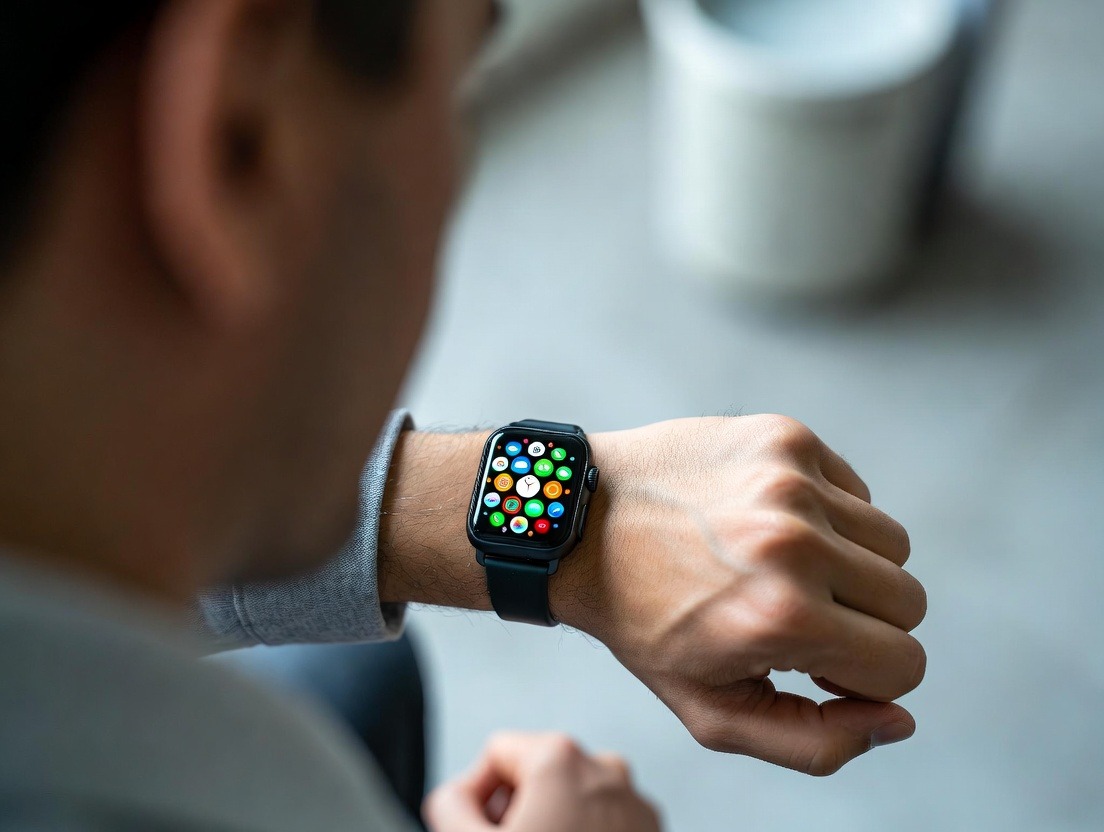
Healthy Movement Habits That Support Weight Management
Recommends habits that support healthy weight management.
Healthy Movement Habits That Support Weight Management
Forget the grueling, unsustainable transformations. The secret to lasting weight management isn’t found in the latest punishing fad diet or a soul-crushing six-days-a-week gym regimen. It’s woven into the fabric of your everyday life, in the small, consistent, and intelligent movements you make—or don’t make. Weight management is less about dramatic exertion and more about harmonious, habitual motion.
We live in a world engineered for stillness. From our desks to our cars to our couches, modern convenience has systematically designed movement out of our days. The result is a metabolic slowdown, a disconnect between mind and body, and a frustrating battle with the scale that often feels unwinnable. But what if the key wasn’t adding more “exercise” to an already full life, but rather rediscovering the art of movement as a natural, integrated part of your existence?
This paradigm shift is the core of sustainable weight management. It’s about moving from a state of compensation—“I sat all day, so I must crush a workout”—to a state of consistency, where your body is rhythmically, gently, and powerfully active throughout your waking hours. This approach doesn’t just burn calories; it optimizes your metabolism, regulates hunger hormones, reduces stress-driven cravings, and builds a resilient, functional body that wants to move.
The journey begins with awareness. You cannot change what you do not measure. This is where modern technology, like the advanced sensors in a smart ring from Oxyzen, becomes a transformative tool. Rather than guessing at your activity levels, you gain precise, 24/7 insight into your movement patterns, your metabolic burn, and even how your sleep quality directly impacts your next day's energy and choices. It’s the feedback loop needed to turn vague intentions into concrete, healthy movement habits.
Let’s move beyond the noise and dive into the foundational habits that will redefine your relationship with movement and, in turn, create a body that thrives.
The Non-Exercise Activity Thermogenesis (NEAT) Revolution
For decades, the fitness industry’s spotlight has been fixated on two main actors: formal Exercise and Basal Metabolic Rate (BMR). Meanwhile, the most powerful and malleable component of our daily energy expenditure has been sitting quietly in the background. Non-Exercise Activity Thermogenesis, or NEAT, encompasses all the energy you burn for everything that is not sleeping, eating, or sports-like exercise. It’s the calories burned by fidgeting, typing, walking to your car, taking the stairs, gardening, washing dishes, and even standing.
The groundbreaking revelation from metabolic research is that NEAT isn't just a minor contributor; it can be the deciding factor between weight gain and weight loss. Studies have shown that the variance in NEAT between individuals can be as high as 2,000 calories per day. One person may unconsciously move and fidget their way through a significant energy burn, while another remains statuesque, their metabolism idling. This isn't about genetics as destiny—it's about habits as opportunity.
Why NEAT is the Cornerstone of Modern Weight Management:
Sustainability: Unlike a brutal workout that requires recovery and can provoke burnout, NEAT is low-intensity and can be sustained every single hour of every day.
Metabolic Lubrication: Constant, low-grade movement keeps blood sugar more stable, improves circulation, aids lymphatic drainage, and prevents the metabolic "rust" that sets in during prolonged sitting.
Hormonal Harmony: Sedentary behavior is linked to insulin resistance and imbalances in hunger hormones like ghrelin and leptin. NEAT acts as a gentle, constant regulator.
Building Your NEAT Foundation:
The goal is not to turn your life into a series of calisthenics, but to creatively inject motion into your existing routines. Here’s how to start your NEAT revolution:
The 20-Minute Rule: Set an unbreakable timer for every 20 minutes of seated work. When it chimes, stand up for at least two minutes. Walk to get water, do a quick stretch, or simply stand and shift your weight.
Micro-Walks: Forget the idea that a walk must be 45 minutes to "count." A 5-minute walk after every meal dramatically aids digestion and blunts post-meal blood sugar spikes. These micro-walks are cumulative gold.
Redesign Your Environment: Place your printer, trash can, or frequently used supplies across the room. Use a standing desk, or create a makeshift one. Drink more water—the trips to the refill station and the restroom add up.
Embrace Inefficiency: Do tasks the "hard way." Hand-deliver messages instead of emailing. Park in the farthest spot. Unload groceries one bag at a time. These are not inefficiencies for your health; they are investments.
Tracking NEAT was once nearly impossible, but it’s now at the forefront of personalized health tech. A device like the Oxyzen smart ring passively and accurately measures your all-day burn, showing you in real-time how your small choices—taking the stairs, pacing during a call—contribute to your metabolic total. This immediate feedback is the reinforcement needed to make high-NEAT choices automatic. To understand the technology that makes this precise tracking possible, you can explore how advanced sensors and algorithms work.
NEAT is the soil from which all other healthy movement habits grow. It’s the constant, gentle hum of activity that tells your body you are alive, active, and ready. Master this, and you’ve built a metabolic fortress.
The Power of Consistent, Low-Intensity Steady-State (LISS) Movement
If NEAT is the background hum of your metabolic engine, then Low-Intensity Steady-State (LISS) movement is its steady, efficient cruising speed. In a fitness culture obsessed with high-intensity intervals and maximum effort, LISS is the quiet, potent counterpoint. It is sustained, rhythmic activity performed at a comfortable pace where you can easily hold a conversation—typically between 50-65% of your maximum heart rate. Think brisk walking, leisurely cycling, easy swimming, or hiking on gentle terrain.
For weight management, LISS is not the boring cousin to HIIT; it is a physiological powerhouse with unique advantages that high-intensity work cannot replicate.
The Metabolic Magic of Going Slow:
The Fat Oxidation Advantage: At lower intensities, your body preferentially uses fat as its primary fuel source. While total calorie burn per minute is lower than HIIT, the proportion of calories coming from fat is higher. This trains your metabolic machinery to be an efficient fat-burning engine.
Sustainability and Recovery: LISS places minimal stress on the nervous system and joints. This means you can do it daily without risking burnout, overtraining, or injury. Consistency, the true king of weight management, becomes effortless.
Stress Reduction and Cortisol Management: High-intensity workouts, while beneficial, are a physiological stressor that spikes cortisol. Chronic elevation of this hormone can lead to increased abdominal fat and cravings. LISS, conversely, has been shown to lower cortisol and activate the parasympathetic (“rest-and-digest”) nervous system. This creates a hormonal environment conducive to fat loss, not storage.
The Cumulative Calorie Burn: A daily 45-minute LISS session may burn 250-400 calories. Over a week, that’s 1,750-2,800 calories—the equivalent of nearly a pound of body fat, achieved through pleasant, repeatable activity.
Integrating LISS into Your Life:
The beauty of LISS is its accessibility. You need no special equipment or membership.
The Daily Walk Ritual: This is the ultimate LISS. Don’t just “go for a walk.” Create a ritual. A morning walk to set the day’s tone. A post-dinner walk to aid digestion and signal the end of the eating day. Use this time for a podcast, an audiobook, or mindful silence.
The Commute Conversion: Can you walk, cycle, or get off transit a stop early? This transforms dead time into foundational movement.
Social LISS: Replace the coffee or lunch date with a “walk-and-talk.” The conversation flows more naturally, and you’re building connection and health simultaneously.
Mindful Movement Practice: Practices like Tai Chi, Qigong, or gentle yoga are profound forms of LISS that combine movement with breath and mental focus, compounding the stress-reduction benefits.
To maximize the benefits, understanding your body’s signals is key. LISS should feel refreshing, not draining. Using a device that provides nuanced biometric feedback can help you stay in your ideal zone. For instance, correlating your LISS routine with your deep sleep data can reveal how this gentle movement improves your most restorative sleep, creating a powerful positive feedback loop for recovery and weight management.
LISS is the gentle, unwavering current that carries you toward your goals. It builds metabolic resilience without the wear and tear, proving that in the journey of weight management, slow and steady doesn’t just win the race—it makes the race enjoyable.
Strength Training: Building Your Metabolic Furnace
The conversation around movement and weight management is incomplete—and fundamentally flawed—without addressing the critical role of muscle. While cardio activities burn calories during the activity, strength training builds the machinery that burns calories 24 hours a day. Muscle tissue is metabolically active, meaning it requires energy (calories) just to exist. This is your resting metabolic rate (RMR), and strength training is the most potent tool you have to stoke that fire.
Think of your metabolism as a furnace. Fat is like a pile of coal next to it. Cardio is like throwing coal on the fire for a bright, hot, but temporary burn. Strength training, however, is the act of building a bigger, more efficient furnace that burns coal steadily, all day and night, even while you sleep.
Why Muscle is Your Weight Management Ally:
The Afterburn (EPOC): While its effect is sometimes overstated, strength training does create Excess Post-Exercise Oxygen Consumption. Your body works harder to repair micro-tears in muscle fibers, restore hormones, and replenish energy stores, leading to an elevated metabolic rate for 24-72 hours post-workout.
Body Composition over Scale Weight: Strength training shifts the focus from a punishing "weight loss" goal to an empowering "body composition" goal. You may gain lean muscle while losing fat, which can slow scale progress but results in a smaller, tighter, stronger physique. The scale is a poor measure of this transformation.
Functional Independence and Injury Prevention: A strong body is a resilient body. It moves with ease, prevents falls, protects joints, and allows you to engage fully in life and other forms of movement (like NEAT and LISS) without pain. This creates a virtuous cycle of capability.
Hormonal Benefits: Resistance training improves insulin sensitivity, helping your body shuttle glucose into muscles for use rather than storing it as fat. It also promotes the release of growth hormone and testosterone, both of which support lean muscle maintenance and fat metabolism.
Demystifying Strength Training for Weight Management:
You don’t need to become a bodybuilder. The principle is progressive overload—gradually challenging your muscles more than they’re accustomed to.
Frequency: Aim for 2-3 full-body sessions per week. Consistency here is far more important than marathon sessions.
The Foundational Movements: Focus on compound exercises that work multiple muscle groups: Squats, lunges, push-ups (or chest presses), rows, and overhead presses. These deliver the most metabolic bang for your buck.
Intensity over Duration: A 30-minute session where you work with challenging (but safe) weights or resistance is more effective than 90 minutes of casual effort. The last few reps of a set should feel difficult.
Start with Bodyweight: Master your own body’s resistance first. A perfect bodyweight squat is worth more than a sloppy barbell squat. Progress to resistance bands, dumbbells, or machines as you gain proficiency and confidence.
Recovery is where muscle is built. This makes sleep non-negotiable. The repair and anabolic (building) processes peak during deep sleep. If your strength training isn’t paired with quality recovery, you’re missing half the benefit. Monitoring your biometrics can show you the direct impact of your workouts on your recovery and deep sleep phases, allowing you to time your training for maximum effectiveness.
Strength training reshapes your body from the inside out. It builds a metabolism that works for you around the clock, turning you into an efficient calorie-burning organism. It’s the ultimate investment in long-term metabolic health.
The Art of Activity Snacking and Movement Breaks
We’ve established the pillars: NEAT, LISS, and Strength. Now, let’s talk about the mortar that holds this metabolic structure together: the strategic interruption of sedentary time. Prolonged sitting is now infamously dubbed “the new smoking” for its independent links to chronic disease and weight gain. The antidote isn’t just a daily workout; it’s the frequent fragmentation of stillness throughout the day—what we can call “activity snacking.”
An activity snack is a brief, intentional burst of movement, lasting anywhere from 30 seconds to 5 minutes, performed every 30-60 minutes. This is different from a micro-walk, which is a dedicated short walk. Activity snacks are movement “shots”: bodyweight squats, calf raises, a set of push-ups against your desk, a minute of marching in place, or a series of dynamic stretches.
The Science of Breaking Up Sedentary Time:
Research is clear: even if you meet the weekly exercise guidelines, prolonged, unbroken sitting still carries significant health risks. Breaking up sitting time every 30 minutes with light activity has been shown to:
Blunt post-meal blood sugar and insulin spikes by 20-30%.
Improve blood flow and vascular function.
Reduce musculoskeletal pain and stiffness.
Boost mood, focus, and cognitive function through increased blood flow to the brain.
Implementing a Movement Break Protocol:
The key is to make it brainless and non-negotiable. Here’s a framework:
Set a Visual or Audible Cue: Use a phone timer, a smartwatch reminder, or even a simple recurring calendar pop-up. The Oxyzen smart ring can be configured to provide gentle vibration alerts for inactivity, serving as a perfect, seamless prompt.
Have a Menu of Options: Keep a list on your desk or in your phone notes. For example:
Minute 1: 20 bodyweight squats.
Minute 2: 30 seconds of plank hold.
Minute 3: 10 standing desk push-ups.
Minute 4: 20 alternating lunges (10 per side).
Minute 5: Full-body stretch reaching for the ceiling.
The “Standing Meeting” Rule: For any call you’re on where you don’t need to be on camera, stand up and move. Pace, do calf raises, or gently stretch. This turns passive time into active time.
The TV Time Strategy: Use commercial breaks or the pause button during streaming. During each break, perform one activity snack. You can easily accumulate 10-15 minutes of movement during an hour-long show.
These breaks do more than just burn a few extra calories. They reset your posture, re-engage dormant muscles, and send a powerful signal to your metabolism that you are not in a state of hibernation. They prevent the metabolic and muscular “switching off” that occurs during sustained stillness. For more ideas on integrating wellness into your daily rhythm, our blog offers a wealth of actionable strategies.
Activity snacking is the habit of metabolic maintenance. It’s the frequent tuning of an instrument to keep it ready to play. By the end of the day, these snacks can contribute hundreds of extra calories burned and a profound sense of physical alertness that no amount of coffee can match.
Harnessing the Mind-Body Connection: Mindful Movement
In our pursuit of weight management, we often reduce movement to a mechanical, transactional process: X minutes of activity = Y calories burned. But movement is not just physical; it is an expression of our neurological and emotional state. Mindful movement is the practice of bringing full, non-judgmental awareness to the sensations, emotions, and experience of moving your body. It’s the bridge that connects the physical act to the mental and emotional benefits, creating a sustainable and joyful practice.
When movement is mindful, it ceases to be a chore or a punishment for eating. It becomes a source of information, pleasure, and stress relief—all critical factors for managing weight in a holistic way.
Why Mindfulness Transforms Movement:
Reduces Stress-Related Eating: Stress is a primary driver of emotional eating and cravings for high-fat, high-sugar foods. Mindful movement, by focusing on the present moment and the breath, activates the parasympathetic nervous system, lowering cortisol and reducing the urge to use food as a coping mechanism.
Improves Body Awareness (Interoception): Many people struggling with weight are disconnected from their body’s signals of hunger, fullness, fatigue, and satisfaction. Mindful movement rebuilds this connection. You learn to feel the difference between muscular fatigue and pain, between being breathless from effort and from anxiety. This heightened awareness extends to eating, helping you recognize true hunger and satiety.
Enhances Adherence: An activity you enjoy and find intrinsically rewarding is one you will stick with. Mindfulness helps you find the pleasure in the rhythm of a walk, the strength in a squat, or the release in a stretch. This shifts motivation from external (I should do this) to internal (I want to do this).
Prevents Injury: By paying close attention to form, alignment, and sensation, you are more likely to move in a way that respects your body’s limits and avoids overexertion.
Practices to Cultivate Mindful Movement:
You don’t need a yoga mat to start. You can bring mindfulness to any activity.
Walking Meditation: On your next walk, leave the headphones behind. Focus on the sensation of your feet contacting the ground. Notice the rhythm of your breath. Observe the sights, sounds, and smells around you without labeling them good or bad. When your mind wanders to your to-do list, gently bring it back to the physical sensations of walking.
Breath as an Anchor: During strength training or LISS, use your breath as a point of focus. Inhale to prepare, exhale on the exertion (e.g., exhale as you push the weight up). This synchronizes your nervous system with your effort.
Body Scan During Stretching: Instead of rushing through post-activity stretches, spend 20-30 seconds on each major muscle group. As you stretch, mentally scan that area. What do you feel? Tightness? Warmth? A gentle release? Acknowledge it without trying to change it forcefully.
Gratitude for Function: Before or after a movement session, take a moment to appreciate what your body can do. “Thank you, legs, for carrying me on this hike. Thank you, heart and lungs, for powering me through.” This fosters a positive, nurturing relationship with your body.
Technology can surprisingly aid this analog practice. By using a device to track the objective data (heart rate, effort), you can free your mind from wondering “am I doing enough?” and instead focus fully on the subjective experience of the movement itself. Furthermore, understanding how deep sleep and memory consolidation are linked highlights how the mental clarity gained from mindful movement can be solidified during rest, enhancing overall cognitive well-being.
Mindful movement is the secret ingredient that transforms exercise from a task into a practice. It ensures that your journey toward weight management is not a war against your body, but a deepening conversation with it.
Leveraging Technology for Intelligent Movement (The Biofeedback Loop)
In the quest for healthy movement habits, intention is the spark, but data is the fuel for sustained transformation. We live in an unprecedented era where wearable technology can provide a continuous stream of personalized biofeedback, turning the abstract concept of “moving more” into a precise, actionable, and optimized practice. This isn’t about gamification or obsessive tracking; it’s about forming a closed-loop system where you act, measure, learn, and adapt.
The right technology acts as an objective coach and a mirror, revealing patterns and connections you would otherwise miss. For weight management, this intelligence is revolutionary.
Key Biofeedback Metrics for Movement & Weight Management:
24/7 Activity & Calorie Expenditure: Moving beyond step counts to a true estimate of your total daily energy expenditure (TDEE), separating your active burn from your resting burn. This shows the powerful cumulative effect of your NEAT and LISS.
Heart Rate (HR) & Heart Rate Variability (HRV): HR zones help you ensure your LISS is truly low-intensity and your strength training is appropriately challenging. HRV, a marker of nervous system recovery and resilience, is crucial. A low HRV suggests you’re stressed or under-recovered, signaling that a gentle walk might be better than a punishing HIIT session that day.
Sleep Data: This is the non-negotiable partner to movement. Poor sleep sabotages weight management by dysregulating hunger hormones (increasing ghrelin, decreasing leptin), impairing recovery from exercise, and reducing motivation to move. Tracking sleep stages, especially deep sleep, provides essential feedback on your recovery status.
Readiness Scores: Advanced devices synthesize data (sleep, HRV, activity, temperature) to provide a daily “readiness” or “recovery” score. This is your ultimate guide for intelligent movement. A high score? It’s a green light for a challenging workout. A low score? It’s your body asking for rest, gentle movement, or strategies to improve sleep.
Creating Your Intelligent Movement System:
Establish Baselines: Wear your device consistently for 1-2 weeks without trying to change anything. Observe your natural patterns: How much do you actually move? What’s your average sleep score? What’s your resting HR?
Identify Patterns & Connections: Use the journal feature in your app. Notice: On days I walk 10,000 steps, how does my sleep score change? After a strength session, what happens to my HRV? When I’m stressed at work (high resting HR, low HRV), do I make poorer food choices?
Set Process-Oriented Goals: Instead of “lose 10 pounds,” set goals like: “Increase my average daily steps by 2,000 this month,” “Achieve a sleep score of 85+ on 5 nights per week,” or “Keep my LISS heart rate in Zone 2 for 150 minutes this week.”
Let Data Guide Your Decisions: Check your readiness score each morning. Let it dictate your movement intensity. Use inactivity alerts to break up sedentary time. Review your weekly reports to see progress in metrics that matter far more than the scale.
The Oxyzen smart ring exemplifies this approach. Worn on the finger—an ideal location for accurate, continuous physiological measurement—it provides this rich tapestry of data without the bulk of a wrist device. It becomes a seamless part of your life, offering insights that help you move smarter, not just harder. For those curious about the accuracy and capabilities of such devices, we delve into what your tracker can and cannot measure.
Technology, used wisely, closes the gap between knowing what to do and actually doing it consistently. It provides the objective feedback that turns hopeful guesses into confident, healthy movement habits.
Synchronizing Movement with Your Circadian Rhythm
Your body is not a machine that performs the same way at all hours. It operates on a master internal clock known as your circadian rhythm—a roughly 24-hour cycle that governs everything from hormone release and body temperature to digestion and cognitive function. Ignoring this rhythm and moving at random times is like trying to swim against a current. Aligning your movement habits with your circadian biology, however, is like catching a wave—it amplifies the benefits of exercise for weight management, performance, and recovery.
Chronobiology, the study of these rhythms, reveals that there are biologically optimal windows for different types of movement. Timing is not everything, but it is a powerful lever to pull.
The Circadian Blueprint for Movement:
Morning (6 AM - 10 AM): The Fat-Burning & Discipline Window
Physiology: Cortisol naturally peaks in the morning (the “cortisol awakening response”), providing natural energy and alertness. Insulin sensitivity is typically higher.
Ideal Activities: LISS (like a brisk walk or light jog) and moderate-intensity strength training. Exercising in a fasted state can enhance fat oxidation. Morning movement also helps solidify your circadian rhythm, leading to better sleep at night. It’s a discipline win—completing your movement early ensures it gets done and sets a positive, active tone for the day.
Afternoon (2 PM - 6 PM): The Performance Peak Window
Physiology: Core body temperature reaches its daily peak, muscle strength and power output are highest, reaction time is quickest, and the risk of injury may be lower due to warmed-up muscles and joints.
Ideal Activities: High-intensity interval training (HIIT), heavy strength training, speed work, or competitive sports. This is when you can perform at your physical best. The metabolic afterburn (EPOC) from an intense afternoon workout can also help regulate evening appetite for some people.
Physiology: Core body temperature begins to drop in preparation for sleep. Melatonin production starts to rise.
Ideal Activities: Gentle, restorative movement only. This includes light stretching, yoga Nidra, restorative yoga, very slow walking, or foam rolling. The goal is to promote parasympathetic activation (“rest-and-digest”), not to spike cortisol or core temperature. Vigorous exercise too close to bedtime can disrupt sleep onset and quality for many people by over-stimulating the nervous system and raising body temperature.
Personalizing Your Movement Timing:
These are general templates. The most important factor is consistency and personal preference. A night owl may find a 4 PM workout feels like their “morning.” The key is to observe your own body’s signals and use data.
Track to Discover: Use your wearable to track the quality of your workouts and your subsequent sleep at different times of day. Do evening workouts leave you feeling wired and hurt your deep sleep score? Do morning workouts make you feel energized all day? Let your personal biofeedback be your guide.
The Non-Negotiable: Protect your sleep. However you schedule movement, it must not come at the expense of sleep quality and duration. Sleep is the foundation upon which all other habits are built. For a comprehensive look at this pillar of health, our complete guide to sleep tracking explores its profound value.
By respecting your body’s natural rhythms, you work with your biology, not against it. This leads to more effective workouts, faster recovery, better sleep, and a hormonal environment that is primed for weight management. It’s the art of moving in time with your own internal music.
The Critical Role of Recovery and Sleep in Movement
This may be the most vital, yet most neglected, principle in the entire weight management equation: You do not get fitter, stronger, or leaner during exercise. You get fitter, stronger, and leaner during the recovery from exercise. Movement creates the stimulus—the micro-tears in muscle, the metabolic challenge, the cardiovascular stress. But adaptation—the repair, strengthening, and metabolic optimization—happens almost exclusively during rest, and most powerfully during sleep.
Treating recovery as passive “time off” is a catastrophic error. It is an active, physiological process that you must nurture and prioritize with the same intention you bring to your workouts.
Sleep: The Master Recovery Tool:
During sleep, particularly deep sleep (Slow-Wave Sleep) and REM sleep, a symphony of restorative processes takes place:
Human Growth Hormone (HGH) Release: The majority of HGH, essential for tissue repair, muscle growth, and fat metabolism, is secreted during deep sleep.
Metabolic Regulation: Sleep restores insulin sensitivity. Chronic sleep deprivation leads to insulin resistance, prompting your body to store more calories as fat.
Hunger Hormone Rebalancing: Lack of sleep increases ghrelin (the “hunger hormone”) and decreases leptin (the “satiety hormone”), a proven recipe for increased calorie intake, especially from junk food.
Muscle Protein Synthesis: The actual repair and rebuilding of muscle tissue from strength training occurs during rest.
Cognitive and Emotional Recovery: Sleep clears metabolic waste from the brain, consolidates memory (including muscle memory), and regulates emotion—all crucial for maintaining the motivation and discipline for healthy habits.
Active Recovery Strategies:
On days between more intense workouts, active recovery accelerates the process by promoting blood flow without imposing new stress.
True LISS: A very easy walk, swim, or cycle at a “conversational” pace. This delivers nutrients to muscles and flushes out metabolic by-products like lactate.
Mobility and Flexibility Work: Dynamic stretching, foam rolling, and mobility drills (like hip circles, cat-cows) improve joint health and range of motion, preventing the stiffness that can lead to compensatory movement patterns and injury.
Mind-Body Practices: Yoga, Tai Chi, and breathwork reduce systemic inflammation and calm the nervous system, shifting the body into a repair state.
Signs You Need More Recovery (Overtraining Symptoms):
Performance Plateau or Decline: Workouts feel harder, weights feel heavier, pace slows.
Persistent Fatigue and Low Energy: Feeling drained all day, not just post-workout.
Mood Disturbances: Increased irritability, anxiety, or lack of motivation.
Sleep Disruption: Ironically, overtraining can cause poor sleep—trouble falling asleep, restlessness, or waking unrefreshed.
This is where a holistic tracker becomes indispensable. You cannot subjectively feel a slight elevation in resting heart rate or a dip in HRV, but these are the earliest warning signs of accumulating stress. By monitoring your daily readiness score and deep sleep patterns, you have a scientific basis for deciding between a hard workout, a gentle movement day, or a complete rest day. This prevents the boom-bust cycle of overtraining and injury that derails so many weight management journeys.
Recovery is not the absence of training; it is the most important part of the training cycle. Honor it, track it, and prioritize it. Your body will repay you with better performance, a more responsive metabolism, and sustainable progress.
Building a Supportive Environment and Community
Human beings are not designed to change in isolation. Our environments shape our behaviors powerfully, often subconsciously, and our social connections provide the motivation, accountability, and encouragement needed for long-term success. The final, crucial habit for supporting weight management through movement is to consciously architect an environment and cultivate a community that makes healthy movement the default, easy, and socially rewarding choice.
This moves the burden of change from sheer willpower—a notoriously finite resource—to the structures and people around you.
Designing a Movement-Conducive Environment:
Home Environment:
Make it Visible: Place your walking shoes by the door. Keep resistance bands or a yoga mat in your living room. Have a stability ball instead of a desk chair. These are visual cues that trigger action.
Reduce Friction: Pack your gym bag the night before. Lay out your workout clothes. Have healthy post-workout snacks readily available. The fewer decisions and steps between you and the movement, the more likely you are to do it.
Create a Dedicated Space: Even a small corner with a mat and some basic equipment can become a powerful psychological trigger for movement.
Work Environment:
Advocate for standing desks or walking meetings.
Use the farthest bathroom or water fountain.
Create a “walking buddy” system with colleagues for lunch breaks.
Digital Environment:
Curate your social media feed. Unfollow accounts that make you feel inadequate and follow inspiring fitness educators, physiotherapists, or body-positive movement enthusiasts.
Use calendar blocking to treat your movement time as an unmissable appointment.
The Power of Community and Social Support:
Accountability: A walking partner, a fitness class friend, or an online challenge group creates a sense of obligation that gets you out the door on days when motivation is low. Knowing someone is expecting you is a powerful motivator.
Shared Knowledge and Inspiration: A community is a source of new ideas, solutions to plateaus, and encouragement. Seeing others overcome similar challenges is incredibly motivating. You can find such inspiration in the real-world stories and experiences shared by others.
Normalization and Belonging: When healthy movement is a shared value within your social circle, it ceases to be a quirky personal pursuit and becomes a normal, enjoyable part of life. This social reinforcement is priceless.
Types of Community:
In-Person: Local running clubs, hiking groups, recreational sports leagues, gym classes, or yoga studios.
Virtual: Online fitness challenges, app-based communities (like those within Strava or the Oxyzen app), or social media groups focused on specific activities.
One-on-One: A single reliable accountability partner can be all you need.
Leveraging Technology for Community:
Modern wellness tech often includes a social layer. Sharing (non-sensitive) achievements, joining step challenges with friends, or simply seeing that your friend just finished a workout can provide a powerful boost. The goal is connection, not comparison.
Building this supportive ecosystem is an ongoing project. It starts with one change: text a friend to be your walking buddy. Leave your shoes by the door. Join one online group. These small social and environmental tweaks create a world where healthy movement isn’t something you have to force, but something that flows naturally from the life you’ve built. To learn more about the philosophy behind building holistic wellness into your life, you can discover our story and mission.
From Principles to Practice
You now have the map—the eight core principles that transform movement from a sporadic chore into a sustainable, intelligent practice for weight management. But a map is only useful if you know how to navigate your own unique terrain. The journey from understanding to embodiment is where the true transformation occurs. This section is your guide to applying those principles to the reality of your life, overcoming the inevitable obstacles, and creating a personalized movement blueprint that endures.
We move now from the "what" and "why" to the "how" and "when." This is about strategy, personalization, and integration. It's about listening to your body's feedback, adapting to life's rhythms, and building a resilient mindset that sees movement not as a separate task, but as a vital thread woven into the fabric of your identity.
Personalizing Your Movement Blueprint: A Step-by-Step Guide
There is no single, perfect workout routine for weight management. The perfect routine is the one that fits your life, respects your physiology, and brings you enjoyment. Creating your personalized movement blueprint is a dynamic process of self-experimentation, not a one-time decision. Follow this step-by-step guide to build your unique plan.
Step 1: The Honest Audit (Week 0)
Before you add anything new, observe your current reality with non-judgmental curiosity. For one week, simply track. Use your smart ring or preferred tracker to gather data, but also keep a brief journal.
Movement: How many steps do you actually average? How many hours are you sedentary? What does your current "exercise" look like?
Energy & Mood: Rate your energy (1-10) at three points in the day. Note your general mood.
Sleep: Don't just track duration. Note your subjective sleep quality. (You can later compare this to your device's deep sleep and REM data).
Schedule: Map out your weekly commitments, identifying fixed and flexible time blocks.
Step 2: Start with Keystone Habits
Based on your audit, introduce ONE keystone habit from the foundational principles. Choose the one that feels most achievable and will have the biggest ripple effect.
If you are very sedentary: Your keystone habit is NEAT. Commit to the 20-minute rule and two 5-minute micro-walks per day.
If you have inconsistent cardio: Your keystone habit is LISS. Schedule three 30-minute walks this week, treating them as unbreakable appointments.
If you have no strength work: Your keystone habit is Strength. Perform two 20-minute full-body bodyweight sessions (squats, push-ups, rows, planks).
If you are stressed and disconnected: Your keystone habit is Mindful Movement. Practice 10 minutes of mindful walking or a guided body scan three times.
Master this single habit for 2-3 weeks before adding another. Small wins build confidence and create momentum.
Step 3: Build the Weekly Rhythm
Now, layer in a second and third habit to create a balanced weekly template. A sample balanced week for a beginner might look like this:
Monday: Strength Training (30 min) + NEAT focus
Tuesday: LISS (40 min walk) + Activity Snacks
Wednesday: Active Recovery (Mobility/Stretching, 20 min) + NEAT
Thursday: Strength Training (30 min) + Mindful cooldown
Friday: LISS (30 min) + Social walk with a friend
Saturday: Fun Movement (Hike, dance, sport) - this is LISS or mixed intensity, but joy is the goal.
Sunday: Complete Rest or Gentle Recovery Walk
This is a template, not a prescription. Your rhythm will be unique. A parent with young kids might have shorter, more frequent movement blocks. A shift worker will need to align movement with their unique circadian schedule.
Step 4: Integrate Biofeedback and Adapt
This is where your blueprint becomes intelligent. Start using your data to make weekly adjustments.
Check your readiness/recovery score each morning. Let it guide your day's intensity.
Did your sleep score plummet after a late workout? Move that workout earlier.
Is your HRV consistently low? Swap a planned intense day for a recovery day.
Use the data to celebrate non-scale victories: "My resting heart rate dropped 5 BPM this month!" or "I increased my average deep sleep by 15 minutes!" For more on these crucial metrics, our FAQ section offers deeper insights.
Your blueprint is a living document. It should change with your fitness level, stress, sleep, and seasons. The goal is not rigid adherence, but intelligent responsiveness.
Overcoming Common Movement Plateaus and Mental Barriers
Progress is rarely linear. You will hit plateaus—periods where the scale doesn't budge, performance stalls, or motivation evaporates. These are not signs of failure; they are invitations to refine your approach. Here’s how to troubleshoot the most common barriers.
The Weight Loss Plateau
The scale hasn't moved in 3-4 weeks. Before you slash calories further, apply these movement-focused fixes:
Reassess Your NEAT: As you lose weight, your BMR decreases slightly. Furthermore, we often subconsciously move less throughout the day when we're dieting. Combat this by deliberately increasing your daily NEAT. Add an extra 2,000 steps. Fidget more. This can reignite your deficit without longer workouts.
Change the Stimulus: Your body adapts. If you've been walking the same route at the same pace for months, it's become highly efficient—burning fewer calories. Apply progressive overload to your LISS and Strength.
For LISS: Add intervals (e.g., 1 minute of brisk walking/jogging every 5 minutes), add a hill, increase duration by 10%, or try a new activity (cycling instead of walking).
For Strength: Increase weight, increase reps, slow down the tempo, or try a new exercise variation (goblet squats instead of bodyweight).
Prioritize Recovery and Sleep: A plateau is often a recovery issue. Chronic under-recovery elevates cortisol, which promotes fat storage (especially abdominal) and breaks down muscle. Ensure you are getting 7-9 hours of quality sleep and incorporating active recovery days. Dive into the science of what happens during deep sleep to understand its non-negotiable role in repair.
The Motivation & "All-or-Nothing" Barrier
This is the mental game. You miss one workout and write off the whole week. You don't have a full hour, so you do nothing.
Embrace the "Something is Better Than Nothing" Mantra: 10 minutes of movement is infinitely more valuable than 0 minutes. A 5-minute walk, 2 sets of push-ups, or 10 squats by your desk maintains the habit neural pathway. Consistency over perfection.
Reframe Your Identity: Stop saying "I need to work out." Start saying "I am someone who moves my body regularly." This subtle shift from external obligation to internal identity is powerful.
Use the 5-Minute Rule: When you lack motivation, commit to just 5 minutes. Often, starting is the hardest part, and you'll continue past 5 minutes. If not, you've still honored your commitment.
Find Your "Why" Beyond the Scale: Connect movement to a deeper value. "I move for energy to play with my kids." "I strength train to feel powerful and independent as I age." "I walk to clear my mind and reduce anxiety."
The Time Barrier
"I don't have time" is the most common, and most surmountable, obstacle.
Time Blocking: Schedule movement like a critical business meeting. Treat it as non-negoticable.
Micro-Workouts: Break your 30-minute session into three 10-minute sessions spread throughout the day. The metabolic and hormonal benefits are surprisingly comparable.
Integrate, Don't Add: Pair movement with an existing habit (e.g., bodyweight squats while brushing teeth, calf raises while making coffee). Listen to an audiobook or catch up on a podcast only while walking.
Audit Your Time: Track your screen time for a day. Reclaiming even 20 minutes from social media or TV is enough for a potent movement snack or micro-workout.
Plateaus are not walls; they are doors. They force you to become more skillful, more intuitive, and more connected to your body's needs. They are part of the journey.
Movement Synergy: Pairing Habits for Maximum Impact
The most profound results occur not from isolated habits, but from their strategic combination. When habits are paired, they create a synergistic effect greater than the sum of their parts. Here are powerful pairings to integrate into your blueprint.
Pairing 1: Post-Meal Micro-Walks + LISS
This pairing directly targets blood sugar management, a key lever for fat loss and reducing cravings.
The Science: A 10-15 minute walk after eating significantly reduces the postprandial (after-meal) blood sugar and insulin spike. This helps shuttle glucose into muscles for use rather than storing it as fat.
The Practice: Make a 10-minute post-lunch and post-dinner walk a non-negotiable ritual. Then, on days dedicated to longer LISS, pay attention to how much more steady your energy feels. You're training your metabolic flexibility.
Pairing 2: Strength Training + Protein-Rich Recovery Nutrition
Muscle protein synthesis (MPS) is the process of repairing and building muscle. To maximize the metabolic furnace-building effect of strength training, you must fuel the repair.
The Science: Consuming 20-40 grams of high-quality protein within 1-2 hours after strength training maximizes MPS. This not only builds muscle but also increases the thermic effect of food (the calories burned digesting it).
** Practice:** Plan your post-strength meal or snack. A protein shake, Greek yogurt, or chicken and vegetables. This turns your workout from a calorie-burning event into a body-recomposing event.
Pairing 3: Mindful Movement + Sleep Hygiene
This pairing addresses the stress-sleep-weight management triangle.
The Science: Evening mindful movement (gentle yoga, stretching, walking) lowers cortisol and activates the parasympathetic nervous system, priming the body for sleep. Improved sleep then enhances recovery from all movement, regulates hunger hormones, and boosts willpower for the next day.
The Practice: Create a 20-minute pre-bed wind-down routine that includes light stretching, diaphragmatic breathing, or a slow walk. Avoid screens. Notice how this not only improves your subjective sleep but also your tracked deep sleep metrics. Explore more on the optimal sleep environment.
Pairing 4: Activity Snacking + Hydration
Use one habit to trigger the other, creating a double-positive feedback loop.
The Science: Mild dehydration can mask itself as fatigue or hunger, leading to reduced activity and poor food choices.
The Practice: Place a large water bottle on your desk. Every time your inactivity alert goes off (or on the hour), get up for your activity snack and take several gulps of water. The movement break reminds you to hydrate, and proper hydration gives you the energy to move more.
By thinking in terms of synergy, you stop managing a list of disjointed tasks and start orchestrating a holistic system where each habit supports and amplifies the others.
Adapting Movement for Different Lifestyles and Life Stages
A sustainable movement blueprint must be adaptable. The routine of a 25-year-old single professional will look different from that of a 50-year-old parent with teenagers, which will differ from a 70-year-old retiree. The principles remain constant, but the application is flexible.
For Parents of Young Children:
Strategy: Embrace movement integration and micro-dosing.
NEAT/LISS: Turn stroller time into weighted LISS. Walk or jog to the park. Have dance parties in the living room. Do bodyweight exercises on the floor while playing.
Strength: Use your child as gentle resistance for squats and lifts (safely!). Do planks and push-ups during tummy time. A 15-minute bodyweight circuit during naptime is a win.
Mindset: Your movement doesn't have to look like a gym session. Playing actively is movement. Model joyful activity for your children.
For Desk-Bound Professionals:
Strategy: Combat sedentary damage and manage stress.
NEAT: This is your frontline defense. A standing desk, walking meetings, and the 20-minute rule are non-negotiable. Set a daily step goal and take walking breaks to hit it.
Strength/Posture: Focus on exercises that counteract the "desk posture": rows, face-pulls, glute bridges, and chest openers. A resistance band at your desk is a perfect tool.
Mindful Movement: Use lunch breaks for a walk outside without your phone. Practice desk-based stretches and breathing exercises to manage work stress, which directly impacts cortisol and weight.
For Older Adults (50+):
Strategy: Prioritize strength, mobility, and bone density. Focus on function and independence.
Strength: This is the most important habit. Use resistance bands, light dumbbells, or bodyweight to maintain muscle mass, which naturally declines with age. Emphasize balance exercises (single-leg stands, heel-to-toe walks).
LISS: Low-impact options are brilliant: walking, swimming, cycling, elliptical. The goal is joint health and cardiovascular maintenance.
Recovery: Allow more time between intense sessions. Prioritize sleep and hydration. Pay close attention to how age affects sleep architecture and adapt your recovery accordingly.
Mindset: Movement is medicine. It's about maintaining the ability to do what you love, from gardening to traveling to playing with grandchildren.
For Shift Workers:
Strategy: Master circadian alignment and intelligent scheduling.
Timing: After a night shift, prioritize sleep first. A gentle movement session (walking, stretching) before your sleep block can help you unwind. Before a shift, do your more energetic workout to boost alertness.
Recovery: Sleep is your supreme challenge. Blackout curtains, white noise, and consistent sleep rituals are critical. Track your sleep to find what works. The pros and cons of tracking for challenging schedules are explored in our honest assessment of sleep tracking.
Nutrition & Movement: Since hunger hormones are disrupted, use post-"meal" walks (even at 3 AM) to help regulate blood sugar and improve alertness.
The core message is inclusivity. Healthy movement is not a one-size-fits-all prescription. It is a set of adaptable principles that can—and must—be molded to honor your body, your responsibilities, and your stage of life.
The Role of Nutrition in Supporting Your Movement Habits
Movement and nutrition are the two inseparable strands of the weight management double helix. You cannot out-exercise a poor diet, and superior nutrition will not reach its full potential without the metabolic and hormonal benefits of movement. This section is not a diet plan, but a guide to aligning your nutrition to fuel, recover from, and amplify your movement habits.
1. Fueling for Performance and Satiety
What and when you eat profoundly impacts your energy for movement and your hunger levels throughout the day.
Pre-Movement Nutrition (1-3 hours before): The goal is to provide steady energy without gastrointestinal distress.
For LISS or Daily Activities: This is less critical if you're fat-adapted. A balanced meal with complex carbs, protein, and fat 2-3 hours prior works well.
For Strength or Intense Training: Ensure adequate carbohydrates (oats, sweet potato, fruit) to fuel muscle glycogen, plus some protein. A banana with a tablespoon of almond butter 60 minutes prior is a great example.
The Hydration Foundation: Even 2% dehydration can impair performance and cognitive function. Sip water consistently throughout the day. Add electrolytes if you sweat heavily or do long LISS sessions.
2. The Recovery Window: Repair and Replenish
This is where nutrition directly partners with your movement to build a better metabolism.
The Protein Priority: As discussed, consuming protein after strength training is essential to signal muscle repair. Spread your protein intake evenly across the day (20-40g per meal) to maintain a constant state of MPS.
Carbohydrate Replenishment: After longer or more intense LISS sessions (>60 mins), replenishing glycogen stores with healthy carbs (quinoa, rice, potatoes, fruit) alongside protein aids recovery and prepares you for your next session.
Anti-Inflammatory Foods: Movement causes beneficial inflammation for adaptation, but chronic systemic inflammation hinders recovery. Include omega-3s (fatty fish, walnuts), antioxidants (berries, leafy greens), and spices like turmeric and ginger.
3. Nutrition for Metabolic Flexibility and Appetite Regulation
Your movement habits make your body better at using nutrients. Nutrition, in turn, makes your movement more effective.
Building Metabolic Flexibility: This is your body's ability to switch between burning carbs and fat for fuel. The pairing of regular LISS (which trains fat oxidation) with a diet that isn't constantly high in sugar trains this flexibility. This reduces energy crashes and cravings.
Foods that Support Satiety and Sleep: Protein, fiber, and healthy fats promote fullness. Certain foods can also enhance the recovery benefits of sleep. For example, tart cherry juice, kiwi, and fatty fish have links to improved sleep quality. Discover foods that can naturally support deep sleep.
4. Listening to Your Body: The Hunger-Movement Connection
Use your movement data to understand your true hunger signals.
Are you hungry because you're bored/stressed, or because you genuinely need fuel? A brisk 10-minute walk can often clarify this.
Post-workout hunger: Learn to distinguish between needing nutrients for repair and a ravenous, cortisol-driven appetite. Having a planned post-workout snack prevents impulsive, poor choices.
Tracking the Feedback Loop: Notice in your journal: On days I do intense training, do I get hungrier? How does my sleep affect my food choices the next day? This awareness is the first step to intelligent eating that supports your movement goals.
Nutrition is the co-pilot to your movement journey. It provides the high-quality raw materials to build the metabolic furnace you are stoking through NEAT, LISS, and strength training. When aligned, they create a powerful, self-reinforcing cycle of energy, repair, and positive body composition change.
Injury Prevention and Sustainable Movement Longevity
The ultimate goal of these habits is not just weight management for the next 12 weeks, but a lifetime of vibrant, pain-free movement. The worst outcome is an injury that halts all progress and demoralizes you. Sustainable movement is intelligent movement—it respects your body's limits and prioritizes long-term health over short-term intensity.
The Pillars of Injury Prevention
Progressive Overload, Not Sudden Spike: The most common cause of injury is doing too much, too soon, too fast. Adhere to the 10% rule: don't increase your running distance, weight lifted, or workout duration by more than 10% per week.
Balance Your Movement Portfolio: If all you do is run, you develop muscular imbalances and repetitive strain. If all you do is push (chest presses, push-ups) without pulling (rows, face-pulls), you create postural issues. Your weekly blueprint should include:
Rotational and Anti-Rotational work (e.g., Pallof press, wood chops) for core stability.
Mobility Work: Dedicate 10 minutes, 2-3 times per week, to dynamic stretching and mobility drills for your hips, thoracic spine, and ankles.
Listen to Pain vs. Discomfort:
Discomfort (Good): The burning sensation in your muscles during the last few reps of a set. General muscle soreness (DOMS) 24-48 hours after a new workout.
Pain (Bad): Sharp, stabbing, or shooting pain. Pain in a joint (knee, shoulder, lower back). Pain that alters your movement pattern (i.e., you start limping). Stop immediately. Do not "push through" joint pain.
The Role of Recovery in Injury Prevention
Overtraining is a direct path to injury. Your body breaks down faster than it can repair.
Sleep is Non-Negotiable: Tissue repair happens during deep sleep. Chronic sleep deprivation means you're constantly training on a broken body.
Incorporate Deload Weeks: Every 4-8 weeks, schedule a "deload" week. Reduce your training volume (sets x reps x weight) by 40-60%. Focus on form, mobility, and LISS. This allows for supercompensation—your body fully repairs and comes back stronger, preventing the accumulation of micro-trauma.
Adapting Around Niggles and Aging
As you age or if you have old injuries, your movement blueprint needs "load management."
Find Pain-Free Alternatives: Knee hurts during squats? Try hip thrusts or swimming. Shoulder hurts during overhead press? Focus on lateral raises at a lower angle.
Embrace Low-Impact: As the decades pass, shifting more of your cardio to swimming, cycling, or elliptical can preserve joints while maintaining cardiovascular health.
Consult Professionals: A good physiotherapist or certified personal trainer can help you modify movements and address imbalances before they become injuries.
Sustainable movement is the art of playing the long game. It values consistency over intensity, listening over ignoring, and resilience over recklessness. By building injury prevention into your habits, you ensure that the healthy movement you love today is still there for you decades from now. For continued learning on building a resilient body and mind, a wealth of resources awaits on the Oxyzen blog.
The Lifelong Movement Mindset
You have the principles, the personalized blueprint, and the strategies for navigation. This final portion transcends the "how-to" and delves into the "who-to-become." Sustainable weight management through movement is not a destination reached and forgotten; it is a dynamic, evolving practice woven into the very identity of a person who prioritizes their vitality. Here, we focus on the psychology of maintenance, the evolution of your practice, and the ultimate goal: transforming movement from a tool you use into an expression of who you are.
This is where the journey truly begins—the lifelong phase where habits become so ingrained they are simply "what you do," and where the benefits ripple out far beyond the scale to touch every facet of your life.
The Psychology of Maintenance: Moving Beyond Willpower
The initial motivation for weight management is often a powerful, external spark: a health scare, a wedding, a photo. But sparks fade. The maintenance phase—lasting months, years, a lifetime—requires a different fuel source: intrinsic motivation and a resilient identity. Relying on willpower is a recipe for burnout. Building an identity is a recipe for lifelong success.
From "I Have To" to "I Am"
This is the core psychological shift. Cognitive behavioral science shows that when an action becomes tied to your self-concept, it requires less conscious effort.
The Old Script: "I have to go to the gym to lose weight." (External pressure, chore-like, fragile).
The New Identity: "I am a person who values strength and takes care of my body." (Internal value, identity-based, resilient).
How to cultivate this identity:
Language is Key: Pay attention to your self-talk. Replace "I'm trying to exercise" with "I'm someone who moves daily." Speak it into existence.
Surround Yourself with Evidence: Create an environment that reflects this identity. Your visible walking shoes, your water bottle, your booked workout slots in your calendar—these aren't just tools; they are affirmations of who you are.
Connect to a Deeper "Why": Drill down past the superficial goal.
Surface Goal: "I want to lose 20 pounds."
Deeper Why: "So I have the energy to keep up with my kids without feeling exhausted."
Even Deeper (Identity-Level): "I am an active, present, and vibrant parent."
When movement becomes an expression of your values (health, vitality, resilience, self-respect), skipping it feels like a violation of your own code, not just a missed task.
Building Resilience Against Setbacks
Setbacks are not failures; they are data points in the long-term experiment of your life. A vacation, an illness, a stressful work project—these will disrupt your routine. The identity-based mover has a plan for these inevitabilities.
The "Minimum Viable Dose" (MVD): Define the absolute bare minimum you can do to maintain your identity during a disruption. This is not your ideal, it's your lifeline.
Examples: "Even on vacation, I will do 10 minutes of bodyweight exercise in my hotel room." "When I'm sick, my MVD is three 5-minute walks around the house per day." "During my work crunch, I will commit to my 20-minute inactivity alerts."
Practice Self-Compassion, Not Self-Flagellation: Research shows that self-criticism after a setback leads to more unhealthy behavior, not less. Treat yourself as you would a good friend. "Okay, I was off-track for a week. That's normal. What's one small thing I can do right now to reconnect with my healthy movement identity?"
The "Never Miss Twice" Rule: The single most powerful rule for maintenance. Missing one workout, one day of NEAT focus, is meaningless in the long run. The danger is the second miss, which starts a cascade. Make a solemn pact with yourself: you will never miss your MVD two days in a row.
This resilient mindset, coupled with the objective feedback from your wellness tracker, turns setbacks from catastrophes into minor course corrections. You can see that a week of lower activity didn't "ruin everything"—it was a blip in your long-term data trend, which you can now gently correct.
Evolving Your Practice: From Weight Management to Peak Vitality
Once your foundational habits are secure and weight management is on autopilot, a beautiful opportunity arises: you can shift your focus from management to optimization. Movement becomes less about controlling your weight and more about exploring your potential, enhancing your energy, and pursuing peak vitality. This is where it becomes a true lifelong practice.
Exploring New Movement Modalities
With your metabolic and muscular foundation solid, you have the fitness to try new things safely and joyfully. This exploration keeps your brain engaged and prevents boredom.
Skill-Based Movement: Take up dance, martial arts, rock climbing, or paddleboarding. The focus on learning a skill is incredibly rewarding and often doesn't "feel" like exercise.
Nature-Based Movement: Deepen your LISS with trail running, mountain biking, or serious hiking. The combination of physical exertion and nature immersion (forest bathing) has profound benefits for mental health and stress reduction.
Community & Competition: Join a recreational sports league, a running club, or sign up for a non-competitive event like a 5K fun run or a charity bike ride. The social connection and shared purpose add a powerful new dimension.
Periodization: The Art of Planned Evolution
Just as you have weekly rhythms, you can create seasonal or annual rhythms—this is called periodization. It’s a structured way to vary your training focus to avoid plateaus, prevent overuse injuries, and keep making progress.
Themes for a Year:
Winter (Foundation): Focus on strength building, indoor LISS (cycling, swimming), and mobility.
Spring (Endurance): Shift to building cardiovascular base with longer LISS sessions outdoors.
Summer (Performance/Play): Focus on outdoor activities, skill work (sports), and higher-intensity fun.
Fall (Integration & Recovery): A great time for a deload, focusing on hiking (enjoying the scenery), yoga, and preparing for the next cycle.
Listening to Your Body's Macro-Cycles: Your biofeedback becomes even more critical here. Your annual plan isn't rigid. If your HRV trends downward for a month, you might extend your recovery phase. If you're feeling fantastic, you might push a performance phase a little longer.
This evolution keeps movement fresh and exciting. It transforms it from a routine into a lifelong exploration of what your body is capable of, always guided by the intelligent data from devices like the Oxyzen smart ring, which helps you navigate these cycles without overreaching.
The Ripple Effects: How Movement Transforms More Than Your Weight
When movement becomes a consistent, intelligent practice, the benefits cascade into areas of your life you may never have anticipated. This is the true reward—the holistic payoff that makes the effort infinitely worthwhile.
Cognitive and Emotional Transformation
The Brain-Body Connection: Regular movement, particularly LISS and complex skill work, boosts Brain-Derived Neurotrophic Factor (BDNF), a protein that supports brain plasticity, learning, and memory. It’s like fertilizer for your brain. This is directly linked to the restorative processes of deep sleep, where memory is consolidated.
The Stress Buffer: Movement is a potent, natural anti-anxiety and antidepressant. It metabolizes excess stress hormones like cortisol and adrenaline and stimulates endorphin release. A mindful walk can often solve a problem that seemed intractable at your desk.
Enhanced Creativity: The state of flow achieved during rhythmic movement (running, swimming, walking) and the mild dissociation it provides often lead to breakthroughs in creative thinking and problem-solving.
Social and Community Impact
Connection: Movement becomes a powerful social glue. The bonds formed on a walking path, in a yoga class, or on a hiking trail are unique and strong. You connect over shared effort and shared values.
Modeling Health: Your consistent practice becomes a silent, powerful example to your family, friends, and colleagues. You become a node of positive influence in your social network, inspiring others simply by living your values.
Profound Self-Efficacy and Confidence
This may be the most powerful ripple effect. Every time you complete a workout you didn't feel like starting, every time you choose the stairs, every time you listen to your body and take a rest day, you are building a reservoir of self-trust.
The Confidence Spillover: The discipline, resilience, and self-respect you cultivate through your movement practice spill over into other challenging areas of your life: your career, your relationships, your personal projects. You prove to yourself, through repeated small actions, that you are capable and strong.
Body Neutrality and Appreciation: Over time, the focus shifts from how your body looks to what it can do. You appreciate your legs for their power on a hike, your heart and lungs for their endurance, your core for its stability. This functional appreciation fosters a healthier, more peaceful relationship with your physical self.
Creating Your Personal Movement Legacy
Ultimately, this journey is about crafting a legacy of health—for yourself and potentially for those who come after you. It’s about aging with grace, independence, and vitality. It’s about writing a different story than the one of decline our culture often expects.
Your movement legacy is built on:
Consistency Over Decades: The 30-minute walks, the twice-weekly strength sessions, the mindful breaks—these are the daily deposits into your health savings account, compounding over a lifetime.
Adaptability: Your blueprint at 30 will not be your blueprint at 60, and that’s beautiful. The legacy is the habit of adapting, of listening to your body and finding new ways to move with joy at every stage.
Integration: It’s not a separate part of your life labeled "fitness." It’s the walking meeting, the family bike ride, the weekend gardening, the dance in the kitchen. It’s life, lived actively.
The Final Integration: Your Holistic Wellness Ecosystem
By this point, you see that healthy movement for weight management is not a single pillar, but part of an interconnected wellness ecosystem. Let’s visualize how all the pieces fit together, with intelligent technology as the integrating nervous system.
[INTEGRATED WELLNESS ECOSYSTEM MODEL]
The Foundation: Sleep & Recovery. This is the bedrock. Quality sleep, tracked through metrics like deep sleep duration and consistency, powers every other function. Without it, the system crumbles.
The Daily Rhythm: NEAT & Mindful Movement. This is the constant, gentle current of activity and awareness that flows through your day, regulated by smart inactivity alerts and mindfulness prompts.
The Structural Pillars: LISS & Strength Training. These are the scheduled, intentional sessions that build your metabolic engine (LISS) and your structural framework (Strength). Their timing and intensity are guided by daily readiness scores from your biometric data.
The Synergistic Partners: Nutrition & Hydration. They provide the high-quality fuel and building materials for the system. Your movement improves nutrient partitioning; proper nutrition accelerates recovery from movement.
The Guiding Intelligence: Biofeedback & Data. This is the closed-loop system. A device like the Oxyzen ring measures the output (sleep, HRV, activity, calorie burn) and provides insights that allow you to intelligently adjust the inputs (when you move, how hard, when you rest, what you eat).
This ecosystem is self-reinforcing. Good sleep improves workout performance and recovery. Effective workouts improve sleep depth. Good nutrition fuels both. And the data from your wellness tracker provides the objective map to navigate it all.
Embarking on Your Lifelong Journey
You now hold a comprehensive guide—from the cellular science of NEAT to the existential philosophy of a movement legacy. The path is clear:
Start with Awareness. Use technology not as a critic, but as a curious observer. Gather your baseline data.
Build Your Keystone Habit. Choose one principle and master it. Let that win fuel the next.
Create Your Personalized Blueprint. Assemble the habits into a weekly rhythm that fits your life.
Use Biofeedback to Adapt. Let your body’s data guide your intensity and your recovery. Make it a conversation.
Cultivate the Identity. Shift from "doing exercise" to "being an active person."
Embrace the Evolution. Allow your practice to grow and change with you over the years.
Integrate and Celebrate. Notice the ripple effects into your mind, your emotions, and your relationships. Celebrate the non-scale victories most of all.
This is not a quick fix. It is a gentle, powerful, lifelong recalibration. It is an invitation to partner with your body, to move with intelligence and joy, and to discover that the weight management you sought was merely the first step on a much grander path: the path to sustained energy, resilient health, and a profound sense of vitality at every age.
The first step is always the same. It’s not a sprint onto a treadmill. It’s a conscious decision to stand up, to take a deep breath, and to take that first, intentional step into a life of healthy movement.
Ready to begin with deeper insight? Explore the technology designed to guide your journey at Oxyzen.



%402x.svg)