


How Nature Helps You Rest and Recharge (Backed by Science)
The science-backed benefits of nature for helping you rest and recharge.
The science-backed benefits of nature for helping you rest and recharge.
%402x.svg)
In our always-on, perpetually connected world, a deep, restorative rest feels like a luxury few can afford. We chase sleep with apps, manage stress with notifications, and measure our well-being in digital pulses of heart rate variability and sleep scores. Yet, despite an arsenal of wearable technology and wellness hacks, a profound fatigue lingers—a mental static that no amount of screen-based meditation can fully silence.
What if the most powerful wellness technology ever created isn’t something we can manufacture, but something we evolved within? What if the ultimate system for rest and recharge isn’t downloaded, but stepped into?
For centuries, poets and philosophers have intuitively sung the praises of the forest, the mountain, and the shore. Now, a compelling and growing body of scientific research is catching up, confirming what our ancestors knew in their bones: nature is not just a scenic backdrop for our lives; it is a fundamental, non-negotiable requirement for our psychological and physiological health. Exposure to natural environments doesn't just feel good; it triggers a cascade of measurable, beneficial changes in our brains, nervous systems, and cells. It is the original, and most sophisticated, bio-hack.
This article is a deep exploration of that science. We will journey through neuroscience, endocrinology, and psychology to understand precisely how a walk in the park lowers cortisol, how the sound of waves alters brainwave patterns, and how the sight of a fractal tree branch can reduce mental fatigue by 60%. This is about moving beyond anecdote and into evidence, providing a robust, scientific case for prioritizing our connection to the natural world.
And in this modern age, we have a unique advantage: we can quantify this transformation. By pairing the ancient remedy of nature with modern health-tracking technology, like a sophisticated wellness smart ring, we move from guessing to knowing. We can see our stress metrics plummet in real-time as we wander a forest trail, observe our heart rate variability stabilize after an afternoon in the garden, and track how a weekend camping trip resets our sleep architecture. This fusion of the primordial and the precise creates a powerful feedback loop, guiding us toward the environments and habits that truly allow us to rest, recharge, and thrive.
So, let’s step outside the digital noise and into the data-rich calm of the natural world. Your nervous system is waiting to reset.
We begin our journey where the experience of nature is ultimately processed and transformed into a sense of well-being: the human brain. The term "mental fatigue" is more than a metaphor. After hours of focused work, traffic navigation, or managing a relentless stream of emails and notifications, our prefrontal cortex—the brain's command center for directed attention, decision-making, and willpower—becomes depleted. It’s like a muscle that has been held in a constant state of tension.
Enter the natural environment, and a concept from environmental psychology called Attention Restoration Theory (ART), developed by psychologists Rachel and Stephen Kaplan. ART proposes that natural settings engage our attention in a fundamentally different, restorative way. Instead of demanding directed attention (the effortful, exhausting kind), nature captivates us through "soft fascination."
What is Soft Fascination?
Imagine the difference between staring at a complex spreadsheet (hard-directed attention) and watching clouds drift across the sky (soft fascination). The clouds, a flowing river, the flicker of leaves in the wind—these elements are inherently fascinating enough to hold our interest gently, but not so demanding that they require cognitive effort. This allows the inhibitory mechanisms of the prefrontal cortex to relax and replenish.
The Scientific Evidence:
Neuroimaging studies provide a clear picture of this "brain on nature" effect. Research using fMRI scans shows that when participants view scenes of nature, there is a deactivation of the default mode network (DMN). The DMN is a brain network associated with mind-wandering, self-referential thoughts, and, crucially, rumination—that cycle of negative, repetitive thinking linked to anxiety and depression. Nature’s soft fascination seems to quiet this internal chatter.
Conversely, urban environments, filled with jarring stimuli like sirens, advertisements, and traffic, require constant vigilance and directed attention, keeping the prefrontal cortex engaged and the DMN active in unhelpful ways. A seminal 2015 study published in Proceedings of the National Academy of Sciences found that participants who took a 90-minute walk in a natural setting reported lower levels of rumination and showed reduced neural activity in the subgenual prefrontal cortex (an area linked to rumination and sadness) compared to those who walked in an urban environment.
The Takeaway for Modern Life:
You don’t need a two-week wilderness retreat to reap these benefits. The research on "micro-restorations" is clear. Even brief exposure—viewing nature through a window, having plants in your office, or looking at pictures of natural scenes—can provide a cognitive reset. Studies show that just viewing images of nature for a few minutes can improve directed attention performance on subsequent tasks.
This is where technology can bridge the gap between intention and action. Wearing a device like a wellness smart ring that helps build healthy habits can remind you to take these essential mental breaks. By tracking your stress and activity levels, it can nudge you when it detects prolonged cognitive strain, suggesting a perfect moment to step away from your desk and engage in a few minutes of "soft fascination"—a practice as simple as gazing out the window at a tree. It turns the science of attention restoration into a personalized, daily wellness protocol.
While the brain quiets, the body undergoes an equally profound transformation. The stress we accumulate isn't just psychological; it’s embodied in a cascade of hormones and nervous system signals. Chronic, low-grade stress keeps us in a sympathetic "fight-or-flight" state, with elevated levels of the hormone cortisol. Over time, this contributes to inflammation, high blood pressure, impaired immune function, and poor sleep.
Nature acts as a potent, broad-spectrum antidote to this physiological stress state. Let’s break down the key mechanisms.
1. The Cortisol Crash:
Multiple studies have demonstrated that spending time in forested environments, a practice known in Japan as Shinrin-yoku or "forest bathing," significantly lowers salivary cortisol levels. One meta-analysis concluded that forest bathing activities can reduce cortisol concentrations by an average of 12.4% compared to urban settings. The effect isn't limited to forests; even time in urban parks or green spaces shows measurable reductions in this primary stress hormone. This drop isn't just about relaxation; it's a direct down-regulation of a key driver of systemic wear and tear on the body.
2. The Nervous System Reset: Heart Rate Variability (HRV)
A more nuanced measure of physiological calm is Heart Rate Variability (HRV)—the variation in time between each heartbeat. A higher HRV generally indicates a healthy, resilient nervous system with a strong parasympathetic ("rest-and-digest") tone. A low HRV is associated with stress, fatigue, and burnout.
Research consistently shows that exposure to natural environments increases HRV. A study published in the International Journal of Environmental Research and Public Health found that participants sitting in a forest setting had significantly higher HRV than those in a city control site. The natural environment essentially signals to your body, "You are safe. You can rest." This shift from sympathetic to parasympathetic dominance is the foundation of true physical recovery.
3. The Immune Boost: Natural Killer (NK) Cells and Phytoncides
Perhaps one of the most astonishing findings from Shinrin-yoku research involves the immune system. Trees and plants emit airborne compounds called phytoncides—essential oils with antimicrobial properties that protect the plants from germs and insects. When we breathe these in during a forest walk, our bodies respond positively.
Studies have shown that a 2-3 day forest bathing trip can lead to a 50% increase in the activity and number of Natural Killer (NK) cells, a type of white blood cell that attacks virus-infected cells and cancer cells. This elevated activity can last for a week or more after the trip. Furthermore, exposure to phytoncides also reduces levels of stress hormones and increases anti-cancer protein production. It’s a powerful demonstration of how our physiology is designed to interface with, and be bolstered by, the biochemistry of a healthy ecosystem.
Tracking Your Own Physiological Shift:
Understanding these mechanisms is one thing; witnessing them in your own body is transformative. This is the power of modern health-tracking technology. A device that offers continuous vs. periodic monitoring can capture your unique physiological response to nature.
Imagine finishing a stressful work call, seeing your stress metric spike and your HRV dip on your companion app, and then going for a 20-minute walk in a nearby park. As you walk, you can literally watch the data shift in real-time: your heart rate stabilizes, your stress graph trends down, and your HRV begins to climb. This isn't abstract science; it's your science. It provides undeniable, personal proof of nature’s restorative power, turning a pleasant walk into a validated, essential wellness practice. You can learn more about the precise sensors and algorithms that make this kind of detailed feedback possible.
While forests and parks provide immense benefit, there is a particular, almost primal magnetism to water. The draw of the coastline, a lakeside dock, or a babbling brook is universal. Science is now revealing that "blue spaces"—environments featuring visible water—offer a distinct and potent set of psychological and physiological benefits, often surpassing those of "green spaces" alone.
The "Blue Mind" Theory:
Marine biologist Wallace J. Nichols coined the term "Blue Mind" to describe the mildly meditative, peaceful, and awe-inspiring state we enter when near, in, on, or under water. He posits that this state is characterized by a unique blend of relaxation, unity, and a sense of general happiness and satisfaction with life in the moment.
Why Water Captivates Us:
Several factors contribute to the power of blue spaces:
The Evidence for Blue Health:
Large-scale epidemiological studies are compelling. A UK study found that people reported better general and mental health when they lived closer to the coast. Another study showed that simply having a view of the ocean from one's home was associated with lower levels of psychological distress.
On a physiological level, research indicates that being near water can:
Integrating Blue Mind into a Busy Life:
You don't need a seaside villa. The principles of Blue Mind can be accessed through:
To understand how these environments affect your personal physiology, consider using a tool that enables personalized wellness tracking. Before and after spending time near water, check your stress and recovery metrics. You might find that a 30-minute sit by a lake does more to lower your physiological stress signature than any other intervention in your week. This data empowers you to strategically use "blue time" as a non-negotiable component of your mental and physical recharge protocol, a concept we explore further in our guide on how a smart ring helps implement daily health tips.
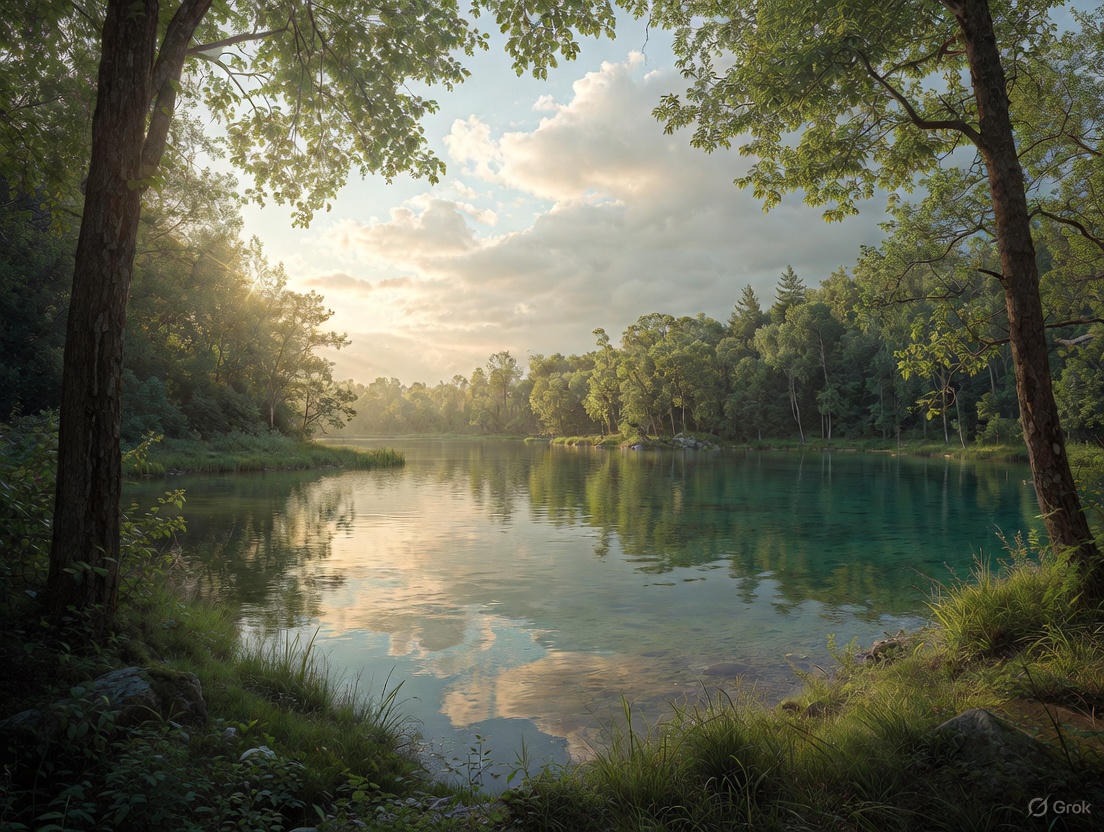
We’ve explored the sights, sounds, and smells of nature. Now, let’s consider a more fundamental connection: direct physical contact. Earthing (or grounding) is the practice of making direct skin contact with the surface of the Earth—walking barefoot on grass, sand, soil, or swimming in a natural body of water. Emerging research suggests this simple act may be a profound regulator of our physiology.
The Science of Earthing:
The Earth's surface possesses a subtle, negative electrical charge, maintained by global atmospheric electrical circuits and lightning. Our modern lifestyle, with insulated shoes and elevated dwellings, has disconnected us from this natural electrical field. Proponents of earthing theory, supported by a growing number of small-scale studies, propose that reconnecting allows free electrons from the Earth to spread over and into the body, where they can have antioxidant effects.
Potential Physiological Benefits Observed in Research:
While more large-scale studies are needed, preliminary findings are intriguing:
How to Practice Earthing (Safely):
The practice is simple but requires direct contact with conductive surfaces:
From Anecdote to Data:
Earthing is a perfect example of an ancient practice meeting modern verification. While the subjective feeling of "connectedness" is common, you can now seek objective data. After a barefoot walking session, you can review your biometrics from a health tracker. Did your overnight sleep score improve? Did your morning HRV reading rise? Did your stress levels during the day appear more stable? Tracking these metrics transforms earthing from a folk remedy into a personal biohack, allowing you to assess its tangible impact on your own recovery. For those curious about the full potential of such technology, you can compare top wellness tracking devices to find the right tool for your journey.
In the quest for better sleep, we often focus on the final hour before bed—the blue light blockers, the magnesium supplements, the perfect mattress. But what about the other 16 hours of the day? Our sleep is profoundly shaped by our exposure to natural light and darkness, the primary timekeeper for our circadian rhythm.
This internal 24-hour clock, governed by a master "pacemaker" in the brain called the suprachiasmatic nucleus (SCN), regulates not just sleepiness and alertness, but also hormone release, body temperature, digestion, and cellular repair. When this rhythm is misaligned with the natural environment—a state known as social jetlag—the consequences include poor sleep, daytime fatigue, metabolic dysfunction, and impaired cognitive performance.
How Nature Provides the Perfect Zeitgeber:
A "zeitgeber" is a German term for "time giver"—an external cue that synchronizes an organism's internal clock. The most powerful zeitgeber for humans is light. Here’s how natural light exposure, which is orders of magnitude brighter and spectrally different from indoor light, fixes our broken rhythms:
The Consequences of Indoor Living:
Our modern lives deprive us of these critical signals. We wake up in dark rooms, commute in cars or subways, work under dim, static electric light (which is deficient in the blue wavelengths crucial for circadian signaling), and then bombard ourselves with bright screens after sunset. This confuses our SCN, leading to a delayed melatonin release, difficulty falling asleep, and less restorative deep and REM sleep.
The Prescription: A Daily Dose of Daylight.
The research is clear: Aim for at least 30 minutes of outdoor light exposure in the morning, and another 30+ minutes during the day. This doesn't have to be strenuous exercise; a walk, having your coffee outside, or even sitting by a sunny window (though glass filters some important wavelengths) can help.
Tracking Your Light-Sleep Connection:
This is another area where personal data is invaluable. A wellness tracker that monitors sleep architecture—time in light, deep, and REM sleep—can show you the direct results of your daylight habits.
Try this experiment: For one week, commit to a 20-minute morning walk outside. Use your tracker to monitor your sleep. You’ll likely see measurable improvements in your sleep latency (time to fall asleep), an increase in deep sleep, and a more stable sleep schedule. It provides irrefutable proof that the sky is a more powerful sleep aid than any pill. For a comprehensive look at how this technology has evolved to provide such insights, explore the evolution from manual tracking to smart rings.
We experience nature not as a single, monolithic input, but as a symphony of sensory information. While sight gets much of the attention, the smells, sounds, and tactile sensations of the natural world are direct conduits to our primal brain, bypassing our busy prefrontal cortex to trigger immediate physiological calm. This multi-sensory immersion is key to nature’s uniquely potent restorative effect.
1. The Nose Knows: Olfactory Pathways to Peace
Our sense of smell is the only sense with a direct, unmediated pathway to the brain's limbic system, the seat of emotion and memory. This is why a scent can instantly evoke a powerful feeling or recollection.
2. The Soundscape of Serenity: Biophilia vs. Techno-Stress
The auditory environment, or soundscape, is a critical component of stress or relaxation. Urban soundscapes are dominated by "anthropogenic noise"—traffic, machinery, alarms—which our brains unconsciously interpret as potential threats, keeping our nervous systems on alert.
Natural soundscapes, however, are filled with "biophilic sounds":
A 2021 study in Proceedings of the National Academy of Sciences used fMRI and skin conductance to show that listening to natural sounds reduced the brain's "fight-or-flight" response and increased outward-focused attention, while artificial sounds prompted an inward-focused attention pattern linked to rumination and anxiety.
3. The Touch of the Earth: Tactile Grounding
The tactile sense, or haptics, completes the immersion. This goes beyond earthing's electrical connection to include the pure physical feedback:
Creating a Multi-Sensory Oasis at Home:
You can harness this science by curating your micro-environments:
Quantifying the Sensory Shift:
How do you know which sensory input most effectively calms your nervous system? Personal biometrics offer a clue. After a session of listening to a forest soundscape, check the stress metric on your wellness app. After an hour of gardening barefoot, review your heart rate log. This process of experimentation and feedback, guided by objective data, allows you to build a personalized sensory toolkit for stress recovery. It’s the ultimate form of preventive health monitoring, learning to intercept stress before it accumulates. For more on how users integrate this into daily life, browse real customer reviews and experiences.

Human beings are inherently social creatures, and our well-being is inextricably linked to the quality of our connections. In an age of digital "connection" and rising rates of loneliness—a health risk factor comparable to smoking—nature emerges as a powerful, often overlooked, social catalyst. It provides a neutral, low-pressure setting that facilitates genuine human interaction and strengthens community bonds.
Nature as a Social Facilitator:
Think about the difference between socializing in a crowded, noisy bar versus a walk in a park with a friend. The natural setting reduces social stressors:
The Research on Green Space and Social Cohesion:
Studies in urban planning and social epidemiology consistently find that neighborhoods with more parks and green spaces report:
Group Activities in Nature:
Structured group activities in nature amplify these benefits:
Nature and the Reduction of Social Threat:
For those with social anxiety, nature can be a therapeutic bridge. The calming physiological effects of nature (lowered heart rate, reduced cortisol) create a internal state that is less reactive to perceived social threats. Furthermore, social interactions that occur during a walk or hike are often time-bound and activity-focused, which can feel safer and more manageable than open-ended social events.
Technology as a Connector, Not a Replacer:
Here, technology can play a positive role by facilitating these real-world connections. Use your wellness tracker not just as a personal device, but as a social one. Join challenges with friends to "get the most green time" in a week. Compare how a socially stressful event in the city affects your biometrics versus a group picnic in the park. Share your data-driven insights with friends, perhaps inspiring them to join you for a nature-based recharge. In this way, the device that monitors your personal well-being can become a tool for enhancing your social well-being, a principle central to the vision and values of human-centric health tech companies.
The Movement Paradox: Why Exercise Feels Easier (and is More Beneficial) in Nature
We all know exercise is good for us, but for many, the thought of slogging on a treadmill under fluorescent lights feels more like a chore than a joy. What if the missing ingredient for consistent, enjoyable physical activity isn't more willpower, but a change of venue? A wealth of research points to a clear conclusion: Physical activity performed in natural environments—often called "green exercise"—provides greater mental and physical benefits than the same activity performed indoors.
The Psychological Edge: Lower Perceived Exertion
One of the most consistent findings is that people report lower ratings of perceived exertion (RPE) when exercising outdoors in nature. In simpler terms, the run feels easier, the bike ride feels less grueling, and the hike feels more enjoyable even if your heart rate is the same as it would be in a gym. This is likely due to the distracting, pleasant effects of "soft fascination." Your attention is drawn to the scenery, the sounds, and the changing environment, making you less focused on sensations of muscle fatigue or breathlessness.
Enhanced Mood and Self-Esteem:
A landmark meta-analysis in the journal Environmental Science & Technology analyzed data from over 1,200 participants and found that just five minutes of green exercise resulted in significant improvements in both self-esteem and mood. The largest effects were seen in young people and those with mental health challenges. The combination of physical activity's endorphin release with nature's stress-reducing properties creates a powerful synergy for mental well-being.
Greater Adherence and Motivation:
Perhaps most importantly, people are more likely to stick with an exercise routine if they enjoy it. The intrinsic motivation provided by a beautiful, varied natural setting often surpasses the extrinsic motivation of burning calories or hitting a step goal. You're not just "working out"; you're exploring, adventuring, and playing. This shift in mindset from obligation to opportunity is fundamental for long-term habit formation—a process that can be beautifully supported by smart technology designed to build healthy habits.
The Vitamin D Bonus:
While it's crucial to be sun-safe, exercising outdoors provides the invaluable benefit of sunlight exposure, enabling your body to synthesize Vitamin D. This "sunshine vitamin" is critical not just for bone health, but also for immune function, mood regulation, and reducing inflammation. Indoor exercise, even in a bright gym, cannot replicate this.
A Broader Range of Movement:
Natural terrain often provides a more varied and functional movement challenge than controlled gym equipment. Navigating a trail requires balance, lateral movement, and adaptive steps, engaging stabilizing muscles and improving proprioception in a way that a linear treadmill run does not.
Tracking the Green Exercise Advantage:
This is another perfect scenario for personalized data. Use your wellness tracker to compare two similar workouts:
At the heart of nature's restorative power lies its unparalleled ability to pull us into the present moment—the core state of mindfulness. Mindfulness, the practice of paying attention to the present moment without judgment, has well-documented benefits for stress, focus, and emotional regulation. While often cultivated through seated meditation, nature itself is a master mindfulness teacher.
Nature Forces Presence Through Sensory Engagement.
As we've explored, nature is a multi-sensory experience. You can't effectively walk on an uneven forest trail while lost in thoughts about a work email; your feet and eyes need to be present to navigate roots and rocks. The sound of a sudden bird call pulls your auditory attention to the here and now. The smell of rain on dry earth captures your olfactory sense. This constant, gentle demand for sensory awareness is a form of naturalistic mindfulness practice.
The Gateway to Awe and Wonder.
Nature is one of the most reliable triggers for the emotion of awe—the feeling of encountering something vast that transcends our current understanding of the world. A panoramic mountain vista, the intricate pattern of a fern, the vastness of the night sky, or the relentless power of ocean waves can all elicit this feeling.
The science of awe, pioneered by researchers like Dacher Keltner, shows it has profound effects:
Nature as a Non-Digital Gateway to Flow.
The concept of "flow"—a state of complete immersion and focused enjoyment in an activity—is often associated with work or sports. Yet, nature activities like rock climbing, mountain biking, kayaking, or even focused birdwatching are classic flow-inducers. They require a perfect match of challenge and skill, with immediate feedback from the environment, fully absorbing our cognitive capacity and leaving no room for extraneous thought.
Practical Ways to Cultivate Nature-Based Mindfulness:
You don't need to be an expert meditator. Try these simple practices:
Measuring the Immeasurable? Tracking Presence and Awe.
While you can't directly track "awe" on a wearable device, you can track its physiological correlates and consequences. After an awe-inspiring hike or a mindful sit in a garden, review your biometrics. You will likely see a sustained period of low stress, an elevated, stable HRV, and often, improved sleep metrics that night. This data validates the subjective feeling of expansiveness and calm, showing that the state of wonder isn't just poetic—it's physiological. It encourages you to seek out these experiences not as luxuries, but as essential maintenance for your mental ecosystem. For those inspired to deepen this journey, our blog offers many related articles on integrating mindfulness and technology for holistic well-being.
Knowing the "why" and even the "how" is one thing; implementing it consistently is another. Let's address the most common practical and psychological barriers with science-backed solutions.
Barrier 1: "I don't have time."
This is the most frequent objection. The counter-argument lies in the science of micro-restorations.
Barrier 2: "The weather is bad."
We've culturally internalized that nature is only for sunny, 72-degree days. This is a major limitation.
Barrier 3: "I don't live near any 'real' nature."
This is the urban dilemma we addressed, but it bears reiterating.
Barrier 4: "I get bored just sitting/walking."
If your mind is racing, a passive sit in nature can sometimes feel frustrating, not calming.
Barrier 5: "I feel guilty taking this unstructured time."
In a productivity-obsessed culture, rest is often seen as laziness.
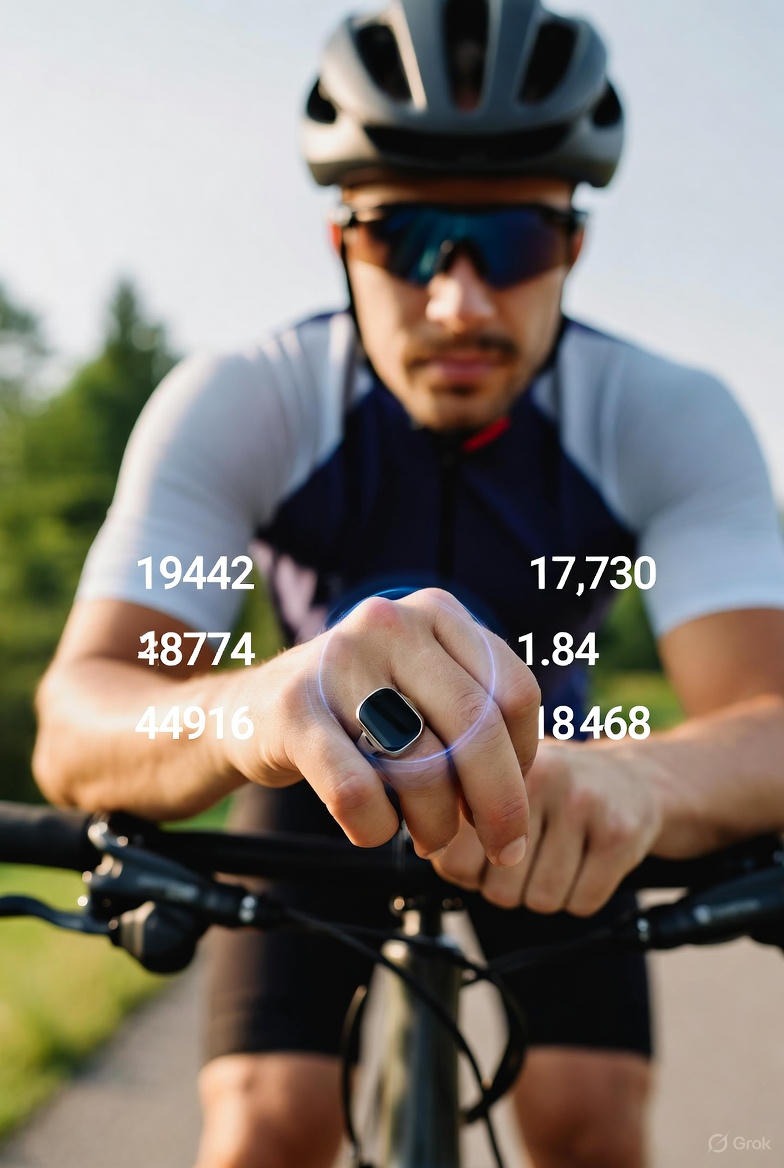
Beyond rest and recharge, nature holds a surprising key to unlocking our creative potential and breaking through mental blocks. The "shower effect"—where a great idea seemingly comes from nowhere during a mundane, offline activity—has a cousin: the "trail effect." There's a reason so many thinkers, from philosophers to CEOs, credit walks in nature for their best insights.
The Cognitive Mechanism: Incubation and Diffuse Mode Thinking.
Neuroscientists distinguish between two modes of brain function:
Nature is the ultimate catalyst for the diffuse mode. By engaging our attention softly and reducing cognitive load, it allows the brain's subconscious networks to work on problems in the background. The prefrontal cortex, the overworked manager, takes a break, and other regions freely communicate. This process is called incubation. When you stop consciously grinding on a problem and go for a walk in the park, your diffuse mode network is quietly connecting disparate pieces of information, often leading to the "aha!" moment when you least expect it.
The Research on Creativity and Nature:
Empirical studies back this up:
Practical Application for Knowledge Workers and Creatives:
Instead of battling burnout at your desk, strategically use nature as a cognitive tool.
Tracking the Creative Recharge:
While you can't track an "aha! moment," you can track the cognitive state that fosters it. After a nature walk designed to clear your head, check your biometrics. The likely reduction in stress and increase in HRV are proxies for that valuable shift from stressed, focused-mode fatigue to calm, diffuse-mode openness. You can then correlate these physiological states with your self-reported clarity and creativity afterward, building a personal map of what environments best fuel your innovative thinking. For professionals interested in leveraging technology for peak performance, understanding this integration of data and daily life is key.
For many, especially younger generations, thinking about nature is now fraught with a new kind of stress: eco-anxiety or climate grief—the chronic fear of environmental doom and mourning for lost ecosystems. This can paradoxically push people away from nature, as engagement reminds them of what's at risk and can feel overwhelming. How do we reconcile the healing power of nature with the pain of witnessing its degradation?
From Ecophobia to Biophilia: A Necessary Journey.
Psychologist and author Glenn Albrecht coined the term "solastalgia" to describe the distress caused by environmental change close to one's home. This is real, valid psychological pain. However, the antidote to this "love of home" being lost is not detachment; it is deeper, more active connection. The goal is to cultivate what E.O. Wilson called "biophilia" (the innate love of life and the living world) not as a passive feeling, but as an active, resilient relationship.
Nature as a Source of Resilience, Not Just a Victim.
Spending time in healthy ecosystems reminds us of nature's resilience—its capacity to regenerate, adapt, and foster life. Witnessing this can be a profound source of hope and can fortify our own psychological resilience. It moves us from a state of passive anxiety to one of active care.
Action as Antidote: The Therapeutic Power of Stewardship.
Research in conservation psychology shows that pro-environmental behavior is a powerful mitigator of eco-anxiety. The sense of agency and purpose derived from positive action transforms paralyzing fear into meaningful engagement.
A Balanced Digital Diet: Consuming Uplifting Narratives.
Counteract the doom-scrolling of environmental news by intentionally consuming stories of restoration, conservation wins, and scientific innovation. Follow biologists, ecologists, and conservationists on social media who share both the challenges and the successes.
The Role of Awe and Gratitude.
Even in a changing world, moments of awe in nature—a stunning sunset, the intricate work of a spider—are still available. These moments anchor us in the present beauty of the world and foster a profound sense of gratitude. Gratitude and awe are incompatible with despair; they are emotions that fuel protective love and action.
Technology's Role: Connecting and Informing Action.
Use your wellness technology not in contradiction to this ethos, but in support of it. Let the data that shows nature's positive effect on you strengthen your commitment to protecting it for all. Share your experiences and data with others, making a compelling case for the intrinsic value of natural spaces. A company committed to this balance, weaving wellness and sustainability into its mission and story, can be a partner in this journey.
By embracing nature with clear eyes—acknowledging both its plight and its power—we find a more mature, sustaining form of connection. It becomes a relationship based not on naive idealism, but on respectful, reciprocal care: it heals us, and we are compelled to heal it.
We've covered the extensive "why." Now, let's build your personalized "how." This is a practical, step-by-step guide to designing a sustainable nature-integration plan based on your lifestyle, location, and personal data.
Step 1: The Biometric Baseline Assessment (Week 1).
Before making changes, understand your starting point. For one week, live your normal life but wear your wellness tracker consistently.
Step 2: The "Green Audit" of Your Life.
Map your current reality and opportunities.
Step 3: Start with Micro-Interventions (Weeks 2-3).
Choose ONE or TWO of the easiest, smallest changes from the list below. The goal is success, not overwhelm.
Step 4: Monitor, Compare, and Iterate (Ongoing).
This is where your tracker becomes your guide.
Step 5: Deepen the Practice (Month 2 and Beyond).
As the habit forms, add layers of depth and duration.
Step 6: Create a "Nature-First" Response System.
Use your data to create automatic triggers for nature time.
This personalized prescription turns the grand concept of "nature for wellness" into a living, breathing, data-informed part of your daily routine. It’s a dynamic process of learning what your unique biology craves and responding to it—the essence of modern, proactive self-care.

Collecting data is one thing; deriving actionable wisdom from it is another. Your wellness tracker provides a rich stream of biomarkers. Let's become fluent in their language, specifically in the context of your nature interactions, to move beyond simple scores into profound self-understanding.
Advanced HRV Analysis: The Story of Your Nervous System.
Heart Rate Variability is your most direct metric of autonomic nervous system balance. But don't just look at the number; interpret its story.
Stress Metric Nuance: Distinguishing "Good Stress" from "Bad Stress."
Not all stress is deleterious. The stress metric on your device typically measures physiological arousal via heart rate variability, skin temperature, and electrodermal activity. The key is context.
Sleep Architecture: Nature's Signature on Your Night.
Look beyond total sleep time. The gold is in the stages.
Creating a Personal "Nature Response Index."
Become a scientist of your own life. After a month of consistent tracking, ask:
The answers to these questions form your unique Nature Response Index, a data-backed guide to optimizing your most potent wellness tool. For a deeper understanding of the technology that makes this possible, explore the accuracy revolution in health tracking.
As we look ahead, the intersection of nature therapy, biometrics, and technology points to fascinating possibilities. We are moving from passive tracking to active, intelligent feedback systems and exploring how to harness nature's benefits when physical access is impossible.
The Next Generation of Wearables: Real-Time Bio-Digital Nudges.
Imagine your smart ring or wearable not just recording data, but intelligently interpreting it in real-time and suggesting a nature-based intervention.
Virtual Reality (VR) and Augmented Reality (AR) as Therapeutic Tools.
For those who are housebound, in extreme urban environments, or in healthcare settings (hospitals, hospice), high-fidelity VR nature experiences are becoming a valid therapeutic tool.
The Ethical Imperative and The "Real Thing"
This bio-digital future must be developed with a core ethical principle: Virtual nature should be a bridge to, or a supplement for, real-world nature connection, never a replacement. The full-spectrum, multi-sensory, phytoncide-rich, awe-inspiring, electrically grounding experience of actual nature is irreplaceable. Technology's role should be to:
The ultimate goal is a world where our technology is so intelligently tuned to our biology that it continually guides us back to our most fundamental health source: the living planet. This vision of human-centered, planet-aware tech is at the core of forward-thinking companies; you can read about one such perspective in our story.
The evidence is now too robust to ignore. Leading health institutions and forward-thinking medical practitioners are beginning to formally integrate "nature prescriptions" into treatment plans, moving it from alternative wellness into mainstream preventative medicine.
The Rise of "Park Prescriptions" and Social Prescribing.
Programs like Park Rx America and the UK's Social Prescribing model are pioneering this shift. Doctors, psychologists, and healthcare providers can now "prescribe" time in specific local parks or nature programs as a co-treatment for conditions like:
The "Nature Pill" as Standard Care.
Imagine a future where your annual physical doesn't just end with a cholesterol lab slip, but with a personalized "Nature Pill" printout:
Health Insurance and Corporate Wellness Incentives.
As the data on reduced healthcare costs becomes undeniable, systems will adapt.
The Smart Ring as the Prescription Logger and Verifier.
In this ecosystem, your wellness tracker becomes more than a personal tool; it becomes a health data interface. With your permission, anonymized, aggregated data could help public health officials determine which park designs are most effective at reducing community stress. It could allow your doctor to see if you've filled your "nature prescription" and correlate it with improvements in your clinical biomarkers. This requires robust privacy and data security, but the potential for positive public health outcomes is immense. It represents the full circle of the evolution of health tracking technology, from curiosity to clinical utility.
We have journeyed through thousands of words of science, strategy, and speculation. We've seen how nature quiets the default mode network, lowers cortisol, boosts NK cells, resets circadian rhythms, fosters awe, and builds long-term resilience. We've discussed how to overcome barriers, personalize a plan, and interpret the data.
Now, the most important step remains: Yours.
This is not about adding another item to your overwhelming to-do list. It is about re-prioritizing a fundamental human need that has been pushed to the periphery. It is about recognizing that the time you "spend" in nature is not spent at all; it is invested, with a higher rate of return for your health than almost anything else you can do.
Start small, but start today.
Let your curiosity be your guide. Wonder about that bird's name. Feel the texture of that rock. Follow the path you've never taken.
And if you choose to use technology, let it be a lantern, not a leash. Let it show you the undeniable connection between the soil under your feet and the peace in your mind. Let it prove to you, in your own physiology, that you are not separate from nature—you are an expression of it, and you thrive when you remember that connection.
The path to rest and recharge is not a complicated algorithm locked in an app. It is a trailhead at the edge of your neighborhood, the sunrise from your window, the potted plant on your desk. The science is clear. The invitation is open. The door—the one to the outside—is waiting.
The world is your wellness sanctuary. Step into it.
Your Trusted Sleep Advocate (Sleep Foundation — https://www.sleepfoundation.org/)
Discover a digital archive of scholarly articles (NIH — https://www.ncbi.nlm.nih.gov/
39 million citations for biomedical literature (PubMed — https://pubmed.ncbi.nlm.nih.gov/)
experts at Harvard Health Publishing covering a variety of health topics — https://www.health.harvard.edu/blog/)
Every life deserves world class care (Cleveland Clinic -
https://my.clevelandclinic.org/health)
Wearable technology and the future of predictive health monitoring. (MIT Technology Review — https://www.technologyreview.com/)
Dedicated to the well-being of all people and guided by science (World Health Organization — https://www.who.int/news-room/)
Psychological science and knowledge to benefit society and improve lives. (APA — https://www.apa.org/monitor/)
Cutting-edge insights on human longevity and peak performance
(Lifespan Research — https://www.lifespan.io/)
Global authority on exercise physiology, sports performance, and human recovery
(American College of Sports Medicine — https://www.acsm.org/)
Neuroscience-driven guidance for better focus, sleep, and mental clarity
(Stanford Human Performance Lab — https://humanperformance.stanford.edu/)
Evidence-based psychology and mind–body wellness resources
(Mayo Clinic — https://www.mayoclinic.org/healthy-lifestyle/)
Data-backed research on emotional wellbeing, stress biology, and resilience
(American Institute of Stress — https://www.stress.org/)


