How to Combine Socializing and Recovery in Busy Lives
How to make socializing itself a form of recovery, not just another drain.
The Social Recovery Method: How to Combine Socializing and Recovery for a Thriving, Busy Life
We live in the age of the "hustle hustle," the side-hustle, and the glorification of being "crazy busy." Our calendars are color-coded masterpieces of productivity, our to-do lists are digital and endless, and our sense of self-worth is often tangled up in our output. In this relentless pursuit of achievement, two fundamental human needs are the first to be sacrificed on the altar of busyness: social connection and true recovery.
We tell ourselves we’ll see friends after the big project launches. We promise our bodies rest after the next deadline. We swap deep, restorative sleep for late-night emails, and replace nourishing conversations with hurried text messages. We treat socialization and recovery as separate line items on a budget we’re constantly overdrawn on—luxuries we can’t afford when there’s so much "important" work to be done.
This is a catastrophic miscalculation.
Modern science reveals these are not indulgences; they are non-negotiable pillars of high performance, mental resilience, and long-term health. Social isolation is now considered a health risk on par with smoking. Chronic, unaddressed stress is the silent catalyst for a host of physical and mental ailments. The busier we are, the more we need the reparative, regenerative power of connection and rest. The problem isn't their importance—it's our perception that they are mutually exclusive and time-intensive.
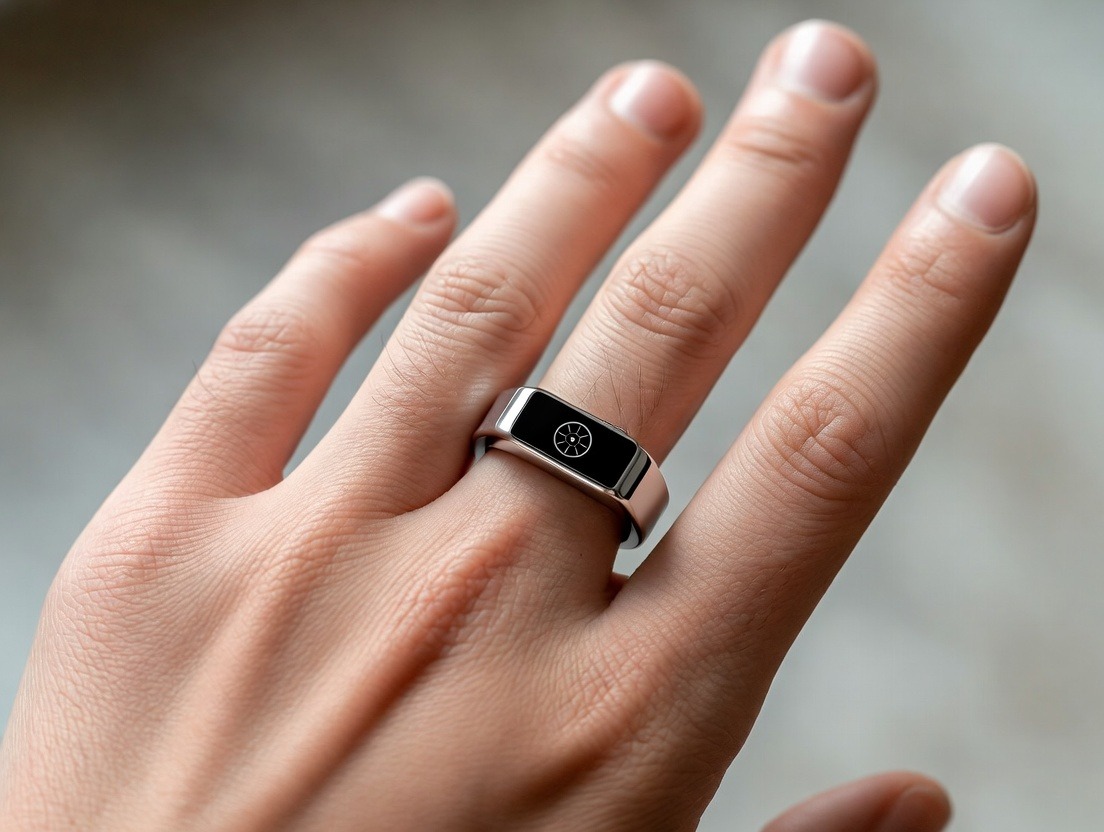
But what if we stopped trying to balance these competing priorities and started combining them? What if our social lives could actively fuel our recovery, and our recovery practices could deepen our social bonds? What if the very device on your finger, designed to track your solitary sleep and steps, could become the catalyst for a more connected, recharged life?
This is the promise of the Social Recovery Method: a paradigm-shifting approach that leverages smart technology, intentional design, and behavioral science to weave threads of connection and restoration directly into the fabric of your busy life. It’s about moving from a scarcity mindset ("I have no time for friends or rest") to a fusion mindset ("My social time is recovery, and my recovery is better with others"). In the following comprehensive guide, we will dismantle the old dichotomy and provide you with the actionable strategies, scientific rationale, and technological tools—like the advanced wellness tracking from Oxyzen—to build a life where you don’t just succeed, but truly thrive.
The Modern Dilemma: Why Busyness Erodes Both Connection and Recovery
To solve a problem, we must first understand its roots. The feeling of being perpetually "time-poor" isn't just an anecdote; it's a cultural condition with neurological and physiological consequences. We are engaged in a daily triage, constantly deciding what gets our dwindling attention. In this ruthless calculus, unstructured social time and passive recovery often lose.
The issue is twofold. First, we misdefine both activities. We see "socializing" as a boisterous night out that leaves us drained, and "recovery" as a solitary, silent act of doing nothing. This narrow framing makes them seem like indulgences. Second, the always-on digital landscape has blurred boundaries. A "quick check" of work email from the couch hijacks what should be psychological detachment. A social media scroll mimics connection but often leaves us feeling more isolated, a phenomenon researchers call "social snacking" that fails to nourish.
Neurologically, chronic busyness without adequate social recovery keeps us in a sympathetic-dominant state—the "fight or flight" mode. Cortisol and adrenaline remain elevated, impairing the prefrontal cortex (the seat of decision-making and emotional regulation) and suppressing the parasympathetic nervous system (responsible for "rest and digest"). This state is terrible for creativity, emotional stability, and physical health.
Simultaneously, our social muscles atrophy. University of Chicago psychologist John Cacioppo's pioneering work on loneliness demonstrated that perceived social isolation triggers hypervigilance for social threat. In a busy state, we might misinterpret a friend’s delayed text as a slight, further discouraging us from reaching out, creating a vicious cycle of disconnection. We become less practiced at the vulnerability and presence true connection requires.
The data is stark:
The American Psychological Association consistently finds that work is a top source of stress, with many reporting they have no time for stress management.
A study published in Perspectives on Psychological Science concluded that the strength of one's social relationships is a critical determinant of long-term health and mortality risk.
HRV (Heart Rate Variability), a key biomarker of recovery and resilience tracked by devices like smart rings, is directly suppressed by social stress and boosted by feelings of social safety.
The first step is radical acknowledgment: treating connection and recovery as optional extras is a dangerous form of self-sabotage. They are the foundation upon which sustainable success is built. By understanding the cost of this dilemma, we can begin to architect a smarter solution, one where technology serves as a bridge, not a barrier. For a deeper look at how modern wearables are designed to combat these very issues, explore our analysis of the evolution of health tracking technology from manual logs to smart rings.
Redefining the Terms: What "Socializing" and "Recovery" Really Mean in a Healthy Life
Before we can fuse these concepts, we must expand our definitions beyond the cultural clichés. True "socializing" and genuine "recovery" are far more nuanced, accessible, and powerful than we’ve been led to believe.
Socializing is not synonymous with partying. It is the experience of shared reality, mutual vulnerability, and co-regulation. It can be:
A silent walk side-by-side with a partner.
A deep, meandering conversation with a colleague over coffee.
Working alongside a friend in a quiet cafe (often called "body doubling," which can boost productivity for neurodiverse individuals).
Sharing a mundane task, like cooking a meal together.
A moment of empathetic eye contact and a "me too."
The core ingredient is presence and emotional resonance. It's about feeling "seen" and, in turn, seeing another. This quality of interaction triggers the release of oxytocin (the "bonding hormone"), reduces cortisol, and activates neural pathways associated with safety and reward.
Recovery is not synonymous with collapse. It is the active process of restoring mental, emotional, and physical resources. It is parasympathetic nervous system activation. It can be:
Mental Recovery: Psychological detachment from work, mindfulness, engaging in a hobby that requires focus (like gardening or playing an instrument).
Emotional Recovery: Processing feelings, journaling, therapy, or the emotional safety found in a trusted relationship.
Social Recovery: The uniquely restorative power of positive, low-demand social interaction.
Crucially, recovery can be active (yoga, a walk in nature) and it can be micro (a single minute of focused breathing). The goal is not to be inert, but to engage in activities that replenish your specific depleted reserves.
When we use these expanded definitions, the overlap becomes glaringly obvious. A quiet walk with a friend provides physical recovery (movement, fresh air), mental recovery (detachment from work thoughts), emotional recovery (sharing concerns), and social recovery (connection) all at once. A cooking class with a partner is mental recovery (learning a new skill), social recovery (collaboration), and can fuel physical recovery (nutritious food).
This reframe is liberating. It means you don’t need a three-hour dinner or a full weekend spa retreat to reap benefits. You can design micro-moments of combined social recovery throughout your week. The key is intentionality and paying attention to what truly replenishes you—a skill that modern wellness technology is uniquely suited to teach. Devices that offer continuous vs. periodic monitoring can help you identify which specific activities (including social ones) actually move your physiological recovery markers in the right direction.
The Science of Social Recovery: How Connection Physiologically Repairs Us
The feeling of being "recharged" after a good chat or "worn out" after a conflict isn't just metaphorical. It is a direct reflection of profound physiological processes. Understanding this science turns social recovery from a nice idea into a non-negotiable health intervention.
The Neurochemical Cocktail of Connection: Positive social interaction triggers a cascade of beneficial hormones and neurotransmitters:
Oxytocin: Often called the "cuddle hormone," it’s released during bonding, touch, and trusting conversations. It reduces cortisol (the stress hormone), lowers blood pressure, and increases pain thresholds. It literally promotes growth and healing.
Dopamine: The "reward" neurotransmitter. Positive social feedback and shared laughter release dopamine, creating feelings of pleasure and motivation, counteracting the anhedonia (inability to feel pleasure) common in burnout.
Endorphins: Social laughter and lighthearted physical touch (like a hug or a high-five) stimulate endorphin release, the body's natural opioids, which elevate mood and relieve pain.
Serotonin: Stability and a sense of belonging within a social group help regulate serotonin, a key player in mood, sleep, and digestion.
The Co-Regulation of the Nervous System: Our nervous systems are not isolated units; they are designed to entrain with one another. This is called co-regulation. When you are with a calm, present, and safe person, their physiological state—reflected in their heart rate, breathing rhythm, and vocal tone—can literally help regulate your own. Your elevated heart rate can slow to match their calmer rhythm. Your jagged breathing can smooth out. This is why a hug from a loved one can halt a panic attack in a way that solitary coping sometimes cannot. It’s a biological hand-off of regulation.
The Social Baseline Theory: Neuroscientist Dr. James Coan’s Social Baseline Theory posits that the human brain is designed to assume it has social resources at its disposal. It offloads regulatory work onto our social network. When we are alone, the brain perceives the world as more effortful and threatening, requiring more metabolic resources. Connection, therefore, is a neural energy-saver. It reduces the cognitive and emotional load on the individual.
Quantifying the Impact with Biomarkers: This is where wearable technology transforms abstract science into personal insight. A smart wellness ring tracking key metrics can show you the direct impact of social scenarios:
Heart Rate Variability (HRV): A high HRV indicates a resilient, recovered nervous system. Positive social interactions often cause a noticeable, positive shift in HRV. Conversely, conflict or social anxiety can cause it to plummet.
Resting Heart Rate (RHR): Chronic stress elevates RHR. Quality social recovery can contribute to lowering it over time.
Sleep Metrics: Do you sleep more deeply and wake less often after an evening of relaxed connection versus an evening of solitary screen time? The data will show you.
Stress Score: Advanced algorithms can interpret physiological data to estimate stress load. You might see your stress score decrease during a mindful conversation.
This empirical feedback is powerful. It moves socializing from the realm of "guilty pleasure" to "essential maintenance." It allows you to experiment and see which friends, which activities, and which durations most effectively serve your recovery. To understand the sensors and algorithms that make this personalization possible, delve into the science behind modern health tracking technology.
Auditing Your Social and Recovery Landscape: A Self-Assessment
You cannot change what you don't measure. The journey to integrated social recovery begins with a compassionate and honest audit of your current landscape. This isn't about judgment; it's about gathering data to inform a smarter design.
Part 1: The Social Audit Grab a notebook and reflect on the past two weeks.
Catalog Interactions: List every social interaction, both digital and in-person. Who was it with? What was the context (work meeting, deep talk, casual lunch, group chat)?
Rate the "Battery Effect": For each, note: Did this interaction leave you feeling more energized (+), drained (-), or neutral (=)? Be honest. A fun party might be a + in the moment but a - the next day if it sacrificed sleep.
Identify the Nutrients: What type of connection did it provide? Use categories like: Vulnerability/Trust, Fun/Laughter, Intellectual Stimulation, Practical Support, Shared Activity.
Note the Barriers: What typically gets in the way of positive socializing? (e.g., "Feeling too tired," "Scheduling is a nightmare," "I feel guilty taking the time").
Part 2: The Recovery Audit Examine your current recovery practices.
Physical Recovery: How many hours of sleep do you actually get (use your wellness ring data if you have it)? Do you take breaks during the day? How is your nutrition fueling your energy?
Mental Recovery: When was the last time you were truly psychologically detached from work/obligations? Do you have hobbies that absorb your focus?
Emotional Recovery: How do you process stress, frustration, or anxiety? Do you have outlets like journaling, therapy, or creative expression?
Social Recovery: Which interactions from your Social Audit genuinely felt restorative? How often do they occur?
Part 3: The Fusion Analysis Now, overlay the two audits.
Where did socializing and recovery already overlap successfully? (e.g., "My Saturday morning hike with Sam leaves me feeling fantastic.")
Where did socializing hinder recovery? (e.g., "Late dinners with that group always wreck my sleep score.")
What recovery needs are currently going unmet, and could a social element help? (e.g., "I'm terrible at mental detachment. Could I commit to a 'no phones, no shop talk' board game night to force that switch?")
Leveraging Technology for Your Audit: If you use a device like the Oxyzen smart ring, you have a powerful partner in this process. Don't just look at your sleep score in isolation.
Correlate: The day after a specific social event, check your Sleep Depth, HRV, and Readiness Score. Look for patterns.
Experiment: Intentionally plan a low-key, connection-focused evening and compare the data to a night spent working late or scrolling solo.
Track Trends: Use the long-term data to see if periods of higher social connection correlate with better overall recovery trends.
This self-assessment provides your unique blueprint. It highlights your current "recovery allies" in your social circle and identifies the gaps where new, fused habits need to be built. For inspiration on building those foundational healthy habits, our blog offers 50 actionable tips for healthy aging that a smart ring can help you implement daily.
The 5 Archetypes of Social Recovery: Identify Your Style
Not all social recovery looks the same. Your personality, energy levels, and specific recovery needs will dictate what form is most effective for you. By identifying your primary archetype (most people are a blend), you can stop forcing yourself into socially draining molds and design interactions that truly fit.
1. The Quiet Co-Presencer
Core Need: To recover from sensory and emotional overload through low-verbal, shared space.
Signs This Is You: You find large groups overwhelming. You crave "parallel play"—reading in the same room as a partner, working quietly in a library with a friend, or enjoying nature without the pressure to converse.
Optimal Social Recovery Activities: Silent walks, visiting a museum together, knitting/crafting side-by-side, caring for plants or animals together.
Smart Ring Insight: Watch for improvements in your stress score and heart rate during and after these activities. The co-regulation happens subtly.
2. The Deep Diver
Core Need: To recover from surface-level interactions and intellectual stagnation through meaningful dialogue.
Signs This Is You: Small talk drains you. You feel energized after a one-on-one conversation that explores ideas, emotions, or complex topics. You value vulnerability.
Optimal Social Recovery Activities: A long, meandering talk over tea, a structured "question game" with a partner, a book club focused on rich discussion, or a podcast listen followed by a debrief.
Smart Ring Insight: You might see a delayed but significant positive impact on HRV and sleep quality as your mind processes and integrates the meaningful exchange.
3. The Playful Energizer
Core Need: To recover from rigidity, responsibility, and seriousness through fun, laughter, and lighthearted activity.
Signs This Is You: You use humor as a coping mechanism. You feel most connected when being silly, playing games, or engaging in spontaneous adventure. Your recovery involves forgetting adult pressures.
Optimal Social Recovery Activities: Board game nights, improvisational comedy, dance classes, trying a new sport together, playful banter.
Smart Ring Insight: Look for an endorphin and dopamine-driven boost in your immediate mood and energy metrics post-interaction. Monitor sleep to ensure the fun doesn't come at the cost of late nights.
4. The Collaborative Creator
Core Need: To recover from passive consumption and lack of agency by building, making, or problem-solving with others.
Signs This Is You: You feel restless just "hanging out." You bond by doing. A finished project or a solved puzzle gives a joint sense of accomplishment that is deeply restorative.
Optimal Social Recovery Activities: Cooking a complex meal together, home improvement projects, volunteer work, coding or art collaborations, escape rooms.
Smart Ring Insight: The state of "flow" achieved during creation is a potent form of mental recovery. Track your ability to detach and sleep well after these sessions, as they provide a clear psychological closure.
5. The Nurturing Connector
Core Need: To recover from feelings of isolation or purposelessness by offering care, support, and feeling integral to a community.
Signs This Is You: You are a natural caregiver. You feel replenished when you can help, host, or organize for others. Your recovery is tied to feeling needed and valued in your relationships.
Optimal Social Recovery Activities: Hosting a simple dinner, mentoring someone, checking in on an older relative, organizing a community clean-up, planning a friend's celebration.
Smart Ring Insight: The oxytocin release from nurturing can be profound. Observe its calming effect on your nighttime resting heart rate and readiness scores.
Finding Your Blend & Communicating It: Most people are a mix. You might be a "Quiet Co-Presencer" with your partner but a "Playful Energizer" with an old college friend. The power lies in self-awareness. You can now communicate your recovery needs socially: "I'd love to see you, but I'm pretty drained. Would you be up for a quiet walk instead of a loud restaurant?" This sets the interaction up for mutual success. Understanding how a wellness device can support different health goals includes recognizing how it can validate and guide these personal social recovery styles.
Designing Your Social Recovery Rituals: From Theory to Practice
Armed with your self-assessment and archetype profile, it’s time to design intentional rituals. A ritual is a repeatable, meaningful practice that combines socializing and recovery. The goal is to make them so rewarding and seamless that they become non-negotiable fixtures in your life, not extra items on your to-do list.
The F.I.T.T. Principle for Social Recovery: Borrowed from fitness, this framework helps structure your rituals.
Frequency: How often? (e.g., one micro-ritual daily, one longer ritual weekly).
Intensity: How demanding? (e.g., a deep talk vs. a text check-in).
Time: How long? (e.g., a 15-minute call or a 2-hour Sunday brunch).
Type: What activity, matching your archetype? (e.g., co-working, hiking, cooking).
Blueprint for Building a Ritual:
Start Micro and Atomic: The biggest mistake is over-ambition. A 5-minute daily ritual is worth more than a monthly 4-hour one that never happens.
Example: A daily "decompression debrief" with a partner or roommate—5 minutes to share one high and one low from the day, with no problem-solving allowed.
Anchor to an Existing Habit (Habit Stacking): Attach your new social recovery ritual to something you already do.
Example: "After I pour my morning coffee, I will send a short, thoughtful voice note to one friend." Or, "During my Wednesday lunch break, I will have a 20-minute walking call with a colleague I enjoy."
Prioritize Quality of Presence Over Duration or Activity: A fully present 30 minutes is infinitely more restorative than 3 hours of distracted togetherness. Set boundaries: "Phones in a basket for the first hour."
Example: A weekly "device-free dinner" where the focus is on conversation and savoring the meal.
Design for Low Friction: The easier it is, the more likely it is to survive a busy week. Remove logistical barriers.
Example: A standing "first Saturday of the month" hike with a friend group. No weekly scheduling debates. It's just on the calendar. Or a recurring video call with a long-distance friend every other Thursday evening.
Create Rituals for Different Time Scales:
Daily: A good morning/goodnight text with a loved one; sharing a meal without screens.
Weekly: A movement "date" (walk, yoga class, rock climbing) with a friend; a family game night.
Monthly: A "recipe club" where each person tries a new dish; a book swap with colleagues.
Quarterly/Annually: A friend retreat; a tradition like an annual camping trip or holiday baking day.
The Role of the Smart Ring as a Ritual Partner: Your wearable isn't just a tracker; it's a coach and accountability partner for these rituals.
Set Intentions & Measure Impact: Before a planned social recovery ritual, note it in your app's journal. Afterwards, review your physiological data. Did your stress levels drop? Did you sleep better? This positive reinforcement wires in the habit.
Receive Gentle Prompts: If your device notices prolonged stress or poor recovery, it can nudge you: "Your stress levels have been elevated. Consider connecting with a friend or spending time on a relaxing hobby." This turns abstract data into an actionable social prescription.
Track Consistency: The weekly/monthly reports show you how consistent you've been with sleep and activity—include your social recovery rituals in this review. Did a week with three micro-rituals look better than a week with none?
Example Ritual in Action:
Name: "Wednesday Walk & Talk"
F.I.T.T.: Frequency=Weekly, Intensity=Low (brisk walk), Time=45 mins, Type=Collaborative Creator/Deep Diver blend (we solve a work/personal puzzle while moving).
Habitat Stack: Anchored to the mid-week slump, right after work.
Low Friction: Same route, same friend. We meet at the trailhead.
Tech Role: I wear my ring. I notice my "activity" goal is met and my post-walk HRV is always elevated. The data confirms this ritual is a dual win.
By designing with intention, you transform haphazard socializing into a strategic recovery tool. For those new to using technology in this way, our wellness ring basics guide for beginners is an excellent starting point.
The Digital Dilemma: Leveraging Technology for Connection Without Burnout
Technology is the great paradox of modern social life. It promises connection across continents but often fosters isolation across the dinner table. For the Social Recovery Method to work, we must become architects of our digital environment, not victims of it. This means using tech to facilitate real recovery and prevent digital drain.
The Problem: Digital Social Snacking vs. Digital Nourishment Scrolling through social media feeds, liking posts, and consuming viral content is "social snacking." It provides a quick hit of novelty (dopamine) but lacks the nutritional value of mutual vulnerability, co-regulation, and shared reality. It often leads to comparison, anxiety, and the feeling that everyone else is having meaningful connection without you. This is not social recovery; it is social debt.
The Solution: Intentional Digital Hygiene for Social Recovery
Audit Your Digital Social Diet: Just as you audited your in-person life, audit your digital one. Which apps/groups/chats leave you feeling connected and uplifted? Which leave you anxious, jealous, or drained? Unfollow, mute, or leave spaces that are net negatives.
Use Asynchronous Communication for Deepening Bonds: The magic of text, voice notes, and email is that they are asynchronous. They allow for thoughtful connection without the pressure of immediate response. This can be a powerful low-friction recovery tool.
Practice: Send a voice note to a friend telling them a story or why you appreciate them. It’s more personal than text and less demanding than a call. Share an article with a note: "This made me think of our conversation last week."
Make Video Calls Work for Recovery (Not Just Work): Repurpose the tool of work meetings for connection. But design the call for recovery.
Set an intention: "Let's catch up, no agenda."
Do an activity together: Watch the same movie simultaneously with a chat open, cook the same recipe, or do a virtual paint-along.
Embrace comfortable silence: You don't need to fill every second. Just being on camera together while you each doodle or drink tea can be co-presence.
Create Digital-Free Zones for In-Person Rituals: The single most powerful rule for any in-person social recovery ritual is devices away. Use a physical basket or another room. The presence of a phone, even face-down, reduces conversation quality and empathy (a phenomenon called the "iPhone effect").
Leverage Shared Apps for Positive Accountability: Use technology to build toward in-person recovery, not away from it.
Fitness/Recovery Apps: Share a step challenge, a meditation streak, or a sleep goal with a friend. The shared focus on well-being is the connection point.
Planning Apps: Use shared calendars or planning tools (like Doodle or When2Meet) to reduce the friction of scheduling your in-person rituals, making them more likely to happen.
How a Smart Ring Informs Your Digital Hygiene: Your wellness data provides undeniable proof of tech's impact.
The "Doomscroll" Effect: Check your HRV and stress graph after 30 minutes of passive social media scrolling versus after 30 minutes of reading a book or talking to a loved one. The contrast can be startling and motivational.
Blue Light & Sleep: Your sleep score will vividly show the impact of late-night screen use. This isn't just about blue light; it's about the cognitive and emotional activation from digital content delaying sleep onset.
Notifications as Stressors: Each ping is a micro-interruption that can spike cortisol. Your ring’s stress data can validate the benefit of turning off non-essential notifications during your focused work and your dedicated social recovery time.
By treating your digital tools with the same intentionality as your in-person interactions, you reclaim them as servants of your well-being. They become bridges to the deep, restorative connection you need, not barriers to it. For more on managing the data and privacy aspects of this connected life, our guide on wellness ring privacy settings and data security is an essential resource.
Overcoming Common Obstacles and Objections
Even with the best blueprint, life gets in the way. The voice in your head will offer convincing reasons to skip the walk, cancel the call, or pick up your phone. Let's preemptively dismantle these obstacles.
Obstacle 1: "I'm Too Tired / Drained to Socialize."
Reframe: This is precisely when you need social recovery the most, but in the right dosage and type. You don't need a raucous party.
Solution: Opt for a low-energy, high-connection ritual from the "Quiet Co-Presencer" playbook. Propose: "I'm pretty wiped, but I'd love some company. Want to come over and just watch a movie quietly?" The presence of a safe person can be more restorative than solitary collapse.
Obstacle 2: "Scheduling is a Nightmare."
Reframe: The goal is consistent connection, not perfect, lengthy gatherings.
Solution:
Embrace Micro-Moments: A 10-minute check-in call is valid.
Create Standing Appointments: A recurring slot (e.g., "every other Thursday 7pm") eliminates scheduling debates.
Piggyback on Existing Tasks: Invite a friend to run errands with you, or have a "walking meeting."
Obstacle 3: "I Feel Guilty Taking 'Me' Time That's Also Social Time."
Reframe: This is rooted in the false dichotomy. Social recovery is not selfish; it's a core component of health that makes you a better partner, parent, colleague, and friend. You are refilling your cup to have more to offer.
Solution: Communicate the "why" to loved ones: "I've realized that spending quality time with you is how I recharge best. This isn't me taking away from other things; it's me investing in us and my well-being."
Obstacle 4: "My Friends Are Just as Busy / Not Interested."
Reframe: You may need to gently evangelize or find new connection points.
Solution:
Lead with Vulnerability: "I've been feeling really stretched thin and realized I'm missing real connection. Would you be up for trying a monthly walk/hike/cook with me?"
Find New Tribes: Look for groups centered around recovery-focused activities: a running club, a meditation group, a volunteer organization. Shared purpose fosters efficient bonding.
Scale the Ask: Start with a simple, shared digital activity like a two-person book club or a photo challenge before proposing in-person meets.
Obstacle 5: "What If It Doesn't Feel Restorative?"
Reframe: This is data, not failure. Social recovery is personal.
Solution: Use your smart ring data and personal reflection. If a weekly book club feels like a chore, maybe you're a "Playful Energizer" needing more active fun. If big groups drain you, stop forcing them. Experiment and adjust. The personalization capabilities of modern wellness tech are key here—they help you learn what works for your unique physiology.
Obstacle 6: "I'm an Introvert. This Sounds Exhausting."
Reframe: The Social Recovery Method is especially for introverts! It’s about designing connection that replenishes your energy, not drains it. It rejects the extrovert ideal of constant, high-stimulation socializing.
Solution: Double down on the "Quiet Co-Presencer" and "Deep Diver" archetypes. Your rituals should be one-on-one or very small groups, low-stimulation environments, and focused on depth or comfortable silence. Your recovery metric is key: if your energy is higher afterward, you've designed it correctly.
By anticipating these hurdles and having a plan, you build resilience into your Social Recovery practice. It becomes a flexible, adaptable part of your life, not a fragile addition.
Optimizing Your Environment: Creating Spaces for Social Recovery
The spaces we inhabit are not passive backdrops to our lives; they are active participants in shaping our behavior, mood, and ability to connect. Just as a cluttered desk can induce anxiety, a poorly designed home or social environment can stifle the very connection and recovery we seek. To successfully fuse socializing and recovery, we must become intentional architects of our physical spaces, transforming them from mere living areas into "recovery sanctuaries" that facilitate ease, comfort, and presence.
The Principles of a Social Recovery Space:
The Principle of Low Friction: The space should make connection easy and effortless. Remove barriers to starting an interaction.
Application: Create an inviting, always-available "connection nook." This could be a comfortable two-seater couch by a window, a pair of Adirondack chairs on a patio, or a kitchen island with stools. The key is that it’s perpetually ready for a quick chat or a shared cup of tea without needing to clear clutter or rearrange furniture.
The Principle of Multi-Sensory Comfort: Recovery is a full-body experience. A space should engage the senses in calming, pleasurable ways to encourage the parasympathetic nervous system to engage.
Sight: Warm, dimmable lighting (avoid harsh overhead lights). Access to natural light and greenery (plants). Visually uncluttered surfaces.
Sound: Manage acoustics. A small water feature, access to quiet music, or simply the ability to close a door on street noise can be crucial. For social recovery, the space should allow for easy conversation without shouting.
Touch: Plush textures—soft blankets, cushioned seats, a rug underfoot. These signal safety and comfort, promoting relaxation.
Smell: Subtle, natural scents like citrus, lavender, or pine can uplift or calm. Avoid artificial or overpowering air fresheners.
The Principle of Activity-Prompting Design: The space should suggest shared, low-pressure activities that naturally foster connection.
The "Visible Invitation": Leave a board game on the coffee table, a puzzle on a side table, or a deck of cards visible. These are non-verbal invitations to engage.
The "Co-Creation Zone": In the kitchen, keep a recipe book open or have a few simple ingredients on the counter. It prompts, "Shall we try this together?"
The "Shared Focus" Setup: Arrange seating to face a shared point of interest—a fireplace, a garden view, an art piece—rather than just facing each other. This reduces social pressure and allows for the comfortable, side-by-side interaction that many find restorative.
The Digital-Physical Boundary: The Single Most Important Design Feature
In a Social Recovery space, the management of technology is a physical design challenge.
The Charging Station: Designate a charging station away from your primary social recovery areas—in a hallway, a closet, a home office. This physically separates devices from your connection zones.
The "Phone Bed" or Basket: Place a small, attractive basket or tray near the entrance of your living room or dining area with a simple sign: "Let's connect." This ritual of depositing phones upon entering the space is a powerful psychological signal that this time and space are different.
Tech-Free Zones: Declare certain areas, like the dining table or a reading nook, as permanently tech-free. This consistency builds a strong social norm for anyone in your home.
Adapting Spaces for Different Recovery Archetypes:
For the Quiet Co-Presencer: Prioritize comfortable, side-by-side seating with good views and access to individual activities (a shelf of books, knitting baskets).
For the Deep Diver: Create a secluded, cocoon-like corner with deeply comfortable chairs and warm lighting, conducive to intimate conversation.
For the Playful Energizer: Ensure there’s open floor space for movement, game-playing, or dancing. Storage for games and props should be easily accessible.
For the Collaborative Creator: Designate a "project table" that can get messy, with good task lighting and storage for shared supplies.
For the Nurturing Connector: Focus on the kitchen and dining area. An open kitchen layout with bar seating allows the host to cook while engaging with guests. A large, welcoming dining table is central.
The "Third Place" Strategy: Not all social recovery needs to happen at home. Identify and frequent local "third places"—not home (first place) or work (second place), but neutral, public, low-pressure social environments. A favorite quiet café, a public park with great benches, a library reading room, or a community garden can become your external Social Recovery space. The benefit is zero cleanup and a built-in change of scenery, which itself can be mentally refreshing.
Using Your Smart Ring to Validate Your Environment: Your wearable provides empirical feedback on your environmental design.
Conduct a "Space Audit": Spend 30 minutes in a newly arranged "connection nook" reading or talking with someone, then review your stress score and heart rate data for that period. Compare it to data from time spent in a cluttered, high-traffic area of your home.
Track Sleep in a Tech-Optimized Bedroom: After implementing a strict "no phones in the bedroom" rule and using blackout curtains, monitor the changes in your sleep duration, deep sleep, and resting heart rate. The impact of a recovery-optimized sleep environment will be clear in the data, reinforcing the importance of your wake-space design.
Measure the "Third Place" Effect: Note in your app's journal when you work from a café or have a meeting in a park. Later, check if your perceived stress and focus levels correlated with a more physiologically calm state.
By intentionally crafting your environments, you stack the deck in favor of spontaneous and planned social recovery. The space itself becomes a cue, gently pulling you towards the connected, restorative behaviors you want to cultivate. For those interested in the tangible product that can accompany this lifestyle, the Oxyzen shop offers the tools to begin this data-informed journey.
The Synergy of Movement, Nutrition, and Social Recovery
Social recovery is not confined to the mind and emotions; it is a whole-body phenomenon. The most potent social recovery rituals often seamlessly integrate physical recovery pillars—movement and nutrition—creating a powerful, synergistic effect. When we move or eat with others, we transform solitary health tasks into shared experiences that amplify benefits for body, mind, and bond.
Social Movement: The Ultimate Two-for-One Recovery
Exercise is a well-documented stress-reliever, boosting endorphins, improving sleep, and regulating the nervous system. Adding a social layer multiplies these effects through accountability, shared joy, and the co-regulation of effort.
The Accountability Factor: A standing walk-and-talk date is far harder to cancel than a solo walk. This social contract gets you out the door, ensuring you reap the physical recovery benefits of movement.
The Amplified Joy Effect: Laughter during a playful game of pickleball or the shared sense of accomplishment after a tough hike releases more dopamine and endorphins than the activity alone. The positive social emotion is literally baked into the physical memory of the effort.
The Regulated Intensity: Exercising with a partner can help you find the "Goldilocks zone." They can push you when you’re slacking (improving fitness) or encourage a gentler pace on a day you need active recovery, preventing you from overtraining—a key aspect of physical recovery.
Ideas for Fused Movement Rituals:
The "Recovery Walk" or "Talk-and-Hike": The pace is moderate, the primary goal is connection, but the movement is inherent.
Partner or Group Yoga/Stretching: This combines physical recovery (flexibility, down-regulation) with co-regulated breathing and a shared, calming focus.
Social Sports: Joining a recreational volleyball, soccer, or rock-climbing league where the social element is as important as the game.
"Errandise" Together: Turn necessary tasks (groceries, post office) into a walking outing with a friend.
Communal Nutrition: Breaking Bread as Biological Bonding
Sharing food is a primal form of social glue. It’s an act of trust and generosity. From a recovery standpoint, it ensures you pause to eat (combating workaholic skipping of meals) and often leads to more mindful, nutritious choices.
The Mindful Eating Boost: Eating with others typically slows down the process. You converse between bites. This promotes better digestion (a key part of physical recovery) and allows satiety signals to register, preventing overeating.
The Nutritional Uplift: We tend to make better food choices when eating with others, especially if there’s a shared health goal. Cooking at home together almost always results in a more nutritious meal than solo takeout.
The Metabolic and Emotional Connection: The act of preparing a meal together is a collaborative, creative process that builds anticipation. The shared rhythm of chopping, stirring, and tasting is a form of nonverbal connection. Then, eating that meal triggers the release of oxytocin and serotonin in a reinforcing loop: good company makes food taste better, and good food improves mood.
Ideas for Fused Nutrition Rituals:
The Weekly Meal Prep Party: Turn a chore into a social event. Each friend prepares a double batch of one healthy dish, then you swap, guaranteeing varied, home-cooked meals for the week.
Themed Potluck Dinners: Focus on a nutrient (e.g., "High-Protein Feast") or a cuisine. The shared exploration is the connection point.
Farmers Market Adventure: Make the sourcing of fresh, local food a Saturday morning social ritual.
"Recovery Smoothie" Morning Call: Agree on a nutrient-packed smoothie recipe for post-workout recovery and make it simultaneously on a video call.
Tracking the Synergy with Your Wellness Ring:
This is where quantitative data powerfully validates the qualitative experience.
Post-Social Movement Recovery: After a social hike or sports game, check your data. You’ll likely see the expected elevation in daily activity and calorie burn. But look deeper: does your HRV recover more quickly that night compared to after a solo, high-intensity gym session? Does your sleep score benefit from the combined physical fatigue and positive social exertion?
The Impact of Communal Meals: Note days with shared, relaxed meals versus days of rushed, solitary eating. Do you see a difference in digestive comfort (often reflected in lower nighttime resting heart rate and less sleep disturbance)? Does the positive mood from a fun dinner translate into a lower stress score throughout the evening?
Long-Term Trend Correlation: Over months, can you see a correlation between periods of consistent social movement/nutrition rituals and improvements in overall readiness scores, resting heart rate trends, and sleep consistency? This data makes the case that these fused habits are a major lever for long-term health.
By intentionally pairing social connection with movement and nutrition, you create self-reinforcing cycles of well-being. The friendship makes the healthy behavior more likely and more enjoyable, and the healthy behavior, in turn, strengthens the foundation of the friendship through shared positive experiences. This holistic approach is at the core of what makes modern wearables so valuable—they help you see the interconnectedness of all these lifestyle factors. Learn more about how this integration with other health apps creates a complete picture of your synergistic recovery.
Navigating Conflict and Setting Boundaries Within Recovery Relationships
Even the most restorative relationships are not immune to friction. In fact, because Social Recovery relationships involve vulnerability and shared time, the potential for misunderstanding or overextension is real. Paradoxically, the health of these bonds—and their ability to continue serving as sources of recovery—depends on your ability to skillfully navigate conflict and set clear boundaries. This isn't about avoiding disagreement; it's about building relationships resilient enough to handle it without destroying their restorative power.
When Social Recovery Becomes Social Drain: Recognizing the Signs
Your body and your data are your first alerts.
Physiological Signals: You feel tense, irritable, or drained during or after an interaction with a specific person. You may notice you self-soothe with scrolling or snacks afterward.
Smart Ring Data: Check your metrics. Does time with a particular friend or in a specific group consistently correspond with a spike in your stress graph, a lowered HRV, or poorer sleep quality that night? This objective data can help you distinguish between a one-off bad day and a pattern of a draining dynamic.
Behavioral Signs: You find yourself making excuses to avoid the person, feeling resentment about their demands on your time, or engaging in people-pleasing at the expense of your own needs.
The Art of the Recovery-Compatible Boundary:
A boundary is not a wall; it is a gate that defines where you end and another begins. In Social Recovery, boundaries protect the very quality that makes the connection restorative.
Temporal Boundaries: "I'd love to see you, but I need to protect my sleep. Can we end by 9 pm?" or "I can talk for 20 minutes now before I need to focus."
Emotional Boundaries: "I care about you, but I don't have the capacity to hold space for that problem right now. Can we talk about it tomorrow when I can be more present?" or "I'm not comfortable giving advice on that; I can listen, though."
Topical Boundaries: "Let's make this a work-free zone tonight," or "I'd prefer not to discuss family drama right now; it's been a heavy week."
The "Recovery Need" Boundary (The Most Important): "I'm realizing I need some quiet, low-key connection right now. Would you be up for a walk instead of going to that loud restaurant?" This frames the boundary not as a rejection of the person, but as a communication of your recovery archetype needs.
How to Communicate Boundaries Within a Recovery Context:
Lead with Appreciation: "I really value our time together and how refreshed I usually feel after."
State Your Need with "I" Statements: "I've noticed that I need to be more protective of my weeknight wind-down routine to sleep well."
Offer a Positive Alternative (The "Yes, And..."): "So, I can't do late dinners on weeknights anymore. And, I would love to lock in a Saturday morning hike with you instead!"
Be Consistent: Uphold the boundary gently but firmly. Consistency teaches people how to interact with you in a way that is sustainable.
Navigating Conflict with a Recovery Mindset:
Disagreement doesn't have to torpedo a restorative bond. Frame conflict as a joint problem to solve for the health of the connection.
Schedule the Talk: Don't address heated issues in the moment. Say, "This is important, and I want to be able to listen well. Can we talk about it on our walk tomorrow?" This uses the structure of your social recovery ritual to hold a difficult conversation.
Use Co-Regulation as a Tool: Before diving in, take 60 seconds to breathe together silently. This physically lowers the threat response in both brains.
Focus on Impact, Not Intent: "When X happened, I felt Y" is more productive than "You always Z."
Shared Goal: Keep the shared goal on the table: "My goal here is to make sure our friendship remains a place where we both feel recharged. I think talking this through will help with that."
The Role of Your Smart Ring in Managing Dynamics:
Use your device not to judge others, but to understand your own responses and needs better.
Pre-Interaction Intention: If you're entering a potentially draining situation (necessary family gathering, high-maintenance friend), set an intention for your own calm. Use a quick breathing exercise guided by your app to steady your physiology first.
Post-Conflict Recovery Tracking: After a difficult conversation, monitor your recovery closely. Do you need extra quiet time? Does a gentle movement help process the stress? Your HRV recovery rate after a conflict is a great metric for your personal resilience and an indicator of whether you've processed it effectively.
Data-Informed Communication: If data consistently shows a person/activity is draining, it gives you the objective confidence to adjust the relationship dynamic. You're not being "mean"; you're acting on biological evidence to protect a shared resource—your well-being.
By mastering these skills, you move from having fragile, all-or-nothing connections to cultivating resilient, adaptable relationships. These are bonds that can withstand the normal ebbs and flows of life, provide support during genuine crisis, and consistently return to their primary function: being a source of mutual restoration and joy. For more perspectives on how real users navigate their wellness journeys, including the social aspects, you can read through authentic customer reviews and user experiences.
Leveraging Long-Term Data: From Daily Rituals to Lifelong Trends
The true power of the Social Recovery Method isn't revealed in a single day's good sleep score after a pleasant dinner. It unfolds over weeks, months, and seasons. This is where the long-term data-tracking capability of a sophisticated wellness wearable transitions from being a daily feedback tool to a strategic life-planning asset. By learning to read the story your data tells over time, you can make profound, personalized adjustments to your social and recovery landscape.
Moving Beyond the Daily Check: The Macro View
While the daily readiness score is useful, the gold lies in trend analysis.
Seasonal Patterns: Do you see a dip in overall recovery and social connection metrics every winter? This data can prompt you to proactively schedule more cozy, indoor social recovery rituals (movie nights, book clubs, soup-making parties) to combat seasonal affective patterns.
Work Cycle Correlations: Map your data against your work calendar. Do your HRV, sleep, and stress trends plummet during quarterly crunch times, alongside a drop in logged social activities? This is a clear signal that your current coping mechanisms are insufficient. The solution isn't just to "work less," but to schedule and protect micro-social recovery rituals during these intense periods as a non-negotiable buffer.
Relationship Investment Returns: Over a 6-month period, can you identify which relationships or group activities are associated with the most positive, sustained uplift in your physiological baselines? This isn't about ranking friends, but about wisely investing your limited social energy where it yields the highest recovery dividend.
Conducting a Quarterly "Social Recovery Review":
Set a calendar reminder every 3 months for a personal review session.
Export & Observe: Look at your wellness app's long-term graphs for Sleep Score Average, HRV Trend, Resting Heart Rate, and Activity.
Journal Correlation: Review your personal journal or calendar. What were the major social events, trips, conflicts, or periods of solitude during this time?
Ask Strategic Questions:
What was my most restful social week this quarter? What did it include?
Did I have a period of high stress? Was it accompanied by social withdrawal, or did I lean on connection?
Is there a friend or activity that, when it appears on my calendar, consistently predicts a better recovery score the next day?
What one new social recovery ritual had the biggest positive impact?
Plan the Next Quarter: Based on your answers, intentionally schedule more of what works. Book that standing walking date. Plan the weekend getaway with friends who leave you energized. Decline the obligatory social events that you know are net drains.
Predictive Planning and Preventing Burnout:
Long-term data helps you move from reactive to predictive well-being.
The "Preemptive Connection" Strategy: If you know a high-stress period is coming (e.g., tax season, a product launch), use your data from past cycles to plan. Before the storm hits, schedule extra check-ins with your most grounding friends, book a post-deadline celebratory dinner, or arrange for a friend to bring you a meal. You're using social connection as a prophylactic against burnout.
Identifying Your Personal Recovery Cycles: Your data may show you need more solitary recovery after periods of intense social interaction (common for introverts), or that you need more connection after periods of deep, focused solo work. Honor these cycles by planning for them.
Social Recovery as a Metric of Overall Health:
Over years, your social recovery patterns may become one of the most telling indicators of your overall health trajectory. Research is increasingly linking strong social ties to longevity, cognitive health, and immune function. Your wearable data provides a personal window into this.
A Gradual Decline: A slow, steady drop in readiness scores and sleep quality, coupled with a decline in active social minutes, could be an early warning sign of creeping isolation or chronic stress long before you consciously feel "lonely" or "burned out."
The Positive Reinforcement Loop: Conversely, a commitment to social recovery rituals will show up as a stabilizing or improving trend in your core biomarkers. Seeing this data can be deeply motivating, proving that investing in connection is an investment in your biological resilience.
By engaging with your long-term data, you become the scientist and architect of your own well-being. You stop guessing what works and start knowing, allowing you to build a life that is not just busy, but sustainable and deeply fulfilling. This forward-looking, data-informed approach is at the heart of how health tracking technology enables personalized wellness beyond generic advice.
Advanced Strategies for Specific Lifestages and Challenges
The core principles of the Social Recovery Method are universal, but their application must be tailored to the unique constraints and opportunities of your specific life chapter. A new parent, a remote worker, a caregiver, and a recent retiree all face distinct challenges to fusion. Here, we adapt the framework to provide actionable solutions for common, demanding lifestages.
1. For New Parents & Families with Young Children:
Challenge: Time and energy are scarce commodities. Socializing often revolves around children, and "recovery" feels like a distant memory.
Adapted Strategies:
Micro-Moments of Adult Connection: Leverage nap times or post-bedtime for a 20-minute undistracted chat with your partner. This is social recovery, not logistics planning. Use a "phone bed" to ensure presence.
Create "Parent-and-Child" Social Recovery: Arrange playdates with parents you genuinely enjoy. The focus is on parallel play for both adults and kids—sharing a coffee while the children play is a fused recovery ritual.
Trade Recovery Time: Partner with another family to "babysit swap." One Saturday morning, you take their kids for two hours so they can have a quiet walk together. The next week, they return the favor. This creates guaranteed, guilt-free social or solitary recovery blocks.
Tech-Assisted Co-Regulation: When touched out and overstimulated, even putting in earbuds and doing a synchronized 5-minute guided breathing exercise with your partner (while the other watches the kids) can be a powerful micro-social recovery.
2. For Remote Workers & Digital Nomads:
Challenge: The line between work and life is blurred. Social interaction is often task-oriented (Slack, Zoom meetings), and loneliness can be high despite being "connected" all day.
Adapted Strategies:
Design a "Commute" Ritual: Create a clear transition from work mode to personal mode. This could be a 15-minute "decompression call" with a remote colleague where you don't talk shop, or a short walk outside while calling a friend or listening to an uplifting podcast.
Co-Working as Social Recovery: Use co-working spaces or schedule "virtual co-working" sessions with friends. The shared focus provides accountability (work recovery) and the breaks become natural social micro-moments.
Intentional Digital Community: Move beyond passive social media. Join a focused online community (e.g., for writers, developers, entrepreneurs) that hosts regular virtual coffee chats or accountability partnerships. Make the connection deliberate and recovery-oriented.
Leverage Your Ring for Boundary Setting: Set a vibration alert on your smart ring for the end of your workday. Let it remind you to close the laptop and initiate your social recovery transition ritual.
3. For Caregivers (of Aging Parents, Ill Spouses, etc.):
Challenge: Emotional and physical exhaustion is constant. Social life shrinks, and guilt prevents taking time for oneself.
Adapted Strategies:
Reframe "Respite" as Social Recovery: Accepting help is not a failure. When a friend offers to sit with your loved one for an hour, use that time not for errands, but for a specific social recovery activity—a walk with another friend, a video call with a sibling. This refills your cup directly.
Find Your "Tribe of Understanding": Connect with other caregivers, even if just online. Sharing experiences with those who truly understand is a unique form of social recovery that reduces isolation and provides practical empathy.
Incorporate the Person You Care For: If possible, adapt activities. A quiet sit in the garden with your parent, listening to music together, or looking at old photos can be a gentle, connected recovery moment for both of you.
Data for Self-Advocacy: Use your wellness ring data to show family members or healthcare providers the tangible physiological toll of caregiving. This objective evidence can make it easier to advocate for the support and breaks you need to be sustainable.
4. For the "Always-On" Executive or Entrepreneur:
Challenge: Identity is tied to work. Social networks are professional. Downtime feels like lost opportunity.
Adapted Strategies:
Schedule Recovery as a Non-Negotiable Meeting: Block "Social Recovery" time in your calendar with the same rigor as a board meeting. Label it something that resonates ("Strategic Recharge," "Connection Hour").
Upgrade Networking to Social Recovery: Transform one-on-one business lunches or coffees. At the start, say, "I'm trying to be more present in meetings. Shall we put our phones away and catch up properly?" This often leads to more meaningful connection and can turn professional contacts into genuine, restorative relationships.
Engage in "Flow State" Social Activities: Choose social recovery activities that are so absorbing they force mental detachment from work—like rock climbing, sailing, or a strategic but fun board game. This provides the mental recovery of flow alongside the social benefit.
Use Data to Prove the ROI of Recovery: Analyze your performance and creativity after weeks with strong social recovery versus weeks without. You may find your best ideas and clearest decisions correlate strongly with your recovery scores, making the case that this time is a professional asset, not a liability.
5. For Those in Life Transitions (Retirement, Empty Nesters, Relocation):
Challenge: Old social structures vanish, and there’s a need to build new ones from scratch, which can be daunting.
Adapted Strategies:
Pursue "Activity-Based" Connection: Join groups centered on a new skill or interest—a language class, a woodworking workshop, a hiking group. The shared activity provides structure and takes pressure off forced conversation, naturally fostering bonds.
Become a Ritual Host: Use your potentially more flexible schedule to become the anchor for a new social recovery ritual. Host a monthly potluck, start a walking group in your new neighborhood, or organize a book club at the local library. You create the connection you need.
Embrace "Low-Stakes" Socializing: Recovery doesn't require deep friendship overnight. Regular, pleasant interactions with your barista, librarian, or fellow dog-park regulars build a sense of community and belonging, which is a foundational layer of social recovery.
In every challenging lifestage, the key is to reject the all-or-nothing mindset. A 10-minute connection is valid. A recovery activity that includes your dependents is valid. Using technology to find your tribe is valid. By adapting the core fusion principles, you can find a path to connection and restoration, no matter how constrained your circumstances may seem. For those later in life, specifically, our resource on 50 tips for healthy aging that a smart ring can help implement provides complementary, actionable strategies.
Building Your Personal Social Recovery Board of Directors
No single person can meet all your social recovery needs, just as no single food provides all your nutritional needs. This is an unrealistic burden to place on a partner, a best friend, or yourself. The solution is to consciously curate a diverse portfolio of connections—a Personal Social Recovery Board of Directors. Each "board member" plays a distinct, valuable role in your overall well-being ecosystem. This framework moves you from passively hoping for connection to strategically nurturing a resilient support network.
The Core Roles on Your Board:
Think of these not as rigid labels for people, but as functions you need filled in your life. One person may fill multiple roles, and you will likely fill these roles for others in return.
The Chief Listening Officer (CLO): This is your go-to person for vulnerability. They offer empathy without immediately trying to fix you. Their presence allows you to process emotions verbally, a critical component of emotional recovery. They ask good questions and hold space.
How to engage them: “I just need to talk this out. Can you listen?”
Smart Ring Insight: After a session with your CLO, look for a release in your stress score and a stabilization in your heart rate, signs of effective emotional co-regulation.
The Minister of Fun & Play (MFP): This person is your portal to laughter, spontaneity, and lightheartedness. They remind you not to take life so seriously. Interaction with them is characterized by joy, silliness, and engaging in activities purely for enjoyment.
How to engage them: “I need to forget my to-do list. Want to go see a comedy show/play mini-golf/have a dance party in the kitchen?”
Smart Ring Insight: Time with your MFP should correlate with boosts in mood and energy. Monitor how such interactions affect your sleep quality—does the positive dopamine boost lead to better rest, or does late-night fun disrupt it? The data helps you find the right balance.
The Strategic Activity Partner (SAP): This is your companion for fused movement and goal-oriented recovery. They are your gym buddy, hiking partner, or fellow cooking class enthusiast. The relationship is built around shared action and mutual encouragement in physical or skill-based pursuits.
How to engage them: “I’m trying to be consistent with my morning walks. Want to be my accountability partner?”
Smart Ring Insight: This is a direct line to improving your activity metrics and recovery scores. You can literally track the correlation between your SAP engagements and improvements in cardiovascular readiness or sleep after physical exertion.
The Wisdom Keeper / Mentor (WK): This person, who may be older, more experienced, or simply possess a calm perspective, helps you see the bigger picture. They provide guidance, wisdom, and reassurance that “this too shall pass.” They help with mental recovery from anxiety and rumination.
How to engage them: “I’m feeling really stuck in my thinking about X. Could I buy you coffee and get your perspective?”
Smart Ring Insight:* Conversations with your WK should promote a sense of calm and clarity. Watch for a positive shift in your HRV during or after your time together, indicating a down-regulation of stress and a more coherent nervous system state.
The Fellow Traveler / Peer (FT): This is someone in a similar life stage or facing similar challenges (a colleague, another new parent, a fellow entrepreneur). This relationship is built on mutual understanding, shared commiseration, and practical advice. It combats the feeling that “I’m the only one.”
How to engage them: “It’s so refreshing to talk to someone who gets it. How are you really handling this project/phase?”
Smart Ring Insight: The reduction of isolation is a key recovery benefit. See if regular contact with your FT corresponds with more stable readiness scores during stressful shared periods.
How to Assemble and Manage Your Board:
Conduct a Gap Analysis: Review your self-assessment and archetype profile. Which of these core roles are already filled robustly in your life? Which are missing or under-represented? You may have three MFPs but no clear CLO.
Identify Candidates: Look at your existing network. Who already plays these roles, even informally? Who has the potential to? Also, identify where you need to seek out new connections (e.g., joining a mentorship program to find a WK, or a sports league to find an SAP).
Make the “Ask” Explicit but Low-Pressure: You don’t need to say, “Will you be on my Board of Directors?” Instead, you can frame it around the specific function. To a friend who gives great advice: “I really value your perspective. Would you be open to me occasionally running things by you? I’ll always buy the coffee.” This formalizes the existing dynamic in a respectful way.
Diversify Your Portfolio: Avoid over-relying on one person, especially a romantic partner, to fill multiple major roles. This is a common source of relationship strain. Spread the functions across different people to create a more resilient and sustainable network.
Be a Board Member in Return: Reciprocity is key. Consider what roles you naturally play for others. Are you someone’s CLO? Their MFP? Show up for them with the same intention. A healthy board is built on mutual investment.
Hold Quarterly “Reviews”: Reflect on your board’s composition. Are your needs being met? Have life changes created new gaps? Do you need to gently phase out a connection that has become consistently draining (a necessary, though difficult, part of portfolio management)?
The Smart Ring as Your Board Meeting Analytics Tool:
Your wearable provides the performance metrics for your social recovery strategy.
Role-Specific Impact Analysis: Tag your interactions in your app’s journal (e.g., “Dinner with Sarah - CLO talk”). Over time, you can filter your data to see: Do my CLO interactions consistently lead to the best next-day readiness scores? Do my MFP nights, while fun, require a dedicated sleep-in recovery day? This allows you to optimize the frequency and timing of different connection types.
Identifying Burnout on Your Board: If your data shows that interactions with a specific person—regardless of their intended role—consistently lead to poor recovery metrics, it’s a data-driven sign that the dynamic may need to change or the “seat on the board” may need to be reconsidered.
Tracking Your Contribution: When you act as a CLO for someone else, note how you feel afterward. Does providing support also regulate your own nervous system (a common effect of altruism)? Your stress and HRV data post-support can show you the mutual benefits of being a board member for others.
By consciously building and maintaining this board, you take radical responsibility for your social-emotional well-being. You move from a state of social scarcity to one of intentional abundance, ensuring you have the right type of connection for whatever recovery need arises. This strategic approach is a hallmark of using technology not just to track, but to enable preventive health monitoring in a profound and personal way, as discussed in our guide on how these devices enable preventive health monitoring.
The Future of Fused Living: How Technology Will Deepen Social Recovery
We stand at the precipice of a new era in well-being technology. The current generation of smart rings and wearables, like those offered by Oxyzen, provides foundational biometric feedback. But the near future promises a shift from passive tracking to active, intelligent facilitation of social recovery. Emerging technologies—AI, advanced biometrics, and the spatial web—will transform our devices from personal dashboards into social recovery concierges and connection architects.
1. AI-Powered Social Recovery Coaching: Future wellness AI will move beyond suggesting a walk because your activity is low. It will analyze complex, multi-modal data to understand your social recovery patterns and offer hyper-personalized nudges.
Predictive Prompting: Your AI coach, analyzing a week of elevated stress scores and declining social interaction data, might say: “You’ve had a cognitively demanding week with little social downtime. Your data shows you recover well with deep conversation. Would you like to schedule a call with [Friend A, identified as a CLO] this evening?” It could even draft a low-friction text for you to send.
Dynamic Ritual Optimization: The AI could analyze which specific fused rituals (e.g., “Saturday hike with Friend B” vs. “Tuesday coffee with Colleague C”) yield the highest recovery ROI for you, and gently suggest increasing their frequency or protecting them on your calendar.
Conflict Navigation Support: After a day where your data shows signs of interpersonal stress (elevated heart rate during a call, poor sleep after a conflict), the AI could offer evidence-based, tailored resources—a short guided meditation on letting go, journaling prompts for processing, or even communication scripts from cognitive behavioral therapy.
2. Biometric Synchronization & Shared Recovery Metrics: The next frontier is moving from individual to relational biometrics.
Co-Regulation Dashboards: Imagine a privacy-respecting, opt-in feature where you and a trusted partner or close friend could see a simple, anonymized “Sync Score.” This wouldn’t show each other’s heart rates, but would indicate when your nervous systems are entering co-regulated, aligned states during a conversation or shared activity. This provides real-time, biological feedback that the connection is working on a deep level.
“Recroding” (Recovery + Recording): With permission, your device could note the context and physiological state of a particularly restorative interaction. Later, you could review: *“On July 15, a 45-minute evening walk with Alex resulted in a 22% increase in your HRV recovery that night.”* This creates a powerful, personalized library of what works.
Group Recovery Goals: Friends or family units could set shared wellness goals (e.g., “Collective Sleep Improvement” or “Group Stress Reduction”) and see aggregated, anonymous progress. This fosters a culture of mutual accountability for recovery, turning health into a collaborative, rather than solitary, pursuit.
3. The Spatial Web & Immersive Social Recovery: For long-distance connections, future technology will move beyond flat video calls.
Shared Immersive Environments: Using lightweight AR glasses or VR, you and a far-away friend could “meet” in a photorealistic, calm virtual space—a serene beach, a quiet forest glade—designed for connection. You could take a virtual walk together, your avatars moving in sync, while your real-world wearables feed your calm physiological state into the environment, making it feel more authentic.
Haptic-Enhanced Connection: Future devices could incorporate subtle, bidirectional haptic feedback. A gentle pulse on your wrist when a loved one you’re connected to takes a deep, calming breath, encouraging you to subconsciously sync. Or a warm, gentle squeeze from a partner’s device when yours detects elevated stress, offering a tangible sense of presence and support across miles.
4. Ethical Considerations and the Human Imperative: This technologically-augmented future is thrilling but necessitates careful guardrails.
Privacy as a Foundation: The sharing of biometric data must be opt-in, granular, and revocable at any time. The core principle will be user sovereignty over social data. Companies that prioritize this, as outlined in Oxyzen’s approach to privacy settings and data security, will earn essential trust.
Preventing Quantified Social Anxiety: We must avoid a world where people obsess over their “Social Recovery Score” or compare connection metrics competitively. The technology’s role is to be a supportive guide back to authentic human experience, not to become another source of performance anxiety.
The Augmented, Not Replaced, Human: The ultimate goal of this technology is to remove friction, provide insight, and create opportunities for connection. It should make it easier to have the deep, messy, unstructured, and gloriously human conversations that constitute true recovery. The device is the scaffold; the human connection is the cathedral being built.
The future of the Social Recovery Method lies in seamless, intelligent support. Technology will fade into the background, quietly optimizing our environment, prompting us at the right moment, and giving us profound insights into the nature of our relationships, all in service of one goal: freeing up our time, energy, and attention for the uniquely human experience of being together, restored. To glimpse what’s on the horizon, explore our thoughts on the future of wearable health tech.
Creating Your Personalized, Seasonal Social Recovery Plan
Knowledge without a plan is merely trivia. Now that you understand the principles, have identified your archetypes, audited your landscape, and glimpsed the future, it’s time to synthesize everything into a living, breathing, Personalized Seasonal Social Recovery Plan (PSSRP). This is your actionable playbook—a flexible, dynamic document that aligns your social recovery efforts with the natural rhythms of your life and the year.
Why Seasonal? Our lives, energy levels, and social opportunities ebb and flow with the seasons. A plan that ignores this is doomed to fail. Summer invites outdoor, active connection; winter calls for cozy, indoor nourishment. Quarter-end work cycles, school schedules, and holiday seasons all create predictable patterns. A seasonal plan allows you to anticipate needs and design rituals that work with these rhythms, not against them.
Step 1: The Seasonal Kick-Off Reflection (Do this at the start of each season).
Gather your journal, your smart ring app data from the past season, and your calendar.
Review Past Data: What were your average Readiness, Sleep, and Stress Scores last season? What were the highs and lows? Can you correlate them with social patterns (e.g., a vacation with friends spiked your scores, a period of isolation dropped them)?
Life Context Forecast: Look at your calendar for the upcoming season. What are the major professional deadlines? Family obligations? Holidays? Travel plans? Identify the likely “pressure points.”
Seasonal Energy Assessment: How do you typically feel in this season? (E.g., “I have more energy in the fall,” or “I tend to feel sluggish and socially withdrawn in February.”) Be honest.
Step 2: Define Your Seasonal Recovery Priority.
Based on your reflection, choose one or two primary recovery focuses for the season. Examples:
Spring (Q2): “Priority: Social Re-Emergence & Collaborative, Growth-Oriented Activities.”
Step 3: Design Your Seasonal Ritual Stack.
This is the core of your plan. Build a “stack” of rituals at different frequencies that support your seasonal priority.
Daily/Weekly (The Non-Negotiables):
Example (Fall): “Daily: 10-minute evening decompression chat with partner (no phones). Weekly: Sunday afternoon ‘soup-and-strategy’ cook with a friend.”
Monthly (The Anchors):
Example (Winter): “First Friday of the month: Board game night with core group. Third Weekend: Long, meandering phone call with long-distance best friend.”
Seasonal (The Capstones):
Example (Summer): “One weekend camping trip with friends. One outdoor concert or festival.”
Pressure-Point Specific (The Fire Drills):
Identify the 2-3 most stressful weeks in the season. For each, pre-schedule a specific social recovery antidote in advance. E.g., “During the Week 10 product launch, I will protect my Wednesday walk with Sam and schedule a post-launch celebratory dinner for the team.”
Step 4: Assemble Your Seasonal “Board” & Communicate.
Review your Personal Board of Directors. Does your seasonal plan utilize the right people for the right roles? Do you need to recruit or reconnect with anyone?
Make the Asks: Proactively reach out. “Hey, my goal this winter is to have more cozy indoor hangs. Would you be up for a monthly puzzle-and-pizza night?” People are often grateful for the initiative.
Block Your Calendar: Treat these rituals as critical appointments. Block the time, set reminders.
Step 5: Integrate with Your Technology.
Make your smart ring and apps work for your plan.
Set Intentional Tags: Create custom tags in your wellness app for your key seasonal rituals (e.g., #SundaySoup, #BoardGameNight).
Create Geo-Fenced or Time-Based Prompts: Use your phone’s capabilities to help. Set a reminder that pops up when you get home on weekdays: “Time for your 10-minute decompression chat.”
Schedule a Mid-Season Check-In: Put a reminder in your calendar for 6 weeks into the season to review your ring data and journal. Are you following the plan? Is it working? Adjust as needed.
Step 6: Build in Flexibility and Self-Compassion.
A plan is a guide, not a prison. Life will happen.
The 80/20 Rule: Aim to hit 80% of your planned rituals. If you miss a weekly one, don’t abandon the whole season. Just get back on track.
Have “Plan B” Rituals: For when energy is catastrophically low, have a micro-ritual ready. “If I can’t do the walk, I will send a 2-minute voice note to a friend instead.”
Seasonal Debrief: At the end of the season, spend 30 minutes reviewing what worked and what didn’t. What rituals do you want to carry into the next season? This debrief informs your next kick-off reflection, creating a virtuous cycle of learning and refinement.
Example: A Fall PSSRP for a Busy Professional
Priority: Create rhythmic, cozy anchors to manage Q4 work stress.
Ritual Stack:
Daily: Phone-free dinner with household (3x per week min).
Weekly: Thursday morning “walk-and-talk” accountability call with colleague (SAP).
Monthly: First Friday cozy pub night with core friends (MFP/CLO blend). Third Sunday “cook a freezer meal” with neighbor.
Pressure-Point: Pre-schedule a massage and a long catch-up dinner with best friend for the week after the major November deadline.
Tech Integration: Tag all these activities in app. Set phone reminder for Thursday calls. Use ring data post-pub-night to ensure fun isn’t sabotaging sleep.
By creating and living by a PSSRP, you institutionalize the Social Recovery Method. It becomes how you live, not just something you try. It provides structure to prevent drift, yet is adaptable enough to honor the changing seasons of your life. For the tools to begin executing this plan, the journey starts at the Oxyzen shop, where technology meets intentional living.
The Integrative Summary: Your Blueprint for a Connected, Recharged Life
We began this exploration with a stark modern dilemma: the perceived irreconcilable conflict between the demands of a busy life and the essential human needs for social connection and deep recovery. We diagnosed this not as a personal failing, but as a cultural one, rooted in narrow definitions and a scarcity mindset.
We have since journeyed through a comprehensive framework—the Social Recovery Method—that transforms this dilemma into a dynamic synergy. Let’s integrate the key pillars of the blueprint you now possess:
1. The Foundational Mindshift: You have expanded your definitions. Socializing is not merely entertainment; it is shared reality, mutual vulnerability, and co-regulation. Recovery is not collapse; it is the active restoration of physical, mental, emotional, and social resources. Their fusion is not only possible but is their most potent form.
2. The Scientific Bedrock: You understand that this fusion is not poetic whimsy; it is biological imperative. Positive connection releases oxytocin, dopamine, and endorphins, lowers cortisol, and allows nervous systems to co-regulate. It is a neural energy-saver and a direct contributor to physiological markers like Heart Rate Variability and sleep quality—all measurable with the advanced technology found in a modern wellness ring.
3. The Self-Knowledge Toolkit: You have the tools for self-audit. You can identify your dominant Social Recovery Archetype (Quiet Co-Presencer, Deep Diver, Playful Energizer, Collaborative Creator, Nurturing Connector) and understand how your unique personality best receives restorative connection.
4. The Strategic Implementation Systems: You have moved from theory to practice with actionable frameworks:
Designing Rituals using the F.I.T.T. principle (Frequency, Intensity, Time, Type).
Optimizing your physical and digital environments to serve as “recovery sanctuaries.”
Synergizing movement and nutrition with social bonds for compounded benefits.
Building a resilient Personal Social Recovery Board of Directors to ensure a diversified portfolio of connection.
Navigating conflict and setting boundaries to protect the restorative quality of your relationships.
5. The Adaptation Protocols: You can tailor this method to any lifestage—parenthood, remote work, caregiving, executive pressure, or life transitions—by adapting the core principles to your specific constraints and opportunities.
6. The Future-Forward Vision: You see how emerging technology will evolve from a tracking tool to an intelligent facilitator, offering AI-powered coaching, shared biometric insights, and immersive connection, all while upholding the paramount importance of human-centric ethics and privacy.
7. The Master Plan: Finally, you have the methodology to synthesize all of this into a Personalized Seasonal Social Recovery Plan (PSSRP)—a living, flexible playbook that aligns your efforts with the rhythms of your life and the year, ensuring consistency and intentionality.
The Core Truth: The busier you are, the more you need social recovery. It is not the enemy of productivity; it is the foundation of sustainable performance, creativity, and resilience. Investing in fused connection is the ultimate efficiency hack for a thriving life.
Your Call to Action:
This is not a program to complete, but a lens through which to view your life. Start now, not with a grand overhaul, but with a single, tiny fusion.
Pick one micro-ritual from this guide that resonates. Perhaps it’s a 15-minute walking call with a friend this week, or a device-free dinner tonight.
Observe the effect. How do you feel during and after? If you have a wellness tracker, check your data. Let the personal evidence motivate you.
Build from there. Add a second ritual. Conduct your self-audit. Begin to think about your Social Recovery Board.
The goal is not to add more to your plate, but to transform the ingredients already on it into a more nourishing meal. To see the interconnected story of your sleep, stress, activity, and social life not as separate threads, but as a single tapestry of well-being. This is the promise of a truly integrated, modern wellness practice.
The journey to a life where you are both deeply connected and profoundly recharged begins with a single, intentional step. You have the blueprint. The tools, like those explored throughout this guide and available for discovery at the Oxyzen shop, are at your fingertips. The most important element—your commitment to your own thriving—is already within you. Go build it.



%402x.svg)