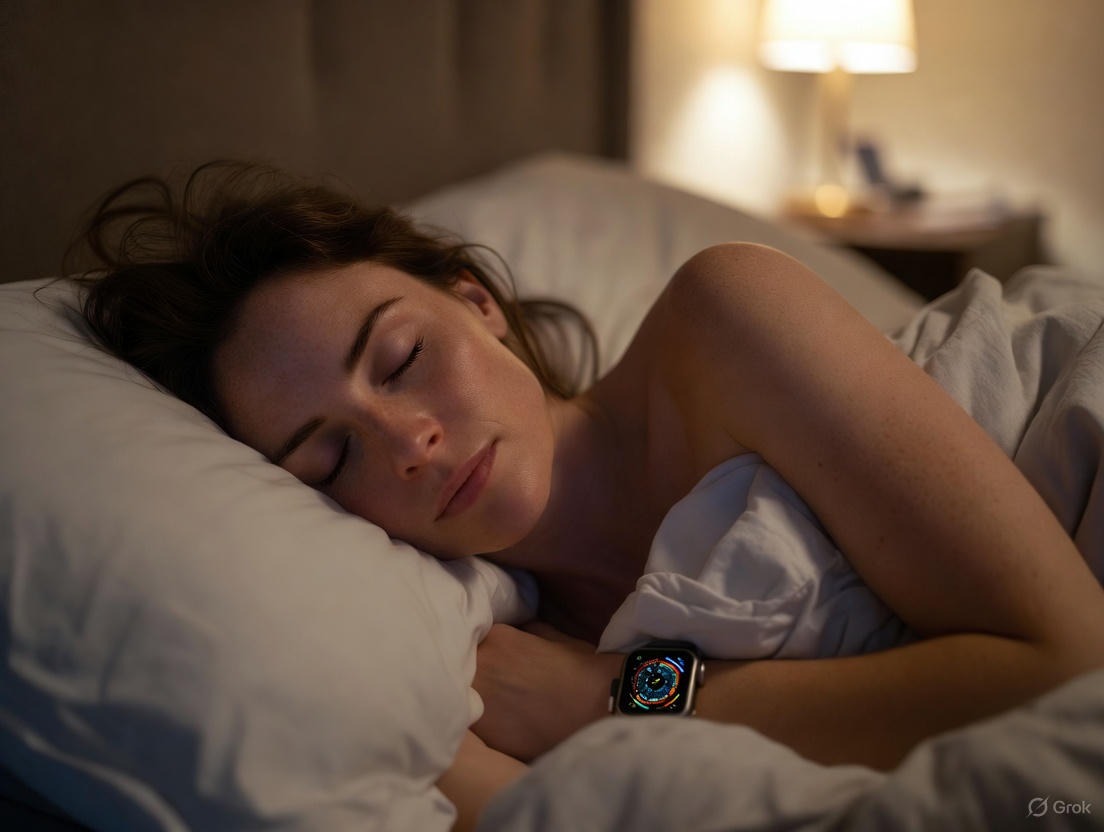
How to Create a Restoration Wellness Sanctuary at Home
How to create a physical space in your home dedicated to restoration.
How to Create a Restoration Wellness Sanctuary at Home
In a world of relentless notifications, digital demands, and the pervasive hum of busyness, our nervous systems are paying a tax we never agreed to. The concept of “home” has evolved from a mere place of shelter to our primary hub for work, connection, and, critically, our last line of defense against burnout. Yet, for many, it’s simply another collection of cluttered spaces where stress follows us from room to room. What if you could transform that reality? What if, instead of just living in your home, you could design a personal ecosystem that actively heals you?
Welcome to the art of creating a Restoration Wellness Sanctuary—a conscious, personalized habitat engineered not for escape, but for profound physiological and psychological recovery. This is not about expensive renovations or adopting a rigid minimalist aesthetic. It’s a holistic philosophy of intentional design that marries ancient wisdom with cutting-edge technology to create an environment that listens to your body, anticipates your needs, and facilitates deep, tangible restoration. Imagine a space that doesn't just look calm, but feels calm because it’s actively responding to your stress levels, sleep quality, and energy rhythms.
This guide is your blueprint for that transformation. We’ll move beyond scented candles and generic advice, delving into the science of environmental psychology, the principles of biophilic design, and the revolutionary role of personalized data from devices like wellness smart rings. By the end, you’ll know how to curate every sensory input—from light and sound to texture and air—to build a sanctuary that doesn’t just exist around you, but works in harmony for you. The journey begins with a fundamental shift: viewing your home not as a backdrop to your life, but as the most powerful wellness tool you own. For a deeper look at how modern technology can personalize this journey, consider exploring the science behind modern health tracking technology.
The Philosophy of a Restoration Sanctuary: More Than Just a "Calm Corner"
Before we pick a paint color or place a pillow, we must build a foundational philosophy. A Restoration Wellness Sanctuary is not a spare room with a yoga mat. It’s an operational mindset applied to your living environment. Its core purpose is to trigger and sustain the body’s parasympathetic nervous system—the "rest and digest" state—counteracting the chronic "fight or flight" mode that defines modern stress.
Think of it as creating a personalized recovery protocol for daily life. Elite athletes have dedicated facilities for physical recuperation. High-performers in every field need an equivalent for holistic, systemic recovery. Your sanctuary is that facility. Its success is measured not in square footage, but in biometric feedback: a lower resting heart rate, improved Heart Rate Variability (HRV), deeper sleep cycles, and a tangible sense of visceral safety the moment you cross its threshold.
This philosophy rests on three pillars:
Intentionality: Every object, color, and piece of technology is chosen with a clear purpose—to either reduce a stressor or promote a state of ease. There is no passive décor. A plant isn’t just "green"; it’s an air purifier and a visual connection to nature. A light isn’t just bright; it’s a tool to regulate your circadian rhythm.
Personalization: Your sanctuary must be built on your data, not generic trends. What is calming for one person (e.g., complete silence) may be unsettling for another. Understanding your unique stress signatures, sleep patterns, and energy dips is paramount. This is where wearable technology, like a sophisticated wellness ring, becomes the architect’s compass, providing the insights needed to tailor your environment. You can learn how to interpret these personal signals in our guide on how wellness rings help build healthy habits.
Integration: The goal is seamless harmony, not a stark separation. While you may have a dedicated "zen den," the principles should flow throughout your home. The sanctuary mindset turns your entire living space into a gradient of restoration, from high-energy areas to deep recovery zones.
This approach marks a departure from passive interior design to active environmental engineering. It acknowledges that our surroundings are not neutral; they are a constant dialogue with our biology. By crafting that dialogue with intention, we give our overstimulated systems the consistent cue they desperately need: You are safe here. You can rest. You can restore.
The Foundational Audit: Listening to Your Space and Your Body
You cannot transform what you do not first understand. The creation of your sanctuary begins not with buying, but with observing. This is a dual audit—a clear-eyed assessment of your current environment and your body’s response to it. It’s about diagnosing the dissonance between where you are and where you need to be.
Step 1: The Environmental Stress Scan. Walk through your home at different times of day. Be a detective of discomfort.
Sight: Where is visual clutter most oppressive? Where do harsh glares from screens or windows hit? Are there chaotic color patterns that feel agitating?
Sound: Map the noise pollution. Is there a constant low hum from appliances (the "fridge drone")? Can you hear street traffic, noisy neighbors, or pipes clanging? Where is it unnaturally silent in a way that feels isolating?
Touch: Notice textures. Do you have rough, scratchy fabrics where you seek comfort? Are rooms drafty or stuffy? Are floors cold underfoot in the morning?
Smell: Be aware of stale odors, synthetic fragrances from cleaners, or lingering cooking smells. The olfactory system is a direct pathway to the emotional brain.
Flow: How does energy move? Are there physical blockages (furniture you have to squeeze past)? Are there "dead zones" where you never want to sit?
Step 2: The Biometric Self-Assessment. This is where objective data transforms vague feelings into actionable insights. Relying solely on "I feel tired" is like navigating without a map. Your body is giving you precise, quantifiable signals about its stress and recovery state.
Track Your Baseline: Use a reliable wellness tracker for at least a week. Pay close attention to:
Resting Heart Rate (RHR): A elevated RHR can indicate systemic stress or poor recovery.
Heart Rate Variability (HRV): Your single most important metric for nervous system resilience. A low or declining HRV is a clear flag for insufficient recovery.
Sleep Stages: Are you getting enough deep (restorative) and REM (cognitive/emotional) sleep? Where are the disruptions?
Body Temperature Trends: Subtle shifts can indicate inflammation, menstrual cycle phases, or the onset of illness.
Correlate Data with Space: This is the crucial link. Notice: Do your stress metrics spike in a particular room? Does your sleep quality improve when you read in a certain chair versus scrolling on the couch? Does your afternoon energy crash correlate with the lighting in your workspace? A device like the Oxyzen smart ring, worn continuously, provides this 24/7 feedback loop, turning your lived experience into a dataset for optimization. Discover how this kind of continuous vs. periodic monitoring paints a complete picture of your health.
Step 3: Define Your Sanctuary Intentions. With your audit complete, move from problem-identification to solution-crafting. Set specific, data-informed intentions:
"Based on my low HRV scores in the evening, I intend to create a one-hour pre-sleep wind-down ritual in my bedroom to promote parasympathetic activation."
"Because my sleep data shows frequent wake-ups, I intend to optimize my bedroom for pitch darkness and stable, cool temperature."
*"Given my high afternoon stress readings, I intend to design a corner in my living room for a 10-minute sensory reset with grounding textures and calming sounds."
This audit phase grounds your entire project in reality. It ensures your sanctuary is a targeted response to your unique life, not an imitation of a Pinterest board. It’s the essential pause that turns decoration into deliberate design. For more on setting personalized health goals, our resource on how wellness rings support different health goals can be invaluable.
The Sensory Blueprint: Engineering Calm Through Sight, Sound, and Touch
With your audit as a guide, we now engineer the sensory experience of your sanctuary. This is about curating the inputs that your brain processes subconsciously every second. Mastery here means designing an environment that automatically guides your nervous system toward calm.
Sight: The Master Regulator
Light is the most powerful environmental cue for your circadian rhythm, metabolism, and mood.
Harness Natural Light: Prioritize access to morning sunlight. Even 5-10 minutes upon waking signals your body to suppress melatonin and boost cortisol (healthily) for daytime alertness. Position seating areas near windows for this daily dose.
Master Artificial Light: This is non-negotiable.
Warm & Dim for Evening: After sunset, eliminate blue-spectrum light. Use dimmable, warm-white bulbs (2700K or below). Install smart bulbs that automatically shift to a sunset hue. Use table lamps and floor lamps for indirect, layered lighting instead of harsh overhead lights.
Full-Spectrum for Day: In home offices or areas where you need focus, use bright, full-spectrum LED lights that mimic daylight to maintain energy and concentration.
Visual Hierarchy: Create a "visual resting place" in each room. This is a focal point that is simple and pleasing—a piece of art, a well-placed plant, a serene landscape outside your window. The rest of the space should support this focal point without competing. Reduce visual noise: use closed storage, curate displayed items, and choose a cohesive, muted color palette for large surfaces.
Sound: The Invisible Atmosphere
Soundscape design is about subtraction and addition.
Subtract Noise Pollution: Identify and mitigate. Use heavy curtains to dampen street noise. Place rubber pads under appliances. Consider acoustic panels or thick tapestries on walls in noisy rooms. For persistent issues, a white noise machine or a fan can provide a consistent, masking sound that the brain learns to ignore.
Add Intentional Sound: Introduce sounds that promote specific states.
For Focus: Try binaural beats, lo-fi music, or ambient soundscapes (e.g., library sounds, gentle rain).
For Relaxation: Nature sounds are unparalleled—forest streams, ocean waves, gentle bird song. The key is consistency and lack of sudden, jarring changes.
For Sleep: Deep, low-frequency brown or pink noise can be more effective than white noise at promoting deep sleep by masking variable sounds.
Touch: The Forgotten Sense (Haptic Design)
Our skin is our largest organ, and texture directly influences emotional state.
The "Barefoot Test": Your floors should feel good. Invest in a plush rug by your bed for that first morning step. Use natural materials like wool, cotton, or jute.
Textural Contrast for Presence: Combine textures to ground you in the moment. The smooth coolness of a granite side table next to the nubby, warm weave of a wool throw. The soft pile of a velvet cushion against the sleek grain of a wooden chair arm.
The Weighted Blanket Phenomenon: The deep pressure touch from a weighted blanket (approx. 10% of body weight) can increase serotonin and melatonin production and decrease cortisol, making it a powerful tool for anxiety and sleep. It’s a prime example of haptic design for restoration.
By thoughtfully designing these three primary senses, you construct an environment that does the heavy lifting of calming your mind. It becomes a proactive cocoon, working silently in the background to filter the chaos of the world and present your system with only nourishing, regenerative inputs. For those interested in the tools that can help monitor your body's response to these sensory changes, the Oxyzen smart ring offers a discreet and powerful way to track your physiological calm.
The Biophilic Bedrock: Why Your Brain Craves Nature (And How to Fake It)
Biophilia is the innate human tendency to seek connections with nature and other forms of life. It’s not just an aesthetic preference; it’s a biological imperative. Studies consistently show that exposure to nature—even simulated nature—lowers cortisol, blood pressure, and heart rate, while improving mood, creativity, and cognitive function. Your Restoration Sanctuary must integrate biophilic principles to be truly effective. It’s about bringing the outside in, in both literal and symbolic ways.
Direct Nature Integration (The Living Elements):
The Air-Purifying Posse: Go beyond decoration. Select plants for their functional benefits. Snake plants and peace lilies remove common toxins. English ivy can reduce mold spores. A simple spider plant adds vitality and improves humidity. The act of caring for them also provides a mindful, nurturing ritual.
Water Features: The sound of moving water is profoundly calming. A small tabletop fountain provides visual and auditory biophilia, increasing humidity and producing negative ions, which are linked to improved mood.
Natural Materials: Choose wood, stone, clay, cork, rattan, and linen over plastic, laminate, and polyester. These materials have inherent variation, texture, and a connection to their origin that synthetic materials lack. A wooden desk, a stone coaster, a clay vase—each is a tactile reminder of the natural world.
Indirect & Symbolic Nature Integration (The Pattern Language): You don’t need a jungle. Symbolic representations are powerfully effective.
Images of Nature: Photographs or artwork depicting expansive landscapes (forests, oceans, mountains) can trigger the same psychological benefits as being there. Avoid chaotic or threatening nature scenes; opt for serene, open vistas.
Natural Shapes and Forms: Incorporate organic, non-linear shapes. A curvilinear chair, a lamp with a branch-like base, a rug with a soft, cloud-like pattern. Modern design is often rigidly geometric; introducing fluidity mimics the natural world.
Natural Color Palettes: Use colors found in nature as your foundation. Earth tones (soft browns, greens, taupes), sky blues, stone greys, and sandy neutrals. These are inherently calming because our brains are evolved to recognize them as safe, resource-rich environments.
The View and the Micro-Sanctuary: If you have a view of trees or sky, protect it and frame it like a living painting. If you don’t, create a "nature nook." A single comfortable chair by a window, paired with a lush plant and a small water feature, can become a powerful micro-sanctuary for a three-minute breathing reset. This intentional corner leverages biophilia to deliver a potent, quick dose of restoration.
By weaving these elements throughout your home, you create a continuous, low-level dialogue with the parts of your brain that crave wilderness. It tells your primal self that resources are abundant and the environment is supportive—the ultimate cue for safety and rest. To see how integrating wellness technology with natural principles can work, explore stories from users who have done just that on our testimonials page.
The Sleep Sanctuary: Transforming Your Bedroom for Ultimate Recovery
Sleep is the non-negotiable pillar of restoration. Your bedroom should be a temple dedicated to this single, vital function. It is the core of your Wellness Sanctuary. Every choice here should be ruthlessly optimized for sleep quality, measured not by hours in bed, but by the biometrics of deep and REM sleep captured by your wellness tracker.
The Non-Negotiable Triad: Darkness, Coolness, and Quiet.
Pitch Blackness: Even small amounts of light can disrupt melatonin production and sleep architecture. Use blackout curtains or shades. Eliminate all standby lights (charge devices in another room). Consider a comfortable sleep mask if total darkness isn't possible.
The Thermal Edge: Core body temperature must drop to initiate and maintain sleep. The ideal room temperature is between 60-67°F (15.5-19.5°C). Use breathable, natural-fiber bedding (cotton, linen, bamboo). A chiliPAD or BedJet system can be a game-changer for temperature-sensitive sleepers. Track your night-time temperature trends with a device like Oxyzen to find your personal ideal zone.
Sound Sanctuary: As per the sensory blueprint, manage noise. Use a white/brown noise machine, a fan, or earplugs to create a consistent auditory buffer. Ensure your sleep environment is protected from unpredictable sounds.
The Pre-Sleep Ritual Zone: Your bedroom should facilitate a wind-down routine. Designate a small area (a chair, a corner of your bed) for non-sleep, calming activities.
Tech-Free Buffer: Implement a strict 60-90 minute digital sunset. Charge phones and laptops outside the room. This space is for physical books (preferably paper, not backlit e-readers), gentle stretching, meditation, or journaling.
Scent as a Sleep Cue: Introduce calming aromas consistently. Lavender, chamomile, and sandalwood are well-researched for relaxation. Use a diffuser with pure essential oils (not synthetic plug-ins) about 30 minutes before bed to create a powerful Pavlovian cue for sleep.
The Data-Driven Bedroom: Let your sleep data guide your setup.
If your data shows frequent wake-ups: Investigate partner movement (a larger bed or split mattress may help), pain points (invest in a better mattress/pillow), or unmet bathroom trips (limit fluids 90 mins before bed).
If your data shows low deep sleep: Prioritize intense darkness, coolness, and ensure you’re not consuming alcohol or large meals too close to bedtime, as both crush deep sleep.
If your data shows low REM sleep: Focus on stress management during the day and protecting your pre-sleep ritual. High stress and inconsistent sleep times are REM’s biggest enemies.
Your bedroom must be a sacred, single-purpose space. The moment you enter, the sensory input should scream one message: It is time to shut down and restore. By treating it as a critical piece of health infrastructure, you invest directly in your cognitive, emotional, and physical resilience for the day ahead. For a comprehensive list of habits that support this kind of restorative sleep as you age, our blog on 50 healthy aging tips a smart ring helps implement daily is a perfect companion guide.
The Digital Detox Zone: Designing for Disconnect in a Connected World
The greatest antagonist to a Restoration Sanctuary is the smartphone. Its very presence, even when silent, raises cognitive load and anticipatory stress. A true sanctuary requires zones of intentional digital disconnection. This isn’t about Luddism; it’s about creating spatial boundaries for our attention, allowing our overstimulated brains to default to a lower gear.
The "No-Device" Covenant: Designate at least one area in your home as a device-free zone. The bedroom is the prime candidate, as established. But consider others:
The Dining Area: Make meals a sacred time for connection with others or mindful eating. A charging station in another room holds all devices during dinner.
The Reading Nook or Meditation Corner: This small space is defined by its purpose—undisturbed focus or inner quiet. A physical book, a journal, or simply sitting in stillness is the only activity allowed.
Tech Hygiene Stations: Instead of letting devices roam freely, create specific "homes" for them outside your sanctuary zones.
A Charging Dock in a Hallway or Kitchen: This becomes the overnight home for phones, tablets, and smartwatches. It gets them out of the bedroom and breaks the compulsive bedtime/ morning scroll cycle.
The "Work Hub" Containment: If you work from home, contain all work-related technology to a specific desk or room. Physically close the door or cover the equipment at the end of the workday. This creates a critical psychological separation between "work mode" and "restoration mode."
The Role of "Dumb" Alternatives: Replace digital functions with analog ones within your sanctuary.
An actual alarm clock eliminates the need for a phone by your bed.
A physical book or e-ink reader (like a Kindle Paperwhite, which is not backlit) replaces the tablet for bedtime reading.
A dedicated Bluetooth speaker for playing curated soundscapes or music, controlled without your main smartphone.
Using Technology to Police Technology: Leverage the very tools that distract to build boundaries.
Use Focus Modes or Do Not Disturb: Schedule these for your sanctuary times (e.g., 8 PM to 8 AM). Allow only priority contacts to break through.
Let Your Wellness Tech Be Your Guide: Your smart ring can nudge you toward disconnection. If it detects prolonged stress or a high heart rate while you’re passively scrolling, that’s data you can use to reinforce your digital boundaries. Seeing the direct physiological cost makes the detox more compelling.
The Digital Detox Zone is not a punishment; it’s a liberation. It’s the reclaiming of your attention and your inner silence. By creating physical spaces where the digital world cannot reach, you carve out room for reflection, creativity, and the simple, profound experience of being present in your own life. For more on managing your digital wellness and data, you might find our article on wellness ring privacy settings and data security insightful.
The Active Restoration Corner: A Space for Movement, Breath, and Meditation
Restoration is not always passive. Active recovery practices—gentle movement, conscious breathing, and meditation—are powerful tools to down-regulate the nervous system. Your sanctuary should include a dedicated, inviting space for these practices, making them frictionless to start.
Designing for Movement (The "Movement Alcove"): This doesn’t require a home gym. It requires a clear, welcoming floor space.
Flooring: A supportive, non-slip surface is key. A thick, firm exercise mat, a beautiful rug with a good pad, or even cork flooring defines the area.
Storage: Keep props visible and accessible. A beautiful basket or low shelf can hold yoga blocks, a foam roller, resistance bands, and a folded mat. If it’s tucked in a closet, you’re less likely to use it.
Ambiance: Ensure this corner has good air flow and pleasant, natural light if possible. A small speaker for guided practices can be part of the setup.
The Breathwork and Meditation Nook: For seated practices, comfort and a focal point are crucial.
The Seat: Invest in a supportive meditation cushion (zafu), a comfortable kneeling bench, or a dedicated chair with an upright back. Physical discomfort is the biggest barrier to practice.
The Focal Point: Create a simple, low-level visual anchor. This could be a small table with a single candle, a meaningful stone or crystal, a modest plant, or a piece of minimalist art placed at eye level when seated. The purpose is to give the eyes a resting place, not a distraction.
Sensory Gateways: Have a soft blanket nearby for warmth during stillness. A discrete essential oil diffuser can use scents like frankincense or cedarwood to deepen the meditative state.
The Technology Bridge: Paradoxically, technology can wonderfully support these analog practices in this space.
Dedicated Tablet or Speaker: A small, simple device used only for streaming guided meditations (via apps like Insight Timer, Calm) or yoga classes. This keeps your personal smartphone out of the space.
Biofeedback Enhancement: This is where wellness tech becomes a profound teacher. Use your smart ring in "Session Mode" during a meditation or breathwork practice. Afterwards, review the data. Did your heart rate drop? Did your HRV increase during the session? This objective feedback validates the practice’s effectiveness and motivates consistency. Seeing a tangible, physiological "calm" score turns an abstract practice into a measurable skill. Learn more about this in our post on how wellness rings enable preventive health monitoring.
This Active Restoration Corner transforms self-care from a scheduled event to an organic part of your daily flow. By giving it a dedicated, beautiful space, you signal to yourself that these practices are a priority—as essential as your morning coffee or evening meal. They become the active component of your restoration protocol, where you consciously engage your body’s own systems to find balance.
The Data Hub: Integrating Your Wellness Ring as the Sanctuary's Brain
Up to this point, we’ve focused on designing the sanctuary around you. Now, we integrate the element that makes it intelligent and personalized: your wellness tracking data. Think of a sophisticated wellness smart ring not as a gadget, but as the central nervous system of your sanctuary. It’s the feedback loop that closes the circle between your environment and your biology.
From Passive Data to Active Insight: The ring’s true power lies in moving beyond step counts. It provides the biometric language of your stress and recovery.
HRV as Your North Star: Your Heart Rate Variability is your daily report card on nervous system balance. By monitoring trends, you can answer critical questions: Did the new blackout curtains improve my overnight recovery score? Did my 20-minute evening meditation actually lower my stress load before bed? Did that difficult conversation at 3 PM leave a physiological imprint that ruined my evening? This turns home adjustments into experiments with clear outcomes.
Sleep Architecture Analysis: Beyond duration, the ring reveals the quality of your sleep—time in light, deep, and REM stages. This data is the ultimate judge of your Sleep Sanctuary’s effectiveness. It tells you if your cool, dark, quiet room is truly translating into restorative sleep.
Body Temperature & Readiness Scores: Wrist-based temperature trend tracking can offer early signs of illness, ovulation, or poor recovery. A "Readiness" or "Recovery" score that synthesizes multiple metrics gives you a simple, actionable number each morning: Should I push hard today, or prioritize gentle restoration?
Creating Data-Informed Sanctuary Rituals: Use the data to build dynamic, responsive routines.
The Morning Check-In: Before the day sweeps you away, check your recovery score and overnight data. This sets your intention. A low score might prompt you to use your Active Restoration Corner for gentle yoga instead of an intense workout, or to be more mindful of stress triggers.
The Mid-Day Bio-Break: Set a gentle alert on your phone (based on ring data) if it detects prolonged stress. Let this be your cue to step into your Digital Detox Zone or Biophilic Nook for a five-minute reset. The ring becomes a compassionate, objective reminder to use the sanctuary you’ve built.
The Evening Wind-Down Audit: Review your daily stress timeline. What events caused spikes? Use this awareness to refine your pre-sleep ritual, perhaps adding a specific type of breathing exercise or adjusting your screen curfew.
The Sanctuary as a Controlled Experiment: With your ring, every change you make to your environment becomes a testable hypothesis.
"Hypothesis: Adding a Himalayan salt lamp to my bedside table will improve my sleep latency (time to fall asleep)." Test it. Wear your ring, collect a week of baseline data, introduce the lamp, and monitor for changes.
"Hypothesis: Listening to a specific soundscape during my workday will keep my stress levels more stable." Test it.
This empirical approach removes the guesswork from wellness. It empowers you to become the expert on your own body and the architect of your ideal environment. For those ready to explore this personalized data journey, the starting point is discovering the right tool. You can begin by visiting the Oxyzen shop to see the technology designed for this very purpose. And if you have questions about how it all works, our comprehensive FAQ page is a great resource.
Curating for the Senses: The Nuanced Power of Texture, Scent, and Taste
We’ve established the macro-sensory blueprint. Now, we dive into the micro—the subtle, often overlooked sensory details that transform a designed space into a felt experience. This is the realm of curated comfort, where every interaction with your environment is an opportunity for nourishment. It’s about moving beyond the visual to engage the senses that speak directly to the emotional and primal brain.
The Haptic Layer: A Textile Strategy for Comfort
Your sanctuary should be a tactile paradise. This isn’t about luxury for luxury’s sake; it’s about using touch to signal safety and ease.
The Hierarchy of Softness: Strategically layer textures where your body makes contact.
Primary Contact Points (The "Always" Layer): This is your bedding, your primary seating upholstery, and your bath towels. Invest here in natural, breathable fibers with a hand-feel you love. High-thread-count organic cotton, linen (which gets softer with every wash), or Tencel™ for bedding. Plush, absorbent cotton for towels.
Secondary Contact Points (The "Often" Layer): Throws, cushions, and area rugs. This is where you can play with texture contrast. A chunky, cable-knit wool throw over a smooth linen sofa. A silk velvet cushion against a nubby tweed chair. A deep-pile wool rug underfoot in a room with sleek hardwood floors. These contrasts are grounding and deeply satisfying.
Considerations for Sensitive Skin: For those with allergies or sensitivities, the choice of materials is even more critical. Opt for hypoallergenic, natural fibers and avoid harsh chemical treatments. If you’re using a wellness ring, ensure its materials are compatible with your skin; you can read more about wellness ring materials and hypoallergenic options to make an informed choice.
The "Barefoot Journey": Design a path of pleasant textures for your feet from the moment you get out of bed. A soft sheepskin or plush mat by the bed, transitioning to a smooth, cool wooden floor or a firm, natural-fiber runner.
The Olfactory Layer: Scent as a Direct Pathway to State Change
Smell bypasses the thalamus and connects directly to the amygdala and hippocampus, the brain's centers for emotion and memory. This makes scent your most powerful tool for creating instant atmospheric shifts and behavioral cues.
Principles of Sanctuary Scenting:
Natural Over Synthetic: Avoid synthetic plug-ins and aerosol sprays. They can trigger headaches and contain harmful VOCs. Use pure essential oils in a high-quality diffuser, or opt for natural soy wax candles with essential oil blends.
Less is More: Scent should be a subtle background note, not an overwhelming presence. The goal is to notice it when you pause, not be assaulted by it upon entry.
Consistency Creates Cue: Use specific scents for specific rituals to build powerful associations.
A Functional Scent Palette:
For Morning & Focus: Citrus (sweet orange, lemon, grapefruit), rosemary, peppermint. Uplifting and clarifying.
For Evening & Wind-Down: Lavender, chamomile, clary sage, frankincense, cedarwood. Deeply calming and grounding.
For Reset & Purification: Eucalyptus, tea tree, pine, sage. Clears mental fog and can support respiratory health.
The Non-Diffused Options: Don’t overlook simple methods. A small bowl of dried lavender buds by your bedside. A cedar block in your closet. Fresh eucalyptus hung in your shower (the steam releases its aroma).
The Gustatory Layer: The Sanctuary Pantry & Hydration Station
Restoration is internal. Your sanctuary should support nourishing rituals that fuel recovery from the inside out. Designate a small area in your kitchen—a shelf, a corner of the counter—as your "Sanctuary Pantry."
The Dehydration-Stress Loop: Chronic, low-level dehydration is a major but silent stressor on the body, impacting cognition, mood, and even HRV. Make hydration inviting and ritualistic.
The Beautiful Carafe: Keep a large, clear glass carafe of filtered water with a few slices of cucumber, lemon, or sprigs of mint on your counter. Visually, it invites you to drink.
Herbal Tea Ritual: Dedicate a beautiful tin or shelf to a curated selection of caffeine-free herbal teas. Chamomile, passionflower, valerian root for sleep. Rooibos, ginger, or holy basil (tulsi) for daytime calm. The act of boiling water, steeping, and sipping a warm beverage is a profound mindfulness practice in itself.
Mindful Snacking: Stock your Sanctuary Pantry with whole-food, blood-sugar-stabilizing options to avoid reaching for processed snacks during stress dips. Think: raw almonds, dark chocolate (85%+), fresh fruit, or organic nut butter.
The "Tech-Free Tea Break": Pair your hydration station with your Digital Detox Zone. The rule: when you make a cup of tea, you do not bring a screen. You simply sit, smell, taste, and be present for those five minutes.
By thoughtfully curating these intimate sensory details, you create a world of micro-moments of pleasure and comfort throughout your day. The scratch of wool, the scent of lavender at bedtime, the taste of a perfectly steeped tea—these are the threads that weave the grand design of your sanctuary into the fabric of your daily life, making restoration not an event, but a continuous, gentle experience.
The Social Sanctuary: Designing for Connection and Communal Restoration
A sanctuary need not be a solitary cell. Human connection is a fundamental pillar of wellness, releasing oxytocin and buffering the effects of stress. Yet, modern socializing can often feel depleting—obligatory, loud, or centered around screens. This section is about designing spaces that facilitate restorative connection: quiet, meaningful, and truly rejuvenating for all involved.
Shifting from Entertainment to Enrichment: Move away from the default model of socializing (TV, loud music, heavy food) and toward activities that are jointly restorative.
The Conversation Nook: Create an intimate seating arrangement that fosters easy, undistracted conversation. Two comfortable chairs angled toward each other with a small side table for drinks, or a deep sectional sofa where people can face each other. Ensure this area has warm, flattering light (avoid harsh overheads) and is acoustically soft (rugs, curtains) to encourage lower, more intimate volumes.
The Communal Activity Zone: Dedicate a surface or space for shared, hands-on, screen-free activities. A large dining or console table perfect for collaborative puzzle-building, board games, or a shared art project like coloring. These activities induce a state of "flow" together, reducing social anxiety and creating a shared sense of accomplishment.
The "Together-Alone" Space: Sometimes, the most restorative social time is simply being in peaceful proximity to loved ones without the pressure to interact. A living room designed with this in mind has ample, comfortable seating for everyone to read their own book, knit, or just sit quietly. The shared silence is communicative and deeply calming.
Designing for the Introvert and the Sensitive: A true Social Sanctuary is inclusive and respects different nervous systems.
Offer Escape Valves: If you’re hosting, have a plan for guests (or yourself) who may become overstimulated. A quiet balcony, a garden bench, or even a designated "phone room" where someone can step away for a few minutes of solitude is a gesture of profound hospitality.
Manage Sensory Load: Be mindful of cumulative input. You might choose to have soft, instrumental music instead of a loud playlist. Offer a variety of food and drink options that are gentle on the system (not just sugary or heavy foods). Have soft blankets available for those who get chilly—physical comfort lowers social guard.
The Digital-Free Gathering Covenant: Establish a gentle, pre-announced rule for gatherings in your sanctuary: devices go in a designated basket or charging station upon entry. This removes the physical barrier of screens and the anxiety of constant checking. It signals that this time and these people are the priority. The initial few minutes of awkwardness give way to deeper, more present conversation and connection.
The Restoration Ritual for Two or More: Incorporate your sanctuary’s active restoration elements into social time.
A Group Meditation or Breathwork Session: A 10-minute guided meditation using a speaker can be a beautiful way to start or end an evening with close friends.
A Shared Nature Connection: If you have an outdoor space, a fire pit becomes a primal, mesmerizing focal point for conversation. Indoors, caring for houseplants together or simply sitting in a room filled with greenery can have a unifying, calming effect.
By intentionally designing for connection, you ensure your sanctuary is not an isolation chamber, but a heart-centered hub. It becomes a place where relationships are not just maintained, but deepened and healed through the simple, powerful act of shared presence. This reflects a core value we hold dear at Oxyzen, which is about using technology to enable more meaningful human connection, not replace it. You can read more about this philosophy on our About Us page.
The Rhythm of Ritual: Daily and Seasonal Practices to Animate Your Space
A sanctuary is not a static museum piece; it is a living system that requires engagement to fulfill its purpose. The most beautifully designed space will fail if it is not activated by consistent, intentional rituals. These rituals are the "software" that runs on the "hardware" of your design, turning your environment into an interactive partner in your wellness.
Daily Micro-Rituals: The Sanctuary Check-In Weave tiny, non-negotiable practices into the flow of your day that connect you to your space and your body.
The Morning Alignment (5 mins): Before checking your phone, perform a three-part ritual in your space. 1) Hydrate: Drink a glass of water from your carafe. 2) Sense: Stand at a window, feel your feet on the floor, and take 10 conscious breaths, observing the light and the world outside. 3) Intention: Based on your wellness ring’s recovery score, set a simple intention for the day (e.g., "Prioritize calm," or "Embrace energy"). This grounds you in your body and your space before the external world intrudes.
The Mid-Day Reset (3 mins): Let your biometrics guide you. If you feel a stress spike or your smart ring nudges you, step into your Active Restoration Corner or Biophilic Nook. Set a timer for three minutes. This could be a short stretching sequence, a box-breathing exercise, or simply sitting and staring at a plant. The key is the deliberate disengagement.
The Evening Transition (The "Threshold Ritual"): Create a clear demarcation between the day's demands and the evening's restoration. This could be changing into "home clothes," lighting a specific candle or turning on a salt lamp, playing a certain playlist, or brewing your herbal tea. This ritual tells your brain, "Work is done. Sanctuary time has begun."
Weekly Sanctuary Stewardship: Set aside 30-60 minutes each week for maintaining the vitality of your space.
The Sensory Refresh: Change the linens, fluff the pillows, dust surfaces, and refill diffusers with fresh water and oils. Prune plants and water them mindfully. This isn't a chore; it's an act of care for your ecosystem.
The Digital Declutter: Do a quick sweep of your Digital Detox Zones. Remove any devices that have crept in. Clear the charging station of unnecessary cables. This resets the physical boundaries.
The Data Review: Sit down with the insights from your wellness tracker from the past week. Look for patterns. Did a new ritual correlate with better sleep? Did a particularly stressful day leave a longer recovery tail? Use this data to tweak your environment or rituals for the coming week. This practice of review turns your sanctuary into a continuous learning laboratory for your own well-being.
Seasonal Sanctuary Shifts: Align your space with the natural world to combat stagnation and honor your body’s changing needs.
Spring & Summer (Expansion): Bring in more light and air. Swap heavy wool throws for light linen ones. Introduce brighter, floral or green scents (geranium, lime). Move seating to take advantage of morning light. Create an indoor-outdoor flow if possible.
Fall & Winter (Contraction): Embrace coziness and warmth. Layer in more textiles—a thicker rug, plush blankets. Switch to warmer, grounding scents (sandalwood, vanilla, cinnamon). Use more ambient, low-level lighting to combat the seasonal darkness. Your sanctuary should feel like a protective, nurturing cocoon.
By establishing these rhythms, you create a dynamic, reciprocal relationship with your sanctuary. You care for it, and in return, it provides a stable, predictable container for your restoration. The rituals themselves become a source of comfort, the predictable beats in the sometimes chaotic song of life. For inspiration on building these kinds of sustainable, daily habits, our article on how a wellness ring helps build healthy habits offers practical, data-driven strategies.
Troubleshooting Your Sanctuary: When the Peace Isn't Perfect
Even with the most thoughtful design, there will be days when your sanctuary doesn’t “work.” You feel agitated in your calm corner. Sleep eludes you in your perfect bedroom. This is not a failure; it’s feedback. Your sanctuary is a system, and you are its most dynamic component. When dissonance arises, it’s time to troubleshoot with curiosity, not frustration.
Symptom: "I feel anxious/agitated in my designated calm space."
Potential Causes & Fixes:
Unresolved Internal Noise: The space can only hold what you bring into it. If your mind is racing with a to-do list, no environment can override that. Fix: Use the space for processing. Sit with a journal and brain-dump everything in your head before trying to meditate or relax. The sanctuary becomes the container for the chaos, not its denial.
Sensory Mismatch: Perhaps the scent you chose is triggering, or the weighted blanket feels oppressive today. Fix: Practice sensory flexibility. Have options. If the lavender is too strong, try unscented. If the deep pressure is too much, switch to a light cotton blanket. Listen to your body’s needs in the moment.
Association with Obligation: If using the space starts to feel like another item on your wellness to-do list, it loses its power. Fix: Re-introduce play or pleasure. Read a novel for fun in your nook, don’t just meditate. Listen to a comedy podcast there. Break the association with "should."
Symptom: "My sleep data hasn’t improved despite a perfect sleep environment."
Potential Causes & Fixes:
Invisible Stressors: The culprit may be non-environmental: diet, unresolved emotional stress, an undiagnosed health issue, or overtraining. Fix: Use your wellness ring data to look beyond sleep. Are your daytime stress levels chronically high? Is your HRV trend flat or declining? This points to lifestyle factors your bedroom can’t fix. Consider a food/symptom journal or consulting a health professional. The ring’s data is invaluable for these conversations, as many doctors are finding wearable data useful; you can read about what doctors find most useful in wellness rings.
Timing Issues: You might be going to bed during a wrong point in your circadian rhythm. Fix: Experiment with bedtime. Try going to bed 30 minutes earlier or later for a week and track the impact on your deep sleep.
The "Performance Anxiety" of Sleep: Trying too hard to sleep is the surest way to prevent it. Fix: If you’re not asleep after 20 minutes, get out of bed. Go to a dimly lit part of your sanctuary and do a quiet, non-screen activity until you feel sleepy. This preserves the bed-as-sleep association.
Symptom: "I can’t maintain the digital detox; my phone always creeps back in."
Potential Causes & Fixes:
Lack of a Compelling Alternative: The void left by the phone needs to be filled with something more attractive. Fix: Place a captivating book, a beautiful sketchpad, or a simple fidget toy in your detox zone. Make the analog option the most appealing, easiest choice.
Fear of Missing Out (FOMO) or Work Anxiety: The underlying belief that you must be available is the real issue. Fix: Use technology to set boundaries. Set an auto-responder for emails after hours. Inform key people of your "unplugged" hours. Start small—with a 30-minute detox—and build evidence that the world does not fall apart when you disconnect.
The Ultimate Tool: The Biometric Pause When all else fails, return to the data. If you feel "off," put on your wellness ring (if you weren’t wearing it) and do a 5-minute mindful breathing session in your sanctuary. Then, look at the real-time heart rate graph. Did it come down? Even slightly? This objective proof—that your sanctuary and rituals are having a physiological effect, even when you don’t feel it emotionally—can rebuild trust in the process. It’s a reminder that restoration is a physiological process, not just a mood.
Troubleshooting reinforces that your sanctuary is adaptive. It’s not about achieving a state of permanent, static bliss, but about having a responsive, compassionate system that helps you navigate the full spectrum of your human experience. For common questions and solutions others have found, our FAQ page is a continually updated resource.
The Adaptive Sanctuary: Designing for Life’s Inevitable Changes
A sanctuary built for a single phase of life will become a relic. You will change. Your circumstances will change. Your wellness needs will evolve. The most resilient sanctuary is one designed with flexibility and adaptability at its core—a modular ecosystem that can grow and shift with you.
Design for Modularity, Not Permanence: Favor furniture and layouts that can be easily reconfigured.
Lightweight & Multi-Functional Pieces: Choose chairs, side tables, and storage units that are easy to move. A pouf can be a footrest, extra seating, or a side table. A bookshelf on casters can divide a space one month and line a wall the next.
Removable Layers: Your textiles, lighting, and decor are your "quick-change" elements. Switching out cushion covers, throws, area rugs, and even lamp shades can completely alter the mood and function of a room with minimal cost and effort. As your style or needs change, these layers can evolve. For instance, if you develop a preference for different colors or textures, you can easily update these elements, just as you might personalize a wellness device; learn about how to personalize your wellness ring to your body and style.
Zoning with Light & Sound: Use lighting and acoustics to define areas rather than permanent walls. A floor lamp creates a reading zone. A room divider with plants establishes a visual separation. A speaker playing nature sounds can acoustically carve out a meditation corner in a larger room.
Anticipating Life Transitions: Think ahead about how your space might need to serve different purposes.
The Work-From-Home Evolution: Your home office/zone should be designed to disappear or transform at the end of the day. A fold-down desk, a rolling cart that holds your work supplies and can be tucked into a closet, or a room divider that closes off the work area are all adaptive strategies that protect your psychological separation.
Family Dynamics: The arrival of a partner, a child, or an aging parent shifts needs dramatically. Can a room transition from a yoga studio to a nursery? Can your sanctuary principles be applied to create a calm corner in a shared family room? The focus shifts from my sanctuary to our sanctuary, with zones for individual and communal restoration.
Health Shifts: An injury, illness, or changing mobility requires the sanctuary to be physically supportive. Ensure pathways are clear, seating is supportive and easy to get in and out of, and that essential items (water, blankets, books, remote controls) are within easy reach from primary resting spots.
The Technology Evolution: Your wellness tech will also advance. Choose systems and devices that integrate well and don’t lock you into a single, walled ecosystem.
Open Integration: Opt for devices and apps that play well with others. Your wellness ring data should be able to sync with other health platforms you use (like Apple Health, Google Fit, or Strava) to give you a unified health picture. Our guide on wellness ring integration with other health apps delves into why this is so important for a holistic view.
Future-Proof Thinking: When selecting any smart home device for your sanctuary (lights, thermostats, speakers), consider their longevity and update paths. The goal is for technology to serve as a silent, updating backbone, not a clutter of obsolete gadgets.
The Mindset of the Adaptive Curator: Ultimately, maintaining an adaptive sanctuary requires a shift in identity: from designer to curator. You are not creating a finished masterpiece, but tending a living garden. You observe, prune, plant new seeds, and adjust to the seasons of your life. This mindset removes the pressure of perfection and replaces it with the pleasure of ongoing, gentle alignment between your space and your evolving self.
By building with adaptability in mind, you ensure your sanctuary is a lifelong companion in wellness, not a short-term project. It becomes a stable foundation that itself is flexible, ready to hold you through all of life’s chapters. To see how the vision for adaptable, human-centric technology came to be, you can explore our story.
The Sanctuary & Your Community: Extending the Philosophy Outward
A true sanctuary mindset is not insular; it ripples outward. When you cultivate a deep, personal well of restoration, you naturally have more to offer the world. This section explores how the principles of your home sanctuary can extend to your broader community, creating micro-havens of calm and connection in shared spaces and strengthening your relationships through a shared language of wellness.
Modeling Sanctuary Behavior: Your transformed relationship with your environment and your own nervous system becomes a quiet, powerful example. You are not preaching wellness; you are embodying it.
The Art of the Pause: In social or family settings, you might be the one who gently suggests a five-minute quiet break during a hectic gathering, or who steps outside for a few breaths of fresh air without apology. This normalizes self-regulation and gives others permission to do the same.
Sharing Without Imposing: When someone comments on your calm or asks about a specific element in your home (a diffuser, a particular blanket), it’s an opportunity to share the why behind it—not as a prescription, but as a personal story. "I found that this specific scent really helps my mind unwind after work" is more powerful than "You should get one."
Creating Micro-Sanctuaries in Shared Spaces: You can apply sanctuary principles to your workspace, a shared apartment, or even a corner of a community center.
The Work Desk Oasis: Even in a corporate office, you can curate a micro-sanctuary. A small desk plant, a personal noise-cancelling headset with a calming soundscape, a discreet essential oil inhaler, and a photo of a peaceful natural scene can create a biochemical buffer against the open-office fray. The principle of personalizing your immediate sensory environment holds true anywhere.
The Negotiated Home Sanctuary: In a shared living situation, you may not control the entire space, but you can negotiate for and design your own room or corner with the principles we’ve covered. Furthermore, you can collaboratively introduce community-wide upgrades: proposing a "device-free dinner" rule, investing in a shared air purifier, or creating a communal plant-care ritual.
Volunteer with a Sanctuary Lens: If you volunteer at a school, library, or community center, consider how you might introduce one simple, calming element. It could be helping to create a "calm corner" for overstimulated children with soft pillows and books, or suggesting softer lighting in a common room.
Building a Community of Practice: Connect with others on a similar path. This provides accountability, shared learning, and reduces the feeling that you’re pursuing restoration in a vacuum.
Sanctuary "Show & Tell": Host a small, low-key gathering where the activity is simply sharing one thing in your home that brings you peace and explaining why. The diversity of ideas will be inspiring—one person’s perfectly organized bookshelf is another’s sanctuary.
Data-Bonding: If you have friends who also use wellness trackers, share your non-competitive journeys. Discussing what you’re learning from your HRV data or sleep stages can lead to deeper conversations about stress, lifestyle, and support. It creates a new, objective vocabulary for talking about well-being that moves beyond vague "I'm tired" statements. Reading about real customer reviews and user experiences can often spark ideas for these kinds of conversations.
The Ripple Effect of a Regulated Nervous System: This is the most profound community impact. When you are regularly restored, you show up differently. You have greater capacity for patience, active listening, and empathy. You are less reactive in conflicts. Your physiological state of calm can, through the mirror neuron system and subtle cues, begin to calm those around you. In this way, your personal sanctuary becomes a training ground for becoming a more present, compassionate, and resilient member of your family, your friendships, and your wider community. The sanctuary stops being a place you go to escape the world, and becomes the centered state from which you engage with it.
The Deep Science of Place: Environmental Psychology & Neuroarchitecture
To fully master the creation of a Restoration Sanctuary, it helps to understand the profound science behind why our environments affect us as they do. This isn't just interior design theory; it's a convergence of environmental psychology, neuroscience, and biomimicry known as neuroarchitecture—the study of how the built environment shapes our brain, behavior, and well-being.
The Brain's Spatial Mapping & Threat Detection: Our brains are constantly scanning our environments for safety and resources, a hardwired survival mechanism.
Prospect-Refuge Theory: We are instinctively drawn to spaces that offer a combination of "prospect" (an unimpeded view to see potential opportunities or threats) and "refuge" (a protected, enclosed feeling at our backs). A perfect sanctuary reading nook exemplifies this: a comfortable chair nestled in a corner (refuge) with a view out a window or across a room (prospect).
Complexity vs. Order: The brain seeks a balance. Too much visual complexity (clutter, chaotic patterns) creates cognitive overload and stress. Too much sterility and order can feel cold and uninspiring. The sweet spot is "organized complexity"—a curated space with visual interest that follows a coherent, soothing pattern.
Wayfinding & Cognitive Ease: Spaces that are intuitively easy to navigate reduce cognitive load. Clear pathways, defined zones, and a logical layout free up mental energy for rest, not for subconscious navigation.
Biometric Feedback Loops & The Learned Environment: This is where your wellness tech provides revolutionary insight. Neuroarchitecture traditionally observes behavior. Now, we can measure physiology.
Quantifying the "Feeling": You can now test architectural principles with hard data. Does a room with a higher ceiling (associated with freedom and creativity) actually lower your resting heart rate compared to a low-ceilinged room (associated with focus but potentially confinement)? Does the introduction of a specific curved form trigger a different HRV response than a sharp angle? Your biometric data turns subjective design preferences into objective, personal science.
Conditioning Your Sanctuary Response: Through consistent pairing, your brain begins to associate your sanctuary's specific sensory signature—its light quality, its scent profile, its texture palette—with the physiological state of calm you achieve there. Over time, merely entering the space can begin to trigger a parasympathetic response before you even sit down. This is classical conditioning at its most beneficial, turning your environment into a direct stimulus for relaxation. Understanding the science behind modern health tracking technology gives you the knowledge to set up these powerful experiments.
Materiality & The Subconscious: The materials you choose communicate on a primal level.
Natural Materials: As discussed in biophilia, they signal resource abundance, authenticity, and connection to a life-giving world. Their inherent imperfections and variations are soothing.
Synthetic Materials: Often signal industrialization, uniformity, and can be associated with off-gassing chemicals (VOCs) that the body may subconsciously register as a threat, triggering low-grade inflammatory or stress responses.
Acoustics & The Brainstem: Sound isn't just heard; it's felt. Low-frequency sounds (like the rumble of traffic) vibrate through the body and are processed by ancient parts of the brainstem, triggering alertness and anxiety even if you're not consciously "listening." A sanctuary’s acoustic strategy—using soft surfaces, white noise, or physical barriers—is literally protecting your nervous system from primal threat signals.
By grounding your sanctuary design in these principles, you move beyond aesthetics into the realm of brain-based design. You are not just decorating a room; you are architecting a neurological experience. Every choice becomes a deliberate intervention in your own neurobiology, aimed at fostering safety, ease, and restoration. This deep understanding is part of a broader revolution in how we view health technology, as explored in our piece on how health tracking technology has changed preventive medicine.
Creating a profound Restoration Sanctuary is not a function of budget; it's a function of intention. You do not need a dedicated room or expensive furnishings. The most powerful interventions are often subtle, thoughtful, and inexpensive. This section is a blueprint for transformation at any price point, focusing on leverage—changes that deliver the biggest psychological and physiological return for the smallest investment.
The "One Percent" Improvement Strategy: Forget the overwhelming full-room overhaul. Commit to making one tiny, impactful change per week.
Week 1: Declutter One Surface. The top of your dresser, your bedside table, your kitchen counter. Don't organize—remove. A clear surface is a visual deep breath.
Week 2: Change One Light. Replace the brightest, harshest bulb in your evening living space with a warm-white (2700K), dimmable LED bulb. Cost: under $10. Impact: massive.
Week 3: Introduce One Plant. A resilient snake plant or pothos from a local nursery. It purifies air and adds life.
Week 4: Create One Sensory Ritual. Commit to brewing one cup of herbal tea each night, sipping it without a screen. Cost of tea: pennies. Impact on sleep hygiene: priceless.
The Magic of Rearrangement (Cost: $0): Sometimes, the most powerful change is simply redefining how you use the space you already have.
Feng Shui Lite: Pull your bed away from the wall to create a sense of prospect. Position your favorite chair to face a window with a pleasing view, not a wall. Create a defined "entry" to your sanctuary area, even if it's just the psychological threshold of a rug.
Zone by Function: Use furniture you already own to create the zones we've discussed. A bookshelf can become a room divider between a "work" zone and a "rest" zone. A comfortable chair moved next to a plant and a small side table instantly creates a reading nook.
DIY & Natural Hacks:
Scent: Instead of an expensive diffuser, place a few drops of essential oil on a wooden clothes peg and clip it to a vent, or on a cotton ball tucked in a corner. Simmer citrus peels and cinnamon sticks on the stove for a natural, uplifting aroma.
Texture: Find an affordable, second-hand throw or cushion cover in a natural fabric like cotton or wool. Wash it, and it becomes a new tactile luxury. Collect smooth stones or interesting pieces of driftwood for a free, natural decor element.
Sound: A free app on an old phone or tablet, paired with a cheap Bluetooth speaker, can deliver high-quality white noise or nature soundscapes. Just remember to put the device itself out of sight and mind.
Invest in the "Forever" Pieces Gradually: If you do have a budget, spend it strategically on items you interact with most.
The Bedding Hierarchy: If you can only upgrade one thing, make it your pillow. It has the greatest impact on sleep quality and spinal health. Next, invest in the best sheets you can afford—they are your primary tactile experience for 8 hours a night.
The Single Comfort Item: One truly excellent chair, a high-quality weighted blanket, or a supportive meditation cushion. These are tools for restoration that will last for years and provide daily value.
Leverage Your Data to Spend Wisely: Let your wellness ring guide your frugality. Before buying anything, ask: "What problem am I trying to solve?" Is it poor sleep latency? Experiment with free fixes first: total darkness, a consistent bedtime, cooler temperature. Measure the results. Only if the data shows no improvement should you consider spending money on a solution, like blackout curtains or a temperature-regulating mattress pad. This ensures every dollar spent is a targeted investment in a verified biometric outcome. For those making careful purchase decisions, our wellness ring comparison chart and buying guide exemplifies this data-driven approach.
A budget-conscious sanctuary is often the most authentic and creative. It forces you to think deeply about what truly matters, leading to a space that is deeply personal and effective, proving that restoration is accessible to everyone, not a luxury for the few.
The Ultimate Integration: A Day in the Life of a Sanctuary-Guided Home
Theory and principles come alive in practice. Let’s walk through a single day, from dawn to dusk, to see how a fully integrated Restoration Wellness Sanctuary functions as a seamless, supportive partner in well-being. This is the culmination of all the preceding sections.
6:30 AM - The Gentle Awakening:
Environment: Blackout curtains gradually allow a sliver of morning light, or a sunrise-simulation lamp begins a soft glow 30 minutes prior to waking.
Ritual: The alarm is not a phone, but a gentle, gradual sound. You reach for your wellness ring on the bedside charger and check your Recovery Score and sleep data. A high score suggests a green-light day; a lower score prompts a more gentle, restorative schedule.
Sanctuary Activation: You step onto a soft rug, drink the glass of water waiting on your nightstand, and spend two minutes at the window practicing the "Morning Alignment" ritual of breath and intention.
8:00 AM - 12:00 PM - The Focused Work Block (at Home):
Environment: Your dedicated workspace is bathed in bright, full-spectrum light. A small air purifier hums softly. Your desk is clear except for essential tools. A single plant sits within your sightline.
Tech Harmony: Your phone is in Do Not Disturb mode, placed face-down on a charging dock across the room. Your wellness ring silently collects stress data.
Data-Informed Breaks: At ~10:30 AM, you feel a dip. You check your ring's stress graph and confirm a rising heart rate. Instead of reaching for coffee, you enact your Mid-Day Reset. You move to a different chair for a 5-minute box-breathing session, or step outside for a brief walk. The sanctuary provides the alternative to a stimulant crash.
1:00 PM - The Mindful Pause:
Environment: Lunch is taken in the device-free dining zone. The table may have a simple centerpiece—a bowl of fruit, a small vase with a single flower.
Ritual: Eating is done with minimal distraction, focusing on the taste and texture of the food. This is a sensory reset and a digestive aid.
3:00 PM - The Afternoon Slump & Active Restoration:
Environment: The most challenging part of the day. You feel energy fading. You move to your Active Restoration Corner.
Ritual: You choose based on your biometrics and feel. Maybe a 10-minute guided yoga nidra session using a speaker, followed by reviewing the real-time heart rate dip on your ring's app. Or perhaps some gentle stretching while listening to a calming playlist. The space is inviting and requires no setup, making the healthy choice the easy choice.
6:30 PM - The Evening Transition (Threshold Ritual):
Environment: As the sun sets, smart bulbs throughout the living areas automatically shift to a warm, amber hue (2700K). Overhead lights are off; lamps are turned on.
Ritual: You change into comfortable clothing. You might light a specific candle or start a diffuser with a calming evening blend (lavender, cedarwood). This sensory shift is the non-negotiable signal to your brain that work mode is over.
8:00 PM - Social or Solitary Sanctuary Time:
Scenario A (Social): Friends are over. Devices are in the charging basket. Conversation flows in the comfortable "conversation nook." Background music is low and instrumental. The lighting is flattering and warm. The environment facilitates connection, not distraction.
Scenario B (Solitary): You are in your reading nook with a physical book and a cup of herbal tea from your Sanctuary Pantry. A weighted blanket rests over your legs. This is pure, uncompromised decompression.
9:30 PM - The Pre-Sleep Sanctuary Protocol:
Environment: The bedroom is a cool 67°F, pitch black, and silent but for the low hum of a white noise machine. All screens have been outside the room for 60+ minutes.
Ritual: A short gratitude journaling session by dim lamplight, followed by a few minutes of gentle stretches on the floor. You apply a magnesium spray or lotion. You slip into your high-quality, breathable sheets.
The Final Data Point: You note your final wakeful heart rate on your ring's app, observing how it has lowered throughout your evening wind-down. This provides positive reinforcement for your rituals.
Through the Night - The Silent Guardian:
Environment: Your sanctuary maintains its perfect sleep conditions: darkness, coolness, quiet.
Technology: Your wellness ring tracks your sleep stages, heart rate, and temperature variability. This data, viewed in the morning, is the ultimate feedback on the effectiveness of your entire daily ecosystem.
This day isn't rigid or perfectionistic. It's a fluid dance with an environment designed to support every phase of your human rhythm. The sanctuary doesn't demand anything; it simply offers the optimal conditions for focus, connection, and rest at every turn, making the healthiest choices feel natural and effortless.
Looking Forward: The Future of Personalized Restoration Environments
The home sanctuary we've built today is just the beginning. We are on the cusp of a revolution where our living environments will become truly adaptive, predictive, and seamlessly integrated with our physiology. The line between wellness technology and habitat will blur, creating ecosystems that don't just respond to our commands, but anticipate our needs.
The Predictive, Biometric-Responsive Home: Imagine a system where your wellness ring is the central command.
Your Stress-Busting Living Room: As your wearable detects a rising stress level in real-time, it signals your smart home system. The lights in your living room automatically dim to a warmer tone, the smart speaker begins playing your calibrated "calm" soundscape at a volume you can't consciously hear, and the thermostat lowers the temperature by one degree—all before you consciously decide to take a break.
The Sleep-Optimized Bedroom: Your bed isn't just a static surface. It's a platform with biometric sensors that communicate with your ring. It detects restlessness and automatically adjusts firmness or temperature in specific zones. As you move through sleep cycles, the room's temperature and humidity subtly shift to support each stage, guided by your historical data patterns. The future of this integration is fascinating, as discussed in our look at health tracking technology in 2025 and what's possible.
Advanced Environmental Sensing: Future sanctuaries will have embedded sensors that go beyond our wearables.
Air Quality Intelligence: Real-time monitors will not just detect PM2.5 or VOCs, but will link specific air quality dips to changes in your HRV or sleep quality, automatically triggering air purifiers or ventilation systems.
Circadian Lighting 2.0: Lighting won't just change color temperature; it will precisely replicate the full spectral power distribution of natural sunlight throughout the day, including the near-infrared wavelengths crucial for cellular energy and repair, syncing perfectly with your personal circadian rhythm as tracked by your wearable.
AI as a Sanctuary Concierge: An AI, trained on your years of biometric and environmental data, will move from analytics to prescriptive partnership.
The Proactive Nudge: "Based on your low HRV recovery and today's high pollen count, I've set the bedroom air purifier to high and suggest a 15-minute meditation before your afternoon meeting. Would you like me to schedule it?"
The Longitudinal Learning: The AI will identify patterns invisible to the human eye: "You consistently sleep 12% deeper on nights after you spend at least 30 minutes in your reading nook. Your stress resilience is also higher the following day."
Material Science & "Healthy" Surfaces: We will see the advent of building and furnishing materials engineered for biological benefit.
Far-Infrared Emitting Surfaces: Tile, flooring, or fabrics that gently emit far-infrared radiation, shown to improve circulation and reduce inflammation.
Photocatalytic Coatings: Paints and surfaces that use light to break down air pollutants and viruses actively.
Biophilic Materials Grown, Not Manufactured: Mycelium-based acoustic panels, algae-grown textiles, and living walls that are integral air and water filtration systems.
The Decentralized Sanctuary & Community Health Grids: Your personal sanctuary data, anonymized and aggregated, could contribute to community wellness. Local health officials could see environmental stress trends in a neighborhood (e.g., correlated with noise pollution or heat islands), leading to better urban planning and public health interventions.
The future sanctuary is not a retreat from technology, but a masterpiece of its most humane and intuitive application. It will be a true symbiosis—a living, breathing extension of your own biology, dedicated solely to your flourishing. This vision is part of a longer journey from manual tracking to seamless integration, tracing the evolution of health tracking technology from manual logs to smart rings.
Conclusion: Your Sanctuary Awaits—A Lifelong Practice of Curated Restoration
The journey to create your Restoration Wellness Sanctuary is, in truth, a journey back to yourself. It is the process of learning your own unique language of comfort, safety, and rejuvenation, and then translating that language into the physical world around you. We began with a philosophy—viewing home as an active tool for health—and have explored the science, the sensory details, the rituals, and the community implications of bringing that philosophy to life.
Remember, this is not a destination with a final, photographed reveal. It is a practice. Some days your sanctuary will hold you perfectly; other days, you will need to troubleshoot and adapt. This fluidity is its strength. It is a reflection of you—complex, changing, and beautifully imperfect.
Start small. Let your first act be one of observation, not consumption. Listen to your space and your body. Perhaps begin with the Foundational Audit, or simply commit to one Daily Micro-Ritual like the evening transition. Let your curiosity, not pressure, be your guide. And if you choose to incorporate technology, let it be a compassionate teacher, not a judge. A tool like the Oxyzen ring can provide the objective feedback that turns guesswork into knowledge, helping you understand what truly works for you. You can begin exploring this path at the Oxyzen shop.
Your sanctuary, in its ultimate expression, is more than a collection of objects and routines. It is a statement of self-respect. It is a declaration that your well-being is worth designing for, that your peace is worth protecting, and that your capacity for joy and resilience can be actively cultivated. In a world that often demands everything from you, your sanctuary is the space where you give back to yourself. It is where you remember how to rest, so you can remember how to truly live.



%402x.svg)