


How to Find Your Optimal Activity Level Using Smart Ring Data
Teaches how to use ring data to find your personal optimal activity level.
Teaches how to use ring data to find your personal optimal activity level.
%402x.svg)
For decades, we’ve chased generic fitness goals: 10,000 steps, 150 minutes of moderate exercise, hitting a target heart rate zone. While well-intentioned, this one-size-fits-all approach ignores a fundamental truth: your body is not my body. Your recovery is unique, your stress load is personal, and your optimal activity level is a moving target, influenced by sleep, work, and even your mental state. Chasing a universal metric can easily lead to burnout, injury, or a frustrating plateau.
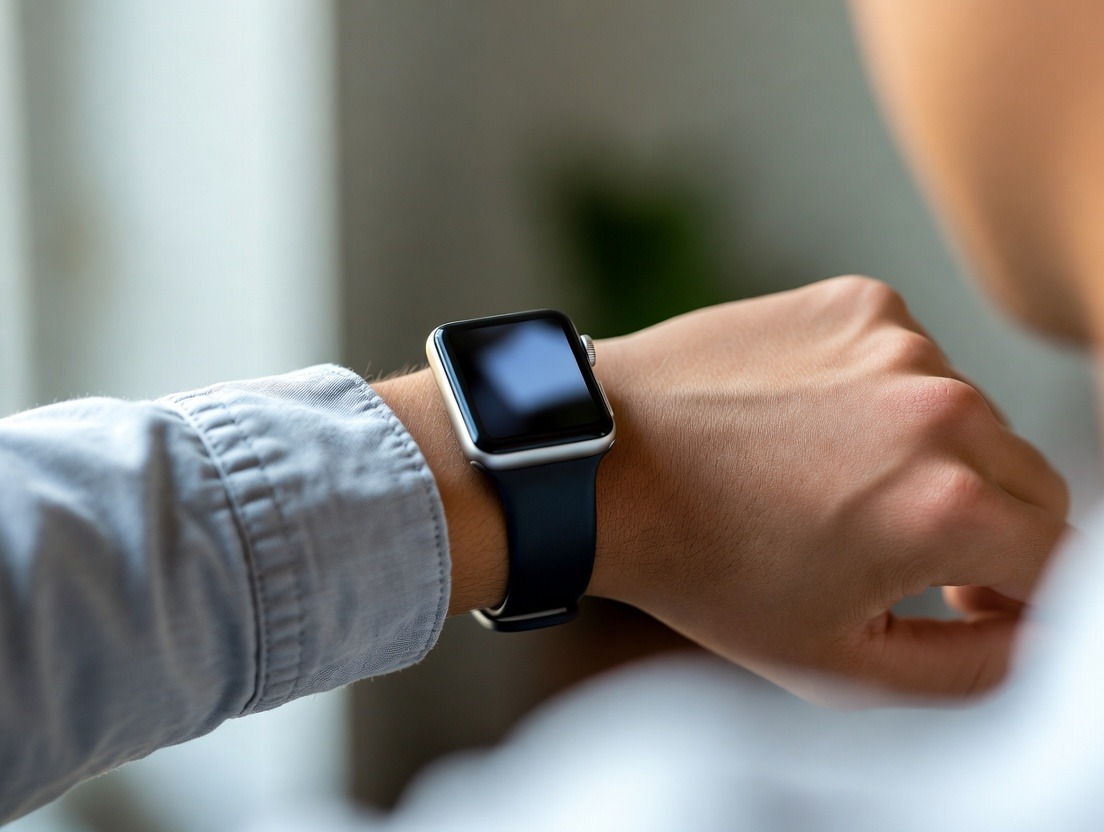
Enter the smart ring: a silent, continuous biometric observer worn on your finger. Unlike a smartwatch that interrupts and often focuses on external achievement, a smart ring like the Oxyzen provides an intimate, 24/7 stream of internal data—Heart Rate Variability (HRV), resting heart rate, skin temperature, and sleep architecture. It doesn't just count your activity; it measures your body’s response to that activity. This shifts the paradigm from "How much did I do?" to the far more powerful question: "How well did my body handle what I did, and what should I do today to progress?"
This article is your comprehensive guide to moving beyond guesswork and into the realm of precision self-management. We will dismantle the myth of the universal fitness plan and show you how to use the rich, personal data from your smart ring to build a dynamic, responsive, and truly optimal activity blueprint. It’s not about working harder; it’s about working smarter, in perfect sync with your body’s unique rhythms.
Before you can interpret the symphony of data, you need to understand the individual instruments. A smart ring provides a continuous, passive stream of physiological signals. These are not just numbers; they are your body’s direct communications about its state of stress, recovery, and readiness. Think of this as learning the language of your own nervous system.
The Crown Jewel: Heart Rate Variability (HRV)
If you take away one metric, let it be HRV. Often misunderstood, HRV is not your heart rate, but the subtle variation in the time intervals between each heartbeat. A higher HRV generally indicates a more resilient, adaptable, and well-recovered nervous system. It means your body can easily switch between stress (sympathetic "fight or flight") and recovery (parasympathetic "rest and digest") modes. A lower HRV suggests your system is under strain—from physical overtraining, emotional stress, illness, or poor sleep.
Your smart ring tracks your HRV trend, especially your nightly average, which is a clean, stable measure of recovery. It’s your single best indicator of whether you’re prepared for a challenging workout or need a gentle day. A sustained drop in your baseline HRV is a red flag your body is waving, begging for rest.
The Vital Signs: Resting Heart Rate (RHR) & Body Temperature
Your Resting Heart Rate (RHR) is a classic, powerful metric. When you are well-recovered and fit, your heart doesn’t have to work as hard at rest, so your RHR trends lower. A spike in your morning RHR (typically 5-10+ bpm above your baseline) is a strong signal of systemic stress—your body is fighting something, be it an impending illness, dehydration, or the aftermath of a brutally hard workout.
Body Temperature, measured through the skin on your finger, is incredibly sensitive. Your ring tracks subtle deviations from your personal baseline. A sustained elevation often precedes noticeable symptoms of illness or can indicate inflammatory processes. It’s an early-warning system, allowing you to pivot your activity plans before you're forced to.
The Foundation: Sleep Data
Activity is only beneficial if you can recover from it. Sleep is your primary recovery tool. Smart rings excel at measuring sleep quality, not just duration. Key metrics include:
Poor sleep data fundamentally changes your optimal activity level for the next day. No amount of willpower can overcome a body that hasn't had its basic repair work done. For a deep dive into how sleep forms the bedrock of your health strategy, see our article on how sleep quality became the foundation of healthy aging.
By synthesizing these metrics—HRV, RHR, temperature, and sleep—your smart ring generates a holistic Readiness or Recovery Score. This number is your starting point each morning. It answers the question: "What is my body's capacity for stress today?" This is the first, critical step in personalizing your activity. To understand how this kind of monitoring supports long-term vitality, explore how HRV monitoring supports healthy aging goals.
We’ve been sold a simple story: move more, hit this arbitrary number, and be healthy. The 10,000-step goal, for instance, was born from a 1960s Japanese marketing campaign for a pedometer, not from clinical research. While activity is unequivocally good, blindly chasing these external targets ignores your internal reality. This disconnect is where smart ring data becomes revolutionary.
The Problem with "More is Always Better"
The "more is better" mentality leads to a dangerous cycle. You feel tired but push through to close your activity ring or hit your step goal. Your smart ring data the next morning shows a plummeting HRV, a spiked RHR, and poor sleep efficiency. Your body is screaming that it’s in a deficit. Yet, the fitness tracker on your wrist congratulates you on your "perfect week," encouraging you to do it again. You are effectively digging a recovery hole, increasing your risk of overtraining syndrome, hormonal disruption, injury, and immune suppression.
From External Validation to Internal Conversation
A smart ring like the Oxyzen ends this conflict. It redefines "success" from an external badge to an internal balance. Success isn't hitting 10,000 steps on a day you’re fighting a virus. Success is seeing a low readiness score, choosing a 20-minute walk instead of a run, and observing your HRV stabilize the next night. It’s about respecting the data that says "today is for building resilience, not breaking records."
This data-driven approach validates that sometimes less activity is the most optimal path for long-term progress. It helps you align your efforts with your body’s true needs, which is the cornerstone of sustainable wellness. This principle is central to creating effective healthy aging tips that actually work, as they must be adaptable to the individual.
The Personal Baseline: Your Only Meaningful Comparison
The most liberating aspect of smart ring data is that it kills comparison. Your friend’s HRV of 80 ms is irrelevant if your healthy, optimal baseline is 45 ms. Your colleague who runs 50 miles a week on 6 hours of sleep is not a model to emulate if your data shows you need 8 hours to recover from a strength session.
Your only meaningful benchmarks are:
This establishes a truly personalized framework. The goal is no longer to hit a societal number, but to understand and optimize your unique physiology. It’s the ultimate form of self-knowledge. Discover how others have used this personalized data to track their healthy aging progress over time.
You cannot manage what you do not measure, and you cannot measure effectively without a baseline. Jumping straight into interpreting daily scores is like trying to read a single sentence from a novel—you lack context. The first, non-negotiable step is a 14-day period of observation with minimal interference. Consider this a scientific discovery phase for your body.
The Protocol: Observe, Don’t Judge
For two weeks, wear your ring consistently (night and day) and live your typical life. Don’t try to be perfect. Go to your regular workouts, have your usual coffee, keep your work schedule. The goal is to capture an honest snapshot of your body’s behavior under your normal routine. During this phase:
Analyzing Your Baseline Data
After 14 days, move from data collection to analysis. Look for averages and patterns:
This establishes your "normal range." For example, you might learn: "My baseline HRV is 52 ms, but it consistently drops to 42 ms the night after my Thursday HIIT class and recovers by Saturday." This isn't bad—it’s information. It tells you that HIIT is a significant stressor for your system and requires 48 hours for full nervous system recovery.
Identifying Your Unique Patterns
Beyond averages, look for connections. Does your HRV dip on Mondays? (Perhaps the workweek stress affects you.) Does your sleep efficiency plummet after evening screen time? Does a single glass of wine with dinner measurably impact your deep sleep? This phase connects your lifestyle to your physiology in an undeniable way. It turns anecdotes into data. For many, this phase reveals the critical connection between stress and recovery, a theme explored in our guide to stress management and connection for healthy aging.
This personal baseline is your new truth. Every future decision about activity will be filtered through this understanding of your body’s unique response patterns. It is the essential map you’ve been missing.
The Daily Feedback Loop: Interpreting Your Morning Readiness Score
Your baseline gives you the map, but your daily readiness score is the compass that tells you which direction to travel today. This single, composite number (or color-coded system) is the most actionable piece of information you will receive. It synthesizes your nightly HRV, RHR, temperature, and sleep data into a prescription for the day ahead.
Decoding the Signals: Green, Yellow, and Red Days
Think of your readiness score in three broad zones:
Green / High Readiness (Go): Your body is signaling full recovery and high adaptability. This is the day to charge. You are primed for high-intensity training, heavy strength sessions, skill learning, or tackling demanding cognitive work. Your system can handle significant stress and will likely respond with a positive adaptation (getting stronger, faster, fitter). This is when pushing your limits is not just safe, but optimal.
Yellow / Moderate Readiness (Steady): Your body is in a balanced but not peak state. There is some residual stress or incomplete recovery. This is the day to maintain. Focus on moderate, enjoyable activity: a steady-state cardio session, a technique-focused weights day at lower volume, yoga, or a long walk. The goal is to support circulation and mood without digging a deeper recovery hole. It’s also an ideal day for mobility work and active recovery. This zone is where most days will fall, and learning to train effectively here is key to consistency, as outlined in our strategies for movement in every decade of life.
Red / Low Readiness (Rest): Your body is waving a white flag. It is under clear strain—from illness, severe sleep deprivation, emotional stress, or deep physical fatigue. This is the day to recover. The optimal activity level is minimal, gentle stress. A very short, slow walk, gentle stretching, or focused breathwork. The primary goal is to support parasympathetic (rest-and-digest) activity. Ignoring a red score and training hard is counterproductive and risks illness or injury. It’s a strategic retreat to win the long-term war.
Beyond the Score: The "Why" Behind the Number
A sophisticated approach looks at the score and under it. If your score is low, open your app and diagnose:
Understanding the "why" allows for a nuanced response. A low score from poor sleep might be addressed with a nap and an early bedtime, while a low score from a fever necessitates complete rest. This diagnostic skill turns your ring from a reporter into a consultant.
Dynamic Activity Adjustment: Aligning Exercise Type with Body Signals
With your readiness score in hand, the old, rigid training plan becomes obsolete. In its place, you build a flexible, responsive menu of activities. You don’t decide on Monday that you’ll do HIIT on Thursday; you let Thursday’s body decide. This is dynamic activity adjustment—the core skill of using your smart ring data.
The Activity Menu: Matching Stress to Recovery
Build a personal menu categorized by the stress load they place on your system:
High-Stress Activities (For Green Days):
Moderate-Stress Activities (For Yellow & Some Green Days):
Low-Stress / Recovery Activities (For Red & Some Yellow Days):
Executing the Pivot: A Case Study
Imagine your plan says "5K tempo run." You wake up to a yellow readiness score due to a restless night. The rigid approach says "push through." The smart, data-informed approach says "pivot."
This flexibility is the antithesis of failure; it is the pinnacle of intelligent training. It ensures you are always applying the right dose of stress for your body’s current capacity, maximizing results and minimizing risk. This principle is especially crucial as we age, where recovery becomes paramount, as discussed in healthy aging tips for preserving independence.

While your readiness score incorporates sleep, the sleep data itself deserves singular focus. It is the ledger where the debt from your daily activity is either paid off or carried over. You cannot out-exercise, out-supplement, or out-willpower poor sleep. Your smart ring provides an objective audit of this non-negotiable recovery process.
Sleep as a Performance-Enhancing Drug
High-quality sleep enhances muscle repair (via growth hormone release), consolidates motor skills and memory, clears metabolic waste from the brain, and resets your hormonal and nervous systems. A night of poor sleep, objectively measured by your ring, means none of this work was completed to specification. Your body starts the next day in a deficit.
Making Data-Driven Sleep Adjustments
Your ring’s sleep report allows you to move beyond "I slept badly" to targeted insights:
By letting your sleep architecture guide your next day’s choices, you respect your body’s need to complete its work. You become a partner in your recovery, not an adversary. For a comprehensive look at how to improve this foundational pillar, our blog offers 50 healthy aging tips a smart ring can help you implement daily.
Daily scores are for tactical decisions. Weekly and monthly trends in HRV and RHR are for strategic planning. They reveal the broader story of your fitness journey, your adaptation to stress, and your overall health trajectory. This is where you move from managing days to managing your resilience.
The HRV Trend: Your Adaptation Gauge
As you consistently train, a positive adaptation looks like this: Over weeks and months, your baseline HRV gradually trends upward. This means your nervous system is becoming more resilient. You are recovering better and handling more stress. This is the ultimate sign of effective training.
Conversely, a downward trend in your HRV baseline over 2-3 weeks is a glaring sign of overtraining or chronic stress. Your body is losing its adaptive capacity. This is a critical signal to initiate a "deload" week—a planned period of significantly reduced training volume and intensity—to allow your system to rebound. Ignoring this trend leads directly to plateaus and burnout.
A downward trend in your baseline resting heart rate is a classic indicator of improving cardiovascular fitness. Your heart muscle is getting stronger and more efficient. Like HRV, acute spikes are for daily management, but the long-term slope of the line tells the true story of your cardio health.
Conducting a Weekly Review
Once a week, step back from the daily numbers. Look at the 7-day graph of your readiness, HRV, and sleep.
This weekly review turns data into wisdom. It allows you to answer questions like: "Is my new training program working for me?" The data doesn’t lie. If your HRV is sinking under a new program, it’s too much, too soon. If it’s rising, you’ve found a sustainable groove. This long-view analysis is central to using a wellness ring to track what truly matters for lifelong health.
Your body does not differentiate between stressors. A hard workout, a brutal work deadline, an emotional argument, digestive distress, or a late night—they all register as "stress" that requires recovery. The genius of the smart ring is that it captures the sum total of this load. This forces you to broaden your definition of "activity" and "recovery" to encompass your entire life.
You may have taken a "rest day" from the gym, but if you spent 10 hours in back-to-back Zoom meetings and dealt with a family crisis, your nervous system likely had a "high-intensity day." Your ring will show this: expect a lower HRV and higher RHR that night, despite no physical workout. This data validates the very real physiological cost of non-physical stress and argues for true recovery activities on such days—like nature walks, meditation, or disconnecting from screens.
Dietary and Substance Impact
Your ring is a sensitive biofeedback tool for nutrition:
The Holistic View: Managing Your Total Load
This is the ultimate integration. You learn to manage your Total Daily Stress Load:
Physical Stress (Exercise) + Mental Stress + Emotional Stress + Nutritional Stress + Immune Stress
Your smart ring’s readiness score is the output of this equation. By observing how different lifestyle factors move the needle, you gain unprecedented control. You might learn that to hit a hard workout on Thursday, you need to keep work stress low on Wednesday and avoid alcohol Wednesday night. You become the conductor of your own physiology. Managing this total load is a key theme in our resources on healthy aging tips that start working at any age.
After 4-6 weeks of consistent tracking, observation, and experimentation, you graduate from reading data to embodying wisdom. You start to intuitively know how you’ll feel before you look at your score. The ring transitions from a daily director to a periodic validator and an early-warning system. At this stage, you can synthesize everything into a dynamic, personal framework—your Optimal Activity Blueprint.
The Components of Your Blueprint
Your blueprint is a living document, mentally or digitally held, that outlines:
Implementing the Blueprint: A Sustainable Cycle
With your blueprint, you enter a virtuous, self-optimizing cycle:
This cycle turns fitness from a linear, often frustrating grind into an adaptive, responsive dialogue. It is the essence of biohacking—using data to make small, informed changes that yield significant results in how you feel, perform, and recover. It is the ultimate application of technology for personal empowerment. For inspiration on how this personalized approach can be applied to specific goals, read how a smart ring supports healthy aging through daily monitoring.
The blueprint you’ve built isn’t a static document; it’s the operating system for a more intelligent, responsive, and sustainable approach to wellness. Now, we move into the advanced applications of this system. We’ll explore how to use your smart ring data for sophisticated training strategies, navigate real-world disruptions, connect with others, and ultimately shift from reactive management to proactive, predictive health. This is where data transcends tracking and becomes the foundation for a transformed lifestyle.
Traditional periodization—the planned manipulation of training variables over time—is often based on generic timelines: 3 weeks hard, 1 week deload. Your smart ring data allows you to personalize this to an exact science, creating a fluid, responsive model we can call Adaptive Periodization. No more guessing when you’re accumulating too much fatigue; your body will tell you.
The old model risks deloading when you’re feeling great (wasting a week of potential progress) or pushing through a planned hard week when you’re already on the brink (causing overtraining). Your biometric data solves this.
The Data-Driven Deload Trigger: Your primary trigger for a planned recovery week should be a consistent downward trend in your 7-day average HRV, coupled with a rising trend in your morning RHR, despite adequate sleep. When these markers move in opposition for 5-7 days, it’s a clear signal that systemic fatigue is accumulating. This is the optimal time to insert a deload week—reducing training volume by 40-60% and intensity, while focusing on sleep, nutrition, and low-stress movement.
Structuring an Adaptive Training Block
Instead of a rigid 4-week cycle, you plan in flexible blocks:
This method ensures you are always training at the edge of your adaptive capacity without falling over it. It maximizes progress while minimizing injury and burnout risk. This intelligent, responsive approach to stress and recovery is a powerful tool for long-term vitality, a concept explored in the context of fighting cellular aging through smart habits.
Case Study: The Marathon Plan vs. The Data Plan
A runner following a 16-week marathon plan has a scheduled 20-mile long run in Week 12. The night before, they sleep poorly due to work stress, and wake with a low readiness score (yellow/red). The rigid plan says "do the run." The Data Plan says "diagnose and pivot."
Navigating Life Events: Travel, Illness, and Stressful Periods
Life happens. Vacations, work deadlines, family emergencies, and common colds are inevitable. In the old model, these were frustrating derailments. With your smart ring as a guide, they become managed events within your holistic health picture, not catastrophic interruptions.
Travel and Jet Lag
Travel is a massive physiological stressor: disrupted circadian rhythms, dehydration, cramped positions, and unfamiliar environments. Your ring data is invaluable for navigating this.
The Onset of Illness
One of the most powerful uses of a smart ring is its role as an early detection system. Often, your physiology changes before you feel symptoms.
Managing High-Stress Life Periods
During a work crunch, moving house, or emotional strain, your physical activity plan must serve as a stabilizer, not an additional stressor.
While health is personal, motivation and learning can be profoundly social. The next frontier of smart ring use moves beyond the individual to the community. Sharing anonymized, high-level data with a trusted coach, a training partner, or a supportive group creates a new layer of accountability and insight.
Data-Informed Coaching
A coach with access to your readiness trends (with your permission) can make vastly superior programming decisions. They can see not just what you did, but how you recovered from it. They can adjust your plan in real-time, saying, "I see your HRV hasn't recovered from Tuesday's session, let's swap Thursday's intervals for a recovery run." This creates a truly collaborative coach-athlete relationship built on objective feedback. For those seeking professional guidance, the Oxyzen FAQ page can be a starting point for understanding how data integration works.
Training Groups and "Recovery Competitions"
Imagine a running club where members share not just their mileage, but their weekly "Recovery Consistency" score. The focus subtly shifts from who ran the most miles to who best managed their stress and recovery to sustain training. This fosters a healthier culture that values rest as much as work. You might even create friendly challenges based on sleep improvement or HRV trends.
Learning from Community Patterns
On a broader scale, aggregated, anonymous data from communities can reveal powerful insights. A brand like Oxyzen can identify trends, such as "users who take a 10-minute walk after dinner see a 12% average increase in sleep efficiency," or "members in our mindfulness challenge boosted their average HRV by 8% over a month." These community-validated insights, which you can find shared in our blog on validated healthy aging tips, provide powerful, real-world proof of concepts that you can then test in your own life.
Hitting a plateau—in strength, endurance, or body composition—is a universal frustration. Often, the instinct is to push harder: more volume, more intensity, more restriction. This usually deepens the fatigue hole. Your smart ring data provides the diagnostic tools to understand why you’ve plateaued and how to strategically break through.
Diagnosing the Type of Plateau
Plateaus are not all the same. Your biomarkers can categorize them:
The Strategic Experimentation Loop
Use your ring to run personal experiments:
This methodical approach removes emotion and guesswork from optimization. It turns plateau-breaking into a series of informed, personal science experiments. This kind of targeted experimentation is crucial for addressing specific challenges, such as maintaining muscle mass after 60.
The ultimate value of continuous biometric monitoring isn't just optimizing your next workout; it's about building a rich, longitudinal data set of you. Over months and years, this data becomes a powerful tool for predictive health and graceful aging. You shift from fixing problems to preventing them.
Establishing Your "Health Baseline" Over Time
Your smart ring creates a digital twin of your physiology. You know your normal ranges for every metric across seasons, through different life stages, and as you age. This is invaluable. For example, a doctor might see an RHR of 72 bpm as "normal." But if your personal 10-year baseline is 58 bpm, a sustained shift to 72 bpm is a significant red flag for you, warranting earlier investigation.
Early Detection of Deviations
Chronic, low-grade issues often manifest in biometrics long before they become symptomatic. Subtle, sustained changes in sleep architecture, resting heart rate trends, or HRV can indicate hormonal imbalances, the onset of metabolic issues, or chronic inflammation. With this early warning, you can consult a healthcare professional with concrete data, leading to earlier, more preventative interventions. Learn how this tracking supports broader goals in our article on protecting cognitive function as we age.
Aging with Agency
Aging is often accompanied by a fear of decline. Continuous data flips this narrative to one of agency. You can see, in real-time, how lifestyle choices directly impact your physiological age.
The ring provides proof. It allows you to build an evidence-based "aging strategy" focused on maintaining resilience (high HRV), cardiovascular health (low RHR), and restoration (quality sleep). You’re not just getting older; you’re collecting data to ensure you do so with strength and vitality. This journey is at the heart of our story and mission at Oxyzen.

Let’s synthesize everything into a practical narrative. Follow Alex, who uses an Oxyzen smart ring, through a typical week.
Sunday Night Review: Alex looks at the past week. HRV average was strong, with one dip after Thursday's intense workout that recovered by Saturday. Sleep was consistent. Conclusion: Body is adapting well. Plan for a moderate loading week ahead.
Monday (Green Readiness): Wakes up feeling great, confirmed by a high readiness score. Perfect day for the week's most challenging workout: a heavy lower-body strength session. Tracks the workout but knows the real result will be in tomorrow's recovery data.
Tuesday (Yellow Readiness): As expected, readiness is lower post-heavy workout. HRV dipped slightly, RHR is up. The plan said intervals, but Alex pivots to a moderate-stress activity: a brisk 45-minute walk and a focused mobility session. Prioritizes protein intake and an early bedtime.
Wednesday (Green Readiness): Recovery was excellent. Readiness is back to green. Completes a high-intensity cycling session with quality. Notes that evening social drinks are planned, so expects a potential impact on sleep.
Thursday (Yellow Readiness): Readiness is moderately low. Sleep data shows reduced REM and higher restlessness (likely from the alcohol). Alex chooses a steady-state, moderate run instead of a planned speed workout. Makes a note in the app's journal about the observed sleep impact.
Friday (Green Readiness): Slept well, metrics rebounded. Has a fun, skill-based workout—a rock climbing session. It's physically and mentally engaging without being brutally draining.
Saturday (Yellow Readiness): A bit fatigued from the week's cumulative load. Ready for a rest day. Does a 20-minute gentle yoga flow and spends time outdoors. Focuses on relaxation.
Sunday (Green Readiness): Fully recovered. Goes for a long, enjoyable hike in nature—activity that feels nourishing rather than depleting. Wraps up the week feeling strong, not burned out.
This week wasn't perfect, but it was intelligently adapted. Alex listened, pivoted, and respected the data, resulting in consistent progress without illness or injury. This realistic, adaptable approach is what makes the system sustainable. For more real-life examples and user experiences, browse through Oxyzen customer testimonials.
Conclusion: The Journey from Tracking to Transformation
We began by challenging the notion of generic fitness goals. We’ve journeyed through understanding your personal biometric language, establishing a baseline, learning the daily feedback loop, and building a dynamic, responsive activity blueprint. We’ve explored advanced applications for training, life events, and community, and looked at the long-term vision of predictive health.
The transformation this enables is profound. You are no longer a passive recipient of health advice or a slave to a rigid plan. You are an active, informed participant in your own well-being. The smart ring is the tool that facilitates this dialogue, providing objective feedback in a world full of subjective noise.
Finding your optimal activity level isn't about discovering a single, magic number. It is about mastering a process—a continuous, compassionate conversation with your body. It’s about interpreting the signals, respecting the need for rest as much as the drive for exertion, and understanding that true fitness is not just the capacity for stress, but the capacity for recovery.
This journey turns exercise from a task into a practice of self-knowledge. It replaces anxiety with agency and guesswork with clarity. By leveraging the intimate data from a device like the Oxyzen ring, you gain the ultimate advantage in your health and performance: the truth about you. To begin this journey of discovery, visit the Oxyzen shop to explore the technology that can become your guide.
The journey we've outlined—from data literacy to dynamic adaptation—represents a fundamental shift in how we relate to our bodies and our health. But mastering the basics is just the beginning. To truly wield this power, we must explore the nuanced applications, navigate the potential pitfalls, and look toward the horizon of what this technology enables. This final section is about moving from competent user to expert architect of your own well-being.
Advanced Biomarker Synergy: Connecting the Dots Between Metrics
While we've examined individual metrics, their true power emerges in their interplay. An expert user doesn't just read scores; they perform a holistic analysis of how metrics influence each other, creating a detailed story of their internal state.
The Stress-Response Cascade
Observe the typical cascade following a significant stressor (e.g., a very hard workout, an intense emotional event):
Watching this pattern confirms a positive adaptation. A failed recovery shows a flatlined or further declining HRV on Nights 2 and 3, signaling you need to pull back more aggressively.
Temperature as the Context Setter
Skin temperature is the ultimate context metric. It helps you interpret changes in HRV and RHR.
Respiratory Rate: The Silent Indicator
Many advanced rings track respiratory rate (breaths per minute) during sleep. It’s a remarkably stable metric. A sustained increase in your sleeping respiratory rate can be an early, sensitive indicator of respiratory issues, cardiac stress, or heightened metabolic demand from overtraining. It’s a metric where consistency is key; any persistent upward trend warrants attention.
By learning these synergistic relationships, you move from a passenger watching dials to a mechanic who understands how the engine works. This deep understanding is a form of empowerment, aligning with our broader mission which you can learn about on our About Us page.
The conversation between your mind and body is a two-way street. We've focused on how the body's state (data) informs physical activity. Now, let's flip it: how can we use this objective data to train subjective mental states, creating a powerful positive feedback loop?
Validating Mindfulness Practices
You meditate or do breathwork because it "feels good." But what if you had proof? Your smart ring provides it.
Quantifying the Cost of Mental Stress
A difficult conversation, a day of multitasking, or exposure to negative news can leave you feeling drained. Your ring quantifies this drain.
Biofeedback Training for Nervous System Regulation
This is the cutting edge. Use your ring's real-time heart rate data during a breathwork or meditation session as a biofeedback tool. The goal is to lower your heart rate and increase HRV through conscious control of your breath. Watching the numbers move in real-time in response to your breath teaches you, viscerally, that you have direct access to your nervous system's state. This trains psychophysiological coherence—the alignment of mental and physical states—which is the bedrock of resilience.
The principles of personalized activity apply to everyone, but they offer particular transformative potential for specific groups.
For the Serious Athlete: Precision Periodization
For athletes, the margin for gains is smaller and the cost of overtraining is higher. Smart ring data allows for:
For Individuals Managing Chronic Conditions
For those with conditions like fibromyalgia, chronic fatigue syndrome, or autoimmune disorders, activity is a tightrope. Too little leads to deconditioning; too much triggers debilitating flares.
For Hormonal and Menstrual Cycle Tracking
For women, the menstrual cycle is a powerful, often ignored, modulator of physiology and recovery capacity. Syncing your ring data with your cycle reveals profound patterns:
Tracking this over cycles allows a woman to create a circa-monthly periodization plan, working with her biology, not against it. This respect for biological rhythms is a cornerstone of graceful aging, a topic explored in our resource on healthy aging tips that work at any age.

With great data comes great responsibility. It's possible to fall into counterproductive patterns. The goal is insight, not anxiety.
Pitfall 1: Myopia (The Daily Number Tunnel Vision)
The Trap: Obsessing over every single point change in your daily score, feeling like a failure on a "Red" day.
The Antidote: Zoom out. Focus on weekly averages and long-term trends. A single red day is meaningless noise; a two-week downward trend is meaningful signal. The data is a guide, not a grade.
Pitfall 2: Ignoring Subjective Feelings
The Trap: Slaving to a "Green" score when you feel terrible, or ignoring a "Green" score because you feel lethargic (the "I don't feel like it" paradox).
The Antidote: Use the intersection of subjective and objective data. Your "Readiness" is a combination of the score AND how you feel. If they conflict, err on the side of caution, or do a gentle "test" workout and see how your body responds. The ring informs intuition; it doesn't replace it.
Pitfall 3: Comparison and "Biometric Shame"
The Trap: Comparing your HRV of 35 to a friend's 85 and feeling inferior.
The Antidote: Internalize this truth: The only valid comparison is to your past self. Your absolute number is irrelevant; its direction and response to your lifestyle are everything. Focus on improving your own baseline.
Pitfall 4: Data Overwhelm and Fatigue
The Trap: Feeling you must optimize every metric, leading to decision paralysis and lifestyle rigidity.
The Antidote: Implement the "One Metric Focus" strategy. For a month, focus only on improving your sleep consistency. Ignore the rest. Once that's habitual, focus on managing HRV through stress reduction. Break the journey into manageable, focused chunks. For ongoing support and answers to common questions, remember the Oxyzen FAQ is always available.
The smart ring is not an island. It is a vital node in the emerging ecosystem of personalized health. Its future lies in integration and intelligent prediction.
The Integrated Health Dashboard
The true power emerges when your ring data talks to other apps:
This creates a centralized command center for your health, with the smart ring as the foundational source of physiological truth.
From Descriptive to Predictive Analytics
Current technology is largely descriptive (telling you what happened) and diagnostic (helping you understand why). The next leap is predictive.
This future turns healthcare from reactive to proactive, from generic to hyper-personal. It represents the ultimate fulfillment of the promise we began with: a truly personal blueprint for lifelong vitality. To see how this future is being built today, explore the vision and technology at the heart of Oxyzen.
Your Action Plan: A 30-Day Protocol to Embark on This Journey
Knowledge is power, but implementation is results. Here is a concrete 30-day protocol to launch your data-informed health transformation.
Days 1-14: The Discovery Phase
Days 15-21: The Observation Phase
Days 22-30: The Integration Phase
This structured start builds confidence and creates immediate, tangible learning. For more structured tips and daily implementations, our comprehensive blog is filled with resources.
We stand at the confluence of a technological revolution and a wellness renaissance. For the first time in human history, we have access to continuous, clinical-grade insight into our inner workings, packaged in a device so unobtrusive we forget we're wearing it.
The journey to finding your optimal activity level using smart ring data is, in its essence, a journey back to yourself. It is a process of relearning how to listen to the subtle language of your physiology—a language we've been conditioned to ignore in favor of external benchmarks and relentless hustle.
This technology doesn't add another layer of complexity to health; it provides a clarifying lens. It cuts through the noise of conflicting advice and the tyranny of generic goals. It returns agency to you, the individual. It proves that the most sophisticated health plan is the one written specifically for the singular, dynamic, ever-changing organism that is you.
The optimal activity level is not a destination you reach and park at. It is a flowing river, changing with the seasons of your life, your stress, your sleep, and your joy. Your smart ring is the compass that helps you navigate its currents. It empowers you to train with precision, rest with purpose, and live with a profound understanding that the most important fitness metric is not on a leaderboard, but in your long-term, sustainable vitality.
Embrace the data. Honor the signals. Build your blueprint. The future of health is not just smart; it's deeply personal.
Your Trusted Sleep Advocate (Sleep Foundation — https://www.sleepfoundation.org/)
Discover a digital archive of scholarly articles (NIH — https://www.ncbi.nlm.nih.gov/
39 million citations for biomedical literature (PubMed — https://pubmed.ncbi.nlm.nih.gov/)
experts at Harvard Health Publishing covering a variety of health topics — https://www.health.harvard.edu/blog/)
Every life deserves world class care (Cleveland Clinic -
https://my.clevelandclinic.org/health)
Wearable technology and the future of predictive health monitoring. (MIT Technology Review — https://www.technologyreview.com/)
Dedicated to the well-being of all people and guided by science (World Health Organization — https://www.who.int/news-room/)
Psychological science and knowledge to benefit society and improve lives. (APA — https://www.apa.org/monitor/)
Cutting-edge insights on human longevity and peak performance
(Lifespan Research — https://www.lifespan.io/)
Global authority on exercise physiology, sports performance, and human recovery
(American College of Sports Medicine — https://www.acsm.org/)
Neuroscience-driven guidance for better focus, sleep, and mental clarity
(Stanford Human Performance Lab — https://humanperformance.stanford.edu/)
Evidence-based psychology and mind–body wellness resources
(Mayo Clinic — https://www.mayoclinic.org/healthy-lifestyle/)
Data-backed research on emotional wellbeing, stress biology, and resilience
(American Institute of Stress — https://www.stress.org/)


