How to Perfect Exercise and Recovery Balance Using HRV Data
Using HRV data to perfectly balance workouts and rest.
The Master Key to Fitness: How HRV Data Unlocks the Perfect Balance Between Exercise and Recovery
For decades, athletes and fitness enthusiasts have chased an elusive ideal: training hard enough to trigger profound adaptation, but not so hard that they tip into burnout, injury, or illness. We’ve relied on guesswork, intuition, and generic formulas like “220 minus your age” that treat our unique, complex bodies as simple machines. We push through fatigue because a schedule says we must, or we skip a session we feel we need, haunted by the fear of losing progress. This cycle of stress and recovery has been a fundamental black box—until now.
Enter Heart Rate Variability (HRV). This subtle, sophisticated metric, once confined to clinical and elite sports labs, is now accessible to anyone via sleek, wearable technology like advanced smart rings. HRV isn’t just another data point; it’s a direct, real-time window into your autonomic nervous system—the master control center that governs your body’s stress response, recovery status, and readiness to perform. It translates the whispers of your physiology into actionable intelligence.
This article is your definitive guide to moving beyond one-size-fits-all training plans. We will dive deep into the science and practical application of using HRV data to create a perfectly personalized, dynamic balance between exercise and recovery. You’ll learn how to listen to what your body is telling you, adapt your training in real-time, and optimize not just for performance, but for long-term health and sustainable progress. Whether you’re a marathoner, a weekend warrior, or someone embarking on a wellness journey, mastering HRV is the key to unlocking your potential while honoring your body’s need for restoration. For a deeper look at how this technology supports long-term vitality, our blog offers extensive resources on science-backed healthy aging tips that actually work in 2025.
The Foundational Science: What HRV Actually Is and Why It’s Your Ultimate Biofeedback Tool
Before we can harness HRV, we must understand what it is. At its simplest, Heart Rate Variability is the variation in time between consecutive heartbeats, measured in milliseconds. Contrary to popular belief, a healthy heart does not tick like a metronome. Under the influence of a resilient autonomic nervous system (ANS), the interval between beats is constantly fluctuating.
The Autonomic Nervous System: The Puppeteer Behind HRV Your ANS has two primary branches engaged in a constant, dynamic tug-of-war:
The Sympathetic Nervous System (SNS): Often called the "fight or flight" system. It mobilizes energy, increases heart rate, and prepares the body for action. It decreases HRV.
The Parasympathetic Nervous System (PNS): Known as the "rest and digest" system. It promotes relaxation, recovery, digestion, and energy storage. It increases HRV.
A high HRV typically indicates a strong PNS influence and a body that is well-recovered, resilient, and ready to handle stress. A low HRV suggests SNS dominance, signaling that your body is under strain—whether from physical training, emotional stress, poor sleep, or illness. Think of HRV as your body’s “readiness to perform” score. It’s a more sensitive and insightful metric than resting heart rate alone, as it reflects the quality of your heart’s function and nervous system balance.
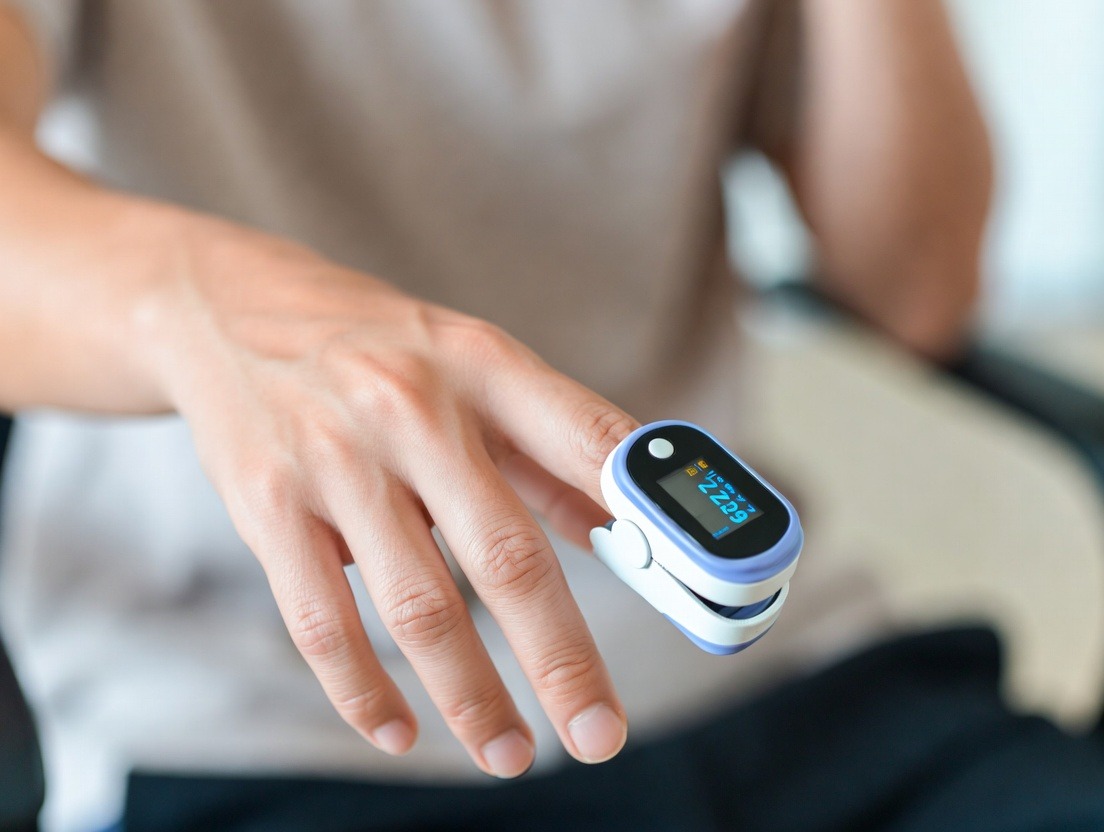
How Modern Technology Captures This Nuanced Signal Historically, measuring HRV required an electrocardiogram (ECG). Today, photoplethysmography (PPG) sensors in devices like the Oxyzen smart ring make continuous, non-invasive monitoring a reality. By emitting light into the skin and measuring blood volume changes in the capillaries, these sensors detect each heartbeat with remarkable accuracy. Advanced algorithms then analyze the sequence of beats to calculate your HRV, most commonly using a time-domain metric called rMSSD (root mean square of successive differences), which is excellent for tracking daily changes.
This technology transforms HRV from a snapshot into a story. Wearing a device like this overnight provides the gold standard: your nocturnal HRV. During sleep, external stimuli are minimized, offering the clearest view of your body’s pure recovery state. Tracking this trend over time—not obsessing over daily fluctuations—reveals your unique baseline and how your lifestyle choices impact your physiological resilience. To see how this data translates into daily life, explore how a wellness ring validates effective healthy aging tips.
Beyond the Gym: The Holistic Factors That Influence Your HRV (And Your Recovery)
A critical paradigm shift occurs when you start tracking HRV: you realize that your "fitness" is not separate from your "life." Your body does not distinguish between stress from a heavy squat session, stress from a tight work deadline, or stress from a poor night’s sleep. It all contributes to your allostatic load—the cumulative burden of stress—and your HRV reflects the total sum.
The Major Levers Pulling Your HRV:
Sleep Quality and Quantity: This is the most powerful recovery tool. Deep sleep (N3) and REM sleep are particularly vital for physiological repair and nervous system recalibration. A night of fragmented or insufficient sleep will almost certainly depress your morning HRV. As we've detailed in a dedicated article, sleep quality is the foundation of healthy aging.
Mental and Emotional Stress: Chronic worry, anxiety, and overwhelm keep your SNS subtly activated, dampening HRV. Mindfulness practices, in contrast, can strengthen PNS tone.
Nutrition and Hydration: Large meals, alcohol, and processed foods can trigger inflammation and strain your system. Dehydration directly increases sympathetic activity. Balanced nutrition and consistent hydration support a stable, high HRV.
Training Load: This is the direct physical stressor. A challenging, novel, or high-volume workout will create a deliberate dip in HRV as your body works to repair itself. This is a normal, expected response to a productive training stimulus.
Illness and Infection: Your body diverts resources to the immune system, which is a massive stressor. A sudden, sharp drop in HRV can be an early warning sign of an oncoming cold or flu, often before symptoms appear.
Lifestyle and Routine: Travel, late nights, and excessive screen time before bed can disrupt circadian rhythms and lower HRV.
The power of daily HRV monitoring is that it makes these invisible connections visible. You might see your HRV plummet after a week of poor sleep, despite scaling back your workouts. Or, you might see it remain robust during a busy work week because you prioritized sleep and nutrition. This holistic feedback is what makes HRV the ultimate guide for intelligent training. It teaches you that optimizing recovery isn't just about what you do on your rest days; it's about how you live your entire life. For those navigating specific life stages, understanding these connections is key, as discussed in our piece on healthy aging tips for women navigating hormonal changes.
Establishing Your Baseline: How to Accurately Track and Interpret Your Personal HRV
You cannot manage what you do not measure. The first step in using HRV is to establish a reliable, personal baseline. This process requires patience and consistency, as HRV is highly individual. Comparing your number to someone else’s is meaningless—a "low" number for one person could be normal for another.
Best Practices for Consistent Measurement:
Timing: Measure at the same time each day, ideally first thing in the morning after waking. A standard protocol is to take a 60-second reading while lying still in bed before getting up.
Consistency: Use the same device (like your Oxyzen ring) in the same mode (e.g., the app's "Morning Readiness" check) for every measurement. Nocturnal, averaged HRV from a full night's sleep is often the most stable metric.
Conditions: Try to minimize variables. Take the measurement before coffee, checking your phone, or engaging in conversation. Breathe normally.
Interpreting the Data: Trend vs. Noise Do not react to a single day’s reading. HRV can fluctuate due to numerous minor factors. The true insight lies in the trend.
Upward Trend: Your baseline is gradually increasing. This suggests improved fitness, better recovery habits, or reduced life stress. Your body is building resilience.
Stable Trend: You are maintaining homeostasis. Your current training and lifestyle load are well-managed.
Downward Trend: Your baseline is drifting lower over 5-7 days or more. This is a clear signal of accumulating fatigue. Your body is struggling to recover from the combined stressors you're facing.
Most HRV apps, including those paired with devices from Oxyzen.shop, will calculate a rolling baseline (often a 3-4 week average) and then provide a daily score or status (e.g., "Balanced," "Strained") based on how your morning reading compares to your personal norm. This status is your guiding light for daily decisions. To get started with a device designed for this precise tracking, the main storefront at Oxyzen.shop is your entry point.
The HRV-Guided Training Framework: From Data to Daily Decisions
Now we reach the core application: using your daily HRV status to modulate your training intent. This framework moves you from a rigid, pre-written plan to a fluid, responsive dialogue with your body.
The Three Key Statuses and Their Actionable Implications:
“Green” / Balanced / High Readiness: Your HRV is at or above your baseline.
Interpretation: Your body is well-recovered and resilient. Your nervous system is primed to handle stress.
Action: GO. This is the day to execute your planned challenging workout, introduce higher intensity, or focus on strength and performance. Your body is signaling it can adapt positively to a strong stimulus.
“Yellow” / Slightly Compromised / Moderate Readiness: Your HRV is moderately below your baseline (e.g., a 5-15% drop).
Interpretation: You are under some strain. Recovery is incomplete, or life stress is elevated.
Action: MODIFY. Do not blindly push through your hardest workout. Consider:
Reducing the volume (fewer sets, shorter duration).
Reducing the intensity (lower weight, slower pace).
Switching the focus to technique, mobility, or light aerobic work.
This is not a rest day, but a "listen to your body" day. The goal is to get a positive training effect without digging a deeper recovery hole.
“Red” / Strained / Low Readiness: Your HRV is significantly below your baseline (e.g., a >15-20% sustained drop).
Interpretation: You are in a state of high stress or fatigue. This could be from overreaching, impending illness, or severe lifestyle stressors.
Action: RECOVER. This is a non-negotiable rest or very active recovery day. Prioritize:
Complete rest, or a gentle walk, yoga, or stretching.
Hyper-focus on sleep, nutrition, and hydration.
Stress-management techniques like meditation.
Pushing a hard workout in the "red" drastically increases injury and illness risk and will be counterproductive.
This framework turns HRV from abstract data into a daily conversation. It empowers you to train hard when it’s wise and pull back when it’s necessary, maximizing progress while minimizing risk. This intelligent approach to load management is a cornerstone of sustaining activity for life, a concept explored in our guide to healthy aging tips and movement strategies for every decade.
Periodization Reimagined: Using HRV Trends for Long-Term Planning
While daily HRV guides your micro-decisions, the long-term trend is your compass for macro-planning—your periodization. Traditional periodization blocks (e.g., 4 weeks of build, 1 week of deload) are educated guesses. HRV allows you to periodize based on your body’s actual response.
Identifying Functional Overreaching vs. Overtraining: A planned training block should deliberately push your HRV into a gradual downward trend. This is called functional overreaching—you are accumulating fatigue to drive a supercompensation effect during a subsequent recovery period. The key is to initiate a deload or recovery week before your HRV crashes and stays low.
Smart Strategy: After 2-3 weeks of a progressive overload phase, if you see your HRV trend steadily declining but still responding (e.g., it dips but recovers slightly on rest days), you are in the productive overreaching zone. Plan a deload for the following week.
Warning Sign: If your HRV trend is in a steep, sustained decline and doesn’t bounce back after 2-3 easy days, you risk tipping into non-functional overreaching or overtraining. Immediate, extended recovery is needed.
Guiding Deloads and Tapers: Your HRV trend tells you exactly when and how long your recovery phase should be.
The Deload: During a planned easy week, a successful deload is confirmed when your HRV trend sharply rebounds and stabilizes at or above your original baseline. This signals you have absorbed the training and are now supercompensating—stronger and more resilient.
The Taper: For an event like a marathon, watching your HRV climb during a taper is the ultimate confidence booster. It provides objective proof that your body is recovering and peaking at the right moment.
This data-driven approach to periodization removes the fear of "losing fitness" during rest. You can see the gains happening on a physiological level, making you a more confident and patient athlete. This principle of strategic recovery is vital at any age, especially as explored in the context of healthy aging tips for your 50s as a critical decade for prevention.
The Crucial Role of Sleep: How HRV Data Optimizes Your Most Powerful Recovery Tool
We touched on sleep as a factor, but it deserves its own spotlight in the HRV ecosystem. Sleep is not just downtime; it’s when the majority of physical repair, memory consolidation, and nervous system resetting occurs. Your nocturnal HRV pattern is a rich diagnostic tool for sleep quality.
Decoding Your Nightly HRV Graph: A typical, healthy nocturnal HRV pattern shows a significant rise during the night, peaking during deep sleep phases as the parasympathetic system dominates. A flat or chaotic HRV pattern during sleep indicates poor sleep quality, even if you were "asleep" for 8 hours.
High Nocturnal HRV: Indicates effective, restorative sleep with strong PNS activity.
Low/Flat Nocturnal HRV: Suggests fragmented sleep, sleep apnea, or excessive SNS activation during the night (often from stress, alcohol, or eating too late).
Actionable Insights from Sleep HRV:
Timing Your Training: If your nocturnal HRV is low, heed your morning "yellow" or "red" status and adjust your day accordingly. The data is telling you repair was incomplete.
Testing Sleep Interventions: Use your HRV as a biofeedback loop to test what improves your sleep. Try:
A consistent bedtime routine.
Cutting off caffeine 10 hours before bed.
Reducing blue light exposure in the evening.
A cooler bedroom temperature.
Track the impact on your next morning's HRV and readiness score. This turns guesswork into a personal science experiment.
By prioritizing sleep as the foundation of recovery, guided by your HRV data, you build a stronger, more resilient system capable of handling greater training loads and life stress. For a comprehensive look at building this foundation, our blog on 50 healthy aging tips a smart ring helps implement daily is an excellent resource.
Nutrition and HRV: Fueling Recovery from the Inside Out
What you eat and drink directly communicates with your nervous system. HRV provides immediate feedback on how your dietary choices support or hinder your recovery and readiness.
Dietary Factors That Can Lower HRV:
High-Glycemic Meals & Sugar Spikes: Cause inflammation and oxidative stress, stimulating the SNS.
Excessive Alcohol: A known depressant of HRV for 24-72 hours, disrupting sleep architecture and hydration.
Dehydration: Reduces blood volume, forcing the heart to work harder and increasing sympathetic tone.
Large Meals Close to Bedtime: Diverts energy to digestion during sleep, impairing nocturnal recovery.
Dietary Strategies to Support a High HRV:
Prioritize Anti-Inflammatory Foods: Omega-3 fatty acids (fatty fish, walnuts), antioxidants (berries, leafy greens), and polyphenols (dark chocolate, green tea) can positively influence HRV.
Stay Consistently Hydrated: Electrolyte balance is crucial for nervous system function.
Time Carbohydrates Strategically: Consuming carbs around workouts can help manage the stress response, while lower-glycemic eating at other times may promote stability.
Experiment with Fasting Windows: Some individuals see improved HRV with time-restricted eating (e.g., 14:10), likely due to reduced metabolic stress, but this is highly individual. Monitor your personal data.
Using HRV, you can move beyond generic diet advice. Try an experiment: for one week, prioritize whole foods, minimize alcohol, and hydrate well. Observe your HRV trend. The data will give you a powerful, personal reason to maintain habits that truly serve your body’s need for balance. This connection between cellular health and daily habits is a key theme in our article on healthy aging tips to fight cellular aging.
Mental Stress, Mindfulness, and HRV: Training Your Nervous System’s Resilience
Physical training is only one form of stress. Mental and emotional burdens—work pressure, relationship issues, financial worry—exact a identical physiological toll, mediated through the same SNS pathways. The beautiful corollary is that just as we can train our muscles, we can train our nervous system for greater resilience through behavioral interventions, with HRV as our guide.
HRV Biofeedback: Direct Training for Your PNS HRV biofeedback is a specific practice where you use your real-time HRV display (often presented as a coherent breathing pacer) to learn to increase your HRV voluntarily.
The Method: Typically, you breathe at a slow, resonant frequency (often 4.5-6.5 breaths per minute, which is individual). This pace creates a synchronization between your heart rhythm and your breathing (respiratory sinus arrhythmia), maximizing HRV and PNS activation.
The Proof: A 5-10 minute daily session of HRV biofeedback has been shown to lower perceived stress, improve emotional regulation, and raise baseline HRV over time. It’s literal strength training for your vagus nerve, the main conduit of the PNS.
Mindfulness and Meditation: Consistent meditation practices, even simple 10-minute daily sessions, have been robustly linked to increased HRV. They reduce the background "static" of SNS arousal, creating a more stable internal environment.
The HRV Feedback Loop: When you see your HRV dip after a stressful day at work, it’s not a judgment—it’s valuable information. It validates your feelings and encourages you to employ a recovery tool, be it a biofeedback session, a walk in nature, or disconnecting from screens. Over time, as you practice these techniques, you may see your baseline HRV rise, indicating a more resilient system that bounces back faster from all forms of stress. This holistic approach to stress management is fundamental to longevity, as discussed in our piece on healthy aging tips for stress management and connection.
Conclusion of This Portion: Integrating HRV into Your Holistic Fitness Philosophy
We have journeyed from the microscopic intervals between heartbeats to a comprehensive framework for managing your entire fitness and lifestyle. HRV data demystifies the internal state of your body, transforming the art of training into a responsive science.
The key takeaways are these:
HRV is a direct reflection of your autonomic nervous system balance and your body’s readiness to handle stress.
It is influenced by everything—training, sleep, nutrition, and mental load.
By establishing a personal baseline and tracking the trend, you gain an objective guide.
The daily status allows for dynamic training adjustments—Green=Go, Yellow=Modify, Red=Recover.
Long-term trends enable intelligent periodization, helping you avoid overtraining and time your peaks.
HRV provides feedback to optimize sleep, nutrition, and stress-management practices, turning them into measurable components of your fitness.
Adopting an HRV-guided approach requires a shift in mindset. It champions adaptability over rigid adherence, listening over ignoring, and long-term sustainability over short-term grit. It is the antithesis of "no pain, no gain." It is the principle of "intelligent strain, then profound gain."
The Practical Playbook: Advanced HRV Strategies for Specific Goals and Populations
The foundational knowledge of HRV provides a universal framework, but its true power is revealed when applied to specific contexts. Your fitness goals, age, sport, and lifestyle create a unique physiological fingerprint. A one-size-fits-all approach to HRV interpretation doesn't exist. In this section, we move from theory to advanced, personalized practice, exploring how to tailor your HRV-guided training to your individual circumstances, whether you're training for a marathon, building strength, or focusing on long-term healthspan. For those whose primary aim is sustaining vitality, our exploration of how HRV monitoring supports healthy aging goals offers a targeted perspective.
HRV for Endurance Athletes: Optimizing Volume, Intensity, and Race Taper
For endurance athletes—runners, cyclists, triathletes—the primary training stimuli are volume (mileage, time) and intensity. The balancing act is constant: accumulating enough workload to drive aerobic adaptations without succumbing to fatigue, overtraining, or injury. HRV is the perfect tool for this tightrope walk.
Managing High-Volume Training Blocks: Endurance training often involves consecutive days of stress. HRV helps you navigate these sequences intelligently.
The Consecutive-Day Strategy: After a hard or long session, your HRV will likely dip the next morning. A "yellow" status doesn't mean do nothing; it means adjust. This is the day for a truly easy recovery run or ride—low intensity, low heart rate, purely aerobic. The goal is to promote blood flow and facilitate repair without adding significant new stress. If your HRV drops into the "red" after a single session, it's a strong indicator that the workload was too high relative to your current recovery capacity, or that non-training stressors are too high.
Identifying Aerobic Efficiency Gains: As your aerobic base strengthens, you may notice a fascinating trend: your HRV recovers more quickly from standardized workouts. A two-hour run that used to drop your HRV for 48 hours might now only affect it for 24. This is objective, quantifiable proof of improved fitness and resilience. It signals you may be ready to carefully increase volume.
Precision-Guiding High-Intensity Sessions: Interval work and tempo runs are potent but stressful. Performing them when your body is not ready wastes the session and increases injury risk.
The Green Light Rule: Schedule your key intensity sessions for days when your HRV status is "Green" or clearly rebounding into green. This ensures your nervous system is primed to handle the high sympathetic demand and will reap the full adaptive benefit.
Post-Intensity Recovery Tracking: The depth and duration of your HRV drop after intervals are informative. A moderate dip that recovers within 1-2 days is ideal. A severe, prolonged crash suggests the intensity or volume was too much, or your recovery protocols (sleep, nutrition) need bolstering.
The Perfect Taper, Quantified: The final 1-3 weeks before a major race are often fraught with anxiety. Am I resting too much? Too little? HRV erases the guesswork.
A Successful Taper Pattern: As you reduce training load, you should see a clear, steady rise in your HRV trend, often peaking 1-2 days before race day. This rising graph is the physiological confirmation of "peaking." It shows your body is fully recovering, supercompensating, and storing energy.
The HRV Confidence Boost: Seeing this objective data can alleviate pre-race nerves. On the start line, you’re not relying on feel alone; you have a biofeedback report card stating your body is ready. For athletes focused on longevity, this intelligent periodization is a core tenet of healthy aging tips to preserve independence longer.
HRV for Strength and Power Athletes: Navigating Neural Fatigue and Muscle Damage
The stress profile for strength, power, and hypertrophy training is different from endurance. It places a premium on the central nervous system (CNS) and causes significant localized muscle damage. HRV, as a marker of systemic stress and autonomic balance, is exceptionally good at detecting neural fatigue.
HRV as a CNS Fatigue Monitor: Heavy lifting (≥85% 1RM) and explosive power movements heavily tax the CNS.
The Neural Strain Signal: A pronounced drop in HRV after a heavy strength day, even in the absence of significant muscle soreness, is often a sign of CNS fatigue. Your nervous system has been "spent." Training again in this state not only limits performance but dramatically increases the risk of technical failure and injury.
Actionable Insight: A "yellow" or "red" status after a heavy day should steer you towards active recovery, mobility work, or technique-focused light sessions—not another max-effort day. This protects your CNS and allows for supercompensation.
Managing Hypertrophy and High-Volume Phases: Bodybuilding-style training with moderate loads, high volume, and short rest periods creates metabolic stress and muscle damage. While HRV may not dip as sharply from CNS fatigue, the cumulative inflammation and repair demands will affect it.
Trend Analysis is Key: During a high-volume hypertrophy block, watch the weekly trend. A gradual decline across the week is expected. A sharp, persistent drop indicates the volume is excessive or recovery is inadequate (sleep, protein intake, calorie surplus). This signals the need for a planned deload.
Deload Timing: For strength athletes, the deload is non-negotiable. Use HRV to time it perfectly. Begin your deload week when your HRV trend has been in a clear decline for several days. The goal of the deload is to see a sharp rebound in HRV by the week's end.
The Mind-Muscle Connection and Stress: Strength training requires high focus and intensity of effort, which is itself a sympathetic stressor. Mental stress outside the gym can therefore directly impair your lifting performance by keeping your baseline SNS tone elevated. Monitoring HRV helps you identify when life stress is compromising your strength potential, prompting you to prioritize stress-reduction techniques. This integrated mind-body approach is crucial for lifelong fitness, as highlighted in strategies to maintain muscle mass after 60.
HRV for the General Fitness Enthusiast: Sustainable Progress Without Burnout
Most people don't identify as endurance or strength athletes. Their goal is consistent, enjoyable progress in general fitness—looking better, feeling stronger, having more energy. For this group, HRV is the ultimate guardrail against the most common derailers: inconsistency and burnout.
Creating a Flexible, Sustainable Routine: The classic mistake is jumping into a 5-day-a-week program that doesn't account for life's variability. HRV enables a flexible, non-linear approach.
The "Minimum Effective Dose" on Strained Days: On "yellow" days, what is the minimum dose that maintains momentum? Perhaps it's a 20-minute bodyweight circuit at home, a brisk lunch walk, or a stretching session. This keeps the habit alive without overstressing a strained system.
The "Seize the Day" Opportunity on Green Days: When you wake up with a "green" readiness score and high energy, that's your cue to go for a personal record, try a new harder class, or extend your workout. You're matching your highest effort to your body's highest readiness.
Preventing the "All-or-Nothing" Cycle: By having permission to modify based on data, you avoid the cycle of pushing to exhaustion, getting sick or injured, and then falling off the wagon completely. HRV promotes moderation and consistency, which are the true engines of long-term results.
Connecting Lifestyle to Fitness Outcomes: For the general enthusiast, the holistic feedback is perhaps the most transformative. You'll see direct evidence of how:
A night of poor sleep makes a moderate workout feel grueling.
A period of work stress halts your weight loss progress.
A weekend of overindulgence impacts your week's energy. This feedback loop encourages healthier daily choices, making fitness part of a broader wellness lifestyle. Tracking this holistic progress over time is exactly what a smart ring tracks for healthy aging progress.
HRV Through the Lifespan: Adaptations for Aging Athletes and Healthspan Seekers
HRV has a natural tendency to decline with age, reflecting a gradual reduction in parasympathetic tone. However, this decline is not a fixed destiny—it's a trend that can be dramatically slowed, halted, or even reversed through lifestyle and training. For the aging athlete or anyone focused on healthspan, HRV becomes a critical metric for training intelligently and monitoring vitality.
Key Age-Related Considerations:
Slower Recovery Kinetics: The body takes longer to repair itself. A 40-year-old will likely need more time between intense sessions than a 20-year-old. HRV provides the personal timeline. You may find you need two full "green" days between hard efforts instead of one.
Increased Importance of Recovery Modalities: Sleep, nutrition, and stress management become non-negotiable, not optional. HRV brutally exposes the cost of neglecting them, providing strong motivation to prioritize recovery as seriously as the workout itself.
Focus on Variability and Resilience: While maximum heart rate decreases, HRV can remain high with proper training. Maintaining a high HRV is associated with better cardiovascular health, cognitive function, and longevity. It becomes a primary fitness goal in itself.
Training Adjustments Guided by HRV:
Longer Deloads: An aging athlete might benefit from a 10-day "recovery micro-cycle" after a 3-week build phase instead of a standard 7-day deload, with HRV confirming when full recovery is achieved.
Emphasis on Low-Stress Movement: Daily low-intensity aerobic activity (walking, cycling) that promotes blood flow without hammering the system can help maintain a high daily HRV and support recovery from harder sessions.
Listening to the "Red" Flag: For older adults, respecting a "red" HRV status is even more crucial to avoid prolonged setbacks. The focus shifts from "pushing through" to "strategic patience."
In this context, HRV monitoring transforms from a performance tool into a longevity tool. It guides a training philosophy that maximizes resilience, minimizes breakdown, and supports a lifelong capacity for an active, vigorous life. This is the core of modern healthy aging tips that start working at any age.
The Female Athlete and HRV: Navigating the Menstrual Cycle and Hormonal Phases
Female physiology adds a crucial, cyclical layer to HRV interpretation. Hormonal fluctuations across the menstrual cycle directly influence autonomic nervous system balance, core temperature, metabolism, and inflammation. Ignoring this cycle leads to misinterpretation of HRV data and suboptimal training. A woman using HRV must first become a student of her own cycle.
Mapping HRV to Cycle Phases:
Follicular Phase (Post-Menstruation to Ovulation): Estrogen rises. Many women experience higher energy levels, better stress resilience, and a higher or more stable HRV baseline. This is an ideal time for higher-intensity training, strength peaks, and introducing new challenges. The body is primed for performance.
Luteal Phase (Post-Ovulation to Menstruation): Progesterone dominates. Core temperature rises, metabolism increases, and the body is under more metabolic stress. HRV often shows a natural decline during this phase. This is normal and expected—it's a physiological state, not a sign of poor fitness. This phase calls for a shift in training focus: more maintenance of strength, moderate-intensity endurance, and a heightened focus on recovery (sleep, nutrition, stress management).
Menstruation: The onset of bleeding brings a sharp drop in hormones. Energy and HRV may be low in the first few days. This is a time for genuine rest or very light movement. As menstruation progresses, HRV and energy often begin to climb, signaling the transition back to the follicular phase.
Actionable HRV Strategies for Women:
Track Your Cycle: Use an app alongside your HRV data. After 2-3 cycles, you'll see your personal pattern emerge.
Create a "Cyclical" Baseline: Instead of comparing your HRV to a single 30-day average, consider having phase-specific baselines. A dip in the luteal phase may be normal for you, not a cause for concern.
Sync Your Training: Plan your hardest weeks during the follicular phase and your deload or recovery-focused weeks to overlap with the late luteal phase and menstruation. This is biohacking at its most natural and effective.
Redefine "Normal": A low HRV reading during the luteal phase doesn't necessarily mean "strained" from training; it may mean "adjusted for hormones." Pair your HRV data with subjective feelings (energy, motivation) for the full picture.
For women navigating perimenopause and menopause, where cycles become irregular and hormones fluctuate wildly, HRV becomes an even more vital anchor. It cuts through the noise of unpredictable symptoms, providing an objective measure of systemic stress and readiness, helping to guide exercise and lifestyle choices during this transition. We delve deeper into this specific journey in our article on healthy aging tips for women navigating hormonal changes.
Troubleshooting Common HRV Issues: When the Data Seems Confusing
As you embark on your HRV journey, you'll inevitably encounter head-scratching moments. The data won't always align with your expectations. Here’s how to troubleshoot the most common issues.
1. The "I Feel Great, But My HRV is Low" Paradox.
Possible Causes:
Dehydration: Even mild dehydration can significantly suppress HRV. Have you had enough water and electrolytes?
Alcohol: Even a single drink 24-48 hours prior can depress HRV.
Late/Early Measurement: Did you measure at a different time, or after checking your phone/email, which spikes cortisol?
Subclinical Stress: You may feel fine consciously, but your body is processing underlying anxiety, a heavy workload, or mild immune system activity (like fighting off a virus).
Device Placement: Ensure your smart ring or sensor is snug and positioned correctly.
Action: Trust the data as a signal of physiological stress, which can precede perceived stress. Hydrate, ensure clean measurement, and consider taking the day as a "yellow" modify day, even if you feel subjectively good.
2. The "I Feel Terrible, But My HRV is High" Paradox.
Possible Causes:
Detached/Disregulated State: In some cases of extreme burnout or chronic fatigue, the nervous system can become "disconnected," showing an inappropriately high or flat HRV. It’s not resilience; it's dysregulation.
Acute Illness Onset: Sometimes, at the very beginning of an illness, the body's initial immune response can cause a paradoxical HRV rise before the expected crash.
Metric Specificity: Some HRV metrics (like SDNN) can be influenced by factors other than autonomic balance.
Action: Always pair HRV with subjective wellness scores (energy, mood, motivation). If you feel awful but your HRV is high, prioritize how you feel. The data is one piece of the puzzle, not the entire picture. Rest. If this pattern persists, it may warrant a discussion with a healthcare provider.
3. High HRV But Poor Performance.
Possible Causes:
Detraining: If you've been inactive for a while, your HRV may be high because there's no training stress, but your fitness (muscle strength, aerobic capacity) has detrained.
Lack of Stimulus: You may be in a state of good recovery but not providing an adequate training stimulus to drive adaptation. High HRV with stagnation means it's time to carefully increase the challenge on your green days.
4. No HRV Response to Training ("Flat Liner").
Possible Causes:
Training Monotony: Doing the same workout at the same intensity daily creates no novel stress, so HRV doesn't fluctuate. The body is bored.
Insufficient Load: The workouts are simply not challenging enough to perturb your system.
Chronic Stress Overwhelm: Your baseline life stress is so high that the added stress of exercise doesn't register as a significant change.
Action: Introduce variation (new exercises, intervals, longer duration) to provide a novel stimulus. If life stress is high, focus on managing that first, using HRV biofeedback and recovery practices.
For ongoing support with these and other questions, our dedicated FAQ page is an ever-expanding resource built from real user experiences.
Integrating HRV with Other Biomarkers: Creating a Complete Health Dashboard
HRV is profoundly powerful, but it is not omniscient. It measures systemic stress and ANS balance. To get a complete picture of your health and fitness, integrate HRV with other key biomarkers. Modern smart rings and wearables make this multi-metric approach seamless.
The Core Triad: HRV, Resting Heart Rate (RHR), and Sleep.
HRV + RHR: These should be interpreted together. An elevated RHR coupled with a low HRV is a very strong double-confirmation of physiological strain (from training, stress, or illness). A low RHR with a high HRV is the golden signature of excellent recovery and fitness.
HRV + Sleep Data: Correlate your morning HRV with your sleep score, deep sleep duration, and disturbances. Did a night with low deep sleep cause a low HRV? Did a night of excellent sleep fail to boost your HRV, pointing to another stressor? This integration pinpoints the root cause of recovery issues.
Advanced Biomarker Synergies:
HRV + Body Temperature: Nocturnal core temperature (tracked by some advanced rings) is a key marker of circadian health, inflammation, and, for women, ovulation. A elevated temperature with a low HRV can indicate inflammation or illness.
HRV + Respiratory Rate: An elevated resting respiratory rate, especially during sleep, is a sensitive marker of systemic stress or cardiorespiratory strain. Seeing it rise alongside a falling HRV trend is a major red flag.
HRV + Activity/Strain Scores: Look at the relationship. A high daily activity score followed by a significant HRV dip is expected. A moderate activity score followed by a massive HRV crash suggests your recovery "bank account" was already depleted.
The Subjective Layer: How Do You Feel? No dashboard is complete without your subjective input. Each morning, rate your energy, mood, motivation, and muscle soreness on a scale of 1-10. This "wellness score" is the qualitative context for the quantitative data. Over time, you'll learn your personal patterns: "When my HRV drops below X and my soreness is above Y, I need a full rest day."
By synthesizing HRV with these other data streams, you move from looking at a single number to reading a comprehensive story about your body's state. This holistic view is the future of personalized health optimization. To see how this integrated tracking works in practice for long-term goals, explore how smart rings support healthy aging through daily monitoring.
Case Studies: Real-World Applications of HRV-Guided Training
Theory meets practice in the stories of real individuals. Here are anonymized case studies illustrating the transformative impact of HRV data.
Case Study 1: The Overtrained Marathoner.
Profile: Sarah, 38, following a rigorous 18-week marathon plan. By week 12, she felt constantly fatigued, her easy runs felt hard, and she was irritable.
HRV Story: Her HRV trend had been on a steady decline for 4 weeks, with no rebounds on rest days. She was consistently in the "red" or low "yellow."
Intervention: Based on the data, she took an unplanned 5-day complete rest break, focusing on sleep and nutrition. Her HRV began a sharp recovery.
Result & Lesson: She resumed training with a modified, lighter plan. While she adjusted her race goal, she arrived at the start line healthy and energized instead of broken. She learned that a linear performance increase is a myth, and that respecting downward trends prevents disaster. This experience underscored the importance of stress management and connection as part of training.
Case Study 2: The Stressed Executive Seeking Fitness.
Profile: David, 45, desk-bound with high work stress. He joined a bootcamp and went 5 days a week, but kept getting sick and saw no progress.
HRV Story: His baseline HRV was very low. Every bootcamp session plunged his HRV into the "red" for 2-3 days. His graph was a series of deep valleys with no peaks.
Intervention: He used HRV to completely reframe his approach. On "red" days, he did gentle yoga or walking. He only did the full bootcamp when his HRV was "green," which at first was only 1-2 times a week. He also used HRV biofeedback to manage work stress.
Result & Lesson: After 8 weeks, his baseline HRV rose. He could handle 3 sessions a week without crashing, stopped getting sick, and finally started losing weight and gaining strength. He learned that for a highly stressed system, adding intense exercise without monitoring is often counterproductive. Recovery must be earned first. This journey highlights the value of a wellness ring that tracks what matters.
Case Study 3: The Masters Athlete Avoiding Plateaus.
Profile: Robert, 62, lifelong runner, frustrated that his times were slipping and he needed more recovery.
HRV Story: His HRV showed very slow recovery kinetics. A hard run would take 3-4 days to return to baseline.
Intervention: He abandoned his old "every other day hard" schedule. He adopted a 3-day cycle: 1) Hard/Interval Day (only if Green), 2) Complete Rest or Walk, 3) Easy, Short Aerobic Run. He also prioritized post-workout protein and sleep like never before.
Result & Lesson: His HRV stability improved dramatically. While his absolute times didn't return to his 40s, his consistency, enjoyment, and race performances relative to his age group improved significantly. He learned that adapting recovery time is not a sign of weakness, but the strategy of a smart athlete. This adaptive approach is central to protecting cognitive function and physical health with age.
These stories illustrate that HRV is not about creating lab-conditions for elite athletes; it's about providing everyday people with the insight to make smarter, healthier, more sustainable choices that align with their unique physiology and life circumstances. For more inspiring transformations, browse our collection of real customer reviews and testimonials.
The Cutting Edge: The Future of HRV, Advanced Recovery Protocols, and Your Personalized Action Plan
We have journeyed through the science, application, and personalization of HRV-guided training. Now, we arrive at the frontier. This final section explores the emerging trends that will define the next decade of biofeedback, introduces advanced recovery techniques to supercharge your system, and culminates in a step-by-step action plan to transform this knowledge into lasting change. The ultimate goal is to evolve from simply tracking your physiology to actively orchestrating it for peak performance and longevity. For a vision of how this integrates into a full-spectrum wellness life, our piece on healthy aging tips for preserving independence longer provides a compelling long-term perspective.
The Future of Autonomic Monitoring: Beyond HRV to a Full Nervous System Dashboard
HRV is the gateway metric, but the future lies in a more nuanced, multi-dimensional mapping of the autonomic nervous system (ANS). Emerging research and technology are beginning to paint a fuller picture.
1. HRV Frequency Domain Analysis: Decoupling Sympathetic and Parasympathetic Activity. While time-domain HRV (like rMSSD) is excellent for tracking daily changes, frequency-domain analysis breaks the signal into components:
Low-Frequency (LF) Power: A more debated metric, but often considered a mix of both sympathetic and parasympathetic influences, potentially reflecting baroreflex activity.
LF/HF Ratio: Sometimes used as a crude indicator of sympathetic-parasympathetic balance.
In the future, consumer devices may provide these deeper insights, helping to distinguish between a low HRV caused by low vagal activity versus one caused by excessive sympathetic drive—each requiring a different intervention strategy.
2. Electrodermal Activity (EDA) or Galvanic Skin Response (GSR). This measures the subtle changes in skin conductance caused by sweat gland activity, which is directly controlled by the sympathetic nervous system. While HRV can reflect tonic (background) ANS state, EDA is excellent at capturing phasic (acute) sympathetic bursts—moments of stress, excitement, or focus. Imagine a device that not only tells you your recovery is low (HRV) but also shows you the precise moments during your day that triggered significant stress responses (EDA). This combination allows for microscopic management of your psychological environment. Some next-generation smart rings, like those evolving at Oxyzen, are already beginning to integrate multi-sensor arrays for this purpose.
3. Continuous Core Temperature & Metabolic Heat Signatures. Nocturnal core temperature is a profound biomarker for circadian rhythm quality, metabolic health, and menstrual cycle tracking. Future wearables will track this continuously, correlating it with HRV. A disrupted temperature rhythm plus low HRV would be a powerful indicator of circadian misalignment (e.g., from jet lag or shift work), guiding targeted interventions like light therapy.
4. AI-Powered Predictive Analytics and Personalized Insights. The true leap forward will come from artificial intelligence. Instead of you interpreting graphs, an AI coach—trained on millions of anonymized data points—will identify your unique patterns.
Predictive Alerts: "Based on your current HRV trend, sleep debt, and upcoming calendar stress, there's an 85% probability you will be susceptible to illness in 3 days. Recommended action: Prioritize 8+ hours of sleep and consider reducing training intensity tomorrow."
Personalized "Nudges": The system learns what works for you. "Your HRV consistently improves by 12% on days you perform 10 minutes of breathwork after lunch. Would you like to schedule that today?"
Integration with Ecosystems: Your wearable data will seamlessly integrate with your calendar, nutrition log, and even smart home devices to automate recovery—dimming lights as your evening HRV rises, or suggesting an earlier bedtime based on your daily strain.
This is not science fiction; it is the logical endpoint of the quantified self movement, shifting from retrospective data display to prospective, prescriptive health management. To understand the philosophy driving this kind of innovation, you can explore our story and vision.
Advanced Recovery Techniques: Leveraging Technology and Physiology for Supercharged Restoration
Once you have the data guiding you to prioritize recovery, the next question is: how can I make that recovery more potent? Beyond sleep and nutrition, these advanced techniques can actively stimulate the parasympathetic nervous system and accelerate repair.
1. HRV Biofeedback and Resonant Frequency Breathing (Advanced Protocol). We introduced basic biofeedback earlier. The advanced practice involves finding your personal resonant frequency—the breathing pace (usually between 4.5 and 6.5 breaths per minute) that creates the greatest amplitude in your HRV, maximizing the heart-brain synchronization.
How to Find It: Use an app that provides real-time HRV feedback while you slowly experiment with different breathing paces (e.g., 4-second inhale/6-second exhale, 5/5, 5.5/5.5). The pace that produces the smoothest, highest wave pattern is your resonant frequency.
Protocol: Practice for 10-20 minutes daily, especially on "yellow" or "red" days, or before bed. Studies show this not only provides acute relaxation but can re-tone the vagus nerve and raise baseline HRV over weeks.
2. Physiological Sighing and Other Instant Stress-Resets. Popularized by Dr. Andrew Huberman, the physiological sigh is a powerful, fast-acting tool to reduce acute stress and boost HRV.
Method: Take a deep inhale through the nose, then a second, shorter "sip" of air at the top to fully inflate the lungs, followed by a long, slow exhale through the mouth. Repeat 1-3 times.
Use Case: Do this before a stressful meeting, after a hard training set, or when you feel anxiety rising. It rapidly offloads CO2 and improves oxygenation, triggering a parasympathetic response that can be seen in real-time HRV.
3. Targeted Cold Exposure (with Data-Driven Timing). Cold exposure is a hormetic stressor—it stresses the system to make it more resilient. But timing is everything.
Strategic Use: Performing cold exposure (e.g., 2-3 minute cold shower) on a "green" day can be a strengthening stimulus. Performing it on a "red" day may be an excessive additional stressor.
Protocol for Recovery: A contrast therapy protocol (e.g., 3 minutes warm shower, 1 minute cold, repeated 3x) after a workout on a green or yellow day may help reduce inflammation and improve circulation, potentially aiding HRV recovery. Use your morning HRV to gauge its effect on you.
4. Red Light Therapy and Photobiomodulation. Emerging evidence suggests that exposure to specific wavelengths of red and near-infrared light can reduce inflammation, improve mitochondrial function, and enhance cellular repair.
Application for Recovery: Using a red light panel for 10-20 minutes post-workout or before bed may support systemic recovery. While direct HRV studies are growing, the proposed mechanisms align perfectly with recovery goals. Pair this with your HRV tracking to see if it impacts your personal recovery kinetics.
5. Strategic Nutrition for ANS Support. Beyond general healthy eating, certain nutrients have direct links to vagal tone and HRV.
Omega-3 Fatty Acids (EPA/DHA): Found in fatty fish and algae oil, they are incorporated into neuronal cell membranes and have been shown in studies to increase HRV.
Polyphenols & Antioxidants: Compounds in berries, dark chocolate, and green tea reduce oxidative stress, which can inhibit vagal function.
Magnesium and Electrolytes: Crucial for nerve transmission and muscle relaxation. Deficiency can manifest as low HRV and muscle cramps.
Probiotics & Gut-Brain Axis: A growing field of research links gut health to mood and stress resilience via the vagus nerve. A healthy gut microbiome may support a healthier HRV profile.
Think of these techniques as "tools in your recovery toolbox." Your HRV data tells you when you need to use the toolbox (on strained days) and then helps you identify which tools are most effective for your unique biology. For a deep dive into nutrition and cellular health strategies, our article on healthy aging tips to fight cellular aging offers complementary insights.
Building Your HRV-Informed Lifestyle: A 30-Day Implementation Blueprint
Knowledge without action is merely trivia. This step-by-step blueprint is designed to integrate HRV seamlessly into your life, creating sustainable habits that compound over time.
Phase 1: The Foundation Week (Days 1-7) – Observe and Learn.
Action 1: Secure your measurement device. A smart ring worn overnight, like those available at Oxyzen.shop, is ideal for consistent, nocturnal HRV.
Action 2: Establish your ritual. Every morning, before coffee or phone, note your readiness score (or HRV number) and give yourself a subjective wellness score (1-10 for energy, mood, motivation).
Action 3: Do not change your training or lifestyle yet. Simply record. The goal is to collect baseline data without bias.
Action 4: At the week's end, look for patterns. How did your scores correlate with your sleep, your workouts, your stress?
Phase 2: The Awareness Week (Days 8-14) – Connect the Dots.
Action 1: Continue your morning ritual.
Action 2: Start a simple log: Date, HRV Status (G/Y/R), Subjective Score, Key Activities (e.g., "Heavy Leg Day," "Poor Sleep," "Big Work Presentation").
Action 3: Begin to make one small connection. If you wake up "yellow," ask yourself: "What from yesterday might have contributed?" Don't judge, just observe.
Action 4: Experiment with one recovery booster: try 5 minutes of resonant breathing before bed and note its effect on the next morning's data.
Phase 3: The Integration Weeks (Days 15-30) – Act on the Data.
Action 1: Formalize the Green/Yellow/Red framework.
Green: Execute your planned key session.
Yellow: Pre-plan a "Modify" option for your workout (e.g., reduce weight by 10%, run distance at a slower "conversational" pace).
Red: Have a non-negotiable rest/recovery activity planned (e.g., 30-minute walk, yoga video, foam rolling).
Action 2: Use data for one lifestyle tweak. If you notice alcohol consistently drops your HRV, experiment with a sober week and observe the trend. If late meals disrupt your score, implement a 3-hour eating window before bed.
Action 3: Begin to look at the weekly trend. Is your HRV generally rising, stable, or falling? This informs your bigger picture: is your current training load sustainable?
Action 4: Share and seek support. Discuss your findings with a coach, a training partner, or in a community like the Oxyzen.ai blog for shared learning.
By Day 30, the ritual will be a habit, and you'll have experienced firsthand the power of responding to your body's signals. You are no longer following a plan blindly; you are co-creating it with your physiology.
The Long Game: HRV as a Lifelong Companion for Healthspan and Performance
Ultimately, mastering HRV is not about winning a single race or hitting a PR. It's about adopting a philosophy—a commitment to working with your body, not against it. This has profound implications for your entire life.
From Performance to Resilience: In your 20s and 30s, HRV might be a tool to optimize performance. In your 40s and 50s, it becomes a tool to maintain performance while preventing injury. In your 60s, 70s, and beyond, it transitions into a primary metric for resilience—your body's ability to withstand stressors, recover from illness, and maintain functional independence. A high HRV in later life is one of the strongest biomarkers of physiological youth and healthspan. This aligns perfectly with goals explored in our resource on healthy aging tips to protect cognitive function.
Preventative Health and Early Warning: Chronic low HRV is associated with increased risk for a host of conditions, from cardiovascular disease to anxiety disorders. By monitoring your HRV trend, you are effectively tracking your overall systemic stress load—the single greatest contributor to chronic disease. A sustained, unexplained drop can be an early warning sign, prompting you to consult a healthcare professional or audit your lifestyle long before clinical symptoms appear. It puts you in the driver's seat of preventative health.
The Mind-Body Feedback Loop for Mental Wellbeing: Perhaps the most understated benefit is for mental health. Seeing tangible, objective data that proves meditation lowers your stress (raises HRV), or that a poor night's sleep directly impacts your biology, is incredibly empowering. It reduces anxiety about health and performance by replacing uncertainty with information. It fosters a sense of agency and self-compassion. You learn to respect your body's need for rest as a biological imperative, not a personal failing.
Conclusion: The New Paradigm of Intelligent Effort
We stand at the end of our exploration, but at the beginning of a new relationship with our own bodies. The old paradigm of "more is better" and "no pain, no gain" is not just inefficient; it is often destructive. It leads to the boom-bust cycles, burnout, and chronic injuries that plague motivated individuals.
The new paradigm, illuminated by HRV data, is one of Intelligent Effort. It is characterized by:
Dialogue, Not Monologue: You provide a stressor (exercise), and you listen intently for the response (HRV).
Precision, Not Guesswork: You apply the right stress, at the right time, in the right dose.
Sustainability, Not Sacrifice: You build fitness on a foundation of recovery, ensuring progress continues for months and years, not just weeks.
Holism, Not Isolation: You understand that fitness cannot be compartmentalized from sleep, nutrition, and mental peace.
The technology—the sleek smart ring on your finger, the elegant app on your phone—is merely the translator. It deciphers the ancient language of your heartbeat, a language speaking of strain, of resilience, of readiness. Your job is to listen, to learn its cadence, and to respond with wisdom.
This is the perfect balance. Not a static point, but a dynamic, ever-adjusting dance between exercise and recovery. It is the dance of adaptation. It is the dance of vitality. And now, you have the rhythm.
Begin your journey. Listen to your heart's wisdom. And move forward, not just harder, but smarter.



%402x.svg)