


The Convenience Factor: Why Smart Ring HRV Beats All Alternatives
How your wellness ring makes HRV tracking completely automatic.
How your wellness ring makes HRV tracking completely automatic.
%402x.svg)
We live in a golden age of data. From the steps we take to the hours we sleep, quantifying our lives has never been easier. At the heart of this self-knowledge revolution lies a single, potent biomarker: Heart Rate Variability (HRV). Widely regarded as the North Star of nervous system health, HRV is your body’s most honest narrator. It doesn’t just measure your heart; it listens to the nuanced conversation between your stress and recovery, your exertion and rest, your resilience and your limits.
For years, accessing this data required clinical-grade chest straps, uncomfortable finger sensors, or expensive lab visits. It was insightful but intrusive, valuable but inconvenient. Then came a wave of alternatives: sleek wrist-worn trackers, smartwatches that promised holistic health, and even patches. Each brought HRV closer, yet each came with its own compromise—a compromise rooted in the daily friction of use.
This is where the narrative shifts. This is where convenience ceases to be a mere feature and becomes the decisive factor. We are on the cusp of a watershed moment where the most powerful health tool is also the simplest one to live with. This article isn’t just about tracking HRV; it’s about why the method of tracking is everything. It’s about how the humble smart ring, by virtue of its radical convenience, stealth accuracy, and seamless integration into the human experience, has rendered all other alternatives obsolete for continuous, actionable HRV insight.
Forget clunky devices and forgotten charging rituals. The future of personalized health isn’t on your wrist or in your pocket—it’s on your finger. Let’s explore why.
Imagine your most valuable health tool. Now imagine it’s something you put on once and literally forget about for days, even weeks. This is the foundational revolution of the smart ring. Its primary advantage isn't a superior sensor—though many have that—but its profound and almost philosophical alignment with human behavior. The ring form factor eliminates the single biggest point of failure in personal health tracking: user compliance.
Watches are removed for showers, workouts, or simply for comfort at night. Chest straps are synonymous with intense exercise, not daily living. Patches can irritate and are single-use. Each of these devices creates a decision point: "Do I put this on now?" The smart ring, by contrast, becomes a passive part of you. Like a wedding band or a favorite piece of jewelry, it is worn continuously. This erasure of daily choice is its superpower. There is no "forgetting to wear it" because taking it off becomes the unusual act.
This 24/7 wearability enables a type of data continuity that is impossible for intermittent devices. HRV is not a snapshot metric; it’s a dynamic story told across your entire day and night. The critical recovery metric of nocturnal HRV—measured during sleep when external stimuli are minimized—is the gold standard. A device taken off at bedtime misses this entirely. A smart ring captures it effortlessly. As discussed in our deep dive on what your sleep numbers should look like, nighttime data is the cleanest signal for biomarkers like HRV.
Furthermore, the convenience extends to social and professional life. A smart ring is subtle, even invisible. It doesn’t light up with notifications during a meeting, doesn’t buzz on your wrist during a date, and doesn’t clash with your attire. It is health monitoring at its most discreet and polite. For those seeking genuine, uninterrupted lifestyle integration, the choice becomes clear. The path to consistent, meaningful data isn’t through willpower; it’s through a device smart enough to get out of your way. The smart ring is that device.
Data scientists have a saying: "Garbage in, garbage out." In wellness tracking, we could adapt this to: "Gaps in, guesses out." The value of Heart Rate Variability is exponentially greater when viewed as a continuous narrative, not a series of disconnected snapshots. This is the domain where smart rings don't just compete—they dominate. True 24/7 wearability isn't a marketing slogan; it's the technical prerequisite for understanding your body's complete rhythm.
Consider the daily cycle of your autonomic nervous system. Your HRV climbs as you relax into sleep, dips during intense dream (REM) phases, and should ideally reach its peak during deep, restorative sleep. It then navigates the stress of your morning cortisol awakening response, the varied challenges of your workday, the effects of meals and caffeine, the strain and recovery from exercise, and finally, the wind-down toward sleep again. A device worn only during workouts captures the stress. A device worn only at night captures the recovery. But neither captures the crucial relationship between the two. Only a device worn through it all can show you the cause and effect.
This unbroken data stream allows for incredibly sophisticated analysis. It can reveal:
For anyone serious about optimizing performance, whether athletic, cognitive, or simply the performance of being a healthy human, this continuous feed is indispensable. It transforms HRV from a interesting number into a genuine biofeedback loop. You can learn, in real-time, what activities, people, and habits truly drain or fuel your system. To understand more about how this recovery happens during sleep, our article on deep sleep optimization for athletes details the critical nighttime processes.
In a world of constant digital pings and visible tech, there is immense power in subtlety. The smart ring leverages this power to achieve what bulkier devices cannot: effortless, socially seamless health monitoring. Its unobtrusive nature is a feature as critical as its battery life or sensor array, because it directly protects the very thing it's trying to measure—your natural, unstressed state.
Think about the "observer effect" in physics, where the act of measurement changes the system being observed. A similar phenomenon occurs with wellness tech. A large, noticeable device can create anxiety ("Is it working? Did I sync it?"), invite constant questions from others, or simply serve as a visual reminder of your health goals in a way that becomes stressful. A smart watch that buzzes with notifications can spike your cortisol, ironically worsening the HRV it's trying to track. The smart ring elegantly sidesteps this. It is a silent observer, collecting data without demanding your attention or announcing its presence to the world.
This discretion has practical benefits across all facets of life:
By removing social friction and physical annoyance, the smart ring ensures the data it collects reflects you, not your reaction to being measured. It provides permission to forget about technology while still benefiting from its insights—a paradox that is the hallmark of truly great design. To see how real users experience this seamless integration, you can explore real customer reviews and testimonials.
The night is the most important window for HRV assessment. When you sleep, external influences—movement, conversation, caffeine, acute stress—fade away, leaving the cleanest possible signal of your autonomic nervous system's baseline state. Nocturnal HRV, particularly during deep sleep stages, is considered the clinical gold standard for assessing recovery and resilience. Herein lies one of the smart ring's most decisive technical victories over wrist-worn alternatives.
The wrist is a terrible place to measure heart-related metrics during sleep. As you move, tendons and bones shift. The device can press into the pillow or dangle away from the skin. Most damningly, the arteries in the wrist are smaller and farther from the heart than those in the finger. The finger, by contrast, is a vascular-rich area with a strong, clear pulse signal (the photoplethysmogram or PPG). A ring sensor maintains consistent, flush contact with the capillaries on the underside of your finger, a position that is naturally protected from light and movement interference as your hand rests.
This anatomical advantage translates to superior data fidelity for:
This accuracy isn't just academic; it's the foundation of actionable insight. If your device inaccurately labels awake time as light sleep, or misses deep sleep cycles, the HRV averages associated with those phases become meaningless. You can't optimize what you can't measure correctly. The smart ring’s form factor gives it a inherent, hardware-level advantage for capturing the nighttime data that matters most. For those curious about what to aim for, our guide on the ideal deep sleep duration by age provides clear benchmarks.
The Achilles' heel of the wearable revolution has always been the charging cable. A device that needs to be charged daily isn't truly a 24/7 wearable; it's a device you live with in 24-hour increments, inevitably missing data during its downtime on the charger. This broken chain of data is especially detrimental for HRV, as it can omit critical recovery periods or stress events. Smart rings have innovated here, turning a universal pain point into a pronounced strength.
Modern smart rings are engineered for exceptional battery efficiency. By forgoing a large, always-on display and focusing on core sensors and Bluetooth Low Energy (BLE) transmission, they achieve battery lives that typically range from five to seven days on a single charge. This is a game-changer. It means charging becomes a brief, weekly ritual—like trimming your nails or watering a plant—rather than a daily chore you must remember.
This extended battery life enables a new level of user strategy:
The charging experience itself is also designed for convenience. Most rings use a compact, portable docking case that doubles as a charger and storage unit. This eliminates fumbling with tiny ports and makes the ring easy to take on trips. The result is a virtuous cycle: long battery life reduces friction, which increases compliance, which yields more complete and valuable data. It’s a practical engineering triumph that supports the core mission of seamless, continuous health insight. For any technical questions about device maintenance, our comprehensive FAQ page is always available.
A wearable device is only as good as the insights it delivers. The smart ring itself is merely a sophisticated data-gathering node; the true magic happens in the smartphone application that translates raw biometrics into understandable, actionable wisdom. Here, the convenience factor shifts from physical wearability to digital usability. The best smart ring ecosystems offer an app experience so intuitive and integrated that checking your health becomes as natural as checking the weather.
Unlike the fragmented experience of some fitness ecosystems, leading smart ring apps are designed as holistic health dashboards. They seamlessly sync data via Bluetooth in the background, presenting a unified view of your readiness, sleep, activity, and recovery. Key features that elevate the experience include:
This seamless integration turns data into dialogue. Your phone, the device you already interact with constantly, becomes a window into your well-being without requiring extra steps or dedicated "health analysis time." The smart ring and its app work in silent partnership, ensuring that the path from biometric signal to personal insight is frictionless. For a deeper exploration of how to use this data, our blog is filled with resources on everything from sleep science to nutrition.
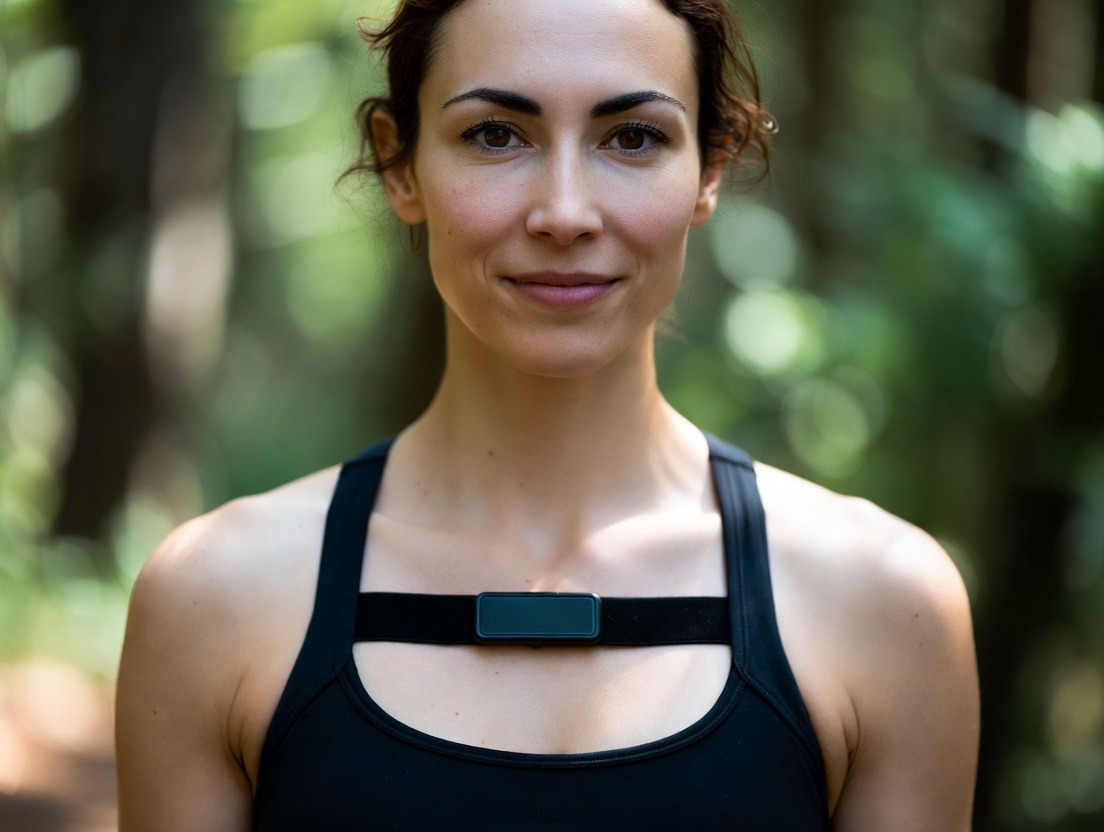
Convenience is tested most severely during action. A health device that you have to remove, adjust, or worry about during exercise or daily tasks has failed a fundamental test. It becomes a burden, not a tool. This is another arena where the smart ring’s design philosophy shines. By occupying the least intrusive real estate on the body, it remains a steadfast companion through virtually every human movement.
Let’s contrast this with common alternatives:
The smart ring, particularly models made with durable materials like titanium, faces none of these issues. It is:
This "always-appropriate" characteristic means the data set is impeccably complete. The HRV reading after your workout includes the stress of the exercise and the stress of your day leading up to it, providing a truer picture of your total load. It measures life as it is lived, uninterrupted. This holistic view is central to the mission at Oxyzen, where we believe health tracking should adapt to your life, not the other way around.
Beyond the physical and digital convenience lies a profound psychological benefit: mental bandwidth conservation. In an era of decision fatigue and constant self-optimization pressure, the smart ring offers a rare gift—a health monitoring system that requires near-zero cognitive overhead once established. It is the ultimate "set and forget" wellness tool, and this autonomy is critical for long-term adherence and genuine habit formation.
Psychological research consistently shows that the more decisions and steps required for a behavior, the less likely it is to be sustained. Every time you have to remember to put on a chest strap, charge a dead watch, or sync a forgotten device, you expend willpower. The smart ring architecture minimizes these decision points to virtually zero. You put it on. It works. For days, even a week. It gathers data silently. The app delivers insights passively. There is no nightly routine of placement, no morning routine of re-donning.
This creates a healthier relationship with your own data. Instead of feeling like a taskmaster constantly checking on you, the ring feels like a supportive, background assistant. You're not performing for your tracker; you're simply living your life, and it's quietly documenting the story your body is telling. This reduces anxiety and obsession over daily numbers, allowing you to focus on long-term trends and macro-adjustments rather than micro-fluctuations.
The result is sustainability. People don't burn out on using a smart ring because it doesn't ask for energy; it gives energy back in the form of insight. It empowers without demanding, informs without nagging. This psychological ease is perhaps the most underrated yet powerful component of its convenience factor, turning health tracking from a chore into a seamless aspect of modern, conscious living. To understand the founding vision behind this user-centric approach, you can read our story.
To fully appreciate the smart ring's dominance in the convenience-led HRV tracking space, a direct comparison with its alternatives is essential. Each competitor brings specific strengths to the table, but when evaluated through the lens of 24/7 lifestyle integration for holistic HRV insight, their compromises become glaring.
Smartwatches & Fitness Bands:
Chest Straps (Polar, Garmin HRM):
ECG Patches (Zio, etc.) & Adhesive Sensors:
The Smart Ring Synthesis:
The smart ring doesn't necessarily beat the chest strap in peak exercise accuracy (though the gap is closing), nor does it replace a clinical ECG patch for diagnosis. But that's not its purpose. It wins by being "good enough" at everything, all the time, with zero friction. It provides reliable 24/7 HRV, excellent sleep tracking, good activity tracking, and seamless wearability. It is the ultimate generalist in a world of specialists. For the individual seeking a single, unified view of their nervous system health across all life domains—sleep, work, stress, exercise, and recovery—no other device offers this combination of comprehensive insight and profound convenience. To discover a device built on this principle of holistic integration, visit our main shopfront. For a broader understanding of its value, our article Is Sleep Tracking Worth It? delves into the pros and cons of modern tracking.
The evidence is compelling. From its biologically superior placement for nocturnal data to its "set and forget" wearability, from its weekly charging to its social discretion, the smart ring is engineered not just to measure HRV, but to fit into the human experience so perfectly that the measurement happens almost by accident. This is the pinnacle of user-centered design. It recognizes that the greatest tool is useless if it's not used, and the most accurate data is irrelevant if it's not continuous.
In the next sections, we will delve deeper into how this unparalleled convenience translates into tangible life outcomes—from optimizing athletic performance and managing chronic stress to making more informed daily choices about training, nutrition, and rest. We will explore real-world case studies, the science behind HRV-guided training, and how platforms like Oxyzen are synthesizing this continuous data stream into a true digital health companion. The future of personalized health is not about more data; it's about better, more effortless data. And it’s already here, quietly resting on your finger.
The previous sections established a powerful truth: the smart ring, by virtue of its radical convenience, is the only device capable of delivering truly continuous, accurate, and holistic Heart Rate Variability (HRV) data. But data, no matter how seamless its collection, is merely potential energy. The monumental value—the return on this effortless investment—lies in its conversion into kinetic energy: actionable insight that changes behavior and improves lives.
This is where the journey gets exciting. The 24/7 HRV narrative captured by a smart ring isn't just a health report card; it's a dynamic, personalized operations manual for your body. It moves you from asking generic questions like "Am I getting enough sleep?" to answering specific, powerful ones like "Was last night's sleep sufficient to recover from Tuesday's high-stress meeting and Wednesday's leg day, and am I physiologically ready to perform in today's critical presentation?" The convenience of the ring ensures you have the data to answer that question every single day.
This portion of our exploration shifts from the how to the so what. We will examine how this river of uninterrupted HRV data flows into the key areas of your life: transforming your approach to fitness, arming you against modern stress, optimizing your most potent recovery tool (sleep), and fundamentally changing your relationship with your own body's signals. The smart ring stops being a "tracker" and starts being a translator, converting the silent language of your autonomic nervous system into a clear, daily dialogue you can finally understand and act upon.
For the athlete—whether professional, amateur, or a dedicated fitness enthusiast—recovery is not passive; it's the active, unseen half of training. You break down muscle with stress; you build resilience and capability with recovery. Historically, managing this balance was a guessing game governed by rigid schedules, perceived soreness, and often, ego. The smart ring, with its continuous HRV and sleep tracking, brings a level of precision to this process that was once the exclusive domain of high-performance labs.
The principle is known as biofeedback-driven training. Instead of following a pre-written plan blindly, you adapt your daily workload based on your body's readiness. Your morning HRV trend (derived from your sleep data) and resting heart rate become your most trusted coaches.
How it works in practice:
This dynamic approach prevents the two most common athletic pitfalls: under-recovery (leading to injury, illness, and burnout) and under-training (leaving potential gains on the table). It replaces guesswork with guidance, helping you train smarter, not just harder. The convenience of the ring is critical here—because it's always on, you never miss the warning sign of a dipping trend, allowing for proactive adjustments before fatigue becomes injury.
In the modern world, stress is no longer an acute event—a predator to flee from—but a chronic, low-grade hum. This sustained activation of the sympathetic ("fight-or-flight") nervous system silently depletes our resilience, erodes our health, and is the primary pathway to burnout. The insidious problem with chronic stress is that we often adapt to it, becoming numb to its presence until it manifests as exhaustion, anxiety, or illness. HRV is the canary in this coal mine. When your nervous system is balanced and resilient, HRV is high. When you are chronically stressed and sympathetic-dominant, HRV trends downward.
A smart ring transforms this invisible process into a visible, manageable dashboard. It doesn't just tell you you're stressed when you're already feeling overwhelmed; it shows you the physiological signature of stress as it happens and accumulates.
The Stress-Awareness Feedback Loop:
This constant, convenient feedback is a powerful antidote to burnout. It externalizes your internal state, giving you the objective evidence needed to prioritize self-care before reaching a crisis point. It moves stress management from a conceptual idea to a daily, data-informed practice. For more on how sleep interacts with this stress cycle, our piece on the science of deep sleep explains the critical nightly reset.
Beyond athletics and stress, the 24/7 HRV data from a smart ring serves as a universal translator for your body's reaction to everything. It helps you answer the most personal health questions: What diet works best for my system? Does coffee help or hurt me? How does alcohol affect my recovery? Is my new supplement doing anything? This is the era of personalized N-of-1 health experimentation, and the smart ring is your core measurement tool.
The process is elegantly simple: make a change, observe the data.
Real-World Experimentation Examples:
This ability to conduct personal, data-driven experiments demystifies wellness. It cuts through the noise of generic advice and reveals what truly works for your unique biology. The ring doesn't give you the answer; it gives you the feedback to find your own answers. This empowers you to become the world's leading expert on you. For inspiration on where to start, our blog offers ideas like foods that can naturally increase deep sleep.
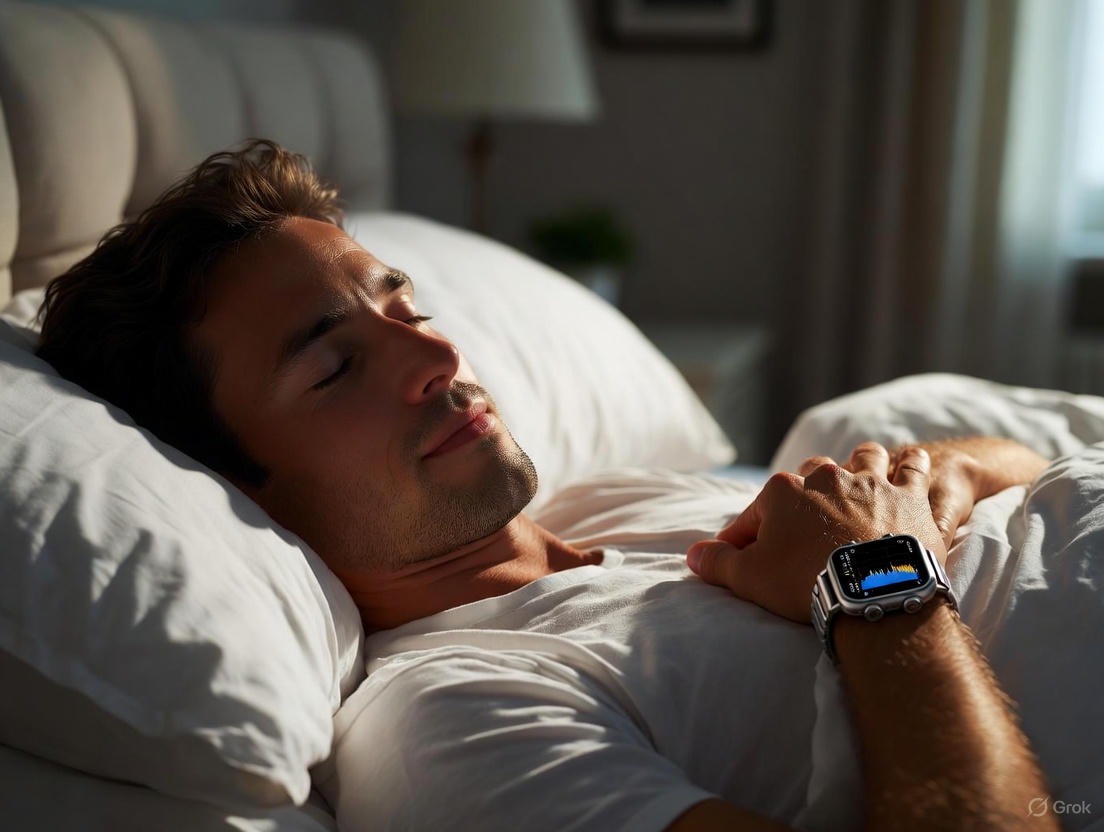
Sleep is the single most potent performance-enhancing, health-sustaining, and recovery-promoting "activity" we do. Yet, for many, it remains a black box. We know we need it, but we're often unsure about its quality. Smart rings have become the premier consumer tool for unlocking this box, and their convenience is, once again, the key. Because they are so comfortable to wear at night, they provide the most reliable and complete picture of your sleep architecture available outside a sleep clinic.
The insights go far beyond a simple "8-hour" tally. They break down your night into its vital components:
With this data, "sleep better" transforms from a vague hope into a targeted engineering project.
Actionable Sleep Hygiene, Informed by Data:
This feedback loop makes sleep hygiene tangible and rewarding. You're no longer following rules blindly; you're implementing strategies and seeing their direct, quantified results. This turns sleep from a passive state into an active pillar of your health strategy that you can understand and optimize. For a complete beginner's guide to this world, our Sleep Tracking 101 article is the perfect starting point.
Daily and weekly data is invaluable for immediate course-correction, but the true, transformative power of continuous HRV tracking reveals itself over months and years. This longitudinal view turns the smart ring from a fitness device into a lifelong health diary, revealing patterns and correlations that are impossible to see in the short-term noise. The convenience of always-on wear is absolutely mandatory for this, as any significant data gap weakens the statistical power and continuity of the trend.
What Long-Term Trends Can Reveal:
This historical record is priceless. It provides an objective, quantifiable narrative of your health journey. You're not relying on memory or feeling; you have a chart that shows you exactly when you turned a corner, when you faced challenges, and how far you've come. It is the ultimate tool for personalized preventive health. To understand how age interacts with these core metrics, our analysis on how age affects deep sleep provides valuable context.
When evaluating health technology, the upfront cost is often the first and biggest hurdle. A high-quality smart ring represents a significant investment. However, when viewed through the lens of total cost of ownership, functional utility, and potential health savings, its value proposition becomes overwhelmingly clear—especially compared to the alternative of buying multiple, less effective devices or missing critical health signals entirely.
The "One Device to Rule Them All" Economics:
Consider the alternative path to gathering similar insights:
And even with this arsenal, you'd face the fatal flaws of data fragmentation, charging nightmares, and inconsistent wearability. The smart ring, typically in the $250-$400 range, consolidates these functions into one device that you actually wear 24/7, providing a unified dataset that is greater than the sum of those disparate parts.
The Preventative Health Dividend:
The financial value extends beyond replacing gadgets. The insights from continuous HRV monitoring can lead to cost savings in other areas of life:
Over a typical 2-3 year lifespan of the device, the cost breaks down to pennies per day for what amounts to a continuous, personalized health monitoring system. When you factor in the convenience—the saved time, the eliminated friction, the peace of mind—the return on investment is exceptional. For those evaluating the worth of such tracking, our honest breakdown of pros and cons for 2025 can help in the decision-making process.
The ultimate promise of digital health is not a collection of siloed apps and devices, but a connected, intelligent ecosystem where data flows seamlessly to create a comprehensive picture of your well-being. The smart ring, as the most convenient and consistent source of core physiological data (HRV, RHR, sleep), is poised to become the central hub or a primary feeder for this ecosystem. Its true power is unlocked when its data is combined with other contextual information.
The Synergy of Combined Data Streams:
The smart ring’s convenience-driven, continuous data is the perfect foundational layer for this ecosystem because it is passive, consistent, and physiologically fundamental. You don't have to manually log your HRV; it's just always there, providing context for everything else you choose to track. This moves us toward a future where your doctor, your coach, and your own self-knowledge are all informed by the same rich, uninterrupted story of your body. To see how one company is building towards this integrated vision, you can learn about Oxyzen's mission and approach.

We stand at an inflection point in medicine, shifting from a reactive model (treating illness after symptoms appear) to a proactive, preventative model (identifying and addressing imbalances before they become disease). Continuous, effortless biometric monitoring via devices like the smart ring is the technological engine driving this shift. HRV, as a master biomarker of systemic resilience, is a leading indicator of overall health, making the convenient smart ring a potentially revolutionary tool in public and personal health.
Envisioning the Preventative Future:
The smart ring's role in this future is secured by its convenience. For preventative health to work at scale, the monitoring tool must be adopted and used consistently by healthy people, not just the already-ill. A medical device that is uncomfortable, obtrusive, or difficult to use will fail this adoption test. The smart ring, by masquerading as jewelry and automating data collection, passes it effortlessly. It makes being proactive about your health as easy as getting dressed.
This journey from a simple ring to a cornerstone of future healthcare underscores a profound truth: the greatest innovations are often those that solve for human nature first. By prioritizing seamless integration over raw specs, the smart ring hasn't just won the wearable battle; it has positioned itself at the very heart of the coming revolution in how we understand, manage, and ultimately, prolong our own well-being. For the latest thinking on this evolving landscape, our blog continually explores the intersection of technology and health. And to begin your own journey of seamless, continuous insight, the path starts at our main storefront.
The narrative so far has been one of empowerment—transforming data into action for performance, stress management, and self-knowledge. But the story of continuous, effortless HRV monitoring holds a deeper, more profound layer: that of protection and foresight. When a biomarker as fundamental as Heart Rate Variability is tracked without interruption, it does more than optimize your good days; it stands guard on your behalf, identifying subtle threats and shifts long before they erupt into conscious awareness or clinical symptoms. This is the paradigm shift from quantified self to quantified health sentinel.
The smart ring, by virtue of its constant presence, becomes an extension of your own biological awareness. It perceives the whispers of imbalance that the noisy conscious mind often overrides. This final portion of our exploration delves into the most critical applications of this 24/7 vigilance: from preventing illness and injury to guiding major life decisions, from supporting clinical care to fundamentally redefining our relationship with our own bodies. We move beyond optimization and into the realm of true prevention and profound self-connection.
The convenience factor, once again, is the non-negotiable enabler. A sentinel that is only on duty when you remember to wear it is no sentinel at all. It is this uninterrupted watch—maintained by a device so comfortable and integrated you forget it’s there—that unlocks the most powerful, life-guarding benefits of all.
The human body is a masterful communicator, but its language is often physiological, not verbal. Before a sore throat announces a cold or fatigue signals the flu, your autonomic nervous system has already mustered its defenses—a process that directly impacts Heart Rate Variability. A robust immune response is energetically costly and typically induces a state of sympathetic nervous system activation (stress), which lowers HRV. This means your smart ring can often detect the body’s fight against an infection before you feel sick.
This is not science fiction; it’s a well-documented phenomenon. Studies on athletes have shown that a significant, unexplained drop in HRV, coupled with a rise in resting heart rate, frequently precedes the onset of upper respiratory tract infections by 24-72 hours.
How This Plays Out in Daily Life:
This predictive capability extends beyond acute infections. Chronic, low-grade inflammation from poor diet, hidden food intolerances, or autoimmune issues can also suppress HRV over time. A long-term downward trend, despite good sleep and exercise habits, can be a vital clue to investigate underlying inflammatory triggers with a healthcare professional. In this role, the ring shifts from a fitness accessory to a genuine early-warning system, buying you time to intervene when intervention is most effective. Understanding the foundational role of sleep in this system is critical, as detailed in our article on the brain-boosting connection between deep sleep and memory and immune function.
For anyone engaged in physical training, injury is the ultimate setback. It derails progress, undermines morale, and can have long-term consequences. Traditional injury prevention relies on listening to pain—but pain is a late-stage signal, often appearing only after tissue damage has begun. Overtraining syndrome and injury risk, however, have a clear physiological precursor: a failure to recover, marked by a depressed autonomic nervous system.
This is where continuous HRV monitoring becomes an athlete's most powerful shield.
The Physiology of Overtraining: When training load chronically exceeds recovery capacity, the body remains in a catabolic, stressed state. Sympathetic tone stays elevated, cortisol levels remain high, and systemic inflammation increases. This state is consistently reflected in low HRV and an elevated resting heart rate. It's a state of accumulated fatigue where tendons, ligaments, and muscles are more vulnerable to breakdown.
The Smart Ring as a Preventative Coach:
By using HRV as a proxy for systemic recovery capacity, the smart ring allows you to modulate training stress at its root cause, not just its symptomatic expression (pain). It facilitates a conversation between your training plan and your body's actual response, making injury prevention a dynamic, data-driven practice rather than a hopeful afterthought. For those in the thick of training, our guide on how to get more deep sleep tonight offers actionable strategies to support this critical recovery phase.
The application of continuous HRV monitoring extends powerfully into the realm of chronic health management. For individuals living with conditions like hypertension, anxiety disorders, depression, fibromyalgia, or long COVID, daily symptom experience can be variable and confusing. The smart ring offers an objective, physiological correlate to subjective feeling, helping to identify triggers, track the effectiveness of interventions, and communicate more effectively with healthcare providers.
Transforming Subjective Experience into Objective Data:
In all these cases, the smart ring acts as a bridge. It translates the often-isolating, internal experience of a chronic condition into external, shareable data. A patient can bring a graph showing a month of HRV trends to their doctor, enabling a more nuanced discussion about treatment efficacy and life impact than a simple "how have you been feeling?" This empowers patients and equips clinicians with a valuable new data stream. For support and to see how others use data in their health journey, our community FAQ can be a resource.

Mental and emotional health are not separate from physical health; they are profoundly intertwined, with the autonomic nervous system as the primary conduit. Your thoughts and feelings directly influence your HRV, and conversely, your HRV influences your capacity for emotional regulation. This bi-directional relationship turns the smart ring into a powerful tool for cultivating emotional intelligence and mental resilience.
The Feedback Loop of Emotions and Physiology:
This application turns the smart ring into a companion for emotional growth. It fosters a deeper mind-body connection, proving that self-care practices aren't just "nice to have" but have a direct, measurable effect on your nervous system's state. It helps you build a more resilient emotional baseline, one responsive breath and aware moment at a time.
We make major life decisions—changing jobs, moving cities, entering or leaving relationships—based on a complex mix of logic, emotion, and intuition. But what if we could also consult our physiology? The chronic stress or uplift of a life situation leaves its imprint on your nervous system. Continuous HRV monitoring can provide an aggregate, objective scorecard of how a particular chapter of your life is truly affecting you, beneath the level of conscious justification or complaint.
Using Your Body as a Decision-Making Compass:
This is perhaps the most profound application of all: using the convenience of passive data collection to audit the quality of your life itself. The smart ring becomes a tool not just for health, but for existential clarity. It answers the question, "Is this way of living sustainable for my biology?" with hard data, guiding you toward choices that are not only logically sound or emotionally appealing, but physiologically wise. To understand the founding vision behind creating technology that supports such holistic life alignment, you can explore our story.
The smart ring’s current capabilities are impressive, but they represent merely the first chapter. The convergence of its ultra-convenient form factor with rapid advances in sensor miniaturization, battery technology, and—most importantly—Artificial Intelligence (AI) and machine learning, points to a future where its role will expand exponentially. The ring is set to evolve from a tracker of known metrics to an intelligent health predictor and advisor.
The Near-Future Horizon:
In this future, the convenience of the ring is more critical than ever. For AI to be truly effective, it requires vast, uninterrupted, high-fidelity data. The smart ring, as the only device likely to be worn 24/7 for years, will become the primary source for this longitudinal personal health dataset, fueling the most personalized AI health companions imaginable. To stay abreast of these technological evolutions, our blog is a constant resource.
We began this exploration by defining convenience as the decisive factor in the HRV tracking revolution. We have now journeyed through its implications—from optimizing workouts and sleep to preventing illness and injury, from managing chronic conditions to guiding life’s biggest choices. The thread that binds all these applications together is the power of continuity.
The smart ring wins not because it has a magical sensor others lack, but because it is the only device that removes itself so completely from your attention that it achieves something remarkable: it becomes a permanent, truthful witness to your life. It captures the full story—the stress and the recovery, the feast and the fast, the joy and the sorrow—in the unflinching language of physiology. It turns the ephemeral into the empirical.
This is the ultimate convenience: the convenience of self-knowledge without effort, of foresight without anxiety, of a health partner that works in the background so you can live in the foreground. The alternatives—the forgotten watch, the chafing chest strap, the intermittent patch—all represent broken narratives. They offer chapters, but not the whole book.
The smart ring, by being as convenient as a piece of jewelry, has quietly solved the fundamental adoption problem of preventative health tech. It has made the most important kind of health monitoring—continuous, passive, and fundamental—not just possible, but effortless. In doing so, it has ceased to be just another wearable. It has become something far more valuable: an invisible advantage, a personal health sentinel, and a compass for a healthier, more resilient, and more intentional life.
The future of health is not in the clinic; it is in the continuous, compassionate conversation you have with your own body. And that conversation starts with listening. There is no more convenient, powerful, or elegant way to listen than the device you already wear and forget. The revolution isn't coming; it's already on your finger. To become part of this revolution and experience the unmatched convenience of holistic health insight, the journey begins at Oxyzen's main storefront. And for any lingering questions on how it all comes together, our comprehensive FAQ and real user testimonials are here to guide you.
Your Trusted Sleep Advocate (Sleep Foundation — https://www.sleepfoundation.org/)
Discover a digital archive of scholarly articles (NIH — https://www.ncbi.nlm.nih.gov/
39 million citations for biomedical literature (PubMed — https://pubmed.ncbi.nlm.nih.gov/)
experts at Harvard Health Publishing covering a variety of health topics — https://www.health.harvard.edu/blog/)
Every life deserves world class care (Cleveland Clinic -
https://my.clevelandclinic.org/health)
Wearable technology and the future of predictive health monitoring. (MIT Technology Review — https://www.technologyreview.com/)
Dedicated to the well-being of all people and guided by science (World Health Organization — https://www.who.int/news-room/)
Psychological science and knowledge to benefit society and improve lives. (APA — https://www.apa.org/monitor/)
Cutting-edge insights on human longevity and peak performance
(Lifespan Research — https://www.lifespan.io/)
Global authority on exercise physiology, sports performance, and human recovery
(American College of Sports Medicine — https://www.acsm.org/)
Neuroscience-driven guidance for better focus, sleep, and mental clarity
(Stanford Human Performance Lab — https://humanperformance.stanford.edu/)
Evidence-based psychology and mind–body wellness resources
(Mayo Clinic — https://www.mayoclinic.org/healthy-lifestyle/)
Data-backed research on emotional wellbeing, stress biology, and resilience
(American Institute of Stress — https://www.stress.org/)


