


How Weather and Climate Affect Body Recovery Basics
How weather and climate can influence your basic recovery strategies.
How weather and climate can influence your basic recovery strategies.
%402x.svg)
You’ve meticulously planned your training. You’re hitting your macros, prioritizing sleep, and managing stress. Yet, some days you bounce back from a tough workout feeling invincible, while on others, you feel utterly drained, your muscles protesting for far longer than expected. What’s the invisible variable at play? Often, it’s the very air around you—the subtle yet profound influence of weather and climate on your body’s intricate recovery processes.
We obsess over internal metrics—heart rate, sleep stages, HRV—but frequently overlook the external environmental canvas upon which these biological signals are painted. Temperature, humidity, barometric pressure, and seasonal light cycles are not just small talk fodder; they are powerful physiological modulators. They influence everything from blood flow and inflammation to hormone regulation and nervous system balance, directly dictating how swiftly and effectively you repair, rebuild, and restore.
In our modern quest for optimized wellness, understanding this environmental dialogue is no longer a niche interest but a fundamental pillar of holistic health. This is where the paradigm shifts from generic recovery advice to truly personalized, context-aware healing. It’s about learning to listen not only to your body but also to the whispers of the atmosphere, adapting your recovery protocols as fluidly as the weather changes.
The journey into this fascinating intersection of environment and physiology is also a story of technological empowerment. Advanced wearable devices, like the sophisticated smart rings available at Oxyzen.shop, are now bridging this gap. They provide the continuous, granular data needed to decode how a humid summer day or a crisp, high-pressure winter morning uniquely impacts your recovery readiness. This article will serve as your comprehensive guide, merging centuries-old wisdom with cutting-edge science and technology, to master the art and science of recovery in any climate.
Before diving into the specifics of temperature and storms, we must establish a foundational truth: your body is not a sealed laboratory. It is an open, dynamic system in constant conversation with its environment. Recovery—the process of repairing tissue damage, replenishing energy stores, and reducing systemic stress from exertion—is deeply susceptible to this dialogue.
At its core, recovery is a resource-intensive project. Your body diverts energy (calories), nutrients, and oxygen toward damage control and reconstruction. The environment can either facilitate this project by creating ideal conditions, or it can hinder it, forcing your body to divert precious resources toward basic homeostasis—simply maintaining core temperature, pH, and fluid balance.
Consider these environmental factors as the background operating system for your body’s recovery software:
Ignoring these factors is like trying to optimize a complex machine without considering the room it’s in. Is the room 40 degrees or 100 degrees? Is the air thick with moisture or dust? The machine’s performance and longevity will vary dramatically. For a deeper exploration of how technology helps track these personal physiological responses, our blog offers insights in articles like The Science Behind Modern Health Tracking Technology.
The goal of this knowledge is not to make you a passive victim of the forecast, but an active, adaptive participant in your own well-being. By understanding the mechanisms, you can anticipate challenges, tailor your strategies, and leverage technology to make invisible influences visible. It transforms recovery from a guessing game into a strategic, data-informed practice.

The battle for recovery resources begins with your body’s most energy-intensive daily task: maintaining a core temperature around 98.6°F (37°C). This process, thermoregulation, is your body’s climate control system. When external temperatures challenge this set point, your recovery economy takes a direct hit.
In the Heat: The Cooling Tax
Exercising or recovering in hot and humid conditions forces your cardiovascular system into overdrive. Blood vessels dilate near the skin’s surface to radiate heat away—a process called vasodilation. This is why your skin looks flushed during a hot workout. Simultaneously, your sweat glands kick into high gear.
Here’s the recovery cost:
In the Cold: The Heating Bill
Cold environments present a different set of fiscal demands on your recovery budget. Your body’s priority shifts to conserving heat.
The takeaway is that both heat and cold impose a "thermoregulatory tax." Your body must pay this tax in calories, fluids, and physiological effort before it can fully invest in the "recovery project." Smart wearables are becoming essential tools in managing this balance. By monitoring metrics like nighttime skin temperature variation and resting heart rate, a device like an Oxyzen ring can provide early signs that your body is working overtime to thermoregulate, prompting you to adjust hydration, nutrition, or sleep conditions. For those new to this technology, a great starting point is our guide on Wellness Ring Basics: What Makes a Perfect Beginners' Device.
If temperature is the overt challenge, humidity is its covert accomplice. Humidity—the amount of water vapor in the air—doesn’t change the temperature your body feels; it changes your body’s ability to cope with that temperature. This makes it a uniquely potent disruptor of recovery.
The principle is rooted in the physics of sweat. Sweat cools you only when it evaporates from your skin, drawing heat away with it. In high-humidity environments, the air is already saturated with water vapor. This drastically slows the rate of evaporation. Your sweat pools and drips uselessly off your body, failing its cooling mission. This is why 85°F (29°C) in a dry climate can feel comfortable, while the same temperature with high humidity feels oppressive and dangerous.
The recovery implications are severe:
Conversely, very low humidity (common in arid climates or heated indoor air in winter) presents a different issue: insensible fluid loss. You lose significant amounts of water simply through breathing and unnoticeable evaporation. This can lead to a chronic, low-grade state of dehydration that thickens blood, stresses the kidneys, and leaves muscles more susceptible to cramping and strain.
Managing humidity’s impact is a cornerstone of environmental recovery mastery. It requires a proactive, not reactive, approach to fluid and electrolyte intake. Monitoring your body’s signals through objective data is key. A wellness ring that tracks your heart rate variability (HRV) and resting heart rate (RHR) can be invaluable. A suppressed HRV and elevated RHR the morning after training in high humidity are clear biofeedback signals that your recovery was stressed, likely due to the compounded thermal and hydration load. For a deeper understanding of how these metrics guide daily habits, consider reading How a Wellness Ring Helps Build Healthy Habits.
Beyond what we feel as heat or dampness, the atmosphere itself has weight. Barometric pressure (also called atmospheric pressure) is the force exerted by the weight of the air above us. While we don’t consciously feel it, our bodies are perceptive containers that respond to its changes. For many, a falling barometer—often preceding a storm—is heralded by throbbing joints, old injury sites that mysteriously ache, and a generalized feeling of stiffness.
The scientific explanation, while still an area of active research, points to a combination of physiological and biomechanical factors:
For the recovering athlete or anyone managing chronic pain, this isn’t mere folklore; it’s a measurable setback. Pain disrupts sleep—a non-negotiable pillar of recovery. Stiffness and discomfort can alter movement patterns, leading to compensatory movements and new imbalances or injuries.
The Recovery Imperative: Understanding your personal sensitivity to barometric pressure is powerful. It allows you to differentiate between "injury pain" and "weather pain," preventing unnecessary panic or, conversely, ignoring a real problem. On days when the pressure plummets:
Modern wearables are beginning to incorporate environmental data, including localized barometric pressure, to provide context for your physiological readings. Seeing a correlation between a dip in your sleep score or a spike in your nighttime restlessness and a falling barometer offers validation and a cue to implement these gentle recovery protocols. This kind of integrated analysis is at the forefront of How Health Tracking Technology Enables Personalized Wellness.
Our bodies are not static entities; they are governed by deep, rhythmic cycles aligned with the Earth’s journey around the sun. Seasonal changes in temperature, light, and even food availability trigger profound physiological adaptations—a concept known as seasonality. Ignoring these annual rhythms is like trying to force the same recovery protocol in January as you do in July; it’s fighting against your biology.
Summer: The Catabolic, High-Output Phase
Winter: The Anabolic, Restorative Phase
Spring & Fall: The Transitional Phases
These are times of physiological adjustment. The body is recalibrating its hormonal and metabolic settings. Recovery can be erratic during these shifts, making it a critical period to listen closely to biofeedback rather than rigidly adhering to a plan.
Tracking your data across seasons provides a fascinating longitudinal view of your health. You might notice your average resting heart rate is 5 bpm higher in summer, your deep sleep percentage increases in winter, or your HRV trends differently in spring. A sophisticated wellness ring acts as your personal biometerologist, helping you harmonize your recovery practices with the seasonal symphony. This continuous monitoring is a key feature explored in Wellness Ring Basics: Continuous vs. Periodic Monitoring.
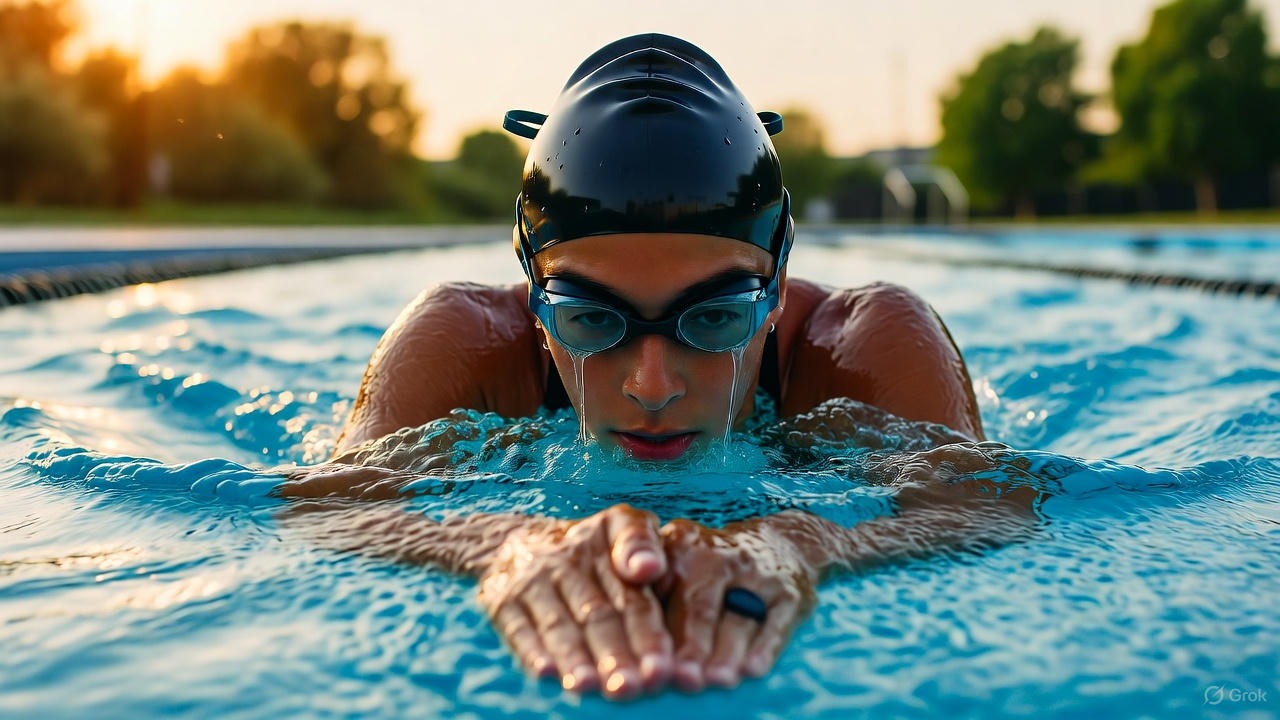
Light is the most powerful zeitgeber (time-giver) for your circadian rhythm, the internal 24-hour clock governing nearly every physiological process. The quality of your recovery, especially the critical repair that occurs during sleep, is utterly dependent on the health of this rhythm.
The pathway is direct: Light enters your eyes, signaling the suprachiasmatic nucleus (SCN) in your brain. The SCN then tells your pineal gland to suppress or produce melatonin, the "sleep hormone." Melatonin does more than make you drowsy; it’s a potent antioxidant and a regulator of other recovery-related functions, including immune activity and growth hormone release.
How Weather and Climate Disrupt the Blueprint:
The Recovery Cost of Circadian Misalignment:
Protecting your circadian rhythm is perhaps the single most effective recovery strategy across all climates. It means seeking bright light (preferably sunlight) first thing in the morning, even on cloudy days, and fiercely guarding against blue light exposure after sunset. Wearables that track sleep stages and provide a sleep score offer invaluable feedback on how well your circadian rhythm is functioning. By correlating days with good morning light exposure to nights of high-quality sleep, you can cement this critical habit. For more on building a foundation for long-term health that respects these rhythms, our article on 50 Healthy Aging Tips a Smart Ring Helps Implement Daily is an excellent resource.
We’ve established that heat and humidity steal fluids. The instinctive response is to drink more water. While necessary, it’s insufficient for optimal recovery. Hydration is not just about volume; it’s about composition and osmotic balance. This is where electrolytes—sodium, potassium, magnesium, calcium, and chloride—become the stars of the climate-aware recovery show.
Electrolytes are minerals that carry an electrical charge, essential for:
Sweat is not pure water; it’s a hypotonic solution primarily composed of water, sodium, and chloride, with smaller amounts of potassium and magnesium. When you sweat profusely in hot/humid conditions or during prolonged exercise in any climate, you are depleting a specific electrolyte reservoir.
The Danger of Plain Water Overconsumption in This Scenario: Drinking large amounts of plain water without replacing electrolytes can lead to hyponatremia (dangerously low blood sodium). This dilutes your blood, causing cells to swell. Symptoms range from headache and nausea to seizures and coma. It’s a critical reminder that hydration strategy must be matched to environmental demand.
Building a Climate-Smart Hydration Protocol:
A smart ring that tracks metrics like nighttime HRV and resting heart rate provides indirect but vital feedback on your hydration status. Dehydration is a physiological stressor, and it will often manifest as a lower HRV and a higher RHR upon waking—a clear signal to audit your fluid and electrolyte intake from the previous day. Understanding your body’s unique responses is part of the journey detailed in Wellness Ring Basics: How to Personalize for Your Body.
Dressing for Recovery Success: Microclimate Management
Your recovery environment doesn’t stop at the skin’s surface. The microclimate you create between your skin and your clothing—or your immediate sleep environment—is a powerful lever you can control to offset external macroclimatic challenges. This is the art of dressing (and bedding) for recovery.
The Principle of Layering for Thermal Balance:
The goal is to maintain a stable skin temperature that promotes vasodilation (for nutrient delivery) without causing shivering or overheating. This is especially crucial post-exercise when your core temperature is in flux and during sleep, when your body’s thermoregulatory set point naturally drops.
Humidity Control at Home: For recovery, especially sleep, managing indoor humidity is as important as temperature. The ideal range is 40-60%. Use a dehumidifier in humid climates/basements to prevent mold, improve respiratory recovery, and make the air feel cooler. Use a humidifier in dry winter climates or desert environments to prevent dehydration via breathing, protect mucous membranes (a key immune barrier), and reduce static electricity.
Creating an optimal microclimate is a direct investment in recovery quality. It reduces the thermoregulatory tax your body pays overnight, freeing up energy for physical repair and memory consolidation. By pairing these environmental controls with data from a wearable that tracks sleep stability and skin temperature trends, you can scientifically refine your sleep sanctuary for maximum restorative benefit. This holistic approach to wellness is part of the philosophy you can learn about on our About Us page.
The impact of weather and climate is not confined to our joints and muscles; it powerfully imprints our psychology. This, in turn, creates a feedback loop that directly influences perceived recovery, effort perception, and the motivation to engage in restorative practices. “Feeling recovered” is a brain-based interpretation of bodily signals, and the environment colors that interpretation.
The Psychological-Physiological Link:
Breaking the Feedback Loop:
This is where the objective data from a wellness tracker becomes a psychological anchor. On a day when you feel wiped out but your HRV is high and your RHR is low, the data can give you the confidence to engage in a gentle recovery session. Conversely, if you feel fine but your data shows clear signs of strain, it’s a cue to honor rest. This separation of subjective feeling from objective readiness is a superpower for the modern athlete. For real-world examples of how users leverage this data, explore our Testimonials page.
Navigating Your Recovery Journey: From Adaptation to Technology
Having established the fundamental ways in which weather and climate act as silent partners—or adversaries—in your body’s recovery process, we now pivot from understanding to action. This knowledge is only as powerful as your ability to apply it. The next phase of our exploration focuses on building a resilient, adaptive recovery framework. We'll move through the principles of acclimatization, into the practical application of climate-specific protocols, and finally, examine how modern technology provides the essential feedback loop to make this all work seamlessly for you. This is where theory meets the road, the trail, and the reality of your daily life.
Acclimatization is your body’s remarkable, built-in capacity to adapt to new or changing environmental stresses. It’s not about toughing it out; it’s about a smart, progressive exposure that prompts beneficial physiological changes. When you travel to a different climate or as seasons transition, a deliberate acclimatization strategy is your most potent tool for preserving recovery capacity.
Acclimatizing to Heat & Humidity:
The process, which can take 7 to 14 days, involves profound adaptations:
Strategic Protocol for Heat Acclimatization:
Acclimatizing to Cold & Altitude:
The universal rule for all acclimatization is that recovery demands are higher during the adaptation phase. You must honor this by increasing sleep time, nutritional support, and intentional rest. Pushing training intensity during this window is a recipe for breakdown, not adaptation.
Beyond the Basics: Advanced Recovery Protocols and Alcohol’s Nuanced Role
The foundation has been laid. We understand alcohol’s biochemical blitzkrieg on sleep, muscles, cognition, and hormones. We’ve explored mitigation and the power of data. Now, we ascend to the next level: the intersection of advanced recovery science, elite performance paradigms, and the nuanced reality of social drinking in a health-conscious life. This section is for those who want to optimize every percentage point of their potential and understand exactly where alcohol fits—or doesn’t—in that precise equation.

Modern recovery is no longer just about rest; it’s about active, targeted interventions supported by technology. A smart ring like Oxyzen is the passive monitoring hub, the “dashboard” of your nervous system. But the full “tech stack” includes tools that actively drive your body into a recovery state. How does alcohol affect the efficacy of these advanced protocols?
1. Heart Rate Variability (HRV) Biofeedback Training:
This involves using real-time HRV data (often from a chest strap or finger sensor) to guide breathing exercises. The goal is to increase HRV amplitude, thereby enhancing parasympathetic tone and resilience.
2. Targeted Temperature Therapy (Cryotherapy & Sauna):
Alternating heat and cold exposure are powerful tools for reducing inflammation, improving circulation, and boosting mitochondrial health and hormetic stress adaptation.
3. Hyperbaric Oxygen Therapy (HBOT) and Normobaric Oxygen:
These therapies flood tissues with oxygen to accelerate healing, reduce inflammation, and support cellular repair.
4. Photobiomodulation (Red Light Therapy):
This uses specific wavelengths of light to reduce inflammation, improve mitochondrial function, and enhance skin and tissue repair.
The Takeaway: Advanced recovery tools are designed to push your body’s adaptive capacity. They are synergistic with a clean lifestyle. Introducing alcohol creates “noise” in the system, muddying the therapeutic signal, reducing efficacy, and in some cases, introducing real risk. Your wearable data is the gatekeeper—a poor recovery score is a clear sign to postpone advanced interventions and focus on foundational repair (sleep, hydration, nutrition). To learn more about how different sensors work together to provide this kind of holistic health picture, explore the science behind modern health tracking technology.
With an understanding of the environmental challenge and a plan to adapt, we can now build specific recovery menus for different climatic conditions. Think of this as choosing the right tool for the job.
Protocol for Hot & Humid Environments:
Protocol for Cold & Dry Environments:
Protocol for Variable/Stormy (Low-Pressure) Conditions:
Implementing these protocols transforms you from a passive recipient of weather into an active architect of your recovery. To see how these principles integrate into a complete system for different goals, you can explore Wellness Ring Basics: Supporting Different Health Goals.
All the strategies outlined above require one critical element to move from generic advice to personalized prescription: feedback. This is the role of the modern wellness wearable, particularly the smart ring. It closes the biofeedback loop, providing objective, physiological data that reveals how your unique body is responding to the combined stressors of training and environment.
Key Metrics for Environmental Recovery Analysis:
The Power of Correlation:
The magic happens when you learn to correlate this data with your environmental log. For example:
This data-driven approach removes guesswork and emotional reaction. It empowers you to make precise adjustments, validating what works and revealing hidden stressors. This represents the cutting edge of The Accuracy Revolution in Health Tracking Technology.
Beyond the Ring: Syncing with Your Smart Environment
The ultimate expression of climate-aware recovery is creating a responsive, intelligent personal ecosystem. Your wearable is the command center, but it can integrate with other smart devices to automatically create optimal recovery conditions.
The Connected Recovery Sanctuary:
This interconnected system moves recovery from being something you do to something that is seamlessly supported by your environment. It minimizes the cognitive load and energy required to manage these variables manually. For a vision of where this integrated, personalized technology is headed, consider the insights in Health Tracking Technology 2025: What's Possible.
Travel, especially across time zones or to extreme climates/altitudes, is the ultimate disruptor of your carefully honed recovery routine. It combines multiple stressors: circadian disruption (jet lag), dehydration (dry cabin air, altered intake), changes in atmospheric pressure, unfamiliar food, and the psychological stress of logistics. Managing recovery here is a high-stakes game.
The Travel Recovery Protocol:
Travel recovery is about damage limitation and intelligent support. By planning for it as part of the journey, you can arrive at your destination—whether for work or an active vacation—ready to perform and enjoy, rather than depleted from the trip itself. For frequent travelers, understanding the Basics of Continuous vs. Periodic Monitoring is key to maintaining insights on the go.
Fueling the Machine: Climate-Adaptive Nutrition for Repair
Nutrition is the raw material for recovery. Just as your recovery protocols must adapt to the climate, so too must your nutritional strategy. The goal is to provide the specific nutrients needed to offset environmental losses and support the unique metabolic demands placed on your body.
Nutritional Priorities by Climate:
The unifying principle is intentionality. Don't just eat the same way year-round. Let the season and your environment guide your plate. This, combined with proper hydration, ensures your body has the specific building blocks it needs to repair itself under duress. This holistic view of data-informed wellness is a core topic on our Blog, where we cover everything from nutrition to habit formation.

Theory and protocols come alive through real-world application. Let’s examine hypothetical but research-backed scenarios that illustrate the power of climate-aware recovery.
Case Study 1: The Marathoner in Transitional Spring
Case Study 2: The Office Worker with Seasonal Affective Disorder (SAD)
These cases illustrate that climate-aware recovery isn't about fighting nature, but about flowing with it, using intelligence and data to make proactive adjustments. It’s the difference between being a leaf tossed in the wind and being a sailor who adjusts the sails to harness it. To read about real user experiences with using data to navigate their health, visit our Testimonials page.
The culmination of this knowledge is the creation of your own Personal Climate-Recovery Profile. This is a living document—physical or digital—that synthesizes your self-knowledge with environmental data. It turns you into your own best recovery coach.
How to Build Your Profile:
This profile is deeply personal. It acknowledges that while science provides the principles, your body has its own unique dialect in its conversation with the climate. Refining this profile is an ongoing journey of discovery, made infinitely easier with the continuous, objective data from a device like an Oxyzen ring. For those ready to start this journey, the perfect entry point is exploring the Oxyzen Shop to find the tool that will become the cornerstone of your personalized recovery system.
Mastering the Future of Climate-Aware Recovery
We now arrive at the synthesis and forward-looking phase of our exploration. You understand the science, possess the protocols, and appreciate the power of data. Now, we integrate these elements into a sustainable, long-term practice. This final portion addresses the nuances, debunks myths, and provides a concrete toolkit to ensure that your understanding of how weather and climate affect body recovery becomes an effortless, integral part of your wellness philosophy. We’ll also peer into the horizon, where personalized environmental medicine becomes the standard, not the exception.
In a field intertwined with human experience and subjective feeling, myths abound. Let’s clarify the science behind common beliefs to strengthen your evidence-based approach.
Myth 1: “You don’t need electrolytes in the cold because you don’t sweat.”
The Truth: While sweat loss is lower, cold diuresis (increased urine production) and respiratory fluid loss in dry air are significant. Furthermore, shivering is a metabolically intense, muscle-activating process that consumes glycogen and electrolytes. Electrolyte balance remains crucial for nerve and muscle function in the cold.
Myth 2: “Aches before a storm are just in your head.”
The Truth: As explored, the biomechanical effects of falling barometric pressure on tissues and joint cavities are physiologically plausible. While the exact mechanisms are still being mapped, the pain experience reported by millions is a real, somatic response to a physical change in atmospheric force, not a psychosomatic fabrication.
Myth 3: “You can fully acclimatize to any climate with enough willpower.”
The Truth: Acclimatization has genetic limits. The human body is remarkably adaptable, but an individual from a temperate lineage will have a different physiological ceiling in a tropical climate than someone whose ancestry evolved in that environment. Acclimatization improves efficiency and safety but doesn’t erase all added stress. It’s about management, not elimination.
Myth 4: “If you’re thirsty, you’re already dehydrated.”
The Truth: Thirst is a good early indicator, but it’s not perfectly synchronized. By the time you feel thirsty, you may already be 1-2% dehydrated, which can impact performance and recovery. In demanding climates, a proactive, schedule-based hydration strategy is superior to relying on thirst alone.
Myth 5: “More sleep is always better for recovery, regardless of season.”
The Truth: Sleep quality and timing are more critical than sheer duration. The 8-hour target is an average. In summer, with longer days, you may naturally sleep 6.5-7.5 hours of high-quality, circadian-aligned sleep. Forcing 9 hours in a warm, light room may lead to fragmented, unrefreshing sleep. Let your body’s signals and sleep architecture data guide you, not a rigid number. For more on optimizing sleep with technology, see Wellness Ring Basics: Enabling Preventive Health Monitoring.
Dispelling these myths empowers you to move beyond folk wisdom and into a space of confident, scientifically-informed action, making the most of the tools and knowledge at your disposal.
The Long Game: Aging, Climate, and Lifelong Recovery Adaptations
The conversation about recovery is incomplete without considering the dimension of time. As we age, our physiological resilience—our ability to withstand and bounce back from stress—naturally changes. This interacts profoundly with climate, requiring an evolution of our recovery strategies over a lifetime.
How Aging Alters the Climate-Recovery Equation:
Strategic Pivots for Lifelong Climate Resilience:
Aging well in any climate is about intelligent adaptation, not fighting a losing battle against biology. It’s about using wisdom and tools to support your body’s changing needs. For a comprehensive look at aging proactively with technology, our resource on 50 Healthy Aging Tips a Smart Ring Helps Implement Daily is an excellent companion guide.
We stand on the brink of a revolution in environmental wellness. The future lies not just in tracking how your body reacted to yesterday’s climate, but in predicting how it will react to tomorrow’s, and automatically adjusting your environment to preempt stress.
The Next Wave of Integration:
This is the logical endpoint of our journey: a seamless, anticipatory partnership between you and your technology, working in harmony to neutralize environmental stressors before they can derail your recovery. This future is being built today, a story you can follow through our blog on the Evolution of Health Tracking Technology.
Knowledge must culminate in action. Here is a consolidated, actionable toolkit to begin implementing climate-aware recovery immediately.
For Your Home Environment:
For Your Daily Practice:
For Your Tech Stack:
For Your Nutrition:
This toolkit is your launchpad. Start with one or two items and build systematically. For detailed guidance on selecting and using the core piece of tech in this toolkit, our FAQ and Wellness Ring Basics: Common Questions Answered are invaluable resources.
We began this exploration by recognizing an invisible variable in the recovery equation: the atmosphere itself. We’ve journeyed through the physiology of thermoregulation, the stealthy impact of humidity, the tangible weight of air pressure, and the deep rhythms of season and light. We’ve moved from understanding to action, outlining protocols, harnessing technology, and dispelling myths.
The ultimate insight is this: You are not separate from your environment; you are in constant dialogue with it. Recovery is not a process that happens in a vacuum. It is a negotiation between your internal resources and external demands.
By becoming climate-aware, you cease to be a passive subject of the weather. You become an active architect of your own resilience. You learn to read the environmental cues, interpret your body’s signals through the lens of objective data, and make precise, supportive interventions. You stop asking, “Why do I feel so drained today?” and start knowing: “The high humidity yesterday increased my thermal load, spiked my cortisol, and disrupted my deep sleep. Today, I will prioritize electrolytes, parasympathetic activity, and an early bedtime.”
This is empowerment. It turns recovery from a mystery into a mastery. It’s the convergence of ancient wisdom—honoring the seasons—with futuristic technology—the continuous, intelligent biometric feedback loop. It’s about building a lifestyle that is not just fit for the weather but harmoniously, intelligently adapted to it.
The journey to mastering your recovery in any climate starts with a single step: the decision to pay attention. To listen to the whispers of your body and the whispers of the world around it. With the right knowledge and the right tools, like those you can discover at Oxyzen.ai, that dialogue becomes the foundation of lifelong vitality, performance, and well-being, come rain, shine, or snow.
Your Trusted Sleep Advocate (Sleep Foundation — https://www.sleepfoundation.org/)
Discover a digital archive of scholarly articles (NIH — https://www.ncbi.nlm.nih.gov/
39 million citations for biomedical literature (PubMed — https://pubmed.ncbi.nlm.nih.gov/)
experts at Harvard Health Publishing covering a variety of health topics — https://www.health.harvard.edu/blog/)
Every life deserves world class care (Cleveland Clinic -
https://my.clevelandclinic.org/health)
Wearable technology and the future of predictive health monitoring. (MIT Technology Review — https://www.technologyreview.com/)
Dedicated to the well-being of all people and guided by science (World Health Organization — https://www.who.int/news-room/)
Psychological science and knowledge to benefit society and improve lives. (APA — https://www.apa.org/monitor/)
Cutting-edge insights on human longevity and peak performance
(Lifespan Research — https://www.lifespan.io/)
Global authority on exercise physiology, sports performance, and human recovery
(American College of Sports Medicine — https://www.acsm.org/)
Neuroscience-driven guidance for better focus, sleep, and mental clarity
(Stanford Human Performance Lab — https://humanperformance.stanford.edu/)
Evidence-based psychology and mind–body wellness resources
(Mayo Clinic — https://www.mayoclinic.org/healthy-lifestyle/)
Data-backed research on emotional wellbeing, stress biology, and resilience
(American Institute of Stress — https://www.stress.org/)


