


Longevity Essentials: Why Social Connection Matters for Lifespan
Why social connections are crucial for a long life.
Why social connections are crucial for a long life.
%402x.svg)
We live in an age obsessed with longevity. Scroll through any wellness forum or browse the supplement aisles, and you’ll find promises of extended lifespans bottled in greens powders, encoded in DNA tests, and measured by sleep trackers. The conversation is dominated by biohacking protocols, caloric restriction, and cutting-edge therapies. Yet, amidst this high-tech, hyper-individualized pursuit of a longer life, a profound and ancient truth is often drowned out: we are wired for connection. The most powerful longevity "technology" we possess might not be in a lab, but in the quality of our relationships.
Consider the Blue Zones—those rare regions around the world where people live significantly longer, healthier lives. Researchers studying these centenarian hotspots in Okinawa, Sardinia, and Icaria didn't just find exceptional diets or daily exercise routines. They discovered tightly knit communities, strong familial bonds, and lifelong friendships. Social connection wasn't a sidebar to their health; it was the cornerstone.
This article delves into the compelling, evidence-based science that positions social connection not as a mere contributor to happiness, but as a non-negotiable pillar of biological longevity. We will move beyond the anecdotal to explore how our relationships directly dial up or down the very mechanisms of aging within our cells. From the inflammation in our bloodstream to the telomeres protecting our DNA, the people in our lives leave a biological signature.
Furthermore, in our modern, often fragmented world, cultivating deep connection requires intention. We will explore practical, actionable strategies to build and sustain your social fitness, treating it with the same importance as your physical fitness. And in this digital age, technology plays a dual role—it can be a force for isolation or a powerful tool for fostering genuine community. We’ll examine how wearable technology, like the advanced smart rings from Oxyzen, is evolving beyond tracking steps to help us understand and nurture the social-emotional pillars of our wellbeing, providing data-driven insights into the rest and recovery that meaningful connection provides.
The quest for a long life is noble. But the quest for a long life lived well—rich in shared laughter, mutual support, and deep belonging—is the true goal. Let's begin by understanding why, from a biological standpoint, we simply cannot afford to go it alone.
The Loneliness Epidemic: A Modern Health Crisis
We are more "connected" than ever before, yet vast numbers of people report feeling profoundly alone. This paradox defines the loneliness epidemic, a silent public health crisis with mortality implications comparable to smoking 15 cigarettes a day. It’s not merely a feeling of sadness; it’s a state of perceived social isolation, a discrepancy between the social relationships we have and those we desire. And its reach is staggering.
Former U.S. Surgeon General Dr. Vivek Murthy has called loneliness one of the most pressing health concerns of our time. Studies consistently show that over a third of adults in industrialized nations report significant feelings of loneliness, with numbers spiking among younger generations (Gen Z) and the elderly. The COVID-19 pandemic acted as a brutal accelerant, stripping away daily micro-interactions—the chat with a barista, the banter with colleagues—that once formed the subtle glue of our social worlds.
But why is this loneliness so lethal? The answer lies in an evolutionary mismatch. For most of human history, being separated from the tribe was a direct threat to survival. Our neural and endocrine systems evolved to sound the alarm when we were isolated, triggering a cascade of stress responses designed to make us vigilant to threats and motivated to re-join the group. In the short term, this was adaptive. In the modern world, where loneliness can be chronic despite being surrounded by millions, this same biological alarm system never switches off.
The body remains in a persistent state of high alert. This leads to elevated levels of stress hormones like cortisol, increased systemic inflammation, and higher blood pressure—all key drivers of the chronic diseases that cut lives short: heart disease, stroke, dementia, and diabetes. Loneliness doesn't just make you feel empty; it systematically wears down your physiological resilience. It impairs sleep quality, weakens immune function, and can even lead to poorer health behaviors, as isolated individuals are more likely to smoke, drink excessively, and be sedentary.
The economic and societal costs are monumental, burdening healthcare systems and eroding community cohesion. Recognizing loneliness not as a personal failing but as a widespread environmental and cultural ailment is the first step toward addressing it. The goal isn't just to add years to life, but to add life to years by rebuilding the connective tissue of our communities. For those seeking a foundational understanding of health technology that can support holistic wellbeing, our blog offers a primer on wellness ring basics perfect for beginners, exploring how modern tools can fit into a balanced lifestyle.
The link between good relationships and feeling good seems intuitive. But the science reveals a far deeper story: our social bonds directly influence the fundamental biological processes that determine how quickly we age. This isn't just psychology; it's hard biology. Let's dissect the key mechanisms.
1. The Stress Buffer Hypothesis: Think of a stressful event—a looming work deadline, a financial worry. When faced alone, this stress triggers a full-blown "fight-or-flight" response. However, when you have a trusted confidant to talk to, or even just perceive that support is available, the physiological impact is dramatically muted. Supportive relationships act as a buffer, dampening the cortisol spike and cardiovascular reactivity. Chronic, unbuffered stress leads to allostatic load—the cumulative wear and tear on the body. By mitigating this load, strong social ties protect our organs and systems from accelerated decline.
2. Inflammation and Immune Function: Inflammation is a double-edged sword. Acute inflammation helps us heal, but chronic, low-grade inflammation is a key villain in aging, or "inflammaging." Remarkably, studies show that lonely individuals have higher levels of pro-inflammatory cytokines like IL-6 and C-reactive protein (CRP). Social connection, conversely, is associated with a healthier inflammatory profile. Furthermore, our immune system is socially sensitive. Positive social engagement has been linked to better antibody response to vaccines and more robust antiviral defense, while loneliness can lead to a state of chronic immune activation and dysregulation.
3. Telomeres and Cellular Aging: At the very tip of our chromosomes lie protective caps called telomeres. Each time a cell divides, these telomeres shorten slightly. When they become too short, the cell can no longer divide and becomes senescent or dies. Telomere length is thus a powerful biomarker of cellular aging. Groundbreaking research, including the work of Nobel laureate Elizabeth Blackburn, has found that chronic stress and poor social support are associated with significantly shorter telomeres. The quality of our relationships, from childhood adversity to marital satisfaction in adulthood, leaves an imprint on our very DNA. Caring, stable bonds appear to protect telomere length, slowing this internal cellular clock.
4. Neuroendocrine Pathways: Oxytocin, often dubbed the "love hormone" or "cuddle chemical," is released during positive social interactions like hugging, trusting conversations, and eye contact. Beyond fostering bonding, oxytocin has direct physiological benefits: it can reduce cortisol, lower blood pressure, and possess anti-inflammatory properties. It's nature's built-in social medicine. Conversely, a lack of positive connection keeps this system underutilized.
5. Health Behavior Propagation: Social networks are powerful conductors of behavior. We are subtly influenced by the habits of those around us. Being embedded in a health-conscious social network makes you more likely to exercise, eat well, and adhere to medical advice. Friends provide practical support, like a gym buddy or a healthy recipe swap. This behavioral synergy is a powerful, indirect pathway through which connection extends lifespan.
In essence, our body listens to our social world. It hears the safety of connection and responds with resilience, or it hears the alarm of isolation and prepares for a solitary battle it was never designed to fight. Understanding these mechanisms reframes connection from a soft "nice-to-have" to a critical component of metabolic and cellular health. For a deeper look at the science powering the devices that track our health, explore our article on the science behind modern health tracking technology.
If social connection is so vital, can we measure it? Epidemiological research over decades has moved beyond vague notions to identify specific, quantifiable dimensions of our social world that have a startlingly strong correlation with mortality risk. These are the social vital signs we should be monitoring as closely as blood pressure.
1. Social Integration: The Structure of Your Network
This measures the breadth and diversity of your social connections. Are you involved in a variety of relationships and social roles? Are you part of a community group? Do you interact with family, friends, neighbors, and colleagues? The landmark "Alameda County Study" found that people with more diverse social ties—spanning family, friendship, community, and religious groups—had significantly lower mortality rates over a nine-year period, even after controlling for health behaviors. It’s not about being the life of the party, but about having a robust web of different connection types that provide different forms of support.
2. Social Support: The Function of Your Network
This refers to the perceived or actual availability of help, empathy, love, and care. It answers the question: "If I needed help, who would be there for me?" Functional support comes in forms:
High perceived social support is consistently linked to lower risk of cardiovascular disease, better cancer recovery outcomes, and reduced all-cause mortality. It’s the quality of the safety net that matters most.
3. Relationship Quality: The Emotional Tone
Not all connections are beneficial. Chronic relationship strife—constant criticism, neglect, or conflict—is toxic. Being in a high-conflict marriage, for example, can be worse for heart health than being single. The negative cardiovascular reactivity from hostile interactions can outweigh any benefits of being partnered. Therefore, metrics must account for both positive and negative aspects of relationships. High-quality relationships are characterized by trust, reciprocity, and warmth.
4. Loneliness vs. Social Isolation: A Critical Distinction
These are related but distinct metrics. Social isolation is an objective measure of having few social contacts or infrequent interactions. Loneliness is the subjective, painful feeling of being alone regardless of actual social contact. One can be isolated and not feel lonely (a content hermit), or be surrounded by people and feel profoundly lonely (in a disconnected crowd). Both are independent risk factors for early death, but loneliness often shows a stronger link to poor health outcomes, highlighting the power of perception.
The Data Is Overwhelming: A massive meta-analysis published in PLOS Medicine reviewed 148 studies involving over 300,000 participants. The conclusion? Individuals with stronger social relationships had a 50% increased likelihood of survival over the study periods compared to those with weaker ties. This effect is on par with quitting smoking and exceeds the risk of obesity or physical inactivity.
Tracking these "social metrics" provides a powerful lens on long-term health. While we can't yet wear a device that counts hugs or measures empathy, being mindful of the structure, function, and quality of our social web is a foundational longevity practice. For those interested in how technology can help track other foundational health pillars, our guide on wellness ring basics for activity and movement tracking explores the quantified self-movement.

To see the life-extending power of social connection in action, we need only look to the Blue Zones. Identified by researcher Dan Buettner and a team of demographers, these are five regions where people live not only longer but with remarkable vitality into their 100s. While diet (largely plant-based) and natural movement are key, the social and cultural architecture of these places is their true secret sauce. They provide a masterclass in designing a life—and a community—for longevity.
1. Okinawa, Japan: The Moai for Life
In Okinawa, people form moai—small, tight-knit social groups that begin in childhood and last a lifetime. These are more than friend groups; they are sacred social networks for mutual support. Members contribute financially to a common pool and meet regularly, providing not just companionship but a profound financial and emotional safety net. If a member needs help, the moai is there. This creates an unshakable sense of security and purpose, known as ikigai, which translates to "the reason for which you wake up in the morning."
2. Sardinia, Italy (Barbagia region): Reverence for Elders
In the mountainous villages of Sardinia, elders are not sidelined; they are revered, kept in the heart of the family and community. They live with their families, impart wisdom, help with childcare, and are celebrated. This respect grants them continued status and purpose, fighting off the depression and uselessness that can plague the elderly elsewhere. Furthermore, the community gathers regularly in the streets to laugh and converse, a daily ritual of connection that defuses stress.
3. Nicoya Peninsula, Costa Rica: Plan de Vida
Here, a strong sense of plan de vida—or "life plan"—fuels longevity. This is a proactive, positive outlook driven by a commitment to family and a larger purpose. Families live in close proximity, with children and grandparents interacting daily. The community is deeply faith-based, providing a strong sense of hope and a calendar full of social gatherings and festivals that reinforce belonging.
4. Icaria, Greece: Unhurried Socializing
On this Greek island, the pace of life is slow, and socializing is a primary daily activity. People take time to visit with neighbors, share long, wine-accompanied meals, and take afternoon naps. There is no word for "privacy" in the traditional Icarian dialect—a telling fact. Life is lived communally. The lack of clock-watching and the emphasis on relaxed fellowship dramatically reduces chronic stress.
5. Loma Linda, California, USA: The Power of Tribal Identity
This Blue Zone is unique—it's a community of Seventh-day Adventists. Their longevity is powered by a shared health-conscious faith that prescribes a vegetarian diet, regular exercise, and abstinence from smoking and alcohol. Crucially, the church provides an instant, powerful social network. Members spend hours each week in fellowship, supporting one another through life's challenges. Their "tribe" gives them clear rules for living and a ready-made community of like-minded people.
Common Threads of Connection:
The Blue Zones offer a powerful antidote to the hyper-individualism of modern life. They show that longevity is not a solo sport, but a team effort—a cultural project. We can't all move to a Mediterranean village, but we can intentionally cultivate the principles of belonging, purposeful living, and intergenerational connection in our own lives. To see how modern tools can support a holistic, Blue Zones-inspired approach, consider how integrating health data can personalize your wellness journey, as discussed in our piece on how health tracking technology enables personalized wellness.
The impact of social connection is not a single chapter in our life story; it is the narrative thread that runs from our first breath to our last. The quality of our bonds at each stage of life sets a trajectory for our health, shaping our biological and psychological resilience in profound, cumulative ways.
Early Childhood: The Foundation of Security
The attachment bond between an infant and caregiver is the primordial social connection. Secure attachment—where a child feels protected, seen, and soothed—lays the groundwork for a healthy stress response system and emotional regulation. It teaches the developing brain that the world is safe and that relationships are sources of comfort. Studies show that children who experience neglect or insecure attachment have higher lifelong risks for inflammatory diseases, mental health disorders, and even shorter telomere length. The first social lessons are biological blueprints.
Adolescence: The Crucible of Peer Belonging
As the family circle widens, peer relationships become the central developmental arena. Acceptance and belonging within a peer group are critical for identity formation and self-worth. Positive peer connections can buffer against the turbulence of adolescence, while social rejection or bullying can trigger devastating psychological and physiological stress, with effects that ripple into adulthood. This is also a key period for learning complex social skills—empathy, cooperation, conflict resolution—that form the toolkit for lifelong relationship success.
Adulthood: The Web of Support
In adulthood, our social portfolio diversifies. Romantic partnerships, deep friendships, workplace connections, and community involvement form a complex web. High-quality romantic relationships, in particular, are strongly linked to better cardiovascular health, immune function, and longevity. This stage is also where we often become caregivers—for children and aging parents—embedding us in a network of mutual responsibility. The strain of low-quality relationships or social isolation during these high-pressure decades directly fuels the chronic stress that leads to midlife health decline.
Late Adulthood and Elderhood: Connection as a Lifeline
As we age, social networks naturally tend to shrink due to retirement, geographic moves, and the loss of loved ones. This makes the remaining connections—and the pursuit of new ones—critically important. For seniors, social engagement is a powerful deterrent against cognitive decline. Conversation, emotional support, and simply having a reason to leave the house keep the mind sharp and the spirit resilient. Conversely, isolation in the elderly is a direct predictor of faster physical and mental deterioration, increased risk of elder abuse, and higher all-cause mortality. The famous Harvard Study of Adult Development, one of the longest-running studies on happiness, concluded unequivocally that the quality of relationships in old age was the clearest predictor of life satisfaction and health.
The Cumulative Story
This lifecourse perspective reveals that social connection is not a static "thing you have," but a dynamic process of giving and receiving care. It’s a savings account for your health that you contribute to across a lifetime. Early deposits (secure attachment) yield compound interest (better stress resilience), which allows for wiser investments (choosing good partners, building community) that pay out as a long, healthy, and meaningful life. The damage of social poverty, like financial poverty, is cumulative and harder to reverse later in life.
Understanding this trajectory empowers us to be proactive. It’s never too early to invest in connection, and crucially, it’s never too late. Building a new friendship, joining a club, or repairing a family rift in your 60s or 70s can still confer significant health benefits, rewiring the brain and calming the body's stress responses. For practical advice on building healthy habits at any age, our compilation of 50 healthy aging tips a smart ring can help implement daily offers actionable ideas that span physical and social wellness.
If strong, positive bonds are a longevity elixir, then toxic, stressful relationships are its poison. The science is clear: not all connection is created equal. Chronic conflict, negativity, and abuse within relationships activate the same damaging stress pathways that loneliness does, sometimes to an even greater degree. To champion social health, we must also learn to identify and manage its hazards.
1. Relationship Strain and Cardiovascular Damage
Hostile marital interactions have been studied in laboratory settings, with startling results. Couples who display contempt, criticism, and stonewalling during conflict discussions show immediate negative physiological effects: spikes in blood pressure, heart rate, and stress hormones. Over time, this pattern predicts the development of atherosclerosis (hardening of the arteries), higher incidence of chest pain (angina), and a greater likelihood of recurrent heart attacks. The emotional tone of your closest relationship writes directly on your heart.
2. The Burden of Caregiving
Providing long-term care for a chronically ill or disabled loved one is an act of profound love and connection. Yet, it is also one of the most severe chronic stressors a human can experience. Unremitting caregiving, without adequate support, leads to "caregiver syndrome"—a state of physical, mental, and emotional exhaustion. It is associated with clinical depression, compromised immune function, high inflammation, and a significantly increased mortality risk for the caregiver themselves. This tragic paradox highlights that connection without boundaries or respite can be lethal.
3. Social Contagion of Unhealthy Behaviors
Just as healthy behaviors spread through networks, so do unhealthy ones. Obesity, smoking, and heavy drinking have all been shown to spread socially. If your close social circle normalizes poor diet, sedentary lifestyles, or excessive alcohol use, your risk of adopting these habits increases dramatically. This is the shadow side of social influence. Our networks can pull us toward vitality or away from it.
4. Negative Anticipatory Stress
Sometimes, the mere anticipation of a negative social interaction is enough to cause harm. Dreading a meeting with a critical boss or a tense family gathering can trigger a prolonged stress response in the hours or days leading up to it. This "anticipatory stress" keeps the body in a state of anxious vigilance, contributing to the allostatic load even before any interaction has occurred.
5. Digital Dysconnection and Social Comparison
Our modern digital landscape introduces new forms of toxic "connection." Doomscrolling through conflict-ridden newsfeeds, engaging in hostile online arguments, and the curated perfection of social media can fuel anxiety, depression, and a sense of social inadequacy. This environment often substitutes genuine, reciprocal bonding with passive consumption and negative social comparison, which erodes wellbeing.
Navigating the Hazards:
The goal is not to avoid all conflict or difficult relationships—that's impossible. The key is to cultivate relationship competence:
A long life requires not just social quantity, but social quality. It requires the courage to nurture the connections that nourish you and to limit the exposure to those that deplete you. For those navigating the complexities of modern relationships and technology, understanding how to manage your digital footprint is part of the puzzle, as explored in our guide to wellness ring basics for privacy settings and data security.
Just as we schedule workouts for physical fitness, we must be intentional about our "social fitness." It is a muscle that can be strengthened at any age with deliberate practice. Here is a practical, stage-agnostic plan to assess, build, and maintain the connections that will support your longevity.
Step 1: Conduct a Social Audit
Start by taking stock of your current social landscape. Don't rely on feelings alone; write it down.
Step 2: The "Connection Pyramid" – Build a Balanced Portfolio
Aim for a mix of connection types, from light and broad to deep and narrow.
Step 3: Master the Skills of Connection
Fitness requires skill development.
Step 4: Design Your Environment for Connection
Make socializing the easy, default option.
Step 5: Embrace Intergenerational Connections
Step outside your age cohort. Forming bonds with people much older or younger than you provides unique perspective, reduces ageism, and creates richer support networks. Mentor someone, visit a senior center, or engage meaningfully with younger relatives.
Building social fitness isn't about becoming an extrovert. It's about intentionality. Start small. One rekindled friendship, one new hobby group, one family ritual strengthened. The compound interest on these investments will be paid out in resilience, joy, and years. For those looking for a tool to support the discipline of building new routines, our article on how wellness ring basics help build healthy habits delves into the power of feedback and consistency.

Our smartphones promise endless connection, yet often deliver a diluted, distracting substitute that can leave us feeling more isolated. Navigating this paradox is essential for modern social health. Technology isn't inherently good or bad for our connections; it's a tool whose impact depends entirely on how we wield it.
The Pitfalls: How Digital Tools Can Erode Connection
The Potential: How Technology Can Foster Genuine Connection
Strategies for Digital Hygiene & Healthier Connection
Technology should be a bridge to real-world connection, not a barricade against it. By using it intentionally as a launchpad for in-person interaction and a supplement for necessary long-distance ties, we can harness its power without falling prey to its pitfalls. The future of health tech understands this balance, aiming to enhance human connection rather than replace it. To see how this philosophy is embodied in product design, you can learn about the human-centric vision behind brands like Oxyzen by visiting our story page.
The wellness technology revolution is undergoing a profound shift. The first wave was about quantifying the physical: steps, heart rate, sleep stages. The next frontier is quantifying the context of our health—the environmental, emotional, and social factors that modulate our biology. In this evolution, discreet, always-on wearables like smart rings are poised to become essential tools for understanding and optimizing our social fitness.
Moving Beyond Steps to Stress and Recovery
Modern smart rings, like those developed by Oxyzen, are equipped with advanced sensors (PPG for heart rate, EDA/GSR for electrodermal activity, temperature sensors) that provide a continuous, nuanced readout of your nervous system. They don't just track that you slept; they analyze how restorative that sleep was by measuring heart rate variability (HRV) and nighttime disturbances. This is a direct window into your body's recovery from the stresses of the day—stresses that are often social in nature.
The Data-Driven Social Insight:
A Tool for Balance, Not Replacement
The goal of this technology is not to turn human connection into a cold data stream. It's to provide biofeedback. Just as a fitness tracker can show you the impact of a workout, a smart ring can reveal the physiological impact of your social world. It makes the invisible, visible.
Privacy and the Human Element
This deep dive into personal data necessitates absolute trust. Choosing a wearable from a company that prioritizes data security and transparent privacy settings is paramount. Furthermore, the data is a guide, not a guru. The final interpretation—the wisdom to know when to reach out, when to be alone, when to repair a rift—remains a profoundly human skill.
We stand at the cusp of a more holistic health tracking era. By integrating signals of social and emotional wellbeing into our understanding of daily health, devices like smart rings can help us close the loop, showing us not just how long we live, but how well we are truly living. To explore the full capabilities and future potential of this technology, our blog offers insights into what's possible with health tracking in 2025 and beyond.
The evidence is irrefutable: social connection is a determinant of health on par with diet and exercise. Now, a revolutionary shift is occurring within the medical establishment itself. Forward-thinking clinicians and public health experts are moving beyond merely acknowledging this fact to actively prescribing connection as a core part of treatment plans. This movement, often called "social prescribing," represents a fundamental rethinking of healthcare’s role in fostering not just individual, but community wellbeing.
From Biomedical to Biopsychosocial Model
For decades, mainstream medicine operated on a primarily biomedical model: identify the pathogen or biochemical malfunction and treat it with a drug or procedure. The biopsychosocial model, now gaining ground, insists that health and illness are the product of a complex interplay between biological factors, psychology, and the social environment. Within this framework, a patient's loneliness is not just a sad side note; it is a clinical risk factor that must be addressed to treat conditions from heart failure to depression effectively.
What is Social Prescribing?
In practice, social prescribing involves healthcare providers (doctors, nurses, social workers) referring patients to a range of local, non-clinical services and community activities. Instead of (or in addition to) a prescription for antidepressants, a patient might receive a "prescription" for:
The referral is often facilitated by a "link worker" or "community navigator" who helps the patient identify activities that align with their interests and needs, overcoming practical barriers like transportation.
The Powerful Evidence Base
Pilot programs worldwide are demonstrating impressive results. Studies from the UK's National Health Service (NHS), a leader in social prescribing, show that it leads to:
One patient, a retired man with type 2 diabetes and depression, was prescribed a local walking football group. Six months later, his HbA1c (blood sugar) levels had improved, his antidepressant dose was reduced, and he reported having a "new lease on life" through the friendships he formed. The intervention treated the whole person, not just his diagnosis.
Overcoming Barriers and Skepticism
Despite its promise, social prescribing faces challenges. In fee-for-service healthcare systems, doctors are often financially incentivized for brief, procedure-focused visits, not for taking time to discuss a patient's social world. There's also a lingering cultural bias that views medical interventions as "real" treatment, while social interventions are seen as "soft" or optional.
Funding sustainable community infrastructure is another hurdle. For social prescribing to work, there must be vibrant, accessible, and well-publicized community assets to prescribe people to. This requires investment in the civic fabric—libraries, parks, community centers, and nonprofit programs.
The Role of Technology in Scaling Connection
Here, digital health tools can play a crucial role. Platforms are emerging that act as "community resource directories," allowing providers to easily search and refer patients to local opportunities. Furthermore, wearable data can provide objective evidence to both patients and providers. Showing a doctor that your resting heart rate is chronically elevated and your sleep is poor could lead to a more informed conversation about life stress and loneliness, opening the door to a social prescription. For clinicians curious about which data points are most actionable, our article on what wellness tracking basics doctors find most useful delves into the clinical perspective.
A Vision for the Future of Care
The social prescribing movement envisions a healthcare system that acts as a connector to community vitality. It acknowledges that the healing of an individual is often found in the context of a group. It asks the crucial question: "What matters to you?" not just "What is the matter with you?"
As this model grows, it has the potential to create a virtuous cycle: healthier individuals contribute more to their communities, which in turn become more resilient and connected, fostering better health for all. It is a return to the ancient understanding that health is a communal project, now armed with modern evidence and systematic implementation. For those inspired to take a more proactive role in their health journey, exploring the featured collections at our main storefront can be a first step toward tools that empower personal and preventative care.
Our social networks naturally tend to cluster by age—we befriend classmates, colleagues, and neighbors in similar life stages. While these peer relationships are essential, an overwhelming body of evidence suggests that a rich web of intergenerational connections—meaningful bonds with people significantly older or younger than ourselves—confers unique and powerful benefits for health, cognition, and longevity at every stage of life.
Breaking the Silo of Age Segregation
Modern societies are more age-segregated than ever before. Children are in schools, adults in workplaces, and seniors in retirement communities or alone at home. This siloing deprives us of the diverse perspectives, wisdom, and energy that flow when generations mix. Re-integrating ages is not just nostalgic; it's biologically and psychologically strategic.
Benefits for Younger People:
Benefits for Older Adults:
Benefits for Middle-Aged "Bridge Generations":
The Biological "Grandmother Hypothesis"
An evolutionary theory posits that human females live so long past their reproductive years (unlike most mammals) precisely to invest in their grandchildren—providing food, childcare, and wisdom, thereby increasing the survival odds of their genetic lineage. This suggests that our very longevity as a species may be intertwined with the act of cross-generational nurturing.
Cultivating Intergenerational Ties in a Modern World:
Intergenerational connection is a social superfood. It combats ageism at both ends, creates more resilient and compassionate communities, and provides every individual with a deeper, more rooted sense of belonging in the stream of human history. This holistic view of wellness across a lifetime is central to our philosophy, which you can explore further on our about us page.
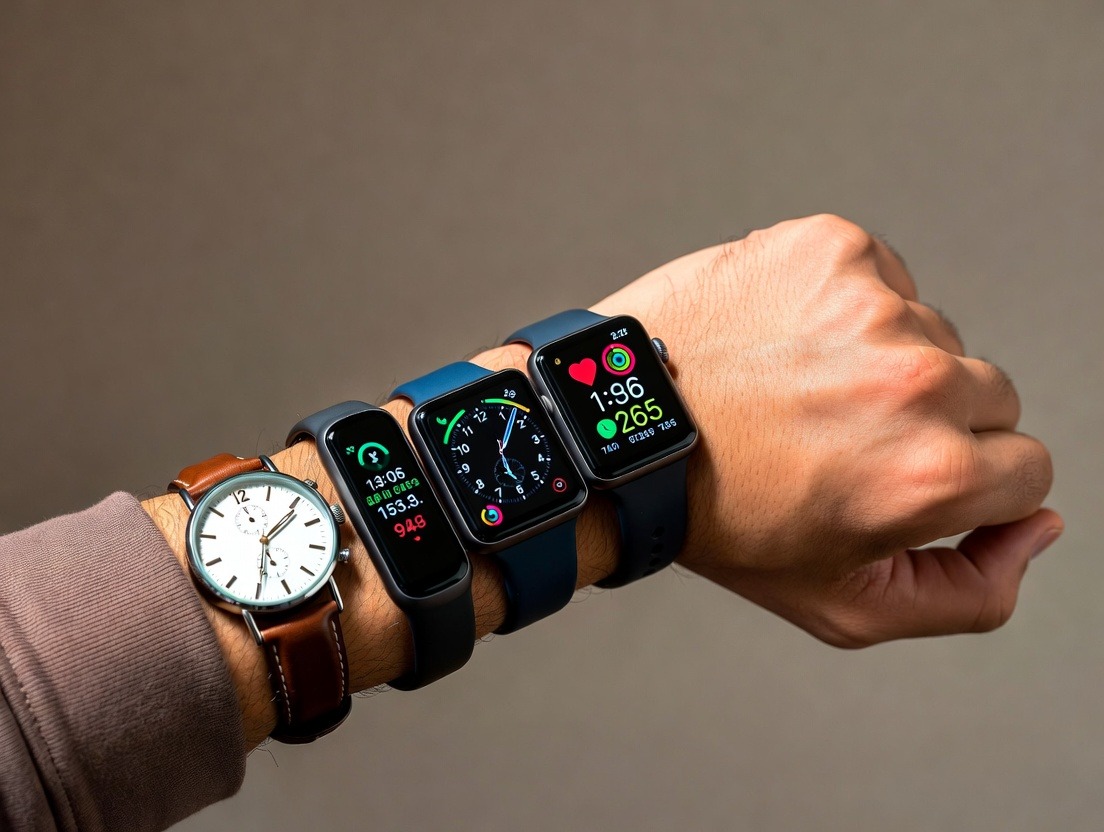
Of all our social bonds, romantic partnerships hold a unique and profound sway over our long-term health trajectory. They represent our most intimate social microenvironment—a source of unparalleled support or chronic stress, with the power to accelerate or decelerate the aging process at a cellular level. The science of relationships reveals that it's not merely being partnered that matters, but the quality of the partnership that writes its signature on our biology.
The Marriage Longevity Advantage (And Its Exceptions)
Epidemiological data has long shown a "marriage advantage": married people, on average, live longer than their unmarried counterparts. However, this advantage is heavily gendered (historically benefiting men more than women) and, more importantly, entirely conditional on relationship quality.
The key metric is relationship satisfaction, not legal status.
The Physiological Dialogue of Conflict
Research by psychologists like Janice Kiecolt-Glaser has illuminated what happens inside our bodies during couple conflict. Hostile arguments—characterized by criticism, contempt, defensiveness, and stonewalling (the "Four Horsemen" described by John Gottman)—trigger immediate and damaging physiological responses:
Partners in distressed relationships often show a form of "physiological co-regulation," where one partner's stress response directly triggers the other's, creating a destructive feedback loop.
The Healing Power of Security and Affection
Conversely, positive interactions have equally powerful biological effects. Physical affection (holding hands, hugging, sex) releases oxytocin, which dampens stress reactivity. Perceived partner responsiveness—the feeling that your partner understands, validates, and cares for you—is a cornerstone of secure attachment in adulthood. This security down-regulates the amygdala (the brain's threat detector), leading to:
Practical Implications for Longevity-Focused Partnerships:
A New Framework: Relationship Fitness
Viewing romantic partnership through a longevity lens encourages us to treat it as a core component of our health regimen. "Relationship fitness" involves regular maintenance (quality time), strength training (navigating conflicts constructively), and cardiovascular exercise (sharing fun and affection). Investing in the quality of your closest bond is not just an investment in happiness, but a direct investment in your cellular longevity. For couples looking to synchronize their wellness journeys, understanding how devices can integrate with other health apps can help create a shared dashboard for health.
While romantic and familial bonds are often highlighted, the voluntary, chosen bonds of deep friendship constitute a uniquely potent form of social sustenance. Friends are our "chosen family," and this very quality of choice—the mutual selection based on affinity, trust, and shared values—makes these relationships powerful determinants of lifelong health and happiness. They offer a different, but equally vital, strand in the web of connection that supports a long life.
The Distinct Value of Friendship
Unlike family, we are not bound to friends by obligation or genetics. Unlike some romantic partnerships, friendships are typically less burdened by the logistical and financial entanglements of shared domestic life. This can create a space of pure emotional support and authenticity. Friends provide:
The Health Evidence for Friendship
The famous Nurses' Health Study found that women with strong social ties (primarily through friends) had a significantly lower risk of dying during the study period than those with fewer connections. Strikingly, for older women, the level of friendship satisfaction was a stronger predictor of successful aging than family ties. Other research shows:
Male Friendship and the "Crisis of Connection"
Men, in particular, often face a friendship deficit in mid-to-late life, with profound health consequences. Socialized to value autonomy and avoid vulnerability, many men's friendships are activity-based rather than emotionally intimate. This leaves them without critical confidants, exacerbating the health risks of isolation. Cultivating deeper, more vulnerable friendships is a crucial longevity task for men.
The Challenge of Friendship Maintenance in Adulthood
As lives become busier with career and family, friendship is often the first thing to deprioritize—it seems to have no urgent deadlines. This is a critical error. Maintaining deep friendship requires intention:
Friendship in Later Life: A Matter of Survival
For older adults, especially after retirement or the loss of a spouse, friends become the primary daily source of interaction and purpose. "Elder circles" or "village" models, where groups of older friends commit to supporting each other through aging, are emerging as powerful alternatives to institutional care. These networks provide practical help, social engagement, and a powerful reason to stay active and healthy.
Viewing friendship as lifespan insurance reframes the time and energy we devote to it. It is not a discretionary leisure activity; it is a non-negotiable investment in our long-term physiological and psychological resilience. Nurturing these chosen bonds ensures we have a tribe to celebrate with, a hand to hold in difficulty, and a chorus of voices that remind us who we are and why our life matters. For inspiration from others who have integrated wellness tools into their social lives, our testimonials page shares real user experiences and journeys.
Our ability to connect is not solely a matter of personal skill or intention; it is profoundly shaped by the physical spaces we inhabit. The design of our neighborhoods, the layout of our homes, and the very streets we walk on either facilitate the casual, daily interactions that build community or create barriers that enforce isolation. The quest for longevity, therefore, must extend beyond personal habits to include a critical look at our built environment.
The Death of the "Third Place" and the Rise of Isolation
Post-World-War-II urban planning, especially in North America, prioritized efficiency, automobile traffic, and private space over public life. This led to:
These design choices engineered loneliness into the landscape. They traded the rich, if sometimes messy, connectivity of traditional towns for private comfort at the cost of public community.
Design Principles for Connection-Oriented Living
Research in environmental psychology and urban sociology points to key features that foster social connection:
The Impact on Health and Longevity
People who live in walkable, socially connected neighborhoods don't just have more friends; they are physically healthier. They walk more, have lower rates of obesity and diabetes, report less stress, and show greater resilience. The environment itself becomes a passive promoter of healthful behavior and social engagement.
What You Can Do: From Home to Advocacy
The places we build are a reflection of what we value. If we value longevity and wellbeing, we must advocate for and create environments that value human connection over traffic flow, public life over private retreat, and chance encounters over isolated convenience. Building a healthier life is intertwined with building healthier communities. For more resources on living a holistic, health-conscious life, we invite you to explore our blog for further reading.

As our physical environments have become more isolating, a new frontier for social connection has exploded: the digital realm. While often criticized for fostering superficiality, the internet has also given rise to powerful new forms of community—digital "third places" that can provide belonging, support, and shared purpose across vast distances. The key to leveraging this for longevity is understanding how to cultivate high-signal, low-noise digital connections that supplement, rather than replace, the irreplaceable nutrients of in-person contact.
The Evolution of Online Community
From early forums and chat rooms to today's niche subreddits, Discord servers, and private Facebook groups, the internet has democratized the ability to find your "tribe.” For people with rare health conditions, obscure hobbies, marginalized identities, or specialized professions, digital communities can be lifesaving, offering a depth of understanding and validation impossible to find locally. A new mother with postpartum depression at 3 a.m., a person diagnosed with a rare autoimmune disease, or a retiree passionate about astrophysics can find instant camaraderie and expert peer advice online.
The Neurobiology of Virtual Connection: What’s Missing?
Despite their utility, digital connections lack the full biochemical symphony of face-to-face interaction. They often fail to trigger the same robust oxytocin release because they miss:
This is why a Zoom call, while valuable, can feel more cognitively draining than an in-person meeting—our brains are working harder to fill in the missing social cues.
Designing Digital Connection for Depth, Not Distraction
The Role of Wearables in Bridging the Digital-Physical Divide
Here, advanced wellness wearables like smart rings offer a fascinating bridge. While you’re on a meaningful video call with a long-distance friend, your Oxyzen ring might capture a physiological signature of calm (elevated HRV, stable heart rate), teaching you that this specific type of digital connection is genuinely restorative. Conversely, it might reveal that scrolling through a political social media feed triggers a stress response. This biofeedback helps you curate your digital diet for connection, not agitation. Understanding this personal data is key, and our FAQ page can help answer common questions about how this technology functions.
The Future: Virtual Reality and Embodied Connection
Emerging technologies like VR and augmented reality (AR) promise a more "embodied" digital experience. In the future, attending a virtual family reunion where you can share a virtual space, make eye contact with digital avatars, and gesture naturally may come closer to triggering the full neurochemical benefits of in-person contact. This could be transformative for the homebound elderly or geographically dispersed families.
The digital world is not the enemy of connection; it is a new and powerful toolset. By using it with intention—to find our people, schedule our reunions, and share our struggles—we can build a global village that supports our longevity. However, we must never mistake it for a complete substitute for the physical warmth, shared silence, and spontaneous joy that only happens when we are truly, physically together. The most robust longevity strategy leverages the best of both worlds.
No relationship, no matter how strong, is conflict-free. Disagreement and hurt are inevitable in any long-term bond. Therefore, the critical skill for social longevity is not avoiding conflict, but mastering the art of repair. The ability to navigate discord, forgive, and restore connection is what separates relationships that deteriorate our health from those that bolster it through thick and thin. This skill directly influences our stress physiology and, by extension, our cellular aging.
The Physiology of Unresolved Conflict
When a conflict ends with silence, resentment, or ongoing hostility, the body remains in a state of threat. The stress response initiated during the argument does not fully de-escalate. This leads to:
A relationship characterized by chronic, unresolved conflict is a source of persistent biological wear and tear.
The Healing Physiology of Successful Repair
A genuine repair—a sincere apology, a moment of mutual understanding, a physical reconnection like a hug—triggers a different cascade:
Core Skills for Effective Repair:
The Role of Forgiveness in Longevity
Harboring long-term resentment and grudges is akin to drinking poison and expecting the other person to get sick. The field of psychoneuroimmunology shows that unforgiveness is a chronic stress state. It is associated with higher cortisol, increased blood pressure, and weakened immune function.
Forgiveness is not about condoning bad behavior or forgetting. It is a voluntary process of letting go of resentment and the desire for vengeance. It is, fundamentally, a self-healing act. Studies link forgiveness to:
Cultivating a Culture of Repair in All Relationships
Apply these principles beyond romantic partnerships:
Viewing conflict as an opportunity for repair and deepened understanding transforms it from a threat to longevity into a strengthening exercise for the relationship and your own physiological resilience. It ensures that your closest bonds are not sources of chronic stress, but durable, flexible sources of support capable of weathering life’s inevitable storms. For those navigating the stresses of modern life, tools that provide insight into your stress and recovery patterns can be invaluable, as discussed in our article on how wellness rings enable preventive health monitoring.
In our rightful crusade against the dangers of loneliness, we must be careful not to villainize solitude. There is a vital, often misunderstood, distinction between loneliness (the painful feeling of being alone) and solitude (the chosen, positive state of being alone with oneself). Indeed, the ability to enjoy and benefit from healthy solitude is a prerequisite for sustainable, high-quality social connection. It is the yin to social interaction's yang, and both are necessary for a balanced, long life.
The Replenishing Power of Solitude
Psychologist Mihaly Csikszentmihalyi’s research on "flow" states—those moments of deep, effortless immersion in an activity—often finds they occur in solitude. Solitude provides the mental space for:
The Danger of Social Overload
Just as isolation is harmful, an extreme of constant social engagement without respite can lead to burnout and diminished relationship quality. When we are never alone, we risk:
Finding Your Optimal "Solitude Ratio"
This is highly individual. An introvert might need 50% solitude to feel balanced, while an extrovert might thrive on 20%. The key is self-awareness. Do you feel energized or depleted after social events? Do you crave quiet time, or dread it? Tools like a smart ring can offer objective data here. You might notice that your heart rate variability (HRV)—a key metric of recovery—consistently improves after an evening spent reading alone, confirming that this solitude is physiologically restorative for you.
Cultivating Healthy, Intentional Solitude:
Distinguishing Solitude from Isolation/Loneliness
The line between healthy solitude and problematic isolation is subjective desire. Solitude is chosen and desired; loneliness and isolation are imposed and unwanted. If you find your alone time is characterized by feelings of emptiness, longing, or sadness, it may have crossed into loneliness, signaling a need to reach out.
For longevity, we must cultivate the ability to be our own good company. This internal security and self-sufficiency make us more resilient in the face of social loss and more present, less needy, and more authentic in our connections with others. It allows us to engage from a place of abundance, not deficit. A well-monitored balance between engagement and solitude is a hallmark of integrated wellness, a topic we explore in resources available on our blog.
Human connection is forged not only in words but in the silent, subconscious exchange of physiological signals. This process, known as co-regulation, is the invisible bedrock of secure attachment and deep bonding. It explains why a hug can calm us, why a anxious person can make a room feel tense, and why simply sitting quietly with a trusted friend can be profoundly restorative. Understanding this silent language is key to building relationships that provide deep biological safety.
What is Co-regulation?
Co-regulation is the process by which one person's nervous system influences and helps regulate another's. From the moment we are born, we rely on caregivers to soothe our distress—their calm heartbeat, steady breathing, and gentle touch down-regulate our infant stress responses. This capacity for mutual regulation remains a fundamental human need throughout life.
The Mechanics of Silent Connection:
Practices to Enhance Co-regulation and Nonverbal Bonding:
When Co-regulation Fails: The Impact of Misattunement
Chronic misattunement—when a caregiver is consistently unresponsive, intrusive, or frightening—teaches a child (or an adult in a distressed relationship) that the world is not safe and that others cannot help regulate their internal state. This leads to a nervous system that is chronically dysregulated, prone to hypervigilance or shutdown, and is a root cause of the health-damaging stress we associate with poor relationships.
Applying This to Adult Longevity
Seeking and fostering relationships where co-regulation is possible is a health imperative. These are relationships where you feel "calmer" after being with the person, not more agitated. You can cultivate this by practicing your own self-regulation (through mindfulness, breathwork) so you can be a calming presence for others, and by gravitating toward people whose presence steadies you.
This silent language is the essence of "holding space" for someone. It's the biological reality behind the feeling of being "seen" and "felt." By valuing and practicing this nonverbal dimension of connection, we build bonds that offer not just conversational support, but a direct, physiological sanctuary for our nervous systems—one of the most powerful anti-aging interventions we can experience. The future of health technology may one day help us visualize this synchrony, but for now, it remains the beautiful, essential human art of truly being with another.
Our investment in social connection creates a legacy that ripples far beyond our own lifespan. The quality and structure of our relationships don't just affect our health; they influence the health, behavior, and even the relationship patterns of those around us—and by extension, future generations. This intergenerational transmission of social capital is a powerful, often overlooked, engine of communal longevity.
Social Contagion: The Network Effect of Health and Behavior
Nicholas Christakis and James Fowler's seminal research on social networks demonstrates that health behaviors and states spread through social ties like ripples in a pond. Their findings show that:
This contagion occurs up to three degrees of separation—affecting our friends' friends' friends. Your commitment to building a healthy, connected life doesn't just benefit you; it positively infects your entire network.
Modeling Relationship Health for the Next Generation
Children learn how to "do" relationships by observing the adults around them. They internalize blueprints for:
A child raised in a socially rich, emotionally intelligent environment is not only more likely to be resilient and healthy themselves, but they carry these relational templates forward, creating healthier families and communities in the future.
Building Social Capital for Collective Resilience
Sociologist Robert Putnam defined social capital as the "connections among individuals – social networks and the norms of reciprocity and trustworthiness that arise from them." Communities high in social capital have:
When you organize a block party, join a neighborhood watch, or simply make an effort to know your neighbors, you are not just being friendly—you are building the social capital that makes your entire community more resilient to shocks, from natural disasters to economic downturns. This collective resilience directly protects the health of every individual within it.
The Longevity Legacy of Grandparents and Elders
As discussed, engaged elders provide direct health benefits to grandchildren. But they also pass on intangible assets: family stories, cultural heritage, and wisdom. This provides younger generations with a sense of identity and continuity, which is a protective factor for mental health. The elder who shares their history is literally strengthening the psychological and social immune system of their lineage.
Your Social Footprint
Just as we now consider our carbon footprint, we can think of our social footprint—the sum impact of our relationships on the wellbeing of our network and community. By choosing to invest in connection, repair rifts, and build community, you are:
This perspective elevates the pursuit of social connection from a personal health strategy to a profound act of civic and generational responsibility. It is perhaps the most meaningful way we can contribute to a longer, healthier, and more compassionate future for all. For those inspired to be part of a brand that thinks holistically about wellness and community, we invite you to learn more about our story and vision.
We have journeyed through the science, the sociology, and the soul of social connection and longevity. Now, we arrive at integration. How do we take this vast body of knowledge and weave it into the fabric of a busy, modern life? The answer is not to overhaul everything at once, but to adopt a framework—a set of guiding principles and practices that allow you to systematically nurture your social fitness alongside your physical and mental fitness.
The Four-Pillar Framework for Social Longevity
Pillar 1: Assessment & Awareness
Pillar 2: Investment & Intention
Pillar 3: Skill Building & Repair
Pillar 4: Environment & Community Design
Creating Your Personalized Social Longevity Plan:
This framework isn't about adding more pressure; it's about creating a mindful, sustainable approach to what is fundamentally a human need. By periodically assessing, intentionally investing, skillfully maintaining, and thoughtfully designing your social landscape, you transform connection from a haphazard occurrence into a cornerstone of your longevity architecture. This is the essence of modern, holistic wellness—and it is a journey best supported by both timeless wisdom and insightful technology.
Your Trusted Sleep Advocate (Sleep Foundation — https://www.sleepfoundation.org/)
Discover a digital archive of scholarly articles (NIH — https://www.ncbi.nlm.nih.gov/
39 million citations for biomedical literature (PubMed — https://pubmed.ncbi.nlm.nih.gov/)
experts at Harvard Health Publishing covering a variety of health topics — https://www.health.harvard.edu/blog/)
Every life deserves world class care (Cleveland Clinic -
https://my.clevelandclinic.org/health)
Wearable technology and the future of predictive health monitoring. (MIT Technology Review — https://www.technologyreview.com/)
Dedicated to the well-being of all people and guided by science (World Health Organization — https://www.who.int/news-room/)
Psychological science and knowledge to benefit society and improve lives. (APA — https://www.apa.org/monitor/)
Cutting-edge insights on human longevity and peak performance
(Lifespan Research — https://www.lifespan.io/)
Global authority on exercise physiology, sports performance, and human recovery
(American College of Sports Medicine — https://www.acsm.org/)
Neuroscience-driven guidance for better focus, sleep, and mental clarity
(Stanford Human Performance Lab — https://humanperformance.stanford.edu/)
Evidence-based psychology and mind–body wellness resources
(Mayo Clinic — https://www.mayoclinic.org/healthy-lifestyle/)
Data-backed research on emotional wellbeing, stress biology, and resilience
(American Institute of Stress — https://www.stress.org/)


