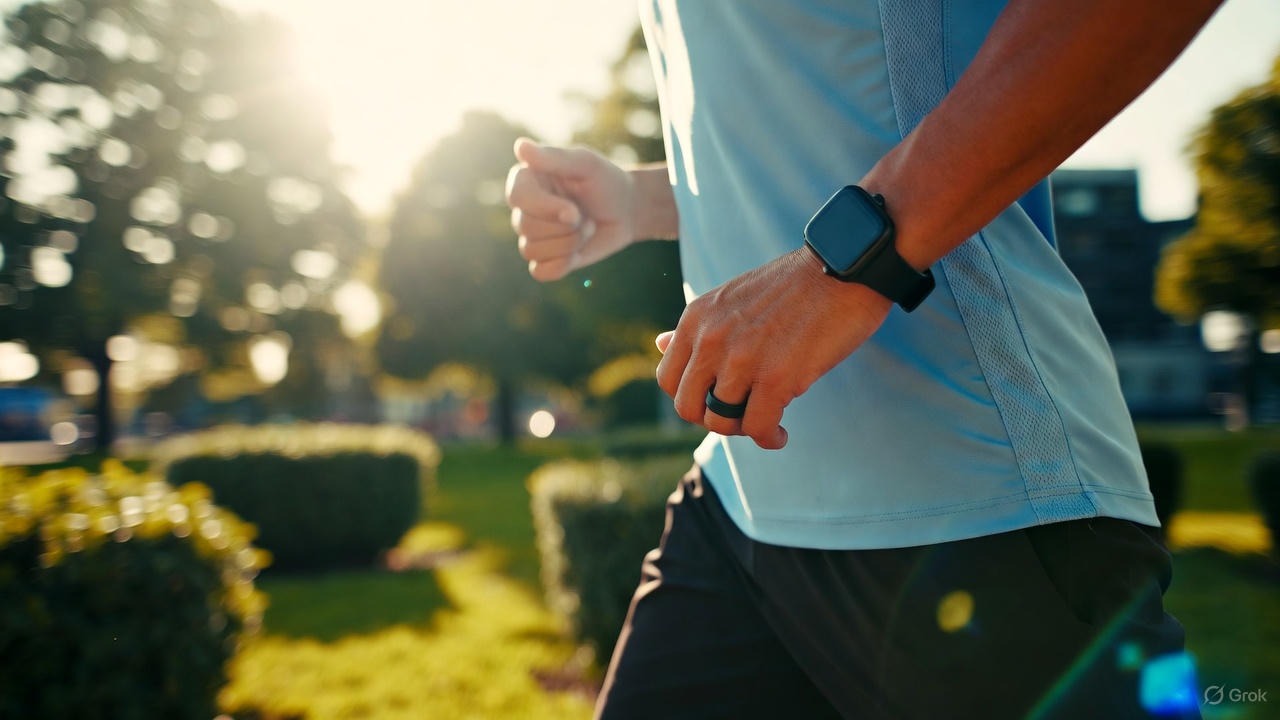
Quick five-minute recovery practices for busy days with limited time.
Recovery Essentials You Can Do in 5 Minutes: The Modern Guide to Mastering Daily Renewal
You know the feeling. That mid-afternoon crash where your eyelids feel like lead weights. The post-workout ache that makes stairs your personal nemesis. The mental fog after hours of back-to-back Zoom calls, where your brain feels like a browser with too many tabs open. For years, we’ve accepted this as the tax we pay for a productive, active life. We’ve normalized the grind and glorified the burnout, waiting for the weekend—or the next vacation—to hit the elusive “reset” button.
But what if recovery wasn’t a distant, week-long event? What if the secret to sustained energy, sharp focus, and resilient health wasn’t found in radical overhauls, but in tiny, intentional pockets of time you already have?
Welcome to the new science of micro-recovery.
Emerging research is unequivocal: consistent, brief recovery practices woven throughout your day are exponentially more effective at reducing systemic stress, boosting cellular repair, and enhancing cognitive function than sporadic, longer breaks. The body and mind thrive on rhythm, not rescue missions. The biggest barrier to adopting these practices has historically been awareness—how can you address a dip in your nervous system or a spike in muscular tension if you can’t see it happening?
This is where the paradigm of wellness technology shifts from passive tracking to active guidance. The modern smart ring, like those developed by Oxyzen, sits at the nexus of this revolution. It moves beyond counting steps and monitoring sleep to become a real-time biofeedback coach on your finger. By continuously measuring your heart rate variability (HRV), skin temperature, blood oxygen saturation, and resting heart rate, it provides an objective, personalized snapshot of your recovery status. It tells you not just that you’re stressed, but when your body is primed for a restorative intervention.
This article is your master guide to leveraging those critical moments. We’re moving past generic advice into the realm of precision recovery. Over the following sections, we will dive deep into nine essential, science-backed recovery practices that each take five minutes or less. These are not one-size-fits-all solutions, but a toolkit you can match to the specific signals your body sends—signals a sophisticated wellness ring can help you interpret. From activating your parasympathetic nervous system to releasing physical tension and resetting mental clutter, you’ll learn how to transform fleeting minutes into profound resets.
The future of wellness isn’t about doing more; it’s about recovering smarter. Let’s begin.
The 5-Minute Reset: Why Your Nervous System Is Begging For It
We operate in a world of chronic, low-grade stress. It’s the inbox that never empties, the constant ping of notifications, the mental tally of deadlines and obligations. This state, often called "sympathetic overload," keeps our fight-or-flight system subtly but persistently engaged. The problem isn't acute stress—our bodies are brilliantly designed to handle that. The problem is the lack of recovery valleys between the stress peaks.
This is where the five-minute reset emerges as a non-negotiable pillar of modern health. The science hinges on a powerful biological lever: your autonomic nervous system (ANS). Your ANS has two main branches: the sympathetic (gas pedal) and the parasympathetic (brake). Modern life is all gas, no brake. A five-minute targeted practice is long enough to meaningfully engage the parasympathetic nervous system, initiating a cascade of restorative processes.
What happens in those five minutes?
Heart Rate Variability (HRV) Improves: HRV, the subtle variation in time between heartbeats, is a gold-standard metric for nervous system resilience. High HRV indicates a healthy, adaptable system. Short, focused breathing or meditation sessions have been shown to increase HRV almost immediately, signaling a shift into recovery mode. This is a key metric that devices like the Oxyzen smart ring track continuously, giving you direct feedback on how effective your micro-practices are. For a deeper understanding of how this data empowers your health, explore the science behind modern health tracking technology.
Cortisol Dips: The primary stress hormone begins to normalize, reducing its inflammatory effects on the body.
Prefrontal Cortex Reactivates: The brain's executive center, responsible for focus and decision-making, comes back online after being hijacked by the amygdala (the fear center).
Muscle Tension Releases: Conscious relaxation signals allow guarded, tight muscles to let go, improving circulation and reducing pain signals.
Think of these resets not as "breaks from work," but as "productive recovery"—essential maintenance sessions that boost the performance and longevity of your most important asset: you. The goal is to create a rhythmic pendulum swing between effort and ease throughout your day, preventing the deep fatigue that comes from a sustained, one-directional push.
The beauty of the modern approach is that you no longer have to guess when you need these resets. A smart wellness ring monitors your physiological data in the background, identifying patterns and signaling opportunities for a timely intervention. It’s the difference between waiting for your car engine to smoke and having a dashboard light that tells you an oil change is optimal. Ready to learn the first, most fundamental practice to hit that recovery brake? Let’s breathe.
The 90-Second Breathwork Protocol: Instant Nervous System Regulation
If you only adopt one practice from this guide, let it be this. Breathing is the most direct remote control we have for our nervous system. You can’t consciously lower your cortisol or command your digestion to start, but you can change your breath pattern, which does all of that and more. The 90-Second Protocol is a rapid, evidence-based sequence designed to discharge stress and induce calm with maximum efficiency.
The Science of the Sigh: Research from Stanford University has pinpointed a specific group of neurons in the brainstem that link breathing rhythms to emotional states. Slow, controlled exhales directly stimulate this circuit, promoting calm. Furthermore, techniques that involve breath retention (brief pauses) can increase blood oxygen saturation and improve vagal tone—the strength of your parasympathetic nerve.
The 90-Second "Reset Breath" Protocol: This can be done anywhere—at your desk, in your car (parked!), or before a meeting.
Minute 1: The Physiological Sigh (30 seconds, 2 repetitions). This is your body’s natural hard reset button, often occurring spontaneously during sleep or crying.
Inhale deeply through your nose.
At the top of that inhale, take one more short, sharp “sip” of air to fully inflate the lungs' tiny alveoli.
Exhale slowly and fully through your mouth, letting out an audible sigh if possible. Let your shoulders drop.
Repeat once. This double-inhale, long-exhale pattern is incredibly effective at rapidly reducing stress arousal.
Minute 2: Box Breathing (4x4x4x4). This Navy SEAL-tested technique builds focus and equilibrium.
Inhale gently through your nose for a count of 4.
Hold the breath at the top for a count of 4.
Exhale smoothly through your nose for a count of 4.
Hold the breath empty for a count of 4.
Repeat for four cycles (about one minute).
Final 30 Seconds: Coherent Breathing. Simply breathe in and out through your nose at a relaxed, even pace of about 5 seconds in, 5 seconds out (6 breaths per minute). This specific pace has been shown to optimally synchronize heart rate, blood pressure, and brain waves, creating a state of coherence.
Pro-Tip with Your Smart Ring: Before and after this protocol, glance at your Heart Rate (HR) and HRV on your companion app. You will likely see a tangible drop in HR and an increase in HRV within those 90 seconds—a real-time validation of your nervous system shifting gears. Observing this feedback loop is powerfully motivating and helps you build healthy, data-informed habits that last.
Dynamic Desk Release: Combating the Silent Strain of Sedentary Life
Sitting is the new smoking, we’ve been told. But the issue isn’t just duration; it’s stagnation. The human body is designed for movement variability—small shifts, stretches, and weight transfers occurring every few minutes. When we lock into a static posture for hours, we create "cricks," tension, and poor circulation. The five-minute Dynamic Desk Release is a movement snack designed to hit the major areas compromised by desk life: hips, spine, shoulders, and neck.
The Cost of Stasis: Prolonged sitting shortens hip flexors, weakens glutes, rounds the thoracic spine, and causes forward head posture. This doesn’t just cause pain; it impairs breathing, digestion, and even mood. The following sequence is designed as a fluid movement circuit, not a static stretch hold, to wake up the neuromuscular connections and pump fresh, oxygenated blood to stiff tissues.
The 5-Minute Movement Circuit: Set a timer for 5 minutes and flow through these movements. Repeat any as needed. No need to change clothes.
Cat-Cow Flow (1 minute): On your chair or standing. Inhale, arch your back, lift your chest and gaze (Cow). Exhale, round your spine, tuck your chin (Cat). Link breath to movement for 8-10 cycles. This mobilizes the entire spine.
Thread the Needle (1 minute per side): Sitting tall, place your right ankle on your left knee. Gently hinge forward from the hips until you feel a stretch in your right glute and hip. For a deeper stretch, gently press down on the right knee. Breathe. Switch sides. This targets the piriformis and external rotators, crucial for undoing "desk hip."
Thoracic Opener (1 minute): Clasp your hands behind your head, elbows wide. Gently squeeze your shoulder blades together, opening your chest. Hold for 3 breaths. Then, slowly rotate your torso to the right, then left, keeping your hips facing forward. This combats hunching.
Scalene & Neck Release (1 minute): Sit tall. Gently drop your right ear toward your right shoulder. For a deeper stretch, gently place your right hand on your head. Hold for 3 breaths, feeling the stretch along the left side of your neck. Repeat on the other side.
Standing Flow (1 minute): Stand up. Do 5 slow, controlled bodyweight squats, focusing on depth. Follow with 10 calf raises, rising onto your toes. Finish with 30 seconds of gentle torso twists, letting your arms swing naturally.
This sequence is a perfect example of preventive health monitoring in action. By proactively addressing muscular tension before it becomes pain, you’re maintaining your physical infrastructure. A smart ring can complement this by showing you how even this small bout of movement improves your circulation and potentially lowers your resting heart rate over time. For those curious about how this kind of daily monitoring fits into a larger health picture, our article on enabling preventive health monitoring dives deeper.
The Sensory Grounding Sprint: A Rapid Antidote for Anxiety and Overwhelm
When anxiety spikes or mental overload hits, our thoughts can spiral into a future of worries or a past of regrets. The brain’s threat detection system is in overdrive. The fastest way to disarm it is to forcibly redirect attention to the safety and neutrality of the present moment. This is the essence of sensory grounding. It’s a cognitive redirect that uses your five senses as anchors, pulling you out of your internal narrative and into objective reality.
Why It Works: Anxiety is often a feedback loop between distressing thoughts and physical sensations (racing heart, shallow breath). Grounding interrupts this loop by engaging the sensory cortex of your brain, which processes direct experience. This dampens activity in the amygdala and the default mode network (the brain's "storytelling" center). It’s a hard reset for a frazzled cognitive load.
The 5-4-3-2-1 Grounding Technique (The 5-Minute Sprint): Find a quiet space. Take one deep breath to begin.
SIGHT (5): Look around. Acknowledge 5 things you can see. Be granular. "I see the grain of the wood on my desk, a blue pen, a smudge on the window, the texture of my sweater, the slow blink of the router light."
TOUCH (4): Notice 4 things you can feel. "I feel the cool air on my skin, the pressure of the floor under my feet, the soft fabric of my shirt, the smooth surface of my ring." Speaking of which, the tactile presence of a wellness device can serve as a perfect, personal grounding object—a physical reminder to return to the present.
SOUND (3): Listen for 3 things you can hear. "I hear the distant hum of the HVAC, the click of my keyboard, my own breath."
SMELL (2): Identify 2 things you can smell. If you can’t detect two, think of two smells you like. "I smell the faint scent of my laundry detergent. I like the smell of fresh coffee."
TASTE (1): Name 1 thing you can taste. Take a sip of water, coffee, or simply notice the current taste in your mouth.
Advanced Variation: Temperature Shock (Optional 60 seconds): For acute panic or dissociation, adding a strong temperature signal can be profoundly effective. Hold an ice cube in your hand for 30 seconds, or splash very cold water on your face. This triggers the mammalian dive reflex, instantly slowing heart rate and promoting calm.
This practice cultivates meta-awareness—the ability to observe your own state without being swept away by it. It’s a mental hygiene habit as critical as brushing your teeth. By pairing this awareness with physiological data from a wearable, like seeing a correlation between a high-stress reading and the need for a grounding sprint, you become the expert of your own inner landscape. For more techniques on integrating technology with mental wellness, our blog offers a wealth of related resources.
Hydration & Electrolyte Replenishment: The Most Overlooked Recovery Lever
We often think of recovery as something we do, but sometimes the most powerful intervention is something we consume. Dehydration is a silent saboteur of performance and recovery. Being just 2% dehydrated (a level you may not even feel as thirst) can impair cognitive function, increase perceived effort, reduce blood volume (forcing your heart to work harder), and hinder the body’s ability to flush metabolic waste. Recovery isn’t just about resting cells; it’s about creating an optimal fluid environment for them to function.
Beyond Water: The Electrolyte Equation True rehydration isn’t just about H2O. It’s about water plus electrolytes—specifically sodium, potassium, and magnesium. These minerals are crucial for maintaining fluid balance, conducting nerve impulses, and enabling muscle contractions. Sweating, stress, caffeine, and poor diet can deplete them. Drinking plain water in excess without electrolytes can actually dilute their concentration in your blood, a condition called hyponatremia.
The 5-Minute Strategic Hydration Protocol: This is for that moment you feel foggy, headachy, or inexplicably fatigued.
Minute 1: Assess. Are you thirsty? When was your last urination, and what was its color? (Pale yellow is ideal). Check in with your body.
Minute 2: Prepare Your Elixir. Instead of plain water, mix a high-quality electrolyte powder or tablet into 16-20 oz of water. Look for one with a balanced ratio of sodium and potassium, and preferably with magnesium glycinate (highly absorbable). Avoid those loaded with sugar. This step transforms water from a simple fluid into a cellular recharge cocktail.
Minute 3-4: Drink Mindfully. Don’t chug. Sip steadily over two minutes. This allows for better absorption via the small intestine than rapid gulping, which can just run through you.
Minute 5: Post-Up. Note the time. You should feel a positive shift in mental clarity and energy within 15-30 minutes as your blood volume is restored and your cells rehydrate.
The Smart Tech Connection: Your hydration status subtly influences key biomarkers. Dehydration can cause a slight elevation in resting heart rate and a decrease in HRV, as your cardiovascular system works harder. It can also affect peripheral perfusion, potentially impacting blood oxygen (SpO2) readings. By observing your daily biometric trends on a device like the Oxyzen ring, you can start to correlate feelings of sluggishness with objective data, prompting you to choose strategic hydration over another cup of coffee. This is a prime example of how continuous monitoring provides a more complete picture than periodic checks. You can learn more about the benefits of this approach in our guide on continuous vs. periodic monitoring.
Focused Attention Meditation: The Cognitive Defragmentation Tool
Your attention is a resource. Like a muscle, it fatigues with overuse, and in our distraction-saturated world, it’s constantly being pulled in multiple directions. This "attentional residue"—where part of your mind is still stuck on a previous task—is a major source of mental fatigue and reduces cognitive capacity for the task at hand. Focused Attention Meditation is a five-minute brain workout that strengthens your "attention muscle," teaching you to recognize distraction and gently return to a single point of focus. It’s a defragmentation of your mental hard drive.
The Neural Rewiring: Studies using fMRI scans show that regular focused attention practice thickens the prefrontal cortex (the CEO of the brain) and strengthens its connection to the amygdala, improving emotional regulation. It also reduces activity in the default mode network (the brain’s "monkey mind" chatter). This translates to better concentration, reduced reactivity, and improved mental clarity under pressure.
The 5-Minute "Breath Anchor" Practice:
Posture (30 seconds): Sit comfortably with your back relatively straight, either in a chair or on the floor. You can lie down if needed, but sitting helps maintain alertness. Rest your hands comfortably. Set a timer for 5 minutes.
Intention (30 seconds): Gently close your eyes or soften your gaze. Take two or three deep breaths to arrive. Set a simple intention: "For the next few minutes, I am just practicing being present."
Find Your Anchor (3.5 minutes): Bring your full attention to the physical sensation of your breath. Pick one specific anchor point: the rise and fall of your abdomen, or the feeling of air moving past your nostrils. Don’t control the breath, just observe it. Your entire "job" is to feel the in-breath and the out-breath.
The Practice is in the Return: Within seconds, your mind will wander—to a sound, a thought, an itch. This is not failure; this is the practice. The moment you realize your mind has wandered, gently acknowledge it ("thinking," "planning") and without judgment, guide your attention back to the breath. This act of noticing and returning is a repetition that builds cognitive control.
Close (30 seconds): When the timer ends, take two more deep breaths. Gently open your eyes. Notice the quality of your mind. Is it quieter? More spacious? Carry that quality into your next activity.
From Practice to Practical Insight: The meta-skill developed here—noticing your state—is directly applicable to using wellness technology effectively. Instead of mindlessly scrolling through your sleep score, you learn to observe it with curiosity: "My recovery score is low today. I felt anxious yesterday. That tracks." This creates a mindful, non-judgmental relationship with your own data, which is key for long-term adherence and insight. For those beginning this journey of self-quantification, our resource on wellness ring basics for beginners is an excellent starting point.
The Power of Laughter & Social Connection: A Neurochemical Speed Boost
We don’t often classify a good laugh or a warm interaction as "recovery," but from a neurobiological standpoint, few things are more potent. Stress and isolation trigger the release of cortisol and adrenaline. Positive social connection and laughter do the opposite: they stimulate a cocktail of "feel-good" neurotransmitters and hormones that counteract stress physiology. This is a recovery practice that feels like play.
The Chemistry of Connection:
Endorphins: Laughter triggers a release of these natural painkillers and mood elevators, similar to a "runner's high."
Oxytocin: Often called the "bonding hormone" or "love hormone," it’s released during positive social interactions, reducing anxiety and promoting feelings of trust and safety.
Dopamine: The reward and motivation neurotransmitter gets a boost from enjoyable social engagement.
Serotonin: Mood-regulating serotonin levels are positively influenced by social bonds and laughter.
Together, this neurochemical shift lowers cortisol, reduces inflammatory markers, and can even give a temporary boost to immune function. It literally changes the chemical environment of your brain and body.
Your 5-Minute "Connection Prescription": You don’t need a stand-up comedy routine. Intentional micro-connections are key.
The Uplift Call (5 minutes): Scroll past your work contacts. Call a friend, family member, or colleague you genuinely enjoy. Don’t discuss problems. Simply connect. Share a funny observation from your day, a positive memory, or just listen. The goal is warmth and levity.
Consumed Joy (5 minutes): If you’re alone, curate a laughter break. Watch a 5-minute clip of your favorite stand-up comedian, a blooper reel from a beloved show, or funny animal videos. The key is active consumption—allow yourself to genuinely laugh out loud. Don’t just scroll passively.
The Shared Moment (5 minutes): In person, put your phone away and engage in light, positive banter with a coworker, barista, or family member. A brief, authentic, smile-filled conversation about anything except work or stress.
The Biometric Smile: Here’s a fascinating link to your wellness tech: a genuine laugh or a positive social interaction will almost certainly cause a brief, visible spike in your heart rate (the good kind, like from light exercise), followed by a swift drop below baseline as your parasympathetic system kicks in. You might also see a corresponding improvement in HRV. It’s a physiological signature of joy. Tracking this can be a powerful motivator to prioritize connection, showing you its tangible impact on your stress metrics. For real-world examples of how people integrate these insights into their lives, browsing real customer testimonials can be both inspiring and enlightening.
Cold Exposure Primer: Triggering Your Body's Innate Resilience Pathways
While a full ice bath is a commitment, the core benefits of cold exposure—reduced inflammation, improved mood, enhanced circulation, and a shock to the nervous system that builds resilience—can be accessed in just a few minutes with a simple, safe protocol. Cold is a potent hormetic stressor: a short, acute dose of something challenging that makes your body stronger and more adaptable in response.
How a Minute of Cold Works Wonders:
Vasoconstriction & Vasodilation: Cold causes blood vessels at the surface to constrict, shunting blood to your core to protect vital organs. When you warm up, the vessels dilate, flooding tissues with fresh, oxygen-rich blood—a powerful flush for recovery.
Brown Fat Activation: Exposure to cold activates brown adipose tissue (BAT), a type of fat that burns calories to generate heat, improving metabolic health.
Norepinephrine Spike: The initial shock triggers a massive release of norepinephrine, a neurotransmitter that increases alertness, focus, and mood (often creating a lasting "afterglow" of well-being).
Reduced Inflammation: Cold reduces the production of inflammatory cytokines and can act as a natural analgesic (pain reliever) for sore muscles.
The Safe 5-Minute Cold Protocol (End with Shower Method): Do not do this if you have cardiovascular issues. Always end on warm.
Preparation (1 minute): During your normal warm shower, complete your washing routine.
Exposure (30 seconds to 2 minutes): Turn the dial to fully cold. Start by exposing your feet and legs, then your hands and arms, and finally your back and torso. Breathe! The key is to control your breath. The initial shock will make you want to gasp. Fight it. Take slow, deep breaths in through your nose and out through your mouth. Start with 30 seconds. Over weeks, work up to 2 minutes.
Rewarm & Recover (2-3 minutes): Turn the water back to warm (not scalding) for 1-2 minutes, feeling the blissful rush of circulation. Finish your shower. Post-shower, notice the invigorating, tingly sensation and mental clarity.
Tracking the "Cold Shock" Response: This is where a continuous wearable provides fascinating insight. After a brief cold exposure, observe your app. You’ll likely see:
A temporary, sharp drop in skin temperature (a direct sensor reading).
A possible initial spike in heart rate as your body reacts, followed by a significant lowering of your resting heart rate over the next few hours as inflammation drops and recovery is enhanced.
A potential improvement in HRV later in the day, indicating a strong parasympathetic rebound.
This objective feedback turns a challenging practice into a rewarding biohack. It demonstrates how controlled stress leads to greater adaptation—the core principle of resilience. For those interested in how this kind of precise tracking has evolved, the journey from manual logs to smart rings is a captivating story of technological progress.
Digital Sunset: The Non-Negotiable Evening Ritual for Sleep Recovery
The single most impactful recovery process your body undergoes is sleep. And the single greatest sabotager of modern sleep is artificial light, specifically the blue wavelength emitted by our screens. Blue light after sunset suppresses melatonin production, the hormone that regulates your sleep-wake cycle, delaying sleep onset and degrading sleep quality. A "Digital Sunset" is a 5-minute ritual to sever your nervous system’s connection to the hyper-arousing digital world and signal that it’s time to restore.
The Physiology of the Wind-Down: Melatonin isn’t just a sleep pill; it’s a darkness signal that triggers a cascade of repair processes: cellular cleanup (autophagy), memory consolidation, and hormonal regulation. When blue light inhibits it, you miss the full depth of these cycles. A Digital Sunset protects this crucial biological pathway.
The 5-Minute Evening Ritual: Perform this 30-60 minutes before your target bedtime.
Minute 1: The Physical Cut-Off. Put your phone, tablet, and laptop on their chargers outside of your bedroom. This is a physical and psychological boundary. Use your device’s Do Not Disturb or Sleep Focus mode.
Minute 2: Environment Check. Dim the overhead lights. If you have them, switch on warmer, amber-toned lamps. This mimics the natural sunset, gently encouraging melatonin release.
Minute 3: Gratitude or Download (Pen & Paper). Take a real notebook. Do one of two things:
Brain Dump: Write down every lingering thought, to-do, or worry cluttering your mind. Getting it on paper tells your brain, "It’s safe to let this go until tomorrow."
Gratitude List: Write down three specific things from your day you are grateful for. This practice shifts nervous system state from sympathetic (what’s lacking) to parasympathetic (what’s abundant).
Minute 4: Set Tomorrow’s Single Intention. Write down one main priority for the next day. This creates closure for today and a clear, calm starting point for tomorrow.
Minute 5: Preliminary Relaxation. Do 60 seconds of the 4-7-8 breathing technique (inhale 4, hold 7, exhale 8) or simply sit quietly and feel the stillness.
Validating the Ritual with Data: This is perhaps the most straightforward practice to validate with your wellness ring. A consistent Digital Sunset ritual should lead to observable improvements in your sleep metrics over time:
Faster Sleep Onset Latency (time to fall asleep).
Increased Sleep Continuity (less wakefulness during the night).
Higher Sleep Scores and Improved Resting Heart Rate/HRV overnight. By reviewing your sleep data in the morning, you create a positive feedback loop. You see that the small discipline of unplugging pays direct, measurable dividends in your recovery, motivating you to make it a non-negotiable habit. For a comprehensive look at how technology can help you master all aspects of sleep and aging well, consider our resource on 50 healthy aging tips a smart ring helps implement daily.
Building Your Personalized 5-Minute Recovery Architecture
You now have a powerful toolkit. Nine distinct, scientifically-grounded methods to downshift your nervous system, release physical tension, and clear mental clutter—all in the time it takes to brew a cup of coffee. But a toolkit is only as powerful as the strategy behind its use. Randomly grabbing a wrench when you need a screwdriver leads to frustration. The next level of mastery lies in moving from having the tools to architecting their use. This is about creating your personalized recovery rhythm, syncing your interventions with your body's unique signals, and stacking habits for compound benefits.
Think of your day not as a marathon to be endured, but as a series of sprints interspersed with strategic pit stops. The goal is to prevent the total depletion of your resources, to proactively top up your energy, focus, and resilience before you hit "empty." This requires a shift from reactive recovery ("I'm exhausted, I need to collapse") to predictive and preventive recovery ("My data shows I'm dipping; a 5-minute reset now will save me hours later").
In this portion, we will build your recovery architecture. We'll explore how to listen to the subtle cues from your body and your data, create intentional transitions throughout your day, and combine micro-practices into potent "recovery stacks." This is where you transition from practicing recovery to living in a recovered state.
Listening to Your Body’s Whisper (Before It Screams): Interpreting Subtle Cues
Before we had the objective data from wearables, we only had subjective feelings—and we are notoriously bad at accurately interpreting them. Fatigue can be masked by caffeine. Stress can be rationalized as productivity. The first step in intelligent recovery is honing your interoceptive awareness—the sense of the internal state of your body—and pairing it with objective data to create a true feedback loop.
Your body sends signals constantly. A skilled recovery architect learns to heed the whispers to avoid the screams.
Common "Whispers" and Their Probable Meaning:
The Mid-Morning Fog (9:30-11 AM): This isn't always about poor sleep. It can be a signal of hydration debt from overnight, a blood sugar dip after a carb-heavy breakfast, or the natural ebb of your cortisol awakening response. *Intervention Matrix: Hydration/Electrolyte Protocol, followed by 90-Second Breathwork.*
The Post-Lunch Slump (1:30-3 PM): The classic "siesta zone." While partially circadian, a severe slump often points to digestive overload (a meal too large or high in refined carbs) pulling blood flow to your gut, or a reactive drop in cortisol. *Intervention Matrix: A 5-minute Dynamic Desk Release to stimulate circulation, not more caffeine.*
The Late-Afternoon Irritability (4-5 PM): When patience wears thin and small annoyances feel large. This is frequently a sign of cognitive resource depletion (decision fatigue) and a rise in the stress hormone cortisol as your body tries to muster energy for the final push. Intervention Matrix: The Sensory Grounding Sprint to break the thought-emotion loop, or a Power of Connection call to boost oxytocin.
The Unwinding Struggle (9-10 PM): Physically tired but mentally racing. This is the classic sign of a nervous system imbalance—a body ready for rest but a mind stuck in sympathetic drive, often fueled by evening screen exposure. Intervention Matrix: The non-negotiable Digital Sunset. If mind is racing, the "Brain Dump" portion is critical.
The Unexplained Ache or Heaviness: Not tied to a specific workout, but a general sense of stiffness or soreness. This is often systemic inflammation or connective tissue dehydration, exacerbated by chronic stress and poor posture. Intervention Matrix: Dynamic Desk Release, Hydration + Electrolytes, and consider the Cold Exposure Primer (if appropriate) to reduce inflammation.
The Data Validation Layer: This is where your smart ring transforms from a tracker to a translator. When you feel the "whisper" of afternoon irritability, you can check your stress score or HRV trend on your app. Is it objectively lower than this morning? If yes, that feeling is validated by physiology, making your decision to act more confident. You might see a correlation between poor sleep and a higher resting heart rate all day, explaining the fog. This objective layer removes guesswork and empowers precision. For those new to interpreting this data, our FAQ section offers clear guidance on what these metrics mean.
The ultimate goal is to create a dialogue: your body whispers a cue, you check the data for confirmation, and you deploy the exact tool the situation calls for. You become your own best diagnostician and healer.
The Recovery Schedule: Designing Your Day Around Energy, Not Time
Most of us schedule our days around tasks and meetings. What if we scheduled it around our innate biological rhythms and planned recovery points? This doesn't mean blocking an hour for a nap; it means strategically placing your 5-minute resets at the fissure points before your energy cracks. This is proactive maintenance scheduling for your human machinery.
Sample Architectures for Different Lifestyles:
For the Knowledge Worker (Home or Office):
8:55 AM (Pre-Start): Instead of diving into emails, begin with 90-Second Breathwork to set a calm, intentional tone for the day.
11:00 AM (Pre-Slump): Hydration/Electrolyte Replenishment to combat the morning's cognitive drain and dehydration.
2:30 PM (Post-Lunch Reset): Dynamic Desk Release to physically shake off stagnation and reboot mental clarity.
4:30 PM (Late-Afternoon Push): Focused Attention Meditation for 5 minutes to consolidate focus for the final work tasks, or a Sensory Grounding Sprint if feeling overwhelmed.
9:00 PM (Wind-Down Commencement): Initiate the Digital Sunset ritual.
For the Parent or Caregiver (Constant Demand):
After Morning Chaos (~9 AM): Power of Connection - a quick, uplifting call to a friend or partner for adult connection.
During Naptime/Quiet Time: Focused Attention Meditation OR Laughter Break - use this precious quiet not just for chores, but for a deliberate nervous system reset.
Pre-Afternoon Pickup (~2 PM): 90-Second Breathwork to arm yourself with patience and presence.
Post-Bedtime for Kids (~8 PM): Sensory Grounding Sprint to release the sensory overload of the day, followed by Hydration.
For the Athlete or Highly Active Individual:
Post-Workout (Within 30 mins): Hydration/Electrolyte Replenishment is paramount. Follow with Dynamic Desk Release focusing on gentle mobility for the worked areas.
Mid-Day (Active Recovery): Cold Exposure Primer (if sore) or Breathwork to manage systemic inflammation and stress.
Evening (Sleep Optimization): Digital Sunset is critical for hormonal recovery and tissue repair. The Cold Exposure Primer (shower method) can also be excellent here to promote next-day freshness.
The Principle of Transitional Recovery: The most potent moments for these resets are often in the transitions between life modes: work to home, task to task, "on" duty to "off" duty. Using a 5-minute practice as a ritual to mark these transitions (e.g., breathwork after closing your laptop, a desk release before leaving the office) psychologically compartmentalizes stress and prevents it from bleeding into your personal life. It acts as a "palate cleanser" for your nervous system.
The Art of the Recovery Stack: Combining Practices for Synergistic Effects
While each 5-minute practice is powerful alone, their effects can be compounded by intelligently "stacking" them into a slightly longer, more comprehensive ritual. This is for when you have 10-15 minutes and need a deeper reset, or when you're addressing a specific, multifaceted drain.
The "Mental Reboot" Stack (10-12 minutes): For crushing brain fog, overwhelm, or creative block.
Minute 1-2: Hydration. Drink a glass of electrolyte water. Dehydration is a primary cause of cognitive decline.
Minute 3-4: Dynamic Desk Release (Abridged). 2 minutes of movement (especially spinal twists and shoulder rolls) to increase cerebral blood flow.
Minute 5-9: Focused Attention Meditation. 5 minutes to defragment and train your attention muscle.
Minute 10-12: 90-Second Breathwork. End with the Physiological Sigh and Box Breathing to lock in the calm, focused state.
The "Stress Melt" Stack (10 minutes): For acute anxiety, frustration, or post-conflict adrenaline.
Minute 1-3: Sensory Grounding Sprint (5-4-3-2-1). Forcefully anchor yourself in the present, away from the distressing narrative.
Minute 4-7: Power of Connection OR Laughter. Send a kind text to someone, watch a hilarious clip, or recall a funny memory. This actively shifts neurochemistry.
Minute 8-10: 90-Second Breathwork (Extended). Use the full protocol to complete the parasympathetic shift and settle your physiology.
The "Physical Reset" Stack (12-15 minutes): For deep muscular tension, stiffness, or post-travel aches.
Minute 6-10: Cold Exposure Primer (Shower Method). 2 minutes of cold, 3 minutes of rewarm.
Minute 11-12: Hydration. Replenish fluids used in the process.
Minute 13-15: Rest. Simply sit or lie in a comfortable position and notice the altered, looser, more vibrant feeling in your body.
Stacking works because it attacks a problem from multiple physiological angles: biochemical (hydration/neurotransmitters), structural (movement), and neurological (breath/meditation). By using your smart ring’s recovery metrics, you can experiment with different stacks and see which ones produce the most significant and sustained improvements in your HRV and resting heart rate, allowing you to refine your personal formula for renewal.
Recovery Environment Design: Curating Your Space for Effortless Renewal
Your environment exerts a constant, passive influence on your nervous system. A cluttered, noisy, harshly lit space subtly promotes stress. A calm, ordered, intentionally designed space invites recovery. You shouldn’t have to fight your environment to find peace; your environment should facilitate it. This is about designing "recovery nudges" into your physical world.
The 5-Minute Daily Environment Tune-Up:
Visual Field Declutter (2 minutes): At the end of your workday or before a reset, clear the physical clutter from your immediate desk or table. A clear space promotes a clear mind. Put items in their designated place.
Lighting Adjustment (1 minute): Swap harsh overhead lights for warmer, dimmer lamps in the evening. During the day, position your workspace to get natural light if possible.
Soundscape Curation (1 minute): Have go-to playlists or ambient sound apps ready. For focus recovery, try instrumental or lo-fi. For stress melt, try nature sounds or calming binaural beats. The 5-minute reset is more powerful with an auditory cue.
Recovery "Altar" or Kit (1 minute): Create a small, dedicated spot with your recovery tools: a nice water bottle for hydration, a journal for the brain dump/gratitude, a favorite blanket for comfort, perhaps even your Oxyzen ring charger as a symbolic reminder. This makes the initiation of a practice frictionless.
The Digital Environment: This is equally crucial. Your phone's home screen and notification settings are part of your recovery environment.
Notification Pruning: Spend 5 minutes one day to ruthlessly turn off non-essential notifications. Every ping is a micro-interruption and a stressor.
App Organization: Move social media and entertainment apps off your home screen. Place your wellness app (where you check your Oxyzen data), meditation app, and notes app front and center. This subtly guides your behavior toward recovery-focused actions.
When your environment is aligned with your recovery goals, the decision to engage in a 5-minute practice feels natural, almost inevitable. It reduces the activation energy required to make a healthy choice.
Measuring What Matters: Moving Beyond Feeling to Knowing
"I feel better" is a great start. But to build a sustainable, optimized recovery practice, you need to move from subjective feeling to objective knowing. This is the superpower of modern health technology: it quantifies the intangible, providing validation and revealing hidden patterns.
Key Metrics to Watch & What They Tell You:
Heart Rate Variability (HRV): Your North Star for recovery. A higher HRV generally indicates better recovery, adaptability, and parasympathetic tone. When you see your HRV score in the morning, it’s a report card on yesterday’s recovery. After a 5-minute breathwork session, you might see a small, immediate uptick—proof of efficacy.
Resting Heart Rate (RHR): A lower RHR typically indicates better cardiovascular fitness and recovery. A sustained elevated RHR can be a sign of overtraining, illness, dehydration, or chronic stress.
Sleep Score & Breakdown: Don’t just look at the total. Look at Sleep Latency (time to fall asleep—did your Digital Sunset help?), Awake Time (sleep continuity), and the balance of Light, Deep, and REM sleep. These show the quality of your recovery engine.
Body Temperature: A slight elevation can indicate the onset of illness, inflammation, or even ovulation. A lower nighttime temperature is associated with better sleep onset. Notice how it changes after a cold shower.
Blood Oxygen (SpO2): While generally stable, dips during sleep (nocturnal desaturation) can be worth noting and discussing with a professional. Good recovery supports healthy respiratory function.
How to Use This Data Intelligently:
Establish Baselines: Don't obsess over daily numbers. Look at weekly and monthly trends. What's your typical HRV? Your average RHR? This context is everything.
Correlate, Don't Just Collect: This is the critical step. Use a notes app or journal. "Tuesday: Did 4:30 PM Focused Meditation. Felt calmer. App shows HRV increased 8% in the hour after vs. hour before." Or, "Wednesday: Skipped Digital Sunset, scrolled in bed. Sleep Latency was 40 mins (normally 15)."
Experiment and Observe: Treat yourself as a science experiment of one. "This week, I'll try a Cold Shower on workout days and track next-morning muscle soreness and RHR." The ring provides the objective data for your personal study.
This process transforms recovery from a vague concept into a tangible, optimized system. You learn which practices give you the biggest return on investment. This data-driven approach is central to the philosophy behind Oxyzen's technology, which aims to provide not just data, but actionable, personalized insight.
The Mindset of Micro-Recovery: Shifting from “I Don’t Have Time” to “I Can’t Afford Not To”
The final, and perhaps most important, pillar of your recovery architecture is psychological. The biggest obstacle people face is the belief that 5 minutes is too trivial to matter, or that taking that time is indulgent rather than essential. This is a fundamental error in assessing what drives sustained performance and health.
Reframing the Narrative:
From: "I'm too busy to take a break."
To: "My busyness requires me to take breaks to sustain it. I am scheduling strategic performance enhancers."
From: "It's only 5 minutes, what can it really do?"
To: "Five minutes of targeted nervous system regulation can alter my physiological state for the next several hours, improving every decision and interaction."
From: "I'll recover when this project is over."
To: "I will recover throughout this project so I can finish it stronger and healthier."
The Compound Interest of Micro-Recovery: One 5-minute session is a deposit in your resilience bank. Two a day are better. Four or five spaced throughout a demanding day is a wealth-generating strategy. The benefits compound:
Day 1: You feel slightly less frazzled.
Week 1: Your sleep begins to improve because you're not carrying the day's full stress to bed.
Month 1: Your baseline HRV trends upward. Your colleagues may comment on your steadier demeanor.
Year 1: You have systematically reduced your allostatic load (cumulative stress burden), potentially impacting long-term health outcomes.
This mindset shift is what allows the practice to stick. It's not another item on your to-do list; it's the oil that makes the entire machine run smoother, last longer, and perform better. When you view these minutes as non-negotiable performance and health maintenance, they become as automatic as brushing your teeth.
Integrating Recovery with Broader Health Goals: The Synergistic Flywheel
Your 5-minute recovery practices do not exist in a vacuum. They are the foundational gears in a larger wellness flywheel that includes nutrition, exercise, sleep, and purpose. When recovery is strong, every other aspect of your health improves, which in turn fuels better recovery—a virtuous cycle.
How Recovery Amplifies Other Goals:
Nutrition: When you're in a stressed state (sympathetic dominance), your body craves quick energy—sugar and refined carbs. With a regulated nervous system (via breathwork, meditation), you make more mindful, nourishing food choices. Proper Hydration/Electrolyte balance also reduces false hunger cues.
Exercise: Effective micro-recovery between workouts means you show up for your next session better recovered, able to perform with higher intensity and better form. The Cold Exposure Primer and Dynamic Desk Release directly aid muscle repair and mobility. This is where tracking is key; a wellness ring can help you answer: "Am I recovered enough for a hard workout today, or do I need active recovery?" Learn how this works for different health goals here.
Sleep: This is the most direct link. All daytime recovery practices reduce the stress load you bring to bed, making the Digital Sunset more effective and leading to deeper, more restorative sleep. Better sleep then improves every daytime recovery practice.
Mental Performance: The Focused Attention and Sensory Grounding practices are direct training for cognitive control and emotional regulation, enhancing work performance, creativity, and relationships.
By seeing your micro-recovery rituals as the bedrock of this flywheel, you give yourself permission to prioritize them. They are the catalyst that makes all other healthy behaviors easier and more effective.
Troubleshooting Your Practice: When the 5-Minute Reset Doesn’t Seem to Work
Even with the best tools and intentions, you'll have days where you do the practice but still feel ragged. This isn't failure; it's information. Here’s how to troubleshoot.
Problem 1: "I do the breathwork, but my mind won’t stop racing."
Diagnosis: High cognitive or emotional arousal. Breathwork alone might not be a strong enough signal to interrupt the loop.
Solution: Precede breathwork with a Sensory Grounding Sprint. The 5-4-3-2-1 method forcibly engages the senses, providing a stronger interrupt. Then follow with breathwork to calm the physiology.
Problem 2: "I feel too antsy to sit still for meditation or breathwork."
Diagnosis: Pent-up physical energy or anxiety manifesting somatically.
Solution: Move first. Do the Dynamic Desk Release or even just march in place for 2 minutes. Expend the physical agitation, then attempt the seated calming practice. Movement can be a form of meditation (walking meditation).
Problem 3: "I'm hydrating, but I still feel fatigued and foggy."
Diagnosis: Could be electrolyte imbalance, poor sleep debt, blood sugar dysregulation, or an underlying issue.
Solution: Check your data. Is your RHR elevated? HRV low for multiple days? This suggests a deeper recovery debt. The solution may be more than 5 minutes: a true break, a nap if possible, or a medical check-up if persistent. Also, ensure your electrolyte source has a good balance and you're eating whole foods. Your ring’s trends are a crucial diagnostic clue here.
Problem 4: "I consistently forget to do the practices."
Diagnosis: Lack of environmental cues or integration into routine.
Solution: Habit stacking. Anchor your new practice to an existing one. "After I pour my morning coffee, I will do 90 seconds of breathwork before I take the first sip." "After I close my laptop at night, I will immediately begin my Digital Sunset ritual." Use phone reminders or place physical notes in your environment.
The key is flexibility. Your recovery toolkit is adaptable. If one tool isn't working for the presented problem, choose another. The act of pausing to assess and choose is, in itself, a form of recovery—it’s reclaiming agency over your state.
Looking Ahead: The Future of Personalized, On-Demand Recovery
We are on the cusp of a revolution in personalized health. The current model of "you track it, you interpret it" is evolving rapidly toward "your device interprets it and suggests an intervention." Imagine a future where:
Your smart ring, noticing a steady decline in your HRV and a rise in skin temperature mid-afternoon, sends a gentle notification: *"Your stress biomarkers are elevated. A 5-minute sensory grounding exercise is recommended. Start now?"*
After analyzing your sleep and activity data, your wellness app curates a unique "Recovery Stack" for you every Sunday evening for the week ahead, tailored to your projected schedule.
AI coaches, trained on vast physiological datasets, provide real-time form correction on your breathwork via earbuds or suggest a specific mobility sequence based on your movement patterns from the day.
This is the direction of travel: seamless, predictive, and hyper-personalized. The foundational practices outlined in this guide will remain constant—breath, movement, mindfulness, hydration, connection, and environment are timeless pillars of human well-being. But the precision with which we apply them will become astonishing.
The Oxyzen ring and its successors are stepping stones into this future. By engaging with these practices and your data today, you are not just recovering for tomorrow; you are building the skills and awareness to be the fluent, empowered human in a world of intelligent health assistance. You are learning the language of your own body, so you can collaborate effectively with the technology designed to support it.
Part 3: Mastering Advanced Applications & Becoming a Recovery Ambassador
You now possess a comprehensive toolkit and a strategic architecture for weaving micro-recovery into the fabric of your life. You’ve moved from learning isolated techniques to building a responsive, personalized system. This final portion is about mastery, expansion, and contribution. We will explore how to apply these principles in extreme or specific scenarios, adapt them for different populations, and ultimately, extend the philosophy beyond yourself to influence your community and workplace. This is where personal recovery evolves into a cultural shift.
True mastery is not just about consistency in perfect conditions; it’s about adaptability in imperfect ones. It’s about knowing how to recover in the cramped seat of a cross-country flight, in the tense minutes before a high-stakes presentation, or during the sleep-deprived haze of new parenthood. Furthermore, it’s about understanding that the principles of nervous system regulation are universal, yet their application must be tailored—for the aging body, the young athlete, or the creative professional.
Finally, we’ll examine how the data and insights you’ve gathered can transcend personal use. In an era of widespread burnout, becoming an advocate for intelligent recovery is a form of leadership. By modeling these practices and sharing their tangible benefits, you can help cultivate environments where well-being is seen not as a perk, but as the foundation of sustainable performance and innovation.
Let’s delve into the advanced applications of your 5-minute recovery essentials.
Recovery in the Wild: Protocols for High-Stress, Unconventional Environments
Your office or home is a controlled environment. Real life is not. The true test of your recovery skills comes when you’re stripped of your ideal setting. Here are tailored protocols for challenging scenarios.
The 5-Minute Travel Recovery (Airplane/Airport):
Challenge: Confined space, dry air, noise, time zone pressure, and dehydration.
Protocol:
Hydration First (Minute 1): As soon as you’re through security, buy a large water. Avoid alcohol and excessive caffeine.
Seated Mobility (Minutes 2-3, at the gate/on the plane): Perform discreet isometric exercises and stretches: ankle circles, glute squeezes (hold for 10 seconds), seated spinal twists, neck rolls. This combats circulation stasis.
Sensory Grounding & Breathwork (Minutes 4-5): Noise-canceling headphones are your best investment. Put them on, close your eyes, and perform the 90-Second Breathwork Protocol silently. If anxious, follow with a Sensory Grounding exercise, using the details of the plane cabin or airport as your anchors.
Smart Ring Insight: Travel notoriously disrupts sleep patterns and body temperature rhythms. Use your ring to monitor these. After landing, seeing the objective data can motivate you to prioritize light exposure and meal timing to reset your circadian clock faster.
The Pre-Performance Primer (Before a Big Meeting, Presentation, or Event):
Challenge: Performance anxiety, sympathetic nervous system over-activation (jitters, racing mind).
Protocol: This is about optimal arousal, not total calm.
Power Pose & Breath (Minutes 1-2): Find a private space (bathroom stall, stairwell). Stand tall, hands on hips, feet wide (a "power pose"). Take 5-6 deep, powerful breaths—emphasizing a strong, full inhale to energize, not a long exhale to calm.
Dynamic Warm-Up (Minutes 3-4): Not a stretch, but activation: arm swings, torso twists, gentle jumps in place. Raise your heart rate slightly on purpose to channel the nervous energy.
Intentional Focus (Minute 5): State one clear intention for your performance. "I will be clear and helpful." "I will connect with my audience." This directs cognitive resources.
Smart Ring Insight: Notice your heart rate pre- and post-protocol. The goal isn't necessarily to lower it, but to bring it under conscious control, shifting from chaotic anxiety to focused readiness.
The Crisis Response Cool-Down (After a Conflict, Bad News, or Shock):
Physical Discharge (Minute 1-2): If possible, move vigorously for 60 seconds—run in place, do jumping jacks, punch the air. This metabolizes the stress hormones (adrenaline, cortisol) released into your bloodstream.
Temperature Intervention (Minute 3): Splash cold water on your face and wrists. Hold a cold can to your neck. This triggers the dive reflex, rapidly slowing heart rate.
Regulated Breathing (Minutes 4-5): Now, employ the Physiological Sigh and Coherent Breathing (5-sec in, 5-sec out) to complete the downshift and engage the parasympathetic system.
Smart Ring Insight: You will likely see a dramatic heart rate spike during the event, followed by a potentially slow return to baseline. This protocol aims to accelerate that return. Tracking this can show you how effective you are at regulating acute stress over time.
Tailored Recovery: Adapting Essentials for Specific Populations
The core principles are universal, but the application must be thoughtful. Here’s how to adapt the toolkit for different needs.
For the Aging Population (Focus: Joint Health, Cognitive Vitality, Balance):
Modified Dynamic Desk Release: Emphasize gentle, joint-friendly mobility: seated leg lifts, ankle alphabet (tracing letters with your toe), and slow, supported standing calf raises holding a chair.
Breathwork for Blood Pressure: Focus on gentle Coherent Breathing (5-in, 5-out) which has been shown to help modestly lower blood pressure and improve baroreflex sensitivity.
Cognitive Grounding: Combine Sensory Grounding with memory—using the exercise to recall specific positive details from past experiences. This doubles as a brain exercise.
Tech Benefit: For this group, the preventive health monitoring capabilities of a smart ring are paramount. Quietly tracking resting heart rate trends, blood oxygen, and sleep architecture can provide early indicators for discussion with a physician. Our guide on 50 healthy aging tips a smart ring helps implement is built for this purpose.
For Young Athletes & Students (Focus: Recovery from Intense Output, Focus Management):
Strategic Cold Exposure: The Cold Shower Primer post-training can be highly effective for reducing delayed-onset muscle soreness (DOMS) and teaching resilience.
The Focus Stack: Before study sessions, a stack of Hydration, 90-Second Breathwork, and 2 minutes of Focused Attention Meditation can dramatically improve concentration and information retention.
Social Recovery as Priority: Encourage the Power of Connection as a legitimate recovery tool. Positive social interaction is a powerful buffer against the pressures of competition and academics.
Tech Benefit: Learning to correlate HRV and sleep data with performance (e.g., a poor HRV trend before a game or exam) teaches invaluable self-awareness and the direct link between lifestyle choices and results.
Movement for Ideation: Use the Dynamic Desk Release not just as a break, but as a creativity trigger. Movement, especially cross-lateral moves (touching opposite elbow to knee), can stimulate communication between brain hemispheres, sparking new connections.
Digital Sunset for the "Brain in Beta": The creative mind often races at night. A strict Digital Sunset is crucial to allow the subconscious to process ideas, leading to "aha!" moments the next morning.
Laughter as a Reset: When stuck, a deliberate 5-minute Laughter Break (watching a funny sketch) can break rigid thought patterns and return a sense of play, which is essential for innovation.
Tech Benefit: Monitoring stress trends can help identify the optimal time for divergent thinking (lower stress) versus focused execution (moderate, controlled arousal).
The Data-Informed Lifestyle: From Recovery to Proactive Health Optimization
At this stage, your recovery practice and your biometric data begin a powerful dialogue. You’re not just recovering from yesterday; you’re proactively shaping tomorrow. This is the shift from defensive recovery to offensive health optimization.
Predictive Planning: Use your weekly data trends to plan your week.
On High-Recovery Days (High HRV, Low RHR): Schedule your most demanding cognitive tasks, intense workouts, or important social engagements. Your body is primed for peak output.
On Low-Recovery Days (Lower HRV, Elevated RHR): Schedule administrative tasks, active recovery (light walking, mobility), and prioritize your most potent recovery stacks. Be gentle with yourself.
Identifying Personal Triggers: Your data log becomes a detective’s notebook. *"Every time I have dinner after 8 PM, my deep sleep percentage drops." "My HRV is consistently 15% higher on days I take a 10-minute morning walk."* This allows you to engineer your lifestyle for optimal function.
The Long-Term Trend Analysis: Quarterly or bi-annual reviews of your aggregated data can reveal profound insights about your health trajectory.
Seasonal Patterns: Do you see a dip in recovery metrics every winter? This could inform a seasonal protocol incorporating light therapy and Vitamin D.
Lifestyle Change Validation: Started a new meditation habit 3 months ago? Look at the trend line of your nighttime HRV or sleep latency. Seeing objective improvement is the ultimate motivator for habit permanence.
Early Warning System: While not a diagnostic tool, sustained, unexplained deviations in metrics like resting heart rate or body temperature can be the nudge you need to seek a professional opinion, potentially catching issues early.
This proactive, data-informed approach is at the heart of modern preventive health. It empowers you to be the CEO of your own well-being, making decisions based on evidence, not just intuition. To understand the full potential of this technology, explore how it enables personalized wellness.
Building a Recovery-Conscious Culture: From Self-Care to Community Care
Individual resilience is the first step. Collective resilience is the goal. Burnout is often an environmental and cultural problem, not just a personal one. You can become a catalyst for positive change by modeling and gently advocating for micro-recovery in your circles.
In the Workplace:
Lead by Example: Be transparent about your 5-minute breaks. "I need to reset my focus with a quick breathing exercise, I'll be back in 5." This gives others implicit permission to do the same.
Advocate for Micro-Breaks in Meetings: Suggest starting a high-stakes meeting with 60 seconds of collective silence or a breathing exercise. Propose a "movement break" in meetings longer than an hour.
Create Shared Resources: Share a link to a simple Dynamic Desk Release video guide on a team channel. Curate a team playlist of 5-minute meditation apps or funny video compilations for a quick laugh break.
Frame it as Performance: When discussing with leadership, use the language of performance, innovation, and retention. "Strategic recovery protocols reduce cognitive errors and improve creative problem-solving."
At Home & With Family:
Make it a Game: For families with kids, turn the Sensory Grounding Sprint into a "5 Senses Scavenger Hunt." Have a family Laughter Break after dinner.
Shared Digital Sunset: Create a household ritual where all devices go into a charging station an hour before bed. Replace the time with conversation, shared reading, or gentle music.
Model Emotional Recovery: Verbally process your use of tools after a hard day. "I had a frustrating call, so I did my cold splash and breathing to calm down." This teaches emotional regulation as a skill.
The Role of Technology in Cultural Shifts: When teams or groups use similar wellness technology, a powerful opportunity emerges (with privacy strictly honored). Anonymous, aggregate data can reveal organizational stress patterns—e.g., a collective dip in recovery scores during end-of-quarter crunches. This data can inform structural changes: adjusting deadlines, instituting "no-meeting" blocks, or offering targeted resilience workshops. It moves the conversation from "people should be more resilient" to "how can we build a workplace that supports resilience?" The story of Oxyzen is rooted in this vision—using technology to foster a more attuned, human-centric approach to performance.
The Ethics of Self-Quantification: Avoiding Obsession and Honoring Intuition
As we embrace data, we must guard against its potential pitfalls. The goal is enhanced self-awareness, not diminished self-trust. The ring is a tool, not a judge.
Guarding Against "Quantified-Self Anxiety":
Don't Worship the Number: A low sleep score one night is information, not a failure. Avoid the trap of chasing perfect scores, which becomes another source of stress.
Respect the Gray Areas: Your body is not a machine. Hormonal cycles, a budding illness, or an emotionally rich day can affect metrics in ways that are natural and not pathological. Context is everything.
Schedule Data Reviews: Don't check your app constantly. Perhaps look at your sleep score in the morning and your readiness score, then put it away. Do a deeper review once a week. This prevents compulsive checking.
Balancing Data with Embodied Wisdom:
The "Feel vs. Readout" Check: If you feel amazing but your recovery score is "low," trust the feeling today. Investigate the data trend over time, but let your lived experience have the final vote.
Use Data to Validate Intuition, Not Replace It: Often, your intuition whispers first. You feel off. The data then provides clues as to why (dehydrated, poor sleep, high stress). The data serves the intuition.
Know When to Disconnect: There may be days or weekends where you leave the ring off. This is a healthy practice of returning to pure, unquantified experience, ensuring your relationship with your body remains direct and personal.
This balanced approach ensures that technology remains in service to your humanity, not the other way around. It’s about using data to deepen your understanding, not to override your innate wisdom.
Future Horizons: Where Recovery Technology is Heading
The current capabilities of smart rings and wearables are just the beginning. The integration of recovery technology into our lives will become more seamless, predictive, and integrative.
Near-Future Advances:
Non-Invasive Blood Glucose & Metabolic Tracking: This will revolutionize nutritional recovery, allowing precise understanding of how different foods affect your energy and inflammation levels in real-time.
Advanced Nervous System Biomarkers: Detection of heart rate variability branches (sympathetic vs. parasympathetic balance) with greater accuracy, providing even finer-grained stress and recovery analysis.
Real-Time Hydration & Electrolyte Status: Sensors that can assess fluid balance at the cellular level, making the Hydration Protocol perfectly timed and tailored.
EEG Integration: Lightweight, comfortable headbands or earpieces that provide direct feedback on brainwave states during meditation or focus sessions, guiding you into optimal states more efficiently.
The Holistic Ecosystem: Your smart ring will not be a standalone device. It will be the central hub of a personalized health ecosystem.
Smart Home Integration: Your ring detects you are in deep sleep—it signals your thermostat to slightly lower the temperature. It notices your stress rising during work—it adjusts your lighting to a warmer tone.
Personalized Ambient Environments: Based on your recovery goal (energize, focus, calm), your devices could curate a multi-sensory environment: adjusting light color temperature, playing a specific soundscape, and even diffusing a targeted essential oil blend.
Professional Integration (with Consent): Secure, patient-controlled sharing of longitudinal health data with physicians, physical therapists, or health coaches, enabling a new level of personalized, preventive care planning.
These advancements, like those discussed in our look at health tracking technology in 2025, will make the principles in this guide easier and more automatic to implement, but the fundamental human practices of breathing, moving, connecting, and resting will remain the core.
Your Journey Forward: Building a Lifetime of Resilient Renewal
We have traveled from the basic “how-to” of individual techniques, through the strategic “when and why” of building a personal system, to the expansive “what if” of applying recovery intelligence to all aspects of life and community. This journey reflects a fundamental truth: recovery is not a single action; it is a philosophy of living.
It is the philosophy that true strength lies in rhythmic renewal. That performance is built on the foundation of purposeful pauses. That the most profound health intervention may be the five minutes you grant yourself to simply breathe and be.
Your Action Plan for Mastery:
Commit to One Keystone Habit: For the next month, choose one of the 5-minute essentials that resonates most. Perform it at the same trigger every day (e.g., after your morning coffee). Build an unshakable foundation.
Conduct a Personal Audit: Once a week, spend 10 minutes with your biometric data and your journal. Look for one insight. One correlation. One small win.
Share One Idea: This month, share one concept from this guide—just one—with someone you care about. Not as advice, but as a discovery. "I read something interesting about how cold water on the face can calm you down instantly. I tried it, and it was wild."
Be Kind to Your Process: Some days, the most advanced recovery practice you can manage is five minutes of staring out the window. That counts. Consistency over intensity, always.
The modern world will not slow down. But you can learn to create islands of calm within its current. You can build a nervous system that is resilient, adaptable, and strong. You have the essentials. You have the architecture. You have the capacity for mastery.
The journey of recovery is the journey back to yourself, again and again, five minutes at a time. Start now.



%402x.svg)