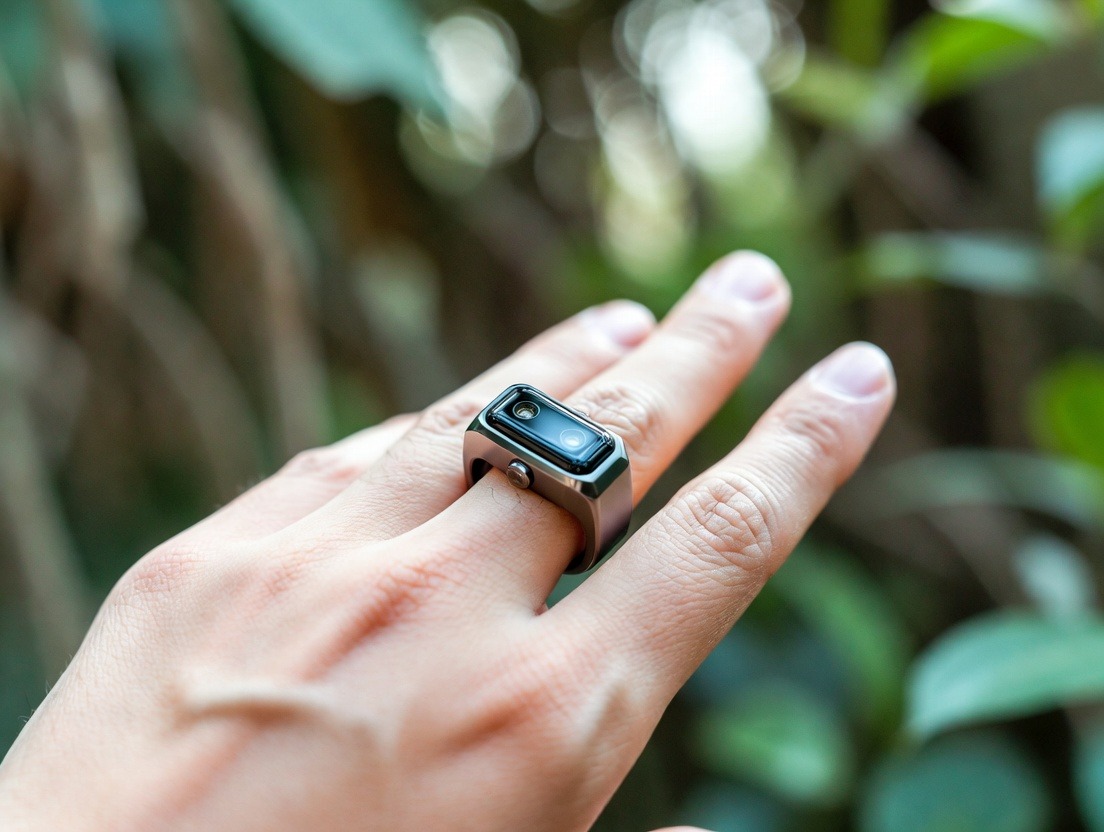
A rest and recharge guide for students dealing with exam pressure.
The Ultimate Rest and Recharge Guide for Students: How to Ace Exams Without Burning Out
The library is hushed. The air is thick with the scent of old paper and anxiety. It’s 2 AM, and you’re surrounded by a fortress of textbooks, empty coffee cups, and the gnawing dread of an 8 AM final. Your eyes burn, your head throbs, and you’ve read the same paragraph four times without absorbing a word. Sound familiar?
This all-nighter grind culture isn’t a badge of honor; it’s a blueprint for disaster. Science is clear: sacrificing sleep and well-being for cramming doesn’t lead to success—it leads to crashing. Your brain isn’t a machine you can run indefinitely. It’s a complex, biological organism that requires deliberate cycles of exertion and recovery to perform at its peak.
Welcome to a new paradigm for academic success. This isn’t another study tips list. This is a comprehensive, science-backed manual on the most underrated yet critical skill for any student: the art of strategic rest and intelligent recharging. We’re moving beyond “take a break” to a sophisticated understanding of how to build a sustainable system that fuels high performance, sharpens memory, and protects your mental health during the most demanding periods of your life.
In this guide, we’ll dismantle the myth of the tireless student and replace it with the evidence-based profile of the resilient, well-rested achiever. We’ll explore not just what to do, but why it works, from the neurochemistry of sleep to the physiology of stress. And we’ll introduce how modern tools, like advanced wellness technology from Oxyzen, can provide the personalized, real-time data you need to master this balance, transforming guesswork into a precise strategy.
Your greatest academic asset isn’t just your intelligence; it’s your well-managed energy. Let’s learn how to invest it wisely.
Why "Grind Culture" Is Failing Your Brain: The Neuroscience of Burnout
We’ve been sold a lie. The image of the successful student—pulling all-nighters, fueled by caffeine and sheer willpower—is not only unsustainable, it’s actively counterproductive. To understand why, we need to look under the hood, at what’s happening in your brain and body when you choose the grind over genuine rest.
The Stress Response Hijack: When you’re chronically stressed (as during exam season), your body remains in a low-grade "fight-or-flight" mode. The hormone cortisol floods your system. In short bursts, cortisol can enhance focus. But when levels remain elevated for days or weeks, it becomes toxic. It impairs the function of the prefrontal cortex—the brain’s executive center responsible for decision-making, focus, and complex thought—exactly what you need for tackling tough exams. Simultaneously, it hyper-activates the amygdala, the brain’s fear center, increasing anxiety and making it harder to regulate emotions. The result? You feel simultaneously wired and exhausted, unable to concentrate yet buzzing with nervous energy.
The Memory Formation Sabotage: Sleep and downtime aren’t passive activities; they are when your brain does its most critical administrative work. During deep sleep, your brain replays the day’s learnings through a process called “memory consolidation.” It transfers information from the short-term holding tank (the hippocampus) to the long-term storage vault (the neocortex), solidifying facts, concepts, and skills. Skimping on sleep is like studying hard but then shredding your notes before the test. Furthermore, research shows that during restful waking states (like daydreaming or a peaceful walk), the brain’s “default mode network” activates. This network is crucial for connecting disparate ideas, fostering creativity, and gaining insight—often leading to those “aha!” moments where complex concepts suddenly click.
The Cognitive Depletion Reality: Willpower and focus are not infinite resources. They are like muscles that fatigue. The psychological model of “ego depletion” suggests that after prolonged periods of focused self-control (like resisting distractions to study), our capacity for further discipline diminishes. Every decision—“Should I check my phone?” “What should I eat?” “I need to start that essay”—chips away at this finite pool. Without scheduled, guilt-free rest, you are essentially trying to run a marathon while constantly draining your own energy reserves. The grind culture ignores this fundamental limit of human cognition.
The data is unequivocal. A study from the University of California, Los Angeles, found that sacrificing sleep for extra study time was consistently associated with more academic problems the following day, not fewer. Another study in Psychological Science demonstrated that taking breaks during learning significantly improves long-term retention of material. Pushing through isn’t strength; it’s a strategic error.
The first step to acing your exams is to reject the broken model. True academic mastery isn’t about how long you can suffer at a desk; it’s about how effectively you can manage your biological and psychological systems to perform when it counts. This requires moving from a mindset of endurance to one of strategic renewal. It’s about working with your biology, not against it. For a deeper dive into how technology can help you understand these biological rhythms, our blog explores how health tracking technology enables personalized wellness in daily life.
The Pillars of Strategic Rest: Beyond Just Sleeping More
If rest were simply the absence of work, a coma would be the ultimate productivity hack. Obviously, it’s not. Strategic rest is an active, intentional process with multiple dimensions. Think of it as a pyramid, with each layer providing a different type of restoration. To recharge fully and build resilience for exams, you must address all four pillars.
1. Physical Rest: Passive and Active This is the most obvious layer, but it’s more nuanced than "get 8 hours."
Passive Physical Rest: This is sleep and napping. It’s non-negotiable. During sleep, your body repairs tissues, synthesizes hormones, and clears metabolic waste from the brain (via the glymphatic system). For students, prioritizing 7-9 hours of quality, uninterrupted sleep is the single most effective study “tool” you have.
Active Physical Rest: This includes activities that improve circulation and release physical tension without high exertion: stretching, yoga, foam rolling, massage, or leisurely walks. Sitting hunched over a desk for hours creates muscle stiffness and reduces blood flow to the brain. Active rest counters this, delivering oxygen and nutrients while flushing out lactic acid and stress hormones.
2. Mental Rest: Quieting the Chatter Have you ever laid in bed after a long study day, your eyes closed, but your mind races through equations, essay arguments, and to-do lists? That’s mental fatigue. Your brain is "on" but not productive.
The Practice of Mental Breaks: Schedule short "brain-dumps" every 60-90 minutes. Step away from your work and do something that requires zero cognitive effort related to your studies. Look out the window, water a plant, or listen to a song you love. The goal is to give your prefrontal cortex a true pause.
Digital Detoxification: Constant notifications, social media scrolling, and multitasking create "attention residue," where part of your focus remains on a previous task. Designate specific, short times to check messages, and use app limits. An hour of true mental rest is more restorative than four hours of fractured attention while "relaxing" online.
3. Emotional Rest: The Permission to Feel Exam season is emotionally charged—with anxiety, pressure, fear of failure, and sometimes isolation. Emotional rest is about acknowledging these feelings without letting them consume you and finding safe outlets for expression.
Ventilation, Not Rumination: There’s a difference between healthily expressing stress and ruminating on it. Talking to a trusted friend, journaling for 10 minutes, or even speaking your worries aloud to yourself can act as a release valve. The key is to then deliberately shift your focus to an activity that brings calm.
Setting Boundaries: Learning to say "no" to extra social obligations or family demands during peak study times is a form of emotional self-care. It preserves your emotional energy for the challenges that truly matter right now.
4. Sensory Rest: Resetting Your Overloaded System Our modern environment is a barrage of stimuli: bright screens, background noise, constant visual information. This sensory overload contributes significantly to fatigue.
Creating Sensory Sanctuaries: Intentionally create low-stimulus periods. This could mean studying in a quiet library carrel instead of a bustling café, using noise-cancelling headphones with calm music or brown noise, or taking a break in a dimly lit room. Even closing your eyes for a few minutes can help.
The Power of Nature: Studies consistently show that spending time in nature—"forest bathing" or just sitting in a park—lowers cortisol, blood pressure, and heart rate. The natural environment provides a gentle, rhythmic sensory input that is deeply restorative to an overstimulated nervous system.
Mastering these four pillars turns rest from a vague concept into a set of actionable practices. It’s about listening to your body and mind and responding with the right type of recharge. A smart wellness ring, like those detailed in our guide on wellness ring basics for building healthy habits, can be invaluable here, helping you identify which type of depletion you’re experiencing by tracking physiological markers like heart rate variability and sleep stages.
The Sleep Superpower: Optimizing Your Night for Maximum Recall
We touched on sleep’s role in memory, but it’s so critical it deserves its own masterclass. Think of your brain as a library. Studying is like acquiring new books. Sleep is when the librarian (your brain) catalogs, shelves, and cross-references those books so you can find the information you need quickly during the exam. Let’s optimize that process.
Understanding Sleep Architecture: Sleep isn’t a monolithic state. It cycles through stages every 90-120 minutes:
Light Sleep (Stages 1 & 2): The transition into sleep. Heart rate and breathing begin to regulate.
Deep Sleep (Slow-Wave Sleep): The physically restorative phase. Tissue growth and repair occur, energy is restored, and the brain clears out metabolic waste. Crucial for feeling physically refreshed.
REM Sleep (Rapid Eye Movement): The mentally restorative phase. This is where dreaming, memory consolidation, and emotional processing are most intense. Your brain actively integrates new information with existing knowledge, fostering creativity and problem-solving.
For learning, both deep sleep and REM are vital. A full night of 7-9 hours allows for multiple complete cycles, maximizing both physical and cognitive restoration. Cutting sleep short disproportionately robs you of REM sleep, which occurs in longer periods later in the night.
Actionable Strategies for Sleep Optimization:
Consistency is King: Go to bed and wake up at the same time every day, even on weekends. This regulates your circadian rhythm, making it easier to fall asleep and wake up naturally.
Craft a "Power-Down" Hour: The hour before bed is non-negotiable prep time. Dim lights, avoid all screens (blue light suppresses melatonin), and engage in a calm ritual: read a physical book (non-academic), listen to a podcast, do light stretches, or practice gratitude journaling.
Optimize Your Environment:
Dark: Use blackout curtains or an eye mask. Even small amounts of light can disrupt sleep quality.
Cool: Aim for a bedroom temperature around 65°F (18°C). Your body needs to drop its core temperature to initiate sleep.
Quiet: Use earplugs or a white noise machine to buffer disruptive sounds.
Be Caffeine-Smart: Caffeine has a half-life of 5-6 hours. That means if you have a coffee at 4 PM, half the caffeine is still in your system at 10 PM. Establish a "caffeine curfew" at least 8 hours before bedtime.
The Nap Strategy: If you must nap, keep it short (20-30 minutes) and before 3 PM. This can boost alertness without entering deep sleep, which can cause sleep inertia (grogginess) and disrupt nighttime sleep.
Tracking your sleep is the first step to improving it. Without data, you’re guessing. Modern wearables provide incredible insight. For a comparison of how different devices stack up, see our wellness ring basics comparison chart of top brands. By understanding your personal sleep patterns, you can make targeted adjustments to ensure you’re giving your brain the nightly reset it needs to lock in all that hard-earned knowledge.
Fueling the Machine: Nutrition and Hydration for Sustained Mental Energy
You wouldn’t put low-grade fuel in a high-performance race car and expect it to win. Your brain, which consumes about 20% of your body’s energy despite being only 2% of its weight, is that race car. During exams, its metabolic demands are even higher. What you eat and drink directly impacts your cognitive function, mood, and energy stability.
The Blood Sugar Rollercoaster: Your Focus's Worst Enemy The classic student diet of sugary snacks, refined carbs (white bread, pasta), and caffeine leads to rapid spikes and crashes in blood glucose. A spike might give a brief surge of energy, but the subsequent crash results in brain fog, irritability, fatigue, and cravings for more sugar. This cycle destroys your ability to sustain focus.
Principles of Brain-Optimized Nutrition:
Prioritize Stable Energy: Focus on foods that release glucose slowly into the bloodstream. This means combining:
The Power of Omega-3s: These essential fats, particularly DHA, are critical for brain cell membrane health and cognitive function. Sources include salmon, walnuts, chia seeds, and flaxseeds. Consider them brain lubrication.
Antioxidant-Rich Foods: Mental exertion creates oxidative stress. Combat it with a rainbow of fruits and vegetables—berries, leafy greens, bell peppers—which are packed with antioxidants that protect brain cells.
Stay Hydrated, Think Clearly: Even mild dehydration (as little as 1-2%) can impair concentration, short-term memory, and alertness. Water is essential for delivering nutrients to the brain and removing toxins. Keep a water bottle at your desk and sip consistently. Herbal teas are also excellent.
Practical Exam-Season Eating Strategy:
Never Skip Breakfast: Start your day with a balanced meal. Example: scrambled eggs with spinach and whole-grain toast, or oatmeal topped with nuts and berries.
Smart Snacking: Replace candy and chips with brain-fueling options:
Apple slices with almond butter
A handful of mixed nuts and seeds
Greek yogurt with a drizzle of honey
Veggie sticks with hummus
The Caffeine Conversation: Use caffeine strategically, as a performance enhancer, not a crutch. One cup of coffee or tea in the morning can improve alertness. Avoid using it to compensate for poor sleep or as an afternoon pick-me-up that will sabotage your night.
Nutrition is highly personal. What fuels one person might cause a slump in another. Paying attention to how different foods make you feel—energized or sluggish, focused or foggy—is a form of self-research. For those interested in using technology to understand their body’s unique responses, exploring how a device can support different health goals is a great starting point. By treating food as information for your biology, you empower yourself to make choices that build steady, reliable mental energy all day long.
Movement as Medicine: How Exercise Sharpens Your Mind and Melts Stress
The thought of "finding time to exercise" during exams can feel laughable. But reframe it: strategic movement isn't about hitting the gym for an hour; it's a non-negotiable, efficiency-boosting study aid. Physical activity is one of the most potent, scientifically-validated tools for enhancing cognitive function and managing stress.
The Cognitive Benefits: More Than Just a "Clear Head"
Neurogenesis & BDNF: Exercise, particularly aerobic exercise, stimulates the production of Brain-Derived Neurotrophic Factor (BDNF). Think of BDNF as "Miracle-Gro" for your brain. It encourages the growth of new neurons and strengthens the connections between them, directly enhancing learning and memory.
Increased Blood Flow: Movement gets your heart pumping, delivering more oxygen and nutrient-rich blood to your brain. This immediate boost can sharpen focus and creativity, making your study session after a walk more effective than one preceded by four hours of stagnant sitting.
Enhanced Executive Function: Regular physical activity improves the capabilities of the prefrontal cortex—planning, decision-making, focus, and impulse control. Essentially, it strengthens the very brain region you rely on to stick to your study plan and resist distractions.
The Stress-Busting Mechanisms:
Endorphin Release: Exercise triggers the release of endorphins, the body's natural mood elevators and pain relievers, creating the well-known "runner's high."
Cortiol Clearance: It helps metabolize and clear excess stress hormones like cortisol and adrenaline from your bloodstream, actively dialing down your body's stress response.
Meditative Movement: Repetitive activities like walking, running, or swimming can induce a state of "active meditation," quieting the mind's chatter and providing a mental reset.
Implementing the "Movement Microdosing" Strategy: You don't need marathon training sessions. The key is consistent, integrated movement.
The Pomodoro Power-Up: Tie movement to your study intervals. After a 25-minute focused study session (a Pomodoro), use your 5-minute break to get up and move: do 10 jumping jacks, stretch, walk up and down a flight of stairs, or dance to one song.
The Walking Meeting/Review: Turn passive review into active learning. Listen to a recorded lecture, a podcast summary of your material, or recite notes to yourself while taking a brisk 20-30 minute walk outside.
Desk-Based Movement: Set a timer to remind you to stand up, stretch, or do seated leg lifts every 30 minutes. Consider a cheap under-desk peddler to keep your legs moving during long reading sessions.
The 20-Minute Rule: If you're stuck on a problem, feeling foggy, or overwhelmed with anxiety, commit to 20 minutes of moderate exercise (a brisk walk, a bike ride, a yoga flow). You'll almost always return to your work with greater clarity and calm.
Tracking your activity isn't just about counting steps; it's about understanding the relationship between movement and your mental state. A wellness device can reveal how a short walk improves your heart rate variability (a marker of recovery) or how consistent activity correlates with better sleep. Learn more about the fundamentals of this in our primer on wellness ring basics for activity and movement tracking. By viewing movement as a direct deposit into your cognitive and emotional bank account, it becomes an essential part of your study schedule, not a distraction from it.
The Art of the Strategic Break: From Time-Wasting to Brain-Recharging
Not all breaks are created equal. Scrolling through social media for 20 minutes is a break from studying, but it’s not restorative. It often leaves you feeling more distracted and mentally cluttered. A strategic break, however, is designed to actively facilitate recovery and prepare your brain for the next period of focused work. Let’s master the science of the pause.
The Ultradian Rhythm: Your Body's Natural Productivity Clock Humans don’t operate well in a linear, 8-hour stretch of focus. We operate on ultradian rhythms—biological cycles that last about 90-120 minutes. Within each cycle, we have a period of high alertness (roughly 60-90 minutes) followed by a natural dip in energy and focus (20-30 minutes). Fighting this dip is futile and inefficient. The strategic approach is to align your work-rest schedule with this rhythm.
Work in 60-90 minute "sprints" of deep, undistracted focus.
Then, take a genuine 15-20 minute recovery break when you feel your concentration waning. This respects your biology and prevents the steep decline in performance that comes from pushing through fatigue.
What Makes a Break "Strategic"? A strategic break should accomplish one or more of the following: change your physical state, engage a different part of your brain, or provide genuine mental detachment.
Move: A quick walk, stretching, a few yoga poses, dancing.
Hydrate & Nourish: Get a glass of water and a healthy snack. The act of preparing a cup of herbal tea can be a mindful ritual.
Power Nap: A 10-20 minute nap (no longer!) can dramatically improve alertness and memory recall without sleep inertia.
Category 2: Mentally Shifting Breaks (10-20 mins)
Creative Expression: Doodle, play a musical instrument, write a few lines of poetry. This engages the brain's right hemisphere.
Micro-Task Completion: Do a small, manageable chore that gives a sense of accomplishment—organize your desk, water plants, put away laundry. This provides closure and satisfaction.
Connect Socially: Have a brief, lighthearted conversation with a housemate or call a family member. Key: Avoid talking about exams or stress! This is for social connection, not venting.
Nature Immersion: Sit in a park, walk around a tree-lined block, or simply look at the sky. This is a powerful sensory reset.
Mindfulness or Meditation: Use an app for a short guided meditation or simply focus on your breath for 5-10 minutes. This trains your attention muscle and lowers stress hormones.
Passive Enjoyment: Listen to music (without watching a screen), sit quietly with your eyes closed, or enjoy a view.
What to AVOID in a Break:
Social Media/Endless Scrolling: This is mental junk food. It often increases anxiety (via social comparison) and bombards your brain with new, disjointed information.
Checking Work/Study Email: This keeps you in the same cognitive context.
Starting Another Complex Task: The goal is recovery, not task-switching fatigue.
By planning your breaks as intentionally as you plan your study sessions, you transform them from guilty time-wasters into powerful performance enhancers. For more ideas on structuring a balanced wellness routine, our blog offers 50 healthy aging tips a smart ring helps implement daily—many of which are perfectly applicable to a student’s need for sustainable habits.
Taming the Anxiety Beast: Mindfulness and Stress-Management Techniques for Peak Performance
Some level of stress is functional—it gets you to the library and provides motivation. But when anxiety becomes a constant, roaring background noise, it hijacks the cognitive resources you need for studying. You can’t eliminate stress during exams, but you can learn to manage your response to it, transforming anxiety from a beast that controls you into a signal you can acknowledge and calm.
Understanding the Anxiety Cycle: Anxiety often starts with a physical sensation (a racing heart, tight chest, upset stomach). The mind then catastrophizes ("My heart is racing, I'm having a panic attack, I'm going to fail"). This thought fuels more physical anxiety, creating a vicious loop. The key is to interrupt this cycle at either the physical or mental level.
Technique 1: Grounding in the Present (The 5-4-3-2-1 Method) When you feel a wave of panic or overwhelming worry hitting during study, use your senses to anchor yourself right now.
Name 5 things you can SEE around you (e.g., the blue pen, the wood grain of the desk, a crack in the wall).
Name 4 things you can FEEL (e.g., the texture of your jeans, the cool air on your skin, the floor under your feet).
Name 3 things you can HEAR (e.g., the hum of the laptop, distant traffic, your own breath).
Name 2 things you can SMELL (e.g., the scent of coffee, laundry detergent).
Name 1 thing you can TASTE (e.g., the lingering taste of mint gum). This simple exercise forces your brain to shift from the abstract, fearful future to the concrete, safe present, breaking the anxiety spiral.
Technique 2: Diaphragmatic Breathing (Physiological Sigh) You can directly signal your nervous system to calm down through your breath.
The Double-Inhale Exhale (Physiological Sigh): Inhale slowly through your nose, then take one more quick inhale to fully fill your lungs. Now, exhale slowly and completely through your mouth, making a "whoosh" sound. Repeat 2-3 times. This pattern is proven to be the fastest way to reduce physiological arousal and stress.
Box Breathing (4-4-4-4): Inhale for a count of 4, hold your breath for 4, exhale slowly for 4, hold for 4. Repeat for 1-2 minutes. This regulates your heart rate and brings immediate focus.
Technique 3: Scheduled Worry Time It sounds counterintuitive, but it works. If anxious thoughts are constantly intruding, give them a dedicated appointment.
Set a timer for 10-15 minutes each day (e.g., 5 PM). During this time, your only job is to worry. Write down every catastrophic thought, every fear. Pour it all out.
When the timer goes off, close the notebook. If an anxious thought arises outside this time, gently tell yourself, "I have an appointment to deal with you at 5 PM." This practice contains the worry, preventing it from bleeding into every moment of your day, and often reveals how repetitive and manageable the thoughts are when confronted directly.
Technique 4: Cognitive Defusion Learn to see your thoughts as just that—thoughts, not absolute truths or commands.
When a thought arises like "I'm going to fail," add a prefix to it: "I'm having the thought that... I'm going to fail." Or say it in a silly voice in your head. This creates psychological distance, reducing the thought's emotional power and allowing you to choose whether to engage with it or let it pass like a cloud in the sky.
Consistency with these techniques is more important than duration. A one-minute breathing exercise every hour is more powerful than one 20-minute session you never do. To understand how technology can support this awareness, our article on the science behind modern health tracking technology explains how biometric feedback can help you recognize early signs of stress. By building a toolkit of these practices, you develop resilience, ensuring that anxiety is a passenger on your exam journey, not the driver.
Your Environment as a Sanctuary: Designing Spaces for Focus and Calm
You are in a constant, subtle dialogue with your environment. The space where you study and rest isn't just a backdrop; it's an active participant in your cognitive and emotional state. Clutter breeds cognitive clutter. Harsh lighting induces strain. A space associated only with stress becomes a trigger for anxiety. Let's transform your environments into allies for focus and recovery.
The Study Zone: Engineering for Deep Work
The Dedication Principle: If possible, designate a specific spot only for studying. This could be a desk, a specific library table, or a café corner. Over time, your brain will associate this space with focused work, making it easier to "click into gear" when you sit down.
Declutter for Clarity: A messy space competes for your brain's attentional resources. Start each study session with a 2-minute tidy: clear unnecessary items, have only the materials for your current task on the desk, and put away distractions. A clear space promotes a clear mind.
Master Your Lighting: Natural light is ideal, boosting mood and alertness. For evening work, use layered lighting: ambient light in the room plus a warmer, focused task light on your desk to reduce eye strain. Avoid relying solely on the harsh, overhead light.
Soundscaping: If silence is golden, control your audio environment. For deep focus, try:
Noise-Cancelling Headphones: To create silence in a noisy dorm or home.
Focus-Enhancing Sounds: Brown noise or white noise can mask disruptive sounds more effectively than music. For music, choose instrumental, low-tempo genres (classical, lo-fi, ambient). Avoid lyrics, which engage the language centers of your brain you need for studying.
Ergonomics Matter: Discomfort is a distraction. Ensure your chair supports your lower back, your screen is at eye level, and your wrists are straight. This isn't a luxury; it's about removing minor physical irritants that pull your focus.
The Rest & Recharge Zone: Crafting a Recovery Oasis This is equally critical. Your bed should be for sleep and relaxation only—not for studying, watching stressful news, or scrolling social media. This strengthens the mental association between your bed and rest.
Sensory Separation: Make your rest space distinct. Use softer lighting (lamps, fairy lights, salt lamps), calming scents (lavender or chamomile essential oil in a diffuser), and comfortable textures (a soft blanket, supportive pillows).
A "Worry Drop-Off" Station: Keep a small notebook and pen by your bed. If racing thoughts are keeping you awake, write them down. This act of externalizing them signals to your brain, "It's recorded, you can let it go until morning."
The Digital Sunset: Make your bedroom a phone-free zone, or at least use a strict charging station away from your bed. The temptation to "check one last thing" is a major sleep thief and anxiety trigger.
Your environment should serve your goals. By intentionally designing your spaces, you remove friction from your study process and make true recovery not just possible, but effortless. For those considering a tech-enhanced approach to understanding their environment's impact, learning how a device can help personalize to your body and responses is a logical next step. Your surroundings are a tool—make them work for you.
Having laid the foundational principles of strategic rest—from debunking grind culture to optimizing your sleep, nutrition, movement, breaks, mindset, and environment—we now move into the advanced application of this system. This next portion focuses on integrating these elements into a cohesive, personalized strategy, leveraging technology for insight, and building the resilience needed not just to survive exams, but to thrive through them with clarity and calm. The journey from knowledge to mastery requires a tailored plan and the right tools for feedback. Let’s build that plan.
Building Your Personalized Rest & Recharge Schedule: A 7-Day Blueprint
Theory is powerless without execution. Knowing you need sleep, breaks, and good food is one thing; weaving them seamlessly into the relentless pressure of exam week is another. This is not about adding more to your to-do list; it’s about intelligent scheduling—designing your time to alternate between focused energy expenditure and deliberate recovery, creating a sustainable rhythm that peaks for your exams.
The Core Philosophy: Rhythm Over Balance Forget "work-life balance" during intense study periods—it sets an unrealistic standard. Aim for a rhythm of exertion and recovery. Your schedule should look like a series of waves, not a flat line of grinding or a chaotic scribble. We'll build this rhythm using time-blocking, aligning with your ultradian rhythms and personal energy patterns.
Step 1: The "Energy Audit" (Do this 1 week before exams) You cannot build an effective schedule without self-awareness. For 2-3 days, simply observe:
When are you naturally most alert and focused? (Morning person? Night owl? Post-lunch slump?)
What activities truly drain you vs. recharge you? (Does socializing energize or exhaust you? Does a 20-minute walk clear your head or feel like a chore?)
What are your non-negotiable anchors? (A family dinner, a weekly call home, your sports practice?)
Step 2: The Master Time-Block Template Divide your waking day into large blocks dedicated to a single type of activity. This reduces decision fatigue and context-switching.
Block A: Deep Work Sprint (90-120 minutes) – Your highest-priority, most challenging study task. Phone on airplane mode, website blockers on, in your dedicated study zone. Schedule this during your peak energy window.
Block B: Active Recovery Break (20-30 minutes) – A true strategic break using the principles from earlier. Mandatory after every Deep Work Sprint.
Block C: Administrative/Light Work (60 minutes) – Lower-cognitive tasks: reviewing flashcards, organizing notes, making study guides, emailing professors. Schedule during lower-energy times.
Block D: Physical & Mental Recharge (60-90 minutes) – A longer period for a proper meal, exercise, mindfulness practice, or a hobby. This is not "free time"; it's a scheduled performance enhancer.
Block E: Social & Connection (Variable) – Intentional time with friends or family, with a ground rule: Minimize exam talk. This is for laughter and connection, not stress contagion.
Block F: Wind-Down Ritual (60 minutes before bed) – The non-negotiable screen-free transition to sleep.
Step 3: Assembling Your 7-Day Exam Week Blueprint Here is a sample framework for a day with one exam and one day of heavy study. Adapt the times to your chronotype.
Sample: Exam Day Schedule
7:00 AM: Wake up (consistency!)
7:00 - 7:30: Block D: Gentle movement (stretching/yoga), hydration, exposure to morning light.
7:30 - 8:15: Block D: Nourishing breakfast, no cramming. Listen to calming music or sit in silence.
8:15 - 8:45: Block C: Light, confidence-boosting review only (e.g., skim a summary sheet). Avoid new material.
8:45 - 9:15: Prepare, travel to exam venue calmly.
9:30 - 11:30: EXAM.
11:30 - 1:00 PM: Mandatory Mental Reset. Block D: Get outside, eat lunch away from other students dissecting the test. Do not check answers. This is a cognitive palate cleanser.
1:00 - 3:00: Block D or E: True downtime. A nap, a walk in nature, watch a fun show. Your brain needs a full reset.
3:00 - 5:00: Block C: Gently transition back. Organize notes for the next exam, do light administrative tasks.
5:00 onwards: Return to your standard rhythm with a Block D for exercise, Block E for social, and your Block F wind-down.
Sample: Heavy Study Day Schedule
8:00 AM: Wake up / Light
8:30 - 10:00: Block A: Deep Work Sprint 1 (Hardest subject)
The Key to Adherence: Flexibility & Self-Compassion. This is a blueprint, not a prison. If you miss a block, don't collapse the entire day. Gently move to the next block. The structure is there to serve you, not judge you. For more on building sustainable daily systems, our article on how a wellness ring helps build healthy habits offers complementary strategies for making routines stick.
Leveraging Technology: How a Smart Wellness Ring Becomes Your 24/7 Recovery Coach
In your quest to optimize rest, you've been flying blind. You guess at your sleep quality. You wonder if that coffee affected you. You're not sure if your "calm" is actually physiologically calm. This is where modern wellness technology, specifically the advanced smart ring, transitions from a gadget to an essential tool for self-mastery. It provides the objective data you need to replace guesswork with precision.
Beyond Step Counting: The Biometrics That Matter for Cognitive Performance A sophisticated wellness ring like Oxyzen measures what's happening beneath the surface, offering a dashboard for your nervous system.
Heart Rate Variability (HRV): Your Ultimate Recovery Score: HRV is the subtle variation in time between your heartbeats. A higher HRV generally indicates a more resilient, recovered, and adaptable nervous system—one better equipped to handle stress and maintain focus. A low or dropping HRV is a clear, data-driven sign from your body that you are overreaching and need more rest. Tracking HRV can tell you if your schedule is sustainable or if you need to dial back.
Resting Heart Rate (RHR) & Respiratory Rate: Elevated RHR and respiratory rate, especially during sleep, can be early indicators of elevated stress, illness, or overtraining—all enemies of peak exam performance.
Sleep Staging & Quality Metrics: It's not just about duration. A good ring analyzes how much time you spend in Light, Deep, and REM sleep. Seeing a night with poor deep sleep can explain why you feel physically drained, while a lack of REM can correlate with difficulty consolidating memories. This data allows you to tweak your wind-down ritual, bedroom environment, or evening caffeine intake with measurable results.
Body Temperature Trends: Continuous temperature monitoring can provide insights into circadian rhythm alignment and even signal the onset of illness before you feel symptoms, allowing you to proactively rest.
Actionable Intelligence, Not Just Data: The power is in the interpretation. A quality wellness platform turns this data into insights:
A Daily Readiness Score: Imagine waking up to a single number (out of 100) that synthesizes your sleep, HRV, and activity data to tell you, "You're at 85% today—good to go for deep work," or "You're at 60%—prioritize recovery, keep study light." This takes the guesswork out of "how hard should I push today?"
Trend Analysis: Over the weeks of a semester, you can see the impact of all-nighters (a plummeting readiness score), the benefit of a consistent sleep schedule (rising HRV trend), and how exercise or meditation positively affects your metrics.
Personalized Nudges: The system can learn your patterns and suggest, "Your data shows elevated stress. Consider a 10-minute breathing exercise," or "You've had two nights of low deep sleep. Aim for a 20-minute nap today."
Applying Ring Data to Your Exam Strategy:
Pre-Exam Taper: In the 3-4 days before a major exam, use your readiness score to guide your study intensity. A low score means you switch to only light review and prioritize sleep—this is "sharpening the axe."
Identifying Stress Triggers: Correlate a spike in resting heart rate or a drop in HRV with specific events: "Every time I study Subject X, my stress spikes. I need to approach it with more breaks or a different technique."
Optimizing Break Timing: Use your body temperature or heart rate data to identify your natural energy dips and schedule your strategic breaks precisely then, rather than at arbitrary times.
This level of self-knowledge is revolutionary. It externalizes your internal state, giving you the power to make informed decisions. It turns well-being from a vague concept into a measurable, improvable system. For a foundational understanding of what this technology can do, start with our guide on wellness ring basics for beginners. In the context of exams, a smart ring isn't a distraction; it's your 24/7 biofeedback coach, whispering evidence-based advice on how to structure your day for maximum mental performance.
The Night Before & Morning Of: Executing the Perfect Exam Day Protocol
All your preparation culminates in these critical hours. What you do (and don’t do) in the 24 hours leading to an exam can significantly influence your access to the knowledge you’ve worked so hard to store. This is not the time for drastic changes or heroic efforts. It’s a time for calm, confident execution of a pre-tested routine.
The "Taper" Philosophy: Think of yourself as an athlete before a race. You wouldn’t run a marathon the day before. Similarly, the day before an exam is for light activation, not heavy lifting.
The Day Before (D-1) Protocol:
Morning & Afternoon: Engage in Block C (Light Work) only. Finalize summary sheets, review mind maps, do practice problems for confidence, not for learning new concepts. The goal is to reinforce neural pathways, not carve new ones.
The "Final Review" Cut-Off: Set a firm, non-negotiable time in the early afternoon (e.g., 3 PM) after which you will not look at any material for that exam. Your brain needs time to consolidate without new input.
Evening - The Sanctuary Shift: After your cut-off, your mission is psychological and physiological preparation.
Block D - Physical: Engage in light-to-moderate exercise (a gentle walk, yoga) to burn off nervous energy and promote later sleep.
Nourishment: Eat a familiar, balanced dinner with complex carbs for overnight brain fuel (e.g., sweet potato, quinoa) and lean protein. Avoid heavy, greasy, or excessively spicy foods that could disrupt sleep.
Block F - Wind-Down, Amplified: Begin your wind-down ritual even earlier. Take a warm bath or shower (the drop in body temperature afterward aids sleep). Lay out your clothes, pack your bag with all necessary items (ID, pens, calculator, water bottle), and place it by the door. This "closing the loop" on logistics eliminates morning anxiety.
Mental Hygiene: If anxious thoughts arise, use your scheduled worry time technique or jot them in your "worry drop-off" notebook. Consciously redirect your mind to a engaging but light activity: watch a comforting movie, play a simple game, or read fiction.
Sleep: Lights out at your consistent time. Trust your preparation. The most valuable thing you can do now is gift your brain a full sleep cycle to organize and integrate everything.
The Exam Morning (D-Day) Protocol:
Wake Up Gracefully: Allow time to wake up without an alarm blast if possible. If you use an alarm, choose a gentle, gradual sound.
Light & Movement: Get bright light exposure immediately (open curtains, go outside). Do 5-10 minutes of gentle stretching or mobility exercises to increase blood flow.
The Confidence-Boosting Breakfast: Eat a meal you know sits well and provides steady energy: eggs with avocado, oatmeal with nuts and berries. Include a glass of water. Avoid heavy, sugary cereals or pastries that will cause a mid-exam crash.
The "Warm-Up" Review: If you must review, limit it to 20 minutes max, looking only at your summary sheet or key formulas. This is a mental warm-up, not a cram session. It should feel like flipping through a familiar playlist, not learning new songs.
The Pre-Exam Anchor: Create a 5-minute centering ritual just before the exam. This could be:
Listening to a specific pump-up song.
Doing a 2-minute box-breathing exercise.
Repeating a chosen affirmation ("I am prepared. I am focused. I can handle this.").
Logistics: Arrive with time to spare, but not so early that you stand in an anxiety-filled hallway. Use the extra minutes for your centering ritual, not last-minute fact-checking with peers.
By having a strict, rehearsed protocol, you eliminate countless micro-decisions that drain willpower. You move from a state of "What should I do?" to one of "I know what to do." This creates a powerful sense of control and calm, priming your brain for recall, not panic. For insights into how continuous monitoring can help you refine this protocol based on your body's signals, explore our article on wellness ring basics: continuous vs. periodic monitoring.
Social Dynamics and Support Systems: Navigating Relationships During High-Stress Periods
Exams aren't taken in a vacuum. Your relationships—with roommates, partners, family, and study groups—can be either a tremendous source of strength or a significant drain on your energy. Managing these dynamics proactively is a critical, yet often overlooked, component of your rest and recharge strategy.
The Stress Contagion Effect: Stress is socially contagious. Sitting in a library surrounded by panicked students, or being in a study group where conversation spirals into catastrophic "what-if" scenarios, can directly elevate your own cortisol levels. You must be the guardian of your own emotional environment.
Strategies for Healthy Study Groups:
Set an Agenda & Time Limit: Begin each session by stating the goal (e.g., "review chapters 5-7, work on practice problems 1-5") and a hard stop time. This keeps the group focused and prevents it from becoming a marathon anxiety session.
Implement a "No Venting" Rule: Agree as a group that while it's okay to say "I find this topic challenging," you will avoid open-ended complaining and catastrophic predictions. Redirect with "Okay, so what's our plan to tackle it?"
Build in Strategic Breaks: Use your Pomodoro technique as a group. Study for 25 minutes, then take a 5-minute break to chat about something non-academic, stretch, or get water together. This builds positive association and prevents burnout.
Communicating with Family and Friends:
Proactive, Kind Communication: Before exam week hits, communicate your needs clearly to those close to you. "I have exams from the 10th to the 17th. I'll be less available, and I might seem stressed. It's not personal, and I really appreciate your support. I'll be more present after the 18th."
Offer Reassurance: Often, family adds pressure because they care and feel shut out. Giving them a simple update ("The study plan is going well, my first exam is Tuesday") can alleviate their anxiety, which in turn reduces pressure on you.
Schedule Connection Intentionally: Instead of being sporadically unavailable and irritable, schedule a short, quality check-in. A 20-minute call where you ask about their life can be more meaningful and recharging for both parties than days of strained, partial attention.
Managing Roommate and Shared Space Dynamics:
Negotiate "Quiet Hours": Have a frank discussion about needed quiet times for focused study. Use headphones, and consider creating a shared calendar marking important exam times for mutual awareness.
Create a "Do Not Disturb" Signal: A simple sign on your door or headphones on can be a clear, non-confrontational way to indicate you're in a deep work sprint.
Be a Good Roommate in Return: Respect their needs when they are studying, and be proactively helpful during your downtime (e.g., making a shared pot of coffee). Reciprocity builds goodwill.
Knowing When to Isolate (Temporarily): It is perfectly acceptable—and sometimes necessary—to temporarily withdraw to protect your energy. If a particular friend is a consistent source of drama or negative energy during stressful times, it's okay to say, "I need to go into hermit mode to focus for a few days. I'll catch up with you as soon as I'm done." True friends will understand.
Your support system should act as a buffer against stress, not an amplifier. By setting clear boundaries, communicating with kindness, and curating your immediate social environment, you preserve precious cognitive and emotional resources for the task at hand. Reading about real user experiences with wellness tools can also highlight how others have managed similar balance challenges.
The Post-Exam Reset: How to Recover Quickly and Prepare for the Next Challenge
You walk out of the exam hall. A wave of relief crashes over you, quickly followed by exhaustion, mental fog, and often, a compulsive need to dissect every question with peers. This post-exam window is a critical vulnerability point. Mishandling it can leave you depleted for the next exam, dragging the stress of the previous one forward. You need a deliberate cognitive and emotional reset protocol.
Phase 1: The Immediate Debrief (The First 60 Minutes)
The Golden Rule: NO ANSWER COMPARISON. Nothing is more toxic to your peace and confidence than the post-mortem. You cannot change your answers. This discussion only serves to amplify doubt and anxiety. Politely exit with a pre-prepared phrase: "I need to let that one settle in my mind before I talk about it. Catch you later!"
Perform a Symbolic Release: Do something physical to symbolize letting go. This could be tearing up your scrap paper (safely), taking a deep breath and exhaling forcefully as you walk away, or simply changing your location immediately.
Hydrate and Refuel: Your brain has just run a marathon. Drink a full glass of water and eat a small, protein-rich snack (a handful of nuts, a yogurt) to stabilize blood sugar.
Phase 2: The Mandatory Mental Detox (2-4 Hours) This is non-negotiable. Your brain needs to shift out of intense focus and stress mode.
Engage in a Fully Absorbing, Non-Academic Activity: You need "flow state" in something unrelated. This could be:
A hard workout (to physically metabolize stress hormones).
Playing a musical instrument.
Getting lost in a video game or a movie.
Cooking an elaborate meal.
Avoid: Passive scrolling, which doesn't actively engage enough of your brain to create a true shift.
Phase 3: The Gentle Transition (Evening of Exam Day)
Assess, Don't Obsess: Once you've had your detox, if you must, allow yourself a brief, structured reflection. Write down one thing you felt good about and one thing you'd do differently for next time (e.g., "Manage time better on essay questions"). Then close the notebook. This turns the experience into a learning point, not a rumination trap.
Re-engage Your Routine: By evening, deliberately re-engage the healthy habits from your schedule. Go to your exercise class, cook a good dinner, connect with a friend (with a ban on exam talk), and execute your wind-down ritual. This signals to your body and mind that the crisis is over and normal, sustainable operations have resumed.
Sleep, Above All: Prioritize going to bed at your regular time. This is the single most effective reset button for your brain.
Phase 4: Strategic Preparation for the Next Hurdle (The Next Day)
Morning After Assessment: Check your wellness data if you have it. What was your sleep score? How is your HRV? Let this objective data guide your day. A low readiness score means you prioritize light review and extra recovery.
The "Next Exam" Ramp-Up: Begin with Block C (Light Work) for the next subject. Gently organize your materials, review your study plan, and schedule your next deep work sessions. Ease back into the rhythm; don't jump into another 4-hour cram because you feel guilty about relaxing.
This structured reset prevents the "exam hangover" from ruining your subsequent performance. It treats each exam as a discrete event, allowing you to approach the next one with a fresh mind and restored energy. It’s the hallmark of a resilient, strategic student. For long-term habit sustainability, principles like those discussed in our guide on wellness ring basics for maintenance and care apply to your own routines as well—consistent upkeep leads to lasting performance.
Long-Term Resilience: Building Habits That Extend Beyond Exam Season
The ultimate goal of this guide is not just to get you through finals week. It’s to equip you with a philosophy and a toolkit for sustainable high performance throughout your academic career and beyond. The habits you forge under pressure can become the foundation for a healthier, more balanced, and more successful lifestyle. Let’s look at how to transition from "exam survival mode" to "thriving student mode."
Identifying Keepers: What to Carry Forward Post-exams, conduct a gentle review. Which practices from your intense schedule genuinely served you?
Did the time-blocking method reduce your anxiety?
Did the strategic breaks make your study more effective?
Did the wind-down ritual improve your sleep?
Did tracking a biometric (like sleep) give you valuable insight?
These are not "exam tricks"; they are life skills. Choose 2-3 that had the biggest positive impact and commit to integrating them into your regular semester routine, even if in a scaled-down form.
The 80/20 Rule for Semester Wellness: You don't need to live at exam-level optimization all year. Apply the Pareto Principle: 80% of your well-being benefits will come from 20% of the habits.
The Non-Negotiable Core: Identify your personal core. For most, this is: Consistent Sleep Schedule + Regular Movement + Strategic Breaks. Protect these three during a normal week, and you'll maintain a baseline of resilience that makes future crunch times far easier.
The Flex Habits: Nutrition, detailed tracking, strict digital detoxes can be practiced with more flexibility during lower-stress periods.
Creating a "Maintenance" Schedule: Design a lighter version of your exam blueprint for regular weeks.
1-2 Deep Work Sprints per day for ongoing class preparation.
Protected Wind-Down Ritual at least 3 nights a week.
Weekly "Energy Audit" Check-in: Spend 10 minutes on Sunday reviewing your upcoming week and scheduling your core wellness blocks (gym time, meal prep, social events) first, before letting academic work fill all the space.
Using Technology for Long-Term Trend Analysis: This is where a wellness ring shines over time. Look beyond daily scores at long-term trends over a semester or year.
Is your average HRV trending upward, indicating greater resilience?
Can you see the clear impact of holidays and breaks on your recovery metrics?
How do your sleep patterns change with different class schedules?
This macro-view teaches you about your personal constitution and helps you plan proactively. You might learn you need two full days to recover from an all-nighter, which makes it a strategically poor choice except in absolute emergencies. For a vision of where this personal data is heading, read about the future of wearable health tech.
Building a Resilience Mindset: Finally, internalize the core lesson: Performance is an output of well-being. Your ability to think, create, and succeed is directly fuelled by how well you care for your biological and psychological systems. This isn't selfish; it's strategic. By making intentional rest and recharge a permanent part of your identity as a student, you don't just get better grades—you build a foundation for a lifetime of sustainable achievement and health.
This concludes the first portion of our comprehensive guide. You now possess a deep understanding of the why and the how—from the cellular level to the practical daily schedule. The principles of strategic rest, powered by self-awareness and aided by modern technology, provide a roadmap to not only survive your academic challenges but to excel through them with greater ease, less suffering, and more joy in the learning process itself.
The final portion of this guide moves from theory and personal strategy into advanced application, community building, and future-proofing your skills. Here, we address nuanced challenges, explore the intersection of technology and holistic health, and provide a concrete action plan to transform this knowledge into your new academic operating system. This is where the art of strategic rest becomes a cornerstone of your long-term success and well-being.
Advanced Recovery Techniques: Biohacking for Cognitive Endurance
Once you’ve mastered the fundamentals of sleep, nutrition, movement, and mindfulness, you can explore advanced, evidence-based techniques to fine-tune your body and mind for peak performance. Think of these as "tools for your toolkit" to deploy during the most intense periods of demand.
1. Strategic Temperature Manipulation:
Cold Exposure (Cryotherapy): Short bursts of cold—such as a 30-90 second cold shower at the end of your morning routine—can have a profound impact. It triggers a flood of norepinephrine, a neurotransmitter that boosts alertness, focus, and mood. It also reduces inflammation and can improve sleep quality by lowering core body temperature. Application: Use a morning cold plunge or shower to create acute, focused alertness for an early study session.
Heat Exposure (Sauna): Heat exposure, particularly in a dry sauna, promotes relaxation, improves cardiovascular health, and can aid in the release of endorphins. The deep relaxation following a sauna session can be excellent for evening wind-down. Application: A 15-20 minute sauna session in the late afternoon can help shed the physical tension of a long study day and prepare your nervous system for rest.
2. Neuro-Acoustics and Binaural Beats: Sound can directly influence brainwave states.
Binaural Beats: When you listen to two slightly different frequencies in each ear, your brain perceives a third, "phantom" beat. Research suggests these can encourage your brain to entrain to specific states:
Beta waves (14-30 Hz): For focused, analytical study sessions.
Alpha waves (8-13 Hz): For relaxed, creative thinking and light review.
Theta waves (4-7 Hz): For deep meditation, pre-sleep relaxation, or accessing subconscious insights.
Application: Use headphones and curated binaural beats tracks during specific study blocks. Use alpha/theta tracks during your wind-down ritual to facilitate the transition to sleep.
3. Nootropic Fundamentals (With Caution): "Nootropics" are substances claimed to improve cognitive function. The most effective and safest are often not pills but nutrients and adaptogens.
L-Theanine & Caffeine Synergy: L-Theanine, an amino acid found in green tea, promotes relaxation without drowsiness. When combined with a small amount of caffeine (like a cup of coffee), it can create a state of "calm focus," smoothing out the jittery side effects of caffeine. Application: Consider an L-Theanine supplement (100-200mg) with your morning coffee for sustained, smooth focus.
Adaptogens for Stress Resilience: Herbs like Rhodiola Rosea and Ashwagandha have been shown to help the body adapt to stress, potentially lowering cortisol levels and reducing fatigue. Crucial Note: Always consult a healthcare professional before introducing any supplement, especially to understand interactions and appropriate dosing.
4. Breathwork for Specific States: Beyond basic diaphragmatic breathing, advanced patterns can induce specific states.
The Wim Hof Method (Power Breathing): A cyclical pattern of 30-40 deep breaths followed by a breath hold. This can increase energy, reduce stress, and improve focus. Best for: A morning energy boost or a pre-study session energizer.
4-7-8 Breathing (Relaxing Breath): Inhale for 4, hold for 7, exhale for 8. This is a powerful tool to quickly down-regulate the nervous system. Best for: Instantly calming pre-exam nerves or quieting your mind before bed.
These advanced techniques provide levers to pull for specific outcomes. However, they are enhancements, not replacements, for the foundational pillars of sleep, nutrition, and exercise. For those using a smart ring, these practices offer fascinating data correlations; you can literally see how a cold shower spikes your HRV or how a specific breathwork session lowers your resting heart rate. Discover more about the science behind the sensors and algorithms that make tracking these subtle changes possible.
When to Seek Help: Recognizing Signs of Burnout, Anxiety, and Depression
No amount of optimized scheduling or biohacking can substitute for professional mental health support when it’s needed. It is a sign of strength, not weakness, to recognize when you’ve moved beyond normal exam stress into a territory that requires expert guidance. Here are the red flags that indicate it’s time to reach out.
Beyond Normal Stress: Signs of Burnout Burnout is a state of emotional, physical, and mental exhaustion caused by prolonged stress.
Chronic Exhaustion: Feeling drained every single day, even after a full night's sleep. A deep, unshakable fatigue.
Cynicism and Detachment: Feeling increasingly negative, irritable, or detached from your studies, friends, and activities you once enjoyed. You may feel a sense of ineffectiveness or lack of accomplishment.
Cognitive Difficulties: Noticeable and persistent problems with concentration, memory, and decision-making that go beyond typical study fog.
Physical Symptoms: Frequent headaches, stomachaches, changes in appetite or sleep patterns that aren't resolved by basic self-care.
When Anxiety Becomes a Disorder: It’s normal to feel anxious before a test. It’s not normal when the anxiety is constant, disproportionate, and debilitating.
Persistent, Uncontrollable Worry: Worrying about exams constantly, for weeks on end, to the point where you can’t relax even when trying.
Panic Attacks: Episodes of intense fear accompanied by physical symptoms like heart palpitations, shortness of breath, dizziness, or a feeling of impending doom.
Avoidance Behaviors: Skipping classes, avoiding study sessions, or even considering missing an exam because the fear is so overwhelming.
Physical Symptoms: Muscle tension, restlessness, digestive issues, and sleep disturbances directly tied to academic stress.
Signs of Depression: Depression is more than just feeling sad. It’s a pervasive low mood that affects your whole being.
Loss of Interest: A marked disinterest in all or almost all activities—socializing, hobbies, even basic self-care.
Hopelessness and Worthlessness: Persistent feelings of sadness, emptiness, or worthlessness, often with thoughts like "I'm a failure" or "What's the point?"
Significant Changes: In appetite (major weight loss or gain), sleep (insomnia or hypersomnia), and energy (feeling physically slowed down).
Difficulty Concentrating: An inability to think, focus, or make decisions that is severe and persistent.
Thoughts of Death or Suicide: This is an immediate red flag requiring urgent help.
How and Where to Seek Help:
Your University/Campus Counseling Center: This is often a free, confidential, and excellent first step. The therapists there specialize in student issues.
Crisis Text Line: Text HOME to 741741 from anywhere in the US for free, 24/7 crisis support.
National Suicide Prevention Lifeline: Call or text 988.
Talk to a Trusted Adult: A professor, academic advisor, or doctor can provide guidance and referrals.
Prioritizing your mental health is the ultimate form of self-care and strategic rest. It is the foundation upon which all other performance is built. If you are using a wellness device and notice long-term trends of poor sleep, consistently low HRV, or elevated resting heart rate that don't respond to lifestyle changes, this objective data can be a valuable conversation starter with a healthcare provider. Learn about how this technology is being integrated into broader health contexts in our article on health tracking technology in hospitals.
Creating a Supportive Ecosystem: From Solo Practice to Study Community Culture
While you are responsible for your own habits, you have the power to influence your immediate environment positively. Transforming a group of stressed individuals into a supportive, resilience-focused community amplifies everyone’s chances of success and well-being.
Be the Change: Model the Behavior You don’t need to preach; simply practice your strategies openly and without apology.
Vocalize Your Boundaries: "I'm going to take a 20-minute screen break, be back at 3:20." "I need to leave at 10 to protect my sleep schedule."
Share Non-Intrusive Resources: "I found this great breathing app for anxiety, want me to send you the link?" "This podcast on sleep science totally changed my approach."
Normalize Rest: When someone says they're taking a nap or going for a walk, respond with encouragement: "Good for you, that's smart."
Initiate a "Wellness-First" Study Group: Reimagine what a study group can be. Propose a new structure:
Start with a 5-Minute Check-In: Each person shares one word for their energy level and one intention for the session.
Use the Pomodoro Method as a Group: Study for 25, break for 5 together. Use the breaks for light stretching, sharing a funny meme, or getting water—not for complaining.
End with a "Win" and a "Release": Share one thing you understood better today (the win) and one thing you're consciously letting go of until the next session (the release).
Advocate for Systemic Support: Your voice matters. Consider providing respectful feedback to faculty or administration.
Suggest "Wellness Days": Could major assignments be staggered to avoid all deadlines in one week?
Promote Resources: Encourage professors to include links to the counseling center and wellness resources on their syllabi.
Create a Shared Resource Hub: With classmates, create a simple shared document with helpful links, recorded review sessions, and wellness tips.
By fostering this culture, you create a buffer against the isolating pressure of exams. You build a network of mutual support that normalizes healthy habits and reduces the stigma around stress and seeking help. This is about creating a micro-community where the measure of success isn't just grades, but the collective well-being and sustainable performance of its members. For inspiration on building supportive, health-focused communities, you can read about the mission and values behind companies that champion this ethos.
The Final Integration: Your Personalized Rest & Recharge Action Plan
Knowledge is only potential power. Execution is everything. This final section is your workshop. Let’s synthesize everything into a living, breathing action plan you can start implementing today.
Step 1: The Foundation Audit (Week 1)
Track for 3 Days: Don't change anything. Use a notes app or journal to log:
Sleep times and perceived quality.
What/when you eat and how you feel after.
Your energy highs and lows.
Your stress triggers and what helps.
Choose ONE Keystone Habit: Based on your audit, pick the ONE change that would have the biggest ripple effect. For most, this is Fixing Sleep Schedule or Implementing Strategic Breaks. Commit to mastering this for two weeks before adding anything else.
Step 2: Tool Assembly (Week 2)
Gather Your Tools: Set up your environment.
Create your dedicated study and rest zones.
Download a time-blocking app (like Google Calendar) or get a physical planner.
Bookmark breathing exercise videos or meditation apps.
Build Your Rituals: Script your ideal morning routine and wind-down ritual. Write them down and post them where you can see them.
Step 3: The 14-Day Implementation Sprint (Weeks 3-4)
Schedule Your Week Every Sunday: Time-block your week, prioritizing your keystone habit and scheduling your Deep Work, Recovery, and Social blocks.
Review Every Evening: Spend 5 minutes reviewing what worked and what didn’t. Adjust for tomorrow—no self-judgment, just course correction.
Celebrate Micro-Wins: Did you take all your planned breaks? Did you get to bed on time? Acknowledge these victories. They are the building blocks of change.
Step 4: Iteration and Mastery (Ongoing)
After 4 Weeks, Conduct a Formal Review: How is your energy? Focus? Stress? Exam performance? What tools and habits are serving you?
Add a Second Layer: Introduce one advanced technique or refine another pillar (e.g., optimize nutrition).
Embrace Flexibility: Your plan is a map, not the territory. During midterms, you may tighten it up. During a light week, you may loosen it. The skill is in knowing how to adapt the system.
Your Lifelong Mantra: "My capacity to perform is dependent on my commitment to recover." Post this where you will see it daily. Let it reframe your relationship with rest from one of guilt to one of strategic necessity.
Conclusion: Redefining Success in the Academic Journey
As we close this comprehensive guide, it’s time to redefine what it means to be a successful student. The old model celebrated the grind, the sleepless nights, the caffeine-fueled delirium as badges of honor. We now know this is a path to diminished returns, burnout, and a hollow victory that costs you your health and joy.
The new model—the model of the strategic, resilient student—celebrates wisdom. It honors the intelligence of listening to your body. It values the discipline required to stop studying and go to sleep. It recognizes the courage to take a break when anxiety beckons you to cram harder. Success in this model is measured not just by the grade on the transcript, but by the person you become in the process: someone who is focused yet calm, driven yet balanced, ambitious yet kind to themselves.
This guide has equipped you with the neuroscience, the strategies, the schedules, and the mindset shifts to make this model your reality. You’ve learned to see your brain and body as a high-performance system to be understood and nurtured. You’ve explored how technology like the Oxyzen smart ring can act as a compassionate, data-driven coach in your pocket. You understand that rest is not the opposite of work; it is an essential and complementary part of the work cycle.
The journey ahead is yours. It will have ups and downs. Some days you will follow your plan perfectly; other days, life will intervene. The goal is not perfection, but progressive mastery—a steadily deepening understanding of how you work best, and a growing commitment to honoring that.
Your academic journey is more than a series of exams; it is a training ground for life. The habits of strategic rest, self-awareness, and resilient energy management you build now will serve you in your career, your relationships, and your personal pursuits for decades to come. You are not just studying to pass tests. You are practicing how to live a life of sustainable achievement and well-being.
Start today. Pick one thing. Breathe. You’ve got this.



%402x.svg)