


Restoration Wellness Tips for Mind-Body Harmony
Tips for achieving harmony between your mind and body through restoration.
Tips for achieving harmony between your mind and body through restoration.
%402x.svg)
We live in an age of extraordinary connectivity, yet a profound disconnect persists—the disconnect between our minds and our bodies. We push through fatigue, ignore stress signals, and celebrate busyness as a badge of honor, all while our innate biological rhythms cry out for restoration. The quest for mind-body harmony isn't a new-age luxury; it's a fundamental human need, the very foundation of resilience, creativity, and genuine well-being. But in our complex modern world, achieving this harmony requires more than intention; it requires intelligent insight.
Enter the era of Restoration Wellness—a proactive, data-informed approach to healing the mind-body split. This philosophy moves beyond sporadic self-care acts to a continuous, personalized practice of listening to and aligning with your body's unique language. It’s about interpreting the whispers (and sometimes shouts) of your nervous system, your sleep architecture, your stress physiology, and your energy cycles to craft a life that doesn’t just function, but flourishes.
The challenge has always been access. How do you measure the subtle shift from sympathetic (fight-or-flight) to parasympathetic (rest-and-digest) dominance? How do you quantify the quality of your recovery or pinpoint the exact stressors that throw you off balance? For generations, this was guesswork. Today, it’s a science, powered by discreet, continuous health-tracking technology.
This comprehensive guide is your roadmap to Restoration Wellness. We will delve deep into the pillars of mind-body harmony, merging timeless wisdom with cutting-edge technology. We’ll explore how tools like advanced wellness rings—such as those pioneered by Oxyzen, which you can explore at https://oxyzen.shop/—transform abstract concepts like “balance” into tangible, actionable data. By the end of this journey, you will have a mastery-level understanding of how to architect your days for deep restoration, turning harmony from a distant ideal into your lived, daily reality.
Before we can restore harmony, we must first learn to decode the discord. Your body is not a silent machine; it’s a brilliant, chattering biocomputer constantly sending signals about its state. Restoration Wellness begins with becoming literate in this biological language.
Most of us are fluent only in the dialect of extreme distress: the pounding heart of anxiety, the migraine of overwhelm, the burnout of exhaustion. But long before these crises, our bodies communicate through subtler cues—shallow breathing, restless sleep, low-grade inflammation, erratic heart rate patterns, and fluctuating body temperature. Ignoring these signals is like ignoring a check-engine light until the car breaks down on the highway.
The Physiology of the Stress-Response Cycle
At the core of mind-body disconnection is a dysregulated stress response. Your autonomic nervous system (ANS) has two primary gears: the sympathetic nervous system (SNS), your accelerator for action and alertness, and the parasympathetic nervous system (PNS), your brake for rest, digestion, and repair. Harmony exists when these systems engage in a fluid, rhythmic dance appropriate to your environment.
Modern life, however, often jams our foot on the accelerator. Chronic, low-grade stress from emails, news cycles, and social pressures can lead to a state of sympathetic dominance. This isn't the acute stress of running from a predator that ends with recovery; it's a persistent hum that disrupts everything from hormonal balance (cortisol, adrenaline) to gut health and immune function. The PNS never gets a true chance to engage, leaving the cycle of restoration incomplete.
From Abstract Feeling to Concrete Metric: The Role of Objective Data
This is where the revolution in personal health technology becomes transformative. We are no longer reliant solely on subjective feelings of "being stressed" or "tired." Devices that offer continuous vs. periodic monitoring, a critical distinction explained in our guide to monitoring types, provide an objective window into your ANS.
Key metrics now at your fingertips include:
By observing these signals, you move from thinking you're stressed to knowing how your body is physiologically responding to your daily life. This is the bedrock of Restoration Wellness: replacing assumption with evidence. For a deeper dive into the science behind modern health tracking technology and how these sensors work, our dedicated blog post offers a comprehensive look.
The First Step: Establishing Your Baselines
Your journey starts not with change, but with observation. For 7-14 days, simply live your normal life while wearing a tracking device. The goal is to establish your personal baselines for HRV, RHR, and sleep. This data is your neutral, non-judgmental starting point. It answers the question: "What does balance actually look like for my unique biology?" From this foundation of self-knowledge, every restorative practice you implement becomes a measurable experiment.
Your mind cannot settle if your environment is a minefield of distractions and demands. The second pillar of Restoration Wellness addresses the external landscape—the digital and physical spaces you inhabit—and teaches you to architect them for calm. In a world designed to capture attention, creating a "digital sanctuary" is an act of rebellion and self-preservation.
The Cognitive Cost of Constant Connectivity
Every ping, notification, and endless scroll session exacts a tax on your mental resources. This "attention fragmentation" prevents deep focus, increases cognitive fatigue, and keeps your nervous system in a state of low-grade alert. The blue light from screens suppresses melatonin, disrupting the very sleep that is crucial for mind-body repair. Your environment, therefore, is not a passive backdrop; it's an active participant in your nervous system's state.
Practical Strategies for Digital Boundaries
Designing Physical Spaces for Serenity
Extend the sanctuary principle to your physical world. Create specific zones for specific purposes:
Leveraging Technology to Enforce Sanctuary
Ironically, technology itself can be your greatest ally in building these boundaries. Use app limiters and focus modes on your devices. Furthermore, a wellness ring can provide biofeedback on the success of your efforts. After implementing a "digital sunset" (no screens 90 minutes before bed), you can objectively measure the impact: did your sleep metrics improve? Did your nighttime heart rate become more stable? This creates a powerful feedback loop, motivating you to maintain these healthy boundaries. You can see how real users have implemented these changes by reading authentic customer testimonials.
If there is one function that sits perfectly at the intersection of voluntary control and involuntary regulation, it is the breath. Breathing is the most potent and accessible tool you possess to directly influence your autonomic nervous system, acting as a literal bridge between your conscious mind and your body's subconscious state. Mastering this bridge is a cornerstone of Restoration Wellness.
The Physiology of the Breath-Body Connection
Breathing is unique. While it happens automatically, you can also consciously change its depth, pace, and pattern. This conscious intervention sends direct signals to your brainstem, which in turn modulates the ANS. Slow, deep, diaphragmatic breathing stimulates the vagus nerve—the superhighway of the parasympathetic nervous system—triggering a "relaxation response." This lowers heart rate, reduces blood pressure, and dampens stress hormone production.
Conversely, short, shallow, chest-based breathing (typical during stress or while staring at a screen) reinforces sympathetic arousal. By simply changing your breathing pattern, you can shift your physiological state from "fight-or-flight" to "rest-and-digest" in a matter of minutes.
Foundational Breathwork Techniques for Restoration
From Practice to Proof: Quantifying the Impact
The true power of breathwork is magnified when you can see its direct effect. This is where biofeedback from a wellness tracker becomes a game-changing coach. Here’s how to conduct a breathwork experiment:
This measurable feedback transforms breathwork from a vague "good for you" practice into a precise, empowering skill. You learn exactly which technique and duration works best for your system. For those interested in how this data integrates into a larger wellness picture, our article on how health tracking enables personalized wellness explores this concept in detail.
Integrating Micro-Moments of Breath
Restoration isn't only about dedicated sessions. Weave "breath bridges" throughout your day: three conscious diaphragmatic breaths before answering an email, at a red light, or when feeling a wave of frustration. These micro-moments act as circuit breakers for stress accumulation, continually guiding your nervous system back toward balance.

Sleep is the non-negotiable pillar of Restoration Wellness. It is during deep, quality sleep that the most profound mind-body repair occurs: memories consolidate, hormones rebalance, cellular debris is cleared from the brain, tissues repair, and the immune system strengthens. Treating sleep as a passive state to "get through" is one of the greatest modern wellness mistakes. Instead, we must approach it as an active, optimized performance zone—a nightly revolution for daily renewal.
Beyond Duration: The Architecture of Quality Sleep
While 7-9 hours is the common guideline, duration is just the entry ticket. The architecture of your sleep—the cyclical journey through light, deep, and REM (rapid eye movement) stages—determines its restorative quality.
Disruptions to this architecture, even with adequate time in bed, lead to waking up unrefreshed. Common thieves of sleep quality include alcohol consumption, late-night screen exposure, an irregular schedule, and untreated sleep apnea.
Crafting a Science-Backed Sleep Protocol
Leveraging Data for Sleep Mastery
This is where a wellness ring shifts from a sleep tracker to a sleep optimizer. By wearing it overnight, you move from subjective feelings ("I slept okay") to an objective analysis of your sleep architecture. Key data points include:
You can now run experiments. Does a 10-minute meditation before bed increase your Deep sleep percentage? Does avoiding food 3 hours before bed improve your sleep stability? The data provides clear answers. For beginners looking to start this journey, our guide on wellness ring basics for beginners is an excellent resource.
Addressing Sleep Disruptors
Use your data to identify patterns. A spike in nighttime heart rate could be linked to late alcohol, a heavy meal, or an intense evening workout. Poor sleep scores after stressful days highlight the mind-body connection. This objective feedback allows you to make precise, personal adjustments to your evening habits and stress management, turning every night into a targeted recovery session.
In our achievement-oriented culture, exercise is often framed as a means to an end: burning calories, building muscle, or training for an event. In Restoration Wellness, we reframe movement as a primary language of mind-body communication and a form of active restoration. The right kind of movement, at the right time and intensity, doesn't deplete—it replenishes. This is the movement paradox: to build resilience, we must also practice recovery.
Listening to Your Body, Not Your Ego
The most common mistake in fitness is applying a one-size-fits-all intensity to every workout. True restorative movement requires tuning into your body's daily readiness signals. Some days, your system is primed for intensity—your HRV is high, your RHR is low, and you feel energized. Other days, after poor sleep or high stress, your body is asking for gentleness. Pushing through on those days can deepen the mind-body rift, increase injury risk, and prolong recovery.
The Spectrum of Restorative Movement
Restorative exercise focuses on parasympathetic engagement, mobility, and mindful connection. It includes:
Using Data to Guide Movement Choices
This is where a wellness ring becomes your personal biofeedback coach, helping you solve the movement paradox. Before you decide on your workout, check your data:
By aligning your movement with your body's signals, you stop fighting your biology and start collaborating with it. This builds sustainable fitness and profound respect for your body's wisdom. To understand how this data can be used to support different health goals, from athletic performance to stress management, explore our detailed breakdown here.
The Post-Exercise Window: The Real Restoration
The benefits of movement are cemented in the recovery period after you finish. Prioritizing a proper cooldown—5-10 minutes of gentle movement and stretching—helps transition your nervous system from exertion to recovery. Following this with proper hydration and nutrition (see next section) ensures the physical repair process is fully supported. View the workout and the recovery as one complete cycle of restoration.
Nutritional Symphony: Eating to Support Your Nervous System and Cellular Repair
You are, quite literally, what you eat. Every morsel of food is information that directs your cellular processes, hormonal responses, and inflammatory pathways. In the context of Restoration Wellness, nutrition isn't about restrictive dieting or rigid rules; it's about composing a "nutritional symphony" that provides the specific building blocks your body needs to repair tissue, balance neurotransmitters, and calm an overactive nervous system.
Food as Information: The Gut-Brain Axis
The connection between your digestive system and your brain, known as the gut-brain axis, is a primary highway for mind-body communication. Your gut produces about 95% of your body's serotonin, the "feel-good" neurotransmitter, and is home to trillions of bacteria that influence everything from mood to immune function. An inflamed, imbalanced gut directly contributes to an inflamed, imbalanced mind (often manifesting as anxiety, brain fog, or low mood). Therefore, eating for restoration is first and foremost about eating for gut health and nervous system support.
Listening to Your Body's Nutritional Feedback
While general principles guide us, individual needs vary tremendously. This is another area where objective data provides invaluable personal insight. Use your wellness tracker to observe how different foods and eating patterns affect you:
This process, known as "biofeedback-informed nutrition," turns eating into a collaborative experiment with your body. You are no longer following an external diet plan, but co-creating a nutritional pattern that uniquely supports your restoration. For more insights on using data for personalized health strategies, our article on how health tracking changed preventive medicine provides compelling context.
The Ritual of Eating: Finally, restoration is also about how you eat. Practice mindful eating: sit down, slow down, chew thoroughly, and savor your food without screens. This activates the parasympathetic "rest-and-digest" state, ensuring you actually absorb the nutrients you're consuming and turning a meal into a mindful pause.
In a society that glorifies productivity, true downtime—periods of intentional non-doing—has become a radical and essential practice for Restoration Wellness. This is not about passive scrolling or zoning out in front of the TV. It's about strategic, deliberate unplugging to engage in activities that genuinely replenish your mental and emotional reserves. Deep rest is an active skill, and without it, the mind-body system cannot complete its recovery cycles.
Understanding the Different Types of Rest
Dr. Saundra Dalton-Smith's research on the "7 Types of Rest" reveals that feeling chronically tired isn't always solved by more sleep. You can need physical, mental, emotional, social, sensory, creative, or spiritual rest. A knowledge worker may be physically sedentary but mentally exhausted, needing cognitive downtime. An empath may be emotionally drained, needing solitude. Restoration requires diagnosing your specific deficit and applying the correct "restorative prescription."
Implementing Strategic Unplugging
Measuring the Impact of True Downtime
How do you know if your downtime is truly restorative? Once again, your physiology holds the answer. After a period of strategic unplugging or a tech sabbath, observe the data from your wellness tracker:
This biofeedback validates the practice. It turns the abstract feeling of "being more relaxed" into a measurable physiological improvement, motivating you to prioritize and protect your downtime. For many, seeing this connection is the key to making unplugging a non-negotiable habit, much like the users who share their stories in our real customer reviews.
The Art of Niksen (The Dutch Art of Doing Nothing)
Embrace the concept of Niksen: purposefully engaging in idle time without purpose. Gazing out a window, sitting on a park bench, lying down and listening to music. This isn't laziness; it's a deliberate cessation of goal-oriented activity, allowing the mind and body to recover their natural equilibrium. In a hyper-stimulated world, Niksen is a powerful act of resistance and restoration.
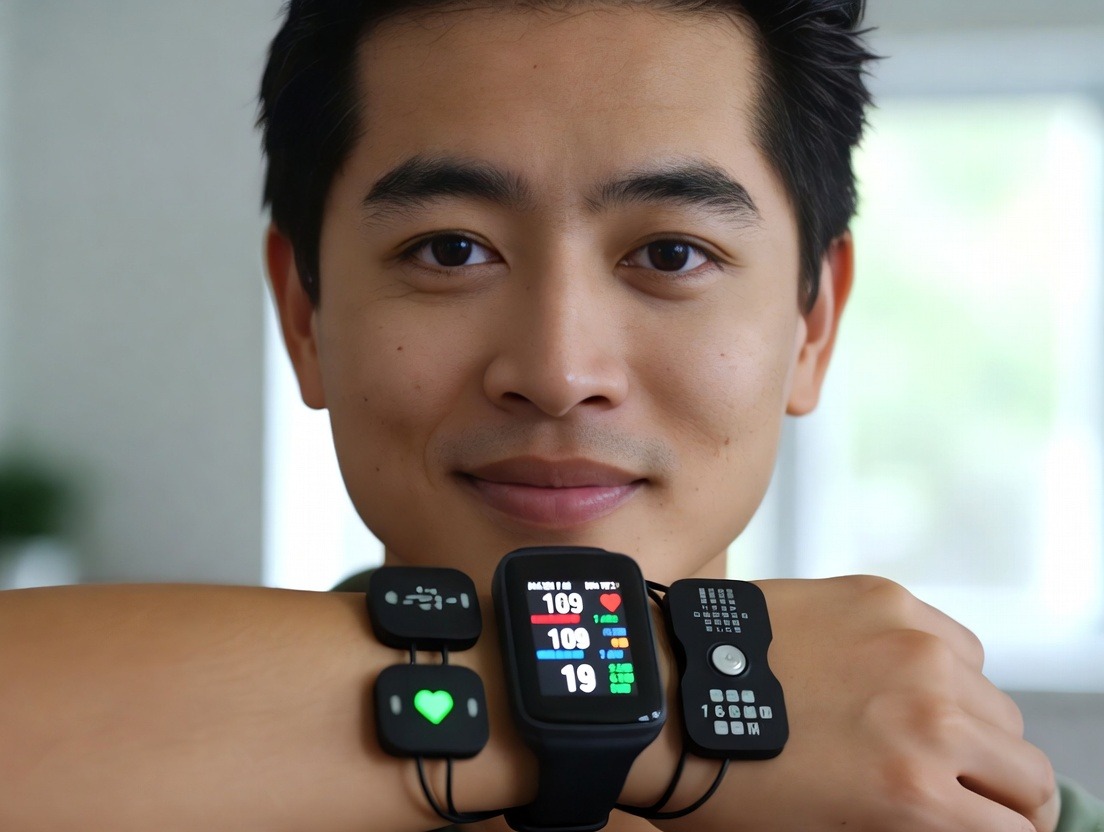
Restoration Wellness isn't confined to your meditation cushion or yoga mat. Its most potent form is found in the seamless integration of mindful awareness into the fabric of your daily life—a practice we call "Mindfulness in Motion." This is the art of bringing a non-judgmental, present-moment focus to ordinary activities, transforming them from autopilot chores into micro-meditations that continuously ground the mind in the body.
The Autopilot Epidemic and Disembodiment
We spend much of our lives on mental autopilot: physically in one place (brushing teeth, commuting, eating lunch) while our minds are elsewhere—rehashing the past or rehearsing the future. This state of disembodiment is a primary source of stress and disconnection. Mindfulness in motion is the antidote, a practice of repeatedly "landing" back in your physical experience throughout the day.
Practical Anchors for Everyday Presence
You don't need more time; you need to repurpose the moments you already have. Use routine activities as anchors for mindfulness:
The Physiological Payoff of Micro-Moments
Each of these mindful moments, lasting just 30-60 seconds, acts as a "parasympathetic ping." It interrupts the stream of stressful thoughts and activates a brief physiological shift toward the rest-and-digest state. Over the course of a day, dozens of these micro-moments accumulate, significantly lowering your overall stress burden. They train your brain to default to the present, reducing anxiety (future-focused) and regret (past-focused).
Validating Practice with Physiology
How can you be sure this is working? Your wellness tracker provides subtle but telling clues. Consistent practice of mindfulness in motion often leads to:
By linking the subjective experience of presence to objective physiological data, you create a powerful reinforcement loop. The data proves that these small, integrated practices are having a real, measurable impact on your system's health. This approach to holistic, data-informed living is at the core of what we believe in at Oxyzen, a philosophy you can learn more about in our story.
From Practice to Trait
Initially, mindfulness in motion is a deliberate practice. You set reminders or use existing activities as cues. Over time, however, this repeated returning to the present moment begins to rewire your default mode. Presence becomes less of an effort and more of a trait—a new way of inhabiting your life and your body, where mind-body harmony is not a destination you reach, but a path you walk with every conscious step.
Human beings are neurologically wired for connection. Our nervous systems are not isolated units; they are designed to co-regulate—to find stability and calm through safe, supportive relationships. The eighth pillar of Restoration Wellness recognizes that true mind-body harmony is often found in the space between us and others. Conversely, chronic loneliness or toxic relationships are significant sources of physiological stress. Therefore, intentionally cultivating your "Social Sync" is not a soft bonus; it's a biological imperative for restoration.
The Science of Co-Regulation
Co-regulation is the process by which one person's nervous system helps another person's nervous system come into a state of balance. A calm, present friend can help soothe your anxiety simply by being with you. A shared laugh with a loved one releases oxytocin and endorphins, lowering cortisol. Positive social interactions activate the vagus nerve and reinforce parasympathetic tone. Our relationships literally have the power to regulate our heart rate, breathing, and stress hormone levels.
Auditing Your Social Ecosystem
Begin by mindfully assessing the people and communities in your life. Do they drain you or fill you up? Restoration requires boundaries with "energy vampires"—individuals who leave you feeling depleted, anxious, or criticized. It also requires the proactive cultivation of relationships with "nourishers"—people with whom you feel safe, seen, and able to be your authentic self.
Strategies for Restorative Connection
Quantifying the Social Effect
While harder to measure directly than sleep, the impact of your social world leaves fingerprints on your physiological data. Observe patterns:
This data empowers you to make conscious choices about where you invest your most precious resource: your time and energy. It moves relationship management from the realm of guilt or obligation into the realm of intentional self-care. For those navigating how to balance social wellness with personal data, our FAQ section addresses common questions on integrating technology with a holistic life.
The Sacredness of Solitude
It's important to note that Social Sync also includes honoring your need for solitude—the restorative connection with yourself. For introverts, solitude is essential for recharging. The goal is balance: enough meaningful connection to feel supported and co-regulated, and enough quality solitude to feel centered and self-aware. Both are vital threads in the tapestry of restoration.
In our pursuit of restoration, we often overlook the most fundamental healer: the natural world. The ninth pillar of Restoration Wellness introduces Ecotherapy—the intentional practice of engaging with nature to support mental and physical health—and the specific practice of "grounding" or "earthing." This isn't merely poetic suggestion; it’s a science-backed, physiological intervention that directly counters the overstimulation and electromagnetic overload of modern life.
The Biophilia Hypothesis and Our Disconnect
Biologist E.O. Wilson's Biophilia Hypothesis suggests humans possess an innate, genetically determined affinity for the natural world. Our physiology evolved in sync with natural rhythms—the cycles of light and dark, the seasons, the sounds of wind and water. The concrete, climate-controlled, screen-dominated environments we now inhabit represent a profound departure from our evolutionary norm, contributing to what author Richard Louv termed "Nature-Deficit Disorder," linked to increased stress, anxiety, and attention fatigue.
The Multisensory Medicine of Nature
Immersing yourself in nature provides a unique form of low-intensity, high-variety sensory input that is inherently calming to the nervous system.
Grounding (Earthing): The Direct Physical Connection
Grounding takes ecotherapy a step further by emphasizing direct physical contact with the Earth's surface—walking barefoot on grass, soil, sand, or swimming in a natural body of water. The theory, supported by a growing body of research, posits that the Earth's surface possesses a subtle, negative electrical charge. Free electrons from the Earth can act as antioxidants in the body, neutralizing positively charged free radicals that contribute to inflammation and chronic disease.
Implementing Your Nature Prescription
This isn't about planning a yearly backpacking trip (though that's great). It's about daily and weekly micro-dosing of nature.
Measuring the Rebalancing Effect
Your wellness ring can capture the tangible, physiological shift that occurs during and after nature exposure.
This data transforms a walk in the park from a pleasant activity into a documented, therapeutic protocol for your nervous system. It provides the motivation to prioritize green time with the same seriousness as a gym session or a doctor's appointment. For those curious about how this kind of environmental data integrates with other health metrics, our blog explores how health tracking enables personalized wellness in depth.
The Macro Perspective: Aligning with Natural Rhythms
Ultimately, the Nature Prescription encourages aligning your daily life more closely with natural cycles: seeking morning sunlight to set your circadian rhythm, being active during daylight, and winding down as darkness falls. This alignment reduces the friction between your biology and your environment, creating a foundation for effortless restoration.

Following our exploration of nature’s restorative power, we must confront its antithesis head-on: the digital ecosystem. While technology offers incredible tools for health (like your wellness ring), its pervasive, attention-hijacking applications are arguably the single greatest disruptor of modern mind-body harmony. A true Digital Detox is not about Luddism; it's about strategic, ruthless optimization of your digital environment to serve your restoration, not sabotage it.
The Cost of Cognitive Overload and Fragmented Attention
Every notification, every endless scroll session, every tab left open in your browser represents an "open loop" in your mind—a promise of unfinished processing. This state of continuous partial attention creates a low-grade cognitive drain known as "attention residue," where your focus remains partially stuck on a previous task, reducing performance and increasing mental fatigue. Neurologically, it keeps your prefrontal cortex—the seat of executive function and decision-making—in a constant state of low-grade alarm.
Beyond the Screen-Time Counter: Assessing Digital Quality
It’s not just about how many hours you use your devices, but how you use them. Passive, endless scrolling through social media compares differently to active video calls with loved ones or using a meditation app. The detox process begins with a quality audit. For one week, use your phone’s built-in digital wellness features to track not just duration, but which apps you use most. Ask: Does this app leave me feeling informed/connected/inspired, or anxious/jealous/angry?
Advanced Strategies for a High-Focus, Low-Stress Digital Life
Using Biometric Feedback to Enforce Boundaries
Your body’s data is the ultimate accountability partner in your digital detox. Set up experiments and measure the outcomes:
Seeing the direct, negative impact of digital clutter on your physiology provides a motivation that willpower alone cannot match. It turns abstract advice into personal, empirical truth. For support and answers on integrating tech with wellness, our comprehensive FAQ is a valuable resource.
Creating Tech-Free Zones and Rituals
Make certain spaces and times inviolably digital-free. The bedroom is the most critical. The dinner table is another. Create a "phone parking lot" (a basket or charger) outside these zones. Institute a "first 30 minutes of the day" ritual that is screen-free: hydrate, get sunlight, move your body, or journal before you ever check a device. This sets a tone of self-possession for the entire day.
By conducting this deep digital detox, you reclaim your most valuable assets: your attention, your calm, and your cognitive space. You stop letting algorithms dictate your state of mind and start using technology as the intentional tool it was meant to be.
Having established the core behavioral pillars of Restoration Wellness, we now enter the realm of advanced personal optimization—often called "biohacking." This is not about extreme or unproven interventions; it's about using the deep, longitudinal data from your wellness tracker to run precise, self-experiments (n=1 studies) to discover what uniquely optimizes your system for resilience and recovery.
The Philosophy of the Self-Experiment
Biohacking, in this context, is the application of the scientific method to your own biology. You move from general best practices ("drink more water") to specific, data-verified protocols ("drinking 500ml of water within 10 minutes of waking increases my morning HRV by an average of 8%"). Your body is the lab, your habits are the variables, and your wellness ring is the measurement tool.
Key Biomarkers for Advanced Optimization
Beyond basic sleep and HRV, deeper analysis of your data reveals powerful patterns:
Designing and Running Your N=1 Experiments
Follow this structured approach:
Sample Restoration-Focused Experiments
The Role of AI and Personalized Insights
Modern wellness platforms are moving beyond simple data display toward AI-driven insights. They can detect subtle correlations you might miss—for instance, noting that your HRV tends to dip the day after you have dinner after 8 PM, or that your best sleep follows days with at least 30 minutes of afternoon outdoor light. Leveraging these algorithmic insights accelerates your personal discovery process. To understand the cutting edge of this technology, explore our article on what's possible in health tracking for 2025.
Ethical and Balanced Biohacking
The goal of restoration biohacking is enhancement, not obsession. It’s crucial to avoid "analysis paralysis" or becoming anxious over daily data fluctuations. Always view data through the lens of trends (weeks/months), not daily absolutes. The data should serve you, not the other way around. Its ultimate purpose is to give you the confidence and knowledge to make choices that lead to sustained, effortless well-being, freeing up mental space to simply live your life.
Your circadian rhythm is your body's master 24-hour clock, governing the ebb and flow of hormones, body temperature, alertness, and digestion. When synchronized with the natural light-dark cycle, this rhythm promotes robust energy, mood stability, and deep, restorative sleep. "Circadian Rhythm Engineering" is the practice of deliberately using light, dark, and timing cues to strengthen this innate rhythm, making restoration a default state rather than a constant struggle.
The Suprachiasmatic Nucleus (SCN): Your Master Clock
Deep in your brain, the SCN acts as the conductor of your circadian orchestra. Its primary cue is light, perceived through specialized cells in your eyes. Morning sunlight signals the SCN to suppress melatonin (the sleep hormone), boost cortisol (for alertness), and raise core body temperature, initiating the "day" phase. As darkness falls, the SCN triggers melatonin release, lowers body temperature, and prepares the body for sleep.
The Modern Disruptors: Light at Night and Social Jet Lag
Our indoor lifestyles and omnipresent screens have thrown this delicate system into chaos. Insufficient bright light during the day fails to properly anchor the rhythm, while excessive blue-rich light at night (from LEDs, TVs, phones) tricks the SCN into thinking it's still daytime, delaying melatonin and fragmenting sleep. "Social jet lag"—the habit of shifting sleep schedules dramatically on weekends—is like weekly flying across time zones, confusing your internal clock.
A Step-by-Step Protocol for Circadian Alignment
Using Data to Validate and Refine Your Rhythm
Your wellness ring provides the ultimate feedback on your circadian engineering efforts.
Seeing the direct correlation between light exposure and sleep quality makes these behaviors non-negotiable. They cease to be lifestyle tips and become essential, data-validated components of your operating system. For a look at how this granular data is shaping the future of health, read about how health tracking technology is being used in hospitals.
Timing Other Cues: Food and Exercise
Extend circadian engineering to other inputs:
By engineering your day around light and darkness, you work with your biology, not against it. The result is a profound sense of effortless energy, stable mood, and sleep that truly restores.

Restoration Wellness must address not just the physical body, but the emotional landscape. Unprocessed emotions—lingering resentment, unresolved anxiety, suppressed anger—create a constant, low-grade stress in the nervous system, a phenomenon researchers call "emotional residue." The eleventh pillar is the Emotional Audit: a systematic, compassionate practice of identifying, processing, and moving through emotions to prevent them from becoming lodged in the body as tension, inflammation, or dysregulation.
The Somatic Experience of Emotion
Emotions are not just thoughts; they are full-body events. Anxiety might be felt as a clenched stomach and shallow breath. Grief can feel like a heavy chest. When we chronically avoid or suppress emotions, these somatic patterns can become fixed, contributing to conditions like chronic pain, digestive issues, and autonomic dysfunction. Processing emotions is thus a direct intervention on your physiological state.
Conducting a Regular Emotional Audit
This is a structured, but not rigid, practice of self-inquiry.
Developing Emotional Agility
Psychologist Susan David's concept of "emotional agility" is key. It’s the ability to be with your emotions with curiosity and compassion, then to choose values-aligned actions despite them. It involves:
The Biometric Signature of Emotional Processing
Your physiological data offers a powerful lens on this process. It can both reveal emotional stress and validate the effectiveness of your processing techniques.
Integrating Somatic Release Practices
Pair emotional audit with practices that help the body release stored stress:
By regularly auditing and processing your emotional landscape, you prevent the accumulation of stress that disrupts mind-body harmony. You learn that emotions are not obstacles to restoration, but guideposts, and that processing them is a direct form of physiological hygiene. For stories on how others have integrated mindfulness and emotional awareness into their wellness journey, visit our testimonials page.
True restoration is not a weekend retreat or a 30-day challenge; it is a lifestyle architected through sustainable habits. The final pillar in this foundational portion of our guide focuses on the psychology and strategy of habit formation. We shift from discrete practices to the art of weaving them seamlessly into the fabric of your life, understanding that the monumental power of Restoration Wellness comes from the compound effect of daily, microscopic wins.
The Neuroscience of Habit Formation: The Cue-Routine-Reward Loop
Habits are automatic behaviors encoded in the basal ganglia of the brain. They form through a loop: a Cue (trigger) initiates a Routine (the behavior), which is followed by a Reward (a positive feeling). To build a restorative habit, you must deliberately engineer this loop to make the desired behavior as effortless and rewarding as possible.
Strategies for Habit Architecture
Leveraging Data as the Ultimate Reward
For the analytically minded, data from your wellness tracker is a profoundly motivating, intrinsic reward. It provides concrete evidence of progress that feelings alone cannot.
The Compound Effect: How 1% Daily Improvements Create a New You
If you improve a key restorative habit by just 1% each day, the compound effect over a year is staggering (1.01^365 = 37.78). You become 37 times better at that habit. This isn't about perfection; it's about consistent direction.
Embracing the "Non-Zero Day" Philosophy
A "non-zero day" is any day where you do something, anything, toward your restoration goals. Even if you're sick, tired, or overwhelmed, the two-minute breathwork session, the single mindful minute in nature, or the act of journaling one sentence counts. This philosophy prevents all-or-nothing thinking, the ultimate habit killer. Consistency over intensity always wins in the long game.
Your Personalized Restoration Protocol: Bringing It All Together
By this point, you are not just collecting tips. You are assembling a personalized protocol. Using your data, you know:
This protocol is living and breathing. It evolves as you do. The journey of Restoration Wellness is a continuous, compassionate dialogue between your intentions, your actions, and the intelligent feedback from your own body. It is the ultimate integration of ancient wisdom and modern technology, guiding you back to your natural state of wholeness.
To continue building your knowledge and exploring advanced integrations, a wealth of resources awaits on the Oxyzen blog, where we delve into everything from the basics of activity tracking to the future of wearable health tech.
While the path to mind-body harmony is deeply personal, it need not be solitary. The amplifying power of community and thoughtful accountability can accelerate your progress, provide crucial support during setbacks, and turn individual restoration into a collective uplift. This section explores how to strategically build a "restoration ecosystem" around yourself.
The Science of Social Contagion and Shared Goals
Behavior is contagious. Studies on social networks show that habits like exercise, healthy eating, and even happiness spread through social ties. By intentionally surrounding yourself with people who value well-being, you tap into positive peer influence. Furthermore, sharing a goal with others—a phenomenon known as "shared reality"—increases commitment and intrinsic motivation. Your goal of restoration becomes more real and attainable when witnessed and supported by others.
Designing Your Personal Restoration Ecosystem
Think of building a three-layered support system:
Effective Accountability Structures
Accountability works best when it’s specific, consistent, and has a mild element of positive social pressure.
Navigating the Pitfalls: Comparison and Unsupportive Environments
Community must be managed wisely to avoid downsides.
The Role of Professional Guidance
Your community can include professionals. A therapist can be part of your Inner Circle for emotional audit work. A nutritionist can help interpret how dietary changes affect your biometrics. Increasingly, forward-thinking doctors are interested in patient-generated health data from devices like wellness rings. Don't hesitate to bring your insights to healthcare conversations; it makes you a more informed, active participant in your own health. For a look at how this is changing patient care, read about the accuracy revolution in health tracking technology.
By weaving a web of support, inspiration, and gentle accountability, you create an environment where restoration is not just your personal project, but a way of life reinforced by your connections. It transforms the journey from a grind into a shared exploration.
As we stand at the confluence of behavioral wisdom and technological innovation, the horizon of Restoration Wellness expands into a future that is predictive, profoundly personalized, and seamlessly integrated into daily life. This concluding exploration looks forward at how emerging trends will further dissolve the line between living well and tracking well, making mind-body harmony an increasingly intelligent and effortless state.
From Descriptive to Predictive and Prescriptive Analytics
Current wellness technology is largely descriptive: it tells you what happened (your sleep, your stress). The near future is predictive and prescriptive.
Hyper-Personalized Insights: The End of the "Average" Human
Research is moving beyond population-level advice ("everyone needs 8 hours of sleep") to ultra-personalized baselines. AI will learn your unique, ideal zones for every metric, accounting for your genetics, age, sex, and lifestyle. Your "perfect" sleep duration might be 7 hours and 15 minutes. Your optimal workout time might be 4:17 PM. Your ideal fasting window might be 14.5 hours. This is the true culmination of the biohacking ethos—a protocol so personal it is yours alone.
Integration and the Unified Health Dashboard
The future lies in interoperability. Your wellness ring data will seamlessly integrate with your electronic medical records, your nutrition-tracking app, your continuous glucose monitor (CGM), and even your genetic data (like 23andMe). This creates a holistic health dashboard where a doctor can see how your sleep disturbances correlate with glucose spikes, or how a new medication affects your HRV. You become the CEO of a unified boardroom of your health data, making decisions with a complete picture. Learn about the beginnings of this integration in our article on how wellness rings work with other health apps.
Non-Invasive, Continuous Multi-Molecule Sensing
The next sensor revolution will move beyond optical heart rate monitoring. Research labs and companies are developing sensors that can non-invasively and continuously measure biomarkers from blood interstitial fluid or sweat:
The Normalization of Proactive Health
The ultimate goal of this technological evolution is to shift our entire cultural health paradigm from reactive (treating illness after symptoms appear) to proactive and preventive (optimizing systems to prevent illness and maximize vitality). In this future, regular check-ins with a "health coach AI" or a doctor who reviews your continuous data stream will be as normal as a dental cleaning. The focus will be on maintaining your "health span"—the number of years you live in full vitality.
Ethical Considerations and the Human Core
As we advance, we must guard against:
The technology is a tool to enhance human flourishing, not replace the core practices of presence, connection, meaning, and joy. The deepest restoration will always come from a sunset shared with a loved one, the feeling of grass under bare feet, the catharsis of a good cry, and the peace of a silent mind—experiences no sensor can quantify, but whose value is amplified when we arrive at them with a rested, resilient, and harmonious system.
The journey through these pillars—from decoding your body's signals and crafting digital sanctuaries, to mastering breath, sleep, and movement, through nutritional harmony, strategic unplugging, mindfulness, social sync, nature immersion, circadian engineering, emotional processing, habit formation, data mastery, resilience, and community—is not a linear checklist. It is a symphony. Each element supports and enhances the others.
Restoration Wellness is the practice of conducting that symphony within yourself. It is the dynamic, joyful process of aligning your daily life with the timeless wisdom of your biology, using modern tools not as a crutch, but as a clarifier. The smart ring on your finger, like those designed with intention at Oxyzen, is not the destination; it is the compass, the translator, the faithful scribe recording the story of your return to wholeness.
You now possess the map and the tools. The path forward is one of curious self-experimentation, compassionate consistency, and an ever-deepening trust in your body's innate intelligence. Start where you are. Use what you have. Do one thing today that whispers "restoration" to your system. Track it. Feel it. Trust the compound effect.
Your harmonious life is not a distant future state. It is the next breath, the next mindful choice, the next moment of intentional kindness to your miraculous mind-body system. It begins now.
Continue Your Exploration:
Dive deeper into any pillar with our extensive library of resources on the Oxyzen blog. Explore topics like building healthy habits with your ring, understanding preventive health monitoring, or even the evolution from manual tracking to smart rings. To see the tools that can accompany you on this journey, visit our main shop front.
Your Trusted Sleep Advocate (Sleep Foundation — https://www.sleepfoundation.org/)
Discover a digital archive of scholarly articles (NIH — https://www.ncbi.nlm.nih.gov/
39 million citations for biomedical literature (PubMed — https://pubmed.ncbi.nlm.nih.gov/)
experts at Harvard Health Publishing covering a variety of health topics — https://www.health.harvard.edu/blog/)
Every life deserves world class care (Cleveland Clinic -
https://my.clevelandclinic.org/health)
Wearable technology and the future of predictive health monitoring. (MIT Technology Review — https://www.technologyreview.com/)
Dedicated to the well-being of all people and guided by science (World Health Organization — https://www.who.int/news-room/)
Psychological science and knowledge to benefit society and improve lives. (APA — https://www.apa.org/monitor/)
Cutting-edge insights on human longevity and peak performance
(Lifespan Research — https://www.lifespan.io/)
Global authority on exercise physiology, sports performance, and human recovery
(American College of Sports Medicine — https://www.acsm.org/)
Neuroscience-driven guidance for better focus, sleep, and mental clarity
(Stanford Human Performance Lab — https://humanperformance.stanford.edu/)
Evidence-based psychology and mind–body wellness resources
(Mayo Clinic — https://www.mayoclinic.org/healthy-lifestyle/)
Data-backed research on emotional wellbeing, stress biology, and resilience
(American Institute of Stress — https://www.stress.org/)


