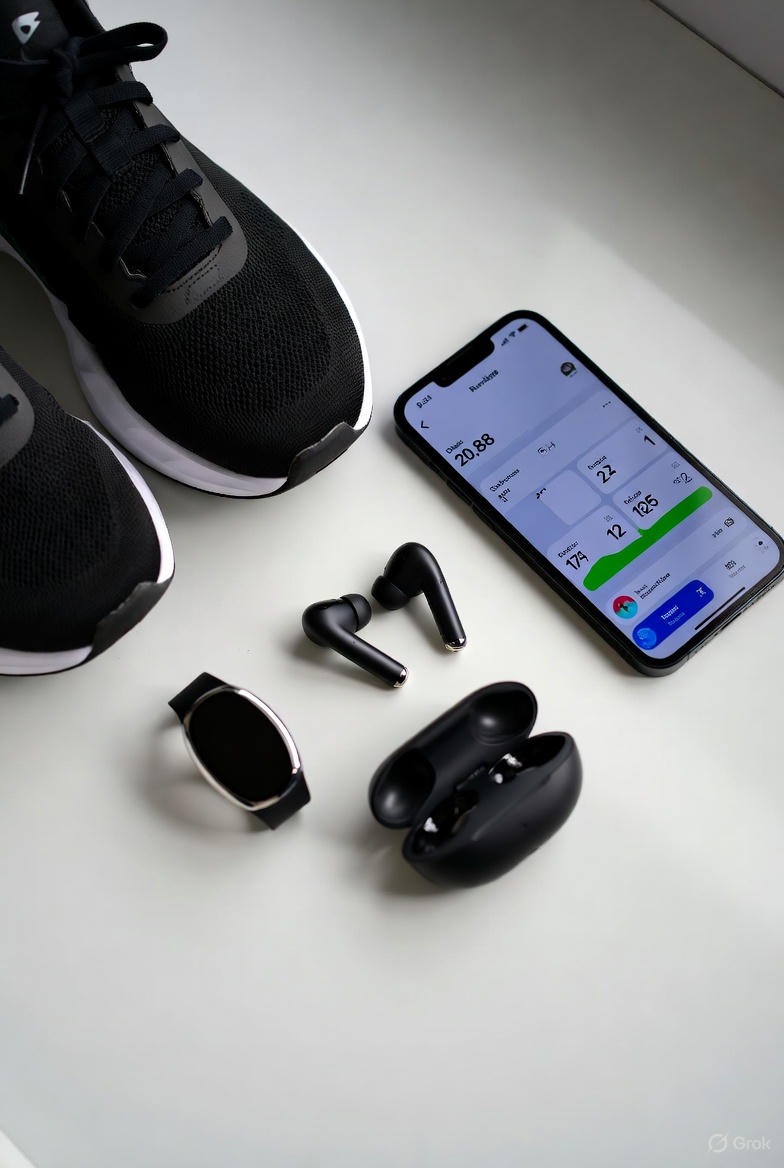
The Seasonal Approach to Activity Level Optimization
How to adjust your activity level with the seasons.
The Seasonal Approach to Activity Level Optimization: Syncing Your Body with Nature’s Rhythm for Peak Performance
For centuries, human life was dictated by the sun. Our ancestors rose with its light, labored in its warmth, and rested in its absence. Their activity, nutrition, and rest were inextricably woven into the fabric of the seasons—a primal, intuitive rhythm that modern life, with its artificial lighting, climate control, and 24/7 digital demands, has systematically erased. We now live in a perpetual, seasonless summer of constant availability and output, and our health is paying the price. Burnout, chronic fatigue, metabolic dysfunction, and a pervasive sense of being “out of sync” are the modern plagues of this disconnect.
But what if the key to sustainable energy, resilient health, and peak performance isn’t pushing harder year-round, but learning to pulse with the natural world? Welcome to the Seasonal Approach to Activity Level Optimization—a transformative framework that moves beyond static fitness goals to embrace the dynamic, cyclical intelligence of nature and your own physiology.
This is not about doing less. It’s about doing what’s right, at the right time, for maximum effect and minimum wear and tear. It’s the art of becoming a student of your own biological seasons, using their inherent strengths to build, to refine, to recover, and to ultimately achieve a higher, more harmonious level of year-round vitality. It’s the antithesis of the one-size-fits-all, “grind culture” approach to wellness.
In this exploration, we’ll dismantle the myth of linear progress and introduce you to a more intelligent, responsive, and ultimately more effective path. We will journey through the year, understanding the unique physiological and psychological calls of each season. You’ll learn how to strategically modulate your activity type, intensity, and volume to align with these cycles. Crucially, we’ll demonstrate how modern technology, specifically the discreet, continuous biometric monitoring of a smart wellness ring from Oxyzen, provides the essential data to execute this approach with precision, turning intuition into actionable insight.
This is the beginning of a smarter, more connected way to move through the world and through your year. Let’s begin by understanding why our bodies are, at their core, seasonal beings waiting to be rediscovered.
The Ancient Wisdom of Cyclical Living: Why Your Body Isn’t Built for Linear Grind
The concept of living in harmony with natural cycles is far from new. Traditional Chinese Medicine has operated on the Five-Seasons theory for millennia, linking organs, emotions, and activities to specific times of the year. Ayurveda, the ancient Indian science of life, prescribes daily and seasonal routines (Dinacharya and Ritucharya) to maintain balance. Indigenous cultures worldwide hold ceremonies and adjust lifestyles based on solstices, equinoxes, and harvest moons.
This wasn’t mere superstition; it was observed biological necessity. Before electric light extended our days, before global supply chains offered strawberries in December, humans were forced to adapt. Winter meant less food, colder temperatures, and shorter days—a time for conservation, introspection, and lower-intensity activity. Spring brought renewal, foraging, and planting—a gradual increase in movement. Summer, with its abundance of light and food, was for high-energy expenditure, social gathering, and hard labor. Autumn was for harvest, preparation, and winding down.
Our physiology evolved under these conditions, and the echoes remain in our modern biology. Consider the evidence:
Hormonal Fluctuations: Cortisol, our primary stress and alertness hormone, naturally peaks in the early morning and is generally higher in summer than in winter. Testosterone and growth hormone, crucial for building muscle, also show seasonal variations, often peaking in late summer/early autumn.
Metabolic Shifts: Our bodies may naturally crave different macronutrients with the seasons—heartier, fat-rich foods in winter versus lighter, carbohydrate-focused foods in summer—a response to temperature and energy expenditure needs.
Sleep Architecture: Melatonin production, which regulates sleep, is profoundly affected by light exposure. The long, dark nights of winter can trigger a need for more sleep, a phenomenon sometimes called “hibernation mode.”
Neurological and Mood Patterns: Seasonal Affective Disorder (SAD) is the most acute example, but many experience subtler shifts in energy, motivation, and creativity aligned with the seasons.
Ignoring these rhythms and adopting a linear, constant-output model is like driving a car with only the accelerator and no steering, brakes, or gear shift. You might go fast for a while, but you’ll eventually crash, burn out, or break down. The modern fitness industry often promotes this linear model: set a goal (lose 20 pounds, run a marathon, lift a certain weight), and push relentlessly toward it, often regardless of time of year, stress levels, or recovery status. The result? High rates of injury, plateauing, adrenal fatigue, and a boom-bust cycle of motivation.
The Seasonal Approach is your steering wheel, gear shift, and maintenance schedule. It acknowledges that there are times to build power (spring), times to express peak performance (summer), times to harvest results and strengthen foundations (autumn), and times to rest and restore deeply (winter). By planning your year in these distinct, purposeful phases, you work with your body’s innate tendencies, not against them. This leads to more consistent progress, fewer injuries, better immune function, and a more joyful, sustainable relationship with movement.
To move from this philosophical understanding to practical application, we need one critical thing: objective data about our own unique internal seasons. This is where the silent, continuous observation of a wellness tracking ring becomes indispensable. It provides the feedback loop to know if you’re truly recovering in winter, or just stressed and sedentary; if you’re optimally primed for a summer peak, or overtrained. As we explore each seasonal strategy, the role of biometrics will become clear. For a deeper look at how continuous monitoring supports long-term vitality, our blog offers extensive resources on science-backed healthy aging tips that actually work.
Spring: The Season of Awakening and Foundation Building
After the deep rest of winter, spring emerges as a time of rising energy, renewal, and potential. In nature, sap rises, buds form, and life bursts forth from the ground. In your Seasonal Approach, spring is the critical foundation-building phase. It is not the time for maximal intensity, but for purposeful preparation—awakening the body from its relative dormancy, correcting imbalances, and building the resilient base upon which summer performance will stand.
Physiologically, as daylight increases, your cortisol rhythm may sharpen, and serotonin (influenced by sunlight) begins to rise, naturally boosting mood and motivation. The body is primed for growth, but it’s tender. Jumping straight into high-intensity summer-level training is a common mistake that leads to early-season injuries.
The Spring Movement Mandate: Mobilize, Stabilize, and Gradual Progressive Overload
Your activity in spring should focus on three pillars:
Mobility and Corrective Work: Address the tightness and imbalances that may have accumulated during winter’s more sedentary or repetitive patterns. Incorporate dynamic stretching, yoga, Pilates, or dedicated mobility flows. The goal is to restore full range of motion and joint health.
Low-Impact Aerobic Base Building: Gently re-engage your cardiovascular system. Think brisk walking, hiking, leisurely cycling, or slow jogging. The intensity should be conversational (you can speak in full sentences). This builds capillary density and mitochondrial function without undue stress, essentially “greasing the engine” for harder work later.
Foundational Strength Training: Focus on technique, stability, and muscular endurance. Use bodyweight, bands, or light-to-moderate weights with higher repetitions. Emphasize compound movements (squats, lunges, pushes, pulls) that teach the body to work as a coordinated unit. This phase is about reinforcing the “pillars” of your physique.
The Biometric Compass: How Your Smart Ring Guides Your Spring
This is where subjective feeling meets objective data. A device like the Oxyzen smart ring becomes your coach, telling you if your “awakening” is proceeding optimally.
Heart Rate Variability (HRV): This is your north star for recovery and readiness. A rising HRV trend in spring indicates your nervous system is recovering well from the gentle stress of reintroduced training and is adapting positively. A stagnant or dropping HRV suggests you’re progressing too quickly and need to dial back. For a deep dive into this critical metric, read our guide on how HRV monitoring supports healthy aging goals.
Resting Heart Rate (RHR): Your RHR should stabilize or slightly decrease as your aerobic base improves. A sustained elevation can be an early sign of inadequate recovery or brewing illness.
Sleep Quality: Spring’s changing light can disrupt sleep. Your ring tracks sleep stages and disturbances, helping you ensure your foundational recovery is solid even as you increase activity. Quality sleep is non-negotiable for growth; explore why in our article on how sleep quality became the foundation of healthy aging.
Activity & Readiness Scores: Use these daily scores to make decisions. A high readiness score on a sunny morning? Perfect for a slightly longer hike. A low score after a poor night’s sleep? Make it a gentle mobility day.
Spring is the season of patient investment. By laying a wide, strong foundation, you create a platform for summer performance that is robust, not fragile. It’s about planting seeds, not harvesting fruit. As you nurture this foundation, you naturally begin to consider how to structure the energetic peak of your year.
Summer: The Season of Peak Expression and High-Energy Output
Summer arrives in a blaze of light and warmth. Days are long, energy is high, and the natural world is in a state of abundant, vibrant activity. This is your season of peak expression. Having built a resilient foundation in spring, your body is now primed to handle higher workloads, greater intensity, and more ambitious goals. Summer is the time to channel that rising energy into performance, whether that means setting a new personal record, completing a demanding event, or simply enjoying the feeling of powerful, confident movement in the sun.
From a biological standpoint, longer daylight hours suppress melatonin production and boost mood-elevating neurotransmitters. Warmer temperatures promote vasodilation, potentially improving blood flow to muscles. Hormones like testosterone may be at their annual peak. In short, your physiology is screaming “GO!” The Seasonal Approach harnesses this call, but with strategic intelligence to avoid the classic summer pitfall: burning out by August.
The Summer Movement Mandate: Intensity, Skill, and Joyful Expression
Your activity portfolio should shift to capitalize on this prime time:
Prioritize High-Intensity Training: This is the ideal season for HIIT (High-Intensity Interval Training), sprint work, heavy strength training sessions (low rep, high weight), and competitive sports. Your body’s enhanced recovery capacity (if you built your base properly) can handle the systemic stress.
Focus on Skill and Performance: Work on mastering complex movements, improving your speed, or increasing your power output. This is the time for that marathon training block, the cycling century attempt, or the strength peaking program.
Embrace Long-Duration Social Activity: Use the long evenings for extended hikes, group bike rides, paddleboarding sessions, or beach volleyball. The social and fun element leverages summer’s natural expansiveness.
Listen to Natural Heat Cues: Train in the cooler mornings or evenings. Stay hydrated and respect the added stress of heat, which your biometrics will clearly show.
The Biometric Compass: Managing the Flame to Avoid Burnout
In summer, your smart ring transitions from a foundation-builder to a flame regulator. Its job is to ensure your fiery output doesn’t consume your reserves.
Stress Monitor & Recovery Tracking: Continuous stress tracking is crucial. You’ll see your stress levels spike appropriately during a tough workout, but the key is their return to baseline. If your physiological stress remains elevated for hours post-workout or creeps into your nights, it’s a sign you’re exceeding your capacity. The ring helps you distinguish between productive training stress and detrimental overreaching.
Sleep Amidst the Buzz: Summer socializing and heat can fragment sleep. Your ring monitors sleep depth and disturbances. You might need to be more disciplined about cooling your bedroom and maintaining a consistent wind-down routine despite the late sunsets to protect this sacred recovery time.
Activity Balance: The ring’s activity goal can be set higher, but its true value is in showing your overall exertion balance. It helps you avoid stacking multiple high-intensity days without a lower-intensity “buffer” day, which is a direct path to overtraining.
Trend Analysis for Peak Timing: By observing trends in HRV and RHR alongside your training log, you can identify your personal performance zenith. This allows you to time a key event or test perfectly, then begin the strategic wind-down as summer wanes. This data-driven approach validates your efforts, much like how a wellness ring validates effective healthy aging tips.
Summer is a glorious, finite resource. The Seasonal Approach teaches you to spend it energetically and wisely, achieving peaks without precipices. But just as in nature, peak ripeness is followed by the necessity of harvest and preparation for the next cycle.
Autumn: The Season of Harvest, Integration, and Strategic Transition
As the fierce energy of summer mellows into autumn’s crisp air and golden light, a profound shift occurs in nature. It’s a time of harvest—gathering the fruits of the season’s labor—and of preparation, as life begins to draw inward. In your annual cycle, autumn is the most crucial transitional phase. It is not a time to desperately cling to summer’s intensity, nor is it an immediate plunge into hibernation. It is a strategic, graceful winding down—a season to harvest the fitness gains you’ve made, integrate them into a resilient physiology, and systematically transition your body and mind toward winter’s restorative mode.
Physiologically, the decreasing light triggers a rise in melatonin, subtly encouraging more rest. Cortisol rhythms may start to soften. It’s a time when the body is biologically primed to solidify the neural and muscular adaptations from summer, converting peak performance into durable capacity. Ignoring this transition and continuing high-intensity training is a primary driver of end-of-year burnout, immune suppression, and the dreaded “off-season” injuries.
The Autumn Movement Mandate: Consolidate, Reflect, and Shift Gears
Your activity should embody the themes of harvest and transition:
Focus on Strength Maintenance and Hypertrophy: Shift from peak strength (maximal weight) to strength endurance and muscular growth. Use moderate weights with controlled tempos and fuller ranges of motion. This “pumps” blood into muscles, aids recovery from summer’s neural strain, and builds resilient tissue that will serve you year-round. This is particularly vital for long-term health; learn more in our piece on healthy aging tips to maintain muscle mass after 60.
Embrace “Skillful Practice” Over Max Effort: This is the perfect time for technique work in your sport or discipline. Without the pressure to perform at your absolute limit, you can drill form, correct flaws, and develop new motor patterns that will pay dividends next spring.
Increase Moderate, Steady-State Cardio: As high-intensity intervals decrease, fill the space with longer, moderate-paced activities like trail running, cycling, or swimming. This maintains cardiovascular health without the systemic fatigue of HIIT.
Reintroduce Foundational Practices: Begin to weave back in the mobility and stability work from spring. Yoga, Tai Chi, or dedicated mobility sessions become more frequent, repairing the wear and tear of summer and addressing new imbalances.
The Biometric Compass: Navigating the Gentle Descent
In autumn, your smart ring acts as your guide for a safe and productive descent from the peak.
Monitoring the Down-Regulation: Watch for a gentle, natural rise in your nightly HRV as you reduce systemic stress. This confirms your nervous system is embracing the transition. Your resting heart rate should stabilize or slightly lower.
Sleep as a Priority: With nights drawing in, prioritize sleep duration and quality. Use the ring’s sleep data to establish a rock-solid autumn/winder sleep routine. The body does its deepest repair and integration during sleep, making this the “harvest” time for your tissues.
Stress Load Management: Autumn often brings its own life stresses (back to school, year-end projects). Your continuous stress monitor helps you see the combined load of life and training. It empowers you to adjust a workout if life stress is high, preventing cumulative overload. For strategies on managing this intersection, see our blog on healthy aging tips for stress management and connection.
Data Reflection for Annual Planning: Autumn is the ideal time to look back on your spring and summer data. What workouts correlated with the best HRV trends? What patterns led to illness or stagnation? This retrospective analysis, powered by the ring’s historical tracking, informs your planning for the next year. It turns your annual cycle into a continuous learning loop.
By honoring autumn as a distinct and vital season, you secure the gains of summer, repair your body, and enter winter not in a state of exhaustion, but in a state of poised readiness for deep restoration.
Winter: The Season of Deep Restoration, Reflection, and Recalibration
Winter presents a stark, beautiful contrast: a world hushed, dormant, and turned inward. In our always-on culture, this season is often feared—a slump to be fought with caffeine and forced gym sessions. But in the Seasonal Approach, winter is arguably the most important and transformative phase. It is the non-negotiable period of deep restoration, where the body and mind undergo essential repair, recalibration, and subconscious planning for the year to come. To skip or skimp on winter’s restorative mandate is to build your next year on a foundation of accumulated fatigue.
Biologically, shorter days and colder temperatures promote higher melatonin production, signaling a need for more sleep. Metabolic rates may adjust, and the body’s priority shifts from external expression to internal maintenance and immune defense. This is when the deep, architectural repair of connective tissues, the bolstering of the nervous system, and the consolidation of memories and skills (including motor skills) occur.
The Winter Movement Mandate: Nourish, Restore, and Move Gently
Winter activity is not about cessation, but about a fundamental change in intention:
Prioritize Non-Strenuous Movement: The goal is circulation and joint health, not fitness breakthroughs. Walks in nature (especially in daylight for circadian rhythm support), gentle yoga, Qi Gong, swimming in a warm pool, or light sledding/snowshoeing are ideal. Movement should feel nourishing, not draining.
Focus on Recovery Modalities: Make this the season of foam rolling, contrast baths (sauna/cold plunge if accessible), massage, and stretching. These practices aid the body’s innate repair processes.
Embrace “Minimum Effective Dose” Strength Training: To maintain muscle mass and neuromuscular connection without imposing a growth stimulus, reduce strength training frequency and volume significantly. One or two short, full-body sessions per week with light-to-moderate weights are sufficient.
Cultivate Mind-Body Practices: Meditation, breathwork, and restorative yoga are perfect for winter. They lower sympathetic (stress) nervous system activity and enhance parasympathetic (rest-and-digest) tone, directly supporting the season’s core goal.
The Biometric Compass: Measuring the Depth of Your Restoration
In winter, your smart ring’s primary function is to quantify and ensure the quality of your rest. It answers the critical question: “Am I truly recovering?”
HRV: The Benchmark of Nervous System Recovery: This is where you want to see your highest, most stable HRV readings of the entire year. A significant and sustained rise in HRV is the gold-standard biomarker that you are achieving deep, systemic restoration. It confirms you are “filling the tank” completely.
Sleep: The King of Winter: Maximize both sleep duration and quality. Use the ring to track your sleep consistency and depth. Winter is the time to experiment with earlier bedtimes and perfect your sleep environment. The payoff will be seen in every other metric.
Stress Baseline Reset: Your daytime stress graph should show a lower, more stable baseline. The dramatic spikes from hard training should be absent. This prolonged period of low physiological stress is what allows the adrenals and HPA axis to fully reset.
Embracing the Low Readiness Score: Unlike other seasons, a “low” readiness score in winter is not a call to push through. It’s permission—even an instruction—to take it extra easy. It’s a signal that your body is deep in repair mode and needs continued quiet.
Winter is an act of faith. It requires trusting that by doing less now, you will ultimately be capable of far more later. It’s the dark, fertile soil in which the seeds of next spring’s growth are invisibly prepared. By the end of a proper winter, you should feel not lethargic, but quietly energized, mentally clear, and genuinely eager for the first stirrings of spring. For more on how this cyclical philosophy supports long-term well-being, explore our article on healthy aging tips that start working at any age.
Your Biometric Compass: How a Wellness Ring Makes Seasonal Syncing Possible
Understanding the seasonal theory is one thing. Executing it with precision in the messy reality of modern life—with its artificial environments, constant stressors, and disconnected schedules—is another. This is the gap between philosophy and practice. Bridging it requires moving from guesswork and generalized advice to personalized, data-driven insight. This is the indispensable role of your biometric compass: a modern wellness tracking ring.
A device like the Oxyzen ring is not just a fitness tracker; it’s a continuous physiological monitoring system worn on your finger, a location that provides remarkably accurate data due to dense vasculature. It silently observes the subtle language of your autonomic nervous system 24/7, translating it into a clear, actionable dashboard. For the Seasonal Approach, this data is the feedback loop that transforms an elegant concept into a living, breathing, adaptable practice.
The Critical Metrics for Seasonal Navigation
Let’s break down exactly how the ring’s core metrics serve each phase of your annual cycle:
Heart Rate Variability (HRV): Your Master Recovery Metric. HRV is the tiny variation in time between each heartbeat. A higher, less variable HRV generally indicates a robust, resilient nervous system with strong parasympathetic (rest-and-digest) tone. In spring, you watch for HRV to rise or stabilize as you adapt to new activity. In summer, you ensure it doesn’t crash under high load. In autumn, you look for it to recover and climb as you downshift. In winter, a high, stable HRV is your primary success indicator, proving deep restoration is happening. It is the single best objective measure of whether your seasonal activity plan is appropriate for your body today.
Resting Heart Rate (RHR): The Simpler Signal. Your RHR tends to decrease with improved cardiovascular fitness and increase with fatigue, illness, or dehydration. A creeping rise in RHR over several days, especially in summer or autumn, is a red flag for overtraining or insufficient recovery.
Sleep Analysis: The Foundation of All Seasons. The ring tracks not just duration, but sleep stages (light, deep, REM) and disturbances. In spring and summer, it ensures intense training isn’t wrecking your sleep architecture. In autumn and winter, it helps you maximize both the quantity and quality of this critical repair time, allowing you to see the direct impact of earlier bedtimes or wind-down routines.
Body Temperature & Readiness Scores: The Daily Guide. Basal body temperature trends can indicate menstrual cycle phases, illness onset, or metabolic shifts. Combined with HRV, RHR, and sleep, it feeds into a daily “Readiness” or “Recovery” score. This single number is your daily prescription. A high score on a summer morning? Go hard. A low score on a winter day? Embrace true rest without guilt.
From Data to Decision: The Seasonal Feedback Loop
The magic happens in the pattern recognition over weeks and months. By reviewing your data trends, you can answer vital questions:
Did my HRV actually improve during my winter restoration, or was I just stressed and inactive?
What was the optimal training load for me last summer before my recovery metrics started to decline?
How does my body truly respond to the transition from summer to autumn activity?
This longitudinal view, available through a companion app, turns your annual cycle into a self-experiment. You learn your personal patterns, your unique responses to stress and rest, and your ideal timing for each seasonal shift. It provides the objective proof that the Seasonal Approach is working, keeping you motivated and on track. It’s the ultimate tool for implementing personalized, healthy aging tips a smart ring helps implement daily.
Syncing Nutrition with Your Activity Seasons: Fueling the Cycle
The Seasonal Approach isn’t confined to movement; it extends holistically to how you fuel your body. Just as a bear’s diet changes dramatically from summer berries to autumn salmon to winter fasting, our nutritional needs subtly shift to support our activity goals and physiological state in each season. Aligning your diet with your activity cycle enhances performance, improves recovery, and deepens that sense of synchronicity with the natural world.
This isn’t about rigid, prescriptive diets. It’s about intuitive, intelligent adjustments to macronutrient emphasis, food choices, and meal timing that mirror the energy demands of each phase.
Spring Nutrition: Light, Cleansing, and Supportive of Renewal
As you awaken your body with foundational movement, your diet should follow suit, shifting from winter’s heavier, comforting foods to those that support detoxification and provide clean energy.
Emphasis: Lean proteins (fish, poultry, legumes), a wide variety of colorful vegetables (especially leafy greens and sprouts), and complex carbohydrates from whole grains like quinoa and oats.
Hydration: Increase water intake with herbal teas (nettle, dandelion) that support the body’s natural cleansing processes. Begin to reduce heavy, creamy foods.
Rationale: This provides the amino acids for repairing and building new tissue from your training, the micronutrients for enzymatic processes, and the steady energy for increased activity without digestive burden.
Summer Nutrition: Hydrating, Energizing, and Anti-Inflammatory
During peak output, your body needs fuel that is readily available, fights exercise-induced inflammation, and replaces lost fluids and electrolytes.
Emphasis: High-quality carbohydrates (sweet potatoes, berries, seasonal fruits), increased electrolyte-rich foods (celery, cucumber, watermelon), and lean proteins for repair. Healthy fats from avocados and nuts support hormone production.
Hydration: Paramount. Water, electrolyte drinks, and water-rich foods are essential. Herbal iced teas can be refreshing.
Timing: Fuel strategically around workouts. A carbohydrate-rich snack post-training can aid recovery and replenish glycogen stores depleted by high-intensity efforts.
Rationale: Carbohydrates are the preferred fuel for high-intensity exercise. Antioxidants from colorful fruits and veggies combat oxidative stress. Ample fluids and electrolytes maintain performance and prevent heat-related issues.
Autumn Nutrition: Grounding, Immune-Supportive, and Rich in Harvest
As activity transitions to maintenance and integration, your diet should become more grounding and focused on strengthening the immune system for the colder months ahead.
Preparation: Move towards more cooked, warm meals like soups, stews, and roasted dishes, which are easier to digest and align with cooling temperatures.
Rationale: These nutrient-dense, fiber-rich foods support gut health—a cornerstone of immunity—and provide sustained energy for moderate activity. The shift to warmer foods aids the body’s internal warming processes.
Winter Nutrition: Nourishing, Warming, and Gut-Focused
In deep restoration mode, your diet should prioritize foods that deeply nourish, support the gut microbiome (critical for immune function and even neurotransmitter production), and require minimal energy to digest.
Emphasis: Bone broths, fermented foods (sauerkraut, kimchi, kefir), slow-cooked meats and stews, and healthy fats. Include modest, complex carbohydrates for serotonin production.
Mindful Eating: Winter is a time for slower, more mindful meals. The focus is on nourishment and satisfaction, not restriction.
Rationale: Broths and cooked foods are gentle on digestion, allowing energy to be directed toward repair. Fermented foods support the gut-immune axis during cold/flu season. Adequate healthy fats are crucial for hormone synthesis and cellular health during rest.
Your smart ring can even provide indirect feedback on your nutritional sync. Notice how different foods or meal timings affect your sleep quality, overnight HRV, or morning resting heart rate. This creates a powerful feedback loop, helping you refine not just how you move with the seasons, but what you use to fuel that movement. For more on how holistic tracking supports overall vitality, consider reading about how a smart ring tracks healthy aging progress over time.
Beyond the Body: Syncing Mindset, Creativity, and Goals with the Seasons
The Seasonal Approach reaches its full potency when applied beyond the physical to encompass your mental, emotional, and creative life. Each season carries a distinct psychological energy that, when acknowledged, can dramatically enhance productivity, creativity, and overall well-being. Fighting this psychological tide is as draining as fighting your physiological one.
Spring Mindset: Vision, Planning, and Planting Seeds
The energy of spring is forward-looking and expansive. This is the ideal time for:
Annual Goal Setting: Use the fresh energy to envision your big-picture goals for the year—not just fitness, but career, personal projects, and relationships.
Strategic Planning: Break those annual goals down into quarterly (seasonal) milestones. What does “summer peak” look like for your project? What foundational skill (“spring”) do you need to learn first?
Initiating New Projects: Start that new course, launch that creative endeavor, or plant the literal or metaphorical garden. The rising energy supports initiation.
Summer Mindset: Expression, Execution, and Connection
Summer’s high energy is for outward expression and achievement.
Focused Execution: Take the plans from spring and execute them with intensity. This is the “doing” season—completing key phases, pushing projects to milestones, and expressing your skills publicly.
Social Expansion: Channel the extroverted energy into networking, collaboration, team projects, and community events. Your social energy is at its peak.
Confident Leadership: Step into roles that require presence, energy, and decisive action.
Autumn Mindset: Review, Harvest, and Integration
As nature gathers in, so should your mind.
Review and Analyze: Look back on the summer’s efforts. What worked? What didn’t? Gather data (including your biometric data!) and harvest the lessons. This is a fantastic time for a performance or project review.
Complete and Tie Up Loose Ends: Finish projects, complete reports, and organize your physical and digital spaces. The analytical energy of autumn is perfect for editing, refining, and preparing for closure.
Practice Gratitude: Literally count the harvest—the achievements, the growth, the experiences of summer. This grounds you and provides positive closure.
Winter Mindset: Reflection, Restoration, and Subconscious Incubation
Winter’s inward turn is not wasted time; it’s essential processing time.
Deep Reflection & Journaling: Contemplate the past year. What did you learn about yourself? What patterns emerged? This is the time for big-picture thinking without pressure to act.
Rest for Creativity: Allow the mind to wander, daydream, and rest. This “incubation” period is where subconscious connections are made, often leading to breakthroughs and new ideas for the coming spring.
Release and Let Go: Identify what no longer serves you—habits, thought patterns, or even obligations—and consciously release them. Enter the new cycle lighter.
By aligning your mental and project work with these seasonal mindsets, you create a rhythm that feels natural and sustainable. You avoid the burnout of constant execution and the anxiety of constant planning. Your smart ring supports this by giving you permission: a high-stress score in winter might tell you to put down the work laptop and reflect instead of pushing through. A high-readiness score in summer confirms it’s time to launch that presentation with full force. For insights on how social rhythms interact with these cycles, see our article on the social connection factor in healthy aging.
Crafting Your Personalized Annual Season Plan: A Step-by-Step Guide
Understanding the theory and metrics is the foundation. Now, we bridge to practice. How do you actually construct a personalized, fluid, and effective annual season plan? This process moves you from passive observer of the seasons to active architect of your yearly rhythm. It requires honesty, flexibility, and a willingness to use your biometric data as your primary guide, not just a calendar date.
Your plan is not a rigid prison of dates, but a flexible framework—a living document that you adjust based on life’s inevitable interruptions and the continuous feedback from your body. Let’s build it step-by-step.
Step 1: Establish Your "Anchor Points" – The Solstices and Equinoxes
Begin by marking the astronomical transitions of the year in your planner. These are your natural anchor points:
Spring Equinox (≈March 20-21): The official start of your Spring phase.
Summer Solstice (≈June 20-21): The pivot into your Summer peak phase.
Autumn Equinox (≈September 22-23): The start of your Autumn transition.
Winter Solstice (≈December 21-22): The beginning of your deep Winter restoration.
Important: Your personal "season" may lag a few weeks behind the astronomical one, especially as you begin. That’s perfectly fine. Use the dates as guides, not dictators.
Step 2: Conduct Your "Seasonal Retrospective"
Before planning forward, look back. If you have biometric data from the previous year (from your Oxyzen ring or other tracker), analyze it. Identify patterns:
When did your HRV tend to be highest/lowest?
When did you get sick or feel most fatigued?
When did you perform your best physically and mentally? If you’re new to tracking, start now. Your first year will be your baseline learning year. For inspiration on starting this journey of self-knowledge at any point, explore our piece on healthy aging tips that start working at any age.
Step 3: Define One "Peak" or "Focus" Event for Summer
Your annual plan gains clarity and purpose when built, in part, around a focal point. This isn’t mandatory, but it’s powerful. Choose one primary goal for your Summer expression phase. Examples:
A running race (5k, marathon, trail run)
A hiking or cycling trip
A strength competition or testing max lifts
A demanding outdoor project
A key professional presentation or creative launch This event gives your Summer phase a target and helps you work backward to structure your Spring build-up.
Step 4: Backward Plan from Your Summer Peak
This is a classic technique from periodization coaching. Start with your Summer event date and plan in reverse:
4-6 Weeks Out (Late Spring): Enter your “Specific Preparation” phase. Training becomes more directly aligned with the demands of your event (e.g., race-pace runs, sport-specific skills).
8-12 Weeks Out (Mid-Spring): This is your dedicated “Foundation” or “General Preparation” phase. This is where you execute the Spring mandate of base building, strength, and mobility discussed earlier.
The 2-Week "Taper": Just before your event, plan a gradual reduction in volume to ensure you are fresh, recovered, and primed for peak performance.
Step 5: Proactively Schedule Your Autumn Transition & Winter Depth
The biggest mistake is letting these phases happen by accident. After marking your Summer event, immediately block out time:
Autumn (1-2 Weeks Post-Event): Schedule an “Active Recovery” week. Very light, fun movement only. Then, pencil in your 8-12 week Autumn transition plan, shifting to maintenance strength, moderate cardio, and increased mobility.
Winter: Proactively mark the Winter Solstice as the start of your intentional rest period. Schedule things that support this: a digital detox weekend, a massage series, or a meditation retreat. Protect this time in your calendar as you would a critical business meeting.
Step 6: Integrate Life’s Rhythms
Overlay your personal calendar. When are your busiest work periods? Family holidays? Vacations? Adjust your seasonal intensity accordingly. A high-stress work quarter in Q4 might mean an earlier or more pronounced Autumn wind-down. A relaxing beach vacation could be a perfect Winter restorative block or a joyful Summer activity peak.
Step 7: Use Your Biometric Dashboard for Weekly and Daily Adjustments
This is where your plan becomes alive and responsive. Your weekly review should include:
Check Your Trends: Look at your 7-day average HRV and RHR versus your 30-day baseline. Is your nervous system handling the current load?
Set Weekly Intentions: Based on the seasonal phase and your trend data, set a weekly activity goal. “This week, in early Spring, I will hit three foundation strength sessions and two 45-minute zone 2 cardio sessions.”
Make Daily Decisions with Your Readiness Score: Each morning, let your score guide your final decision. A planned moderate run on a Spring day might become a walk if your readiness is low due to poor sleep. A planned heavy lift in Summer might be shifted to tomorrow if your score is superb, signaling you can go even harder.
This dynamic interplay between the macro-plan (annual seasons) and micro-feedback (daily biometrics) is the superpower of the modern wellness enthusiast. It turns abstract principles into a personalized, living system. To see how this kind of data-informed planning applies to specific long-term goals, you might appreciate our article on smart rings supporting healthy aging through daily monitoring.
Navigating Modern Life’s Challenges to Seasonal Living
We do not live in agrarian societies. The challenges to living seasonally are real: fluorescent lighting, globalized food, air conditioning, relentless digital demands, and social obligations that pay no heed to solstices. The goal is not to reject modernity and move to a yurt, but to creatively integrate seasonal wisdom into your contemporary life. Here’s how to navigate the common obstacles.
Challenge 1: The 24/7 Always-On Work Culture
This is perhaps the biggest disconnect. Your job likely demands consistent output year-round.
Strategies:
Communicate Cyclical Energy to Your Team: You don’t need to declare you’re “in winter mode.” Instead, proactively manage expectations. In your more energetic Summer and Spring phases, volunteer to lead new projects or take on public-facing roles. In Autumn and Winter, focus on deep work, analysis, and behind-the-scenes refinement. Frame it as strategic energy management for sustained performance.
Leverage Time Blocking: Align your most demanding cognitive work with your personal energy peaks (often late morning). Schedule administrative tasks for your lower-energy periods. Use your smart ring data to identify your own daily biological prime time.
Protect Your Winter Nights & Mornings: Even if you can’t change work demands, you can fiercely guard your post-work and pre-work time in winter. Make this time sacred for restoration—no work emails, no stressful media. This creates a “mini-winter” within each day.
We’ve built a world that insulates us from natural cues.
Strategies:
Light Management: Seek morning sunlight year-round to anchor your circadian rhythm. In summer evenings, wear blue-light blocking glasses. In winter, consider a sunrise-simulating alarm clock and maximize daylight exposure during lunch breaks.
Temperature Tweaks: Allow your home to be slightly cooler in winter and warmer in summer. Take cold showers in summer to boost resilience and warm baths in winter to aid relaxation. Spend time outdoors in the actual temperature every single day, even briefly.
Food Sourcing: Make a conscious effort to eat more local, seasonal produce. Visit farmer’s markets. This naturally aligns your diet with your geographic season and is a powerful, tangible connection to the cycle.
Challenge 3: Social and Family Obligations
Summer barbecues, winter holiday parties, and year-round social commitments can disrupt seasonal intentions, especially around diet and rest.
Strategies:
The 80/20 Seasonal Principle: Aim for 80% alignment with your seasonal nutritional and activity goals. Allow 20% grace for social joy and connection, which are themselves vital to health. A rich holiday meal in winter is part of the nourishment; just balance it with simpler meals before and after.
Reframe Social Activity: Suggest seasonal social alternatives. A summer group hike or bike ride. An autumn apple-picking or leaf-peeping walk. A winter gathering around a firepit with herbal tea instead of a loud bar. You become the catalyst for more nature-connected socializing.
Educate Your Inner Circle: Share your “why” with close family. Explain that you’re prioritizing sleep in winter or training for a goal in spring, so you might say no to late weeknight events. Most people will respect a clear, health-focused intention.
Challenge 4: Travel and Vacations
Travel can completely disrupt routines and environmental cues.
Strategies:
Treat Vacations as a Seasonal Reset: A beach vacation in winter can be a glorious, sun-filled extension of your restoration. A ski trip in winter is perfect high-intensity fun aligned with the cold. A cultural city trip in autumn can be your “harvest” of new experiences.
Plan Activity Based on Trip Type: A sedentary work trip during your Spring training phase? Prioritize hotel room mobility workouts and brisk walking to maintain your base. An active hiking trip during Autumn? Perfect—it fits the moderate cardio mandate.
Use Your Ring for Jet Lag & Adjustment: Your biometrics are invaluable when traveling across time zones. They show you exactly how your body is adapting, guiding you on when to seek light, exercise, or rest to resync faster.
The key is fluidity, not perfection. The Seasonal Approach is a compass, not a GPS with turn-by-turn commands. When life forces a detour, you simply recalibrate and continue moving in the general direction of sync. Your wellness ring is the tool that makes this recalibration possible, giving you the data to adapt intelligently rather than guess.
The Science of Adaptation: How Seasonal Periodization Optimizes Physiology
To fully commit to the Seasonal Approach, it helps to understand the profound biological benefits it unlocks. This isn’t just poetic wisdom; it’s grounded in the science of adaptation, supercompensation, and allostasis. By imposing structured variation—periods of stress followed by periods of dedicated recovery—you create the ideal conditions for your body to grow stronger, more resilient, and more efficient. Stressing the same systems in the same way year-round leads to plateaus, maladaptation (injury, burnout), and a stale nervous system.
The Supercompensation Cycle Applied to a Macro Scale
Fitness theory’s supercompensation cycle is simple: you apply a stressor (training), which temporarily decreases performance capability as you fatigue. With proper recovery, your body doesn’t just return to baseline; it overcompensates, building itself slightly stronger to handle that stress better next time. Performance increases.
The Seasonal Approach applies this cycle on a macro, year-long timeline:
Spring (Stressor Introduction): The gradual increase in training load is the applied stress.
Summer (Peak Supercompensation): This is the planned peak where you express the fitness built from spring’s stress and recovery.
Autumn (Strategic De-Load & New Stressor): You reduce the high-intensity stress, allowing for supercompensation from summer to solidify. You introduce a new type of stress (e.g., more volume, different movements) to provoke new adaptations without overwhelming the system.
Winter (Deep Recovery & Resensitization): The prolonged, significant reduction in systemic stress allows for a complete supercompensation of your recovery systems—your nervous system, endocrine system, and connective tissues. Crucially, it also “resensitizes” your body to the stimulus of training. After a period of low stress, when you reintroduce it in spring, your body responds with a vigorous adaptive response, breaking you out of plateaus.
Hormonal and Neurological Benefits of Cyclical Training
Preventing Glucocorticoid Receptor Downregulation: Chronic, unrelenting stress (from training and life) can cause your cells’ receptors for cortisol to become less sensitive. This means you need more cortisol to get the same alerting, anti-inflammatory effect, contributing to burnout and inflammation. The prolonged low-stress period of winter helps restore receptor sensitivity.
Optimizing Anabolic Hormone Response: Testosterone and growth hormone respond best to novel, intense stimuli followed by recovery. A periodized year with a clear high-intensity phase (summer) and a clear recovery phase (winter) creates a more robust hormonal environment than year-round moderate training.
Autonomic Nervous System Resilience: The goal is to have a highly responsive autonomic nervous system—one that can spike sympathetic activity for a tough workout or work challenge (summer/spring) and then rapidly and deeply engage the parasympathetic system for restoration (autumn/winter). Training this flexibility—the ability to swing between effort and ease—is a cornerstone of resilience and is closely tied to your HRV data. For more on protecting your system’s integrity, see our blog on healthy aging tips to fight cellular aging.
The Mental and Motivational Advantage
Psychologically, the seasonal framework is a powerful antidote to monotony and loss of motivation.
Novelty and Anticipation: Each new season brings a change in focus, which keeps your brain engaged and curious.
Built-In Permission to Rest: Winter isn’t a failure; it’s a prescribed, productive part of the plan. This removes guilt from rest and prevents the “all-or-nothing” mindset that derails so many fitness journeys.
Sustainable Long-Term Engagement: By avoiding physical and mental burnout, you are far more likely to stay active and healthy for decades, not just months. This long-view is essential, especially as we consider the critical decade of prevention in your 50s.
In essence, seasonal periodization is the art of strategic, rhythmic stress and recovery. It respects the biological truth that you cannot separate the stress of training from the stress of work, relationships, and life. By managing them all within a cyclical framework, you orchestrate a symphony of adaptation rather than a cacophony of strain.
Real-World Case Studies: The Seasonal Approach in Action
Theory and science provide the map, but stories show the terrain. Let’s examine how the Seasonal Approach, guided by biometric intelligence, manifests in the lives of different archetypes. These composite case studies are based on common patterns observed among users who adopt this framework.
Case Study 1: "The Corporate Professional" (Age 42)
Profile: Sarah is a marketing director with two young kids. Her life is a blur of meetings, school runs, and constant digital demands. She used to force herself to 5 AM HIIT classes year-round, perpetually felt exhausted, and got sick every November and March.
Seasonal Implementation:
Winter (Dec-Feb): Used her Oxyzen ring data to see her chronically low HRV. She committed to a true rest season. Swapped morning HIIT for 20-minute yoga flows and weekend family walks. Prioritized sleep, using the ring to see the direct benefit of a consistent 10 PM bedtime. Focus on nourishment, not dieting.
Spring (Mar-May): With her HRV now 15% higher, she felt a natural energy rise. Started a 3-day/week foundational strength program at home (20 minutes). Used lunch breaks for brisk walking (“zone 2 cardio”). Her ring’s readiness score helped her skip a workout after a bad night with a sick child without guilt.
Summer (Jun-Aug): Blocked her calendar for “summer hours” on Fridays. Used this time for longer trail runs or hikes, her chosen “peak expression.” Joined a weekend beach volleyball league for social, high-intensity fun. Her ring showed her handling this load well, with HRV maintaining.
Autumn (Sep-Nov): As work ramped up for Q4, she proactively shifted. Volleyball ended; she replaced it with two weekly strength-maintenance sessions and one long walk. Used her rising autumnal stress data to start a 10-minute evening meditation, which her ring showed improved her sleep depth.
Outcome: After one year, Sarah reported she didn’t get her usual fall cold. Her energy was more stable, she lost 8 pounds of body fat without “dieting,” and she felt a sense of control she’d never had. Her biometrics told a clear story of a resilient, responsive system.
Case Study 2: "The Endurance Enthusiast" (Age 58)
Profile: Michael is a passionate marathoner. He used to run moderate-to-high mileage year-round, constantly dealing with niggling injuries (plantar fasciitis, knee pain) and complaining that his times had plateaued for years.
Seasonal Implementation:
Winter (Post-Fall Marathon): Took 2 full weeks of no running (active recovery). Then, for 8-10 weeks, ran only 2-3 days per week at an easy, conversational pace. Focus shifted to daily mobility work, pool swimming, and 2 full-body strength sessions focused on single-leg stability and tendon health. His ring confirmed deep recovery as his HRV reached annual highs.
Spring: After his winter reset, he began a formal 16-week marathon plan for a summer race. The first 6 weeks were all easy base miles and hill strides (building power), exactly aligning with the Spring mandate. His ring data showed excellent adaptation—RHR dropped as his aerobic base expanded.
Summer: Executed the peak weeks of his plan, including intense speedwork and long runs. Used his daily readiness score to adjust: if low, he’d swap a track session for an easy run. He raced his marathon and set a 5-year personal best.
Autumn: Took recovery, then entered a “non-running skill” phase: focused on cycling to maintain cardio with lower impact, continued strength, and added dedicated plyometrics once a week to build resilience. This addressed the repetitive stress of running.
Outcome: Michael broke his performance plateau and stayed injury-free for the entire year. He credited the mandatory winter de-load and the autumn cross-training for repairing chronic issues and making him a more robust athlete. His story is a testament to healthy aging tips focused on movement strategies for every decade.
Case Study 3: "The Lifelong Fitness Explorer" (Age 35)
Profile: Alex enjoys variety but lacked structure. Their fitness history was a random assortment of gym classes, yoga, and sporadic running, leading to a feeling of “spinning wheels” without progress in any area.
Seasonal Implementation:
Winter: Framed as a “play and explore” season. Tried rock climbing indoors, restorative yoga, and dance classes. No performance goals. The ring’s primary use was ensuring sleep quality during this fun, low-pressure time.
Spring: Chose a focus: building foundational strength. Followed a structured 3-day/week beginner strength program. Used the ring to ensure recovery between sessions, learning how her body responded to squats vs. upper body days.
Summer: Chose “outdoor adventure” as the peak. Planned a multi-day backpacking trip. Spring strength translated to carrying a pack. Training became hiking with weight, interspersed with HIIT sessions for metabolic conditioning. The ring’s stress and recovery data helped balance the increasing load.
Autumn: After the trip, shifted to a mixed “harvest” mode: maintained strength with 2 sessions/week, took up indoor bouldering (skill focus), and joined a weekly social soccer game (moderate cardio + joy).
Outcome: Alex found a framework that embraced their love of variety but provided the structure to see tangible progress. They felt stronger, accomplished their backpacking goal, and were excited to plan the next year’s cycle, having gathered a full year of personal biometric data from their Oxyzen smart ring.
These cases illustrate that the Seasonal Approach is not a single prescription, but a flexible template that adapts to your age, goals, and lifestyle, always guided by the objective voice of your own physiology.
Tools and Technology: Building Your Seasonal Syncing Toolkit
To implement the Seasonal Approach with grace and precision, you don’t need to go it alone. A curated set of tools and technologies can automate tracking, provide inspiration, and streamline planning. This toolkit turns a powerful concept into a seamless daily practice.
The Core Device: A Continuous Biometric Tracker
This is non-negotiable for the modern practitioner. While many devices exist, a smart wellness ring offers unique advantages for this purpose:
24/7 Wearability: Unlike a watch you might remove, a ring is worn continuously, providing truly uninterrupted data on sleep, stress, and recovery—the bedrock of seasonal adjustment.
Passive, Frictionless Data Collection: It works in the background. You don’t need to start a “sleep mode” or a “stress session.” It simply observes, giving you a complete picture of your physiological state without adding mental load.
Key Metrics in One Place: As discussed, HRV, RHR, Sleep Stages, and Body Temperature are the core metrics for seasonal navigation. A high-quality ring provides these in a clean, integrated dashboard.
Discretion and Simplicity: It’s a single, elegant device that doesn’t scream “tech.” It fits seamlessly into any lifestyle, from the boardroom to the backpacking trail.
When evaluating a ring, ensure it provides trend analysis (weekly, monthly views) and a reliable readiness/recovery score that synthesizes the data into a simple daily recommendation. This is the cornerstone of your toolkit. To begin exploring what such a device can do, the Oxyzen shop is the place to discover the technology that makes this all possible.
Planning and Journaling Tools
A Digital Calendar with Color-Coding: Use your Google, Apple, or Outlook calendar. Create color-coded blocks for each seasonal phase (e.g., Light Green for Spring, Bright Yellow for Summer, Orange for Autumn, Blue for Winter). Block out your training phases, planned peaks, and dedicated rest periods. This visual map of your year is incredibly powerful.
A Physical or Digital Journal: Use this for reflection, not just logging workouts. In Winter, journal about the past year’s lessons. In Spring, write down your goals and feelings. In Autumn, note what you’re grateful for. This connects the mental/emotional layer to the physical cycle.
A Goal-Tracking App: Apps like Notion, Trello, or even a simple spreadsheet can be used to track your seasonal milestones, log personal records hit in summer, or list books you want to read in winter.
Environmental and Lifestyle Tools
Light Management:
Sunrise Alarm Clock: Essential for dark winter mornings, gently simulating dawn to ease waking.
Blue-Light Blocking Glasses: Wear in the evening, especially in summer when the sun sets late but you still need to wind down.
Temperature Regulation:
Bedding: Have lighter blankets for summer and heavier, warming ones for winter.
Hydration: Invest in a large, good-quality water bottle for summer hydration and a nice kettle or thermos for herbal teas in winter.
Local Seasonal Guides: Find a local agricultural calendar or foraging guide to connect with the specific food seasons in your region.
The Most Important Tool: Your Mindset
Finally, the ultimate tool is your perspective. Cultivate:
Self-Compassion: Some days and seasons will go “off-plan.” That’s part of the cycle, not a failure.
Curiosity: Become a scientist of your own body. Ask, “What is my data telling me today?” instead of “What does my plan say I must do?”
Connection: See your health as part of a larger natural world. Feel the rain of spring, the sun of summer, the wind of autumn, and the quiet of winter. Let it inform how you feel and move.
With this toolkit—a biometric ring for insight, planning tools for structure, environmental tweaks for support, and the right mindset—you are fully equipped to embark on a lifelong journey of seasonal sync. The final piece is understanding how this journey evolves beautifully over the course of a lifetime.
The Lifelong Arc: How Your Seasonal Rhythms Evolve Through the Decades
The Seasonal Approach is not a static, one-time plan. It is a dynamic framework that gracefully evolves with you, accommodating the profound and subtle shifts of a human lifetime. What constitutes a "peak" summer at 25 will look different at 45, and different again at 65. The wisdom lies not in fighting these changes, but in allowing your seasonal rhythm to adapt, ensuring that each phase of life is met with appropriate, supportive, and joyful movement. This lifelong perspective transforms the approach from a fitness strategy into a philosophy of sustainable vitality.
Understanding these decade-by-decade shifts allows you to anticipate change, adjust expectations, and continue to reap the profound benefits of cyclical living at every age.
The 20s & 30s: The Season of Capacity Building and Exploration
This is often the spring and summer of life. Recovery is rapid, hormonal profiles are robust, and the body is highly resilient. The risk here is overexploitation—treating the body as an indestructible machine and burning the candle at both ends, laying the groundwork for future burnout or injury.
Seasonal Focus: This is the time for ambitious Summer peaks and diverse exploration. Your annual cycles can handle significant intensity and volume. It’s the ideal time to build a vast movement vocabulary—try rock climbing, martial arts, endurance sports, heavy strength training.
Key Adjustments:
Prioritize Foundation Over Ego: Even with fast recovery, don’t neglect the Spring foundation phases. Use them to build impeccable movement patterns to protect joints for decades to come.
Let Winter Be Winter: Resist the urge to turn winter into another performance season. Use its restorative power to counteract the high stress of building a career and family. This is when you establish the neural pattern that “rest is productive.”
Data’s Role: Use your biometrics not just to push harder, but to learn your unique response patterns. Establish your personal baselines for HRV, RHR, and sleep needs. This data becomes your gold standard for comparison in later decades.
The 40s & 50s: The Season of Precision and Sustainability
This is the pivotal autumn of mid-life. Hormonal transitions begin (perimenopause, andropause), recovery slows noticeably, and the consequences of earlier neglect or overtraining often surface. This decade is less about raw capacity and more about precision, sustainability, and resilience. It’s a critical time for prevention.
Seasonal Focus: The Autumn harvest and integration phase becomes paramount. Summer peaks may shift from pure performance (e.g., a faster marathon) to experiential goals (e.g., a scenic multi-day trek). The emphasis moves to maintaining strength, muscle mass, and joint health—the true “harvest” of your earlier investments. This is exactly why we’ve written about the critical decade of prevention in your 50s.
Key Adjustments:
Lengthen Transitions: The shift from Summer to Autumn and from Autumn to Winter may need to be more gradual. Your body benefits from longer periods of moderate activity and more deliberate downshifting.
Elevate Recovery to Equal Status with Training: Your Winter phase becomes non-negotiable. Its quality directly determines your capacity for the following Spring and Summer. Sleep, stress management, and nutrition are no longer support acts; they are headliners.
Emphasize Strength and Stability: Your Spring foundation phase should heavily prioritize resistance training to combat the natural decline of muscle and bone density. This is the single most important physical investment of this decade.
Data’s Role: Your smart ring becomes your essential early-warning system. A slight, sustained dip in HRV or a rise in RHR is a critical signal to dial back, whereas in your 30s you might have pushed through. It helps you navigate hormonal fluctuations—for instance, tracking how cycle phases or menopausal symptoms affect recovery—as detailed in our guide to healthy aging tips for women navigating hormonal changes.
The 60s, 70s and Beyond: The Season of Wisdom and Essential Movement
This is the wise winter and renewed spring of later life. The goal shifts definitively from performance to preservation of function, independence, and joy. The Seasonal Approach becomes a tool for maintaining a high quality of life, managing energy, and fostering social connection.
Seasonal Focus: Winter’s restorative principles and Spring’s foundational work become the dominant themes of the entire year. Summer “peaks” might be a gardening season, a grandchildren-visiting season, or a travel season. Autumn is a time for reflection and gentle preparation for colder months. The overarching theme is maintaining what you have—muscle, balance, cognitive function, and social ties—to preserve independence longer.
Key Adjustments:
Amplify the Spring & Winter Mindsets: Every day should include elements of foundation (balance, mobility, strength) and restoration (quality sleep, stress modulation). The annual cycle still exists, but the amplitude between seasons lessens.
Redefine Intensity: “High intensity” is relative. It may mean a brisk walk that elevates your heart rate, carrying your own groceries, or a session of chair-based strength circuits. The principle of stressing and recovering still applies.
Prioritize Consistency Over Volume: Doing a little, often, is far more valuable than occasional big efforts. A daily 20-minute movement ritual is the gold standard.
Social Integration is Activity: A walking group, a gentle yoga class, or gardening with a friend combines movement, social connection, and purpose—hitting multiple pillars of healthy aging at once.
Data’s Role: The ring’s value shifts to monitoring stability and detecting deviations. It’s a guardian of homeostasis. Stable HRV and good sleep are indicators of systemic health. A sudden change can be an early sign of illness or overexertion. It also provides positive reinforcement, showing how daily movement improves sleep or how a relaxation practice lowers resting heart rate. It validates that your efforts are working, as explored in how a smart ring tracks healthy aging progress over time.
Throughout this lifelong arc, the core tenets of the Seasonal Approach remain constant: listen to natural cues, vary your stress and recovery, and use data for self-knowledge. What changes is how you interpret and apply them. This graceful evolution ensures that your relationship with movement and your body is one of lifelong collaboration, not conquest.
Beyond Fitness: Seasonal Syncing for Mental Health, Creativity, and Productivity
While we have focused primarily on physical activity, the true power of the Seasonal Approach is its holistic applicability. The same cyclical principles that optimize your body can be applied to your mind, your creative work, and your professional output. By aligning your mental efforts with the seasonal energy, you can achieve greater focus, avoid burnout, and unlock more consistent creativity.
The Mental Health Seasons: Anticipating and Honoring Emotional Rhythms
Just as your body has seasonal needs, so does your emotional landscape. Anticipating these patterns can help you normalize them and respond with compassion rather than alarm.
Spring Mental Health: Often brings a lift in mood, optimism, and motivation—the “psychological thaw.” Use this energy to start therapy, establish new mental wellness habits (gratitude journaling), or tackle procrastinated tasks. It’s a time for planting seeds of positive thought patterns.
Summer Mental Health: Characterized by expansiveness, social energy, and confidence. This is a great time for social connection, adventure, and outward expression. However, watch for the “summer stress” of over-scheduling. Protect time for quiet.
Autumn Mental Health: Can bring a more reflective, sometimes melancholic, but often deeply grounded mood. It’s a natural time for introspection, therapy breakthroughs, and processing the year. The urge to “turn inward” is normal and healthy. It’s also a time of increased anxiety for some as the year winds down; extra stress-management is key.
Winter Mental Health: The call is for rest, restoration, and simplicity. It’s normal to feel less motivated and more inclined toward solitude. This is not depression if it feels peaceful; it’s hibernation. Honor it. Forcing summer-level social and mental output in winter is a direct path to burnout. This is the time for self-compassion, cozy comforts, and allowing the mind to be quiet. For strategies to manage the unique stresses of this phase, our article on stress management and connection offers valuable insights.
Your biometrics offer clues here too. Consistently poor sleep or elevated nighttime stress in winter may indicate you’re fighting the seasonal pull and need to lean into rest more deliberately.
The Creativity Cycle: How Seasons Fuel Innovation
Creative work is not a linear process. It thrives on cycles of gathering, incubating, illuminating, and verifying—a process perfectly mirrored in the seasons.
Spring Creativity: This is the “Gathering” and “Ideation” phase. The mind, like the world, is opening up. Go for idea walks, consume diverse inputs, brainstorm wildly, and start new projects without pressure. It’s messy and generative.
Summer Creativity: This is the “Execution” and “Expansion” phase. Take the best ideas from spring and build them out with energy and focus. This is for writing the first draft, painting the large canvas, developing the prototype. It’s about output and momentum.
Autumn Creativity: This is the “Editing” and “Refinement” phase. The expansive energy recedes, making way for critical analysis. Edit your manuscript, refine your design, tweak your code. It’s about making things cohesive, polished, and ready for sharing.
Winter Creativity: This is the essential “Incubation” and “Subconscious Processing” phase. It feels like nothing is happening. You step away. You rest. And in that quiet, your subconscious makes unexpected connections. This is when “aha!” moments often strike during a walk or upon waking. Trying to force ideation in winter is often futile; trust that the work is happening beneath the surface.
The Productivity Symphony: Working With Your Energy, Not Against It
The corporate world often demands constant, high-level productivity—a summer mindset year-round. This is unsustainable. Applying seasonal thinking to your work can lead to more impactful, sustainable output.
Spring Productivity: Focus on planning, learning, and networking. Set quarterly goals, take a course, schedule exploratory coffee chats. Clean and organize your digital and physical workspace (your “spring cleaning”).
Summer Productivity: This is your peak execution time. Block off deep work sessions for your most demanding projects. Lead meetings, launch initiatives, present results. Schedule your most important work for when your personal energy (shown by your biometric readiness score) is highest.
Autumn Productivity: Shift to completion, analysis, and process improvement. Tie up projects, write reports, analyze Q3 data, and optimize systems. It’s a great time for strategic planning for the next year.
Winter Productivity: Embrace maintenance, reflection, and administrative catch-up. Use this time for cleaning up files, organizing expenses, writing performance reviews, and reflective planning. It’s also the ideal time for a true digital detox or a quiet retreat to seed ideas for the coming spring.
By intentionally varying the type of work you focus on throughout the year, you create a natural rhythm that prevents stagnation and burnout. You are no longer a static resource being depleted, but a dynamic being moving through phases of expenditure and renewal. This holistic integration is the ultimate goal—a life where your activity, your work, your creativity, and your rest are all in harmony with the timeless, intelligent rhythm of the seasons.
Integrating Community and Social Rhythms into Your Cycle
Humans are not meant to optimize in isolation. Our health is deeply intertwined with our social connections. The Seasonal Approach naturally creates opportunities to weave community into your annual rhythm, transforming personal optimization into shared experience and mutual support. This social layer adds accountability, joy, and a profound sense of belonging to the cyclical journey.
Seasonal Social Syncing: Aligning Connection with the Zeitgeist
Each season carries a traditional social energy. Aligning your connections with this energy feels natural and fulfilling.
Spring Social: The energy is light, exploratory, and renewing. Organize or join a beginner-friendly hiking group, a “clean-up-the-park” volunteer day, or a casual bike ride with friends. The focus is on reconnecting after winter’s inward turn in an active, uplifting way.
Summer Social: This is the peak of outward, energetic, and celebratory connection. Host barbecues, join a sports league, go camping with a group, or attend outdoor concerts. The long days are perfect for fostering a sense of community and collective joy. This active socializing is a powerful component of well-being, as discussed in our piece on the social connection factor in healthy aging.
Autumn Social: The mood shifts to cozy, grateful, and reflective. Host a harvest potluck where everyone brings a seasonal dish. Organize a board game night, a book club focusing on thoughtful reads, or a group apple-picking outing. The connection becomes more intimate and focused on sharing the “harvest” of the year.
Winter Social: This calls for small, nurturing, and restorative gatherings. Think intimate dinners with close friends, a cookie-baking exchange, or a silent walking group in the snow. The emphasis is on warmth, quiet conversation, and mutual support through the darker months. It’s less about excitement and more about sustenance.
Building a "Seasonal Sync" Circle
Consider forming a small group—friends, family, or like-minded individuals from a club—who are interested in this approach. This creates a powerful support system.
Shared Check-Ins: Meet (virtually or in person) at the start of each seasonal transition. Share your intentions for the coming season: “My Spring focus is on building running stamina,” or “My Winter intention is to prioritize sleep.”
Seasonal Activity Buddies: Find a “Spring Foundation” walking partner, a “Summer Peak” running buddy, or a “Winter Restorative” yoga class companion. Having someone on the same phase of the cycle provides motivation and understanding.
Data-Inspired Compassion: Within your circle, you can normalize discussing biometric feedback. “My readiness score is low today, so I’m going for a walk instead of the run we planned,” becomes a statement met with support, not disappointment. This fosters a culture that values listening to the body.
The Role of Broader Community Events
Align your personal cycle with local, seasonal community events. Running a summer 5k can be your peak event. A fall harvest festival can be your celebratory social outing. A winter solstice gathering can mark your intentional start of the restoration phase. This roots your personal practice in the rhythm of your local place and culture, deepening the sense of connection.
Community integration ensures the Seasonal Approach enriches your relationships rather than isolating you in a self-optimization bubble. It turns a personal practice into a shared language of well-being, where the goal is not just individual vitality, but the vitality of your connections.
Troubleshooting and Common Pitfalls in Seasonal Living
Adopting a cyclical, nature-informed approach in a linear, modern world is not without its challenges. Even with the best intentions and tools, you may encounter obstacles. Recognizing these common pitfalls ahead of time allows you to navigate them with grace and get back on track quickly.
Pitfall 1: Rigid Adherence to Calendar Dates
The Problem: Treating the solstices and equinoxes as absolute, unyielding start dates for each phase, regardless of how you feel or what life is presenting.
The Solution: Use the calendar as a guide, not a governor. Your personal winter may begin in late November if you’re feeling exhausted, or extend into February if you’re recovering from an illness. Let your biometric data and subjective feeling be your primary cues. The dates are there to remind you to check in, not to command a sudden change.
Pitfall 2: Misinterpreting "Winter Rest" as Inactivity or Sloth
The Problem: Viewing the winter phase as permission for total sedentariness, poor nutrition, and disengagement, leading to deconditioning and low mood.
The Solution: Reframe winter as “Active Restoration.” The activity is gentle (walks, yoga, mobility), but consistent. The focus is on nourishment (warm, wholesome foods), not indulgence. The rest is intentional (prioritizing sleep, meditation), not passive. A wellness ring is crucial here—it shows you the difference between restorative rest (high HRV, good sleep) and stagnant inactivity (low HRV, poor sleep).
Pitfall 3: Failing to Adjust for Life Stress
The Problem: Trying to execute a high-intensity summer training block while simultaneously navigating a massive work deadline or family crisis, leading to overwhelm and system failure.
The Solution: Practice “stacked” or “nested” cycles. Your annual plan is the macro cycle. Within that, you must have micro-cycles that respond to life. If a major non-training stressor arises, immediately downshift your seasonal phase by one level. If you’re in Summer and get a huge work project, temporarily adopt an Autumn mindset (moderate activity, more recovery) until the stressor passes. Your biometrics will scream at you to do this—heed the warning. This adaptive flexibility is key to managing stress for long-term health, as outlined in our resources on effective stress management.
Pitfall 4: Lack of Clear Seasonal Goals (Leading to Drift)
The Problem: Without a specific focus for each season, it’s easy to fall into the same generic routine year-round, missing the benefits of periodization.
The Solution: Set one thematic goal per season. It doesn’t have to be a performance metric. Examples: Spring: “Establish a consistent 3-day/week strength habit.” Summer: “Complete the 10-mile coastal hike.” Autumn: “Improve flexibility by holding a 5-minute deep stretch routine daily.” Winter: “Achieve 7.5 hours of sleep average and read 4 books.” This provides direction and a sense of completion.
Pitfall 5: Comparing Your Cycle to Others’
The Problem: Seeing a friend peak for a fall marathon while you’re in your autumn wind-down, and feeling like you’re “falling behind.”
The Solution: Embrace your unique rhythm. Your life context, age, stress, and physiology are yours alone. A professional athlete’s “winter” may look like your “summer.” Use your own past data as your only benchmark for comparison. Celebrate others’ peaks, but stay true to your own season. The journey is personal, a fact highlighted in stories from our community at Oxyzen testimonials.
Pitfall 6: Neglecting the Transition Weeks
The Problem: Abruptly switching from high summer intensity to total winter rest, or vice-versa, shocking the system.
The Solution: Honor the transition. Build 1-2 “buffer weeks” between seasons. A post-summer peak week of only playful, light activity. A pre-spring week of gradually increasing daily step count and mobilizing. These transitions allow the nervous system and musculoskeletal system to adapt smoothly.
When you encounter these pitfalls, treat them as data points, not failures. Adjust, learn, and continue. The path of seasonal sync is a winding trail, not a straight highway. The beauty is in the mindful navigation itself.
The Ethical and Sustainable Dimension: Your Health in a Wider Ecosystem
The Seasonal Approach, at its deepest level, is an exercise in reconnection—not just within ourselves, but with the broader web of life. It inherently nudges us toward more ethical and sustainable choices by aligning our personal rhythms with the natural world’s cycles. This creates a positive feedback loop: as we become healthier, our choices often become healthier for the planet.
The Local Food Imperative
When you seek to eat with the seasons, you naturally gravitate toward local produce. Why?
Nutritional Synergy: A tomato ripened in the summer sun on a nearby farm has a different nutritional profile and taste than one grown in a hothouse and shipped across continents in winter. Your body’s summer need for hydrating, antioxidant-rich foods is met perfectly by local berries, cucumbers, and leafy greens.
Reduced Environmental Footprint: Local, seasonal food drastically cuts down on “food miles,” refrigeration, and packaging associated with a globalized food system. Your winter shift to storage crops (squash, potatoes, onions) and preserved foods mirrors traditional, low-energy ways of eating.
Support for Community: Buying from local farmers connects you to your bioregion, supports the local economy, and fosters an understanding of what your land can provide. This is a practical form of the “Autumn harvest” mindset.
Mindful Consumption and Activity
A seasonal mindset encourages sufficiency and mindful consumption over constant acquisition.
Activity Gear: Instead of buying every new fitness fad, you learn to use your body and a few simple tools effectively across seasons. Your “gear” becomes appropriate clothing for outdoor activity in all weathers.
Energy Use: Living with the light and temperature more (opening windows in summer, wearing sweaters in winter) reduces reliance on climate control. Your body becomes more adaptable, and your energy footprint shrinks.
Digital Detox: The Winter principle of restoration naturally extends to reducing digital consumption—turning off screens, consuming less media, and being present. This is not only good for your nervous system but reduces energy use and the constant demand for your attention.
The "Enough" Principle of Each Season
Each season teaches a form of “enough.”
Spring teaches that enough preparation creates a strong foundation; you don’t need to rush.
Summer teaches that enough expression leads to fulfillment; you don’t need to achieve everything.
Autumn teaches that enough harvest brings gratitude; you don’t need to possess everything.
Winter teaches that enough rest brings true renewal; you don’t need to be constantly productive.
This cyclical understanding is an antidote to the linear, growth-at-all-costs model that drives both personal burnout and ecological degradation. By finding harmony in your own cycle, you naturally begin to question the ethos of endless extraction and expansion in the world around you.
Ultimately, the Seasonal Approach to Activity Level Optimization is more than a health strategy. It is a gentle act of realignment. It’s a way of living that says: I am not separate from nature. My body, my mind, and my well-being are part of this ancient, intelligent, cycling world. And in remembering that, I find not only my own optimal rhythm but also a deeper sense of place, purpose, and peace. To learn more about the philosophy behind tools designed for this kind of integrated well-being, you can explore the Oxyzen story.



%402x.svg)