


The Seasonal Variation in Healthy Movement Habits
Discusses how to adjust habits with the changing seasons.
Discusses how to adjust habits with the changing seasons.
%402x.svg)
As the first crisp breeze of autumn rustles the leaves or the slow thaw of spring coaxes buds from their branches, we feel it—a subtle, powerful shift not just in the world around us, but within ourselves. The urge to curl up with a book as darkness falls early in winter contrasts sharply with the bubbling energy that makes us want to hike at dawn in summer. This isn’t just a mood swing; it’s a deep, biological dialogue between our physiology and the planet’s eternal cycle.
For centuries, human life was inextricably tied to the seasons. Our movement, diet, sleep, and social rhythms ebbed and flowed with sunlight, temperature, and harvest cycles. In our modern, climate-controlled world of 24/7 artificial light and globalized food supply, we’ve attempted to silence this ancient conversation. We expect the same productivity, the same workout intensity, and the same energy levels in February as we do in July. When we inevitably fall short, we label it a personal failing—a lack of discipline or motivation.
But what if the problem isn’t us? What if the key to sustainable health isn’t pushing against our natural rhythms, but learning to flow with them? This article delves into the profound science of seasonal variation in healthy movement habits. We’ll explore how factors like photoperiod (day length), temperature, and even atmospheric pressure fundamentally alter our physiology, from hormone production and metabolism to nervous system state and musculoskeletal resilience.
Understanding these patterns is more than an academic exercise; it’s a revolutionary framework for personalized wellness. By harmonizing our activity with the seasons, we can work with our body instead of against it, leading to more consistent progress, fewer injuries, and a deeper sense of well-being. This is where modern technology, like the advanced biometric tracking offered by a smart wellness ring from Oxyzen, becomes not just a tool, but a translator. It helps decode your body’s unique seasonal language, providing the data needed to adapt your movement strategy for every chapter of the year. Discover how this approach works by visiting Oxyzen.shop, the main storefront for exploring these intuitive devices.
We stand at a unique intersection of ancient wisdom and cutting-edge science. By the end of this exploration, you’ll have a comprehensive, season-by-season blueprint for movement that respects your biology. This isn’t about doing less; it’s about doing what’s right, at the right time, to build a resilient and vibrant body for life.
To understand seasonal movement, we must first journey back through our evolutionary history. For over 99% of Homo sapiens' existence, we were nomadic beings whose survival depended on acutely synchronizing with environmental cues. Our physiology developed not for static stability, but for dynamic adaptation to predictable annual changes.
The primary conductor of this internal orchestra is light. Specialized photoreceptor cells in our retina, entirely separate from those providing vision, detect ambient light levels and communicate directly with the brain's suprachiasmatic nucleus (SCN)—the master circadian clock. The SCN doesn’t just regulate sleep; it orchestrates a cascade of hormonal releases that govern energy, appetite, and activity readiness. As day length shortens in fall, the SCN triggers increased production of melatonin, the sleep hormone, and can alter the secretion of serotonin and cortisol. This biological shift subtly prepares the body for a state of conservation, historically essential for surviving winters with scarce resources.
Beyond light, temperature plays a critical role. Our core body temperature must remain within a narrow range for optimal enzyme function and cellular operations. In cold weather, the body expends significant energy simply maintaining thermal homeostasis—a process called thermogenesis. This baseline energy cost influences how much fuel we have left for voluntary movement. Conversely, extreme heat forces the body to divert resources to cooling via sweating, increasing cardiovascular strain and potentially limiting intense activity duration.
Consider these evolutionary-imprinted seasonal mandates:
Our modern disconnect from these rhythms has consequences. Research links the violation of seasonal cues—such as maintaining summer-level activity and diet in winter—to increased systemic inflammation, metabolic dysregulation (like reduced insulin sensitivity in winter), and higher rates of seasonal affective disorder (SAD). We’re essentially fighting millions of years of evolutionary programming.
The first step to reclaiming harmony is awareness. By using a device that continuously monitors biomarkers like Heart Rate Variability (HRV), resting heart rate, and sleep architecture, you can begin to see your own seasonal shifts in real-time. As explored in our detailed resource on HRV monitoring for healthy aging goals, this data is key to understanding your nervous system's state. A downward trend in HRV as seasons change isn't necessarily a sign of failing fitness; it could be your body's intelligent adaptation to environmental stress, signaling a need for different movement. This foundational understanding of our hardwired rhythms sets the stage for exploring their specific impacts, starting with the most fundamental force: light.
Light is the most potent zeitgeber (time-giver) for our biological clocks. It doesn't merely allow us to see; it instructs our cells on when to be active, when to repair, and when to rest. The seasonal variation in daylight hours—the photoperiod—therefore acts as a direct dial, modulating our capacity and desire for movement.
During long summer days, exposure to morning and daytime sunlight is abundant. This robust light signal strongly suppresses melatonin production during the day, leading to longer periods of alertness and higher potential energy. It also optimally stimulates the production of serotonin, a neurotransmitter that boosts mood, focus, and motivation—key ingredients for initiating and enjoying physical activity. Cortisol, our primary energizing hormone, also follows a steeper, healthier curve, peaking sharply in the morning to help us spring into action. The result is a biological environment primed for activity: we feel more naturally inclined to run, swim, bike, or play.
Contrast this with the short, dim days of late fall and winter. Morning light is weak and arrives late, leading to a sluggish cortisol awakening response and prolonged melatonin secretion. Serotonin production can drop due to lack of light stimulation, negatively impacting mood and drive. From a purely biological standpoint, the body receives a clear signal: "Conserve energy. Limit non-essential expenditure." This is why the urge to hibernate feels so visceral and why dragging yourself to a high-intensity workout in the dark can feel like a monumental struggle. It's not laziness; it's physiology.
The implications for movement are profound:
Technology can bridge the gap between our indoor lives and our need for rhythmic light cues. A smart wellness ring that tracks sleep quality and daily activity provides indirect feedback on your light exposure. Consistently poor sleep scores or low activity scores during darker months can be a prompt to audit your light hygiene—prioritizing morning light exposure, even artificially, and reducing blue light at night. For a deeper dive into the foundational role of sleep in our overall health, which is intimately tied to light exposure, read our article on how sleep quality became the foundation of healthy aging. By respecting the power of photoperiod, we can design movement habits that feel less like a battle and more like a natural expression of our current biological state.
If light is the conductor, temperature is the stage upon which our movement unfolds. Ambient temperature creates a complex interplay with our internal thermoregulation, dramatically affecting performance capability, injury risk, and even the fundamental purpose of exercise.
In moderate cool conditions (approximately 50-60°F or 10-15°C), the body is often at its peak for endurance performance. The heart doesn’t have to work as hard to cool the body, allowing a greater proportion of cardiac output to deliver oxygen to working muscles. This is why many marathon records are set in cool weather. However, as temperatures drop further, the challenges multiply. Muscles become stiffer and less pliable, synovial fluid in joints thickens, and nerve conduction velocity slows. This increases the risk of strains, sprains, and tears. The body’s primary goal shifts from performance to core temperature preservation, constricting peripheral blood vessels (vasoconstriction) and shunting blood away from limbs and towards vital organs.
Cold-weather movement, therefore, requires a strategic shift:
On the opposite end, heat presents a different set of constraints. In hot and humid conditions, a significant portion of blood flow is diverted to the skin’s surface for cooling. This means less blood (and oxygen) is available for muscles, leading to quicker fatigue. The body also loses vast amounts of fluid and electrolytes through sweat. Exercise in the heat increases core temperature and heart rate disproportionately to the work being done, raising the risk of heat exhaustion or heat stroke.
Strategies for hot-weather movement include:
A wellness ring becomes an invaluable safety monitor in temperature extremes. By tracking resting heart rate and heart rate during activity, it can reveal how much harder your cardiovascular system is working in the heat or cold. A persistently elevated resting heart rate on a hot day might indicate dehydration or difficulty recovering from thermoregulatory strain. This objective data helps you make informed decisions—to shorten a workout, increase fluid intake, or adjust your effort level—honoring your body’s adaptive work rather than overriding its signals. For insights on adapting movement strategies across different life stages and conditions, which parallels adapting to environmental stages, explore our guide to healthy aging tips and movement strategies for every decade.
The Hidden Cycle: Hormonal Fluctuations Across the Year
Beneath our conscious control, a powerful endocrine tide rises and falls with the seasons, silently directing our metabolism, muscle-building capacity, mood, and energy allocation. Two key hormonal players in the movement equation are cortisol and testosterone (in both men and women, albeit at different levels), and their seasonal dance is crucial to understand.
Cortisol, often labeled the "stress hormone," has a vital diurnal (daily) rhythm: it should peak shortly after waking to provide energy and focus, then gradually decline throughout the day, reaching its lowest point at night to allow for sleep. Seasonally, research suggests total cortisol output may be higher in the winter months. This makes evolutionary sense: cortisol helps mobilize energy stores (like glucose) and modulates inflammation, both useful for coping with the physiological stress of cold. However, a system already under environmental stress (cold, dark) is more vulnerable to additional stressors, like excessive high-intensity exercise. Piling on intense workouts during winter can contribute to a dysregulated, flattened cortisol rhythm, leading to feelings of chronic fatigue, burnout, and impaired recovery.
Testosterone, an anabolic hormone critical for building and repairing muscle tissue, bone density, and libido, also demonstrates seasonal variation. Studies consistently show a peak in testosterone levels in late summer/early autumn and a trough in late winter/early spring. The reasons are multifaceted, linked to vitamin D synthesis from summer sun (vitamin D is a precursor for testosterone), physical activity levels, and even sleep quality. This means the body is naturally more primed for strength gain and muscle hypertrophy in the late summer/fall period, while the late winter/spring period may be less optimal for maximal strength building.
For women, the interaction of the menstrual cycle (a ~28-day rhythm) with seasonal cycles adds another layer of complexity. Hormones like estrogen and progesterone, which fluctuate monthly, influence ligament laxity, fuel utilization, and recovery needs. A woman’s experience of a winter workout may differ significantly from her experience of the same workout in summer, and both will be mediated by her current menstrual phase.
This knowledge leads to a seasonally-aware, hormone-friendly movement strategy:
Tracking biomarkers can provide personalized insights into these hormonal shifts. While a smart ring doesn’t measure hormones directly, it measures their profound effects. Sleep quality, HRV, and resting heart rate are excellent proxies for hormonal and nervous system balance. A period of consistently low HRV and poor sleep during winter could be your body’s signal that cortisol is dysregulated, urging you to swap HIIT for hiking. Learning to interpret these signals is a form of biofeedback that empowers you to align your habits with your inner chemistry. For more on how hormonal changes specifically affect women's health strategies, see our resource on healthy aging tips for women navigating hormonal changes.
Our metabolism is not a fixed furnace burning at a constant rate. It is a dynamic, adaptive system that changes its fuel preferences and energy expenditure based on environmental demands. The season, primarily through temperature, is a major director of this metabolic play.
In cold environments, the body must produce heat to maintain its core temperature of approximately 98.6°F (37°C). This process, called non-shivering thermogenesis, occurs primarily in brown adipose tissue (BAT) or "brown fat." When activated by cold, brown fat burns calories (specifically, glucose and fatty acids) to generate heat. This means that simply being in the cold can increase your metabolic rate. Furthermore, cold exposure can improve insulin sensitivity, as the body works to shuttle glucose into muscles and brown fat to be burned for heat. Some studies suggest that exercising in the cold may increase fat oxidation (the use of fat for fuel) compared to the same exercise in temperate conditions, as the body taps into stored energy reserves to support both muscle work and thermogenesis.
However, this doesn't mean winter is a passive fat-burning season. The increased metabolic cost of staying warm is often counterbalanced by evolutionary-driven behavioral changes: we move less (non-exercise activity thermogenesis, or NEAT, decreases) and may experience increased cravings for energy-dense, carbohydrate-rich "comfort foods"—a drive rooted in the need for quick fuel and serotonin-boosting precursors.
In hot environments, the metabolic picture changes. The thermic effect of food may slightly decrease, and the body's priority shifts from heat production to heat dissipation. The metabolic cost of exercise increases due to the cardiovascular workload of cooling, but the primary fuel source during activity may shift. While the data is complex, some research indicates that in extreme heat, the body may rely more heavily on carbohydrates for fuel, as they provide a quicker energy yield than fats. Crucially, dehydration, even at mild levels (1-2% of body weight), can significantly slow metabolism and impair cognitive function and physical performance.
Seasonal metabolic strategy, therefore, involves intelligent adaptation:
A wellness ring that estimates daily calorie expenditure and tracks activity patterns provides a window into your personal metabolic shifts. You may observe a higher resting energy expenditure on very cold days, or see how a day of gardening in summer contributes significantly to your total movement goal. This data moves metabolism from an abstract concept to a tangible, trackable metric, allowing you to adjust your nutrition and movement in sync with your body's true seasonal energy needs. For broader strategies on maintaining metabolic health as we age, which involves understanding these shifts, our article on science-backed healthy aging tips that actually work offers valuable insights.

Our movement habits are not dictated solely by biology; they are filtered through the powerful lens of psychology. Motivation, enjoyment, self-perception, and mood are all subject to seasonal influences, and ignoring this cognitive-emotional layer is a primary reason why New Year's resolutions often fail by February.
Seasonal Affective Disorder (SAD) is the clinical extreme, but a milder form, often called the "winter blues" or sub-syndromal SAD, affects a much larger portion of the population. Symptoms include low mood, lethargy, loss of interest in activities, and increased appetite—a direct psychological barrier to consistent movement. Even without a clinical diagnosis, the gray skies, barren landscapes, and social hibernation of winter can lead to a phenomenon psychologists call "behavioral shutdown," where initiative and the drive for novelty plummet.
Conversely, the abundance of light and life in spring and summer often triggers a "behavioral activation" effect. We feel more optimistic, social, and open to new experiences. Motivation feels intrinsic—we want to move because it feels good, not because we should.
The key to sustainable movement is to work with this psychological tide, not against it:
Here, technology serves as an objective coach and compassion-builder. A smart ring doesn't judge your mood; it simply records your body's response. On a day when motivation is nil but you manage a short walk, you can later see a positive impact on your stress readiness score or sleep data. This creates a powerful feedback loop: "Even when I didn't feel like it, that small action helped my body." It reinforces that all movement counts, especially the kind that requires psychological strength. For more on how managing your mental state is intertwined with physical health, consider reading about healthy aging tips for stress management and connection.
Injury Risk and Biomechanical Changes: Listening to Your Body’s Seasonal Cues
The risk of musculoskeletal injury is not constant throughout the year. It fluctuates based on the interplay of environmental conditions, physiological readiness, and, often, abrupt changes in activity type or volume. A seasonally-informed approach to movement is, fundamentally, an injury-prevention strategy.
As discussed, cold temperatures reduce blood flow to peripheral tissues, decrease muscle elasticity, and thicken synovial fluid. This makes muscles, tendons, and ligaments more vulnerable to strains, sprains, and tears, especially at the onset of activity. Winter sports like skiing and snowboarding come with inherent risks, but even a runner stepping out onto a cold pavement is at higher initial risk if not properly prepared.
Conversely, summer activities present different dangers. Heat can lead to premature fatigue, degrading technique and coordination in sports, which increases injury risk. Dehydration reduces the lubrication of joints and the shock-absorbing capacity of intervertebral discs. Furthermore, a common summer injury pattern is the "too much, too soon" syndrome: after a relatively sedentary winter, people launch into intense spring/summer activities (gardening, league sports, running) without adequate conditioning, leading to overuse injuries like tendonitis or stress fractures.
The body also undergoes subtle biomechanical changes. In winter, people tend to adopt a more guarded, hunched posture against the cold, which can shorten pectoral muscles and weaken mid-back stabilizers. Summer may see more barefoot or minimal footwear use, altering gait and loading patterns for the feet and ankles.
A seasonal injury-prevention protocol is essential:
A wellness ring acts as an early-warning system for overreaching, a precursor to injury. By monitoring HRV and resting heart rate trends, it can indicate when your nervous system is struggling to recover from combined stressors (training, cold, life stress). A sustained dip in HRV is a clear signal to pull back intensity, increase focus on sleep and nutrition, or incorporate more restorative movement—actions that proactively reduce injury risk. This aligns with the principle of preserving long-term physical independence, as discussed in our piece on healthy aging tips to preserve independence longer.
Sleep is the non-negotiable foundation of recovery, performance, and health. It is also one of the physiological processes most exquisitely sensitive to seasonal change. The relationship between movement and sleep is a two-way street: quality movement promotes quality sleep, and quality sleep enables quality movement. This loop is either synergistically enhanced or significantly disrupted by the seasons.
As daylight hours wane in autumn and winter, our internal clock receives a signal to lengthen the nocturnal secretion of melatonin. In theory, this should lead to longer, more restorative sleep. However, modern life interferes. We use artificial light late into the evening, which blunts melatonin production and delays sleep onset. The winter tendency towards lower activity levels can also mean we have less sleep drive (homeostatic sleep pressure) at bedtime. The result for many is not more sleep, but a fragmented, less restorative sleep characterized by later bedtimes and difficulty waking in the morning dark.
Summer brings the opposite challenge: long evenings with bright light can suppress melatonin until later, leading to later bedtimes, while early sunrises can prematurely truncate sleep. Social schedules are often busier, further encroaching on sleep time.
This has direct consequences for movement:
To optimize the sleep-movement loop year-round:
A smart ring that provides detailed sleep stage analysis (light, deep, REM) and a sleep score is the ultimate tool for managing this loop. You can conduct personal experiments: see how a morning winter walk impacts your sleep depth that night, or how a late summer HIIT session affects your sleep latency. This data transforms guesswork into a precise understanding of how your unique body's sleep and movement rhythms interact with the seasonal environment.
We’ve explored the science—the immutable forces of light, temperature, hormones, and metabolism. Now, we translate this knowledge into a practical, personalized framework. A "Seasonal Movement Archetype" is not a rigid prescription, but a flexible mindset and set of guiding principles for each quarter of the year. Think of it as adjusting the sails on your ship rather than trying to change the wind.
Winter (Approx. Dec-Feb in Northern Hemisphere): The "Nourish & Fortify" Phase
Spring (Approx. Mar-May): The "Awaken & Rebuild" Phase
Summer (Approx. Jun-Aug): The "Express & Perform" Phase
Autumn (Approx. Sep-Nov): The "Harvest & Integrate" Phase
To personalize this archetype, you need data. A device like an Oxyzen smart ring provides the continuous biometric feedback necessary to know if you are successfully "fortifying" in winter or need to pull back further, or if you are truly ready to "perform" in summer. It turns a generalized framework into a living, breathing, personal plan. To see how this kind of tracking supports long-term wellness, explore how a smart ring tracks healthy aging progress over time. This practical framework sets the stage for the final, crucial element: leveraging modern technology to master this ancient rhythm, which we will explore next.
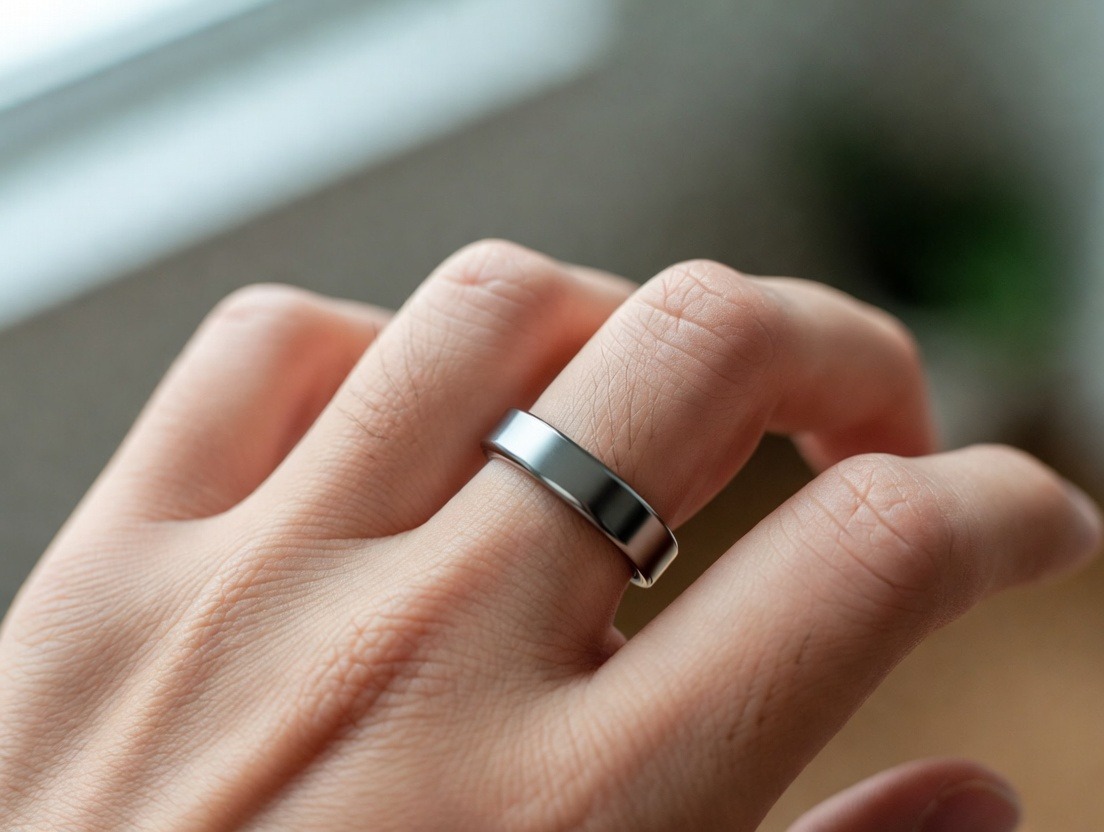
In our ancestral past, seasonal transitions were guided by clear, sensory cues: the angle of the sun, the scent of the soil after the first rain, the behavior of animals. Today, living in climate-controlled boxes with artificial light, we’ve lost that sensory feedback loop. We often miss the subtle signals our bodies send until we’re already deep into seasonal burnout, injury, or a motivational slump. This is where modern wearable technology steps in, not as a replacement for intuition, but as a tool to rebuild it. It provides the objective data that translates our body’s whispers into actionable insights, allowing for a smooth, intentional transition between seasonal movement archetypes.
The core of a tech-enabled transition lies in monitoring a suite of biomarkers that act as a dashboard for your internal state. Here’s how key metrics guide your shift from one season to the next:
Implementing a Data-Driven Transition Plan:
A device like the Oxyzen smart ring excels here because of its continuous, non-intrusive monitoring. Worn 24/7, it captures your body’s response to the full spectrum of daily life and environmental changes, not just your 60-minute workout. This holistic view is essential for navigating the complex, multifaceted transition between seasons. It provides the empirical evidence needed to honor your biology, making the case for why rest is productive and why adjusting your plan is intelligent, not weak. For a broader look at how daily monitoring supports a proactive health strategy, read our article on how smart rings support healthy aging through daily monitoring.
Winter is not the enemy of fitness; it is its necessary counterpart. It is the yin to summer’s yang—a season dedicated to recovery, fortification, and preparation. To move well in winter, we must fully embrace its biological mandate: conservation. This requires a paradigm shift from external achievement to internal maintenance and growth.
The Physiology of Cold Adaptation: When exposed to cold, the body undergoes remarkable adaptations. Non-shivering thermogenesis in brown adipose tissue (BAT) increases, as we’ve discussed. But there’s more. Peripheral vasoconstriction (narrowing of blood vessels in the limbs) improves central circulation volume, which can act as a form of low-grade altitude training for the heart. The body also becomes more efficient at using fat stores for energy, both for heat and movement. However, these adaptations come at a metabolic cost. The energy used to stay warm is energy not available for explosive, high-power output. This is a key reason why maximal performance is harder in the cold—the body is already doing significant background work.
The Movement Imperatives of Winter:
The Psychological Strategy: Winter demands a different kind of discipline. It’s the discipline of showing up for the unglamorous, foundational work. Set process-oriented goals: “I will strength train 3 times per week,” not “I will deadlift X pounds.” Celebrate consistency. Create a cozy, inviting home workout space with good lighting. Use movement as a tool to combat the winter blues—the endorphin rush and sense of accomplishment are powerful antidotes to seasonal lethargy.
Here, a wellness ring’s value is in proving the efficacy of this “less sexy” approach. You can track how your consistent strength training positively impacts your resting metabolic rate estimate and how your commitment to winter walks improves your daily readiness score. It shows you that the work of fortification is paying measurable dividends, even if the scale or the mirror doesn’t shout it. This objective validation keeps you engaged in the vital, quiet work of winter.
Spring is a season of potent biological awakening. As daylight stretches and temperatures moderate, the entire natural world surges with energy—and so does our physiology. This isn’t just a feeling; it’s a measurable shift driven by decreased melatonin, increased serotonin and dopamine, and changing hormonal profiles. The key to a successful spring movement strategy is to harness this renewable energy intelligently, not waste it in a frantic burst that leads to May burnout.
The Physiology of Re-emergence: The increasing photoperiod is the main trigger. With more morning light, our cortisol awakening response becomes sharper, giving us more natural energy to start the day. Vitamin D synthesis begins in earnest as skin is exposed to stronger sunlight, supporting immune function, bone health, and mood. Testosterone levels, which hit their annual trough in late winter, begin their slow climb. The body is literally coming out of conservation mode and into a state primed for growth and activity. However, after a season of lower-intensity work, our cardiovascular fitness, tendon resilience, and sport-specific skills have likely detrained somewhat. This gap between eagerness and readiness is where most spring injuries occur.
The Movement Imperatives of Spring:
The Psychological Strategy: Spring’s energy can be scatter-shot. Channel it with intentionality. Set a “spring training” goal, like building up to a 5K or mastering a pull-up. Use the novelty of the season to break the monotony of your winter routine. Most importantly, practice patience. Your fitness will return, but forcing it risks a setback. Enjoy the process of feeling your body wake up and get stronger each week.
A smart ring is invaluable for managing this delicate ramp-up. By watching your recovery metrics and sleep data, you get an unbiased report card on whether your increased activity is being absorbed or is overwhelming your system. A successful spring transition is marked by gradually increasing activity volume while maintaining or improving HRV and sleep scores. If those scores drop, it’s a clear signal to pull back the reins. This data-driven patience is what allows you to build a durable foundation for a spectacular summer.
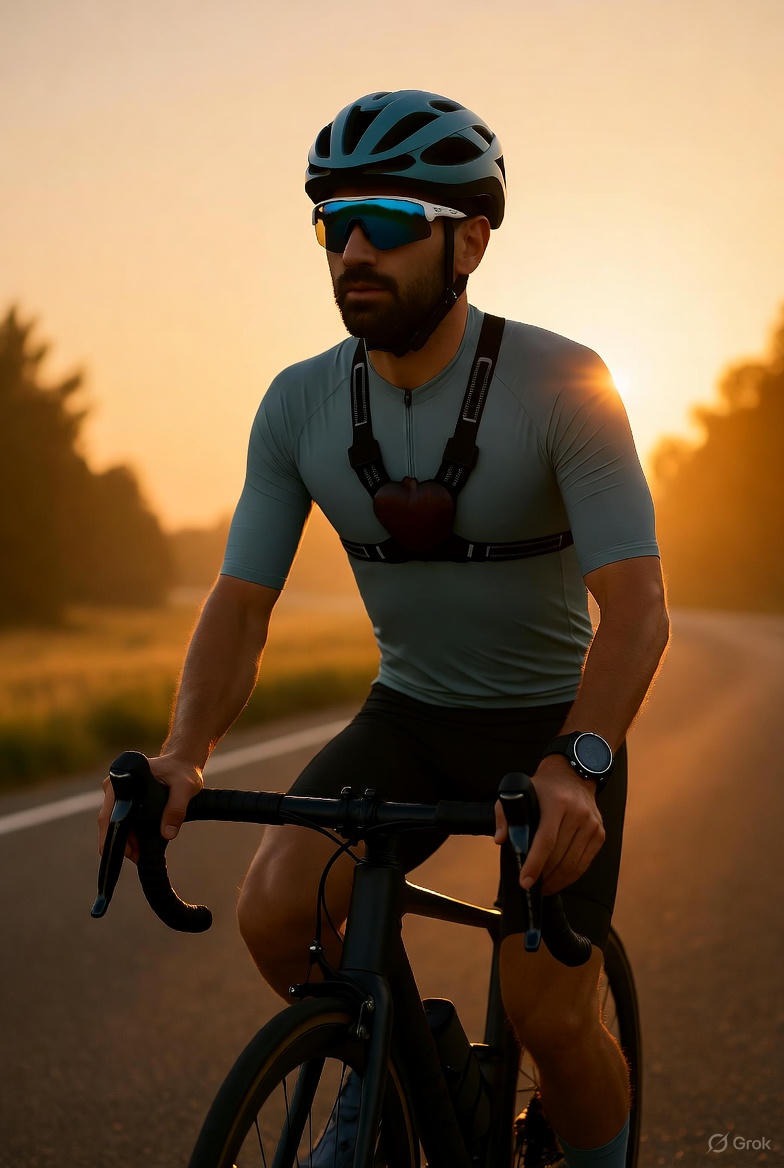
Summer represents the peak of our biological potential for movement. With long days, ample sunlight, warm temperatures (though not excessively hot), and a favorable hormonal milieu, our bodies are primed for high energy expenditure, skill acquisition, and peak performance. The summer movement strategy shifts from building and rebuilding to expressing and optimizing. It’s the season to go for it—but with strategic intelligence to avoid the classic pitfalls of overtraining and heat illness.
The Physiology of Peak Expression: Testosterone and growth hormone secretion are generally more robust. Vitamin D levels peak, supporting muscle function, immune resilience, and bone health. The warm weather means muscles are more pliable and ready for action with less risk of strain from cold stiffness. However, the cardiovascular system faces a unique challenge: it must supply blood to working muscles and to the skin’s surface for cooling. This dual demand means heart rates will be higher for a given pace or power output compared to cooler seasons. Hydration and electrolyte balance become non-negotiable components of performance, not afterthoughts.
The Movement Imperatives of Summer:
The Psychological Strategy: Summer is for joy. Connect movement with social connection—group hikes, bike rides with friends, team sports. Use the season to explore new environments: trails, lakes, mountains, or new neighborhoods. This creates positive, memorable associations with being active. Be flexible; if a heatwave hits, swap your run for a swim without guilt. The goal is to savor the season’s abundance.
A wellness ring becomes a crucial safety and optimization monitor in summer. Tracking heart rate during activity shows you exactly how much harder the heat is making your body work. Monitoring nighttime resting heart rate can reveal dehydration or insufficient recovery from heat stress. Observing sleep quality can indicate if late-evening workouts or high heat are disrupting your crucial recovery phase. This data allows you to push your limits safely, knowing you have a real-time feedback system watching for signs of overreach. It’s the ultimate tool for balancing summer’s “go big” attitude with the wisdom needed for longevity, a theme central to many science-backed healthy aging tips.
Autumn is the season of transition par excellence. It’s a time of breathtaking beauty and palpable decay, of harvest and release. Physiologically and psychologically, it’s our cue to begin the process of integration—consolidating the gains of summer, reaping the rewards, and preparing the system for the inward turn of winter. A graceful autumn downshift is the secret to avoiding end-of-year burnout and setting the stage for a resilient winter.
The Physiology of Transition: As daylight rapidly shortens, melatonin production increases, subtly nudging us towards earlier bedtimes and a more restful state. Testosterone levels often reach their annual peak in early autumn, a final gift of summer’s abundance, making it an excellent time for maximal strength expression. Cortisol rhythms begin to shift in response to the changing light. The cooler, crisp air is biomechanically ideal for endurance performance, often making autumn the best season for personal records in distance events. However, this period is also associated with a rise in immune challenges (back-to-school germs, early cold/flu season) as the body manages the stress of transition.
The Movement Imperatives of Autumn:
The Psychological Strategy: Autumn invites reflection. Look back on your movement year—what did you enjoy? What goals did you achieve? What did you learn? Use this insight to inform your winter intentions. Embrace the coziness of autumn movement: a run through falling leaves, a hike to see the colors, a strength session as the afternoon darkens. Practice letting go of the “must be peak performance” mindset and cultivate gratitude for what your body has accomplished. This reflective, grateful approach is a cornerstone of sustainable wellness, as highlighted in resources like 50 healthy aging tips a smart ring helps implement daily.
Here, your wellness ring data serves as a transition coach. It helps you identify the right moment to downshift. When you see your HRV begin to plateau or dip despite maintaining summer-level intensity, that’s your cue that it’s time. When your sleep score starts to suffer as the days get shorter, it’s a prompt to enforce better evening light hygiene. The data provides the objective rationale for a graceful retreat, turning what might feel like giving up into a strategic, proactive choice for long-term health. It teaches you that the pinnacle of fitness intelligence isn’t always pushing forward, but sometimes knowing precisely when and how to consolidate and rest.
Our movement patterns change with the seasons, and so too must our fuel. Nutrition is not merely calories in; it’s the information that directs cellular repair, inflammation, energy availability, and recovery. Aligning your diet with both the seasonal environment and your seasonal movement archetype creates a powerful synergy, optimizing performance, enhancing adaptation, and supporting overall health. This is the concept of "circannual nutrition"—eating with the annual clock.
Winter (Nourish & Fortify):
Spring (Awaken & Rebuild):
Summer (Express & Perform):
Autumn (Harvest & Integrate):
The Role of a Smart Ring in Nutritional Syncing:
Your wearable provides indirect but powerful feedback on your nutritional strategies. If you increase training volume in spring but see your HRV plummet and resting heart rise, it could signal inadequate carbohydrate or overall calorie intake to support the new workload. If you’re hydrating well in summer but your sleep is restless, maybe your electrolyte balance is off. By correlating your dietary choices with your biometric trends, you can learn what truly fuels your unique body best in each season. This biofeedback turns nutrition from a generic prescription into a personalized, dynamic dialogue. For more on how this kind of feedback supports long-term wellness strategies, explore our piece on how a wellness ring validates effective healthy aging tips.
Human beings are social creatures, and our movement habits have almost always been communal. The season dictates not only what we do, but with whom and how often. From ancient harvest dances to summer swimming holes and winter gatherings around the hearth, community is the rhythm keeper and the motivator. In our often-isolated modern lives, intentionally syncing our social movement with the seasons can dramatically enhance consistency, enjoyment, and psychological well-being.
How Social Dynamics Naturally Shift with the Seasons:
Leveraging Social Rhythms for Consistent Movement:
The Psychological Power of the Pack: Community provides accountability, which is a primary predictor of habit adherence. It also provides shared meaning—suffering through a hard workout together or celebrating a seasonal goal creates bonds. Perhaps most importantly for seasonal movement, it normalizes the ebb and flow. Seeing your friends also shift to slower, indoor workouts in winter reinforces that this is a natural, acceptable, and intelligent shift, not a failure.
A wellness ring can even foster a positive, data-informed social dynamic. Sharing non-competitive trends like “I noticed my HRV is much better on days I walk with you” or participating in a team challenge based on sleep consistency or activity minutes can create a culture of supportive, health-focused connection. This turns the solitary act of tracking into a shared journey, making the path through the seasonal cycle feel less lonely and more like a collective adventure.
While the principles of seasonal variation apply to everyone, the expression and importance of these rhythms can be magnified for specific groups. Understanding these nuances ensures that the seasonal movement framework is inclusive, safe, and maximally beneficial for all.
For Older Adults (Aging 65+):
Seasonal adaptation becomes less about peak performance and more critically about safety, functional independence, and chronic disease management. The stakes are higher, as a fall on ice or heat stroke can have devastating consequences.
For Competitive and Serious Recreational Athletes:
For this group, the seasonal cycle is the foundation of periodization—the structured planning of training to peak for competition. The natural environment provides the perfect macrocycle.
For Individuals Managing Chronic Conditions (e.g., Arthritis, Cardiovascular Issues, Autoimmune Disorders):
Seasons can directly impact symptoms. A data-informed, seasonal approach can help manage flares and optimize good periods.
For Parents and Families:
Family life has its own seasons, often synced with the school calendar. Aligning movement with these rhythms makes it feasible and fun.
In all cases, the core principle remains: listen, adapt, and respect the unique demands of your biology and your life within the grand, repeating cycle of the year.
Theory provides the map, but real-world examples light the path. Let’s examine hypothetical but data-rich case studies of individuals using a seasonally-aware approach, supported by biometric tracking, to achieve their goals. These stories illustrate the transformative power of working with nature’s rhythm.
Case Study 1: Maria, 42 – The Injury-Prone Runner
Case Study 2: James, 58 – Managing Hypertension and Winter Blues
Case Study 3: The Chen Family – Aligning Busy Schedules
Analyzing the Macro-Trends:
When aggregated, data from users who adopt a seasonal mindset often shows fascinating patterns:
These cases and trends prove that the seasonal variation model isn’t theoretical—it’s a practical, data-validated framework for sustainable health. It turns the inevitable fluctuations of the year from obstacles into guides.
Now, we move from understanding to creation. This section is a practical workshop to build your own personalized, dynamic blueprint for movement across the year. You will use insights from your own body, your environment, and your life to craft a plan that is both aspirational and adaptable.
Step 1: Conduct Your Seasonal Retrospective
Before looking forward, look back. Grab a journal and answer these questions for each of the past four seasons:
Step 2: Define Your "Why" for Each Season
Based on your retrospective and the archetypes discussed, assign a primary intention to each upcoming season. Be specific to you.
Step 3: Design Your Seasonal Movement Palette
For each season, list 3-5 primary activity types that align with your “Why” and are realistic for your climate/life.
Step 4: Establish Your Biometric Guardrails
This is where technology transforms your plan from static to intelligent. Using your wellness ring, set parameters for adaptation.
Step 5: Create Your Transition Rituals
Plan the bridges between seasons. These are 2-3 week periods where you consciously shift.
Step 6: Build in Flexibility and Compassion
Your blueprint is a guide, not a law. Life, illness, and unexpected weather will intervene. Write a permission slip: “When life disrupts my plan, I will return to my ‘Why’ and choose the single smallest action that serves it—even if it’s just 5 minutes of mobility. I will use my ring data not to judge myself, but to understand my body’s needs.”
Putting It All Together:
Store your Seasonal Blueprint somewhere accessible—a note-taking app, a physical journal. Review it at the start of each season and each monthly transition. Update it based on what you learn. The most powerful tool you will develop is not the plan itself, but the skill of seasonal awareness—the ability to feel the shifts in your body and your world and respond with grace and intelligence.
To see a collection of actionable strategies that can be integrated into such a blueprint, explore our resource featuring 50 healthy aging tips a smart ring helps implement daily. Your blueprint is the vehicle; these tips are the fuel for a lifelong journey of vibrant health, in harmony with the turning world.
Your Trusted Sleep Advocate (Sleep Foundation — https://www.sleepfoundation.org/)
Discover a digital archive of scholarly articles (NIH — https://www.ncbi.nlm.nih.gov/
39 million citations for biomedical literature (PubMed — https://pubmed.ncbi.nlm.nih.gov/)
experts at Harvard Health Publishing covering a variety of health topics — https://www.health.harvard.edu/blog/)
Every life deserves world class care (Cleveland Clinic -
https://my.clevelandclinic.org/health)
Wearable technology and the future of predictive health monitoring. (MIT Technology Review — https://www.technologyreview.com/)
Dedicated to the well-being of all people and guided by science (World Health Organization — https://www.who.int/news-room/)
Psychological science and knowledge to benefit society and improve lives. (APA — https://www.apa.org/monitor/)
Cutting-edge insights on human longevity and peak performance
(Lifespan Research — https://www.lifespan.io/)
Global authority on exercise physiology, sports performance, and human recovery
(American College of Sports Medicine — https://www.acsm.org/)
Neuroscience-driven guidance for better focus, sleep, and mental clarity
(Stanford Human Performance Lab — https://humanperformance.stanford.edu/)
Evidence-based psychology and mind–body wellness resources
(Mayo Clinic — https://www.mayoclinic.org/healthy-lifestyle/)
Data-backed research on emotional wellbeing, stress biology, and resilience
(American Institute of Stress — https://www.stress.org/)


