


How Your Smart Ring's HRV Tracks Your Work-Life Balance Quality
Explains how Heart Rate Variability (HRV) tracked by your ring is a sensitive indicator of overall life balance.
Explains how Heart Rate Variability (HRV) tracked by your ring is a sensitive indicator of overall life balance.
%402x.svg)
You wake up feeling drained, despite logging eight hours. Your coffee consumption has become a non-negotiable crutch, and the line between a productive workday and a frantic, anxious scramble feels permanently blurred. You suspect your work-life balance is off, but “balance” is a vague, almost mythical concept. How do you measure the intangible? How do you quantify the silent, accumulating cost of a stressful meeting, a poor night's sleep, or the constant ping of notifications on your personal time?
The answer lies not in a productivity app or a time-tracking spreadsheet, but in the silent, rhythmic language of your own body. Specifically, in the subtle beat-to-beat variations of your heart, a metric known as Heart Rate Variability (HRV). Once confined to elite athletic training and clinical cardiology, HRV has become the cornerstone of modern wellness technology, and your smart ring is the most intimate, continuous translator of this profound biological signal.
This isn't just another health statistic. HRV is your nervous system’s seismograph. A high, resilient HRV indicates a body that is adaptable, recovered, and ready to handle stress. A low, suppressed HRV is a flashing dashboard warning: your system is overloaded, fatigued, and operating in a constant state of defensive survival—the very definition of poor work-life integration.
This article is your deep dive into the silent conversation between your lifestyle and your physiology. We will move beyond simply tracking steps or sleep stages. We will explore how your smart ring’s 24/7 HRV monitoring acts as an objective, unbiased auditor of your work-life balance quality. We’ll decode what your HRV trends are truly telling you about work stress, recovery, and the hidden tax of modern living. By the end, you won't just see numbers on an app; you'll understand a fundamental language of your well-being and possess the knowledge to use it to craft a more sustainable, resilient, and balanced life.
The Silent Language of Your Nervous System: What HRV Really Is
To understand how HRV tracks your work-life balance, we must first move past a common misconception: a healthy heart is not a metronome. It does not beat with a perfectly rigid, robotic thump-thump-thump. Instead, a healthy, resilient heart dances. The time interval between one heartbeat and the next is in constant, millisecond flux. This variability is not an error; it is the signature of a sophisticated control system at work—your autonomic nervous system (ANS).
Your ANS is the autopilot of your body, managing everything you don’t consciously think about: digestion, hormone release, and, crucially, your heart rate. It has two primary branches engaged in a perpetual, delicate tug-of-war:
Heart Rate Variability is the direct output of this conversation. When you are calm, recovered, and balanced, your parasympathetic "brake" has strong influence, creating greater variability between beats—a high HRV. Your body is in a state where it can efficiently manage resources, adapt to change, and maintain internal stability (homeostasis).
Conversely, when you are under sustained physical, mental, or emotional stress, the sympathetic "accelerator" dominates. To prepare for constant perceived challenge, the nervous system reduces variability, creating a more rigid, predictable heart rhythm—a low HRV. It's like a soldier on high alert; efficiency for a specific threat is prioritized over broad adaptability.
Your smart ring, with its photoplethysmography (PPG) sensors, detects the subtle blood volume changes in your finger with each pulse. Advanced algorithms then calculate the time differences between these beats (often the RMSSD or SDNN metrics) to derive your HRV, typically providing a nightly average or a continuous daytime reading. This gives you a numerical proxy for your autonomic nervous system balance. It is, in essence, a continuous readout of your physiological state of readiness or exhaustion, far more nuanced than your heart rate alone.
A study published in the Harvard Business Review highlighted that chronic work stress, characterized by constant SNS activation, leads to suppressed HRV. This isn't just about feeling tired; it’s a measurable state of biological rigidity that precedes burnout, impacts cognitive function, and weakens immune response. Your smart ring’s HRV is giving you an early warning signal long before you consciously acknowledge the problem.
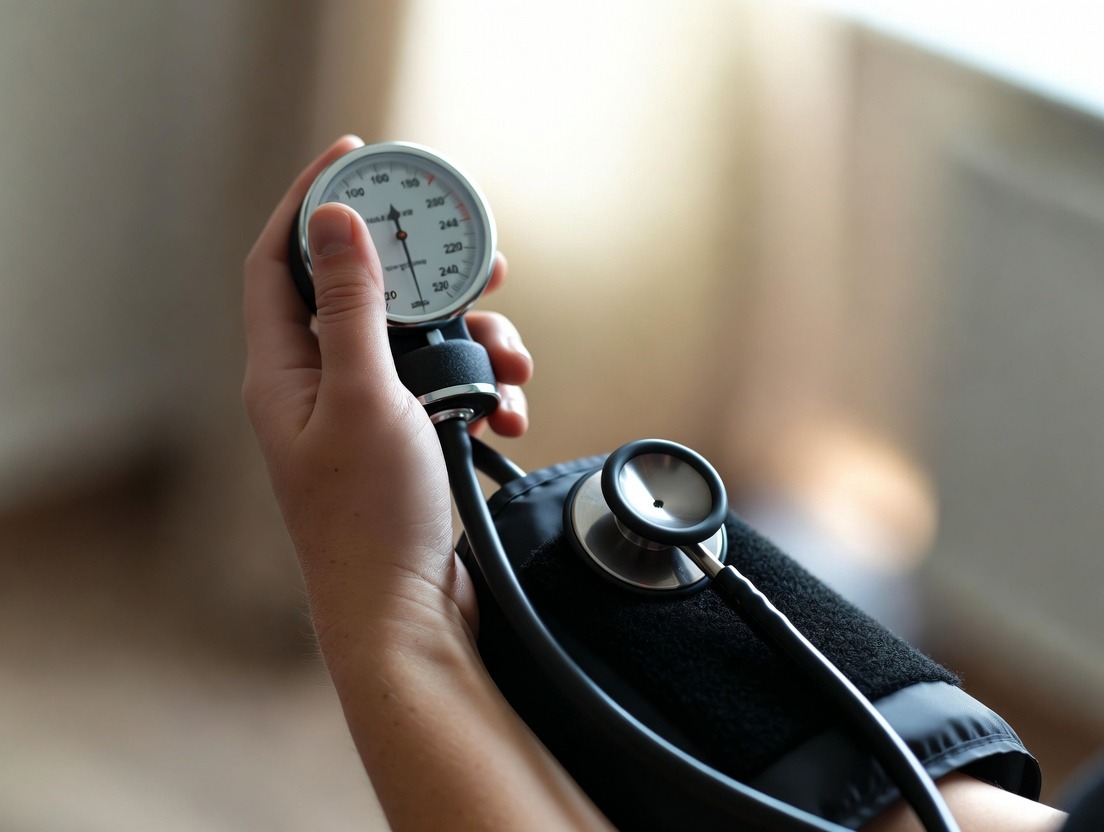
The journey of HRV from a specialized medical tool to a mainstream wellness metric is a story of technological democratization. For decades, accurate HRV measurement required an electrocardiogram (ECG) in a clinical setting. It was used to assess cardiac risk, diabetic neuropathy, and predict mortality after heart attacks. In the 1990s, sports scientists began adopting it to optimize athletic training, using it to determine if an athlete was sufficiently recovered for their next intense session—a practice known as "training readiness."
The first consumer breakthrough came with chest-strap heart rate monitors that could capture accurate beat-to-beat data. However, these were impractical for 24/7 life tracking. The true revolution arrived with the miniaturization and refinement of optical PPG sensors and the powerful processors in wearable devices.
The smart ring represents the pinnacle of this evolution for one simple reason: proximity and continuity. Unlike a watch on the wrist—which is ideal for daytime activity but can be obtrusive at night and is subject to motion artifact from hand movements—a ring on your finger is unobtrusive, socially invisible, and worn continuously. It provides a unique window into your body’s most restorative periods, especially during sleep, when external stimuli are minimized, and your true physiological baseline is revealed.
This shift changed everything. HRV was no longer just a "gym metric" for athletes. It became a "life metric" for everyone. The 24/7 data stream created a holistic picture:
By capturing data in the flow of everyday life—during meetings, family time, and sleep—the smart ring transformed HRV into the ultimate biofeedback tool for modern living. It connects the dots between your 10 p.m. work email, your restless sleep documented in your sleep pattern analysis, and your low readiness score the next morning. It provides the "why" behind the "what," moving wellness tracking from descriptive to diagnostic.
Imagine your HRV as the output of a complex, daily symphony performed by your nervous system. The musicians are your organ systems; the conductors are your daily experiences. Every meeting, meal, conversation, and notification sends a cue to the orchestra, shaping the music’s tempo and harmony—your physiological state.
Your work-life balance, therefore, isn't about perfectly equal hours clocked in and out. It's about the qualitative nature of the experiences in those hours and how your nervous system interprets them. Let’s break down how common conductors shape your HRV symphony:
The Stressful Conductors (Tending to Lower HRV):
The Restorative Conductors (Tending to Raise or Support HRV):
Your smart ring tracks the outcome of this entire performance. You might see your HRV dip sharply at 10 a.m. during a contentious meeting, then slowly climb during a quiet lunch. It may plummet on Sunday evening as "Sunday Scaries" about the upcoming week set in—a classic sign of social jet lag and weekend sleep pattern disruption. By reviewing your daily HRV graph alongside your calendar, you begin to move from feeling "drained" to knowing exactly which events are the most physiologically taxing. This is the foundation of evidence-based life management.
If daytime HRV shows your nervous system reacting to life, nighttime HRV reveals its fundamental capacity to recover from it. Sleep is the non-negotiable maintenance window for your biology. It is when your brain clears metabolic waste, your body repairs tissues, and your nervous system resets. Your smart ring’s measurement of HRV during sleep is arguably its most valuable data point for assessing work-life balance quality.
During deep, restorative sleep (NREM sleep, particularly N3 or slow-wave sleep), your parasympathetic nervous system should be dominant. This is when you should see your HRV reach its highest, most resilient peaks of the 24-hour cycle. A high nightly HRV average is a strong indicator that your body successfully downshifted from the sympathetic-driven day and engaged in profound physical and mental restoration.
Conversely, when work-life stress encroaches on sleep, the damage is twofold:
This is where the smart ring’s multi-sensor approach is transformative. It doesn't just measure HRV in isolation. It correlates it with:
For example, you might notice that on nights after exceptionally demanding workdays, your "Sleep Balance" or "Recovery" score is low, driven by a low HRV reading. The ring’s app might note, "Your body showed signs of elevated stress during sleep." This isn't a judgment; it's a diagnostic insight. It tells you that the stress of the day was so potent it followed you into your physiological repair cycle. It highlights a critical imbalance: your work demands are exceeding your body’s current recovery capacity. Understanding this link is the first step to protecting your sleep as the sacred foundation of balance, a topic explored in depth in our guide on how to reset unhealthy sleep patterns.
Looking at a single day's HRV number is like judging the climate by looking at one day's weather. The true power for work-life balance assessment lies in the trends. Your smart ring’s app likely provides views of your HRV over weeks and months. Learning to interpret these trends turns raw data into actionable wisdom.
The Healthy, Balanced Trend (The "Resilience Zone"):
The Concerning, Imbalanced Trend (The "Strain Zone"):
The Acute Crash (The "Depletion Zone"):
The Art of Contextualization: The number itself (e.g., 45 ms vs. 65 ms) is highly individual. Comparing your HRV to others is meaningless. What matters is your trend relative to your baseline. A person with a naturally lower HRV who maintains a stable 40 ms can be far more balanced than someone with a naturally high HRV that is crashing from 80 ms to 50 ms. Your smart ring helps you establish your normal, so you can identify meaningful deviations.
Not all stress is bad. In fact, a life without challenge—physical, intellectual, or creative—would lead to stagnation and low resilience. The key to a flourishing work-life balance is not the elimination of stress, but the intelligent management of the cycle between stress and recovery. HRV is the perfect tool to help you distinguish between productive "stress" and destructive "strain."
Eustress (Good Stress): This is the stress of a challenging but achievable project, a stimulating workout, or preparing for a welcomed presentation. Eustress is characterized by:
In your HRV data, eustress looks like this: A sharp, temporary dip during or immediately after the event, followed by a swift and complete rebound, often to a level slightly higher than before (a phenomenon called "supercompensation"). This is how you build resilience. Your body learns it can handle the challenge and comes back stronger.
Distress (Bad Stress / Strain): This is the stress of chronic overwork, toxic environments, financial worry, or unresolved conflict. Distress is characterized by:
In your HRV data, distress looks like this: A dip that does not fully recover. The baseline trendline itself begins to slope downward. The nervous system gets "stuck" in a sympathetic-dominant state, leading to the suppressed, rigid HRV pattern indicative of strain.
Your smart ring helps you conduct personal experiments. Let’s say you take on a new, demanding project at work (a stressor). You can watch your HRV:
By observing these patterns, you learn your personal "dose-response" curve to different types of work and life demands. It moves you from a vague sense of being "busy" to a precise understanding of which activities are building you up and which are wearing you down. This awareness is critical for making informed decisions about your workload, boundaries, and the non-negotiable need for recovery, which is deeply connected to maintaining your optimal sleep pattern for your age and lifestyle.
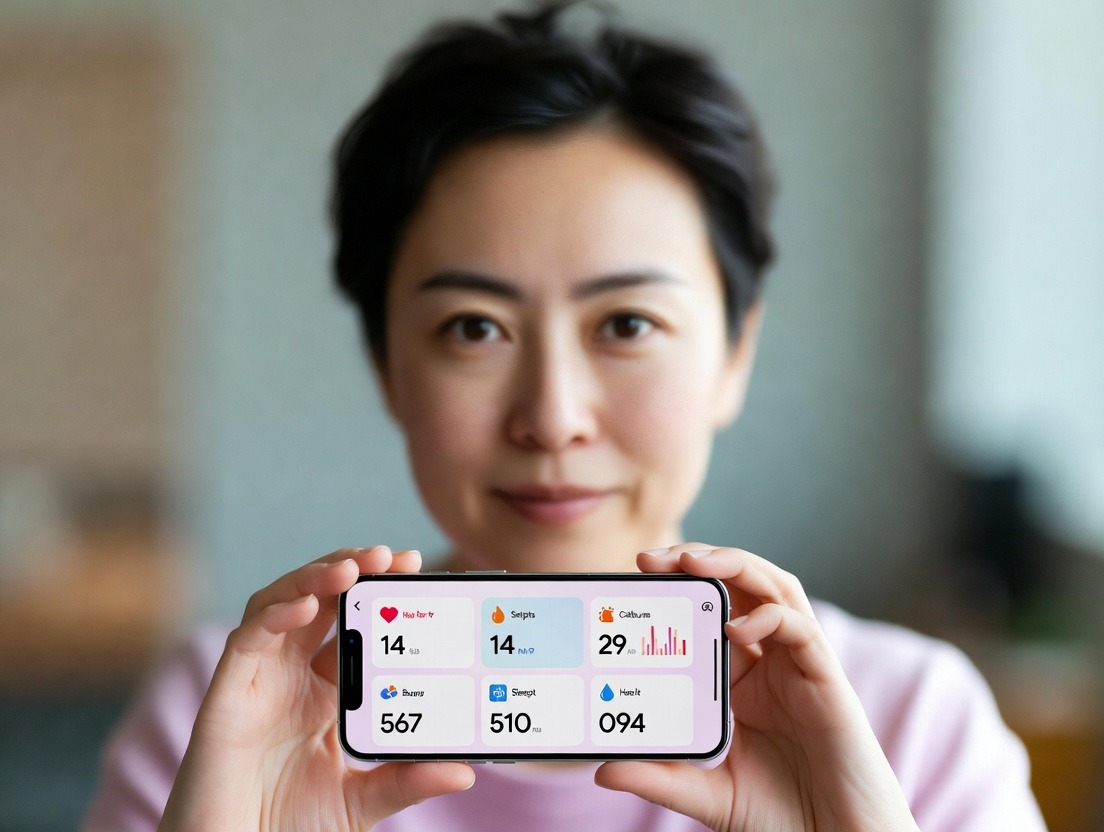
One of the most insidious modern threats to work-life balance is also one of the most visible in HRV data: the constant, low-grade stress of digital connectivity. The "ping" of a Slack message, the red notification bubble on an email icon, the expectation of an immediate response—these are not neutral events. They are micro-stressors that trigger minor SNS activations throughout the day, preventing your nervous system from settling into a calm, parasympathetic state.
This phenomenon, sometimes called "technostress," has a direct and measurable impact on HRV. Research has shown that even the anticipation of receiving notifications can increase cognitive load and stress markers. When this intrusion extends beyond work hours, it effectively erases the boundary between "on" and "off" time, sabotaging your most critical recovery periods.
Your smart ring can reveal the Digital Intrusion Effect in several ways:
An experiment you can run with your smart ring data is a "Digital Boundary" test. For one week, strictly enforce a "no work tech" rule after, say, 7 p.m. and all day Saturday. Use your phone's focus modes or do-not-disturb settings. Observe your nightly HRV and morning readiness scores. Compare them to a baseline week where you were normally connected. The difference for many people is not subtle; it’s a dramatic improvement in sleep quality and next-day physiological readiness. This data-driven feedback makes the abstract cost of "always-on" culture concretely visible, providing a powerful incentive to set and defend healthier digital boundaries—a cornerstone of modern work-life balance.
Your work-life balance isn't shaped solely by meetings and emails; it's profoundly influenced by what you put in your body. Your nutrition acts as either foundational fuel for resilience or as an additional physiological stressor that your nervous system must manage. Your smart ring’s HRV, especially when viewed alongside other metrics like resting heart rate and sleep data, can be a powerful biofeedback tool for understanding these dietary impacts.
The Blood Sugar Rollercoaster: Consuming meals high in refined sugars and simple carbohydrates causes a rapid spike in blood glucose, followed by an insulin-driven crash. This metabolic seesaw activates the sympathetic nervous system. You might experience this as the post-lunch "coma" or the jittery anxiety of a sugar crash. In HRV terms, this manifests as a dip following such meals. Stable energy from balanced meals (protein, healthy fats, complex carbs) supports a more stable autonomic state, reflected in a steadier HRV.
The Inflammatory Load: Highly processed foods, excess alcohol, and foods you may be sensitive to (like gluten or dairy for some) can promote systemic inflammation. Inflammation is a significant stressor on the body, and chronic, low-grade inflammation is correlated with suppressed HRV. A pattern of low HRV despite good sleep and manageable work stress might prompt an investigation into dietary factors.
Caffeine: The Double-Edged Sword: For work performance, caffeine is often the tool of choice. But its timing and your personal tolerance are critical for balance. Caffeine works by blocking adenosine receptors (the neurotransmitter that makes you feel sleepy) and stimulating the release of adrenaline—a direct SNS activator.
Using Your Ring for Nutritional Insight: You don't need to be a strict biohacker to gain insights. Simply note days when your recovery score is surprisingly low despite an otherwise calm day. Reflect on what you ate and drank the day before. Did you have a heavy dinner late? Extra glasses of wine? A 4 p.m. latte? Over time, patterns may emerge. The goal isn't restrictive perfection, but cultivating awareness of how your fuel choices either support your body’s ability to handle work-life demands or add to the load it must bear.
Physical activity is a non-negotiable pillar of health, but its relationship with HRV and work-life balance is nuanced. Exercise is a controlled, acute stressor. When followed by adequate recovery, it strengthens your cardiovascular system and improves your nervous system's resilience—raising your HRV baseline over time. However, when misapplied—either through overtraining or poor timing—it can become a source of chronic strain that worsens imbalance.
The Goldilocks Principle of Exercise and HRV:
Your smart ring transforms you into your own sports scientist. Instead of following a rigid, generic workout plan, you can use your HRV and readiness scores to guide your movement:
This approach, known as autoregulation, ensures your exercise regimen supports your overall work-life balance instead of competing with it. It acknowledges that your capacity for physical stress is dynamically influenced by your mental and emotional load. By aligning your movement with your physiological state, you build sustainable resilience without tipping into burnout. This principle of listening to your body's signals is just as important for understanding your natural sleep patterns and chronotype to optimize your entire daily rhythm.
Human beings are wired for connection. Our nervous systems are not isolated units; they are deeply social and co-regulate with those around us. Positive, supportive relationships are one of the most powerful buffers against the negative effects of work stress and a potent booster of HRV. Conversely, toxic or lonely social environments can be a significant drain on your autonomic balance.
The Physiology of Connection: Positive social interactions—shared laughter, emotional support, physical touch like a hug—stimulate the release of oxytocin. This "bonding hormone" has a direct calming effect on the amygdala (the brain's fear center) and promotes parasympathetic activity. In simple terms, feeling safe, seen, and supported tells your nervous system, "All is well. You can stand down from high alert." This is reflected in a higher, more variable HRV.
The Drain of Dysfunction: Conversely, chronic conflict, loneliness, or relationships that feel unsafe or demanding keep the threat-detection systems online. Managing office politics, dealing with a critical partner, or feeling isolated while working remotely are chronic social stressors that suppress HRV, adding to the cumulative load from work.
Your smart ring can help you map your social ecosystem's impact:
This data underscores that work-life balance isn't just about managing tasks. It's about nurturing the life side of the equation—the relationships that provide meaning, joy, and physiological safety. Investing time in positive social connection isn't a luxury; it's a critical recovery strategy with measurable biological benefits. For couples, this becomes especially important in managing shared life, as different sleep patterns in couples with different chronotypes can be a source of stress or an opportunity for compromise and understanding.
Collecting data is only the first step. The transformative power of your smart ring lies in closing the loop—using the insights from your HRV to make intentional, incremental changes that improve your work-life balance quality. This is where you move from being a passive observer of your physiology to an active architect of your well-being.
Here is a framework for creating your personal HRV-Informed Balance Protocol:
1. Establish Your Baseline (2-4 Weeks):
2. Identify Key Levers (The "Balance Dial"):
Based on the previous sections, categorize the main factors influencing your data. Common levers include:
3. Run Single-Variable Experiments:
Change only one lever at a time for 1-2 weeks and observe the effect on your HRV trend. For example:
4. Create Your "Recovery Triggers" and "Strain Alerts":
5. Practice Seasonal Recalibration:
Understand that your balance isn't static. A demanding quarterly push at work, a family holiday season, or even seasonal changes that affect sleep patterns will require adjustment. Use your long-term trend view to navigate these seasons intentionally, dialing up recovery practices when needed and gracefully accepting temporary dips during known high-stress periods, with a plan to rebound afterward.
By following this protocol, your smart ring ceases to be a mere tracker. It becomes a coach, a compass, and an impartial accountability partner. It grounds the pursuit of work-life balance in the undeniable reality of your own biology, guiding you toward a life that is not just productive, but sustainable and deeply resilient.
While daily fluctuations and weekly rhythms are crucial, the most profound insights from your smart ring’s HRV data emerge when you zoom out to the macro view—the trends over months, seasons, and even years. This longitudinal perspective transforms the metric from a daily wellness score into a true life dashboard, revealing how major life chapters, career phases, and lifestyle changes imprint themselves on your autonomic nervous system.
The Signature of Life Transitions:
A career change, becoming a parent, moving to a new city, entering a sustained period of creative work, or navigating a prolonged illness—these aren't just events; they are seismic shifts in your daily reality. Your HRV data chronicles this journey with remarkable fidelity.
Seasonal Rhythms and Circannual Patterns:
Your biology is not separate from the natural world. Many individuals notice predictable HRV rhythms tied to seasons, often linked to light exposure, activity levels, and social patterns.
The Aging Curve:
HRV has a well-documented natural decline with age, a reflection of the decreasing tone of the autonomic nervous system. However, the rate of this decline is heavily influenced by lifestyle. Your long-term data allows you to track your personal curve. Someone with a consistent meditation practice, strong social ties, and regular aerobic exercise may show a far more gradual, graceful decline compared to the population average. In this way, your HRV trend becomes a biomarker of your biological aging process, offering feedback on whether your lifestyle choices are accelerating or decelerating that process.
This long-view dashboard provides something rare in modern life: objective evidence of your life’s trajectory. It answers questions like: "Is my current career phase sustainable?" "Did I truly recover from that difficult year?" "Are my healthy habits making a difference over the long haul?" It turns abstract concepts of "life balance" into a tangible, scrolling timeline of your physiological resilience, empowering you to steer the long arc of your health with foresight and data.
As powerful as HRV is, it is not an omniscient oracle. Responsible and effective use of this technology requires a clear understanding of its limitations and confounding factors. A smart ring provides exquisite data, but it requires an intelligent human interpreter.
HRV is a Signal, Not a Diagnosis:
A low HRV indicates your nervous system is under strain. It does not, by itself, tell you the cause. The strain could be from:
The Confounding Factors:
Certain variables can significantly impact HRV readings independently of work-life balance, and it's vital to recognize them:
The "Metrics Trap" and Anxiety Paradox:
A potential pitfall of any biometric tracking is the development of "orthosomnia"—an unhealthy preoccupation with achieving perfect sleep or recovery scores. If checking your morning HRV creates anxiety, that anxiety itself will suppress your HRV, creating a self-defeating cycle. The ring should be a guide, not a judge. If you find yourself stressed by the data, it’s a sign to take a step back, perhaps even a "ring holiday," and reconnect with your subjective sense of well-being.
The Integration Imperative:
Therefore, the most insightful approach is a holistic one. Your smart ring’s HRV is the core, objective signal, but it must be integrated with:
By understanding these limits, you become a sophisticated interpreter. You learn not to panic at a single low reading, but to observe patterns. You ask, "My HRV is low. Am I getting sick? Did I drink last night? Is my period due? Or is this truly a sign that my work project is unsustainable?" This nuanced understanding prevents data-driven paranoia and fosters true self-awareness, which is the bedrock of any meaningful change. This balanced perspective is as important as understanding the science of sleep patterns and what research reveals about their complexity.
Once you have established a reliable baseline and understand your personal patterns, you can graduate from reactive insight to proactive strategy. Your HRV data can inform high-stakes scheduling and decision-making, helping you align your most demanding tasks with your peak physiological capacity.
The "Biological Prime Time" Audit:
Most productivity advice suggests finding your most focused hours. HRV provides a physiological validation of this. By observing your daytime HRV fluctuations (if your ring provides them), you can identify when your nervous system is most stable and resilient.
Project Planning with Recovery in Mind:
Before embarking on a known high-intensity work period (e.g., a product launch, quarterly close, or conference speaking), review your historical data.
Decision-Making at a Crossroads:
When facing a major life or career decision (e.g., "Should I take this promotion?" "Can I handle this side project?"), your historical HRV data serves as a personal capacity report.
This tactical use turns your smart ring from a wellness device into a performance and life-management system. It grounds your ambition and commitments in the reality of your biological capacity, leading to more sustainable success and preventing the all-too-common cycle of achievement followed by burnout. It’s the ultimate application of knowing your own sleep patterns and productivity for finding peak hours and applying that knowledge to real-world planning.
The connection between mind and body is not metaphorical; it is electrochemical and instantaneous. Your thoughts, beliefs, and emotional patterns are powerful conductors of your autonomic nervous system, and thus, direct sculptors of your HRV. Understanding this bridge is key to using HRV not just to manage time, but to transform your relationship with stress itself.
Rumination vs. Resolution:
How you process stressful events psychologically has a dramatic physiological impact. Rumination—the repetitive, passive cycling of anxious thoughts—is like pressing the sympathetic "accelerator" over and over in your mind. It keeps the threat response active long after the actual event has passed, leading to a prolonged suppression of HRV. In contrast, cognitive resolution—actively processing an event, finding meaning, or deciding on an action plan—allows the nervous system to discharge the stress and return to baseline. Your smart ring can show you the tangible cost of rumination: an argument at work that you replay all evening will manifest as a flatlined or declining HRV throughout the night.
Locus of Control and Perceived Stress:
Two people can face an identical workload and have vastly different HRV responses based on their psychological appraisal. The person who feels a sense of agency, control, and competence (an internal locus of control) is likely to experience the period as a challenging "stress" with a healthy HRV rebound. The person who feels powerless, controlled by external demands, and incompetent (external locus of control) will experience it as a threatening "strain," with a sustained HRV suppression. Your HRV data can reveal your default appraisal style, prompting you to work on cognitive reframing and skill-building to foster a greater sense of agency.
The Practice of Acceptance:
Paradoxically, one of the most powerful ways to improve HRV is to stop fighting your current state. Anxiety about having a low HRV, as mentioned, worsens it. Psychological acceptance—observing "My nervous system is stressed right now, and that's okay"—can initiate a calming parasympathetic shift. Mindfulness and meditation practices are potent tools for cultivating this acceptance, and their efficacy is directly visible in HRV trends. Regular practitioners often show not just higher baselines, but also greater stability—their HRV is less reactive to minor daily hassles.
Using HRV for Psychological Insight:
You can reverse the flow of insight. Instead of just seeing how thoughts affect your body, use your body's data to understand your mind.
By paying attention to this mind-bridge, your HRV work becomes a form of integrated self-inquiry. It helps you identify not just what stresses you, but how your unique mind perpetuates or resolves that stress. This opens the door to the most profound level of work-life balance: cultivating an inner psychological environment that fosters resilience regardless of external circumstances. This internal work is deeply connected to managing how stress alters sleep patterns and recovery, creating a holistic view of well-being.
Your HRV does not exist in a vacuum; it is deeply entwined with your body's master clock—your circadian rhythm. This 24-hour cycle, governed by light exposure, regulates hormone release, body temperature, digestion, and, crucially, the balance of your autonomic nervous system. Aligning your life with your circadian biology is perhaps the most powerful foundational step for improving HRV and work-life balance.
The Diurnal Rhythm of HRV:
In a perfectly aligned system, HRV follows a predictable daily pattern:
Light: The Primary Zeitgeber:
Light exposure is the most potent signal for your circadian clock. Morning sunlight (even on cloudy days) is essential for setting the rhythm, boosting daytime alertness via cortisol (in a healthy curve), and ensuring a timely melatonin release at night. Conversely, blue-rich light from screens in the evening delays melatonin, tricks your body into a daytime sympathetic state, and directly sabotages the evening rise in HRV. Your smart ring's sleep data, showing poor sleep onset or low HRV, is often the first indicator of poor light hygiene.
Honoring Your Chronotype:
Your innate predisposition to be a morning person ("lark"), evening person ("owl"), or somewhere in between is your chronotype. It's genetically influenced and dictates your ideal timing for sleep, work, and peak performance. Fighting your chronotype is a guaranteed way to suppress HRV.
Using HRV to Find Your Personal Rhythm:
Your smart ring data can help you identify and honor your natural design.
The goal is to create a life schedule that respects your biological blueprint as much as possible. This might mean negotiating a later start time, scheduling deep work during your personal peak, and defending your ideal sleep window fiercely. When your external schedule is in sync with your internal rhythm, your HRV will reflect it with a stronger, more resilient diurnal wave—the ultimate sign of a balanced system. For a deeper exploration of your innate design, you can identify your natural sleep pattern and chronotype.
Your work-life balance is not negotiated solely between you and your laptop. It is mediated by the physical spaces you inhabit and the social environments you navigate daily. These surroundings send constant signals to your nervous system, either promoting safety and recovery (high HRV) or triggering vigilance and defense (low HRV). Your smart ring’s HRV data can serve as an objective auditor of these often-overlooked factors.
The Physical Workspace:
The Home Sanctuary:
Your home should be a haven for parasympathetic recovery. Does your data support that?
The Social Environment:
As touched on earlier, the people around you are potent modulators of your state.
By treating your HRV as an environmental sensor, you can make targeted changes. Perhaps you invest in noise-canceling headphones, reorganize your home office, or finally have that conversation about a difficult team dynamic. You move from feeling vaguely drained by your environment to having evidence of its cost, empowering you to advocate for and create surroundings that actively support your nervous system's need for both productive engagement and deep restoration. This aligns with the broader principle of using data to optimize your life based on your unique patterns.
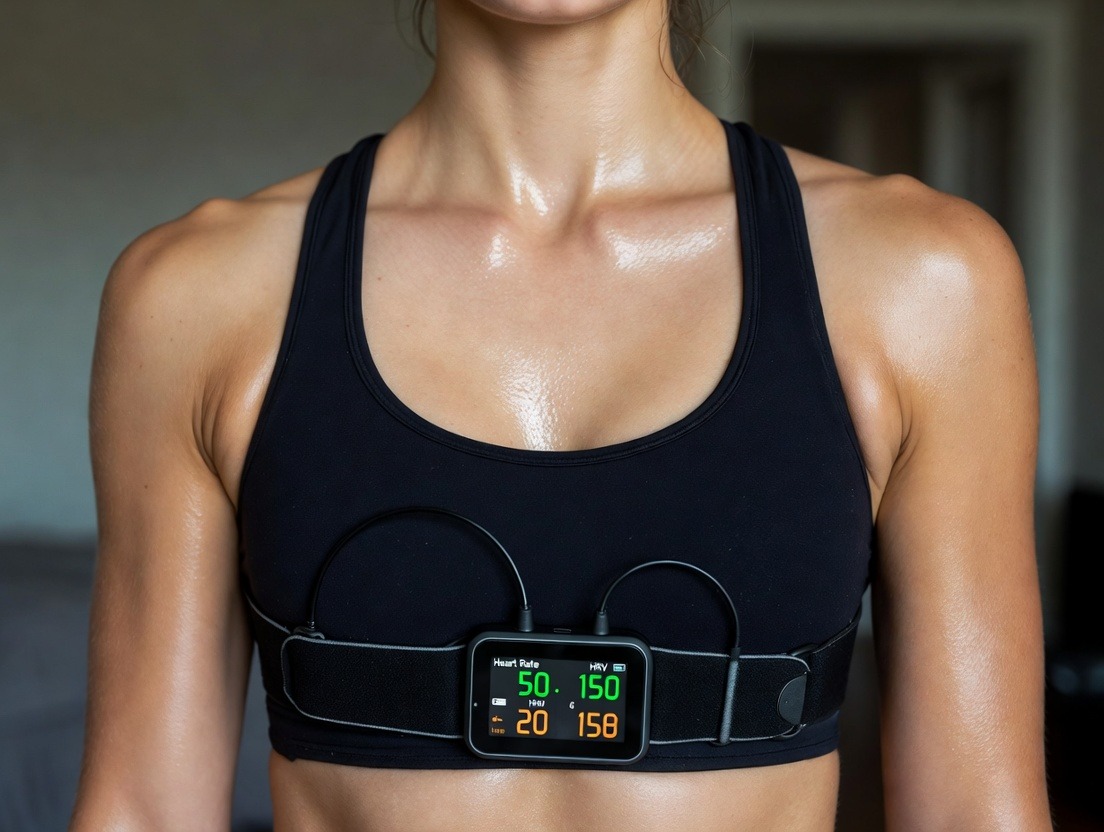
We stand at the frontier of a new paradigm in workplace well-being and personal productivity: one informed by real-time, personalized physiological data. HRV tracking via wearable technology like smart rings is poised to move from a consumer wellness trend into a integrated component of how we design sustainable work cultures and personal careers.
From Presenteeism to Performance-ism:
The old model valued hours logged. The future values outcomes achieved in a sustainable way. HRV data, aggregated and anonymized, can help organizations move beyond blanket wellness programs to understand the true physiological impact of work structures.
Personalized Flexibility:
The "one-size-fits-all" flexible work policy will evolve. Imagine a system where employees use their own data to propose personalized schedules aligned with their chronotype and capacity, backed by the objective evidence of their HRV trends. A night owl could present data showing their peak productivity and stability occurs from 10 a.m. to 7 p.m., while a morning lark could justify a 7 a.m. to 4 p.m. schedule.
Ethical Guardrails and Personal Sovereignty:
This future is fraught with ethical questions that must be addressed proactively.
The Empowered Professional:
On an individual level, this future means you will navigate your career with unprecedented self-knowledge. You will be able to:
Your smart ring is the vanguard of this shift. By mastering your HRV data now, you are not just optimizing your current balance; you are building the literacy and habits for a future where work adapts to human physiology, not the other way around. It is the beginning of a more intelligent, humane, and sustainable relationship with our vocations.
This concludes the first portion of this comprehensive guide. You now possess a deep understanding of what HRV is, how it reflects your work-life balance, and how to interpret the data from your smart ring across daily, weekly, and longitudinal timescales. We've covered the influence of digital life, nutrition, movement, relationships, psychology, circadian biology, and environment. The foundation is set.
In the next portion, we will dive into the actionable protocols. We will build on this knowledge to create tailored strategies for using your HRV data to design your ideal day, navigate high-stress periods, recover from imbalance, and build unshakable long-term resilience. We will explore specific breathwork, lifestyle, and recovery techniques proven to elevate HRV, and provide a step-by-step framework for turning insight into lasting transformation.
Before exploring advanced techniques, ensure these five foundational pillars are solid. They are the bedrock upon which all other HRV improvements are built. Your smart ring will give you immediate feedback on their effectiveness.
1. Light Anchoring:
2. Sleep Consistency:
3. Strategic Hydration:
4. Nutrient Timing for the Nervous System:
5. The Movement Anchor:
Implementation: Do not overhaul everything at once. Pick one pillar, master it for a week while monitoring your ring's recovery score and HRV trend, then add another. The data will confirm which pillar gives you the most immediate leverage.
Breath is the remote control for your autonomic nervous system. No intervention can change your HRV as quickly and directly. These techniques range from on-the-spot resets to daily training protocols.
A. The Instant Reset (4-7-8 or Physiological Sigh):
B. The Daily Trainer (Coherent or Resonance Breathing):
C. The Sleep Primer (4-4-6-2 or "Box Breathing" Variation):
Data-Driven Practice: Use your smart ring's "relax" or "mindfulness" session feature if it has one, or simply note the time you practice. Observe the effect on your immediate heart rate and, more importantly, on your sleep HRV that night and your readiness score the next morning. This biofeedback loop proves the power of the practice directly to you.
Your Trusted Sleep Advocate: Sleep Foundation — https://www.sleepfoundation.org
Discover a digital archive of scholarly articles: NIH — https://www.ncbi.nlm.nih.gov/
39 million citations for biomedical literature :PubMed — https://pubmed.ncbi.nlm.nih.gov/
Experts at Harvard Health Publishing covering a variety of health topics — https://www.health.harvard.edu/blog/
Every life deserves world class care :Cleveland Clinic - https://my.clevelandclinic.org/health
Wearable technology and the future of predictive health monitoring :MIT Technology Review — https://www.technologyreview.com/
Dedicated to the well-being of all people and guided by science :World Health Organization — https://www.who.int/news-room/
Psychological science and knowledge to benefit society and improve lives. :APA — https://www.apa.org/monitor/
Cutting-edge insights on human longevity and peak performance:
Lifespan Research — https://www.lifespan.io/
Global authority on exercise physiology, sports performance, and human recovery:
American College of Sports Medicine — https://www.acsm.org/
Neuroscience-driven guidance for better focus, sleep, and mental clarity:
Stanford Human Performance Lab — https://humanperformance.stanford.edu/
Evidence-based psychology and mind–body wellness resources:
Mayo Clinic — https://www.mayoclinic.org/healthy-lifestyle/
Data-backed research on emotional wellbeing, stress biology, and resilience:
American Institute of Stress — https://www.stress.org/


