
What Your Smart Ring Health Tracking Reveals That Blood Tests Miss

For decades, the gold standard for understanding our inner health has been the blood test. The ritual of the lab visit, the needle's pinch, and the subsequent wait for a cryptic report has been our primary window into cholesterol levels, blood sugar, and vitamin deficiencies. It’s a powerful, essential snapshot. But it’s just that—a snapshot of a single moment in time, taken in a sterile, often stressful environment.

What if your health could tell its story not in a series of disconnected snapshots, but in a rich, continuous, high-definition film? This is the paradigm shift quietly unfolding on your finger. Advanced smart rings, like those designed by Oxyzen, are not replacing your annual physical but are radically augmenting it. They capture the dynamic, living narrative of your physiology as it unfolds through sleep, stress, activity, and recovery—a story that a static blood sample is structurally incapable of telling.

This article delves into the profound and complementary insights your smart ring provides, filling the critical gaps left by even the most comprehensive lab work. We will explore how continuous data reveals not just what is in your blood, but how your entire system is functioning in the real world. It’s the difference between analyzing a single frame of a movie and understanding the entire plot, character development, and pacing. Welcome to the era of longitudinal, contextual health intelligence. To begin your journey into this new world of self-knowledge, visit Oxyzen.shop to discover the technology making it possible.

The Snapshot vs. The Story: Understanding the Fundamental Data Gap

Imagine trying to diagnose the health of a forest by examining a single leaf plucked at noon on a Tuesday. You could analyze its chlorophyll content, check for pest damage, and measure its size. Valuable data, certainly. But you would have no idea about the forest's nightly rhythms, how it weathers a storm, its recovery patterns after a drought, or the complex interplay of light and shadow throughout the day. This is the essential limitation of the blood test snapshot when applied to the dynamic ecosystem of the human body.

Blood tests are phenomenal for measuring quantities: the concentration of hormones, the count of cells, the level of lipids or minerals. They provide absolute, clinically validated numbers that are crucial for diagnosing diseases, identifying deficiencies, and establishing baselines. However, they are notoriously poor at capturing qualities and patterns: the rhythmic fluctuations of your stress response across a difficult workweek, the depth and restoration of your sleep architecture night after night, or how efficiently your body recovers from a hard workout.

This gap exists for several concrete reasons:

  • The Context Problem: Blood is drawn in a clinic, a setting that can induce "white coat syndrome"—elevated blood pressure and stress hormones that skew readings. Your smart ring gathers data in your natural habitat: at home, at work, during your commute. It captures your authentic, baseline physiology.
  • The Timing Problem: Many bodily processes are circadian. Cortisol should be high in the morning and low at night. Testosterone fluctuates. A single draw provides no information about whether your rhythm is optimal or disrupted. A smart ring tracking heart rate variability (HRV) and resting heart rate can infer the health of these underlying circadian and autonomic rhythms 24/7.
  • The Dynamic Problem: How does your body respond to a challenge? A blood test might show your fasting blood sugar is normal. But a smart ring can reveal (through continuous temperature and HRV monitoring) that a sugary lunch triggers a significant inflammatory response and autonomic stress that lasts for hours—a precursor to metabolic issues a standard test would miss for years.
  • The Integration Problem: Blood tests often look at markers in isolation. A smart ring’s algorithms synthesize multiple data streams—movement, pulse, temperature, blood oxygen—to generate a composite picture of systemic readiness or strain. It tells you not just about the parts, but about how the whole system is functioning.

This isn't a critique of conventional medicine; it's an evolution. The future of proactive wellness lies in marrying the deep, quantitative snapshot of the lab with the continuous, qualitative story told by wearable technology. It’s about moving from a disease-detection model to a vitality-optimization model. For a deeper exploration of how this technology is reshaping our approach to health, read our analysis on how health tracking technology has changed preventive medicine.
The Autonomic Nervous System: Your Body's Real-Time Dashboard

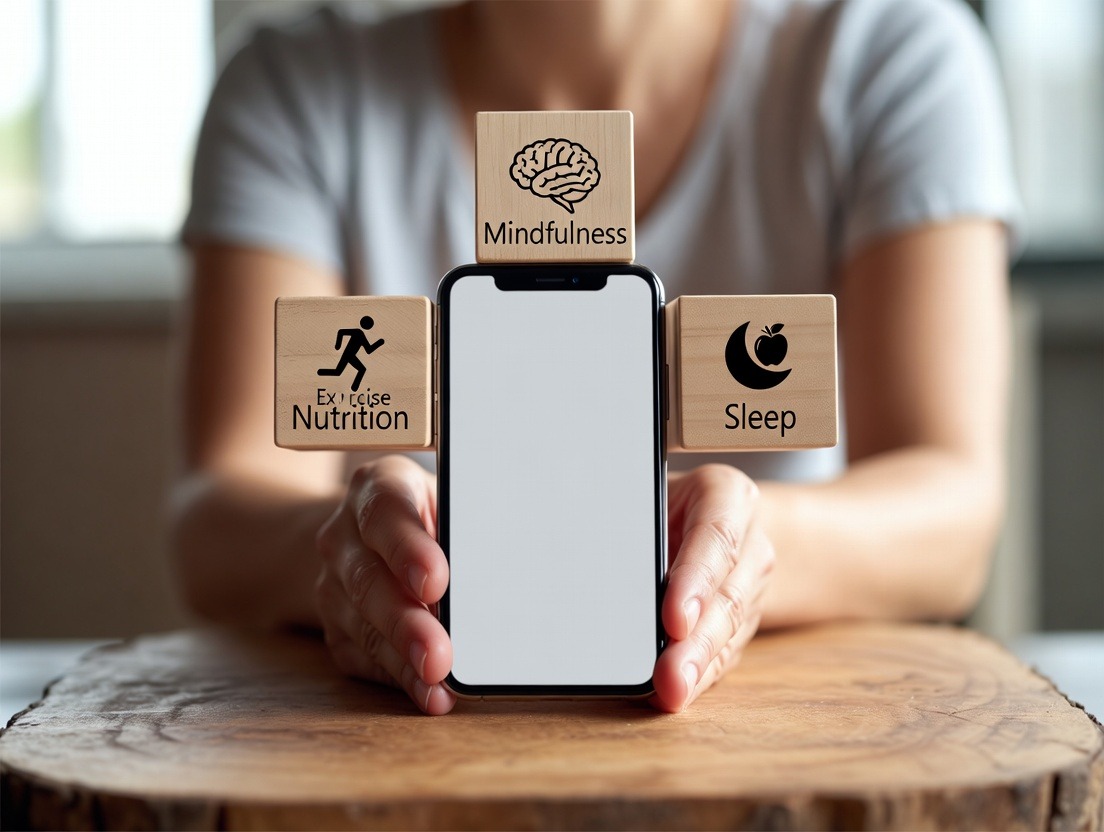
If your body were a high-performance vehicle, your blood work would be the detailed mechanic's report on fluid levels and part wear. Your autonomic nervous system (ANS), however, is the live dashboard showing your current speed, RPM, engine temperature, and fuel efficiency in real-time. This is the domain where smart rings excel, providing insights utterly invisible to a blood panel.

The ANS is the unconscious control center regulating your heartbeat, digestion, breathing, and stress response. It has two primary branches:

  • The Sympathetic Nervous System (SNS): Your "gas pedal." It activates for "fight or flight"—increasing heart rate, blood pressure, and alertness.
  • The Parasympathetic Nervous System (PNS): Your "brake pedal." It governs "rest and digest"—slowing the heart, promoting digestion, and enabling recovery.

The balance and tone between these two systems, known as autonomic balance, is one of the single greatest indicators of overall health, resilience, and biological age. And the premier, non-invasive window into this balance is Heart Rate Variability (HRV).

What Your Smart Ring Reveals Through HRV:
HRV is the subtle variation in time between each heartbeat. Contrary to intuition, a healthy heart does not beat like a metronome; it has complex, adaptive variability. High HRV generally indicates strong parasympathetic tone and good resilience—your body can adapt smoothly to stress and recover effectively. Low HRV suggests sympathetic dominance, potential burnout, or poor recovery.

Here’s what your smart ring’s HRV tracking reveals that a blood test cannot:

  • Chronic Stress Load: While a blood test can measure cortisol at one moment, a week-long trend of declining HRV is a clear, integrated signal of cumulative mental, emotional, and physical stress. It quantifies your body's strain, not just your perception of it.
  • Recofficiency: After a strenuous workout, a stressful day, or a night of poor sleep, how quickly does your body return to baseline? Your smart ring shows your recovery timeline through rebounding HRV and lowered resting heart rate. Blood tests offer no equivalent "recovery metric."
  • Overtraining & Illness Onset: A sudden, sustained drop in HRV is a canonical early warning sign of impending illness or overtraining, often appearing 24-48 hours before you feel symptoms. This allows you to proactively rest, hydrate, and adjust your schedule—a powerful form of prevention.
  • Sleep Quality Validation: You might sleep 8 hours, but if your HRV remains flat and low throughout the night, it indicates your nervous system never fully engaged in deep, restorative parasympathetic recovery. This is a far more nuanced insight than simple sleep duration.

By monitoring your ANS dashboard daily, you move from guessing about your stress and recovery to managing it with data. You learn which activities deplete you (a drop in HRV) and which restore you (a rise in HRV). This is the cornerstone of personalized, responsive self-care. To understand the science that makes this possible, explore our detailed guide on the science behind modern health tracking technology.

Circadian Rhythm & Sleep Architecture: The 24-Hour Blueprint of Health

Blood tests are timeless; they don’t care if your sample is taken at 8 AM or 8 PM. But your biology cares profoundly. Every cell in your body runs on a 24-hour circadian clock, governing the precise timing of hormone release, metabolism, cell repair, and brain function. Disrupt this rhythm, and you disrupt the foundation of health. Smart rings are unparalleled detectives of circadian health, while blood tests, at best, can only offer a single, out-of-context clue.

Sleep: Beyond Duration to Architecture
A blood test cannot tell if you slept. A smart ring analyzes the very structure of your sleep:

  • Sleep Stages: It tracks the cycles of light, deep, and REM sleep. Consistently low deep sleep (essential for physical recovery and immune function) or insufficient REM sleep (critical for memory and emotional processing) is a major red flag no standard blood panel will reveal.
  • Sleep Latency & Efficiency: How long it takes you to fall asleep and what percentage of the time in bed you are actually asleep are direct reflections of nervous system calm and sleep hygiene.
  • Restlessness & Wake Events: Frequent, unnoticed awakenings fragment sleep and destroy its restorative quality, often linked to sleep apnea or stress. Your ring detects these.

Circadian Rhythm Biomarkers:
Your finger hosts a treasure trove of circadian data:

  • Core Body Temperature Rhythm: A key circadian driver. Temperature should drop at night to initiate sleep and rise in the morning to promote wakefulness. A smart ring like Oxyzen tracks this distal temperature trend continuously. A flattened temperature rhythm is a core sign of circadian disruption, shift-work disorder, or poor metabolic health.
  • Resting Heart Rate (RHR) Rhythm: Your RHR follows a circadian curve, typically lowest during sleep and rising before you wake. An erratic or elevated nocturnal RHR signals systemic stress, inflammation, or poor recovery.
  • HRV Rhythm: Similar to temperature, HRV has a strong circadian pattern, peaking during deep sleep. The absence of a clear nightly HRV peak suggests your autonomic nervous system is not fully shifting into restorative mode.

The Real-World Impact:
What do these patterns tell you?

  • Jet Lag & Shift Work Quantification: You can see exactly how many days it takes your physiology to resynchronize after travel or night shifts.
  • "Social Jet Lag": The mismatch between your weekday sleep schedule and your weekend one creates an internal jet lag. Your ring measures its metabolic cost.
  • Evening Alertness & Morning Fog: Correlate subjective feelings with objective data. You may find that late-night screen use delays your temperature drop, leading to difficulty falling asleep. Or, a late meal might raise your nocturnal RHR, disrupting deep sleep.

This 24/7 rhythm analysis provides the context for everything else. It explains why you might have high afternoon cortisol (disrupted rhythm), why you crave carbs at night (rhythm-driven hunger hormones), and why your energy flags. It’s the foundational blueprint that a once-a-year blood test is blind to. For practical tips on using your wearable to support these vital rhythms as you age, our resource on 50 healthy aging tips a smart ring helps implement daily is an excellent next read.

Metabolic Efficiency & Real-Time Response Tracking

A standard metabolic panel in a blood test gives you static values: fasting glucose, lipid profiles, liver enzymes. These are vital for diagnosing conditions like diabetes or hyperlipidemia. But they are lagging indicators, often appearing abnormal only after a problem has been established for months or years. Smart rings provide leading indicators of metabolic health by tracking your body's dynamic responses to daily life, offering a chance for early intervention.

Continuous Temperature & Metabolic Rate:
Small, persistent elevations in your baseline body temperature, as tracked by a smart ring, can be an early sign of low-grade systemic inflammation—a key driver of metabolic syndrome, insulin resistance, and cardiovascular disease. This chronic, sub-clinical inflammation often goes undetected in standard blood tests until it manifests as a more serious problem.

Postprandial & Stress Response Monitoring:
This is where the real-time advantage shines brightest. Let's walk through two scenarios:

  1. The Meal Response: You eat a high-carb meal. A blood test three hours later might show your glucose has returned to normal. But what happened in between? A smart ring can detect the "metabolic cost":
    • A significant rise in resting heart rate and a drop in HRV after eating indicates a strong sympathetic and inflammatory response to that food.
    • A disrupted sleep and elevated temperature that night can show a prolonged metabolic disturbance.
      This pattern, repeated daily with the "wrong" foods for your physiology, is the direct pathway to insulin resistance—long before your fasting glucose creeps above the diagnostic threshold.
  2. The Stress Response: You have a tense meeting. A blood test won't capture it. Your smart ring shows:
    • A sharp, sustained rise in heart rate.
    • A plummeting HRV.
    • A delayed return to baseline, meaning your body is struggling to recover from the stressor.
      Chronic, unrecovered stress responses directly dysregulate metabolism, promoting fat storage (especially visceral fat) and glucose dysregulation.

Activity & Recovery Balance:
Metabolic health isn't just about what you eat; it's about how you move and recover. A smart ring provides the complete cycle:

  • Activity Impact: Did that intense workout create a positive metabolic stimulus (evidenced by a temporary, healthy rise in nocturnal temperature and a strong HRV recovery), or did it overwhelm you (causing a prolonged HRV suppression and elevated RHR for days)?
  • Non-Exercise Activity Thermogenesis (NEAT): Your ring tracks general movement throughout the day. Low NEAT is a major, often overlooked, contributor to poor metabolic health.

By connecting the dots between inputs (food, stress, exercise) and real-time physiological outputs, you gain a feedback loop for metabolic optimization. You learn which foods fuel you without inflammation, which workouts build your resilience without breaking you down, and how to manage stress before it manages your metabolism. To see how this technology can be tailored to your specific objectives, visit our guide on how wellness ring basics support different health goals.

Inflammation & Immune System Readiness: The Silent Fire Within

Low-grade, systemic inflammation is the common soil in which chronic diseases—from heart disease and diabetes to depression and neurodegenerative conditions—take root. Blood tests can measure specific inflammatory markers like C-reactive protein (CRP) or interleukin-6. However, these are often only ordered when a problem is suspected, and again, they represent a single point in time. Your smart ring provides continuous, proxy indicators of inflammatory activity and immune system strain, acting as an early-warning system.

The Vital Signs of Inflammation:
Inflammation has physiological signatures that smart rings are exquisitely tuned to detect:

  • Elevated Resting Heart Rate (RHR): When your body is fighting something—be it an infection, a food sensitivity, or chronic stress—your heart has to work harder. A sustained increase of 5-10 beats per minute in your baseline RHR, especially overnight, is one of the clearest signs of an elevated inflammatory load or an immune system under active engagement.
  • Disrupted Heart Rate Variability (HRV): Inflammation directly affects the autonomic nervous system, typically suppressing parasympathetic (rest-and-digest) activity and lowering HRV. A trending decline in HRV can signal rising inflammation long before you feel unwell.
  • Body Temperature Deviations: While a fever is an acute response, a subtle but persistent rise in your baseline skin temperature (as measured on the finger) can indicate chronic, low-grade inflammation. Conversely, a consistently low temperature can also indicate a dysregulated metabolic and immune state.

The Immune System Dashboard:
Your smart ring data essentially gives you a "readiness" or "defense capacity" score for your immune system:

  1. Recovery Status: If your HRV is low and your RHR is high, your body is in a catabolic, stressed state. This means resources are diverted away from optimal immune function. You are more susceptible to catching the latest bug.
  2. Illness Onset Prediction: As mentioned, a sudden, unexplained drop in HRV coupled with a rise in RHR and sometimes a temperature deviation is the classic pre-symptomatic signature of an impending cold, flu, or other infection. This gives you a 24-48 hour window to prioritize rest, sleep, and hydration.
  3. Vaccination or Immune Challenge Response: After a vaccine or a period of intense immune activity, your ring can show you the duration and intensity of your body's response—how many days your physiology was under immune-related strain. This is valuable feedback on your systemic resilience.

Identifying Inflammatory Triggers:
By correlating these inflammatory markers with your daily log, you can become a detective for your own health:

  • Do your inflammatory markers (RHR up, HRV down) consistently worsen after eating gluten or dairy?
  • Does a poor night's sleep trigger a measurable inflammatory response the next day?
  • Does exposure to seasonal allergens show up not just as sniffles, but as a suppressed HRV?

This continuous monitoring transforms inflammation from an abstract, feared concept into a manageable, trackable variable. It empowers you to identify and minimize personal triggers and to bolster your immune readiness through lifestyle choices that your ring data validates. For those curious about the accuracy of these advanced sensors, delve into our post on the accuracy revolution in health tracking technology.

Stress Resilience & Emotional Load Mapping

Blood tests can measure the chemical results of stress—elevated cortisol, adrenaline breakdown products. But they cannot measure the process of stress—how often you are triggered, how intense your physiological reaction is, how long it takes you to return to calm, or how your cumulative stress load impacts your sleep and recovery. This is the domain of psychophysiology, and it is where smart rings become powerful tools for mental and emotional wellness.

Quantifying the Unquantifiable:
Stress is not just an event; it is a physiological response pattern. Your smart ring maps this pattern in high definition:

  • Acute Stress Events: A difficult conversation, a work deadline, a near-miss in traffic. Each event creates a "stress signature": a spike in heart rate, a dip in HRV, and sometimes a change in skin temperature (due to peripheral vasoconstriction). The ring records the magnitude and duration of this signature.
  • Chronic Stress Load: The true danger lies not in acute stress, but in stress that doesn't resolve. Your ring shows this as a failure to recover: your HRV remains suppressed for hours or days, your nocturnal RHR stays elevated, and your deep sleep suffers. This is the physiological definition of burnout in the making.
  • Recovery & Resilience Scoring: Modern algorithms synthesize this data into readiness or recovery scores. A low score isn't a judgment; it's a biological fact that your system is under-resourced. It's a directive to choose gentle movement, meditation, or an early bedtime over an intense workout.

The Mind-Body Feedback Loop:
This data creates a transformative feedback loop for emotional health:

  • Awareness: Many people are unaware of their constant, low-grade stress. Seeing a consistently high daytime heart rate or low HRV provides objective proof of a dysregulated nervous system.
  • Intervention Validation: Does your meditation app actually calm your physiology? Your ring shows you. Does a walk in nature lower your heart rate more effectively than scrolling social media? The data doesn't lie. You can empirically test which mindfulness practices, breathing exercises, or activities most effectively trigger your parasympathetic "brake."
  • Trigger Identification: You may start to notice that meetings with a certain colleague always cause a bigger HRV dip than others, or that reading news before bed disrupts your sleep metrics. This allows you to set boundaries or change habits based on concrete evidence of their physiological impact.

Beyond "Stress" to Emotional Granularity:
Early research suggests patterns may differ for anxiety (which might show as erratic, high-frequency HRV changes) vs. depressive states (which can correlate with a chronically flat, low HRV). While not diagnostic, these trends can provide valuable context for conversations with a mental health professional and track progress alongside therapy.

By mapping your emotional load physiologically, you depersonalize it. It's not that you're "bad at handling stress"; it's that your nervous system is showing objective signs of overload. This empowers you to take compassionate, data-informed action to build your resilience. To learn how this data can help you build healthier daily routines, explore our article on how wellness ring basics help build healthy habits.

Recovery & Overtraining: Listening to Your Body's Whispers Before It Screams

In fitness and performance, the line between a productive training stimulus and detrimental overtraining is perilously thin. Blood tests are rarely used proactively in this realm; they might eventually show elevated cortisol or creatine kinase after severe breakdown has occurred. Smart rings, however, are designed to prevent you from reaching that point by monitoring the subtle whispers of fatigue and strain that precede injury, illness, or performance plateau.

The Physiology of (In)Recovery:
When you train, you create controlled stress. Adaptation and improvement happen during the recovery period. Overtraining occurs when stress chronically exceeds recovery capacity. Your smart ring provides a daily, multi-parameter assessment of this balance:

  • Heart Rate Variability (HRV): The North Star for recovery. A consistent downward trend in HRV is the single best indicator that your cumulative stress (training + life) is exceeding your recovery resources. It’s a direct signal to deload, reduce intensity, or prioritize sleep.
  • Resting Heart Rate (RHR): An elevated morning RHR (by 7+ beats above your weekly average) is a classic sign your body is still in a sympathetically-driven, stressed state from prior exertion and has not fully recovered.
  • Sleep Quality & Quantity: Recovery is synonymous with high-quality sleep. Your ring tells you if your training is enhancing deep sleep (a good sign) or causing restlessness and reduced sleep efficiency (a bad sign).
  • Respiratory Rate: An elevated nighttime respiratory rate can indicate the body is working harder to repair itself or is under metabolic strain.

Personalized Performance Optimization:
With this data, you can move from following a generic training plan to following a plan guided by your body's daily readiness:

  • Readiness-Based Training: Instead of forcing a hard interval session because the calendar says so, you check your readiness score. A high score? Go hard. A low score? Swap for light cardio, mobility work, or complete rest. This "autoregulation" leads to better results with lower injury risk.
  • Identifying Individual Limits: You learn exactly how much volume or intensity you can handle before your metrics decline. One person might thrive on five weekly runs, while another shows signs of strain at four.
  • Nutrition & Recovery Timing: You can see how different post-workout nutrition strategies affect your recovery metrics. Does a protein-rich meal help your HRV rebound faster? Does working out too late in the evening disrupt your sleep?

Beyond Athletic Training:
The principles of stress-recovery balance apply to everyone:

  • The Corporate Athlete: A week of back-to-back meetings and travel presents a recovery challenge akin to an athletic training load. Your ring shows you when you need a "deload week" at work.
  • The Parent: The physical and emotional labor of caregiving creates a real physiological strain. Tracking recovery can validate the need for support and self-care.
  • The Post-Illness Convalescent: Returning to activity after being sick? Your ring’s recovery metrics provide a safer guide than how you "feel," ensuring you don't relapse by overdoing it.

In essence, the smart ring teaches you the language of your body's recovery needs, allowing you to train, work, and live with your physiology, not against it. For a comprehensive look at how to get started with this technology, from unboxing to expert use, see our guide on wellness ring mastery from unboxing to expert user.

Environmental & Lifestyle Impact Analysis

Your health is not created in a vacuum. It is the dynamic product of your constant interaction with your environment: the air you breathe, the light you see, the food you eat, and the routines you keep. Blood tests are largely blind to these environmental interactions unless they cause a dramatic, lasting change in a specific marker. A smart ring, however, acts as a personal environmental impact sensor, showing you how your lifestyle choices directly and immediately alter your internal state.

Light Exposure & Circadian Alignment:
As discussed, light is the primary zeitgeber (time-giver) for your circadian clock. Your ring’s sleep and temperature data reveal the consequences of your light habits:

  • Evening Blue Light: Exposure to phones and TVs late at night can delay your core temperature drop, increase sleep latency, and reduce deep sleep. Your ring quantifies this cost.
  • Morning Sunlight Deficiency: Lack of bright light in the morning can weaken your circadian amplitude, leading to daytime fatigue and poorer sleep at night. This may show up as a blunted daily temperature rhythm.

Temperature & Climate Adaptation:
How does a heatwave or a cold snap affect your physiology? Your ring can show:

  • Increased nighttime waking and elevated RHR during overly warm nights.
  • Changes in HRV as your body works harder to thermoregulate.
  • Personal insights into your ideal sleeping temperature for optimal recovery.

Nutritional Response at a Granular Level:
Beyond basic metabolism, you can investigate:

  • Meal Timing: Does eating within 3 hours of bedtime raise your nocturnal heart rate and lower HRV? For many, the answer is a clear "yes" in the data.
  • Hydration Status: While not a direct hydration sensor, acute dehydration can manifest as a spike in resting heart rate and a drop in HRV.
  • Caffeine & Alcohol Impact: The data is often stark. A late afternoon coffee can delay sleep onset and reduce deep sleep. Alcohol may help you fall asleep faster but reliably devastates HRV and REM sleep later in the night, leading to poor-quality recovery.

Travel & Routine Disruption:
Your ring becomes a personal journal of your physiology's journey:

  • Crossing Time Zones: You can track exactly how many days it takes for your temperature minimum, HRV peak, and sleep architecture to resynchronize to the new local time.
  • Shift Work: It objectively measures the toll of irregular schedules, showing the persistent circadian misalignment that increases long-term health risks.

The Power of Correlation:
The true magic happens in the correlation. By logging events (meals, stressors, workouts, travel) and reviewing your physiological trends, you move from guesswork to knowledge. You no longer have to wonder, "Does coffee after 2 PM affect me?" or "Is my new mattress helping?" Your autonomic nervous system and circadian rhythms provide the unbiased answer.

This turns lifestyle from a set of vague recommendations into a personalized, iterative experiment. You become the scientist of your own life, with the smart ring as your primary lab instrument. To see how this technology integrates seamlessly with the rest of your digital health ecosystem, check out our post on wellness ring basics for integration with other health apps.

Predictive Trends & Early Warning Systems: From Reactive to Proactive Health

This is perhaps the most profound capability unlocked by continuous health tracking: the shift from diagnosing established problems to predicting and preventing their onset. Blood tests are inherently reactive—they identify a pathology that already exists. Smart rings, by establishing your personal, detailed baseline and monitoring deviations from it, can serve as an early warning system for a range of issues.

The Power of Longitudinal Baselines:
A lab result compares you to a population range. A smart ring compares you to yourself. It knows your unique, normal HRV range, your typical RHR, your personal sleep architecture. This makes it exquisitely sensitive to deviations that, while still within "normal" population bounds, are abnormal for you.

Established Early-Warning Capabilities:

  1. Infectious Illness: As established, the combination of a sharp HRV drop, RHR increase, and temperature change is a highly reliable predictor of oncoming colds, flu, and other infections. This allows for proactive rest and self-care.
  2. Overtraining Syndrome & Injury Risk: A sustained, multi-week decline in HRV with elevated RHR is a precursor to the fatigue, performance decline, and increased injury risk of overtraining.
  3. Mental Health Flares: For individuals managing anxiety or depression, a prolonged period of dysregulated autonomic data (flatlined HRV, high RHR) can be an objective indicator of an impending emotional downturn, prompting a check-in with a therapist or a review of coping strategies.
  4. Circadian Rhythm Disorders: Gradual erosion of sleep metrics and circadian temperature rhythms can signal the early stages of disorders like Delayed Sleep Phase Syndrome or the health impacts of chronic jet lag/shift work.

The Frontier of Predictive Health:
Emerging research and advanced algorithms are exploring even more powerful applications:

  • Metabolic Disturbances: Could subtle, long-term trends in nocturnal heart rate and temperature predict shifts towards insulin resistance before fasting glucose rises?
  • Cardiovascular Stress: Could patterns of heart rate response to mild activity or stress reveal early signs of cardiovascular strain?
  • Fertility & Hormonal Cycles: For women, temperature tracking is already a cornerstone of fertility awareness. Advanced rings provide more precise data, helping to map menstrual cycle phases and identify potential hormonal imbalances through cycle-length variability and temperature pattern changes.

The Role of Artificial Intelligence:
The future lies in AI that can synthesize these multi-dimensional data streams (sleep, HRV, RHR, temperature, activity) to identify complex, subtle patterns that humans would miss. This AI could provide personalized, actionable insights like: "Your data shows a pattern consistent with elevated inflammation when you consume dairy. Consider a 3-week elimination to validate," or "Your recovery metrics are declining despite steady training. Your body is signaling for a deload week."

This predictive capacity transforms health management. It’s the difference between waiting for the "check engine" light to flash (a disease diagnosis) and having a continuous stream of data from the engine's performance, allowing a skilled mechanic to make adjustments long before a breakdown occurs. To explore what the near future holds for this exciting field, read our perspective on health tracking technology in 2025 and what's possible.

The journey from seeing health as a series of static lab results to understanding it as a dynamic, living narrative is transformative. In the first part of our exploration, we uncovered how a smart ring reveals the real-time function of your autonomic nervous system, the intricate architecture of your sleep and circadian rhythms, and the metabolic and inflammatory responses that blood tests can only hint at. We've seen how this continuous data stream serves as an early warning system and a personalized recovery coach.

Now, we dive deeper into the frontier of personalized health. This is where the narrative becomes prescriptive, where the data not only tells your story but begins to guide the plot. We move from understanding what is happening to discovering what to do about it. Here, the smart ring transitions from a sophisticated sensor to a central hub for a truly personalized, data-informed wellness strategy.

Personalized Nutrition & Bio-Individuality: Your Unique Metabolic Fingerprint

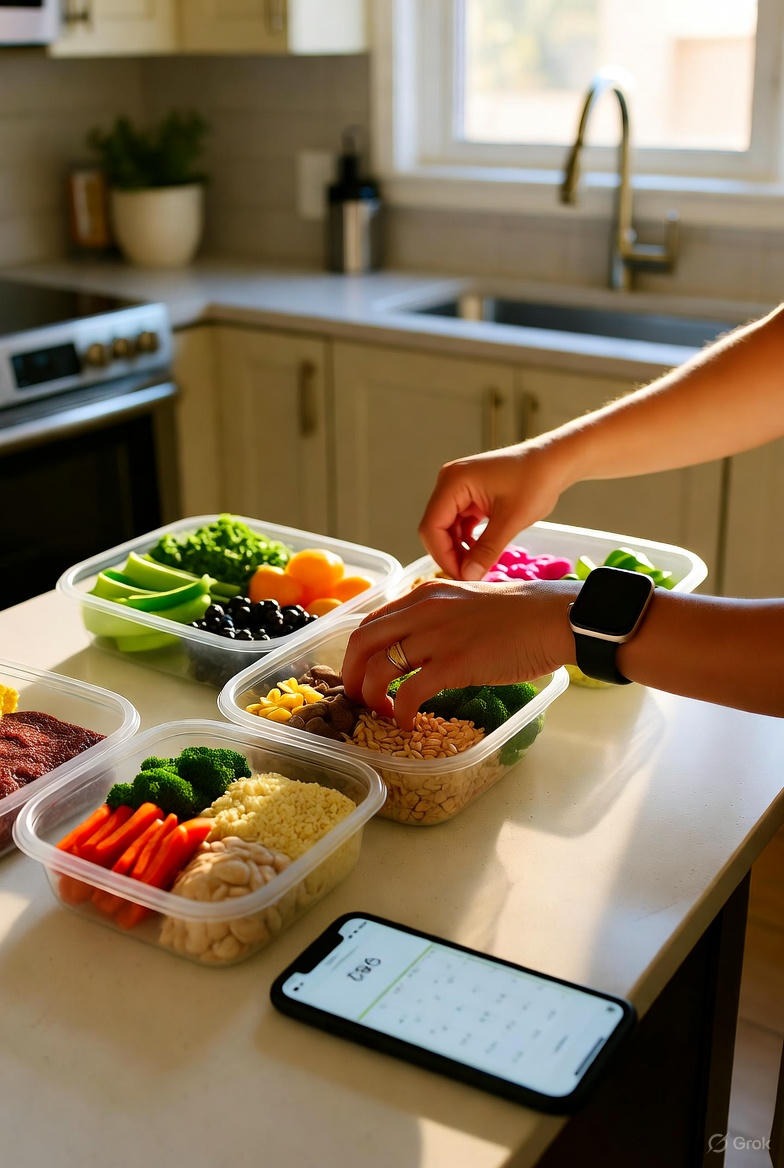
The age of generic nutrition advice—"eat more vegetables, less sugar"—is giving way to the era of bio-individuality. We now know that two people can have wildly different physiological responses to the same food. A food that is nourishing for one can be inflammatory for another. While blood tests can identify food allergies (IgE) or celiac disease, they are poor at detecting food sensitivities, intolerances, and the complex metabolic responses that define optimal nutrition for you. Your smart ring provides the dynamic, physiological feedback loop to crack your personal nutritional code.

Beyond the Glucose Spike: The Systemic Response
Continuous glucose monitors (CGMs) have revealed the dramatic variability in individual glycemic responses. A smart ring complements this by measuring the broader systemic cost of a meal beyond just blood sugar.

  • The Autonomic Cost: Does a bowl of oatmeal send your body into a sympathetic, stressed state (HRV down, RHR up), or does it promote calm, sustained energy (stable HRV)? This response is often more telling than the glucose curve alone and can indicate non-glycemic intolerances.
  • The Inflammatory Cost: Does your temperature rise subtly in the hours after eating certain foods? Does your nocturnal resting heart rate stay elevated? These can be signs of a low-grade immune or inflammatory response to a food ingredient.
  • The Recovery Cost: How does a given meal affect your sleep architecture that night? Do you experience less deep sleep or more restlessness after a late, heavy dinner? Your ring quantifies this sleep disruption.

Conducting Your Personal Nutrition Experiment:
Armed with this data, you can move from guesswork to empirical testing.

  1. Establish a Baseline: Eat your normal diet for a week while tracking your core metrics (HRV, RHR, temperature, sleep). Note your averages.
  2. Implement an Elimination: Remove a suspected trigger (e.g., gluten, dairy, industrial seed oils) for 2-3 weeks. Monitor your metrics. Do you see a trend toward lower resting heart rate, higher HRV, or better deep sleep?
  3. Reintroduce & Observe: Carefully reintroduce the food. The smart ring is your objective judge. A dramatic, negative shift in your physiology within hours or the next day is clear evidence that this food is a stressor for your body.

Chrononutrition: Timing is Everything
Your ring’s circadian data makes you an expert in when to eat, not just what to eat.

  • Aligning with Temperature: Eating during your body's natural temperature peak (typically midday) may lead to better metabolic processing than eating late at night when your body is cooling down for sleep.
  • The Fasting Window: Does time-restricted eating (e.g., a 16:8 fast) improve your sleep quality and morning HRV? Or does it spike your stress response? The data provides a personalized answer, helping you find an optimal fasting length that supports, rather than stresses, your system.

This approach transforms nutrition from a dogma into a personalized science. You are no longer following a diet; you are cultivating a way of eating that is empirically proven to support your unique physiology. For foundational knowledge on how to start using wearable tech for such experiments, our guide on wellness ring basics for beginners is an excellent place to start.

Longevity Biomarkers & Biological Age: Tracking Your Rate of Aging

Longevity medicine seeks not just to extend lifespan, but to extend healthspan—the number of years we live in vibrant health. Blood tests provide some longevity markers (like telomere length or NMR lipid particle analysis), but these are expensive, infrequent, and still only part of the picture. Smart rings offer a suite of functional longevity biomarkers—metrics that reflect the operational integrity of your systems right now and are sensitive to positive lifestyle change.

The Pillars of Physiological Resilience:
Aging, at a physiological level, is characterized by declining resilience: our systems become less adaptable, recover more slowly, and lose their rhythmic precision. Your smart ring directly measures this resilience.

  1. Heart Rate Variability (HRV) as a Biomarker of Aging: HRV has a well-documented, non-linear decline with age. However, a higher HRV at any given chronological age is associated with better cardiovascular health, stress resilience, and even cognitive function. Tracking your HRV trend over years is like monitoring the "miles per gallon" of your autonomic nervous system. Improving it through lifestyle is akin to slowing your biological clock.
  2. Resting Heart Rate (RHR) Trends: While a normal RHR ranges from 60-100 bpm, a lower RHR within that range generally indicates greater cardiovascular efficiency and parasympathetic tone—hallmarks of a younger physiological profile. A creeping rise in your baseline RHR can be an early sign of declining fitness or rising systemic stress.
  3. Sleep Architecture Preservation: The deep, restorative slow-wave sleep (Stage 3) and REM sleep we get naturally decline with age. A smart ring that shows you are maintaining robust deep sleep into your 40s, 50s, and beyond is a powerful indicator that you are supporting key repair and cognitive processes essential for healthspan.
  4. Circadian Rhythm Strength: The amplitude of your core body temperature rhythm and the consistency of your sleep-wake cycle are markers of a robust circadian system. Circadian disruption is a core driver of aging across multiple tissues. A strong, stable rhythm, as shown by your ring data, is a foundational longevity asset.

Calculating a "Vitality Score":
Advanced wearables synthesize these inputs into a single score—often called a Readiness, Recovery, or Body Battery score. While not a direct measure of biological age, this composite score is a phenomenal proxy for your functional age on any given day. A 55-year-old with a consistently high readiness score and excellent sleep may be functioning with the physiological resilience of a typical 45-year-old.

The Intervention Feedback Loop:
This is the most powerful application. You can test which interventions move your functional biomarkers in the right direction:

  • Does a month of regular sauna use improve your HRV and deepen your sleep?
  • Does a new supplement regime move the needle on your recovery metrics, or is it a waste of money?
  • Does prioritizing 8 hours of sleep for a month have a more significant impact on your "vitality score" than a new exercise regimen?

By focusing on these dynamic, improvable biomarkers, you take control of your healthspan narrative. You are no longer a passive passenger on the aging journey; you are the pilot with a detailed instrument panel. To understand the broader technological evolution that has made this possible, explore the evolution of health tracking technology from manual to smart rings.
Bridging the Gap: Integrating Wearable Data with Clinical Care

The potential of smart ring data is magnified exponentially when it is brought into the clinical conversation. Yet, this integration represents a significant paradigm shift for both patients and healthcare providers. It’s about moving from episodic, symptom-driven care to continuous, data-informed partnership. This section explores how to make your wearable data clinically meaningful and how forward-thinking practitioners are using it.

From "I Feel Tired" to "My Data Shows Chronic Sleep Debt & Low HRV"
Imagine walking into your doctor's office not just with subjective complaints, but with objective, longitudinal data:

  • "Doctor, I've been feeling anxious and fatigued. Over the last three months, my smart ring data shows my average resting heart rate has increased by 8 bpm, my HRV has dropped by 20%, and my deep sleep has declined by 30%. This decline started during a period of high work stress."
  • "I'm concerned about my metabolic health. My fasting glucose is normal, but my ring shows a pronounced inflammatory response—elevated RHR and temperature—for 5+ hours after I eat meals high in refined carbs."

This transforms the clinical dialogue. It provides context, quantifies severity, and identifies potential triggers. It shifts the focus from chasing symptoms to addressing underlying physiological dysregulation.

How Progressive Clinicians Use This Data:
Forward-thinking functional medicine doctors, cardiologists, endocrinologists, and sleep specialists are beginning to incorporate this data in several ways:

  1. Diagnostic Context: Data from the weeks leading up to a cardiac event, a bout of atrial fibrillation, or a migraine can reveal precipitating patterns of poor sleep, stress, or overexertion.
  2. Treatment Efficacy Monitoring: Is the new blood pressure medication also improving nocturnal heart rate and HRV? Is cognitive behavioral therapy for insomnia (CBT-I) objectively improving sleep efficiency and deep sleep duration? The ring provides continuous, at-home outcome measures.
  3. Personalized Lifestyle Prescriptions: Instead of generic "reduce stress" advice, a doctor can review HRV trends and suggest, "Your data shows you recover best on days you meditate. Let's make that a non-negotiable prescription, 10 minutes daily, and track the change over the next month."
  4. Pre-Surgical Optimization: Some surgeons now recommend patients use wearables to optimize sleep, stress, and activity in the weeks before elective surgery, as better physiological readiness leads to fewer complications and faster recovery.

How to Prepare Your Data for a Doctor's Visit:
To make this integration smooth:

  • Use the App's Summary Features: Most companion apps provide weekly or monthly summaries. Screenshot or export PDFs of these trends.
  • Correlate with a Journal: Note major life events, illnesses, medication changes, or dietary experiments alongside your data. This narrative is gold for interpretation.
  • Ask in Advance: When booking an appointment, mention you have longitudinal health data from a wearable device you'd like to discuss. This prepares the practitioner.
  • Focus on Trends, Not Single Points: Clinicians are trained on trends. Show them the 3-month view, not the hourly graph from yesterday.

The goal is not to replace the doctor but to empower a more collaborative, precise, and preventive partnership. You become the expert on your daily lived experience, and your doctor becomes the expert in interpreting that data within a clinical framework. For examples of how real users have integrated this technology into their health journeys, browse our collection of real customer reviews and testimonials.

The Privacy Paradigm: Owning Your Most Intimate Data

With great data comes great responsibility—particularly the responsibility of privacy. The information collected by a smart ring is among the most intimate possible: your sleep patterns, your stress responses, your precise location during rest. Unlike a blood test result that sits in a single hospital's secured database, wearable data lives in a complex digital ecosystem. Understanding and controlling this flow is not a secondary concern; it is a fundamental aspect of modern self-care.

What's at Stake?
Your aggregated biometric data can reveal:

  • Your daily routines and when you are home.
  • Underlying health conditions you may not even be aware of.
  • Your stress levels at work, potentially indicating job performance or dissatisfaction.
  • Sleep patterns that could be used by insurers or employers in discriminatory ways (though regulations like GINA in the U.S. offer some protection).

Key Questions for Any Wearable Brand:
When choosing a platform, its privacy ethos should be a primary filter. Essential questions include:

  • Where is the data processed and stored? Is it on your phone, on the company's servers, or both? Look for brands that prioritize on-device processing where possible.
  • Is the data anonymized and aggregated? For research and algorithm improvement, anonymized data is valuable. But is your personal, identifiable data being sold or shared with third parties (e.g., advertisers, data brokers)?
  • What are the data-sharing defaults? Many apps encourage sharing data with social networks, fitness communities, or other apps. These should be opt-in, not opt-out.
  • What is the company's business model? Is it primarily selling hardware, or is it monetizing user data? A company that profits from its devices has less incentive to exploit your data.

Best Practices for Data Stewardship:

  1. Audit Your App Permissions: Regularly check what data your wearable's app is accessing on your phone (location, contacts, etc.) and disable anything unnecessary.
  2. Use Strong Authentication: Protect your account with a strong, unique password and two-factor authentication if available.
  3. Understand Deletion Policies: Know how to delete your account and what that means for your data. Does the company retain it, or is it truly purged?
  4. Be Strategic with Integrations: While syncing with Apple Health, Google Fit, or other wellness apps is convenient, remember it creates another copy of your data in another ecosystem with its own privacy policy.

The Promise of Decentralized Health Data:
The future lies in true user sovereignty over health data. Imagine a personal health vault where you store all your data—wearable streams, lab results, genomic info—and you grant time-limited, specific access to your doctor, a fitness coach, or a research study. You control the keys. While not yet mainstream, this model is the ethical north star for digital health.

Choosing a wearable is also choosing a data custodian. Your physiological story is a precious narrative; it deserves a guardian you can trust. For a detailed breakdown of how a leading brand approaches this critical issue, read our guide on wellness ring basics for privacy settings and data security.

Beyond Trends: Actionable Insights and Habit Formation

Data is only as valuable as the change it inspires. A common pitfall for wearable users is "data fatigue"—becoming overwhelmed by charts and numbers without a clear path to action. The most effective smart rings and their platforms are evolving from data dashboards into insight engines and habit coaches. This is where the theoretical meets the practical, and knowledge transforms into lasting wellness.

From Metrics to Meaningful Context:
Advanced algorithms now do the heavy lifting of interpretation. Instead of just showing you a low HRV score, the app might notify you: "Your recovery score is lower than usual today. This is likely due to your intense workout yesterday combined with 45 minutes less sleep than your average. Consider a lighter activity today and prioritize an early bedtime." This contextual insight turns raw data into a personalized recommendation.

The Habit Feedback Loop:
Sustainable health is built on small, daily habits. Smart rings create a powerful, closed-loop system for habit formation:

  1. Set a Micro-Habit: Instead of "get healthy," you set a specific, trackable goal: "Be in bed by 10:30 PM on weeknights" or "Take a 10-minute walk after lunch."
  2. The Ring Tracks the Input: It automatically detects your sleep time or logs your activity.
  3. You See the Physiological Output: The next morning, you see how that 10:30 bedtime correlated with a higher HRV and more deep sleep. That post-lunch walk shows up as a calming dip in your afternoon heart rate.
  4. Positive Reinforcement: This immediate, positive feedback—seeing your body thank you with better data—reinforces the habit far more powerfully than willpower alone. It becomes a game of "how can I improve my score?" rooted in healthy behaviors.

Scenario-Based Guidance:
Imagine your ring and its app helping you navigate real-life decisions:

  • Before a big presentation: "Your stress metrics are elevated. Try a 5-minute breathing exercise now to lower your heart rate before you begin."
  • After a night out: "Your sleep was significantly disrupted. Your body battery is low. Schedule lighter tasks today and hydrate consistently."
  • When traveling across time zones: "Jet lag protocol activated. Here's a plan for light exposure and meal timing today to help resync your clock."

The Role of Community and Coaching:
Some platforms integrate social features (with strict privacy controls) or professional coaching. Seeing friends' activity streaks can motivate. But more powerfully, sharing anonymized trend data with a certified health coach can lead to pro-level personalization. The coach can see your patterns, suggest tailored interventions, and hold you accountable, all grounded in your unique physiological data.

The ultimate goal is for the technology to become intuitive and anticipatory—a true partner in wellness that not only reports on your state but actively helps you cultivate a state of thriving. For a comprehensive look at the features that enable this preventive approach, see our article on how wellness ring basics enable preventive health monitoring.

The Future of Finger-Based Biomarkers: What's Next on the Horizon?

The smart ring platform is still in its adolescence. The sensors and algorithms we have today, as powerful as they are, are just the beginning. The finger, with its rich vascular bed, is an ideal site for non-invasive monitoring. Research labs and tech companies are actively developing the next generation of finger-based biomarkers that will make the current suite of features look rudimentary. Here’s a glimpse into the near future.

Continuous, Non-Invasive Blood Chemistry:
This is the holy grail. Several technologies are in development to estimate blood analytes through the skin using optical spectroscopy (light), RF waves, or reverse iontophoresis (pulling molecules through the skin). The targets include:

  • Glucose: A true CGM in a ring, without needles.
  • Lactate: For real-time athletic performance and metabolic efficiency tracking.
  • Alcohol: Continuous monitoring for safety and metabolism insights.
  • Cortisol: The ultimate stress hormone tracker, revealing your diurnal rhythm and response to events.
  • Electrolytes: Monitoring sodium, potassium, and hydration status in real-time.

Advanced Cardiovascular and Pulmonary Monitoring:

  • Blood Pressure Trends: Using Pulse Transit Time (PTT)—the time it takes a pulse wave to travel from the heart to the finger—algorithms can estimate blood pressure trends. While not yet replacement-grade for a cuff, it could track relative changes throughout the day and night.
  • Atrial Fibrillation (AFib) Detection: Already in some smartwatches, advanced PPG (photoplethysmography) sensors in rings will continuously scan for irregular heart rhythms, providing crucial data for stroke prevention.
  • Respiratory Rate & Lung Function: More precise analysis of the PPG signal can extract detailed respiratory patterns and potentially even indicators of airway inflammation or sleep apnea severity.

Neurological & Cognitive State Sensing:

  • Sympathetic Arousal: Beyond HRV, more direct measurement of sympathetic nervous system activity through galvanic skin response (GSR) or microneedle electrodes could quantify stress and focus.
  • Cognitive Load: Could changes in peripheral blood flow or autonomic balance indicate mental fatigue or peak cognitive performance times? This could revolutionize work and study scheduling.

The AI Health Analyst:
The explosion of new data streams will require even more sophisticated AI. Future devices won't just track; they will analyze, predict, and converse.

  • Predictive Health Models: AI that synthesizes your continuous biomarker data with your genome, microbiome, and lab results to generate a dynamic, multi-year health risk forecast and personalized prevention plan.
  • Conversational Health Interface: "Hey Oxyzen, why did I wake up feeling so drained?" The AI analyzes your night's data: "You had three brief awakenings linked to a spike in cortisol at 3 AM. This correlates with a drop in blood sugar. Your dinner was very low in complex carbs. Consider adding a sweet potato tonight."

The Integrated Ecosystem:
The ring will become the central, always-on hub of your personal health IoT (Internet of Things). It will seamlessly talk to your smart scale, your connected kitchen appliances, your environmental sensors (air quality, light), and your electronic health record, creating a holistic model of your health ecosystem. For a visionary look at where this is all headed, don't miss our exploration of the future of wearable health tech.

What Your Smart Ring Health Tracking Reveals That Blood Tests Miss

We have journeyed through the paradigm shift—from the static snapshot of blood work to the dynamic, high-definition film of continuous physiological tracking. We've explored how a smart ring reveals the hidden narratives of your autonomic nervous system, circadian rhythms, metabolic responses, and inflammatory load. We've seen its power as an early warning system, a personalized nutrition guide, and a longevity tracker. We've even peered into a future where finger-based sensors could read your blood chemistry in real-time.

Now, we arrive at the practical culmination. Knowledge is power, but only when applied. This final section is your field manual. It’s about translating this revolutionary insight into tangible action. How do you choose the right tool for this journey? How do you interpret its signals without becoming overwhelmed? And ultimately, how do you synthesize this continuous data stream with the crucial, periodic deep-dive of a blood test to create the most complete picture of your health possible?

Welcome to the era of the empowered, informed health citizen. This is your guide to building a synergistic health intelligence system.

Choosing Your Ring: A Buyer's Guide to Features, Fit, and Philosophy

The market for smart rings is burgeoning, with new entrants promising a dizzying array of features. Choosing the right one is not just about specs; it's about aligning a device with your health philosophy, lifestyle, and goals. This isn't a passive purchase; it's selecting a partner for a long-term journey of self-discovery. Let's break down the decision matrix.

1. Sensor Suite: The Foundation of Insight
The quality and type of sensors determine what you can measure. Non-negotiables for serious health tracking include:

  • Photoplethysmography (PPG) Sensor: This optical sensor measures heart rate, heart rate variability (HRV), and blood oxygen saturation (SpO2). Look for multi-wavelength LEDs (green/red/infrared) for better accuracy across different skin tones and activities.
  • 3D Accelerometer/Gyroscope: For activity tracking, sleep movement, and workout detection.
  • Skin Temperature Sensor: A must for circadian rhythm tracking, ovulation prediction, and illness detection. Ensure it measures relative changes continuously, not just spot checks.

Advanced sensors to consider:

  • Electrodermal Activity (EDA) Sensor: Measures tiny changes in skin sweat, a direct indicator of sympathetic nervous system (stress) arousal. Powerful for mindfulness and stress management.
  • Ambient Light Sensor: Helps validate sleep data by detecting light exposure, crucial for circadian analysis.

2. Accuracy & Validation: Trust is Everything
A beautiful graph is useless if it's not correct. Investigate:

  • Clinical Validation: Has the sensor technology or specific metrics (like SpO2 or AFib detection) been validated in peer-reviewed studies against medical-grade equipment?
  • Algorithm Transparency: Does the company explain how they derive metrics like "readiness" or "sleep score" from raw data? Reputable companies are moving towards publishing their methodology.
  • Real-World Reviews: Look for in-depth user reviews that track the ring's data against known states (e.g., does it correctly identify a known illness, a poor night's sleep after alcohol, or a stress event?). Our comparison chart of top brands can be a helpful starting point.

3. The Companion App: Your Mission Control
The hardware collects data; the app delivers insight. A poorly designed app can ruin the experience. Evaluate:

  • Data Presentation: Is it clean, intuitive, and educational? Can you easily see multi-day trends, not just daily snapshots?
  • Actionable Insights: Does it provide context? Does it say why your HRV might be low and suggest an action?
  • Customization: Can you set your own goals, adjust sensitivity, or tag events (meals, stress, workouts) for correlation?
  • Integration: Does it sync seamlessly with Apple Health, Google Fit, Strava, or other apps you use? This is key for a unified health ecosystem.

4. Design, Fit, and Comfort: The Human Factor
You'll wear this every day and night. It must disappear on your finger.

  • Size & Fit: A proper fit is critical for sensor accuracy. Most companies send a sizing kit—use it meticulously. The ring should be snug but not constricting, especially as fingers swell slightly during sleep or exercise.
  • Materials: Look for hypoallergenic, durable materials like titanium, ceramic, or medical-grade resin. Consider weight and profile—a bulky ring can be uncomfortable for all-day wear. For a deep dive on materials, see our guide on hypoallergenic material options.
  • Battery Life & Charging: 5-7 days is the current sweet spot. Frequent charging kills consistency. Prefer rings with a compact, travel-friendly charging case.

5. Privacy & Company Ethos: Your Data's Guardian
Revisit the principles from our earlier section. Read the privacy policy. Choose a company whose business model is selling you a health tool, not selling your health data. Support brands that are transparent about data use and give you control. A strong warranty and clear support policies also reflect a company's confidence in its product and commitment to its customers. Understand your protections by reviewing a brand's warranty and return policies.

Selecting a ring is the first active step in this journey. Take your time, do your research, and choose a tool that feels like an extension of your commitment to yourself. For a step-by-step walkthrough of the entire decision-making process, our resource on making the final purchase decision is designed to help.

The Synergistic System: Marrying Continuous Data with Periodic Blood Tests

This is the grand synthesis. The smart ring and the blood test are not rivals; they are complementary detectives solving the same case. One is on the ground, following the suspect's daily movements (the ring). The other is in the lab, analyzing the forensic evidence (the blood test). Together, they solve mysteries that either alone would miss.

Creating a Powerful Health Feedback Loop:
Imagine this annual routine, supercharged:

  1. The Quarterly "Self-Assessment" with Your Ring: Every 3-4 months, you conduct a focused review of your wearable data. You look at 90-day trends in HRV, resting heart rate, sleep scores, and temperature variability. You note periods of high strain or exceptional recovery. You formulate hypotheses: "My HRV trended down all winter. Was it stress, less daylight, or my diet?"
  2. The Annual (or Bi-Annual) "Deep Dive" Blood Test: You go for your comprehensive lab work. But now, you go with context. You can tell your doctor, "I'd like to check my vitamin D levels because my sleep and recovery metrics were poorest in the dark winter months," or "Let's look at inflammatory markers like hs-CRP, as my ring showed elevated nocturnal heart rate for the last two months."
  3. The Data Fusion & Action Plan: You get your blood results back. Now, layer them with your ring data:
    • Scenario A: Blood tests are "normal," but ring shows dysregulation. Your lipids are fine, but your ring shows poor recovery and high stress. This is a powerful warning of future risk. The action plan focuses on lifestyle stress management, sleep hygiene, and exercise routine adjustment—addressing the functional issue before it becomes a pathological one.
    • Scenario B: Blood test shows a borderline issue, and ring data provides context. Your fasting glucose is at the high end of normal. Your ring data shows massive metabolic inflammation (HRV crashes, temperature spikes) after high-carb meals. This confirms a dietary sensitivity and provides a clear, personalized intervention: modify your carbohydrate quality and timing, then use the ring to track improvement in your metabolic responses.
    • Scenario C: Both align. Low ferritin on your blood test correlates perfectly with a period of low energy, high resting heart rate, and poor workout recovery in your ring data. You supplement, and both your lab values and your daily readiness scores improve in tandem, proving the intervention worked.

Specific Ring & Blood Test Pairings:

  • HbA1c (3-month blood sugar average) + Nocturnal HRV/RHR: If your HbA1c is creeping up, your nocturnal data likely shows the autonomic dysfunction (poor recovery) that accompanies prediabetes. Improving your metrics through lifestyle can lower your HbA1c.
  • Lipid Panel + Activity & Recovery Data: You can see how introducing regular cardio affects not just your LDL/HDL, but also your resting heart rate and heart rate variability.
  • Thyroid Panel (TSH, T3, T4) + Temperature & Sleep Data: Hypothyroidism often lowers basal body temperature and causes fatigue. Your ring’s temperature trend can be a continuous proxy for thyroid function between tests.
  • Inflammatory Markers (hs-CRP) + Inflammatory Signatures (RHR, HRV): Track how an anti-inflammatory diet or stress reduction protocol lowers both your hs-CRP and your daily physiological inflammation signals.

This synergistic model transforms you from a patient receiving a report card to a co-investigator in your own health optimization. It makes both your wearable data and your lab data more meaningful and actionable. To see how doctors themselves are finding value in this data, read our piece on what doctors find most useful in wellness ring data.

Building Your Personalized Health Operating System

With your ring chosen and your understanding of its synergy with traditional medicine solidified, it's time to architect your Personal Health Operating System (PHOS). This is the set of principles, routines, and reviews that turns data into wisdom and wisdom into lasting vitality.

The Core Tenets of Your PHOS:

  1. Curiosity Over Anxiety: Approach your data with the mindset of a friendly scientist, not a worried critic. A low HRV score is a data point, not a failure. Ask, "What can I learn from this?" not "What's wrong with me?"
  2. Trends Are Everything: Ignore the noise of a single day's data. Always look at the multi-day, weekly, and monthly trend lines. This is where the true signal lies.
  3. Correlation Before Causation: Your ring shows association. If your sleep score plummets after late-night screen time, it's a strong correlation. Test the causation by changing the behavior and observing the result.
  4. Respect Your Baseline: Your normal is unique. Compare yourself to yourself. A marathon runner's resting heart rate of 38 is normal for them. Your goal is to find your optimal range and support it.

The Weekly & Monthly Review Ritual:
Schedule time—perhaps 20 minutes every Sunday morning—for a dedicated data review.

  • The Weekly Pulse: Check your app's weekly summary. What was your average sleep duration vs. quality? What was your highest and lowest readiness score? What life events corresponded with the peaks and valleys?
  • The Monthly Deep Dive: Once a month, look at the 30-day view. Identify one key insight and one actionable experiment for the coming month.
    • Insight: "My temperature rhythm is very flat, suggesting my circadian clock is weak."
    • Experiment: "For the next 30 days, I will get 10 minutes of morning sunlight within 30 minutes of waking and stop eating 3 hours before bed. I will track the effect on my temperature amplitude and sleep score."

The "N of 1" Experimentation Framework:
You are a study population of one. Run clean experiments:

  1. Isolate One Variable: Change only one thing at a time (e.g., add a magnesium supplement, or cut out afternoon caffeine).
  2. Establish a Baseline Week: Track your metrics normally.
  3. Implement the Change for 2-3 Weeks: Maintain the intervention consistently.
  4. Analyze the Trend: Did the relevant metrics (e.g., sleep depth for magnesium, afternoon HRV for caffeine) improve?

Knowing When to Ignore the Data:
Your PHOS must have an override function. There will be days you need to stay up late with a sick child, enjoy a celebratory meal with friends, or push through a demanding project. Your ring might protest with low scores. That's okay. The system isn't about perfection; it's about informed choice. Use the data to make conscious decisions, then use it again to guide your recovery afterward. The goal is resilience, not rigidity.

Your Personal Health Operating System, anchored by your smart ring, becomes your lifelong framework for informed living. It’s how you apply the profound revelations we've discussed throughout this article. For ongoing support and to answer common questions as you build your system, our FAQ page is a continuously updated resource.

Conclusion: The New Health Narrative—You, As the Author

We began by contrasting the snapshot with the story. The blood test gives us the former—a precise, vital, but frozen moment. The smart ring gives us the latter—the flowing, dynamic, contextual narrative of our body's life in the world.

What your smart ring health tracking reveals that blood tests miss is not merely a list of metrics. It reveals context, rhythm, response, and resilience. It reveals the functional story of your health—how your systems are operating in the face of daily life. It shows you the impact of your choices in real-time and provides the feedback necessary to write a healthier next chapter.

This technology democratizes a form of deep self-knowledge that was once the domain of elite athletes and astronauts. It places a clinical-grade biofeedback device on the finger of anyone seeking more agency over their wellbeing. It empowers us to move from a model of sick care—waiting for something to break—to a model of true health care—actively cultivating and protecting our vitality.

The ultimate revelation is this: You are not a passive recipient of your health destiny, dictated by genetics and occasional lab results. You are an active participant, an author. Your daily choices—of sleep, movement, food, stress, and connection—are the sentences and paragraphs of your story. The smart ring is your editor, providing real-time feedback on the prose of your physiology.

Your blood test provides the crucial punctuation and grammar check. But the narrative, the compelling, unique, ever-unfolding story of your healthspan? That is yours to write. Let the continuous data be your guide, let the periodic deep-dives be your fact-check, and let your increasing vitality be your bestseller.

Your Journey Continues...

This exploration is just the beginning. The world of physiological intelligence is vast and rapidly evolving. To continue your education and stay at the forefront of this wellness revolution, we invite you to delve deeper.

  • Discover the Technology: Experience the seamless integration of advanced sensors and intuitive design. Begin your journey at the official Oxyzen.shop.
  • Learn More About Our Mission: Understand the vision and values driving this innovation on our About Us page.
  • Dive Deeper into the Blog: For more articles on everything from habit formation to the latest in sensor tech, visit our comprehensive blog hub.
  • Get Inspired by Real Stories: See how others are transforming their health narratives in our testimonials.
  • Explore the Full Story: From concept to creation, learn about the passion behind the product on our Our Story page.

The most important story you'll ever tell is the story of your own well-being. We are here to provide the tools and insights to help you tell it brilliantly.

Citations:

Your Trusted Sleep Advocate (Sleep Foundation — https://www.sleepfoundation.org/)

Discover a digital archive of scholarly articles (NIH — https://www.ncbi.nlm.nih.gov/

39 million citations for biomedical literature (PubMed — https://pubmed.ncbi.nlm.nih.gov/)

experts at Harvard Health Publishing covering a variety of health topics — https://www.health.harvard.edu/blog/)

Every life deserves world class care (Cleveland Clinic -

https://my.clevelandclinic.org/health)

Wearable technology and the future of predictive health monitoring. (MIT Technology Review — https://www.technologyreview.com/)

Dedicated to the well-being of all people and guided by science (World Health Organization — https://www.who.int/news-room/)

Psychological science and knowledge to benefit society and improve lives. (APA — https://www.apa.org/monitor/)

Cutting-edge insights on human longevity and peak performance

 (Lifespan Research — https://www.lifespan.io/)

Global authority on exercise physiology, sports performance, and human recovery

 (American College of Sports Medicine — https://www.acsm.org/)

Neuroscience-driven guidance for better focus, sleep, and mental clarity

 (Stanford Human Performance Lab — https://humanperformance.stanford.edu/)

Evidence-based psychology and mind–body wellness resources

 (Mayo Clinic — https://www.mayoclinic.org/healthy-lifestyle/)

Data-backed research on emotional wellbeing, stress biology, and resilience

 (American Institute of Stress — https://www.stress.org/)
