


The Complete Beginner-Friendly Guide to Boosting Vitality With Ring Insights
A guide to boosting vitality using insights from your ring data.
A guide to boosting vitality using insights from your ring data.
%402x.svg)
Do you ever feel like you're running on fumes, chasing a feeling of vibrant energy that seems just out of reach? You sleep, but don't wake up refreshed. You try to eat well, but your energy still crashes by 3 PM. You exercise, but can't tell if it's helping or harming. You're doing "all the right things," but true vitality—that spark of energy, resilience, and well-being—feels like a mystery locked behind a door you don't have the key for.
What if the key wasn't another generic piece of health advice, but a personalized, 24/7 insight into your own body's unique language?
For decades, understanding our health was like navigating a dark room with a single, fleeting flashlight beam—the annual check-up. We got a snapshot of basic numbers, often with little context for how they relate to our daily lives, energy, and long-term vitality. Today, a quiet revolution is happening on our fingers. Advanced wellness rings, equipped with medical-grade sensors, are translating the subtle, continuous signals of our physiology into a personalized roadmap for thriving.
This isn't about tracking steps for vanity. It's about unlocking a profound understanding of your body's core operational metrics: how your heart handles stress, the quality of your restorative sleep, the balance of your nervous system, and how all these elements weave together to create your daily experience of energy or fatigue. This is the world of Ring Insights—a continuous, actionable feedback loop that turns guesswork into knowledge and hope into strategy.
This comprehensive guide is your invitation to move from being a passive passenger in your health journey to an informed, proactive pilot. We will demystify the data, translate the metrics, and provide a clear, beginner-friendly framework for using these insights not just to track your life, but to fundamentally enhance it. Whether your goal is to wake up with more energy, build resilient health for decades to come, or simply understand what your body is telling you, the insights from your finger are the perfect place to start. Let's begin.

At first glance, a wellness ring is a sleek, unobtrusive piece of jewelry. But nestled within its compact form is a sophisticated array of sensors—a miniaturized bio-monitoring laboratory—working tirelessly to decode the symphony of your physiology. Unlike smartwatches, which sit on the vascularly poor wrist, a ring on your finger has direct access to a denser network of capillaries and arteries, allowing for more precise and consistent signal capture, especially during the critical recovery period of sleep.
So, how does this silent sentinel gather its insights? The primary technology is photoplethysmography (PPG). A tiny green LED light illuminates the blood vessels in your finger. As your heart beats, blood volume in these vessels changes slightly, modulating the light reflected back to a photodetector. This continuous stream of blood flow data is the raw material from which a universe of health metrics is derived.
An accelerometer tracks your movement with precision, distinguishing between a gentle walk, intense workout, and the subtle tremors of different sleep stages. A skin temperature sensor monitors the subtle fluctuations that can indicate onset of illness, hormonal changes, or sleep quality. Some advanced rings also incorporate red and infrared LEDs to measure blood oxygen saturation (SpO2), providing a window into respiratory health and sleep apnea risk.
But raw data is just noise. The true magic lies in the algorithms. These sophisticated mathematical models, often developed with input from sleep scientists, cardiologists, and sports physiologists, transform flickers of light and motion into meaningful health insights. They parse the PPG signal to extract your heart rate, and more importantly, the tiny, millisecond variations between each beat, known as Heart Rate Variability (HRV)—a premier marker of your autonomic nervous system balance and recovery status. They use movement and heart rate patterns to accurately delineate sleep stages (light, deep, REM), calculate sleep efficiency, and identify disruptions. They synthesize temperature, HRV, and sleep data to generate a Readiness or Recovery Score—a daily recommendation on how much stress your body is prepared to handle.
Think of it this way: your body is always speaking. It whispers through a higher resting heart rate when stressed, shouts with a low HRV when overworked, and signals its recovery needs through your sleep architecture. For most of human history, we haven't had the tools to listen. A wellness ring is that tool—a constant, objective translator turning your body's whispers and shouts into a clear, actionable dashboard. It moves you from subjective feelings ("I'm tired") to objective understanding ("My deep sleep was 40% lower than my baseline last night, and my nighttime HRV dropped, confirming I need a recovery day"). This foundational knowledge is the first, critical step toward boosting your vitality. To dive deeper into the specific metrics your ring captures and what they truly mean, you can explore our complete guide to understanding wellness ring health metrics.
Opening your ring's companion app for the first time can be a moment of exhilarating possibility… or paralyzing overwhelm. You're greeted by a dashboard glittering with graphs, scores, and terms like "HRV," "RMSSD," "sleep latency," and "ANS balance." The instinct for many beginners is to fixate on a single number from a single day, often comparing it to an idealized standard or a friend's score. This is the fastest path to data anxiety, not data empowerment.
The first and most vital principle for using a wellness ring effectively is this: You are not optimizing a score; you are building a relationship with your unique biology. Your data is not a report card to be graded, but a conversation to be understood.
Start by silencing the noise. Ignore the absolute numbers for the first week. Do not chase a specific HRV number or a perfect sleep score. Instead, focus on the process of consistent wear, especially at night. Your primary goal in the beginning is to establish your personal baseline. Your body is unlike anyone else's. Your "normal" resting heart rate, your "typical" HRV range, your "standard" sleep pattern—these are the most important benchmarks you will ever have. A wellness ring's supreme value is in showing you your trends relative to yourself.
Adopt the role of a curious scientist, not a frantic biohacker. Observe with detachment. "Fascinating, my resting heart rate is 5 beats higher this morning. What happened yesterday? Was it that intense workout, that difficult conversation, or the extra glass of wine?" This shift from judgment ("I failed") to inquiry ("What's the data telling me?") is transformative. It turns data into self-awareness.
Embrace the long game. Vitality is not built in a day, nor is it revealed in a single data point. It's woven through patterns that emerge over weeks and months. A wellness ring excels at revealing these patterns—how your body responds to different types of exercise, how stress at work manifests in your sleep, how certain foods affect your nighttime heart rate. This longitudinal view is what enables truly personalized, sustainable change. This journey is about more than daily tweaks; it's about crafting a multi-decade health plan informed by continuous, personal data, allowing you to build resilience not just for next week, but for the decades to come.
Now, let's translate two of the most fundamental and powerful metrics your ring provides: Resting Heart Rate (RHR) and Heart Rate Variability (HRV). Think of them as the primary dials on your body's dashboard, offering immediate insight into your engine's idling state and overall resilience.
Resting Heart Rate (RHR) is exactly what it sounds like: the number of times your heart beats per minute when you are completely at rest, typically measured during your deepest sleep or the moment you wake up. It's a beautifully simple metric with profound implications. A lower RHR generally indicates a more efficient cardiovascular system—a strong heart muscle that can pump more blood with fewer beats. For most adults, a RHR between 50-70 bpm is considered healthy, but elite athletes can have RHRs in the 40s.
More important than the absolute number is the trend. Your ring allows you to track your RHR over time. What you want to see is a stable or gently declining trend as you improve your fitness. More immediately, you'll learn to spot acute elevations. A RHR that is 5-10+ beats per minute higher than your personal baseline is a bright red flag from your body. It can be a sign of:
Heart Rate Variability (HRV), however, is the star of the show for anyone seeking vitality. Paradoxically, HRV measures the variation in time between each of your heartbeats, measured in milliseconds. If your heart beats like a monotonous metronome (low HRV), it's a sign your body is under stress, fatigued, or stuck in a sympathetic-dominant state. If there's healthy variability between beats (high HRV), it indicates a resilient, adaptable system with a strong parasympathetic ("rest-and-digest") influence. High HRV is consistently linked to better cardiovascular health, stress resilience, and even emotional regulation.
Your ring will present your HRV in a score (often the root mean square of successive differences, or RMSSD). Crucially, do not compare your HRV to others. Genetics play a huge role; some people naturally have higher or lower ranges. Your mission is to find your range and watch for changes. A rising trend in your HRV over weeks is a fantastic sign of improving fitness and recovery capacity. A sudden, significant drop is one of the clearest signals your ring can give you that you need to pull back, prioritize sleep, and manage stress.
Together, RHR and HRV form a powerful duo. Imagine waking up to see a slightly elevated RHR and a depressed HRV. This combination is your body's equivalent of flashing hazard lights, strongly suggesting you swap a planned high-intensity workout for a walk, yoga, or extra rest. Learning to listen to this dialogue is the cornerstone of using ring insights to boost vitality. For a more detailed exploration of what your HRV numbers mean and how to interpret them in simple terms, our resource on understanding HRV numbers simply is an excellent next step.
If vitality is a building, sleep is its non-negotiable foundation. You cannot hack, supplement, or out-exercise poor sleep. Yet, for most people, sleep is a black box. We know we "slept poorly" but don't know why. A wellness ring illuminates this box, providing an objective, detailed analysis of your sleep architecture—the cyclical pattern of light, deep, and REM sleep stages that your brain and body need to repair, restore, and consolidate memory.
Your ring tracks several key sleep metrics:
Armed with this data, you move from guessing to knowing. You might discover that your "8 hours in bed" is really only 6.5 hours of actual sleep with low efficiency. You might see that caffeine after 2 PM reliably shreds your deep sleep percentage. You could learn that intense evening workouts, while not preventing sleep, can reduce your REM sleep.
But ring insights go beyond just staging. By correlating sleep data with other metrics, you gain profound insights. For example, you might see that on nights when your sleep latency is high and your sleep efficiency is low, your next-day HRV is consistently poor and your resting heart rate is elevated. This concrete feedback loop makes the case for a wind-down routine more compelling than any generic article ever could. You can literally see the cost of poor sleep hygiene on your body's recovery metrics.
This data empowers you to run personalized experiments. Try implementing a consistent bedtime for two weeks and watch your sleep efficiency trend upward. Notice how reading a book instead of scrolling on your phone impacts your sleep latency. See if a magnesium supplement influences your deep sleep duration. The ring provides the objective proof, turning sleep from a passive activity into an active pillar of your vitality strategy. For a deeper dive into what your sleep stages and quality scores mean, you can read our explanation on understanding sleep stages and quality scores.
One of the most user-friendly and actionable features of modern wellness rings is the Readiness or Recovery Score. This is a synthesized metric, often on a scale of 1-100, that aggregates data from your sleep, HRV, RHR, temperature, and previous day's activity to answer one simple, critical question: How much physiological stress is your body prepared to handle today?
This score is your daily permission slip to push hard or your gentle nudge to pull back. It’s the antithesis of the rigid, calendar-based training plan that ignores your body's actual state.
How to interpret and act on your readiness score:
The profound power of this system is that it teaches you to respect your body's signals, reducing the risk of overtraining and burnout, which are the arch-enemies of long-term vitality. Many driven individuals consistently train at a 7 or 8 out of 10 effort, never allowing for full supercompensation. The readiness score provides the objective data to justify and celebrate a true recovery day, turning it from a "lazy day" into a strategic "adaptation day" that is essential for growth.
By aligning your activity with your readiness, you create a virtuous cycle. You stress your body when it can handle it, and you allow it to recover fully, leading to better performance, more consistent energy, and sustainable progress. This dynamic, responsive approach is the core of what makes ring insights so transformative for fitness and daily life. To understand the specific metrics and calculations that go into these powerful scores, our article on the metrics behind readiness scores provides a detailed breakdown.
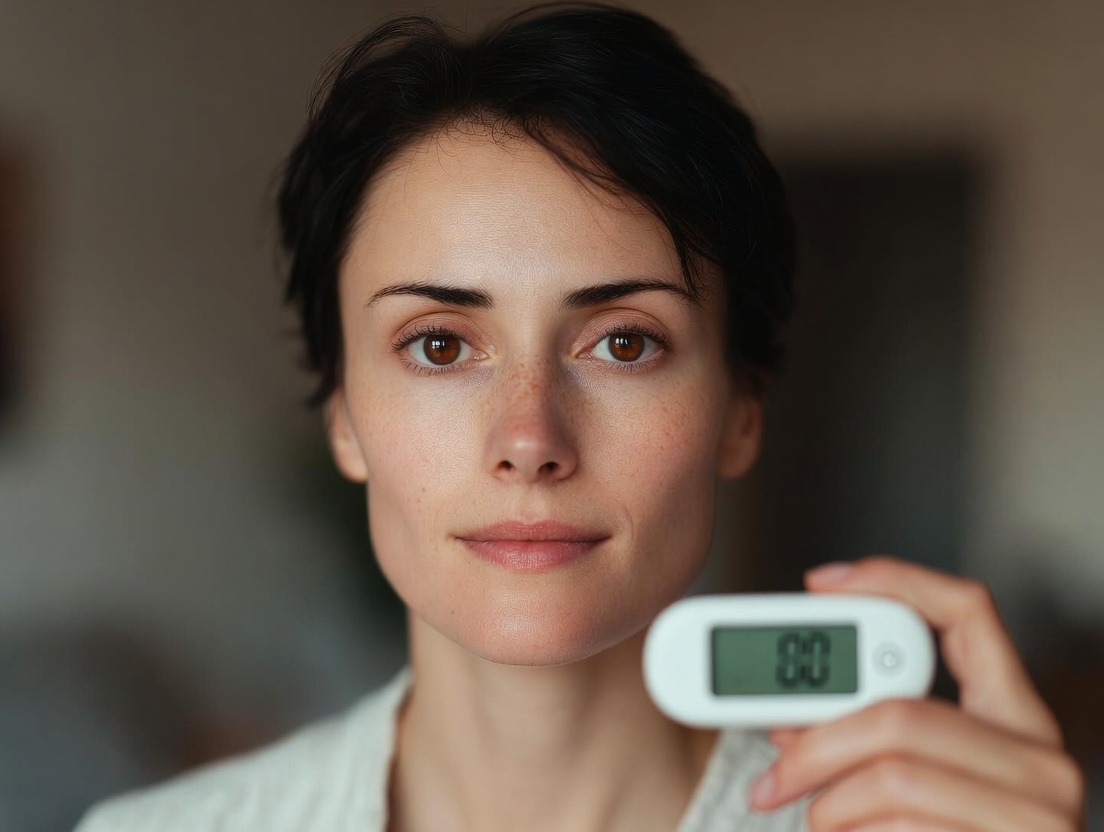
Stress is not just a feeling; it's a measurable physiological event. When your brain perceives a threat (be it a work deadline, an argument, or a hard workout), it activates the sympathetic nervous system. This triggers a cascade of hormones like cortisol and adrenaline, which directly influence the metrics your ring tracks. Learning to see stress in your data is a superpower for modern living.
Here’s how acute and chronic stress commonly appear in your ring dashboard:
The ring's brilliance is in showing you not just that you're stressed, but the magnitude of its impact and your unique recovery profile. For instance, you might see that a presentation at work causes a modest HRV dip from which you bounce back in a day, while a family conflict causes a deeper, multi-day suppression. This objective feedback helps you identify your biggest stressors and quantify the value of your stress-management tools.
Use your ring to validate what works for you. After a 10-minute meditation session, does your real-time heart rate show a noticeable drop? Does a 30-minute walk in nature after a tough day lead to a better sleep score that night? Does your HRV trend upward during a vacation? By connecting these dots, you move from abstract stress management to precise resilience training. You learn which activities truly help your nervous system recover, turning your ring into a biofeedback device for building a calmer, more resilient you. For a focused look at how specific metrics can reveal your stress levels, explore our analysis on how health metrics reveal stress levels.
While wellness rings don't directly measure what you eat or drink, they are exceptionally good at measuring your body's response to your nutritional and hydration choices. This creates a powerful feedback loop for making smarter decisions about fueling your vitality.
Nutritional Insights: You can use your ring to run clean, n=1 experiments.
Hydration Status: Dehydration forces your cardiovascular system to work harder. Even mild dehydration can lead to a measurable increase in your resting heart rate, as your heart pumps faster to maintain blood pressure with lower blood volume. If you see an unexplained spike in your daytime or sleeping RHR, a glass of water should be your first intervention. Your ring can serve as a subtle, bio-informed reminder to drink up throughout the day.
By paying attention to these correlations, you transform nutrition from a realm of dogma ("carbs are bad," "fast for 16 hours") into a personalized exploration. The question becomes, "What does my data say about how this food or this eating pattern affects my recovery, my sleep, and my energy?" This evidence-based, personal approach is far more sustainable and effective for building lifelong vitality.
The old paradigm of exercise was "more is better" and "no pain, no gain." This often leads to a cycle of overtraining, injury, and burnout. Ring insights usher in a new paradigm: precision training. Your workout should be a targeted stressor applied at the right dose and at the right time to stimulate adaptation, not break you down.
Your ring aids this in several key ways:
1. Workout Intensity & Heart Rate Zones: During exercise, your ring tracks your heart rate in real time, allowing you to see if you're actually hitting your intended zone. Are you doing a "recovery run" but your heart rate is in Zone 4? This data helps you pace yourself appropriately to match the goal of the session.
2. Training Load & Balance: Advanced rings calculate a Training Load or Strain score, which quantifies the physiological stress of your workout based on duration and heart rate intensity. More importantly, they track your acute load (recent stress) versus your chronic load (long-term fitness). The ratio between these is key for injury prevention. A sudden spike in acute load relative to your chronic fitness base is a major risk factor. Your ring dashboard can visually alert you to this imbalance.
3. The Crucial Role of Recovery: This is where rings shine brightest. As discussed, your Readiness Score should guide your daily workout decision. Pushing for a personal record on a day with a low readiness score is likely counterproductive and increases injury risk. Conversely, skipping a planned hard day when your body is screaming for rest is a sign of intelligent training, not a lack of discipline.
4. Measuring Adaptation, Not Just Effort: The real goal of training isn't the workout itself; it's the adaptation that occurs after, during recovery. Your ring measures this adaptation through trends in your resting heart rate (declining over time) and HRV (rising over time). If you're training hard for weeks but your HRV is trending down and your RHR is trending up, it's a clear sign you're in a state of excessive fatigue and need to deload. This turns fitness into a true science, where you're responding to your body's signals of growth or strain.
By integrating ring data, your fitness journey becomes less about blindly following a plan and more about engaging in a dialogue with your body. You learn what "productive soreness" versus "concerning fatigue" looks like in your data. You celebrate rest days as essential components of progress. This approach leads to more consistent, injury-free training and, ultimately, greater gains in strength, endurance, and the vibrant energy that comes from a well-managed, resilient physiology. To understand how your ring quantifies workout stress, you can learn more about workout load and training stress metrics.
The mind and body are not separate systems; they are a deeply integrated whole. The state of your body directly influences your mental clarity, emotional stability, and mood. Your wellness ring, by tracking your physiological bedrock, provides unexpected and invaluable insights into your psychological well-being.
The HRV-Mood Connection: Research has consistently shown a link between higher Heart Rate Variability and better emotional regulation, resilience to stress, and even reduced symptoms of anxiety and depression. High HRV is associated with the brain's ability to flexibly shift perspectives and manage negative emotions. When you see your HRV in a healthy, high range, it's not just a sign of physical readiness; it's an indicator that your nervous system is in a state conducive to mental and emotional balance. Conversely, a prolonged period of low HRV can be a physiological warning sign of mental strain and a increased risk of burnout.
Sleep as Cognitive Fuel: Your ring's sleep data is a direct report on your brain's maintenance cycle. Deep sleep is critical for clearing metabolic waste from the brain, while REM sleep is essential for processing emotions and consolidating memories. A night of poor sleep, objectively quantified by your ring, explains why you might feel irritable, foggy, and emotionally fragile the next day. You can literally see the physiological reason for the mental struggle, which can help you respond with self-compassion (taking it easy) rather than self-criticism ("why can't I focus?").
Stress Biomarkers: As covered, elevated RHR and depressed HRV are biomarkers of stress. By tracking these, you can identify periods of chronic psychological stress that you may have normalized. Seeing a weeks-long downward trend in your HRV can be the objective wake-up call you need to prioritize mental health interventions, whether that's therapy, meditation, or setting better boundaries at work.
The Empowerment of Data: Perhaps the greatest mental health benefit is the shift from helplessness to agency. Feelings of fatigue, anxiety, or low mood can be vague and confusing. Ring data provides concrete, physiological correlates. Instead of thinking "I'm just always tired," you can see, "My sleep efficiency has been below 80% for two weeks, and my resting heart rate is elevated. Let me fix my sleep hygiene." This transforms a nebulous struggle into a solvable problem, reducing anxiety and fostering a sense of control—a key component of psychological well-being. For those interested in how these metrics can foreshadow shifts in mental state, our article on how health metrics predict mental health changes explores this fascinating connection.
Your first month with a wellness ring is a discovery phase. This period is not about making drastic changes or hitting targets. It is purely about observation and data collection to establish the most important reference you have: your personal baseline.
Your 30-Day Discovery Protocol:
Resist the urge to over-analyze daily fluctuations. A single data point is a snapshot; a 30-day trend is the movie. This baseline becomes your North Star. Every future high or low score, every deviation in a metric, is now understood in the context of your normal. You'll know what a "good" HRV is for you, and what a "warning sign" drop looks like. This foundational self-knowledge is what makes all subsequent optimization possible and personalized. It is the essential first step in moving from generic health advice to your own personalized 50-year wellness blueprint, built on the continuous knowledge of your unique physiology.
After 30 days of building your baseline, you're ready to transition from observer to experimenter. The goal now is to use your ring's feedback to make small, sustainable changes that nudge your metrics—and your feeling of vitality—in a positive direction. Start simple. Choose one area to focus on for the next 2-3 weeks.
Option 1: The Sleep Optimization Protocol
Option 2: The Stress Recovery Protocol
Option 3: The Activity Alignment Protocol
The key is to change one thing, measure the outcome objectively with your ring, and let the data tell you if it's working for your body. This creates a powerful, positive reinforcement loop. You take an action, you see a positive result in your data, which motivates you to continue. This is the essence of building vitality with ring insights: small, data-informed steps that compound into profound, long-term well-being. This process of validation is how you build lasting habits; you can see how health metrics validate wellness habits in real-time, providing the proof and motivation to continue.
Now that you have a foundational understanding of your metrics and have begun running simple experiments, you can use your ring’s insights to choreograph your entire day for optimal energy flow. This moves beyond reactive adjustments into proactive lifestyle design, aligning your activities with your body’s natural physiological rhythms—your circadian rhythm.
Your wellness ring provides subtle, yet powerful, indicators of this daily rhythm. Key metrics like your morning resting heart rate, the pattern of your body temperature (which dips at night and rises in the morning), and even the quality of different sleep stages are all expressions of your circadian biology. By observing these, you can structure your day in harmony with your internal clock.
Morning (The Launch Phase):
Afternoon (The Navigation Phase):
Evening (The Wind-Down Phase):
By using your daily metrics as feedback, you can move from a rigid, clock-based schedule to a dynamic, physiology-informed rhythm. You learn to work with your energy, not against it, leading to more productive days and more restorative nights—the ultimate cycle for sustained vitality. For a deeper exploration of the specific metrics that reflect your daily biological rhythm, our article on circadian rhythm indicators provides detailed insights.

While daily scores are engaging, the true transformational power of a wellness ring is revealed in the trend view—the data spanning weeks, months, and years. A single day’s low HRV is noise; a six-month downward trend is a critically important signal. This longitudinal perspective shifts the focus from daily performance to long-term trajectory, which is the essence of building lifelong vitality and healthspan.
Your ring’s trend graphs allow you to see the macro-effects of your lifestyle choices and life phases:
Identifying Positive Reinforcement Loops:
You might start a consistent walking habit and, over three months, see a gentle but steady decline in your baseline resting heart rate and a rise in your average HRV. This visual proof of improved cardiovascular efficiency and resilience is incredibly motivating. It shows you’re moving in the right direction, reinforcing the habit. This is how data turns action into lasting change.
Spotting Negative Patterns Before They Become Problems:
Perhaps you start a demanding new project at work. The daily strain might feel manageable, but your trend view tells a different story. You see a staircase-like descent in your weekly average HRV and a creep up in your sleeping RHR over four weeks. This is an objective early-warning system for burnout, visible long before you might admit you’re overwhelmed. It allows for a proactive course correction—taking a long weekend, delegating tasks, intensifying stress management—to reverse the trend.
Understanding Your Body’s Seasons:
Trend data helps you understand your personal cycles. Women can observe clear, recurring patterns in resting heart rate, skin temperature, and sleep metrics aligned with their menstrual cycle, turning what can feel like unpredictable energy swings into a predictable, manageable rhythm. Anyone can see how their body responds to seasonal changes, travel, or different training blocks.
The Ultimate Goal: A Stable, Resilient Baseline
The ideal long-term trend is not necessarily that your HRV goes up forever (it will plateau), but that your personal baseline becomes more stable and resilient to stress. You’ll see smaller dips after a hard day and faster recoveries back to your normal range. This stability is a hallmark of a robust, adaptable physiology—the very definition of vitality. This long-view approach is fundamental to maximizing your healthspan, using continuous data to make choices that support a long, vibrant life.
By regularly reviewing your trends—set a calendar reminder for a monthly “data review”—you become the architect of your health trajectory. You’re no longer guessing; you’re making informed decisions based on the clear story your body is telling over time.
Beyond the core metrics lie deeper, more nuanced signals that offer a master-class in listening to your body. Understanding these can elevate your vitality practice from good to exceptional.
Autonomic Nervous System (ANS) Balance:
Your HRV is the primary output, but the story behind it is the tug-of-war between the sympathetic (SNS) and parasympathetic (PNS) branches of your ANS. Your ring’s algorithms often interpret HRV data to indicate this balance.
Skin Temperature Trends:
This is not a measure of fever, but of subtle, meaningful fluctuations.
Respiration Rate (Breaths Per Minute):
This is a remarkably stable metric in healthy adults at rest (typically 12-20 breaths per minute). Its value lies in its changes.
Learning to interpret these advanced metrics is like learning a new dialect of your body’s language. They provide a richer, more complete picture of your internal state, allowing for incredibly precise fine-tuning of your habits for optimal well-being. To explore the intricate connection between all these different signals, our resource on the connection between all metrics delves into how they work as a unified system.
Your commitment to vitality isn’t tested on perfect days; it’s forged during life’s inevitable disruptions. Your wellness ring becomes an indispensable ally during these times, providing objective guidance when your subjective feelings may be unreliable.
During Illness:
During Travel (Especially Across Time Zones):
During Periods of High Life Stress:
In these challenging phases, the ring shifts from an optimization tool to a compassionate monitoring tool. It helps you respect your body’s heightened needs, guides a safe recovery, and provides unbiased proof that “this too shall pass.” It enables a balance between discipline and flexibility, teaching you when to push forward with discipline and when to pivot with flexibility based on your body’s clear signals.
The insights from your ring don’t have to be a solo journey. When shared thoughtfully, this data can become a powerful tool for enhancing communication, empathy, and teamwork in both your professional and personal life.
In Your Professional Life:
In Your Personal Relationships & Family:
The key to sharing is context and consent. The data is a tool for clearer communication, not a weapon for criticism. Used with care, it can deepen connections by making the invisible world of stress, recovery, and energy visible and discussable.
In our achievement-oriented culture, rest is often seen as the absence of work—a void to be filled. Your ring’s data reframes recovery as the active, essential, and productive phase where vitality is actually built. This paradigm shift is critical for sustainable energy.
What Is Physiological Recovery?
Recovery is the process by which your body repairs the micro-damage from stress (exercise, mental work, emotional strain) and adapts to become stronger and more resilient. This happens almost exclusively when you are in a parasympathetic state: during deep sleep, relaxation, and low-stress activities.
How Your Ring Quantifies Recovery:
The Consequences of Skipping Recovery:
When you chronically under-recover, your ring will tell the story:
Active Recovery Strategies Validated by Your Ring:
Recovery isn’t just sleep. Your ring can help you find what actively aids your nervous system reset:
By honoring the recovery signals your ring provides, you stop viewing rest as lost productive time and start seeing it as the indispensable investment that makes all your other efforts possible and potent. This is the science of sustainable vitality. To understand the specific patterns that indicate optimal recovery, explore our guide to understanding recovery patterns and optimization.
With a sea of data available, it’s essential to focus on a handful of key metrics for your regular check-ins to avoid analysis paralysis. Here is a suggested set of “dashboard metrics” to review in a brief, weekly session (e.g., Sunday evening).
1. Weekly Average Resting Heart Rate (RHR):
2. Weekly Average Heart Rate Variability (HRV):
3. Sleep Consistency Score (or Average Sleep Duration/Efficiency):
4. Readiness Score Trend:
5. Activity/Strain Balance:
How to Conduct Your Weekly Review:
This weekly ritual transforms data from a passive stream into an active planning tool. It grounds you in the macro-view, preventing daily obsession while ensuring you’re continually steering toward greater resilience and energy. For a practical guide on how to navigate and interpret this dashboard, see our article on how to interpret your smart ring health metrics dashboard.
As you become fluent in the language of ring data, a crucial wisdom emerges: the technology is a guide, not a guru. The ultimate instrument for your vitality is the integration of objective data with your subjective lived experience. This synergy is where true mastery lies.
When to Trust the Data:
When to Trust Yourself (Your Intuition & Sensation):
Cultivating the Integrated Approach:
The most powerful outcome of using a wellness ring is the refinement of your own inner sense. Over time, you start to feel the internal states that the data describes. You become more attuned to the early whispers of fatigue, stress, or recovery. The ring trains your intuition, and eventually, you may find you need to check the data less often because you’ve learned to listen to your body directly. This journey from external data-dependence to internal embodied wisdom is the highest goal of precision wellness.
You have the knowledge, the mindset, and the tool. Now, let’s consolidate it into a practical, phased 90-day plan to catalyze your journey. This blueprint is designed to build habits progressively, using your ring’s feedback for reinforcement.
Days 1-30: The Foundation Phase (Observe & Establish)
Days 31-60: The Awareness Phase (Experiment & Connect)
Days 61-90: The Integration Phase (Structure & Refine)
This 90-day journey transforms you from a beginner to a confident, self-aware practitioner. You will have moved from data overwhelm to data empowerment, using personalized insights as a compass guiding you toward a more energized, resilient, and vital life. This is the beginning of a lifelong practice of listening, learning, and thriving—a practice that is now proactive and enabled by technology.
Your Trusted Sleep Advocate: Sleep Foundation — https://www.sleepfoundation.org
Discover a digital archive of scholarly articles: NIH — https://www.ncbi.nlm.nih.gov/
39 million citations for biomedical literature :PubMed — https://pubmed.ncbi.nlm.nih.gov/
Experts at Harvard Health Publishing covering a variety of health topics — https://www.health.harvard.edu/blog/
Every life deserves world class care :Cleveland Clinic - https://my.clevelandclinic.org/health
Wearable technology and the future of predictive health monitoring :MIT Technology Review — https://www.technologyreview.com/
Dedicated to the well-being of all people and guided by science :World Health Organization — https://www.who.int/news-room/
Psychological science and knowledge to benefit society and improve lives. :APA — https://www.apa.org/monitor/
Cutting-edge insights on human longevity and peak performance:
Lifespan Research — https://www.lifespan.io/
Global authority on exercise physiology, sports performance, and human recovery:
American College of Sports Medicine — https://www.acsm.org/
Neuroscience-driven guidance for better focus, sleep, and mental clarity:
Stanford Human Performance Lab — https://humanperformance.stanford.edu/
Evidence-based psychology and mind–body wellness resources:
Mayo Clinic — https://www.mayoclinic.org/healthy-lifestyle/
Data-backed research on emotional wellbeing, stress biology, and resilience:
American Institute of Stress — https://www.stress.org/


