


The Complete Beginner-Friendly Guide to Evening Stretching and Ring Recovery
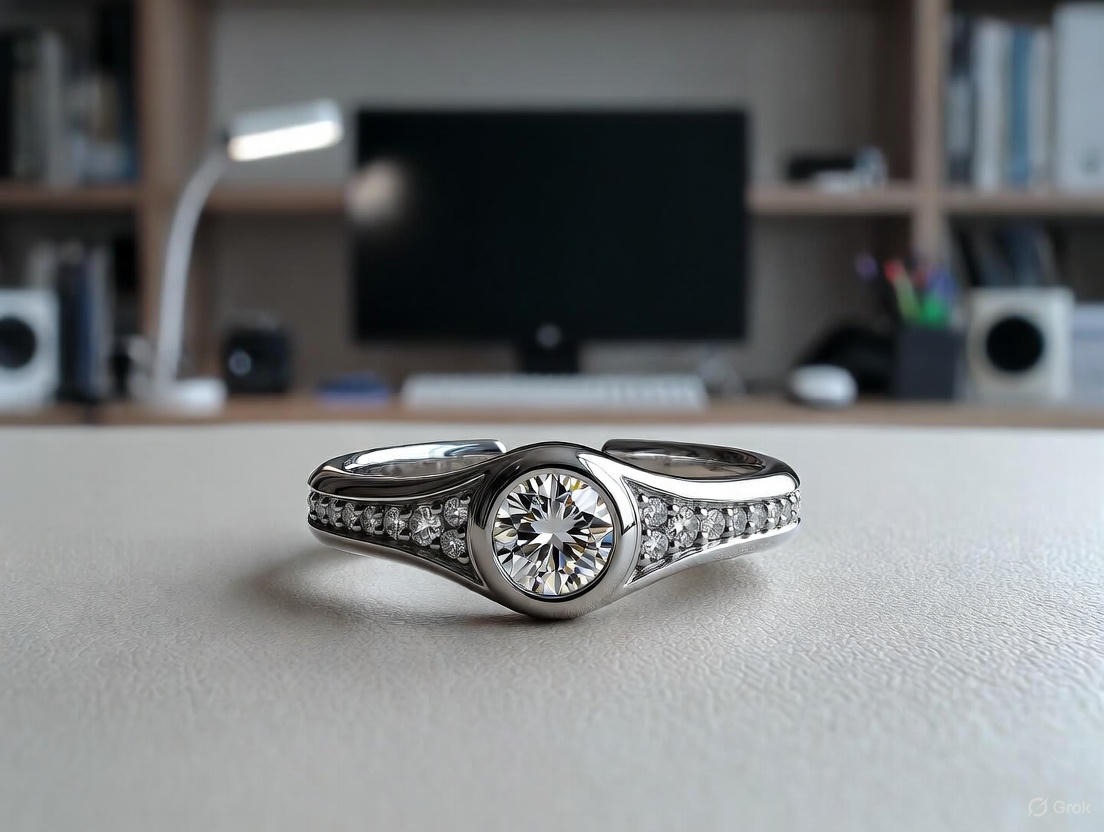
Evening stretching routines correlate with improved recovery scores on your ring.
Evening stretching routines correlate with improved recovery scores on your ring.
%402x.svg)
As the sun dips below the horizon and the day's final obligations are checked off, a unique opportunity for restoration presents itself. The evening hours are not merely an endpoint, but a sacred transition—a physiological and psychological bridge from the day's exertions to the night's renewal. Yet, for many, this transition is fraught with residual tension, buzzing minds, and bodies that still hum with the sympathetic nervous system’s energy, making true recovery elusive. What if you could master this transition, systematically unraveling the day's physical and mental knots to unlock deeper sleep, enhanced recovery, and a more resilient tomorrow?
Welcome to the definitive guide on harnessing the power of evening stretching, amplified by the insightful feedback of modern smart ring technology. This isn't just about touching your toes; it's about orchestrating a personalized, data-informed wind-down ritual that speaks directly to your body's needs. We live in an era where we can finally move beyond guesswork in our wellness routines. A smart ring, worn continuously, acts as a silent guardian, measuring the very metrics of your recovery—heart rate variability (HRV), resting heart rate, skin temperature, and sleep architecture. It tells the honest story of how your day impacted your nervous system and how well your night repairs it.
This guide will marry the ancient, intuitive practice of intentional stretching with the cutting-edge science of biometric tracking. You'll learn not only which stretches to do but why to do them in the evening, how they directly influence your measurable recovery metrics, and how to interpret your ring's data to refine your routine into a perfect personal recovery protocol. Whether you're an athlete seeking an edge, a professional battling desk-induced stiffness, or anyone yearning for more restful sleep, this journey through evening stretching and ring recovery will transform your nights from passive downtime into an active, strategic pillar of your health.
Let's begin by understanding the profound shift that occurs as day turns to night, and how we can consciously guide our bodies across that bridge.

The human body is not a static machine; it operates on a finely tuned 24-hour cycle known as the circadian rhythm. This internal maestro conducts a symphony of hormonal releases, temperature fluctuations, and neurological shifts that prepare us for activity and for rest. As evening approaches, a crucial hormonal hand-off occurs: the stimulating cortisol curve that helped us rise and meet the day's challenges begins its steady decline, while the sleep-inducing hormone melatonin starts its gentle ascent. This is the "biological sunset," a window where our physiology is primed to shift from doing to being, from spending to saving energy.
However, modern life often violently interrupts this natural transition. Artificial blue light from screens mimics sunlight, suppressing melatonin. Lingering work stress or mental chatter keeps cortisol elevated. Physical tension from static postures—be it at a desk, in a car, or on our feet—leaves muscles in a state of low-grade, sustained contraction. This creates a discord between our external environment and our internal biological imperative to recover. The result? We lie in bed with a tired mind but a wired body, unable to access the deep, restorative sleep phases where true physical repair and memory consolidation happen.
This is where intentional evening stretching acts as a powerful biological cue. By engaging in slow, deliberate, and non-strenuous movement, we accomplish several key objectives:
When you add a smart ring into this equation, you move from theory to tangible feedback. The ring quantifies the success of your evening ritual. Did your stretching session lead to a lower resting heart rate through the night? Did it improve your HRV, a key marker of recovery readiness and autonomic nervous system balance? Did it correlate with more time in deep or REM sleep? This data transforms your stretching from a hopeful habit into a precise tool. You begin to see, in clear graphs and numbers, how calming the body through stretching calms the entire system, paving a data-verified path to superior recovery. For a deeper exploration of how to intentionally shift your nervous system state, our guide on achieving emotional balance in a world of constant stimulation offers complementary strategies.
Before you begin any stretch, it's essential to understand the language your smart ring speaks. These devices track a suite of biomarkers that offer an unprecedented window into your internal recovery processes. Interpreting this data correctly allows you to tailor your evening stretching routine for maximum impact. Think of your ring as a daily recovery report card, with each metric telling a different part of the story.
Heart Rate Variability (HRV): The Gold Standard of Recovery
HRV is not your heart rate; it's the subtle variation in time between each heartbeat. A higher HRV generally indicates a more resilient, adaptable autonomic nervous system—one that can smoothly transition between stress and relaxation. A lower HRV often suggests your system is under strain, possibly from physical training, emotional stress, illness, or poor sleep. For your evening routine, HRV is your north star. A consistent evening stretching practice should, over time, contribute to a rising HRV trend. If you see a sudden dip, it might signal you need a gentler, more restorative stretching session that night, or perhaps more focus on diaphragmatic breathing during your stretches.
Resting Heart Rate (RHR): The Engine at Idle
Your RHR is exactly what it sounds like—your heart's beats per minute when you are fully at rest, typically during sleep. A lower RHR often signifies greater cardiovascular fitness and efficient heart function. Acute spikes in your nocturnal RHR can be one of the earliest indicators of impending illness, excessive stress, or insufficient recovery from training. Evening stretching aims to lower the "idle speed" of your system. By promoting relaxation before bed, you help ensure your RHR reaches its optimal low throughout the night, giving your heart muscle a deeper rest.
Sleep Stages: Architecture of Restoration
Smart rings estimate time spent in Light, Deep, and REM sleep. Each stage is critical:
Poor sleep architecture—like insufficient deep sleep—means your body isn't getting its full repair time. An effective wind-down routine with stretching can improve sleep latency (how fast you fall asleep) and promote a more balanced journey through all sleep stages by initiating the relaxation process before you even get into bed.
Skin Temperature and Respiratory Rate: The Subtle Clues
Nocturnal skin temperature trends can indicate hormonal shifts and circadian rhythm health. A steady drop in core body temperature is necessary for sleep initiation. Respiratory rate during sleep is another powerful, often overlooked metric. A lower, steady respiratory rate indicates deep relaxation.
By reviewing these metrics each morning, you can start to draw connections. Did the evening you focused on hip and lower back stretches lead to 20 more minutes of deep sleep? Did incorporating a specific breathing technique during your routine correlate with a higher HRV? This feedback loop is the superpower of combining stretching with ring data. It allows you to move from a generic "evening yoga video" to a personalized "30-minute hip-focused routine with 4-7-8 breathing" because you know that specific combination works for your body's recovery signature. Understanding these biological signals is a cornerstone of building a broader complete guide to emotional balance where science meets practice.
The environment in which you practice is as important as the practice itself. You cannot effectively signal "rest and recover" to a nervous system that is surrounded by the visual and auditory clutter of the day's stress. Therefore, your first stretch of the evening is the intentional creation of your recovery sanctuary. This 5-10 minute ritual sets the stage for your entire routine, amplifying its effects on both your mind and the biometrics your ring will later record.
Step 1: The Digital Sunset
Begin by consciously severing the digital tether. At least 60 minutes before your planned stretching time, turn off non-essential notifications. Put your phone on "Do Not Disturb" or, better yet, leave it in another room. If you use your phone for guided stretching, enable airplane mode after downloading any necessary content. This act is a powerful boundary that tells your brain the performance-oriented, connected part of the day is over. It is the first and most critical step in any effective digital detox approach for technology-free stress relief.
Step 2: Ambience Engineering
Lighting is your most powerful environmental tool. Dim overhead lights. Use warm-toned lamps, salt lamps, or candles (safely). The goal is to eliminate bright, blue-spectrum light that halts melatonin production. Next, address sound. If silence is golden for you, embrace it. If background noise helps, opt for calming, non-rhythmic sounds: low-volume nature sounds (rain, distant thunder, a gentle stream), ambient soundscapes, or slow-tempo instrumental music. The auditory landscape should be a blanket, not a narrative.
Step 3: Comfort and Sensation
Gather your tools: a comfortable, non-slip yoga mat, a supportive cushion for seated poses, and perhaps a soft blanket for final relaxation. Consider the temperature—a slightly cool room (around 65-68°F or 18-20°C) is ideal for sleep initiation, but ensure you're warm enough during static stretches. You may even choose to incorporate aromatherapy via a diffuser with calming scents like lavender, cedarwood, or chamomile, which can provide olfactory cues for relaxation.
Step 4: The Mental Clearance
Before a single muscle lengthens, take 2-3 minutes for a "brain dump." Keep a small notebook in your stretching space. Write down any lingering thoughts, to-dos for tomorrow, or worries swirling in your mind. The act of externalizing them onto paper frees your cognitive space to be fully present for your body. This practice of clearing mental clutter is a foundational element of finding stress relief through organization and environmental control.
By meticulously crafting this container for your practice, you are pre-conditioning your nervous system for success. You are moving from a state of reactivity to one of receptivity. When you finally step onto your mat, your body and mind will already be halfway to a state of recovery, allowing your subsequent stretches to penetrate more deeply, both physically and physiologically. This intentional preparation ensures that the time you invest in stretching yields the highest possible return in measurable recovery.
A critical mistake many beginners make is approaching an evening stretching routine with the same intensity and mindset as a pre-workout warm-up or a midday fitness session. This is counterproductive. Evening stretching for recovery has a different intent, a different physiological goal, and therefore, a different set of rules. Understanding these foundational principles is what separates a routine that truly enhances sleep and regeneration from one that may inadvertently keep you wired.
The Golden Rule: Never Stretch to Pain
The mantra for recovery stretching is "comfortable sensation," not "burning intensity." You are not trying to increase your range of motion for athletic performance in this moment. You are aiming to gently signal to the muscles and fascia that it is safe to relax and lengthen. Aim for a stretch sensation that feels like a 4 to 6 out of 10 in intensity—a definite feeling of tension or mild discomfort, but never sharp, shooting, or aching pain. Pain triggers a micro-stress response, releasing cortisol and creating protective tension, which is the exact opposite of your goal.
Embrace Slow, Static Holding
Dynamic, bouncing stretches (ballistic stretching) have their place, but not here. For nervous system down-regulation, static, held stretches are king. The magic happens in the pause. When you hold a gentle stretch for an extended period—typically 60 to 90 seconds for recovery purposes—you allow two key processes to occur:
Breathe Into the Tension
Your breath is the remote control for your nervous system. Never hold your breath during a stretch. Instead, use a specific, intentional breathing pattern:
Prioritize Symmetry and Mindfulness, Not Reps
This is not a box-ticking exercise. Move slowly between stretches. Notice differences between the right and left sides of your body—it is completely normal for one side to feel tighter. Spend extra time on the tighter side, not to force equality, but to offer it more mindful attention. The goal is awareness and release, not achieving perfect symmetry in one session. Be curious about the sensations: Is it a dull ache? A sharp line? A broad area of stiffness? This mindful attention pulls you into the present, quieting the ruminating mind.
The 90-Minute Rule
Conclude your stretching routine at least 60-90 minutes before you intend to be asleep. This allows your body temperature (which may rise slightly during stretching) and heart rate to return to a true baseline, and for the relaxation response to fully settle in. The final part of your evening should be for the most passive activities: reading (a physical book), gentle conversation, or listening to calm music.
By internalizing these principles, you ensure that every minute on your mat is actively contributing to lower resting heart rates, higher HRV, and more peaceful sleep. You are practicing not just flexibility, but nervous system literacy. This mindful, gentle approach is the bedrock upon which all the following specific routines are built, ensuring your efforts align perfectly with the goal of measurable, ring-verified recovery.
Now, let's translate theory into practice. This 20-minute sequence is designed as your foundational, go-to routine. It systematically addresses the major muscle groups that harbor tension from modern life—the neck and shoulders from screen time, the hips from sitting, the back from poor posture, and the legs from standing or inactivity. Each stretch is chosen for its safety, efficacy, and ability to promote a sense of ease. Move through them in order, honoring the principles of slow, static holds and mindful breathing.
1. Neck Release (Seated or Standing) – 60 seconds per side
2. Thread the Needle (On all fours) – 60 seconds per side
3. Child’s Pose (Balasana) – 90 seconds
4. Low Lunge with Quad Stretch – 75 seconds per side
5. Seated Forward Fold (Paschimottanasana) – 90 seconds
6. Reclining Pigeon (Figure-Four Stretch) – 75 seconds per side
7. Supine Twist – 60 seconds per side
8. Legs-Up-The-Wall (Viparita Karani) – 3-5 minutes
Conclude by gently rolling to your side and pausing for a moment before slowly coming up to a seated position. Notice the overall sensation in your body—the feeling of lightness, release, and quiet. This sequence is your versatile foundation. As you become more attuned to your body's signals and your ring's data, you can begin to emphasize certain areas, leading us to the next concept: targeted routines for specific modern-life stressors. This full-body approach is a perfect example of how to find stress relief through stretching and flexibility work.
For those who spend hours seated—whether at an office desk, in a car, or at a home workstation—the body adapts in specific, often problematic ways. This adaptive posture, sometimes called "postural syndrome," involves tight hip flexors and hamstrings, weak glutes, a rounded upper back, protracted shoulders, and a forward-head position. This doesn't just cause aches; it creates a physical container for stress, with shallow breathing and compressed organs. Your evening routine is the perfect time to systematically reverse this pattern. Here is a targeted add-on or stand-alone sequence to combat the "desk body."
1. Chest Opener in Doorway – 90 seconds
2. Latissimus Stretch (Prayer Stretch) – 60 seconds
3. Seated Spinal Twist – 60 seconds per side
4. Frog Pose (Modified) – 90 seconds
5. Happy Baby (Ananda Balasana) – 60 seconds
6. Supported Bridge Pose – 2-3 minutes
Incorporate these stretches after your full-body routine or on days when you feel particularly "crunched" from desk work. They serve as a physical antidote to the occupational hazards of modern work life, helping to reset your posture and release the specific muscular patterns that contribute to daily fatigue. This targeted approach is a key strategy for those seeking stress relief techniques for high-pressure professions.
For athletes and fitness enthusiasts, evening stretching serves a dual purpose: nervous system down-regulation and targeted recovery from that day's training load. The focus here shifts slightly. While relaxation is still paramount, we also prioritize increasing blood flow to worked muscles, addressing common imbalances, and facilitating the repair process to reduce next-day soreness (DOMS) and improve readiness for future sessions. Your smart ring becomes indispensable here, as it will clearly show whether your post-training recovery routine is effective through HRV and resting heart rate trends.
Crucial Note: This routine is for recovery hours after your workout, not immediately following it. Allow at least 3-4 hours for your body's acute inflammatory processes to do their initial work. This is a "regeneration" session, not a "cool-down."
1. Downward-Facing Dog (Adho Mukha Svanasana) – 90 seconds
2. Couch Stretch (Advanced Quad/Hip Flexor) – 90 seconds per side
3. Pigeon Pose (Eka Pada Rajakapotasana) – 2 minutes per side
4. Supine Hamstring Stretch with Strap – 90 seconds per side
5. Figure-Four for Glutes (Seated or Supine) – 75 seconds per side
6. Legs on Chair (Modified Legs-Up-The-Wall) – 3-5 minutes
This athlete-focused sequence should leave you feeling loose, flushed with fresh blood flow, and profoundly relaxed. It tells your body that the work is done and repair is the priority. By tracking your ring data the morning after a hard training day paired with this routine, you can concretely see how proactive recovery practices buffer against training stress, keeping you healthier and more consistent. This aligns with the principle of going beyond temporary relief to build permanent stress adaptations in your body.
While stretching addresses physical tension, the breath is the direct pathway to your autonomic nervous system. You can be in a perfect stretch, but if you are holding your breath or breathing shallowly into your chest, you are missing half the recovery benefit. Integrating simple breathwork (pranayama) techniques during your stretches or as a separate practice immediately after can exponentially increase the relaxation response, delivering even more powerful signals to your smart ring metrics.
The Foundational Breath: Diaphragmatic Breathing
Before advanced techniques, master this: Place one hand on your belly and one on your chest. Inhale slowly through your nose, feeling your belly expand like a balloon (the chest hand should move less). Exhale slowly through your nose or mouth, feeling your belly gently draw in. Practice this for 2 minutes. This is how you should aim to breathe during all your held stretches.
Technique 1: 4-7-8 Breathing (The Relaxing Breath)
This is a potent technique for sleep onset and anxiety reduction, perfect for the end of your routine.
Technique 2: Box Breathing (Sama Vritti)
This equal-ratio breath is used by Navy SEALs to calm nerves and enhance focus, making it excellent for transitioning from a stressful day to a calm evening.
Technique 3: Extended Exhale Breathing
The exhalation is directly linked to parasympathetic activation. Lengthening it is a simple, powerful tool.
By consciously marrying movement with mindful breath, you create a synergistic recovery effect far greater than the sum of its parts. The stretch prepares the body to breathe more fully, and the breath unlocks deeper physical and mental release. For a comprehensive look at how different breathing patterns can be used strategically, explore our resource on how breathwork variations target different stress types. This integrated practice ensures you are not just stretching your muscles, but truly stretching your capacity for relaxation.

The final, and perhaps most transformative, layer of an evening recovery ritual is the cultivation of mindful awareness. Stretching and breathing are actions, but mindfulness is the quality of attention you bring to them. It’s the process of moving from doing stretches to being with the sensations of stretching. This shift from external achievement to internal awareness is what severs the final threads of daytime stress and fully immerses you in the recovery state. Furthermore, a dedicated body scan practice can identify areas of subconscious holding that your stretching routine might miss.
Mindful Stretching in Practice
As you move into each stretch, engage in a gentle inquiry:
The Guided Body Scan: A Post-Stretch Practice
After your final stretching pose, lie in Savasana (Corpse Pose) on your back, arms slightly away from your body, palms up, legs relaxed. Spend 5-10 minutes on a body scan:
How This Enhances Ring Recovery Metrics
Mindfulness directly downregulates the amygdala (the brain's fear center) and strengthens connections to the prefrontal cortex (involved in regulation). This neurological shift has measurable downstream effects:
This practice of turning inward is a profound form of self-care that builds emotional balance through daily micro-practices. It teaches you that recovery is not something that happens to you while you sleep, but a state you can actively cultivate before you sleep. When you check your smart ring data after a night preceded by a mindful stretching and body scan practice, you are seeing the quantitative validation of a qualitative, inner shift. You are proving to yourself that calming the mind is one of the most effective ways to heal the body.
Sleep is not a monolithic state but a complex voyage through different stages, and various physical discomforts can act as obstacles, pulling you back to shallow wakefulness. Your evening stretching routine can be precisely tuned to address these common disruptors, acting as a pre-emptive strike against the aches and pains that steal your sleep. By targeting these areas, you create a more comfortable physical vessel for your mind to journey into deep, uninterrupted rest—a change your smart ring will faithfully record as increased sleep duration, fewer awakenings, and more time in restorative stages.
For the Side Sleeper with Shoulder/Arm Numbness:
This common issue arises from compression of nerves and blood vessels when the shoulder bears weight for hours.
For Lower Back Stiffness Upon Waking:
Often caused by tight hip flexors pulling the pelvis into an anterior tilt, or weak core muscles allowing the spine to fall into an uncomfortable position overnight.
For Restless Legs Syndrome (RLS) Sensations:
The uncomfortable, creeping, or tugging sensations of RLS can be agonizing. While the causes are complex, gentle stretching may help calm neuromuscular excitability.
For Jaw Clenching and TMJ Tension (Bruxism):
Stress often manifests in the jaw, leading to grinding that can cause headaches, tooth damage, and fragmented sleep.
For General Tossing and Turning:
This is often a sign of a body that cannot find a comfortable, pain-free position due to systemic muscular tension.
By diagnosing your personal sleep disruptor and applying a targeted stretch, you transition from passively hoping for a good night's sleep to actively engineering the physical conditions for it. This proactive troubleshooting, guided by how you feel in the night and validated by your morning ring data, turns sleep from a mystery into a manageable variable in your health equation. This approach is part of a larger philosophy of using specific techniques for specific problems, much like the tailored methods found in stress relief techniques for nighttime and pre-sleep.
Even with the best intentions, some evenings descend into chaos. A late work call, unexpected chores, or simply running out of hours can make a 20-minute routine feel impossible. Abandoning your ritual entirely, however, sends a signal that recovery is optional. This is where the 5-minute "emergency" wind-down proves its invaluable worth. It is a non-negotiable minimum viable product for recovery—a short sequence designed to enact the most significant physiological shift in the least amount of time. The goal is not comprehensive release, but a decisive circuit-breaker for the sympathetic nervous system.
The Philosophy: Quality Over Quantity
In five minutes, you must prioritize poses that offer the biggest "bang for your buck" in terms of parasympathetic activation and major muscle group release. Breathing is integrated, not separate. Movement is slow and deliberate. This is a ritual of presence, not of accomplishment.
The Sequence:
Minute 0-1: Centering Breath (Box Breathing)
Sit or stand comfortably. Close your eyes. Perform 4 cycles of Box Breathing (Inhale 4, Hold 4, Exhale 4, Hold 4). This immediately focuses a scattered mind and begins regulating your heart rate.
Minute 1-3: Forward Fold (Uttanasana) – 90 seconds
Stand with feet hip-width apart. Soften your knees generously. On an exhale, hinge at your hips to fold forward, letting your head and arms hang heavily toward the floor. You can hold opposite elbows. Don't try to stretch your hamstrings deeply; focus on the feeling of release in your spine and the back of your neck. Let gravity do the work. Breathe deeply into your back.
Minute 3-4: Child's Pose (Balasana) – 60 seconds
From your fold, lower your knees to the floor and sink back into Child’s Pose. Extend your arms forward or rest them by your sides. Allow your forehead to ground you. This is a powerful pose for triggering the relaxation response and calming the nervous system swiftly.
Minute 4-5: Legs-Up-The-Wall Prep (or Supine Rest) – 60 seconds
If a wall is nearby, sit sideways and swing your legs up for just one minute. If not, simply lie on your back with knees bent, feet flat on the floor. Place one hand on your heart and one on your belly. Take 5 slow diaphragmatic breaths, feeling your chest and belly rise and fall.
The Data-Driven Rationale
Even this brief intervention has measurable aims:
Your smart ring will show you the value of this commitment. Compare nights where you did this 5-minute routine to nights where you collapsed into bed directly from high alert. You will likely see a faster sleep onset (showed by less time in "awake" at the beginning of your sleep graph) and a lower average resting heart rate in the first half of the night. It proves that consistency in a tiny, focused habit is infinitely more powerful than perfection in an elaborate one you can't sustain. This concept of a minimal effective dose for stress relief is echoed in strategies for managing stress in public spaces and social situations, where time and space are also limited.
Just as strength training follows the principle of progressive overload to build muscle safely, a sustainable flexibility practice requires a thoughtful, gradual approach to increasing range of motion. The goal is not to achieve contortionist-level poses, but to systematically release chronic tension, improve functional movement, and continue receiving the recovery benefits without plateauing or causing injury. Your smart ring provides a crucial safety metric here: if you’re pushing too hard, your recovery data will often decline, giving you objective feedback to pull back.
Principles of Safe Progression:
Sample Progression for a Common Area: The Hamstrings
The Role of the Smart Ring in Progressive Overload
Your recovery metrics are the ultimate governor. A well-executed progressive overload in flexibility should, over the long term, contribute to:
If you introduce a new, more intense stretching sequence and see a sustained 3-5 day drop in HRV, it’s a clear signal to regress to a gentler version for a week before trying to progress again. This data-informed approach prevents you from stubbornly pushing through in ways that hinder, rather than help, your overall recovery. It aligns with the scientific understanding of your body's limits, detailed in our article on the window of tolerance and understanding your emotional capacity, which applies to physical stress as well.

Evening stretching is a powerhouse modality, but its effects can be synergistically amplified when paired with other evidence-based recovery tools. Think of your recovery routine as a cocktail—each ingredient enhances the others. By strategically combining stretching with thermal therapy or direct nervous system stimulation, you can create a compounded effect that your smart ring will reflect in dramatically improved metrics.
1. Heat Therapy Before Stretching: The "Pre-Lube" Effect
Applying heat before stretching is akin to warming up taffy—it makes the connective tissues (muscles, fascia) more pliable and responsive to stretch.
2. Gentle Stretching After Cold Exposure: The "Reset" Combo
While intense stretching right after an ice bath is not advised (tissues are stiff), gentle, restorative stretching 60-90 minutes after mild cold exposure (like a cool shower) can be beneficial.
3. Vagus Nerve Stimulation During Stretching: The Direct Calm
The vagus nerve is the main highway of the parasympathetic nervous system. You can stimulate it directly during your stretches.
Creating Your Synergistic Routine:
A sample powerful evening could look like:
7:30 PM: Warm bath.
8:00 PM: Evening stretching sequence, incorporating humming on the exhale in restorative poses.
9:00 PM: Read a book.
10:00 PM: Bedtime.
By layering these modalities, you are attacking the recovery process from multiple angles: mechanical (stretching), circulatory (heat/cold), and neurological (vagus stimulation). Your smart ring becomes the dashboard showing the combined output of these efforts: higher HRV, lower RHR, and longer, more stable sleep. This integrated approach is the essence of learning to build a personal stress relief toolkit with a customized approach.
This is where your practice evolves from a static routine into a dynamic, living dialogue with your body. Your smart ring provides objective feedback, but you must learn to interpret its language to become your own best recovery coach. Data without context is just noise. By learning to correlate specific data patterns with your stretching routine's content and your daily life, you can make intelligent adjustments that continually optimize your recovery.
Scenario 1: Sudden Drop in HRV After Starting a New, More Intense Routine
Scenario 2: High Resting Heart Rate (RHR) Despite Consistent Stretching
Scenario 3: Good HRV/RHR But Poor Sleep (Frequent Awakenings)
Scenario 4: No Change in Metrics After 3-4 Weeks of Consistent Practice
The Golden Rule of Data: Look for Trends, Not Daily Fluctuations
A single night of poor data is not a crisis. Life happens. Look at your weekly and monthly averages in your ring’s app. Is the 30-day HRV trend line sloping upward? Is your average RHR for the month lower than last month? These long-term trends are the true measure of your routine’s effectiveness.
By adopting this detective mindset, you empower yourself. The ring data is not a judgment; it’s information. A drop in HRV isn’t "bad"—it’s your body saying, "That was a bit much," or "I’m fighting something off." An improvement is your body saying, "Thank you, this is helping." This process of observation, hypothesis, adjustment, and re-observation is the core of a truly personalized and intelligent approach to recovery. It embodies the principle of using cognitive reframing to change your perception of stress, viewing data not as a scorecard but as a helpful guide for your unique journey.
Your Trusted Sleep Advocate: Sleep Foundation — https://www.sleepfoundation.org
Discover a digital archive of scholarly articles: NIH — https://www.ncbi.nlm.nih.gov/
39 million citations for biomedical literature :PubMed — https://pubmed.ncbi.nlm.nih.gov/
Experts at Harvard Health Publishing covering a variety of health topics — https://www.health.harvard.edu/blog/
Every life deserves world class care :Cleveland Clinic - https://my.clevelandclinic.org/health
Wearable technology and the future of predictive health monitoring :MIT Technology Review — https://www.technologyreview.com/
Dedicated to the well-being of all people and guided by science :World Health Organization — https://www.who.int/news-room/
Psychological science and knowledge to benefit society and improve lives. :APA — https://www.apa.org/monitor/
Cutting-edge insights on human longevity and peak performance:
Lifespan Research — https://www.lifespan.io/
Global authority on exercise physiology, sports performance, and human recovery:
American College of Sports Medicine — https://www.acsm.org/
Neuroscience-driven guidance for better focus, sleep, and mental clarity:
Stanford Human Performance Lab — https://humanperformance.stanford.edu/
Evidence-based psychology and mind–body wellness resources:
Mayo Clinic — https://www.mayoclinic.org/healthy-lifestyle/
Data-backed research on emotional wellbeing, stress biology, and resilience:
American Institute of Stress — https://www.stress.org/


