


The Complete Beginner-Friendly Guide to Making Sense of Activity Balance Numbers
A complete beginner's guide to making sense of activity balance numbers.
A complete beginner's guide to making sense of activity balance numbers.
%402x.svg)
You’ve taken the exciting step. A sleek smart ring now adorns your finger, or a compact wearable sits on your wrist, humming with silent potential. You’ve opened the companion app, ready to unlock a new level of self-awareness. But instead of clarity, you’re met with a cascade of numbers: a Sleep Score of 82, a “Recovery” metric flashing amber, a “Readiness” percentage, and a mysterious “Activity Balance” telling you you’re at 65%. You feel a flicker of frustration. What do these numbers mean? Are 8,000 steps good or mediocre? Is that Sleep Score something to celebrate or a cause for concern? Most importantly, how do you move from data overwhelm to actionable insight?
Welcome to the modern wellness dilemma. We have more personal health data at our fingertips than any generation in history, yet the translation from number to knowledge remains a common roadblock. This isn’t just about counting steps anymore; it’s about understanding the intricate dance between exertion and rest, between stress and recovery, and how your body uniquely manages that balance every single day.
This guide is your translator. We’re going to demystify the single most powerful, yet often misunderstood, concept in personalized health tracking: Activity Balance. Forget rigid, one-size-fits-all targets. We’re moving into an era of dynamic, personalized harmony. By the end of this comprehensive resource, you won’t just be reading numbers—you’ll be listening to the story your body is telling. You’ll learn how to interpret the data from your wearable, whether it’s a sophisticated smart ring or a capable fitness tracker, and use it to make informed decisions that genuinely enhance your energy, performance, and long-term well-being.
This is not a quick fix or a fad. It’s a foundational skill for thriving in a data-driven wellness world. Let’s begin the journey from confusion to confidence.
Before we dive into metrics and graphs, we need to establish a core philosophy. Activity Balance is not a simple equation of “calories in vs. calories out.” It’s not merely hitting 10,000 steps and calling it a day. Think of it instead as your body’s personal dashboard for energy management—a real-time reflection of the dynamic equilibrium between stress (of all kinds) and recovery.
In physiological terms, every positive action you take—a vigorous workout, a busy workday, a challenging mental task, or even a stimulating social event—places a demand on your body. This is “stress” in the broad, non-negative sense. It’s the stimulus for growth and adaptation. Your body responds to this stress by breaking down resources, elevating heart rate, and releasing hormones like cortisol.
The magic, however, happens in the recovery phase. This is when your body repairs tissues, replenishes energy stores, cleanses metabolic byproducts, and strengthens itself. It’s during sleep, during moments of calm, and on proper rest days that the benefits of your activity are actually realized. Your fitness improves, your cognitive function sharpens, and your resilience builds not during the workout, but after it, provided you give your body what it needs to recover.
Activity Balance is the measure of whether you are in the optimal zone between these two forces. Are you applying enough positive stress to encourage growth, but not so much that you overwhelm your capacity to recover? Are you resting enough to facilitate repair, but not so much that you lose the adaptive stimulus?
A state of ideal balance means you are likely to feel energized, focused, and resilient. You’re making consistent progress toward your goals without burnout or injury. Imbalance, on the other hand, manifests in two primary ways:
The goal of modern wearables, especially advanced devices like smart rings that track 24/7, is to quantify this balance for you. They use a symphony of sensors to gauge your recovery status each morning and then help you plan your day’s activity load accordingly. This personalized, daily approach is a quantum leap from the static weekly goals of the past. For a deeper dive into how this technology fundamentally transforms personal health, you can explore our resource on how wearable wellness technology has transformed personal health.
So how does a small device on your finger or wrist perform this complex assessment? It’s a multi-layered process that synthesizes data from several key physiological signals. Understanding what is being measured is the first step to trusting and using the data.
Your wearable is essentially a mini-biomonitoring lab. While features vary by device, most modern wearables and smart rings track a core set of metrics that feed into balance algorithms:
1. Heart Rate Variability (HRV): This is arguably the most important metric for assessing recovery and balance. HRV measures the tiny, millisecond variations in the time intervals between your heartbeats. Contrary to intuition, a higher HRV generally indicates a healthier, more resilient nervous system that can adapt flexibly to stress. It suggests your body is in a “rest and digest” (parasympathetic) state, primed for recovery. A lower HRV can indicate that your body is under strain, stuck in a “fight or flight” (sympathetic) state, and may need more rest. Your wearable typically tracks HRV during sleep to get a clean, stable reading.
2. Resting Heart Rate (RHR): This is your heart rate when you are completely at rest, usually measured during sleep or first thing in the morning. A lower RHR typically indicates better cardiovascular fitness and efficiency. A sudden, sustained increase in your RHR (by 5-10 beats per minute or more above your baseline) is a classic sign that your body is fighting something—be it physical overtraining, emotional stress, dehydration, or the onset of illness.
3. Sleep Quality & Architecture: It’s not just about duration. Your wearable analyzes your sleep stages (light, deep, and REM sleep) using movement and heart rate patterns. Deep sleep is crucial for physical restoration and immune function, while REM sleep is vital for cognitive and emotional processing. A balance algorithm heavily weights a night of sufficient, high-quality sleep as a primary pillar of recovery. Disruptions or a lack of deep sleep will negatively impact your balance score.
4. Body Temperature: Some advanced devices, like smart rings, can track subtle changes in your skin temperature. A elevated baseline temperature can be an early sign of physiological stress, inflammation, or, for women, a shift in the menstrual cycle.
5. Activity & Strain: This is the other side of the equation. The device tracks your total daily movement, exercise intensity (often measured as heart rate zones or an “active minutes” score), and overall physiological “cost” of your day.
The software then takes this raw data—your nightly HRV, RHR, sleep score, and temperature—and compares it to your personal baseline. This is critical. Your balance score isn’t judged against a population average, but against your own historical trends. The algorithm asks: “Compared to your typical healthy self, how recovered are you today?”
This morning recovery assessment is then used to recommend a personalized activity target for the coming day. If you are highly recovered, it might suggest a more strenuous workout. If you are poorly recovered, it will recommend gentler movement or a true rest day. This creates a closed feedback loop: your body’s signals inform your activity, and your activity influences your body’s next set of signals. To master this feedback loop with your specific device, our guide on getting the most from your wellness device offers practical, device-agnostic strategies.
Now, let’s translate this science into the actual numbers and terms you’ll see in your app. While naming conventions differ between brands (Readiness Score, Recovery Score, Body Battery, etc.), the underlying concepts are consistent. Let’s break down the most common metrics.
The Morning Readiness/Recovery Score (e.g., 1-100 or Poor/Good/Excellent)
This is your daily starting point. It’s a composite score derived primarily from your sleep data, overnight HRV, RHR, and temperature.
The Activity Balance/Strain Target
This is the dynamic goal set for you based on your Readiness Score.
Sleep Score & Breakdown
More than just duration, this score assesses the quality and structure of your sleep.
Heart Rate Variability (HRV) Trend
You may see your raw HRV number or a trend line.
Understanding these metrics in isolation is the first step. The real power, however, lies in seeing the connections between them, which is the focus of our next section. To build a robust foundation for interpreting all this data, our complete beginner’s guide to wearable wellness is an excellent starting point.

A single data point is a snapshot; the relationship between points is the movie. The true art of interpreting your activity balance lies in observing how these key metrics influence and respond to one another. Let’s look at some classic, real-world patterns.
The Productive Cycle:
The Stress Spiral:
The Restorative Rebound:
The Under-Stimulation Signal:
Learning to spot these patterns turns your data from a report card into a conversation. You begin to see the cause-and-effect relationship between your choices and your physiological state. This understanding is central to using technology to build sustainable, healthy habits.
One of the most important lessons in activity balance is that your wearable doesn’t distinguish between a 10K run and a 10-hour day of back-to-back meetings. To your nervous system, stress is stress. It all draws from the same recovery reserve. Failing to account for this is where many beginners get misled.
Mental & Emotional Workload: Deadlines, difficult conversations, caregiving, and intensive problem-solving can elevate cortisol and heart rate just like physical exercise. A draining workday can leave you with a high activity “strain” score even if you never left your desk, and can suppress your HRV that night.
Social & Sensory Stress: Loud environments, crowded spaces, or socially demanding events can be taxing. Travel, with its disruptions to routine, sleep, and nutrition, is a major multi-system stressor that will reliably show up in your data.
Digestive Strain: Overeating, consuming inflammatory foods, or eating late at night can divert energy to digestion, raise body temperature, and impair sleep quality, all of which can lower your morning recovery score.
Hormonal Fluctuations: For women, the menstrual cycle has a profound and predictable impact on physiology and thus on wearable data. The rise in basal body temperature post-ovulation, shifts in resting heart rate, and changes in HRV across the cycle are normal and expected. Tracking these can help you understand your personal patterns and adjust your activity expectations accordingly. Seeing a dip in recovery during your luteal phase, for instance, isn’t a failure; it’s data to inform self-care.
The Key Takeaway: Always contextually interpret your data. If you see a poor recovery score after a day with no formal exercise, don’t dismiss it. Audit your non-physical stressors. Did you have a big presentation? An argument? Poor sleep due to digestion? This holistic view prevents you from misattributing the cause and allows you to address the true root—which is often lifestyle management, not workout adjustment. Managing this full spectrum of stress is a core principle for reducing overall stress with wearable data.
This point cannot be overstated: You are your own control group. The most liberating aspect of personalized health tracking is that it moves you away from harmful comparisons. Your friend’s HRV of 100 ms and your HRV of 40 ms are meaningless in isolation. What matters is your range, your trends, and what influences them.
How to Establish Your Baseline:
Why This is Empowering:
Your baseline is your north star. All daily and weekly data should be navigated in relation to it. This focus on the individual is what makes modern wearables so powerful for supporting preventive healthcare at a personal level.
With your baseline established and an understanding of how different stressors affect you, we can now apply the core principle: finding your “just right” level of activity. This is the essence of activity balance—avoiding the two extremes of overreaching and underloading to stay in the productive middle.
Signs You Might Be in the “Sweet Spot” (Optimal Zone):
Signs You Might Be Overreaching (Too Much):
Signs You Might Be Underloading (Too Little):
The Practical Application:
Use your daily readiness score as your guide, but temper it with subjective feeling. If your score is an 85 but you feel drained, maybe take the workout down a notch. If your score is a 65 but you feel surprisingly energetic after a good night’s sleep, a light-to-moderate session might be fine. The device provides a science-backed suggestion; you provide the human context. This dance between objective data and subjective feeling is the key to sustainable balance. For those looking to apply this specifically to their fitness routine, our guide to workout optimization offers detailed strategies.
Life is not a controlled lab experiment. There will be weeks where your perfect routine is impossible. The skill lies in adapting your interpretation and use of your balance data during these disruptive phases.
During Travel (Especially Across Time Zones):
During Illness (From a Common Cold to COVID):
During Periods of High Life Stress (Work Projects, Family Demands):
The Mindset Shift: During these phases, the goal of tracking shifts from “optimization” to “protection” and “insight.” The data helps you navigate the storm with minimal damage and understand your body’s response to unique challenges.
With great data comes great responsibility—to your mental health. It’s alarmingly easy to slip into obsessive checking, frustration over a “bad” number, or feeling controlled by the score on your screen. This is called “orthosomnia” – an unhealthy preoccupation with perfect sleep data. Here’s how to keep the relationship healthy.
1. Embrace the Trend, Not the Daily Fluctuation: Your body is not a machine. Daily scores will vary. A single night of poor sleep or a low recovery score is noise. Look at the weekly average and the monthly trend line. That’s the signal.
2. Practice “Feel vs. Data” Checks: Several times a day, pause and ask: “How do I feel?” Then, check the data. Does it align? If you feel great but the data says you’re poorly recovered, investigate (are you caffeine-masked?). If you feel terrible but the data says you’re ready, trust your feeling and take it easy. You are the ultimate authority on your body.
3. Set Boundaries with Notifications: Constant pings about stand goals or zone minutes can become a source of stress. Customize your app notifications. Maybe you only want a daily morning summary, not hourly alerts.
4. Remember the “Why”: The ultimate goal of this data is to help you live and feel better. If tracking is making you anxious or controlling your life, take a step back. The device is a tool for self-knowledge, not a judge.
5. Take Data Breaks: It’s perfectly healthy to take the device off for a day, a weekend, or even a week. Use it intensively to learn patterns, then feel free to operate on feel for periods, returning to tracking when you want to check in or tackle a new goal.
Cultivating this balanced relationship with your data is essential for long-term success and is a key part of avoiding data overwhelm in your wellness journey.
Knowledge is only power if it leads to action. Let’s translate everything we’ve learned into a simple, actionable framework you can start using today.
Your Daily Balance Checklist:
Morning (Assessment & Planning):
Throughout the Day (Awareness & Adjustment):
Evening (Preparation & Wind-Down):
Weekly Review (The Big Picture):
This framework turns passive data consumption into an active, empowering practice. It’s the cornerstone of using technology to set and achieve realistic, personalized health goals.
You’ve mastered the daily check-in. You understand your morning Readiness Score, you respect your Activity Target, and you’re learning to connect the dots between your choices and your metrics. This is a phenomenal foundation. But to truly harness the power of your wearable, you must now zoom out. The most profound insights—the ones that reveal chronic patterns, validate lifestyle changes, and predict future health—are found not in daily numbers, but in the long-term trends.
Imagine trying to understand the climate by looking at a single day’s weather. A rainy Tuesday tells you little about seasonal patterns. Similarly, a low HRV on Wednesday is just a data point. But a six-month trend showing a steady, gradual rise in your HRV? That’s a powerful story of improving resilience. A three-month creep upwards in your resting heart rate? That’s a vital early warning sign worth investigating.
Why Trends Trump Daily Numbers:
How to Analyze Your Trends:
This long-view perspective is what transforms a wellness device from a simple fitness tracker into a powerful tool for healthspan extension. It moves the focus from burning calories to building a resilient, adaptable physiology. It’s the core of how modern wearables support the principles of longevity by providing feedback on the daily habits that compound over a lifetime.
Your wearable tracks the output of your system—your heart’s response, your sleep quality, your activity strain. But it cannot directly measure the primary inputs: what you eat and drink. Yet, these inputs are the fundamental building blocks of recovery and the levers that most directly influence your balance metrics. Ignoring nutrition while focusing solely on activity data is like trying to drive a high-performance car without ever putting gas in the tank—or worse, pouring in sugar instead of premium fuel.
Nutrition impacts your balance numbers in several profound and measurable ways:
1. The Direct Impact on Sleep (Your #1 Recovery Metric):
2. The Impact on Inflammation and HRV:
3. Fueling vs. Depleting Activity:
Actionable Steps for Data-Informed Nutrition:
By syncing your nutritional input with your physiological output data, you close a major loop in your self-understanding. This holistic approach is a key strategy for sustainable health habit formation.
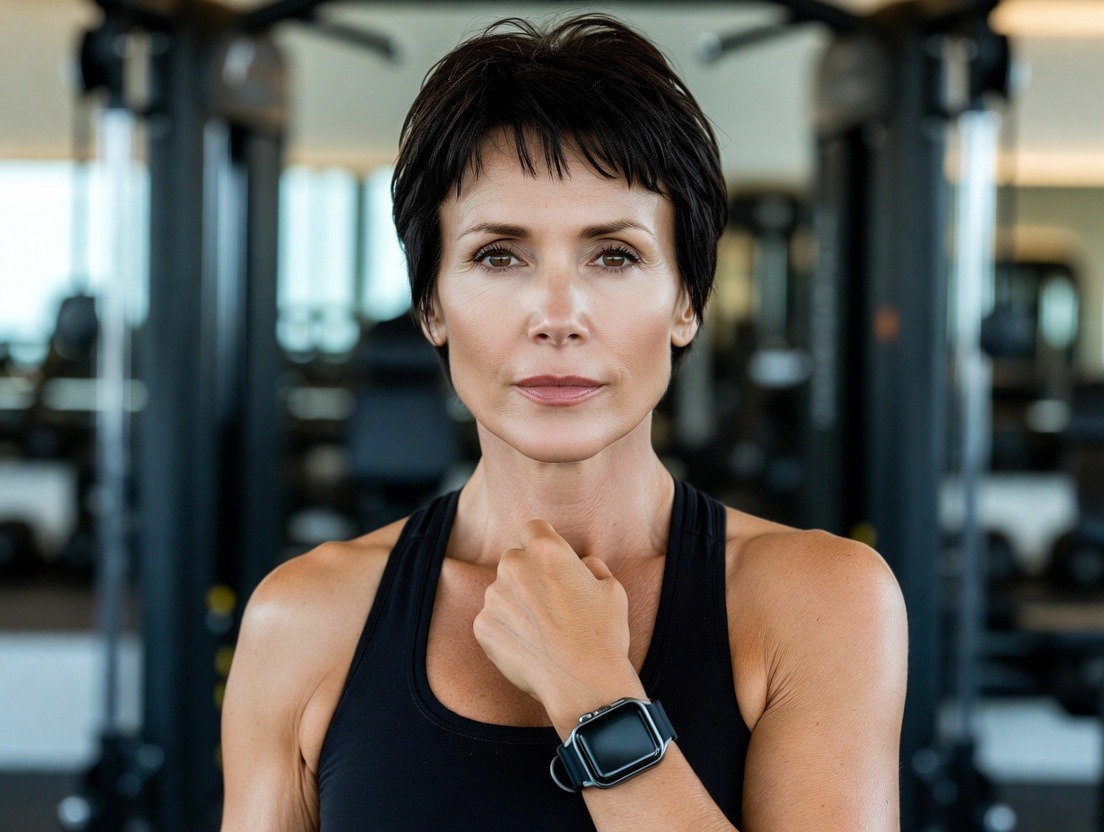
We’ve established that your wearable interprets a demanding workday as a form of “stress” that impacts recovery. But what about the internal, emotional weather—anxiety, worry, rumination? This is where the mind-body connection becomes vividly clear in your data. Your thoughts and emotions are not separate from your physiology; they are direct drivers of it.
Psychological stress activates the sympathetic nervous system (the “fight or flight” response), releasing cortisol and adrenaline. This, in turn, elevates heart rate, increases blood pressure, and—critically for your wearable—lowers Heart Rate Variability (HRV). A mind in turmoil creates a body in stress, and your smart ring or watch will pick up the signal.
How Mental and Emotional States Show Up in Your Data:
Using Your Wearable for Mental Fitness:
Understanding this intimate link is paramount for a holistic view of health. It moves beyond physical training into the realm of nervous system training. Your wearable becomes a tool not just for fitness, but for building emotional resilience. This integrated approach is at the heart of how modern wellness tech supports mental health and stress monitoring.
In a culture that often glorifies “the grind” and constant productivity, the concept of a rest day can feel lazy or unproductive. Your activity balance data provides a powerful, scientific rebuttal to this myth. A well-executed rest day isn’t about doing nothing; it’s about strategic recovery—a positive, active process that is essential for growth. It’s when the magic of adaptation happens.
What a True Rest Day Looks Like According to Your Data:
It’s a day where your primary goal is to support physiological recovery, which will be reflected in tomorrow’s metrics. This doesn’t mean becoming a couch potato (complete inactivity can sometimes lead to stiffness and poor sleep). It means engaging in activities that promote parasympathetic nervous system dominance.
Optimal Rest Day Activities:
How to Use Your Wearable to Plan and Validate Rest Days:
Honoring rest is a skill that your wearable can teach you. It provides the objective evidence that downtime is an investment, not a waste. By listening to these signals, you build a more resilient body that can perform better, longer, and with less risk of injury. For a dedicated deep dive into this essential practice, our resource on recovery and rest day strategies offers a complete framework.
You wake up feeling refreshed, energized, and ready to conquer the world. You check your wearable, expecting a green 90+ Readiness Score. Instead, you’re greeted by a red 42. “This is wrong,” you think. This frustrating experience is common, but it’s not usually a device error. It’s a puzzle to be solved—a discrepancy between subjective feeling and objective data that often holds a valuable lesson.
Common Reasons for “Feel Good / Data Bad” Scenarios:
Common Reasons for “Feel Bad / Data Good” Scenarios:
What to Do When Data and Feeling Diverge:
Navigating these moments builds a sophisticated, nuanced relationship with your body and your data. It’s a critical skill for setting realistic health expectations and avoiding frustration on your wellness journey.
The principle of balancing stress and recovery is universal, but its practical application is not one-size-fits-all. Your optimal balance point is dynamic, shifting with age, fitness level, life stage, and specific goals. A 25-year-old training for a marathon, a 45-year-old managing a career and family stress, and a 65-year-old focusing on healthy aging all need to interpret and apply their activity balance data through different lenses.
For the Fitness Enthusiast & Athlete:
For the Busy Professional & Parent (High Stress, Limited Time):
For Those Focusing on Healthy Aging & Longevity:
For Women Navigating Hormonal Cycles:
Understanding that your balance needs are personal and evolving is empowering. It allows you to use the same powerful tool to serve your unique, changing life. For more on this, see our guide on how wearable wellness fits different age groups and life stages.
You may not live in a single app. Perhaps you wear a smart ring for 24/7 recovery data but use a dedicated GPS watch for running. You might track your food in MyFitnessPal, your mindfulness in Headspace, and your weight in Withings. This fragmentation can feel messy, but when integrated thoughtfully, it creates a rich, multi-dimensional picture of your health. The key is strategic integration, not consolidation into one monolithic platform.
The Strengths of Different Devices:
Creating a Cohesive Picture:
Avoiding Data Overload:
The goal is insight, not inventory. If managing multiple devices and apps becomes a job in itself, simplify. Choose the one or two data streams that give you the most actionable information for your primary goal. For most people seeking balance, a dedicated 24/7 recovery tracker paired with the simple workout app on their phone is more than sufficient. For help navigating the technical landscape, our guide to wearable app ecosystems breaks down the options.
The technology you’re using today is just the beginning. The field of personal health monitoring is advancing at a breathtaking pace, moving from descriptive analytics (“this is what happened”) to predictive and prescriptive insights (“this is what’s likely to happen, and here’s what to do about it”). Understanding this trajectory helps you appreciate the tool you have now and anticipate the even more powerful tools to come.
Near-Term Innovations (Next 1-3 Years):
Long-Term Vision (5+ Years):
What This Means for You Today:
Engaging with your current wearable is the foundational training for this future. The habits you build now—interpreting data, connecting it to lifestyle, and taking mindful action—are the skills that will allow you to harness these future technologies effectively, not be overwhelmed by them. You are learning the language of your body, which will only become more fluent. To explore this exciting horizon further, consider reading about how smart ring features will evolve in the next five years.
As we’ve explored, the depth of insight from a modern wearable is profound. It knows the rhythm of your heart as you sleep, the subtle shifts in your temperature, the cadence of your daily stress and recovery. This data is incredibly personal—a digital fingerprint of your physiology. With this power comes an essential responsibility: understanding and managing your data privacy and security. It’s a critical, non-negotiable chapter in becoming an empowered user.
What Data Are You Sharing, and With Whom?
When you use a wearable, you generate three primary categories of data:
This data typically flows between your device, the manufacturer’s app, and their cloud servers. The key questions are: How is it stored? Who else might have access? What are the company’s policies on selling or sharing anonymized data?
Key Privacy Principles for the Informed User:
The “Creepy” vs. “Useful” Line:
Technology is blurring this line. A wearable suggesting you go to bed because it detects you’re tired can feel supportive. The same device triggering an ad for melatonin on your social media feed based on your sleep data can feel invasive. Be aware of how data might be used for advertising and adjust your settings accordingly.
Your Role in a Data-Secure Ecosystem:
Your security is also in your hands. Keep your device’s firmware and app updated, as updates often include critical security patches. Use strong, unique passwords for your wellness accounts. Be cautious about connecting to public Wi-Fi when syncing sensitive data.
Adopting a proactive, informed stance on privacy allows you to enjoy the benefits of this technology with greater confidence and control. It’s the foundation of a trusting relationship with your tools. For a foundational overview, our guide to wearable wellness privacy and data security basics is an essential read.

One of the most transformative applications of personal wellness data is its potential to bridge the gap between daily life and the clinical setting. The traditional annual physical provides a snapshot; your wearable provides a continuous movie of your health. Learning how to effectively present this data to a healthcare professional can turn you from a passive patient into an active, informed partner in your care.
From Anecdote to Evidence:
Instead of saying, “I think I’ve been sleeping poorly,” you can say: “Over the past three months, my wearable data shows my average sleep duration has dropped from 7.5 to 6.2 hours, with a consistent decrease in deep sleep. This correlates with a 15% increase in my resting heart rate and a trend of lower morning readiness scores.”
This shift from subjective feeling to objective trend provides your doctor with a powerful, quantifiable starting point for investigation.
How to Prepare for a Data-Informed Appointment:
Potential Clinical Use Cases:
A Note on Limitations: Always be clear that consumer wearables are wellness tools, not medical devices. Their data is for informational and trend-spotting purposes and should not be used for self-diagnosis. A doctor’s clinical assessment and diagnostic tests are paramount.
By becoming a curator of your own health narrative, you empower more collaborative, efficient, and personalized care. This is how technology truly empowers patient-doctor conversations.
The initial excitement of a new wearable often comes with a burst of optimization energy: hitting every activity target, chasing a perfect sleep score, fixating on a rising HRV. This phase is natural. But the true value of activity balance is not found in a 90-day transformation; it’s found in a 90-year life lived with more energy, resilience, and awareness. The ultimate goal is to integrate these insights so seamlessly into your life that the practice becomes sustainable and rewarding, not another source of performance pressure.
Shifting from Optimization to Harmonization:
Optimization implies a finite endpoint—a “perfect” state. Harmonization implies an ongoing, fluid process of alignment with your life’s changing rhythms. Some days, harmony means a vigorous workout. Other days, it means resting on the couch with a book because life has been strenuous in other ways. Your wearable data should guide you toward harmony, not punish you for not meeting an optimized ideal.
Strategies for Sustainable Engagement:
This long-view, gentle approach is what leads to lasting change. It’s about building a toolkit for navigating life’s stresses with more grace and intelligence. It aligns perfectly with the core mission of using technology not for short-term fixes, but for supporting preventive healthcare and longevity across your entire lifespan.
Even with a deep understanding, practical questions and hiccups will arise. This section addresses common stumbling blocks and FAQs to keep your journey smooth.
General Data & Accuracy Questions:
Q: How accurate are these devices, really?
A: For trends and relative changes, consumer wearables are highly reliable. They are exceptionally good at measuring your data against your baseline. For absolute, clinical-grade accuracy (e.g., exact calorie burn, millisecond-perfect HRV), they are not medical devices. Focus on the direction and magnitude of trends, which are consistently meaningful. For a full discussion, see our analysis on wearable accuracy and reliability.
Q: My data seems wildly off one day. Is my device broken?
A: Before assuming a fault, consider fit and context. A loose-fitting ring or watch can cause poor signal integrity. Intense hand movement (typing, driving) can create optical sensor noise. Also, an unusual physiological day (severe illness, dehydration, extreme stress) can produce legitimately strange data. Ensure a good fit, charge the device, and see if it normalizes over 24-48 hours.
Q: Why does my readiness score seem disconnected from how I feel?
A: Revisit the section “When the Data Doesn’t Match the Feeling.” Common culprits are stimulants masking fatigue, mental energy versus physical depletion, or the lag between a stressful period ending and your physiology recovering. Use the discrepancy as a curiosity prompt.
Activity & Recovery Questions:
Q: I’m sore from a workout, but my readiness is high. Should I still work out?
A: Likely yes, but strategically. Muscle soreness (DOMS) is local inflammation, not necessarily systemic nervous system fatigue. Your high readiness score suggests your cardiovascular and central nervous systems are recovered. Opt for “active recovery”: light cardio, mobility work, or training a different muscle group. Movement will likely improve soreness.
Q: The app always tells me to “take it easy.” I want to get fitter! How do I push?
A: First, ensure you’re providing enough recovery (sleep, nutrition) to earn higher readiness scores. If you are, look for the green lights. On days when readiness is high, that’s your cue to push intensity or volume. The system is designed to create these windows. If you’re constantly in the red, you may be chronically under-recovering, and pushing harder will be counterproductive.
Q: Is it bad to completely ignore a low readiness score?
A: Consistently ignoring low scores is a recipe for overtraining, burnout, illness, or injury. An occasional “override” for a special event or when you feel truly great is fine. But making a habit of it means you’re not listening to the core feedback the device is designed to provide.
Device & Habit Questions:
Q: How do I clean and maintain my smart ring/watch?
A: Follow the manufacturer’s instructions. Generally, use a soft, lint-free cloth with a bit of water or mild soap. Avoid harsh chemicals. For rings, remove during activities that could damage it (heavy lifting with weights, contact sports). For comprehensive tips, our guide to battery life and maintenance basics covers best practices.
Q: I’m getting overwhelmed by all the data. Help!
A: This is the most important sign to simplify. Go back to ONE metric that matters most to you right now (e.g., Sleep Score). Focus only on that for two weeks. Ignore the rest. Once that feels integrated, add one more. This is the antidote to data anxiety. Our dedicated guide on avoiding data overwhelm offers a step-by-step method.
Q: What are the most common mistakes beginners make?
A: 1) Comparing their numbers to others. 2) Fixating on daily scores instead of trends. 3) Treating the device as a medical diagnostic tool. 4) Forgetting that mental stress counts as activity strain. 5) Not giving the device 2-4 weeks to learn their baseline before drawing conclusions. For a full list of pitfalls and how to avoid them, see common mistakes to avoid in wearable wellness.
You’ve journeyed from the initial overwhelm of unfamiliar numbers to understanding the philosophy of dynamic harmony. You’ve learned how your wearable listens to the silent language of your heart, your sleep, and your nervous system to calculate your unique activity balance. You’ve discovered how to read the daily dashboard, connect the dots between metrics, and respect the influence of nutrition, stress, and rest.
More importantly, you’ve gained the framework to use this tool wisely: to focus on your personal trends, to navigate life’s disruptions, to communicate effectively with healthcare providers, and above all, to build a sustainable, lifelong practice of self-awareness.
This is not the end of learning; it is the beginning of a new kind of conversation with yourself. Your wearable is the translator. It provides the objective feedback, but you are the author of the story. You bring the context, the goals, and the wisdom to turn insight into action.
Your First Step Tomorrow:
This is the practice. Simple, daily, cumulative. It’s how data transforms into wisdom, and how technology serves not to complicate life, but to clarify it—helping you find your unique, ever-evolving balance.
Your Trusted Sleep Advocate: Sleep Foundation — https://www.sleepfoundation.org
Discover a digital archive of scholarly articles: NIH — https://www.ncbi.nlm.nih.gov/
39 million citations for biomedical literature :PubMed — https://pubmed.ncbi.nlm.nih.gov/
Experts at Harvard Health Publishing covering a variety of health topics — https://www.health.harvard.edu/blog/
Every life deserves world class care :Cleveland Clinic - https://my.clevelandclinic.org/health
Wearable technology and the future of predictive health monitoring :MIT Technology Review — https://www.technologyreview.com/
Dedicated to the well-being of all people and guided by science :World Health Organization — https://www.who.int/news-room/
Psychological science and knowledge to benefit society and improve lives. :APA — https://www.apa.org/monitor/
Cutting-edge insights on human longevity and peak performance:
Lifespan Research — https://www.lifespan.io/
Global authority on exercise physiology, sports performance, and human recovery:
American College of Sports Medicine — https://www.acsm.org/
Neuroscience-driven guidance for better focus, sleep, and mental clarity:
Stanford Human Performance Lab — https://humanperformance.stanford.edu/
Evidence-based psychology and mind–body wellness resources:
Mayo Clinic — https://www.mayoclinic.org/healthy-lifestyle/
Data-backed research on emotional wellbeing, stress biology, and resilience:
American Institute of Stress — https://www.stress.org/


