


The Complete Beginner-Friendly Guide to Wind-Down Rituals Your Ring Tracks
Wind-down rituals can be tracked and measured using the data from your ring.
Wind-down rituals can be tracked and measured using the data from your ring.
%402x.svg)
You know that feeling. It’s 10 PM. The house is quiet. The day’s final notification has chimed. Yet, as you lie in bed, your mind is anything but still. It’s replaying a tense meeting, drafting tomorrow’s to-do list, or fretting over a forgotten task. Your body is in bed, but your nervous system is still at the office, in the car, or scrolling through the news. You’re exhausted, but sleep feels miles away. This, my friend, is the modern paradox: we are more connected to our devices than ever, yet utterly disconnected from our own capacity for rest.
For generations, humans understood the importance of transition. The setting sun signaled a shift from labor to leisure, from community to family, from external focus to internal reflection. We had rituals—a cup of tea, a chapter of a book, a quiet conversation on the porch—that served as psychological bridges from the stress of the day to the peace of the night. These rituals weren’t luxuries; they were biological necessities, gently guiding our nervous systems from sympathetic “fight-or-flight” dominance to the parasympathetic “rest-and-digest” state where healing, memory consolidation, and emotional processing occur.
Today, that bridge is largely burned. We leap from high-stress work directly into our pillows, with only the blue-glowing intermediary of a smartphone. The result is an epidemic of poor sleep, elevated baseline stress, and a feeling of being perpetually “on.” Your body accumulates the physiological debt of the day—elevated cortisol, muscle tension, a racing heart—and with no conscious process to pay it down, it carries that debt into the night, sabotaging sleep quality and setting you up for a more stressful tomorrow. It’s a vicious cycle.
But what if you could rebuild that bridge, not with guesswork, but with precision? What if you had a gentle, persistent guide that could actually measure your transition from stress to calm? This is the revolutionary promise of pairing intentional wind-down rituals with the objective biometric tracking of a smart ring.
A smart ring, like those from Oxyzen, is more than a sleep tracker. It’s a continuous guardian of your nervous system’s state. While you sleep, it meticulously records your heart rate variability (HRV)—a direct, non-invasive window into your autonomic nervous system. A higher HRV generally indicates a more resilient, adaptable system capable of smoothly transitioning into rest. A suppressed HRV often signals a system stuck in a state of chronic stress. Your overnight HRV, along with your resting heart rate and sleep stages, becomes the ultimate report card on the effectiveness of everything you did—or didn’t do—in the hours before bed.
This guide is your master blueprint. We’re moving beyond generic “sleep hygiene” tips into the realm of personalized, data-informed ritual creation. We will explore the profound science of the transition from wakefulness to sleep, deconstruct the anatomy of an effective ritual, and provide you with a diverse toolkit of practices for the mind, body, and environment. You’ll learn not just what to do, but why it works and—most crucially—how your ring will show you it’s working. We’ll connect the dots between your evening cup of herbal tea and a spike in your deep sleep duration, between your 15-minute digital detox and an improved HRV score.
The goal is not to add another rigid checklist to your life, but to empower you to craft a personalized, sustainable wind-down sequence that signals to your deepest biology: You are safe. The work is done. Now, it is time to restore. Let’s begin the journey from frantic to tranquil, and let your ring be the compass that proves you’re on the right path.

To build an effective wind-down ritual, you must first understand what you’re trying to wind down: your body’s sophisticated and ancient stress-response system. When your brain perceives a threat—be it a looming deadline, a difficult conversation, or an intense workout—it triggers the sympathetic nervous system (SNS). This is your biological accelerator. The hypothalamus sounds the alarm, prompting your adrenal glands to release cortisol and adrenaline. Your heart rate and blood pressure increase, blood is shunted to your muscles, your senses sharpen, and non-essential functions like digestion are put on hold. This is the famous “fight-or-flight” response, and it’s brilliant for short-term survival.
The problem in modern life is that our brains often can’t distinguish between a physical predator and a stressful email. We trigger this SNS response dozens of times a day with psychological stressors, leaving the accelerator partially pressed for hours on end. When evening comes, the body doesn’t automatically shut this off. Cortisol has a natural diurnal rhythm—it should be highest in the morning to help you wake up and gradually decline throughout the day, reaching its lowest point around midnight to allow for the secretion of melatonin, the sleep hormone. Chronic stress flattens this curve, leaving cortisol levels elevated at night, effectively locking the door to restorative sleep.
This is where the parasympathetic nervous system (PNS) comes in. It’s your biological brake. Known as the “rest-and-digest” system, its activation slows your heart rate, stimulates digestion, promotes relaxation, and prepares the body for sleep and repair. The goal of a wind-down ritual is not to fight the SNS, but to actively, gently encourage the dominance of the PNS.
The master switch between these two systems is the vagus nerve, the longest cranial nerve in the body. Think of it as a two-way communication superhighway between your brain, heart, lungs, and gut. “Vagal tone” refers to the activity and efficiency of this nerve. High vagal tone is associated with better emotional regulation, faster stress recovery, and improved cardiovascular health. Crucially, it is the key to a smooth biological transition into sleep. When you stimulate the vagus nerve, you send a direct signal to your brainstem that the coast is clear, it’s safe to stand down, and the PNS can take the wheel.
Your smart ring is uniquely positioned to measure the success of this transition. The gold-standard metric here is Heart Rate Variability (HRV). Unlike a simple pulse rate, HRV measures the subtle, millisecond variations in time between each heartbeat. When your SNS is dominant (stressed, alert), your heart beats like a steady, rigid drum—low HRV. When your PNS is dominant (calm, relaxed), there is more variability between beats—high HRV. A higher HRV indicates a heart that is responsive and resilient, a sign of good vagal tone and a nervous system ready for recovery.
Therefore, your pre-sleep ritual aims to create the internal conditions that will be reflected in your nocturnal biometrics: a lower resting heart rate, a higher HRV, more time in deep (slow-wave) sleep, and less nighttime wakefulness. By tracking these metrics, you move from guessing (“I feel like I slept okay”) to knowing (“My HRV increased by 12% after I started my journaling practice”). This creates a powerful feedback loop, motivating you to stick with the rituals that your own physiology validates.
In essence, you are learning to become the curator of your own nervous system. The science is clear: the switch from stress to rest is not automatic in our hyper-connected world. It requires a deliberate, repeated signal. Your wind-down ritual is that signal. And your ring? It’s the translator, showing you in clean, objective data that your body is listening.
Many people think of a sleep tracker as a simple pedometer for the night—counting steps toward some vague notion of “good sleep.” But the latest generation of smart rings, worn on the finger where they can access a rich pulse signal, are providing a far more nuanced and actionable portrait of your nocturnal physiology. To leverage your wind-down ritual effectively, you need to understand the story these numbers tell. Let’s decode the key metrics.
1. Heart Rate Variability (HRV): The Stress Resilience Score
As introduced, HRV is your most important biomarker for nervous system balance and recovery readiness. Your ring calculates this throughout the night, often providing a single “readiness” or “recovery” score in the morning. Don’t fixate on the absolute number; instead, watch the trend. Is your nightly HRV gradually climbing as you implement consistent wind-down practices? A sudden dip can be an early warning sign of impending illness, overtraining, or chronic stress accumulation that your conscious mind hasn’t yet registered. By correlating a low HRV reading with the previous evening’s activities (e.g., “I scrolled social media for an hour in bed” or “I had a tough conversation right before sleep”), you gain unparalleled insight into what truly dysregulates your system.
2. Resting Heart Rate (RHR): The Metabolic Idle Speed
Your RHR is the number of times your heart beats per minute when you are fully at rest—typically captured during your deepest sleep phases. A well-regulated nervous system allows your heart to slow down profoundly during rest. A lower RHR (within a healthy range) generally indicates better cardiovascular fitness and efficient parasympathetic activity. If your RHR is elevated overnight, it’s a strong sign that your body is still in a state of physiological stress, working harder than it needs to. A successful wind-down ritual should help lower your RHR toward your personal baseline.
3. Sleep Stages: The Architecture of Restoration
Sleep isn’t a monolithic state. Your ring uses heart rate and movement data to estimate time spent in Light, Deep, and REM sleep.
4. Sleep Latency: The Time to Disconnect
This is the literal measure of your ritual’s effectiveness: how long it takes you to fall asleep after getting into bed. The ideal is typically between 10-20 minutes. Falling asleep instantly often indicates severe sleep deprivation, while taking 45 minutes or more signals difficulty transitioning out of wakefulness. By tracking this, you can experiment: does reading fiction lower your sleep latency more than meditation? Your data will guide you.
5. Body Temperature & Respiratory Rate: The Subtle Clues
Advanced rings track subtle changes in skin temperature and breathing rate throughout the night. Your core temperature needs to drop to initiate and maintain sleep. A wind-down that includes heat therapy like a sauna or warm bath earlier in the evening can actually expedite this cooling process. Similarly, a relaxed, slow respiratory rate before bed (achieved through breathwork) sets the stage for steady breathing during sleep, another marker of PNS dominance.
The Big Picture: Correlation, Not Perfection
The goal is not to obsess over a single night’s data but to look for patterns over weeks and months. The true power lies in becoming a biohacker of your own life. Did your deep sleep increase on the nights you did a progressive muscle relaxation? Did your HRV dip after late-evening alcohol? This feedback transforms your ring from a passive tracker into an active coach. It answers the most personal question in wellness: “What works for me?” By establishing your own biometric baseline, you can then design a wind-down ritual with confidence, knowing you have a sophisticated system in place to measure its real-world impact on your body’s most vital restoration process.
With the science and tracking explained, we can now construct the framework of a ritual that actually works. A true wind-down ritual is more than a random collection of “calming” activities. It is a deliberate, repeatable sequence of behaviors designed to trigger a specific psychological and physiological shift. Think of it as programming a macro for your nervous system: one command (“begin wind-down”) that executes a cascade of beneficial effects. This structure relies on three core pillars.
1. The Power of Consistency (The "When")
Your nervous system loves predictability. When you perform the same sequence of relaxing actions at roughly the same time each evening, you are engaging in what behavioral scientists call “classical conditioning.” Over time, the mere initiation of the first step of your ritual—say, brewing a cup of herbal tea—becomes a potent cue that tells your brain, “The stress of the day is over; relaxation begins now.” This consistency strengthens the neural pathways associated with calm, making the transition easier and faster. It’s not about rigidity, but about creating a reliable rhythm in a chaotic world. Your ring’s data will reinforce this: you’ll likely see more stable HRV and sleep scores on nights where your ritual was consistent versus nights where it was skipped or scrambled.
2. The Importance of Environmental & Temporal Cues (The "Where and When")
Cues are the triggers that launch your ritual. The most effective ones are tied to specific times, places, or events.
3. The Non-Negotiable "Why" Behind Every Action
Every element of your ritual should have an intentional purpose linked to the science of the wind-down. This transforms a random activity into a targeted intervention. For example:
Building Your Ritual Skeleton:
A robust ritual typically has phases that progress from external disconnection to internal calm:
In the following sections, we will populate each of these phases with a diverse menu of practices. Your mission is not to do them all, but to select one or two from each phase that resonate with you, understand their “why,” perform them consistently, and then—most importantly—observe the correlation in your ring’s data. This is how you build a ritual that is not a chore, but a cherished, evidence-based gift to your future self.
The single most disruptive element to a modern wind-down is the unending digital stream. Our devices are engineered to hijack attention, trigger emotional responses (from FOMO to outrage), and bathe us in blue light that directly suppresses melatonin production. A “digital sunset” is the intentional, gradual shutting down of this digital world, allowing your brain to shift from an outward, reactive state to an inward, reflective one. This isn’t about demonizing technology; it’s about creating a boundary so you can become the author of your evening, not the algorithm.
The Physiology of Disconnection:
Every ping, notification, or compelling headline triggers a micro-dose of cortisol and dopamine. This keeps your SNS subtly engaged and your brain in a state of “scanning and seeking.” The blue light emitted by screens, with its short wavelength, is particularly problematic in the evening. It tricks your brain’s suprachiasmatic nucleus (your master clock) into thinking it’s still daytime, halting the natural production of melatonin. A successful digital sunset addresses both the cognitive content and the physiological light.
Actionable Rituals for Your Digital Sunset:
What Your Ring Will Show:
Consistently implementing a digital sunset is one of the fastest ways to see positive changes in your biometrics. You can expect to see a decrease in sleep latency (falling asleep faster), a potential increase in deep sleep, and a more robust overnight HRV as your nervous system is no longer being subtly stimulated by digital stressors. By creating this buffer zone, you’ve taken the first and most critical step in building a bridge to true rest. You’ve declared, through action, that your recovery time is sacred.

Stress doesn’t just live in your mind; it embeds itself in your body. You may carry the day as a tightness in your shoulders, a clenched jaw, a stiff lower back, or shallow breathing held in your chest. This is called somatic stress—tension stored in your soma, or body. If you try to quiet your mind while ignoring this physical armor, you’re fighting a losing battle. The Physical Unwind phase uses gentle, deliberate movement and sensation to release this stored tension, directly stimulate the PNS, and signal to your body that it’s safe to relax.
The Mind-Body Feedback Loop:
The relationship between physical tension and mental stress is a two-way street. Anxiety can cause muscle tightness, and conversely, consciously relaxing your muscles can send feedback to your brain that the threat has passed. This is the principle behind progressive muscle relaxation. By systematically working through the body, you not only release physical knots but also interrupt the cycle of stress signaling. Furthermore, gentle movement increases blood flow, can help lower core body temperature post-activity, and promotes the release of soothing neurotransmitters like endorphins.
Actionable Rituals for Your Physical Unwind:
What Your Ring Will Show:
A consistent physical unwind ritual can have a dramatic impact on your sleep architecture. By releasing physical tension, you reduce micro-movements and restlessness during the night, allowing for more consolidated deep sleep. You may also see a lower resting heart rate as cardiovascular strain eases. Most notably, practices that combine movement with breath (like yoga or PMR) are potent vagus nerve stimulators, which should be reflected in a gradual increase in your HRV over time. Your ring confirms what your body feels: a lighter, more relaxed physical vessel is a better conduit for restorative sleep.
You’ve disconnected from the digital world and released your body’s tension. Now, we address the command center: your mind. The Mental Quiet phase is about transitioning from the problem-solving, planning, and processing mode of the day into a state of acceptance, presence, and non-striving. This is where you put the day to bed, psychologically. The goal isn’t to empty the mind (an impossible task), but to change your relationship to your thoughts—to observe them like clouds passing in the sky, rather than being caught in the storm.
The Science of Cognitive Closure:
The brain has a natural need for completion, known as the Zeigarnik effect, which causes us to remember uncompleted or interrupted tasks better than completed ones. An unfinished work project, an unresolved argument, or a looming deadline can thus loop incessantly in your mind. Mental quiet rituals provide a sense of artificial closure, signaling to the brain that the “file” for the day can be saved and closed. Furthermore, practices like meditation and gratitude directly downregulate activity in the amygdala (the brain’s fear center) and strengthen connections to the prefrontal cortex (responsible for rational thought), enhancing emotional regulation.
Actionable Rituals for Your Mental Quiet:
What Your Ring Will Show:
The impact of mental quiet practices is often seen most clearly in sleep architecture and HRV. By reducing cognitive anxiety, you protect your REM sleep, which is crucial for emotional processing and can be easily disrupted by stress. You may experience fewer nighttime awakenings. Most profoundly, practices like meditation and gratitude have been shown to improve vagal tone, which should translate to a higher, more resilient HRV over weeks and months. Your ring data validates that a quieter mind leads to a more balanced nervous system, proving that the work of mental closure is not just philosophical—it’s physiological.
You are not separate from your environment; you are in constant conversation with it. Your senses are always gathering data: light, sound, temperature, and even the feel of your bedding. The Environmental Preparation phase is about consciously curating this data stream to send one unanimous message to your brain and body: This is a place of safety, comfort, and rest. You are building a nest that is biologically optimized for sleep. This transforms your bedroom from a mere room with a bed into a potent cue for slumber.
The Sensory Language of Sleep:
Every environmental factor speaks to your primal physiology.
Actionable Rituals for Your Environmental Preparation:
What Your Ring Will Show:
Environmental optimization leads to measurable improvements in sleep maintenance. You should see less time awake during the night (improved “sleep efficiency”), fewer disturbances in your sleep stage graphs, and more consolidated blocks of deep and REM sleep. A cooler room can specifically aid in achieving deeper sleep. By removing environmental stressors, you allow your nervous system to remain in its restorative PNS state throughout the night, which will be reflected in a more stable and higher HRV. Your ring confirms that your sanctuary is functioning as intended: a true haven for recovery.
You’ve disconnected, unwound, quieted your mind, and prepared your environment. Now, as you lie in bed, you perform the final, crucial act: a short, focused practice that serves as the direct bridge from wakefulness into sleep. This is the ritual within the ritual—a 5-10 minute practice done in bed with the intention of surrendering to sleep. It seals the state you’ve carefully cultivated and gives your active mind one last, gentle task to focus on, preventing it from snapping back into the worries of the day.
The Principle of the "Sleep Anchor":
Trying to “force” yourself to sleep is a recipe for frustration and anxiety, which activates the very SNS you’re trying to avoid. The Final Transition practice provides a neutral, non-stimulating anchor for your attention. By focusing on a repetitive sensation, a peaceful image, or a simple body scan, you occupy the cognitive “workspace” that might otherwise be hijacked by stressful thoughts. This allows sleep, which is an involuntary process, to arise naturally when your brain is sufficiently bored and relaxed.
Actionable Rituals for Your Final Transition:
What Your Ring Will Show:
The success of your Final Transition is captured most clearly in your Sleep Latency metric. As this practice becomes a conditioned response, the time between getting into bed and falling asleep should decrease and stabilize. Furthermore, by entering sleep from a state of deep physiological calm (low heart rate, high HRV), you are more likely to have a smooth entry into the sleep cycle, potentially reducing disruptions in the first sleep cycle. Your ring will show you which specific in-bed practice most effectively short-circuits your personal brand of bedtime mental chatter and ushers you most efficiently into restorative sleep.
A one-size-fits-all wind-down ritual is a myth. The parent of a newborn has different constraints than a night-shift worker or a university student. The goal is not to replicate someone else’s perfect Instagram-worthy routine, but to build a functional and sustainable sequence that works within the beautiful, messy reality of your life. This section provides a menu-based framework, allowing you to mix and match practices from each phase based on your available time, energy, and personal preferences. Think of yourself as a chef, selecting ingredients to create your perfect restorative recipe.
The 10-Minute "Essential" Ritual (For When Life Gets Crazy):
Even on chaotic days, a micro-ritual is non-negotiable. It maintains the habit and provides a minimum effective dose of calm.
The 30-Minute "Balanced" Ritual (The Sweet Spot for Most):
This is a sustainable, deeply effective routine for regular practice.
The 60-Minute "Luxury" Ritual (For Weekends or Deep Recovery):
An indulgent, comprehensive reset for when you need to truly pour back into your cup.
Tailoring to Your Chronotype & Schedule:
The Golden Rule: Start Small and Build.
Don’t attempt the 60-minute ritual on day one. Pick one new practice from one phase and stick with it for a week. Use your ring’s data to observe its impact. Then, add another. This gradual, data-informed approach ensures your ritual is built on sustainable habits, not fleeting enthusiasm. The most personal ritual is the one you actually do.
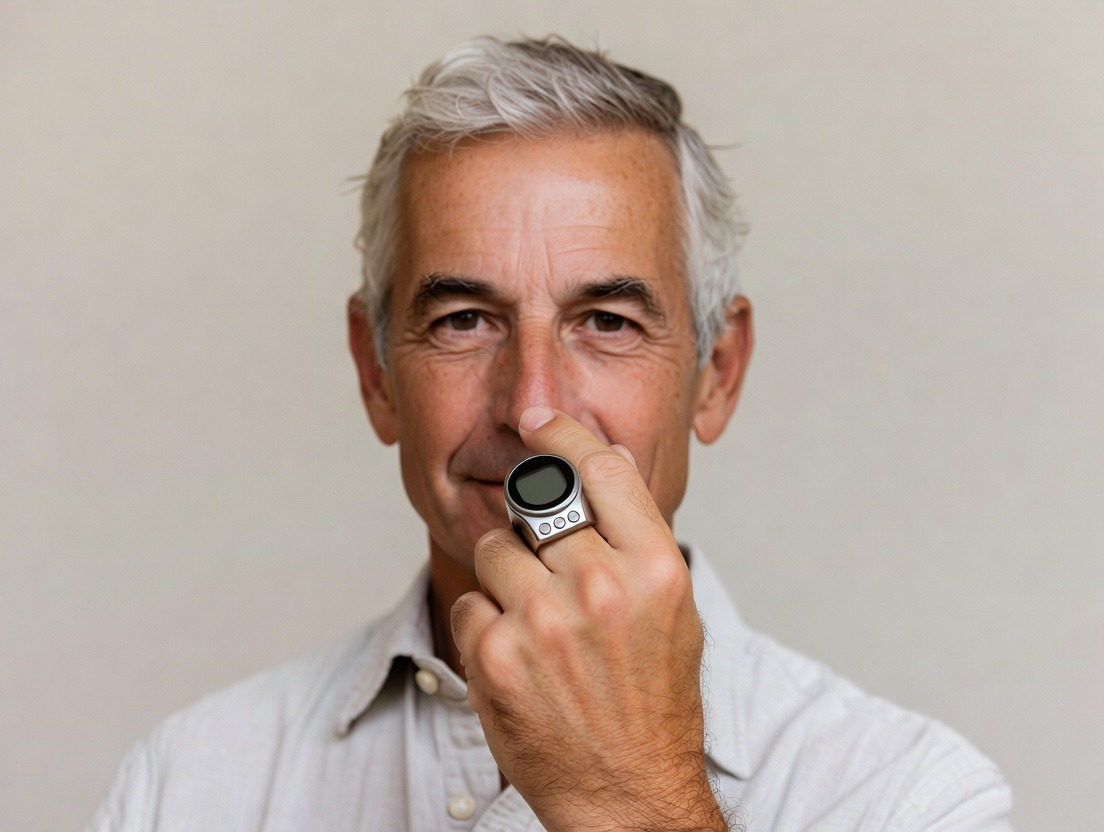
You’ve built your personalized ritual and practiced it consistently. Now comes the most empowering part: closing the feedback loop. Your smart ring is not just a sleep tracker; it’s a biofeedback tool for your wind-down practice. Learning to interpret its data turns abstract concepts like “calm” into tangible, actionable insights. This transforms your journey from guesswork to guided mastery.
Creating a "Wind-Down Experiment" Mindset:
Approach this as a scientist studying a subject of one: you. Your ritual is the independent variable. Your sleep and readiness data are the dependent variables. For a clear experiment, try to change only one ritual element at a time and observe the results over 5-7 days to account for natural variability.
Key Correlations to Look For:
How to Log and Correlate:
Keep a simple notes app or journal entry each night. Note:
This process of mindful correlation builds what we call “bio-intelligence”—an intuitive understanding of how your lifestyle choices manifest in your physiology. Your ring provides the objective truth, cutting through the stories you tell yourself (“I sleep fine after wine”). This honest feedback is the key to refining and perfecting your wind-down ritual, making it a living, evolving practice that grows with you. It’s the ultimate tool for building a personal stress relief toolkit, grounded in your own unique data.
Even with the best intentions, it’s easy to stumble when building a new habit. The beauty of biometric tracking is that it doesn’t judge—it simply reports. Your ring becomes a compassionate, objective mirror, revealing where your ritual might be missing the mark or where hidden stressors are undermining your efforts. Understanding these common pitfalls, and knowing how they manifest in your data, allows you to course-correct with precision rather than frustration.
Pitfall 1: The "Perfection or Nothing" Mindset
You miss one element of your ritual or do it later than planned, so you abandon the entire evening’s wind-down, thinking, “I’ve already ruined it.” This all-or-nothing approach is the fastest way to kill a nascent habit.
Pitfall 2: Mistaking Sedation for Relaxation
A glass of wine, a sleeping pill, or even a large, heavy meal might make you feel drowsy and help you fall asleep faster. But this is pharmacological or digestive sedation, not true PNS-mediated relaxation. It often comes at a cost to sleep quality.
Pitfall 3: Over-Stimulating "Relaxation"
Sometimes, the activities we choose to wind down are subtly stimulating. A thrilling true-crime podcast, an intense drama series, a heated debate with a partner, or even a vigorous workout too close to bedtime can activate the SNS, even if we enjoy them.
Pitfall 4: Ignoring the Weekday-Weekend Disconnect
Keeping a strict ritual during the week but staying up late and sleeping in on weekends creates what sleep scientists call “social jet lag.” This misalignment confuses your circadian rhythm, making it harder to wind down on Sunday night and start the week refreshed.
Pitfall 5: Neglecting Daytime Stress Accumulation
Your wind-down ritual is like mopping the floor. It’s essential, but if you leave the faucet running all day (chronic stress), you’ll never keep up. A 30-minute ritual can’t fully compensate for 16 hours of unmanaged stress.
Pitfall 6: Becoming Data-Obsessed
This is the ironic pitfall of having a tracker. Checking your scores anxiously every morning, feeling defeated by a “poor” HRV, or trying to “hack” your way to a perfect score can itself become a source of performance anxiety—the opposite of relaxation.
By recognizing these pitfalls, you move from a passive participant to an active scientist in your own well-being. Your ring provides the clues; you learn to interpret them. This partnership fosters self-compassion and intelligent iteration, which are the hallmarks of a sustainable, lifelong practice.
Not all stress is created equal. The tension after a day of back-to-back Zoom meetings feels different from the exhaustion after a physical project, which is different from the emotional drain of caregiving or social conflict. Your wind-down ritual can be powerfully tailored to address the specific type of stress you’ve accumulated. By matching the practice to the stressor, you create a more efficient and satisfying release. Your ring’s data can then help you identify which type of stress is most prevalent for you and which antidotes are most effective.
1. For Cognitive/ Mental Overload (The "Busy Brain"):
2. For Physical/Somatic Tension (The "Aching Body"):
3. For Emotional/Relational Fatigue (The "Heavy Heart"):
4. For Sensory Overstimulation (The "Fried Nerves"):
Using Your Ring to Diagnose Your Stress Type:
Pay attention to patterns. Do you have poor sleep and low HRV specifically after days heavy with meetings (suggesting cognitive/social stress)? Or after physical labor (somatic stress)? This biofeedback allows you to proactively choose your ritual focus. You’re no longer guessing what you need; you’re responding to what your body has clearly communicated it endured. This level of personalization is the key to moving from a generic routine to a truly restorative ritual.
Once you’ve mastered the foundational rituals and can read your ring’s data fluently, you can explore the frontier of wind-down practices: using real-time biofeedback and specialized technology to deepen your state of relaxation. This is about moving from practices that generally promote calm to tools that give you immediate feedback on your physiological state, allowing you to actively steer your nervous system toward deeper rest. It turns your wind-down into a skill you can sharpen with precision.
1. Real-Time HRV Biofeedback Training:
This is the most direct application of your ring’s technology to your wind-down ritual. While most rings provide HRV scores the next morning, some apps and paired devices allow you to see your HRV in real-time during a breathing or meditation exercise.
2. Binaural Beats and Brainwave Entrainment:
These are audio tracks that use slightly different sound frequencies in each ear. Your brain perceives a third, phantom frequency (the binaural beat), which can encourage your brainwaves to synchronize to specific states associated with relaxation and sleep (like alpha and theta waves).
3. CES (Cranial Electrotherapy Stimulation) Devices:
These are wearable devices that deliver a tiny, imperceptible microcurrent to the brain via electrodes on the head or ears. It’s a more direct technological intervention, with FDA clearance for treating anxiety, depression, and insomnia.
4. Temperature-Management Technology:
Beyond a cool room, you can use technology to directly facilitate the core body temperature drop necessary for sleep.
Your Trusted Sleep Advocate: Sleep Foundation — https://www.sleepfoundation.org
Discover a digital archive of scholarly articles: NIH — https://www.ncbi.nlm.nih.gov/
39 million citations for biomedical literature :PubMed — https://pubmed.ncbi.nlm.nih.gov/
Experts at Harvard Health Publishing covering a variety of health topics — https://www.health.harvard.edu/blog/
Every life deserves world class care :Cleveland Clinic - https://my.clevelandclinic.org/health
Wearable technology and the future of predictive health monitoring :MIT Technology Review — https://www.technologyreview.com/
Dedicated to the well-being of all people and guided by science :World Health Organization — https://www.who.int/news-room/
Psychological science and knowledge to benefit society and improve lives. :APA — https://www.apa.org/monitor/
Cutting-edge insights on human longevity and peak performance:
Lifespan Research — https://www.lifespan.io/
Global authority on exercise physiology, sports performance, and human recovery:
American College of Sports Medicine — https://www.acsm.org/
Neuroscience-driven guidance for better focus, sleep, and mental clarity:
Stanford Human Performance Lab — https://humanperformance.stanford.edu/
Evidence-based psychology and mind–body wellness resources:
Mayo Clinic — https://www.mayoclinic.org/healthy-lifestyle/
Data-backed research on emotional wellbeing, stress biology, and resilience:
American Institute of Stress — https://www.stress.org/


