


Your Body's Circadian Recovery Signals: Timing Matters
How your wellness ring tracks recovery signals across multiple bodily systems.
How your wellness ring tracks recovery signals across multiple bodily systems.
%402x.svg)
The alarm blares. You grope for the snooze button, a fog of fatigue clinging to you despite logging eight hours in bed. You stumble through your morning routine, relying on caffeine to jump-start a system that feels fundamentally offline. You’re not alone. In our modern, always-on world, we’ve become estranged from our body’s most ancient and vital language: the rhythmic, circadian signals that govern recovery, repair, and vitality. We treat sleep as a monolithic event—a single block of "off" time—when, in reality, it is a meticulously choreographed symphony of biological processes, each movement timed to the precise conductor of our internal clock.
This disconnect isn't just about feeling groggy. It's a fundamental misalignment that undermines our immune function, cognitive sharpness, emotional resilience, and long-term health. We chase quick fixes and biohacks, often overlooking the master key already within us: our circadian biology. Recovery isn't just something that happens; it’s something that is orchestrated.
This article is your guide to relearning that language. We will journey deep into the science of your body's circadian recovery signals, exploring why when you rest, eat, move, and expose yourself to light is as critical as what you do. We’ll move beyond generic "get more sleep" advice to understand the temporal architecture of restoration—how your body uses specific time windows for physical repair, memory consolidation, hormonal regulation, and cellular detoxification. By aligning your lifestyle with these innate rhythms, you can transform sleep from a passive state into an active, optimized recovery tool.
Understanding these signals is one thing; measuring and acting on them is another. This is where modern technology, like advanced wellness wearables, bridges the gap between ancient biology and modern life. By providing personalized, granular data on how your unique rhythms ebb and flow, devices like the Oxyzen smart ring turn abstract principles into actionable, daily insights. You’ll learn not just the theory of circadian recovery, but how to apply it to your own life, tracking your progress toward truly restorative rest. For a foundational look at how such technology unlocks these insights, our guide on how sleep trackers actually work is an excellent starting point.
Nestled within the hypothalamus of your brain, a tiny region no larger than a grain of rice called the suprachiasmatic nucleus (SCN) serves as your body’s master circadian clock. This neural command center doesn't merely dictate when you feel sleepy or alert; it is the central conductor of a vast, body-wide orchestra of peripheral clocks. Every organ, every tissue, indeed nearly every cell in your body contains its own molecular timekeeping machinery, and they all take their cue from the SCN.
The master clock’s primary timekeeper is light. Specialized photoreceptor cells in your eyes, entirely separate from those used for vision, detect the intensity and color temperature of ambient light, sending direct signals to the SCN. When morning light, rich in blue wavelengths, hits these cells, it triggers a robust signal: "It is day." The SCN responds by suppressing the production of melatonin, the sleep-promoting hormone, and signaling the adrenal glands to release cortisol, your natural wake-up call. This cortisol spike isn't a stress response in this context; it’s a vital, energizing pulse that helps elevate body temperature, increase blood pressure, and sharpen mental focus to prepare you for the day.
As daylight fades and darkness falls, the signal to the SCN changes. The lack of light input allows the pineal gland to secrete melatonin, which begins to cascade through your system, lowering body temperature and promoting drowsiness. This elegantly simple light-dark cycle is the foundational rhythm upon which all other recovery processes are built. However, our modern environment is a minefield of circadian disruptors: the blue glow of screens after sunset, erratic meal times, late-night workouts, and inconsistent sleep schedules all send conflicting reports to the SCN. It’s like a conductor trying to lead an orchestra while members are listening to different songs.
The consequences of a desynchronized master clock—a state scientists call "circadian misalignment"—are profound. Research links it not only to poor sleep but to an increased risk for metabolic disorders like diabetes, cardiovascular disease, mood disorders, and impaired immune function. Your master clock doesn’t just manage your sleep schedule; it coordinates the timing of recovery processes across every system in your body. Aligning with it isn't a lifestyle preference; it's a biological imperative for health. To see how this alignment (or misalignment) manifests in your own data, understanding what your sleep tracking numbers should look like is a crucial next step.
If the SCN is the conductor, then hormones are the principal musicians in the circadian orchestra. Their release is not random; it follows a precise, predictable pattern over the 24-hour cycle known as the circadian rhythm. Two of the most critical players in recovery are cortisol and melatonin, engaged in a carefully balanced duet.
Cortisol: The Rhythm of Mobilization
Often mislabeled as purely a "stress hormone," cortisol’s diurnal (daily) rhythm is essential for healthy energy metabolism and recovery. Its ideal curve should resemble a steep hill:
When this rhythm is flattened or inverted—due to chronic stress, poor sleep, or nighttime light exposure—the recovery signals go haywire. High evening cortisol directly antagonizes melatonin, making it difficult to fall asleep. Low morning cortisol leads to that familiar foggy, fatigued feeling, no matter how long you spent in bed.
Melatonin: The Hormone of Darkness
Melatonin is the physiological embodiment of night. Its secretion from the pineal gland begins as ambient light diminishes, typically in the evening, peaks in the middle of the night (between 2-4 AM), and tapers off toward morning. Melatonin’s primary role is to signal "biological night" to every cell in your body. It:
Crucially, melatonin is not a "sleep switch" but a "darkness signal." Turning on bright lights at night, especially blue light from LEDs and screens, instantly halts its production, severing a key recovery signal. The modern habit of scrolling in bed isn't just distracting your mind; it's telling your biology it's still daytime, thereby postponing all time-sensitive recovery processes. For those struggling with this fundamental signal, exploring the deep sleep formula of temperature, timing, and habits provides actionable strategies to support your natural melatonin rhythm.
This hormonal dance sets the stage for everything else. The correct timing of cortisol and melatonin creates the necessary conditions—the right biochemical environment—for the body to execute its nightly repair work. When their rhythm is in harmony, the body can move efficiently into the deeper, more restorative phases of sleep where the most critical recovery occurs. To understand the profound importance of that deep, restorative phase, delve into the science of what happens to your body during deep sleep.
One of the most tangible and overlooked circadian recovery signals is the rhythm of your core body temperature (CBT). It doesn't simply stay at 98.6°F; it oscillates in a wave-like pattern throughout the day and night, and this wave is intrinsically linked to sleep quality and recovery efficiency.
Your temperature cycle is the engine that drives the sleep-wake cycle:
This rhythm is a powerful recovery signal. A steeper, more pronounced drop in evening CBT is strongly associated with faster sleep onset and more consolidated deep sleep. Conversely, a blunted temperature drop—caused by late meals, intense evening exercise, hot bedrooms, or even high stress—directly interferes with your ability to fall and stay asleep.
You can harness this signal for better recovery:
Monitoring this subtle but critical signal was once the realm of sleep labs. Now, advanced wearables like the Oxyzen ring, worn on the finger—a prime location for detecting the vasodilation changes associated with temperature flux—can provide insights into your personal thermal rhythm, helping you optimize your environment and habits for ideal recovery conditions. For a deeper dive into optimizing this critical element, our article on the deep sleep formula explores temperature's role in detail.
Sleep is not a uniform state. Throughout the night, you cycle through distinct stages—light sleep (N1, N2), deep sleep (N3 or slow-wave sleep), and REM (Rapid Eye Movement) sleep—each with a unique structure and purpose. Crucially, the distribution of these stages is not random; it follows a deeply ingrained circadian and ultradian (shorter-than-24-hour) pattern. This temporal architecture means that different types of recovery are prioritized at different times of the night.
The First Half of the Night: Physical Restoration Dominance
In the initial sleep cycles, the body prioritizes deep sleep (N3). This is the most physically restorative stage:
Missing early sleep, or having it fragmented, robs you of this essential physical repair window. It’s why you can sleep for 8 hours but still feel physically exhausted if that sleep was shallow or disrupted.
The Second Half of the Night: Cognitive and Emotional Processing
As the night progresses, REM sleep periods become longer and more prominent. REM is the stage most associated with dreaming and is critical for:
Waking up consistently too early, before natural sleep completion, truncates these later, REM-rich cycles, potentially impacting memory, mood, and cognitive flexibility.
This non-negotiable schedule is why "catch-up sleep" is often unsatisfying. You cannot compress or reorder these stages at will. Your body follows its timed recovery protocol. If you go to bed very late, you may still get your REM, but you will have missed the deep-sleep-heavy window your biology reserved for physical repair. This is also why understanding the difference between deep sleep and REM sleep is so critical for interpreting your own recovery needs. For athletes and active individuals, this timing is especially crucial; learn more about deep sleep optimization for athletic recovery.
While sleep stages show the structure of recovery, Heart Rate Variability (HRV) provides a dynamic, minute-to-minute readout of your autonomic nervous system (ANS) state—the balance between "fight-or-flight" (sympathetic) and "rest-and-digest" (parasympathetic) activity. It is one of the most sensitive, non-invasive biomarkers for recovery status and circadian alignment.
HRV measures the subtle variations in time intervals between consecutive heartbeats. Contrary to what one might assume, a higher HRV (more variability) is generally a sign of good health and strong recovery capacity. It indicates a resilient, adaptable nervous system that can swiftly respond to stress and then efficiently return to a calm, restorative state. A low, stagnant HRV suggests a nervous system stuck in a state of high sympathetic tone (stress), with diminished capacity for recovery.
HRV follows a strong circadian rhythm in a healthy individual:
Monitoring your nightly HRV trend is like having a direct line to your recovery command center. A consistently elevated sleeping HRV trend over time is a powerful signal that your lifestyle, training, and circadian habits are supporting robust recovery. Conversely, a sudden or sustained drop in nightly HRV is a clear, early-warning signal of accumulated stress, impending illness, overtraining, or circadian disruption—often before you consciously feel symptoms.
This makes HRV an indispensable tool for personalized recovery timing. It can inform you if you need a rest day, if your late dinner is hindering nervous system downregulation, or if your sleep environment is truly restorative. By tracking this metric with a precision device like the Oxyzen ring, you move from guessing about your recovery to knowing, allowing you to adjust your timing and habits proactively. For beginners looking to understand the fundamentals of tracking these vital signs, our comprehensive sleep tracking 101 guide is an essential resource.
The master clock in your brain sets the tempo, but the true harmony of recovery comes from the synchronization of countless peripheral clocks in your organs and tissues. Imagine a global corporation: the SCN is HQ, but the local offices (your liver, pancreas, gut, heart, fat cells) all have their own operating hours optimized for their specific functions. Recovery is a whole-body endeavor, and timing cues for these peripheral clocks come not just from light, but from our behaviors—primarily eating and moving.
The Liver Clock and Metabolic Recovery
Your liver is a metabolic powerhouse with a strong circadian rhythm. It optimizes processes like glucose production, fat metabolism, and detoxification for specific times of day. The liver clock expects food during daylight hours. When you eat late at night, you send a powerful "it's daytime" signal directly to your liver, forcing it to shift into digestion and storage mode when it should be in maintenance and repair mode. This mistiming is a key driver of metabolic dysregulation, increasing the risk of weight gain, insulin resistance, and fatty liver disease. Metabolic recovery—the efficient processing and storage of energy—is thus time-gated.
The Gut Clock and Digestive Renewal
The gut microbiota, the trillions of bacteria in your intestines, also exhibit circadian rhythms that influence everything from digestion to immune function. These microbes thrive on regularity. Consistent meal times help maintain a healthy, diverse microbiome, which in turn supports the gut lining's integrity and regulates inflammation. Irregular eating or late-night snacking disrupts the gut clock, potentially leading to digestive issues, weakened immunity, and even sleep disturbances through the gut-brain axis.
The Muscle Clock and Physical Repair
Even your skeletal muscles have molecular clocks. They regulate processes like glucose uptake, muscle protein synthesis, and repair. Exercise acts as a powerful "zeitgeber" (time-giver) for the muscle clock, aligning its rhythm with activity. Timing your workouts consistently, ideally during the day when body temperature and hormone levels are optimal for performance, reinforces a strong circadian signal for muscle repair and growth. Conversely, intense late-night exercise can send conflicting signals, potentially hindering the muscle's recovery processes during sleep.
The principle here is time-restricted feeding (TRF) and activity alignment. By consolidating your eating window to a 10-12 hour period (e.g., 8 AM to 7 PM) and aligning exercise with daytime hours, you create a coherent set of behavioral time cues that synchronize your peripheral clocks with your master clock. This synchronicity reduces internal biological conflict, allowing each organ system to enter its dedicated recovery phase at the right time. This holistic synchronization is at the heart of what we explore at Oxyzen, where we believe technology should help you harmonize with your biology, not fight against it.
Light is the most potent environmental cue for your circadian system—the primary "zeitgeber." For almost all of evolutionary history, our light exposure was neatly binary: bright, blue-rich sunlight during the day, and darkness or the dim, orange-red glow of fire at night. This clean contrast created a powerful, unambiguous signal for our biology. The modern world has erased this contrast, bathing us in a perpetual, chaotic glow that scrambles our recovery signals.
The Problem: Spectral Hijacking and Timing
The issue isn't just "light at night"; it's the type of light. Blue light wavelengths (roughly 460-480 nm) are exceptionally effective at suppressing melatonin because they specifically target the melanopsin photoreceptors in the eyes that communicate with the SCN. Unfortunately, our LEDs, smartphones, computers, and televisions are abundant sources of this exact spectrum.
Evening and nighttime exposure to this light does two destructive things:
The result is a state of shallow circadian misalignment, where you might fall asleep eventually, but the depth, architecture, and restorative quality of that sleep are compromised. Your body is receiving mixed signals about what time it is supposed to be.
The Solution: Managing Light for Recovery
Harnessing light for better recovery involves two strategies: maximizing the right light at the right time, and minimizing the wrong light at the wrong time.
This practice isn't about living in a cave; it's about recreating the natural light gradient of sunset, allowing your melatonin to rise on schedule and triggering the timed release of recovery processes. It’s one of the most effective, zero-cost interventions for improving sleep quality and circadian alignment. For more practical strategies that build on this foundation, explore our guide on how to get more deep sleep tonight.
You are not just what you eat; you are when you eat. As discussed with peripheral clocks, food intake is a powerful secondary zeitgeber, particularly for metabolic organs like the liver, pancreas, and gut. The timing of your meals can either reinforce a healthy circadian rhythm for metabolic recovery or create significant internal dissonance, where different systems are working at cross-purposes.
The Circadian Rhythm of Metabolism
Your body's ability to process nutrients fluctuates throughout the day. Insulin sensitivity—how effectively your cells respond to insulin to take up glucose—is typically highest in the morning and decreases as the day progresses. This means your body is biologically primed to handle a larger carbohydrate load earlier in the day. Conversely, the evening and nighttime are when your body expects a fasting state, shifting energy toward cellular repair (autophagy), memory consolidation, and hormone regulation.
The Pitfall of Late-Night Eating
Consuming calories, especially from large, carbohydrate-rich meals, late in the evening creates a major circadian conflict:
Strategies for Time-Restricted Metabolic Recovery
Aligning your eating with your circadian rhythm for optimal recovery involves structure and consistency:
By treating meal timing as a deliberate recovery signal, you harness your metabolism's innate circadian wisdom. This approach supports stable energy, healthy body composition, and, crucially, creates the metabolic calm necessary for your body to fully engage in nighttime repair processes. For insights into how specific foods can support this recovery process, our list of 10 foods that increase deep sleep naturally offers practical dietary guidance.
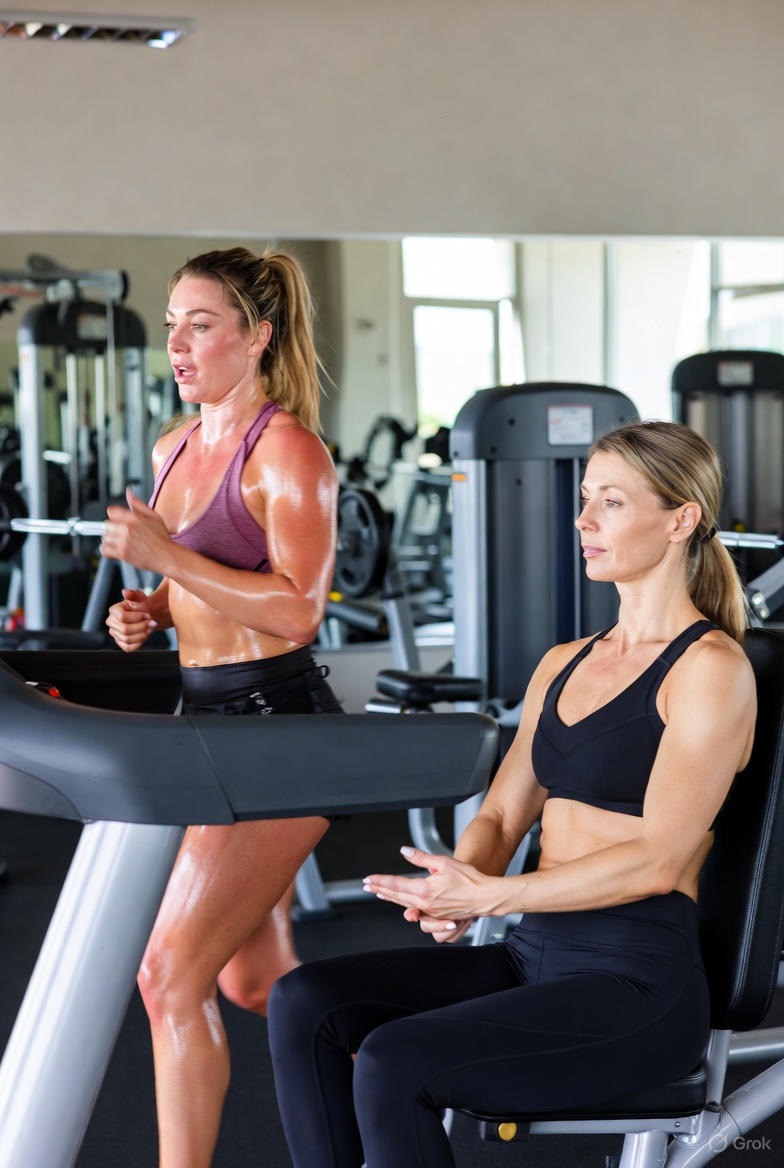
Physical activity is a double-edged sword in the context of circadian recovery. Done at the right time, it is a powerful synchronizer, reinforcing robust rhythms and enhancing sleep depth. Done at the wrong time, it can be a significant disruptor, interfering with the wind-down process and delaying recovery. The key lies in understanding the different effects of various exercise modalities and aligning them with your body's daily physiological curve.
Exercise as a Zeitgeber
Just as light and food set your clocks, exercise provides a potent time cue, especially for peripheral clocks in muscles, the cardiovascular system, and fat tissue. Consistent daily exercise, particularly in the morning or afternoon, helps strengthen your circadian amplitude—making the difference between your daytime peaks and nighttime troughs more distinct. This stronger rhythm often translates to deeper sleep and more energetic wakefulness.
Timing Different Modalities
Your body's readiness for different types of activity changes throughout the day, following rhythms in body temperature, hormone levels, and reaction time.
Listening to Your Personal Recovery Signal
The "best" time to exercise is also personal and can be informed by your own data. If you find that evening workouts, even intense ones, don't disrupt your sleep (as measured by sleep latency, deep sleep percentage, and HRV), then your individual rhythm may accommodate it. However, if you struggle with sleep after late workouts, it's a clear signal to shift your schedule.
The principle is strategic alignment: use movement to reinforce your daily energetic arc—gentle movement to start the day, intense effort at your peak, and calming movement to ease into recovery. This respects the natural timing of your physiological systems and ensures that your activity enhances, rather than undermines, your nightly restoration. For those using activity to target specific recovery goals, understanding your deep sleep sweet spot by age can help tailor your efforts.
You've likely felt it: the groggy, disoriented "hangover" on Monday morning after a weekend of late nights and sleeping in. This isn't just a moral failing of willpower; it's a quantifiable biological state known as social jet lag. Coined by chronobiologist Till Roenneberg, social jet lag describes the chronic misalignment between your body's innate circadian rhythm (your biological clock) and the social clock imposed by your work, school, or social obligations. Unlike travel-induced jet lag, which is acute and temporary, social jet lag is a chronic, self-inflicted condition plaguing modern society, and it systematically sabotages your recovery.
How It Works: A Weekly Rhythm Disruption
Imagine your body expects to sleep from 11 PM to 7 AM based on its natural light exposure and genetics. This is your "midpoint of sleep," a key circadian marker. During the workweek, you force yourself to bed at 11 PM but wake at 6 AM for your commute, losing an hour of sleep and artificially advancing your wake time. Come Friday night, with no alarm set for Saturday, you stay up until 1 AM and sleep until 9 AM, shifting your sleep midpoint back by two hours. By Sunday night, you must abruptly snap back to the workweek schedule. This weekly shift—sometimes amounting to 2-3 hours of difference, equivalent to flying across multiple time zones every weekend—forces your internal clocks into a constant state of re-adjustment. They never truly stabilize.
The Recovery Toll of Living Out of Sync
The consequences of this weekly tug-of-war are severe and far-reaching:
The Solution: Consistency is King
The most potent antidote to social jet lag is sleep consistency. The goal is not to never have a late night, but to minimize the shift in your wake-up time.
By minimizing social jet lag, you stop fighting your biology and start allowing your recovery signals to operate on a stable, predictable schedule. The result is not just better sleep, but a foundational improvement in every aspect of health and daily resilience. For a deeper understanding of how sleep architecture, often disrupted by social jet lag, changes over a lifetime, our article on how age affects deep sleep provides essential context.
Understanding the principles of circadian recovery is the first step. The critical second step is applying them to your unique biology. We are not averages. Your ideal sleep duration, your temperature minimum, your cortisol curve, and your personal vulnerability to evening light all have a genetic and lifestyle-driven fingerprint. This is where passive, objective tracking transitions from a novelty to a necessity. By measuring your own signals, you move from generic advice to a personalized recovery protocol.
Why Subjective Feeling Fails
Relying solely on "how you feel" is a notoriously unreliable gauge of true recovery. You can feel subjectively okay while your HRV is chronically low, indicating high allostatic load. You can get 8 hours of fragmented sleep and feel terrible, while another night of 7 hours of solid sleep leaves you refreshed. Feelings are also susceptible to placebo, mood, and momentary stimuli. Data provides an objective, unbiased feedback loop.
The Power of Multimodal Sensing
Modern wellness wearables, particularly those worn on the finger like the Oxyzen smart ring, offer a powerful, 24/7 window into your physiology by combining multiple sensors:
When these data streams are synthesized by intelligent algorithms, they paint a holistic picture of your recovery status, far surpassing what any single metric can tell you.
Key Metrics to Inform Your Timing
By tracking consistently, you can identify your personal patterns and answer critical questions:
This personalized feedback loop allows for intelligent experimentation and fine-tuning. You can test moving your dinner earlier, adopting a new morning light routine, or adjusting your workout time and see the direct, objective impact on your recovery metrics within days. To learn more about the capabilities and limitations of this technology, our breakdown of sleep tracking accuracy is an invaluable resource. Ultimately, the goal of a device like Oxyzen is not to create data anxiety, but to foster a deeper connection with your body's signals. Explore the full potential of this approach on our main platform.

Within the framework of circadian biology lies a spectrum of individual variation known as chronotype. Your chronotype is your genetically predisposed inclination for sleep and wakefulness times—whether you are naturally an early bird (morning type), a night owl (evening type), or somewhere in between. This isn't a personality quirk or a lifestyle choice; it's a hardwired aspect of your physiology that influences the precise timing of your core temperature minimum, melatonin onset, and peak alertness. Fighting your chronotype is a guaranteed way to undermine recovery.
The Science of the Owl and the Lark
Chronotype differences are rooted in the intrinsic period length of your master clock. For most people, this period is slightly longer than 24 hours. Morning types ("larks") often have a period closer to 24 hours or even shorter, making it easier for them to fall asleep and wake early. Evening types ("owls") tend to have a longer intrinsic period (e.g., 24.5 hours), meaning their biological day naturally wants to drift later. They produce melatonin later in the evening and experience their peak alertness and body temperature later in the day.
The Social Stigma and Health Impact of Being an Owl
Modern society is overwhelmingly structured for larks. Early school start times, standard 9-to-5 workdays, and morning-centric cultural expectations place chronic stress on evening types. An owl forced to wake at 6 AM is essentially functioning in a state of permanent jet lag, operating at their biological equivalent of 4 AM. This forced misalignment leads to:
Optimizing Recovery for Your Chronotype
The goal is not to radically change your chronotype (which is largely fixed), but to work with it to maximize recovery.
Respecting your chronotype means aligning your life's structure as closely as possible to your innate rhythm. This reduces internal friction, lowers stress, and allows your recovery processes to run at their intended, most efficient times. For night owls struggling to find their ideal sleep window, learning about the deep sleep sweet spot by age can help set realistic, health-focused targets.
Your body does not have an "off" switch. The transition from wakefulness to restorative sleep is a gradual physiological descent—a parasympathetic ramp-up that must be engineered, not assumed. The hour before bed, often lost to scrolling and stimulation, is in fact a critical recovery zone. Implementing a deliberate "Digital Sunset" and pre-sleep ritual is the practice of sending a coherent series of signals to your nervous system that the time for recovery has begun.
The Digital Sunset: Declaring an End to the Day
This is a non-negotiable buffer zone, ideally 60-90 minutes before your target bedtime, where you consciously disconnect from devices and cognitive stressors.
Crafting Your Personal Recovery Ritual
With the digital noise silenced, fill the space with activities that promote parasympathetic activation—the "rest and digest" state. This ritual should be consistent and sensory.
This ritual is not about perfection but intention. Some nights it will be 30 minutes, others a full 90. The key is to create a deliberate transition period that separates the busyness of the day from the sanctuary of sleep. It tells every level of your biology, from your master clock to your anxious mind, that it is now safe to power down and repair. For practical steps you can implement immediately, our article on how to get more deep sleep tonight builds directly on these ritual concepts.
The nap is a double-edged sword in the world of circadian recovery. When executed with precision, it can be a powerful tool for boosting afternoon alertness, consolidating memory, and lowering stress hormones. When done poorly, it can fragment nighttime sleep, deepen sleep inertia, and further disrupt an already weak circadian rhythm. The difference lies entirely in timing, duration, and intention.
The Science of the Post-Lunch Dip
That overwhelming urge to sleep around 2-4 PM is not just a result of a heavy lunch; it's a mild expression of a genetically programmed biphasic sleep tendency, often called the "circadian nadir" or afternoon slump. Core body temperature dips slightly, and alertness naturally wanes. A short nap during this window can work with your biology, not against it.
The Power Nap: The Gold Standard
For most people, the optimal nap is the "power nap"—short, sweet, and non-committal.
The Recovery Nap: For Specific Circumstances
Longer naps (60-90 minutes) allow you to complete a full sleep cycle, including deep sleep and REM. This can be beneficial for:
The Nap Pitfalls: What to Avoid
How to Nap Effectively
For individuals using detailed sleep tracking, the impact of napping can be monitored. Did an afternoon nap lower your sleep score or delay your temperature drop that night? Your personal data will tell you if napping is a net positive or negative for your unique recovery equation. Understanding the full context of your sleep needs is key, as detailed in our honest look at whether sleep tracking is worth it.
In our quest for energy and relaxation, we often turn to two of the world's most popular psychoactive substances: caffeine and alcohol. While culturally ingrained, their consumption is frequently mis-timed in ways that directly conflict with our circadian recovery signals. Understanding their long half-lives and biological impacts is essential for protecting the quality and structure of your restorative sleep.
Caffeine: The Delayed Antagonist
Caffeine works primarily by blocking adenosine receptors in the brain. Adenosine is a neurotransmitter that accumulates throughout the day, creating "sleep pressure." By blocking its effects, caffeine promotes alertness. However, its half-life—the time it takes for your body to eliminate half of the substance—is about 5-6 hours on average, and it can be much longer in some individuals due to genetics.
Alcohol: The Fragmentation Agent
Alcohol is a sedative, not a sleep aid. It may help you fall asleep faster (sleep onset latency), but it catastrophically disrupts the architecture of the night.
Both substances represent a trade-off. The key is to consume them consciously, with strict temporal boundaries that prioritize the sanctity of your nightly recovery window. Your body's recovery signals are precise; these substances introduce chemical noise that drowns them out. For a more comprehensive look at habits that affect your most restorative sleep, our resources on increasing deep sleep offer science-backed alternatives.
Your circadian rhythm is stable in its pattern but dynamic in its specifics. It responds to external environmental shifts, like the changing seasons, and undergoes profound, predictable changes across your lifespan. Ignoring these shifts is like trying to wear the same coat in every season—it will leave you uncomfortable and ill-protected. Optimal recovery requires adapting your habits and expectations to your current biological and environmental context.
Seasonal Rhythms: The Light of Summer, The Darkness of Winter
The length of daylight is the most powerful seasonal zeitgeber. In summer, long days and short nights naturally promote a slightly later sleep phase for many (the "night owl" shift) and can reduce the total drive for sleep due to extended light exposure. In winter, with long nights and short, often gray days, the body may crave more sleep, and the lack of strong morning light can make it harder to feel alert.
The Lifespan Journey of Sleep
From infancy to old age, the structure and timing of sleep evolve dramatically.
Adapting Recovery Strategies with Age:
Recovery is a lifelong practice, and its requirements are not static. By tuning into the macro-rhythms of seasons and aging, you can maintain a harmonious relationship with your internal clock throughout your entire life. For a comprehensive view of what optimal sleep looks like at different stages, see our resource on the deep sleep sweet spot by age.
Recovery is not a passive event that occurs only after you close your eyes. It is an active process that is primed and programmed throughout your waking hours. The quality of your nighttime restoration is largely determined by the signals you send your biology during the day. Think of it as preparing a garden: the daytime actions of tilling, planting, and watering determine what grows under the cover of darkness. By strategically aligning your daytime behaviors, you create a coherent narrative for your circadian system, culminating in a predictable, high-quality recovery phase.
The Foundational Signal: Morning Light Exposure
We’ve established light as the prime zeitgeber, but the morning dose deserves special emphasis for its role in setting recovery in motion. A strong, bright light signal within the first hour of waking accomplishes several critical tasks:
Action: Aim for at least 15-30 minutes of outdoor light upon waking. If that's impossible, a 10,000-lux light therapy lamp during your morning routine is a powerful alternative.
Daytime Movement: Reinforcing the Rhythm
Physical activity is a potent secondary zeitgeber. Consistent daily movement, especially when synced with your body’s natural temperature and alertness peaks (typically late morning to late afternoon), strengthens circadian amplitude.
Daytime Stress Management: Lowering the Recovery Debt
Chronic, unmanaged psychological stress keeps the sympathetic nervous system engaged, elevating cortisol at inappropriate times and suppressing parasympathetic (restorative) activity. This creates a high "recovery debt" that your body must pay down at night, often unsuccessfully.
Hydration and Nutrient Timing: Fueling the Repair Crew
What and when you consume during the day provides the raw materials for nighttime repair.
By viewing your daytime not merely as a period of expenditure but as an active preparation for recovery, you shift from being a passive recipient of sleep to an architect of restoration. Every light exposure, every meal, every movement, and every moment of calm is a vote for the quality of your coming night. This holistic approach is central to the philosophy at Oxyzen, where we aim to provide tools that illuminate the full 24-hour cycle of health.

Your environment is not a neutral backdrop; it is an active participant in your circadian dialogue. The spaces you inhabit—your bedroom, your office, your home—constantly send sensory signals to your nervous system. By intentionally designing these environments to support, rather than contradict, your biological rhythms, you create a habitat for effortless recovery. This goes far beyond a good mattress.
The Bedroom: A Sanctuary for Signal Clarity
This is your primary recovery chamber. Its design should have one overriding goal: to provide unambiguous cues for sleep and repair.
The Daytime Environment: Promoting Vigor and Alertness
The Digital Environment: A Proactive Defense
Your digital space is part of your environment. Proactively managing it is essential.
By curating your environment, you offload the cognitive burden of constant self-regulation. Your surroundings automatically guide your biology toward its natural rhythms, making recovery the default, not a hard-fought achievement. For more on creating the ideal conditions for your most restorative sleep, explore our deep sleep formula which details the environmental trifecta.
For some, circadian disruption isn't a matter of poor habits but a requirement of their profession or lifestyle. Shift workers, frequent travelers, and new parents face extreme challenges to their circadian rhythms. While perfect alignment is often impossible, strategic interventions can mitigate the damage, protect recovery, and safeguard long-term health. This is about intelligent damage control and resilience-building.
The Harsh Reality of Shift Work
Working against the natural light-dark cycle, especially on rotating or night shifts, is classified as a probable carcinogen by the World Health Organization due to the severe chronic misalignment it causes. It disrupts sleep, metabolism, immune function, and mental health.
Travel and Jet Lag: Resetting the Clock
The goal when crossing time zones is to shift your internal clock to the new local time as quickly as possible.
The New Parent Reality: Survival and Gradual Re-Establishment
The postpartum period is a state of acute, biologically driven circadian chaos for both parent and infant. The goal here is not perfect alignment, but survival and the gradual re-establishment of rhythms.
In all these scenarios, tracking your biomarkers like HRV and sleep phases can be invaluable. It provides objective feedback on what strategies are helping you stabilize and where you are under greatest strain, allowing for personalized adjustments during periods of unavoidable disruption. For those in demanding circumstances, understanding the science of what happens during deep sleep underscores why protecting it, even in fragments, is so critical.
You can have the perfect sleep environment, the most disciplined light hygiene, and impeccable meal timing, but if your mind is a storm of anxiety, resentment, or perfectionism, recovery will remain elusive. The psychological landscape is the final, critical terrain where the battle for circadian alignment is won or lost. Your beliefs about sleep, your emotional state, and your ability to detach from the day’s stressors are not ephemeral—they have direct, measurable effects on your physiology.
Sleep Effort and Performance Anxiety: Trying Too Hard Backfires
A common trap for those seeking better recovery is sleep effort—the active, anxious striving to fall asleep or achieve a "perfect" sleep score. This creates a paradoxical effect: the pressure to sleep activates the very sympathetic nervous system arousal that prevents it. Checking the clock, worrying about lost hours, and ruminating on next-day fatigue all release cortisol and adrenaline.
The Impact of Emotional States and Rumination
Unprocessed stress, anger, or worry from the day don't evaporate at bedtime. They fuel cognitive and physiological arousal.
Cultivating a Circadian-Aligned Mindset
This involves adopting a long-term, compassionate view of your biology.
By addressing the psychological dimension, you remove the final barrier to effortless recovery. You allow the physiological signals you've so carefully cultivated—the temperature drop, the melatonin rise, the HRV increase—to proceed without interference from a hyper-vigilant mind. For many, this mental shift is the most transformative step of all. Exploring the brain-boosting connection between deep sleep and memory can also reinforce a positive, motivating reason to prioritize this psychological work.
In the quest for optimal recovery, technology is a powerful ally but a potential tyrant. Wearables like the Oxyzen smart ring provide unprecedented access to our internal states, translating subtle biological signals into actionable data. The challenge lies in using this information to foster awareness and empowerment, rather than anxiety and obsession. The goal is to let the data serve you, not to serve the data.
The Pitfalls of Quantified Self Overload
Principles for Healthy Data Integration
The Ideal Role of a Smart Ring in Your Recovery Journey
A tool like the Oxyzen ring excels when it functions as:
By maintaining a healthy relationship with the data, technology becomes a guide that helps you deepen your intuitive connection to your body's circadian recovery signals, not a replacement for it. It validates your efforts and provides clarity, turning the abstract concept of "wellness" into a tangible, personalized journey. For a balanced perspective on this integration, read our honest assessment of the pros and cons of sleep tracking.

We have journeyed through the intricate, time-bound signals that govern nightly restoration—from the master clock and hormonal symphonies to the practical engineering of light, food, and mindset. It’s essential now to zoom out and view circadian alignment not as a sleep hack, but as the foundational bedrock of lifelong health, disease prevention, and sustained vitality. The dividends of honoring your internal timing compound over decades, influencing your healthspan as much as your lifespan.
Circadian Rhythms and Systemic Health: The Protective Effect
Robust, well-synchronized circadian rhythms act as a guardrail for nearly every physiological system:
The Anti-Aging Rhythm
Aging is associated with a weakening of circadian amplitude—rhythms become flatter, sleep becomes more fragmented, and the internal coordination between organ clocks can falter. This isn't just a symptom of aging; it may be a driver of it. By proactively supporting circadian health throughout life, you are essentially practicing preventive maintenance on your biological clock, potentially slowing this aspect of functional decline.
Making Circadian Alignment a Sustainable Lifestyle
This is not a 30-day challenge. It is a philosophy of living in partnership with your biology.
The Ultimate Recovery Signal: A Life in Sync
When you align your life with your circadian rhythms, you experience a form of vitality that is difficult to describe but unmistakable to feel. It’s waking up feeling refreshed, without an alarm. It’s stable energy throughout the day, not dependent on caffeine spikes. It’s emotional equilibrium and mental clarity. It’s the profound sense that you are operating as nature intended.
This journey of re-synchronization is the ultimate act of self-care. It is how you honor the exquisite, ancient timing mechanism within you, transforming your daily life into a rhythm that supports not just survival, but flourishing. For those ready to begin this journey with a tool designed for this exact purpose, the first step is discovery. You can explore the Oxyzen smart ring and its approach to holistic circadian health at our main shopfront.
Your Trusted Sleep Advocate (Sleep Foundation — https://www.sleepfoundation.org/)
Discover a digital archive of scholarly articles (NIH — https://www.ncbi.nlm.nih.gov/
39 million citations for biomedical literature (PubMed — https://pubmed.ncbi.nlm.nih.gov/)
experts at Harvard Health Publishing covering a variety of health topics — https://www.health.harvard.edu/blog/)
Every life deserves world class care (Cleveland Clinic -
https://my.clevelandclinic.org/health)
Wearable technology and the future of predictive health monitoring. (MIT Technology Review — https://www.technologyreview.com/)
Dedicated to the well-being of all people and guided by science (World Health Organization — https://www.who.int/news-room/)
Psychological science and knowledge to benefit society and improve lives. (APA — https://www.apa.org/monitor/)
Cutting-edge insights on human longevity and peak performance
(Lifespan Research — https://www.lifespan.io/)
Global authority on exercise physiology, sports performance, and human recovery
(American College of Sports Medicine — https://www.acsm.org/)
Neuroscience-driven guidance for better focus, sleep, and mental clarity
(Stanford Human Performance Lab — https://humanperformance.stanford.edu/)
Evidence-based psychology and mind–body wellness resources
(Mayo Clinic — https://www.mayoclinic.org/healthy-lifestyle/)
Data-backed research on emotional wellbeing, stress biology, and resilience
(American Institute of Stress — https://www.stress.org/)


