


12 Evening Wellness Rituals Your Wellness Ring Proves Improve Sleep Quality
Twelve evening rituals have been proven by ring data to enhance sleep quality.
Twelve evening rituals have been proven by ring data to enhance sleep quality.
%402x.svg)
In the quiet hum of the modern world, as the sun dips below the horizon and the day’s notifications finally begin to slow, a silent crisis unfolds in bedrooms across the globe. It’s a crisis of rest, of restoration, of true sleep. You know the feeling—the exhaustion that clings to your bones even after eight hours in bed, the foggy brain that greets you at dawn, the relentless fatigue that no amount of coffee can truly conquer. You’ve tried white noise machines, blackout curtains, and magnesium supplements, yet the promise of deep, restorative sleep remains elusive. What if the secret isn’t just in what you do, but in measuring what you do? What if you could move beyond guesswork and into the realm of data-proven, personalized sleep optimization?
Enter the era of the smart wellness ring. This unassuming piece of wearable technology, resting quietly on your finger, is the key to unlocking a scientific understanding of your sleep. It’s not just a step counter or a heart rate monitor; it’s a personal sleep lab, gathering biometric intelligence on your heart rate variability (HRV), resting heart rate, skin temperature, blood oxygen saturation, and sleep stages throughout the night. It transforms the abstract goal of “better sleep” into a concrete, data-driven journey.
This article explores twelve powerful evening wellness rituals. But this isn’t just a list of suggestions. It’s a guided exploration of how each ritual directly influences the biometrics tracked by your wellness ring. You’ll learn not only what to do but why it works and—most importantly—how your ring will show you the proof. We will bridge the ancient wisdom of nightly wind-down routines with the cutting-edge science of biometric feedback, creating a feedback loop where your actions inform your data, and your data guides your actions. From the magic of a digital sunset to the physiological alchemy of a weighted blanket, we’ll dive deep into the rituals that can transform your sleep from a state of unconsciousness into a foundation for peak performance, emotional resilience, and vibrant health. Let’s begin the journey to reclaim your night, one data point at a time.
We often crawl into bed carrying an invisible load: the accumulated stress of the day. Unlike a physical weight you can set down, this stress lingers in your nervous system, whispering to your body that it’s not yet safe to fully rest and repair. Your sympathetic nervous system—the “fight or flight” engine—remains idling, preventing the deep dive into parasympathetic “rest and digest” dominance required for quality sleep. You might feel mentally ready for bed, but your physiology tells a different story. This is where your wellness ring becomes an indispensable truth-teller.
Before we can build effective rituals, we must understand the enemy. Your ring tracks two paramount metrics that serve as a direct window into your nervous system state: Heart Rate Variability (HRV) and Resting Heart Rate (RHR).
When you go to bed with unresolved stress, your ring will likely capture a suppressed HRV and an elevated RHR. This physiological friction directly sabotages sleep architecture, reducing slow-wave (deep) sleep and rapid eye movement (REM) sleep, both critical for memory consolidation, hormonal regulation, and emotional processing.
Therefore, the ultimate goal of any evening ritual is to facilitate what scientists call a “physiological quiescence”—a state of calm readiness for sleep. The rituals that follow are designed to engineer this quiescence, and your ring provides the irrefutable audit. You’ll see the correlation: on nights you consistently perform a calming ritual, your HRV trends upward and your RHR trends downward. This isn’t placebo; it’s biometric validation. For a deep dive into calming a wired nervous system, explore our guide on stress relief techniques for nighttime and pre-sleep, which complements these sleep-specific rituals perfectly.
We begin with perhaps the most potent and most neglected ritual: managing light exposure. Your body’s sleep-wake cycle, or circadian rhythm, is orchestrated by a master clock in the brain, exquisitely tuned to the natural cycle of light and dark. The key hormone in this process is melatonin, your body’s natural sleep signal. Blue light wavelengths—abundant in sunlight and, problematically, in the LEDs of our screens and home lighting—are kryptonite to melatonin production. They trick your pineal gland into believing it’s high noon, halting melatonin release and shifting your circadian clock later.
The Ritual: Instituting a “Digital Sunset” 90 minutes before your target bedtime. This is a non-negotiable period where you deliberately eliminate exposure to blue and bright white light.
The Implementation:
How Your Wellness Ring Proves It Works:
Your ring tracks your sleep onset latency—the time it takes you to fall asleep—and your sleep consistency. After consistently implementing a Digital Sunset, you should see a measurable decrease in your sleep onset latency. You’ll fall asleep faster because your body has begun its melatonin surge unimpeded. Furthermore, your ring’s sleep stage data may show a more robust and earlier period of deep sleep, as your body enters its restorative phases sooner in the night. This ritual doesn’t just help you fall asleep; it helps you achieve higher-quality sleep architecture from the very first cycle.
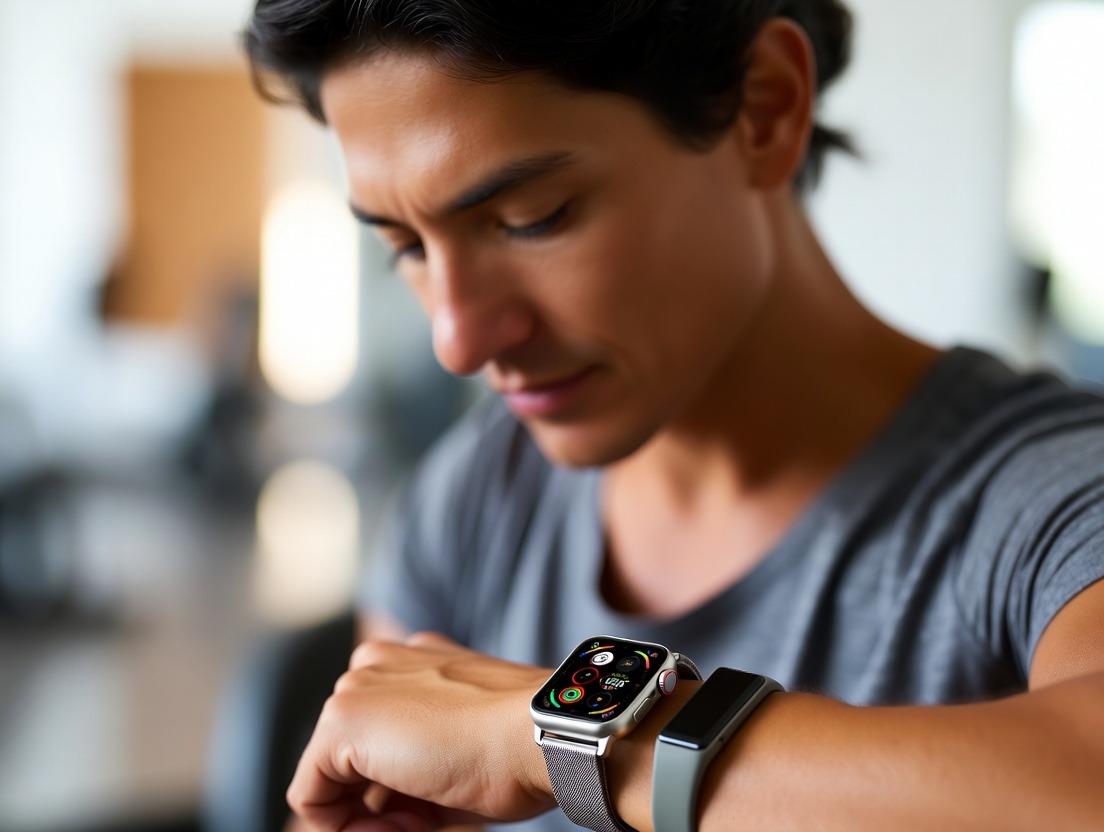
Sleep is a thermoregulatory event. To initiate sleep, your core body temperature needs to drop by about 1-3 degrees Fahrenheit. This drop signals to your brain that it’s time for rest. The process is facilitated by a clever bit of human biology: vasodilation in your extremities (hands and feet). Warm hands and feet help radiate heat away from your core, cooling it down. This is why people with sleep onset difficulties often have cold hands and feet—they are struggling to dissipate core heat.
The Ritual: The “Thermal Transit,” a deliberate practice of warming your skin to cool your core, facilitating the body’s natural temperature drop.
The Implementation:
How Your Wellness Ring Proves It Works:
Many advanced wellness rings, like the Oura Ring or similar, include a skin temperature sensor. By reviewing your nightly temperature trend graph, you can directly observe the effects of this ritual. On nights you perform the warm bath ritual, you should see a steeper, more pronounced decline in your skin temperature in the first hour of sleep, correlating with faster sleep onset. You can also experiment and observe: try a week with a cool bedroom and socks, and a week without, and compare your sleep efficiency scores (the percentage of time in bed actually spent asleep). The data will guide you to your personal thermal sweet spot.
Caffeine is a powerful adenosine receptor antagonist. Adenosine is a neurotransmitter that builds up in your brain throughout the day, creating “sleep pressure.” Caffeine blocks the receptors that sense adenosine, making you feel alert. The problem is that caffeine has a long half-life—approximately 5-6 hours. This means that if you have a cup of coffee at 4 PM, by 10 PM, about half of that caffeine is still circulating in your system, artificially suppressing your sleep pressure and fragmenting your sleep architecture, especially the vital deep sleep stages.
The Ritual: Establishing a strict “Caffeine Curfew” based on your individual metabolism and sleep schedule.
The Implementation:
How Your Wellness Ring Proves It Works:
This is one of the clearest cause-and-effect relationships your ring can reveal. Track your caffeine intake and time it against two key metrics: resting heart rate (RHR) and deep sleep duration. You will likely notice that on days you consumed caffeine late, your nighttime RHR is elevated by 3-8 beats per minute, indicating your nervous system is working harder to achieve rest. More tellingly, you will almost certainly see a measurable reduction in your deep sleep percentage and duration. Caffeine doesn’t just keep you awake; it robs you of the most restorative phase of sleep. Your ring’s data provides the objective motivation to make that afternoon decaf switch permanent.
Where you direct your mind in the final hour before sleep sets the neurochemical tone for the night. The brain’s default mode network (DMN), active during rest and self-referential thought, can easily spiral into anxiety, rumination, and problem-solving—all of which activate the stress response. The Gratitude Gateway ritual is a deliberate cognitive intervention to steer the DMN toward a state of safety, positivity, and parasympathetic activation.
The Ritual: A dedicated, slow gratitude journaling or reflection practice performed 30-60 minutes before bed.
The Implementation:
How Your Wellness Ring Proves It Works:
This ritual targets your Heart Rate Variability (HRV). Anxiety and rumination are associated with low HRV, reflecting a less adaptable nervous system. Gratitude practice has been shown in studies to increase HRV by stimulating the vagus nerve, the main conduit of the parasympathetic system. By tracking your nightly HRV, you can see the direct impact. On nights you practice sincere gratitude, expect to see a higher HRV score compared to nights you don’t. Furthermore, this practice can reduce pre-sleep cognitive arousal, which should translate to a lower sleep onset latency on your ring’s report. For a comprehensive look at how thankfulness rewires stress biology, our article on how gratitude practices reduce stress hormones measurably provides fascinating depth.

The sensation of gentle, distributed weight on the body has a profound, science-backed calming effect known as Deep Pressure Touch Stimulation (DPTS). It works by stimulating the parasympathetic nervous system, increasing serotonin and melatonin production, and decreasing cortisol. It provides a gentle, grounding proprioceptive input (awareness of your body in space) that can soothe anxiety and quiet a racing mind. This is the principle behind the wildly popular weighted blanket, but it can be achieved through other means as well.
The Ritual: Incorporating deep pressure therapy into your pre-sleep wind-down to induce a state of physical and mental calm.
The Implementation:
How Your Wellness Ring Proves It Works:
The effects of DPTS should be clearly visible in your sleep continuity metrics. People using deep pressure therapy often experience fewer periods of wakefulness after sleep onset. Your ring’s “restfulness” score or “awake time” graph should show less fragmentation. Furthermore, by lowering pre-sleep cortisol and anxiety, this ritual should contribute to a more seamless transition into deep sleep. Track your deep sleep duration and sleep efficiency over a week of consistent use versus a week without. The calming effect also manifests in a lower pre-sleep and sleeping resting heart rate (RHR), as your cardiovascular system operates under less sympathetic drive. To understand the full spectrum of this powerful tool, our resource on the weighted blanket effect and deep pressure therapy for stress is an essential read.
When you eat is almost as important as what you eat when it comes to sleep. Your digestive system has its own circadian rhythm. Eating late, especially a large, heavy, or high-fat meal, forces your core temperature to rise (for digestion) at a time when it should be falling, delays melatonin release, and can cause discomfort, acid reflux, and blood sugar spikes that disrupt sleep later in the night.
The Ritual: “Circadian Confirmation”—aligning your last meal of the day to support, not fight, your body’s sleep-prep physiology.
The Implementation:
How Your Wellness Ring Proves It Works:
Late eating and drinking will leave a clear signature in your biometrics. Look for:
By experimenting with an earlier dinner time, you should see improvements in sleep efficiency, deeper and more consolidated REM cycles, and a lower, smoother heart rate throughout the night.
Your breath is the remote control for your autonomic nervous system. Fast, shallow chest breathing stimulates the sympathetic (stress) response. Slow, deep, diaphragmatic breathing—especially with an extended exhale—directly stimulates the vagus nerve, triggering the parasympathetic (rest) response. This practice can lower heart rate, reduce blood pressure, and calm mental chatter almost instantly.
The Ritual: A dedicated “Neurological Deceleration” breathwork sequence performed for 5-10 minutes while lying in bed or in a comfortable seated position.
The Implementation (The 4-7-8 Technique):
This method, popularized by Dr. Andrew Weil, is exceptionally effective for sleep.
How Your Wellness Ring Proves It Works:
This is real-time biofeedback. You can literally watch the numbers change. If your wellness ring has a live mode or if you check your heart rate via its paired app during this practice, you will see your heart rate drop in real-time. The proof overnight is in two places:
The sense of smell is the only sense that has a direct, unmediated pathway to the brain’s limbic system, the seat of emotion and memory. This makes scent a powerful tool for Pavlovian conditioning. By consistently pairing a specific, calming scent with the state of sleepiness and sleep itself, you can train your brain to interpret that scent as a signal to power down.
The Ritual: Creating and using an “Olfactory Anchor”—a consistent, calming scent cue in your bedtime environment.
The Implementation:
How Your Wellness Ring Proves It Works:
The effect of this ritual is subtle but measurable over time through consistency. Your ring tracks sleep regularity—how consistent your sleep times are. The olfactory anchor acts as a powerful contextual cue, strengthening your bedtime routine and improving regularity. Furthermore, by reducing pre-sleep anxiety, it should contribute to a lower sleep onset latency. You might also notice a slight but steady improvement in your sleep efficiency score as the conditioned relaxation response helps you stay asleep. Think of it as programming your brain’s “sleep now” button through a sensory pathway.
Contrary to intense evening exercise, which can raise core temperature and stimulate cortisol, gentle, mindful movement is a superb way to release the physical tension stored in the body from a day of sitting, standing, or mental stress. This “kinesthetic unwind” helps you transition from the active state of the day to the receptive state of night by shifting awareness into the body and soothing the muscular system.
The Ritual: A short series of gentle, restorative stretches or yoga poses held for 1-2 minutes each, focusing on the breath and release.
The Implementation:
How Your Wellness Ring Proves It Works:
This ritual addresses physical restlessness. Your ring’s movement graph during the first hours of sleep should show less tossing and turning. By relieving physical tension, you reduce micro-awakenings caused by discomfort. The mindful component also helps quiet the mind, which should be reflected in a quicker sleep onset latency. Over time, this practice can improve overall sleep quality scores by ensuring your body is as ready for rest as your mind aims to be. For a broader understanding of how mindful movement soothes the nervous system, our exploration of how yoga provides multi-dimensional stress relief connects these principles to a larger practice.
Noise pollution is a major, often unnoticed, disruptor of sleep. Sudden, unpredictable noises (a car alarm, a barking dog, a snoring partner) can cause micro-arousals—brief awakenings you may not remember but that fracture sleep architecture and prevent deep, restorative cycles. Even consistent, low-level noise can keep the brain in a state of low-grade alertness. The goal is not necessarily silence, but a consistent, predictable, and non-threatening soundscape.
The Ritual: Building an “Auditory Cocoon” using sound masking or soothing audio to protect your sleep environment.
The Implementation:
How Your Wellness Ring Proves It Works:
The primary metric impacted here is sleep continuity. By masking disruptive sounds, you reduce micro-arousals. Your ring’s data should show:
The final ritual is a meta-ritual: it’s about creating sacred space and time. The “Intentional Disconnect” is the practice of building a psychological and digital buffer zone between the demands of the day and the peace of the night. It’s a declaration that your time of restoration is non-negotiable and deserves protection.
The Ritual: A 60-minute pre-sleep protocol where you consciously transition from “doing” mode to “being” mode.
The Implementation:
How Your Wellness Ring Proves It Works:
This ritual’s power is holistic, impacting nearly every metric. By reducing cognitive and digital stimulation, you lower sympathetic nervous system activation. This should manifest as:
In an age of digital overload, we often neglect the grounding power of tactile sensation—our sense of touch. The somatosensory system, which processes touch, temperature, and proprioception, offers a direct pathway out of our anxious minds and into the safety of the present moment. Engaging this system through mindful, hands-on activities can halt the cycle of rumination and trigger a relaxation response, making it an ideal pre-sleep ritual.
The Ritual: Engaging in a quiet, tactile-focused activity for 15-20 minutes to shift awareness from mental chatter to physical sensation.
The Implementation:
How Your Wellness Ring Proves It Works:
This ritual targets cognitive arousal—the busyness of the mind that delays sleep onset. By anchoring your attention in the present via touch, you disengage from stress-inducing thoughts. Your ring will capture this as a reduction in sleep onset latency. Furthermore, the gentle physical engagement can help lower resting heart rate in the hour before bed as the body relaxes. If you track your daytime stress metrics, you might notice a visible dip in your stress score during this activity. This practice is a beautiful, non-verbal form of mindfulness that prepares your nervous system for quiet. For individuals whose stress manifests as physical restlessness or "trapped energy," a more active release method like the body shaking method for releasing trapped stress energy can be explored earlier in the evening, followed by this more gentle tactile ritual to settle.
Now that we have explored twelve foundational rituals, we must understand what we are optimizing for. Your wellness ring doesn't just tell you how long you slept; it provides a detailed report on your sleep architecture—the cyclical pattern of sleep stages you progress through each night. Understanding this architecture is key to interpreting your ring’s data and tailoring your rituals effectively.
Sleep is divided into two broad types: Non-Rapid Eye Movement (NREM) sleep and Rapid Eye Movement (REM) sleep. NREM sleep is further broken into three stages (N1, N2, N3), with N3 being "deep sleep" or slow-wave sleep.
A healthy sleep cycle lasts about 90 minutes and moves from N1 → N2 → N3 → N2 → REM. You experience 4-6 of these cycles per night.
How Your Ring Tracks and Reports This:
Using a combination of heart rate variability, heart rate, movement, and sometimes blood oxygen and temperature, the ring’s algorithm makes an educated guess about your sleep stages throughout the night. In the morning, you see a graph showing your time in light, deep, and REM sleep, as well as awake periods.
Connecting Rituals to Architecture:
This is where your experimentation becomes scientific.
By learning to read your sleep stage data, you move from blindly following rituals to strategically applying them based on your unique, nightly biometric feedback.
With twelve rituals and an understanding of sleep architecture, the next step is personalization. Not every ritual is for everyone, and the "perfect" routine is the one your data says works for you. This is the art and science of building your personalized Ritual Stack.
Step 1: The Baseline Week.
For one week, simply wear your ring and go about your normal evening routine. Do not try to implement all the rituals at once. Let the ring gather baseline data on your current, unoptimized sleep: your average sleep score, HRV, RHR, sleep onset latency, and sleep stage percentages.
Step 2: The Single-Variable Experiment.
Choose one ritual that feels most accessible or addresses your biggest complaint (e.g., you’re always wired at night, so you start with The Digital Sunset). Implement it consistently for one full week. Keep all other variables as close to your baseline week as possible.
Step 3: Analyze the Data.
At the end of the week, go to your ring’s app. Compare the key metrics from your experimental week to your baseline week.
Step 4: Iterate and Build.
If the data shows a clear positive improvement, congratulations—you’ve found a keeper. Add this ritual to your permanent stack. Next week, layer in a second ritual that logically complements the first (e.g., after mastering the Digital Sunset, add The Thermal Transit to further signal to your body that it’s night). Again, implement for a week and analyze.
Step 5: Identify Negative Interactions.
Sometimes, a ritual might not work for you, or two rituals might clash. For example, you might find that the Kinesthetic Unwind if done too vigorously, actually raises your heart rate too close to bedtime, increasing sleep onset latency. Your ring’s RHR graph will show this. This doesn’t mean the ritual is "bad"; it means you need to adjust it (do it earlier, make it gentler) or replace it.
The Goal: To build a sequenced, sustainable 60-90 minute evening routine composed of 4-6 personalized rituals that your biometric data confirms are effective. This becomes your non-negotiable prescription for sleep. This process of building a customized approach is not just for sleep; it's the core principle behind creating a build personal stress relief toolkit with a customized approach, applying the same methodical, data-informed strategy to overall well-being.
The true magic of the wellness ring lies not in the data itself, but in the feedback loop it creates. This transforms your sleep journey from a static list of tips into a dynamic, living process of self-optimization.
The Loop in Action:
This loop turns you into a scientist of your own life. The ring provides objective evidence, removing the guesswork and negative self-talk ("I feel like I slept badly"). You see correlations you’d never sense subjectively. Perhaps you discover that your ostensibly "calm" evening scroll through social media (a failure of The Intentional Disconnect) is spiking your heart rate and crushing your HRV, even though you feel relaxed.
This process builds self-efficacy—the belief in your own ability to influence your health. You are no longer a passive victim of poor sleep; you are an active architect with a powerful tool. This journey towards mastering your own physiology is ultimately a journey toward achieving emotional balance in a world of constant stimulation, with high-quality sleep as the non-negotiable foundation.
Beyond sleep stages, advanced wellness rings track deeper biomarkers that offer profound insights into your recovery status and overall health. Learning to interpret these can elevate your understanding from "how did I sleep?" to "how resilient is my system?"
1. Heart Rate Variability (HRV) Trends: Your Resilience Score
While your nightly HRV is important, the trend over time is where the real story lies.
2. Skin Temperature Deviation: The Silent Signal
Many rings track your deviation from your personal baseline skin temperature.
3. Blood Oxygen Saturation (SpO2): Breathing Quality
While you sleep, it’s normal for blood oxygen levels to dip slightly. However, frequent, significant dips (usually below 92-94%) can be a sign of sleep-disordered breathing, like sleep apnea.
4. Resting Heart Rate (RHR) Trends: The Workload Gauge
Like HRV, the trend matters.
By watching these advanced metrics, you gain a holistic picture of your body’s response to your life. They help you distinguish between a "bad night's sleep" and a "body under systemic stress," guiding more intelligent interventions.
Let’s follow a hypothetical case, "Alex," to see how this entire system works in practice over a month.
Week 1 – Baseline:
Alex’s ring data shows an average sleep score of 72. Key issues: Sleep onset latency of 45 minutes, low deep sleep (45 min), frequent awakenings, and a low HRV average of 32 ms. Alex typically works until 9 PM, eats dinner at 9:30 PM, and scrolls in bed until midnight.
Week 2 – Implementing The Digital Sunset & Caffeine Curfew:
Alex institutes a 10:30 PM screen curfew and stops coffee after 2 PM. The data shows a modest improvement: sleep onset latency drops to 35 minutes. Sleep score improves to 75. The movement graph still shows frequent wake-ups. Insight: The pre-sleep mind is calmer, but something is still disrupting sleep continuity.
Week 3 – Adding The Auditory Cocoon & Earlier Dinner:
Alex starts using a white noise machine and moves dinner to 7:30 PM. The data shows a breakthrough: sleep onset latency drops to 20 minutes. Awakenings are cut in half. Deep sleep increases to 55 minutes. Sleep score jumps to 82. HRV rises to 38 ms. Insight: Noise and digestion were major disruptors. The correlation is clear in the data.
Week 4 – Layering In The Thermal Transit & Gratitude Gateway:
Alex adds a warm shower at 9:45 PM and 5 minutes of gratitude journaling. The data shows optimization: Sleep score stabilizes at 85-88. HRV trends up to 42 ms. RHR drops by 4 BPM. Alex reports feeling more rested and less anxious in the evening. The ritual stack (Digital Sunset, Early Dinner, White Noise, Warm Shower, Gratitude) is now a solidified, 75-minute routine.
This case study illustrates the iterative, data-responsive process. Alex didn’t change everything at once; they used the ring’s feedback to identify the highest-impact changes first, building a ritual stack proven by their own biology.
The rituals we’ve discussed are not isolated acts; they are synergistic components of a holistic sleep-support system. When combined, they create a "downward spiral" of relaxation, each one making the next more effective.
Example Synergy Chain:
This chain attack from multiple angles—visual, thermal, tactile, olfactory, auditory, cognitive, and gastrointestinal—ensures that no matter where your personal stress tends to manifest, a ritual is there to address it. This multi-dimensional approach is akin to the philosophy behind how yoga provides multi-dimensional stress relief, addressing body, breath, and mind in one unified practice.
Even with the best rituals, you’ll have off nights. Your ring is your best diagnostic tool. Here’s how to troubleshoot.
Problem: "I did my routine but still couldn’t fall asleep for over an hour."
Problem: "I wake up at 3 AM every night and can’t get back to sleep."
Problem: "I sleep 8 hours but wake up exhausted."
By learning to play detective with your own data, you empower yourself to solve sleep problems with precision, moving beyond generic advice to personalized solutions.
The impact of your evening ritual stack extends far beyond the night. This is the profound, often overlooked truth: The quality of your night determines the potential of your day. By consistently engineering high-quality sleep, you are not just recovering from yesterday; you are proactively building a more resilient, focused, and emotionally balanced tomorrow. Your wellness ring tracks this transformation, providing a 24/7 feedback loop that shows how sleep begets wakeful vitality.
The Domino Effect of Restorative Sleep:
Your Ring as a Day-Night Integrator:
Modern wellness rings don’t just analyze sleep in a vacuum. They provide Readiness or Recovery scores each morning. This score is a synthesized algorithm of your nightly data (sleep, HRV, RHR, temperature) that predicts your body’s capacity to handle stress for the coming day.
By honoring this feedback—pushing when resilient, pulling back when needed—you align your daily actions with your physiological reality, preventing burnout and promoting sustainable high performance.
Sleep is often a shared experience, and a partner’s habits, schedules, or sleep issues (like snoring) can profoundly impact your own biometrics. Navigating this social dimension is crucial for transforming your personal rituals into a harmonious household practice.
Creating a Shared Sleep Sanctuary:
This cooperative approach turns the bedroom into a true sanctuary for both. It applies the principles of stress relief techniques for relationship and social stress to the intimate, shared space of sleep, using empathy and data to find mutually beneficial solutions.
The ultimate test of any wellness practice is not its performance under ideal conditions, but its resilience during disruption. Travel, work deadlines, family stress, and illness will inevitably occur. The goal is not perfection, but intelligent adaptation—using your ring’s data and the principles behind your rituals to navigate turbulence with minimal sleep damage.
Strategy 1: The Travel-Sleep Toolkit.
Travel disrupts circadian rhythms through time zones, unfamiliar environments, and uncomfortable beds.
Strategy 2: The High-Stress Protocol.
When facing a work crisis or emotional strain, your nervous system is already overloaded. Your evening ritual must be extra potent and forgiving.
Strategy 3: The "Sleep Debt" Recovery.
After a period of poor sleep (e.g., with a newborn, during illness), the goal is strategic recovery.
Your wellness ring is the cornerstone of a data-driven sleep practice, but it exists within a larger ecosystem of well-being. Integrating complementary daytime practices creates a holistic foundation that makes your evening rituals even more effective.
1. Daytime Light Exposure: The Foundation of Circadian Rhythm.
Your Digital Sunset is only half the equation. The strength of your evening melatonin signal depends heavily on getting bright, ideally natural, light in the morning and throughout the day. Aim for at least 20-30 minutes of outdoor light within an hour of waking. This sets a strong circadian signal, making the contrast with evening darkness more potent. This simple practice is a form of environmental control, a key principle in stress relief through organization and environmental control.
2. Strategic Movement & Exercise Timing.
Regular exercise dramatically improves sleep quality and increases deep sleep. However, timing is crucial. Intense exercise within 2-3 hours of bedtime can raise core temperature and stimulate cortisol, counteracting your Thermal Transit. Finish vigorous workouts at least 3 hours before bed. Gentle movement like walking or restorative yoga, as in your Kinesthetic Unwind, is perfect for the evening.
3. Mindfulness & Daytime Stress Inoculation.
An evening gratitude practice is powerful, but managing stress in real-time throughout the day prevents it from accumulating into an evening avalanche. Short, 1-5 minute mindfulness checks, a lunchtime walk, or a digital detox approach for technology-free stress relief during the day lower your overall allostatic load. This makes the transition to sleep at night far smoother. You’re not just winding down; you’re starting from a lower level of arousal.
4. Nutritional Support for Sleep Neurotransmitters.
While food timing is covered in Circadian Confirmation, the content of your diet can support sleep physiology. Foods rich in magnesium (leafy greens, nuts), tryptophan (turkey, pumpkin seeds), and melatonin (tart cherries) can be helpful. Avoid large amounts of refined sugar and saturated fats, especially in the evening, as they promote inflammation and disrupt sleep architecture.
These complementary practices don’t require constant tracking but work synergistically with your ring-verified rituals to build an unshakable foundation for sleep health.
A crucial, often unspoken chapter in the story of biometric tracking is the risk of trading one anxiety (poor sleep) for another (chasing a perfect sleep score). This is sometimes called "orthosomnia" – a preoccupation with perfecting sleep data that ironically leads to worse sleep. Your wellness ring is a tool for empowerment, not a source of stress.
Red Flags of Data Obsession:
Cultivating a Healthy Relationship with Your Data:
The ultimate goal is to internalize the rituals so that they become your second nature, and the ring becomes a periodic check-in, not a nightly report card. It’s there to guide and validate, not to govern.
The technology on your finger is not static. The future of wellness rings promises even deeper, more personalized, and more actionable insights into sleep and recovery. Understanding this trajectory helps contextualize your current data and anticipate coming innovations.
1. Advanced Biometric Sensors:
Future iterations will likely include more clinical-grade sensors.
2. Smarter, Context-Aware Algorithms:
The software is where the magic happens. Future developments include:
3. Holistic System Integration:
Your ring will not be an isolated device. It will be the central hub in a network of smart health.
These advancements will further close the loop between action, measurement, and insight, making the path to perfect sleep more intelligible and achievable than ever before.
We have journeyed from understanding the silent saboteurs of sleep to exploring twelve data-verifiable rituals, from learning to interpret the complex architecture of your night to personalizing a ritual stack, and finally to integrating this practice into the messy reality of life. This is more than a sleep improvement plan; it is a paradigm shift in how you relate to your own health.
You are no longer guessing. You are experimenting. You are no longer hoping. You are optimizing. Your wellness ring is the compass on this journey, providing the objective feedback that turns ancient wisdom into modern, personalized science.
The ultimate transformation is not just logged in an app; it is felt in your bones. It is the quiet confidence of laying your head on the pillow, knowing you have orchestrated the conditions for restoration. It is the vibrant energy of a morning where you awake before your alarm, refreshed. It is the emotional steadiness that comes from a nervous system that has been thoroughly reset in the dark laboratory of the night.
This journey begins not with a drastic overhaul, but with a single ritual. Choose one—the Digital Sunset, the Gratitude Gateway, the simple act of an earlier Caffeine Curfew. Implement it with consistency. Observe the data. Feel the difference. Let that success, verified by the subtle intelligence on your finger, compel you to the next step.
You hold the blueprint. You have the tools. The restful nights and vibrant days you seek are not a matter of chance, but a matter of design. Begin tonight.
Your Trusted Sleep Advocate: Sleep Foundation — https://www.sleepfoundation.org
Discover a digital archive of scholarly articles: NIH — https://www.ncbi.nlm.nih.gov/
39 million citations for biomedical literature :PubMed — https://pubmed.ncbi.nlm.nih.gov/
Experts at Harvard Health Publishing covering a variety of health topics — https://www.health.harvard.edu/blog/
Every life deserves world class care :Cleveland Clinic - https://my.clevelandclinic.org/health
Wearable technology and the future of predictive health monitoring :MIT Technology Review — https://www.technologyreview.com/
Dedicated to the well-being of all people and guided by science :World Health Organization — https://www.who.int/news-room/
Psychological science and knowledge to benefit society and improve lives. :APA — https://www.apa.org/monitor/
Cutting-edge insights on human longevity and peak performance:
Lifespan Research — https://www.lifespan.io/
Global authority on exercise physiology, sports performance, and human recovery:
American College of Sports Medicine — https://www.acsm.org/
Neuroscience-driven guidance for better focus, sleep, and mental clarity:
Stanford Human Performance Lab — https://humanperformance.stanford.edu/
Evidence-based psychology and mind–body wellness resources:
Mayo Clinic — https://www.mayoclinic.org/healthy-lifestyle/
Data-backed research on emotional wellbeing, stress biology, and resilience:
American Institute of Stress — https://www.stress.org/


