


Body Recovery Basics: Why Consistency Beats Intensity
Why consistent recovery practices are more effective than occasional intensity.
Why consistent recovery practices are more effective than occasional intensity.
%402x.svg)
You’ve just crushed the hardest workout of your life. Every muscle is screaming, your heart is still pounding, and a triumphant (albeit painful) smile is on your face. You’ve conquered intensity. The fitness culture screams its praise from the rooftops: No days off! Crush it! Go hard or go home!
But as you lie awake that night, too sore to sleep, a quiet, nagging thought whispers: Is this sustainable?
We live in a world obsessed with peaks. The highest heart rate, the heaviest lift, the fastest mile, the most aggressive fat-burning protocol. We glorify the heroic, all-out effort, often treating our bodies like machines to be pushed to the redline. Yet, we systematically undervalue—even ignore—the essential, quiet process that follows: recovery.
Recovery isn’t glamorous. It doesn’t come with a roaring crowd or a shiny new personal record medal. It happens in the silent, dark hours of sleep, during a gentle walk, in the mindful minutes of a deep breath. It is the yin to exercise’s yang, the essential counterpart without which progress halts, injuries mount, and burnout becomes inevitable.
This article isn't about how to push harder. It’s about how to become smarter, more resilient, and ultimately, more successful in your wellness journey by mastering the foundational art and science of recovery. We will dismantle the "intensity is everything" myth and reveal a powerful, evidence-backed truth: For lasting health, performance, and transformation, consistency in recovery utterly eclipses sporadic intensity.
True fitness isn’t built in the 60-minute crucible of a workout. It’s built in the 23 hours that follow. It’s the daily, repeatable, non-negotiable practices that allow your body to repair, adapt, and grow stronger. And in the modern age, we are no longer guessing in the dark. Technology, particularly the discreet power of advanced wellness wearables like the Oxyzen smart ring, provides us with an unprecedented window into our body’s real-time recovery needs, empowering a shift from guessing to knowing.
Welcome to Body Recovery 101. Let’s begin by understanding the very system we’re trying to optimize.
The Autonomic Nervous System: Your Body’s Recovery Dashboard
Before we can master recovery, we must meet the master conductor of our internal state: the Autonomic Nervous System (ANS). Operating largely below the level of conscious thought, the ANS is the control center for every automatic process that keeps you alive—your heartbeat, digestion, respiratory rate, and, most critically for our discussion, your stress and recovery cycles.
The Sympathetic Nervous System (SNS): "Fight or Flight"
This is your body’s accelerator. It’s the system that kicks into high gear during your intense workout, a work deadline, or any perceived threat. It diverts energy to your muscles and brain, increases heart rate and blood pressure, and releases stress hormones like cortisol and adrenaline. The SNS is essential for performance and survival—it’s what allows you to sprint, lift, and focus under pressure.
The Parasympathetic Nervous System (PNS): "Rest and Digest"
This is your body’s brake and repair system. When activated, it promotes relaxation, cell regeneration, digestion, and immune function. It lowers heart rate, steadies breathing, and facilitates the release of growth and repair hormones. This is the state where true recovery and adaptation occur.
The problem in our modern, high-stress lives is that we are perpetually stuck in a sympathetic-dominant state. We go from a stressful commute, to a high-pressure workday, to an intense gym session, to scrolling through stressful news on our phones until bedtime. We never fully downshift into the parasympathetic state long enough for deep recovery to take place.
Chronic SNS activation is like driving your car with the accelerator floored and the parking brake on. You’ll burn out the engine quickly. This state leads to:
The Goal of Intelligent Recovery: Therefore, is not to eliminate stress (the SNS is vital), but to cultivate a healthy balance and rhythm between these two systems. Effective training applies a potent sympathetic stimulus (the workout), but superior athleticism and health are built by skillfully and consistently activating the parasympathetic state afterward.
This is where modern technology becomes a game-changer. Instead of relying on vague feelings of fatigue, we can now get objective, biometric data about our ANS balance. Devices like the Oxyzen smart ring measure key markers like Heart Rate Variability (HRV)—a direct, nuanced window into your autonomic nervous system. A higher HRV generally indicates strong parasympathetic activity and good recovery capacity, while a lower HRV can signal sympathetic overload and the need for rest. By tracking this and other metrics, you move from guessing about your recovery status to managing it with precision.
Understanding your ANS is the first step. Next, we must confront the cultural myth that keeps us from honoring it.
The "No Pain, No Gain" Fallacy: How Our Obsession with Intensity Backfires
The mantra is etched into gym walls and motivational posters worldwide: "No Pain, No Gain." It champions the idea that suffering is not just a side effect of progress, but a prerequisite for it. While there is a kernel of truth—progressive overload requires challenging the body—this philosophy, when taken to an extreme, becomes a dangerous trap that directly sabotages long-term recovery and results.
1. The All-or-Nothing Approach: This individual believes that if they can’t complete their usual 10-mile run or 90-minute HIIT class, it’s not worth doing anything at all. They skip rest days, train through illness and injury, and view any deviation from maximum effort as failure. The result is a brittle fitness routine that crumbles at the first sign of life’s inevitable interruptions—a busy week, a minor cold, or travel.
2. Chronic Overtraining Syndrome (OTS): This is the physiological endgame of relentless intensity without adequate recovery. OTS isn't just about being tired; it's a systemic breakdown. Symptoms include:
Recovering from full-blown OTS can take weeks or even months, completely erasing any hard-won gains. It’s the ultimate backfire.
3. Ignoring the Signals: The pain-versus-gain narrative teaches us to ignore our body’s communication system. Distinguishing between the productive discomfort of a challenging set and the sharp, warning pain of an impending injury is a critical skill. The intensity cult praises "pushing through," which often leads directly to physical breakdown.
The Consistency Alternative: What if true "gain" comes not from the depth of pain in a single session, but from the ability to show up, day after day, year after year? Consistency is the gentle, steady force of a river that shapes the canyon, not the hurricane that causes flash floods and erosion.
A study published in the Journal of Strength and Conditioning Research underscores this. It found that training frequency and consistency were more strongly correlated with strength gains over time than the absolute intensity of any single workout. The body adapts to what it does most regularly.
This isn’t to say intensity has no place. It is a powerful tool. But it must be used strategically, like a spice, not as the entire meal. The foundation of any successful fitness or wellness journey is the consistent, repeatable application of stress followed by the consistent, intentional practice of recovery. It’s the rhythmic cycle of stress and restoration that builds a resilient, adaptable, and high-performing body.
To build that cycle, we must get practical. Let’s explore the cornerstone habit that dictates nearly every aspect of recovery.
Sleep: The Non-Negotiable Foundation of Physical Repair
If recovery had a king, sleep would sit unquestionably on the throne. It is the single most potent recovery tool at your disposal—and it’s free. During sleep, your body shifts decisively into that vital parasympathetic "rest and digest" state and executes a comprehensive repair protocol that simply cannot be replicated while awake.
1. Human Growth Hormone (HGH) Release: The majority of HGH, a critical hormone for tissue repair, muscle growth, and fat metabolism, is secreted during deep sleep (Stages 3 & 4). Skimping on sleep directly curtails this anabolic repair process.
2. Musculoskeletal Repair: Micro-tears in muscle fibers caused by exercise are inflamed and then repaired during sleep. Proteins are synthesized, and muscles are rebuilt stronger. Without sufficient sleep, this process is incomplete, leading to prolonged soreness and stalled progress.
3. Cognitive and Neurological Reset: Sleep clears metabolic waste products from the brain via the glymphatic system. It consolidates memories and motor skills (including the "muscle memory" of a new exercise technique). This is why both learning and physical skill acquisition improve after sleep.
4. Immune System Fortification: Cytokines, proteins that help fight infection and inflammation, are produced and released during sleep. Chronic sleep deprivation makes you far more susceptible to common illnesses, which can derail your training consistency for weeks.
5. Hormonal Rebalancing: Sleep regulates cortisol (stress hormone) and leptin/ghrelin (hunger hormones). Poor sleep elevates cortisol, which can promote muscle breakdown and fat storage. It also disrupts leptin and ghrelin, increasing cravings and the likelihood of poor nutritional choices the next day—a double whammy for recovery.
From Theory to Practice: Tracking Sleep Quality
It’s one thing to know you need 7-9 hours; it’s another to understand the architecture of your sleep. This is where a wellness wearable transforms your approach. The Oxyzen smart ring doesn’t just track duration. By measuring physiological signals like heart rate, movement, and temperature, it provides insights into:
With this data, you can move beyond guesswork. You can see if that late evening coffee truly affects your deep sleep, or if your intense evening workout hinders your ability to fall asleep. You can experiment with wind-down routines and see their direct biometric impact. For a deeper dive into using technology for lifelong health, our article on 50 actionable tips for healthy aging explores how consistent sleep tracking forms a cornerstone of longevity.
Sleep is the bedrock. Once that foundation is solid, we can layer on the next critical element: how we fuel our repair.
You can’t rebuild a house without bricks and mortar. Similarly, you cannot effectively recover from physical stress without providing your body with the right raw materials, at the right time. Nutrition for recovery isn’t just about total daily calories; it’s about strategic timing and nutrient density to directly support the repair processes ignited by your training and guided by your sleep.
The Post-Exercise "Anabolic Window" (And Why It Matters)
After a workout, your muscles are primed to absorb nutrients like a sponge. Their sensitivity to insulin (the hormone that shuttles glucose and amino acids into cells) is heightened. Consuming the right nutrients within 45-90 minutes post-exercise can significantly enhance muscle protein synthesis (MPS), replenish glycogen stores, and reduce muscle soreness.
The Recovery Plate: Key Nutrients & Their Roles
Hydration: The River of Recovery
Water is the medium in which every single metabolic process of recovery occurs. Dehydration, even as mild as 2% of body weight, can impair performance, increase perceived effort, and drastically slow the recovery process.
Listening to Your Body’s Cues with Data
Nutritional needs are highly individual and can vary daily based on your activity, stress, and sleep. Relying solely on rigid meal plans can disconnect you from your body’s signals. This is another area where a holistic wellness device provides immense value.
By correlating your dietary log (what and when you eat) with biometric data from a device like the Oxyzen ring, you can start to see patterns. Does a high-sugar meal in the evening correlate with a restless night and a low HRV score the next morning? Does ensuring you’re well-hydrated lead to a lower resting heart rate during sleep? This biofeedback loop turns nutrition into a personalized experiment, moving you from following generic rules to understanding what fuels your unique recovery best. For those interested in the hardware that makes this possible, learn about the hypoallergenic materials and build quality that allow for comfortable, 24/7 wear to capture this vital data.
With our bodies fueled and our foundational sleep in place, we now turn to the active component of recovery—movement that heals.

The concept of a "rest day" is often misunderstood as a day of complete stagnation—a day spent entirely on the couch. While absolute rest has its place (especially after extreme exertion or when illness strikes), for most regular training schedules, active recovery is a far more effective strategy for promoting circulation, reducing soreness, and maintaining mobility.
Active recovery involves performing low-intensity, low-impact movement that increases blood flow without imposing significant new stress on the body. Think of it as "flushing" the system.
Why It Works:
Effective Active Recovery Modalities:
Listening to Your Body vs. The Schedule
This is critical: Active recovery should feel good. Your heart rate should stay in a low, comfortable zone (often Zone 1, or 50-60% of your max HR). If you find yourself getting winded, pushing the pace, or feeling any pain, you’ve crossed into a training zone and are adding stress, not mitigating it.
A smart ring or fitness tracker is invaluable here. By monitoring your real-time heart rate and HRV, you can objectively gauge the intensity of your recovery activity. The goal is to keep your heart rate low and see if the activity improves your HRV readings afterward, indicating a positive parasympathetic response. This data-driven approach takes the guesswork out of your rest days. To understand how these devices track movement in general, you can read our primer on activity and movement tracking basics.
Active recovery keeps the physical system fluid. But recovery is not just physical; the mind exerts a powerful top-down influence on our entire physiology.
We’ve covered the physical pillars: sleep, nutrition, and movement. But recovery exists in a bi-directional relationship with your mental and emotional state. Psychological stress activates the same sympathetic nervous system ("fight or flight") response as a physical threat. A high-stress work meeting, financial anxiety, or relational conflict can flood your system with cortisol and adrenaline, hijacking your body’s recovery resources just as effectively as a hard workout.
This means you can execute a perfect physical recovery protocol—sleep 8 hours, eat clean, do your foam rolling—but if you are chronically mentally stressed, you are only addressing half of the equation. Your body remains in a catabolic (breaking down) state.
How Mental Stress Impedes Physical Recovery:
Cultivating the Recovery Mindset: Practical Tools
The goal is to actively cultivate parasympathetic ("rest and digest") states through mental practice. This is active recovery for your nervous system.
Quantifying Calm: The Role of Biometric Feedback
How do you know if your mindfulness practice is actually working? Subjective feeling is one thing, but objective data is convincing. This is the profound benefit of integrating a wellness tracker into your mental training.
By practicing 10 minutes of diaphragmatic breathing and then observing a direct, measurable drop in your real-time heart rate and a subsequent rise in your overnight HRV score, you receive immediate biofeedback. This reinforces the behavior, creating a positive feedback loop. You move from hoping meditation helps to knowing it changes your physiology. For individuals concerned about data in this intimate area, it's important to choose devices from companies that prioritize privacy and data security.
Now that we understand the pillars—sleep, nutrition, active recovery, and mental management—we encounter the central paradox of fitness: the need to apply measured stress to make progress.
If consistency in recovery is the master strategy, then periodization is the master tactic. Periodization is the deliberate, planned organization of training stress and recovery into cycles to maximize adaptation while minimizing the risk of overtraining and injury. It is the architectural plan that ensures intensity is used as a precise tool, not a blunt weapon.
At its core, periodization recognizes that you cannot and should not train at peak intensity year-round. It builds recovery into the program, not as an afterthought.
The Hierarchical Structure of Periodization:
Key Principles that Enforce Recovery:
Listening to the Data: Auto-Regulation
Traditional periodization is a plan on paper. Auto-regulation is the process of adjusting that plan daily based on your body's actual readiness. This is where modern wellness technology elevates periodization from a good theory to a personalized science.
By tracking biomarkers like:
With this data from a 24/7 wearable like the Oxyzen ring, your periodization plan becomes fluid and intelligent. Instead of forcing a hard interval session because the calendar says so, you can see your HRV is low and your RHR is high, and you wisely swap it for a gentle active recovery day. This practice is the epitome of consistency beating intensity—it’s the consistent application of the appropriate stress based on consistent feedback from your body. This approach is fundamental to enabling true preventive health monitoring.
For decades, recovery was a dark art—a mixture of folklore, subjective feeling, and trial-and-error. "I feel tired, so I'll take a rest day." But "feeling" tired can be misleading; it can be mental fatigue, dehydration, or poor sleep, not necessarily a need for complete physical rest. Conversely, you can "feel fine" but have a nervous system simmering with unresolved stress, making a hard workout counterproductive.
The advent of sophisticated, user-friendly biometric wearables has illuminated this black box. Devices like the Oxyzen smart ring act as a 24/7 recovery coach, providing objective, personalized data that empowers you to make precise decisions.
What a Modern Wellness Ring Tracks for Recovery:
The Power of the Daily Readiness Score
The true magic for the user is not in staring at raw data graphs (though they are available). It’s in the synthesis of this data into a simple, actionable metric: a Daily Readiness or Recovery Score.
After a night of wear, your device’s algorithm processes your HRV, RHR, sleep quality, and other data to give you a score out of 100. This score is your personalized guide:
This transforms your relationship with training from pre-scripted and rigid to responsive and dynamic. It teaches you to respect your body’s signals and builds a deep, intuitive understanding of how your lifestyle choices—from late-night screen time to an argument with a friend—affect your physiological capacity. To see how this technology translates into real-world success, browse the real user experiences and testimonials from people who have made this shift.

Knowledge is only potential power. Execution is everything. We’ve explored the science, debunked the myths, and seen the technology. Now, let’s synthesize it all into a practical, actionable, and—most importantly—consistent recovery protocol that you can start implementing today.
This is not a one-size-fits-all prescription. It’s a framework you will personalize using your own experience and data.
Step 1: Establish Non-Negotiable Foundations (The 80/20 Rule)
Focus on the big levers first. Perfect these before worrying about the minor details.
Step 2: Integrate Active Recovery
Plan your recovery as deliberately as you plan your workouts.
Step 3: Employ Technology as Your Guide
Let data inform your decisions, not dictate them absolutely.
Step 4: Cultivate Patience and Self-Compassion
Recovery is a practice, not a destination. Some days you will ignore a low score and push anyway, and you may pay the price. That’s data, not failure. The goal is progressive consistency, not perfection.
Your protocol will evolve. What works in your 20s may shift in your 40s. Stress at work or home will necessitate adjustments. The consistent thread is not the specific bedtime or the exact grams of protein, but the consistent commitment to listening to your body and providing it with what it needs to repair, adapt, and thrive.
This mindful, data-informed, and consistent approach to recovery is what separates fleeting effort from lasting transformation. It is the quiet, daily practice that builds the resilient foundation upon which moments of glorious, sustainable intensity can safely stand.
You now possess the blueprint. You understand the nervous system, the perils of overtraining, the pillars of sleep and nutrition, the necessity of active recovery, the mind-body link, and the power of periodization and technology. This knowledge, however, exists in a vacuum without the final, most critical component: integration into the fabric of your life.
Recovery cannot be a weekend hobby or a two-week protocol you try after burning out. To truly reap the transformative benefits—to make consistency your superpower—recovery must become as habitual and automatic as brushing your teeth. It must transition from a conscious effort to a subconscious foundation. This is the long game. This is where we move from theory to lived reality.
From Protocol to Lifestyle: Making Recovery Automatic
Building a new habit is less about willpower and more about environmental design and identity shift. You must make the right choices the easy choices, and you must begin to see yourself as a person who prioritizes recovery.
1. Environmental Design: Engineer Your World for Success
2. The Identity Shift: "I Am Someone Who Recovers Well"
This is the most powerful level of change. Instead of thinking "I need to go to bed early" (a chore), you start thinking "I am a person who values deep sleep" (a trait). This subtle linguistic and mental shift transforms behavior from external obligation to internal consistency.
The goal is to reach a point where you don't "do recovery"; you simply live in a way that incorporates it seamlessly. This lifestyle is what allows for the pinnacle of personalized wellness: using your own biological data as your guide.
We’ve touched on using data from a device like the Oxyzen smart ring. Now, let's delve deeper into the philosophy of autoregulation—the practice of letting your body's daily physiological state dictate your training and life inputs. This is the ultimate expression of "consistency beats intensity," because the consistency is in the daily assessment and response, not in blindly following a rigid plan.
The Autoregulation Workflow:
Real-World Scenarios of Autoregulation in Action:
This dynamic approach respects the fact that you are a human, not a robot. Your recovery is affected by work deadlines, emotional stressors, digestion, menstrual cycles, and immune system activity. A pre-written 12-week program cannot account for these variables. Your own physiology can.
Humans are social creatures. Our habits are profoundly influenced by the people around us. While recovery is a personal journey, it doesn't have to be a lonely one. Building or finding a community that values sustainable wellness can be the difference between a short-lived experiment and a lifelong transformation.
How Community Supports Consistent Recovery:
Finding or Building Your Recovery Community:
Accountability can also come from your technology. Many wellness platforms allow you to share certain metrics or goals with friends or a coach. This turns your data into a conversation point and a source of shared motivation, rather than just a private number.
Once your foundational habits are rock-solid, you may explore advanced recovery tools. It is crucial to approach these as enhancements, not replacements, for sleep, nutrition, and stress management. They are the cherry on top of a very well-built sundae.
Let's evaluate some popular modalities through the lens of evidence and practicality:
Cold Exposure (Cryotherapy/Ice Baths):
Heat Therapy (Sauna/Infrared):
Compression Therapy:
Massage and Percussive Therapy:
The Golden Rule: No advanced modality can compensate for chronic sleep deprivation, poor nutrition, or unmanaged stress. Invest in the foundations first. Use these tools consistently and strategically, not as emergency interventions after you've already crashed. For a deeper look at how to personalize these and other tools for your specific objectives, see our guide on how wellness rings support different health goals.
Consistency is not perfection. Life is inherently messy. Sickness, injury, work crises, travel, and family emergencies will inevitably disrupt your carefully crafted recovery rhythm. The danger isn't the disruption itself; it's the all-or-nothing mindset that often follows: "Well, I missed three days, my routine is ruined, I might as well start over next month."
Mastering recovery includes mastering the art of the graceful comeback.
A Strategic Framework for Navigating Setbacks:
1. The Proactive Pause (During Disruption):
2. The Intelligent Re-Entry (After Disruption):
Setbacks are not derailments; they are part of the path. Your ability to navigate them with intelligence and grace, using your knowledge and tools, is the ultimate test of a recovery-based mindset. For answers to common questions during these challenging phases, our comprehensive FAQ section can be a valuable resource.
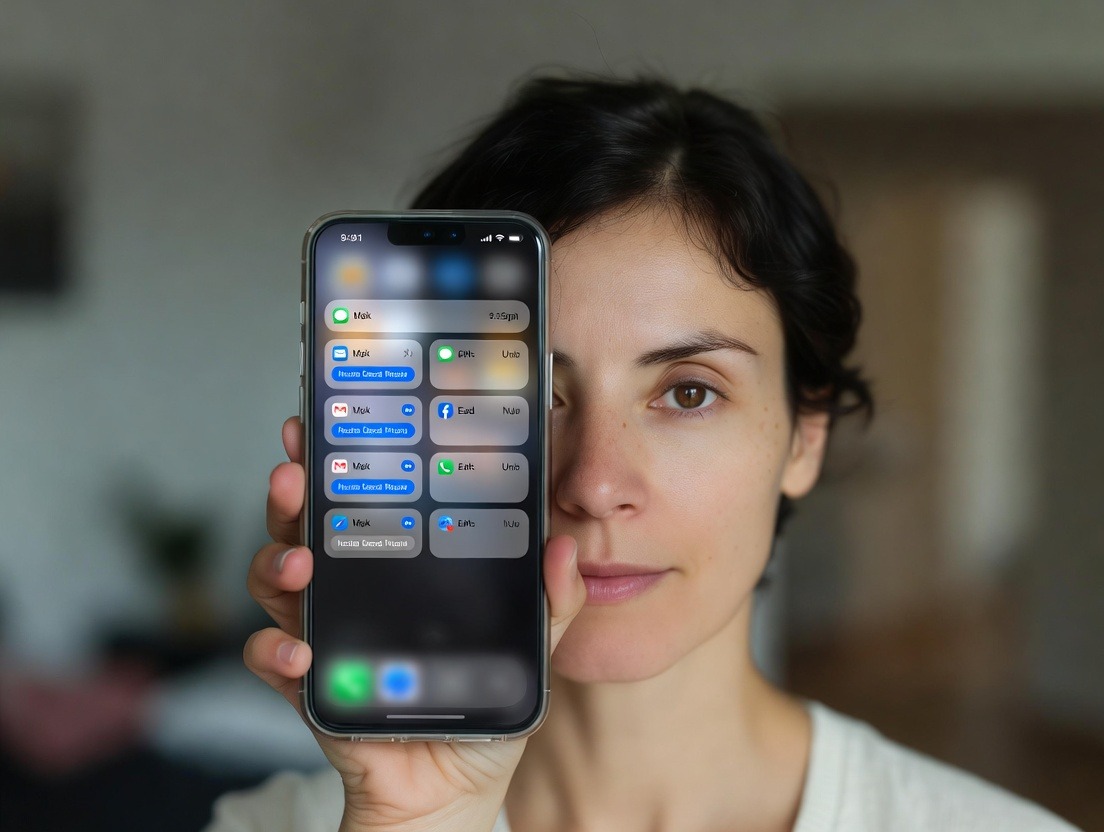
We stand on the brink of a revolution in personal wellness. The current model of tracking biometrics and providing a daily score is just the beginning. The future lies in predictive, prescriptive, and hyper-personalized recovery guidance powered by artificial intelligence (AI) and machine learning.
What the Next Generation of Recovery Technology Holds:
1. Predictive Insights: Instead of telling you how recovered you are today, AI will analyze long-term trends in your HRV, sleep, activity, and lifestyle data to predict when you are at risk of overtraining, illness, or burnout days or even weeks in advance. Imagine a notification: "Based on your declining sleep efficiency and rising RHR trend, your model predicts a high probability of upper respiratory infection in 4-5 days. Recommend prioritizing sleep and reducing training load."
2. Truly Personalized Prescriptions: Algorithms will move beyond generic advice ("get more sleep") to specific, individual prescriptions. "For you, specifically, a 25-minute sauna session at 175°F on Tuesday and Thursday evenings correlates with a 12% average increase in your deep sleep. Consider scheduling this." Or, "Your data shows your HRV responds best to post-workout nutrition within 35 minutes. Your optimal carb-to-protein ratio for muscle repair appears to be 2:1."
3. Integrated Life Context: Future systems will incorporate external data—your calendar stress (meeting density), local weather/pollen counts, even anonymized community illness trends—to provide context for your biometrics. "Your HRV is lower today, which coincides with a high-pollen alert in your area and a back-to-back meeting schedule. This suggests combined immune and cognitive stress."
4. Seamless Ecosystem Integration: Your wellness ring won't be a siloed device. It will communicate with your smart kitchen scales, your connected workout equipment, your meditation app, and even your healthcare provider's portal (with your explicit permission). This creates a closed-loop system where your daily choices are continuously informed by a holistic picture of your health. To glimpse where this technology is headed, explore our thoughts on the future of wearable health tech.
This hyper-personalized future makes the principle of "consistency beats intensity" even more powerful. Your consistency in wearing the device and logging contextual data will train the AI to become your perfect, personalized coach, helping you optimize not just for performance, but for long-term healthspan and resilience.
We have journeyed from the microscopic workings of your autonomic nervous system to the macroscopic view of a lifelong, technology-enhanced wellness practice. The central thesis remains unchallenged and, we hope, now undeniable: For sustainable health, performance, and transformation, unwavering consistency in recovery dwarfs fleeting, heroic intensity.
The modern fitness paradigm has over-emphasized the storm and forgotten the necessity of the calm. True strength is built not in the hour of breakdown, but in the twenty-three hours of rebuild. It is built in the silent, dark theater of deep sleep. It is built by the steady drip of hydration and nutrient-dense food. It is built in the mindful pause of a deep breath that tames a stressed nervous system. It is built by the gentle, persistent movement that flows through stiff tissues.
This first portion of our comprehensive guide has equipped you with the why and the what:
You are now no longer a passive participant in your health. You are the architect, equipped with the blueprints (knowledge) and the tools (technology and strategy). The goal is no longer to simply endure stress, but to skillfully dance with it—to apply the precise dose that prompts growth, and then to provide the consistent, nurturing environment that allows that growth to manifest.
This is the essence of Body Recovery Basics. It is not a minor adjunct to training; it is the very soil in which the seed of your effort must be planted to bear fruit. It is the long, steady, consistent practice that turns effort into achievement, and intensity into lasting vitality.
Ready to take the next step? This knowledge is your foundation. In the subsequent portions of this deep dive, we will build upon it, exploring specialized recovery strategies for different goals, delving into the science of specific biomarkers, and providing even more detailed, actionable protocols to refine your practice. The journey from understanding to mastery continues. To begin applying these principles with the right tool, visit our main storefront at Oxyzen.shop to discover how a dedicated wellness device can become your partner in this consistent journey. And to learn about the passionate team behind this mission of empowering personalized health, you can always read our story.
Welcome back. You’ve laid the groundwork. You understand that recovery is the silent engine of progress, you’ve met your autonomic nervous system, and you’ve built the pillars of a consistent lifestyle. You’re no longer chasing intensity for its own sake, but wielding it with precision, backed by data and self-awareness.
Now, we move from the universal fundamentals to the nuanced art of specialization. A one-size-fits-all recovery protocol is a myth. The optimal strategy for a marathon runner in peak training differs from that of a strength athlete prepping for a competition, a new parent in survival mode, or an executive navigating chronic stress. Recovery must be tailored not just to your body’s daily signals, but to your primary mode of stress and your overarching life goals.
This next section of our deep dive provides the specialized blueprints. We will dissect recovery through the lens of different athletic and lifestyle pursuits, delve into the often-overlooked realms of hormonal and immune recovery, and equip you with advanced tracking techniques to become your own best biohacker.
Recovery for Endurance Athletes: Managing Systemic Fatigue
For the endurance athlete—the runner, cyclist, swimmer, or triathlete—the primary stress is systemic and metabolic. The damage isn't just localized muscle micro-tears; it's a whole-body depletion involving glycogen stores, central nervous system fatigue, elevated inflammation, and significant cardiovascular load. Recovery, therefore, must be equally systemic.
Key Physiological Stresses & Recovery Countermeasures:
The Endurance Athlete’s Weekly Recovery Template:
For the strength, power, or hypertrophy-focused athlete, the stress is more localized and neurological. The goal is to damage specific muscle fibers (to stimulate growth) and improve the efficiency of the nervous system in recruiting motor units. Recovery is about repairing that local damage and restoring neural potency.
Key Physiological Stresses & Recovery Countermeasures:
The Strength Athlete’s Weekly Recovery Template:

This may be the most critical and overlooked specialization. For many, the primary recovery challenge isn't from planned exercise, but from the unrelenting physiological load of modern life: work pressure, financial anxiety, emotional caregiving, digital overload, and poor environmental factors (noise, light, air quality). This individual’s sympathetic nervous system is chronically activated, leaving no bandwidth for physical adaptation. Their "workout" is daily life.
Key Physiological Stresses & Recovery Countermeasures:
The Chronically Stressed Individual’s Recovery Template:
Hormones are the chemical messengers that orchestrate the recovery symphony. Ignoring them is like trying to conduct an orchestra without understanding the score. Two hormones, in particular, are central to the stress-recovery axis: Cortisol and Testosterone (relevant for all genders, though at different levels).
Cortisol: The Double-Edged Sword
Testosterone: The Anabolic Facilitator
How to Optimize the Hormonal Environment for Recovery:
Your immune system is your body's defense and repair network. When it is overburdened fighting off pathogens or dealing with chronic inflammation, it has fewer resources to dedicate to repairing muscle tissue, synthesizing proteins, and managing training stress. Supporting your immune system is the ultimate form of systemic recovery, protecting your ability to train consistently.
How Intense Training Affects Immunity: The Open Window Theory
Vigorous, prolonged exercise creates a temporary (3-72 hour) period of suppressed immune function, particularly in the mucosal defenses of the upper respiratory tract. This is why athletes often get sick after a major competition or peak training week—it’s not the virus itself, but the "open window" created by the physiological stress.
Strategies to Bolster Immune Resilience:
The Role of Tracking: A sudden, unexplained elevation in Resting Heart Rate (RHR) is one of the earliest and most reliable signs of impending illness, often appearing 1-3 days before symptoms. By monitoring your RHR trend, you can take proactive steps: dial back training, prioritize sleep, hydrate, and double down on nutrition at the first sign, potentially averting a full-blown sickness. This is a prime example of how modern wearables contribute to the accuracy revolution in health tracking, moving us from reactive to proactive health management.
You're familiar with HRV and RHR. Now, let's explore other accessible biomarkers that provide a richer, more nuanced picture of your recovery status. When interpreted together, they form a powerful dashboard.
1. Respiratory Rate (RR):
2. Nocturnal Heart Rate (vs. RHR):
3. Skin Temperature (Trend):
4. Blood Oxygen Saturation (SpO2) During Sleep:
Putting It All Together – The Dashboard View:
A perfect recovery day isn't about one perfect number. It's about a constellation of positive metrics:
When one metric is off, it's a curiosity. When multiple biomarkers are simultaneously negative (low HRV, high RHR, high RR, poor sleep), it's a strong, objective mandate for restorative action. Learning to read this integrated dashboard is the skill of the modern, recovery-focused individual. For a deeper understanding of the sensors that make this possible, read our explainer on the science behind health tracking technology.
We've mentioned deloads within periodization. Now, let's treat them with the reverence they deserve. A deload week is a planned, structured reduction in training volume and/or intensity to allow for accumulated fatigue to dissipate and supercompensation to occur. It is proactive recovery, not a reaction to burnout.
Why a Planned Deload Beats a Forced Break:
How to Execute a Proper Deload Week (Multiple Methods):
What to Focus on During a Deload Week:
The Data-Driven Deload: Your biomarkers will often tell you when you need a deload before you feel completely wrecked. A downward trend in HRV over 5-7 days, coupled with a creeping elevation in RHR and declining sleep scores, is a clear, objective signal that your next planned deload is perfectly timed—or that you need to insert one immediately. This is the pinnacle of autoregulation.
Let's move beyond "eat protein and carbs" into the finer points of fueling regeneration.
The 24-Hour Recovery Nutrition Timeline:
Supplementation for Recovery (Evidence-Based):
Personalization is Key: The "best" protocol is what works for you. This is where self-experimentation guided by data is powerful. Try adding a new supplement (like tart cherry) for two weeks while tracking your HRV recovery after hard sessions and your subjective soreness. Does the data improve? If not, it may not be worth it for you. Use your body's feedback—both subjective and objective from your wearable—to refine your nutritional strategy continuously. For guidance on starting this personalized journey, our blog on making the perfect wellness ring choice for beginners is a great place to start.
You now have a specialized toolkit. Whether your primary stress is endurance, strength, or life itself, you have a framework to tailor your recovery. You understand the hormonal and immune conversations happening within you, and you can read the advanced dashboard of your biomarkers. You are equipped to plan proactive regeneration and fine-tune your nutrition.
In the final portion of this comprehensive guide, we will bring it all home. We'll address common myths and mistakes, provide actionable checklists, and outline how to build your lifelong, evolving recovery practice. The journey from consistency to mastery continues.
Your Trusted Sleep Advocate (Sleep Foundation — https://www.sleepfoundation.org/)
Discover a digital archive of scholarly articles (NIH — https://www.ncbi.nlm.nih.gov/
39 million citations for biomedical literature (PubMed — https://pubmed.ncbi.nlm.nih.gov/)
experts at Harvard Health Publishing covering a variety of health topics — https://www.health.harvard.edu/blog/)
Every life deserves world class care (Cleveland Clinic -
https://my.clevelandclinic.org/health)
Wearable technology and the future of predictive health monitoring. (MIT Technology Review — https://www.technologyreview.com/)
Dedicated to the well-being of all people and guided by science (World Health Organization — https://www.who.int/news-room/)
Psychological science and knowledge to benefit society and improve lives. (APA — https://www.apa.org/monitor/)
Cutting-edge insights on human longevity and peak performance
(Lifespan Research — https://www.lifespan.io/)
Global authority on exercise physiology, sports performance, and human recovery
(American College of Sports Medicine — https://www.acsm.org/)
Neuroscience-driven guidance for better focus, sleep, and mental clarity
(Stanford Human Performance Lab — https://humanperformance.stanford.edu/)
Evidence-based psychology and mind–body wellness resources
(Mayo Clinic — https://www.mayoclinic.org/healthy-lifestyle/)
Data-backed research on emotional wellbeing, stress biology, and resilience
(American Institute of Stress — https://www.stress.org/)


