


Common Mistakes in Choosing Recovery Essentials
Avoid common mistakes people make when selecting their recovery tools and methods.
Avoid common mistakes people make when selecting their recovery tools and methods.
%402x.svg)
In the relentless pursuit of peak performance, we’ve become master architects of stress. We meticulously plan grueling workouts, optimize our macros, and chase sleep with the fervor of a holy grail. Yet, for all our effort, a critical pillar of success often remains neglected, misunderstood, or outright butchered: recovery.
Recovery isn’t passive; it’s the active, non-negotiable process where adaptation occurs. It’s where muscles repair, the nervous system resets, and resilience is built. We spend fortunes on gear, supplements, and programs, but when it comes to the tools and practices that genuinely facilitate recovery, we fumble in the dark, guided by trends and bro-science rather than data and personal need.
This misstep has created a landscape cluttered with wasted potential and “recovery essentials” that are anything but essential for you. The biggest mistake isn't skipping recovery—it's choosing the wrong recovery strategies with blind confidence. It's applying a generic solution to a deeply personal biological equation. The consequence? Stalled progress, lingering fatigue, increased injury risk, and the frustrating sense that you're doing "all the right things" but not reaping the rewards.
The modern solution lies in moving from guesswork to granular insight. This is where technology, specifically the intelligent, always-on biometric monitoring from devices like the Oxyzen smart ring, shifts the paradigm. Recovery is no longer a vague concept but a quantifiable state. By understanding your unique physiological signals—your heart rate variability (HRV), resting heart rate, sleep architecture, and body temperature—you can finally match your recovery tools to your body's actual demands.
In this comprehensive guide, we will dissect the most common and costly mistakes made in assembling a recovery toolkit. We'll move beyond the marketing hype and into the realm of personalized efficacy, empowering you to build a recovery protocol that is as intelligent and intentional as your training.
The Philosophy of Personalized Recovery
Before diving into the mistakes, we must establish a core truth: Recovery is not one-size-fits-all. What works for a professional athlete may overwhelm a weekend warrior. The perfect sleep routine for a 25-year-old may be insufficient for someone navigating perimenopause. The recovery modality that soothes you after strength training might do nothing for your nervous system after a high-stress work presentation.
Personalized recovery is informed by two key elements:
The magic happens when these two streams of information converge. A device like the Oxyzen ring provides the continuous, objective data stream, measuring your readiness from the most reliable source—your body. You provide the context. Together, they create a feedback loop that turns recovery from a shot in the dark into a precise science.
As we explore each common mistake, we’ll reference how a data-informed approach, supported by technology from pioneers like those at Oxyzen, can help you avoid these pitfalls and curate a truly essential recovery regimen.
We live in the age of the influencer-led recovery trend. One day, it's ice baths for everyone; the next, it's infrared saunas, followed by pneumatic compression boots, vibrational therapy, and a dozen new supplements. The allure is powerful: if it works for a celebrity athlete or floods your social feed, it must be essential, right? This is the Bandwagon Blunder—adopting a recovery tool based solely on its popularity, without considering its mechanism or, more importantly, your individual physiological response.
The Science of Stress and Adaptation
At its core, recovery is about managing stress hormones and promoting the parasympathetic nervous system (your "rest and digest" state). Different recovery modalities exert different effects:
The Mistake: Jumping on the ice bath bandwagon because you heard it "burns fat" or "increases longevity," while you, a person with already low cortisol levels and poor sleep, are adding a massive sympathetic stressor to a system begging for parasympathetic calm.
How to Choose for Your Physiology, Not the Feed
This is where biometrics become your personal recovery compass. Instead of guessing, you can measure.
The Fix: Democratize your recovery choices. Let your body's data, not the trend cycle, dictate your toolkit. Start by understanding your baseline with objective tracking, then introduce new modalities one at a time, observing their true impact on you. For a deeper dive into how modern health technology enables this personalization, explore the science behind the sensors and algorithms that make it possible.
The "marginal gains" philosophy—the idea that improving every tiny aspect of your routine by 1% leads to massive overall improvement—has been wildly successful in elite sports. However, a critical misinterpretation has seeped into mainstream wellness: the belief that simply adding more recovery modalities must be better. This leads to "recovery stacking"—90-minute routines involving percussion massagers, red light panels, compression sleeves, and a cocktail of supplements, all performed with the same rigid intensity as the workout itself. This transforms recovery from a restorative practice into another performance task, often creating more stress than it relieves.
The Law of Diminishing Returns and System Overload
Every intervention you apply to your body is a stimulus. It requires energy and resources to process. While a single ice bath or foam rolling session may provide a clear benefit, adding a second, third, and fourth modality doesn't provide linear additive benefits. Instead, you hit a point of drastically diminishing returns. Worse, you risk overloading your system.
Your autonomic nervous system isn't designed to process a barrage of intense stimuli in rapid succession. Jumping from an ice bath (major sympathetic shock) to a red light panel (generally neutral) to an intense percussion massage (localized stress) can leave your nervous system confused and overworked, negating the very parasympathetic state you're trying to achieve. You've traded focused, effective recovery for a costly, time-consuming ritual that may be counterproductive.
Signals vs. Noise: The Data Dilemma
This "more is better" approach also creates a data interpretation nightmare. If you implement five new recovery techniques and your sleep improves, which one worked? Was it the combination? Or did one help while another slightly hindered? Without a controlled, data-informed approach, you're left with guesswork, unable to identify your true "essentials."
Building a Lean, Effective Recovery Protocol
The goal is to identify the minimum effective dose (MED) for each aspect of your recovery. This requires precision, not aggregation.
The Fix: Adopt a "less but better" mindset. Use your wearable data to diagnose your primary recovery bottleneck. Then, apply one or two targeted, well-timed modalities with intention. Track the outcome in your biometric trends over days and weeks, not just how you feel in the moment. This iterative, data-driven process is how you build a truly personalized and effective protocol, moving from a collector of tools to a master of their application. For insights on how to use technology to build these sustainable, healthy habits, see how smart rings can help build healthy habits that stick.

In a dazzling market of biohacking gadgets and space-age recovery pods, it's easy to be seduced by technology and overlook the bedrock upon which all recovery is built: nutrition, hydration, and sleep. This is the High-Tech Trap: spending $500 on compression boots while chronically sleeping 6 hours a night, or investing in a fancy recovery drink while neglecting daily protein and water intake. No amount of advanced modality can compensate for a deficiency in these fundamental human needs.
Sleep: The Non-Negotiable Foundation
Sleep is the ultimate recovery modality. It’s when growth hormone is released, memories are consolidated, the glymphatic system cleanses the brain, and tissue repair is at its peak. Poor sleep quality or duration cripples insulin sensitivity, elevates cortisol, tanks HRV, and guarantees suboptimal recovery.
The Data-Driven Sleep Audit: It's not enough to say "I need to sleep more." You need to know how you sleep. A smart ring like Oxyzen provides granular insight beyond simple duration:
This data transforms sleep from a vague goal into a series of optimizable metrics. You can test how caffeine after 2 PM, evening screen time, or a late meal impacts your deep sleep percentage. You can see if your new magnesium supplement actually improves your sleep consistency. Without this data, you're optimizing in the dark. For a comprehensive look at how tracking these metrics plays a role in long-term health, our blog on healthy aging tips delves deeper.
Nutrition & Hydration: The Building Blocks
Recovery is a biochemical process. Without the raw materials—amino acids for muscle repair, carbohydrates to replenish glycogen, electrolytes for neuromuscular function, and water for every metabolic process—recovery simply cannot occur efficiently.
The Mistake: Treating food merely as fuel or calories, rather than information and building material. Or, hydrating only when thirsty, already a sign of early dehydration that can impair cognitive function and physical performance.
The Biometric Link: Your body's signals can hint at nutritional or hydration shortcomings. A sudden, unexplained spike in your resting heart rate can indicate dehydration or an inadequate recovery meal. Persistent low HRV can sometimes be linked to chronic under-fueling or micronutrient deficiencies. While a ring won't tell you to eat more broccoli, it can provide the objective feedback that your current nutritional strategy isn't supporting your recovery metrics, prompting you to investigate.
How to Fortify Your Foundation
The Fix: Before investing in any "advanced" recovery tech, conduct a ruthless audit of your fundamentals. Use a wearable device to get objective data on your sleep for one month. Dial in your daily protein and water intake. Once these pillars are solid and consistently reflected in positive biometric trends, then consider if additional, targeted modalities could provide a marginal benefit. The most essential recovery tool is the one that helps you master the basics. For beginners looking to start this journey, our guide on wellness ring basics for perfect beginners is an excellent resource.
"How do you feel?" It's the classic coach's question, and subjective feedback is invaluable. However, relying on feelings alone for recovery decisions is perilous. This is the Feelings Fallacy: the disconnect between how we think we feel and what our physiology is actually communicating. You might "feel fine" and push through a workout, only to perform poorly and increase injury risk. Conversely, you might "feel tired" and skip a session when your body is actually physiologically primed for a breakthrough.
The Subjectivity-Objectivity Gap
Human perception is flawed, especially under fatigue, stress, or motivation. Adrenaline can mask deep fatigue. A sedentary day can make you feel lethargic, not rested. Conversely, chronic under-recovery can feel "normal" after a while, a dangerous baseline shift.
Key Biometric Truth-Tellers:
The Danger of "Pushing Through"
Ignoring these objective warnings and "pushing through" based on sheer willpower is a direct path to overtraining syndrome, burnout, or injury. You are effectively drawing from a recovery bank account that is already overdrawn. The workout itself becomes destructive, not constructive.
Becoming a Better Interpreter
The goal is not to ignore feelings but to correlate them with data, becoming a more accurate interpreter of your body's language.
The Fix: Treat your subjective feelings as one data point, and your biometrics as another, more objective data point. Use them in concert. The Oxyzen ecosystem is designed for this synthesis, providing a daily readiness assessment that combines these signals. By consistently observing how your feelings align (or don't) with your physiology, you develop a sophisticated inner compass, making you resilient to the daily fluctuations of motivation and misperception. To understand how this technology is revolutionizing personal health insight, read about the accuracy revolution in health tracking.
Recovery discourse is overwhelmingly physical: sore muscles, injured tendons, depleted glycogen. Yet, the most pervasive recovery deficit in modern life is often mental and emotional. The stress from a demanding job, financial worries, relationship tensions, or the constant digital noise activates the same physiological stress response (elevated cortisol, sympathetic nervous system dominance) as a hard workout. Ignoring this component is like fixing a leak in one room while the roof is on fire. Your body doesn't differentiate between physical and psychological stress; it all draws from the same recovery reservoir.
The Physiology of Psychosocial Stress
Mental stress leads to tangible, measurable physiological changes:
The Mistake: Following a perfect physical recovery protocol—ice bath, protein shake, 8 hours in bed—while spending those 8 hours ruminating on work emails, or meditating for 10 minutes after being in a state of anxious hyper-arousal for the other 23 hours and 50 minutes of the day. The physical tools are rendered ineffective against the torrent of unchecked mental chatter.
Recovery Modalities for the Mind
True recovery essentials must address the cognitive and emotional load. These are not "soft" practices; they are direct interventions for your nervous system.
Using Data to Gauge Mental Load
Your smart ring is a silent witness to your mental stress. You don't need to log "stressful meeting" for it to show up; it will be reflected in the data.
The Fix: Audit your mental and emotional environment with the same rigor as your training program. Schedule mental recovery with calendar blocks. Use your biometric data as objective proof of your psychological state, giving you permission to prioritize cognitive downtime. Recognize that a calming breathwork session or a digital Sabbath may be a more essential recovery tool for you this month than a new massage gun. The most advanced recovery device is one that helps you see and manage this invisible load, a concept explored in our article on how health tracking enables personalized wellness.

We treat our recovery protocols like stone tablets: immutable laws handed down once and followed forever. This is the Static Protocol Error. Your body is not a static machine; it's a dynamic, aging, adapting organism influenced by hormones, lifestyle, age, training age, and the seasons. The recovery strategy that worked perfectly at 25 may be ineffective or even harmful at 40. What works in a calm training block falls apart during a period of intense work deadlines or family stress.
The Variables of Change
The Need for a Dynamic Framework
A static protocol cannot navigate this complexity. You need a dynamic framework that adjusts based on input.
How Data Enables Adaptation: This is where continuous monitoring shines. Your wearable provides the real-time feedback needed to adapt.
The Fix: Adopt a mindset of lifelong adaptation. Regularly re-evaluate your recovery "essentials" checklist. Use the long-term trend data from your smart ring to have honest conversations with yourself about what your body needs now, not what it needed two years ago. Embrace the fact that your most essential tool is the one that gives you the feedback to know when to change. For a perspective on where this adaptive technology is headed, consider the future of wearable health tech.
Many diligent wellness enthusiasts fall into the trap of the Manual Logging Burden: relying on journals, spreadsheets, and a patchwork of apps to track sleep, mood, nutrition, workouts, and recovery activities. This approach is fraught with friction, inaccuracy, and recall bias. Did you really sleep 7.5 hours, or was it closer to 7 with 45 minutes of wakefulness you don't remember? Was your HRV low on Tuesday because of the workout, or the difficult conversation you had at 4 PM? Manually connecting these dots is nearly impossible, causing most people to abandon tracking altogether, leaving them flying blind.
The Friction of Fragmented Data
When data lives in different silos—a fitness tracker for sleep, a notes app for mood, a fitness app for workouts, your memory for food—synthesis is a chore. The cognitive load of maintaining the system itself becomes a stressor, antithetical to recovery. Furthermore, manual entries are subjective guesses. You can't manually log your nocturnal heart rate variability or your precise sleep latency; you can only estimate, and often poorly.
The Seamless Insight of Passive Biometrics
Modern smart rings and wearables solve this by automating the most critical data collection passively and continuously. The Oxyzen ring, worn 24/7, gathers a stream of objective physiological data without you lifting a finger:
This passive data layer becomes the objective, trustworthy foundation. You then add the context subjectively, but lightly: "Hard Leg Day," "High Work Stress," "Dinner with Friends." The app's algorithm does the heavy lifting of correlation, showing you how your lifestyle choices impact your physiology over time.
From Data Collection to Insightful Correlation
The power is in the intersection. The app can show you:
This turns recovery from a guessing game into a process of discovery. You're not just logging; you're conducting personal experiments with clear, automated outcomes.
The Fix: Offload the burden of primary data collection to a reliable, passive device. Choose a wearable that focuses on recovery metrics (like HRV, sleep stages, RHR) and provides a clear, synthesized readiness score. Use this as your foundational dashboard. Then, add minimal manual context for major variables. This reduces friction to near zero and provides the high-fidelity data needed to make truly informed decisions about your recovery essentials. To understand the journey from manual tracking to this seamless integration, read about the evolution of health tracking technology.
In our instant-gratification culture, we expect recovery to work like a light switch: use the percussion massager for 10 minutes and feel brand new. This Quick-Fix Illusion leads us to overvalue acute, feel-good modalities and undervalue the boring, consistent practices that build resilient physiology over months and years. We seek the one magic bullet—the perfect supplement, the most intense ice bath—that will solve our recovery woes overnight, ignoring the compounding power of daily habits.
Acute vs. Chronic Adaptation
Recovery tools operate on two timelines:
The mistake is prioritizing the acute to the detriment of the chronic. You might foam roll aggressively every day (acute) but consistently sleep only 6 hours (chronic), guaranteeing long-term under-recovery.
The Deception of the "Feel-Good" Effect
Many popular recovery tools provide a strong acute sensory effect that we misinterpret as effective recovery. The intense sensation of a percussion massager or the shock of an ice bath feels like something powerful is happening. This dopamine hit can trick us into believing we've "done our recovery," even if the practice did little to improve our physiological readiness for the next day's stress. Meanwhile, the gentle, non-sexy 10-minute breathing session that actually lowers your cortisol and improves your HRV gets sidelined because it doesn't feel as impressive.
How Data Values the Long Game
Biometric tracking is the ultimate tool for valuing long-term trends over acute sensations. It shifts your focus from "How do I feel right now?" to "What is my body's capacity trend?"
The Fix: Recalibrate your success metrics. Define recovery success not by how you feel after a single session, but by the sustainable trends in your key biomarkers. Use your wearable's long-term view religiously. Celebrate a rising 90-day HRV average more than a single personal best in the gym. Invest your time and resources into the daily, weekly, and monthly habits that move those trendlines, understanding that the greatest recovery essential is the one you use consistently, not intensely. For real-world examples of how this long-term tracking impacts users, browse real customer testimonials and experiences.
The final, and perhaps most systemic, mistake is treating recovery as a separate, isolated compartment of your life—something you "do" for an hour after the gym. This Silo Mentality fails to recognize that recovery is influenced by every choice you make, all day long. Your 10 AM coffee, your midday walk (or lack thereof), your afternoon stress spike, your evening screen time, and your pre-bed routine are all part of your recovery protocol, whether you label them as such or not. A perfect post-workout routine is a tiny island in a sea of non-recovery-supportive habits.
The 24-Hour Recovery Cycle
True recovery is a continuous background process. Every action is either a deposit into or a withdrawal from your recovery bank account.
The Silo Mentality focuses only on making a large, intentional "deposit" (the recovery session) while ignoring the constant micro-"withdrawals" happening throughout the day. The net result is often still in the negative.
The Integrative, Holistic View
Your wearable data provides the holistic, 24-hour picture that shatters the silo. It doesn't care if a stress spike came from a workout or a work email; it registers the physiological impact all the same.
Creating a Recovery-Conducive Lifestyle
The goal is to engineer your daily ecosystem to support recovery automatically.
The Fix: Break down the silo. Start viewing your entire day—from wake-up to bedtime—as your extended recovery protocol. Use the continuous data from your smart ring to identify the hidden withdrawals in your routine. Then, systematically design your environment and habits to turn those withdrawals into small, consistent deposits. The most sophisticated recovery essential is not a single tool, but a thoughtfully curated lifestyle that supports physiological balance at all hours. For guidance on how to set up your device to support this holistic view, learn about personalizing your wellness ring to your life.
After a grueling workout or during a period of high stress, the instinct is often to collapse into complete stillness. This "Total Rest Fallacy" assumes that the most recovered state is a state of zero movement. While absolute rest has its place—particularly in cases of acute injury or illness—for most general fatigue and muscle soreness, intelligent, low-grade movement is a more powerful recovery catalyst than total inertia. The mistake is conflating recovery with passivity.
Active Recovery vs. Passive Rest: The Physiological Divide
The body’s recovery systems—the lymphatic system for waste removal, the circulatory system for nutrient delivery—are not powered by a pump with an on/off switch. They rely on muscular contraction and movement to function optimally. When you become completely sedentary:
Active recovery, defined as movement at 30-50% of your maximum effort, directly counteracts this. A gentle swim, a leisurely bike ride, a walk in nature, or a mobility flow increases blood flow without creating new mechanical damage or significant metabolic stress. This "flushes" the system, delivering fresh resources and carting away waste.
The Neurological Benefit: Resetting Movement Patterns
Total rest can also lead to neurological "stiffness." After intense training, your nervous system can remain in a state of high gain, with muscles overly tense and movement patterns guarded. Gentle, mindful movement signals safety to the nervous system, helping to downregulate tension and re-establish fluid, pain-free ranges of motion. It’s a form of movement practice that reinforces good mechanics without the performance pressure.
Using Data to Guide Your "Active" Day
This is where a daily readiness metric becomes indispensable. The decision between "active recovery" and "total rest" should not be guesswork.
The Fix: Reframe recovery from "doing nothing" to "doing the right something." Embrace low-intensity movement as a primary recovery tool. Let your biometric readiness score dictate the dose and intensity of that movement. Remember, the goal of active recovery is to make you feel better during and after the activity, not more fatigued. It should be a pleasure, not a prescription. For a deeper understanding of how movement tracking integrates into a holistic view, explore the basics of activity and movement tracking.
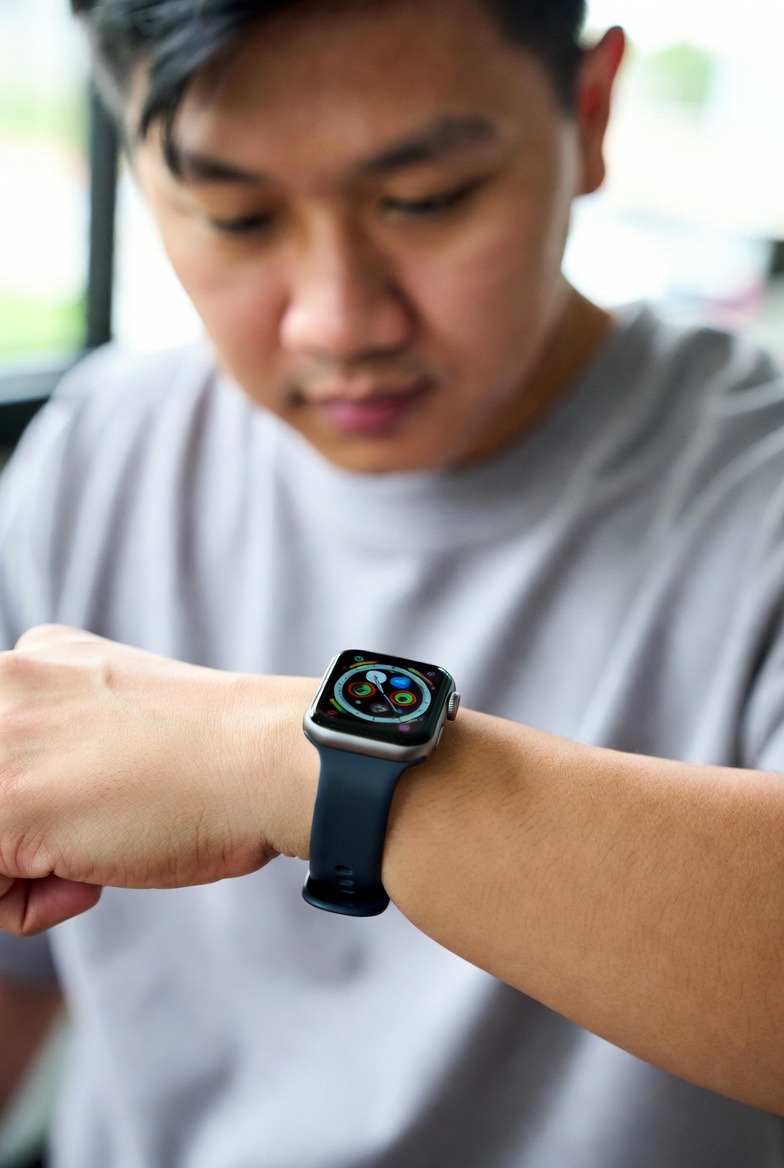
We carefully control our workout environment—the gym temperature, the running route, the workout playlist. Yet, we often completely neglect our recovery environment, exposing ourselves to a barrage of "invisible aggressors" that sabotage physiological restoration. This mistake involves failing to audit and optimize the spaces where you sleep, relax, and live for light, sound, temperature, and air quality.
Light: The Master Circadian Regulator
Light exposure is the most potent signal for your circadian rhythm, which governs sleep, hormone release (like cortisol and melatonin), and even core body temperature. The mistake is pervasive, inappropriate light exposure, especially at night.
Temperature & Thermoregulation
Your core body temperature needs to drop by about 1-2 degrees Fahrenheit to initiate and maintain sleep. A sleep environment that’s too warm disrupts this natural drop, leading to restlessness and reduced deep sleep. Conversely, a room that is too cold can cause awakenings. The ideal range is typically between 60-67°F (15-19°C), but this is personal.
Sound and Air Quality
Unexpected noise triggers micro-arousals, pulling you out of deep sleep stages even if you don't fully remember waking. Chronic noise pollution keeps your nervous system in a low-grade state of alert. Similarly, poor air quality (high CO2, allergens, dry air) can irritate airways, increase snoring, and lead to fragmented sleep.
How Your Ring Reveals Environmental Sabotage
Your biometric data is a detective, uncovering the impact of these invisible factors.
The Fix: Treat your recovery spaces (especially your bedroom) as a high-performance lab.
By engineering a pro-recovery environment, you make every hour spent in that space more potent. You’re not just recovering in a space; you’re using the space itself as a recovery tool. To see how foundational these choices are, consider reading about materials and hypoallergenic options for wearables, which is part of creating a non-invasive, body-friendly environment for your tech.
"You should ice within 20 minutes of working out." "Never eat carbs after 7 PM." "Your foam rolling session should last exactly 15 minutes." Generic timing rules are pervasive in recovery advice. The Chrono-Ignorance Error is adhering to these rigid schedules without considering your personal chronobiology—your unique internal timing for hormones, digestion, and nervous system states. What if you’re a night shift worker? What if your body actually digests food better in the evening? What if your nervous system needs 45 minutes to wind down, not 30?
Your Body’s Internal Clock
Every cell in your body runs on a roughly 24-hour cycle, influenced by a master clock in your brain. This circadian rhythm dictates the optimal times for various functions:
Ignoring your personal rhythm means applying recovery tools when your body is least prepared to receive them.
The Personalization of Timing
The "best" time for any recovery intervention depends on your goal and your rhythm.
Letting Data Define Your Schedule
Your wearable provides the clues to your personal chronobiology.
The Fix: Become a student of your own rhythm. Use your biometric data to move from generic timing ("do this at X o'clock") to personalized phase ("do this when my body is in Y state"). Create a recovery schedule that flows with your physiology, not against it. The most essential timing protocol is the one that aligns with the unique clock ticking inside you. For more on how continuous monitoring supports this understanding, see our article on continuous vs. periodic monitoring.
In the quest for optimized, data-driven recovery, it’s easy to become hyper-focused on the self: your scores, your routines, your metrics. This Lone Wolf Approach overlooks one of humanity’s most fundamental and potent recovery tools: positive social connection. Loneliness and social isolation are not just emotional states; they are physiological stressors with impacts comparable to smoking or obesity. Conversely, strong social bonds act as a buffer against stress, downregulate threat responses in the brain, and promote the release of oxytocin and endorphins—neurochemicals that facilitate recovery.
The Physiology of Connection
Positive social interaction:
The Mistake: Prioritizing a solo ice bath over a dinner with friends, or skipping a family gathering to protect your strict sleep schedule every single time. While discipline is valuable, chronic social sacrifice for the sake of "optimal recovery" can become a source of stress in itself, defeating the purpose.
Balancing Solitude and Sociability
Recovery requires both. Solitude is necessary for introspection, mindfulness, and listening to your body’s signals. Social connection is necessary for emotional regulation, joy, and perspective. The key is balance and quality.
What the Data Says About Your Social Health
While a ring can’t measure your laughter, it can measure the physiological aftermath of your social choices.
The Fix: Intentionally schedule social recovery. View time with loved ones, community involvement, or even a pleasant conversation with a stranger as part of your wellness protocol, not a deviation from it. Use your biometrics not to justify isolation, but to understand what type of social interaction serves you at different times. Remember, the healthiest, most recovered version of you is likely one that is connected, joyful, and engaged with a community. For stories of how our community engages with wellness, you can visit our story page to see the human element behind the technology.

The wellness industry is a multi-billion-dollar behemoth, and the recovery segment is one of its fastest-growing. It’s easy to get swept into a Blank Check Mentality: the belief that if a tool is marketed for recovery and is expensive, it must be worth it. This leads to a cluttered home gym of underused gadgets—percussion massagers, infrared mats, hyperbaric chambers, specialized supplements—each promising transformative results. The mistake isn’t spending money on recovery; it’s spending money ineffectively, without conducting a personal cost-benefit analysis based on your actual needs and measurable results.
The Hierarchy of Recovery Investment
Your financial resources for recovery should follow a logical hierarchy, mirroring the hierarchy of needs:
Using Data to Justify (or Reject) Expenditure
This is where objective biometrics become your financial advisor. Before buying any Tier 3 tool, run a personal trial or experiment.
The Fix: Adopt an investor’s mindset towards recovery spending. Your body is the asset. Allocate capital (money and time) to the interventions with the highest proven return for you. Let your biometric data be the quarterly earnings report that tells you if an investment is paying off. Start by maxing out your Tier 1 investments. Only then, and with a hypothesis you can test, consider moving to Tiers 2 and 3. The most financially sound recovery essential is the one that solves your biggest problem, not the one with the most impressive marketing. For help in making these informed purchase decisions, our guide on making a purchase decision can be a valuable resource.
You’ve built the perfect recovery routine: a dark, cool bedroom, morning sunlight, timed meals, evening meditation. It works flawlessly—until you travel for work, go on vacation, or have a family emergency. The Rigidity Trap is having a protocol so brittle that any disruption causes total collapse, leading to guilt, frustration, and the abandonment of all good habits. True resilience isn’t demonstrated in the perfect routine; it’s demonstrated in how gracefully you adapt when that routine is impossible.
Why Disruption Is Inevitable (and Stressful)
Travel and disruption are potent recovery challenges:
Trying to rigidly force your home routine in a hotel room is often a losing battle that adds mental stress. The adaptive approach is to have a "Minimum Viable Recovery" (MVR) plan.
Building Your Minimum Viable Recovery (MVR) Toolkit
Your MVR is a stripped-down set of non-negotiable practices that you can perform anywhere, with minimal or no equipment. It’s your recovery lifeline when life gets chaotic.
How Your Wearable Becomes Your Travel Guide
When you’re disrupted, your biometric data is your most trustworthy companion. It tells you what your body needs in this new context.
The Fix: Before your next trip, define your MVR. Pack your tiny, essential physical tools (eye mask, earplugs). Memorize your essential practices (breathing sequences, limbering routine). Most importantly, wear your biometric tracker. Use it not to judge yourself, but to navigate the disruption with intelligence and self-compassion. The most essential recovery skill is adaptability itself. For practical advice on maintaining your device during travel and daily life, refer to our maintenance and care instructions.
The empowerment of personal biometrics is revolutionary. We can now track metrics once confined to hospital monitors. However, this access breeds a significant risk: the DIY Diagnosis Danger. This is the mistake of interpreting complex physiological data—like trends in heart rate variability, resting heart rate, or blood oxygen saturation—without the necessary medical training, leading to unnecessary anxiety, misattribution of symptoms, or worse, ignoring signals that warrant professional attention. Your smart ring is an exceptional guide, but it is not a doctor.
The Line Between Insight and Diagnosis
Wearables provide phenomenally sensitive trend data. They can tell you that something has changed. They cannot, with certainty, tell you why.
The danger lies in jumping to the most frightening conclusion or, conversely, rationalizing away a persistent red flag because you "feel fine." Data without context is just noise, and in the realm of health, noisy self-diagnosis can be dangerous.
The Power of Data-Enabled Dialogue
The correct use of personal biometrics is to enhance, not replace, the patient-provider relationship. Your data becomes a powerful communication tool.
How to be a Smart Consumer of Your Own Data
The Fix: Recalibrate your relationship with your data. See it as a detailed journal of your body's responses, not a diagnostic textbook. Build a partnership with a healthcare provider who is curious about this data. Your most essential recovery tool is not the device itself, but the wise, collaborative framework in which you use its information. To understand how this technology is being integrated into more formal care settings, explore how health tracking technology is being used in hospitals.
This mistake is the paradoxical twin of the previous one. Where some ignore context, others become enslaved by it. Metric Obsession is the state of checking your biometric dashboard dozens of times a day, feeling elated by a high "readiness" score and defeated by a low one, and allowing the data to dictate your mood and self-worth. Recovery becomes a stressful game of chasing green numbers, undermining the very peace it's meant to cultivate.
When Tracking Becomes Trapping
The purpose of biometric tracking is to create awareness that leads to better, more intuitive choices. The obsession flips this: the data itself becomes the source of stress.
This constant external validation severs you from your internal sense of feeling. You stop asking "How do I feel?" and start asking "What does my ring say I should feel?"
Cultivating a Healthy Data Relationship
The goal is to use data as a supportive reference, not a punitive judge.
The Long Game: From Obsession to Intuition
The ultimate sign of success with a biometric device is when you need to consult it less. Over months and years, the correlations become internalized. You begin to feel when your nervous system is edgy in a way that correlates with low HRV. You sense your need for recovery sleep before the app summarizes it. The device has trained your intuition. At this point, it becomes a periodic audit tool rather than a daily crutch.
The Fix: Institute digital boundaries around your wellness data. Remember, the metrics are servants to your well-being, not its masters. Use the technology from Oxyzen.shop to build a deeper connection with yourself, not a barrier to it. The most sophisticated recovery mindset is one that can hold data lightly, using it as a map while still enjoying the journey by feel. For those struggling with this balance, our FAQ page addresses common questions about using data healthily.
In the search for an edge, the supplement cabinet can become a monument to complexity. The Pill-Popping Paradox is the belief that if one supplement is good, ten must be better, leading to a costly, confusing, and potentially harmful daily ritual of capsules, powders, and tinctures. This mistake distracts from foundational nutrition, creates unnecessary chemical burdens on the liver and kidneys, and makes it impossible to know what, if anything, is actually working.
The Foundation-First Principle
No supplement regimen can compensate for a poor diet, insufficient sleep, or chronic stress. Magnesium glycinate won't fix sleep destroyed by late-night screen time. Omega-3s won't counterbalance a diet high in inflammatory processed oils. Supplements are meant to supplement an already solid foundation, not serve as a substitute for it.
The "Shotgun" vs. "Sniper" Approach
Using Biometrics to Test Supplement Efficacy
This is where data transforms supplement use from faith-based to evidence-based.
This method can be applied to:
The Fix: Perform a ruthless audit of your supplement stash. Ask for each bottle: "What specific, measurable problem am I trying to solve with this?" If you don't have a clear answer, pause its use. Adopt a scientific, one-variable-at-a-time testing protocol, using your wearable's biometric trends as your lab results. The most essential "supplement" is the whole food on your plate, and the most essential data tells you if you need anything beyond that. For a foundational understanding of how tracking supports all health goals, read about how wellness rings support different health goals.
The pursuit of optimal recovery can become a grim, serious business. Every choice is weighed against its impact on biomarkers. Spontaneity is seen as a threat to the routine. This Over-Seriousness Trap drains the color and joy from life, forgetting that joy, laughter, and unstructured play are profound, data-verifiable recovery modalities in themselves. When recovery feels like a second job, it's no longer sustainable or healthy.
The Biochemistry of Joy
Positive experiences trigger the release of a cocktail of beneficial neurochemicals:
These chemicals directly counteract the physiological effects of stress hormones like cortisol. A genuine belly laugh, the thrill of a fun game, the absorption in a creative hobby—these aren't frivolous distractions; they are active, neurological recovery sessions.
When Optimization Kills Enjoyment
The mistake is sidelining activities that bring joy because they don't fit the "optimal" mold. Skipping a dance class because it's not part of the periodized training plan. Avoiding a spontaneous beach day because it messes with your meal timing. Saying no to a concert because it's past your bedtime. While consistency is key, an inflexible life optimized only for biomarkers can become a sterile one, lacking the very vitality you're trying to recover.
What Your Data Says About Fun
Your biometrics will often confirm the power of positive experiences.
Integrating Joy as a Non-Negotiable
Schedule joy with the same seriousness you schedule your workouts—but don't be serious during it.
The Fix: Audit your life for joy. Is your recovery protocol so strict it has eliminated spontaneity and fun? Intentionally reintroduce activities that light you up, not because they are "optimal," but because they make you feel alive. Observe how these moments of joy reflect in your biometric data—you'll likely find they are powerful, underrated recovery tools. The most holistic recovery essential is a life you don't feel you need to constantly recover from. For inspiration on building a lifestyle that includes joy and sustainability, explore our blog for more wellness perspectives.
The final, meta-mistake in choosing recovery essentials is failing to define what recovery is for. If recovery is only ever in service of the next workout, the next work sprint, the next challenge, it becomes part of an infinite, exhausting grind. You never arrive at a state of "recovered"; you're only ever in a state of "recovering for the next thing." This mindset lacks an "off-ramp"—a planned period of genuine rest and celebration—and the acknowledgment of progress made. Without this, motivation withers, and burnout is inevitable.
The Difference Between Recovery and True Rest
Without off-ramps, you risk adrenal fatigue, loss of passion, and a creeping sense of meaninglessness in your routine. You're always refueling the car but never enjoying the destination.
Recovery culture often focuses on deficits: what's broken, what's lacking, what needs fixing. Celebration focuses on abundance: what you've accomplished, how far you've come, the resilience you've built. Taking time to celebrate—whether it's hitting a consistent 90-day sleep average, completing a training block, or simply adhering to your values for a month—releases dopamine and reinforces positive behavior. It creates a satisfying closure before the next cycle begins.
Using Data to Define the Off-Ramp and Spot Burnout
Your long-term biometric trends are the best tool for planning off-ramps and spotting the early signs of the infinite grind.
The Fix: Build off-ramps into your annual plan. View your year in seasons: periods of striving and periods of soaking. After any significant period of stress or achievement, mandate a true rest period. Use your biometric trends not just to push harder, but to know when to stop, celebrate, and restore your soul. The ultimate recovery essential is the wisdom to know that you are a human being, not a human doing, and that your worth is not tied to your readiness score. For perspectives on maintaining this balance for long-term health, our article on how doctors find this data most useful often highlights the importance of sustainable patterns over time.
Your Trusted Sleep Advocate (Sleep Foundation — https://www.sleepfoundation.org/)
Discover a digital archive of scholarly articles (NIH — https://www.ncbi.nlm.nih.gov/
39 million citations for biomedical literature (PubMed — https://pubmed.ncbi.nlm.nih.gov/)
experts at Harvard Health Publishing covering a variety of health topics — https://www.health.harvard.edu/blog/)
Every life deserves world class care (Cleveland Clinic -
https://my.clevelandclinic.org/health)
Wearable technology and the future of predictive health monitoring. (MIT Technology Review — https://www.technologyreview.com/)
Dedicated to the well-being of all people and guided by science (World Health Organization — https://www.who.int/news-room/)
Psychological science and knowledge to benefit society and improve lives. (APA — https://www.apa.org/monitor/)
Cutting-edge insights on human longevity and peak performance
(Lifespan Research — https://www.lifespan.io/)
Global authority on exercise physiology, sports performance, and human recovery
(American College of Sports Medicine — https://www.acsm.org/)
Neuroscience-driven guidance for better focus, sleep, and mental clarity
(Stanford Human Performance Lab — https://humanperformance.stanford.edu/)
Evidence-based psychology and mind–body wellness resources
(Mayo Clinic — https://www.mayoclinic.org/healthy-lifestyle/)
Data-backed research on emotional wellbeing, stress biology, and resilience
(American Institute of Stress — https://www.stress.org/)


