


How Small Movement Choices Create Wellness Compounding Effects
Data demonstrates how small, smart movement choices create compounding wellness benefits over time.
Data demonstrates how small, smart movement choices create compounding wellness benefits over time.
%402x.svg)
We live in a world obsessed with the grand gesture. The 60-minute sweat-drenched workout. The radical 30-day detox. The complete life overhaul was announced on a Monday morning. We’re sold a narrative of transformation that is loud, hard, and often unsustainable. Yet, beneath the noise of high-intensity fitness culture, a quieter, more profound truth is waiting to be heard: the most powerful force in lifelong wellness isn’t found in the occasional monumental effort, but in the silent, daily symphony of small movement choices.
Consider this: the human body is not designed for prolonged stillness, punctuated by bursts of frantic activity. It is a system engineered for near-constant, low-grade motion—a legacy of our hunter-gatherer past. The modern predicament of the chair-bound workday and the screen-filled evening is not just an absence of exercise; it’s an active attack on our physiological blueprint. The consequence is a slow, insidious drain on our vitality, often misattributed to "aging" or "stress."
But what if the reverse was also true? What if small, seemingly insignificant movements, consistently chosen, could initiate an upward spiral of health? This is the principle of Wellness Compounding. Much like compound interest in finance, where small, regular investments grow exponentially over time, micro-movements and minor postural shifts generate disproportionate health returns. They don't just add up; they multiply.
This isn't about replacing your gym session. It's about transforming the other 23 hours of your day. It’s about the way you sit while answering emails, the path you choose to the kitchen, how you stand in line for coffee, and the deliberate breath you take when frustration mounts. Each choice is a tiny deposit into your "health account," accruing interest in the form of improved circulation, stabilized mood, enhanced metabolic flexibility, reduced pain, and resilient energy.
In this exploration, we will dismantle the myth that movement only counts if it hurts. We will journey through the neuroscience of habit loops, the physiology of non-exercise activity thermogenesis (NEAT), and the profound interconnectedness of physical motion with sleep, stress, and cognitive function. We’ll provide a practical framework for auditing your daily movement landscape and identify the high-impact, low-effort "keystone" shifts that create cascading positive effects.
And to make this invisible symphony visible, we will introduce the role of intelligent technology. Imagine having a gentle, always-on guide that helps you perceive these micro-opportunities, celebrate your consistent deposits, and shows you the tangible data of your compounding wellness. This is where a device like the Oxyzen smart ring moves from a simple tracker to a true wellness ally. By monitoring subtle physiological cues—heart rate variability, temperature trends, and activity patterns—it provides the feedback loop necessary to connect your small choices to their profound outcomes, particularly in how they influence the bedrock of health: sleep. For a deeper understanding of how such technology illuminates your body's hidden rhythms, you can explore our detailed guide on how sleep trackers actually work.
Welcome to a new paradigm of wellness. One that is gentle, continuous, and astonishingly powerful. Let’s begin by understanding the foundational force that makes all of this possible: the compounding principle itself.
The most powerful force in the universe, according to Albert Einstein, is compound interest. He wasn't talking about finance, but the principle holds a stunning parallel to human physiology. Wellness compounding is the biological equivalent: the process by which small, consistent investments in movement yield disproportionately large and growing returns on your physical and mental health over time.
To grasp this, we must first break free from a linear mindset. Most of us view exercise in simple arithmetic: one 30-minute run burns 300 calories. Done. But the body is a complex, adaptive system, not a ledger. A 30-second desk stretch does more than relieve a stiff neck. It increases blood flow to a stagnant area, sending oxygen and nutrients to underperforming muscles. This improves neural connectivity, subtly enhances posture, and may reduce the likelihood of a tension headache later. That avoided headache improves your mood, which leads to better food choices at lunch, which stabilizes your energy, making you more likely to take the stairs in the afternoon. The initial 30-second investment has triggered a chain reaction of positive outcomes.
The mechanism behind this is rooted in hormesis—the biological phenomenon where a low-dose stressor (like a micro-movement or a brief walk) triggers an adaptive over-correction, making the system stronger and more resilient. A single deep squat while brushing your teeth is a hormetic stressor. It signals to your bones, "We need strength here," and to your cardiovascular system, "We need to pump a little harder." The body responds by fortifying itself, not just for that squat, but for future demands.
Let’s quantify this with the concept of Non-Exercise Activity Thermogenesis (NEAT). NEAT encompasses all the energy you expend for everything that is not sleeping, eating, or sports-like exercise. It includes pacing, fidgeting, gardening, taking the stairs, even standing instead of sitting. Research from the Mayo Clinic indicates that NEAT can vary by up to 2,000 calories per day between two similarly sized individuals with different daily movement habits. This isn't about gym calories; it's about life calories. The person with high NEAT isn't necessarily an athlete; they are a "mover." Their small choices—parking farther away, doing calf raises while on hold, walking to a colleague's desk instead of emailing—create a metabolic furnace that burns steadily all day long.
The compounding effect becomes visible when we layer these NEAT activities with their secondary benefits:
The challenge is that these deposits are invisible and their returns delayed. We feel the immediate "burn" of a sprint; we don't feel the capillary growth from daily walking. This is where data becomes your ally. By wearing a device like the Oxyzen smart ring, you transform these invisible compounding processes into a visible narrative. You can see how your consistent NEAT throughout the day correlates with a lower resting heart rate at night, or how your post-lunch walk directly influences your deep sleep quality. Seeing this data creates a powerful feedback loop, turning abstract principles into personal, motivating truth. To understand what those crucial deep sleep numbers should look like on your tracker, our resource on deep sleep tracking targets can be an invaluable reference.
The first step to harnessing wellness compounding is to become an investor, not a gambler. Stop betting everything on occasional, exhausting workouts. Start making small, smart, daily deposits. Your body's compounding interest rate is waiting to be unlocked.

We have been culturally conditioned to see movement as a distinct, scheduled event. It's something we "do" in a specific location, wearing specific clothes, often accompanied by a soundtrack of grunts and strained breaths. This "movement-as-event" paradigm is not only intimidating but fundamentally incomplete. It creates a binary: you are either "exercising" or you are "resting." The vast, fertile landscape of movement that exists between these two poles—the fluid, all-day motion that our bodies crave—is completely overlooked.
To access the power of wellness compounding, we must first expand our definition of movement. Movement is not just exercise; it is any voluntary displacement of the body or its parts through space. It is the antidote to stasis. In a world engineered for sedentarism—from cars to desks to streaming services—our new wellness imperative is to rediscover and re-integrate incidental motion into the architecture of our lives.
Think of your body not as a machine that needs periodic servicing, but as a river that requires constant flow. A stagnant river breeds disease, becomes clogged, and loses its vitality. A flowing river is self-cleaning, vibrant, and life-supporting. Our physiology is the same. Prolonged static postures, like sitting, create pockets of stagnation: blood pools in the legs, the spine loses its resilient curves, hip flexors shorten, and the diaphragm's capacity for full, oxygenating breaths is reduced.
The new paradigm is Movement Fluidity. This is the practice of breaking up stasis with frequent, varied, and often unstructured motion. The goal is not to achieve a peak heart rate, but to avoid the physiological declines of continuous sitting. Key pillars of this philosophy include:
The transition from a static to a fluid existence requires a shift in perception. Start by conducting a "Stasis Audit." For one typical day, simply note how long you remain in a single position (especially seated). The results are often startling. Awareness is the prerequisite for change. Next, identify "stasis anchors"—points in your day where you become glued, like your morning commute, your work desk, or your evening couch session. Design a single, simple "fluidity trigger" for each anchor. For the couch, it could be: "During every commercial break or episode transition, I will stand and touch my toes five times."
Technology, when used wisely, can be a powerful fluidity coach. A smart ring like Oxyzen, worn continuously, acts as a gentle sentinel against stasis. Its inactivity alerts are not a scolding, but a compassionate nudge—a reminder that your "river" needs a fresh current. More importantly, it shows you the direct reward for your fluidity: how those micro-breaks and postural shifts contribute to a calmer nervous system and set the stage for more restorative sleep and memory consolidation. The connection between nocturnal recovery and daytime movement is profound, as detailed in our exploration of the brain-boosting connection between deep sleep and memory.
Redefining movement is the liberation from an all-or-nothing mindset. When you see every moment as an opportunity for fluidity, you unlock a continuous, low-effort pathway to compounding vitality. The goal is not to live at the gym, but to never fully leave the dance of motion.
Understanding why we so easily default to stasis—and how to rewire that default—is crucial. Our daily actions are not primarily the result of conscious decision-making; they are the output of well-worn neural pathways called habits. The good news is that the same brain mechanisms that lock us into sedentary routines can be harnessed to build automatic, movement-rich ones. This is where the science of tiny habits meets the goal of wellness compounding.
At the core of every habit is a neurological loop, popularized by Charles Duhigg and grounded in neuroscience. This loop consists of three parts:
To build a new habit of fluid movement, you must strategically design this loop. The key to success, according to researchers like BJ Fogg of Stanford, is to start embarrassingly small. A habit that is too large (e.g., "do 30 minutes of yoga every morning") requires high motivation, which is a finite resource. A habit that is tiny (e.g., "after I pour my morning coffee, I will place my hands on the counter and stretch my calves for 10 seconds") requires almost no motivation and is therefore easy to repeat. Repetition, not intensity, is what builds the neural superhighway.
Here’s how to apply this to movement:
The compounding magic of tiny habits lies in their ability to build momentum and complexity. Your first habit, "after I sit down, I breathe and roll my shoulders," becomes automatic. It now takes zero willpower. This success creates a "foundation habit" upon which you can stack another. "After I roll my shoulders, I will also make sure my feet are flat on the floor and my spine is tall." Over weeks and months, these microscopic routines aggregate into a macro-behavior: a person who maintains dynamic, healthy posture effortlessly.
Furthermore, these movement habits create positive spillover effects into other wellness domains. The person who has built the identity of "a mover" is more likely to make better nutritional choices, prioritize hydration, and manage stress proactively. The neural discipline learned in one area strengthens your capacity for self-regulation in all areas. It begins, literally, with one deep breath and a shoulder roll.
By hacking the neurobiology of habit formation, you engineer automaticity for wellness. You are no longer fighting your brain's desire for efficiency; you are aligning with it, programming it to default to fluidity, one tiny, rewarding movement at a time. This is the cognitive foundation upon which a lifetime of compounding health is built.
While the neurological model explains how to build habits, the physiological model reveals why these micro-actions are so potent. It’s tempting to dismiss a desk stretch or a quick walk around the office as trivial—too small to matter. But from the perspective of your cells, tissues, and systems, these micro-movements are critical signals that regulate everything from gene expression to hormone release. They are the language your body uses to maintain equilibrium, and when you speak this language frequently, you command a state of vibrant health.
Let's translate the biochemistry of a few common micro-movements:
1. The Fidget and the Fat Burn:
Fidgeting—tapping a foot, shifting in a seat, gesturing while talking—is often seen as a nervous waste of energy. In reality, it's a powerful metabolic regulator. This type of low-grade muscle contraction increases muscle lipoprotein lipase activity, an enzyme that plays a key role in breaking down fat in the bloodstream for energy. It also helps clear glucose from the blood independently of insulin. A study published in the American Journal of Clinical Nutrition found that participants who fidgeted while sitting had a significantly higher metabolic rate than those who remained still. Fidgeting is your body's innate, subconscious rebellion against stasis, and we should consciously join it.
2. The Stand-and-Stretch and the Vascular Flush:
When you stand up after 30 minutes of sitting, you engage the large muscles of your legs and glutes. This acts as a "second heart," using muscular contraction to pump venous blood and lymphatic fluid back toward your core. This single action:
3. The Deep Breath and the Nervous System Reset:
A conscious, deep diaphragmatic breath—often paired with a stretch—is a micro-movement with macro impact. It stimulates the vagus nerve, the command center of your parasympathetic nervous system (the "rest-and-digest" mode). This directly counters the stress-inducing sympathetic ("fight-or-flight") state fostered by sedentary, high-pressure work. The physiological shift is immediate: heart rate slows, blood pressure drops, and digestion is promoted. This single breath is a direct intervention in your stress physiology.
4. The Walk-and-Talk and the Cognitive Spark:
The act of walking, even at a slow pace, increases cerebral blood flow. This delivers more oxygen, glucose, and nutrients to your brain while clearing out metabolic waste products like beta-amyloid, associated with cognitive decline. The bilateral, rhythmic motion of walking also helps synchronize brain hemispheres, which can enhance creative thinking and problem-solving. This is why "walking meetings" often yield more innovative ideas than seated ones.
The compounding effect emerges when these micro-signals are sent continuously throughout the day. You are not giving your body a single, large dose of "movement medicine" and then allowing it to crash. Instead, you are providing a steady, therapeutic drip. This consistent signaling maintains metabolic flexibility, keeps inflammation low, sustains mood-regulating neurotransmitters like serotonin and dopamine, and crucially, primes your body for optimal recovery at night.
This is the critical link between daytime micro-movements and sleep quality. A body that has experienced rhythmic, varied movement and managed stress through breath and positional shifts throughout the day enters the night in a state of balanced readiness for repair. It’s not exhausted from a single brutal workout nor stiff and stagnant from total inertia. This balanced state is ideal for achieving the deep sleep sweet spot—the ideal duration of restorative sleep for your age, which is essential for physical repair and hormonal regulation. You can learn more about finding that ideal duration in our article on the deep sleep sweet spot by age.
By understanding the profound chemistry activated by the smallest motions, we赋予 them the respect they deserve. A heel raise is no longer just a heel raise; it’s a metabolic signal, a vascular pump, and an investment in your night’s restoration.
Our world is designed for efficiency, not vitality. The architecture of our homes, offices, and cities often creates the shortest path between two points—a path that minimizes physical expenditure. To harness wellness compounding, we must become architects of our own experience, deliberately designing "inefficiencies" that maximize movement opportunity. This is about seeing the hidden geometry of your day and re-drawing the lines to create a movement-rich landscape.
This practice, sometimes called "movement ecology," involves auditing your environments and routines to identify "movement deserts" and transforming them into "movement oases."
Step 1: The Environmental Audit
Walk through your primary environments (home, office, commute) with a new lens. Ask:
Step 2: The Routine Remapping
Analyze your daily rituals and insert micro-movements. The goal is to "stack" movement onto existing, non-negotiable tasks.
Step 3: The Technology Layer
In our modern geometry, technology is often the ultimate sedative. But it can also be the ultimate ally. This is where a wearable like the Oxyzen smart ring shifts from a tracker to a movement opportunity mapper. Its subtle vibrations or app notifications act as geo-specific or time-based prompts, breaking your hypnotic focus on a screen. More importantly, its data shows you the impact of your environmental redesign. You can run an experiment: for one week, implement your new "office movement oasis" plan, and observe the direct correlation in your Oxyzen app with improved sleep tracking metrics and readiness scores. Seeing this connection turns abstract environmental tweaks into a validated, personal science project. For beginners looking to understand these metrics, a great starting point is our comprehensive sleep tracking 101 guide.
Examples of Geometry Hacks:
By re-mapping the geometry of your life, you stop fighting an environment designed for stillness. You hack it. You turn its constraints into catalysts. The printer across the hall is no longer an annoyance; it's a prescribed movement break. The distant parking spot isn't a penalty; it's a deposit into your NEAT account. When you see the world as a playground of micro-opportunities, the compound interest on your wellness begins to accrue automatically, all day long.
The most profound compounding effects of small movement choices extend far beyond the simple calculus of energy expenditure. Their true power lies in their ability to modulate the three fundamental pillars of holistic health: sleep, stress, and recovery. While a calorie-focused view sees movement as an output, a systems-based view sees it as a master regulator, fine-tuning your body's internal environment for optimal function and repair.
1. The Sleep-Movement Synergy:
Daytime movement is the single most effective, drug-free tool for improving sleep quality. But it’s not about exhausting yourself. It's about rhythm and timing.
2. The Stress-Movement Dial:
Micro-movements act as a real-time dial for your nervous system. A clenched jaw and hunched shoulders at your desk is a physical manifestation of stress that feeds back to the brain, amplifying the feeling. Conversely, a deliberate shoulder roll and deep breath is a physical intervention that signals safety to the brain.
3. The Recovery-Movement Paradox:
The old model of recovery was total rest. The new model is active recovery—the use of very low-intensity movement to enhance the repair process.
Here, continuous monitoring technology becomes indispensable for connecting the dots. A device like the Oxyzen ring tracks the outcomes of your movement choices on these very systems. You can observe a direct correlation: on days with high movement fluidity and good postural variety, your sleep tracking data shows less restlessness, a higher deep sleep percentage, and a lower resting heart rate. You can see how an evening walk lowers your overnight heart rate variability (HRV) stress metric. This transforms abstract concepts like "recovery" into a personal, data-driven narrative. For athletes or active individuals, understanding this link is paramount, as explored in our resource on deep sleep optimization for athletic recovery.
When you view movement through this triune lens of sleep, stress, and recovery, its value compounds exponentially. A lunchtime walk is no longer just a step count; it’s a circadian signal, a cortisol regulator, and a lymphatic flush. It’s a single action that pays dividends across every domain of your well-being.
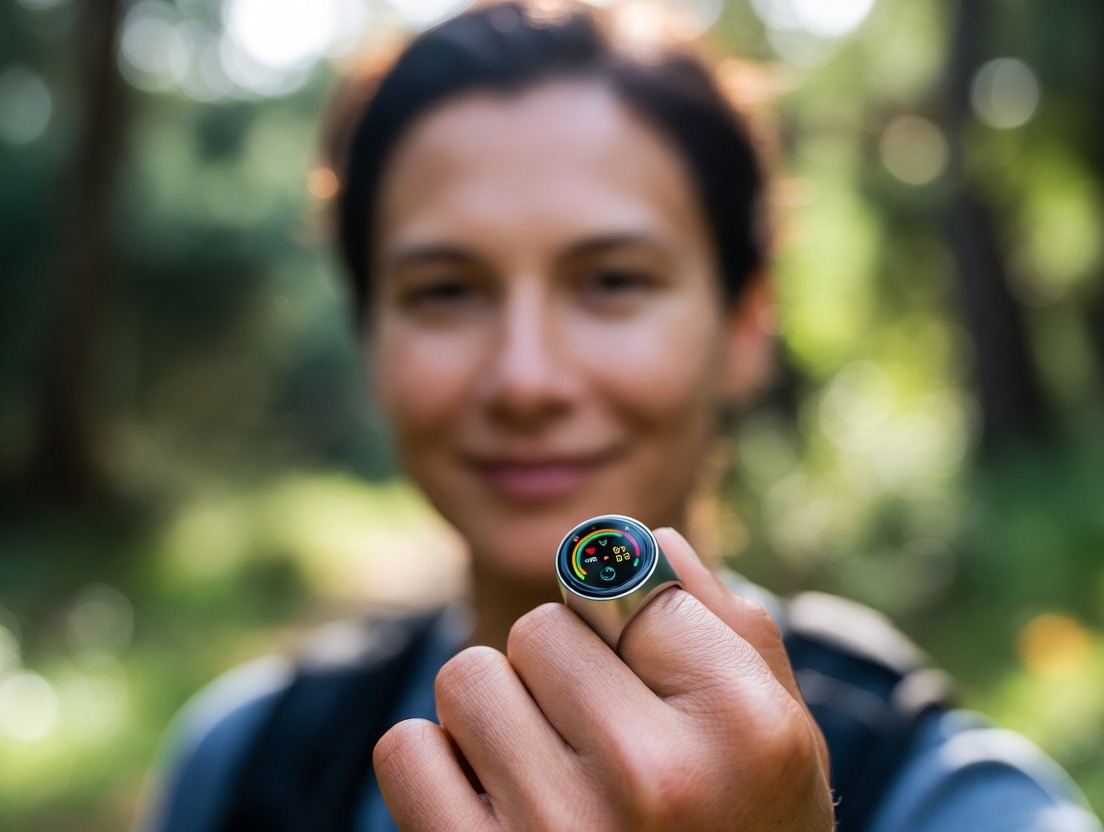
In the pursuit of wellness compounding, not all micro-movements are created equal. Some habits act as "keystone habits"—a concept coined by Charles Duhigg describing habits that, once established, create a ripple effect, triggering positive changes in unrelated areas of your life. Identifying and cultivating the keystone habits of movement is the leverage point for creating maximum compounding effect with minimal perceived effort.
These are the habits that don't just add a drop to your wellness account; they open a new, high-yield savings stream. They often share two traits: they are easy to execute and they create an immediate, positive sensation.
1. The Postural Reset Habit
2. The Walking-Meeting Habit
3. The Pre-Meal Movement Habit
4. The Transitional Movement Habit
Implementing Keystone Habits: Start with ONE. Use the tiny habit formula: "After [anchor], I will [keystone habit mini-version]." For the Postural Reset, start with: "After I hit 'send' on an email, I will stand up for 5 seconds." Make it so small that success is guaranteed. Use your Oxyzen ring to track the downstream effects. Notice if the days you nail your Postural Reset habit lead to better scores in the app's recovery or stress metrics. This data-driven feedback is the fuel for turning a small experiment into a lifelong keystone. For support and answers on integrating technology with new habits, our FAQ page is a great resource.
By focusing on keystone habits, you stop trying to manage a thousand small behaviors. You invest in the few that have the power to automatically reorganize your day around movement, creating a cascade of compounding wellness benefits that feel effortless and intrinsic.
In the realm of wellness compounding, the greatest barrier is the invisible nature of the returns. The growth of a retirement fund is displayed on a statement; the growth of your physiological resilience is not. This invisibility leads to motivational decay. We abandon tiny habits because we "don't feel anything." The modern solution to this ancient problem is biometric awareness—using subtle, continuous technology to translate the silent language of your body into a visible, actionable narrative. This is where a smart ring like Oxyzen transitions from a gadget to an essential partner in your compounding journey.
The role of technology here is not to be a drill sergeant, but a mirror and a guide. Its primary function is to close the feedback loop between action and outcome, making the compound interest on your health as tangible as numbers on a screen.
1. The Mirror: Making the Invisible Visible
2. The Guide: Nudging and Celebrating
Using Data Wisely: The goal is informed intuition, not data obsession. Check your trends weekly, not hourly. Use the data to ask curious questions: "What happened on my best sleep day this week?" "Why was my HRV lower today?" Let the answers guide gentle adjustments, not harsh judgments. The Oxyzen platform, supported by a rich blog with related articles, is designed to help you cultivate this informed, intuitive relationship with your body's data.
By providing a clear, visual track of your wellness compounding, technology solves the fidelity problem. It turns faith into fact. You are no longer hoping your small choices matter; you can see them weaving the tapestry of your improved health, thread by tiny, consistent thread.
Theory is the map, but practice is the journey. The gap between understanding wellness compounding and living it can feel vast. This section is your practical on-ramp—a clear, gentle, and structured plan for your first week. We will move from awareness to action, designing a week not of drastic change, but of deliberate, curious experimentation. The goal is not perfection, but perception: to feel the subtle shifts that come from consistent, tiny deposits.
The Mindset: The 1% Experiment
Forget overhauling your life. This week, you are a scientist conducting a personal experiment with a 1% change protocol. Your hypothesis is: "If I make a few specific, small movement choices each day, I will notice a positive shift in my energy, focus, or mood by Friday." There are no failures, only data points.
Your Week 1 Protocol:
Day 1 & 2: The Stasis Audit & Single Keystone
Day 3 & 4: Habit Stacking & Environmental Tweak
Day 5: The NEAT Boost Day
Day 6 & 7: Integration and Recovery
Tracking Your Experiment:
Use your wellness technology as your lab notebook. At the end of the week, don't just look at isolated scores. Look for connections and trends in your Oxyzen app or similar platform:
This week is not about creating a rigid new regime. It’s about installing a new operating system: one that values consistency over intensity, curiosity over criticism, and data over dogma. By proving to yourself that small shifts create tangible ripples, you build the confidence to continue the experiment indefinitely. This is the essence of the practical on-ramp—it’s where you turn philosophy into personal proof.
The principles of wellness compounding are universal, but the battlefield changes. For those whose days aren't confined to a traditional office—remote workers, frequent travelers, and parents—the challenges and opportunities for fluid movement are unique. Here, adaptability is the keystone habit. Let’s tailor the strategy to these specific, movement-disrupted lifestyles.
For the Remote/Hybrid Worker: Conquering the Home Stasis Field
The home office is a minefield of sedentarism, with the couch, fridge, and bed in constant, tempting proximity. The lack of commute and incidental office movement can crater NEAT.
For the Frequent Traveler: Wellness in Transient Spaces
Airports, hotels, and client offices are designed for minimal movement. Travel disrupts routines, sleep, and nutrition, making consistent micro-movements even more critical for maintaining equilibrium.
For Parents & Caregivers: Finding Fluidity in Chaos
For those caring for young children or others, time is fragmented and self-care often deprioritized. The movement opportunity here is not in structured breaks, but in syncing with your dependents.
For all these groups, the core principle remains: fluidity over formality. It’s about refusing to let your environment or schedule be an excuse for total stasis. By creatively adapting the principles of micro-movements and keystone habits, you build a resilient, context-agnostic practice of wellness compounding that travels with you, wherever life takes you. To see how others have adapted these principles in their unique lives, you can find inspiration in real user experiences on our testimonials page.

Wellness compounding does not exist in a silo. The returns on your micro-movement investments are dramatically amplified or diminished by the fuel you provide your body. Think of nutrition and hydration as the multiplier on your movement deposits. A small movement choice paired with a supportive nutritional choice creates a synergistic effect far greater than the sum of its parts.
This isn’t about restrictive dieting; it’s about strategic fueling to empower your newfound fluidity and enhance recovery.
1. Hydration: The Lubricant of Motion
Water is the medium in which every cellular process, including muscle contraction and nerve signaling, occurs. Even mild dehydration (as little as 2% loss of body weight) can impair cognitive function, reduce motivation, and increase perceived effort during movement.
2. Protein: The Building Block of Recovery
Each micro-movement, each stretch, each walk causes microscopic stress and repair in muscle and connective tissue. Protein provides the amino acids necessary for this repair.
3. Strategic Carbohydrates: The Energy for Consistency
Complex carbohydrates from whole foods (vegetables, fruits, legumes, whole grains) provide a steady release of glucose, your body’s primary energy currency for low-to-moderate intensity activity—exactly the kind you’re engaging in all day.
4. Anti-Inflammatory Fats: The System-Wide Coolant
Chronic, low-grade inflammation is the enemy of recovery and mobility. Omega-3 fatty acids (from fish, walnuts, flaxseeds) and monounsaturated fats (from olive oil, avocados) have potent anti-inflammatory effects.
The synergy is clear: what you eat either supports or hinders your movement choices. You don’t need to chase perfection. Start with one synergistic pair: Hydration + Postural Reset. Master that. Then consider adding Protein + Recovery Movement. By viewing food and fluid as the essential partners to your motion, you activate the true multiplier on your wellness compounding investments, creating a holistic upward spiral that powers both your daily vitality and your long-term resilience. For more insights on the company behind technology designed to illuminate these connections, you can learn about our mission and vision on the Oxyzen About Us page.
Every system that grows will eventually encounter a plateau. In fitness, it's when you stop gaining muscle despite consistent training. In wellness compounding, it’s the feeling that your micro-habits have become routine but are no longer producing noticeable returns in energy, mood, or metrics. This is not a sign of failure; it is a sign of adaptation. Your body has efficiently adapted to the new stimulus. The plateau is an invitation to evolve your practice, not abandon it.
Here is how to diagnose and overcome a wellness compounding plateau with intelligence, not intensity.
Step 1: Diagnose with Data, Not Emotion
Before making changes, investigate. Use your biometric data to ask precise questions:
Step 2: Apply the "VARIES" Framework to Re-Ignite Growth
To break through, you need a new stimulus. Use this acronym to guide your adjustments.
Step 3: Recalibrate Your Keystone
Your original keystone habit may have served its purpose. It’s time to promote a new one. Perhaps "Postural Reset" is now automatic. Your new keystone could be "Respiratory Reset"—using three deliberate, diaphragmatic breaths to transition between tasks, which directly impacts your nervous system and can boost HRV. Or it could be "Evening Grounding"—5 minutes of barefoot movement or standing outside after work to sync your circadian rhythm.
The Role of Technology in Plateau Management:
Your smart ring is your plateau diagnostic tool. Its long-term trend graphs allow you to see the flatline objectively. You can then use it to test your VARIES interventions. Did changing the type of movement (from stretching to isometric holds) cause a positive shift in your nocturnal heart rate or deep sleep optimization? The data gives you clear feedback on what works for your unique physiology, turning plateau management from guesswork into a personalized science.
Remember, the plateau is part of the compounding journey. It’s not a wall; it’s a gentle rise in the path, asking you to shift gears, look at the scenery from a new angle, and continue forward with renewed wisdom. By meeting it with curiosity and strategic variation, you ensure your wellness compounding journey is a lifelong ascent, not a short sprint to a dead end.
The true power of the compounding principle is only revealed in the long arc of time. Anyone can make changes for a week or a month. The monumental, life-altering returns—the kind that redefine aging, vitality, and resilience—are reserved for those who play the long game. This final section of our foundational exploration is about shifting from a project-based mindset to an identity-based lifestyle. It’s about designing a sustainable practice of wellness compounding that endures for decades, adapting gracefully through every life season.
Pillars of Long-Term Sustainability:
1. Embrace the Rhythm of Seasons (Literal and Figurative):
Your movement fluidity practice should ebb and flow like the natural world. There will be energetic, expansive "spring" phases where you add new habits and explore. There will be "summer" phases of consistent, joyful maintenance. "Autumn" phases invite you to harvest insights, reflect on what’s working, and let go of habits that no longer serve. "Winter" phases are for rest, recovery, and the deep, quiet work of physiological repair supported by impeccable sleep hygiene.
2. Cultivate a "Minimum Viable Practice" (MVP):
Define the absolute bare minimum you can do on your worst, most chaotic day and still feel connected to your wellness identity. This is your MVP. It might be: "Take three conscious breaths upon waking, do my 2-minute postural reset sequence once, and take a 5-minute walk after dinner." When life is overwhelming, you commit only to the MVP. This prevents the "all-or-nothing" collapse and maintains the neural pathways of your habits, so you can easily scale back up when capacity returns.
3. Focus on Function, Not Aesthetics:
Long-term motivation cannot be sustained by the mirror. It must be fueled by function and feeling. The primary reward must be the immediate sensory payoff: the feeling of ease in your body, the mental clarity after a walk, the joy of unrestricted movement with grandchildren, the deep, restful sleep that follows a day well-lived. Anchor your identity to being a "person who moves with ease," not a "person who looks a certain way."
4. Build a Supportive Environment (The Ultimate Force Multiplier):
Over decades, willpower is a bankrupt currency. You must engineer an environment that makes the healthy choice the easy choice, and the stagnant choice require effort.
5. Practice Graceful Adaptation (Not Rigid Adherence):
Your body and life at 30, 50, and 70 are different. The micro-movements that serve you will evolve. A jumping jack at 25 might become a heel-to-toe rock at 65. The deep squat while brushing teeth might become a supported sit-to-stand. This is not decline; it’s intelligent adaptation. Listen to your body’s feedback and adjust accordingly. Technology aids this by providing objective data on how your body is responding to different stimuli as you age, a topic we explore in depth regarding how age affects deep sleep and how to compensate.
6. Connect to a Deeper "Why":
Ultimately, sustaining a practice for decades requires connecting it to your core values. Is your movement practice about being present for your family? About maintaining independence and curiosity into old age? About honoring the incredible gift of your physical form? Revisit this "why" regularly. Write it down. When motivation wanes, it is this deeper purpose that will pull you back to your MVP.
The Compounding Legacy:
Playing the long game with wellness compounding does more than ensure your own vitality. It creates a legacy. It models for those around you that health is a daily practice of gentle, consistent investment. It demonstrates that aging can be a process of smart adaptation and retained joy, not inevitable decline. And it provides you with the priceless asset of healthspan—the number of years you live in good health—maximizing your ability to contribute, connect, and enjoy every chapter of life.
This is the true promise of the silent symphony of small movement choices. It’s not a quick fix. It’s a lifelong composition, where each day you add a few more notes of fluidity, breath, and awareness. Over time, these notes form melodies of energy, harmonies of resilience, and a masterpiece of sustained well-being that plays beautifully for a lifetime.
The Mind-Body Feedback Loop: How Conscious Movement Rewires Thought Patterns

We’ve explored how small movements change your body. Now, let’s ascend to their most profound compounding effect: their power to reshape your mind. The connection between physical posture, motion, and mental state is not metaphorical; it’s biochemical and neurological. This creates a powerful feedback loop: movement choices influence emotional states, and emotional states dictate future movement potential. By consciously manipulating the physical side of this loop, you gain a powerful tool for cultivating resilience, creativity, and positivity.
The Science of Embodied Cognition:
The theory of embodied cognition posits that our thoughts, feelings, and decisions are deeply influenced by our bodily states. A slumped posture doesn’t just reflect low mood; it can induce and sustain it. Conversely, expansive, upright postures can generate feelings of confidence and capability.
Applying the Loop: Movement as a Mental Reset Button
You can use micro-movements as direct interventions for psychological states:
The Compounding Mental Payoff:
Consistent practice of these movement-resets does more than provide momentary relief. It trains your brain’s flexibility. You are teaching your nervous system that it has agency. Instead of being a passive recipient of stress or low mood, you now possess a toolkit of physical actions that can actively shift your state. This learned resilience is a compounding asset. Each time you successfully use movement to navigate a mental challenge, you strengthen the neural pathway for doing so again, making it a more automatic, go-to response.
Technology as a Mindfulness Amplifier:
A smart ring like Oxyzen can bring unconscious stress patterns to light, making the mind-body loop visible. You might notice that your stress metric spikes during a certain daily task. Instead of just observing it, you can proactively deploy a movement-reset before that task begins, as a preventative measure. Later, you can see the data reflect a lower stress response. This turns abstract mindfulness into a precise, data-informed practice. Observing how these mindful movement practices improve your sleep—particularly the science of what happens to your body during deep sleep for neural repair and emotional processing—closes the loop perfectly. Explore that vital recovery phase in our article on the science of deep sleep.
By mastering the mind-body feedback loop, your micro-movement practice transcends physical wellness. It becomes a foundational practice for emotional intelligence and cognitive resilience, compounding not just physical health, but mental and emotional capital for a lifetime.
Wellness compounding is not a solitary endeavor. Humans are social creatures, and our behaviors are contagious. Your commitment to fluid movement and small, positive choices creates a social ripple effect that can amplify your own benefits and inspire wellness in your community. This transforms personal habit into a form of quiet, powerful leadership.
1. Modeling Over Preaching: The Power of Visible Action
You don’t need to convince anyone to move more. Simply by consistently modeling the behavior, you become a living case study. When colleagues see you taking walking meetings, stretching at your desk, or always opting for the stairs, it normalizes the behavior. It makes it "safe" and acceptable. Your actions answer the unspoken question, "Can I do that here?" with a resounding "Yes, look—she is."
2. Creating Shared Movement Micro-Cultures
You can intentionally cultivate small social pods that reinforce fluid movement.
3. The Helper's High & The Biology of Giving
When you encourage or facilitate movement for others, you receive a neurological reward. Acts of altruism and social bonding trigger the release of oxytocin, serotonin, and dopamine—the same "feel-good" chemicals released by exercise. This "helper's high" reinforces your own positive behavior, creating a virtuous cycle: your wellness compounds, you feel good and want to share it, the act of sharing makes you feel even better, further solidifying your identity as a "wellness compounder."
4. Technology as a Social Connector (When Used Wisely)
While not the core of social connection, wellness technology can provide positive social reinforcement. Some platforms allow for optional, respectful sharing of general trends or participation in group challenges (like a cumulative step goal for a team). This can foster a sense of friendly camaraderie and shared purpose. The key is to focus on collective support, not comparative competition. The real social power, however, comes from the stories you can share. When someone asks how you have so much energy, you can point to your small habits—or even show them the tangible data on your Oxyzen app that illustrates the link between your daily movement fluidity and your deep sleep tracking results. Real, relatable stories are the most powerful motivators. For a collection of such real-world stories, visit our testimonials page.
The Compounding Social Return:
As your social circle becomes slightly more active because of your influence, your own environment improves. You have more walking buddies. Your family is more likely to choose active outings. Your workplace feels more energetic. This improved environment then makes it easier for you to sustain your own habits. Your personal deposits create a social dividend, which is then reinvested back into your own wellness. This is compounding at a communal level.
By recognizing the social dimension of your choices, you see your wellness journey not as a self-focused project, but as a contribution. You become a node of positive influence in your network, creating a healthier ecosystem that sustains everyone within it—including you.
To elevate your practice from intelligent to optimized, you can align your small movement choices with your body's innate biological clocks. You have a master 24-hour circadian rhythm governing sleep/wake cycles, and shorter 90-120 minute ultradian rhythms that dictate cycles of focus and rest throughout the day. Syncing your movement with these rhythms ensures your deposits are made at the most biologically opportune times, maximizing their compounding returns.
1. Honoring the Circadian Symphony: Movement by Time of Day
2. Riding the Ultradian Waves: The 90-Minute Focus/Movement Cycle
Throughout the day, your brain naturally cycles through roughly 90 minutes of high-alert focus followed by 20 minutes of lower-alert rest (the ultradian rhythm). Fighting this cycle leads to burnout and mental fatigue. You can use micro-movements to honor it.
Technology as a Rhythm Coach:
A sophisticated wearable can help you discover and honor your personal rhythms. By tracking your body temperature and heart rate patterns, a device like Oxyzen can help you identify your personal peak and dip times. You might learn that your "performance peak" is actually at 10 AM, not 2 PM. You can then schedule your most demanding movement accordingly. Furthermore, its sleep data shows you the direct result of your evening wind-down movement on your sleep tracking accuracy and depth, providing incontrovertible feedback on how well you’re syncing with your circadian clock. For a critical look at what your device can truly measure, read our explainer on sleep tracking accuracy.
By syncing your movement with your biology, you stop working against your body and start working with it. This alignment reduces perceived effort, increases the efficacy of each movement deposit, and creates a harmonious, sustainable flow to your days and nights. It is the art and science of wellness compounding operating at its highest level.
In a world of constant change and unexpected challenges, the ultimate goal is not merely to be robust or healthy, but to be antifragile—a concept coined by Nassim Nicholas Taleb to describe systems that gain from volatility, stress, and disorder. Your body can become antifragile. Wellness compounding through small movement choices is the primary mechanism to build this coveted trait. You are not just preventing illness; you are creating a system that gets stronger when faced with life’s inevitable shocks.
How Small Movements Build Antifragility:
1. Variability as Training:
By constantly varying your micro-movements—different stretches, different balances, different tempos, different environments—you are exposing your musculoskeletal and nervous systems to a low-dose, high-frequency stream of novel stimuli. This is akin to inoculating your body against "surprise." When you then face an unexpected physical demand (slipping on ice, catching a falling object, moving furniture), your body has a vast movement library and adaptive capacity to draw from, reducing injury risk. The body that only knows the perfectly aligned squat rack is fragile; the body that has squatted to pick up toys, in gardens, and on unstable surfaces is antifragile.
2. Stress Hormesis, System-Wide:
We’ve discussed hormesis in muscles. It applies to your entire system. The mild, acute stress of choosing the stairs triggers a beneficial over-correction in your cardiovascular system. The mild stress of holding a balance pose triggers strengthening in stabilizer muscles and neural pathways. The mild cognitive stress of learning a new movement pattern strengthens brain connectivity. You are administering tiny, controlled doses of stress that force your body to adapt and become more capable. When a major stressor hits (an illness, an emotional crisis, a demanding project), your system has a higher threshold and a more effective recovery response because it has been practicing adaptation daily.
3. The Resilience Buffer of Consistent NEAT:
Your baseline of high NEAT acts as a massive physiological buffer. On days when you’re sick, stressed, or injured and cannot do your "normal" routine, your body is not falling off a cliff from total sedentarism to movement. It’s moving from a high baseline of general activity to a medium one. This prevents the rapid deconditioning that makes recovery so difficult. The person who moves fluidly all day can take a week off from the gym with minimal loss; the person who lives statically between gym sessions loses conditioning rapidly. Your NEAT is your resilience savings account.
4. Psychological Antifragility Through Agency:
The practice of using movement as a tool for mental reset builds psychological antifragility. You develop the core belief: "When I am stressed or off-balance, I have actionable tools to affect my state." This internal locus of control is the bedrock of mental resilience. You become less brittle in the face of emotional volatility because you have a practiced, physical pathway back to center.
The Role of Data in an Antifragile Practice:
Your biometric data is the proof of your growing antifragility. You are not just looking for "good numbers"; you are looking for responsive and robust systems. Key indicators include:
By pursuing wellness compounding, you are engineering an antifragile system. You are building a body and mind that don’t just withstand the storms of life, but that learn, adapt, and ultimately become stronger because of them. This is the highest dividend of the silent symphony of small choices.
We have journeyed from the microscopic physiology of a fidget to the macroscopic vision of an antifragile life. Now, it’s time to synthesize this knowledge into a living, breathing, personalized practice. This is not a prescription, but a framework for conducting your own silent symphony—a unique composition of movement that supports your life, your goals, and your joy, for the long term.
The Conductor's Framework: A Step-by-Step Guide
Step 1: The Audit & Aspiration (Quarterly Review)
Every 3 months, take 30 minutes for a compassionate review.
Step 2: The Keystone Selection (Your Foundational Melody)
Based on your audit and aspiration, select 1-2 keystone habits to be your non-negotiables for the next quarter. These are the habits you will defend fiercely, your "Minimum Viable Practice." Write them down in the "After [ANCHOR], I will [HABIT]" format.
Step 3: The Environmental Design (Setting the Stage)
Redesign one element of your environment to support your keystone and theme. This could be:
Step 4: The Practice of Playful Variation (Composing the Harmony)
Throughout your days, allow yourself to improvise. When you feel good, add a flourish—an extra minute of dancing, trying a new parkour roll over the couch (safely!), or taking a longer, exploratory route. When you feel low, simplify. The practice must be alive, not robotic. Use the VARIES framework from the plateau section to keep it fresh.
Step 5: The Celebration & Connection (Sharing the Music)
Acknowledge your wins, especially the invisible ones. Thank yourself for choosing the stairs. Notice how good it feels to move without pain. Share a small victory or insight with someone in your life. Consider how your practice connects to your deeper "why"—your values, your people, your purpose.
The Conductor's Tools: Your Oxyzen Ecosystem
Think of your smart ring and its app as your orchestra and sheet music. It provides:
Your personal symphony is a lifelong composition. Some movements will be bold and forte; others will be gentle and legato. There will be rests. The key is to keep conducting, keep listening to the feedback from your body, and keep adjusting the score. You are both the composer and the instrument.
The silent symphony is playing. It has been your entire life, in the beat of your heart, the rhythm of your breath, the subtle shifts in your chair. Until now, you may not have been listening—or you may have believed the music needed to be loud and strenuous to count.
We have explored a different truth: that the most profound, sustainable, and empowering path to wellness is woven from the quiet, consistent threads of small movement choices. It is found in the space between workouts, in the geometry of your daily life, in the neural pathways of tiny habits, and in the synergistic dance of movement, nourishment, and rest.
This is an invitation to become the conscious conductor of your own vitality. To start making small, smart deposits into the bank of your well-being, trusting in the immutable law of compounding returns. To move from a paradigm of periodic, exhausting effort to one of continuous, gentle investment.
Your first note is waiting to be played. It does not require special clothing, a cleared schedule, or a burst of motivation. It requires only awareness and a single, small action:
You have just made your first deliberate deposit. You have sent a signal of life and agency through your body. You have taken the abstract philosophy of wellness compounding and made it physical, personal, and real.
This is how it begins. One note. Then another. A melody of postural resets. A harmony of walking meetings. A rhythm of deep, restorative sleep supported by the day's movement. Over time, with consistency and curiosity, these notes will compose a masterpiece of resilient health, vibrant energy, and enduring joy.
The technology exists to illuminate your path. The science exists to validate your choices. The principle of compounding is waiting to work in your favor. All that remains is for you to begin.
Ready to see the music? Explore how the Oxyzen smart ring can help you visualize your silent symphony, track your compounding progress, and make informed, joyful choices every day. Begin your journey of discovery at our main Oxyzen shop. For a deeper understanding of the vision behind this tool of awareness, you can read our story.
Your Trusted Sleep Advocate (Sleep Foundation — https://www.sleepfoundation.org/)
Discover a digital archive of scholarly articles (NIH — https://www.ncbi.nlm.nih.gov/
39 million citations for biomedical literature (PubMed — https://pubmed.ncbi.nlm.nih.gov/)
experts at Harvard Health Publishing covering a variety of health topics — https://www.health.harvard.edu/blog/)
Every life deserves world class care (Cleveland Clinic -
https://my.clevelandclinic.org/health)
Wearable technology and the future of predictive health monitoring. (MIT Technology Review — https://www.technologyreview.com/)
Dedicated to the well-being of all people and guided by science (World Health Organization — https://www.who.int/news-room/)
Psychological science and knowledge to benefit society and improve lives. (APA — https://www.apa.org/monitor/)
Cutting-edge insights on human longevity and peak performance
(Lifespan Research — https://www.lifespan.io/)
Global authority on exercise physiology, sports performance, and human recovery
(American College of Sports Medicine — https://www.acsm.org/)
Neuroscience-driven guidance for better focus, sleep, and mental clarity
(Stanford Human Performance Lab — https://humanperformance.stanford.edu/)
Evidence-based psychology and mind–body wellness resources
(Mayo Clinic — https://www.mayoclinic.org/healthy-lifestyle/)
Data-backed research on emotional wellbeing, stress biology, and resilience
(American Institute of Stress — https://www.stress.org/)


