


How Smart Rings Revolutionized Personal Health Tracking at Home
How smart rings revolutionized personal health monitoring.
How smart rings revolutionized personal health monitoring.
%402x.svg)
For decades, the quest to understand our own bodies has been a story of external observation, sporadic check-ups, and vague feelings. We’d visit a doctor once a year for a snapshot of our health, a moment in time measured against broad population averages. The rest of the year, we were left guessing. Did that extra heartbeat mean something? Was my sleep truly restorative? Why did I feel drained despite clocking eight hours? The answers were locked away inside us, inaccessible until the next clinical appointment.
Then came the wearable revolution. First, it was clunky pedometers clipped to belts, counting steps with a satisfying click. Then, wristbands exploded onto the scene, turning fitness tracking into a global phenomenon. But as powerful as these devices became, they presented a new set of challenges: bulkiness, charging interruptions, and the "wearable tan line" that reminded you—and everyone else—that you were constantly being monitored. The technology was advanced, but the experience felt transactional and detached.
Enter the smart ring: an unassuming circle of titanium or ceramic that quietly closed the final gap between human and data. This is not merely a smaller wearable. It represents a fundamental paradigm shift in personal health tracking. By moving from the wrist to the finger—a location rich with capillary blood flow and consistent wear—the smart ring unlocked a new tier of continuous, medical-grade biometric monitoring that feels less like a piece of technology and more like a natural extension of the self. It ushered in the era of true, 24/7 personal health intelligence, moving data collection from the gym to the entirety of our lived experience, and in doing so, brought the power of the modern clinic directly into our homes.
This is the story of how a simple ring revolutionized how we see ourselves. It’s about moving from tracking activity to understanding physiology; from reacting to illness to preventing it; and from generic health advice to a deeply personalized blueprint for well-being. The journey begins not with a screen, but with a silent sensor on your finger, gathering the profound narrative of your body.
The Unseen Powerhouse: From Step Counters to Holistic Health Guardians
The path to the smart ring was paved by incremental innovation and a growing cultural desire for self-knowledge. To appreciate its revolutionary nature, we must first understand the evolution it culminated from.
The earliest chapters of personal tracking were manual and analog. People kept paper diaries of their mood, food logs, and exercise routines. The first major technological leap was the mechanical pedometer, invented centuries ago and popularized in the 20th century. It provided a single, simple metric: steps. While motivating, it offered no context—was a 10,000-step stroll the same as a high-intensity interval session? The data was a mile wide and an inch deep.
The digital revolution of the 2000s brought us the first dedicated fitness trackers. These devices added accelerometers and basic algorithms to measure steps, distance, and estimated calorie burn. They introduced the concept of goal-setting and digital communities. Yet, they were still largely focused on activity, not health. They told us what we did, but not how our bodies responded.
The seismic shift arrived with the smartwatch. By integrating optical heart rate sensors, GPS, and connectivity to smartphones, the wristwatch transformed into a command center for fitness. It could track runs, monitor workouts, and even provide crude sleep stage analysis. It brought health metrics like heart rate into the daily lexicon. However, limitations persisted. Wrist-based optical heart rate monitoring (PPG) could be erratic during high-movement activities. The devices needed frequent charging, creating data gaps precisely when they were needed most: during sleep. Their size and screen-centric design often made them intrusive, leading to "wearable fatigue" where users would remove them for days or weeks at a time.
The smart ring emerged not as a competitor to the wrist, but as a complementary, and in many ways superior, solution for continuous physiological monitoring. The finger, specifically the base of the finger, is an ideal site for biometric sensing. It has a dense network of capillaries, allowing photoplethysmography (PPG) sensors to get a stronger, cleaner signal for heart rate, heart rate variability (HRV), and blood oxygen saturation (SpO2) than the wrist. It’s less prone to motion artifact during sleep and daily activities. Most critically, a ring’s form factor lends itself to 24/7 wear. You can sleep with it, shower with it, and forget it’s even there. This continuous, passive data collection is the holy grail of personal health tracking.
This evolution—from counting steps on a clip to measuring arterial stiffness and autonomic nervous system tone on a finger—represents a journey from external observation to internal listening. The modern smart ring, like those pioneered by Oura and advanced by new entrants focused on holistic wellness, is no longer just a fitness device. It’s a holistic health guardian. It silently observes the foundational metrics of well-being: sleep quality, recovery readiness, resting heart rate, HRV (a key marker of stress and resilience), body temperature trends, and respiratory rate. It shifts the focus from output (what you did) to input (how prepared your body is) and outcome (how well you recovered).
This transition marks the true beginning of the home health revolution. For the first time, individuals have access to a stream of clinical-grade physiological data outside a lab, enabling a proactive, preventive approach to health that was previously the sole domain of elite athletes and research studies. The journey from manual logs to this silent, intelligent companion is a testament to our enduring desire to know ourselves better, and the smart ring is the most intimate, accurate, and powerful tool we’ve yet created for that purpose. To delve deeper into this fascinating technological journey, from pedometers to predictive algorithms, explore our detailed chronicle on the evolution of health tracking technology.
A smart ring looks deceptively simple—a sleek band of metal. Yet, within its compact housing lies a sophisticated laboratory, a symphony of miniaturized sensors and intelligent algorithms working in concert to translate the subtle rhythms of your body into actionable insights. Understanding this science is key to appreciating why the finger is a game-changer and how these devices move beyond guesswork into the realm of reliable health data.
At the core of most advanced smart rings is a powerful combination of sensors:
But raw sensor data is just noise. The true magic lies in the algorithms and machine learning models that process this data. This is where a device transitions from a sensor suite to an intelligent health platform. Advanced rings employ proprietary algorithms trained on massive datasets to:
The result is a biometric symphony. Your resting heart rate is the steady bassline. HRV is the complex rhythm, reflecting your nervous system's flexibility. Body temperature is the ambient tone, shifting with your circadian rhythm and health state. Sleep architecture is the melody, structured and repeating each night. Together, they compose a unique, daily score of your physiological well-being.
This scientific prowess is what elevates smart rings from casual gadgets to serious health tools. They make the invisible visible, giving you a data-driven narrative of your body’s inner state. For a more technical deep dive into how these sensors and AI models work together to create personalized insights, we recommend reading our explainer on the science behind modern health tracking technology. This foundational knowledge empowers you to move from passively receiving scores to actively interpreting the rich story your body is telling you every day.

In the world of health data, context is everything. A single snapshot of your blood pressure in a doctor’s office—often elevated due to "white coat syndrome"—tells a limited and potentially misleading story. Similarly, checking your heart rate only during a workout misses the profound narrative written during sleep, meals, and moments of stress. The revolutionary power of the smart ring lies in its ability to provide continuous, 24/7 data collection, filling in the gaps that have always plagued episodic monitoring and creating a complete, dynamic picture of your health.
This continuity unlocks several paradigm-shifting advantages:
1. Capturing Your Baselines, Not Just Your Extremes:
Every body is unique. What’s a "normal" resting heart rate for you might be a sign of stress for someone else. By wearing a ring constantly, it learns your personal baselines for HRV, resting heart rate, temperature, and sleep over weeks and months. This personalized benchmark is invaluable. When the device detects a significant deviation from your normal—like a resting heart rate that’s 5-10 bpm higher than usual, or a dip in your typical HRV—it’s a powerful, personalized alert. It’s not comparing you to a population average; it’s telling you that you are different from yourself, which is often the earliest sign of impending illness, overtraining, or chronic stress.
2. The Unmatched Accuracy of Sleep & Recovery Data:
Sleep is the cornerstone of health, and it is impossible to measure accurately with a device you take off at night. Smart rings, designed for constant wear, become the ultimate sleep lab. They track not just duration, but quality: the balance of deep, light, and REM sleep; nighttime disturbances; and the critical physiological changes that occur during slumber (temperature nadir, HRV recovery). This data transforms sleep from a vague concept of "I got 8 hours" to a detailed report card on your body’s repair processes. Your "Readiness" score each morning is a direct product of this continuous nocturnal monitoring.
3. Identifying Patterns and Correlations:
Human health is not a series of isolated events but a complex web of cause and effect. Continuous data allows you to see patterns invisible to the naked eye. You can correlate a late-night meal with a dip in deep sleep. You can see how a stressful work meeting spikes your heart rate and suppresses your HRV for hours. You can observe how your temperature rhythm shifts predictably across your menstrual cycle. This pattern recognition turns abstract lifestyle advice into concrete, personal cause-and-effect relationships. It answers questions like: "Does caffeine after 2 PM really affect my sleep?" or "How long does it take my body to recover from a hard workout?"
4. Enabling Truly Preventive Health:
The ultimate goal of continuous monitoring is prevention, not diagnosis. By providing early warnings—like a steadily rising temperature trend or a depressed HRV for several consecutive days—the ring gives you a chance to intervene before you feel sick. You might choose to prioritize sleep, hydrate more, skip an intense workout, or manage stress. This shifts your health strategy from reactive (treating a full-blown cold) to proactive (supporting your immune system at the first sign of vulnerability). This proactive approach is the future of personalized medicine, and it starts with data that never stops flowing.
The smart ring’s form factor is perfectly engineered for this continuous mission. Its long battery life (often 4-7 days) means charging is a brief, planned interruption rather than a daily chore that creates data blackouts. Its comfort and waterproof design mean there’s no reason to remove it. In essence, it becomes a permanent part of your physiological narrative.
This seamless, always-on data stream is what transforms a tracking device into a true health companion. It provides the context that makes individual data points meaningful, empowering you to make informed decisions not based on generic advice, but on the unique, continuous story of your own body. To understand how this shift from periodic to continuous monitoring is changing the healthcare landscape, our article on how health tracking technology changed preventive medicine offers a broader perspective.
For years, the dominant narrative of wearable technology was fitness: faster, farther, higher. While activity tracking remains important, the smart ring revolution has successfully shifted the spotlight to the essential, often-neglected pillars of long-term health: sleep, recovery, and stress management. By prioritizing these foundational metrics, smart rings are redefining what it means to be "healthy," moving the focus from performance output to physiological readiness and resilience.
Sleep: The Non-Negotiable Foundation
Sleep is not downtime; it is an active state of restoration, memory consolidation, hormonal regulation, and immune system strengthening. Smart rings treat sleep with the scientific rigor it deserves. They move beyond simple duration to analyze sleep architecture—the cyclical progression through light, deep, and REM stages. Each stage has a distinct purpose: deep sleep for physical recovery and growth hormone release, REM sleep for cognitive processing and emotional regulation.
A smart ring provides a detailed sleep score and analysis, highlighting:
More importantly, it shows you how your daily behaviors—evening screen time, alcohol consumption, late meals, caffeine timing—directly impact these metrics. This data empowers you to experiment and optimize your sleep hygiene, turning the abstract goal of "better sleep" into a tangible, data-driven process.
Recovery & Readiness: Listening to Your Body’s Signals
Perhaps the most transformative concept introduced by smart rings is the Readiness or Recovery Score. This composite metric synthesizes data from your sleep, heart rate variability (HRV), resting heart rate (RHR), and body temperature to answer a critical question: Is my body prepared to take on stress today?
Following this score prevents the common pitfall of overtraining. Instead of blindly sticking to a workout schedule, you learn to adapt it to your body’s daily state. This practice, known as autoregulation, is a cornerstone of athletic periodization and is now accessible to anyone with a smart ring. It teaches a crucial lesson: sometimes, the most productive thing you can do for your fitness and health is to rest.
Stress: Quantifying the Invisible Load
Chronic stress is a silent epidemic, linked to inflammation, cardiovascular disease, and mental health challenges. Smart rings provide an objective, physiological window into your stress load through HRV. While a momentary spike in heart rate can indicate acute stress, a sustained depression in HRV is a marker of chronic stress and autonomic nervous system imbalance.
By monitoring your HRV trends, you can:
This trio—sleep, recovery, and stress—forms the bedrock of holistic well-being. A smart ring acts as an unbiased coach, constantly reminding you that health is built not just in the hour at the gym, but in the twenty-three other hours of the day. It champions balance, reminding us that rest is not idleness, recovery is not laziness, and managing stress is not a luxury—they are the essential prerequisites for a vibrant, sustainable, and healthy life. For practical tips on how to use your wearable to build these foundational healthy habits, our guide on how wellness rings help build healthy habits is an excellent resource.
The success of any technology hinges not just on what it does, but on how it integrates into our lives. This is where the smart ring’s design philosophy represents a masterstroke in human-centered engineering. By choosing the finger as its home, it solves the major points of friction that have plagued other wearables, transforming health tracking from a conscious task into a subconscious, effortless habit.
The Ergonomics of Forgetfulness:
A smart ring’s primary design goal is to be forgotten. Its small, lightweight form factor (typically 4-6 grams) and smooth contours are engineered for all-day, all-night comfort. There’s no bulky screen to knock against doors, no band to chafe or trap sweat. It sits snugly at the base of the finger, a location with minimal bending and friction during daily activities. This allows for truly unobtrusive monitoring. Unlike a watch that buzzes and lights up with every notification, a ring can collect data silently in the background. You live your life—type on a keyboard, shake hands, cook a meal, hug a loved one—and it simply observes. This passive data collection is key to capturing your authentic physiological state, not a state altered by the awareness of being constantly measured.
Battery Life & the Seamless Routine:
One of the most significant barriers to continuous tracking is the daily charging ritual required by most smartwatches. A smart ring, with its smaller screen (or often no screen) and optimized sensors, boasts a battery life typically ranging from 4 to 7 days on a single charge. This transforms the user experience. Charging becomes a brief, planned event—perhaps while you shower in the morning—rather than a daily data blackout during sleep. This reliability ensures the continuity of data, which, as we’ve established, is the very source of its insights. You’re not managing a gadget; you’re maintaining a seamless flow of self-knowledge.
Aesthetic Versatility and Personal Expression:
Wearables have long struggled with the fashion-versus-function divide. A smart ring elegantly bridges this gap. Crafted from premium materials like titanium, ceramic, or tungsten carbide, and available in a variety of finishes (brushed, polished, matte black), it is designed to look like sophisticated jewelry. Many brands, including Oxyzen, offer a range of styles and colors to suit personal taste, from minimalist bands to more distinctive designs. This aesthetic flexibility means the device can be worn alongside traditional jewelry, fitting into professional, casual, and formal settings without looking out of place. It becomes a personal statement, not a tech badge. You can explore the various color and style options available to find one that complements your personal style.
Hypoallergenic and Lifestyle-Proof Design:
For 24/7 wear, material safety is paramount. Leading smart rings use medical-grade or hypoallergenic materials like titanium, which is inert, corrosion-resistant, and gentle on the skin. They are also built to withstand the demands of daily life, with high water-resistance ratings (often up to 100 meters) meaning you can wash hands, shower, and swim without a second thought. This durability and skin-friendliness remove the final psychological barriers to constant wear, ensuring the device is a comfortable companion through every aspect of your day.
In essence, the smart ring’s form factor is its most revolutionary feature. It respects the user’s desire for simplicity, elegance, and normalcy. By minimizing its own presence, it maximizes the presence of your health data. It proves that the most powerful technology isn’t the one that demands your attention, but the one that quietly, reliably, and comfortably works in the background to empower you. For more on the considerations behind these design choices, including material science, check out our primer on wellness ring materials and hypoallergenic options.
Just a decade ago, the kind of detailed physiological monitoring provided by smart rings was confined to high-performance sports labs, sleep clinics, and academic research studies. Elite athletes had teams of physiologists analyzing their HRV to fine-tune training. Patients with severe sleep disorders underwent expensive, one-night polysomnograms. The average person had no access to this depth of personal data. The smart ring has shattered this barrier, democratizing advanced health biometrics and placing powerful self-knowledge tools directly into the hands—and onto the fingers—of millions.
From the Lab to the Living Room:
The sensors and algorithms in a modern smart ring are direct descendants of specialized medical and research equipment. PPG technology is used in hospital pulse oximeters. Actigraphy (movement analysis) is a standard tool in sleep research. By miniaturizing and consumerizing these technologies, smart rings have performed a remarkable act of translation. They’ve taken complex clinical concepts like nocturnal heart rate variability, core temperature deviation, and respiratory rate and made them understandable through simple scores, graphs, and trends in a smartphone app. This allows anyone, regardless of medical training, to engage with high-level health data from the comfort of their home.
Empowering Proactive, Personalized Decisions:
This democratization shifts power to the individual. You no longer need to wait for an annual physical to get a vague sense of your health. You have a daily report card. This enables a proactive, rather than reactive, approach:
Bridging the Gap with Healthcare Providers:
Perhaps one of the most significant impacts of this democratization is the potential for enhanced patient-provider communication. Instead of relying on subjective recall ("I've been tired lately"), an individual can bring weeks or months of objective data to a doctor’s appointment. Trends in sleep disturbance, elevated resting heart rate, or temperature shifts can provide concrete clues that help a clinician form a more accurate diagnosis or treatment plan. This creates a partnership in care, where the patient is an informed participant, not a passive recipient. Some forward-thinking providers are already beginning to incorporate this patient-generated health data into their practice. You can read about what metrics doctors find most useful in our expert roundup.
By making advanced biometrics accessible, affordable, and user-friendly, the smart ring has leveled the playing field. It has taken the exclusive tools of high-performance optimization and preventive medicine and given them to the everyday person seeking to live a healthier, more balanced, and more informed life. This is the heart of the home health revolution: putting the power of knowledge, and therefore the power of prevention, directly on your finger.
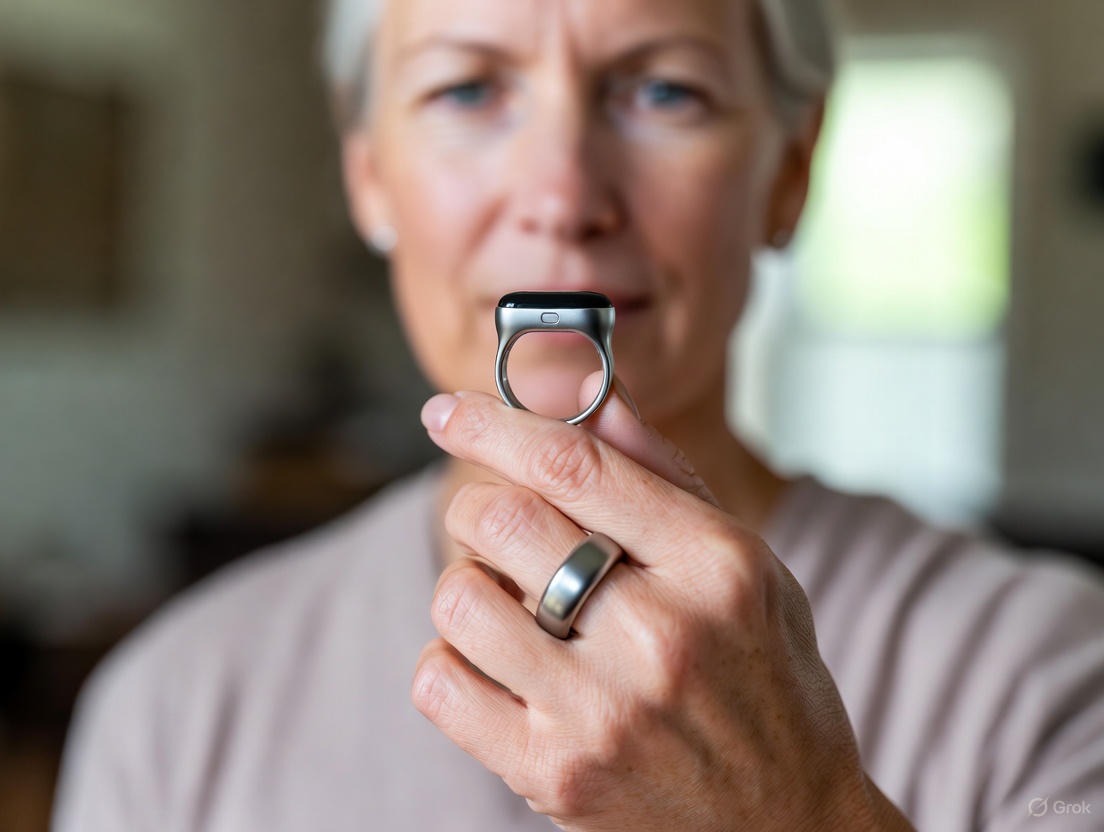
Wear a device that collects your heart rate, sleep patterns, and temperature trends 24/7, and you are entrusting it with the most intimate dataset possible: the continuous story of your body. This level of personal data collection naturally raises critical questions about privacy, security, and ownership. The credibility and success of the smart ring revolution depend entirely on how companies address these concerns. Responsible brands understand that they are not just selling a product; they are stewards of profoundly sensitive information.
The Sensitivity of Biometric Data:
Biometric data is uniquely personal. Unlike a password, you cannot change your heartbeat pattern or your sleep architecture. This data can reveal sensitive information about your health state, stress levels, menstrual cycle, and even potential illnesses. Its protection is not just a feature; it is an ethical imperative. Users must have absolute confidence that this data is used only for their benefit and is shielded from unauthorized access, misuse, or commercial exploitation.
Principles of Responsible Data Stewardship:
Leading smart ring companies build their platforms on several key privacy principles:
Making Informed Choices as a Consumer:
As a user, it is vital to be an informed participant. Before choosing a smart ring, investigate the company’s privacy policy. Look for clear statements on data ownership, opt-out options for research, and details on security practices. Reputable companies will often publish white papers or detailed blog posts about their security architecture.
The goal is a relationship of trust. The device is intimate, so the handling of its data must be equally respectful. A smart ring should feel like a private confidant for your body, not a surveillance device. By prioritizing robust privacy and security from the ground up, companies ensure that the revolution in personal health tracking empowers individuals without compromising their fundamental right to data autonomy. For a comprehensive look at how to manage and control your data, visit our guide on wellness ring privacy settings and data security.
A river of raw data is overwhelming. Numbers, graphs, and charts about your sleep, heart rate, and temperature are meaningless unless they are translated into actionable insights and personalized guidance. This is the final and most crucial step in the smart ring’s value proposition: moving from information to wisdom, and from wisdom to tangible behavior change. The most effective devices don’t just present data; they interpret it and offer clear, contextual recommendations tailored to you.
The Power of Synthesis: Readiness and Sleep Scores
The prime example of this translation is the Readiness Score (or its equivalent). Instead of asking you to independently analyze your HRV (which was low), your resting heart rate (which was high), and your sleep (which was restless), the algorithm synthesizes these disparate data points into a single, easy-to-understand metric: "Your body needs rest today." This synthesis is powerful. It reduces cognitive load and provides a clear directive. Similarly, a Sleep Score doesn’t just list sleep stages; it gives you a grade and highlights the key factors that influenced it, such as "Your sleep was disrupted by late-night activity" or "You achieved ample deep sleep."
Personalized, Contextual "Nudges":
Advanced platforms go beyond scores to offer personalized guidance. These are not generic health tips plucked from the internet. They are contextual "nudges" based on your recent data. For example:
These nudges act as a personalized coach, providing timely, relevant advice that helps you connect daily choices to physiological outcomes.
The Experimentation Framework: Discovering What Works for YOU
Perhaps the most profound tool a smart ring provides is a framework for personal experimentation. It allows you to become a scientist of your own life. The process is simple:
This turns abstract wellness advice into a personal discovery process. You learn, definitively, that evening blue light destroys your sleep quality, or that a magnesium supplement improves your deep sleep. This evidence-based self-knowledge is far more motivating and sustainable than following generic rules.
Long-Term Trend Analysis and Health Forecasting:
Over months and years, the ring’s data becomes a longitudinal health journal. You can observe seasonal patterns in your sleep, long-term improvements in your resting heart rate as you get fitter, or subtle shifts that may warrant a discussion with your doctor. This long-term view transforms the device from a daily coach into a lifetime health companion, helping you track your wellness journey and make informed decisions for long-term vitality.
The ultimate promise of the smart ring is not to create data-obsessed individuals, but to create empowered, self-aware individuals. By turning complex biometrics into simple scores, personalized nudges, and a framework for experimentation, it bridges the gap between knowing and doing. It provides the wisdom needed to make daily choices that compound into a lifetime of better health. To see how these insights can be tailored to specific objectives, explore our resource on how wellness rings support different health goals.
No device is an island, especially in the context of holistic health. Wellness is influenced by activity, nutrition, mindfulness, and medical history. A smart ring that operates in a silo, no matter how accurate its sensors, provides an incomplete picture. The true power of the modern health ecosystem is unlocked through seamless integration. The most effective smart rings position themselves not as the sole source of truth, but as the central, physiological hub that connects and contextualizes data from all other aspects of your life.
Creating a Unified Health Dashboard:
Through API integrations and partnerships, leading smart ring platforms can pull in data from a wide array of other apps and devices, creating a unified dashboard in one place. This might include:
This integration solves a major pain point of modern wellness: data fragmentation. You no longer need to juggle five different apps. Your ring’s app becomes the command center where you can see, for example, how yesterday’s long run (from Strava), combined with a light dinner (from MyFitnessPal) and a meditation session (from Calm), resulted in a record-high HRV and a superb sleep score last night.
The Power of Contextualization:
This is where integration becomes truly transformative. The ring’s physiological data provides the context for all other activities. Seeing that a hard workout tanked your readiness score the next day is one thing. But seeing that same workout data alongside the poor sleep you got beforehand (because you were stressed about work) creates a deeper understanding: it wasn’t just the workout, but the combined stress load that overwhelmed your system. The ring’s data acts as the Rosetta Stone, helping you decipher the complex language of your body’s responses to life’s myriad inputs.
Future-Proofing Through Openness:
An open integration philosophy is also a sign of a forward-thinking company. As new health apps, devices, and even electronic medical record systems develop, a ring platform that prioritizes interoperability will continue to grow in value. The vision is a future where, with your permission, your long-term physiological trends from your ring could be securely shared with your healthcare provider, giving them a rich, objective dataset to inform your care far beyond the snapshot of an annual physical.
By embracing integration, the smart ring transcends its hardware limitations. It is no longer just a sensor on your finger; it becomes the connective tissue of your digital health identity. It synthesizes the story of your movement, your nutrition, your mind, and your body into a single, coherent narrative, empowering you with a holistic understanding of your well-being that is greater than the sum of its parts. For a practical guide on how to set up these powerful connections, see our instructions on wellness ring integration with other health apps.
The journey with a smart ring begins not with data, but with a physical object arriving at your door. This initial experience—the unboxing, the setup, the first days of wear—sets the tone for the entire relationship. It’s where a piece of technology transitions into a personal companion. A seamless, thoughtful, and even delightful user experience is critical for fostering the long-term engagement necessary for meaningful health insights.
The First Impression: Unboxing and Pairing
A premium product deserves a premium introduction. The unboxing of a high-quality smart ring should feel like receiving fine jewelry. The packaging is minimalist yet substantial, protecting the device while building anticipation. Inside, the ring itself is presented as the centerpiece, often nestled in a charging case or a cushioned slot. Alongside it are the essential accessories: a compact wireless charger, a sizing kit (absolutely crucial for accuracy and comfort), and a concise quick-start guide.
The initial setup is the first test of the product’s intelligence. It should be intuitive. Downloading the companion app, creating an account, and pairing the ring via Bluetooth should take minutes, not a frustrating hour of troubleshooting. The app should immediately guide you through the sizing process—emphasizing that a proper fit (snug but not tight, with a slight resistance when removing) is non-negotiable for sensor accuracy. A good setup process instills confidence; it tells the user the company has considered every step.
The App: Your Daily Window into Your Body
The smartphone application is the brain of the operation, the interface through which the ring’s silent data collection becomes meaningful narrative. A well-designed app balances depth with simplicity.
Building the Daily Ritual: Morning Check-In and Evening Wind-Down
The most successful users integrate their ring data into a simple daily ritual. This isn’t about obsession; it’s about mindful awareness.
This daily rhythm—morning insight, day lived, evening reflection—transforms the smart ring from a gadget into a tool for mindful living. It creates a feedback loop where data informs action, and lived experience gives context to the data. For a complete walkthrough of this journey, from the very first moment to advanced user tips, our mastery guide from unboxing to expert user provides an invaluable roadmap.
For a device tasked with guiding health decisions, accuracy is not a feature; it is the foundation of trust. If you cannot believe the numbers, the entire ecosystem of insights, scores, and recommendations crumbles. Users rightfully ask: How can a small ring possibly match the accuracy of medical equipment? The answer lies in a combination of sensor engineering, clinical validation, and transparent communication from manufacturers.
The Challenge of Miniaturization:
It’s true that a hospital-grade polysomnogram (PSG) with 16 wires attached to your head and body is the gold standard for sleep analysis. A clinical ECG chest strap provides the most precise heart rate measurement. The goal of a consumer smart ring is not to replicate this invasive, lab-bound perfection, but to get as close as possible in a practical, wearable form factor. The key is understanding the validation standard: the ring’s data should be highly correlated with these gold-standard measures, providing trends and insights that are clinically meaningful, even if individual data points have a slight margin of error.
The Rigor of Clinical Validation:
Reputable smart ring companies invest heavily in third-party clinical validation studies. These are conducted by independent research institutions and published in peer-reviewed scientific journals. In these studies, participants wear both the smart ring and gold-standard medical equipment simultaneously. The data is then compared statistically.
Areas of focus for validation include:
Transparency and Managing Expectations:
Trustworthy companies are transparent about their validation. They publish white papers, share study summaries in layman’s terms on their websites, and are clear about the limitations of their technology. They emphasize that their device is a wellness tool, not a medical device. It is designed for health optimization and early awareness, not for diagnosing disease. This honesty is critical. It empowers users to interpret their data correctly—to see a rising temperature trend as a prompt to rest and hydrate, not as a definitive diagnosis of infection.
The "Accuracy Revolution" in Context:
The true accuracy of a modern smart ring lies in its reliability for tracking trends. Knowing your exact HRV to the millisecond is less important than knowing that your HRV has been on a steady decline for five days, indicating cumulative stress. The ring’s value is in detecting changes and deviations from your personal baseline with high sensitivity. This longitudinal, personalized accuracy is arguably more valuable for daily health management than snapshot-perfect data points.
By demanding and understanding clinical validation, users can choose devices backed by science. This allows them to engage with their data with confidence, knowing that the insights guiding their decisions to rest, train, or see a doctor are rooted in credible measurement. This foundation of trust is what separates serious health tools from mere novelty gadgets. To explore how this relentless pursuit of precision is changing the landscape, read about the ongoing accuracy revolution in health tracking technology.
In a rapidly growing market, it’s illuminating to examine how a specific brand interprets the mission of the smart ring. Oxyzen, as a wellness-focused innovator, provides a compelling case study in building a product and ecosystem around a core human-centered philosophy. This isn’t just about tracking metrics; it’s about fostering a harmonious relationship between technology and personal well-being, where the device serves the human, not the other way around.
Mission-Driven Development: Wellness Over Performance
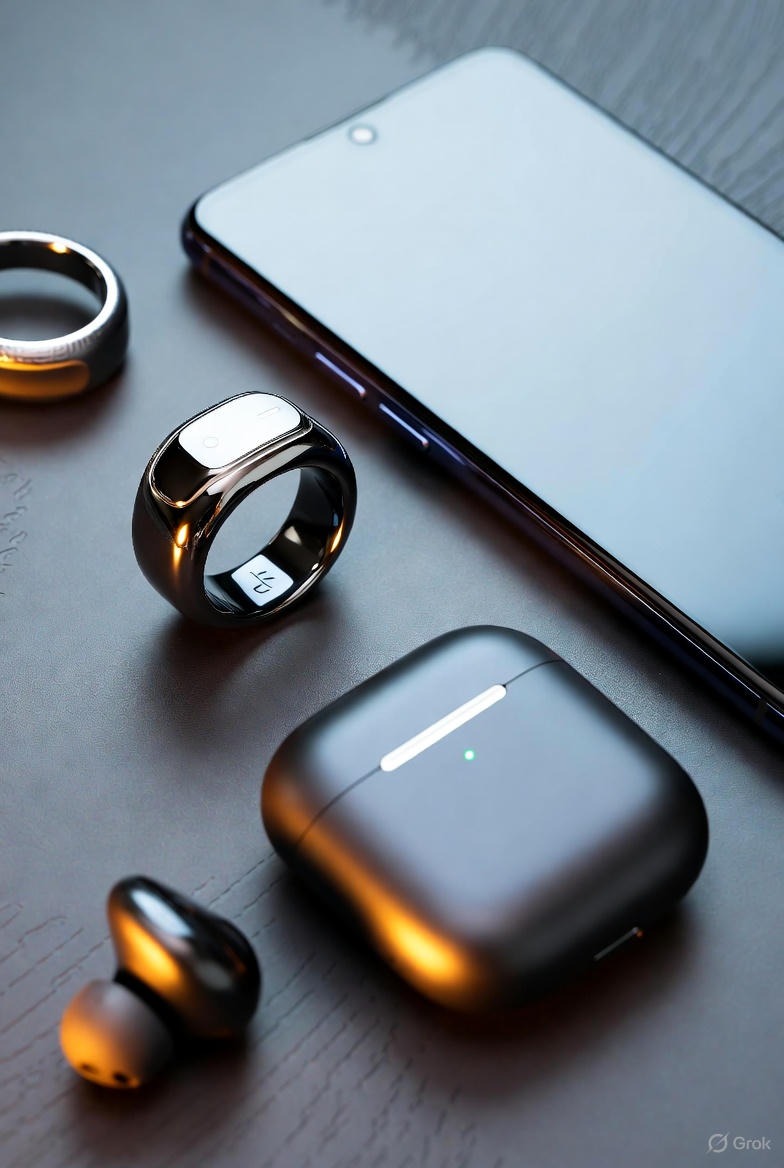
From its inception, Oxyzen’s guiding principle has been to make advanced health insight accessible for holistic wellness, not just athletic performance. While fitness metrics are included, the emphasis is deliberately placed on recovery, balance, and sustainable habits. The product narrative avoids the aggressive language of “crushing goals” and “optimizing biohacks.” Instead, it speaks to understanding your body’s rhythms, respecting its need for rest, and finding harmony in your daily life. This philosophy is embedded in the app’s design, which might highlight “Balance” as a core metric alongside Activity and Sleep, encouraging users to value downtime as much as active time. You can learn more about this foundational mission on the Oxyzen About Us page.
Design Language: Discreet Elegance
This philosophy manifests physically in the ring’s design. Oxyzen rings are crafted to be unobtrusive companions. They favor sleek, minimalist profiles in hypoallergenic materials like titanium, with a focus on a comfortable, secure fit that disappears on the finger. The aesthetic is one of understated jewelry, designed to complement any style without shouting “tech wearable.” This deliberate discretion reinforces the idea that the technology is there to serve quietly in the background of your life, not to become its focal point. The journey to this design is part of Oxyzen’s unique story.
The App Experience: Clarity, not Clutter
The Oxyzen app experience is a direct reflection of its human-centered ethos. The interface is clean, intuitive, and visually calm. Data is presented clearly, with educational tooltips explaining why a metric like HRV matters, not just what it is. The guidance provided leans towards gentle nudges and positive reinforcement rather than punitive alerts. For instance, instead of a message saying “You failed your sleep goal,” it might say, “Your body showed signs of extra recovery need last night. A lighter day today could help you recharge.” This supportive tone encourages a positive, curious relationship with one’s own data.
Building a Community of Awareness
Beyond the individual device, Oxyzen cultivates a community and resource hub focused on education. Its blog is not merely a marketing channel but a repository of in-depth articles on topics like stress science, sleep hygiene, and the mindful use of technology. It provides resources like the FAQ page for practical support and showcases real user journeys in its testimonials, building social proof around the concept of balanced, data-informed wellness. This creates an ecosystem where users feel they are part of a movement towards more intentional living, supported by a tool that aligns with their values.
The Holistic Value Proposition
The Oxyzen case study illustrates that the most successful smart rings in the wellness space will be those that solve for human experience first and technology second. It’s about:
This philosophy represents the maturation of the smart ring category. It’s a shift from selling a piece of hardware to facilitating a healthier, more aware lifestyle. The ring becomes the enabler, but the focus remains firmly on the human being wearing it. For those whose values align with this balanced approach, exploring the Oxyzen shop is the first step toward a more harmonious relationship with their own health data.
Data and features are compelling, but the true measure of a technology’s revolution lies in the tangible changes it creates in people’s lives. Beyond the graphs and scores, smart rings are writing stories of personal discovery, prevention, and empowerment. These user narratives bring the revolution home, showing how a simple ring can become a catalyst for profound transformation.
The Story of the Restless Sleeper:
*Sarah, 42, a project manager, had accepted “being a bad sleeper” as part of her identity. She’d wake up tired, relying on coffee to get through the day. Her Oura ring (a leading smart ring brand) provided her first objective look at her sleep. The data was stark: her sleep was highly fragmented, with long periods of wakefulness after midnight, and she was getting almost no deep sleep. The ring’s insights pointed to potential culprits: her late-evening wine and post-10 PM scrolling sessions. Experimenting, she cut out alcohol on weeknights and implemented a “no phones in the bedroom” rule. Within two weeks, her deep sleep duration doubled, and her sleep score consistently climbed from the 70s to the high 80s. “For the first time in my adult life,” she says, “I understand what it feels like to be truly rested. The data gave me the proof and the motivation to change habits I thought were unshakeable.”*
The Athlete Avoiding Overtraining:
Mark, 35, an amateur marathoner, followed his training plan religiously, often pushing through fatigue. After a string of minor injuries and persistent fatigue, he started using a ring. He ignored its low readiness scores for a week, pushing through scheduled hard runs. His HRV plummeted, and his resting heart rate crept up. Finally, after a particularly low score, he swapped a track workout for a gentle swim. He repeated this for three days until his metrics recovered. “It taught me that rest is part of training, not a deviation from it,” Mark explains. “I used to think listening to my body was weak. Now I realize it’s the smartest training tool I have. I’m running faster times with less fatigue and no injuries this season.”
The Proactive Parent:
*David, 38, father of two young children, noticed his ring’s body temperature graph had been trending above his baseline for two nights. He felt perfectly fine. Heeding the subtle signal, he doubled down on hydration, took vitamin C, and prioritized an early bedtime. The next day, his throat felt scratchy, but by the following morning, the symptoms had largely abated without developing into a full-blown cold. “In the past, I would have ignored that initial ‘maybe I’m coming down with something’ feeling until I was definitely sick,” David says. “The ring gave me a 48-hour head start to support my immune system. It turned a likely week of misery into a minor blip.”*
The Journey to Stress Awareness:
*Chloe, 29, a software developer, struggled with anxiety but found it hard to quantify or manage. Her ring’s HRV metric became her window into her nervous system. She saw her HRV dip precipitously during deadline weeks. She started a 10-minute daily meditation practice, not out of abstract belief, but as an experiment. Watching her HRV gradually climb and stabilize over the next month provided incontrovertible, personal evidence of its benefit. “Seeing the direct line between my meditation and a calmer nervous system was a game-changer,” Chloe shares. “It turned stress management from a vague concept into a tangible, measurable practice. I feel more in control.”*
The Doctor-Patient Partnership:
*Robert, 67, took his six-month trend data from his smart ring to his cardiologist. He showed a gradual but consistent increase in his resting heart rate and a decrease in his HRV over the preceding three months, despite no change in his activity. While he felt okay, the objective data concerned his doctor, who ordered further tests that revealed a minor, previously undetected cardiac issue, now being managed early. “This wasn’t me playing doctor,” Robert states. “It was me being an informed patient. I brought a log of my body’s behavior to an expert, and it helped him help me better.”*
These stories underscore the common themes of the smart ring revolution: awareness, prevention, and personalization. They move health from a passive state to an active practice. The ring provides the objective feedback loop that makes behavior change sustainable. It turns intuition into insight and empowers individuals to become the primary stewards of their own well-being. For a broader collection of such transformative experiences, you can read through authentic user experiences and testimonials.
As the smart ring market heats up, consumers are faced with a growing array of choices. Each major player brings a slightly different philosophy, feature set, and design to the table. Understanding the competitive landscape is key to selecting the ring that best aligns with your personal health goals, lifestyle, and values. Here, we break down the core approaches of the leading contenders and what they signify for the market’s evolution.
Oura Ring: The Pioneering Benchmark
Oura is the name synonymous with the modern smart ring. As the early pioneer that brought advanced sleep and recovery tracking to the finger, it set the standard for accuracy and holistic health focus.
Circular Ring Slim & Oxyzen: The Discreet Wellness Focus
Newer entrants like Circular (with its Ring Slim) and Oxyzen are challenging the market with a sharp focus on minimalist design, extended battery life, and a subscription-free model centered on holistic wellness.
Ultrahuman Ring Air & Whoop: The Metabolic and Performance Athlete
Brands like Ultrahuman and the band-based Whoop (now exploring a ring form factor) cater strongly to the biohacking and performance optimization crowd.
Apple & Samsung: The Looming Ecosystem Giants
While not yet in the ring market (as of this writing), the potential entry of Apple or Samsung would be a seismic event. Their strength would be deep, seamless integration with their existing device ecosystems (iPhone/Apple Watch, Galaxy phones/watches).
Making an Informed Choice
The “best” ring is subjective. Key decision factors include:
This vibrant competition is fantastic for consumers, driving innovation in sensor technology, battery life, and user experience. It ensures that there is a smart ring for nearly every preference, accelerating the adoption of this revolutionary health tool. For a detailed, side-by-side analysis to aid your decision, refer to our comprehensive comparison chart of top brands.
The Future Unveiled: Where Smart Ring Technology is Headed
The smart ring we see today is not the final destination, but a compelling first chapter. The technology is on a rapid trajectory, fueled by advances in sensor miniaturization, artificial intelligence, and biomolecular science. Looking ahead, the smart ring is poised to evolve from a health tracker into a true health guardian and interface, with capabilities that sound like science fiction but are steadily approaching reality.
Next-Generation Sensors: The Molecular Frontier
Future rings will see sensors that move beyond physiology to biochemistry.
AI and Predictive Personal Health Models
The real power will come from AI synthesizing multi-modal data.
Enhanced Integration and the “Digital Twin”
The ring will become the primary biometric authenticator and data hub for a wider ecosystem.
Form Factor and Sustainability Evolution
The future smart ring will be an indispensable, always-on health partner. It will be proactive, predictive, and deeply integrated into both our digital and physical lives. It represents a future where healthcare is continuous, personalized, and fundamentally centered on prevention and well-being, all emanating from a device so simple we forget it’s there. For a visionary look at what’s on the horizon, explore our thoughts on the future of wearable health tech.

We have journeyed through the genesis of a quiet revolution. From tracing the evolution of wearables to unpacking the sophisticated science packed into a slim band of titanium; from celebrating the democratization of elite biometrics to grappling with the paramount importance of privacy; and from examining real-world transformations to glimpsing a future of predictive AI—the story of the smart ring is one of profound convergence.
This first arc of our exploration establishes a critical new reality: The smart ring has fundamentally redefined the foundation of personal health tracking at home. It has successfully shifted the paradigm from:
The ring’s genius lies in its form factor—so comfortable and discreet that it enables this continuous monitoring without being a burden. It has moved health data collection from a conscious task to a subconscious process, integrating seamlessly into the fabric of daily life.
This is more than a technological upgrade; it is an empowerment tool. It provides the objective feedback loop that has been missing from personal wellness, turning abstract goals into measurable experiments and fostering a deeper, more respectful dialogue between mind and body. It bridges the gap between personal awareness and clinical insight, empowering individuals to become informed, active participants in their health journey.
The smart ring has laid a new foundation. It has made the home a viable center for sophisticated health observation, creating a longitudinal dataset of unprecedented personal detail. This foundation is not an end point, but a launchpad. It sets the stage for the next phase of the revolution: how this personal data integrates with professional healthcare, how it shapes our behaviors and society, and how it will evolve to become an even more intelligent guardian of our well-being.
The revolution is already on millions of fingers, quietly gathering data, offering insights, and changing lives one night of better sleep, one avoided cold, and one mindful recovery day at a time. The era of guesswork is over. The era of knowing has begun.
The true potential of the smart ring revolution extends far beyond individual self-discovery. Its most transformative societal impact may well be its ability to forge a new, data-informed bridge between individuals and the formal healthcare system. This isn't about replacing doctors with algorithms, but about creating a powerful partnership model where patient-generated health data (PGHD) empowers more proactive, personalized, and efficient care.
The Current Chasm: The Annual Snapshot
Traditional primary care operates on an episodic model. A patient sees a doctor for an annual physical or when symptoms become unbearable. The consultation relies heavily on subjective recall ("How have you been sleeping?" "Have you been stressed?") and a single set of vital signs taken in an often-stressful clinical environment. This provides a "snapshot" that may miss critical trends and contextual clues. Conditions like hypertension, sleep apnea, or atrial fibrillation can be intermittent and easily missed in a brief visit.
The Smart Ring as a Continuous Data Logbook
Imagine walking into your doctor's appointment not with vague descriptions, but with a 90-day log showing:
This objective, longitudinal data transforms the clinical conversation. It moves from "I think I might be sleeping poorly" to "My device shows my sleep efficiency has dropped 22% over the last month, with an average of 12 awakenings per night." This is a quantum leap in information quality.
Enabling Early Intervention and Preventative Cardiology
Cardiologists are among the first specialists to see the immense value. Trends in resting heart rate and HRV are powerful indicators of cardiovascular strain, fitness improvement, or the early signs of decompensation in heart failure patients. A smart ring can provide a doctor with a continuous record of a patient's cardiac rhythm trends outside the clinic, offering clues that a single in-office ECG would never capture. For post-operative or chronic disease patients, this continuous home monitoring can flag early warning signs of complication or exacerbation, enabling timely intervention before an emergency room visit becomes necessary.
Sleep Medicine and Psychiatry: Objective Correlates for Subjective Conditions
For sleep specialists, the ring's data is a game-changer. While not a replacement for a diagnostic polysomnogram (PSG), it serves as an exceptional screening and monitoring tool. A patient presenting with fatigue can show a doctor months of poor sleep architecture data, strongly pointing toward sleep apnea, insomnia, or circadian rhythm disorders and justifying a referral for a formal sleep study. Post-diagnosis, the ring can help monitor the effectiveness of CPAP therapy or behavioral interventions.
In psychiatry and mental health, physiological data provides objective correlates for mood and anxiety disorders. A therapist can see a patient's HRV crashing in the week leading up to a panic attack, or observe how sleep deterioration precedes a depressive episode. This biofeedback can be integrated into therapy, helping patients recognize the physiological precursors to psychological distress and employ coping mechanisms earlier.
The Practical Pathway: From Data to Doctor
For this bridge to be strong, the process must be seamless and secure.
This integration represents a shift from sick care to true health care. It turns the patient into a collaborative partner, equipped with data that makes their subjective experience objectively visible. It allows doctors to practice more proactive, preventative medicine based on a rich, real-world picture of their patient's health. The ring becomes a remote monitoring tool that extends the clinician's reach into the patient's daily life, creating a continuous care loop. To see how this is already beginning to take shape, read about how health tracking technology is being used in hospitals.
Your Trusted Sleep Advocate (Sleep Foundation — https://www.sleepfoundation.org/)
Discover a digital archive of scholarly articles (NIH — https://www.ncbi.nlm.nih.gov/
39 million citations for biomedical literature (PubMed — https://pubmed.ncbi.nlm.nih.gov/)
experts at Harvard Health Publishing covering a variety of health topics — https://www.health.harvard.edu/blog/)
Every life deserves world class care (Cleveland Clinic -
https://my.clevelandclinic.org/health)
Wearable technology and the future of predictive health monitoring. (MIT Technology Review — https://www.technologyreview.com/)
Dedicated to the well-being of all people and guided by science (World Health Organization — https://www.who.int/news-room/)
Psychological science and knowledge to benefit society and improve lives. (APA — https://www.apa.org/monitor/)
Cutting-edge insights on human longevity and peak performance
(Lifespan Research — https://www.lifespan.io/)
Global authority on exercise physiology, sports performance, and human recovery
(American College of Sports Medicine — https://www.acsm.org/)
Neuroscience-driven guidance for better focus, sleep, and mental clarity
(Stanford Human Performance Lab — https://humanperformance.stanford.edu/)
Evidence-based psychology and mind–body wellness resources
(Mayo Clinic — https://www.mayoclinic.org/healthy-lifestyle/)
Data-backed research on emotional wellbeing, stress biology, and resilience
(American Institute of Stress — https://www.stress.org/)


