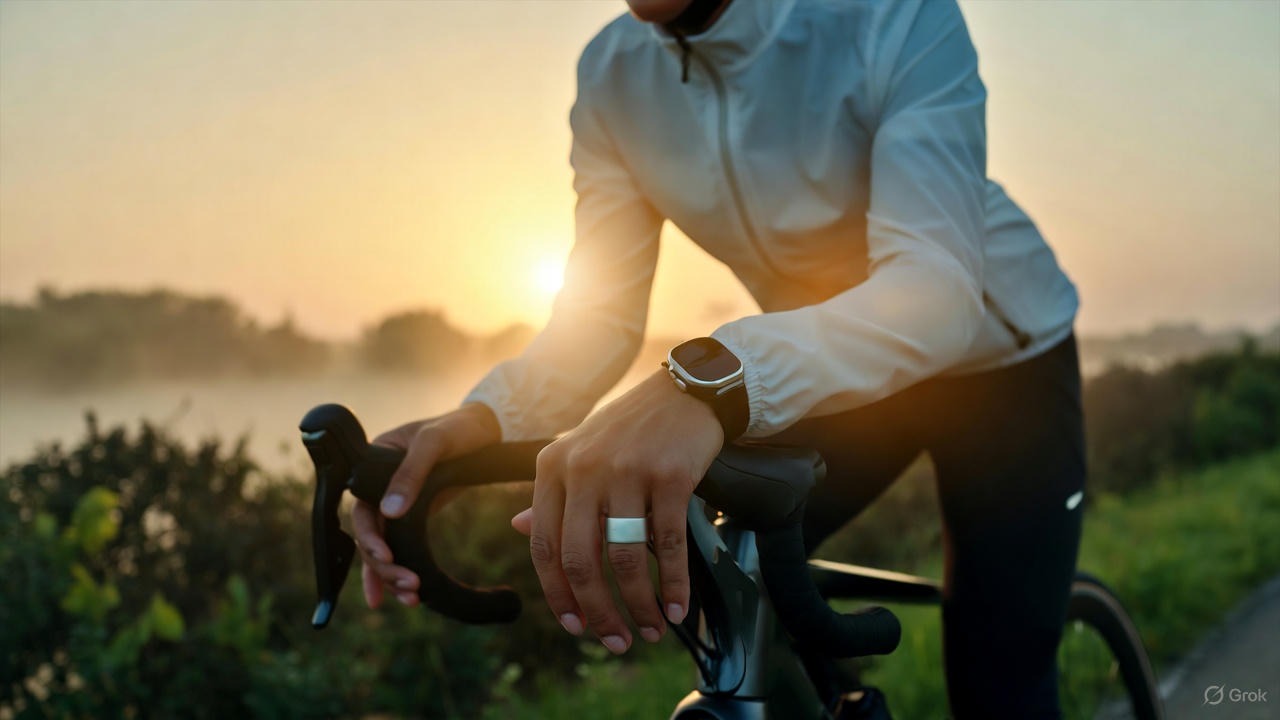
How tracking body temperature provides insights into recovery and health status.
The Silent Symphony of Recovery: How Your Body's Temperature Conducts Your Daily Wellbeing
In the quiet moments before dawn, as the world still sleeps, your body is already telling a story. It’s a tale not of words, but of subtle, rhythmic fluctuations—a quiet symphony of biological processes where temperature is the lead conductor. For generations, we’ve understood fever as a glaring red flag of illness, and chills as a sign of cold. But what if the most critical temperature data wasn't found in these extremes, but in the tiny, daily undulations we’ve never been able to perceive?
Welcome to the frontier of personalized wellness, where the once-blunt instrument of temperature has become a precision tool for understanding daily recovery. This isn't about diagnosing a virus; it's about optimizing your vitality. Modern technology, specifically the advent of continuous, non-invasive wearables like advanced smart rings, has pulled back the curtain on a fundamental truth: your core body temperature is a dynamic, real-time dashboard of your internal state. It whispers secrets about sleep quality, flags hidden stress, reveals the true impact of your workout, and can even hint at hormonal shifts—all before you consciously notice a thing.
For athletes, biohackers, and anyone on a quest for peak performance, recovery is the unsung hero. You can train with ruthless precision, but without adequate recovery, you are building on shaky ground. And for the everyday individual striving for balanced energy, mental clarity, and resilient health, understanding recovery is the key to sustainable wellness. Until recently, measuring this recovery was guesswork—relying on subjective feelings of fatigue or crude metrics. No longer.
This deep dive explores how the meticulous tracking of your body's thermal rhythms fits seamlessly—and indispensably—into your daily recovery protocol. We will move beyond the basics of step counting and heart rate, into the profound, data-rich world of where your body truly repairs itself. By the end, you will understand temperature not as a static number, but as a narrative, one that empowers you to make informed decisions about training, rest, nutrition, and overall life design. The era of listening to your body’s silent symphony has begun. Let’s learn how to hear it.
The Unseen Rhythm: Understanding Core Body Temperature as a Vital Sign
For over a century, 98.6°F (37°C) has been etched into our collective consciousness as the gold standard of human health. This singular number, derived from 19th-century data, has done us a great disservice. It has painted body temperature as a monolithic, stable metric when, in reality, it is one of our body's most dynamic and communicative vital signs. Your core temperature is not a placid lake; it is a tidal river, with ebbs and flows dictated by a powerful internal clock known as your circadian rhythm.
This daily cycle is the master conductor of your physiology. In a healthy, well-regulated individual, core body temperature follows a predictable waveform. It typically reaches its nadir in the early morning hours, around 4-6 AM, facilitating the deepest, most restorative sleep. As you wake, it begins a steady climb, peaking in the late afternoon or early evening. This peak correlates with optimal alertness, fastest reaction times, and peak muscular strength and endurance. As bedtime approaches, the temperature begins its descent, a critical signal that triggers the release of melatonin and prepares your systems for shutdown and repair.
This rhythm is governed by the suprachiasmatic nucleus (SCN) in your hypothalamus, which acts as your body's central pacemaker. It uses light cues from your eyes to synchronize with the 24-hour day, orchestrating not just temperature, but also hormone secretion (like cortisol and melatonin), digestion, and cell regeneration. When your temperature rhythm is smooth and consistent, it’s a strong indicator that your central circadian clock is in sync with your environment and your behaviors—a foundational pillar of good health.
However, this rhythm is exquisitely sensitive. It is perturbed by:
Poor Sleep Hygiene: Irregular bedtimes, exposure to blue light at night, and sleeping in a room that’s too warm.
Circadian Misalignment: Shift work, jet lag, or chronic social jet lag (a large discrepancy between your social and biological clocks).
Metabolic Activity: Digestion of a large meal can cause a slight rise, while intense exercise can significantly elevate core temperature for hours.
Psychological Stress: The release of stress hormones like cortisol and adrenaline can disrupt the normal thermal curve.
Illness and Inflammation: Even subclinical inflammation, the kind you don't yet "feel," can raise your baseline temperature.
This is where modern wearable technology transforms understanding into actionable insight. A device like the Oxyzen smart ring, worn continuously, can map this delicate thermal rhythm with passive precision, creating a personal baseline. You no longer have to wonder if you're run down; you can see it in the data—a blunted morning rise, an elevated nocturnal temperature, or an unstable rhythm. By understanding this unseen rhythm, you hold the first key to unlocking a truly optimized recovery process, one that respects your body's innate biological design. For a deeper exploration of how this technology has evolved, our article on the evolution of health tracking technology from manual logs to smart rings provides fascinating context.
Beyond the Fever: What Wrist and Finger Temperature Actually Reveal About Your State
When we think of taking temperature, we instinctively reach for the forehead, mouth, or ear, seeking a proxy for the protected core temperature of our blood and internal organs. Wearables, by necessity, measure from the periphery—the wrist or, more effectively, the finger. This might seem like a limitation, but it is, in fact, a window into a different and incredibly valuable physiological process: peripheral blood flow and autonomic nervous system activity.
The temperature at your finger is a dance between core heat and the commands of your autonomic nervous system (ANS). The ANS has two primary branches: the sympathetic ("fight or flight") and the parasympathetic ("rest and digest"). These branches directly control the dilation and constriction of blood vessels in your extremities.
Here’s the critical insight: Rapid changes in peripheral temperature (like at your finger) often reflect ANS activity, while longer-term trends and nocturnal baselines can more reliably infer core temperature status.
A Sympathetic Surge (Stress): When stressed or alert, your sympathetic nervous system constricts peripheral blood vessels to shunt blood to your core and muscles. This causes your fingers to become cooler. A smart ring tracking your finger temperature might show a sudden dip during a stressful work meeting or an intense workout—a direct signal of ANS engagement.
Parasympathetic Dominance (Relaxation & Sleep): As you relax and the parasympathetic system takes over, blood vessels dilate. Warm hands are a classic sign of relaxation. At night, as you fall asleep and enter deep recovery, your core temperature drops, and blood flow to the extremities increases to release heat. A steady, elevated peripheral temperature during sleep is a strong biomarker of good sleep initiation and quality.
The Ovulatory Shift: In females, a sustained rise in resting peripheral temperature (typically 0.5-1.0°F) that persists for 10+ days is a key biomarker of ovulation and the shift into the progesterone-dominant luteal phase of the menstrual cycle. This is a powerful example of temperature tracking moving far beyond illness into the realm of holistic body literacy.
Inflammatory Signals: A low-grade, persistent elevation in your nocturnal baseline temperature—not a fever, but a consistent creep upward—can be an early indicator of systemic inflammation, an overreaching immune response, or the onset of illness, often before other symptoms appear.
Unlike a forehead scanner’s single data point, a wearable provides a continuous stream, allowing you to see these patterns unfold. You can correlate a warm, stable night of temperature with feeling refreshed. You can see the cooling effect of a pre-bed meditation. You can observe how alcohol, despite making you feel drowsy, often leads to a disruptive rise in nighttime temperature and poor recovery.
By interpreting the story of your peripheral temperature, you gain a direct line into your nervous system's balance and your body's preparatory and recovery states. This empowers you to move from reactive health care to a proactive, preventive model. To understand the full potential of this shift, our resource on how health tracking technology enables personalized wellness delves into the broader implications.
The Recovery Benchmark: Establishing Your Personal Temperature Baseline
In the world of biohacking and quantified self, context is everything. A heart rate of 55 BPM might be exceptional for an endurance athlete but concerning for someone else. The same absolute principle applies to temperature. The societal standard of 98.6°F is meaningless on an individual level. Your personal baseline is your true north, the unique thermal fingerprint against which all deviations are measured.
Establishing this baseline is the critical first step in using temperature for recovery. It requires consistent tracking over a period of relative stability—ideally, 2-4 weeks of normal daily life without major illness, extreme travel, or drastic changes in routine. During this period, a continuous wearable like a smart ring gathers thousands of data points, painting a detailed picture of your body's unique rhythm.
What does a "baseline" actually consist of? It's a multi-faceted profile:
Diurnal Pattern: What is the precise shape of your daily wave? When is your lowest point (nadir) and your highest point (acrophase)? How steep is the morning rise? How gradual is the evening decline?
Sleeping Temperature: What is your typical range during stable, high-quality sleep? This is often the most consistent and telling metric, as it reflects your body in its prime recovery state, free from the influences of activity, food, and light.
Amplitude: The difference between your daily low and high points. A healthy, robust circadian rhythm typically has a clear amplitude of about 1-2°F (0.5-1°C). A flattened amplitude (small difference) is a classic sign of circadian disruption or poor recovery.
Rate of Change: How quickly does your temperature rise after waking? A sluggish rise can indicate sleep inertia or underlying fatigue.
Once this baseline is established, it becomes your recovery benchmark. The power lies in the deviations. For instance:
Post-Exercise Strain: After an exceptionally hard training session, you may see your nocturnal temperature remain elevated above your personal baseline. This is a direct physiological signal of the metabolic cost of repair—your body is working harder overnight to rebuild muscle and clear metabolites. Seeing this, you might decide to prioritize sleep, incorporate gentle mobility the next day, or adjust your nutrition.
Stress Accumulation: A period of high work stress might not show in your morning mood, but it could manifest as a higher and more variable sleeping temperature, or a blunted morning rise, indicating your nervous system hasn't fully downshifted into recovery mode.
Illness Onset: Often, the earliest sign is a sustained upward drift of your baseline, particularly your nighttime low, 24-48 hours before you feel a scratchy throat or fatigue.
This personalized benchmark turns abstract data into a personal health language. You’re no longer comparing yourself to a 19th-century average; you’re comparing today's "you" to the "you" that is well-rested, resilient, and in flow. This is the essence of modern, data-informed self-care. For those new to this technology, our guide on wellness ring basics to make it perfect for beginners is an excellent starting point to build this foundational knowledge.
Sleep's Thermal Signature: How Nightly Temperature Drops Drive Cellular Repair
Sleep is the non-negotiable cornerstone of recovery. It is during these hours of unconsciousness that the brain clears metabolic waste via the glymphatic system, muscles repair and grow, memories consolidate, and hormones essential for regulation are secreted. Temperature plays a starring role in initiating and maintaining this critical state.
The process is a beautiful feedback loop. As evening approaches and your circadian clock signals wind-down time, your core temperature begins to drop. This decline is not passive; it's an active cooling process facilitated by increased blood flow to the skin, particularly your hands and feet, to dissipate heat. This is why you might have warm feet when falling asleep—it's your body's radiator system kicking in. This drop in core temperature is a direct cue to the pineal gland to release melatonin, the "hormone of darkness," which further promotes sleepiness and helps sustain sleep.
Therefore, the quality of your sleep is intrinsically linked to the thermal environment, both internal and external.
Internal Thermal Drop: A robust, predictable decline in your peripheral temperature (as measured by a ring) from bedtime through the first few hours of sleep is a strong biomarker of efficient sleep onset and the initiation of deep, slow-wave sleep (SWS). SWS is the most restorative phase, critical for physical recovery and growth hormone release.
External Environment: The ideal sleeping room temperature is typically cool, around 65-68°F (18-20°C). This gradient between your cooling core and the cool room facilitates heat loss. A room that's too warm impedes this process, leading to more restless sleep, fewer deep sleep cycles, and a higher measured peripheral temperature throughout the night.
What does disrupted thermal sleep signature look like in data?
Elevated or Erratic Nighttime Temperature: This can indicate poor sleep quality, an overactive sympathetic nervous system (stress), consumption of alcohol or a large meal too close to bedtime, or sleeping in a room that's too warm.
Insufficient Temperature Drop: A blunted decline from evening into the night suggests your circadian system may not be getting strong enough time cues (like morning light and evening darkness) or is being overridden by stimulants or stress.
By tracking your sleep temperature, you move beyond simply counting hours in bed. You gain insight into the quality of your restoration. You can experiment and see the direct impact of interventions: Does a hot bath 90 minutes before bed (which raises core temperature initially, leading to a compensatory greater drop afterward) improve your thermal curve? Does blocking blue light after sunset lead to an earlier, smoother decline? This data-driven approach turns sleep optimization from a guessing game into a science.
Understanding this deep connection between thermoregulation and sleep is a perfect example of how modern devices provide insights that were previously hidden. To see how real users apply these insights, you can explore real customer reviews and experiences with continuous monitoring.
The Stress Thermometer: Linking Cortisol, Nervous System Balance, and Thermal Fluctuations
Stress is not an abstract concept; it is a measurable physiological cascade with direct thermal consequences. The connection runs through the hypothalamic-pituitary-adrenal (HPA) axis and the autonomic nervous system (ANS). When your brain perceives a stressor—be it an urgent deadline, a difficult conversation, or a hard sprint—it triggers the release of cortisol and adrenaline.
Cortisol, your primary stress hormone, has a fascinating dual relationship with temperature. First, it is inherently thermogenic; it helps raise metabolic rate and core body temperature. This is part of why cortisol follows a circadian rhythm that somewhat mirrors temperature: high in the morning to help you wake and rise, and low at night to permit rest. Second, chronic or acute stress disrupts the normal harmony of this rhythm.
Here’s how stress manifests in your temperature data:
Acute Stress Response: A sudden stressor triggers sympathetic nervous system activation ("fight or flight"). Blood vessels in the periphery constrict to prioritize blood flow to core organs and muscles. This leads to a rapid, noticeable drop in finger temperature as measured by a wearable. It’s a real-time, physiological signature of your body's reaction to a challenging email, a near-miss in traffic, or the start of a high-intensity workout.
Chronic Stress & HPA Axis Dysregulation: When stress becomes persistent, the system can become dysregulated. You might see:
A Flattened Diurnal Rhythm: The healthy peak-and-trough wave of both cortisol and temperature becomes muted. The morning temperature rise may be sluggish, and the evening drop less pronounced.
Elevated Nocturnal Temperature: Instead of achieving a cool, low-temperature state for deep recovery, your baseline remains elevated, indicating your body is still in a state of high alert, impeding repair.
Increased Temperature Variability: The line on your chart may become jagged rather than smooth, reflecting a nervous system that is reactive and struggling to find balance.
This makes temperature a powerful, objective tool for stress management. You can use it for biofeedback. By watching your temperature in a stressful situation, you can employ breathing techniques (like diaphragmatic or box breathing) and actually observe the calming parasympathetic response as your peripheral temperature begins to rise again, signaling vasodilation and relaxation.
Furthermore, by tracking your temperature rhythm, you can identify periods of latent stress accumulation you might have mentally normalized. A week of poor sleep and high workload might not feel catastrophic day-to-day, but a steadily rising nighttime baseline is your body’s unambiguous report card: recovery is losing to strain. This allows for proactive intervention—perhaps scheduling a rest day, prioritizing meditation, or saying no to extra commitments—before stress manifests as burnout, injury, or illness.
This objective insight into your nervous system state is a quantum leap beyond subjective journaling. For individuals looking to build resilience and manage stress through data, understanding how these devices help build healthy habits is a transformative application of the technology.
Fueling the Fire: How Diet, Hydration, and Metabolism Influence Your Thermal Curve
Every time you eat and drink, you are stoking your body's metabolic furnace, a process known as diet-induced thermogenesis (DIT). This fundamental metabolic activity has a direct and measurable impact on your core and peripheral temperature, making your dietary choices a key variable in your daily thermal—and therefore, recovery—profile.
The Thermic Effect of Food (TEF): Digesting, absorbing, and processing nutrients requires energy, which generates heat. Protein has the highest thermic effect, causing the most significant post-meal temperature rise, followed by carbohydrates, and then fats. A large, protein-rich meal can elevate your core temperature for several hours.
Meal Timing & Circadian Alignment: Your body is metabolically primed to handle food during your active, daylight phase. A large meal late at night, when your metabolism is naturally winding down, can cause a disproportionate and disruptive rise in core temperature during the time your body is trying to cool down for sleep. This can fragment sleep architecture and impair recovery. Data often shows a spike in nighttime temperature following late-night eating.
Hydration Status: Water is the body's coolant. Even mild dehydration can impair the body's ability to thermoregulate efficiently. Dehydration can lead to a higher resting core temperature and a reduced ability to dissipate heat during exercise or sleep. Proper hydration supports a stable thermal curve.
Inflammatory Foods: For some individuals, foods that trigger low-grade immune or inflammatory responses (like certain processed foods, high-sugar items, or personal intolerances) can contribute to a sustained, low-level elevation in baseline temperature, reflecting the metabolic work of the immune system.
By correlating your temperature data with dietary logs, you can move from generic nutrition advice to personalized discovery:
Personal Meal Timing: Do you see better sleep and a lower recovery temperature when you finish eating 3 hours before bed vs. 1 hour? The data will show you.
Food Sensitivities: You might notice that your morning temperature is consistently higher after days where you consumed certain foods, pointing to a potential inflammatory response worth investigating.
Hydration Tracking: Observing a slightly elevated daytime baseline on a busy day might prompt you to check your water intake, turning temperature into a hydration reminder.
Metabolic Flexibility: As you make positive dietary changes, you may observe a more stable, resilient temperature rhythm—a sign of improved metabolic and circadian health.
In essence, your temperature curve becomes a real-time report on how well your body is processing the fuel you provide it. It shifts nutrition from a game of calories and macros into a dialogue about energy, inflammation, and metabolic efficiency—all critical components of daily recovery. For those integrating multiple data streams, learning about wellness ring integration with other health apps can help create a complete picture of diet's impact.
The Female Physiology Factor: Temperature Tracking for Hormonal Balance and Cycle Syncing
For roughly half the population, body temperature tracking holds a particularly profound and well-established utility: charting the menstrual cycle. This application predates digital wearables by decades, in the form of the Fertility Awareness Method (FAM) using basal body temperature (BBT) thermometers. Modern wearable technology, however, has revolutionized this practice, making it more accessible, accurate, and rich with insights far beyond fertility.
The hormonal shifts of the menstrual cycle create a distinct biphasic temperature pattern:
Follicular Phase (Post-menstruation to Ovulation): Dominated by estrogen, resting temperature tends to be lower and more variable.
Ovulation: The release of an egg triggers the production of progesterone, a hormone that is inherently thermogenic.
Luteal Phase (Post-ovulation to menstruation): Under the influence of progesterone, resting temperature rises by approximately 0.5-1.0°F (0.3-0.5°C) and remains elevated for 10-16 days. If pregnancy does not occur, progesterone falls, temperature drops, and menstruation begins.
While BBT requires a precise measurement immediately upon waking, a smart ring automates this perfectly. It captures the true resting temperature—the lowest point in the 24-hour cycle, which almost always occurs during sleep—with no user error. This provides a crystal-clear view of the ovulatory shift and the luteal phase plateau.
But the value extends far beyond identifying ovulation. This continuous thermal data becomes a powerful lens for understanding overall hormonal health and syncing life with your cycle for better recovery:
Cycle Regularity & Health: A clear, sustained thermal shift confirms ovulation occurred, a key sign of a healthy cycle. Anovulatory cycles (where no ovulation occurs) typically lack this clear temperature rise.
Luteal Phase Length: The number of days of elevated temperature can indicate the health of the luteal phase, which is crucial for implantation if pregnancy is desired and for overall hormonal balance.
Cycle-Aware Recovery: The luteal phase, with its higher metabolic rate and core temperature, can be a more vulnerable time for recovery. Women may find they feel warmer, have slightly elevated resting heart rates, and see higher nocturnal temperatures in their data. This insight empowers them to adjust training intensity, prioritize sleep, and manage stress more intentionally in the second half of their cycle.
Symptom Correlation: Temperature data can be correlated with other cycle symptoms (mood, energy, cramps, sleep quality) to build a comprehensive picture of one's unique hormonal pattern.
Perimenopause Transition: As women approach menopause, cycles often become irregular. Temperature tracking can vividly illustrate this transition, showing increasingly erratic or absent ovulatory thermal shifts, providing objective data to discuss with a healthcare provider.
For any woman seeking to understand her body's innate rhythm, temperature tracking via a wearable is a game-changer. It transforms the menstrual cycle from a mysterious, often frustrating monthly event into a data-rich, predictable biological process that can be understood, respected, and optimized for performance and wellbeing. This is a prime example of how personalized data fosters body literacy. To see how this fits into a larger wellness strategy, our compilation of 50 healthy aging tips a smart ring helps implement daily includes hormonal awareness as a key component.
From Data to Decision: Actionable Insights for Adjusting Training, Rest, and Lifestyle
Collecting data is only valuable if it informs action. The true power of temperature tracking for recovery lies in its ability to move you from observing patterns to making precise, personalized adjustments to your daily life. It closes the loop between what your body is experiencing and how you choose to live. Here is a framework for turning thermal insights into actionable strategies.
1. The Readiness Check: Should You Train Hard Today? Instead of basing your workout solely on a pre-set schedule or how you "feel" (which can be deceiving), consult your thermal data.
Green Light (Proceed as Planned): Your waking temperature is at or near your personal baseline. Your sleep temperature showed a robust decline and stable low. Your rhythm appears strong. Your body is signaling it has recovered from previous stress and is ready for new adaptive stress (training).
Yellow Light (Proceed with Caution): Your nocturnal temperature was slightly elevated (0.3-0.5°F above baseline). Your morning rise feels sluggish. This suggests residual fatigue. Action: Consider pivoting to a lighter, skill-based session, a mobility workout, or active recovery. Prioritize hydration, nutrition, and stress management today.
Red Light (Prioritize Rest): Your sleeping temperature was significantly elevated and/or erratic. Your baseline has been trending up for days. You may feel run down. This is a clear signal of high allostatic load. Action: Take an unplanned rest day. Focus on sleep, hydration, gentle movement like walking, and parasympathetic-activating activities (meditation, time in nature). Pushing through this state significantly increases injury and illness risk.
2. Optimizing the Recovery Environment: Use temperature data to engineer better sleep and downtime.
Sleep Hygiene: If your sleep temperature is high, experiment with cooler bedroom temperatures (65-68°F), moisture-wicking bedding, or a cooling mattress pad. Move heavy meals earlier in the evening.
Evening Routine: Track the impact of a warm bath 90 minutes before bed (creates a compensatory cool-down) vs. screen time (which can blunt the evening temperature drop via blue light).
Stress Management: Use biofeedback. When you see your peripheral temperature dip during a stressful moment, use it as a cue to practice a minute of deep breathing, aiming to watch the line rise as you relax.
3. Long-Term Trend Analysis & Lifestyle Design: Look at weekly and monthly trends to make macro-adjustments.
Identifying Chronic Stressors: A steadily climbing baseline over a work project is objective evidence to schedule a break or delegate tasks.
Evaluating Lifestyle Changes: Starting a new meditation practice, changing your diet, or altering your workout split—did it improve your temperature rhythm amplitude and stability after 3-4 weeks?
Travel & Jet Lag: Watch your temperature rhythm struggle to adapt after crossing time zones. Use this data to better time light exposure (morning light at destination) and melatonin if needed, and be more forgiving with your training expectations until your thermal wave re-synchronizes.
By adopting this data-to-decision mindset, you become the architect of your own recovery. You move from guesswork to guided self-experimentation, where every choice—from the timing of your coffee to the intensity of your workout—can be informed by the silent, continuous feedback of your body's thermal language. For those ready to take the next step in their wellness tech journey, the Oxyzen shop is the entry point to discovering the tools that make this possible.
The Future is Predictive: How Continuous Temperature Paves the Way for Preventive Health
We are on the cusp of a paradigm shift in health management: moving from reactive diagnosis to predictive and preventive care. Continuous temperature monitoring is at the heart of this revolution. By providing a dense, longitudinal dataset of an individual's most fundamental rhythm, it creates the foundation for algorithms and artificial intelligence to detect subtle, early deviations that precede overt health events.
Think of it as an early-warning system for your biology. The goal is not to diagnose disease—that remains the purview of medical professionals—but to flag a "change in state" that warrants attention or behavioral modification.
The Power of the Personal Baseline (Revisited for the Future): Your established, personalized thermal rhythm is your health fingerprint. Machine learning algorithms can analyze this pattern in real-time, looking for anomalies that are statistically significant for you. These might be too subtle for you to notice on a chart but represent a major departure from your norm.
Predictive Potentials on the Horizon:
Early Infection Detection: Several studies, including those with wearable devices, have shown that a sustained rise in resting heart rate and skin temperature often precedes the symptomatic onset of illnesses like the common cold or flu by 24-48 hours. A system could alert you to a "high likelihood of immune activation," prompting you to rest, hydrate, and avoid spreading germs.
Chronic Inflammation Monitoring: Low-grade, systemic inflammation is a root driver of many chronic conditions. A chronically elevated temperature baseline, especially at night, could be an early biomarker of inflammatory processes, allowing for dietary, lifestyle, or medical intervention long before disease manifests.
Mental Health Flare-ups: Research is exploring links between circadian rhythm disruption (visible in temperature) and episodes of depression or anxiety. An algorithm might flag a week of flattened, erratic temperature rhythms as a period of high vulnerability, suggesting a check-in with a therapist or a focus on circadian hygiene.
Metabolic Health Shifts: Trends in the daily amplitude or timing of the temperature peak could provide insights into metabolic flexibility and insulin sensitivity, offering clues long before blood glucose markers shift.
Personalized Medication & Treatment Response: For individuals on medications that affect metabolism or the nervous system, continuous temperature could help track individual responses and side effects, enabling more tailored dosing.
This future is not about creating hypochondriacs; it's about empowerment. It’s about having a continuous, objective dashboard that says, "Your system is under unusual strain," giving you the agency to act preventively. It transforms health from something you think about only when it breaks, into something you nurture daily with informed choices.
The path to this future is built on the consistent, accurate data collection made possible by devices designed for seamless integration into life. It represents the ultimate application of the wellness tech philosophy: knowing yourself so deeply that you can protect and optimize your most valuable asset—your health. To learn more about the company pioneering this user-centric approach, you can read about our story and mission.
Real-World Recovery: Case Studies from Athletes, Executives, and Everyday Optimizers
Theory and data are compelling, but their true power is revealed in application. Let’s move beyond the abstract and into the lived experience. Here are anonymized case studies that illustrate how continuous temperature tracking has transformed the recovery protocols of different archetypes.
Case Study 1: The Age-Group Triathlete (Overtraining & Immune Resilience)
Profile: Mark, 42, training 12-15 hours per week for an Ironman. Prone to catching colds during peak training blocks.
Challenge: Despite following a periodized plan, he often felt "flat" and would get sick 3-4 weeks out from a race, derailing his taper.
Temperature Data Insight: Mark noticed a clear pattern. During his biggest volume weeks, his nocturnal temperature would steadily climb by 0.4-0.6°F over 5-7 days, and his HRV would trend down. His "Readiness" scores were often low, but he ignored them to stick to the plan.
Action & Outcome: Using the temperature trend as an early warning, he implemented a new rule: if his sleep temperature rose >0.5°F above his personal baseline for two consecutive nights, he would convert the next day's session to zone 1 active recovery or a full rest day. This intuitive autoregulation based on his body's signals, not just the calendar, allowed him to complete his next training block without a single illness and arrive at his race feeling fresh. He set a personal best.
Case Study 2: The Tech Executive (Chronic Stress & Sleep Optimization)
Profile: Sarah, 38, VP at a startup. High cognitive load, frequent late-night emails, international travel.
Challenge: Constant fatigue, difficulty "turning off her brain" to sleep, and relying on weekend catch-up sleep that left her groggy.
Temperature Data Insight: Sarah's graph showed a classic "erratic zigzag" with a high and variable nighttime baseline. Her temperature decline in the evening was virtually non-existent on work nights. She could see visible cooling spikes on Friday and Saturday nights when work pressure eased.
Action & Outcome: The data was the objective proof she needed to change her habits. She instituted a strict 8 PM digital sunset, using an app blocker. She started a 15-minute meditation at 9 PM. She set her thermostat to drop to 66°F at her bedtime. Within two weeks, her evening decline became steeper and her sleep temperature stabilized and dropped by 0.7°F on average. Subjectively, she reported falling asleep faster, waking more refreshed, and having better emotional regulation during high-pressure days.
Case Study 3: The Perimenopausal Professional (Hormonal Transition & Body Literacy)
Profile: Lisa, 49, experiencing irregular cycles, night sweats, and unpredictable energy crashes.
Challenge: Feeling at the mercy of her changing biology, unable to plan her workload or social life effectively.
Temperature Data Insight: Lisa's temperature chart vividly displayed her transition. She saw anovulatory cycles with no thermal shift, followed by cycles with a short luteal phase (less than 10 days of elevated temps), and dramatic nighttime spikes correlating with self-reported night sweats.
Action & Outcome: The data provided Lisa with a sense of control and understanding. She could now predict "high recovery need" days (during short luteal phases or after a night of thermal spikes) and schedule lighter work. She used the data in consultations with her gynecologist to discuss targeted interventions. She also found that consistent morning light viewing and avoiding late sugar intake significantly smoothed her nocturnal temperature variability, reducing the severity of her symptoms.
These stories underscore a universal truth: continuous temperature data provides an objective, non-judgmental mirror. It removes guesswork and self-recrimination ("Why am I so tired? I slept 8 hours!") and replaces it with clarity and agency. It's a tool for empowerment across all walks of life. Reading about others' journeys can be inspiring; you can find more in our collection of user experiences and testimonials.
Addressing the Skeptics: Accuracy, Privacy, and the Human Element
As with any technology that intersects deeply with personal health, legitimate questions and concerns arise. It's important to address these head-on to understand both the capabilities and the limitations of temperature tracking for recovery.
Concern 1: "How accurate can a ring on my finger really be?"
The Discussion: Absolute medical-grade accuracy (to 0.1°F) for core temperature is not the goal, nor is it currently possible with non-invasive wearables. The immense value lies in relative, longitudinal precision. These devices are exceptionally good at tracking changes and trends over time. If your ring reads 96.5°F tonight and 97.1°F tomorrow night, that 0.6°F relative increase is highly meaningful, even if your "true" core temperature is offset by a degree. The sensors are calibrated for consistency. The focus is on your personal baseline deviation, not an absolute number compared to a hospital thermometer. For a deep dive into the engineering breakthroughs enabling this, read about the accuracy revolution in health tracking technology.
Concern 2: "Isn't this just creating health anxiety?"
The Discussion: This is a vital consideration. The tool must serve the user, not the other way around. The key is mindset:
Avoid "Good/Bad" Labeling: A higher temperature isn't "bad"; it's information. It's a signal saying, "Your system is working harder today."
Focus on Trends, Not Single Points: Never over-interpret a single night's data. Look at 3-5 day trends. Biology is noisy.
Use It for Curiosity, Not Judgment: Frame it as, "What is my body telling me?" not "Why is my score low?"
Know When to Step Back: If checking data causes stress, take a week off. The goal is enhanced self-awareness, not data obsession.
Concern 3: "What about my data privacy? Who owns this intimate information?"
The Philosophy: Reputable companies in the wellness tech space treat biometric data with extreme care, as it is highly sensitive. It's crucial to choose a brand with transparent policies.
Data Ownership: You should own your raw data. Look for companies that explicitly state this and allow you to export it.
Data Anonymization: Aggregated, anonymized data may be used for research and improving algorithms, but this should never be linked back to your personal identity.
Security: Data should be encrypted both in transit (to the cloud) and at rest. Before purchasing, review the company's privacy policy and security white papers. For peace of mind, learn about the privacy settings and data security principles that should guide your choice.
Concern 4: "Can't I just listen to my body? Do I need a device?"
The Discussion: Absolutely, you should always listen to your body. However, our subjective perception is often flawed, lagging, or biased by emotion. We might "feel fine" pushing through a workout while our nervous system is showing early signs of strain. The device acts as an objective early-warning system and a biofeedback tool. It quantifies subtle cues you might miss. It helps you learn your body's language more deeply, so eventually, your subjective sense becomes more attuned. It's a bridge to greater somatic awareness, not a replacement for it.
By engaging with these concerns thoughtfully, we can adopt technology not as a crutch or a source of anxiety, but as a powerful ally in the lifelong journey of self-care and optimization. It’s about augmenting human intuition with data, creating a smarter, more responsive partnership with our own physiology.
The Long Game: Temperature Tracking for Lifelong Healthspan and Aging
The ultimate goal of recovery is not just to feel good tomorrow or to perform well next Saturday. It is to compound daily, weekly, and yearly habits of restoration into a longer, healthier, more vibrant life—to extend not just lifespan, but healthspan. This is where the quiet, consistent act of monitoring your body's thermal rhythm reveals its most profound value: as a lifelong guardian of circadian health, a known pillar of longevity.
Circadian Rhythm Disruption: A Hallmark of Aging As we age, our circadian rhythms naturally tend to dampen. The amplitude of our temperature, hormone, and sleep/wake cycles flattens. This isn't just a consequence of aging; it's a contributor to it. A blunted circadian rhythm is associated with:
Increased risk of metabolic diseases (type 2 diabetes, obesity)
Cognitive decline and neurodegenerative diseases
Weakened immune function
Higher prevalence of mood disorders
Poorer sleep quality and fragmentation
Temperature as a Daily Check on Your "Circadian Vitality" Therefore, maintaining a robust, high-amplitude temperature rhythm isn't just about today's recovery; it's an investment in your future health. Think of your daily temperature wave as a vital sign of your circadian system's youthfulness and resilience.
The Long-Term Metric: Over years, the goal is not just to avoid the "flatline" pattern, but to actively cultivate a strong, stable wave. This means the lifestyle choices informed by your daily data—prioritizing morning light, consistent sleep, timed nutrition, stress management—become your anti-aging protocol.
Early Detection of Drift: A gradual, long-term flattening of your rhythm could be an early indicator of declining circadian function, prompting you to double down on foundational habits or seek professional guidance before clinical issues arise.
Personalized Chronotherapy: The future of longevity medicine may involve treatments timed to your specific circadian phase. Having a decade-long dataset of your personal temperature rhythm would be invaluable for optimizing the timing of medications, supplements, and interventions for maximum efficacy and minimal side effects.
From Recovery to Resilience to Longevity The journey maps clearly:
Daily Recovery (Tactical): Use temperature to guide daily decisions on training, rest, and fuel.
Circadian Resilience (Strategic): Use the patterns to build a lifestyle that reinforces a strong, stable rhythm, making your biology more resistant to stress and disorder.
Healthspan Extension (Existential): The cumulative effect of decades of circadian-resilient living is a slower, healthier aging process.
In this light, a device on your finger is more than a fitness tracker; it's a guardian of your biological clock. It provides the feedback loop necessary to keep that clock ticking strongly for decades to come. It turns the abstract concept of "healthy aging" into a daily, measurable, and manageable practice. For a comprehensive approach, our guide on how wellness rings enable preventive health monitoring connects these daily habits to long-term outcomes.
Conclusion of Part One: Embracing Your Thermal Intelligence
We began this exploration by reimagining body temperature—from a static number associated with illness to a dynamic, flowing language of health. We've journeyed through the science of circadian rhythms, decoded the messages of peripheral warmth and coolness, and established the profound connection between thermal patterns and every facet of recovery: sleep, stress, metabolism, hormones, and performance.
The throughline is empowerment. Continuous temperature tracking demystifies the inner workings of your body. It transforms recovery from a passive, hopeful state into an active, intelligent process. You are no longer guessing if you’re overreaching; you have a graph that shows the strain. You are no longer wondering why you’re tired; you can see the impact of last night's late dinner on your sleep physiology. You are no longer at the mercy of hormonal shifts; you can anticipate and adapt to them.
This is not about achieving a perfect score every day. Biology is not linear. It’s about developing a deeper conversation with yourself. It’s about recognizing that a night of elevated temperature isn't a failure, but a request from your body for more care. It’s about using data not for self-critique, but for self-compassion and smarter choices.
The tools exist to make this dialogue possible. Devices like the Oxyzen smart ring are the translators, converting the silent symphony of your thermal rhythms into a visual, understandable score. By wearing one, you choose to listen. You choose to engage with the most fundamental aspect of your being—your physiology—with curiosity and respect.
As we move forward, the implications of this technology only broaden. In the next portion of this comprehensive guide, we will delve into the advanced applications: how temperature data is beginning to intersect with clinical medicine, its role in managing chronic conditions, the future of AI-driven predictive health alerts, and a deep-dive into building your ultimate, personalized recovery protocol that moves beyond data into actionable daily rituals.
The first step is to begin listening. Your body has been speaking this thermal language all your life. Now, you have the means to understand it. To start this journey of discovery, the path begins at the Oxyzen shop, where technology is designed to serve your wellbeing. And for any questions that arise as you explore this new frontier, our comprehensive FAQ is an excellent resource.
From Data to Doctor: The Clinical Potential of Continuous Temperature Monitoring
The journey of temperature tracking transcends the realm of personal optimization and biohacking, entering a new frontier with profound implications for clinical medicine and public health. While smart rings and wearables are consumer devices, not medical diagnostic tools, the data they generate is capturing the attention of forward-thinking researchers and clinicians. This shift marks a move from episodic, in-clinic measurements to a continuous, real-world stream of physiological data—a paradigm with the potential to revolutionize preventive care and chronic disease management.
The Problem with the Snapshot Traditional medicine relies on snapshots: a blood pressure reading in the clinic, a fasting glucose test once a year, a temperature taken when a patient feels ill. These snapshots are invaluable but limited. They miss the dynamics. They cannot capture the nocturnal hypertension that occurs only during sleep, the postprandial glucose spikes after lunch, or the subtle, creeping rise in baseline temperature that precedes a flare-up of a chronic condition by days.
Continuous temperature monitoring fills a critical gap in this diagnostic picture. It provides the longitudinal context that a single-point measurement cannot.
Emerging Clinical Applications and Research
Inflammatory & Autoimmune Disease Management: Conditions like Rheumatoid Arthritis, Lupus, and Inflammatory Bowel Disease are characterized by periods of flare and remission. Patients often report a subjective feeling of being "off" or "flarey" before objective clinical signs appear. Preliminary research suggests that a sustained elevation in resting peripheral temperature, particularly the nocturnal baseline, may serve as an early, objective biomarker of subclinical inflammation, predicting a flare. This could allow for earlier intervention with lifestyle or medication adjustments, potentially reducing the severity and duration of the flare.
Metabolic Health & Diabetes: Circadian disruption is a known risk factor for insulin resistance and Type 2 Diabetes. A flattened or erratic daily temperature rhythm may be an early warning sign of metabolic dysfunction, long before HbA1c rises. Furthermore, for diabetics, understanding how meal timing and composition affect their thermal curve could provide feedback for better glucose management through lifestyle.
Oncology Support: During treatments like chemotherapy, monitoring for fever is crucial to detect neutropenia and infection. Continuous at-home monitoring could provide an early alert system, allowing patients to check-in with their care team at the first sign of a concerning trend, rather than waiting for a high fever to develop.
Mental Health: There is a well-documented bidirectional relationship between circadian rhythms and mood disorders like depression and bipolar disorder. Clinicians are exploring whether destabilization of the 24-hour temperature rhythm could serve as a prodromal (early warning) signal for a depressive episode, enabling earlier support.
The "Digital Phenotype" and Remote Patient Monitoring (RPM) This is where the concept of the digital phenotype emerges. Just as your genetic makeup is your genotype, the unique pattern of data you generate from wearables—your temperature rhythm, sleep pattern, activity signature—forms a digital phenotype of your health. In a clinical RPM program, a patient with a chronic condition could share this data stream with their care team.
Imagine a dashboard for a cardiologist showing not just a weekly blood pressure average, but also the patient's nightly temperature and HRV, revealing how stress and sleep quality are impacting their cardiovascular system. This moves treatment from reactive to collaborative and preventive. For an in-depth look at how this transformation is unfolding, see how health tracking technology is changing preventive medicine.
Bridging the Gap: From Consumer to Clinical For this potential to be fully realized, key steps are needed:
Validation Studies: Rigorous clinical trials must establish clear correlations between specific thermal patterns and clinical outcomes for various conditions.
Clinician Education: Doctors and nurses need to be trained to interpret this new form of longitudinal data and integrate it into clinical decision-making frameworks.
Regulatory Pathways: Clear guidelines are needed on how this data can be used responsibly within a clinical context without overburdening providers or causing alarm.
Patient Empowerment: Patients must be educated partners, understanding what their data means and how to communicate changes effectively with their care team.
The goal is not to replace the physician, but to empower them with a richer, more continuous story of the patient's health outside the clinic walls. The ring on your finger could become a gentle, constant companion in your healthcare journey, providing both you and your doctor with insights that were previously invisible. To understand the rigorous science that makes this possible, explore the sensors and AI algorithms behind modern health tracking.
Building Your Personal Recovery Protocol: A Step-by-Step Framework
With a deep understanding of the "why" and the "what," it's time to construct the "how." A personal recovery protocol is your customized playbook for restoring your body daily. It's not a rigid set of rules, but a flexible system informed by your thermal data and other biomarkers. This framework guides you in building one that evolves with you.
Phase 1: The Assessment & Baseline (Weeks 1-3)
Gather Your Tools: Secure your tracking device (like a smart ring). Download its companion app.
Establish Data Baselines: As previously detailed, live normally for 2-3 weeks. Observe your temperature rhythm, HRV, RHR, and sleep patterns without judgment. Note your subjective energy, mood, and performance on a simple 1-5 scale each day.
Identify Initial Patterns: Are you a "flatliner"? Do you have nighttime spikes? Is your HRV consistently low? This diagnostic phase sets your starting point.
Phase 2: The Foundation Layer (Non-Negotiables) Before fine-tuning, master the fundamentals that have the greatest impact on thermal rhythm and recovery. Implement these universally beneficial practices:
Light Anchoring: Get 10-30 minutes of bright, outdoor light within 60 minutes of waking. Minimize blue light exposure after sunset (use device filters or blue-light glasses).
Sleep Consistency: Go to bed and wake up at the same time every day, even on weekends, within a 30-minute window.
The Evening Cooldown: Create a 60-90 minute pre-sleep ritual without work, intense exercise, or heavy meals. This encourages the natural temperature drop.
Hydration Discipline: Consume the majority of your daily water intake before late afternoon to minimize nighttime disruptions.
Phase 3: The Data-Informed Refinement Now, use your daily data to personalize the foundation.
The Morning Check-In: Spend 2 minutes reviewing your key recovery metrics from the night before: Nocturnal Temperature Baseline, HRV, and Sleep Duration/Quality. Don't just look at a single score; look at the trends.
Green Zone (Baseline/Better): Proceed with planned activities, including training.
Yellow Zone (Slightly Off): Your temp is up, HRV is down. Prioritize: extra hydration, nutrient-dense foods, stress-reducing practices (walk in nature, meditation), and consider moderating workout intensity.
Red Zone (Significantly Off): Major deviations in metrics. Action: Mandatory rest day. Focus on gentle movement (walking, stretching), early bedtime, anti-inflammatory nutrition (e.g., leafy greens, omega-3s), and digital detox. The goal is repair, not added strain.
The Experimentation Loop: Refer back to the "Art of Thermal Self-Experimentation" section. Systematically test one variable at a time (e.g., "What happens if I stop caffeine at noon?" "Does a 10 PM bedtime vs. 11 PM improve my deep sleep temperature?") and let your data guide the adoption or rejection of the change.
Phase 4: The Integration & Cycle Syncing (For Menstruating Individuals) If applicable, overlay your menstrual cycle onto your protocol.
Follicular Phase (Post-period to Ovulation): Often a window of higher energy and resilience. This may be the ideal time for high-intensity training, new challenges, and social activity.
Luteal Phase (Post-ovulation to Period): With higher resting temperature and metabolic demand, prioritize recovery. Shift towards strength maintenance, lower-intensity cardio (Zone 2), yoga, and extra sleep. Be mindful of nutrition, craving more carbohydrates for serotonin production, and opt for complex sources.
Phase 5: The Quarterly Review Every 3 months, step back. Look at long-term trends in your app. Has your average HRV improved? Has your temperature rhythm amplitude increased? Are you spending more nights in the "Green Zone"? This macro-view shows if your protocol is working. If not, it's time to reassess your foundation layers or consult with a coach.
Your protocol is a living document. It respects that some days you need to push, and some days you need to be pulled back. The data from your wearable is the compass that ensures you're navigating in the right direction for long-term health, not just short-term performance. For inspiration on building habits that stick, see how a wellness device can help build healthy habits.
Advanced Biohacking: Pairing Temperature Data with Targeted Interventions
For those who have mastered the foundational protocol, the next level involves pairing precise thermal insights with targeted interventions to amplify recovery, enhance resilience, and optimize specific physiological outcomes. This is the realm of advanced biohacking, where data guides the use of tools and supplements with greater precision.
1. Heat & Cold Exposure: Timing Based on Thermal State These powerful interventions directly manipulate your body's thermoregulatory system. Using them strategically with your temperature data can maximize benefits.
Sauna/Heat Therapy (Post-Workout or Evening): Induces a deliberate hyperthermic stress, followed by a compensatory cooling response.
Data-Informed Use: Ideal when your recovery metrics are strong (Green Zone). Using it in the evening, 1-2 hours before bed, can amplify the natural temperature drop, potentially deepening sleep. Avoid on nights where your baseline is already elevated from other stressors.
Watch the Data: Monitor if your nocturnal temperature is lower and more stable after evening sauna use, indicating improved sleep-related cooling.
Cold Exposure (Ice Bath, Cold Shower - Morning): Causes vasoconstriction and a significant sympathetic nervous system shock, followed by a rebound relaxation.
Data-Informed Use: Best deployed in the morning to stimulate alertness and circadian phase advancement. It can be a powerful tool on days you feel sluggish but your data doesn't show overt strain (a subjective "yellow" but objective "green").
Warning: If your morning temperature is already very low or your HRV is very low (Red Zone), a major cold shock may be an excessive stressor. Start gentle (30-second cold shower finale).
2. Targeted Supplementation Certain supplements can influence body temperature and recovery. Data helps assess their efficacy for you.
Magnesium (Glycinate or Threonate): A cofactor for hundreds of enzymatic processes, often deficient. It supports muscle relaxation and GABA function.
Experiment: Take 200-400mg 30-60 minutes before bed. Does your sleep temperature become lower and less variable over 1-2 weeks? Does sleep latency improve?
Melatonin (Low Dose, 0.3-1 mg): The sleep-onset hormone that also helps lower core body temperature.
Experiment: Useful for jet lag or occasional sleep disruption. Take 30 min before desired bedtime. Does it steepen your evening temperature decline? Use intermittently, not as a crutch for poor sleep hygiene.
Anti-Inflammatories (Curcumin, Omega-3s): Aimed at reducing low-grade inflammation.
Experiment: If you have a chronically slightly elevated baseline, add a high-quality supplement for 4 weeks. Do you see a gradual downtrend in your average nocturnal temperature?
3. Photobiomodulation (Red Light Therapy) Exposure to specific wavelengths of red and near-infrared light is shown to reduce inflammation, improve mitochondrial function, and aid muscle recovery.
Data-Informed Use: Applying red light in the morning may help reinforce circadian rhythms. Using it on sore muscles post-workout could theoretically reduce local inflammation. Track if consistent use correlates with improved recovery metrics after training.
4. Breathwork as a Direct Thermal Regulator As a biofeedback tool, your finger temperature is perfect for guiding breathwork.
The Experiment: When stressed, watch your temperature dip. Practice coherent breathing (5.5 seconds in, 5.5 seconds out) or box breathing for 3-5 minutes. Aim to see the temperature line rise in real-time, a direct indicator of parasympathetic activation and vasodilation.
The key principle here is measurement. Don't assume an intervention works; verify it with your personal data. What works for a biohacking influencer may flatten your temperature rhythm. Your body is your own N-of-1 study. This meticulous, data-driven approach is the cutting edge of personalized wellness. For those interested in the future of such personalization, our article on the future of wearable health tech explores what's on the horizon.
The Limits of Technology: When to Ignore the Data and Listen to Intuition
In our pursuit of optimization, a crucial paradox arises: the very technology that helps us listen to our bodies can sometimes become a noise that drowns out our innate intuition. It is essential to establish boundaries and recognize when to close the app and simply feel.
The Dangers of Data Obsession (Orthosomnia) A new phenomenon, dubbed "orthosomnia," describes the insomnia or anxiety caused by an excessive focus on achieving perfect sleep scores. The same can happen with recovery data. Constantly checking your temperature graph, fretting over a 0.2°F increase, or skipping social events because your "readiness" score is 2 points low can be counterproductive. This anxiety itself becomes a stressor that degrades recovery, creating a vicious cycle.
When Intuition Trumps Metrics Your body's wisdom, honed over millennia, sometimes communicates in ways sensors cannot capture.
The Joyful Exception: Your data says you're in the "Red Zone," but you feel a surge of energy and joy because your best friend is in town. Going for a hike and laughing together may do more for your holistic recovery than rigidly adhering to a rest day.
The Subjective Nuance: You may feel a specific, deep muscle soreness or a mental fatigue that isn't yet reflected in your HRV or temperature. Your subjective "I need a massage" or "I need a day off screens" is valid data.
The Spiritual/Emotional Recovery: Data tracks physiological recovery, but humans also need emotional, creative, and social recovery. A day spent painting, connecting deeply with a loved one, or being in nature may not boost your HRV, but it replenishes your soul, which is foundational to overall wellbeing.
Establishing a Healthy Relationship with Your Data
Designate Check-In Times: Look at your data only once or twice a day—e.g., a brief morning review and maybe an evening reflection. Avoid compulsive checking.
Use Trends, Not Dailies: Make decisions based on 3-day trends, not a single day's snapshot. One bad night is noise; three in a row is a signal.
Practice Data-Free Days: Occasionally, take a weekend day where you don't look at any metrics. Reconnect with how you feel in your body without a number validating it.
Frame Data as a Guide, Not a God: The device is a tool in your toolkit, not the ultimate authority. You are the authority on your own lived experience.
The most advanced recovery protocol balances high-tech with high-touch. It uses data to inform and educate your intuition, not replace it. The goal is to reach a point where you can often predict what your data will show based on how you feel, creating a harmonious dialogue between subjective experience and objective measurement. For support on common questions about using this technology wisely, our FAQ section addresses many user concerns.
The Ecosystem of Recovery: Nutrition, Community, and Environment
While the focus has been on the internal biomarker of temperature, true recovery exists within a broader ecosystem. Your thermal rhythm is profoundly influenced by, and in turn influences, three external pillars: what you consume, who you connect with, and where you live.
1. Nutrition: The Fuel for Thermal Regulation We've discussed meal timing, but the quality of nutrition forms the building blocks for all recovery processes.
Macronutrients for Repair: Adequate protein provides amino acids for muscle repair. Healthy fats are essential for hormone production (including those regulating temperature) and reducing inflammation. Complex carbohydrates replenish glycogen and aid in serotonin production for mood and sleep regulation.
Micronutrients as Co-Factors: Magnesium and zinc are crucial for hundreds of enzymatic processes, including those governing sleep and nervous system function. B vitamins are essential for energy metabolism. Deficiencies here can manifest as poor temperature regulation and low resilience.
Phytonutrients as Anti-Inflammatories: The colors on your plate matter. Deeply colored berries, leafy greens, and spices like turmeric and ginger provide compounds that help quench systemic inflammation, which can help maintain a lower, more stable baseline temperature.
The Gut-Temperature Axis: Emerging research points to a link between gut microbiome health and core body temperature regulation. A diverse, fiber-rich diet supports a healthy gut, which may contribute to more robust circadian rhythms.
2. Community: The Social Thermostat Humans are social creatures, and connection is a powerful modulator of our nervous system.
Safety and Co-Regulation: Positive social interaction triggers the release of oxytocin, a hormone that reduces stress and promotes feelings of safety. When we feel safe, our parasympathetic nervous system is engaged, promoting peripheral warmth and better recovery. Loneliness and social stress, conversely, can keep us in a sympathetically dominant, cooler-extremity state.
Accountability and Support: Sharing recovery goals with a partner, team, or online community can provide motivation for maintaining healthy habits that support your thermal rhythm, like consistent bedtimes or stress management practices.
The Warning: Toxic or high-drama social environments act as chronic stressors, directly undermining physiological recovery. Your temperature data may objectively show the cost of certain relationships.
3. Environment: Designing Your World for Recovery Your physical space is not a passive backdrop; it's an active participant in your biology.
Light: Beyond morning sun, the quality of light in your home and office matters. Full-spectrum lighting during the day supports alertness. Warm, dim lights in the evening support melatonin production and the temperature drop.
Temperature & Air Quality: A cool, well-ventilated bedroom is non-negotiable for sleep-related cooling. Investing in an air purifier can reduce nighttime inflammation from allergens, potentially leading to a more stable sleep temperature.
Nature & "Green Space": Spending time in nature ("forest bathing") has been shown to lower cortisol, heart rate, and sympathetic activity. This parasympathetic shift should, in theory, promote better peripheral temperature regulation. It's a holistic recovery intervention.
Digital Environment: A cluttered, notification-filled digital space creates cognitive load and micro-stresses. Digital minimalism reduces this unseen tax on your nervous system, freeing up resources for recovery.
Viewing recovery through this ecological lens prevents a narrow, myopic focus on a single ring's data. It reminds us that we are complex beings interacting with a complex world. Optimizing recovery means tending to all parts of the garden: the internal soil (your body), the nutrients you provide it, the social climate, and the physical terrain. For more ideas on creating a holistic wellness environment, our blog offers a wealth of additional resources and related articles.
Cost-Benefit Analysis: Is Investing in Temperature Tracking Worth It?
For anyone considering integrating this technology into their life, a practical question arises: Is the investment—of money, time, and mental attention—justified by the return? Let's break down the cost-benefit analysis honestly.
The Costs:
Financial: A high-quality smart ring with continuous temperature tracking is a premium product, typically ranging from $300 to $600+. This is a significant upfront investment.
Cognitive Load: There is a learning curve. Understanding the data, avoiding anxiety, and integrating the insights require mental energy, especially in the first few months.
Dependency Risk: The potential to become overly reliant on the device for decision-making, at the expense of developing your own internal sense of wellbeing.
The Benefits & ROI (Return on Investment):
Preventive Health Savings (The "Big Win"): This is the most significant potential return. Catching a pattern of declining recovery before it turns into burnout, overtraining injury, or a full-blown illness can save thousands in medical bills, lost work days, and personal suffering. For those with chronic conditions, the early-warning potential is invaluable.
Performance Optimization: For athletes, executives, or knowledge workers, a 5-10% improvement in recovery can translate to measurable gains: faster race times, better decision-making under pressure, increased creativity, or higher consistent output. The financial and professional value of this can far exceed the device's cost.
Time Efficiency: Instead of guessing what's wrong when you feel tired (Is it sleep? Diet? Stress?), the data provides immediate clues. This saves the time and money spent on ineffective solutions, random supplement trials, or unnecessary doctor visits.
Lifelong Health Capital: The education you gain about your own body is permanent. You learn your personal signs of strain, your optimal sleep conditions, and how different foods affect you. This body literacy is an asset that pays dividends for a lifetime, potentially adding years of healthy living.
Peace of Mind: For the data-curious, having an objective measure can reduce anxiety. Instead of worrying "Am I doing enough?" or "Why do I feel this way?", you have information. This clarity can be profoundly calming.
Who Gets the Highest ROI?
The Injury-Prone or Illness-Prone Individual: For whom preventing a single episode could be worth the price.
The Serious Athlete or Performer: Where marginal gains are the difference between good and great.
The High-Stress Professional: For whom maintaining cognitive resilience and avoiding burnout is critical to career and health.
The Chronically Curious Biohacker: Who derives intrinsic value from self-experimentation and understanding their biology.
Individuals Navigating Health Transitions: Such as perimenopause, postpartum recovery, or managing a chronic condition.
The Verdict: For the general person casually interested in health, a basic fitness tracker might suffice. But for anyone for whom optimizing recovery is a strategic priority for their health, performance, or quality of life, the investment in continuous temperature tracking is not just about a device—it's an investment in a deeper education of the self. The data becomes a tutor, teaching you the language of your body in a way that empowers you to be the best steward of your health for decades to come. To explore this decision further, see our guide on making the purchase decision for a wellness ring.
Looking Ahead: The Next Decade in Recovery Technology
As we stand at the confluence of biotechnology, artificial intelligence, and miniaturized sensors, the future of recovery tracking is not just incremental improvement—it's a fundamental reimagining of what's possible. The next decade will see the insights we glean today from temperature and other biomarkers evolve into a seamless, predictive, and deeply integrated health management system.
1. Multi-Sensing Integration & "Liquid" Biomarkers The future device won't just measure temperature, motion, and heart rate from your finger. Research is advancing on non-invasive sensors that can estimate:
Continuous Glucose Monitoring (CGM) from Sweat: Providing real-time feedback on metabolic flexibility and how different foods affect your energy and inflammation.
Cortisol/Stress Hormone Tracking: Through sweat or interstitial fluid, offering a direct read on HPA axis activity to pair with temperature's ANS insights.
Blood Pressure Monitoring: Via photoplethysmography (PPG) and pulse wave analysis algorithms, offering 24/7 hemodynamic insight. This creates a "liquid biomarker" panel from a single, non-invasive wearable, providing a holistic view of endocrine, metabolic, and cardiovascular health all tied to recovery.
2. Advanced AI and Predictive Personalization Today's algorithms detect trends. Tomorrow's will predict and prescribe.
True Predictive Alerts: Instead of showing you had a poor recovery night, AI will analyze your activity, temperature, and HRV trends to say, "Based on your current strain accumulation and circadian rhythm, there is an 85% probability you will feel fatigued and under-recovered in 48 hours. Suggested action: Convert tomorrow's interval run to a Zone 2 session and prioritize 8 hours of sleep tonight."
Hyper-Personalized Recommendations: The AI will learn what works for you. It will know that for you, a 20-minute evening meditation lowers sleep temperature by X, while a late meal raises it by Y. It will synthesize this to offer custom daily plans for energy and recovery.
Contextual Awareness: Future devices will integrate with your calendar, pulling in scheduled stressors (e.g., "big presentation at 3 PM") and suggesting pre-emptive recovery tactics (e.g., "schedule a 10-minute breathing session at 2:45 PM").
3. Closed-Loop Systems & Ambient Intelligence Recovery tech will move off the body and into your environment, creating a responsive ecosystem.
Smart Bedrooms: Your ring will communicate with your thermostat, gradually cooling the room as your temperature begins its evening decline. It will sync with smart lights to mimic sunset and sunrise, reinforcing your circadian rhythm.
Personalized Supplement Dispensers: Linked to your data, a smart dispenser could release specific nutraceuticals (e.g., magnesium, adaptogens) based on that day's recovery metrics and anticipated stress load.
Recovery "Pod" Integration: Data from your wearable could automatically set your recovery pod (like a pneumatic compression or red light therapy device) to a protocol tailored to that day's physiological state.
4. Decentralized Clinical Trials and Population Health The aggregated, anonymized data from millions of users will create an unprecedented dataset for medical research.
Faster Drug & Intervention Discovery: Researchers can identify subtle physiological patterns that predict disease onset or treatment efficacy, accelerating clinical trials.
Population-Level Health Trends: Public health officials could monitor aggregate stress or recovery metrics in response to world events, economic shifts, or seasonal changes, enabling more responsive community health strategies.
The trajectory is clear: recovery technology will become less about a separate "check-in" and more about a continuous, ambient, and intelligent partnership that guides us effortlessly toward our healthiest, most resilient selves. It will fade into the background of our lives while bringing the inner workings of our biology into sharper focus than ever before. This is the logical culmination of the journey from the mercury thermometer to the intelligent ring. To see how this is beginning to take shape, explore our vision for what's possible in health tracking by 2025.
Final Synthesis: Temperature Tracking as the Keystone Habit of Modern Wellness
As we conclude this extensive exploration, we can distill the myriad insights into a single, powerful concept: Continuous temperature tracking is a keystone habit for modern wellness.
A keystone habit, as defined by Charles Duhigg in The Power of Habit, is a small change or routine that unintentionally drives other positive behaviors and patterns. It creates a cascade of benefits. Regular exercise is a classic keystone habit—it often leads to better eating, improved productivity, and greater patience.
Monitoring your body's thermal rhythm functions in the same transformative way.
How Temperature Tracking Acts as a Keystone Habit:
It Creates Immediate Awareness: The simple act of checking your morning temperature data forces a moment of self-reflection. "How did my body handle yesterday?" This daily check-in is the seed of mindfulness about your health.
It Reveals Hidden Connections: Seeing the direct thermal impact of a late meal, a stressful day, or a poor night's sleep makes abstract health advice concrete and personal. You see the cost of that extra glass of wine or the benefit of an early bedtime. This feedback loop naturally motivates better choices.
It Shifts Your Identity: Over time, you stop identifying as someone who just "gets through the day" and start seeing yourself as someone who actively manages their energy and recovery. You become an active participant in your health, not a passive passenger.
It Organizes Other Habits: Your recovery data becomes the central dashboard around which you organize other wellness habits. It answers: When should I train hardest? When should I rest? What should I eat tonight to sleep well? It provides the "why" for a multitude of healthy behaviors, tying them together into a coherent system.
It Fosters Self-Compassion: Data depersonalizes struggle. A night of high temperature isn't a moral failing; it's a physiological request for care. This objective view can reduce guilt and encourage kinder, more effective self-care.
The Ultimate Goal: From Tracking to Trust The journey with this technology has a beautiful end point: you may not need it forever. After months or years of tracking, you internalize the lessons. You learn to feel the subtle signs of a rising baseline. You intuitively know when your body needs fuel or rest. The data trains your intuition. The ring becomes a teacher, and once the lessons are learned, you can graduate, wearing it less frequently, trusting the wisdom it helped you uncover within yourself.
In a world of overwhelming and often contradictory health information, your body's temperature offers a clear, unbiased, and fundamental signal. It is a direct line to your hypothalamus, your master regulator. By learning to listen to this signal, you are not just tracking a metric; you are reclaiming a dialogue with your deepest biology. You are aligning your daily life with the ancient, wise rhythms that govern vitality, resilience, and long-term health.
The path to better recovery, performance, and wellbeing is not written in a generic blog or a one-size-fits-all plan. It is written in the unique, daily undulations of your own thermal rhythm. Now, you have the key to read it. To begin writing your own story, the journey starts with a single step of discovery at the Oxyzen shop, and a wealth of knowledge awaits in our blog for those ready to learn more.



%402x.svg)