


Longevity Essentials for Women: Hormones and Healthspan
Specific longevity essentials for women's health.
Specific longevity essentials for women's health.
%402x.svg)
For generations, women’s health was a story told in chapters: puberty, fertility, menopause, and a quiet, often ill-defined period of "old age." The narrative was linear, prescriptive, and frustratingly passive. Today, we are rewriting that story. The new paradigm isn't about aging as a decline to be endured, but about healthspan—the quality, vitality, and vibrance of your years—as an active, achievable goal. And at the very center of this revolution is a profound understanding of the master conductors of the female body: our hormones.
This is not another article about "fighting" aging. This is a masterclass in collaboration. It's about learning the intricate, beautiful language of your endocrine system—the ebb and flow of estrogen, the steady rhythm of progesterone, the subtle signals of cortisol and insulin—and using that knowledge to build a resilient, energetic, and long-living physiology. The goal is to feel as alive, sharp, and strong at 60, 70, and beyond as you did in your prime.
The journey requires a shift from reactive healthcare to proactive, data-informed self-knowledge. This is where modern technology, like the sophisticated sensors in a wellness ring from Oxyzen, becomes a powerful ally. Imagine having a 24/7 window into how your lifestyle choices—sleep, stress, nutrition, movement—directly influence your hormonal harmony and, by extension, your long-term vitality. This is the future of personalized wellness, and it's available now.
Welcome to a deep exploration of longevity essentials for women. We will move beyond simplistic tips and dive into the foundational science of hormones, cellular health, and metabolic resilience. We'll equip you with actionable strategies and show you how the right tools can turn insight into lasting habit change. This is your blueprint for a longer, healthier, more vibrant life.
The Healthspan Revolution: Redefining What It Means to Age Well
For decades, the medical and cultural focus has been squarely on lifespan—the number of years we live. While global average lifespans have impressively increased, a silent crisis has emerged: we are spending more of those years in poor health. The gap between lifespan and healthspan—the period of life spent in good health, free from chronic disease and disability—is widening. For women, this gap is particularly pronounced, as we are statistically more likely to live with multiple chronic conditions and disabilities in our later years.
The healthspan revolution asks a more meaningful question: "How can we live better, not just longer?" It's a proactive, holistic approach that prioritizes vitality, cognitive function, physical mobility, and emotional well-being for as many years as possible. The cornerstone of this revolution for women is an undeniable biological truth: our hormonal landscape is the single greatest determinant of how we age.
Hormones are not just about reproduction; they are systemic regulators. They influence everything from brain chemistry and bone density to heart health, skin elasticity, and immune function. The traditional view of menopause as an "estrogen deficiency disease" is being replaced by a more nuanced understanding of a hormonal transition. This transition, if navigated with knowledge and support, doesn't have to signal a decline. Instead, it can be a pivot point—a time to optimize other pillars of health to build resilience for the decades ahead.
The key to navigating this transition successfully is data. Intuition is valuable, but objective biomarkers remove the guesswork. How does a poor night's sleep affect your resting heart rate variability (a key marker of stress resilience) the next day? How does your body temperature subtly shift across your cycle? These are the kinds of insights that wearable technology now provides. As detailed in our exploration of the science behind modern health tracking technology, these devices use advanced sensors and algorithms to translate physiological signals into actionable knowledge.
Embracing the healthspan mindset means becoming the CEO of your own well-being. It involves auditing the key domains of your life—hormonal balance, metabolic health, cellular repair, movement, nourishment, rest, and connection—and implementing strategies to fortify each one. It’s a lifelong journey that begins with understanding the master regulators already at work within you.
To understand female longevity, one must first appreciate the profound symphony conducted by estrogen and progesterone. These are not merely "sex hormones"; they are essential neuro-protectants, cardioprotectants, and metabolic regulators whose influence permeates every cell in a woman's body.
Estrogen: The Multitasking Maestro
Estrogen, in its various forms (estradiol, estriol, estrone), is a powerhouse. Its receptors are found in the brain, heart, blood vessels, bones, liver, skin, and beyond. Its roles are stunningly diverse:
Progesterone: The Calming Counterbalance
Progesterone is often misunderstood as merely the "pregnancy hormone." Its role is one of balance and calm.
The Lifelong Dance: From Puberty to Perimenopause
The relationship between estrogen and progesterone is a delicate dance. During reproductive years, they rise and fall in a predictable, cyclical rhythm. The true challenge begins in perimenopause—the 7-10 year transition leading up to the final menstrual period. This phase is characterized not by a simple decline, but by dramatic, unpredictable fluctuations. Estrogen levels can swing from very high to very low within days, while progesterone often begins a steadier decline earlier.
These wild swings are responsible for the vast array of perimenopausal symptoms: hot flashes, night sweats, sleep disruption, mood swings, heavy or irregular periods, and changes in libido. It's a biological rollercoaster that serves as a critical warning signal: the body is transitioning, and the systems estrogen once supported are now vulnerable.
Understanding your personal rhythm within this transition is where personalized technology shines. A device that tracks physiological metrics like skin temperature, heart rate, and sleep stages—such as those detailed in our guide on wellness ring basics for activity and movement tracking—can help you correlate symptoms with internal states. You might discover that a night of poor sleep precedes a day of intense hot flashes, or that a period of high stress coincides with a migraine. This biofeedback turns a confusing experience into a manageable one, allowing you to intervene with targeted lifestyle strategies.
The story of estrogen and progesterone is not a tragedy of loss. It is the story of a foundational pillar of health that requires new forms of support as we age. Honoring this duo is the first, non-negotiable step in any female longevity protocol.
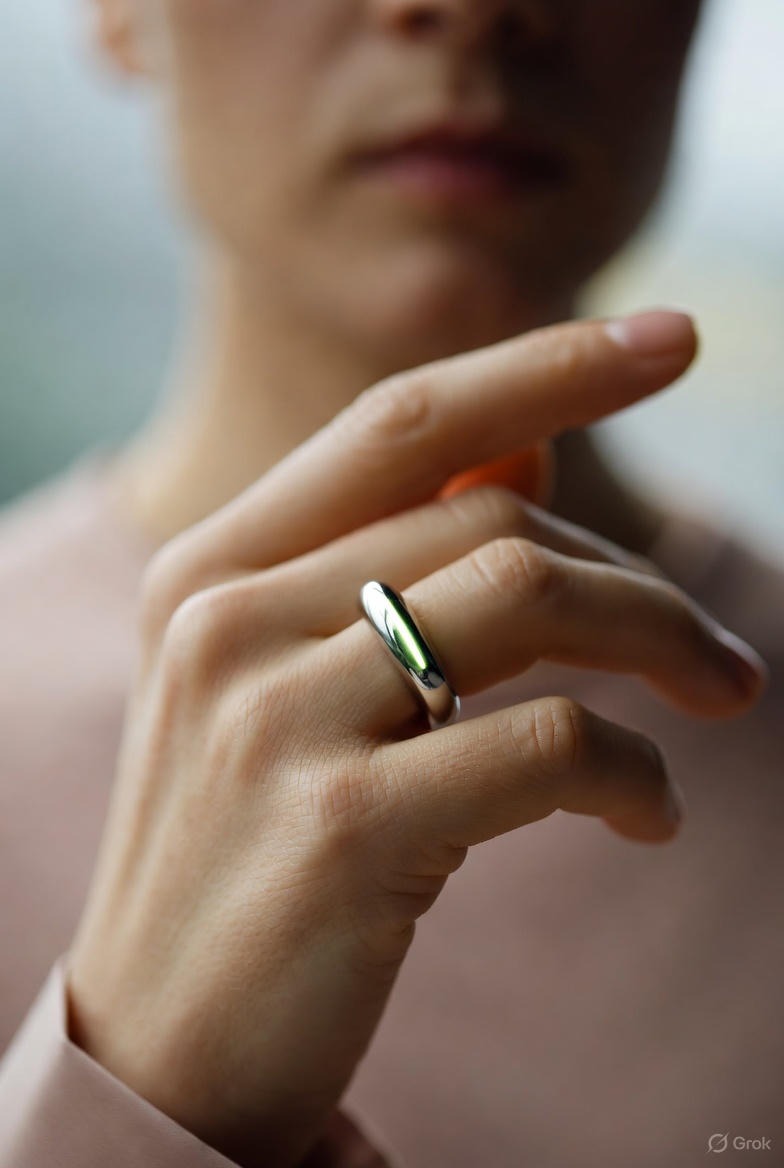
If estrogen and progesterone are the architects of vitality, then chronic stress is the corrosive element that weakens the foundation. The human stress response, governed by the Hypothalamic-Pituitary-Adrenal (HPA) axis and its primary hormone, cortisol, is designed for acute survival. In our modern world, this "fight-or-flight" system is often perpetually activated by psychological, emotional, and lifestyle stressors, creating a state of chronic, low-grade stress that is a primary driver of accelerated aging.
Cortisol: The Double-Edged Sword
In healthy, acute bursts, cortisol is life-saving. It mobilizes energy (raising blood sugar), sharpens focus, and modulates inflammation. However, when cortisol levels remain elevated due to chronic stress, its effects become profoundly damaging:
The Inflammation Connection: Inflammaging
Chronic stress doesn't work alone. It is the chief instigator of inflammaging—a term coined to describe the chronic, low-grade, systemic inflammation that accumulates with age and is a root cause of virtually every major age-related disease, from Alzheimer's and atherosclerosis to diabetes and cancer.
Cortisol is supposed to be anti-inflammatory. But when the HPA axis is constantly firing, the adrenal glands can become fatigued, leading to dysregulated cortisol rhythms. Instead of a healthy peak in the morning and a gradual decline through the evening, the pattern can flatten or invert. This loss of rhythm impairs the immune system, allowing inflammation to simmer unchecked.
Measuring Your Resilience: HRV as a Window
The single best non-invasive metric for assessing your stress resilience and autonomic nervous system balance is Heart Rate Variability (HRV). Contrary to what one might think, a healthy heart does not beat with the monotonous regularity of a metronome. There are subtle, millisecond variations between beats. Higher HRV generally indicates a robust, adaptable nervous system—one that can efficiently switch between the stress-driven "sympathetic" state and the restorative "parasympathetic" (rest-and-digest) state. Low HRV is a strong indicator of chronic stress, fatigue, and poor recovery.
This is where continuous health monitoring becomes transformative. A smart wellness ring that measures HRV throughout the day and night, like those designed with insights from how health tracking technology enables personalized wellness, provides an objective scorecard for your nervous system. You can see in real-time how a stressful meeting, a late-night meal, or a vigorous workout affects your recovery. More importantly, you can track the impact of positive interventions like meditation, breathwork, or an early bedtime.
Managing the stress-aging axis is not about eliminating stress—an impossible goal—but about building resilience. It’s about creating more "rest-and-digest" moments to counterbalance the "fight-or-flight" and using data to understand your unique stress signature. By mastering this axis, you directly protect your hormones, your cells, and your long-term healthspan.
While cortisol manages stress, another pivotal hormone, insulin, governs energy. Its primary job is to usher glucose from your bloodstream into your cells for fuel. However, in our modern environment of constant carbohydrate availability and frequent eating, this elegant system is easily overwhelmed, leading to insulin resistance—a condition where cells stop responding efficiently to insulin's knock. This metabolic dysfunction is arguably the most significant, modifiable driver of accelerated aging and compressed healthspan for both men and women, with unique implications for female physiology.
The Insulin-Resistance Cascade
When cells become resistant, the pancreas pumps out ever more insulin to force glucose inside. Chronically elevated insulin (hyperinsulinemia) sets off a catastrophic chain reaction:
The Female-Specific Connection: Menopause and Metabolism
The hormonal shifts of perimenopause and menopause directly worsen insulin sensitivity. The loss of estrogen’s protective effects on fat distribution and metabolism, coupled with common age-related muscle loss (sarcopenia), creates a perfect storm for developing insulin resistance and metabolic syndrome in midlife. This is why women often notice a frustrating shift in body composition and energy levels during this transition, regardless of their diet or exercise habits.
Glycemic Variability: The Hidden Culprit
Beyond fasting blood sugar or HbA1c (a 3-month average), a critical marker of metabolic health is glycemic variability—the peaks and valleys of your blood glucose throughout the day. Even in non-diabetics, sharp "spikes" after a meal trigger corresponding spikes in insulin and inflammation, damaging blood vessels and tissues over time. The goal for longevity is not just normal average glucose, but a smooth, stable glucose curve.
Using Data to Achieve Metabolic Flexibility
Achieving metabolic flexibility—the body's ability to efficiently switch between burning carbohydrates and fats for fuel—is the antidote to insulin resistance. It enhances energy, reduces inflammation, and promotes cellular repair. The path to get there is highly individual. Does a bowl of oatmeal cause a glucose spike for you while your friend is fine? Does stress or poor sleep make your blood sugar harder to control the next day?
This is the power of personalized data. While continuous glucose monitors (CGMs) are the gold standard for this, advanced wearable rings that track trends in heart rate, heart rate variability, and skin temperature can provide powerful proxy insights. For instance, a higher resting heart rate and lower HRV upon waking can indicate poor metabolic recovery and systemic stress that impairs glucose handling. By learning your body's patterns, as discussed in our resource on how wellness rings help build healthy habits, you can experiment with strategic interventions: adjusting meal timing (e.g., time-restricted eating), optimizing meal composition (protein, fiber, healthy fats first), and understanding how sleep and stress management are non-negotiable pillars of metabolic health.
Mastering your metabolism is about more than weight management; it's about flipping the switch from a state of constant growth and storage to one that allows for cellular repair, resilience, and longevity. It is one of the most powerful levers a woman can pull to extend her healthspan.
In the quest for longevity, sleep is not a luxury; it is the bedrock upon which hormonal balance, metabolic health, and cognitive function are built. It is during deep, restorative sleep that the body performs its most critical maintenance work. For women, whose hormonal landscape is complex and dynamic, prioritizing sleep is arguably the single most effective longevity intervention.
Sleep as Endocrine Regulator
Every hormone in the body follows a circadian rhythm, and sleep is the conductor of this symphony.
The Glymphatic System: The Brain's Nightly Detox
One of the most profound discoveries in neuroscience of the past decade is the glymphatic system. This waste-clearance system in the brain is most active during deep sleep. It flushes out toxic metabolic byproducts, including beta-amyloid proteins, which are associated with Alzheimer's disease. Consistently short-changing deep sleep impairs this essential detoxification, potentially accelerating cognitive decline.
Beyond Duration: The Architecture of Quality Sleep
It's not just about logging 8 hours in bed. Sleep architecture—the cyclical progression through light, deep, and REM (dream) sleep—is what matters. Each stage has distinct functions:
Disruptions from stress, alcohol, blue light, sleep apnea, or hormonal night sweats can fragment this architecture, robbing you of the most restorative stages even if you're in bed long enough.
Becoming a Sleep Scientist: The Role of Tracking
You cannot optimize what you do not measure. Subjective feelings of being "well-rested" can be misleading. Objective data is key. A sophisticated wellness ring tracks not just total sleep time, but sleep stages, nighttime movement, resting heart rate, and heart rate variability during sleep.
This data, part of the continuous vs. periodic monitoring advantage, reveals your personal truth. You might discover that a glass of wine with dinner, while helping you fall asleep, dramatically reduces your deep sleep later in the night. You might see that a high-stress day leads to a elevated resting heart rate throughout your sleep, indicating poor recovery. Or you might identify that your sleep is most fragmented in the hours before waking, a common sign of cortisol dysregulation or blood sugar drops.
Armed with this knowledge, you can implement targeted strategies: establishing a consistent wind-down routine, optimizing your bedroom environment for coolness and darkness, managing stress proactively, and aligning your lifestyle with your body's innate need for this profound, non-negotiable pillar of repair. Investing in sleep is an investment in every other system covered in this longevity blueprint.

Food is more than fuel; it is information. Every bite sends instructions to your genes, your immune system, and your endocrine system. For women navigating the hormonal transitions of life, a strategic approach to nutrition—one that goes beyond calorie counting to focus on nutrient density, inflammation modulation, and metabolic support—is essential for extending healthspan.
The Foundational Principles of Longevity Nutrition
The goal is to eat in a way that stabilizes blood sugar, reduces inflammation, supports detoxification pathways, and provides the raw materials for hormone production.
Key Nutrients for Female Hormonal Health
Certain nutrients play outsized roles:
The Timing Factor: Intermittent Fasting & Circadian Eating
Personalization Through Insight
Nutrition is deeply personal. A food that is "healthy" for one person may cause inflammation or a glucose spike in another. This is where the feedback loop from a wellness device is invaluable. By monitoring metrics like resting heart rate, HRV, and sleep quality, you can get a daily "report card" on how your body is responding to your nutritional choices. Did that new breakfast recipe lead to a stable energy level and a high HRV score last night? Or did it cause a dip in afternoon energy and restless sleep? This biofeedback, as explored in our article on how wellness rings support different health goals, allows you to move from generic diet advice to a truly personalized, bio-individual nutrition plan that directly supports your hormonal harmony and longevity objectives.
Physical activity is a potent longevity drug with no side effects when dosed correctly. For women, exercise is not merely about aesthetics or cardiovascular health; it is a direct dial for modulating hormones, reducing inflammation, building metabolic resilience, and triggering cellular repair mechanisms. The key lies in choosing the right type, intensity, and timing of movement to support, rather than stress, the female hormonal system.
The Multifaceted Benefits of Movement
The Female-Specific Exercise Blueprint: Syncing with Your Cycle
A revolutionary concept in women's fitness is cycle-syncing—adjusting the type and intensity of exercise to align with the hormonal phases of the menstrual cycle (and adapting this concept to the menopausal transition).
The Critical Role of Recovery
For women, especially under stress or in hormonal transition, overtraining is a significant risk. Too much high-intensity exercise without adequate recovery acts as a major physiological stressor, raising cortisol, disrupting sleep, impairing thyroid function, and potentially leading to irregular periods or amenorrhea. Recovery is not laziness; it is when the adaptations to exercise (muscle building, mitochondrial growth) actually occur.
Quantifying Your Movement & Recovery Balance
This is where technology transforms your approach. A wellness ring provides objective data on your body's readiness. Key metrics to watch:
By tracking these metrics, you move from guessing to knowing. You can learn that two days of heavy lifting requires a full day of active recovery, or that a HIIT session when your HRV is low leads to poor sleep and next-day fatigue. This data-driven approach, aligned with the principles in our guide on preventive health monitoring, allows you to personalize your exercise regimen as a true pillar of longevity—one that builds you up without breaking you down.

Emerging science has revealed a profound and complex communication network often called the gut-brain axis or, more specifically for our purposes, the gut-hormone axis. The trillions of bacteria, fungi, and viruses that make up your gut microbiome are not passive inhabitants; they are active players in regulating inflammation, metabolism, neurotransmitter production, and—critically—the metabolism and recycling of your hormones. A balanced gut is a non-negotiable foundation for female hormonal health and longevity.
The Estrobolome: Your Gut's Hormone Metabolism Team
A specific collection of gut bacteria, termed the estrobolome, is responsible for metabolizing estrogen. These bacteria produce an enzyme called beta-glucuronidase, which deconjugates estrogen that has been processed by the liver for elimination, allowing it to be reabsorbed back into the bloodstream. An optimal level of this activity helps maintain healthy estrogen levels. However, an overgrowth of bacteria producing too much beta-glucuronidase can lead to excessive estrogen reabsorption, contributing to estrogen dominance, heavy periods, fibroids, and increased breast cancer risk. Conversely, a depleted microbiome may lead to insufficient estrogen recycling.
Leaky Gut, Inflammation & Hormones
An imbalanced microbiome (dysbiosis) can damage the tight junctions of the intestinal lining, leading to increased intestinal permeability ("leaky gut"). This allows bacterial endotoxins (like LPS) and undigested food particles to enter the bloodstream, triggering a persistent, systemic immune response and chronic inflammation. As we've established, chronic inflammation is the enemy of hormonal balance and a key driver of inflammaging. It can disrupt the HPA axis, worsen insulin resistance, and interfere with thyroid function.
The Gut as a Second Brain for Mood
An estimated 90% of serotonin, a key neurotransmitter for mood, sleep, and appetite, is produced in the gut. The microbiome directly influences this production. Dysbiosis is strongly linked to anxiety, depression, and increased perception of stress—all of which feedback to disrupt hormonal balance. Furthermore, gut microbes produce other neuroactive compounds like GABA and short-chain fatty acids (SCFAs) that influence brain health and systemic inflammation.
Cultivating a Longevity-Promoting Microbiome
Supporting your gut is a direct investment in your hormonal health and healthspan. Key strategies include:
Tracking the Gut's Indirect Signals
While we can't yet directly measure our microbiome with a wearable, we can track the downstream effects of gut health on our overall physiology. Persistent low-grade inflammation may manifest as a slightly elevated resting heart rate. Poor gut health disrupting sleep may show up as reduced deep sleep and low HRV. By using a device to monitor these key biomarkers, as suggested in resources like wellness ring basics for preventive health, you gain clues about your gut's status. If you implement a dietary change to support your gut, improvements in sleep, energy, and recovery metrics will confirm you're on the right track. Nurturing your inner ecosystem is a foundational, and often overlooked, secret to hormonal harmony and a long, vibrant life.
In a world saturated with environmental toxins, processed foods, and internal metabolic waste, our body's innate detoxification systems are under constant demand. For women, efficient detoxification is paramount not just for general health, but for the specific and crucial task of hormone clearance. A sluggish detox system can lead to a buildup of "dirty" estrogen metabolites, increased oxidative stress, and systemic inflammation—all of which accelerate aging and disease processes.
Detoxification 101: It's a Process, Not a Trend
Detoxification is not about juice cleanses or extreme fasts. It is a sophisticated, two-phase enzymatic process primarily occurring in the liver, supported by the gut, kidneys, lungs, and skin. The goal is to transform fat-soluble toxins (including used hormones, pesticides, and metabolic byproducts) into water-soluble waste that can be excreted via bile (to stool) or urine.
The Estrogen Detoxification Pathway
Estrogen is metabolized down several pathways, producing different metabolites. Some are protective (2-OH estrone), while others are more genotoxic and associated with higher cancer risk (4-OH and 16-OH estrone). The balance of these pathways is influenced by genetics, diet, lifestyle, and gut health. Supporting Phase II conjugation helps ensure all metabolites are safely packaged and removed.
Supporting Your Detox Pathways for Longevity
You can optimize this natural system daily through lifestyle choices:
The Role of Stress and Sleep (Again)
Chronic stress depletes the nutrients needed for detoxification and impairs liver function. Once more, deep sleep is non-negotiable; it is during sleep that the brain's glymphatic system cleanses and when many cellular repair and detox processes are most active. If you are chronically stressed and sleep-deprived, your detox systems are operating at a severe deficit.
Using Data to Gauge Systemic Load
While you can't track liver enzymes in real-time, you can monitor the systemic consequences of a taxed detox system. High levels of internal inflammation and oxidative stress will manifest as:
By using a wellness device to establish your personal baseline for these markers, you can observe how interventions like increasing vegetable intake, improving hydration, or incorporating sauna sessions affect your overall vitality metrics. This feedback loop turns the abstract concept of "supporting detox" into a tangible, data-informed practice. As you learn more about the evolution of health tracking technology, you see how it empowers you to take charge of these foundational physiological processes, ensuring your body's internal environment remains clean and resilient for the long haul.
Having established the foundational pillars—from the dance of estrogen and progesterone to the critical roles of sleep, nutrition, movement, gut health, and detoxification—we now move into the advanced application of this knowledge. Extending your healthspan requires moving from general principles to a deeply personalized plan. It involves understanding your unique biomarker landscape, mitigating invisible threats, and connecting your daily habits to a profound sense of purpose. This next section provides the roadmap to integrate these elements into a cohesive, sustainable longevity strategy.
Our modern environment is awash with chemical compounds that can mimic, block, or interfere with the body's natural hormones. These endocrine-disrupting chemicals (EDCs) represent a stealth threat to hormonal balance and long-term healthspan. For women, whose physiological systems are finely tuned to hormonal signals, minimizing exposure is a critical, non-negotiable component of a longevity protocol.
Understanding Endocrine Disruptors
EDCs are found in thousands of everyday products. They do not always cause acute toxicity; their danger lies in chronic, low-dose exposure that subtly dysregulates hormonal systems over decades. They are particularly damaging during sensitive windows of development, but their cumulative effect throughout life contributes to inflammation, metabolic dysfunction, and increased risk of hormone-related cancers.
Common Offenders and Strategic Swaps
Supporting Your Body's Defenses
While elimination is key, supporting your body's ability to process and excrete these compounds is equally important. This circles back to fortifying the detoxification pathways discussed earlier: a fiber-rich diet to bind toxins in the gut, cruciferous vegetables to support liver metabolism, adequate hydration, and sweating through exercise or sauna use.
The Tech-Enabled Mindful Home
Creating a low-toxin environment is a gradual process. Start with one category at a time—perhaps your skincare or kitchen containers. The payoff is a reduced "toxic load," allowing your endocrine system to function without constant interference. While a wellness ring doesn't detect EDCs directly, its value is in showing the systemic benefit of these changes. As you reduce your exposure and support your detox pathways, you may see measurable improvements in your core biomarkers—better sleep scores, more stable resting heart rate, improved HRV—indicating a reduction in overall inflammatory burden. This tangible feedback, part of the personalized wellness journey, reinforces the impact of these often-invisible choices on your long-term vitality.

A healthspan-focused approach demands moving beyond standard annual check-up metrics (like basic cholesterol) and into a deeper, more predictive analysis of your physiological terrain. Advanced biomarker testing provides a granular look at your metabolic, hormonal, and inflammatory status, allowing for truly personalized interventions before disease manifests.
Key Advanced Biomarkers for Women's Longevity
The Role of Genetic Insight (With Caveats)
Genetic testing (e.g., for MTHFR, COMT, or BRCA variants) can provide clues about your predispositions in areas like detoxification efficiency, neurotransmitter metabolism, and cancer risk. However, genes are not destiny. They indicate where your system might be weaker and where lifestyle interventions—the modifiable factors of diet, stress management, and environment—are most critical. This is the essence of epigenetics: using lifestyle choices to influence how your genes are expressed.
Integrating Data: Wearables + Lab Work = The Full Picture
This is where the synergy between wearable data and periodic lab testing becomes powerful. Your wearable provides the continuous, functional context.
The wearable helps you see the daily consequences of biomarker imbalances and, more importantly, track the impact of your interventions in real-time. After implementing dietary changes to improve insulin sensitivity, you don't have to wait six months for a new HbA1c; you can watch your HRV trend upward and your sleep deepen within weeks. This creates a dynamic, responsive feedback loop for your health. For guidance on choosing a tool that provides this level of insight, our comparison of top wellness ring brands can be a valuable resource.
Proactive screening shifts you from a patient waiting for a diagnosis to an active participant building a detailed, personalized blueprint for resilience. It is the ultimate expression of preventive medicine.
No longevity protocol is complete without addressing the mind. Psychological well-being is not a separate category from physical health; it is inextricably woven into it through neurochemical pathways, hormonal signals, and epigenetic influences. Chronic stress, loneliness, and a lack of purpose are potent accelerants of aging. Cultivating emotional resilience, mindfulness, and a sense of meaning are therefore direct, potent longevity interventions.
The Physiology of Meaning and Connection
Mindfulness & The Nervous System Reset
The practice of mindfulness—paying attention to the present moment without judgment—is a direct training tool for your nervous system. It enhances neuroplasticity (the brain's ability to rewire itself) and strengthens the connection between the prefrontal cortex (the rational, decision-making brain) and the amygdala (the fear center).
Using Technology to Cultivate Calm
Paradoxically, technology can be harnessed to counter tech-induced stress. A sophisticated wellness ring isn't just a stress detector; it can be a guide for stress intervention.
Investing in your psychological and emotional health is as concrete as investing in nutrition or exercise. By managing stress, fostering connection, and nurturing purpose, you protect your telomeres, calm inflammation, and create a physiological environment conducive to a long, vibrant healthspan. It is the secret sauce that makes all other longevity strategies more effective and sustainable.
With a deep understanding of the science and the tools to measure your individual responses, the final step is synthesis: creating your bespoke longevity blueprint. This is not a rigid, one-size-fits-all plan, but a dynamic, evolving set of practices tailored to your unique genetics, current biomarkers, lifestyle, and goals. It's about becoming the expert on your own body.
The Step-by-Step Blueprint Creation Process
The Role of Professional Guidance
While self-knowledge is powerful, a personalized blueprint benefits from expert input. Consider building a healthspan team:
Embracing the Journey, Not the Destination
A longevity blueprint is a living document. It will change as you age, as your hormones shift, as your life circumstances evolve, and as science advances. The goal is not perfection, but awareness and course-correction. The wearable ring is your co-pilot, providing the navigational data to stay on track. It turns the abstract concept of "healthy aging" into a daily, manageable practice of tuning into your body's signals and responding with informed care.
By creating your personalized protocol, you move from being a passive recipient of health information to an active architect of your own vitality. You are no longer guessing; you are strategically building, based on evidence, the long, vibrant life you deserve.
We have journeyed through the intricate science of female hormones, the pillars of metabolic and cellular health, and the process of creating a personalized longevity blueprint. Now, we arrive at the practical, daily integration of this knowledge. This final section is about sustainability—how to weave these principles into the fabric of your life for decades to come, using technology not as a crutch but as a seamless partner. It’s about preparing logistically for a long healthspan, navigating inevitable plateaus, and embracing a future where vibrant aging is not the exception, but the expectation.
A smart wellness ring is more than a data-collecting device; it is the central hub of your personalized healthspan ecosystem. When used intentionally, it transcends being a "fitness tracker" and becomes an intuitive guide, a motivator, and a source of profound self-knowledge. The goal is to move from data overwhelm to actionable insight, creating a harmonious feedback loop between your body and your daily choices.
From Data to Daily Ritual: The Integration Playbook
Avoiding Burnout: The Healthy Relationship with Data
The objective is informed intuition, not data obsession. Set boundaries:
Seamless Integration with Your Health Ecosystem
A powerful ring should work within your existing tech landscape. Look for devices that offer integration with other health apps, allowing you to sync sleep, activity, and HRV data with Apple Health, Google Fit, or specialized wellness platforms. This creates a unified health profile, making it easier to share meaningful trends with healthcare providers or coaches.
Ultimately, the most advanced technology fades into the background, becoming an extension of your own awareness. It’s the quiet voice that reminds you to wind down when your body is stressed, confirms that your new habit is working, and celebrates the tangible progress you’re making toward a longer, healthier life.
Extending your healthspan requires more than biological strategies; it demands foresight and practical planning. Living to 100 in poor health is a financial and personal burden. Living to 100 in vibrant health is a reward, but one that requires intentional design. This involves planning for the unique financial, social, and lifestyle needs of an extended, active lifespan.
The New Retirement Math: Funding Decades of Healthspan
The traditional "retire at 65, decline thereafter" model is obsolete. If you are 50 today, you may have 50 more years of life. Your financial plan must account for this "longevity bonus."
Building Your Longevity-Friendly Environment
Your daily environment is the single greatest predictor of your habits. Design your physical and social spaces to make the healthy choice the easy choice.
Legal and Healthcare Advocacy
Ensure your legal documents (advance directives, wills, healthcare power of attorney) reflect your healthspan values—emphasizing quality of life and personal autonomy. Become an empowered advocate in your own healthcare, using the longitudinal data from your wellness device to have more informed conversations with your doctors about prevention, not just treatment. For insights on how professionals view this data, see what doctors find most useful in wellness tech.
Planning for longevity is an act of optimism and self-respect. It signals a belief in a vibrant future and takes concrete steps to build it. This practical layer ensures that your biological efforts are supported by a life structure designed for thriving.
The journey to extended healthspan is not linear. You will hit plateaus where progress stalls. You will experience setbacks from illness, stress, or life disruptions. This is not a sign of failure; it is an intrinsic part of the process. The key is developing the resilience and strategic thinking to navigate these phases without abandoning your long-term vision.
Understanding the Plateau: Common Culprits
The Setback Protocol: Compassionate Course-Correction
When you get sick, go through a crisis, or fall off your routine:
The Power of the Pivot
Sometimes, a plateau is a signal that your goal needs refinement. The goal of "losing weight" may become less motivating or relevant than "building strength to carry my grandchildren" or "improving my metabolic markers for longevity." Reconnect to your deeper "why." Your wearable can help by shifting the metrics you focus on—from weight to HRV trend, from steps to sleep consistency, celebrating the biomarkers of vitality that matter more in the long run than any single number on a scale.
Navigating these challenges builds the psychological fortitude that is just as important as physical resilience for a long healthspan. It’s the art of staying the course by being flexible enough to adjust the sails.
We stand at the precipice of a revolution in how women age. The convergence of advanced science, personalized technology, and a profound cultural shift in mindset is transforming longevity from a passive hope into an active pursuit. The future is not about simply adding years to life, but about radically compressing morbidity—squeezing illness and disability into the very final chapter of a very long, vibrant story.
Emerging Frontiers in Science and Medicine
The Role of AI and Hyper-Personalization
Artificial intelligence will analyze the vast datasets from wearables, genomics, and continuous biomarker monitors to provide hyper-personalized, predictive guidance.
A Cultural Renaissance of the Wise Woman
Perhaps the most exciting frontier is cultural. As women reclaim their hormonal health and demand research and solutions for their unique biology, we are dismantling the stereotype of the "invisible" older woman. We are forging a new archetype: the Vital Wise Woman. She is metabolically flexible, hormonally savvy, physically capable, mentally sharp, and emotionally resilient. She views her decades of post-reproductive life not as a decline, but as her second peak—a time of unparalleled influence, creativity, and contribution.
This future is being built today, by every woman who chooses to understand her hormones, track her healthspan metrics, invest in her resilience, and plan for a century of vitality. It is a future where technology like the Oxyzen ring evolves from a tool into a trusted companion on this lifelong journey, offering not just data, but wisdom and empowerment.
The quest for a long, vibrant healthspan is the most profound project of self-respect you can undertake. It is a journey that honors the beautiful complexity of the female body—its rhythms, its transitions, and its incredible capacity for resilience.
We have traversed the landscape from the cellular drivers of aging to the practicalities of daily living. The core message is this: You are not powerless in the face of aging. You hold powerful levers:
This journey begins not with a drastic overhaul, but with a single step of heightened awareness. It might start by simply wearing a device like the Oxyzen ring for a month to understand your baseline sleep and stress patterns. From that first glimpse of data—that first moment of seeing the direct link between a late dinner and a restless night—a new relationship with your body begins.
You become the scientist, the architect, and the guardian of your own vitality. You move from fearing the passage of time to collaborating with it, building a life of purpose, energy, and joy that not only lasts but deepens with every year.
Your extended healthspan awaits. It’s time to build it. For continued learning and support on this journey, explore our comprehensive resource library at the Oxyzen blog, where we delve deeper into every topic covered here.
Ready to take the first step?
Discover the tool designed to be your partner in this journey. Visit Oxyzen to explore how our smart wellness ring can provide the personalized insights you need to build your unique longevity blueprint. For any questions on beginning your journey, our FAQ page is an excellent starting point.
Your Trusted Sleep Advocate (Sleep Foundation — https://www.sleepfoundation.org/)
Discover a digital archive of scholarly articles (NIH — https://www.ncbi.nlm.nih.gov/
39 million citations for biomedical literature (PubMed — https://pubmed.ncbi.nlm.nih.gov/)
experts at Harvard Health Publishing covering a variety of health topics — https://www.health.harvard.edu/blog/)
Every life deserves world class care (Cleveland Clinic -
https://my.clevelandclinic.org/health)
Wearable technology and the future of predictive health monitoring. (MIT Technology Review — https://www.technologyreview.com/)
Dedicated to the well-being of all people and guided by science (World Health Organization — https://www.who.int/news-room/)
Psychological science and knowledge to benefit society and improve lives. (APA — https://www.apa.org/monitor/)
Cutting-edge insights on human longevity and peak performance
(Lifespan Research — https://www.lifespan.io/)
Global authority on exercise physiology, sports performance, and human recovery
(American College of Sports Medicine — https://www.acsm.org/)
Neuroscience-driven guidance for better focus, sleep, and mental clarity
(Stanford Human Performance Lab — https://humanperformance.stanford.edu/)
Evidence-based psychology and mind–body wellness resources
(Mayo Clinic — https://www.mayoclinic.org/healthy-lifestyle/)
Data-backed research on emotional wellbeing, stress biology, and resilience
(American Institute of Stress — https://www.stress.org/)


