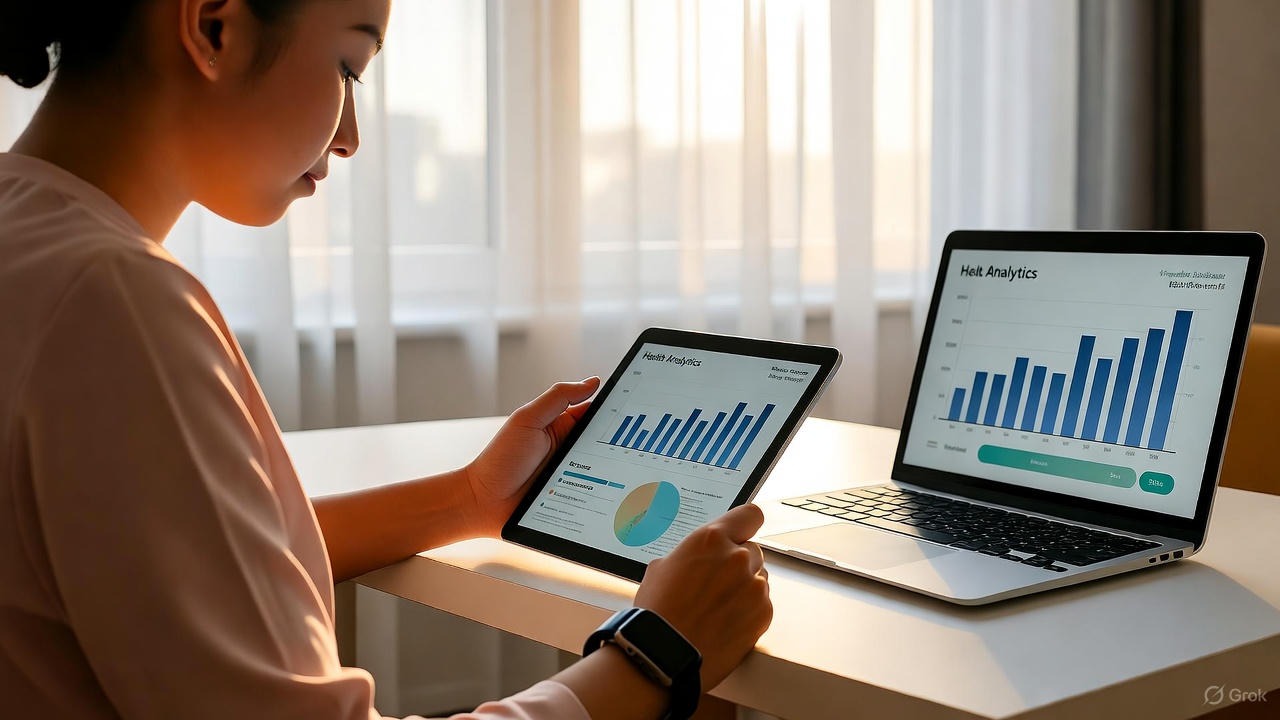
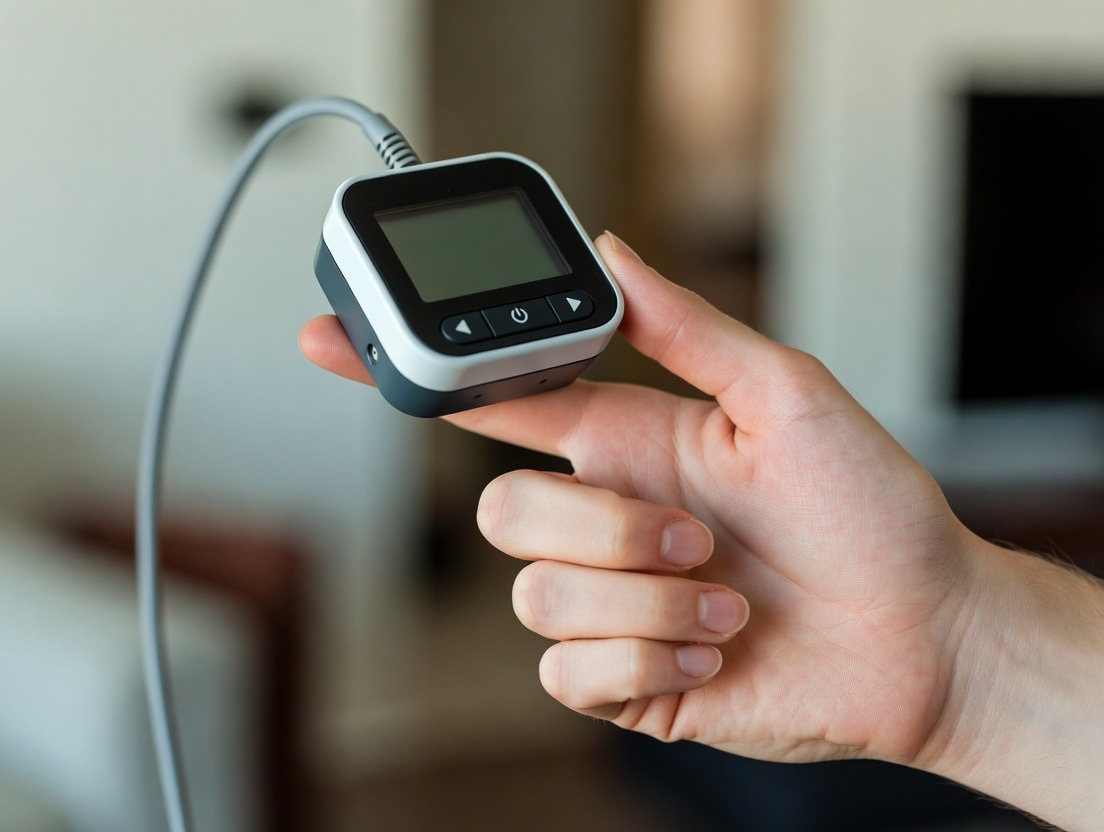
The Preventive Wellness Strategy for Healthy Aging
A strategy for aging healthily.
The Preventive Wellness Strategy for Healthy Aging: Your Data-Driven Blueprint for a Longer, Healthier Life
For centuries, the quest for longevity was shrouded in mystery, folklore, and reactive medicine. We waited for a symptom to appear, a diagnosis to be given, and then we reacted. But a profound and powerful shift is underway. Today, healthy aging is no longer a hopeful gamble; it's a strategic, proactive pursuit. The emerging paradigm is Preventive Wellness—a deliberate, data-informed approach to building lifelong health and vitality by optimizing our daily choices before decline sets in.
Imagine if you could see the subtle, internal shifts in your body—the slight rise in resting heart rate signaling potential stress, the dip in deep sleep hinting at recovery needs, the nuanced trend in heart rate variability whispering about your resilience. This is no longer science fiction. The convergence of biosensing technology, personalized data, and actionable insights has given birth to a new era of self-knowledge. At the forefront of this revolution is a discreet, powerful tool: the modern wellness smart ring.
This article is your comprehensive, 20,000-word master guide to building a Preventive Wellness Strategy for Healthy Aging. We will move beyond generic advice and into the realm of personalized, measurable action. We'll deconstruct the science of aging, build the pillars of a proactive lifestyle, and demonstrate how continuous, effortless health monitoring—like that provided by a device from Oxyzen—transforms guesswork into a precise, empowering health blueprint. This is the beginning of a deep dive into taking control of your health narrative, one data point at a time.
Rethinking Aging: From Inevitable Decline to Manageable Process
The traditional narrative of aging is one of linear, inevitable decline. But groundbreaking research in geroscience—the study of the biological mechanisms of aging—is radically rewriting this story. Aging is not a single process but a collection of interconnected biological hallmarks that can be measured, influenced, and, to a significant degree, modulated.
The Nine Hallmarks of Aging, a seminal framework published in the journal Cell, outlines the root causes of age-related deterioration. These include genomic instability, telomere attrition, epigenetic alterations, loss of proteostasis, deregulated nutrient sensing, mitochondrial dysfunction, cellular senescence, stem cell exhaustion, and altered intercellular communication. While this sounds complex, the revolutionary takeaway is simple: these hallmarks are not a fixed destiny. They are influenced by our lifestyle, environment, and behaviors.
This is where Preventive Wellness separates itself from conventional health advice. Instead of targeting a single symptom or disease, a preventive strategy aims to positively impact these foundational hallmarks. For example:
Nutrient sensing is directly affected by our diet and eating patterns (like intermittent fasting).
Mitochondrial function is boosted by consistent, targeted exercise.
Cellular repair and proteostasis are enhanced by high-quality sleep.
Epigenetic expression is influenced by stress management and environmental factors.
The challenge has always been the "black box" problem. We know these behaviors are good, but are they working for us, specifically? Are our 8 hours of sleep truly restorative? Is our exercise regime effectively lowering our physiological stress load or adding to it? This is the gap that modern health technology bridges. By providing a continuous stream of objective biometric data, tools like advanced wellness rings turn abstract healthy habits into quantifiable, personalized protocols. You move from "I should sleep better" to "My sleep latency has improved by 15 minutes since I started my wind-down routine, and my resting heart rate during sleep has dropped by 3 BPM, indicating better recovery."
This data-driven lens allows us to see aging not as a cliff we fall off, but as a slope we can carefully and intentionally navigate.
The Pillars of Preventive Wellness: Building Your Foundation
A robust Preventive Wellness Strategy is built upon interdependent pillars. Neglecting one can undermine the others. Think of them as the core components of a fortified structure designed to support a long, vibrant life.
1. Nutritional Intelligence: This transcends dieting. It's about understanding how food acts as information and fuel for your unique biology. It involves:
Personalized Nutrition: Recognizing that there is no one-size-fits-all "best" diet. Data from continuous glucose monitors (and emerging insights from other biomarkers) can reveal how your body uniquely responds to different foods.
Anti-Inflammatory Focus: Prioritizing whole, nutrient-dense foods rich in antioxidants and phytonutrients to combat chronic inflammation, a key driver of age-related disease.
Nutrient Timing: Exploring how meal timing (like time-restricted eating) can support metabolic health, cellular repair (autophagy), and energy regulation.
2. Movement as Medicine: Exercise is the most potent, accessible "drug" for healthy aging. Its benefits touch every hallmark, from boosting mitochondrial biogenesis to improving neuroplasticity. A preventive strategy emphasizes:
Consistency Over Intensity: Daily movement is non-negotiable.
Strategic Variety: A blend of cardiovascular training (for heart and lung health), strength/resistance training (to combat sarcopenia, the age-related loss of muscle mass), and flexibility/mobility work (to maintain functional independence).
Recognition as a Keystone Habit: Exercise improves sleep, regulates mood, and enhances cognitive function, creating a positive feedback loop for overall wellness.
3. Sleep as Non-Negotiable Recovery: Sleep is the foundation upon which all other pillars rest. It is when the body performs its most critical repair, detoxification, and memory consolidation processes. Poor sleep accelerates every aging hallmark. A preventive approach treats sleep quality with the same seriousness as nutrition, tracking not just duration, but stages (deep, REM, light), disturbances, and biomarkers like resting heart rate and HRV during sleep.
4. Stress & Resilience Engineering: Chronic stress is corrosive, accelerating biological age through hormonal pathways like elevated cortisol. Prevention isn't about eliminating stress but about building resilience—the ability to recover from stressors quickly.
Awareness: You cannot manage what you do not measure. Objective data on heart rate variability (HRV) is a direct, non-invasive window into your autonomic nervous system and resilience capacity.
Recovery Practices: Integrating proven techniques like mindfulness, meditation, breathwork, and nature immersion to actively lower your stress load and improve HRV trends over time.
5. Cognitive & Social Vitality: A healthy brain and rich social connections are critical predictors of longevity. This pillar involves continuous learning, novel experiences, nurturing deep relationships, and community engagement to fight cognitive decline and loneliness.
The synergy of these pillars creates a powerful defense against accelerated aging. But managing them in isolation, based on guesswork, is an exhausting and imprecise endeavor. This is where technology steps in as the essential integrator and translator.
The Quantified Self: How Data Transforms Good Intentions into Action
The "Quantified Self" movement—using technology to track various aspects of one's daily life—has evolved from a niche hobby to a cornerstone of Preventive Wellness. The premise is powerful: if you can measure it, you can understand it, and if you can understand it, you can improve it.
However, early quantifiers faced a significant hurdle: data fragmentation and friction. Tracking sleep required one device, workouts another, nutrition a tedious manual app. The data lived in silos, making it impossible to see the holistic picture. How did that stressful day impact your sleep architecture? How did that poor night of sleep affect your workout performance and food cravings the next day?
The modern solution is continuous, passive, and multi-sensor monitoring from a single, unobtrusive device. A next-generation wellness ring, worn 24/7, becomes your personal biometrical observatory. It seamlessly collects data across all key pillars:
Sleep Pillar: It measures sleep stages, timing, consistency, and restorative quality (via HRV and resting heart rate).
Activity Pillar: It tracks steps, active minutes, calorie expenditure, and can detect specific exercise types.
Recovery/Stress Pillar: It provides continuous heart rate and HRV readings, the gold-standard metric for assessing autonomic nervous system balance and recovery status.
Baseline Health: It monitors trends in resting heart rate, respiratory rate, and skin temperature—potential early indicators of illness or imbalance.
This integrated data stream is revolutionary. It moves you from anecdotal ("I feel tired") to analytical ("My deep sleep has decreased by 25% this week, coinciding with a 10% drop in my HRV, suggesting I'm not recovering from my increased training load"). This insight allows for precision intervention. Instead of generic "get more sleep" advice, you might learn you need to focus on sleep consistency (going to bed at the same time) or adjust your evening routine to lower your pre-sleep heart rate.
For a deep dive into how this technology evolved to its current state, explore our article on the evolution of health tracking technology. This transformation from manual logs to intelligent, automated sensing is what makes a modern Preventive Wellness Strategy not just possible, but practical.
Heart Rate Variability (HRV): Your Ultimate Biomarker for Resilience & Biological Age
If you were to choose one single, non-invasive metric to guide your Preventive Wellness Strategy, it should be Heart Rate Variability (HRV). Despite its technical name, HRV is an elegantly simple and profoundly informative measure of your body's readiness and resilience.
What is HRV? Contrary to what many believe, a healthy heart does not beat with the monotonous regularity of a metronome. The time interval between heartbeats fluctuates slightly—by milliseconds. This variation is controlled by your autonomic nervous system (ANS). A higher HRV (more variability) indicates a strong, responsive ANS, where the "rest-and-digest" (parasympathetic) branch can effectively balance the "fight-or-flight" (sympathetic) branch. It signals good recovery, adaptability, and resilience to stress. A lower, less variable HRV suggests an ANS stuck in a stressed, sympathetic-dominant state, indicating poor recovery, overtraining, or impending illness.
Why HRV is a Cornerstone for Healthy Aging: Research consistently links higher HRV to better health outcomes and longevity. It is associated with:
Improved cardiovascular health and reduced risk of heart disease.
Enhanced emotional regulation and resilience to psychological stress.
Better cognitive function and performance.
Faster physical recovery from exercise.
A generally younger-functioning physiological system.
In the context of aging, a declining HRV trend is a canary in the coal mine. By monitoring your HRV—especially your nighttime HRV average, which is the cleanest measure—you get a daily, objective readout of your overall system strain and recovery capacity. Your wellness ring provides this effortlessly. You can see how different behaviors are true "stressors" or "rechargers" for your unique system. That intense workout might be energizing for one person but debilitating for another, and HRV doesn't lie.
Using HRV for Personalized Decision-Making: This is where data becomes actionable. Instead of following a rigid, pre-set workout schedule, you can adopt a HRV-informed training approach. If your HRV is significantly below your baseline, it's a signal from your body to prioritize rest, gentle movement, or stress-management techniques that day. If your HRV is high or rising, it indicates your body is recovered and primed for a challenging workout. This dynamic, responsive approach prevents chronic overreaching, reduces injury risk, and optimizes the effectiveness of your fitness pillar. To understand the sensors that make this possible, read about the science behind modern health tracking technology.
Sleep Optimization: The Bedrock of Cellular Repair and Cognitive Longevity
We spend roughly one-third of our lives asleep, yet for generations, we treated it as a passive, unproductive state. Science has now unequivocally shown that sleep is an intensely active period of biological maintenance crucial for healthy aging. It is during deep Non-REM (N3) sleep that the brain's glymphatic system clears out metabolic waste, including amyloid-beta plaques associated with Alzheimer's disease. It is when growth hormone is released, facilitating tissue repair and muscle growth. Sleep consolidates memories and regulates emotions.
A Preventive Wellness Strategy demands that we move beyond tracking mere "hours in bed" and into the architecture of sleep. A modern wellness ring provides this detailed analysis by measuring:
Sleep Stages: The cyclical progression through light, deep, and REM sleep.
Sleep Latency: How long it takes to fall asleep.
Sleep Efficiency: The percentage of time in bed actually spent asleep.
Restlessness & Awakenings: Disruptions that fragment sleep cycles.
Biomarkers During Sleep: Resting heart rate and HRV, which are purer indicators of recovery without the noise of daytime activity.
Interpreting Your Sleep Data for Action:
Low Deep Sleep: May indicate excessive late-day caffeine, alcohol consumption (which suppresses REM early in the night and disrupts sleep later), an overly warm sleeping environment, or intense exercise too close to bedtime.
Low REM Sleep: Often linked to high stress, alcohol use, or certain medications. REM is critical for emotional processing and creativity.
Elevated Sleeping Heart Rate: Can be a sign of dehydration, illness onset, excessive stress, or lack of fitness.
Inconsistent Sleep Times: Erratic bedtimes and wake times disrupt your circadian rhythm, leading to poorer quality sleep even if duration is adequate.
By correlating your daily habits (logged manually or inferred by the device) with your sleep score and biomarkers, you can run personal experiments. Try a digital sunset one hour before bed and note if your sleep latency improves. Observe how a heavy evening meal affects your deep sleep percentage. This is the essence of precision wellness: using data to find the lifestyle levers that work for your unique biology. For foundational tips on using your device for this purpose, see our guide on how to enable preventive health monitoring.
Personalized Activity & Recovery: Moving Smart, Not Just Hard
The "no pain, no gain" ethos of fitness is not only unsustainable but counterproductive for long-term healthspan. Exercise is a hormetic stressor—a beneficial dose of stress that triggers adaptation and strengthening. However, the dose must be correct. Too little, and you get no benefit. Too much, too frequently, without adequate recovery, leads to burnout, injury, and a suppressed immune system—accelerating aging rather than slowing it.
This is where the continuous monitoring of a wellness ring becomes your personal coach. It helps you balance the crucial equation of Strain vs. Recovery.
Tracking Strain: Your device quantifies your daily activity load through metrics like active minutes, calories burned, and workout intensity. This gives you an objective view of your "output."
Quantifying Recovery: As discussed, HRV is your primary recovery metric. But other data points contribute to the recovery picture:
Resting Heart Rate (RHR): A well-recovered athlete typically has a low RHR. A trend of increasing RHR can indicate fatigue, dehydration, or illness.
Sleep Quality: As above, this is non-negotiable for recovery.
Body Battery or Readiness Scores: Many advanced platforms synthesize your activity, sleep, and HRV data into a single, easy-to-understand "readiness" score for the day.
Applying the Data: The Art of Listening to Your Body A data-informed fitness strategy looks like this:
Morning Check: You review your readiness score and HRV trend. Is your body signaling "go" or "grow" (i.e., recover)?
Adaptive Planning: On a "go" day, you proceed with your planned vigorous workout. On a "grow" day, you might swap the high-intensity interval training (HIIT) for yoga, a walk in nature, or focused mobility work.
Post-Exercise Analysis: You observe how your body responds to different workout types. Does heavy strength training lower your HRV more than a long run? This knowledge helps you periodize your training more effectively.
Prevention: A sudden, unexplained dip in HRV or spike in RHR, especially when coupled with a higher skin temperature, can be an early warning of impending illness, allowing you to rest and hydrate proactively.
This dynamic approach prevents the all-too-common cycle of overtraining and injury. It ensures that your movement pillar is consistently supportive, not destructive, to your long-term health goals. For more on how to use your device to support specific objectives, visit our resource on how wellness rings support different health goals.
Nutrition & Metabolic Health: Beyond the Calorie Counter
While wellness rings are not direct nutrition trackers, they provide powerful indirect feedback on your metabolic health and how your body is responding to your dietary choices. This creates a feedback loop far more valuable than simply counting calories.
The Glycemic-Response Proxy: Although continuous glucose monitoring (CGM) is a separate technology, trends in your biometrics can offer clues about your metabolic state. For instance, a meal very high in refined carbohydrates may lead to a noticeable dip in energy and focus a few hours later, which might correlate with a measurable change in your heart rate or HRV. More directly, your resting heart rate trend is a key indicator. Chronic consumption of pro-inflammatory foods can contribute to systemic inflammation, which can elevate your RHR over time.
The Circadian Rhythm of Eating: Your device’s sleep and recovery data can powerfully inform your eating schedule. Late-night eating is notorious for disrupting sleep quality and impairing the body's overnight repair processes. By tracking your sleep, you can experiment with finishing your last meal 3-4 hours before bedtime and observe if your deep sleep duration and HRV improve.
Hydration Status: Mild dehydration can elevate your resting heart rate and reduce HRV. By noticing these subtle shifts, you can be prompted to increase your water intake before you consciously feel thirsty.
Personalized Experimentation: This is the core of the strategy. Use your biometric data to run n=1 experiments:
Experiment: Try a 12-hour overnight fast (e.g., 7 PM to 7 AM).
Measure: Observe the impact on your morning HRV, RHR, and sleep score from the night before.
Experiment: Swap a processed breakfast for one high in protein and healthy fats.
Measure: Note your energy levels and see if there's a corresponding stabilization in your heart rate data throughout the morning.
By linking subjective feelings of energy, focus, and satiety with objective biometric trends, you develop a nuanced, personalized understanding of what "eating well" truly means for your body. To see how this integrates with other wellness tech, learn about integration with other health apps.
Stress Management & Mental Fitness: Building Digital Boundaries for Real-World Calm
In our hyper-connected world, chronic psychological stress is a primary accelerant of biological aging. It keeps cortisol elevated, which promotes abdominal fat storage, breaks down muscle tissue, impairs immune function, and damages hippocampal cells in the brain. A Preventive Wellness Strategy must, therefore, include explicit tactics for managing mental load and building emotional resilience.
Your wellness ring acts as an unbiased stress exposure detector. You may think you're handling stress well, but your autonomic nervous system (ANS) tells the true story through your HRV and heart rate data.
How Data Informs Mental Fitness:
Identifying Hidden Stressors: You might notice your HRV consistently dips on weekdays but recovers on weekends, pointing to a work-related stress source. Or, you may see a sharp, acute drop in HRV after a difficult conversation, revealing its physiological impact.
Measuring the Effectiveness of Relaxation Techniques: Do a 10-minute guided meditation or breathwork session (like 4-7-8 breathing). Check your real-time heart rate during the session and observe your HRV in the hours afterward. Does it improve? This turns a wellness practice from a vague "should do" into a validated, rewarding tool because you can see it working.
Creating Digital Sunset Protocols: The blue light from screens in the evening disrupts melatonin production and delays sleep onset. By enforcing a digital curfew and tracking the resultant improvement in your sleep latency and deep sleep, you get concrete reinforcement to maintain this healthy boundary.
The Strategy in Practice: Use your device's stress or "body battery" features not just as a readout, but as a prompt for action. When you receive a notification that your stress levels have been high, treat it as a signal to take a five-minute breathing break, step outside, or do some gentle stretching. Over time, you'll learn which activities most efficiently bring your physiology back into balance. This proactive management prevents stress from accumulating into a chronic, health-eroding state. For user experiences on how this works in daily life, browse our testimonials page.
Environmental & Lifestyle Optimization: Your Personalized Ecosystem for Health
Your health is not created in a vacuum. It unfolds within a personal ecosystem of environmental inputs and daily routines. The final pillar of a Preventive Wellness Strategy involves auditing and optimizing this ecosystem, using your biometric data as the guiding compass.
Circadian Rhythm Alignment: Humans are diurnal creatures wired to be active in daylight and restorative in darkness. Disruption of this circadian rhythm is linked to numerous diseases. Your sleep and activity data help you align with this natural rhythm.
Morning Light: Exposure to bright, natural light soon after waking helps set your circadian clock. Observe if consistent morning walks improve your daytime energy and sleep scores.
Evening Darkness: As mentioned, protecting your eyes from artificial light at night is crucial. Your sleep data provides the proof of its importance.
Temperature & Sleep: Core body temperature needs to drop to initiate sleep. A cool bedroom (around 65°F or 18°C) is ideal. You can experiment with bedroom temperature and use your sleep efficiency and deep sleep data to find your personal optimal range.
The Impact of Travel & Routine Disruption: Jet lag and shift work are extreme circadian disruptors. By wearing your ring during travel, you can objectively see the impact on your sleep and recovery and use targeted strategies (timed light exposure, melatonin) to resynchronize more quickly. Even weekend "social jet lag" (staying up late and sleeping in) can be visible in your data as a weekly disruption pattern.
Listening to the Subtle Cues: One of the most profound benefits of continuous monitoring is the ability to detect deviations from your personal norm. A sustained, unexplained elevation in skin temperature or resting heart rate is often the very first sign of an oncoming infection, even before you feel symptoms. This early warning allows you to pivot immediately: prioritize sleep, hydrate, reduce stress, and maybe cancel intense plans. This is preventive health in its most immediate form—using data to act proactively and potentially shorten the severity or duration of an illness.
By treating your life as an ecosystem and your biometrics as its dashboard, you gain unprecedented agency over the environmental factors that shape your healthspan.
Having established the core pillars and the transformative role of data, we now turn to the practical application of this knowledge across the lifespan. A Preventive Wellness Strategy is not static; it evolves with you. It must be adaptable, realistic, and integrated seamlessly into the fabric of your daily life, regardless of your starting point. This section will guide you through building your personalized protocol, navigating different decades, and leveraging community and professional support to turn insight into lasting transformation.
Creating Your Personalized Preventive Wellness Protocol
A generic wellness plan is destined to fail because it doesn’t account for your unique biology, lifestyle, preferences, and goals. Your personalized protocol is your playbook—a living document informed by your data. Here’s how to build it, step-by-step, using your wellness ring as the central tool.
Step 1: Establish Your Baseline (The Observation Phase) Before making any changes, spend 2-4 weeks simply observing. Wear your ring consistently and live your normal life. The goal is to collect honest baseline data, not to be "perfect." During this phase:
Track Key Metrics: Focus on your average nightly HRV, resting heart rate (RHR), sleep duration & quality scores, and daily activity levels.
Note Correlations: Keep a simple journal or use the app’s tagging feature. How do you feel on days after poor sleep? Does a stressful meeting show up as a dip in your afternoon HRV? Do weekends with more walking show different recovery patterns?
Identify Personal Norms: Your baseline is personal. A RHR of 58 might be high for one person and low for another. The critical insight is your range.
Step 2: Set S.M.A.R.T., Data-Informed Goals Vague goals like "get healthier" are powerless. Transform them using your baseline data.
Instead of: "Sleep better."
Try: "Increase my average deep sleep percentage from 15% to 20% over the next 60 days by implementing a 60-minute digital curfew before bed."
Instead of: "Be less stressed."
Try: "Raise my 7-day average HRV from 45ms to 50ms within 90 days by incorporating a 10-minute mindfulness session on weekdays."
These goals are Specific, Measurable, Achievable, Relevant, and Time-bound. Your ring provides the "M"—the measurement.
Step 3: Implement Single-Variable Experiments This is the heart of the scientific, personalized approach. Change only one thing at a time for a meaningful period (2-4 weeks) while holding all else relatively constant. Observe the impact on your key metrics.
Experiment Idea 1: Add a 20-minute evening walk. Does it improve sleep latency or increase deep sleep?
Experiment Idea 2: Stop caffeine after 12 PM. Does it lower your sleeping heart rate or reduce nighttime awakenings?
Experiment Idea 3: Introduce two strength training sessions per week. How does it affect your HRV trend and RHR over the month?
By isolating variables, you learn exactly what works for you. You’ll amass a powerful list of personalized, non-negotiable habits. For a treasure trove of ideas to test, our blog offers 50 healthy aging tips a smart ring can help implement daily.
Step 4: Create Your Daily & Weekly Routines Synthesize your successful experiments into sustainable routines. Structure is the enemy of willpower fatigue.
Morning Routine (Based on Readiness): Check your readiness score. Design a "Go" day routine (e.g., workout, challenging work) and a "Grow/Recover" day routine (e.g., yoga, walking, lighter tasks).
Evening Wind-Down Ritual: Codify the habits that improved your sleep. This could be: No screens 60 min before bed → 10 minutes of reading → Lights out by 10:30 PM.
Weekly Schedule: Block time for your proven stress-management practices, social connection, meal prep, and varied workouts.
Your protocol isn’t a prison; it’s a framework of intentionality that frees up mental energy and ensures your health priorities are non-negotiable appointments in your calendar.
The Decade-by-Decade Strategy: Adapting Your Approach
A strategy for healthy aging must be dynamic. The priorities and optimal interventions for a 30-year-old are different from those for a 60-year-old. Here’s how to apply the Preventive Wellness lens across key decades.
In Your 30s: Building the Foundation & Preventing Early Decline This decade is often marked by career-building, family-starting, and high stress. The goal is to establish robust habits that prevent the silent onset of metabolic and hormonal issues.
Key Metrics: HRV trend (as a stress barometer), sleep consistency, VO2 Max (a powerful predictor of longevity), and maintaining muscle mass.
Action: Use your ring to enforce work-life boundaries. If late nights are hurting your recovery data, it’s objective proof to reprioritize. Start strength training now to build a metabolic and structural reserve. For beginners, our guide on how a wellness ring is perfect for beginners is an essential starting point.
In Your 40s: Optimizing Hormones & Protecting Metabolism Metabolic rate begins to decline, and hormonal shifts (perimenopause, andropause) can start. This is the decade to get precise.
Focus: Metabolic flexibility (how well your body switches between fuel sources), preserving lean muscle, optimizing sex hormones through lifestyle, and cognitive health.
Key Metrics: Resting Heart Rate trend (an indicator of cardiovascular and metabolic health), sleep quality (especially as hormones can disrupt it), recovery data to avoid overtraining, and activity variety.
Action: Use data to fine-tune nutrition. Experiment with time-restricted eating and note its effect on your energy and afternoon HRV. Double down on resistance training to combat sarcopenia. Monitor sleep disruptions and correlate them with diet or stress logs to manage perimenopausal symptoms. This is where continuous vs. periodic monitoring becomes critical for catching subtle trends.
In Your 50s & Beyond: Prioritizing Function, Recovery, and Longevity The goal shifts decisively towards maintaining function, mobility, and cognitive sharpness for decades to come.
Focus: Injury prevention, joint health, cognitive engagement, social connection, and meticulous recovery.
Key Metrics: HRV and RHR as vital signs of overall system health, sleep quality (for neural cleanup), daily movement patterns (avoiding prolonged sitting), and heart health metrics.
Action: Listen acutely to recovery signals. A "Grow" day might mean a gentle swim instead of a run. Prioritize protein intake and strength training to preserve muscle. Use activity reminders to break up sedentary time. Engage in novel cognitive activities and track how social engagements positively affect your mood and metrics. The data provides the reassurance that your proactive efforts are working, which is incredibly motivating. For insights on how medical professionals view this data, see what doctors find most useful.
Across all decades, the constant is the use of objective data to guide decisions, replace anxiety with awareness, and provide positive reinforcement for healthy behaviors.
Making the Choice: How to Select a Ring That Validates Your Unique Journey
With the understanding of how profound and multi-faceted validation can be, choosing the right wellness ring becomes a critical first step. This is not a one-size-fits-all purchase. The device you select must align with your specific health priorities, lifestyle, and technological preferences to provide the most meaningful and actionable validations. By asking the right questions, you can ensure your investment delivers the personalized insights you seek.
Identifying Your Primary Validation Goals Start by asking: What do I most want to validate?
For the Sleep-Optimizer: Prioritize a ring with the most advanced sleep staging algorithms, SpO2 monitoring, and a detailed sleep report. Validation here is about deep sleep, REM consistency, and breathing quality.
For the Stress and Recovery Enthusiast: A ring with highly accurate, frequent HRV sampling (not just overnight), a useful "readiness" or "recovery" score, and features like on-the-spot stress checks is key. Validation is about nervous system balance and resilience.
For the Fitness and Athlete: Look for robust activity tracking with heart rate zones, GPS connectivity (usually via phone), and a strong focus on training load and recovery metrics. Validation is about optimizing performance and preventing overtraining.
For the Longevity and Healthspan Focused: A device with long-term health trend analysis, temperature tracking, and a focus on resting heart rate and HRV trends will provide the validation of lifestyle impact on aging biomarkers.
Validating the Technology: Accuracy and Sensor Quality Not all sensors are created equal. Seek out rings that have undergone third-party validation studies, especially for core metrics like HRV and sleep staging. Read independent reviews that test accuracy against medical-grade devices. A beautiful app is useless if the underlying data is unreliable. The validation you receive is only as good as the sensor capturing it. Our deep dive into the accuracy revolution in health tracking technology explains what to look for.
The Ecosystem: Where Will Your Data Live and Validate? Consider the app experience and ecosystem. Is the interface clear, and does it translate data into validations you can understand and act upon? Does the ring integrate with the other health and fitness apps you already use (Apple Health, Google Fit, Strava, etc.)? A ring with a "walled garden" app that doesn't share data limits its ability to be part of your broader health validation ecosystem. Also, consider the brand's commitment to data privacy and security, as you are entrusting it with your most personal information.
Design and Comfort: The Validation of Daily Wear The most accurate ring is worthless if you don't wear it. Validation requires 24/7 data. Therefore, design, size, and comfort are non-negotiable. Consider hypoallergenic materials (like titanium or ceramic), a profile low enough not to catch on things, and a fit that is snug but comfortable through temperature changes and finger swelling. A ring should feel like a natural part of you. Explore the material and hypoallergenic options available to find the right fit for your skin and style.
Battery Life and Practicality: Uninterrupted Validation A ring that needs daily charging breaks your data stream and misses validations. Look for a device with a battery life of at least 5-7 days and a charging system that is quick and easy (e.g., a portable charging case). Consistency in data collection is paramount for establishing accurate baselines and trends.
By thoughtfully aligning your choice with your personal goals and practical needs, you select a partner that will provide the specific validations necessary to inform, motivate, and guide your unique wellness journey. It's the first, and most important, validated decision you'll make. For a side-by-side look at leading options to aid your decision, our wellness ring comparison chart is an invaluable resource.
Conclusion of Part One: The Validated Self—A New Foundation for Wellness
We began this exploration with a fundamental human yearning: the desire to know if our efforts to care for ourselves are actually working. We’ve journeyed through the science of biometrics, the psychology of feedback, and the practicalities of integrating data into a holistic life. The resounding conclusion is that the modern wellness ring fulfills this yearning with unprecedented clarity. It does not merely track; it validates.
It validates that your early bedtime translates into measurable, restorative deep sleep. It validates that your mindful breathing practice directly calms your nervous system, raising your HRV in real-time. It validates that the cumulative stress of a project leaves a fingerprint on your physiology, urging compassionate rest. It validates that your consistent walks are strengthening your heart, beat by lowering beat. This validation is the missing link between action and understanding, between effort and empowerment.
This is not about achieving a perfect score or chasing biohacking extremes. It is about cultivating a validated relationship with yourself. It’s a relationship built on curiosity instead of criticism, on evidence instead of guesswork, and on a collaborative partnership with your own body. The ring provides the objective language for this partnership, turning internal whispers of need or imbalance into clear, actionable dialogue.
As we look ahead, this foundation of validation changes everything. It transforms wellness from a reactive, problem-solving endeavor into a proactive, potential-maximizing journey. You are no longer waiting for a symptom to tell you something is wrong; you are listening to a continuous stream of data telling you how to keep things right. You are building health by the day, validated by the data.
The journey continues. With this foundation of understanding—of how validation works across sleep, stress, fitness, nutrition, and aging—we are now prepared to delve deeper. The next phase of our exploration will focus on the advanced application of this validated data: constructing personalized protocols, navigating specific health scenarios, integrating insights with professional care, and ultimately, using this powerful tool to craft a resilient, vibrant, and deeply validated life.
The path to preventive wellness is no longer a dark road. It is now illuminated by the gentle, persistent, and profoundly personal light of validation. Your ring is the lantern. The data is the path. And you are the walker, now equipped with the clearest map you’ve ever had.
Ready to see what validated wellness looks like for you? Discover the technology designed for this journey at Oxyzen and begin your own story of evidence-based well-being.
Mastering Your Metrics: Constructing a Personalized Wellness Protocol
Armed with the validation your wellness ring provides, the journey evolves from passive observation to active architecture. This is the art and science of constructing a personalized wellness protocol—a dynamic, data-informed framework for living that moves beyond generic advice. Your biometric feedback is the blueprint; your daily choices are the building materials. By learning to architect your habits around your unique data, you transform validated insights into a sustainable system for thriving.
The Protocol Philosophy: Dynamic, Not Dogmatic Forget rigid, 90-day challenges. A personalized wellness protocol is a living system. It’s based on the principle of dynamic adaptation: using your daily and weekly validations to adjust the variables of sleep, nutrition, movement, and recovery in real-time. Your readiness score isn’t just a number; it’s a directive that determines whether today’s protocol calls for an intense workout or a restorative walk. Your sleep data validates whether last week’s earlier bedtime should become a permanent pillar or if another adjustment is needed.
Step 1: Establishing Your Non-Negotiables (The Pillars) Every solid structure needs pillars. Use your long-term trend data to identify the 2-3 lifestyle factors that have the greatest validating impact on your core metrics. For most, these are:
Sleep Consistency: A fixed wake-up time and bedtime window (validated by stable sleep scores and morning readiness).
Stress Recovery Buffer: A daily, non-negotiable practice—even if only 10 minutes—of parasympathetic activation (meditation, breathwork, nature immersion) validated by acute HRV improvements and lower resting heart rate.
Movement Rhythm: A baseline of daily low-intensity movement (walking, stretching) validated by healthy activity patterns and NEAT levels, upon which more intense training is layered.
Your ring validates the strength of these pillars. If they crumble, your entire protocol becomes unstable.
Step 2: Implementing the "If-Then" Rule System This is the core of a responsive protocol. Create personal rules based on your validated data.
If my readiness score is below 70, then my workout protocol swaps strength training for yoga or a walk.
If my deep sleep was under 1 hour for two consecutive nights, then my evening protocol enforces a 9 PM digital curfew and a magnesium supplement.
If my afternoon HRV dips consistently at 3 PM, then my work protocol schedules a 10-minute breathing break at 2:45 PM.
If my resting heart rate is 5+ BPM above my baseline for three days, then my recovery protocol prioritizes hydration, electrolyte balance, and an extra hour in bed.
These "If-Then" rules turn validation into automatic, intelligent action, removing decision fatigue.
Step 3: The Art of Periodization and Planned Deloads Inspired by athletic training, this applies to overall life stress. Use your trend data to validate when to push and when to pull back. Plan a "stress block"—a 3-4 week period of focused work or intense training. Your protocol during this time prioritizes sleep and nutrition to support the load. Then, schedule a validated "deload week" where you deliberately reduce cognitive and physical stress by 40-50%. The ring will validate this need (you’ll likely see declining HRV trends) and then validate the recovery as your metrics rebound during the deload. This prevents chronic strain and burnout.
Step 4: Nutritional Experimentation and Timing Move beyond what to eat to when and how it affects you. Use your ring to run 7-day nutritional experiments.
Experiment A: Eat your last meal 4 hours before bed. Note sleep, RHR, and HRV.
Experiment B: Eat the same meal 2 hours before bed. Compare the data.
Experiment C: Test a higher protein breakfast vs. a higher carb breakfast. Validate against your energy metrics and focus throughout the morning.
This creates a validated nutritional protocol tailored to your digestion and metabolism. You might discover that your body validates a larger lunch and lighter dinner, or that caffeine after 10 AM disrupts your sleep architecture, making it a protocol exclusion.
By constructing this protocol, you are no longer chasing wellness; you are inhabiting a system designed by and for your unique biology. It brings order and intelligence to the daily practice of health, making optimal choices the default, validated path. For foundational knowledge on setting up such a system, our guide on wellness ring basics for making the perfect purchase decision is a great starting point.
Advanced Biometric Interpretation: Reading the Story Your Data Tells
Moving beyond single metrics, the true power lies in interpreting the relationships between data points and observing long-term trends. This turns data from a dashboard into a narrative about your health.
The Interplay of Key Metrics:
HRV & Sleep: High HRV during deep sleep is a golden signal of effective recovery. If your HRV is low during sleep, it suggests your body is still in a stressed state and not fully recharging, even if you’re unconscious for 8 hours.
RHR & Activity: A well-conditioned cardiovascular system shows a lower RHR. If you begin a new cardio regimen, watching your RHR gradually trend downward is direct evidence of improved fitness.
Activity & Sleep Strain: Your device’s "body battery" or "strain" score versus your sleep score creates a clear picture of energy expenditure versus energy restoration. A chronic pattern of high strain and poor recovery is a recipe for burnout and accelerated aging.
Identifying Meaningful Trends vs. Daily Noise: Daily fluctuations are normal. What matters is the trend line over weeks and months.
A Positive Trend: A gradual, sustained increase in your 7-day average HRV. A steady decrease in your RHR. An improvement in your sleep score consistency.
A Concerning Trend: A multi-week downward drift in HRV coupled with a rising RHR, despite no change in training. This is a red flag for overtraining, chronic stress, or a subclinical health issue.
Acute Deviations: A sudden, sharp change is often meaningful. A spike in nighttime skin temperature and RHR is a classic early sign of infection. A dramatic dip in HRV after a specific event can pinpoint a major stressor.
Using Data for Positive Reinforcement: This is the psychological superpower of tracking. When you see your HRV improve after a month of meditation, or your deep sleep increase after cooling your bedroom, you receive a powerful, intrinsic reward. The behavior is no longer an abstract "good thing to do"; it’s a proven, effective tool for your body. This reinforcement loop is what builds lifelong habits. For a deeper look at this mechanism, explore how this technology can help build healthy habits.
The Role of Community, Coaching, and Professional Guidance
While personal data is empowering, humans are social creatures who thrive on support, accountability, and expert insight. Your Preventive Wellness Strategy is amplified by the right community and professional network.
Social Proof and Shared Journey: Seeing others on a similar path normalizes the effort and provides motivation. Sharing non-judgmental insights ("My HRV always tanks after international travel, too!") creates connection. Platforms that offer community features or sharing (with full privacy controls) can turn a solitary pursuit into a shared mission. Reading real user experiences and testimonials can provide both inspiration and practical ideas.
The Rise of Data-Informed Wellness Coaching: A new breed of health coach is emerging—one who can interpret biometric data alongside lifestyle logs. They act as a guide, helping you:
Interpret Complex Data: Explain why your HRV might be low even with good sleep.
Design Personalized Experiments: Help you structure effective n=1 tests.
Provide Accountability: Check in on your trends and offer encouragement.
Bridge Gaps: Help translate data into actionable, sustainable behavior change.
Integrating with Medical Professionals (The Future of Healthcare): This is the frontier of Preventive Wellness: creating a seamless dialogue between your daily biometrics and your healthcare team.
Pre-Visit Preparation: Instead of relying on memory, you can bring reports showing 90-day trends in your RHR, sleep patterns, or activity levels to your annual physical.
Objective Symptom Reporting: "Doctor, I've been feeling fatigued. My data shows my resting heart rate has increased by 8 BPM over the last three weeks, and my sleep efficiency has dropped, even though my routine is the same."
Remote Monitoring Potential: For managing chronic conditions like hypertension or atrial fibrillation, continuous heart rhythm data can be invaluable. The technology is already starting to enter hospital settings, signaling a broader acceptance.
To have a productive conversation with any professional, it’s crucial to understand your device’s privacy settings and data security so you can share information confidently and on your terms.
Overcoming Common Roadblocks and Maintaining Momentum
Even with the best plan and technology, roadblocks are inevitable. Anticipating them is key to long-term adherence.
"I’m Overwhelmed by the Data."
Solution: Start with one metric. For most, the daily "readiness" or "recovery" score is the perfect, simplified entry point. Let it guide your day: green means go, yellow means moderate, red means rest. Over time, you’ll naturally become curious about the deeper metrics behind that score.
"The Data Is Discouraging/I’m Not Seeing Progress."
Solution: Zoom out. Look at monthly or quarterly trends, not daily ups and downs. Celebrate non-scale, non-data victories like feeling more energetic or needing less caffeine. Remember, the data is a neutral guide, not a judge. A low score is useful information, not a failure.
"I Forget to Wear It or Keep It Charged."
Solution: Ritualize it. Make putting on the ring part of your morning routine (like brushing your teeth). Place the charger in a visible spot you pass every night (e.g., bedside table). The beauty of a ring is its simplicity—it’s meant to be worn 24/7 with minimal maintenance. For tips on this, consult our maintenance and care instructions.
"It’s Too Expensive."
Solution: Frame it as a long-term investment in your healthspan, potentially reducing future healthcare costs. Consider the cost relative to a gym membership you might not use effectively or supplements without clear efficacy. The actionable insights can make all your other wellness spending more efficient and effective.
"I Fall Off the Wagon."
Solution: This is part of the process. The strategy is resilient. When you’re ready to re-engage, simply put the ring back on and start with a new 2-week observation phase. No guilt, just data collection. The ring is always there, ready to help you restart without judgment.
The Future of Preventive Wellness: AI, Predictive Health, and Hyper-Personalization
We are standing at the threshold of a new era in personal health. The current capabilities of devices like advanced wellness rings are merely the foundation. The future, driven by artificial intelligence (AI) and more sophisticated sensors, points toward a truly predictive and hyper-personalized model of health management.
From Descriptive to Predictive Analytics: Currently, your data primarily describes what has already happened (e.g., "You slept poorly last night"). The next leap is predictive analytics, where AI models, trained on vast anonymized datasets, can identify patterns that forecast future states.
Example: Your device might analyze a combination of subtly rising RHR, slightly decreased HRV, and changes in sleep continuity to send an alert: "Your biometric patterns suggest a higher likelihood of catching a cold in the next 48-72 hours. Consider prioritizing rest and hydration."
Example: Long-term trends in your activity, recovery, and metabolic data could model your "biological age" and project trajectories, suggesting specific interventions to improve the slope.
Advanced Sensing and Multi-Omics Integration: Future wearables may incorporate new sensing modalities.
Non-Invasive Biomarkers: Spectroscopy for tracking key blood biomarkers (like hemoglobin, glucose trends, or cortisol) through the skin is an active area of research.
Integration with "Multi-Omics": Imagine a future where your continuous wearable data is layered with insights from periodic at-home blood tests (genomics, metabolomics, proteomics). AI could synthesize this into a dynamic, holistic health map with incredibly precise recommendations.
Truly Personalized, Dynamic Recommendations: Beyond generic tips, AI could become your 24/7 wellness coach.
Dynamic Nutrition: "Based on your high-strain workout yesterday and lower-than-usual HRV this morning, your protein needs today are estimated at 110g. Here’s a suggested meal plan using your preferred foods."
Micro-Interventions: "You’ve been in a focused work state for 90 minutes. Your heart rate pattern suggests rising stress. A 2-minute breathing exercise now could improve your focus for the next hour."
Seamless Ecosystem Integration: Your wellness data could automatically adjust your smart home environment (lighting, temperature) for optimal sleep or suggest the perfect time for a workout based on your circadian rhythm and schedule.
This is not distant science fiction; it’s the logical extension of today’s technology. To glimpse what’s on the horizon, explore our thoughts on health tracking technology in 2025 and what's possible. The core principle remains: empowering you with knowledge to act, earlier and more effectively than ever before.
We have journeyed through the science of aging, the pillars of prevention, and the transformative power of personal data. We’ve explored how to build a dynamic protocol, adapt it across your lifespan, and leverage support systems. Now, we arrive at the point of action. This final section is your launchpad. We will provide the concrete steps to begin, guide you in choosing the technological partner that best fits your journey, and reflect on the profound shift this strategy represents—not just for individual health, but for our collective future.
Your 30-Day Preventive Wellness Launch Plan
Overwhelm is the enemy of action. This step-by-step, one-month plan distills everything into a manageable, actionable sequence. All you need is a willingness to observe and a device to measure.
Week 1: The Setup & Baseline Week
Day 1-3: Acquire Your Tool. Choose and order your wellness ring. While awaiting delivery, jot down a few notes on your current perceived energy, stress, sleep, and fitness levels. (A guide to making the purchase decision can help).
Day 4-7: Observe & Collect. Your device arrives. Follow the unboxing and setup mastery guide. Wear it consistently. Do not try to change anything. Go about your normal life. Simply notice the data it provides each morning—your sleep score, readiness, HRV, RHR. This is your unbiased baseline.
Week 2: The Awareness Week
Focus: Sleep Hygiene. Choose one sleep variable to improve. Based on your baseline, is it sleep consistency (bedtime)? Sleep environment (temperature, light)? Or pre-bed routine (screen time)?
Action: Implement one small change. Example: If your bedtime varies wildly, set a fixed "target bedtime" in your app and aim to be in bed within 30 minutes of it for 6 nights.
Measure: At week’s end, review your sleep data. Did your sleep score or deep sleep percentage improve? Note the correlation between your action and the result.
Week 3: The Movement & Recovery Week
Focus: Listen to Your Body. Let your morning readiness score guide your activity intensity.
Action: On a day with a "high readiness" score, do your planned, more vigorous workout. On a day with a "low readiness" score, intentionally swap for gentle movement: a long walk, yoga, or stretching. Do not skip activity entirely; just adapt it.
Measure: Observe how your body responds. Did the gentle recovery day lead to a better score the next morning? Did pushing on a low day lead to a deeper drop?
Week 4: The Integration & Reflection Week
Focus: Stress & Routine. Based on your data, identify one recurring stress point in your week (e.g., Wednesday afternoon slump, Sunday night anxiety).
Action: Proactively schedule a 10-minute mitigation strategy for that time. This could be a brisk walk, a breathing exercise (try box breathing: 4-second inhale, 4-second hold, 4-second exhale, 4-second hold), or a non-screen hobby.
Measure: Review your HRV or stress metric data around that time block after implementation. Is there a blunting of the dip or a faster recovery?
End-of-Month Review: Look at your Week 1 baselines compared to Week 4 averages. Celebrate any positive shift, no matter how small. More importantly, reflect on what you’ve learned about your body’s unique signals. This foundational knowledge is more valuable than any single metric.
Choosing Your Technology Partner: A Buyer’s Guide for the Long Haul
Your wellness ring is a long-term investment in your healthspan. Selecting the right one is crucial. Look beyond marketing hype and focus on these core criteria that impact daily utility and long-term value.
1. Sensor Accuracy and Breadth: This is non-negotiable. Garbage data in, garbage insights out.
Must-Haves: Clinical-grade optical heart rate sensor, skin temperature, 3D accelerometer.
Gold Standard: An electrodermal activity (EDA) sensor for measuring subtle stress responses, and a red and infrared PPG sensor for more robust heart rate and oxygen saturation (SpO2) tracking, especially during sleep.
Question to Ask: What is the device’s sampling frequency? Continuous, second-by-second monitoring (like Oura or the upcoming Oxyzen ring) provides a far richer, more accurate picture than periodic spot checks.
2. The Algorithm & Insights Platform: Hardware collects data; intelligent software turns it into wisdom.
Look For: A proven, scientifically-validated algorithm for sleep staging and recovery scoring. The platform should provide clear, actionable insights, not just raw numbers.
Avoid: Platforms that only show data without context or guidance.
Advanced Feature: Personalized insights that learn your patterns over time and provide tailored recommendations. For a comparison of how top brands stack up, our wellness ring comparison chart is an essential resource.
3. Battery Life and Form Factor: If it’s not comfortable and easy, you won’t wear it.
Battery: Aim for a minimum of 4-7 days on a single charge. Frequent charging breaks continuity and increases the chance you’ll forget to put it back on.
Design & Comfort: It should be lightweight, low-profile, and comfortable for 24/7 wear, including during sleep and workouts. Consider hypoallergenic material options if you have sensitive skin.
Durability: It should be water-resistant (ideally swim-proof) and scratch-resistant to fit an active life.
4. Data Ownership, Privacy, and Integration: Your data is your property.
Privacy Policy: Read it. Ensure the company is transparent about how your de-identified data is used and that you have control over sharing.
Data Portability: Can you easily export your raw data for your own records or to share with a healthcare provider?
App Ecosystem: Does it integrate with other health platforms you use (Apple Health, Google Fit, Strava)? This creates a unified health dashboard. Learn more about integration capabilities here.
5. Company Vision and Support: You’re buying into an ecosystem, not just a product.
Roadmap: Is the company actively innovating and updating its software with new features?
Customer Support: Accessible, helpful support is critical. Check the company’s FAQ and support page before purchasing.
Mission Alignment: Support a company whose vision and values align with the principles of preventive, empowering health. A company like Oxyzen, built on this very philosophy, is designed to be a true partner in your journey.
The Ripple Effect: How Personal Prevention Transforms Public Health
Adopting a Preventive Wellness Strategy does more than transform your own life; it contributes to a much-needed paradigm shift in our collective approach to health.
From Sick-Care to True Health-Care: Our current system is financially and functionally incentivized toward treating sickness. A population engaged in proactive prevention reduces the burden of chronic, lifestyle-driven diseases (like Type 2 diabetes, heart disease, and many cancers). This eases the strain on healthcare systems and allows medical professionals to focus on acute and complex care.
Empowerment Replaces Dependency: When individuals are equipped with knowledge and tools to understand their bodies, they move from being passive patients to active agents in their health. This fosters a sense of autonomy and reduces fear and helplessness. You have a direct line of insight into how your choices affect your wellbeing.
The Democratization of Health Knowledge: Advanced biometric monitoring was once the exclusive domain of elite athletes and research labs. Today, it’s accessible. This democratization has the potential to reduce health disparities by putting powerful self-knowledge tools into more hands, though we must remain vigilant about ensuring equitable access.
Creating a New Health Literacy: We are collectively developing a new language—a literacy of biomarkers, recovery, and resilience. This shared understanding allows for more meaningful conversations about health, from the dinner table to the doctor’s office.
Your personal commitment to prevention, therefore, is a quiet but powerful act of participating in a healthier future for all. It’s a vote, with your behavior and your data, for a world that values vitality and prevention as much as it treats disease.
Final Thoughts: Your Healthspan is Your Greatest Wealth
We conclude where we began, but with a crucial shift in perspective. The goal is not merely to add years to your life, but to add life to your years—to maximize your healthspan, the period of life spent in good health, free from chronic disease and disability.
The Preventive Wellness Strategy is the operating manual for your healthspan. It acknowledges that aging is a process, not a fate. It recognizes that you are the single most invested stakeholder in your long-term health. And it provides the most powerful tool yet devised for the task: objective, personal data.
This is not about achieving perfection or chasing an arbitrary score. It is about curiosity, not criticism. It’s about using the feedback from your body to make more informed, more compassionate choices. Some days, the data will tell you to push; other days, it will tell you to rest. The wisdom lies in learning to listen.
The ring on your finger is more than a device; it’s a lens, a compass, and a quiet coach. It turns the invisible visible. It transforms the hopeful guess into the informed decision. It is the key that unlocks a proactive, empowered, and vibrant path through the decades.
Your journey starts with a single step: the decision to pay attention. To move from passive passenger to active pilot of your health. The data, the strategy, and the community are here, waiting. The question is no longer "What will happen to my health as I age?" The question, now within your power to answer, is "What will I create?"
Begin Your Journey Today:
Learn More: Dive deeper into the science and stories on our blog.
Find Your Tool: Explore the technology designed for this purpose at the Oxyzen Shop.
Get Inspired: Read the real-world successes from individuals on a similar path in our testimonials.
Join the Movement: Discover the mission behind the technology on our About Us page.
Your future self will thank you for the investment you begin today.



%402x.svg)