


The Complete Beginner-Friendly Guide to Consultant Wellness: Ring Travel Tracking
A complete beginner's guide to wellness for consultants, including travel tracking.
A complete beginner's guide to wellness for consultants, including travel tracking.
%402x.svg)
If you’re a consultant, you know the drill. Your office is a suitcase, your bed changes weekly, and your circadian rhythm has a permanent “out of office” reply. You’re chasing success across time zones, but your health and well-being are often left on the departure lounge floor. The very lifestyle designed for peak professional performance—travel, adaptability, high-stakes meetings—can systematically dismantle the foundations of your personal wellness. You experience the paradox of helping clients optimize their operations while your own system runs on stress, poor sleep, and irregular habits.
But what if your greatest professional tool—data-driven insight—could be turned inward? What if you could navigate airports and hotel rooms with the same strategic precision you apply to a client’s supply chain? This is where the modern evolution of the smart ring, and specifically the concept of Ring Travel Tracking, changes the game. No longer just a step counter on your finger, the latest generation of biometric smart rings are sophisticated, travel-ready health monitors that provide the objective, personalized data a consultant’s mind craves.
This guide is not about adding another item to your packing list. It’s about integrating a silent, powerful co-pilot into your nomadic life. We will demystify how a device no larger than a wedding band can become your foundational tool for managing sleep across continents, neutralizing travel stress before it accumulates, and making evidence-based decisions about your energy, nutrition, and recovery—all from the chaotic, unpredictable landscape of life on the road. This is your beginner-friendly manual to not just surviving consultant travel, but leveraging it to build a more resilient, high-performing version of yourself. Let’s begin by understanding the unique wellness battlefield you navigate every time you board a plane.
For the average person, a vacation is a break from routine. For you, the consultant, travel is the routine. This critical distinction means your body and mind face a sustained, chronic assault that a casual traveler never encounters. Understanding this physiology is the first step to mastering it.
At its core, your wellness challenge is one of constant adaptation. Your homeostasis—the body’s preferred, stable internal state—is under perpetual siege. Every trip disrupts multiple pillars of health simultaneously: sleep-wake cycles through time zone changes (circadian disruption), dietary patterns through airport and client meals (metabolic disruption), and stress hormone regulation through logistical pressures and performance demands (neuroendocrine disruption). Unlike an athlete who stresses their body intentionally for a controlled period of recovery and supercompensation, you are in a near-constant state of “fight-or-flight” lite, with inadequate windows for true repair.
Consider the jet lag equation. It’s not just about feeling tired. When you cross time zones, your central circadian clock in the brain becomes misaligned with every peripheral clock in your organs—your liver expecting dinner at midnight, your gut microbiome confused, your core body temperature rhythm out of sync. This internal desynchrony is linked to impaired cognitive function, mood disturbances, and a suppressed immune system—a terrible combination before a major client presentation. Furthermore, the dry, pressurized cabin air of an airplane can lead to subtle dehydration, thickening the blood and increasing circulatory stress, while prolonged sitting can impede lymphatic drainage and contribute to systemic inflammation.
Then there’s the psychological load, often underestimated. The cognitive burden of navigating unfamiliar environments, managing itineraries, and performing socially with clients is immense. This "allostatic load"—the cumulative wear and tear from chronic stress—can dysregulate your cortisol curve, leaving you wired at night and depleted in the morning. You might find yourself caught in a vicious cycle where travel stress ruins your sleep, and poor sleep, as we explore in detail here, dramatically reduces your capacity to manage the next day’s stress.
The consultant’s body isn’t failing; it’s heroically adapting to an abnormal environment. But without data and a plan, this adaptation comes at a steep, often invisible cost: burnout, weight gain, metabolic syndrome, and diminished mental clarity. The goal of Ring Travel Tracking is to move from unconscious degradation to conscious, strategic management. It starts with acknowledging that your travel is not an interruption to your wellness plan—it is the primary context for it. Your first tool for navigating this context is understanding the silent partner you’ll wear on every journey: the smart ring itself.
Gone are the days when wearable tech meant a bulky wrist display that beeped during meetings. The smart ring represents a minimalist revolution in personal biometrics, and for the traveling consultant, its form and function are uniquely advantageous. At its simplest, a smart ring is a wearable device, typically worn on your finger, that uses an array of sensors to collect continuous physiological data. But to dismiss it as a “Fitbit for your finger” is to miss its profound strategic utility.
The primary sensors in advanced smart rings like the Oura Ring or similar include:
So why a ring? For the consultant, the benefits are clear:
Discreet and Professional: It looks like a simple piece of jewelry. There’s no glowing screen to distract in a dark client meeting room, no need to take it off during formal events. It collects data silently and unobtrusively.
Continuous, Unobtrusive Monitoring: Unlike a watch you charge nightly, a ring’s battery can last 4-7 days, allowing for truly continuous sleep and recovery tracking—essential when your sleep location changes nightly. You get a complete picture, not just daytime snippets.
Rich Biometric Data from an Ideal Location: The finger’s vascular bed provides a strong PPG signal, often superior to the wrist for heart-related metrics. HRV, your body’s most precise measure of recovery and stress resilience, is particularly well-measured here.
For the traveler, this device becomes a personalized bio-feedback loop. It’s not about hitting arbitrary goals like 10,000 steps. It’s about answering critical, context-dependent questions: How drained am I from that red-eye flight, objectively? Is my body fighting off an infection before I feel symptoms? Did that strategy of fasting during the flight help or hurt my sleep at the hotel? The ring provides the "what"—the raw, objective data on your body’s state. Your job, which we’ll build throughout this guide, is to master the "so what" and "now what."
This objective data is the key to breaking free from guesswork. As you’ll learn when you delve into the neuroscience of daily stress, your subjective perception of stress and recovery can be wildly inaccurate, especially when fatigued. The ring cuts through that fog, giving you a fact-based starting point for every wellness decision you make on the road.

The most successful consultants don’t just wing their client presentations; they prepare meticulously. Your wellness for a trip requires the same strategic forethought. Ring Travel Tracking begins not at the airport, but days before you depart, by establishing and fortifying your baseline. Think of this as loading your internal battery to 100% capacity before unplugging for a journey into a power-scarce environment.
Your smart ring data is your baseline dashboard. In the 3-5 days leading up to a trip, pay acute attention to three core metrics:
With this awareness, your pre-trip actions become targeted:
Strategic Light Management: If crossing time zones, begin gently adjusting your sleep schedule by 30-60 minutes per day toward your destination’s time. Use bright light exposure (a morning walk, light therapy glasses) or avoidance (blue-blocking glasses in the evening) to nudge your circadian clock. Your ring’s temperature and sleep data will show you if this is working.
Nutritional Loading: Focus on anti-inflammatory, nutrient-dense foods. Hydrate aggressively. The goal is to saturate your system with antioxidants, minerals, and vitamins to act as a buffer against the inevitable processed foods and dehydration of travel. Reduce or eliminate alcohol, which severely disrupts sleep architecture and HRV.
Stress Containment: Use the ring data to enforce work-life boundaries. If you see your nighttime HRV dipping because you’re working late to "get ahead," you’re actually starting your trip at a deficit. Implement a daily stress reset practice to compartmentalize trip-prep anxiety.
Packing with Intention: Beyond your suit, pack a "wellness kit": a reusable water bottle, healthy non-perishable snacks (nuts, protein bars), blue-light blocking glasses, a compact sleep mask, earplugs or noise-canceling headphones, and perhaps a travel-sized magnesium supplement (a natural muscle relaxant and sleep aid). Don’t forget your ring charger and a portable power bank.
By treating your pre-trip window as a dedicated preparation phase, monitored by your ring, you shift from being a passive victim of travel’s chaos to an active architect of your own resilience. You board the plane not just with a packed bag, but with a fortified biology. Now, let’s navigate the journey itself.
The transit phase is the wellness warzone. It’s a period of extreme physical constraint, environmental assault, and mental tedium. Your mission here is not to thrive, but to minimize damage. Your smart ring, often set to "airplane mode" or a travel-friendly setting, is still gathering crucial data to guide your real-time and post-arrival decisions.
Hydration as a Non-Negotiable Strategy: Cabin air humidity can be as low as 10-20%, a desert-like environment that parchifies your skin, respiratory tract, and circulatory system. Dehydration thickens your blood, raises heart rate, and exacerbates jet lag. Your ring’s elevated RHR reading is a direct biofeedback signal to drink more. Aim for at least 8 ounces of water per hour in the air, and avoid diuretics like alcohol and caffeine. This isn’t just comfort; it’s a core tactic for cognitive preservation.
Movement Micro-Sessions: Prolonged sitting impairs circulation and lymphatic drainage, leading to stiffness, swelling ("can-kles"), and increased systemic inflammation. Use your ring’s activity alert (if available) or simple timers to structure movement. Every 45-60 minutes, perform a 2-minute ritual: ankle circles, seated glute clenches, neck rolls, and a walk to the lavatory. This isn’t for calorie burn; it’s for signaling to your body that you are not in a state of complete stagnation.
Nutritional Fasting vs. Strategic Feeding: The timing of meals during transit can be a powerful jet lag tool. A growing body of research suggests short-term fasting during the flight (consuming only water) can help your circadian system "reset" more quickly upon arrival, as food intake is a strong zeitgeber (time cue). If you choose to eat, make it light, high-protein, and low-inflammatory. Avoid the heavy, carb-laden airline meal. Your ring’s sleep data the first night will be a great experiment to see which strategy works better for your biology.
Circadian Hijacking with Light: Light is the most powerful lever on your internal clock. If you’re landing in the morning at your destination, try to stay awake and seek bright daylight immediately. If landing in the evening, wear blue-blocking glasses on the plane to encourage melatonin production. Use your ring’s body temperature data as feedback; a stable, rhythmic temperature curve post-arrival suggests successful circadian management.
The Stress of Logistics: The mental load of connections, delays, and crowds is a real physiological stressor. This is where the principles of managing stress in real time become practical. Use breathwork (4-7-8 breathing or box breathing) while waiting in line. Listen to calming audio. Your goal is to prevent the transit stress from becoming stored in your body, where it would show up as a depressed HRV that night. View the airport not as a frustrating purgatory, but as a series of small challenges to navigate with calm, deliberate action.
When you finally reach your hotel, your ring will tell the story of your transit. Did you manage it well, or was it a physiological disaster? That data isn’t for judgment; it’s for learning. It directly informs your most critical recovery task: conquering sleep in a foreign bed.
You’ve arrived. Your body is confused, your mind is buzzing, and the most important thing you can do for your performance tomorrow is not to review your slides, but to engineer a night of restorative sleep. The hotel room is a minefield of sleep disruptors: unfamiliar noises, strange lights, an alien mattress, and dry, recycled air. This is where Ring Travel Tracking proves its worth, moving from passive monitoring to active environmental control.
Your first action upon entering the room should be a sleep sanctuary scan:
Light Annihilation: Even small amounts of light can fragment sleep and suppress melatonin. Use your phone camera (which is more light-sensitive than your eyes) to scan for LEDs from smoke detectors, TVs, and air conditioners. Cover them with electrical tape (pack a small roll) or a sticky note. Draw blackout curtains completely. If gaps remain, use the clothes hanger’s clip to pinch them shut. Your goal is a cave-like darkness, which your ring will reward with more deep and REM sleep.
Sound Control: Unpredictable noises are sleep kryptonite. You can’t stop the slamming doors or hallway chatter, but you can mask them. A white noise app on your phone (placed across the room) or a portable white noise machine is invaluable. For the consultant, high-quality, comfortable earplugs are as essential as a laptop charger. The reduction in sleep disturbances will be clearly reflected in a higher sleep efficiency score on your ring.
Thermal Optimization: Most hotel rooms are overheated. Cooler temperatures (around 65-68°F or 18-20°C) are ideal for core body temperature drop, a prerequisite for deep sleep. Crank down the thermostat immediately. If you can’t control it, request a fan. This is a direct investment in your sleep architecture. For those who naturally sleep hot, this is non-negotiable. Specific cooling strategies for hot sleepers can be a game-changer on the road.
The 1-Hour Wind-Down Protocol: Your brain needs a clear signal that work is over. Use the hour before bed to execute a consistent ritual:
Leveraging Your Ring Data: Before bed, check your readiness or sleep score from the previous night. Be honest about your deficit. This data should dictate your evening, not your ambition. If your HRV is very low, that’s a biological mandate to prioritize sleep over networking drinks. In the morning, your ring provides the objective report card. Did your hacks work? Was your deep sleep sufficient despite the time zone change? This feedback loop is how you iterate and improve, turning every hotel stay into a personal sleep lab experiment. For a deeper dive into mastering this process, our resource on sleep improvement through behavior change is essential reading.
Mastering sleep is your primary recovery tool. But to perform under pressure, you must also manage the acute and chronic stress that defines client engagements. Your ring provides the early-warning system.
Client meetings, presentations, and problem-solving under unfamiliar constraints generate a specific type of acute psychological stress. While some stress is performance-enhancing (eustress), the consultant’s life often tips into chronic, performance-hindering distress. Your smart ring acts as an external nervous system, giving you an objective readout of your internal state, often before you consciously recognize it.
The key metric here is Heart Rate Variability (HRV). In simple terms, HRV is the variation in time between your heartbeats. A higher HRV generally indicates a more resilient, relaxed nervous system (parasympathetic dominance), capable of adapting to stress. A lower HRV indicates a stressed, taxed system stuck in "fight-or-flight" (sympathetic dominance). For the traveling consultant, tracking HRV trends is like monitoring the pressure in a steam engine—it tells you when you’re running too hot and need to vent.
Applying HRV Insights on the Road:
Beyond HRV, use your ring’s activity data to enforce strategic movement breaks. Sitting all day in meetings compounds mental stress with physical stagnation. Schedule 5-10 minute "movement snacks" between sessions: a walk around the block, some stair climbing, or dynamic stretching in your room. This isn’t just for fitness; it clears metabolic waste from the brain, reduces muscular tension, and resets your focus.
By learning to read and respond to your stress data, you stop being at the mercy of your schedule. You become the calm, data-informed operator in the eye of the storm. This operational calm extends directly into your next foundational pillar: maintaining energy through strategic nutrition on the move.
Consultant travel nutrition is a parade of pitfalls: airport fast food, client dinners rich in sauces and cocktails, irregular meal times, and limited healthy options. Trying to follow a rigid diet is a recipe for failure and frustration. Instead, the goal is metabolic flexibility and damage control, using your ring’s data to guide flexible, intelligent choices.
Your ring provides indirect but powerful feedback on your nutritional choices through three main channels: Sleep Quality, Resting Heart Rate, and HRV. A meal that is inflammatory, high in sugar, or eaten too late will often manifest as poorer sleep (less deep sleep, more awakenings), a higher RHR overnight, and a lower morning HRV.
Actionable Travel Nutrition Principles:
Hydration as Priority Zero: We mentioned it for transit, but it’s a 24/7 rule. Dehydration is often misinterpreted as hunger or fatigue. Carry your water bottle everywhere and sip constantly. Your urine should be light straw-colored. This simple habit supports cognitive function, digestion, and jet lag recovery more than any supplement.
The Protein Anchor: At every meal, especially when your options are limited, seek out protein first. At breakfast, choose eggs over pastries. At lunch, grilled chicken or fish. Protein promotes satiety, stabilizes blood sugar (preventing the 3 PM energy crash), and provides the amino acids necessary for stress hormone production and tissue repair. It’s your most reliable nutritional lever in an unreliable environment.
Smart Indulgence & The 80/20 Rule: You will have client dinners. You will be tempted by the hotel buffet. Total deprivation is unsustainable and socially awkward. Apply the 80/20 framework: 80% of the time, make choices that support your energy and recovery (lean protein, vegetables, healthy fats). 20% of the time, enjoy the experience mindfully. The key is to make the 80% count. Use your ring data the next day to connect the dots. Did that rich dessert and extra glass of wine fragment your sleep? Knowledge, not guilt, informs better choices next time.
Strategic Snacking: Hunger makes you stupid and impulsive. Always have healthy, non-perishable snacks in your briefcase: packets of almonds, a quality protein bar with low sugar, or even a small bag of jerky. When delayed at an airport or between back-to-back meetings, these snacks prevent you from reaching for the candy bar or vending machine chips, keeping your energy stable.
Timing Matters (Especially for Sleep): Your last meal should be 2-3 hours before bedtime. A large, heavy meal too close to sleep forces your digestive system to work overnight, elevating core body temperature and disrupting sleep architecture. If you must have a late client dinner, opt for a lighter, protein-focused meal and avoid excessive carbs and fats. For more on how meal timing intersects with rest, explore how sleep improvement is influenced by when you eat.
Your ring turns nutrition from a moral game of "good vs. bad" into a biofeedback experiment. It answers the question: "What does my body need to perform and recover in this specific context?" By observing the correlation between your food choices and your biometrics, you build a personalized, travel-resilient nutrition playbook.
With your sleep managed, stress monitored, and nutrition strategically aligned, you can now leverage your most potent tool for resetting a travel-weary system: intelligent movement and recovery.
The classic mistake is trying to force your home gym routine onto the road. You pack ambitious workout clothes, then feel guilty when fatigue, schedule overload, or lack of facilities make a hard session impossible. This all-or-nothing approach backfires. For the traveling consultant, exercise must be redefined not as a standalone "workout," but as strategic movement for system regulation—a tool to improve sleep, manage stress, and reset circadian rhythms. Your ring’s recovery data (HRV, RHR, Sleep Score) is the commander that dictates the day’s movement orders.
The Readiness-Based Movement Hierarchy:
The Power of the "Movement Snack": Don’t underestimate the cumulative power of tiny movement breaks throughout a sedentary day of meetings. Every 60-90 minutes, stand up and move for 2-3 minutes. Do calf raises, torso twists, or simply pace your hotel room on a call. These snacks prevent blood from pooling, deliver oxygen to the brain, and break the cycle of physical stagnation that compounds mental fatigue. They are a direct application of workplace stress management techniques you can use at your desk, adapted for the road.
The Ultimate Recovery Tool: Never forget that sleep is your most powerful performance-enhancing "drug." A day of strategic, gentle movement often leads to better sleep than a day of exhaustive training followed by poor rest. Let your ring’s sleep data be the final judge of your movement strategy’s effectiveness.
By letting your biometrics guide your movement choices, you transform exercise from a source of potential guilt and overtraining into a precise, adaptive tool for maintaining resilience on the road. This intelligent approach to physical activity is a cornerstone of building the long-term resilience required for a career in consulting.
Consultant wellness isn’t about nailing a single trip; it’s about sustaining high performance across a quarter, a year, and a career without burning out. This is where Ring Travel Tracking evolves from a trip-by-trip tactical tool into a strategic system for building cumulative resilience. It’s about spotting patterns, preventing the slow leak of energy, and investing in your health capital with the same foresight you apply to a retirement fund.
Your ring’s longitudinal data is your most valuable asset here. By reviewing trends over weeks and months, you move beyond daily scores and start to answer profound questions:
Strategic Habits for Long-Term Resilience:
The Post-Trip Recharge Protocol: The first 24-48 hours after returning home are a critical reset window. Your instinct might be to dive into emails, but your biology needs repair. Based on your ring data from the trip, design a recharge ritual. This might involve: a digital detox, meal prepping wholesome food, an Epsom salt bath, a nature walk, or simply granting yourself permission to sleep without an alarm. This protocol closes the stress cycle of the trip and prevents travel stress from bleeding into your home life.
The Non-Negotiable Anchor Habit: Identify one wellness habit that is so simple and portable you can do it on 100% of travel days, no matter what. It could be 5 minutes of morning meditation, drinking a large glass of water upon waking, or a 10-minute evening stretch. This anchor habit creates a thread of consistency through the chaos, a touchstone of self-care that reinforces identity: "I am someone who prioritizes my well-being, even on the road."
Social Connection as a Buffer: Loneliness is a silent stressor of frequent travel. Use your data as a cue; if you see a dip in mood or resilience, proactively schedule a video call with family or a friend. Strong social bonds are not a luxury; they are a physiological regulator that can improve HRV and stress resilience. It’s a key part of the social connection factor in daily stress management.
Building resilience is a proactive investment. By using your ring data to guide these strategic habits, you ensure that each trip makes you wiser and more adaptable, not more depleted. You’re not just surviving the consulting lifestyle; you’re engineering a version of yourself that thrives within it.

Building long-term travel resilience through pattern recognition and strategic habits is the foundation. Now, we move from the macro-trends to the micro-decisions, equipping you with the knowledge to interpret the nuanced language of your biometric data in real-time. This is where your smart ring transforms from a dashboard into a personal biocoach, whispering insights about your body's immediate state and guiding your next, best action.
Your smart ring provides a cascade of numbers and graphs each morning. To the uninitiated, it can feel overwhelming—a cacophony of data points. For the strategic consultant, however, each metric is a discrete, actionable signal. Let's translate this biometric language into a clear operations manual for your body on the road.
Heart Rate Variability (HRV): The Voice of Your Nervous System
HRV is not just another number; it’s the single most insightful metric for assessing your recovery and stress resilience. Think of it as your body’s "capacity to adapt" score.
Resting Heart Rate (RHR): The Engine’s Idle Speed
Your RHR is a beautifully simple metric. A well-rested, healthy body has an efficient cardiovascular system that doesn’t need to work hard at rest.
Sleep Stages & Efficiency: The Architectural Blueprint of Recovery
Sleep is not a binary state. The quality of your sleep is defined by its architecture—the balance and duration of Light, Deep, and REM sleep, and how efficiently you move through these cycles.
Body Temperature: The Silent Rhythm
Your peripheral body temperature follows a circadian rhythm, dropping at night to initiate sleep and rising in the morning to promote wakefulness.
Learning to synthesize these metrics is key. For example, a low HRV + elevated RHR + low deep sleep is a triple-alert for a "recovery day." A high HRV + stable RHR + good sleep architecture is a green light for a high-performance day. This data-driven self-awareness is the ultimate tool for managing multiple stressors simultaneously with intelligence, not just brute force.
Your smart ring is a powerhouse of physiological data, but it doesn’t operate in a vacuum. The true magic happens when you connect its biometric insights with other streams of travel and life data. This integration creates a holistic, Personal Travel Dashboard that gives you a complete picture of your performance ecosystem. The goal is correlation, not just more data.
Calendar Integration (The Stress Forecast):
Sync your professional calendar with your wellness tracking app (if supported) or simply cross-reference manually. This allows you to perform "predictive analytics" on your own health.
Nutrition & Hydration Apps (The Fuel Log):
Use a simple app like MyFitnessPal or even your phone’s notes to log meals and water intake while traveling, especially when experimenting. After a few days, look for correlations.
This turns nutrition from guesswork into a personalized science experiment. For more on this powerful connection, our guide on sleep improvement through nutrition offers foundational principles that are easily tested on the road.
GPS & Activity Trackers (The Context Layer):
Your ring knows how you slept and recovered. Your phone’s GPS or a basic step tracker knows where you were and what you did.
Mindfulness & Journaling Apps (The Subjective Bridge):
Biometric data is objective, but your subjective feeling matters. Pairing your ring’s scores with a brief daily journal entry (using an app like Day One or even a Notes app) creates a powerful feedback loop.
By weaving together these data threads, you stop seeing your health in isolated silos. You see a dynamic system where flight schedules impact sleep, which impacts stress resilience, which impacts presentation performance. Your Personal Travel Dashboard empowers you to optimize the entire system.
For the global consultant, jet lag isn't an occasional inconvenience; it's a recurring occupational hazard that directly degrades cognitive capital. Defeating it requires moving beyond generic tips to a personalized, data-driven protocol. Your smart ring is the perfect tool to build and refine this protocol, turning each trip into a learning experiment.
Phase 1: Pre-Flight Programming (3-4 Days Out)
Begin shifting your body’s clock before you board the plane.
Phase 2: In-Flight Execution
Phase 3: Post-Arrival Reinforcement (The Critical 48 Hours)
This is where the battle is won or lost, guided by your ring.
Using Metrics as Your Guide:
Mastering jet lag is a competitive advantage. Arriving alert, articulate, and emotionally regulated when your competitors are foggy and irritable can define the success of a client engagement. Your ring provides the feedback loop to perfect this skill.
Perhaps the trickiest aspect of consultant wellness isn’t the flight or the hotel, but the restaurant. Client relationships are built over meals and drinks. Saying "no" to every shared experience can seem aloof or uncooperative. The key is not abstinence, but strategic participation—making conscious choices that preserve your performance while honoring the social bond. Your ring’s data gives you the "why" to make these choices with conviction.
The Pre-Game Strategy:
Navigating the Menu & Table:
The Morning-After Analysis & Recovery:
This is where your ring provides invaluable, non-judgmental feedback.
Remember, the goal is sustainability, not perfection. Building strong client relationships is part of the job. By using your ring to understand the true cost of different choices, you can participate fully without derailing your wellness for the entire trip. You learn to enjoy the connection without punishing your body, a crucial skill for managing relationship stress in shared environments.
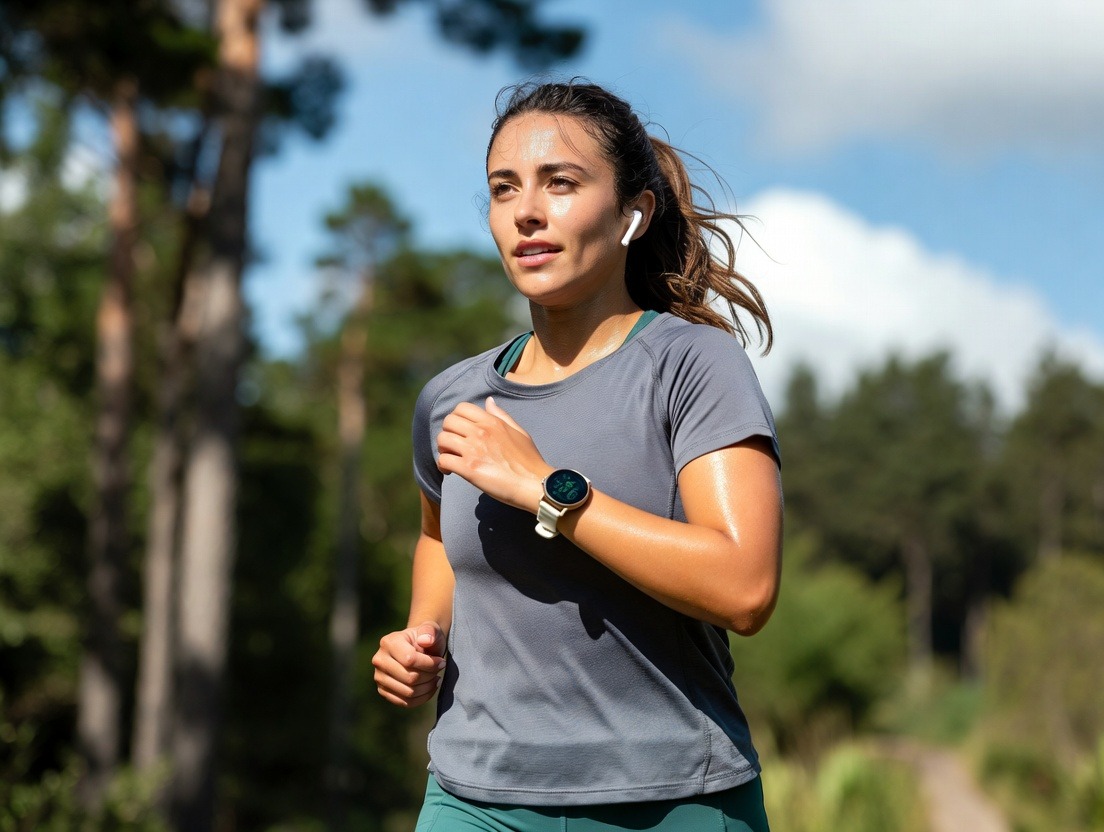
Even with the best plans, travel throws curveballs. Your flight is delayed, you get sick on the road, or you hit a performance wall. Your ring is your diagnostic tool in these moments, helping you move from panic to a systematic response.
Scenario 1: The "I Feel Off" – Early Illness Detection
You have a vague sense of malaise, a scratchy throat, or unusual fatigue. Is it jet lag, stress, or the start of a cold?
Scenario 2: The Performance Plateau or Crash
Midway through a long project, your energy, focus, and motivation crater. Everything feels harder.
Scenario 3: The Severe Sleep Disruption
You’ve done everything right, but you’re in a noisy hotel next to an elevator and you’ve had two terrible nights in a row.
Scenario 4: The Digestion Rebellion
Travel constipation or bloating is common due to dehydration, dietary changes, and stress.
By having a data-informed playbook for these common scenarios, you replace anxiety with agency. You’re no longer a victim of travel’s whims; you’re a problem-solver for your own biology.
You now possess the knowledge: the metrics, the tactics, the integration points, and the troubleshooting protocols. The final step is to architect this knowledge into a Personalized Travel Wellness System (PTWS)—a repeatable, adaptable framework that travels with you. Think of it as your proprietary operating manual, informed by your unique biometric feedback.
Step 1: The Pre-Trip Audit & Packing List 2.0
Transform your packing from a chore into a ritual of preparation.
Step 2: The Non-Negotiable Daily Framework
Design a skeleton schedule that remains constant, regardless of location or time zone. This framework creates pockets of control within chaos.
Step 3: The Weekly Review & Learning Loop
Your system is not static; it evolves. Dedicate 30 minutes each week (perhaps on a flight home) to review your ring’s weekly report and journal notes.
By codifying your approach into a PTWS, you reduce cognitive load. You don’t start from scratch each trip; you execute a refined playbook, leaving mental energy for the work that truly matters.
Once your foundational system is humming, you can explore advanced frontiers of biohacking and performance optimization. These are not for beginners, but for consultants who have mastered the basics and want to squeeze every ounce of resilience and clarity from their travel.
Circadian Fine-Tuning with Light Spectrums:
Beyond "bright light in the morning," you can manipulate specific light wavelengths.
Strategic Supplementation Stacks:
Move beyond magnesium. Create a travel-specific supplement kit based on peer-reviewed research for jet lag and stress.
HRV Biofeedback Training:
Use your ring’s live HRV reading not just as a metric, but as a training tool.
Metabolic Flexibility Protocols:
Train your body to efficiently use both carbohydrates and fats for fuel, making you more resilient to erratic meal schedules.
These advanced techniques require more diligence and self-experimentation. They are the final layer of optimization, turning your body into a precisely tuned instrument for global performance. For a comprehensive framework on building this level of long-term resilience, consider the principles in our 12-month strategic blueprint for stress resilience.
We began this guide by acknowledging the consultant’s paradox: a lifestyle of professional optimization that often comes at the direct expense of personal well-being. We’ve journeyed through the physiology of travel stress, the technology of the smart ring, and the granular tactics for sleep, nutrition, movement, and recovery. But this is more than a collection of tips. It’s an invitation to a fundamental mindset shift.
From Survival to Strategy: Ring Travel Tracking reframes travel from a series of wellness obstacles to a landscape of biofeedback opportunities. Every flight, every hotel room, every client dinner becomes a data point in your ongoing experiment of building a better you. The ring is the compass that allows you to navigate this landscape with intention, not guesswork.
From Hardiness to Resilience: The old model prized the consultant who could "power through" on caffeine, grit, and little sleep. The new model, supported by data, prizes the consultant who demonstrates sustainable resilience. This is the professional who arrives well-rested, thinks clearly under pressure, builds authentic connections, and returns home with energy to spare for their own life. This isn’t about being softer; it’s about being smarter, more durable, and ultimately, more effective. This is how you break the cycle and understand that daily stress management is the key to preventing chronic disease down the line.
Your New Competitive Advantage: In a world where everyone is smart and hardworking, your enduring differentiator will be your sustained energy, your mental clarity, and your emotional regulation. These are not soft skills; they are the hard currency of high-stakes advisory work. By mastering your own biology through Ring Travel Tracking, you are not just investing in your health; you are investing in your professional longevity, your capacity for leadership, and your quality of life.
The path forward is clear:
The road will always present challenges. But now, you have a co-pilot. You have a map written in the language of your own heart rate, your own sleep, your own temperature. You are no longer a passenger in your health journey; you are the pilot, the navigator, and the engineer.
Welcome to the new era of consulting, where the most important client you’ll ever manage is yourself, and the most valuable data you’ll ever analyze is your own. Your journey to sustainable peak performance, one trip at a time, begins now.
Your Trusted Sleep Advocate: Sleep Foundation — https://www.sleepfoundation.org
Discover a digital archive of scholarly articles: NIH — https://www.ncbi.nlm.nih.gov/
39 million citations for biomedical literature :PubMed — https://pubmed.ncbi.nlm.nih.gov/
Experts at Harvard Health Publishing covering a variety of health topics — https://www.health.harvard.edu/blog/
Every life deserves world class care :Cleveland Clinic - https://my.clevelandclinic.org/health
Wearable technology and the future of predictive health monitoring :MIT Technology Review — https://www.technologyreview.com/
Dedicated to the well-being of all people and guided by science :World Health Organization — https://www.who.int/news-room/
Psychological science and knowledge to benefit society and improve lives. :APA — https://www.apa.org/monitor/
Cutting-edge insights on human longevity and peak performance:
Lifespan Research — https://www.lifespan.io/
Global authority on exercise physiology, sports performance, and human recovery:
American College of Sports Medicine — https://www.acsm.org/
Neuroscience-driven guidance for better focus, sleep, and mental clarity:
Stanford Human Performance Lab — https://humanperformance.stanford.edu/
Evidence-based psychology and mind–body wellness resources:
Mayo Clinic — https://www.mayoclinic.org/healthy-lifestyle/
Data-backed research on emotional wellbeing, stress biology, and resilience:
American Institute of Stress — https://www.stress.org/


