


The Complete Beginner-Friendly Guide to Evening Caffeine Cutoff Times
There is an optimal time to stop caffeine intake, as shown by your ring's sleep data.
There is an optimal time to stop caffeine intake, as shown by your ring's sleep data.
%402x.svg)
You pour the last drops of coffee into your mug at 3 PM, hoping the final jolt will power you through your inbox. By 10 PM, you’re scrolling through your phone in bed, eyes heavy but your mind inexplicably buzzing. You know you should be asleep, but a low-grade alertness hums in your veins. You toss, you turn, and you finally drift off only to wake up feeling like you never truly rested. The next morning, tired and foggy, you reach for the coffee pot again—and the cycle continues.
This isn’t just about willpower or a “bad night.” This is a biochemical collision course you didn’t sign up for. Caffeine, the world’s most widely consumed psychoactive substance, is a masterful performance-enhancing drug for your day, but a stealthy saboteur of your night. The secret to wielding its power without suffering its consequences lies not in if you drink it, but when you stop.
Welcome to your definitive, beginner-friendly guide to evening caffeine cutoff times. This is not another article telling you to quit your beloved brew. Instead, it’s a deep, science-backed exploration into synchronizing your caffeine intake with your body’s innate rhythms. We’ll move beyond one-size-fits-all rules and build your personalized caffeine curfew—a simple strategy that can transform your sleep quality, enhance your daytime energy, and improve your overall well-being.
Forget fighting fatigue with more stimulants. It’s time to master the timing.

We often think of sleep and wakefulness as binary states—you’re either asleep or you’re not. But behind the scenes, a complex neurological ballet dictates this transition. The lead dancer in the “stay awake” performance is a neurotransmitter called adenosine. Throughout your waking hours, adenosine gradually accumulates in your brain, binding to receptors and creating a pressure signal that you interpret as sleepiness. This is called sleep pressure, and it’s a healthy, natural build-up that prepares you for rest.
Caffeine is an adenosine impersonator. Its molecular structure is so similar to adenosine that it can sneak into your brain’s adenosine receptors and block them. When caffeine occupies these receptors, the genuine adenosine cannot deliver its “time to sleep” message. You don’t feel the accumulating sleep pressure. This is the famous caffeine “jolt”—it doesn’t give you energy so much as it masks your fatigue.
The problem is that caffeine doesn’t pause the adenosine production line. Your body continues manufacturing and releasing adenosine throughout the afternoon and evening. It’s piling up at the blocked receptor doors. Then, as caffeine is metabolized and finally clears out, the floodgates open. All that pent-up adenosine rushes in, binding en masse. This can cause a crashing feeling of intense fatigue. More critically, if this clearance happens close to or during your intended bedtime, the sudden, overwhelming signal can severely disrupt your ability to fall asleep and, more importantly, to achieve the deep, restorative stages of sleep.
“But I can drink coffee after dinner and fall asleep just fine!” This common refrain highlights caffeine’s most deceptive trick: subjective vs. objective sleep disruption. You may feel like you’ve fallen asleep, but polysomnography (detailed sleep studies) tells a different story. Research consistently shows that caffeine, even consumed 6 hours before bedtime, significantly reduces total sleep time, increases sleep latency (time to fall asleep), and, most destructively, slashes the amount of deep (slow-wave) sleep and REM sleep you get. You might be unconscious, but your brain isn’t completing its vital nighttime maintenance work. This creates a sleep debt you carry into the next day, fueling the perceived need for more caffeine—a classic vicious cycle.
The journey to better sleep through smarter caffeine timing also involves managing your overall stress landscape. Unmanaged stress activates the nervous system in a way that directly competes with sleep signals. For a comprehensive approach to calming your system, explore our guide on stress relief techniques that don't require equipment, which offers accessible tools to complement your new caffeine strategy.
To master timing, you must understand the clock within your cup. The key metric is half-life—the time it takes for your body to eliminate half of the caffeine you’ve consumed. The widely accepted average half-life for a healthy adult is 5 to 6 hours. This number is the anchor of all caffeine cutoff calculations, but it’s crucial to understand what it really means.
Let’s visualize it with a 200 mg cup of coffee (a standard medium brew):
This long tail of caffeine is the “shadow” that stretches into your night. The goal of a cutoff time isn’t to have zero caffeine at bedtime—that’s almost impossible unless you stop very early. The goal is to reduce the residual amount to a negligible level that your sleep architecture can tolerate. Most sleep experts aim for a target of less than 25-50 mg of residual caffeine at bedtime.
However, the 5-6 hour average is just that—an average. Your personal caffeine half-life is influenced by a symphony of factors:
Understanding your personal metabolism is the first step from a generic rule to a personalized strategy. This biological individuality extends to all aspects of well-being, including our emotional landscape. To delve deeper into how your unique biology interacts with your environment, our article on the neurobiology of emotional regulation provides fascinating insights.
If you’ve googled “when to stop drinking coffee,” you’ve likely encountered the blanket decree: “No caffeine after 2 PM” or the “8-hour rule.” While well-intentioned, these rigid mandates are overly simplistic and, for many, unnecessarily restrictive. They fail to account for the variables we just discussed.
Myth 1: The 8-Hour Universal Cutoff. This rule assumes a standard bedtime of 10 PM and a standard metabolism. For a slow metabolizer with a 10-hour half-life, stopping at 2 PM might still leave a significant amount of caffeine at bedtime. For a fast metabolizer, stopping at 5 PM might be perfectly fine. A fixed clock time ignores your unique biology and schedule.
Myth 2: “I’m immune to caffeine’s effects on sleep.” As mentioned, the disruption is often objective, not subjective. You may not consciously feel more alert, but your brainwave patterns are altered. This false sense of immunity often leads to chronic, low-grade sleep deprivation.
Myth 3: Decaf is always a safe alternative. The key word is “alternative,” not “inert.” Decaffeinated coffee is not 100% caffeine-free. A typical 8-oz cup of decaf can contain 2-15 mg of caffeine (compared to 80-100 mg in regular). For most people, this is a non-issue. But for the extremely sensitive or someone drinking multiple large decafs in the evening, it could contribute to the cumulative load.
Myth 4: Caffeine only affects falling asleep. Its most profound impact is on sleep architecture—the structure of your sleep cycles. Deep sleep (Stage N3) is crucial for physical restoration, immune function, and memory consolidation. REM sleep is vital for emotional processing and creativity. Caffeine suppresses both, leading to less restorative sleep even if the total time in bed is the same.
Myth 5: You can “make up” for lost sleep on the weekend. The concept of “sleep debt” is real, but the repayment plan is flawed. While extra sleep on weekends can help, it doesn’t fully reverse the metabolic, cognitive, and hormonal disruptions caused by consistent nightly caffeine-induced sleep loss. The goal is consistent quality, not binge-sleeping.
Letting go of these myths clears the path for a more nuanced, effective, and personalized approach. This process of reframing unhelpful beliefs is a powerful tool not just for sleep, but for managing life’s pressures. The cognitive reframing method for changing stress perception explores this skill in detail.
Now, let’s move from theory to practice. Here is a beginner-friendly, step-by-step method to calculate your Personalized Caffeine Curfew (PCC). You’ll need a notepad or digital note-taking app.
Step 1: Establish Your Non-Negotiables.
Step 2: Estimate Your Caffeine Half-Life.
Since genetic testing isn’t common, we’ll use a practical self-assessment. Ask yourself:
Assign a starting half-life:
Step 3: Gather Your Caffeine Intake Data.
For 2-3 days, log EVERY source of caffeine and the time you consume it. Don’t forget:
Note the approximate milligrams. Use a reliable online database or app for estimates.
Step 4: The Backwards Calculation.
This is the core formula. We work backwards from our Target Bedtime and Target Residual to find our Latest Safe Consumption Time.
Formula:
Latest Safe Consumption Time = Target Bedtime – (Number of Half-Lives Needed × Your Half-Life)
Example for a 6-hour metabolizer aiming for <50 mg residual from a 3 PM, 150 mg coffee:
This suggests that for this person and this dose, a cutoff around 1:30 PM is prudent. If they switched their last drink to a 50 mg green tea at 3 PM, the calculation changes: 50 mg needs just over one half-life to drop below 25 mg (~6.5 hours). So 10:30 PM – 6.5 hours = a 4 PM cutoff for the tea.
Step 5: The Trial, Observation, and Refinement Phase.
Your PCC is a hypothesis. Now you must test it. Implement your calculated cutoff for at least 5-7 days. Observe:
Based on your observations, you may need to adjust your estimated half-life up or down by an hour and recalculate. This process creates a living, breathing guideline that evolves with you.

Mastering your cutoff time requires knowing your total caffeine load. It’s not just about the mug in your hand. Caffeine is a stealth ingredient in many common foods and drinks, and these “hidden sources” can sabotage your carefully planned curfew through cumulative effect.
1. Tea: The Deceptively Gentle Source.
2. Chocolate: The Sweet Saboteur.
The darker the chocolate, the higher the caffeine. While not enormous, it contributes to your daily load.
3. Soda & Energy Drinks: The Liquid Stimulant.
4. Medication & Supplements:
Strategy: Read labels diligently. For at least one week, track all these sources in your log. The goal isn’t to eliminate them, but to account for them in your total daily dose and schedule them wisely within your Personalized Caffeine Curfew framework. Managing this kind of daily inventory and creating a predictable routine is itself a powerful antidote to chaos. Learn more about this principle in our piece on stress relief through routine and predictability.
With your curfew established, let’s optimize the front end of your day. The concept of the “Caffeine Window” suggests there are optimal times to consume caffeine to maximize its benefits and minimize interference with your body’s natural rhythms.
Respect the Cortisol Awakening Response (CAR).
Upon waking, your body undergoes a natural, healthy spike in the hormone cortisol. This CAR helps you feel alert, focused, and ready for the day. It typically peaks 30-45 minutes after waking. If you slam a coffee the moment your feet hit the floor, you are adding a stimulant on top of a naturally rising stimulant (cortisol). This can blunt your body’s natural cortisol rhythm over time and may lead to a greater afternoon crash.
The First Sip Strategy: Consider waiting 60-90 minutes after waking before your first caffeinated beverage. This allows your natural CAR to do its job, and then caffeine can act as a supportive boost as cortisol begins its gradual descent. In the interim, hydrate with water.
Leverage the Afternoon Dip.
The post-lunch dip in energy (circadian nadir around 2-3 PM) is a real biological phenomenon. This is an excellent, strategic time for a moderate caffeine top-up if needed. The key is moderate and timed. This should be your last caffeinated item of the day, and it must be scheduled well before your Personalized Caffeine Curfew. A small coffee, a strong black tea, or even a matcha at this time can help you power through the dip without stealing from your sleep.
Strategic Avoidance: Pre-Workout Caffeine.
For evening exercisers, timing is critical. Caffeine is a fantastic ergogenic aid—it improves performance, reduces perceived effort, and can increase fat oxidation. However, consuming a high-caffeine pre-workout drink at 6 PM for a 7 PM workout is a common sleep mistake. The intense dose plus the physiological arousal from exercise can leave your nervous system activated for hours.
Evening Workout Strategy: If you train in the evening, either:
By viewing your day as a series of biological windows, you shift from reactive caffeine consumption (“I’m tired, need coffee NOW”) to strategic fueling that works with your body, not against it. This mindful approach to consumption and its effects on your nervous system parallels the principles of stress relief through mindful eating and nutrition.
Your Personalized Caffeine Curfew is a dynamic guideline. Your body will give you clear feedback on whether it’s working. Tune into these signals—they are more valuable than any calculator.
Signs Your Cutoff is TOO LATE (You’re still consuming caffeine too close to bed):
Signs Your Cutoff is TOO EARLY (You might be able to tolerate a slightly later time):
The Gold Standard Test: The Caffeine Holiday.
If you’re unsure or want to truly reset your baseline, consider a caffeine holiday. This involves completely eliminating all caffeine for 7-14 days. It’s challenging (expect headaches and fatigue for the first 2-3 days), but incredibly informative.
Listening to these bodily cues is a foundational skill for emotional and physical self-awareness. To build a more resilient system for interpreting and responding to your body’s signals, the concept of the window of tolerance for understanding your emotional capacity is highly relevant.
In the quest for better sleep, subjective feeling is important, but objective data is transformative. This is where modern wellness technology, specifically smart rings, becomes a game-changer for validating and refining your Personalized Caffeine Curfew.
A smart ring like the Oura Ring or similar devices sits comfortably on your finger, collecting physiological data 24/7. Unlike wrist-worn devices, it’s less prone to motion artifacts during sleep and can provide a remarkably detailed picture of your sleep architecture and daily readiness. Here’s how it turns your caffeine experiment into a data-driven project:
1. Quantifying Sleep Architecture.
This is the core benefit. A good smart ring uses sensors (photoplethysmography/PPG for heart rate, accelerometers for movement, and temperature sensors) to estimate:
The Experiment: Implement your calculated PCC for one week. Use your smart ring data to track changes. Did your deep sleep percentage increase? Did your sleep latency decrease? This objective feedback tells you if your cutoff time is effectively protecting your restorative sleep.
2. Tracking Heart Rate Variability (HRV) & Resting Heart Rate (RHR).
By monitoring nightly HRV and RHR trends after adjusting your caffeine cutoff, you get a clear physiological read on whether your body is entering a more restorative state.
3. Providing a “Readiness” or “Recovery” Score.
Many smart rings synthesize data (sleep, HRV, RHR, temperature) into a single morning score. This score is your body’s report card on yesterday’s recovery. As you dial in your caffeine timing, watch for positive trends in this score. It’s a powerful motivator and validation tool.
4. Identifying Individual Patterns.
The data is personal. You might discover that even a 2 PM cutoff disrupts your deep sleep, confirming you’re a slow metabolizer. Or you might see that a 5 PM green tea has no negative impact, allowing you more flexibility. The ring removes the guesswork.
Using technology in this intentional, focused way to improve a specific habit is the opposite of the scattered, stress-inducing digital experience many of us have. It’s a form of targeted, beneficial engagement. For a broader look at balancing tech use, consider the principles of a digital detox approach for technology-free stress relief.
For those who consume moderate to high amounts of caffeine daily, the idea of a 1 PM cutoff can feel like a cliff’s edge, triggering anxiety about afternoon crashes and withdrawal headaches. The goal isn’t to suffer through white-knuckled afternoons. A graceful transition is possible through smart tapering and strategic alternatives.
The Gentle Taper: Reducing Your Dose, Not Your Ritual.
The ritual of a break is powerful. You can maintain the ritual while reducing the caffeine payload.
Delicious and Effective Caffeine-Free Alternatives.
The afternoon often calls for a warm, flavorful, or stimulating beverage. Here are excellent options that won’t interfere with sleep:
Managing Withdrawal Symptoms Gracefully.
If you do reduce your overall intake, be prepared for 2-3 days of potential withdrawal: headache, fatigue, irritability, brain fog.
Remember, this transition is an act of kindness to your future self who wants to sleep. Building new, supportive rituals is a cornerstone of sustainable wellness. For more on creating a personalized set of such practices, our guide on how to build a personal stress relief toolkit with a customized approach offers a wonderful framework.
A caffeine curfew is a potent single intervention, but it works best as part of a holistic sleep hygiene strategy. Think of it as the most important player on a team. Here’s how it synergizes with other crucial practices:
Light Exposure: The Master Zeitgeber.
Light is the primary cue that sets your master circadian clock. Morning light exposure suppresses melatonin and reinforces a strong “daytime” signal. Evening exposure to blue light from screens does the opposite—it tricks your brain into thinking it’s still daytime, suppressing melatonin production right when you want it to rise.
The Wind-Down Routine: Signaling Safety to the Nervous System.
A consistent 30-60 minute wind-down routine acts as a buffer between the stimulation of the day and the quiet of sleep. It’s a signal to your nervous system that it’s safe to shift into “rest and digest” (parasympathetic) mode.
Diet & Meal Timing.
A large, heavy, or spicy meal right before bed forces your digestive system to work overtime, which can disrupt sleep. Similarly, going to bed hungry can be distracting.
Consistent Sleep Schedule.
Going to bed and waking up at roughly the same time every day (even on weekends) is arguably the most powerful sleep hygiene practice. It stabilizes your circadian rhythm.
The Bedroom Environment.
A cool (65-68°F or 18-20°C), dark, and quiet bedroom is ideal for sleep.
By layering these practices, you create a robust, multi-faceted defense against poor sleep. The caffeine cutoff is the keystone habit that makes all the others more effective. For a deep dive into creating a truly serene end to your day, explore our dedicated guide on stress relief techniques for nighttime and pre-sleep.
Even with the best-laid plans and a personalized caffeine curfew, real life happens. You have a late-night work deadline, a social dinner that runs long, or you’re navigating a time zone change. The goal isn’t perfection, but resilient adaptability. Let’s troubleshoot common scenarios to keep your sleep on track.
The Late-Night Work or Study Session.
This is perhaps the greatest temptation: reaching for coffee to power through a project when you’re already tired. This strategy is biologically counterproductive.
Social Evenings: Dining Out or Late Gatherings.
You’re at a restaurant for a 7:30 PM dinner and the dessert menu features tiramisu and espresso.
Shift Work and Non-Traditional Schedules.
For nurses, factory workers, pilots, and others on rotating or night shifts, the standard “avoid afternoon caffeine” rule is meaningless. Their “afternoon” might be 2 AM.
Travel and Jet Lag.
Crossing time zones disrupts your circadian rhythm. Caffeine can be used strategically to adapt, but it can also deepen the disorientation.
Navigating these scenarios requires flexibility and self-compassion, recognizing that adaptation is a process. The skill of maintaining emotional balance during major life changes provides a valuable mindset for managing schedule disruptions without adding self-criticism to the mix.

Adhering to a thoughtful caffeine cutoff time is an investment with compounding interest. While the immediate payoff is improved sleep, the long-term ripple effects touch nearly every aspect of your health and performance. This is where the true power of the practice is revealed.
1. Enhanced Daytime Energy and Stable Mood.
This is the beautiful paradox: consuming less caffeine strategically leads to feeling more energy naturally. By protecting your deep sleep, you wake up with a fuller “energy tank.” You reduce your dependence on the artificial stimulant cycle of peaks and crashes. This leads to more stable blood sugar, more balanced neurotransmitters, and consequently, a more even, resilient mood throughout the day. You’re not at the mercy of your next caffeine fix.
2. Improved Metabolic and Hormonal Health.
Sleep is a regulator of your endocrine system. Chronic sleep disruption from late caffeine is linked to:
3. Boosted Cognitive Function, Memory, and Creativity.
Deep sleep is when your brain clears metabolic waste (via the glymphatic system) and consolidates memories from the day into long-term storage. REM sleep is crucial for connecting disparate ideas and fostering creative insight. When you prioritize sleep by managing caffeine, you are directly investing in your brain’s maintenance, organization, and innovative capacity. You’ll likely notice better focus, clearer thinking, and improved problem-solving.
4. Strengthened Immune Function.
Sleep is non-negotiable for immune health. Key immune cells, like natural killer cells and T-cells, are produced and activated during sleep. The anti-inflammatory cytokine release that occurs during deep sleep helps the body repair and defend itself. Consistently cutting your sleep short with caffeine makes you more susceptible to common infections and can impair your body’s ability to mount an effective immune response.
5. Emotional Resilience and Stress Tolerance.
A well-rested brain has a more robust prefrontal cortex—the CEO of your brain responsible for rational decision-making and emotional regulation. When you’re sleep-deprived, this area is impaired, and the amygdala—the emotional alarm center—becomes more reactive. This means you’re more likely to perceive situations as stressful and react with irritability or anxiety. Quality sleep, protected by your caffeine cutoff, builds a buffer against daily stressors. For a holistic look at building this kind of resilience, our complete guide to emotional balance where science meets practice explores this foundation of well-being.
6. Longevity and Cellular Health.
The cumulative effect of all the above benefits is a profound impact on your long-term health span. Quality sleep is associated with reduced risk of chronic diseases, including cardiovascular disease, neurodegenerative conditions, and certain cancers. It supports telomere health, a marker of cellular aging. By honoring your sleep with a caffeine curfew, you are making a daily choice that supports a longer, healthier life.
In essence, your evening caffeine cutoff is not a restriction; it’s a liberation from the cycle of artificial stimulation and inadequate restoration. It’s a commitment to allowing your body’s innate, powerful restorative processes to run their full course, night after night.
Knowledge is power, but implementation is results. Let’s synthesize everything into a clear, actionable, one-week plan to launch your Personalized Caffeine Curfew (PCC). Follow these steps to move from concept to habit.
Week 1: The Foundation Phase
Days 1-2: Observation & Baseline.
Day 3: The Calculation.
Days 4-7: The Implementation Trial.
End of Week 1: The Review & Refine.
Going Forward: Habit Stacking & Integration.
Once you’ve found your sweet spot, integrate it seamlessly into your life.
Remember, this plan is yours to adjust. The body is not a machine; it’s a dynamic, living system. Your PCC may need seasonal adjustments or changes during periods of high stress or altered routine. The skill is in paying attention and adapting. Building this kind of attentive, personalized system is a form of self-care that builds lasting resilience, moving you beyond temporary relief to building permanent stress adaptations.
The final, and perhaps most profound, piece of the puzzle is psychological. How you think about your caffeine curfew will determine your long-term success. Shifting from a mindset of deprivation to one of empowerment and sophisticated self-care is essential.
From Deprivation to Strategic Empowerment.
The language we use matters. Telling yourself “I can’t have coffee after 2 PM” frames the curfew as a loss of freedom, a restriction imposed by an external rule. This creates resistance and makes the rule feel brittle.
Viewing Caffeine as a Performance Tool, Not a Crutch.
In this empowered mindset, caffeine’s role changes. It is no longer a necessary fuel to function (a crutch), but a precision tool you deploy for specific benefits.
Cultivating Patience and Observing Subtle Gains.
The benefits of good sleep are not always dramatic. They are cumulative and often subtle: a slightly calmer reaction to stress, a bit more patience with a loved one, a clearer thought arriving a little faster. This requires you to become a connoisseur of your own well-being.
Self-Compassion for Slip-Ups.
You will have days where the coffee cart at 4 PM is too tempting, or a late-night work emergency feels like it demands a stimulant. This is normal. The path is not linear.
Connecting to a Broader “Why.”
Anchor your caffeine practice to a deeper value. Is it because you want to be more present for your children in the evenings? More creative in your work? Have more stamina for your hobbies? Better health to enjoy your later years? When your daily choice (the cutoff) is connected to a meaningful life value (presence, creativity, vitality), it transforms from a chore into a meaningful ritual.
By adopting this mindset, you stop fighting against caffeine and start collaborating with your own biology. You become the expert conductor of your energy symphony, with caffeine as just one instrument in the orchestra, played at the right moment to create a harmonious day and a restorative night. This journey of intentional living, where small, consistent choices build a life of greater balance and vitality, is the ultimate goal of any wellness practice.
Having established the science, crafted your personalized plan, and cultivated the right mindset, we now arrive at the integration phase. This final portion of the guide is about making your caffeine curfew effortless, exploring advanced nuances, and connecting this single habit to a holistic vision of sustained energy and health. We’ll move from doing the practice to living it, and examine the frontiers of what’s possible when you fully align your habits with your biology.
The concept of a “one-size-fits-all” cutoff time fails not only because of individual metabolism but also because of innate differences in our internal timing systems, known as chronotypes. Are you a natural early bird, a night owl, or somewhere in between? Your chronotype, largely genetically determined, dictates your ideal schedule for sleep, activity, and even caffeine consumption.
Understanding the Major Chronotypes:
Tailoring Your PCC to Your Chronotype:
Your Personalized Caffeine Curfew isn’t just about half-life; it’s about harmonizing with your natural energy wave.
Action Step: Identify your chronotype (many online quizzes are based on the work of Dr. Michael Breus). Observe your natural energy peaks and troughs for a week without an alarm if possible. Then, align your caffeine window to support your peak times and cease well before your natural wind-down begins, not society’s wind-down.
This alignment of external habits with internal rhythm is a profound form of self-honoring that reduces chronic friction. It’s a practical application of the principle of achieving emotional balance in a world of constant stimulation, by respecting your unique temporal design.
Caffeine and stress are linked in a biochemical tango that directly impacts sleep. Understanding this loop is crucial for breaking it.
The Physiology: Caffeine as a Stress Mimic.
Caffeine doesn’t just block adenosine. It also stimulates the release of adrenaline (epinephrine) and cortisol, the body’s primary stress hormones.
How This Sabotages Sleep:
The Self-Perpetuating Loop:
Breaking the Cycle with Your Cutoff:
Your caffeine curfew acts as a circuit breaker. By imposing a firm endpoint on chemical stimulation, you give your nervous system a guaranteed window to downregulate. This is not passive; it’s an active creation of safety for your body. Pairing this with deliberate stress-reduction practices in the evening—such as the humming and chanting method for vagal nerve stimulation or the gentle pressure of a weighted blanket for deep pressure therapy—can powerfully signal to your body that the “danger” (and the stimulant) has passed, and it’s now safe to restore.
Your caffeine metabolism doesn’t happen in a vacuum. It shares a primary metabolic pathway in the liver (the CYP1A2 enzyme system) with a wide array of common medications. These interactions can dramatically alter caffeine’s effects and vice-versa.
Medications That SLOW Caffeine Clearance (Increasing its effects & half-life):
These medications compete with caffeine for the CYP1A2 enzyme, causing caffeine to linger much longer in your system. Your standard 6-hour half-life could extend to 8, 10, or even 12 hours.
Medications That SPEED UP Caffeine Clearance (Decreasing its effects):
These medications induce the CYP1A2 enzyme, causing caffeine to be metabolized and cleared faster.
Medications Whose Effects Are Altered by Caffeine:
Action Step: Consult your pharmacist or physician. Review your medication list with them and explicitly ask, “Do any of these affect or are affected by caffeine metabolism?” This is a non-negotiable step for anyone on long-term medication who is serious about optimizing their caffeine cutoff. It’s a perfect example of taking a customized approach to building your personal wellness toolkit, where you integrate professional medical advice with lifestyle strategy.
We’ve covered hidden sources like chocolate and soda, but the modern diet and supplement landscape is filled with “micro-doses” of caffeine that can create a significant background load, subtly elevating your nervous system and making your final cutoff less effective.
The “Energy” or “Focus” Supplement:
Many over-the-counter supplements for energy, weight loss, or cognitive enhancement contain caffeine from multiple sources—guarana extract, green coffee bean extract, yerba mate, tea extract—often listed under a “proprietary blend” where the exact dose is hidden. A single pill might contain 100+ mg from these combined sources.
“Caffeine-Infused” Products:
The market has expanded to include caffeine-infused energy bars, protein bars, chewing gum, mints, and even sparkling water (like Celsius or other “energy” waters). These are easy to consume without mentally categorizing them as a “caffeinated beverage.”
Pain Relievers (Revisited):
As mentioned, but worth emphasizing. Taking Excedrin for a late-afternoon headache can add 65 mg of caffeine to your system just as you’re trying to wind down.
The Cumulative Load Problem:
Imagine a day with:
Strategy: The “Caffeine Budget” Approach.
Managing this kind of environmental and dietary complexity is a skill that reduces cognitive load and stress. It aligns with the principles of finding stress relief through organization and environmental control.
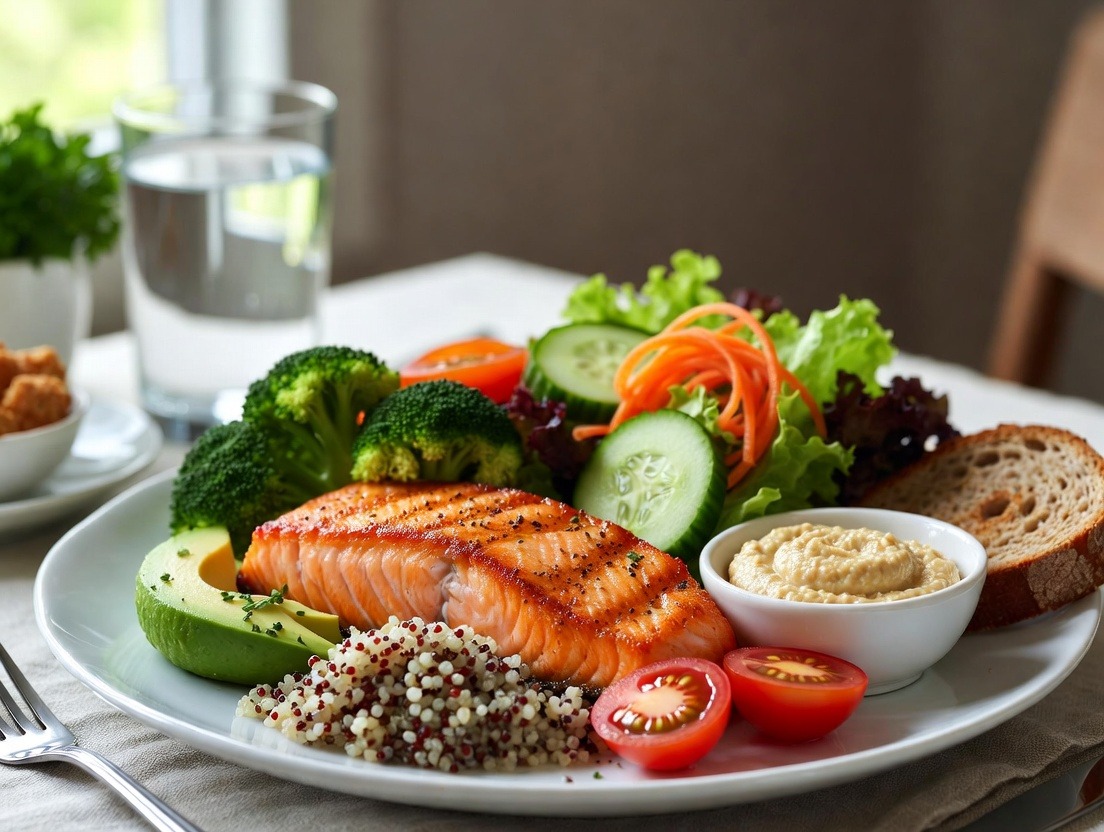
What you consume alongside and instead of caffeine can significantly modulate its effects and support your body’s ability to process it efficiently.
Hydration: The Essential Dilutant.
Caffeine is a mild diuretic, meaning it increases urine production. Chronic under-hydration can concentrate caffeine and its metabolites in your system and exacerbate side effects like jitters, headaches, and anxiety.
Key Nutrients that Support Detoxification:
Your liver uses specific nutrients to metabolize caffeine (Phase I and Phase II detoxification).
Foods to Moderate with Late Caffeine:
The Foundation: A Nutrient-Dense Diet.
Ultimately, supporting your body to handle any compound, including caffeine, starts with a foundation of whole foods, adequate protein, healthy fats, and fiber. This stabilizes energy, provides necessary co-factors, and reduces inflammatory stress on the system. This holistic approach to fueling your body is explored in depth in our resource on stress relief through mindful eating and nutrition for the nervous system.
Your body is not a static entity. It responds to the changing length of days, temperature, and activity patterns throughout the year. Your Personalized Caffeine Curfew can be a dynamic, living guideline that adapts to the seasons.
Winter (Shorter Days, Less Light):
Summer (Longer Days, More Light):
Seasonal Routine Shifts:
The wisdom is in paying attention. Each season, check in: “Is my current cutoff still serving my sleep and energy?” This attunement to your body’s changing needs is a practice of building emotional balance through daily micro-practices of observation and adjustment.
While a caffeine curfew is a powerful tool for most, it is not a panacea. Certain sleep disorders and health conditions require professional diagnosis and intervention. It’s important to recognize the red flags.
Signs That Your Sleep Issues May Require Medical Evaluation:
How Caffeine Interacts with Sleep Disorders:
The Path Forward:
Managing a chronic sleep disorder involves specialized strategies that go far beyond caffeine timing. It requires building specific permanent stress adaptations and physiological resilience, often with professional guidance.
Imagine a day that begins not with a desperate gasp for coffee, but with a gentle awakening from a full night of deep, uninterrupted sleep. Your energy is stable, not spiky. Your focus is clear, not forced. Your mood is resilient, not reactive. This is not a fantasy; it is the predictable outcome of consistently honoring your body’s need for undisturbed restoration, with your caffeine curfew as the guardian of that process.
The Compound Benefits Revisited:
As you maintain this practice over months and years, the benefits compound:
Your Caffeine Curfew as a Keystone Habit:
This one habit—deciding when to stop—has ripple effects. It encourages you to craft a calming evening routine. It makes you more mindful of your daytime energy sources. It connects you to the natural rhythm of your body and the day. It is a daily act of self-respect that says, “My recovery is non-negotiable.”
A Final Invitation to Begin:
You now hold a comprehensive map—from the cellular mechanics of adenosine to the psychological reframing of deprivation to empowerment. You have a step-by-step plan to find your Personalized Caffeine Curfew and the tools to troubleshoot obstacles.
The journey starts with a single choice: tonight, will you give your brain the uninterrupted darkness and chemical silence it needs to perform its ancient, vital work of restoration?
Choose your cutoff. Honor your sleep. Reclaim your natural energy. The path to a more vibrant, focused, and resilient you begins not with another cup of coffee, but with the conscious decision to put the cup down, at the right time, today.
Your Trusted Sleep Advocate: Sleep Foundation — https://www.sleepfoundation.org
Discover a digital archive of scholarly articles: NIH — https://www.ncbi.nlm.nih.gov/
39 million citations for biomedical literature :PubMed — https://pubmed.ncbi.nlm.nih.gov/
Experts at Harvard Health Publishing covering a variety of health topics — https://www.health.harvard.edu/blog/
Every life deserves world class care :Cleveland Clinic - https://my.clevelandclinic.org/health
Wearable technology and the future of predictive health monitoring :MIT Technology Review — https://www.technologyreview.com/
Dedicated to the well-being of all people and guided by science :World Health Organization — https://www.who.int/news-room/
Psychological science and knowledge to benefit society and improve lives. :APA — https://www.apa.org/monitor/
Cutting-edge insights on human longevity and peak performance:
Lifespan Research — https://www.lifespan.io/
Global authority on exercise physiology, sports performance, and human recovery:
American College of Sports Medicine — https://www.acsm.org/
Neuroscience-driven guidance for better focus, sleep, and mental clarity:
Stanford Human Performance Lab — https://humanperformance.stanford.edu/
Evidence-based psychology and mind–body wellness resources:
Mayo Clinic — https://www.mayoclinic.org/healthy-lifestyle/
Data-backed research on emotional wellbeing, stress biology, and resilience:
American Institute of Stress — https://www.stress.org/


