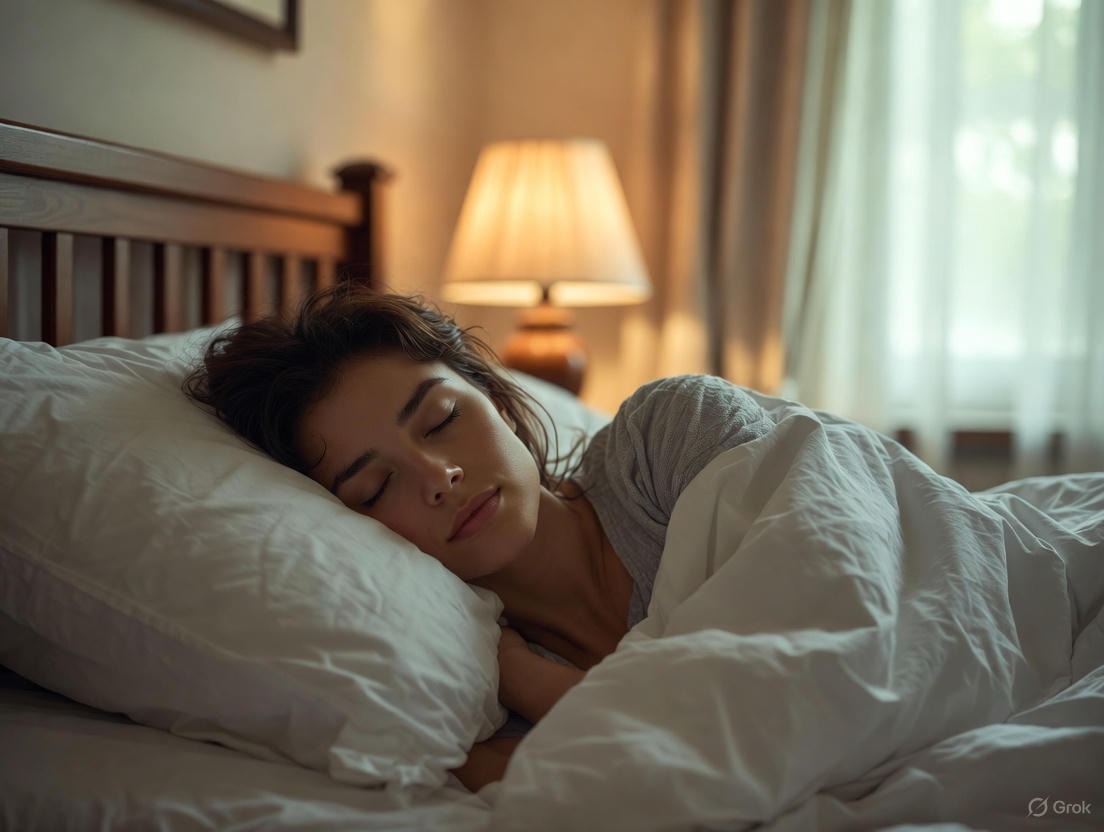
The Complete Beginner-Friendly Guide to Sleep Optimization for Athletic Performance
A complete beginner's guide to sleep optimization for athletic performance.
The Complete Beginner-Friendly Guide to Sleep Optimization for Athletic Performance
You’ve done the extra sprint sessions. You’ve dialed in your macros. You’ve lifted until your muscles scream for mercy. Yet, you’re hitting a plateau. That new personal record feels perpetually out of reach, and your recovery seems to drag on for days. What if the single most powerful performance enhancer isn’t found in the gym, the supplement aisle, or even your diet plan? What if it’s waiting for you every night, in the quiet dark of your bedroom?
For the athlete—whether you’re a weekend warrior, a collegiate competitor, or a seasoned marathoner—sleep is not passive downtime. It is an active, physiological workshop where the magic of adaptation happens. It’s when your body repairs micro-tears in muscle fibers, consolidates motor skill memory, regulates the hormones that govern growth and appetite, and clears metabolic waste from your brain. To neglect sleep is to sabotage every other effort you make.
This guide is your roadmap to transforming sleep from an afterthought into the cornerstone of your athletic success. We’ll move beyond vague advice like “get more sleep” and dive into the precise, actionable science of sleep optimization. You’ll learn not just to sleep longer, but to sleep smarter, harnessing every stage of the sleep cycle for tangible gains in strength, speed, endurance, and resilience. And in our modern world, technology like the smart ring offers an unprecedented window into this nocturnal world, providing the personalized data you need to move from guessing to knowing.
Consider this: your training provides the stimulus, but your sleep provides the result. Let’s build a foundation for results that will change your game forever.
Why Sleep is Your Secret Performance Weapon: More Than Just Rest
We often view sleep as the bookend to our day—a period of nothingness between training sessions. This could not be further from the truth. For the athlete, sleep is a period of intense biological activity, a non-negotiable part of the training cycle itself. To skip on sleep is to skip the most critical phase of your workout: the repair and upgrade phase.
During deep sleep (slow-wave sleep), your body enters a state of anabolic repair. Growth hormone secretion peaks, orchestrating the repair of tissues damaged during the day’s training. This is when proteins are synthesized, and muscle fibers are rebuilt stronger. Without sufficient deep sleep, this repair process is incomplete, leaving you chronically inflamed, sore, and unable to adapt to your training load.
Simultaneously, your brain is busy in its own workshop. During REM (Rapid Eye Movement) sleep, it processes and consolidates the motor skills and techniques you practiced. That free-throw routine, the perfect swim stroke, the complex dance sequence—they are being etched into your neural pathways, moving from clumsy conscious effort to fluid, automatic skill. A study on basketball players at Stanford University found that extending sleep to 10 hours per night significantly improved sprint times, shooting accuracy, and overall mood.
But the benefits cascade far beyond muscle and memory. Sleep is the master regulator of your endocrine system:
Cortisol: This stress hormone, which can break down muscle tissue when chronically elevated, follows a healthy diurnal rhythm—suppressed at night to allow for recovery. Poor sleep disrupts this, keeping cortisol unnecessarily high.
Leptin & Ghrelin: Sleep deprivation slashes leptin (the “I’m full” hormone) and spikes ghrelin (the “I’m hungry” hormone). This one-two punch drives cravings for high-calorie, sugary foods, undermining your nutrition discipline and body composition goals.
Immune Function: During sleep, your body produces cytokines, proteins that fight infection and inflammation. Consistently short-changing sleep makes you far more susceptible to the common colds and illnesses that derail training blocks.
The cognitive impact is equally critical for performance. Reaction time, decision-making accuracy, emotional regulation, and pain tolerance all plummet with sleep loss. On the field or in the arena, this can mean the difference between a gold medal and a dangerous error.
In essence, every hour of high-quality sleep is a direct investment in your athletic portfolio. It compounds the returns from your training and nutrition. While you’re peacefully unaware, your body is doing its most important work. The first step to optimization is respecting that work. As you build your foundational daily wellness habits for better sleep, this respect turns into measurable, data-driven practice.
The Science of Sleep Cycles: Understanding Your Nightly Repair Phases
To optimize something, you must first understand how it works. Sleep is not a monolithic state of unconsciousness; it’s a beautifully orchestrated cycle of distinct stages, each with a unique role in physical and mental restoration. For the athlete, knowing these stages is like knowing the purpose of each exercise in your workout plan.
A full sleep cycle lasts about 90 to 110 minutes, and you will journey through four to six of these cycles in a full night. Each cycle consists of:
Stage 1 (N1): Light Sleep (1-5 minutes) This is the doorway to sleep, a brief transition from wakefulness. Your muscles begin to relax, and brain waves start to slow. It’s easy to be awakened here. While not a major restorative stage, it’s the necessary on-ramp.
Stage 2 (N2): Deeper Light Sleep (10-60 minutes) You spend nearly 50% of your night in this stage. Your heart rate slows, body temperature drops, and brain waves show characteristic “sleep spindles” and “K-complexes” thought to be crucial for memory consolidation and sensory processing. This stage protects sleep stability and prepares the body for deep sleep.
Stage 3 (N3): Deep Sleep or Slow-Wave Sleep (20-40 minutes) This is the holy grail for physical recovery. Brain waves become slow, synchronized delta waves. It is very difficult to wake someone from deep sleep. This is the prime time for:
Physical repair and growth (peak growth hormone release).
Cellular restoration and regeneration.
Boosting immune function.
Clearing metabolic waste from the brain.
For the athlete, the amount of deep sleep you get is directly correlated with your ability to recover from intense training. It’s when your body does its heaviest lifting to repair the damage you’ve intentionally caused.
Stage 4: REM Sleep (10-60 minutes) After deep sleep, you ascend back into lighter sleep before entering REM. Your brain becomes highly active (almost as active as when awake), your eyes dart rapidly, and most dreaming occurs. Your body enters a state of temporary muscle paralysis (atonia) to prevent you from acting out your dreams. REM sleep is essential for:
Cognitive recovery and memory consolidation, especially for procedural (motor skill) memory.
Emotional processing and regulation.
Brain development and neural connectivity.
For skill-based sports, REM sleep is where your practice becomes permanent.
The architecture of these cycles is key. In the first half of the night, cycles are dominated by deep N3 sleep. As the night progresses, REM sleep periods lengthen. This is why both total sleep time and uninterrupted sleep are critical—cutting your sleep short often robs you of the longest, most valuable REM periods.
This complex, cyclical process is why simple step-tracking doesn’t capture recovery. Modern tools like smart rings, which use advanced sensors to track heart rate variability (HRV), resting heart rate, and body temperature, can provide startlingly accurate estimates of sleep stages, helping you see not just how long you slept, but how well you cycled. This data becomes the foundation for intelligent adjustments, much like using a wellness ring to identify your most important daily habits for overall health.
How Much Sleep Do Athletes Really Need? Debunking the 8-Hour Myth
“Get eight hours of sleep” is one of the most universal and yet most unhelpful pieces of health advice. It’s a population average, not an individual prescription. For athletes, whose systems endure extraordinary stress, the prescription is almost always more.
The American Academy of Sleep Medicine and the Sleep Research Society recommend 7-9 hours for the average healthy adult. However, research on athletes consistently points to a higher requirement. Studies, including those on Stanford athletes, suggest that when given the opportunity, many athletes will naturally sleep 9-10 hours per night when in heavy training, and show significant performance improvements as a result.
So, how much do you need? Here’s a beginner-friendly framework to find your personal sleep “sweet spot”:
1. Start with the Baseline Test (The Vacation Protocol): If possible, find a 5-7 day period where you have no early alarms (a vacation or light training week). Go to bed at the same time each night and allow yourself to wake up naturally. Avoid caffeine and alcohol during this test. By day 4 or 5, the amount of sleep you’re consistently getting is a strong indicator of your true physiological need. For many athletes, this number lands between 8.5 and 10 hours.
2. Listen to Your Daytime Bio-Feedback: Your need for sleep isn’t just about nighttime. Ask yourself:
Do you need an alarm to wake up?
Do you feel a significant energy dip in the mid-afternoon (2-4 PM)?
Do you fall asleep in less than 5-8 minutes when you go to bed? (Falling asleep instantly can be a sign of severe sleep debt.)
Is your mood, motivation, or appetite harder to regulate?
3. Factor in Your Training Load: Your sleep need is not static. It fluctuates with:
Training Volume & Intensity: A high-volume block or introduction of intense sprint/strength work increases physical breakdown and thus increases sleep need.
Life Stress: Mental and emotional stress from work, school, or relationships is additive to physical stress. During high-stress periods, your sleep requirement climbs, a critical concept explored in our guide on building habits during high-stress periods.
Competition Schedule: Leading into a major competition, prioritizing “sleep banking” (consistently getting extra sleep) can build a resilience buffer.
4. Use Technology as a Guide, Not a Gospel: A smart ring or other sleep tracker can provide invaluable objective data. Look at trends, not single nights. Is your deep sleep percentage consistently low (<15-20%)? Is your sleep continuity fragmented? These are signs you may need more time in bed or need to improve sleep quality. The goal is to reach a point where your wellness ring readiness score is consistently high, indicating you are truly recovered.
For the beginner athlete, start by adding 15-30 minutes to your current sleep time. Stick with it for two weeks and note changes in performance, recovery speed, and mood. Incremental, consistent increases are more sustainable than trying to jump from 6 to 9 hours overnight. Remember, sleep is a dose-dependent nutrient for your brain and body. Find your dose.
Pre-Sleep Rituals: Crafting the Perfect 60-Minute Wind-Down
You can’t sprint into sleep. Just as you warm up for a workout, you must cool down for bed. The hour before you intend to fall asleep is the “performance zone” for sleep onset and quality. This is where you intentionally signal to your primal nervous system that it’s time to shift from sympathetic (fight-or-flight) dominance to parasympathetic (rest-and-digest) dominance.
A effective wind-down ritual is personal, but it should be consistent and composed of activities that are calming, low-stimulation, and enjoyable. Here is a blueprint for your perfect 60-minute pre-sleep routine:
Minutes 60-30 Before Bed: The Digital Sunset & Environment Prep
Disconnect from Screens: This is non-negotiable. The blue light emitted from phones, tablets, and TVs suppresses melatonin production, the hormone that makes you sleepy. Enforce a strict screen curfew. If you must use a device, enable night mode/blue light filters hours in advance, but better yet, put it in another room.
Dim the Lights: Lower the ambient lighting in your home. Use lamps instead of overhead lights. This supports your natural circadian rhythm and melatonin rise.
Prepare Your Space: Set the room temperature to cool (around 65-68°F or 18-20°C is ideal for most). Lay out your clothes for the next morning. The goal is to eliminate decision-making and potential stressors once you’re in bed.
Minutes 30-15 Before Bed: The Mind & Body Transition
Gentle Mobility or Stretching: Not a workout. Think 10-15 minutes of gentle yoga, foam rolling, or static stretching. Focus on deep, diaphragmatic breathing. This releases physical tension and bridges the gap between an active day and a restful night.
Gratitude or Reflection Journaling: Spend 5 minutes writing down three things you were grateful for that day, or simply “download” any lingering thoughts or worries onto paper to clear your mental cache. This practice can reduce anxiety and intrusive thoughts when your head hits the pillow.
Minutes 15-0 Before Bed: The Final Calm
A Calming Ritual: This could be reading a physical book (not a thriller!), listening to a calm podcast or sleep story, or practicing a short, guided meditation. Meditation, in particular, is a powerful tool for athletes to manage stress and improve HRV, as detailed in our guide to meditation habits and HRV.
Consistency is Key: Try to start this 60-minute wind-down at the same time each night, even on weekends. Consistency reinforces your body’s internal clock.
What you avoid is as important as what you do:
Avoid Intense Conversations or Work: Don’t check work emails, have heated discussions, or plan your upcoming intense training session.
Avoid Large Meals & Excess Fluids: Digestion can disrupt sleep, and a full bladder will wake you up.
Avoid Stimulants: This includes not just caffeine, but also nicotine and even exciting video content.
Your pre-sleep ritual is your nightly performance hack. It doesn’t require willpower; it requires routine. By deliberately crafting this buffer zone, you don’t just hope for good sleep—you engineer it.
Nutrition for Nightly Recovery: What to Eat (and Avoid) for Optimal Sleep
You are not just what you eat; you sleep how you eat. The timing, composition, and quantity of your food and drink directly influence sleep architecture, hormonal balance, and your ability to fall and stay asleep. For the athlete, this is a critical piece of the recovery puzzle.
Foods & Nutrients That Promote Sleep:
Tryptophan-Rich Foods: This amino acid is a precursor to serotonin and melatonin. Pair it with a small amount of complex carbohydrates to help it cross the blood-brain barrier. Examples: Turkey, chicken, dairy (milk, yogurt), nuts (especially almonds), seeds (pumpkin, sesame).
Magnesium: Often called “nature’s relaxant,” magnesium helps regulate neurotransmitters and muscle function. Many athletes are deficient. Sources: Leafy greens, nuts, seeds, legumes, avocado, dark chocolate (in moderation, and not right before bed!).
Complex Carbohydrates (Timed Right): A small serving of complex carbs in the evening can facilitate tryptophan uptake and help stabilize blood sugar overnight. Examples: A small sweet potato, oatmeal, or a slice of whole-grain toast.
Tart Cherry Juice: A natural source of melatonin and anti-inflammatory compounds. Studies suggest it can improve sleep quality and duration. A small glass 1-2 hours before bed can be beneficial.
Herbal Teas: Chamomile, valerian root, passionflower, and lemon balm have mild sedative properties and form a comforting part of a wind-down ritual.
The Strategic Dinner & Evening Snack:
Your last large meal should be finished 2-3 hours before bedtime. This allows for significant digestion to occur before you lie down.
If you need a small pre-bed snack (especially if you train late), aim for a 30-45 minute window before your wind-down and choose a combination that is easy to digest and sleep-supportive:
Example 1: A small bowl of cottage cheese with a few berries.
Example 2: A banana with a tablespoon of almond butter.
Example 3: A small glass of warm milk or tart cherry juice.
Foods & Substances to Avoid (Especially in the Late Afternoon & Evening):
Caffeine: Its half-life is 5-6 hours. For most people, a hard cutoff of 2 PM for coffee, tea, and other caffeinated beverages is wise. Sensitivity varies greatly, and learning your personal tolerance is key, a process made easier with the objective data from a guide to caffeine habits using a smart ring.
Alcohol: It may help you fall asleep faster, but it is a sedative that wrecks sleep architecture. It severely suppresses REM sleep, leads to frequent awakenings in the second half of the night, and is dehydrating. For performance, treat it as a recovery-sabotaging agent.
High-Fat & Spicy Meals: Can cause indigestion, heartburn, and discomfort when lying down.
Excessive Fluids: Hydrate well throughout the day, but taper intake 1-2 hours before bed to minimize disruptive nighttime trips to the bathroom.
Hidden Sugars & Refined Carbs: Can cause blood sugar spikes and crashes, potentially leading to nighttime awakenings.
Practical Tip: Keep a simple food-sleep log for a week. Note what and when you ate your last meal/snack and rate your sleep quality. You may discover personal triggers or allies you never knew existed. Nutrition for sleep is a powerful, direct lever you can pull every single day.
Daytime Habits That Build Nighttime Success: It’s Not Just About the Night
The seeds of a great night’s sleep are sown from the moment you wake up. Your daily behaviors—from your first exposure to light to your final workout—set the stage for how easily you’ll fall asleep and how restorative that sleep will be. Think of it as building “sleep pressure” (the homeostatic drive to sleep) and aligning your “sleep clock” (your circadian rhythm) perfectly.
1. Master Your Light Exposure:
Light is the most powerful zeitgeber (time-giver) for your circadian rhythm.
Morning (Within 30-60 mins of waking): Get bright, natural light exposure for at least 10-15 minutes. Go outside without sunglasses if safe to do so. This signals to your brain that the day has started, suppresses melatonin, boosts cortisol (healthily), and sets a timer for melatonin release roughly 14 hours later. On dark mornings, a bright light therapy lamp can help.
Afternoon: Seek another dose of natural light. This helps maintain a robust circadian signal and can combat the afternoon slump better than caffeine.
Evening (From Sunset Onward): As discussed, dim artificial lights and avoid blue light. Consider using blue-light-blocking glasses if screen use is unavoidable in the evening.
2. Time Your Movement Wisely:
Morning/Afternoon Exercise: This is ideal. It raises body temperature and promotes alertness, followed by a gradual cooling that aligns with the evening temperature drop that aids sleep. The energy expenditure also builds healthy sleep pressure.
Evening Training: For many athletes, evening sessions are a reality. The key is the type and intensity. A very intense, high-heart-rate session within 1-2 hours of bed can be overstimulating for some. If you train late, prioritize your cool-down. A thorough, extended cool-down with stretching is non-negotiable to help your nervous system downshift. Pay close attention to how different workout timings affect your sleep scores via your smart ring.
Daily Movement: Simply getting regular, low-intensity movement throughout the day (walking, taking breaks) helps regulate circadian rhythms and improve sleep quality.
3. Manage Stress Proactively:
Chronic, unmanaged daytime stress leads to a hyper-aroused nervous system that doesn’t shut off at night.
Schedule Worry Time: If you’re prone to anxious thoughts at night, designate 10-15 minutes in the late afternoon to write down worries and potential solutions. When they pop up at night, remind yourself, “I’ve already addressed this.”
Incorporate Micro-Breaks: 5-minute breathing breaks, a short walk outside, or a mindfulness moment can reset your stress levels throughout the day, preventing a massive build-up by bedtime.
Establish Clear Boundaries: This is especially crucial for professionals and driven individuals. Learning to disconnect from work is a skill that protects your sleep. For strategies, see our guide on daily wellness habits for professionals.
4. Be Strategic with Naps:
Naps can be a powerful tool for athletes to supplement sleep, but they must be used strategically to avoid sabotaging nighttime sleep.
Keep it Short: 20-30 minutes (a “power nap”) is ideal. This avoids entering deep sleep, which can cause sleep inertia (grogginess) and reduce sleep drive at night.
Time it Early: Nap before 3 PM. A late nap is like a snack before dinner—it ruins your appetite for the main event (nighttime sleep).
By orchestrating your daytime light, activity, and stress patterns, you are effectively programming your body for sleep success. It’s a holistic approach where every hour of the day contributes to the quality of the night.
Your Sleep Sanctuary: Engineering the Ideal Bedroom Environment
Your bedroom should have one primary function: sleep (and intimacy). It should be a cave—cool, dark, quiet, and devoid of distractions. You cannot expect your brain to transition into a state of deep restoration if your environment is sending signals of alertness or stress. Optimizing your sleep sanctuary is one of the most direct and effective interventions you can make.
1. Temperature: The Cool-Down Factor Your core body temperature needs to drop by about 1-2 degrees Fahrenheit to initiate and maintain sleep. A room that’s too warm disrupts this process.
Ideal Range: 65-68°F (18-20°C). This is a guideline; find your personal comfort zone.
Tools: Use a programmable thermostat, a fan (which also provides white noise), or breathable, moisture-wicking bedding (like cotton, linen, or bamboo).
Tip: A warm bath or shower 60-90 minutes before bed is paradoxically effective. It raises your core temperature, but the subsequent rapid cool-down as you leave the bathroom mimics the natural nocturnal temperature drop, signaling sleep readiness.
2. Darkness: Total Blackout Even small amounts of light, especially blue-spectrum light, can suppress melatonin and fragment sleep.
Blackout Shades/Curtains: Invest in high-quality blackout window coverings. This is non-negotiable for street lights or early morning sun.
Eliminate Internal Light Sources: Cover or remove all LED indicators from electronics (chargers, TVs, smoke detectors). Use an eye mask if you cannot control all light sources—a simple, highly effective tool.
Night Lights: If you need one for safety, use a dim, red-spectrum bulb, as red light has the least impact on melatonin.
3. Sound: The Silence or Consistent Noise Unexpected noises—a car alarm, a creaking house—trigger micro-arousals, pulling you out of deep sleep stages even if you don’t remember waking.
White Noise/ Pink Noise: A consistent, soothing sound like a fan, a dedicated white noise machine, or a phone app (on airplane mode) can mask disruptive noises. Pink noise (deeper, like steady rain) has even shown some potential to improve sleep stability and memory.
Earplugs: Simple foam earplugs can be a game-changer for light sleepers or those in noisy environments.
4. The Bed & Bedding: Your Recovery Platform
Mattress & Pillow: There’s no one-size-fits-all, but they should support spinal alignment and be comfortable. Replace your mattress every 7-10 years. Your pillow should keep your neck neutral.
Cleanliness: Allergens like dust mites can cause subtle congestion and inflammation, disrupting sleep. Wash sheets weekly in hot water and use allergen-proof covers.
5. The Psychology of the Space: Brain Association
Reserve the Bed for Sleep & Sex Only. Do not work, watch thrilling movies, or scroll social media in bed. You want your brain to associate the bed with one thing: sleep. If you can’t fall asleep after 20 minutes, get up, go to another dimly lit room, and do something calm (read a dull book) until you feel sleepy again. This preserves that powerful mental association.
Creating your sanctuary is an act of self-respect. It tells your nervous system, “Here, you are safe. Here, you can rest.” It’s the physical foundation upon which all other sleep optimization strategies are built. For many, this environmental audit is the first and most impactful step toward better sleep, and its benefits are often clearly reflected in the objective data from a wearable, validating the power of these environmental tweaks, much like how a smart ring validates small daily habits over big occasional efforts.
Tracking Your Sleep: How to Use Data (Without Being Ruled By It)
In the quest for better sleep, knowledge is power. But in the age of biometric tracking, it’s easy to become overwhelmed or anxious about the data—a phenomenon sometimes called “orthosomnia,” where the pursuit of perfect sleep data creates new sleep problems. The goal is to use technology as a compassionate guide, not a harsh judge.
What Can Modern Trackers (Like Smart Rings) Actually Measure?
Advanced wearables, particularly smart rings that can track from the finger (a vasculary rich area), use a combination of sensors:
Photoplethysmography (PPG): Measures heart rate and heart rate variability (HRV) via light.
Accelerometer: Detects movement.
Skin Temperature Sensor: Monitors peripheral temperature fluctuations.
From this data, algorithms estimate:
Sleep Stages (Light, Deep, REM): While not as precise as a clinical polysomnogram, the estimates are reliable for tracking trends over time.
Sleep Duration & Consistency: Time asleep, time in bed, and bedtime/waketime variability.
Sleep Quality Metrics: Resting heart rate, HRV, sleep latency (time to fall asleep), and awakenings.
Readiness/Recovery Scores: A composite score (like Oura’s Readiness or Whoop’s Recovery) that synthesizes sleep, activity, and physiological data to advise on daily strain.
How to Use Sleep Data Wisely: A Beginner’s Framework
1. Look at Trends, Not Nightly Numbers. A single bad night is meaningless noise. Did you have three low deep-sleep nights in a row during a hard training block? That’s a meaningful trend. Use weekly and monthly averages to assess your baseline.
2. Let Data Answer “Why?” Correlate your data with your life log. Ask:
“Why was my deep sleep high last night?” (Maybe I finished dinner 3 hours before bed and did a 20-minute meditation.)
“Why was my resting heart rate elevated and HRV low this morning?” (Maybe I had two glasses of wine, worked late, or am fighting off a bug.) This turns data into actionable insight. It’s the core of using a smart ring to build measurable habits.
3. Use It for Experimentation. The tracker is your lab partner. Form a hypothesis and test it.
“If I stop caffeine after 2 PM instead of 4 PM, will my sleep latency improve over 5 days?”
“If I add a 10-minute evening meditation, will my average HRV rise over two weeks?” This transforms sleep optimization from a vague concept into a personal science project.
4. Don’t Let the Score Determine Your Day. A low “readiness” score is not a command to cancel your life. It’s information. It might mean: “Today, prioritize perfect nutrition, keep the workout light, and get to bed early.” It’s guidance for intelligent adjustment, not a life sentence.
5. Know When to Take a Break. If you find yourself obsessing over the numbers, feeling stressed about not reaching a “perfect” score, or losing trust in your own bodily feelings, take the ring off for a week. Reconnect with how you feel. The data should serve you, not the other way around.
The most powerful outcome of tracking is the development of interoceptive awareness—your ability to perceive your internal state. Over time, you’ll start to feel what the data shows. You’ll notice the heavy-leg sensation of low recovery or the mental clarity of high HRV. The ring becomes a training wheel for your own intuition.
Common Sleep Challenges for Athletes (And How to Solve Them)
Even with the best intentions, athletes face unique sleep disruptors. Understanding these common pitfalls provides the toolkit to navigate them.
Challenge 1: Post-Competition or Late-Night Training Adrenaline The Problem: Your body is flooded with cortisol, adrenaline, and endorphins after a hard game or late workout. Your mind is racing—replaying moments or planning the next session. The Solution:
Extended, Ritualistic Cool-Down: This is non-negotiable. A 20-30 minute protocol of light cardio, extensive stretching, and foam rolling. This isn’t just for muscles; it’s a signal to the nervous system that the event is over.
The “Brain Dump” Journal: Immediately after, write down everything in your head—thoughts, feelings, analysis. Get it out of your swirling mind and onto paper.
Post-Event Nutrition: Have your recovery meal/shake ready to go. Proper refueling helps the body shift into repair mode.
Passive Recovery: After your active cool-down, engage in very low-stimulus activities: listen to calm music, read, take a warm bath. Avoid screens and rehashing the event verbally.
Challenge 2: Travel & Jet Lag for Competition The Problem: Disrupted circadian rhythms, unfamiliar environments, and pre-competition anxiety. The Solution:
Pre-Adjust (If Possible): Gradually shift your sleep schedule 1-2 days before travel toward your destination’s time zone.
Master Light on Arrival: Use light exposure strategically. If you need to shift later (east-to-west travel), seek evening light. If you need to shift earlier (west-to-east), get bright morning light.
Bring Your Sanctuary: Travel with an eye mask, earplugs/white noise machine, and even your own pillowcase. Create familiarity.
Stay Hydrated, Avoid Alcohol on the Plane: Dehydration and alcohol exacerbate jet lag symptoms and destroy sleep quality.
Challenge 3: Overtraining & Non-Functional Overreaching The Problem: Chronic, excessive training load without adequate recovery leads to a perpetually elevated sympathetic nervous system. Sleep becomes light, fragmented, and unrefreshing. You may fall asleep easily but wake frequently. The Solution:
Listen to the Objective Data: A consistently elevated resting heart rate, plummeting HRV, and poor sleep scores are major red flags. This is your body’s plea for rest.
Mandatory Deload: Schedule a week of significantly reduced volume (40-60% less) and intensity every 4-8 weeks, depending on your sport. Sleep often improves dramatically during this week.
Embrace “Sleep as Training”: On days you feel rundown, consider swapping an extra conditioning session for a 20-minute nap or an earlier bedtime.
Challenge 4: Weight-Class or Body Composition Anxiety The Problem: Athletes cutting weight or leaning out may experience hunger pangs, metabolic stress, and anxiety that disrupt sleep. The Solution:
Strategic Evening Nutrition: As discussed, a small, protein-rich, tryptophan-containing snack before bed can stave off hunger and support sleep without disrupting goals.
Mindfulness & Stress Tools: Use meditation or gentle breathing exercises to manage the psychological stress of dieting. The skills in our guide on meditation habits for HRV are doubly important here.
Hydration Focus: Sometimes thirst mimics hunger. Ensure you’re well-hydrated throughout the day.
Challenge 5: Pain and Inflammation from Injury The Problem: Acute or chronic pain makes it difficult to find a comfortable position and causes frequent awakenings. The Solution:
Strategic Positioning: Use pillows for support—between the knees for side sleepers, under the knees for back sleepers.
Consistent Anti-Inflammatory Protocol: Follow your healthcare provider’s advice for pain management (icing, NSAIDs if prescribed) with timing that maximizes nighttime relief.
Mind-Body Techniques: Guided imagery or body scan meditations can help shift focus away from pain sensations.
Solving these challenges requires flexibility and self-compassion. The goal is not perfect sleep every single night, but rather the resilience and knowledge to navigate the inevitable disruptions that come with an athletic life.
The Mind-Sleep Connection: Mental Strategies for Faster Sleep Onset
You’ve optimized your environment and your habits, but your mind is still a chatterbox when the lights go out. Racing thoughts, replaying mistakes, or worrying about tomorrow’s workout can sabotage the best-laid plans. Quieting the mind is a skill, and like any skill, it can be practiced. Here are evidence-based mental strategies to coax your brain into sleep mode.
1. The 4-7-8 Breathing Technique (Physiological Sigh): This breathing pattern acts as a direct nervous system hack, stimulating the vagus nerve and triggering the parasympathetic (rest-and-digest) response.
How to do it: Empty your lungs. Inhale quietly through your nose for a count of 4. Hold your breath for a count of 7. Exhale forcefully through your mouth, making a “whoosh” sound, for a count of 8. Repeat this cycle 3-4 times. It’s remarkably effective at reducing acute anxiety and heart rate.
2. Progressive Muscle Relaxation (PMR): This technique systematically releases physical tension, which is often intertwined with mental tension.
How to do it: Lying in bed, start with your toes. Clench them tightly for 5 seconds, then completely release for 30 seconds, noticing the sensation of relaxation. Move up to your feet, calves, thighs, glutes, abdomen, hands, arms, shoulders, neck, and face. By the time you reach your forehead, your body should feel heavy and relaxed.
3. Guided Imagery or “The Mental Safe Place”: Direct your mental energy toward a calming, detailed scenario instead of your to-do list.
How to do it: Create a vivid, multi-sensory scene in your mind. Perhaps it’s lying on a warm beach: feel the sun on your skin, hear the gentle waves, smell the salt air, see the blue sky. Or imagine walking slowly through a peaceful forest. The key is to engage all your senses in the visualization, which occupies the cognitive “bandwidth” that worry would otherwise use.
**4. The “Brain Dump” Pad: ** If your mind is racing with reminders, give it an external hard drive.
How to do it: Keep a notebook and pen on your nightstand. If a thought about tomorrow pops up, literally say to yourself, “I don’t need to think about that now, it’s on the list,” and then let it go. Your trusted system will hold it for you.
5. The 5-4-3-2-1 Grounding Technique: This mindfulness exercise brings your attention firmly into the present moment and away from anxious future thoughts.
How to do it: Acknowledge:
5 things you can SEE in the room.
4 things you can FEEL (the sheets, your pillow, etc.).
3 things you can HEAR.
2 things you can SMELL.
1 thing you can TASTE. This sensory inventory interrupts cyclical thinking.
6. Reframe Tossing and Turning: The anxiety about not sleeping is often worse than the sleep deprivation itself. If you’ve been in bed for 20+ minutes and are awake, reframe it.
The Mantra: “Resting quietly in my dark, comfortable bed is still restorative for my body and brain. I am still recovering.” This reduces performance anxiety about sleep itself.
Developing a mental wind-down routine is as crucial as your physical one. It trains your brain to recognize the bed as a trigger for calm, not for cognitive processing. These practices not only improve sleep but also enhance your overall mental clarity, a correlation often seen in smart ring data. Start with one technique and practice it consistently for a week. The mind, like a muscle, becomes more responsive with training.
The Sympathetic-Parasympathetic Balance: Understanding Your Nervous System's Role in Sleep
To truly master sleep for athletic performance, you must understand the invisible conductor orchestrating your recovery: your autonomic nervous system (ANS). This system operates in the background, regulating everything from your heart rate and digestion to your stress response and, most critically, your ability to shift into restorative sleep. For the athlete, learning to influence this system is the difference between forced rest and active, high-quality recovery.
The ANS has two primary branches that act like a seesaw:
The Sympathetic Nervous System (SNS): "Fight, Flight, or Perform" This is your accelerator. It's activated by stress—physical (a heavy squat), mental (a work deadline), or emotional. It increases heart rate, blood pressure, and blood flow to muscles, releases adrenaline and cortisol, and inhibits non-essential functions like digestion. It's essential for training and competition. The problem for modern athletes is that lifestyle stress (work, screens, social pressure) can keep the SNS subtly engaged long after the workout ends, creating a state of chronic low-grade "fight-or-flight" that directly opposes sleep.
The Parasympathetic Nervous System (PNS): "Rest, Digest, and Recover" This is your brake. It promotes relaxation, lowers heart rate, stimulates digestion and immune function, and facilitates repair. It is the state in which growth hormone is released, muscles are rebuilt, and memories are consolidated. Sleep, particularly deep sleep, is a parasympathetic-dominant state. The goal of sleep optimization is to efficiently and fully engage the PNS at night.
The key metric that reflects the balance between these two systems is Heart Rate Variability (HRV). Contrary to what you might think, a healthy heart does not beat like a metronome. The tiny, millisecond variations in time between each heartbeat are a sign of a resilient, adaptable nervous system. A higher HRV (more variability) generally indicates strong parasympathetic tone and good recovery capacity. A lower HRV (more steady, rigid beat) suggests sympathetic dominance and accumulated stress or fatigue.
How Sleep and the ANS Interact:
Falling Asleep: The process of falling asleep requires a deliberate shift from sympathetic to parasympathetic dominance. Your evening wind-down rituals are essentially PNS activation protocols.
During Sleep: As you progress into deep N3 sleep, parasympathetic activity is at its peak. This is the deepest state of physical restoration. REM sleep involves more brain activity and can have sympathetic surges (which is why heart rate and breathing can become irregular during dreams), but it's still within the protective container of the sleep state.
Poor Sleep & SNS Dominance: Sleep deprivation or fragmentation leads to elevated sympathetic activity the following day. You'll have a higher resting heart rate, lower HRV, and be more reactive to stress. This creates a vicious cycle: stress → poor sleep → more sympathetic tone → worse sleep.
Actionable Strategies to Favor the Parasympathetic State for Sleep:
Diaphragmatic Breathing: Practice breathing deeply into your belly, not your chest. Place a hand on your stomach; it should rise before your chest does. Just 5 minutes of this, especially before bed, directly stimulates the vagus nerve, the main pathway of the PNS.
Cold Exposure (Timed Wisely): A brief cold shower or face immersion in the morning can boost resilience, but doing it too late in the evening can be overly stimulating for some. For evening, a warm-to-cool shower is more reliably calming.
Manage Daytime Stress Proactively: Don't let sympathetic stress accumulate. Use techniques like the 5-3-1 method for work-life balance to create mental boundaries, preventing work stress from hijacking your evening.
Leverage Your Tracker: Use your smart ring's HRV and resting heart rate (RHR) trends as your guide. A downward trend in HRV and upward trend in RHR is a clear, objective signal from your body that your sympathetic system is overloaded and you need more PNS-focused activities (more sleep, gentler training, meditation). This data helps you make decisions based on physiology, not just emotion, a principle central to using ring data for sustainable performance.
By viewing sleep as the ultimate expression of parasympathetic recovery, you give yourself a powerful framework. Your pre-sleep routine isn't just "relaxing"; it's a deliberate down-regulation of your SNS. A good night's sleep isn't just "restful"; it's a deep immersion in the PNS state where true physiological adaptation occurs. Learning to read and influence this balance is the highest level of sleep optimization.
Napping Like a Pro: The Athlete's Guide to Strategic Daytime Recovery
For the athlete chasing performance, sleep shouldn't be confined to a single 8-hour block. The strategic nap is a potent, underutilized tool to supplement nighttime sleep, accelerate acute recovery between sessions, and boost cognitive function. However, like any tool, it must be used correctly to avoid interfering with your primary sleep drive.
The Science of the Nap: What Happens in 20-90 Minutes?
10-20 Minutes (The Power Nap): Primarily consists of light N1 and N2 sleep. This nap is ideal for alertness, motor learning, and rejuvenation without sleep inertia (that groggy feeling). It provides a quick reset for the nervous system.
60-90 Minutes (The Full Cycle Nap): Allows you to progress through a full sleep cycle, including deep N3 sleep and REM sleep. This can enhance creativity, emotional memory, and procedural (skill) memory. It provides more substantial physical and cognitive recovery but carries a higher risk of sleep inertia.
The Rules of the Strategic Athletic Nap:
1. Timing is Everything: The Afternoon Window The ideal nap window is typically between 1 PM and 3 PM. This aligns with a natural dip in circadian alertness (the "post-lunch slump"). Napping too late in the day (after 4 PM for most people) can significantly reduce your sleep drive at night, making it harder to fall asleep. If you must nap later due to an unusual schedule (e.g., double training days), keep it extremely short (10 minutes).
2. Keep it Short (Most of the Time) For daily use, the 20-minute power nap is your best friend. Set an alarm. Its benefits are vast: reduced fatigue, improved reaction time, elevated mood, and enhanced learning capacity. It’s enough to gain benefits without entering deep sleep.
3. Create a Nap-Conducive Environment Don't just slump on the couch with the TV on. Mimic your sleep sanctuary as much as possible:
Darkness: Use an eye mask or find a dark room.
Quiet & Cool: Use earplugs or white noise. A slightly cool temperature helps.
Comfort: Lie down if possible, or recline in a supportive chair.
4. The Caffeine Nap (A Advanced Tactical Move) This sounds counterintuitive but is backed by science. Drink a small cup of coffee or espresso immediately before your 20-minute nap. Caffeine takes about 20-30 minutes to hit your bloodstream. You get the rejuvenating benefits of the nap, and just as you wake up, the caffeine kicks in, providing a synergistic boost in alertness and often clearing any minor sleep inertia. Practice this one on a low-stakes day first!
5. Listen to Your Body & Data Your need for a nap is a signal. Are you consistently exhausted at 2 PM? That could indicate insufficient or poor-quality nighttime sleep. Use a nap as a acute fix, but investigate the root cause. Your smart ring data can be revealing here. If your nighttime deep sleep is consistently low but you crave long naps, it's a sign your primary recovery is inadequate. A nap is a supplement, not a replacement. Think of it as a smart ring telling you when your daily habits need adjustment.
When to Deploy the Prolonged (90-Minute) Nap:
After an Exceptionally Demanding Morning Session: If you have a competition or intense PM session, a full-cycle nap can aid physical repair and cognitive reset.
During Periods of High Life Stress or Sleep Debt: When you're playing catch-up, a longer nap can help without the same negative impact on nighttime sleep as it would if you were well-rested.
As Part of a Deload or Recovery Week: Intentional longer naps can amplify the recovery process.
The Bottom Line: A nap is not laziness; it's a performance-enhancing strategy. By mastering the short, strategic nap, you add a powerful, flexible tool to your recovery toolkit, helping you sustain high performance across demanding days and packed training schedules.
Sleep Supplements & Aids: An Evidence-Based Review for Athletes
The supplement industry is awash with products promising "deep, restorative sleep." For the athlete, navigating this space requires a critical eye. The goal should always be to optimize natural sleep through behavior and environment first. Supplements should be used as temporary, targeted tools—crutches while you heal a broken leg (poor sleep habits), not a replacement for learning to walk. Here’s a breakdown of common sleep aids, from the well-supported to the speculative.
Tier 1: Well-Researched and Generally Safe (The Foundational Supports)
Magnesium
The Evidence: Magnesium plays a role in regulating neurotransmitters that calm the nervous system (like GABA). Many athletes are deficient due to sweat loss and high physical demand. Supplementation has been shown to improve sleep quality, especially in those with deficiency.
Athlete-Specific Note: Magnesium glycinate or bisglycinate is often recommended for sleep due to its high bioavailability and gentle effect on the digestive system. Avoid magnesium oxide for this purpose.
Dosage & Timing: 200-400 mg, 30-60 minutes before bed.
Melatonin
The Evidence: A hormone your body produces naturally in response to darkness. Supplementation is effective for circadian rhythm issues, such as jet lag, shift work, or Delayed Sleep Phase Syndrome (night owls trying to sleep earlier). It is less effective for general insomnia unrelated to timing.
Athlete-Specific Note: Use it strategically, not nightly. For jet lag, take it at bedtime in your new time zone. Start with a very low dose (0.3-1 mg). More is not better and can cause morning grogginess or strange dreams.
Key Point: Melatonin tells your brain when to sleep, not to sleep better. It is not a sedative.
Tier 2: Promising but with Caveats
Glycine
The Evidence: An amino acid that acts as an inhibitory neurotransmitter. Studies show 3 grams before bed can improve subjective sleep quality, reduce sleep latency, and improve next-day alertness. It may also have a mild cooling effect, aiding the core temperature drop.
Athlete Consideration: Very safe, well-tolerated, and a component of collagen. A simple, low-risk option to experiment with.
L-Theanine
The Evidence: An amino acid found in green tea. It promotes relaxation and alpha brain wave production (a state of calm alertness) without sedation. It can reduce anxiety-driven sleep latency.
Athlete Consideration: Excellent for athletes whose pre-sleep challenge is a racing mind rather than physical tension. Often paired with magnesium. Dose: 100-400 mg before bed.
Tart Cherry Juice/Concentrate
The Evidence: A natural source of melatonin and anti-inflammatory compounds. Several small studies show it can increase sleep time and efficiency.
Athlete Consideration: The anti-inflammatory benefits are a bonus. Watch for added sugars in juice forms; a concentrated supplement may be better.
Tier 3: Use with Extreme Caution or Avoid
Prescription Sleep Aids (Ambien, Lunesta, etc.) & Benzodiazepines
The Verdict: Generally not recommended for athletes. While they induce sleep, they severely disrupt normal sleep architecture—particularly suppressing deep and REM sleep. They impair next-day cognitive function, coordination, and reaction time, and carry risks of dependence and tolerance. The trade-off for an athlete is unacceptable except in rare, physician-managed circumstances.
The Verdict: Avoid as a regular sleep aid. They are sedating but cause significant next-day "hangover" effects, impairing cognitive and physical performance. They also lose effectiveness rapidly with regular use and have anticholinergic effects that are not desirable long-term.
CBD (Cannabidiol)
The Evidence: Mixed and early. CBD may help reduce anxiety, which can aid sleep onset. It does not appear to be strongly sedating on its own. Effects vary widely based on product quality, dosage, and individual biology.
Athlete Consideration: Crucially, check your sport's anti-doping regulations. While CBD is permitted by many organizations, THC (the psychoactive component) and even some synthetic cannabinoids are banned. The risk of contaminated products is real. Proceed with extreme caution and only with third-party tested products if allowed.
The Golden Rule of Sleep Supplements: They are meant to support a solid foundation, not build it for you. Before turning to a pill or powder, ensure you have mastered your sleep hygiene, wind-down ritual, and environment. Use supplements for specific, temporary challenges (travel, a period of extreme stress), not as a lifelong dependency. Your body's innate ability to sleep is its most powerful tool; the goal is to remove the obstacles in its way, not to override it with chemistry. For building the foundational habits that make supplements less necessary, explore our guide on the science of habit formation using a smart ring.
Alcohol, Caffeine, and Sleep: Navigating the Athlete's Social Dilemmas
Two of the most socially ingrained substances—caffeine for performance and alcohol for relaxation—have profound and often opposing effects on sleep. For the athlete committed to optimization, developing a smart, intentional relationship with each is non-negotiable. This isn't about total abstinence for everyone, but about strategic use based on your goals and your body's data.
Caffeine: The Double-Edged Sword of Performance
Caffeine is a powerful ergogenic aid, proven to enhance strength, power, endurance, and mental focus. But its benefits come with a long shadow that stretches into the night.
How It Disrupts Sleep:
Adenosine Antagonism: Caffeine blocks adenosine receptors in the brain. Adenosine is a neurotransmitter that builds up throughout the day, creating "sleep pressure." By blocking it, caffeine masks feelings of fatigue.
Delayed Circadian Timing: Research shows caffeine can delay the release of melatonin, effectively pushing your internal clock later.
Reduced Sleep Quality: Even if you fall asleep, caffeine can reduce the percentage of deep, restorative slow-wave sleep.
Creating Your Caffeine Protocol for Sleep:
Know Your Half-Life: The half-life of caffeine (time for your body to clear half of it) is 5-6 hours on average, but it varies from 1.5 to 9 hours based on genetics (CYP1A2 enzyme activity). If you have a "slow" metabolism, caffeine affects you longer.
Establish a "Last Call": A universal rule is to avoid caffeine within 8-10 hours of bedtime. For a 10 PM bedtime, that means a 12 PM-2 PM cutoff. Use your own sleep as the ultimate test. If you're struggling to fall asleep, push your cutoff earlier.
Dose Strategically: Use the minimum effective dose for your training. More caffeine doesn't linearly equal more performance and guarantees more sleep disruption.
Listen to the Data: This is where a smart ring shines. You can run a self-experiment: have a coffee at 4 PM for three days, then cut it off at 2 PM for three days. Compare your sleep latency, deep sleep, and morning resting heart rate. The objective feedback from a ring is the best way to find your caffeine balance.
Alcohol: The Seductive Saboteur of Recovery
Alcohol may feel like it helps you unwind and fall asleep faster, but it is arguably the worst thing an athlete can consume for sleep quality and next-day performance.
How It Disrupts Sleep (The Deceptive Seduction):
Destroys Sleep Architecture: Alcohol is a sedative that suppresses REM sleep in the first half of the night. As it metabolizes, it causes a rebound effect—multiple awakenings, lighter sleep, and vivid (sometimes unpleasant) dreams in the second half. You lose the most restorative sleep stages.
Exacerbates Sleep Apnea & Breathing: It relaxes the muscles of the upper airway, worsening snoring and sleep apnea events, leading to oxygen desaturation and fragmented sleep.
Diuretic Effect: Leads to dehydration and disruptive nighttime trips to the bathroom.
Impairs Glycogen Replenishment & Protein Synthesis: It directly interferes with the muscle repair and refueling processes you rely on post-training.
Elevates Heart Rate: You'll often see a significantly elevated resting heart rate on your tracker after even moderate alcohol consumption, a clear sign of physiological stress.
Creating Your Alcohol Protocol (If You Choose to Consume):
The Performance-First Mindset: View alcohol not as a "treat" but as a recovery-toxin. Its cost is paid in sleep quality, hydration, and next-day training capacity.
The 3-Hour Buffer: If you drink, finish your last drink at least 3 hours before bedtime to allow for some metabolism before you sleep.
Hydrate Aggressively: For every alcoholic drink, consume a full glass of water. Have a large glass of water before bed.
Severely Limit Quantity: The negative effects are dose-dependent. One drink has a measurable impact; three drinks can wreck your night. Make one drink the rule, not the starting point.
Avoid on Key Nights: Absolutely avoid alcohol the night before a competition, hard training session, or when you are in a recovery deficit (low HRV, high fatigue).
Let the Data Speak: After a night with even 1-2 drinks, check your smart ring data. Note the elevated RHR, low HRV, poor sleep score, and likely low deep/REM sleep. This objective feedback is often more convincing than any article. It provides the evidence you need to make smarter choices for balance.
The Social Athlete's Compromise: In social settings, opt for non-alcoholic beers, mocktails, or sparkling water. Your performance, recovery, and sleep are assets you've worked hard to build. Protecting them is a sign of professionalism, not deprivation. By managing these two powerful substances with intention, you take control of a major lever influencing your sleep and, by extension, your entire athletic potential.
Sleep Tracking Technology Deep Dive: From Smart Rings to Apps
In your quest for better sleep, technology offers a spectrum of tools, from simple journaling apps to sophisticated biometric wearables. Understanding the pros, cons, and ideal use cases for each will help you choose the right tool for your needs and budget, and prevent you from drowning in data or doubting its value.
Category 1: The Non-Wearable (Phone-Based Apps & Journals)
How They Work: Apps like Sleep Cycle or pillow-based devices use your phone's microphone and/or accelerometer to detect movement and sound to estimate sleep cycles and wake you in a light sleep phase.
Pros: Low cost, easy to start. The sleep journal function (manually logging bedtime, wake time, habits) is invaluable for building awareness.
Cons: Highly inaccurate for sleep staging. They can't measure heart rate or HRV, so they miss key physiological data. Having your phone in bed is counter to good sleep hygiene (EMF, temptation to scroll).
Best For: The absolute beginner who wants to build consistency with bedtimes and wake times and start a basic sleep log. Not recommended for serious athletic optimization.
How They Work: Devices like Fitbit, Garmin, Apple Watch, and Whoop use optical heart rate sensors (PPG) and accelerometers on the wrist.
Pros: Convenient, multifunctional (notifications, GPS). Good for tracking 24/7 activity and heart rate. Some, like Whoop, have a strong focus on recovery metrics.
Cons: Wrist-based optical HR can be less accurate for heart rate variability (HRV) and sleep staging than finger-based devices, especially during movement. The wrist is a more bony area with less consistent blood flow. The screens and notifications can be distracting and antithetical to a wind-down routine.
Category 3: Finger-Worn Wearables (Smart Rings)
How They Work: Devices like Oura Ring, Ultrahuman Ring, and Circular use PPG, skin temperature, and accelerometers from the finger.
Pros:
Superior Physiological Signal: The finger is vasculary rich, providing a stronger, more stable signal for heart rate and HRV, which leads to more accurate sleep staging and readiness scores.
Unobtrusive & Comfortable: Worn 24/7 without the bulk or light of a watch. Less likely to interfere with sleep or certain sports (weightlifting, gymnastics).
No Screen/Distractions: Promotes better sleep hygiene by not tempting you with notifications in bed.
Cons: Higher upfront cost. Less functionality for live workout tracking (though they track 24/7 effort). Sizing is critical for accuracy.
Best For: The serious athlete or biohacker who prioritizes the most accurate recovery and sleep data and prefers a minimalist, always-on device. The ring excels at being a silent coach that helps you build unbreakable habits through subtle, consistent feedback.
Category 4: Nearables & Bed Sensors (Under-Mattress Pads, Bedside Devices)
How They Work: Devices like Withings Sleep Analyzer or Eight Sleep pod go under your mattress or on your bedside table, using ballistocardiography (BCG) to detect vibrations from heartbeat and movement, or radar to sense breathing.
Pros: No wearables required. Can be very accurate for sleep/wake timing and breathing rate. Some (Eight Sleep) offer dynamic temperature control for the bed.
Cons: Only track you in bed. Can't provide 24/7 HRV or activity data for a full "readiness" picture. May not work as well for couples.
How They Work: Devices like Dreem (formerly) or Muse S use dry EEG electrodes to measure brainwaves directly, offering the most accurate consumer sleep staging available.
Pros: Gold-standard for non-clinical sleep staging. Can provide audio stimulation to enhance deep sleep.
Cons: Can be uncomfortable to wear. High cost. Not designed for 24/7 wear.
How to Choose and Use Your Tech Wisely:
Define Your Goal: Is it "get to bed on time" (use a simple app/journal)? Or is it "optimize my recovery based on physiological stress" (invest in a ring or advanced tracker)?
Prioritize the Trend, Not the Absolute Number: No consumer device is 100% accurate for sleep stages. But they are all highly reliable for showing trends. A 10% drop in your device's reported deep sleep over a week is a meaningful signal, regardless of whether the absolute number is perfect.
Correlate, Don't Just Collect: The magic happens when you link your data with your life. Your ring says HRV is down 15%. Your log says you had three late nights, two hard sessions, and an argument with your partner. That's actionable insight.
Avoid "Orthosomnia": If your data is causing you anxiety, take a break. The goal is better sleep and performance, not a perfect score.
For the athlete focused on holistic recovery, the smart ring often represents the best balance of accuracy, comfort, and actionable insight, providing a continuous stream of data that informs not just sleep, but your entire approach to sustainable energy management. Choose the tool that fits your life and your goals, then use it as a guide, not a gospel.
Building Your Personalized 30-Day Sleep Optimization Plan
Knowledge is powerless without action. Now that you understand the why and the what, it's time to build the how. This 30-day plan is designed to be beginner-friendly, progressive, and focused on building sustainable habits, not on perfection. Each week builds upon the last, layering in new practices while solidifying the core fundamentals. Remember, consistency over intensity applies to sleep habits just as it does to training.
Week 1: Foundation & Awareness (The Reset)
Goal: Establish consistency and gather baseline data.
Habit 1: Set a fixed wake-up time. Get up at the same time every day, even weekends (+/- 30 minutes max). This is the most powerful step for regulating your circadian rhythm.
Habit 2: Track without judgment. Use a simple notes app or journal to log: 1) Bedtime, 2) Wake time, 3) How you felt waking up (1-5 scale), 4) Any obvious disruptions. Do not try to change anything yet.
Habit 3: Implement a 30-minute "no-screen" buffer before your target bedtime. Charge your phone outside the bedroom.
Weekly Check-in: What was your average sleep duration? How consistent was your wake-up time?
Week 2: Environment & Ritual (The Sanctuary)
Goal: Optimize your sleep environment and introduce a wind-down.
Habit 1: Audit your bedroom. Make it pitch dark (eye mask or blackout curtains), cool (65-68°F), and quiet (earplugs or white noise).
Habit 2: Start a 20-minute pre-sleep wind-down. Choose one calming activity: read a physical book, do gentle stretching, or practice 5-7-8 breathing.
Habit 3: Based on Week 1 data, set a realistic, fixed bedtime that allows you to wake up feeling rested. Protect this time.
Weekly Check-in: Did the wind-down help you mentally disconnect? How did the cooler, darker room affect your sleep continuity?
Week 3: Daytime Drivers (The Rhythm)
Goal: Use daytime habits to build better sleep pressure and circadian alignment.
Habit 1: Get 10 minutes of morning sunlight within 30-60 minutes of waking. No sunglasses if safe.
Habit 2: Move your last caffeine intake to at least 8 hours before bedtime. If you drink, enforce the 3-hour buffer and 1-drink limit.
Habit 3: Incorporate a "worry dump" journaling session 2-3 hours before bed to clear mental clutter.
Weekly Check-in: Did morning light affect your energy? Did the caffeine/alcohol rules make a noticeable difference in sleep latency?
Week 4: Refinement & Personalization (The Optimization)
Goal: Fine-tune based on your experience and introduce advanced recovery tools.
Habit 1: Experiment with a strategic 20-minute power nap (between 1-3 PM) on 2 days. Note its effect on afternoon energy and evening sleepiness.
Habit 2: If you have a tracker, review your 3-week trends. Is your deep sleep still low? Try adding a magnesium supplement 30 minutes before bed. Is your mind racing? Try a guided sleep meditation.
Habit 3: Plan your upcoming week's sleep. Look at your training/work calendar and proactively schedule your bedtime to protect your 8+ hour window on hard days, using the principle of scheduling based on wellness ring readiness.
Weekly Check-in: What was your single most impactful change? What one challenge persists?
The Post-30-Day Mindset:
After 30 days, you are no longer a beginner. You have a framework. Now, shift from a "plan" to a flexible system.
Your Non-Negotiables: Identify 2-3 habits that gave you the biggest return (e.g., consistent wake time, dark room, no screens). These are your sleep anchors. Hold onto them no matter what.
Your Flex Factors: Know which habits you can adjust based on life. Maybe the wind-down is 10 minutes on busy nights. Maybe you nap on double-session days.
Become a Detective: When sleep suffers, you now have a checklist. Was it light, temperature, caffeine, stress, or timing? Investigate and correct.
Embrace Periodization: Just like training, your sleep needs change. In heavy volume weeks, you may need 9 hours. In a deload, 8 might suffice. Learn to listen and adapt.
This plan is not about creating a rigid, fragile sleep routine that breaks under travel or stress. It’s about building a robust, resilient system that you can trust to support your performance, no matter what life throws at you. It’s the ultimate work-life balance strategy validated by your own data. Start tonight. Your future self—the stronger, faster, more resilient athlete—will thank you.



%402x.svg)