


The Connection Between Restoration Wellness and Immunity
Explore the connection between feeling restored and having a strong immune system.
Explore the connection between feeling restored and having a strong immune system.
%402x.svg)
We live in an age of unprecedented health awareness, yet a paradox persists. We’re armed with more information, supplements, and fitness routines than any generation before us, yet chronic stress, burnout, and immune dysregulation are at epidemic levels. The modern quest for health has often become another source of pressure—a checklist of biohacks to perform, macros to count, and steps to log. But what if we’ve been overlooking the foundational, quiet power of simply restoring ourselves? What if the most sophisticated immune-boosting protocol isn’t a pill or a potion, but a state of being cultivated through deep, systemic recovery?
This isn’t about passive rest. Restoration Wellness is a proactive, science-backed philosophy. It’s the intentional practice of creating the physiological and psychological conditions where your body’s innate self-repair mechanisms—chief among them, your immune system—can operate at their peak. It recognizes that immunity isn’t a single entity you “boost” like a battery, but a complex, dynamic system deeply interwoven with your nervous system, your sleep quality, your nutritional status, and your emotional landscape.
For decades, immunity was discussed in terms of foreign invaders and internal soldiers. Today, cutting-edge science reveals a more nuanced picture: your immune function is a direct reflection of your body’s internal environment. It thrives in a state of equilibrium, or homeostasis, which is actively maintained and restored through daily cycles of exertion and recovery. When we short-circuit restoration—by skimping on sleep, living in chronic stress, or neglecting metabolic recovery—we send our immune system a constant signal of threat, pushing it toward inflammatory overreaction or, conversely, sluggish incompetence.
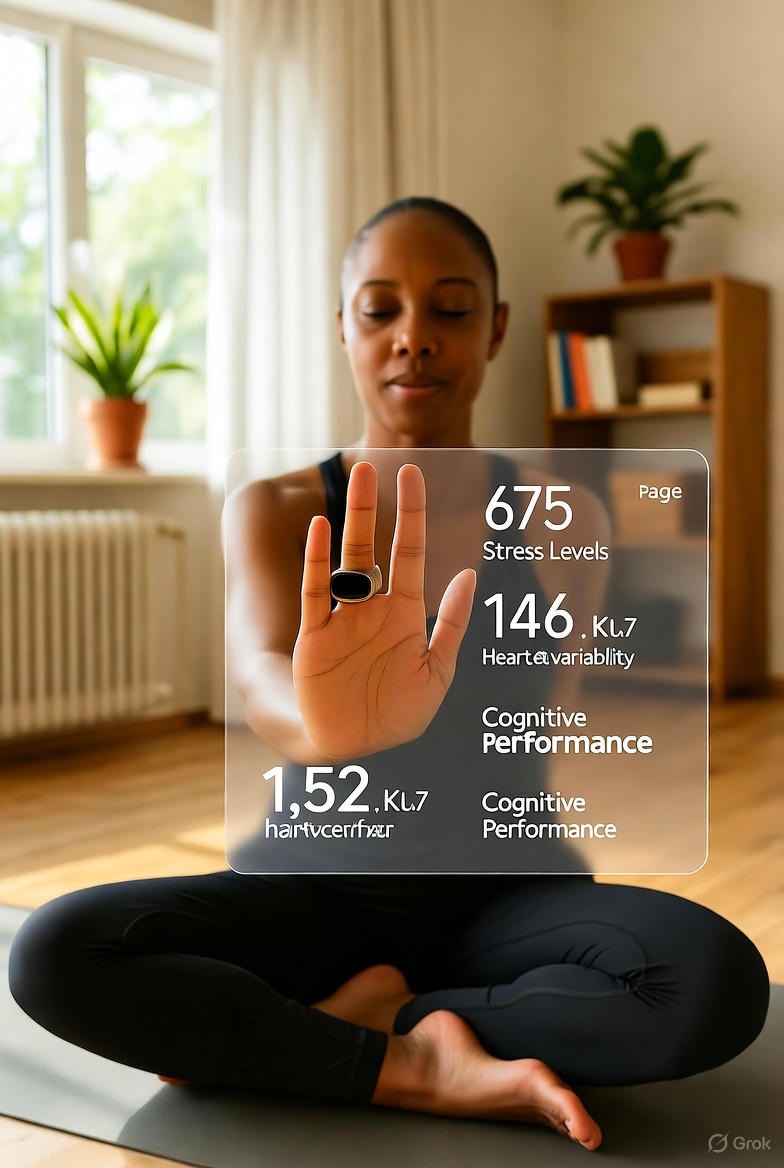
The emergence of precise, personal health technology, like advanced wellness rings from innovators such as Oxyzen, is revolutionizing our ability to measure and manage this restoration. No longer do we have to guess at our sleep stages, stress load, or recovery status. For the first time in history, we have a 24/7 window into the very biomarkers that dictate our resilience. This marks a pivotal shift from generalized wellness advice to personalized restoration protocols. You can explore the evolution of this transformative technology from manual logs to intelligent wearables in our detailed article on the evolution of health tracking technology.
This article is your deep dive into the symbiotic relationship between restoration wellness and robust immunity. We will dismantle the myth that “more” is always better and build a case for the profound power of strategic recovery. We’ll explore the hard science connecting your sleep, your stress, your nervous system, and your metabolic health to the white blood cells patrolling your body. And we’ll provide a actionable framework, supported by modern technology, to transform your daily habits into an unshakeable foundation for lifelong health.
The language we use around immunity is often one of war. We “boost,” “attack,” “arm,” and “defend.” This militaristic metaphor has its place, but it can be misleading. It suggests immunity is primarily an external force to be mobilized, rather than an internal state to be cultivated. The restoration wellness model proposes a foundational shift: moving from a paradigm of fighting threats to one of fortifying the terrain so threats cannot gain a foothold in the first place.
Think of your body as a castle. The old model focuses on training stronger soldiers (immune cells) and stockpiling better weapons (antioxidants, antibodies). The restoration model focuses on strengthening the castle walls (your skin and mucosal barriers), ensuring a clean, plentiful water supply (hydration and lymphatic flow), and, most importantly, creating a peaceful, well-provisioned kingdom (a low-stress, nutrient-rich internal environment) so that the soldiers are alert but not exhausted from constantly putting down internal rebellions (chronic inflammation).
This “terrain” theory, once considered alternative, is now supported by pillars of mainstream science. Psychoneuroimmunology (PNI) is the field that explicitly studies how your psychological state (psycho-) influences your nervous system (neuro-), which in turn governs your immune system (-immunology). It provides the mechanistic roadmap for how a stressful thought can, within minutes, alter your white blood cell activity. Chronic stress doesn’t just make you feel run down; it literally reprograms your immune response, suppressing your adaptive immunity (your targeted “special forces”) and ramping up non-specific inflammation (a blunt, damaging alarm signal).
The second pillar is the science of allostasis and allostatic load. Allostasis is the process your body uses to achieve stability through change—like raising your heart rate and cortisol to meet a work deadline. Allostatic load is the cumulative “wear and tear” on the body when these stress-response systems are activated too frequently or for too long without adequate recovery. High allostatic load is a direct precursor to immune dysfunction. Restoration wellness, therefore, is the practice of reducing allostatic load by providing the body with consistent, predictable periods of safety and recovery.
This is where objective data becomes non-negotiable. You cannot manage what you do not measure. How can you know if your “relaxing” evening scroll is actually keeping your nervous system on alert? How can you confirm that your eight hours in bed translated into four cycles of restorative deep and REM sleep? This is the critical gap filled by modern wellness wearables. A device like the Oxyzen smart ring moves you from subjective guesswork to objective insight, tracking heart rate variability (HRV)—a gold-standard measure of recovery and nervous system balance—alongside sleep architecture, temperature trends, and activity levels. It answers the essential question: Is my lifestyle truly restoring me? To understand the precision behind these insights, delve into the science behind modern health tracking technology.
Embracing this foundational shift requires a new mindset. It values sleep as highly as exercise. It sees mindfulness not as a luxury but as metabolic maintenance. It understands that the space between workouts—the recovery—is where strength and immunity are actually built. This sets the stage for exploring the first and most potent pillar of restoration: sleep.
If restoration wellness had a sovereign, it would be sleep. It is the single most effective, non-negotiable reset button for your entire physiology—and your immune system is one of its most attentive subjects. During sleep, your body shifts from a state of doing to a state of being, repairing, and rebalancing. To call sleep “rest” is a vast understatement; it is a state of intense, directed biological activity critical for immune competence.
The immune system uses sleep as its prime-time communication window. Cytokines, the signaling proteins that orchestrate immune responses, are heavily influenced by sleep. Some cytokines, like interleukin-1 and tumor necrosis factor alpha, are sleep-promoting and increase during early, slow-wave sleep. This is a bidirectional relationship: your immune system helps regulate your sleep, and your sleep regulates your immune function. When you are fighting an infection, these sleep-promoting cytokines are part of why you feel profoundly fatigued—your body is demanding the resources it needs to heal.
Crucially, it is during deep, slow-wave sleep (SWS) that the body enters its most anabolic, repair-focused state. Human growth hormone (HGH) is pulsed, driving tissue repair and muscle growth. It’s also when your adaptive immune system does its “homework.” Research shows that during SWS, the immune system strengthens its “memory” of pathogens encountered during the day. T-cells, the orchestrators of adaptive immunity, actively communicate with antigen-presenting cells, solidifying the blueprint for future defenses. Skimping on sleep, particularly deep sleep, is like attending a lecture but never reviewing your notes; your immune system’s ability to learn and remember is severely impaired.
Meanwhile, REM sleep, often associated with dreaming, plays a different but equally vital role in immune and psychological resilience. It’s believed to be crucial for emotional processing and neural recovery. Chronic REM sleep disruption is linked to heightened inflammatory activity and a hyper-reactive stress response, both of which undermine immune equilibrium.
The practical consequences are stark. Studies have consistently shown that individuals who sleep less than six hours a night are significantly more likely to catch a common cold when exposed to the virus than those sleeping more than seven hours. Vaccination research is even more telling: well-rested individuals develop a stronger, more robust antibody response to vaccines (like the flu or hepatitis B vaccine) compared to their sleep-deprived counterparts. In essence, without sleep, your immune system’s ability to build targeted, long-term defenses is blunted.
But it’s not just about duration. Sleep continuity—uninterrupted, cyclical progression through all stages—is key. Fragmented sleep, where you wake frequently (even if you don’t remember it), prevents the sustained periods of deep and REM sleep your immune system requires. This is often caused by factors like sleep apnea, alcohol consumption, or an overactive mind.
This is the power of a wellness ring: it moves you beyond just tracking “time in bed.” By monitoring heart rate, movement, and heart rate variability, it provides a detailed sleep architecture analysis. You can see exactly how much deep and REM sleep you achieved, how many times you were restless or awake, and how these patterns correlate with your daily habits or stress. This data empowers you to make targeted interventions, turning abstract advice like “sleep better” into a personalized action plan. For a comprehensive look at how this technology enables a proactive health stance, read about how it can enable preventive health monitoring.
Prioritizing sleep is the cornerstone of restoration. It is the dark, quiet laboratory where your body conducts its most vital maintenance. Without it, the other pillars of restoration are built on shaky ground. And one of the most pervasive thieves of sleep, and a direct immune suppressant in its own right, is chronic stress.

Stress is not inherently bad. The acute stress response—the surge of adrenaline and cortisol, the increased heart rate, the sharpened focus—is an evolutionary masterpiece designed for survival. It mobilizes energy, heightens alertness, and yes, even primes certain aspects of inflammation for potential injury. The problem in the modern world is not stress, but its unrelenting, chronic nature. Our physiological “fight or flight” system, designed for brief sprints from predators, is now activated for hours by emails, financial worries, and social pressures. This chronic activation flips the stress response from life-saving to health-destroying, and the immune system is a primary casualty.
The relationship is governed by the Hypothalamic-Pituitary-Adrenal (HPA) axis. When your brain perceives a threat (real or imagined), the hypothalamus signals the pituitary gland, which signals the adrenal glands to release cortisol. In the short term, cortisol performs immune-system triage: it suppresses non-essential, long-term projects (like the adaptive immune system’s memory-building) to immediately marshal resources for innate, inflammatory responses. This is useful if you’re about to be injured. But under chronic stress, sustained high cortisol acts like a constant brake on your adaptive immunity. It inhibits the production of lymphocytes (T-cells and B-cells) and reduces the effectiveness of the ones you have. It’s as if your body, in a perpetual state of “emergency,” decides it cannot invest in long-term defense infrastructure.
Simultaneously, chronic stress promotes systemic inflammation. While cortisol is anti-inflammatory at high levels, chronic stress can lead to “cortisol resistance,” where immune cells stop responding to its “calm down” signal. Furthermore, stress activates the release of inflammatory cytokines like IL-6. This creates a destructive double-whammy: suppressed specific immunity (leaving you vulnerable to new infections) and elevated non-specific inflammation (which damages tissues and is linked to autoimmune conditions, cardiovascular disease, and accelerated aging).
The nervous system’s role is direct and immediate. Your autonomic nervous system (ANS) has two main branches: the sympathetic (gas pedal, fight-or-flight) and the parasympathetic (brake pedal, rest-and-digest). Chronic stress keeps the sympathetic branch dominant. This state directly inhibits immune cell trafficking and function. Immune cells have receptors for neurotransmitters like norepinephrine (released during sympathetic activation), which can alter their movement and behavior, often sequestering them away from circulation and into storage organs.
The most powerful, accessible window into this delicate balance is Heart Rate Variability (HRV). HRV is the subtle variation in time between each heartbeat. A higher HRV generally indicates a healthy, resilient nervous system that can smoothly switch between sympathetic and parasympathetic states. A low, rigid HRV suggests a stuck, stressed system stuck in sympathetic overdrive. By tracking HRV—especially your nightly HRV balance or recovery score—a wellness ring provides a daily, objective readout of your nervous system state and recovery status. It tells you if your body is in a state of defensive stress or restorative growth. Monitoring this allows you to connect the dots: that difficult work project didn’t just feel stressful; it lowered your HRV for three days, a clear sign of increased allostatic load. For those curious about how these devices derive such insights, the role of sensors and AI in health tracking is fascinating.
Therefore, managing stress for immunity is not about eliminating it, but about completing the cycle. The stress response is designed to have a clear beginning, middle, and end, followed by a period of recovery. Restoration practices are about actively initiating that recovery phase. This can be through deliberate parasympathetic activation: deep, diaphragmatic breathing, meditation, gentle movement in nature, or even laughter. These practices send a direct signal via the vagus nerve to your brain and immune system: “The threat has passed. It is safe to restore, repair, and rebuild.”
The adage “you are what you eat” finds profound truth in immune function. Every immune cell, every antibody, every inflammatory mediator is built from the nutrients you provide. But nutritional restoration goes beyond just providing raw materials; it’s about timing, quality, and supporting the metabolic processes that underpin immune cell activity. It’s about eating not just for energy, but for information—signaling to your body that resources are plentiful and it can invest in sophisticated defense systems.
At the most basic level, macronutrient balance sets the stage. Severe calorie or protein restriction impairs immune cell production and function. Immune cells are metabolically hungry, especially when activated. They require amino acids (from protein) to proliferate and produce antibodies, and glucose (managed intelligently) for energy. However, the modern threat is often not deficiency, but dysregulation caused by processed foods and constant snacking. The chronic, high insulin levels driven by a diet rich in refined sugars and flours create a pro-inflammatory environment and can impair immune cell function.
This brings us to one of the most powerful concepts in nutritional restoration: metabolic flexibility. This is the body’s ability to efficiently switch between burning glucose and burning fat for fuel. Metabolic inflexibility, driven by constant carbohydrate intake, keeps the body in a sugar-burning mode, associated with oxidative stress and inflammation. Periods of fasting, or simply longer gaps between meals (time-restricted eating), promote metabolic flexibility and trigger autophagy—the cellular “clean-up” process where old, damaged components (including worn-out immune cells and inflammatory proteins) are recycled. Autophagy is a crucial form of cellular restoration that reduces inflammation and improves immune cell efficiency.
Micronutrients are the essential co-factors for countless immune processes. Zinc is vital for the development and function of neutrophils and natural killer cells. Vitamin D acts more like a hormone, modulating both innate and adaptive immune responses; deficiency is strongly linked to increased autoimmunity and infection susceptibility. Vitamin C is a potent antioxidant that protects immune cells from oxidative damage during their aggressive work. However, the goal is sufficiency, not megadosing; the best source is a diverse, colorful diet of whole foods.
Perhaps the most exciting frontier is the gut-immune axis. An estimated 70-80% of your immune tissue resides in your gut, in constant dialogue with your gut microbiome. This vast ecosystem of bacteria directly trains your immune system, teaching it to distinguish between friend and foe. A diverse, fiber-rich microbiome supports the production of anti-inflammatory compounds like short-chain fatty acids (SCFAs), which regulate immune cell activity and help maintain the integrity of the gut barrier. A “leaky gut,” often resulting from a poor diet and chronic stress, allows undigested food particles and bacteria into the bloodstream, triggering a persistent, systemic immune alarm.
Tracking technology is beginning to intersect with nutrition in powerful ways. While a ring doesn’t track calories, the metabolic insights it provides are invaluable. A consistently elevated resting heart rate or depressed HRV after certain meals can indicate a food intolerance or a significant metabolic stressor. Tracking your body temperature trends can reveal underlying inflammation or metabolic inefficiency. Most importantly, by correlating your dietary choices with your objective recovery data, you move from following generic diet plans to crafting a personalized nutrition-for-restoration protocol. You learn which foods fuel your energy and which ones fuel inflammation, making you a more resilient host. To see how this personalization works in practice, our article on how health tracking enables personalized wellness offers great insights.
Nutritional restoration, therefore, is not a restrictive diet. It is the conscious provision of high-quality, anti-inflammatory foods at rhythms that support metabolic health and gut harmony, creating the internal resource abundance necessary for a vigilant, balanced immune system.
The relationship between movement and immunity is famously described by a J-curve. Sedentary living is associated with higher baseline inflammation and impaired immune surveillance. Moderate, regular exercise is a powerful immune booster, reducing the risk of upper respiratory tract infections by up to 50% in some studies. However, excessive, intense exercise without adequate recovery—common in endurance athletes—can lead to a transient “open window” of immune suppression, increasing susceptibility to illness. This J-curve perfectly illustrates the core principle of restoration wellness: the dose makes the medicine, and recovery is part of the dose.
Moderate, regular exercise enhances immunity through multiple mechanisms. It promotes the circulation of immune cells, allowing them to patrol more of the body more effectively. It reduces systemic inflammation over the long term. It improves cardiovascular and metabolic health, creating a more resilient host environment. It also acts as a potent stress-buffering tool, lowering cortisol levels and stimulating endorphin release.
The magic, however, lies not just in the workout, but in the adaptation cycle. When you exercise, you create a controlled stress (hormetic stress) that breaks down tissue and depletes energy stores. It is during the recovery period afterward that the real strengthening happens—your body repairs the micro-tears, replenishes glycogen, and, critically, supercompensates, building back stronger. This applies directly to the immune system. The transient inflammatory spike post-exercise is followed by an anti-inflammatory, adaptive response. Without sufficient recovery, you stall in the breakdown phase, accumulating systemic stress and inflammation.
This is why tracking daily readiness or recovery scores is a game-changer. Relying on how you “feel” is notoriously unreliable; you can feel mentally energized but be physiologically drained. A wellness ring synthesizes data like last night’s HRV, sleep quality, resting heart rate, and temperature to provide an objective readiness score. This score answers the critical question: Is my body prepared to handle another stressor today?
On a high-readiness day, a challenging workout will provide a positive stimulus. On a low-readiness day—perhaps due to poor sleep, high stress, or fighting off a subclinical bug—that same workout could be the tipping point into immune suppression and overtraining. Following your body’s data allows you to practice autoregulation: swapping a high-intensity interval training (HIIT) session for gentle yoga, a walk, or complete rest based on what your system actually needs. This is the pinnacle of intelligent training, where you work with your body’s rhythms, not against them. For athletes and active individuals, understanding how this technology supports different health goals is essential.
Furthermore, certain restorative movement practices directly stimulate the immune and lymphatic systems. Gentle movement like walking, yoga, or tai chi enhances lymphatic flow—the system that removes waste and pathogens from tissues. Unlike the circulatory system, the lymphatic system has no pump; it relies on muscle contraction and diaphragmatic breathing to move fluid. Deep, rhythmic breathing during yoga or meditation is a powerful lymphatic pump and a direct vagus nerve stimulant, marrying movement with nervous system restoration.
Thus, movement for immune resilience is a balanced equation: Stimulus + Recovery = Adaptation. Ignoring the recovery variable not only halts progress but actively undermines your defenses. By using data to guide both sides of the equation, you transform movement from a potential stressor into a precise, restorative medicine.
We cannot discuss modern restoration without addressing the omnipresent backdrop of our lives: the digital environment. The very devices that empower us with knowledge and connection are also potent sources of “hidden” stress that can erode our restorative capacities and, by extension, our immune function. Managing this landscape is not about Luddite rejection, but about cultivating digital hygiene as a core component of immune support.
The most direct impact is on sleep. Blue light exposure from screens in the evening suppresses the production of melatonin, the hormone that regulates our sleep-wake cycle. Melatonin is not just a sleep aid; it is a powerful antioxidant and immune modulator. Its suppression delays sleep onset and degrades sleep quality, directly impairing the immune restoration that occurs during the night. Furthermore, the engaging, often stressful content on our devices—work emails, news, social media—activates the sympathetic nervous system right before bed, making the shift into restorative parasympathetic dominance difficult.
Beyond light, the cognitive and emotional load of constant connectivity contributes to allostatic load. The “always-on” expectation, the dopamine-driven pull of notifications, and the comparison culture of social media create a low-grade, chronic psychological stress. As we’ve established, this mental state directly translates into physiological stress via the HPA axis, promoting inflammation and immune dysregulation.
Our physical environment plays a similarly crucial role. Chronic exposure to environmental toxins (like pesticides, air pollution, and endocrine disruptors in plastics) creates a constant, low-level immune challenge. The immune system must expend resources dealing with these toxins, contributing to inflammatory burden and potentially leading to hypersensitivity or autoimmune reactions over time.
The restorative antidote involves intentional boundaries and environmental optimization. This is where the concept of "circadian hygiene" extends beyond sleep. It involves getting bright, natural light exposure first thing in the morning to anchor your cortisol rhythm, and minimizing artificial light at night. It means creating tech-free zones and times, especially in the bedroom. A digital sunset, where screens are put away 60-90 minutes before bed, is one of the most effective, free immune-supporting interventions you can make.
Interestingly, the same technology that poses a challenge also provides the solution when used intentionally. A wellness ring is a tool for environmental biofeedback. You can run personal experiments: notice how your HRV and sleep score change after a screen-free evening versus an evening spent scrolling. Observe how a day spent hiking in nature reflects in your data compared to a day indoors under artificial light and air conditioning. This feedback loop empowers you to make evidence-based changes to your digital and physical environment. For those concerned about data in our digital age, understanding a brand’s commitment to privacy and data security is paramount when choosing a wearable.
By auditing and intentionally shaping our digital and physical environments, we remove stealthy drains on our restorative reserves. We create spaces—both external and internal—that signal safety and abundance to our nervous system, allowing our immune resources to be allocated toward genuine protection, not constant firefighting.
In the world of performance, what gets measured gets managed. The same is true for your immune resilience. Until recently, we lacked the tools to measure the key physiological states that dictate immune function in real-time. We relied on lagging indicators—getting sick, feeling tired. Today, wearable technology provides a suite of leading indicators, a live dashboard of your internal terrain where your immune system operates.
Heart Rate Variability (HRV) stands as the North Star metric of restoration and nervous system balance. As covered, a higher HRV (relative to your baseline) indicates strong parasympathetic tone and good adaptability—your body is recovered and resilient. A downward trend in HRV is a clear, early warning sign of accumulating stress, inadequate recovery, or the onset of illness, often days before symptoms appear. By tracking your HRV trend, you have an objective signal to dial back training, prioritize sleep, and manage stress proactively to avoid immune suppression.
Resting Heart Rate (RHR) is another simple but powerful metric. A lower RHR generally indicates good cardiovascular fitness and efficient autonomic function. An elevated RHR, especially upon waking (and assuming no new exercise stimulus), can be a sign of dehydration, stress, insufficient recovery, or the beginning of an infection. Monitoring your RHR trend helps you understand your body’s overall stress load.
Nocturnal Core Body Temperature is a groundbreaking biomarker now accessible through advanced sensor arrays in devices like the Oxyzen ring. A slight dip in core temperature is necessary for initiating and maintaining deep sleep. More importantly, a sustained elevated nighttime temperature is a highly sensitive marker of systemic inflammation, the body’s response to infection, intense training stress, or even metabolic issues. It’s one of the earliest signs your body is mounting a defense, giving you a heads-up to support it with rest.
Sleep Stage Analysis completes the picture. Seeing your precise minutes of deep (SWS) and REM sleep, as well as wake events, tells you not just if you slept, but how you slept. Did you get the deep sleep needed for physical repair and immune memory consolidation? Did you achieve the REM sleep required for psychological reset? This data moves you from the vague goal of “get more sleep” to the precise goal of “improve sleep continuity to increase deep sleep duration.”
The power is in the synthesis of these data streams. The convergence of low HRV, elevated RHR, a high temperature trend, and poor sleep architecture is an undeniable red flag—a “restoration deficit” alert. Conversely, high HRV, low RHR, stable temperature, and robust sleep scores paint a picture of a body in a state of immune readiness.
This dashboard empowers you to transition from reactive, symptom-based health care to proactive, system-based health creation. You are no longer a passenger in your health journey; you are the pilot, with a full instrument panel. You can validate what works for you—does that new meditation app actually improve my HRV? Does eating dinner earlier improve my deep sleep? This is the essence of the quantified self for immunity. The accuracy of this data is critical, and the field has seen an incredible accuracy revolution in health tracking technology in recent years.
Understanding the science is one thing; implementing it sustainably is another. The final, crucial step is translating these principles into a personalized Restoration Protocol—a daily and weekly set of habits informed by your unique data. This is not about adding more to your to-do list, but about strategically embedding restoration into the fabric of your life, using technology as your guide and validator.
Step 1: Establish Your Baseline and Track Consistently.
Wear your wellness ring consistently, especially at night, for at least two weeks during a period of your “normal” routine. This establishes your personal baselines for HRV, RHR, temperature, and sleep. Don’t judge the data, just collect it. This baseline is your neutral reference point.
Step 2: The Morning Check-In – Read Your Readiness.
Before reaching for your phone, check your readiness or recovery score from your device. This is your guiding metric for the day. On a high-readiness day, you can confidently engage in challenging work, exercise, and social activities. On a low-readiness day, your primary goal shifts to restoration: prioritize light movement, extra hydration, calming nutrition, stress-reducing practices, and an early bedtime. This simple act of checking in fosters a dialogue with your body, replacing “pushing through” with intelligent responsiveness.
Step 3: Anchor Your Circadian Rhythm.
Within an hour of waking, get at least 10 minutes of bright, outdoor light (without sunglasses if safe). This is the most powerful signal to set your cortisol curve and improve sleep pressure for the evening. Conversely, after sunset, minimize blue light. Use blue-light blockers on devices and consider dim, warm lighting in your home.
Step 4: Practice Strategic Nutritional Timing.
Consider aligning your eating window with your circadian rhythm, such as a 10-12 hour window (e.g., 8 am to 6 pm). This supports metabolic flexibility and gives your digestive (and immune) system a nightly rest period. Use your data: if you notice poor sleep or elevated morning RHR after late meals, make an earlier dinner a non-negotiable.
Step 5: Autoregulate Your Movement.
Let your readiness score guide your movement practice. High score? Go for that run or strength session. Moderate score? Opt for moderate cardio or mobility work. Low score? Choose restorative yoga, a walk in nature, or complete rest. Remember, the most important workout is the one from which you can fully recover.
Step 6: Engineer Your Sleep Sanctuary and Wind-Down.
Protect the 60 minutes before bed as a sacred wind-down period. Implement a digital sunset. Engage in calming activities: reading a physical book, gentle stretching, meditation, or listening to calming music. Use your sleep data to optimize your bedroom: ensure it is cool, dark, and quiet.
Step 7: Conduct Weekly Reviews and Experiments.
Once a week, review your data trends. Look for correlations. Did a stressful work week crater your HRV? Did a weekend in nature boost it? Did increasing your step count improve your deep sleep? Use these insights to run gentle experiments. For one week, try a new bedtime, a different meditation, or adding a daily walk. Observe the objective impact on your dashboard. This transforms habit change from guesswork to a science. For those just starting, our guide on how a wellness ring is perfect for beginners can help you navigate this process.
Your protocol is a living system, not a rigid set of rules. It evolves as you and your life circumstances do. The constant is the feedback loop: Action → Data → Insight → Refined Action. This is how you build a lifestyle that doesn’t just avoid illness, but actively cultivates a state of thriving resilience.
The implications of the restoration wellness model extend far beyond individual self-care; they herald a paradigm shift in how we approach public health and clinical medicine. As the science solidifies and the technology to measure restoration becomes more accessible and validated, we are moving toward a future where “immune status” is a measurable vital sign, and “prescriptions for restoration” are as common as pharmaceutical ones.
We can envision a near future where primary care physicians and immunologists review a patient’s longitudinal wellness data—their sleep stability, HRV trends, and activity-recovery balance—alongside traditional blood tests. This provides a dynamic, real-world picture of immune resilience that static lab tests cannot. A pattern of poor restoration data could be an early warning sign for increased susceptibility, prompting proactive lifestyle interventions before illness strikes. This is the true essence of preventive medicine: intervening at the level of system function, not disease pathology.
Hospitals and clinics are already beginning to explore this integration. Wearable devices are being used to monitor patients’ recovery post-surgery, with data on sleep, heart rate, and activity providing objective indicators of healing and early warning signs of complications like infection. The potential for health tracking technology in hospitals is vast, from post-operative care to chronic disease management.
On a societal level, this model offers a sustainable path to reducing the burden of chronic, immune-related diseases. By educating communities on the pillars of restoration—sleep hygiene, stress resilience, metabolic health—and providing them with tools to self-monitor, we empower population-wide health creation. Workplace wellness programs could evolve from offering gym memberships to providing sleep coaching and stress management based on anonymized, aggregated biometric data, leading to healthier, more resilient workforces.
The role of companies like Oxyzen in this future is not just as device manufacturers, but as partners in the health ecosystem. By providing accurate, user-friendly technology and the educational frameworks to understand the data, they bridge the gap between complex science and daily practice. The goal is a seamless integration where technology fades into the background, providing gentle, insightful nudges toward behaviors that fortify our innate biology. To see where this exciting technology is headed, explore our thoughts on the future of wearable health tech in 2025 and beyond.
This future is not about technology replacing human intuition or medical expertise. It is about augmenting them. It’s about giving individuals agency over their health and giving clinicians a richer, more continuous dataset. The connection between restoration wellness and immunity is the foundational insight driving this change. By honoring our biological need for rhythmic recovery, we don’t just avoid getting sick; we build a foundation of vitality that allows us to meet life’s challenges with strength, adaptability, and resilience. The journey begins not with a dramatic overhaul, but with a single night of prioritized sleep, a moment of conscious breath, and the decision to listen—with the help of emerging tools—to the profound wisdom of a body asking to be restored.
The Deep Dive: Advanced Pathways and Lifelong Strategies for Immune Resilience
We have established the non-negotiable pillars: sleep as the master regulator, stress as the axis of influence, nutrition as the building blocks, and movement as the calibrating dose. We’ve equipped you with a dashboard of biomarkers and a framework for a personal restoration protocol. But the story of restoration and immunity deepens and branches into fascinating, critical territories. To build truly unshakeable resilience, we must explore the hidden conversations within our bodies, understand how our needs evolve across a lifetime, and harness the subtle yet powerful tools that fine-tune our internal environment.
This section ventures beyond the foundational habits into the advanced science and nuanced practices that separate good immune health from extraordinary resilience. Here, we will explore the microscopic world within us that holds immense power over our defenses, address the inevitable changes that come with aging, and examine the targeted support that can bridge nutritional gaps. This is about moving from general principles to personalized, precision wellness—a journey made possible by the continuous feedback loop of modern health technology. It’s about becoming the expert on your own unique biology.
If the immune system is the body’s defense force, then the gut microbiome is its premier training academy and diplomatic corps. This ecosystem of trillions of bacteria, fungi, and viruses is not a passive passenger; it is an active, endocrine-like organ in constant, sophisticated dialogue with your immune system. This gut-immune axis is arguably the most significant discovery in immunology in the last two decades, and its health is paramount to restoration.
The geography is key. The intestinal lining is the largest interface between your internal self and the external world. Lining this barrier is gut-associated lymphoid tissue (GALT), which houses about 70-80% of your body’s immune cells. These cells live in direct contact with your gut microbes. From birth, this microbial community trains the immune system. It teaches developing immune cells to distinguish between harmless food particles, friendly bacteria, and genuine pathogens. This training is critical for developing tolerance—preventing the immune system from overreacting to benign substances (which leads to allergies and autoimmunity).
A diverse, robust microbiome supports immunity through several powerful mechanisms:
Conversely, a depleted or imbalanced microbiome (dysbiosis), often caused by a low-fiber/high-sugar diet, chronic stress, antibiotics, and environmental toxins, corrupts this training. It can lead to a compromised gut barrier, allowing bacterial fragments (like LPS endotoxin) into the bloodstream, triggering a persistent, low-grade inflammatory state that taxes the entire immune system. This systemic inflammation is a root driver of countless chronic conditions and erodes the body’s restorative capacities.
How Restoration Practices Nourish the Microbiome:
Caring for your microbiome is the ultimate act of ecosystem restoration. By feeding and nurturing this internal garden, you create the most powerful internal environment for a balanced, educated, and effective immune system.
Our immune system is not static; it evolves dramatically from infancy through old age—a process called immunosenescence (aging of the immune system) in later life. Understanding these shifts allows us to adapt our restoration strategies to meet the unique immune challenges of each decade, promoting healthspan—the period of life spent in good health.
Childhood and Adolescence: Building the Foundation.
The early years are about immune education and development. Exposure to diverse microbes (the "hygiene hypothesis" in balance) is crucial for training a responsive, non-reactive system. Key restoration focuses here include:
Adulthood (20s-50s): The Maintenance and Management Phase.
This is the era of performance and pressure, where lifestyle choices most directly shape long-term trajectory. The immune system is mature but faces constant challenges from career stress, poor sleep, dietary choices, and environmental toxins. This is the prime time for the restoration protocol outlined earlier. The focus is on managing allostatic load through sleep hygiene, stress resilience techniques, regular moderate exercise, and a nutrient-dense diet to prevent the early onset of low-grade chronic inflammation.
The Shift: Immunosenescence and Inflammaging.
Beginning in our 50s and 60s, the immune system undergoes gradual but significant changes:
The result is a double vulnerability: reduced ability to fight new infections (like flu or COVID-19) and an increased background of inflammation that fuels age-related diseases (arthritis, cardiovascular disease, cognitive decline).
Restoration Wellness as the Antidote to Inflammaging.
The practices of restoration directly combat the pillars of immunosenescence:
Aging is inevitable; frailty is not. By applying the principles of restoration with even greater intention as we age, we can slow immunosenescence, dampen inflammaging, and build a resilient immune system that supports vitality for decades.
A perfect diet is the ideal, but modern life—and even the changing nutrient density of our food—can create gaps. Furthermore, during periods of heightened stress, travel, or exposure, the immune system’s demand for specific nutrients can exceed what diet alone can promptly supply. This is where strategic, evidence-based supplementation and nutraceuticals can play a supportive, adjunct role within a restoration-focused lifestyle. They are boosters, not replacements, for foundational habits.
It is critical to approach supplementation with the mindset of "filling gaps and providing optimal support," not "megadosing to force an effect." More is not always better and can sometimes be harmful or disruptive.
Core Nutrients for Immune Resilience (Where Gaps are Common):
Advanced Nutraceuticals and Adaptogens:
These compounds often support immunity indirectly by enhancing resilience to stress and modulating inflammatory pathways.
The Critical Role of Data and Personalization:
This is where blind supplementation ends and intelligent support begins. Your wellness data provides context.
Always consult with a healthcare provider before starting any new supplement regimen, especially if you have underlying health conditions or are on medication. Supplements are powerful tools in the restoration toolkit, but they are most effective when used to complement, not compensate for, a lifestyle rich in sleep, whole foods, and managed stress.
The Social Immune System: How Connection and Community Fortify Defenses
Humans are not meant to be islands. Our biology is wired for connection, and this extends profoundly to our immune function. Loneliness and social isolation are not just emotional states; they are recognized as significant biomarkers of stress and disease risk, with an impact on mortality comparable to smoking and obesity. Conversely, strong, positive social bonds have a demonstrable, protective effect on immunity—a phenomenon we can call the "social immune system."
The science behind this is clear. Chronic loneliness and social threat activate the same primordial neural pathways as physical danger—the sympathetic nervous system and the HPA axis. This leads to elevated pro-inflammatory cytokines (like IL-6) and a downregulation of antiviral defenses. Essentially, from an evolutionary perspective, social isolation signaled danger and vulnerability, priming the body for potential injury (inflammation) while deprioritizing long-term defense investments.
Studies vividly illustrate this:
Therefore, social connection is a direct modulator of allostatic load. Positive, supportive interactions send a signal of safety to the nervous system, enabling the parasympathetic "rest and digest" state where restoration and immune competence thrive. Negative, conflict-ridden relationships or a pervasive sense of loneliness do the opposite, keeping the body in a state of defensive alert that depletes immune resources.
Cultivating Your Social Immune System Through Restoration:
Technology's Dual Role:
While social media can contribute to isolation, wellness technology can ironically help us foster real-world connection. Sharing non-competitive wellness goals with a friend or partner (e.g., "let's both aim to improve our sleep scores this week") creates accountability and shared purpose. Some apps allow you to share readiness scores with close ones, fostering empathy and support—"I see your recovery is low today, let's keep it low-key."
Furthermore, seeing the direct impact of social events on your biometrics can be enlightening. Does a fun evening with friends actually improve your next-day HRV, despite a later bedtime? Does a stressful family conflict cause a measurable dip in your recovery score? This biofeedback reinforces the importance of nurturing your social ecosystem as a core component of your immune health protocol. Reading about real user experiences can also build a sense of community; explore customer reviews and testimonials to see how others integrate these tools into their social wellness.
In the quest for immune resilience, do not neglect the medicine of laughter, the comfort of touch, and the profound safety of belonging. A restored body is often a connected body.

We’ve discussed managing stress in principle. Now, let’s equip you with a practical, advanced toolkit of mind-body techniques designed to actively hack your nervous system out of sympathetic overdrive and into the parasympathetic-dominant state where immune function is optimized. These are not passive relaxants but active skills that strengthen your vagal tone—the activity of the vagus nerve, the main conduit of the parasympathetic nervous system.
1. Diaphragmatic (Belly) Breathing:
This is the most accessible and immediate reset button. Shallow, chest breathing stimulates sympathetic nerves. Deep, slow diaphragmatic breathing stimulates the vagus nerve.
2. Physiological Sigh:
A powerful, fast-acting technique popularized by neuroscientist Dr. Andrew Huberman.
3. Humming and Chanting:
The vagus nerve runs through the vocal cords. Humming, singing, or chanting creates vibrations that directly stimulate it.
4. Cold Exposure:
A controlled, acute stressor that, paradoxically, builds resilience and stimulates the vagus nerve.
5. Meditative and Mindfulness Practices:
These train the mind to observe stress without being hijacked by it, reducing the frequency and intensity of HPA axis activation.
Using Your Data to Master the Toolkit:
This is where a wellness ring transforms practice into precision. Use it to:
These practices are like strength training for your nervous system. The stronger your vagal tone and the more agile your autonomic nervous system, the faster you recover from stress, and the more your immune system operates from a baseline of calm readiness. For those interested in building these practices into sustainable habits, our article on how wellness tech can help build healthy habits provides a great framework.
Our external environment constantly sends signals to our internal systems. By intentionally engineering key aspects of our surroundings, we can create a habitat that passively promotes restoration and reduces unnecessary immune stressors. This goes beyond a tidy room; it’s about aligning our micro-environments with our biology.
1. Light: Mastering Your Circadian Symphony.
Light is the most powerful zeitgeber (time-giver) for your internal clock. Disrupted circadian rhythms directly impair immune cell trafficking and function.
2. Air Quality: The Invisible Immune Challenge.
Indoor air can be 2-5 times more polluted than outdoor air. Particulates, volatile organic compounds (VOCs), and mold spores are constant, low-grade irritants and immune challenges.
3. Soundscape: Managing Noise Pollution for Nervous System Calm.
Chronic exposure to unwanted noise (traffic, construction, a loud office) is a potent non-conscious stressor, elevating cortisol and keeping the nervous system on alert.
4. Thermal Environment: The Power of Cool.
Body temperature regulation is intimately linked to sleep and metabolic health.
Using Data to Engineer Your Environment:
Your biometric data is the ultimate report card on your environmental choices.
By taking control of light, air, sound, and temperature, you design a world that works for your biology, not against it. You minimize stealthy drains on your allostatic load, freeing your immune system to focus on genuine threats rather than constant environmental irritation. For more on creating a holistic wellness system, our blog offers additional resources and related articles.
The Final Synthesis: Building a Lifetime of Unshakeable Immune Resilience
We have journeyed from foundational science to advanced physiology, from the gut's microbial cities to the social fabric of our communities. We have armed you with a dashboard of biomarkers and a toolkit of biohacks. Now, we arrive at the final, integrative stage: weaving these threads into a durable tapestry of lifelong resilience. This section moves from theory and tactics to the art of sustainable implementation. We will explore real-world case studies, confront common pitfalls and skepticism, and envision a future where this knowledge becomes the bedrock of personalized, proactive health for all.
This is about moving from doing restoration to being restored—where the practices become so integrated into your identity and daily rhythm that they no longer feel like a protocol but like living itself. It’s about creating a system so robust that it can withstand life’s inevitable storms—travel, stress, loss, and celebration—without collapsing. The goal is not perfection, but antifragility: a system that gets stronger from the right kinds of stress because its capacity for recovery is unparalleled.
Theory is compelling, but lived experience is convincing. Let’s examine three hypothetical, data-informed case studies that illustrate how the restoration-immune framework adapts to different lives and challenges.
Case Study 1: The Corporate Executive (Ana, 42) – Taming Allostatic Load
Case Study 2: The Retired Educator (Robert, 68) – Combating Inflammaging
Case Study 3: The Endurance Athlete (Maya, 29) – Closing the Recovery Gap
These cases demonstrate that the principles are universal, but the application is hyper-personal. The constant is the feedback loop: Behavior → Biometric Data → Insight → Refined Behavior. This is the core of modern, proactive wellness. To see how others have navigated their own journeys, you can explore real customer testimonials and experiences.

Adopting a restoration-focused lifestyle is not without its challenges. Anticipating these hurdles and addressing common skepticism is key to long-term adherence.
Pitfall 1: Data Anxiety and Obsession.
The goal of tracking is to gain insight, not to become enslaved to a score. Watching your HRV plummet after a poor night can create a negative feedback loop of stress.
Pitfall 2: The Perfection Trap.
Life is messy. There will be nights of poor sleep, weeks of high stress, and periods where healthy eating is challenging. Viewing these as "failures" undermines resilience.
Pitfall 3: Neglecting the Subjective for the Objective.
Your "felt sense"—your energy, mood, and intuition—matters immensely. A high readiness score on a day you feel emotionally drained is a puzzle to be explored, not a command to push hard.
Addressing Skepticism:
The journey is a marathon, not a sprint. The key is compassionate curiosity. Let your data tell a story, and be kind to the protagonist—you.
The convergence of restoration science, wearable biometrics, and artificial intelligence is paving the way for a seismic shift in healthcare—from a reactive, disease-care model to a proactive, immune-resilience model. We are on the cusp of a paradigm where:
1. The Immune Readiness Index Becomes a Vital Sign.
Just as we check blood pressure and temperature, a future annual physical may include a review of your Immune Readiness Index—a composite score derived from your longitudinal sleep, HRV, activity, and inflammatory marker data. This dynamic score would assess your system’s resilience and susceptibility, guiding preventive care.
2. Personalized "Restoration Prescriptions."
Using AI, healthcare providers could analyze your biometric trends alongside genetic and microbiome data to generate hyper-personalized lifestyle prescriptions. "For optimal immune function based on your chronotype and stress response pattern, your prescription is: bedtime of 10:45 PM, 25g of protein within 30 minutes of waking, and a daily 12-minute breathing session at 4 PM."
3. Predictive Health Interceptions.
Algorithms will identify subtle, pre-symptomatic patterns—a specific combination of elevated nighttime temperature, decreased HRV, and increased resting heart rate—that predict a high probability of an immune event (like an infection or flare-up) within 48-72 hours. This allows for ultra-early, low-impact interventions: rest, hydration, specific nutraceuticals, or a clinician video check-in.
4. Integrated Ecosystem Health.
Your wearable will seamlessly integrate with your electronic health record, your smart home (adjusting light and temperature for optimal sleep), and even your grocery delivery service (suggesting foods that support your current microbiome and immune needs based on your data). Health becomes a flowing, contextual part of your life, not a separate chore.
Companies at the forefront of wearable technology, like Oxyzen, are not merely selling devices; they are building the infrastructure for this future. By creating accurate, comfortable, and intuitive sensors and pairing them with insightful software, they are democratizing access to the deep knowledge of one’s own body. The ultimate goal is for the technology to become so good it fades into the background, while the insights it provides bring our biology into the foreground of our awareness. To be part of this journey from the beginning, you can explore our story and founding vision.
This future is not about technology replacing human touch in medicine, but about augmenting human empathy with deep insight. It frees clinicians to focus on interpretation, counseling, and complex care, while empowering individuals to take ownership of their daily health creation. The connection between restoration wellness and immunity is the central, guiding science of this new era.
We have traveled a comprehensive path. We began by redefining immunity not as a war to be waged, but as a state to be cultivated through the deliberate practice of restoration. We explored the profound, non-negotiable roles of sleep, the damaging cascade of chronic stress, the building-block power of nutrition, and the calibrated benefit of movement. We dove into the microscopic world of the gut, adapted our strategies across a lifetime, harnessed the power of connection, and equipped ourselves with a toolkit to hack our own nervous systems.
The through-line is both simple and profound: Your body possesses an immense, innate capacity to heal, defend, and thrive. This capacity is unlocked not by adding more stimulus, but by ensuring adequate, intelligent recovery. The noise of modern life has drowned out our ability to hear our body’s signals for this recovery. We have traded restoration for stimulation, depth for breadth, and feeling for doing.
The smart ring, the wellness tracker—these are not ends in themselves. They are translators. They are the tool that gives us back our ability to listen. They translate the silent language of your heart rate variability, your core temperature, your sleep waves, into a dashboard you can understand. They answer the ancient, internal question, "How am I?" with data, not just guesswork.
This journey starts with a single, restorative choice. It starts tonight, with a decision to protect your sleep. It starts tomorrow morning, with five minutes of quiet breathing before you check your phone. It starts with choosing a walk in the park over a scroll through social media, or with putting vegetables on half your plate.
You do not need to do everything at once. Start with one pillar. Measure its effect. Feel the difference. Let the positive reinforcement of feeling better—and seeing the data confirm it—pull you toward the next healthy habit.
Your immune system is listening. It responds to the safety of a good night’s sleep. It strengthens in the calm following a breathing session. It rejoices at the nourishment of whole foods and the gentle flow of movement. It is fortified by laughter with a friend and the silence of a mindful moment.
The connection between restoration wellness and immunity is the most important health conversation of our time. It is an invitation to step off the hamster wheel of chronic stress and onto the path of sustainable vitality. It is a call to build your health from the inside out, on a foundation of deep, rhythmic recovery.
The data is clear. The science is solid. The tools are now in your hands. The question is no longer "What is the secret to a strong immune system?" The question is, "What will you restore today?"
Begin your journey. Listen to your body. Fortify your terrain. Build your resilience.
Ready to take the first step? Discover the tools that can help you listen, learn, and restore. Visit the Oxyzen shop to explore our wellness rings designed for seamless, insightful health tracking. For more guidance and deep dives into personalized wellness, visit our comprehensive blog.
Your Trusted Sleep Advocate (Sleep Foundation — https://www.sleepfoundation.org/)
Discover a digital archive of scholarly articles (NIH — https://www.ncbi.nlm.nih.gov/
39 million citations for biomedical literature (PubMed — https://pubmed.ncbi.nlm.nih.gov/)
experts at Harvard Health Publishing covering a variety of health topics — https://www.health.harvard.edu/blog/)
Every life deserves world class care (Cleveland Clinic -
https://my.clevelandclinic.org/health)
Wearable technology and the future of predictive health monitoring. (MIT Technology Review — https://www.technologyreview.com/)
Dedicated to the well-being of all people and guided by science (World Health Organization — https://www.who.int/news-room/)
Psychological science and knowledge to benefit society and improve lives. (APA — https://www.apa.org/monitor/)
Cutting-edge insights on human longevity and peak performance
(Lifespan Research — https://www.lifespan.io/)
Global authority on exercise physiology, sports performance, and human recovery
(American College of Sports Medicine — https://www.acsm.org/)
Neuroscience-driven guidance for better focus, sleep, and mental clarity
(Stanford Human Performance Lab — https://humanperformance.stanford.edu/)
Evidence-based psychology and mind–body wellness resources
(Mayo Clinic — https://www.mayoclinic.org/healthy-lifestyle/)
Data-backed research on emotional wellbeing, stress biology, and resilience
(American Institute of Stress — https://www.stress.org/)


