


The Impact of Light Therapy on Restoration Wellness
The impact of light therapy on mood and circadian rhythm for restoration.
The impact of light therapy on mood and circadian rhythm for restoration.
%402x.svg)
For centuries, humans have instinctively understood the profound influence of light on our well-being. We’ve sought the sun’s warmth to lift our spirits, aligned our lives with the rhythm of day and night, and even mythologized the power of a new dawn. Today, we are no longer passive recipients of light’s gifts. A scientific and technological revolution is allowing us to harness specific wavelengths of light with therapeutic precision, giving rise to a powerful modality poised to redefine restoration wellness: targeted light therapy. This is not a fleeting trend but a fundamental recalibration of how we approach healing, recovery, and holistic balance, merging ancient wisdom with cutting-edge science.
Restoration wellness goes beyond mere absence of illness. It is the active, intentional process of returning the body and mind to a state of optimal equilibrium—repairing cellular damage, re-synchronizing circadian rhythms, reducing systemic inflammation, and rebuilding energy reserves. In our modern world of constant artificial stimulation, blue light overload, and disrupted sleep-wake cycles, achieving this state can feel like an uphill battle. Our biological systems are out of sync, and traditional wellness tools often only address symptoms.
Enter the new frontier of biohacking. We are now equipped with devices that can measure our body’s deepest signals—heart rate variability, sleep architecture, blood oxygen saturation, and stress biomarkers—in real-time. This data provides an unprecedented map of our internal landscape. The next logical, transformative step is not just to measure this dysregulation but to correct it at the source. This is where light therapy, particularly when integrated with intelligent wearable technology, transitions from a passive treatment to an active, personalized bio-regulation tool. Imagine a device that not only tells you your sleep was poor but can also deliver a precise dose of restorative red light to help mend the cellular fatigue that caused it. This synergy of diagnostics and targeted intervention represents the pinnacle of modern restoration wellness.
As we embark on this exploration of light’s profound impact, we will dissect the science, trace its evolution from NASA research to your bedside table, and reveal how modern devices like advanced smart rings are becoming the central command for personalized light-based recovery. This journey will illuminate how a force as fundamental as light is becoming the most sophisticated tool in our quest for true, measurable restoration.
To comprehend light therapy’s power, we must first move beyond seeing light merely as illumination. Light is a stream of energy particles (photons) traveling in waves, defined by their wavelength and frequency. This spectrum of electromagnetic energy, from short gamma rays to long radio waves, includes a tiny sliver visible to the human eye—the visible light spectrum. It is within and just beyond this visible band—in the ultraviolet (UV), blue, green, red, and near-infrared (NIR) wavelengths—that light performs its most critical biological dialogues with our cells.
At the core of this interaction is a simple yet profound principle: our bodies are not opaque to light. Specific wavelengths penetrate skin, tissue, and even bone to trigger photochemical reactions at the cellular level. The primary "antenna" for this process in many therapies is a molecule called cytochrome c oxidase, a key enzyme in the mitochondria—the powerhouse of the cell. When photons of specific energies (like those from red and NIR light) are absorbed, it stimulates this enzyme, leading to a cascade of restorative events: increased production of adenosine triphosphate (ATP), the cellular currency of energy; a reduction in oxidative stress; and the modulation of inflammatory pathways. It is, quite literally, charging your cells’ batteries with light.
This biological signaling extends far beyond cellular energy. Our most masterful light sensor is the eye, which does much more than form images. Specialized photoreceptor cells in the retina, called intrinsically photosensitive retinal ganglion cells (ipRGCs), are tuned specifically to detect short-wavelength blue light. They send direct signals to the brain’s suprachiasmatic nucleus (SCN), our central circadian pacemaker. This light signal is the primary zeitgeber (time-giver) that tells your body whether it is dawn, high noon, or dusk, orchestrating the release of hormones like cortisol to awaken you and melatonin to prepare you for sleep. This is why an evening spent scrolling under blue-rich LED light can catastrophically disrupt your entire restorative cycle—you are sending a false "noon" signal to your brain at midnight.
The duality of light’s impact is fascinating. Different wavelengths have antagonistic, yet vital, roles:
Understanding this electromagnetic symphony is the first step to leveraging it. We are not blank slates under light; we are complex instruments finely tuned to respond to its varied frequencies. Modern wellness technology is learning to play this instrument with precision, a topic explored in depth in our article on the science behind modern health tracking technology, where sensors decode your body’s response to these environmental inputs.
The therapeutic use of light is a thread woven through the tapestry of human history, evolving from divine reverence to clinical application. Ancient Egyptians, Greeks, and Romans practiced heliotherapy, building solariums and prescribing sun exposure for a range of ailments. While their understanding was empirical, they recognized light as a fundamental force for vitality.
The true scientific revolution began in the late 19th and early 20th centuries. In 1903, Niels Ryberg Finsen won the Nobel Prize in Physiology or Medicine for his work using concentrated light radiation (carbon arc lamps) to treat lupus vulgaris, a tuberculosis infection of the skin. This marked the formal birth of phototherapy in modern medicine. The discovery of vitamins soon followed, and in the 1920s, the realization that sunlight cured rickets led to the identification of Vitamin D, cementing light’s role as a non-drug mediator of crucial biochemical pathways.
The mid-20th century saw the advent of artificial light sources, like fluorescent lamps, being used to treat neonatal jaundice—a practice that remains standard in hospitals today. Blue light converts bilirubin in the infant’s skin into a form that can be excreted, a clear, life-saving example of photochemistry in action.
The pivotal leap for the restorative light therapy we know today came from an unexpected place: space. In the 1990s, NASA was investigating light-emitting diodes (LEDs) for plant growth experiments on space shuttles. Researchers serendipitously discovered that the red LED light promoted robust growth and accelerated wound healing in the plants. This sparked a line of research into using similar red and near-infrared LEDs to support astronaut health, addressing problems like poor wound healing in microgravity and muscle atrophy. The results were remarkable, showing significantly accelerated tissue repair and reduced pain. This NASA research provided the rigorous scientific backbone that transformed light therapy from a niche alternative treatment into a credible, evidence-based modality for tissue repair and pain relief.
The 21st century has been defined by democratization and personalization. The development of affordable, safe, and powerful LED arrays has moved light therapy out of clinics and into homes. Concurrently, the explosion of wearable health technology has created a new paradigm. We no longer apply light generically; we can now aim to apply it responsively. This is the final link in the historical chain: merging the ancient knowledge of light’s power, the 20th-century understanding of its mechanisms, and the 21st-century capacity for personal biometric feedback. As chronicled in the evolution of health tracking technology from manual to smart rings, we have progressed from observing our bodies to continuously conversing with them, setting the stage for light to become a dynamic, data-informed therapy.
The magic of light therapy is not magic at all—it is a series of elegant, measurable biochemical processes initiated when photons meet biology. To understand its role in restoration wellness, we must descend to the cellular and systemic levels where the real work is done.
The Mitochondrial Engine: ATP and Beyond
The superstar of this story is the mitochondrion. When red (≈660 nm) and near-infrared (≈850 nm) light photons are absorbed by the photoacceptor cytochrome c oxidase in the mitochondrial electron transport chain, it reduces nitric oxide (NO) inhibition and increases electron flow. This supercharges the production of ATP, the molecule that stores and transfers energy within cells. With more ATP, cells have more fuel to perform their functions, whether that’s a fibroblast synthesizing collagen, a muscle cell repairing microtears, or a neuron firing more efficiently. This boost in cellular energy is the foundational mechanism for accelerated repair and reduced fatigue.
Taming the Flames: Modulation of Oxidative Stress and Inflammation
Contrary to some anti-oxidant marketing, oxidative stress is a normal, necessary part of cellular signaling and immune function. The problem is chronic, excess oxidative stress, which damages cells and fuels systemic inflammation—the root of countless chronic conditions and a major barrier to restoration. Light therapy performs a delicate balancing act known as photobiomodulation. The light stimulus induces a mild, beneficial oxidative stress (hormesis), which activates antioxidant defense pathways, such as the upregulation of superoxide dismutase (SOD) and glutathione. The result is a net reduction in damaging oxidative stress and a down-regulation of pro-inflammatory cytokines like TNF-α and IL-1β. It essentially trains your cells to be more resilient, turning down the background inflammatory "noise" that impedes recovery.
The Circulation Cascade: Nitric Oxide and Blood Flow
Another critical player is nitric oxide (NO), a potent vasodilator. Light therapy, particularly red and NIR, stimulates the release of NO from its storage forms. This causes blood vessels to widen, increasing local circulation. Enhanced blood flow delivers more oxygen and nutrients to tissues while flushing away metabolic waste products like lactic acid. This is crucial for post-exercise muscle recovery, healing injuries, and promoting overall tissue health. The improved microcirculation also supports skin health, giving rise to the coveted "glow" associated with consistent red light therapy.
Gene Expression and Growth Factors: The Long-Term Blueprint
The effects of light therapy are not merely transient. Research shows it can influence gene expression related to cell proliferation, migration, and protection. It stimulates the production of growth factors, including basic fibroblast growth factor (bFGF) and transforming growth factor-beta (TGF-β), which orchestrate tissue repair and remodeling. This means light therapy can signal your body’s own repair crews to mobilize and get to work, shifting your physiological blueprint towards a more restorative, regenerative state.
The Systemic Ripple Effect
While often applied locally, the benefits of light therapy can be systemic. The reduction in inflammation and oxidative stress, coupled with improved cellular energy, creates a ripple effect throughout the body. Improved sleep, better mood regulation, enhanced cognitive function, and stronger immune responses are all downstream effects of these core mechanisms. It’s a holistic recalibration starting at the subcellular level. For a deeper dive into how technology enables this kind of personalized, systemic understanding, explore our resource on how health tracking technology enables personalized wellness.
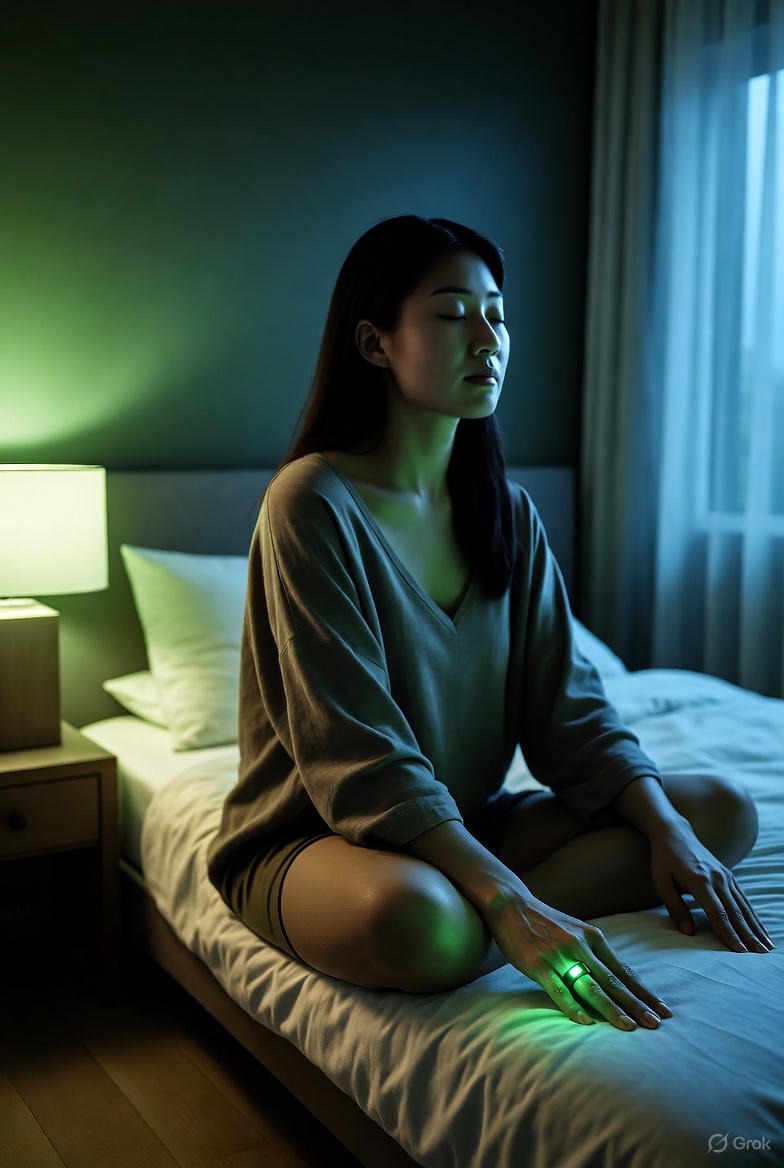
If cellular repair is the microscopic work of restoration, then circadian rhythm is its macroscopic master schedule. This approximately 24-hour internal clock, governed by the suprachiasmatic nucleus (SCN) in the hypothalamus, regulates nearly every physiological process: sleep-wake cycles, hormone secretion, body temperature, digestion, and immune function. Proper circadian alignment is non-negotiable for true restoration wellness. And light is its sole, most powerful conductor.
The mechanism is exquisitely precise. As mentioned, ipRGCs in the eyes are exquisitely sensitive to short-wavelength blue light (~480 nm). Morning sunlight, rich in this blue light, acts as a "zeitgeber," signaling the SCN to suppress melatonin production, elevate cortisol (gently and healthily), increase core body temperature, and sharpen alertness. As the day progresses and solar light shifts toward the longer red wavelengths of sunset, this blue signal diminishes, allowing melatonin to rise, priming the body for sleep and its vital repair processes. This nightly voyage is where deep restoration occurs: memory consolidation, cellular detoxification (via the glymphatic system), tissue repair, and hormonal rebalancing.
Modern life has hacked this ancient system. We live in a state of "circadian chaos," bombarded by blue light from screens, LEDs, and overhead lighting long after the sun has set. This constant artificial "dawn" confuses the SCN, delaying melatonin onset, fragmenting sleep, and flattening the natural cortisol curve (leading to morning fatigue and evening wiredness). The consequences are a direct assault on restoration: impaired cognitive function, dysregulated metabolism, heightened systemic inflammation, and a compromised immune system.
Light therapy intervenes here with strategic timing and wavelength control, a practice known as circadian phototherapy.
By consciously managing our light environment, we are not just improving sleep; we are realigning the fundamental tempo of our biology. We are ensuring that the symphony of hormones, neurotransmitters, and cellular processes plays in the correct order and at the right volume for optimal restoration. It is the ultimate act of biohacking your timeline. For those looking to implement these principles with the help of technology, our guide on how wellness rings help build healthy habits offers practical steps for integrating circadian awareness into daily life.
With the foundational science in place, we can now explore the specific therapeutic applications of the key players in the light therapy spectrum. Each color acts as a different tool in the restoration toolkit, with distinct mechanisms and ideal use cases.
Red Light (≈620-750 nm): The Surface Regenerator
Often called "low-level laser therapy" (LLLT) or "photobiomodulation" when delivered via laser, red light’s primary strength lies in its excellent absorption by skin and superficial tissues.
Near-Infrared Light (≈750-1200 nm): The Deep Tissue Pioneer
NIR light’s longer wavelength allows it to penetrate deeper, reaching muscles, joints, tendons, and even the brain.
Blue Light (≈400-495 nm): The Double-Edged Sword
Blue light’s role is more complex, defined entirely by context and timing.
Choosing the right "color" depends entirely on the restoration goal. A comprehensive approach to wellness involves leveraging this entire spectrum strategically throughout the day, guided by an understanding of your own body’s rhythms and needs. For insights into how wearable tech can track the impact of these interventions on your body, our article on wellness ring basics for different health goals provides a useful framework.
The adage "you can't manage what you don't measure" has never been more relevant than in the realm of restoration wellness. Light therapy, while powerful, is not a one-size-fits-all intervention. The optimal dose—wavelength, intensity, duration, and timing—can vary significantly based on an individual’s biology, lifestyle, and current state of dysregulation. This is where the marriage of light therapy and advanced biometric tracking transforms guesswork into a precise science.
Enter the modern smart ring, the unsung hero of personalized biohacking. Discreetly worn 24/7, devices like those explored at Oxyzen have evolved into clinical-grade monitoring hubs, providing the continuous data stream needed to contextualize and optimize light therapy.
Key Biomarkers for Measuring Light's Impact:
The Feedback Loop of Personalized Optimization:
This is where the magic happens. Instead of following generic advice ("use red light for 10 minutes"), you create a feedback loop:
This closed-loop system moves wellness from the realm of anecdote to the realm of evidence. It answers the critical question: "Is this working for me?" This principle of data-driven personalization is at the heart of modern health technology, a concept further explained in our breakdown of health tracking sensors, algorithms, and AI. For those curious about the real-world results of such an approach, the Oxyzen testimonials page showcases how users leverage data to guide their wellness journeys.

The modern smart ring is poised to become far more than a passive data collector; it is evolving into the central command center for a personalized restoration ecosystem. Its unique position—on a finger rich in capillaries, worn continuously—makes it the ideal device to not only measure the effects of light but also to potentially guide its application, creating a seamless bio-feedback loop.
Beyond Sleep Tracking: The Light Exposure Proxy
While current consumer rings do not have dedicated ambient light spectrometers, they infer light exposure intelligently through behavior and physiological proxies. By analyzing your sleep-wake time, movement patterns, and the timing of changes in heart rate and temperature, algorithms can make strong inferences about your circadian light exposure. For example, a consistently late sleep onset and low morning heart rate variability can be a data-driven indicator of insufficient morning light or excessive evening blue light. This inferred data provides the first layer of actionable insight.
The Future: Active Guidance and Closed-Loop Systems
The next evolution is the integration of direct environmental sensing. Future iterations of wearable tech may include sensors that log ambient light color temperature and intensity. This would allow the device to give real-time nudges: "You've had less than 15 minutes of bright light today. Consider a walk outside," or "Evening ambient light levels are high. Sunset mode is recommended for your devices in 30 minutes."
More advanced still is the concept of a closed-loop system where the wearable communicates with smart environmental controls. Your ring detects your body is not winding down (elevated heart rate, high temperature) as bedtime approaches. It could then automatically dim your smart lights, shifting them to a warmer hue, or prompt a short session of relaxing, circadian-friendly light from a connected therapeutic device. This turns your environment into a responsive extension of your physiology.
Correlation is Power: The Holistic Dashboard
The true power of the ring is in correlation. It doesn't view light in isolation. It connects the dots between:
By serving as a unified dashboard for all these metrics—activity, readiness, sleep, and inferred light data—the smart ring provides the context needed to make light therapy a precise tool rather than a shotgun approach. It helps you understand not just that light matters, but how, when, and why it matters uniquely to you. For a glimpse into how this integrated future is taking shape, our article on the future of wearable health tech in 2025 explores these converging trends. To discover devices designed with this holistic philosophy, the Oxyzen shop features technology built to be the centerpiece of your personal wellness ecosystem.
Armed with the science and the tools to measure outcomes, you can now design a personalized light therapy protocol. This is not about adding hours of complicated routine, but about making strategic, intentional adjustments to your light environment and targeted treatments. Think of it as light hygiene.
Part 1: Mastering Your Circadian Light Environment (The Foundation)
This costs nothing and offers the most significant return on investment for restoration.
Part 2: Incorporating Targeted Light Therapy Devices
Part 3: The Personalization & Tracking Protocol
Remember, "more" is not always better with light therapy. The biphasic dose response means there is an optimal dose; too little has no effect, and too much can have inhibitory effects. Start low, go slow, and let your biometrics lead the way. For common questions on starting such a tech-enhanced wellness journey, our FAQ section and guide for beginners on wellness rings are excellent resources.
As with any rapidly growing wellness field, the light therapy market is flooded with products of varying quality, accompanied by hyperbolic claims. Informed consumers must separate science from marketing to make safe, effective choices.
Common Myths Debunked:
A Buyer's Guide to Navigating the Market:
When evaluating a red/NIR light therapy device, look for these markers of quality:
Integrating a quality light therapy device with a robust biometric tracker like a smart ring is the ultimate strategy. The device provides the intervention, and the ring provides the proof. To compare how different wearable technologies approach holistic tracking, our wellness ring comparison chart of top brands can be a valuable starting point for your research.

The journey through the science and application of light therapy reveals a clear destination: a future where our environment and our biology are in constant, intelligent conversation. We have moved from simply enduring light to understanding its language, and now, to harnessing it with precision. This final exploration looks forward to the converging trends that will make light-driven restoration not just accessible, but autonomously personalized—a seamless part of a health-optimized life.
The frontier lies in the integration of three pillars: Advanced Light Delivery Systems, AI-Driven Biometric Analysis, and Responsive Environmental Control. Imagine a system where your smart ring, detecting a poor sleep score and elevated resting heart rate, not only suggests a protocol but orchestrates it. As you make your morning coffee, your living room lights automatically emit a sunrise-mimicking sequence calibrated to your current circadian phase. Later, when your ring detects physiological markers of post-workout inflammation, your recovery chair delivers a targeted dose of near-infrared light to your legs while your wearable confirms the treatment's efficacy through improved heart rate variability recovery. This is not science fiction; it is the logical next step in the quantified self-movement.
Central to this vision is the role of Artificial Intelligence and Machine Learning. Current wearables track data; future systems will interpret patterns and prescribe actions. An AI could analyze months of your light exposure (inferred and direct), sleep data, activity, and HRV to build a unique model of your circadian type and stress response. It could then predict how a late flight, a night shift, or a period of intense training will disrupt your rhythm and preemptively suggest a counteracting light protocol—perhaps a dose of morning blue light after a red-eye, or an evening NIR session to accelerate muscle repair before a competition. This moves us from reactive restoration to proactive resilience. The foundation of this AI-driven future is being built today, as detailed in our exploration of the accuracy revolution in health tracking technology.
Furthermore, the scope of therapeutic light is expanding beyond red, NIR, and blue. Research into other wavelengths is burgeoning:
However, this bright future is not without its shadows. Critical Considerations and Responsible Use must guide adoption. The long-term safety profile of daily, high-intensity LED exposure, while currently very positive, requires ongoing study. The potential for misuse is real—overuse leading to inhibitory effects, using the wrong wavelength for a condition, or neglecting eye safety. The ethical dimension of data privacy becomes paramount when your most intimate physiological rhythms are used to control your environment. Choosing platforms that prioritize data security and user privacy is non-negotiable.
Moreover, light therapy is a powerful complement, not a replacement, for foundational health practices. No amount of red light can offset chronic sleep deprivation, a nutrient-poor diet, or a sedentary lifestyle. It works best as an accelerator and enhancer within a holistic framework of wellness.
The ultimate impact of this technology is a profound shift in agency. We are transitioning from being passive patients in a sick-care system to becoming active architects of our own health and restoration. Light therapy, guided by the unerring data from wearables, gives us a lever to directly influence our cellular energy, our master circadian clock, and our systemic inflammation. It demystifies well-being, turning it from an abstract feeling into a series of measurable, optimizable biological outputs.
The path forward is one of educated empowerment. It begins with understanding the fundamental principles of light as a biological signal. It is realized by using technology like a smart ring to establish your personal biometric baseline, as outlined in our guide to unboxing and becoming an expert user. It matures through experimenting with light hygiene and targeted protocols while letting your data guide you. And it culminates in a lifestyle where your environment actively supports your biology, fostering a state of sustained vitality and resilience.
This is the promise of the new restoration wellness: a future where we don't just chase recovery, we design it, one wavelength and one data point at a time. To continue exploring the cutting edge of how this personal health revolution is unfolding, we invite you to discover more insights on the Oxyzen blog.
The foundational principles of circadian alignment and cellular energy repair are just the beginning. Light therapy's true versatility shines in its specialized applications, where specific wavelengths are deployed like precision tools to address distinct health and wellness challenges. This section explores the cutting-edge and deeply restorative uses of light beyond general wellness, moving into the realms of performance enhancement, cognitive optimization, and emotional balance.
For athletes and fitness enthusiasts, restoration is synonymous with performance. The ability to train harder, recover faster, and reduce injury risk is paramount. Light therapy, particularly red and near-infrared (NIR), has become a staple in elite sports medicine and is now accessible for everyday athletes.
Mechanisms for Muscle and Joint Repair:
Following intense exercise, muscle tissue experiences micro-tears and an inflammatory response—a necessary part of adaptation, but one that causes soreness and temporary weakness (Delayed Onset Muscle Soreness, or DOMS). Mitochondria in muscle cells can become stressed and dysfunctional. NIR light, with its deep penetration, targets these mitochondria directly, boosting ATP synthesis to fuel the repair process more efficiently. Concurrently, it modulates the inflammatory cascade, not by blocking it entirely (which is counterproductive), but by promoting a more efficient, less damaging inflammatory response. This leads to a tangible reduction in pain and faster return to peak function.
Studies have demonstrated significant benefits: reduced markers of muscle damage like creatine kinase (CK), decreased perception of soreness, improved range of motion, and enhanced recovery of muscle strength and power output. For joint health, NIR light's ability to reach synovial fluid and cartilage is key. It can stimulate chondrocyte activity (cartilage-producing cells) and reduce inflammatory cytokines in joints, offering a non-invasive support strategy for conditions like tendonitis and osteoarthritis.
Practical Protocol for Athletes:
The ideal application window is within 90 minutes post-exercise. A combined 660nm/850nm device applied directly to major muscle groups (quads, hamstrings, calves) and any sore joints for 10-20 minutes can significantly accelerate the recovery timeline. For preventative care and chronic joint support, daily or every-other-day treatment is effective. Tracking this intervention with a wearable is powerful; athletes can monitor how Heart Rate Variability (HRV) rebounds after training sessions with versus without light therapy, providing objective data on its impact on their autonomic recovery. This aligns perfectly with using technology for preventive health monitoring.
Perhaps one of the most exciting frontiers is the use of light to directly benefit the brain, known as transcranial photobiomodulation (tPBM). The skull is transparent to specific wavelengths of NIR light (around 800-1100nm), allowing photons to reach brain tissue.
Energizing the Neural Network:
Brain cells, or neurons, are extraordinarily energy-demanding. By stimulating mitochondrial function in neurons and glial cells (the brain's support cells), tPBM increases cerebral energy metabolism. This is associated with improved neuroplasticity—the brain's ability to form new connections. Furthermore, it promotes increased cerebral blood flow, delivering more oxygen and nutrients.
The cognitive benefits observed in research are compelling:
Applying Light for Brain Health:
While dedicated tPBM helmets are available for home use, even systemic application of NIR light to the body may have indirect cognitive benefits via reduced systemic inflammation and improved sleep. For targeted use, short sessions (5-10 minutes) applying NIR light to the forehead (prefrontal cortex) or back of the head (brainstem/cerebellum) are common protocols. As with all interventions, consistency over time is crucial for sustained benefits. This approach to cognitive wellness is a natural extension of a holistic health strategy, much like the integrative approach discussed in our article on healthy aging tips a smart ring can help implement.
The use of red and NIR light for skin is one of the most well-researched and popular applications, moving beyond cosmetics into true dermatological restoration.
Cellular Rejuvenation from Within:
The primary target here is the dermis, the skin's structural layer containing fibroblasts. When 630-660nm red light is absorbed, it stimulates fibroblast proliferation and activity. These cells ramp up production of collagen (providing structure and reducing wrinkles), elastin (for elasticity), and hyaluronic acid (for moisture retention). Simultaneously, the anti-inflammatory effects calm redness and irritation, making it beneficial for conditions like rosacea and general inflammation. Blue light's role here is different but complementary; its antibacterial properties are specifically effective against Cutibacterium acnes, making it a proven therapy for acne.
A Holistic Approach to a Healthy Glow:
The most effective aesthetic results come from a combination approach:
This isn't merely a "surface" treatment. By improving the health and function of the skin's foundational cells, light therapy supports the skin's role as a protective barrier and a reflection of internal wellness. The results you see externally are a direct manifestation of enhanced cellular restoration.
This application directly ties light therapy to its most profound circadian and neurological effects. Seasonal Affective Disorder is more than "winter blues"; it's a clinically recognized form of depression linked to reduced daylight exposure, which disrupts circadian rhythms and neurotransmitter balance (particularly serotonin and melatonin).
Resetting the Biological Clock for Emotional Balance:
Bright Light Therapy (BLT) using a 10,000-lux light box is the first-line treatment for SAD. The protocol is precise: 30 minutes of exposure within the first hour of waking, with the user positioned about 16-24 inches from the device, allowing light to enter the eyes indirectly. This massive, timed dose of bright, blue-enriched white light powerfully suppresses lingering melatonin, signals the SCN to jump-start the daytime rhythm, and is believed to stimulate serotonin production.
The effectiveness is significant, with many users reporting symptom improvement within one to two weeks. Beyond SAD, morning light therapy can benefit non-seasonal depression, bipolar disorder, and general fatigue by consistently strengthening and anchoring the circadian rhythm. The key is timing; evening use can be detrimental, worsening sleep and potentially inducing manic symptoms in vulnerable individuals.
The integration of a wearable here is invaluable. Someone using light therapy for SAD can track objective metrics: do their sleep scores normalize? Does their daytime heart rate pattern show more vitality? Does their self-reported mood correlate with consistent morning light exposure? This turns a subjective feeling into a managed, measurable protocol. It exemplifies how modern tools help us personalize wellness to our body.
These specialized applications demonstrate that light therapy is not a monolithic tool but a flexible technology. By understanding the unique properties of different wavelengths and applying them with intentionality—guided by the feedback from our own biometric data—we can target specific systems for deep, measurable restoration. This precision transforms light from a simple environmental factor into one of the most controllable and powerful levers we have for optimizing human health and performance.

The theory and science of light therapy are compelling, but the true testament to its impact lies in the lived experiences and quantifiable results of individuals who have integrated it into their lives. This section moves from the laboratory to the real world, presenting anonymized case studies that illustrate the synergistic power of combining structured light therapy with continuous biometric tracking via smart rings and wearables. These narratives are amalgamations of common patterns observed in the wellness community, backed by the kind of data that turns anecdotes into evidence.
Profile: "Jordan," a 38-year-old nurse working rotating 12-hour shifts (days and nights). Chronic symptoms included severe insomnia on off days, persistent fatigue, brain fog, and digestive issues—classic markers of circadian rhythm disorder.
Baseline (Tracked via Smart Ring): Before intervention, Jordan’s data showed a flat, chaotic circadian rhythm. Sleep was highly variable, averaging only 5.2 hours of low-quality sleep with almost no consistent deep or REM sleep phases. Resting Heart Rate (RHR) was elevated (72 bpm avg), and Heart Rate Variability (HRV) was chronically low (18 ms avg), indicating a stressed autonomic nervous system. The ring’s activity log showed no consistent pattern.
Intervention Protocol:
Data-Driven Results (After 8 Weeks):
The smart ring data told a transformative story. While perfect alignment was impossible with shift work, consistency dramatically improved.
*This case underscores that it's not about fighting your schedule with stimulants, but about using light as a strategic tool to define "day" and "night" for your biology, no matter what the clock says. The role of the wearable was critical for proving the strategy's effectiveness, a principle central to how health tracking technology has changed preventive medicine.
Profile: "Alex," a 42-year-old amateur marathon runner. Primary goal: Reduce DOMS (Delayed Onset Muscle Soreness), improve training consistency, and shave time off race results. Alex was already disciplined with nutrition and sleep but hit a recovery plateau.
Baseline: Ring data showed excellent baseline sleep but clear patterns of stress post-long runs and intense speed workouts. HRV would typically plummet by 25-30% the night after a hard session and take 48-72 hours to fully rebound, during which RHR remained elevated by 5-7 bpm.
Intervention Protocol:
Data-Driven Results (Over a 16-Week Training Cycle):
The correlation was undeniable.
*This case demonstrates light therapy’s role as a true performance enhancer not by acting as a stimulant, but by accelerating the body’s innate repair processes, turning data into a precise recovery dashboard. This hands-on approach to managing one's physiology is a hallmark of the modern wellness ethos, supported by devices designed for continuous vs. periodic monitoring.
Profile: "Sam," a 50-year-old executive with high cognitive workload. Main issues were "brain that wouldn’t shut off" at night, leading to 60-90 minute sleep latencies, and low daytime energy despite adequate total sleep. Chronic low-grade stress was the suspected culprit.
Baseline: Ring data confirmed high bedtime heart rate and low HRV in the evenings. Sleep onset was consistently delayed. The "Sleep Steady" score (measuring circadian regularity) was poor. Daytime HRV was volatile, spiking with moments of stress.
Intervention Protocol:
Data-Driven Results (After 6 Weeks):
The changes were dramatic, particularly in the evening wind-down phase.
This case highlights that for cognitive and stress-related sleep issues, the problem is often the transition to rest, not sleep itself. Light therapy provided the non-pharmacological, sensory cue to initiate that transition, with biometrics confirming its physiological reality. It’s a powerful example of using simple tools to build healthy habits rooted in biology.
These case studies, while unique, reveal universal principles for successfully integrating light therapy:
These real-world examples bridge the gap between promising science and tangible results. They show that when we pair the ancient, fundamental power of light with the modern intelligence of biometric feedback, we gain an unprecedented degree of agency over our own restoration. For those inspired by these stories and looking to understand the range of user experiences, a visit to Oxyzen testimonials can provide further community-powered insights.
Your Trusted Sleep Advocate (Sleep Foundation — https://www.sleepfoundation.org/)
Discover a digital archive of scholarly articles (NIH — https://www.ncbi.nlm.nih.gov/
39 million citations for biomedical literature (PubMed — https://pubmed.ncbi.nlm.nih.gov/)
experts at Harvard Health Publishing covering a variety of health topics — https://www.health.harvard.edu/blog/)
Every life deserves world class care (Cleveland Clinic -
https://my.clevelandclinic.org/health)
Wearable technology and the future of predictive health monitoring. (MIT Technology Review — https://www.technologyreview.com/)
Dedicated to the well-being of all people and guided by science (World Health Organization — https://www.who.int/news-room/)
Psychological science and knowledge to benefit society and improve lives. (APA — https://www.apa.org/monitor/)
Cutting-edge insights on human longevity and peak performance
(Lifespan Research — https://www.lifespan.io/)
Global authority on exercise physiology, sports performance, and human recovery
(American College of Sports Medicine — https://www.acsm.org/)
Neuroscience-driven guidance for better focus, sleep, and mental clarity
(Stanford Human Performance Lab — https://humanperformance.stanford.edu/)
Evidence-based psychology and mind–body wellness resources
(Mayo Clinic — https://www.mayoclinic.org/healthy-lifestyle/)
Data-backed research on emotional wellbeing, stress biology, and resilience
(American Institute of Stress — https://www.stress.org/)


