


Movement and Wellness: Why Gentler Can Be Better (Ring Evidence)
Evidence on the ring shows that gentler, consistent movement can sometimes be more beneficial than intense exercise.
Evidence on the ring shows that gentler, consistent movement can sometimes be more beneficial than intense exercise.
%402x.svg)
The alarm screams. Before your feet even touch the floor, the mental checklist begins: crush the 6 a.m. spin class, hit 10,000 steps by lunch, squeeze in a strength session after work. We live in an era of quantified self-optimization, where fitness is often synonymous with intensity. More miles, heavier weights, faster times, higher heart rates. We wear our exertion like a badge of honor, chasing the burn and the sweat-drenched proof of a workout "well done."
But what if our relentless pursuit of more is quietly undermining the very wellness we seek? What if the secret to sustainable energy, resilient health, and even improved performance isn't found in pushing harder, but in learning the profound power of pulling back?
Emerging from the nexus of physiological research and cutting-edge biometrics is a compelling counter-narrative: the paradigm of gentle movement. This isn't about abandoning goals or settling for less. It's a strategic, evidence-based recalibration of how we think about physical activity. It's the understanding that our nervous system, hormones, cellular repair, and mental clarity are deeply influenced not just by how hard we train, but by how well we balance that stress with deliberate, restorative, low-intensity movement.
For decades, this was theory. Today, it's personal, quantifiable truth. The advent of advanced, 24/7 wearable technology—specifically, the sophisticated sensors packed into devices like smart rings—has given us an unprecedented window into our inner workings. These devices, worn on the finger where they can capture precise physiological signals, move beyond counting steps. They reveal the hidden costs of overtraining in elevated resting heart rates and plummeting Heart Rate Variability (HRV). They illuminate the tangible benefits of a walk in nature on stress levels, or the cellular rejuvenation signaled by a night of deep sleep.
This article is your guide through this gentler, smarter approach to movement. We will dismantle the "no pain, no gain" myth with hard data, explore the science of how low-intensity activity regulates your entire system, and show you how to use the continuous feedback from a device like the Oxyzen smart ring to build a personalized, resilient, and truly holistic movement practice. The evidence is at your fingertips. Let's explore why, for lasting wellness, gentler can indeed be better.
We are children of the aerobics revolution and the rise of the gym culture. The fitness industry, a multi-billion dollar behemoth, has been built on a foundation of sweat, struggle, and transformation narratives. From Jane Fonda’s leg warmers to the cross-fit boxes dotting every city, the message has been consistent: real change requires discomfort. "No pain, no gain." "Feel the burn." "Go hard or go home."
This ethos seeped into our collective psyche for understandable reasons. High-Intensity Interval Training (HIIT) is remarkably time-efficient for improving cardiovascular fitness and anaerobic capacity. Strength training is non-negotiable for bone density and metabolic health. The endorphin rush after a tough workout is real and addictive. The visual and performance results can be incredibly motivating.
However, somewhere along the line, the tool became the dogma. Moderation and recovery were framed as laziness. The "active rest day" morphed into a light jog that still had to hit a certain calorie burn. Our wearable trackers—often simple wrist-based step counters—fueled this with generic, one-size-fits-all goals like the infamous 10,000 steps (a figure born from a 1960s Japanese pedometer marketing campaign, not clinical research). The focus became external output: calories torched, miles logged, achievements shared.
The cost of this intensity-at-all-costs approach is a silent epidemic of overreaching and overtraining syndrome. Symptoms are insidious: persistent fatigue that coffee can't fix, nagging injuries, disrupted sleep despite exhaustion, irritability, a weakened immune system leading to constant colds, and a plateau or even decline in performance. You’re working harder but feeling—and performing—worse.
This is where the limitation of old-school fitness tracking becomes apparent. A step count can't tell you your body is fighting an infection. A workout heart rate graph can't reveal your nervous system is stuck in "fight or flight." You’re missing the critical biometrics of internal state.
The modern solution is technology that listens to what your body is saying around the clock. A device like the Oxyzen smart ring, worn continuously, shifts the paradigm from punishing output to nurturing your baseline. It doesn't just ask, "What did you do?" It asks, "How did that activity affect your system, and how are you recovering from it?" This continuous feedback loop is the first step in escaping the cult of intensity and moving towards a more intelligent, sustainable, and evidence-based practice of wellness. It allows you to see, in cold, hard data, when your "gain" is actually creating pain that undermines your long-term health. For a deeper look at how this technology transforms understanding, you can explore our detailed guide on how sleep trackers actually work.
To appreciate the power of gentle movement, we first need to understand the metrics that define our body's readiness for it. Modern smart rings are miniaturized health labs, capturing a symphony of physiological signals that paint a holistic picture of your autonomic nervous system (ANS) and recovery status. This is lightyears beyond simple activity counting.
Two of the most critical and revealing metrics are Resting Heart Rate (RHR) and Heart Rate Variability (HRV).
Resting Heart Rate (RHR) is exactly what it sounds like: your heartbeats per minute when you are truly at rest, typically during sleep. A lower RHR generally indicates better cardiovascular fitness and more efficient heart function. But its true power is in its trends. A sudden, sustained increase in your overnight RHR is one of the clearest early warnings your body can give. It can signal:
Heart Rate Variability (HRV), however, is the superstar of recovery metrics. Contrary to what you might think, a healthy heart does not beat with the monotonous regularity of a metronome. The tiny, millisecond variations in the time between each heartbeat are what we call HRV. A higher HRV indicates a resilient, adaptable nervous system—one that can seamlessly switch between sympathetic (stress, "fight or flight") and parasympathetic (recovery, "rest and digest") states. A lower HRV suggests your system is under strain, often stuck in a sympathetic-dominant mode, leaving you less resilient to physical and mental stress.
Think of your ANS as a see-saw. High HRV means the see-saw moves easily between stress and recovery. Low HRV means it's heavy and stuck on the stress side. Gentle movement is a powerful tool for nudging it back towards balance.
A smart ring tracks these metrics—alongside sleep stages, respiratory rate, and blood oxygen—continuously and passively throughout the night. This provides an objective, unfiltered daily report card on your recovery, completely separate from how you feel subjectively. You might "feel fine" for a morning workout, but if your ring shows a 10% HRV drop and a 5-bpm RHR rise from your baseline, it's hard data telling you your body is asking for gentler treatment. This level of insight is what makes devices like Oxyzen indispensable for moving from guessing to knowing. You can dive deeper into what these tracking numbers should look like for you to better understand your personal baselines.
So, if high intensity stresses the system (which is necessary for adaptation), what does low-intensity movement do? The answer is: it creates the optimal environment for that adaptation to actually occur. Gentle movement is not the absence of training; it is active, physiological regulation.
1. The Lymphatic System Activation: Unlike the blood, which has the heart as a pump, the lymphatic system—your body's waste-removal and immune-defense network—relies on muscle contraction and movement to flow. Strenuous exercise can temporarily suppress immune function, while gentle movement like walking, stretching, or yoga stimulates lymphatic drainage, helping to clear metabolic byproducts and support immune cells.
2. Parasympathetic Nervous System Engagement: Gentle, rhythmic activities—think a leisurely walk, easy cycling, or tai chi—are potent stimulators of the vagus nerve, the main highway of your parasympathetic nervous system. This triggers a "rest and digest" state, lowering cortisol, reducing inflammation, and promoting feelings of calm. It's the direct antidote to the chronic, low-grade stress that plagues modern life.
3. Metabolic Flexibility: Constantly training at high intensities can make your body efficient at burning glycogen (stored carbs) but less adept at tapping into fat stores. Low-intensity steady-state (LISS) movement, performed in a fasted state or after a light meal, teaches your mitochondria to efficiently use fat for fuel. This improves energy stability, reduces hunger crashes, and supports sustainable weight management.
4. Joint Health and Mobility: Forceful, repetitive motions under load can wear on cartilage and connective tissue. Gentle movement through full ranges of motion nourishes joints with synovial fluid, maintains tissue pliability, and prevents the stiffness that leads to compensatory movement patterns and injury.
5. Neurological Calibration: Activities that require mindful, coordinated movement—like yoga, Pilates, or even a mindful walk—enhance proprioception (your sense of body position) and brain-body connection. This improves movement efficiency in all activities and reduces injury risk.
The data from a smart ring validates this science in real-time. After a session of gentle movement, you might see a faster-than-expected drop in your daytime heart rate. That night, you could observe an increase in your HRV and a greater proportion of deep sleep, your body's most restorative phase. This isn't anecdotal; it's biometric proof that the activity served a regulatory, not a depleting, purpose. For those curious about optimizing this critical recovery phase, our blog offers a complete deep sleep formula covering temperature, timing, and habits.
In the pantheon of gentle movement, one activity stands supreme for its accessibility, simplicity, and profound systemic benefits: walking. It is humanity's fundamental movement pattern, and when leveraged intentionally, it becomes a powerful wellness tool, not just a means of transportation.
The Biometric Impact of a Daily Walk: Don't mistake its gentleness for ineffectiveness. A consistent walking practice, as tracked by a device like Oxyzen, yields stunning data:
Walking with Intent: From Passive to Active Practice: To elevate walking from background activity to a cornerstone of your wellness regimen, bring intention:
The beauty of walking is that it requires no special equipment, membership, or skill. It is the ultimate democratized health intervention. By simply observing how your daily step count and walking consistency correlate with your nightly recovery metrics on your Oxyzen dashboard, you gain undeniable, personal proof of its power. For those recovering from intense training, this gentle activity is key; learn more about how athletes use deep sleep for recovery and how walking supports that process.
In a culture obsessed with output, the deliberate practice of non-doing is a radical act. Recovery is not passive; it is an active physiological process where the actual adaptation to exercise occurs. Muscles repair, energy stores replenish, the nervous system resets, and the brain consolidates learning. Skimp on recovery, and you negate the benefits of your hardest workouts.
Active Recovery vs. Complete Rest: There's a spectrum, and your biometrics guide you.
The Role of Technology in Honoring Rest: This is where a smart ring transforms behavior. Without data, a recovery day is often dictated by guilt ("I should do something") or stubbornness ("I don't feel that tired"). Your Oxyzen ring provides an objective, third-party authority. When it shows a "Low Readiness" score due to poor sleep and high stress, it becomes easier to give yourself permission to take the foot off the gas. You learn to trust the data over the often-distorted voice in your head that equates busyness with worthiness.
Practical Recovery Rituals: Pair your ring's insights with these practices:
Remember, the fittest people in the world aren't those who train the hardest; they are those who recover the most effectively. Your ring is your personal recovery coach, helping you master the critical skill of strategic rest. For a comprehensive look at optimizing this foundational pillar of health, our blog offers extensive resources on sleep science and tracking.
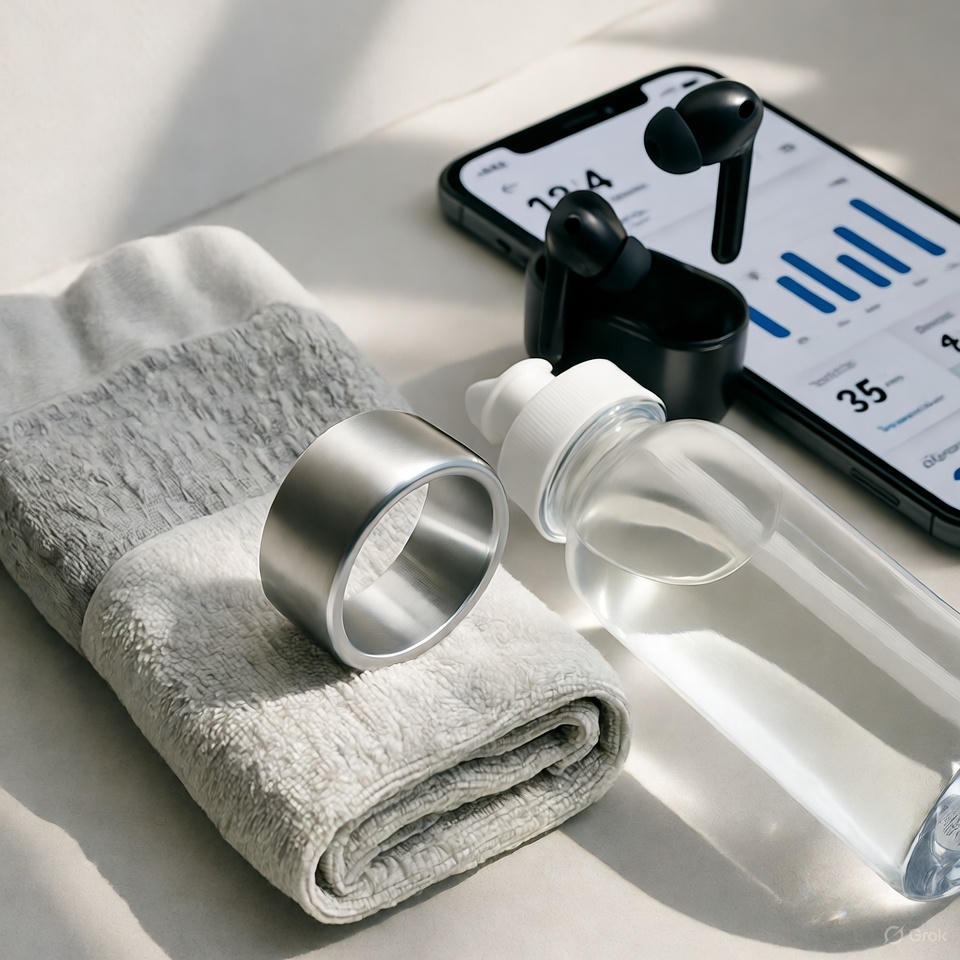
We think of stress emotionally, but it manifests physiologically as a measurable tax on your system. Chronic stress elevates cortisol, which, when constantly high, impairs sleep, increases fat storage (particularly visceral fat), breaks down muscle, suppresses immunity, and hinders recovery. Gentle movement is a direct, measurable modulator of this physiological stress load.
The Cortisol Curve: A healthy cortisol rhythm is high in the morning (to help you wake) and gradually tapers to its lowest point at night (to allow for sleep). Chronic stress flattens this curve, leaving you wired but tired. Intense exercise, especially later in the day, can spike cortisol, potentially disrupting this rhythm if you're already stressed.
Gentle Movement as a Regulator: Low-intensity activity has a paradoxical effect. While it uses energy, its rhythmic, mindful nature signals safety to the brain, reducing cortisol output and promoting the release of endorphins and other calming neurotransmitters. A lunchtime walk can dissipate the cortisol spike from a stressful morning meeting. An evening yoga session can help slope the cortisol curve downward for sleep.
Seeing the Stress Score: Advanced wellness wearables like the Oxyzen ring often synthesize multiple metrics—HRV, RHR, sleep data, respiratory rate—into a simple "Stress" or "Readiness" score. This is where the rubber meets the road. You can conduct a personal experiment:
This turns abstract advice into personal proof. You no longer have to believe that a walk de-stresses you; you can see the objective reduction in your physiological stress burden on your dashboard. It makes the choice to take the stairs, park farther away, or do a 10-minute stretch break non-negotiable, because you have evidence of its tangible return on investment for your health. Understanding the full picture of how your body manages stress and repair is crucial; it's explored in depth in articles like Is Sleep Tracking Worth It? Honest Pros and Cons for 2025.
For generations, the sage advice was to "listen to your body." It's good advice, but our ability to interpret its signals is often clouded by ambition, routine, and societal pressure. Is that fatigue laziness or overtraining? Is that soreness good pain or the start of an injury? Our subjective perception is flawed.
This is the era of "Listening to Your Body 2.0," where subjective feeling is informed and validated by objective data. Your smart ring acts as a translator, converting the vague whispers of your physiology into clear, actionable metrics.
Building Your Personal Baseline: The first step is establishing what "normal" looks like for you. Over a month of consistent wear, your Oxyzen ring learns your unique baselines for HRV, RHR, sleep duration, and more. This is critical because comparing yourself to population averages is meaningless. A person with an HRV baseline of 40 ms who drops to 30 ms is in a significant state of stress, while someone with a baseline of 80 ms at 30 ms is in crisis.
Making Informed Daily Decisions: With a baseline established, your daily data becomes a decision-making tool.
The Cycle of Experimentation and Insight: The power of this technology is that it turns your life into a personal wellness lab. You can test hypotheses:
By reviewing the trends on your Oxyzen app, you get answers tailored to your unique biology. This moves you from following generic fitness dogma ("You must train 5 days a week!") to practicing personalized biohacking ("My data shows I thrive on 3 intense days with gentle movement in between"). It empowers you to make choices that are definitively right for you, building self-trust and sustainable habits. To start building this knowledge base, a great resource is our Sleep Tracking 101 guide for beginners.
Knowing the "why" is empty without the "how." Integrating gentle movement into a busy life requires intention and a simple toolkit of options. The goal is to weave these practices into the fabric of your day, not just add them as another burdensome task.
Morning Anchors (Set the Tone):
Daily Threads (Weave Movement In):
Focused Practices (Dedicated Time):
Evening Unwind (Prepare for Restoration):
The Key Principle: Consistency over intensity. Five minutes of mindful breathing and stretching daily is infinitely more valuable than a single 90-minute yoga class once a month that you dread. Use your Oxyzen ring to track not the calories burned during these gentle sessions, but their impact on your Sleep Score and Readiness Score. That's the true measure of their value. For inspiration on how small, consistent habits create big change, explore the real user experiences and transformations shared in our testimonials.
Our exploration brings us to the core philosophical shift: are you playing a finite game or an infinite game? Quick-fix fitness is a finite game with clear, short-term rules (lose 20 pounds for a wedding, run a marathon). It often relies on periods of extreme intensity and restriction, followed by predictable burnout and reversion. The "all or nothing" mentality wins sprints but loses marathons.
Sustainable wellness, guided by the principles of gentle movement and biometric feedback, is an infinite game. The goal is not to win and stop, but to keep playing—to maintain and even improve your health, vitality, and resilience for decades. The rules are adaptability, listening, and consistency.
How a Smart Ring Supports the Infinite Game:
The Oxyzen smart ring is the companion for this infinite game. It is not a drill sergeant yelling at you to do more; it is a wise coach whispering insights, helping you balance effort with ease, and proving that the gentler path is not a path of lesser results, but of greater, more lasting wisdom.
This journey into the power of gentle movement is just the beginning. By understanding your body's language through continuous data, you empower yourself to build a practice of movement that nourishes rather than depletes, that sustains for a lifetime rather than burns out in a season. The evidence is clear, and it's waiting for you on your finger. To begin your own journey of data-informed wellness, you can discover the Oxyzen smart ring and its features.
If we could choose one single biometric to represent the entire philosophy of gentle, intelligent movement, it would be Heart Rate Variability (HRV). More than steps, more than calories, more than even resting heart rate, HRV is the dynamic, real-time report card of your autonomic nervous system’s flexibility. It is the ultimate metric for understanding the balance between stress and recovery, and thus, the perfect guide for dosing your gentle movement.
Why HRV is Superior for Guiding Movement Intensity
While resting heart rate (RHR) is a great lagging indicator of overall fitness and strain (it takes days to shift), HRV is a leading indicator. It can change dramatically overnight based on yesterday’s activities, stress, and sleep. Think of it this way:
Using HRV to guide your movement practice turns guesswork into a science. It’s the cornerstone of what’s known as autoregulated training—letting your body’s daily state dictate the plan, rather than blindly following a pre-written calendar. A device like the Oxyzen ring, which provides a reliable, overnight HRV reading, becomes your daily coach, telling you whether to push, maintain, or pull back.
The Direct Impact of Gentle Movement on HRV
Gentle movement is one of the most potent, accessible tools for improving your HRV over time. Here’s how it works physiologically:
The data from your ring makes this connection tangible. After a week where you prioritize post-dinner walks over late work emails, you’ll likely see your average nightly HRV trend upward. After a day spent gardening or on a long, leisurely hike, you might see a notable spike. This feedback is incredibly motivating; it turns abstract health concepts into a personal, winnable game where gentle activity is your primary strategy for "leveling up" your resilience. To understand the full context of your recovery, pairing HRV insights with knowledge of your deep sleep patterns is essential, as the two are deeply intertwined.
Theory is compelling, but real-world change is convincing. Let’s look at how integrating gentle movement, guided by biometric feedback, transforms lives. These are syntheses of common patterns observed among users of detailed tracking technology like the Oxyzen ring.
Case Study 1: The Burnt-Out Executive
Case Study 2: The Stressed New Parent
Case Study 3: The Injury-Prone Athlete
These cases illustrate a universal truth: gentle movement is not a downgrade; it’s an upgrade to a more intelligent, sustainable, and effective approach to total wellness. The Oxyzen ring provides the objective proof that makes this lifestyle shift not just a hopeful experiment, but a data-driven success.
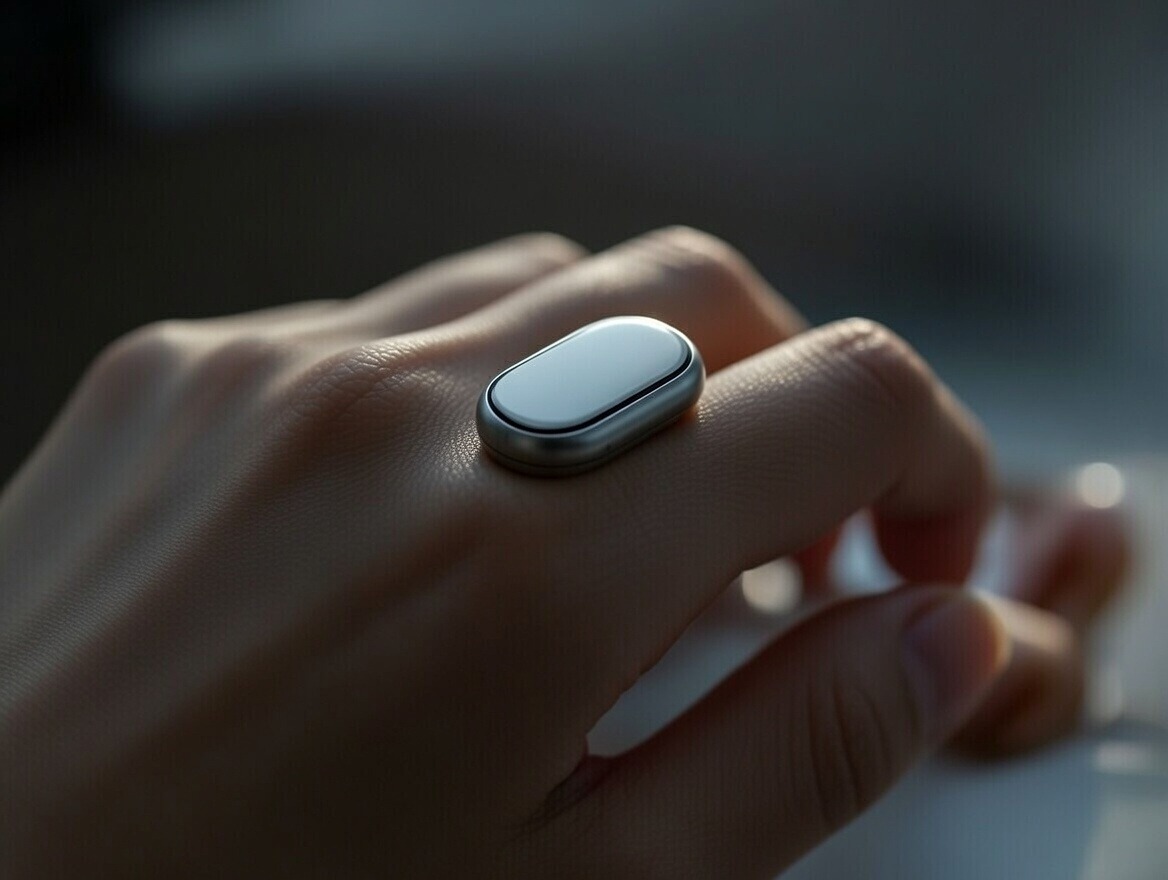
Movement and sleep are not separate chapters in your wellness book; they are continuously writing each other. The quality of your movement dictates the quality of your sleep, and the quality of your sleep determines your capacity for effective movement the next day. This symbiotic relationship is where the magic of gentle movement becomes most evident in your biometric data.
How Gentle Movement Fuels Better Sleep:
How Sleep Dictates Your Movement Capacity:
Creating Your Synergistic Routine: The goal is to create a virtuous cycle. Use your Oxyzen data to observe the direct links:
This feedback loop turns your health into an interconnected system you can actively manage, rather than a series of disconnected chores. For a comprehensive understanding of this critical pillar, our blog features a wealth of articles on sleep science and tracking.
You cannot out-move a poor diet, and the benefits of gentle movement are profoundly enhanced—or undermined—by what you eat. Nutrition is the foundational layer that supports your energy for movement and your body’s ability to recover from it. When we talk about a "gentle" approach, it extends to how we fuel our system: aiming for stability, not spikes.
Foods that Support a Calm Nervous System & Higher HRV: The goal is to reduce inflammation and provide steady energy.
The Gentle Approach to Meal Timing:
Hydration: The Ultimate Gentle Elixir: Dehydration is a primary stressor on the body. Even mild dehydration thickens blood, increases heart rate, and lowers HRV. Sipping water consistently throughout the day is a form of gentle, continuous care for your system. Your ring can often hint at dehydration through a slight, unexplained rise in your resting heart rate overnight.
By viewing food as information and fuel for your gentle movement practice and recovery, you create a holistic ecosystem of wellness. The steady energy from whole foods allows you to engage in mindful movement without crashes, and the anti-inflammatory nutrients ensure your body can use that movement for repair, not struggle. For specific dietary strategies to enhance your body’s most restorative phases, explore resources like 10 Foods That Increase Deep Sleep Naturally.
Gentle movement is the physical vehicle for a more important cargo: a present, calm, and resilient mind. This is where it transcends "exercise" and becomes a moving meditation, a practice in mindfulness that fortifies mental wellness as much as physical.
The Present-Moment Anchor: Unlike the dissociative "zoning out" we sometimes do on a treadmill or during a brutal workout, gentle movement invites you to "zone in."
Reducing Cognitive Load and Decision Fatigue: Intense workouts often involve complex programming, counting reps, monitoring heavy weights, and pushing through discomfort. This consumes significant mental bandwidth. Gentle movement, by contrast, is simplicity. A walk requires no decision beyond the route. A stretching flow can be intuitive. This mental reprieve is restorative in a world saturated with choices and cognitive demands.
Building Emotional Resilience: Gentle movement provides a space to process emotions somatically. The physical sensation of stress—tight shoulders, a clenched jaw—can be consciously softened during a stretch. The rhythm of walking can help metabolize anxiety. This teaches the mind-body connection that emotional states are felt in the body, and the body can be used to regulate emotional states. It's a gentle, empowering form of self-regulation.
The Biometric Correlation: This isn't just feel-good philosophy. The mental calm cultivated through mindful movement has a direct biometric signature. You will see it in a lower daytime heart rate during the activity (compared to a stressed, frantic state). You will see it reflected later in a lower resting heart rate and a higher HRV overnight, as your nervous system has had a chance to practice being in a parasympathetic-dominant state. The Oxyzen ring validates the mental work by showing its physical imprint on your recovery.
By embracing the mindful component, gentle movement becomes a double-edged sword against modern stress: it strengthens the body while training the mind to be calm, present, and resilient. It is fitness for your psyche. To delve deeper into the philosophy behind this integrated approach to well-being, you can learn more about the mission and vision that guides Oxyzen.
Now that we’ve explored the why, the science, and the mindset, it’s time to build. A personalized plan is not a rigid schedule; it’s a flexible framework guided by your life and your data. Here is a step-by-step guide to creating your own.
Step 1: Establish Your Biometric Baseline (Weeks 1-2)
Step 2: Define Your "Why" and Set Non-Scale Goals
Step 3: The Weekly Framework (A Sample Blueprint)
This is a template, not a prescription. Let your daily readiness score from your ring be the final decider.
Step 4: Integrate Movement Snacks
Step 5: The Monthly Review & Iterate
The Golden Rule: Your ring’s daily readiness score is the ultimate authority. If it says "Recover," even on a "Quality Session" day in your plan, you swap to gentle. This is the heart of intelligent, sustainable training. For support in interpreting your data and making these decisions, our FAQ section offers valuable insights.
Once the foundation of walking, stretching, and mindful breathing is established, you can explore deeper, more structured forms of gentle movement that offer unique benefits. These are not necessarily "harder," but more focused.
1. Tai Chi & Qigong: Often called "meditation in motion," these ancient Chinese practices involve executing slow, deliberate movements paired with breath and mental focus. The benefits are profound for the gentle movement paradigm:
2. Animal Flow & Ground-Based Movement: This is a more modern system of movement that involves using your hands and feet on the ground, exploring quadrupedal and fluid transitions. While it can be intense, its beginner and foundational forms are exceptionally gentle and therapeutic.
3. Restorative Yoga & Yoga Nidra: This is gentle movement at its most passive and potent.
4. Cold-Water Immersion & Contrast Therapy: While not "movement" per se, the intentional use of temperature is a powerful, gentle (if challenging) stimulus for the nervous system.
Integrating one of these advanced modalities can add a new dimension of depth and interest to your gentle movement practice, preventing boredom and providing new pathways for growth and resilience. Each offers a unique way to dialogue with your body, which you can then observe through the lens of your Oxyzen sleep and recovery data.
Wellness is not cultivated in a vacuum. Our environment and our connections profoundly influence our ability to engage in and benefit from gentle movement. Optimizing these dimensions amplifies the effects.
The Power of Green Exercise: Research is unequivocal: moving in nature provides benefits above and beyond the same movement indoors.
Community and Shared Gentle Movement: While gentle movement can be deeply personal, sharing it multiplies its benefits.
Crafting a Gentle Home Environment: Your surroundings should support, not hinder, your practice.
By intentionally weaving gentle movement into your social life and natural environment, you stop treating it as a separate "wellness task" and begin to live it as an integrated, joyful part of your being in the world. This is the essence of sustainable practice. For stories of how others have integrated technology and community into their wellness journey, explore the narratives shared in our story section.
Embracing a gentler approach to movement is often more of a psychological hurdle than a physical one. We are conditioned to equate effort with value, sweat with success, and exhaustion with virtue. Transitioning to a paradigm where a walk can be more beneficial than a sprint requires confronting deeply ingrained beliefs.
1. Confronting the "Not Enough" Mentality: The most common internal objection is, "This doesn't count." A 30-minute walk feels insignificant compared to a 60-minute HIIT class. This is where reframing with data is essential.
2. Managing External Judgment and Gym Culture: You may face raised eyebrows when you share that your workout was "just a walk" or a yoga class. The gym environment itself can be a shrine to intensity.
3. Redefining “Strength” and “Fitness”:
4. Celebrating Micro-Wins: In the gentle movement paradigm, victory looks different. It's noticing you chose the stairs and felt energized, not winded. It's completing a 10-minute mobility flow and feeling loose for the rest of the day. It's seeing your Sleep Score hit 90 after a week of consistent evening walks. Use your Oxyzen app to track and celebrate these data-backed wins. They are the building blocks of a lasting identity as someone who cares for their body intelligently.
Overcoming these barriers is the final piece of the mindset shift. It’s about moving from seeking validation through visible effort to finding confidence in measurable, internal well-being.
To fully trust the data guiding this gentler approach, it helps to understand the sophisticated technology packed into a modern wellness ring. Unlike wrist-worn devices that can be affected by arm movement (a significant issue during sleep or typing), a ring on the finger provides a stable, proximal location to major blood vessels, allowing for remarkably clean photoplethysmography (PPG) signal acquisition—the core of continuous biometric monitoring.
Core Sensors and What They Measure:
Why This Matters for Gentle Movement: The combination of these sensors allows a device like the Oxyzen ring to detect the qualitative impact of an activity, not just its quantity.
This continuous, multi-parameter monitoring creates a rich, nuanced picture. It can show you that your gentle walk in nature not only registered as "light activity," but also lowered your stress score for three hours afterward and contributed to a 12% increase in deep sleep that night. This level of insight transforms gentle movement from a vague "good for you" idea into a precisely tracked, outcome-driven wellness strategy. For a more detailed explanation of these technological principles, you can read about how sleep trackers actually work.
The acute benefits—calmer mind, better sleep, reduced soreness—are compelling. But the long-term physiological adaptations from a consistent gentle movement practice are where true health transformation occurs. This is the payoff for playing the infinite game.
1. Cardiovascular Efficiency & “Economy”:
2. Enhanced Autonomic Nervous System (ANS) Resilience:
3. Metabolic Health & Insulin Sensitivity:
4. Structural Integrity & Injury Resilience:
5. Neuroplasticity & Cognitive Preservation:
Committing to gentle movement is an investment in the compounded interest of your health capital. The returns, clearly visible in your long-term biometric trends, are a stronger, more resilient, and more efficient human organism, capable of enjoying a high quality of life for decades to come.
The principles of gentle movement are universally beneficial, but their application can be tailored to meet the unique needs of different life stages and health conditions. Here, the role of biometric feedback becomes even more critical for safe and effective personalization.
For Menopause & Perimenopause:
For Managing Chronic Stress, Anxiety, or Burnout:
For Post-Injury Rehabilitation:
For Older Adults (65+):
In every case, the gentle movement principle holds: meet the body where it is, use movement as a regulator, and let objective biometrics guide the progression more reliably than any calendar or generic plan.
While a sophisticated wellness ring like Oxyzen provides a breathtaking amount of core data, it can be part of a larger ecosystem. Integrating insights from other devices creates a holistic dashboard, offering an even more complete picture of how gentle movement influences your total well-being.
1. Continuous Glucose Monitors (CGMs): The Fuel Gauge
2. Wearable ECG Patches or Smartwatches with ECG: The Electrical Snapshot
3. Sleep Environment Trackers: The Context Layer
4. Journaling Apps (Digital or Analog): The Subjective Layer
The Central Hub: In this ecosystem, your Oxyzen ring serves as the foundational, continuous data stream—your heart rate, HRV, sleep, and activity, 24/7. The other devices provide deeper, periodic dives into specific areas. Together, they create an irrefutable, multi-dimensional case for the gentle movement lifestyle. You’re not just feeling better; you have a comprehensive dashboard proving why and how you’re getting better. For those who love to geek out on data and optimization, our blog offers endless resources for deeper learning.
We are on the cusp of a revolution in personalized wellness, where technology won't just report data but will actively guide your gentle movement practice in real-time using biofeedback. This transforms gentle movement from a practice based on general principles to a precise, dynamic dialogue with your body.
Real-Time HRV Biofeedback:
Predictive Analytics and Proactive Nudges:
Personalized "Movement Recipes":
Integration with Virtual & Augmented Reality:
The underlying thread is that the future of gentle movement is responsive, not prescriptive. Your biometrics, captured seamlessly by devices you wear like the Oxyzen ring, will flow into intelligent systems that co-create your daily movement practice with you. This technology doesn't replace the human experience of a walk in the woods; it enhances our ability to understand its impact and replicate its benefits consistently in our modern lives. To be part of a brand that is innovating at this intersection of well-being and technology, learn more about the vision driving Oxyzen forward.
We have journeyed through the compelling "why" of gentle movement, dismantling the myth that intensity is the only path to health. We've explored the sophisticated science of how activities like walking, yoga, and tai chi regulate your nervous system, reduce inflammation, and build resilience from the cellular level up. We've seen how modern technology, epitomized by the continuous, nuanced monitoring of a smart ring like Oxyzen, transforms this from a nice idea into a data-driven personal science experiment.
The evidence is clear and personalizable. Gentle movement is not a compromise for when you can't do the "real" workout. It is the intelligent, sustainable foundation upon which a lifetime of vitality is built. It is the practice that teaches your body to recover, adapt, and thrive in the face of life's inevitable stresses.
Your First Step (Literally):
This isn't about a complete overhaul tomorrow. It's about a single, gentle shift.
This approach frees you from the tyranny of all-or-nothing fitness. It invites you to become the architect of your own well-being, using the most reliable blueprint available: the continuous language of your own physiology.
The journey toward a gentler, smarter, more resilient you is not a distant destination. It begins with a single, mindful step, a conscious breath, and the willingness to listen—especially when what you hear is a whisper, not a shout. Your body has been waiting to have this conversation. With the right tools, you’re now ready to listen and respond.
To begin equipping yourself for this journey, you can discover the Oxyzen smart ring and its detailed insights at our main storefront. And remember, for any questions on how to interpret your data or integrate these practices, our comprehensive FAQ is always available.
Your Trusted Sleep Advocate (Sleep Foundation — https://www.sleepfoundation.org/)
Discover a digital archive of scholarly articles (NIH — https://www.ncbi.nlm.nih.gov/
39 million citations for biomedical literature (PubMed — https://pubmed.ncbi.nlm.nih.gov/)
experts at Harvard Health Publishing covering a variety of health topics — https://www.health.harvard.edu/blog/)
Every life deserves world class care (Cleveland Clinic -
https://my.clevelandclinic.org/health)
Wearable technology and the future of predictive health monitoring. (MIT Technology Review — https://www.technologyreview.com/)
Dedicated to the well-being of all people and guided by science (World Health Organization — https://www.who.int/news-room/)
Psychological science and knowledge to benefit society and improve lives. (APA — https://www.apa.org/monitor/)
Cutting-edge insights on human longevity and peak performance
(Lifespan Research — https://www.lifespan.io/)
Global authority on exercise physiology, sports performance, and human recovery
(American College of Sports Medicine — https://www.acsm.org/)
Neuroscience-driven guidance for better focus, sleep, and mental clarity
(Stanford Human Performance Lab — https://humanperformance.stanford.edu/)
Evidence-based psychology and mind–body wellness resources
(Mayo Clinic — https://www.mayoclinic.org/healthy-lifestyle/)
Data-backed research on emotional wellbeing, stress biology, and resilience
(American Institute of Stress — https://www.stress.org/)


